The Entrepreneurs
Three firms demonstrating the role of architects in designing productive workspaces
Architects play a powerful role in shaping our lives and the success of companies too. Whether it’s a sprawling campus-style office or an intimate workshop space, a building’s form and function have a profound effect on employees’ morale, collaboration and overall wellbeing. Office architecture can also communicate messages about the brand and help to shape company culture. Here, we meet the teams behind three distinct workplaces that demonstrate how thoughtful design can enhance the quality and output of a business.
The community-minded lawyers
M127, universal design studio and ono architectuur
Antwerp
“It is a modest building but when you get closer, the storytelling and playfulness begin,” says architect Paul Gulati, director of Universal Design Studio, which refurbished this 1960s former police station in Antwerp. Needing more space for its office, Schoups, a law firm specialising in construction law and property, bought the building with architect and entrepreneur Chris Poulissen. Instead of occupying all eight floors, Schoups tasked Universal Design Studio with opening up the building, now named m127, to the community.

To that end, Universal worked with Antwerp-based practice Ono Architectuur to create a street-facing café for Belgian speciality roasters Caffènation and an event space for public hire on the ground floor. Two floors provide co-working desks, offices and meeting rooms, while the rest of the building is occupied by Schoups. There is also a new terrace and a cosy library, with textile wall hangings by Belgian artist Philip Aguirre y Otegui throughout.

To freshen up the look of the building, Universal stripped it back to expose the existing concrete structure, rebuilt the interiors to create double-height spaces and mezzanines, and updated the envelope to be more energy efficient.
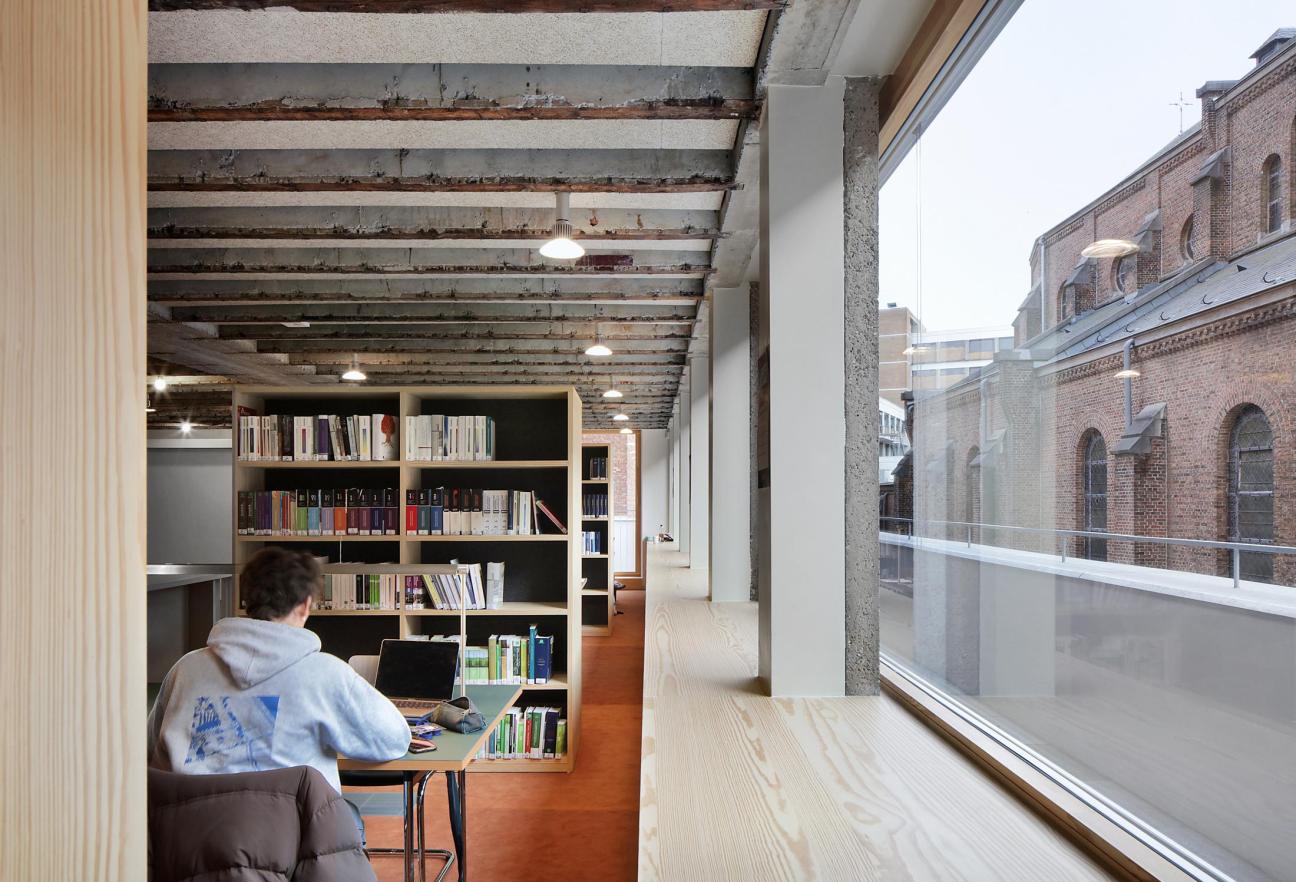
The lawyers are well accommodated on the upper floors with private rooms for confidential work, as well as an informal meeting space on the first level. The rest of the building hums with activity, with people reading in the library, freelancers in the co-working spaces and residents of the area sipping coffee downstairs. Students are welcome to use the common areas and visitors to the neighbouring church are free to wander into the garden.
The project’s ethos of giving back to the community appealed greatly to Gulati and his collaborators. “But the owners get something back too,” he says. “They get to see the community coming in and caring about the building. And it’s important for them to be connected to the next generation of lawyers. They want to attract young talent who will feel that it’s not just an office building but that it’s embedded in something bigger and doing something positive for their city.”
m127.be; universaldesignstudio.com; ono-architectuur.be
Business benefits:
With some workplaces still struggling to entice people back to the office, Universal Design Studio and Ono Architectuur show that the best approach, perhaps, is to invite the community in too.
The vibrant life-sciences campus
Torrey view, flad architects
San Diego, USA
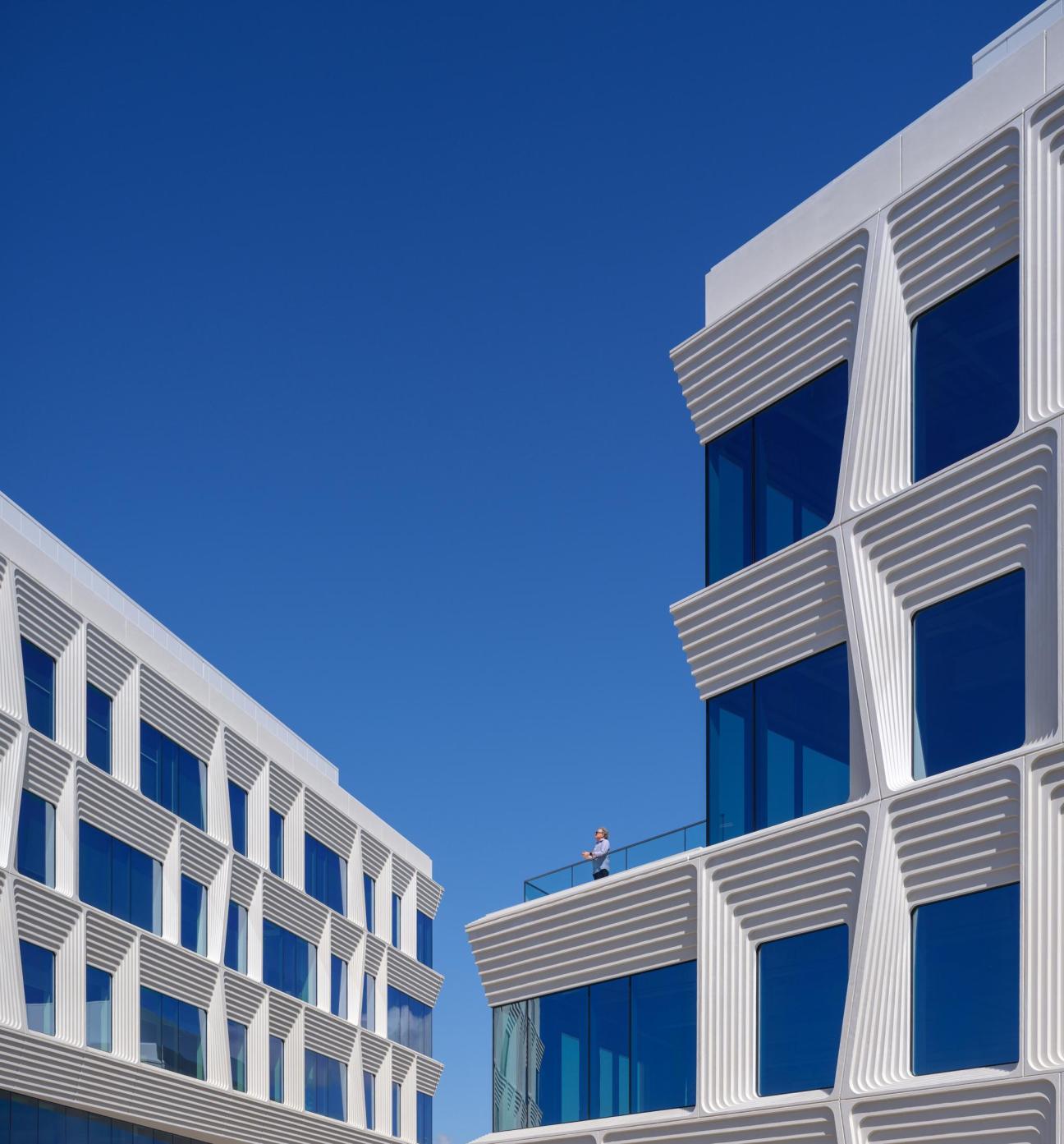
In the hills of San Diego, on a site that looks out at the Pacific Ocean, is a cutting-edge life-sciences campus called Torrey View. The cluster of five structures is designed to boost the region’s already robust biotechnology sector and houses companies in fields including biopharmaceuticals.
Conceived by the San Francisco office of US firm Flad Architects, the campus’s main building has a façade composed of tessellated stepped panels in reinforced concrete, intended to gently filter the bright Californian sunlight entering the interiors. Designing for life sciences presents unique challenges: requirements over vibration, exhaust, temperature and chemical storage are strict in order to make safe workplaces. Yet the design team aimed to do more than build state-of-the-art scientific workspaces. The goal was also to create opportunities for collaboration.
“Human creativity doesn’t happen in isolation,” says Philip Ra, one of the architects behind the project, explaining that Torrey View is a compelling argument for the “office park” model of working, with multiple tenants in similar sectors, all in close proximity. According to Ra, this approach has resulted in “a creative cluster that fosters serendipitous interactions and knowledge sharing” at Torrey View. Mauricio Ortega, another architect who worked on the project, agrees, emphasising the park’s duality. “It’s important to differentiate the scientific spaces, which are more rigid, from the collaboration and social spaces in these buildings,” he says. “That balance is key.”
A case in point is the large plaza that unites the entire campus and is fringed by amenities, including a café, library and lounge. “It’s a central space that provides connections for people, creating informal chance encounters with others who are outside their specific field,” says Ra. It’s just a bonus that these conversations come with views of the Pacific Ocean and refreshing sea breeze – something that links to the site’s other key quality, its green ambition.
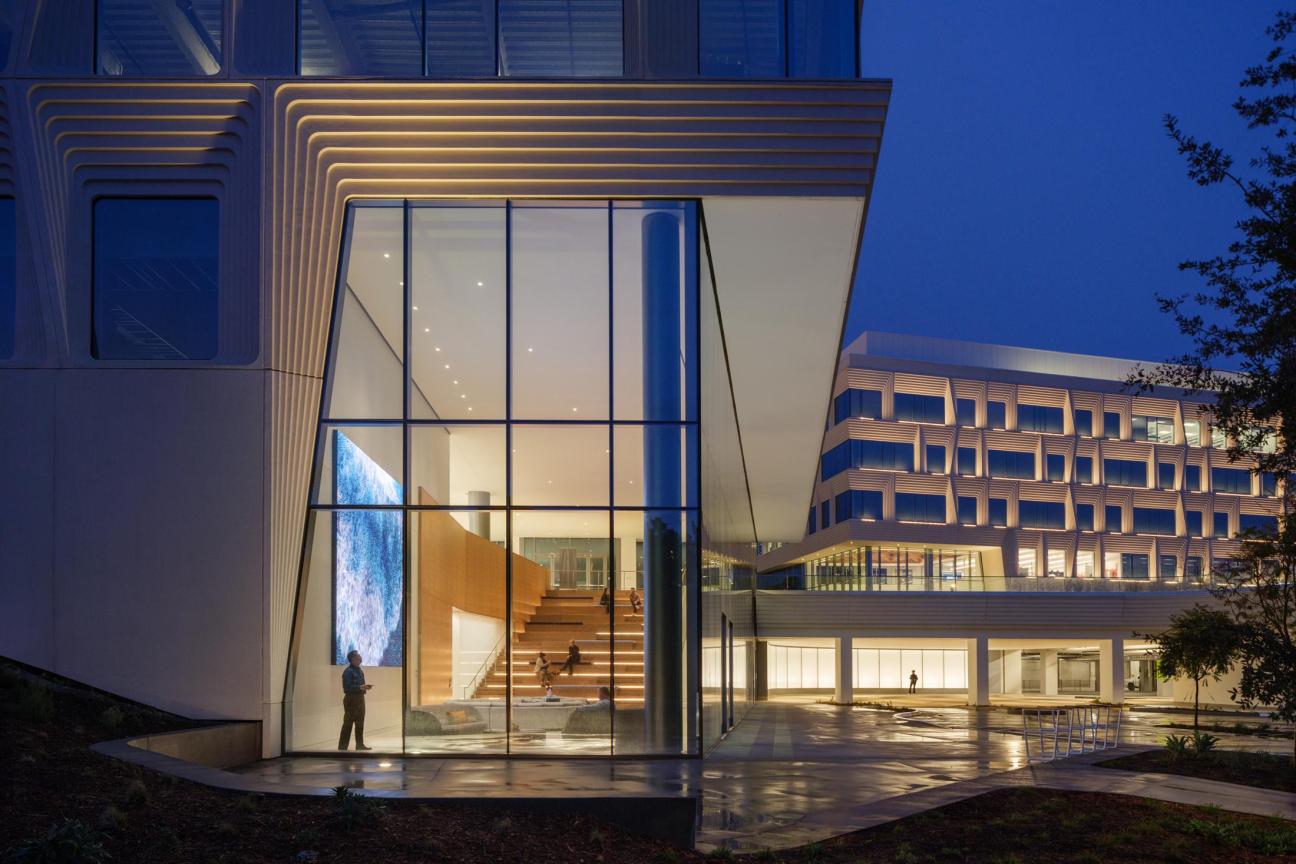
Given the striking natural environment surrounding it, Torrey View also incorporates numerous environmentally minded features. Green roofs, drought-tolerant landscaping and smart irrigation technology all contribute to water conservation – a critical concern in Southern California. The below-grade parking structure maximises green space, reducing the heat-island effect.
In short, Torrey View places a premium on its connection to the natural world, both in terms of the vistas it provides and the green features incorporated into the build. “It’s about being inspired by nature and allowing creativity when you’re trying to tackle science,” says Ra. “Emphasising a connection to nature and its surroundings is very important for these researchers as they tackle the big problems that face humankind.”
flad.com
Business benefits:
Flad Architects has shown that a campus-like office park doesn’t always have to be drab and dreary. Amenities fronting onto well-curated public spaces can create a vibrant, village-like atmosphere.
The wellbeing-focused HQ
116 Rokeby, Figurehead and Carr
Melbourne, Australia
Every successful business eventually needs to relocate as it grows – and few decisions are more important than where to go. When Melbourne-based developer Figurehead Group reached its latest tenancy crossroads, it had an ace up its sleeve: it would build its own perfect office. “I’m big on investing in growth first and then growing,” says Figurehead’s founder and managing director, Joe Grasso. “We’re a small company but we wanted to prepare a permanent home for generations to come. Producing the best possible workplace was front of mind.”
The new home is 116 Rokeby, an arresting 11-storey building completed this year in the inner-city suburb of Collingwood. In a neighbourhood known for its low-slung early-20th-century warehouses and Federation-era workers’ cottages, this glass and concrete mid-rise is a complementary addition to the skyline despite its size.

In 2019, Figurehead awarded the project to longtime collaborator Carr, a local architecture and interior design practice, which conceptualised 116 Rokeby as a “breathing space” for occupants. “Our narrative was to create a future office, where all the spaces harness the fundamental characteristics of abundant natural light and fresh air,” says Carr’s director, Stephen McGarry. “It’s all about the end user and putting tenants first.” Carr achieved this by focusing on passive, fixed architectural elements, such as the diaphanous skin that envelops the building’s northern façade. On cool days, this translucent double-exterior uses trapped warm air for heat, while on one of Melbourne’s blistering summer afternoons, it can accomplish the opposite. The hope is that for 60 per cent of the year, 116 Rokeby won’t need to use its mechanical heating and cooling systems.
Focusing on workers’ comfort and wellbeing rather than surface-level bells and whistles was a priority for Figurehead and Carr. Design elements include air circulation and rainwater storage, as well as abundant third spaces and ample access to drinking water. Courtesy of its mechanical hvac systems and rooftop solar panelling, 116 Rokeby is an all-electric building. Its base build design also makes it the only structure in the area to comply with carbon neutrality. Thanks to its eco-friendly credentials, 116 Rokeby was permitted to exceed Collingwood’s 68-metre height limit and granted an extra storey.
Inside, the building is brimming with thoughtful design touchpoints such as electric vehicle charging stations, spacious shower and changing facilities and communal meeting areas.
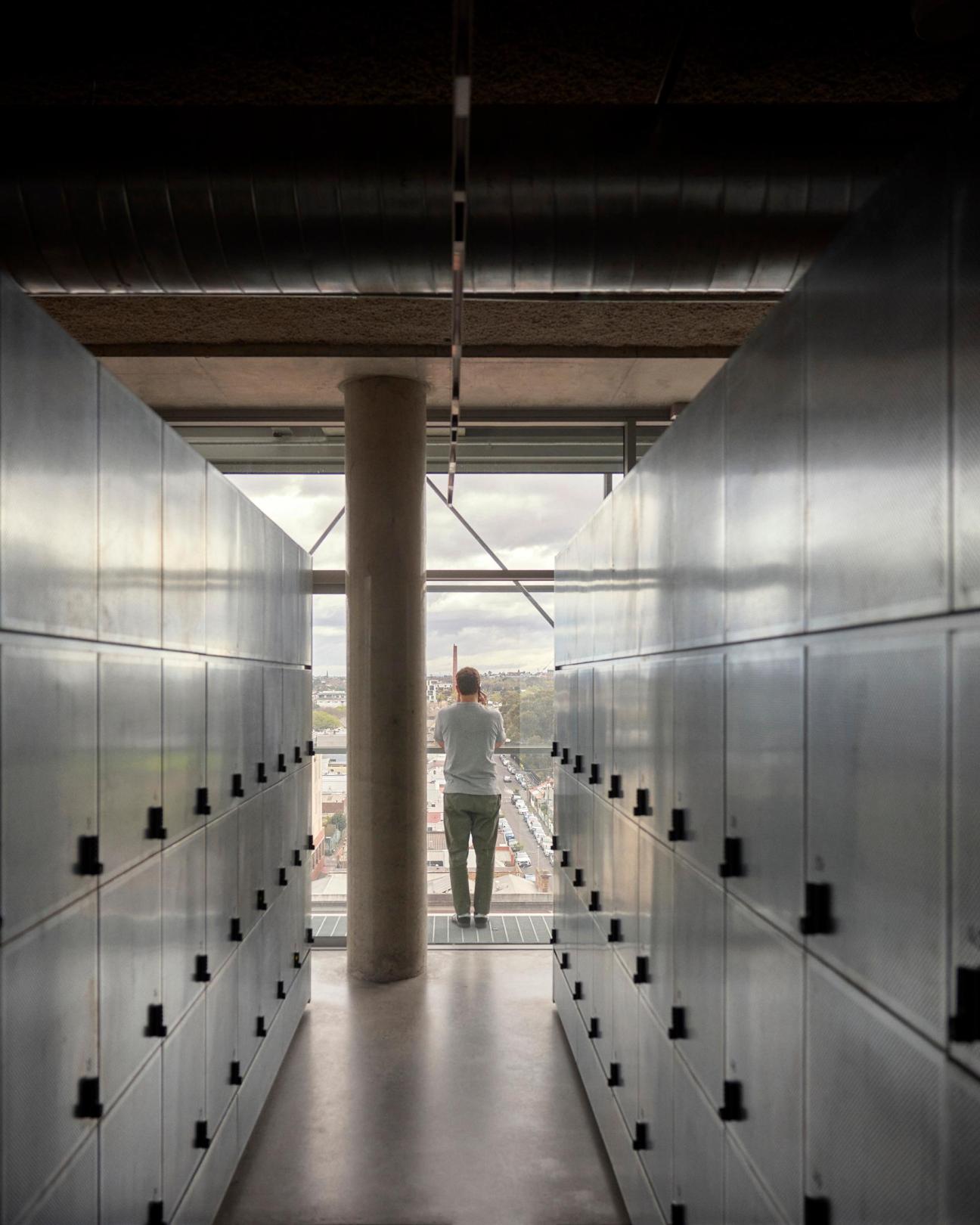

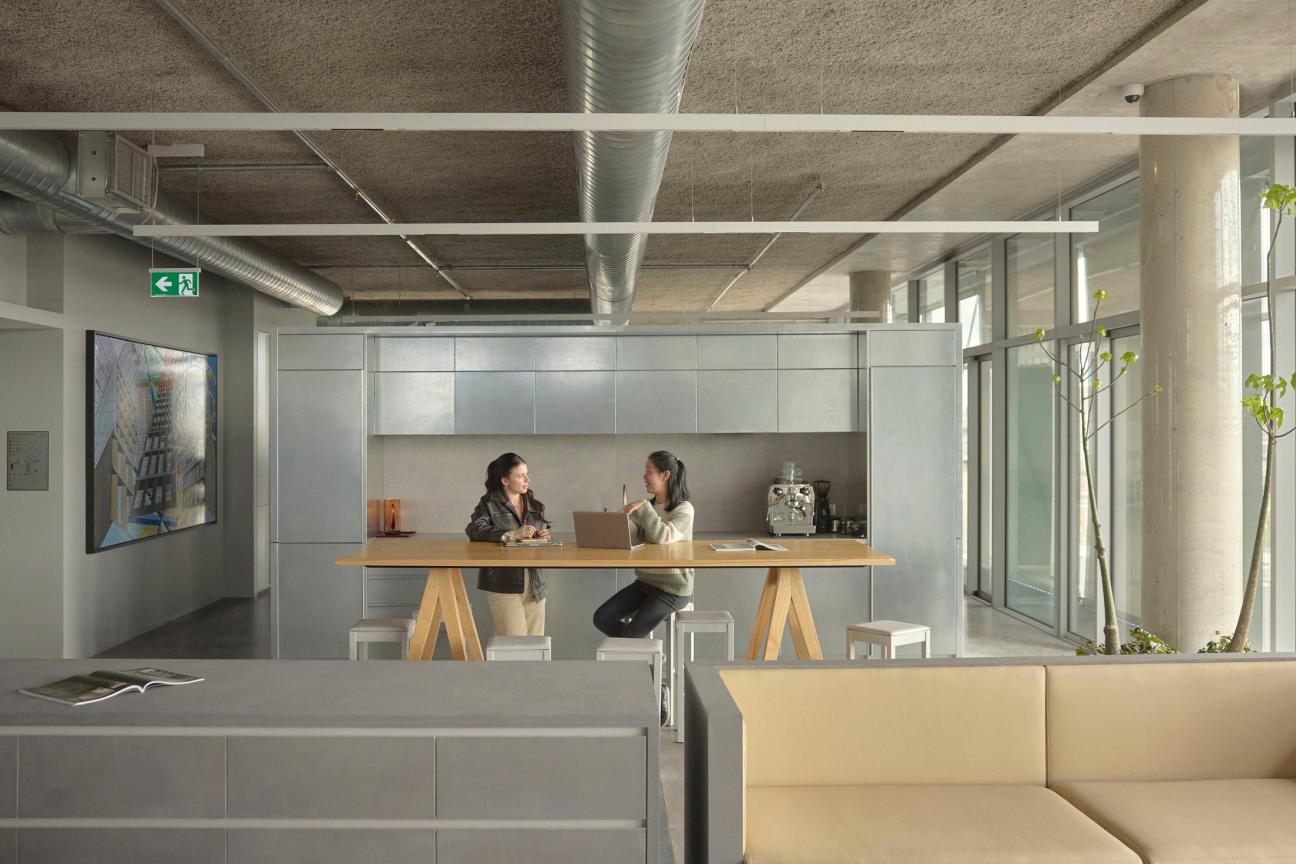
“It’s the hub that I’ve always wanted,” says Grasso. “People are happier and there’s lots of smiling.” Carr seems to think so too. The firm is so pleased with its design that it’s moving into 116 Rokeby too. Now that’s a vote of confidence.
figurehead.com.au; carr.net.au
Business benefits:
With 116 Rokeby, architecture practice Carr has demonstrated how a green building can not only boost team morale but also benefit a business’s bottom line, thanks to increased energy efficiency.
Vanguart’s strategy for thriving in the luxury-watch industry
Walk into any luxury watch fair and you’ll see big booths bearing familiar logos – Rolex; Richemont-owned Cartier, Jaeger-LeCoultre and Van Cleef & Arpels; lvmh’s Tag Heuer, Zenith and Hublot, among others. The way that these spaces are laid out mirrors the dynamics of the watch industry; heritage brands, luxury groups and historic designs dominate the sector. The complexities that come with crafting a high-end watch and the deep investments required leave little room for independents and young upstarts.
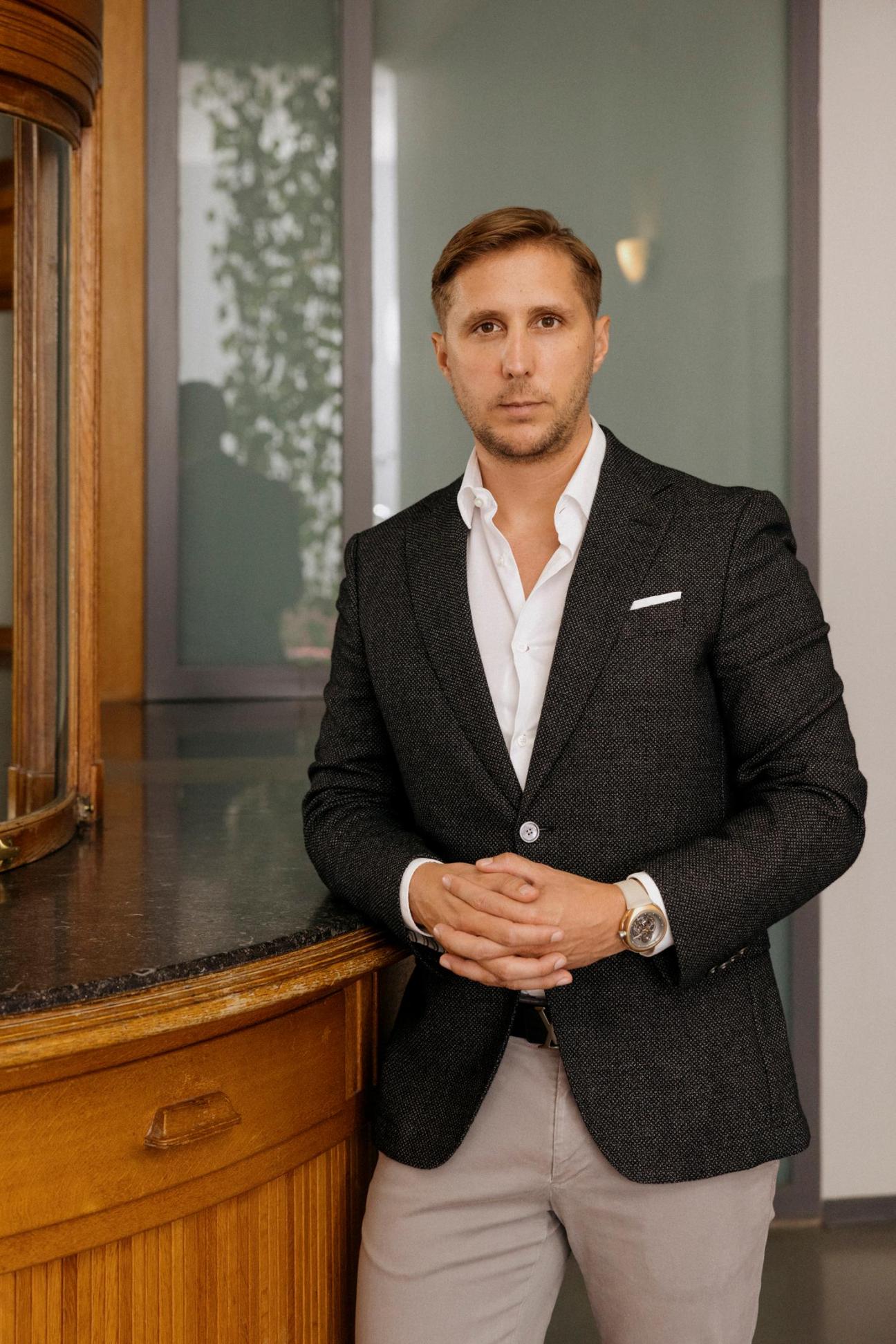
But four ambitious entrepreneurs have been taking on this rarefied world and proving that, once you master your craft, you can launch a luxury-watch brand from scratch. In 2017 they founded Vanguart from the living room of the company’s ceo, Axel Leuenberger, in Basel. “We wanted to start with a blank canvas and bring something fresh to the market,” says Leuenberger, who previously worked at the research and development department of storied Swiss manufacturer Audemars Piguet Renaud & Papi (aprp).
Joining Leuenberger is Jérémy Freléchox, another aprp veteran who has taken on the brand’s chief technical officer role; Thierry Fischer, a seasoned designer and Vanguart’s creative director; and Mehmet Koruturk, a former financier who is now the company’s president. Unlike his three partners, Istanbul-based Koruturk doesn’t have a background in watches. He became acquainted with horology while working for Genii Capital, a global fund known for its involvement in motorsports. But the potential in a new-generation watch company quickly became clear to him.
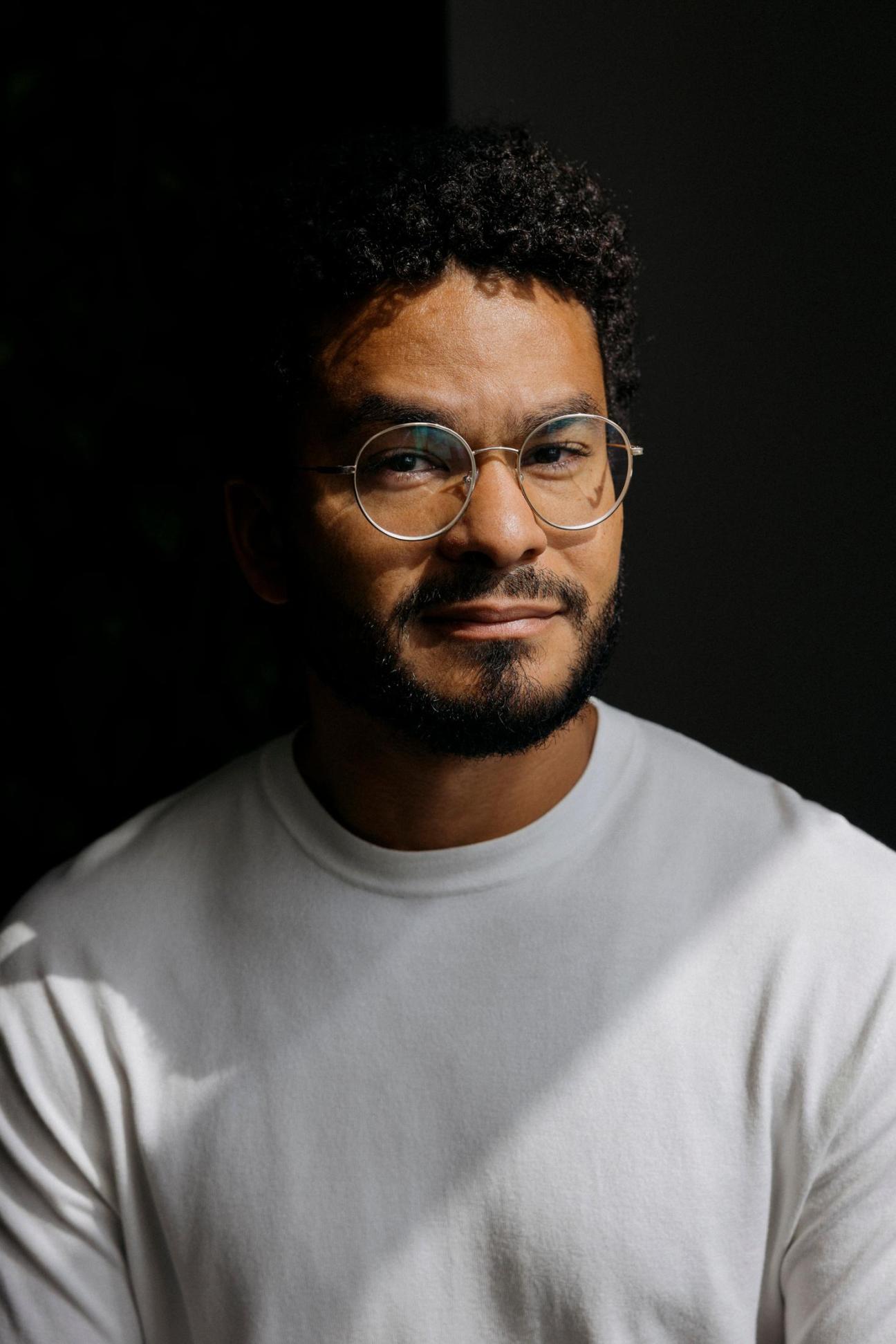
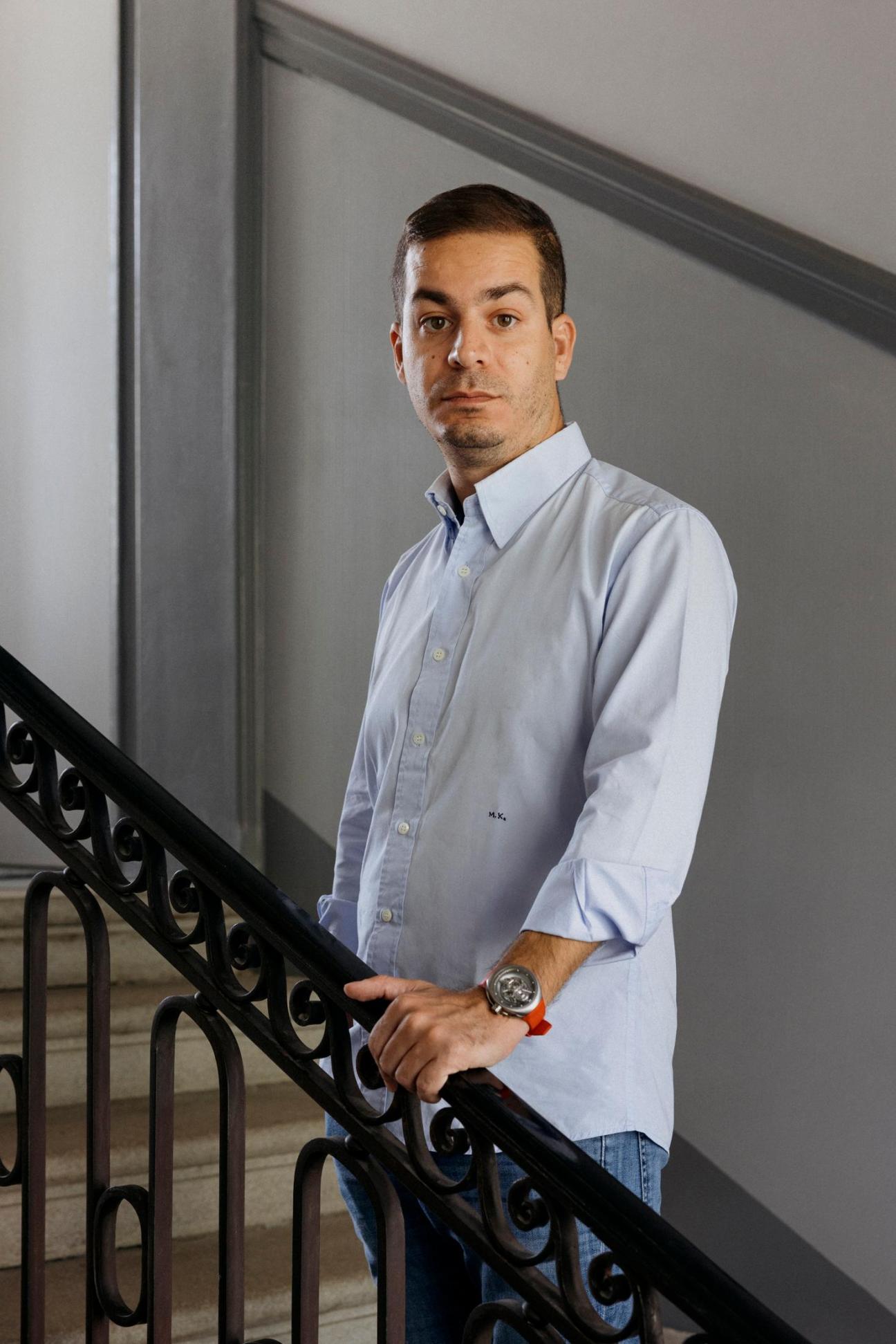
“Every 10 years or so, there’s space for a new independent brand to go big,” he says. “That’s simply because there’s consumer appetite for new design and innovation. You reach a point of saturation and people begin to look for a new name.” Koruturk was confident in his partners’ creative vision and expertise. “Axel worked with Giulio Papi, one of the most respected watchmakers of our day,” he says. “Papi’s company is behind some of the most complicated watches of the past decade.”
Vanguart aims to bring novelty and playfulness to the world of watches. It’s why Fischer ripped up the design rule book for the brand’s first watch, Black Hole – a futuristic model comprising 775 components, including a custom-made tourbillon that appears to be levitating above the dials. Rather than having a traditional display, It features three rotating discs, each indicating the hours, tenths of minutes and the minutes. “We wanted to make a bold statement about what Vanguart stands for and the kind of complications that we can create,” says Leuenberger.
It took more than three years of design, research and development to create the Black Hole. “You get one shot and you need to be very precise,” says Leuenberger. “You can’t spend hundreds of thousands of euros during the development stage like bigger brands do. It’s all about finding ways to be cost effective. You can start by using parts of old watches to prove your concept.” The coronavirus pandemic then forced the team to spend an extra two years refining the watch. “It ended up being a blessing in disguise because we got to test our mechanism without rushing,” says Leuenberger.
How to build a brand
1.
Make connections
Create your own client network before partnering with third-party retailers. “It’s challenging to reach out to the right clients at the beginning,” says Koruturk, Vanguart’s president. “But once you have your network, launching your second and third product will become much easier.”
2.
Stick to your guns
Don’t be intimidated by established players. Define your niche instead. “People are always looking to mix heritage brands with newer, cutting-edge products,” says Koruturk.
3.
Maintain quality control
Vanguart spent years crafting its mechanisms in-house, with minimal outsourcing. “That way, you can set the tone of how you want things to be done and what level of quality you expect,” says the brand’s ceo, Leuenberger. “If you are purely relying on suppliers, they will be the ones controlling the quality of your products.”
The five years that it took Vanguart to go from idea to launch shows how long entrepreneurial journeys can be, particularly when you’re trying to penetrate a traditional sector. Even when pandemic restrictions began to be lifted, obstacles remained. “Producers had a huge surge in demand from existing clients so, when we tried to order a component, it would take six months rather than one or two.”
By betting on industry relationships, piquing the curiosity of the right suppliers and bringing most of its production process in-house, the company was finally able to release the first models of the Black Hole in late 2021. The co-founders then began to discreetly sell the watches to clients from their existing networks, as well as to collectors who had found them through word of mouth. “This wasn’t going to be anyone’s first watch,” says Koruturk. “It was designed for the seasoned collector.
Having overcome its growing pains, Vanguart is now in a position to make itself more visible. It has started receiving bespoke orders, including for a hand-engraved version of the Black Hole, commissioned by a customer in the Middle East and priced at chf750,000 (€800,000). Earlier this year it released a new unisex model, the Orb, with an intimate presentation at a Geneva hotel, rather than competing with the bigger players in conventional fairs. The Orb has a slimmer design, with a more traditional, symmetrical case, as well as some edgier signatures, including a hand-finished flying tourbillon movement that allows the user to switch between automatic and manual modes.
The final part of the equation was to establish a sales strategy. Vanguart is focused on direct sales and only works with a handful of distributors. “The goal is to be more global,” says Koruturk. “Asia will be a big market in the future but you can’t expand too quickly when every component is hand-produced.”
Since its inception, the company has grown from four employees to 15, moving out of Leuenberger’s living room and into a sleek space in La-Chaux-de-Fonds (Switzerland’s “open-air watch factory”, as the ceo calls it). This has given it proximity to some of the world’s best suppliers.
Other watchmakers are becoming interested in buying the mechanisms that Vanguart has perfected. Thanks to the initial investment in creating these in-house, the journey from sketch to finished product will become smoother. “We have a design language and all of the technology that we need to create new models,” says Leuenberger. “But it doesn’t mean that you’ll see new Vanguart watches tomorrow. We want to grow the project gradually. Sometimes, you have to let go of time.” —
How bakery Maymana turned its Moroccan pastries into an international gift-box sensation
Pastry shop Maymana’s gift boxes have long been a beloved treat for Moroccans. Originally a teacher by trade, Naïma Berrada founded the shop and catering service in 1985 after spotting a gap in the market for traditional patisserie. Maymana quickly established itself as the place to go for gazelle horns and other quintessentially Moroccan pastries. Over the past four decades, Berrada’s one-woman enterprise has grown into a business of 510 employees, 70 per cent of whom are women.

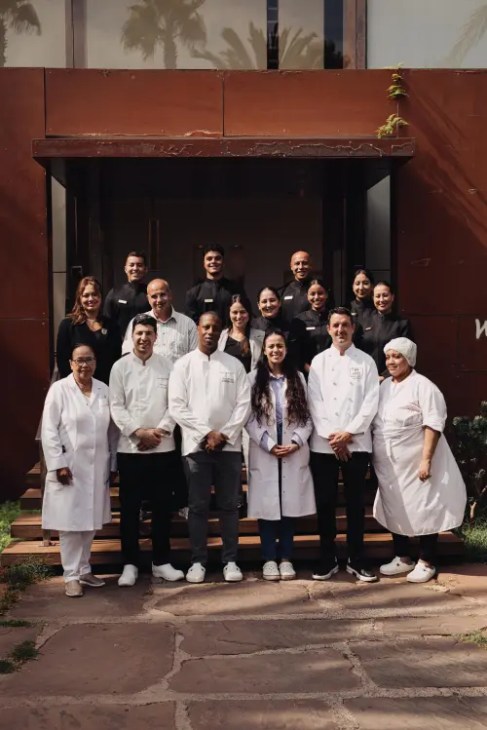
Walk across Rabat’s upscale Souissi neighbourhood or through Casablanca Mohammed V International Airport and you are almost certain to spot Maymana’s distinctive gold lettering. The bakery’s reputation is stellar not only among the breakfasting Moroccan public but also among the country’s executives, because its wares are a top choice when it comes to corporate gifts. In a country where gift-giving holds great political and cultural significance, Maymana’s tarbouche de Fez boxes are a reliably elegant (and delicious) option. Last year, many private companies and public institutions, including the French consulate in Morocco, chose a Maymana gift box as a New Year present for their clients, contacts and friends.
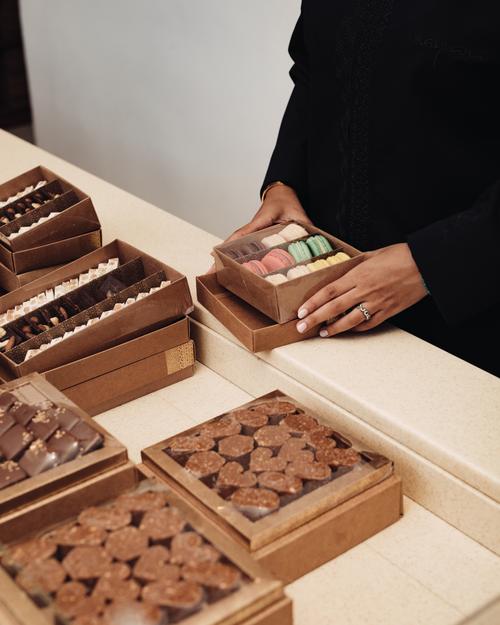

The bakery’s popularity is rightly attributed to its generously chocolate-covered dates and irresistible honey-based specialities, but equally important is the fine design detail in its packaging. With a felt exterior, faux-leather materials and gold tassels, the boxes are a modern interpretation of the fez hat – a historic symbol of Moroccan identity and a fitting gift for embassy staffers.
Maymana’s delicacies are now available in several spots beyond Rabat, in places from France to Qatar. Berrada’s daughter, Majdouline Benchakroun, is the current ceo and her younger daughter, Lamia, runs the development of the brand internationally.

The business has recently expanded its presence to the Gulf with a new shop opening in Doha in October 2024. Its tarbouche boxes are sure to be a welcome gift. The brand has solid credentials as an ambassador of Moroccan gastronomy and culture. Perhaps a European airport location is what’s needed next?
maymana.ma
The independent Toronto retailer keeping magazine culture alive
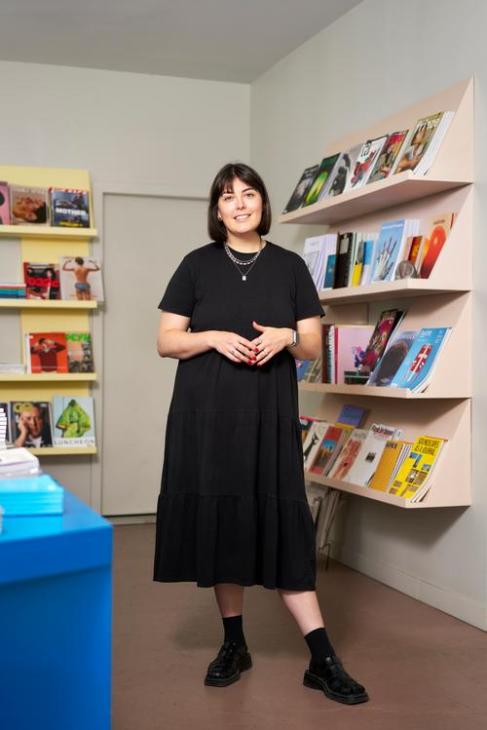
Back in 2021, Nicola Hamilton, an award-winning art director for several Canadian magazines, noticed something missing from Toronto’s media ecosystem. Despite being Canada’s largest city and home to the country’s biggest print, broadcast and media-production hubs, it seemed to lack a specialist shop dedicated to selling print. “I have worked in magazines for a decade,” says Hamilton. “But I realised that Toronto hadn’t had an independent kiosk of its own in a very long time.”
That set in motion a career shift, from designing magazines to selling them. In the summer of 2022, she established her own magazine shop, Issues, in the city’s Dundas West neighbourhood, an area already rich in independent retail. “It’s really fascinating to be on the other side of this industry,” says Hamilton, who firmly believes that magazines will continue to enrich and entertain future generations of people. “I’m used to putting a title together but seeing what customers are interested in reading and what they get excited about in the shop has taught me a lot.”
It was one piece of advice in particular, offered by Jeremy Leslie, founder of MagCulture in London, that guided her initial steps into magazine retail: begin by bringing in five copies of every title that you want to stock, assess what sells, then build up the inventory from there. “I’m the first Canadian retailer for a lot of these titles so that felt very exciting,” she adds.
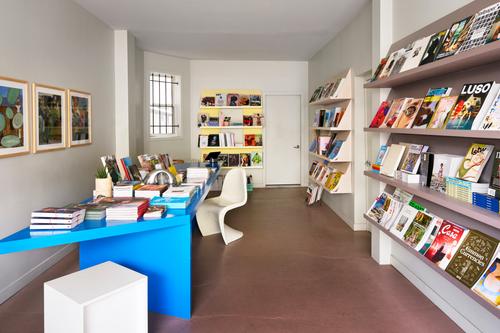
The pared-back space was designed by Toronto-based Company Company as a shop and also as a gathering spot for the city’s creative folk. Issues hosts live talks with editors, writers and publishers, as well as magazine launches and other events. Demand has been so high for some of these that Issues now hosts pop-up shops and live talks in other parts of the country too.
“I believe in independent media,” says Hamilton. “We encourage people to linger, browse, take a seat and ask questions. I hope that there’s plenty of inspiration to be found here.”
issuesmagshop.com
Ink big: Monetising magazine retail
Consider your inventory: Manage your stock when you start out. This will give you a clearer sense of what sells.
Expand your offering: Pop-up shops, live events, collaborations and subscriptions to monthly magazine bundles will help to broaden your customer base.
Champion harder-to-find titles: Stock familiar publications next to independent newcomers – people want to be inspired.
Read next: The Monocle City Guide to Toronto, featuring the best hotels, restaurants and retail spots
The small-neighbourhood renaissance
In recent years, there has been a renaissance in smaller locales that are now offering fertile ground for forward-thinking entrepreneurs. Here, we visit three neighbourhoods that have been transformed by a profusion of fresh ideas. Running west to east, Seattle’s Fremont has provided a laid-back and affordable alternative to the city’s blockbuster tech enclaves; in Copenhagen, the long-maligned Amager island now teems with exciting new companies; and Kuala Lumpur’s Chinatown (also known as Petaling Street precinct) is shaking off its seedy past and reinventing itself at pace. —
1.
Fremont
Seattle


In 2001 professional skier Bryce Phillips chose Seattle’s Fremont neighbourhood as his base to sell used gear because his rented flat had a garage. Over two decades later, his outlet Evo is one of the leading action-sports retailers in the US, Canada and Japan, while its sibling property-development company, Evolution Projects, owns hotels, commercial buildings and residential units in outdoors-oriented cities and mountain towns. Both companies still call Fremont home. “We had to ask ourselves, ‘Who are we?’” says Ira Gerlich, Evolution Projects’ co-founder, while a team reviews lighting for the newest Evo Hotel in Lake Tahoe, California. “Are we downtown high-rise people? No. We have pride in working in the places that we do projects in.”
Like Fremont, those places are up-and-coming low-to-mid-rise neighbourhoods with eclectic, tightknit communities. As Gerlich takes monocle to Evolution Project’s latest development – encompassing more than 21,000 sq m of office space, retail, restaurants, a skatepark and a climbing gym – we pass independent shops selling vintage clothing, guitars, jewellery, records, books, bicycles, pottery, glassware and house plants. Dive bars, coffee shops and live-music venues abound, while a few light industrial businesses – a computer recycler, an outdoor-equipment repair shop – linger on.

Construction workers are putting the finishing touches on Evo Campus’s office building, fully leased by 110-year-old shoe brand Brooks Running, while staff set up for dinner at South Korean-inflected steakhouse Joule. Restaurateur Rachel Yang, Joule’s co-owner, meets MONOCLE at her latest venture, Paper Cake Shop up the street. “Entrepreneurship is about being individual,” she says, between bites of mango black-tea cake. That profile fits Fremont, from the weekly market and annual Solstice Parade (famed for its naked bike ride) to the quirky public art, such as a Lenin statue rescued from a Cold War scrap-heap and a concrete troll lurking under a bridge.

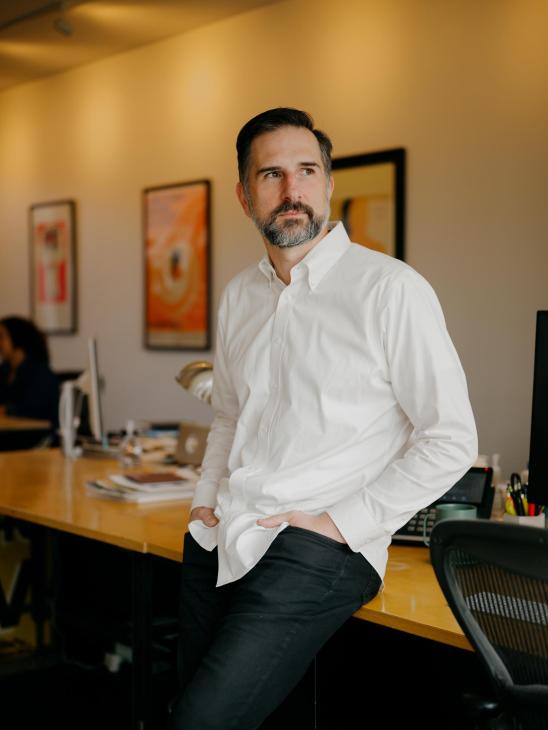
As business mores evolve, a CBD address is no longer a necessity. Brand design agency Turnstyle invested in a canal-front townhouse in the south of Fremont in 2016. Today its neighbours are a commercial electrician, a natural-wine shop and a boutique selling high-end Japanese denim. “We had a shared vision of working in a more creative neighbourhood outside the business core,” says co-founder Ben Graham. Turnstyle still charges comparable downtown rates for its services but now clients come to them. Managers from the area’s corporate giants – Amazon is a 10-minute drive away – steal away from their offices to work on brand strategy with Turnstyle’s team while pleasure boats pass by.
Technology firms have increasingly found a foothold in Fremont, which is home to a Google satellite office and Adobe’s research arm. Drone start-up Brinc, backed by more than $80m (€72m) in venture capital, relocated here from Las Vegas in 2022. Health innovator Path is moving in. MONOCLE ends its Fremont tour via e-bike, zipping along a cycle superhighway past boatyards and beer gardens to the neighbourhood’s newest office building, Northlake Commons, atop a lumber company’s warehouse. The Allen Institute for Artificial Intelligence and its business incubator will arrive later this year in the fetching new digs, replete with paddleboard storage. The next breakthrough in machine learning might well be hatched on a lake a stone’s throw from trucks toting timber – exactly the Fremont way.

2.
Chinatown
Kuala Lumpur
With its sea of counterfeit products and underbelly of illicit activity, it’s easy to unflatteringly paint Kuala Lumpur’s Chinatown (Petaling Street) with a broad brush. But look past its central boulevard and you’ll uncover a wave of creative entrepreneurs putting the neighbourhood on the start-up map. Petaling Street is set within an area that locals refer to as the “old city”, which began as a settlement of tin miners in the late 19th century. As the city grew and modernised in the 1980s and 1990s, scores of shop houses fell into disrepair. Many were left abandoned while some became brothels.
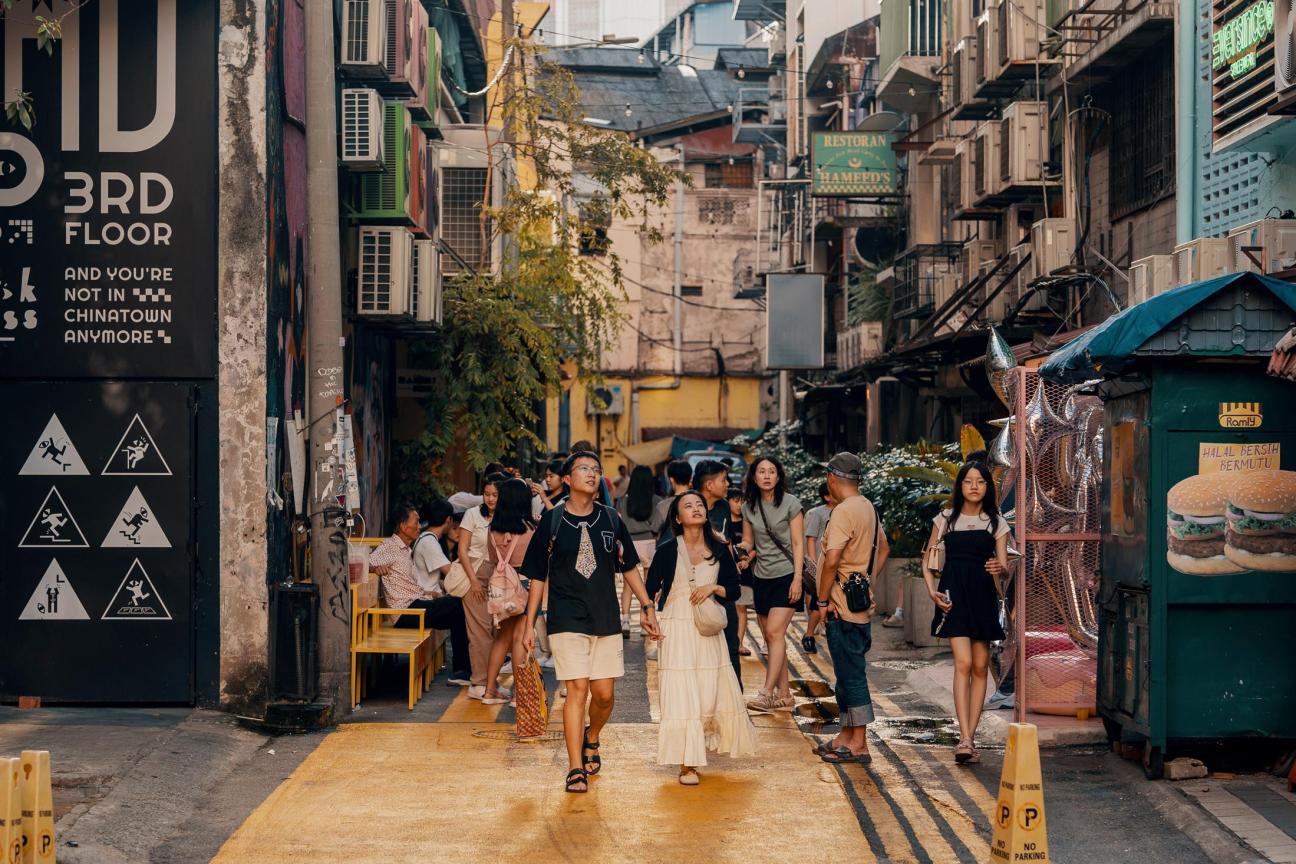
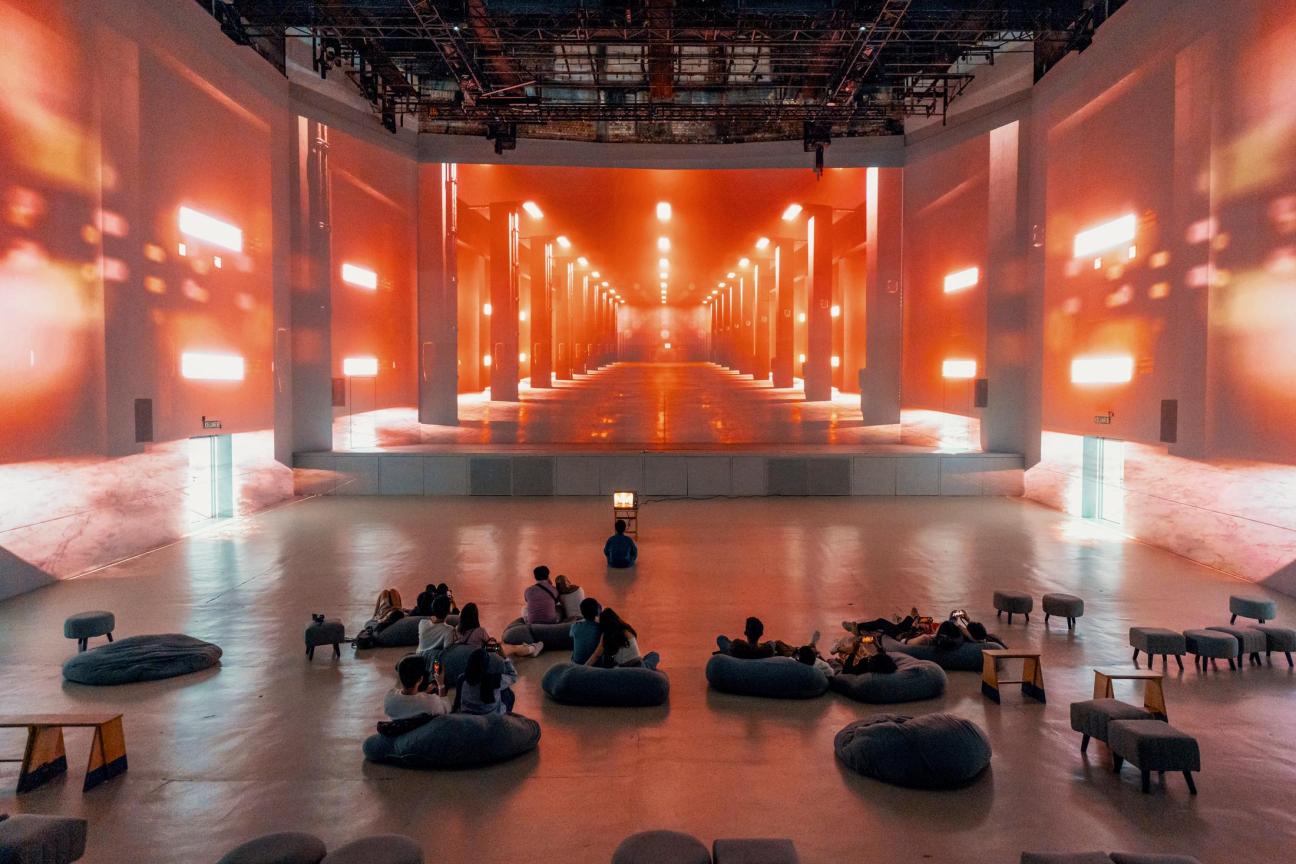
In 2019 seeds of regeneration were planted when architects Shin Chang and Shin Tseng joined forces to transform a former cinema into a creative enclave called REXKL. Today, it is buzzing with restaurants, shops, tattoo parlours and an immersive art space. “We wanted to bring independent Malaysian brands back to this area,” says Chang. “There has been a lot of effort on our part to attract emerging businesses that are representative of Malaysia today.”

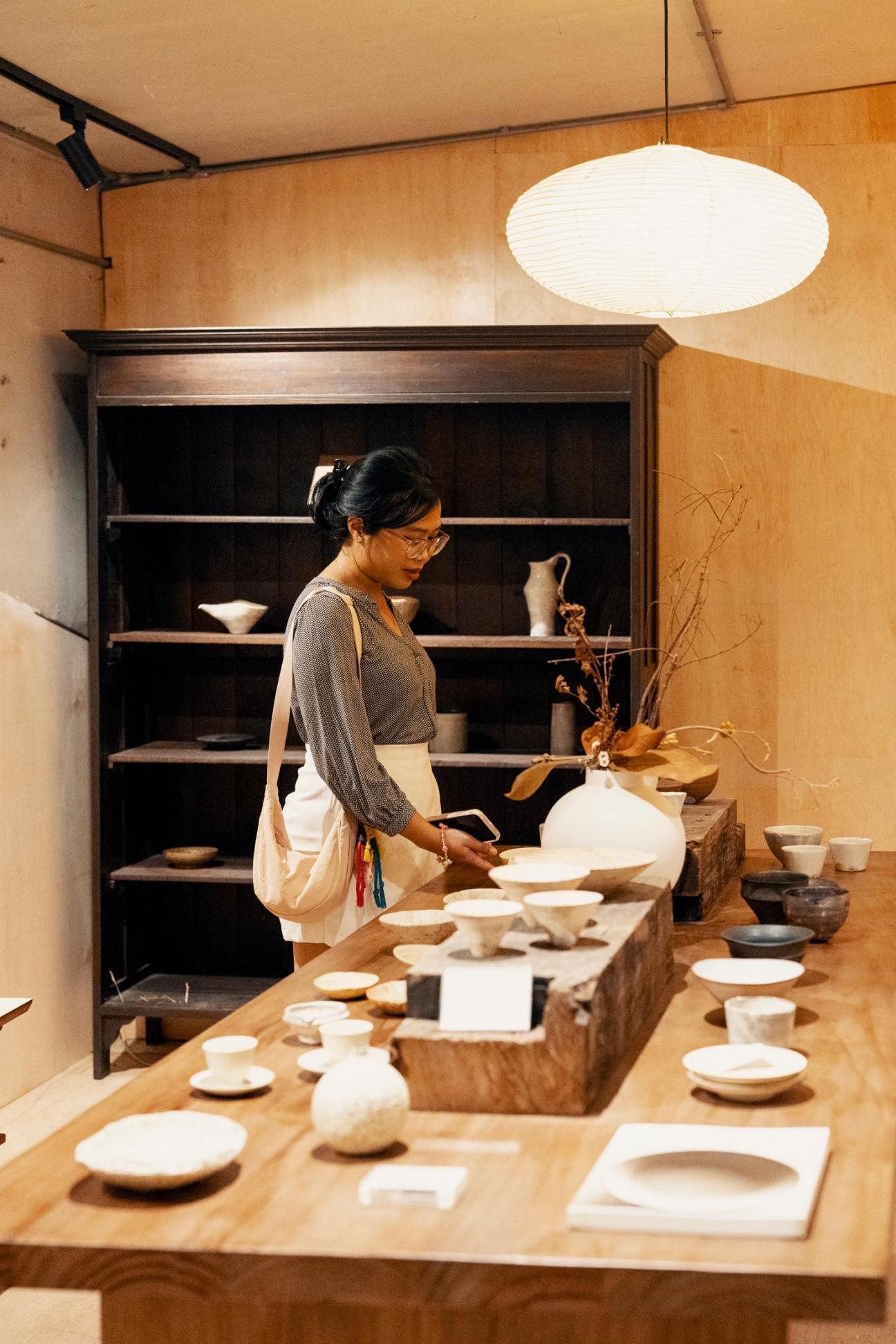
Given the perceptions of the area as seedy, some entrepreneurs were unsure of moving in but REXKL provided a way through which they could invigorate this historic but long-neglected part of the city. “Many felt sad or sorry about the state of the neighbourhood and longed to reconnect with the ‘real’ Kuala Lumpur,” says Tseng.
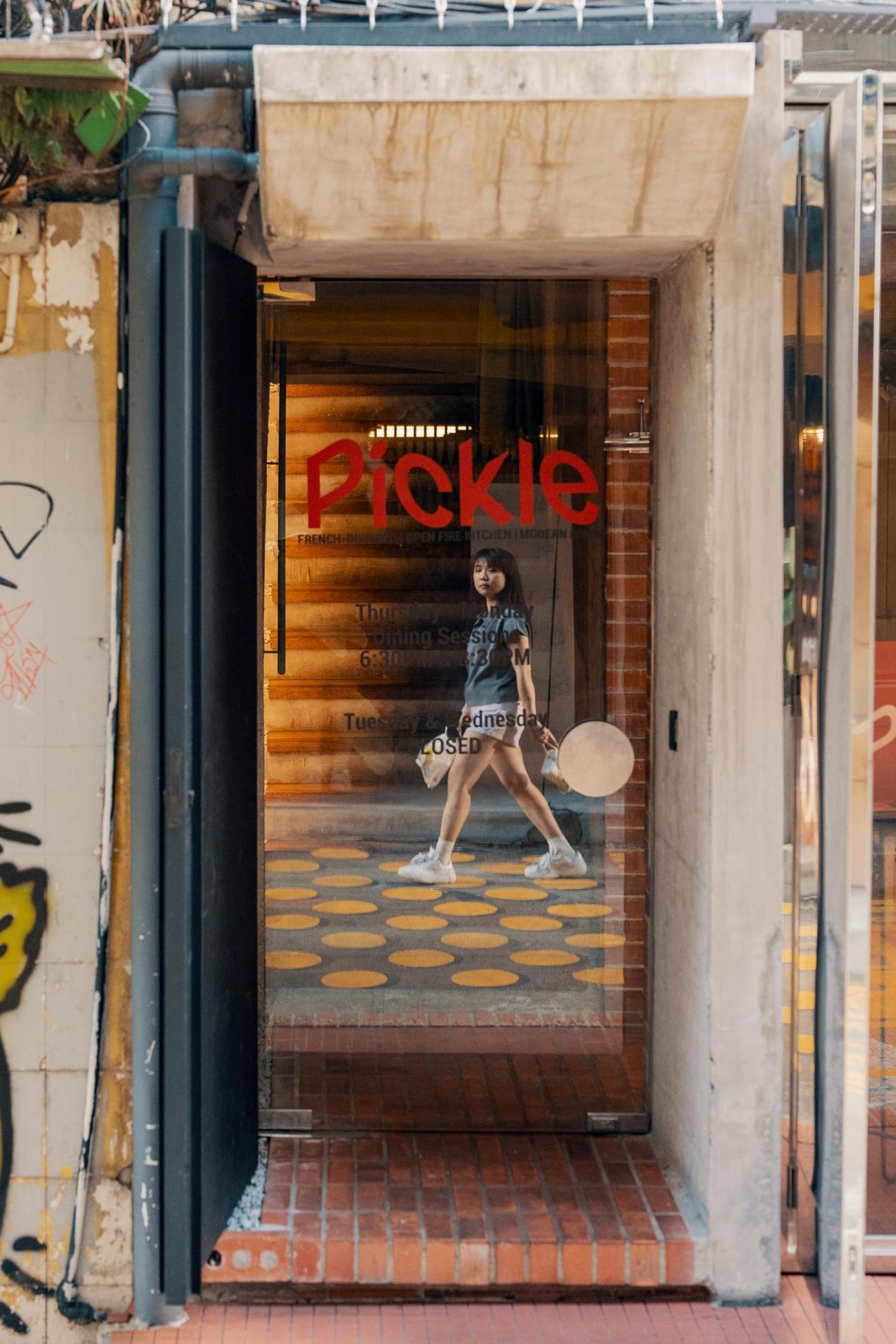
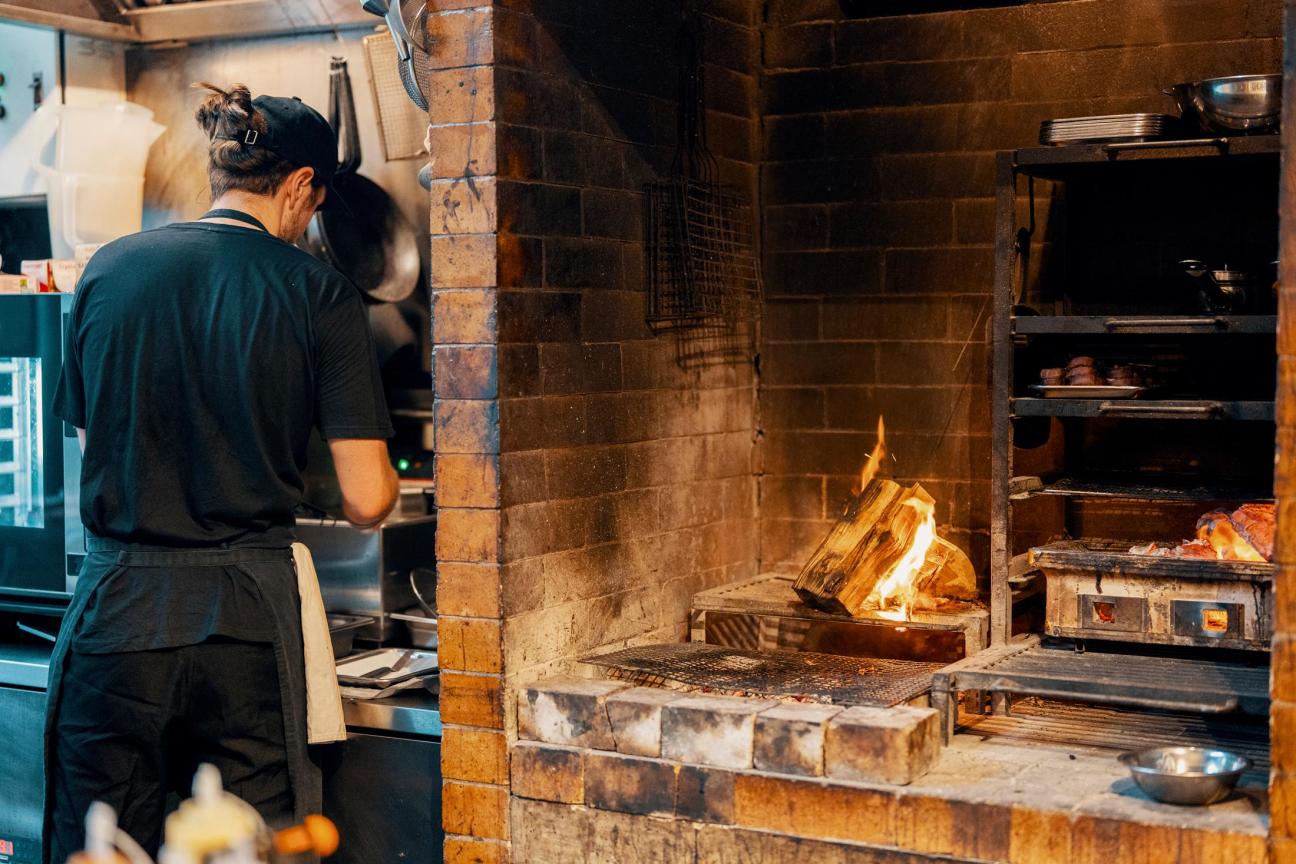
Chef Danial Thorlby shares this sentiment. The co-founder of Pickle Dining, a French-inspired restaurant that dabbles with fermentation and charcoal cooking, had always dreamt of setting up shop in Chinatown. “This neighbourhood was one of the first hubs of entrepreneurship in Kuala Lumpur, from the street hawkers to the artists,” he says. “Having spent much of my childhood here and witnessing its decline, I think it’s great that I can play a part in bringing it back to life.”
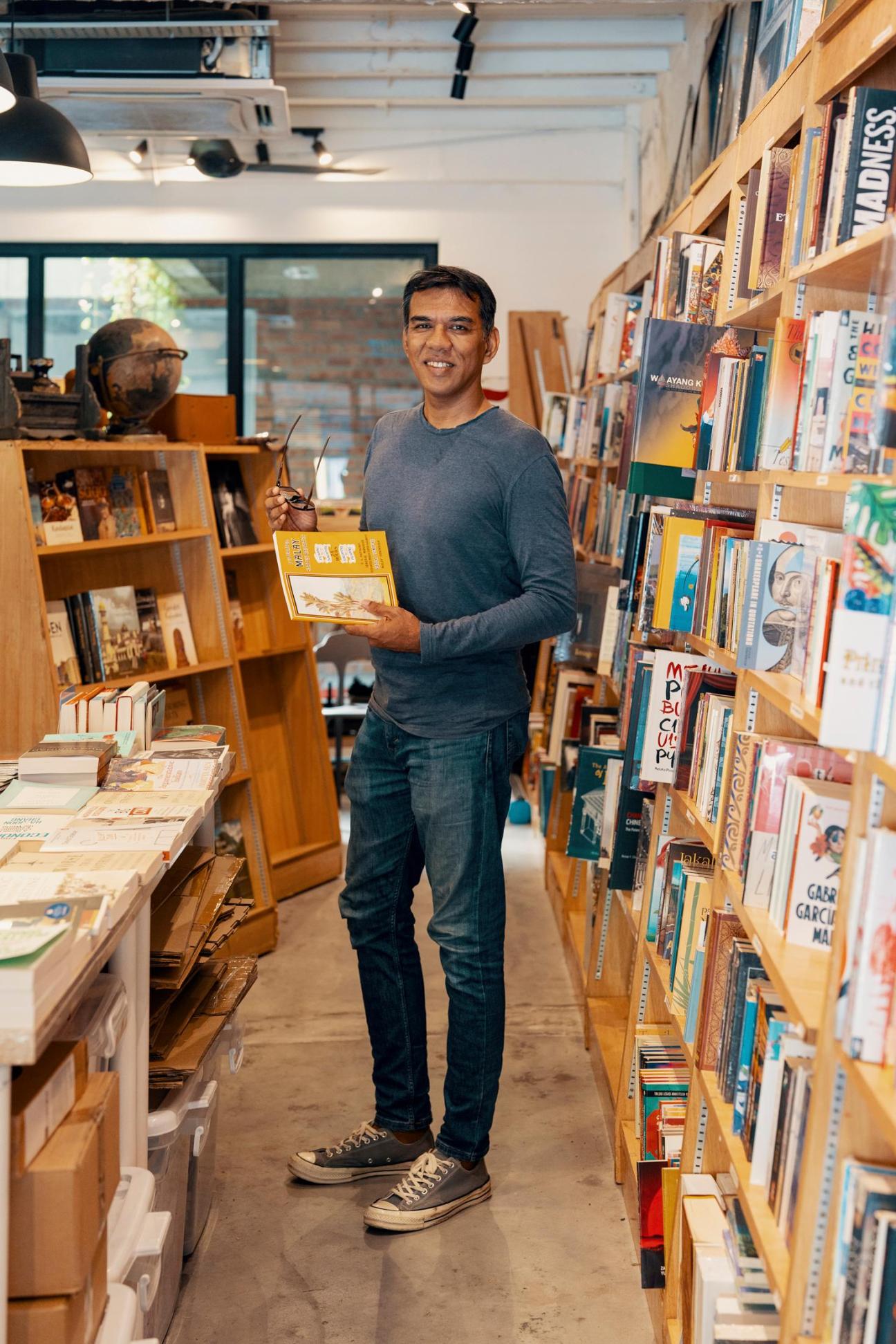
An attachment to the city’s older quarters also drew Engku Roestam Alias here when he was looking for a new site for Riwayat, a bookshop focusing on sociopolitical issues. “This neighbourhood represents Kuala Lumpur,” says Roestam. “It was the high street that gave the city its cultural and economic vibrancy. There’s a mix of cultures here and both locals and travellers visit this part of town.”
Petaling Street’s rise can also be attributed in part to Justin Chen and Javier Perez. They restored a 1930s building into Else Kuala Lumpur, a boutique hotel that has drawn more affluent visitors to the area. Chen and Perez’s ethos from the outset was to craft a “globally connected, locally rooted” hospitality hub, expressed in Else’s artist-in- residence programme and numerous creative collaborations. “We’re always looking to work with people in the community, be it gallerists or promoters, and give them a platform to showcase their work,” says Perez.

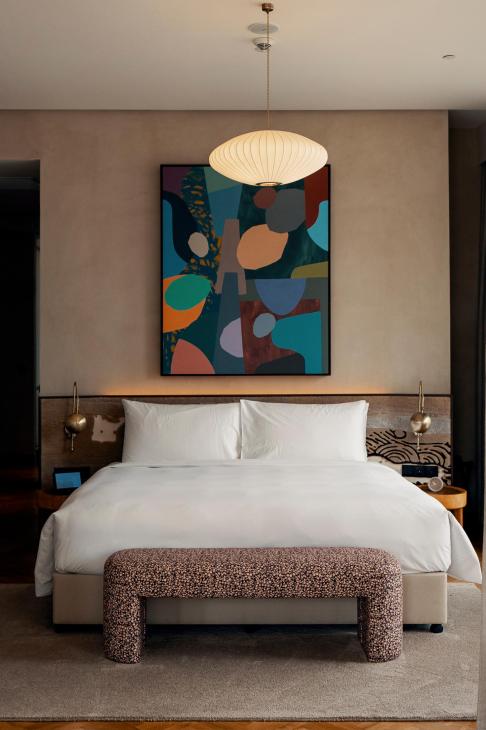
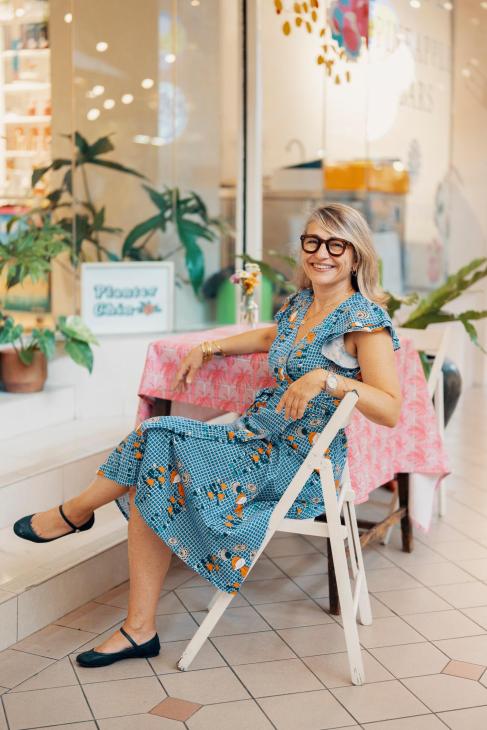
Many of these entrepreneurial newcomers are just getting started. Chang and Tseng are bringing their successful adaptive reuse approach to a five-storey building nextdoor to REXKL, this time with a focus on wellness and art, injecting vim and pep into the heart of Kuala Lumpur.
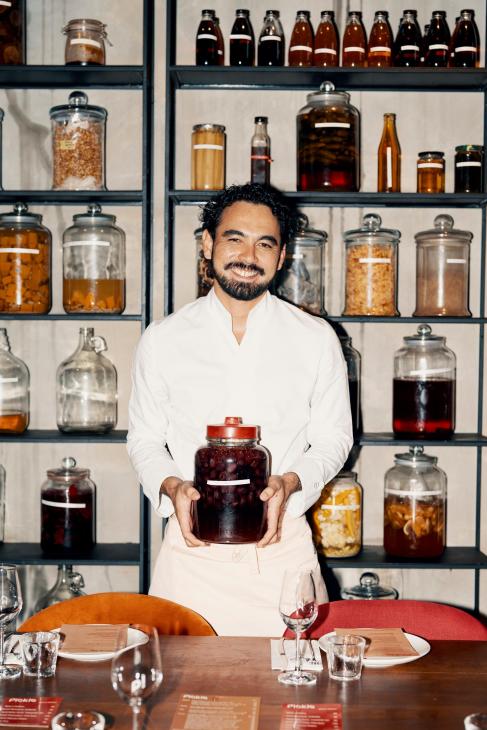
Chef and founder of Pickle Dining
3.
Amager
Copenhagen
Visitors to Copenhagen might not notice that they are leaving Amager island as the metro whisks them into the city centre from the airport. But residents of this island in the Øresund strait have always been quietly proud of their neighbourhood. These days, numerous start-ups are also coming to appreciate the variety, flexibility and lower costs of Amager’s post-industrial building stock, the same built environment that once saw it nicknamed “Shit Island” by snobby Copenhageners.
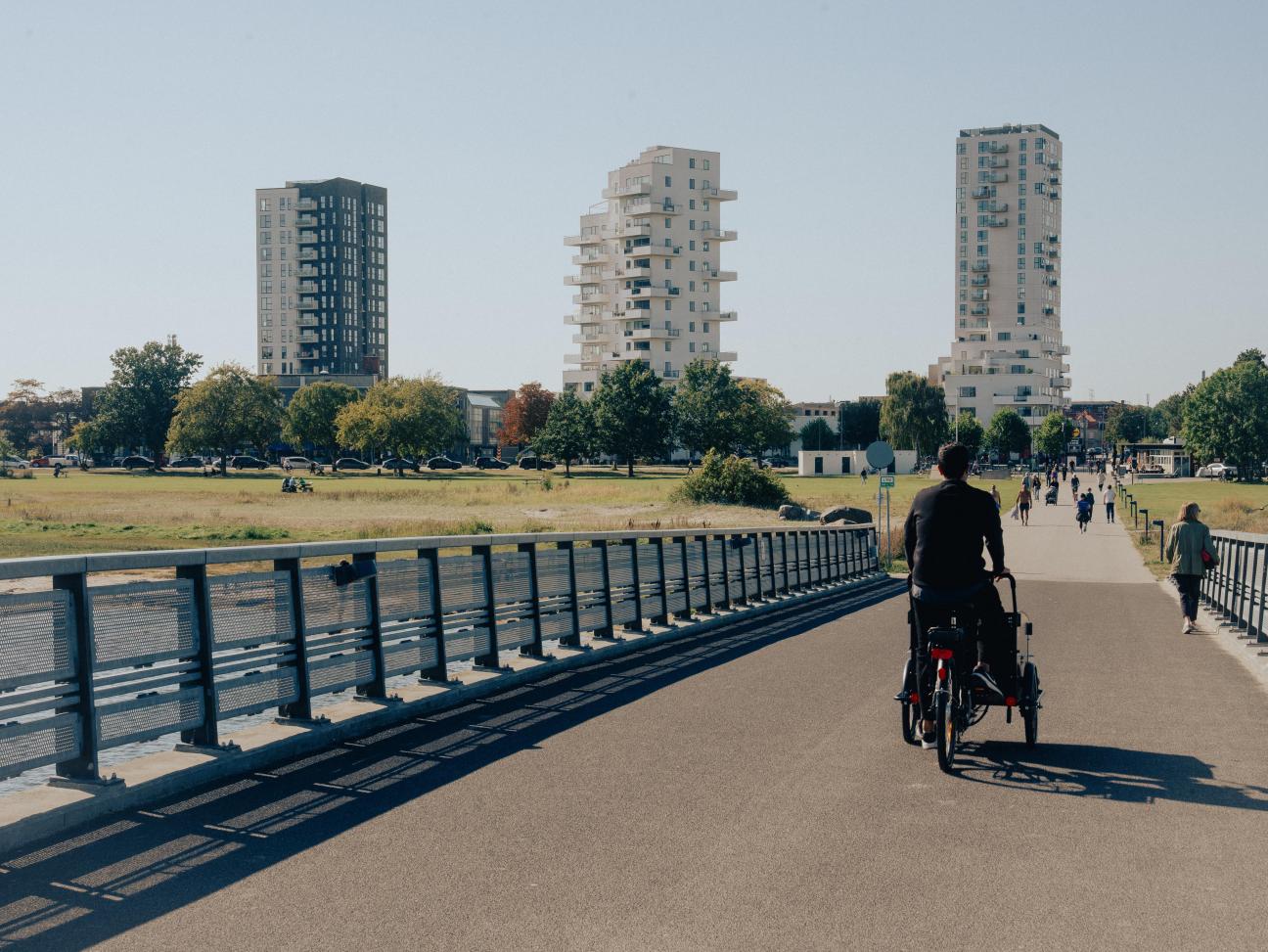
“Our corner of Amager is an industrial area that is in transition towards a mix of new housing and industry, so it has a lot of soul and heritage,” says Rasmus Juul-Nyholm, co-founder of property company Home Earth. The company, founded in 2021, combines an exceptionally low emissions target on its new builds and refurbishments with an unusually long-term approach: it aims to own its properties in perpetuity, instead of the typical 10-year period, with tenants part-renting and part-owning.
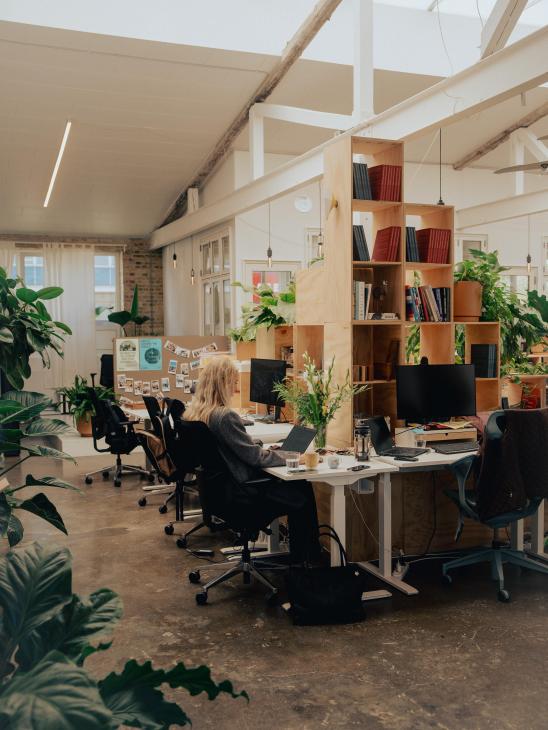

The company is based in one of its properties, Nefa Fabrikken, a factory that once made bicycle lights, close to numerous other small businesses. “This area is such a good compromise between being central – we can bike into the city – and affordable,” says Juul-Nyholm. “It’s got a cool vibe. It’s dominated by creative industries.”


Butcher Michael Museth was also attracted by Amager’s eclectic architectural typology. He points out a Cold War bunker when monocle visits Butcheria, his new shop-cum-restaurant. “It has the perfect temperature for us.” The bunker, adjacent to the premises, was once intended to shelter workers from the nearby oil refinery in the event of a nuclear attack but is now home to slowly ageing – and richly fragrant – cuts of beef and pork for Butcheria’s charcuterie. Museth cites the lower cost of Amager as a major draw. “We could have opened in Torvehallerne [the city-centre food hall]. But the rents are several times what we pay here.” Alongside the butcher’s shop, he also has space for events, classes and weddings, as well as a kitchen garden.

The sheer variety of premises available on Amager is matched by the diversity of businesses that have chosen it as their base: everything from coffee company Nordic Roasting and health- technology start-up Teton to Koatji, a maker of oat and koji milk. There are vertical farms, media start-ups, photographers, graphic designers and animators, as well as Moonboon, which produces hi-tech baby hammocks and was a star on the Danish version of TV show Dragon’s Den in 2021.
But ground zero for start-ups on Amager is Siljangade, a large co-working and living complex exclusively for small businesses, which opened in 2021. “We have everyone from architects and software engineers to jewellers, people who work in fashion, pole dancers and painters,” says Natalie Duggan, the manager of the building. This is the only co-living space in Copenhagen that requires residents to have a CVR – a Danish company number – which was a way for the owners, property company NREP, to get around restrictions on residential properties in this part of the island.
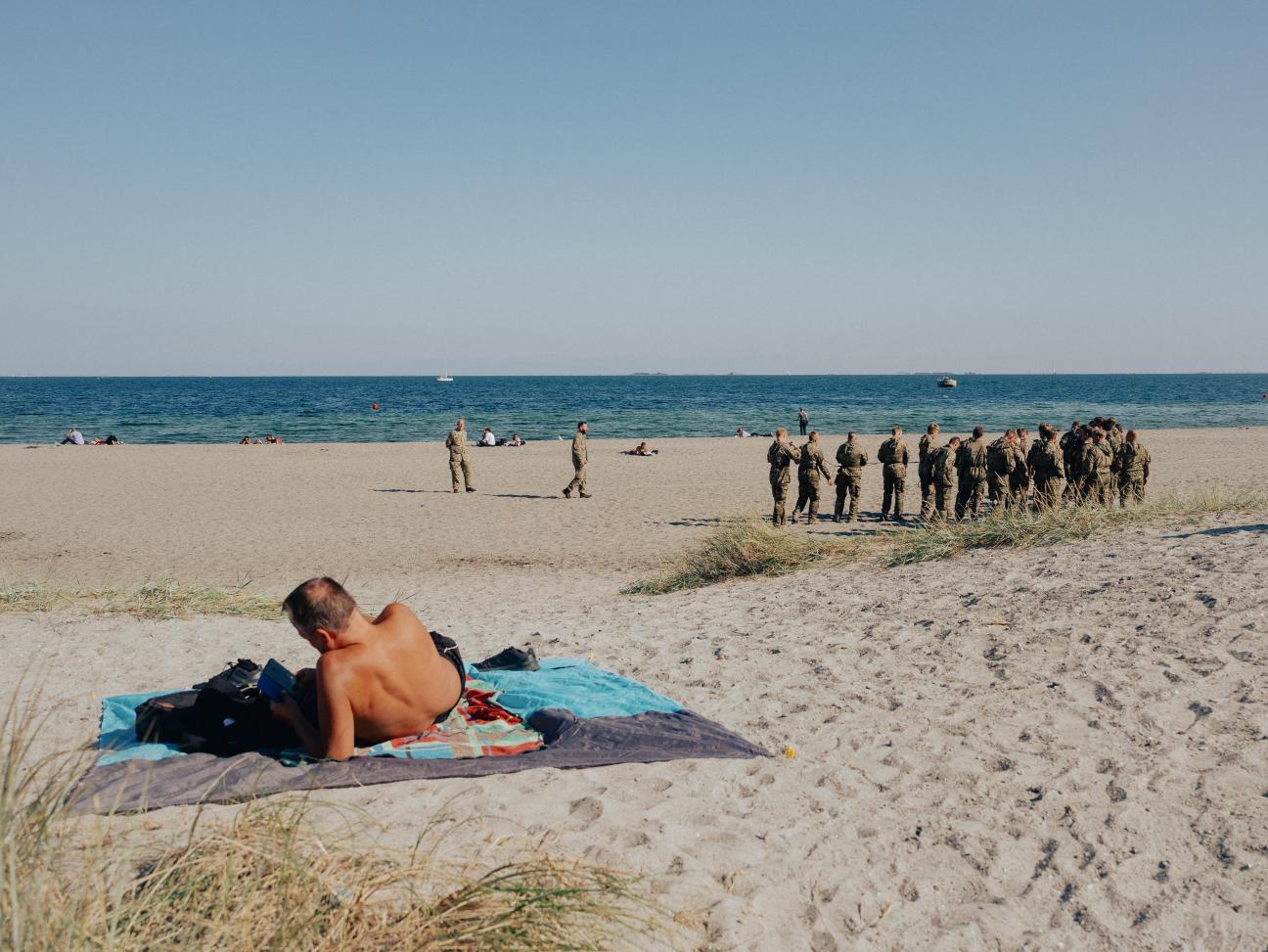
Some apartments are purely used as company bases, others function as company premises and homes for the company owners; rents start at DKK9,900 (€1,325) per month. There are 138 studio apartments in all, along with a gym, a café run by residents, shared workspaces, meeting rooms and a spectacular roof terrace. “Amager is a creative zone that speaks to younger people,” says Duggan, who adds that the most recent trend among residents is food start-ups. “And then you’ve got the beach nearby. Ten years ago, Amager was a little dangerous. It’s still a bit edgy but in another 10 years’ time it will be too expensive.”
How Balneário Camboriú became Brazil’s mini-Dubai
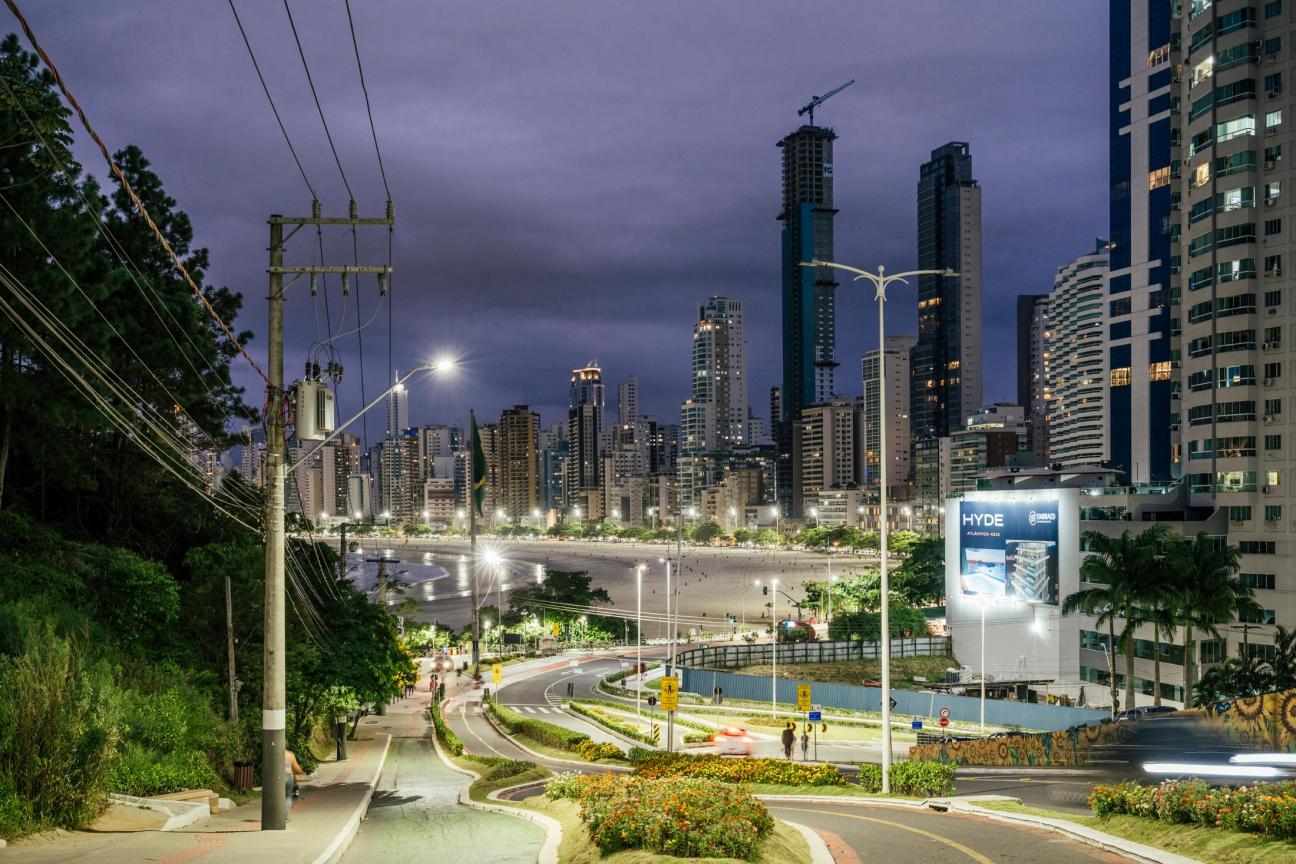
Not so long ago, the Brazilian town of Balneário Camboriú was best known as a quiet coastal outpost where holidaymakers from neighbouring states would come to enjoy the beach. In recent years, however, it has undergone an abrupt change and has the skyline to prove it. It’s here that you’ll find the country’s 10 tallest buildings under construction – remarkable for a city with a population of about 139,000 (though that rises to almost a million in peak season).
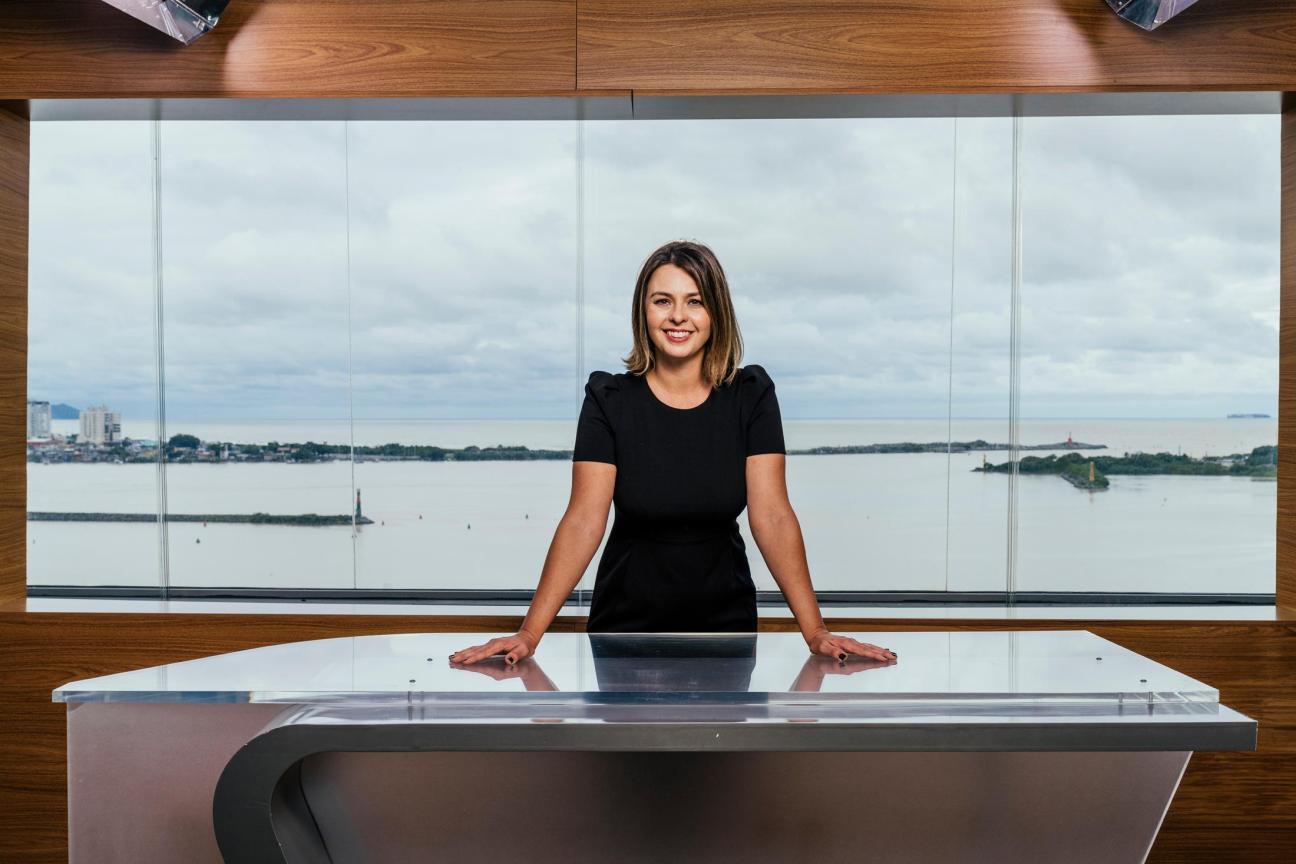
As you approach Balneário Camboriú, you’ll see a long line of oceanfront skyscrapers on the horizon. It’s an impressive sight – no wonder the city is known as Brazil’s mini-Dubai. Driving the property boom is a combination of fresh opportunities, the arrival of new wealth, enviable security (by Brazilian standards) and a bit of luck too. “Balneário Camboriú is sui generis,” TV presenter and journalist Dagmara Spautz tells monocle. “It’s unique. I can’t say that its qualities would be good somewhere else. The city built itself like this and it works.”
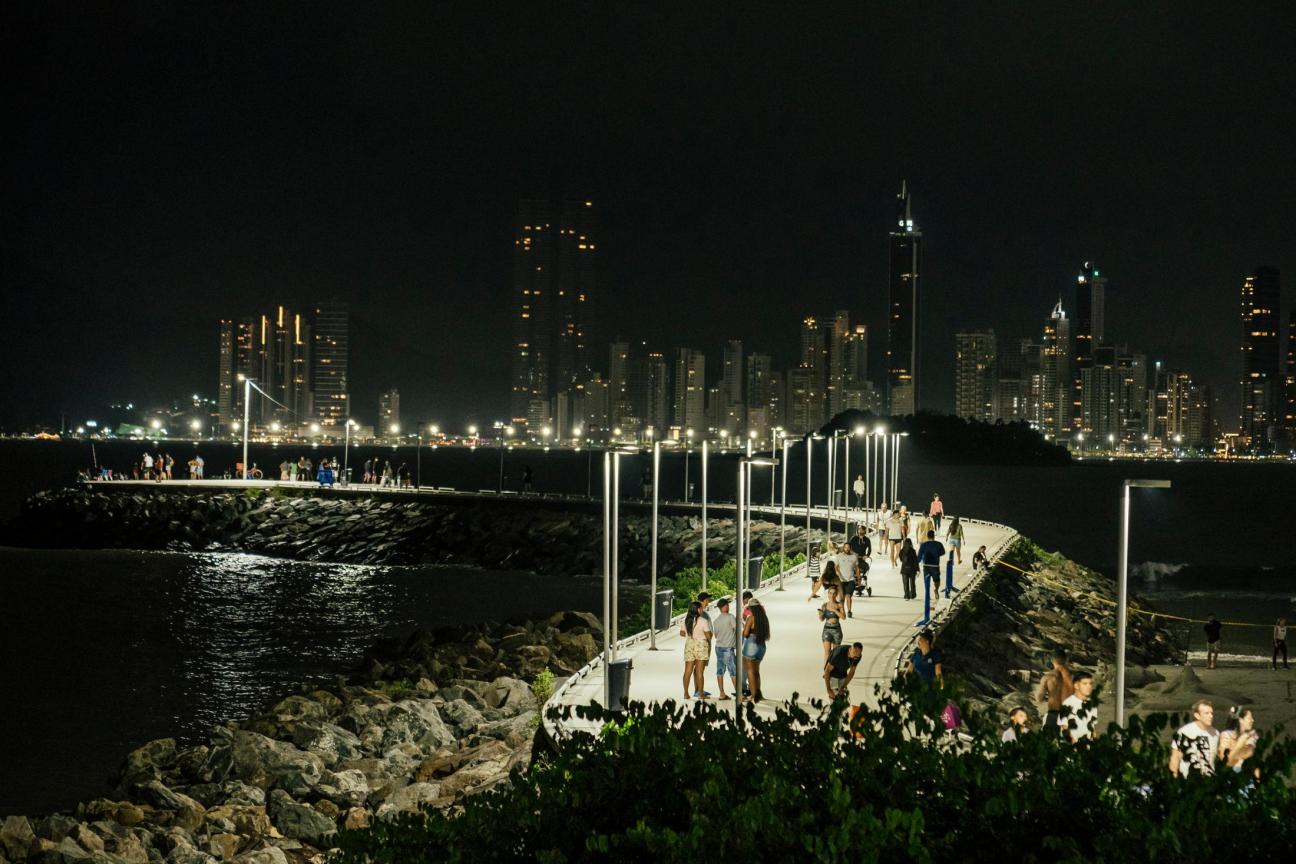
Night lights
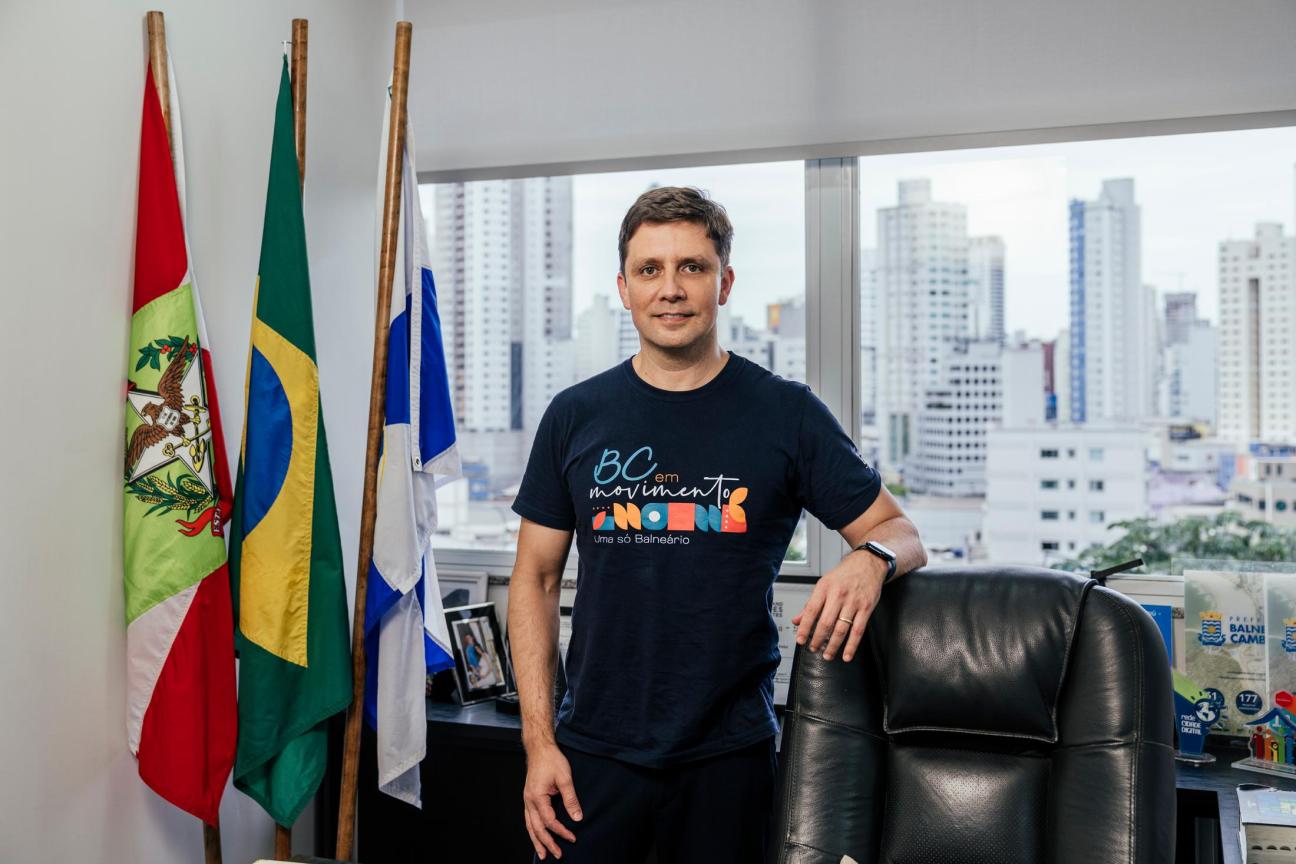
Balneário Camboriú is in the wealthy southern state of Santa Catarina, which has low levels of unemployment and an enviable safety record – a significant draw for those from urban centres in the north with high crime rates. When monocle visits the office of its mayor, Fabricio Oliveira, he offers an explanation for the boom that his city is currently experiencing. “In recent years, there has been a repositioning of Balneário Camboriú, especially since the pandemic,” he says. “With some infrastructure and action, we have managed to establish it as a cultural and economic hub, bringing in international events such as Fight Week, a martial arts tournament. For our New Year celebrations, we partnered with the uae, which sent more than 1,000 drones for Brazil’s largest-ever show of its kind. We have also worked on the expansion of our beach, creating economic benefits. We have shown that we are an entrepreneurial city that is capable of change and innovation.”
Like many residents, the mayor was not born in Balneário Camboriú. “I am from Curitiba,” he says. “I came here in 1986. I sold ice cream on the beach and worked in a nightclub, then became a city councillor. I always knew that it was a place of opportunity, no matter your surname.”
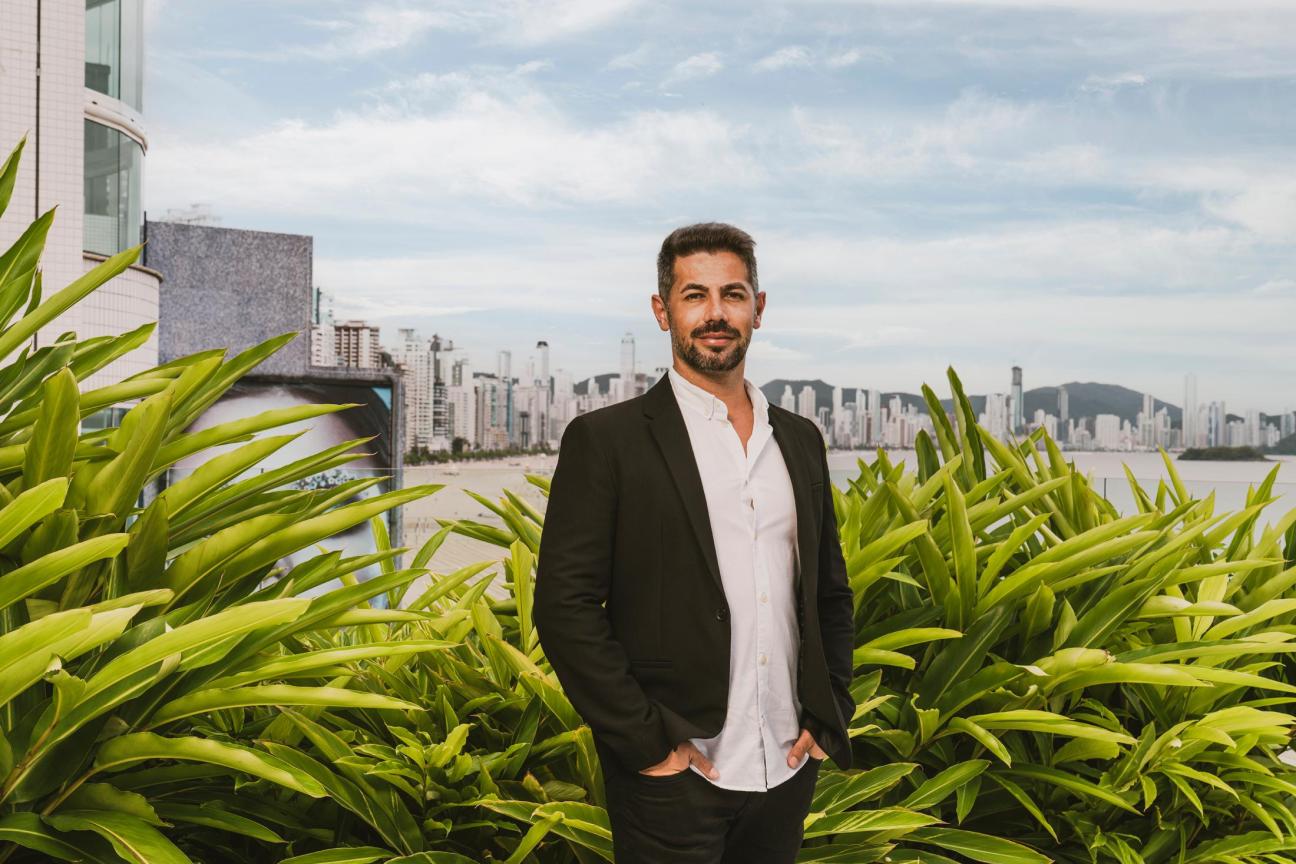
Estate agent Bruno Cassola
Bruno Cassola, one of the city’s most in-demand estate agents, was preparing to move his business to a new office to cope with the influx of Brazilians seeking to buy a home here. “Balneário Camboriú is small but there are so many things happening that it gives off the vibe of somewhere bigger,” he says. His clients range from industrialists from wealthy southern cities, such as Joinville and Blumenau, to people who have made money in the country’s flourishing agribusiness sector. This explains why Balneário Camboriú now has the most expensive property per square metre in Brazil.
The region’s leading construction company is FG Empreendimentos. You can see the fruits of its labour across the city – as well as its poster campaign that highlights its partnership with the Aveiro clan, Cristiano Ronaldo’s family. “The Aveiros are wonderful,” says Jean Graciola, ceo of FG. “And Cristiano is such a cool guy. We started the partnership with them in 2021. They wanted an apartment here and the partnership has worked very well.” Graciola is responsible for many of the tallest buildings in Balneário Camboriú, including the 290-metre One Tower, which has 84 floors, and FG’s Triumph Tower, now approved for construction, which, at a planned 544 metres, will be the world’s tallest residential skyscraper.
The city’s Expocentro exhibition centre is helping to make Balneário Camboriú an important host city for trade events. “We have a huge area and can do six events simultaneously,” says former commercial manager Cristine Fabbris. “This city used to be a summer destination but now it’s buzzing all year round, thanks to places such as Expocentro. The average business-tourist spend is three times that of a leisure tourist.”
Vanessa Lima, who moved here from Porto Alegre in the neighbouring state of Rio Grande do Sul, is the founder of Boutique do Pão de Ló. She launched her bakery in 2013 with a food truck and recently opened a branch of her business in a space designed by architect Vanessa Larré. The new outpost (there are others in Itajaí, Itapema and neighbouring Praia Brava) is doing well. “Balneário Camboriú is a city that’s growing,” she says. “We opened a few months before the pandemic, which was challenging, but the growth has been incredible.” Vanessa’s husband and business partner, Tomás Santos, says that one of the reasons why the city works so well is that it’s open to those from other places. “We have people from everywhere in Brazil so they are receptive to new ideas,” he says.
Larré is one of the city’s key architects and is adapting her practice to designing for high-rise buildings. “I really enjoy living here and especially appreciate the security,” she says. “I have a teenage daughter and I am glad that she’s able to be out and about, having fun with her friends. It’s a safe city. The place is also very alive. There are always people in bars and restaurants.”
Larré’s office is at Casahall Design District, an open-air mall with shops, architecture offices and Brazilian design brands such as Artefacto that want to ensure that they have a presence in a city that’s experiencing a property boom. Larré’s next project is the interiors of a high-profile residential building by Tonino Lamborghini of the Italian automotive empire. “We have done projects in São Paulo, Miami and Qatar but, because of the high-demand, we mainly stay in Balneário,” she says.
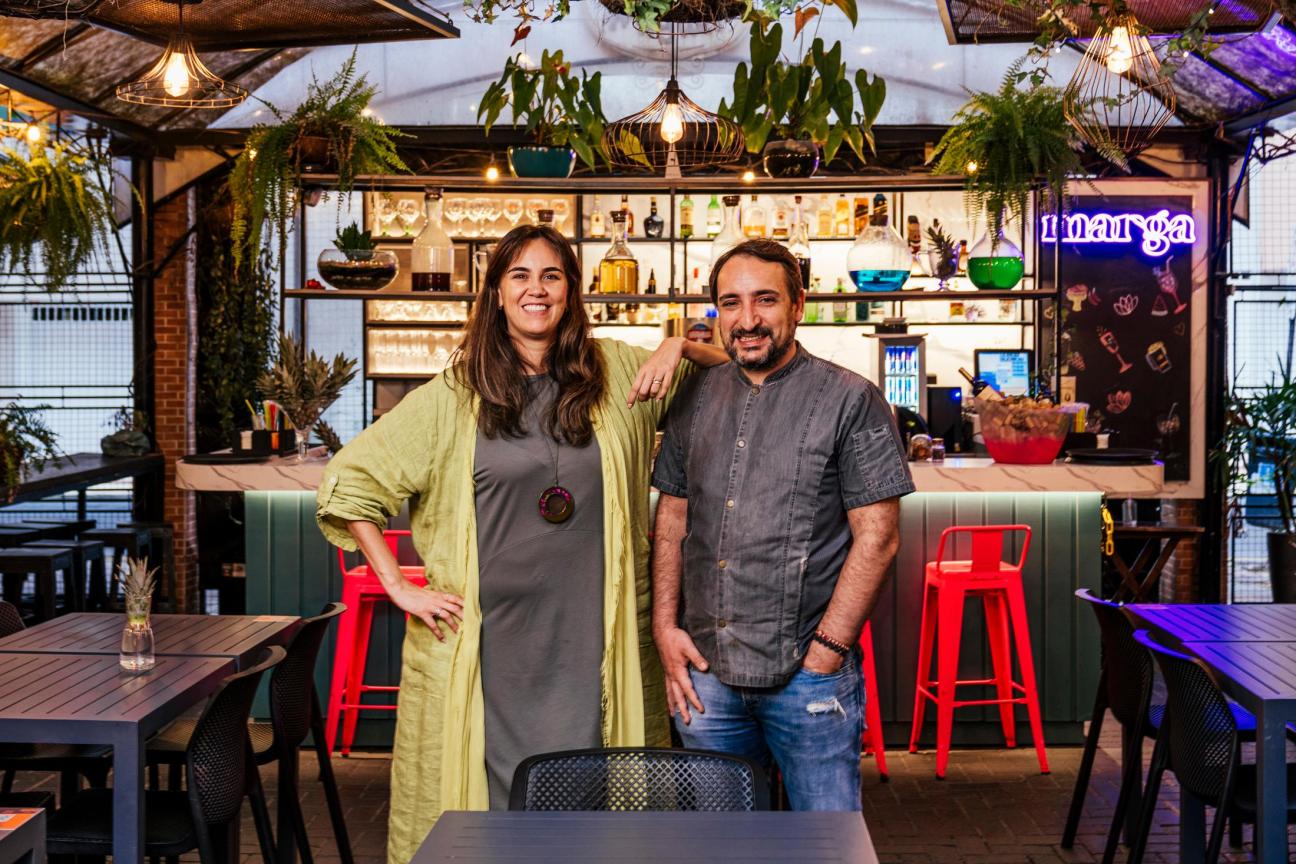
The city is attracting people from other countries too, such as Serbian chef Bojan Petrovic who, with his partner, Venise Manif Petrovic, opened Maka, a Latin-American restaurant in a charming boulevard full of bars and restaurants. Manif Petrovic is entranced by the city. “It has the soul of a big city but it’s safe, clean and growing gastronomically,” she says.
But this city that everyone is talking about can also be a divisive subject because of its politics: it voted overwhelmingly for hard-right candidate Jair Bolsonaro in the 2022 presidential elections. “Santa Catarina is a conservative state,” says Dagmara Spautz. “Bolsonaro had about 70 per cent of the vote here.”
But one thing that Balneário Camboriú has in abundance is a sense of pride. It’s not a perfect city but in a country known for its social inequality and sense of insecurity, it is like no other. —
Rimowa expands its horizons with a sleek entry into luxury handbags
On any given day, if you’re on a train between Köln and Paris, you’re likely to spot plenty of hard-shell Rimowa suitcases in the overhead compartments. But when entire carriages seem loaded with the German company’s wares, it’s probably a sign that the brand has been gathering its team for an all-hands meeting. Lately, this back-and-forth between its factory in Ossendorf, just outside Köln, and its creative offices in central Paris has been occurring at a much higher frequency than usual. All of this activity is in preparation for one of the brand’s most significant launches to date: its debut handbag and, notably, its first foray outside the travel sector, in which it has been operating for the past 126 years.
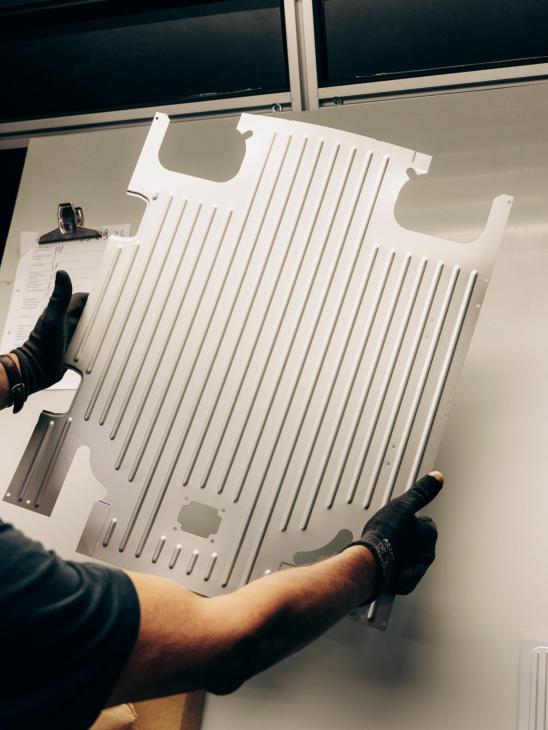

“It’s a leap of faith,” says Rimowa’s ceo, Hugues Bonnet-Masimbert. “Historically, our products have been associated with going to the airport or the train station but we felt the urge to enter daily commuting too.” The new bag, dubbed the Original, looks like Rimowa’s signature aluminium suitcase but it has been sized down to snugly fit an A5 book. It can be carried by leather handles or over the shoulder on a canvas strap. Getting its shape just right took more than two years. “We iterated an incredible number of times,” says Bonnet-Masimbert. “There were hours of meetings between crazy engineers, designers and myself.”
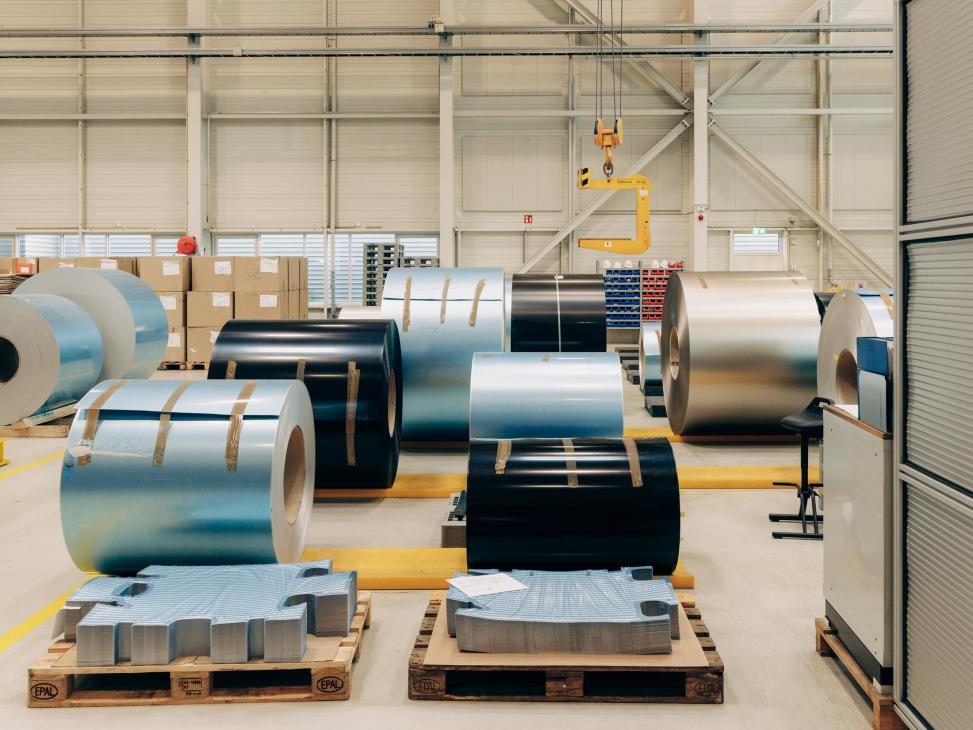
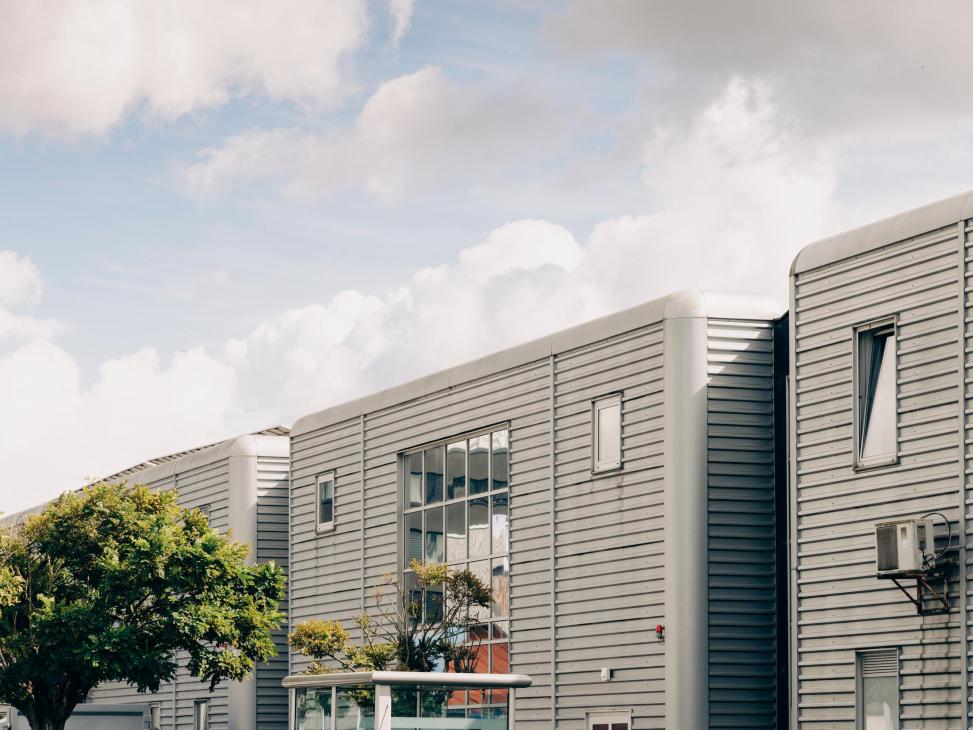
Bonnet-Masimbert meets monocle in Ossendorf, an industrial area with an unusual preponderance of factories built from grooved metal. There’s a delegation from Paris here and an excited bustle all around the campus. On the factory floor, a team assembles the Original bags that are due for delivery. In one corner, curved aluminium shells are attached and equipped with corner plates and handles. Across the room, the bag is fitted with a leather interior. The design has already made a high-profile cameo in Pedro Almodóvar’s latest Golden Lion-winning film, The Room Next Door, in which Tilda Swinton opens the bag and lets out a scream – in awe of the buttery leather lining, perhaps. The following day, it will make its way to Rimowa shops worldwide, including a dedicated pop-up in Shenzhen. It will also feature on billboards across the globe, including Berlin, Dubai and London.
Rimowa had already been working on expanding its product line to soft bags, such as canvas backpacks and weekender totes, as well as the clutch-sized Personal bag, which comes in both polycarbonate and aluminium. However, these were conceived and marketed as accessories to the suitcases, meant for carrying passports and other essentials while in transit. “In a way, they were easier to do,” says Bonnet-Masimbert. “But deep down, I’ve always wanted to make a handbag using our expertise.” It’s why the launch of the Original carries such weight for the business. It would be easy to dismiss it as a new size in an existing design – but it reflects the company’s broader ambitions to build its reputation beyond luggage and claim a stake in the competitive luxury handbag category, long ruled by Dior, Louis Vuitton and Celine, its sister brands in French conglomerate lvmh.
Even for a storied business such as Rimowa, successfully orchestrating this kind of pivot can take years of perfecting the design, working with suppliers and crafting the right marketing strategy. In fact, Rimowa has been planting the seeds of a new category launch for years. Ever since it was acquired by lvmh in 2016 (Alexandre Arnault, one of the youngest scions of founder Bernard Arnault, had long been a fan), the brand embarked on a big marketing push. It released partnerships with the likes of Supreme, Fendi, Off-White and Dior, brought most of its distribution in-house and, this spring, opened a pop-up café in partnership with La Marzocco during Milan’s Salone del Mobile. “We dabbled in the fashion space but mostly through collaborations,” says Bonnet-Masimbert, who took the reins in 2021. “Now, we are flying with our own wings.”
To be in a position to soar, Bonnet-Masimbert has been making changes inside the Rimowa campus, which has close to 700 employees. By optimising workflow and increasing the number of production lines, it has more than doubled manufacturing capacity. In the dedicated accessories section, the team has been producing small goods such as phone cases ahead of its big handbag debut. “Even our iPhone cases are made in the factory,” says Bonnet-Masimbert. “That is very unusual for the industry.”
Five lessons for entrepreneurs looking to diversify their brands:
1.
Stick to your expertise
A complete overhaul is rarely a good idea. Think about what your company is really skilled at and how that might be employed in a new category.
2.
Don’t outsource
It might be easy to simply stick your logo on items that you’ve had produced in a foreign factory – but your customers will notice.
3.
Set your own pace
Think carefully before committing to the frenetic calendars of trade fairs or fashion weeks. Nobody needs more hastily designed stuff.
4.
Stay true to your roots
Customers can relate to a new product more easily if it somehow connects back to a company’s heritage. Many good ideas also come from digging through the archives.
5.
Look for inspiration outside your industry
Rimowa was just another luggage manufacturer before its aviation-obsessed owner decided to emulate an aeroplane’s aluminium hull.
Investing in German design and manufacturing has allowed the brand to differentiate its new handbag from competitors. For Bonnet-Masimbert, the bag’s inherently German, function-first design is its strongest selling point. He has long had a deep-seated understanding of German consumer and manufacturing values, having spent years working as a shop manager in German cities including Köln, where he was once the sales advisor of the Louis Vuitton boutique. So when he embarked on the very French endeavour of making a fashionable handbag, he ensured that the brief was tailored to Rimowa’s design dna.
“We wanted it to be both premium and functional,” he says. “Part of the headache we gave our designers was that it should be suitable for going to work, as well as to yoga and to a wedding.” The bag also needed to be unisex – unlike most luxury fashion, which is skewed towards women’s ready-to-wear and accessories, Rimowa’s customer base is split evenly between men and women. Finally, it had to be made in Köln.
Fulfilling the brief required a lot of back-and-forth between Rimowa’s design team in Paris and the r&d and engineering departments in Köln. “Producing small aluminium objects is a huge technical challenge,” says Bonnet-Masimbert. “The world of daily commuting also has a much wider scope of functionality and higher aesthetic requirements,” he adds, pointing to the numerous technical challenges that tested the Rimowa team throughout the development process.
During the early stages, the team realised that the process couldn’t easily be repeated at such a small scale and sought the help of another German company specialising in moulding aluminium objects. Switching from a canvas to a leather lining also offered another steep learning curve. The classic Rimowa clasps wouldn’t work, either – they looked clunky and required two hands to open. The solution? A new lock that lets the bag pop open at the press of a button. “At some point, you’ll be pushing your bike with one hand and then you need to open this bag,” says Bonnet-Masimbert. “It might all sound trivial but we debated every little detail.”

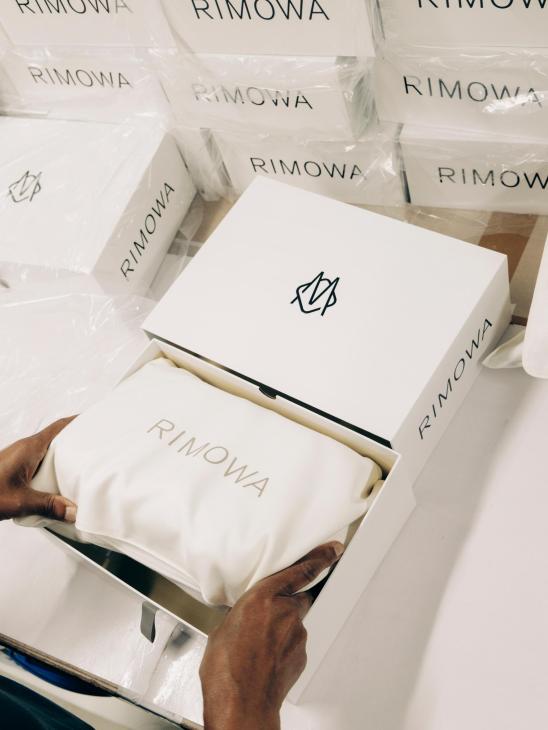
This kind of design process is uncommon, even in luxury fashion. For starters, the making of most handbags does not involve engineers. But going the extra mile has paid off. Unlike traditional luxury bags, seen as status symbols that are too precious to touch the ground, Rimowa’s Original can take more than a few blows. “In our minds, there is sheer beauty in a bag that ages,” says Bonnet-Masimbert, who is always looking for ways to connect the dots between the different categories and honour the company’s founding values.
In some ways, he says, the Original represents a return to Rimowa’s roots. The oldest piece in the brand’s archive, from the early 1900s, is a ladies’ baguette handbag, prophetically made from ribbed leather, resembling the now-famous grooves on its aluminium luggage. It also aligns with the brand’s commitment to serving all facets of contemporary mobility. According to the ceo, people are taking more trips and they see less of a distinction between travelling and being at home – they’re just always on the move. So it makes sense to offer a product that can be carried around in daily life. “When you’re a 126-year-old brand, you’ve accompanied people from riding horses to flying into space,” he says. “We’re trying to imagine new travel philosophies.”
The timing of the launch taps into a broader momentum in German design. “There is something extremely contemporary about the value of most exclusive German brands,” says Bonnet-Masimbert, listing Porsche, Mercedes-Benz, Leica and Birkenstock. “The ability of German product design to deliver on not just aesthetics but also on performance, longevity and durability – it echoes the aspirations of people all around the world.”
These values will help to guide Bonnet-Masimbert’s decisions as he develops the brand’s product ranges further. He has already installed a team of engineers to work on new projects and plans to open an innovation building on the Ossendorf campus by 2026. As the worlds of fashion and travel continue to evolve, there’s plenty left to explore but Bonnet-Masimbert says that nobody should expect Rimowa to follow in fellow lvmh brands’ footsteps and start offering fully fledged runway collections or seasonal items any time soon. “We’re different. Our dna is deeply connected to our history and industry know-how.” His approach is proof that no matter the size or age of a brand, diversifying takes time – and only those that are patient will be able to guarantee their businesses’ futures. — rimowa.com
Meet the Annecy creatives redrawing the animation industry
At a screening of an AI-generated music video, there are blank faces in the audience. Moments later, boos fill the hall. It is the first sign of discontent at the Annecy International Animation Film Festival. About 16,000 people from 102 countries have gathered for the flagship event of the animation industry, which is projected to grow by €200bn in the next decade. Despite these positive numbers, mass layoffs at major studios and the arrival of generative AI have left animators fearing that human artistry could soon be left behind. But Monocle finds a wave of artists who are redrawing the industry by blending traditional craft with new technology.
“I love the artistic possibilities of animation and the breadth of trades that you encounter on set,” says Argentinian director Rosario Carlino, who has come to pitch her film Karetabla as part of Women in Animation, a programme promoting animators from the Global South. There’s a growing confidence among artists who are embracing their heritage through animation, not least thanks to the booming export of Japanese anime to the rest of the world. “With streaming, animation has become a more global movement,” says Mitchel Berger, the senior vice-president of global commerce at Crunchyroll, who is credited with distributing almost half of the top-grossing anime films in North America. “What people once thought of as uniquely Japanese now has an audience everywhere.”
Among those present is Pakistan-based Mano Animation Studios, which entered The Glassworker, its first hand-drawn feature. “In the beginning, people said that we were crazy,” says film director Uzman Riaz. “Why would you do animation by hand when you can do it with the click of a mouse?”
However, this mouse-clicking mentality misses the point of what inspires many animators. “We put in all of this work out of our love for the art form and the audience can feel that,” says Canadian filmmaker Denver Jackson, who wrote, directed and painstakingly animated his new film, The Worlds Divide, by himself. “I won’t deny that some audiences will watch AI content,” says the film’s producer, Nicole Sorochan. “But is this algorithmic ‘more of more’ approach really what we need to be focusing on?”
Investing in craft in an industry fast becoming automated might not be as naive as it seems. “Because of AI, things that are handmade are more appreciated,” says Australian stop-motion director Adam Elliot, this year’s Annecy Cristal prize winner for best film, with Memoir of a Snail. “Films that used to be niche are reaching more people through digital technologies such as streaming.” Swiss director, producer and writer Claude Barras also believes that digital advances have benefited the creative process of stop-motion filmmaking, including his award- winning film My Life as a Courgette. “I think that 3D printing and digital cameras have removed a lot of barriers by making the process more affordable and fluid,” he says.
It’s a paradoxical claim often repeated at the festival: technological advances are allowing independent artists to preserve traditional animation approaches long abandoned by legacy studios. Smaller studios are now on track to snatch about half of the market from industry giants in the next few years. The success of these outsiders should be a reminder that, in this medium, the people who are doing the drawing are often the ones drawing in the audiences.
The disappearance of the business breakfast
If you work in fashion, you’re likely to be familiar with the breakfast menu of every restaurant in your vicinity. After a decade in the industry – today, I’m monocle’s fashion director – I learnt a few things: where to get the best shakshuka in London, which restaurant is the most creative with its breakfast and which one overdoes it with the cream in its scrambled eggs. I have also seen the popularity of “breakfast hour” (a US tradition adopted by Londoners) fluctuate.

Before the pandemic, the industry’s most productive meeting window was between 08.00 and 10.00, a time when connections were forged, deals clinched and plans hatched. This wasn’t limited to the fashion industry: entrepreneurs met investors, bankers met private clients and expense accounts were limbered up without fear of the bill being too big.
I loved it – a breakfast meeting finds you relatively clear-headed, doesn’t last as long as lunch or dinner and, while the food is rarely life-changing, there’s less room for error if you’re ordering poached eggs.
But breakfast hour has been losing popularity. Fewer brands are willing to host group breakfasts and invitations are switching to 11.00 coffee dates or worse – virtual meetings on platforms such as Zoom.
Reduced budgets might explain the shift but it’s also a case of people becoming less willing to leave their house and come into town in a timely manner – no doubt a side-effect of the work-from-home trend and, in the world of fashion, the unfortunate rise of intermittent fasting. Colleagues across the pond and ever lark-like Australians seem to be the only ones who still set their alarms and even love to squeeze in a workout before their 08.00 appointments.
“Breakfast is for Americans,” a UK newspaper editor tells me, arguing that Londoners should have never jumped on the breakfast bandwagon. “I only accept lunch or dinner invitations.” Italians, who prefer to have a quick espresso at their local pasticceria, and the French, who grab a croissant on their way to work, seem to be in broad agreement.
We might never go back to a time when breakfast rooms fill up like they used to but at least now the best tables are easier to secure and the service is speedier. For those still open to a business breakfast, there are rules: make sure to show up early, keep the small talk brief and order smart. And whether you’re working in fashion or not, there’s no excuse for looking like you just rolled out of bed. A little effort goes a long way.
Forum: The commercial hub redefining Marbella retail
The golden mile of Spain’s upscale resort town of Marbella has a new attraction. This summer, a three-storey space called Forum gradually opened its doors as a commercial hub with cafés, delicatessens, restaurants, shops and a gym. For Norwegian-born and Marbella-based siblings Sander and Synne Brendmoe of the family-owned company Antima Group, this project is about providing a year-round meeting point for locals as well as visitors.
“Beyond the beach, Marbella was missing somewhere you can enjoy a coffee while reading a newspaper,” says Sander, Antima Group’s fourth-generation CEO. “We wanted to gather everything under one roof so you could buy fresh bread, milk and coffee in the morning and enjoy a jamón serrano and a glass of wine in the evening.”
Many of the businesses involved in Forum are local. “We grew up in Marbella so it was more about finding what already works here and bringing them along,” says Synne, the company’s creative director. But there will also be a Scandinavian touch to the project, courtesy of a Swedish-owned bakery and delicatessen.Raised between Norway and Marbella, the pair have observed a compelling shift over the past few years, with new businesses setting up shop here and greater numbers calling this slice of the Costa del Sol home. “Marbella used to just be a holiday destination but more people are now spending half of their time here,” says Sander.
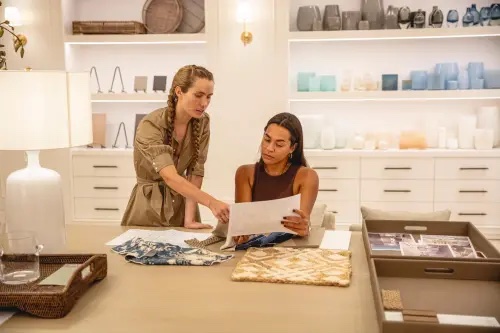
This retail project is a new challenge for the siblings, who have focused on smaller-scale residential projects until now. However, a strong background in property development with Antima Group has helped them to feel confident embarking on their idea for Forum.
“We have been working with the same construction companies and carpenters for more than 10 years,” says Sander. “We called on Norwegian architects for the logistics and a Spanish team for the beauty. It’s what we call a ‘Spandinavian’ blend.” The result is an elegant and welcoming shopping centre in a chic building with plastered details and rounded windows that catch the sea breeze. Centred around a main staircase, floors effortlessly communicate with each other, thanks to an open patio plan that blends the indoor spaces with the outdoor areas, all the way from the plaza level to the rooftop garden.
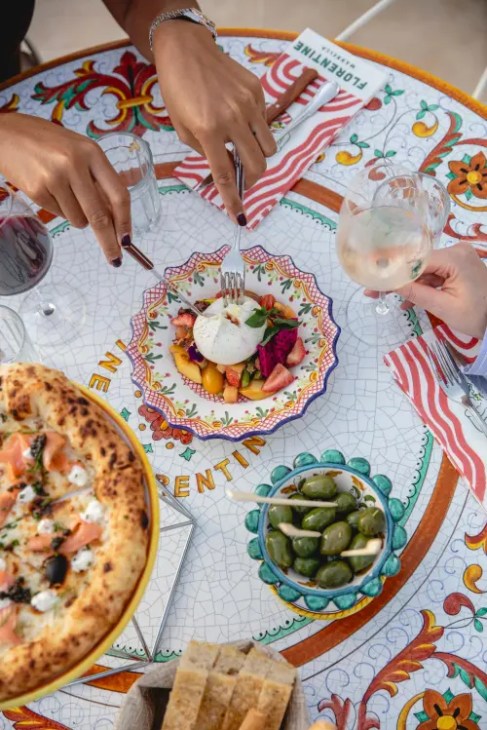
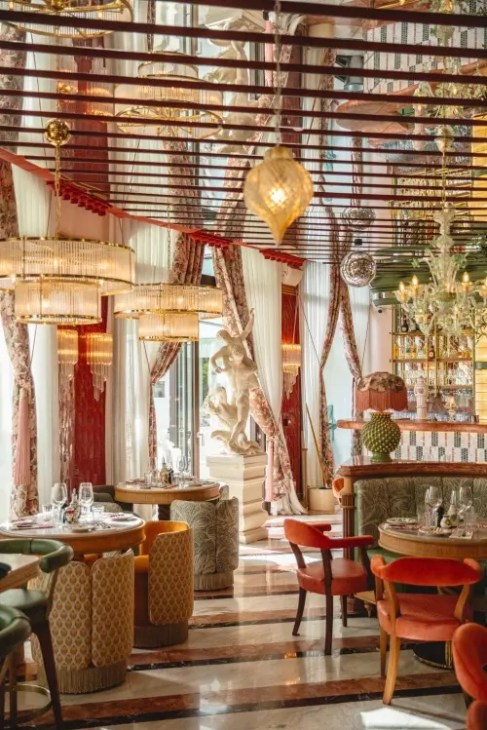
To make Forum a vibrant proposition, the siblings are planning experiences such as cooking classes, flower-arranging workshops, live music and pottery making. Its tenants include Sander and Synne themselves, who have taken more than 950 sq m for their interior-design brand, Sandon; they have also moved the Antima Group’s offices to the retail complex. Together, the siblings represent a new, more low-key vision of Marbella and the next generation of the Antima Group. Of course, Marbella will continue to entice a designer-bag crowd (and we wouldn’t want it any other way) but a thought-out retail project such as Forum is also ushering in a new era for the resort town and its permanent residents. The Mediterranean lifestyle has never looked so inviting.
forum.es