The Forecast
Hot off the press
The public-service paper
Linkiesta
Milan
When will print disappear? Never, according to Christian Rocca, editor in chief of Linkiesta, a popular Milan-based politics and current affairs website that is now publishing print issues. Despite pandemic-induced advertising losses making the business tougher than ever, “launching in print still means authority, especially in Italy,” says Rocca. Most importantly, it can work.
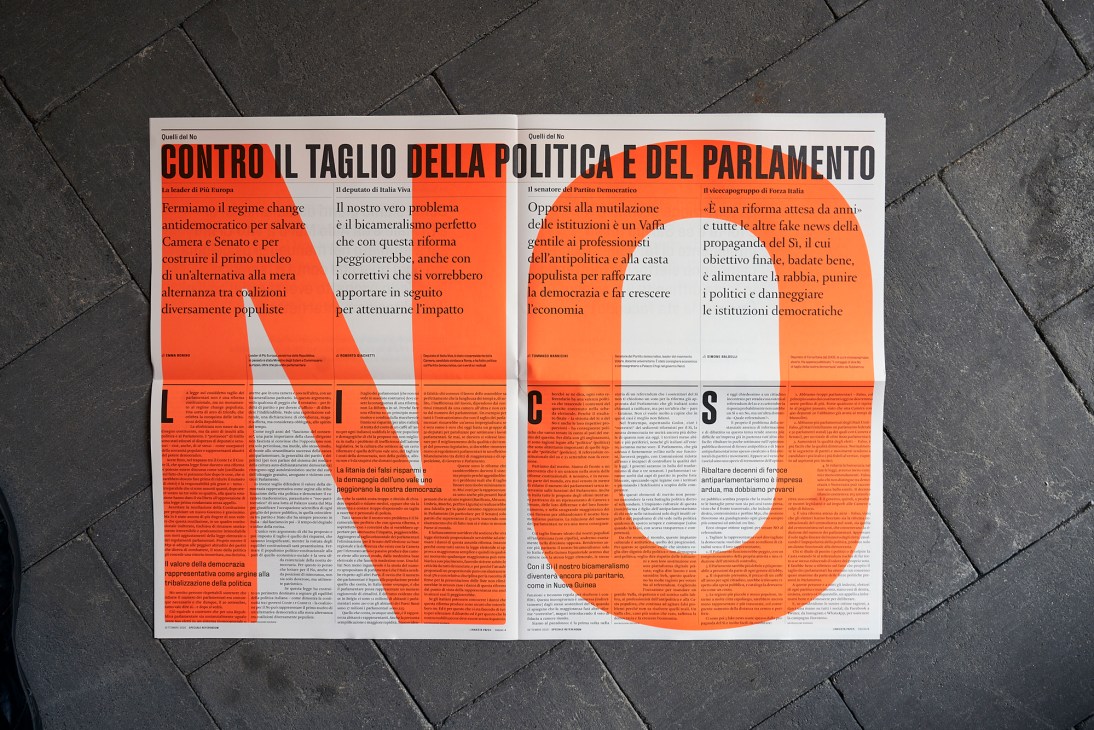
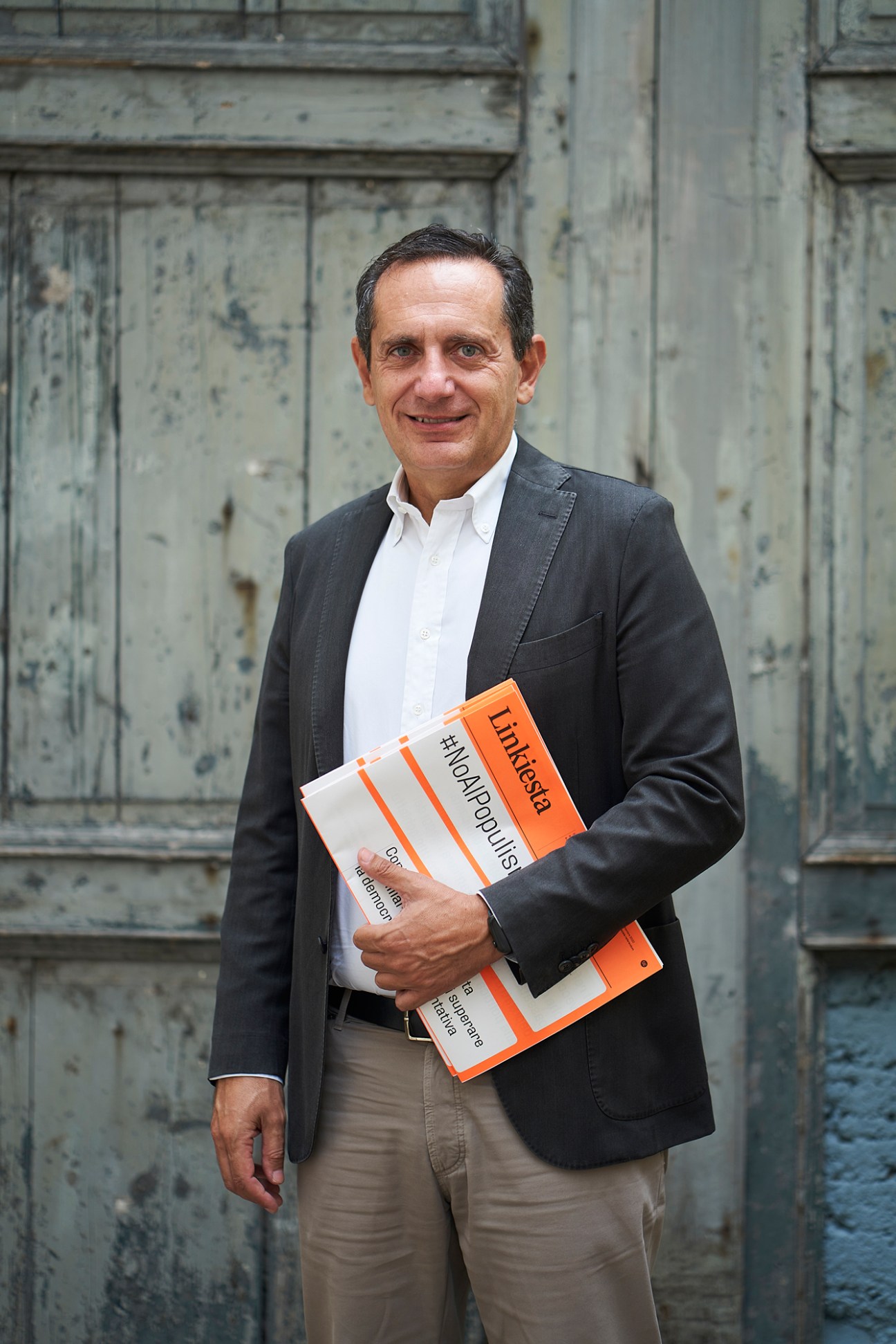
Backed by a collective of 40 small investors when it was founded in 2011, Linkiesta skipped corporate shareholders to place decisions in the hands of its editorial team. About 20 backers remain, involved because they “believe in journalism as a public service”. Since taking over as editor last year, Rocca has had carte blanche to rethink Linkiesta’s role. Whereas many liberal-leaning newspapers have gone out of their way to prove that they’re not only aimed at a metropolitan audience, Rocca hasn’t been afraid (or ashamed) to aim at that very demographic, repositioning Linkiesta as “an elite publication for intellectuals”. He’s pulled in prestigious journalists, published extended think pieces and overseen an attention-grabbing look for the paper.
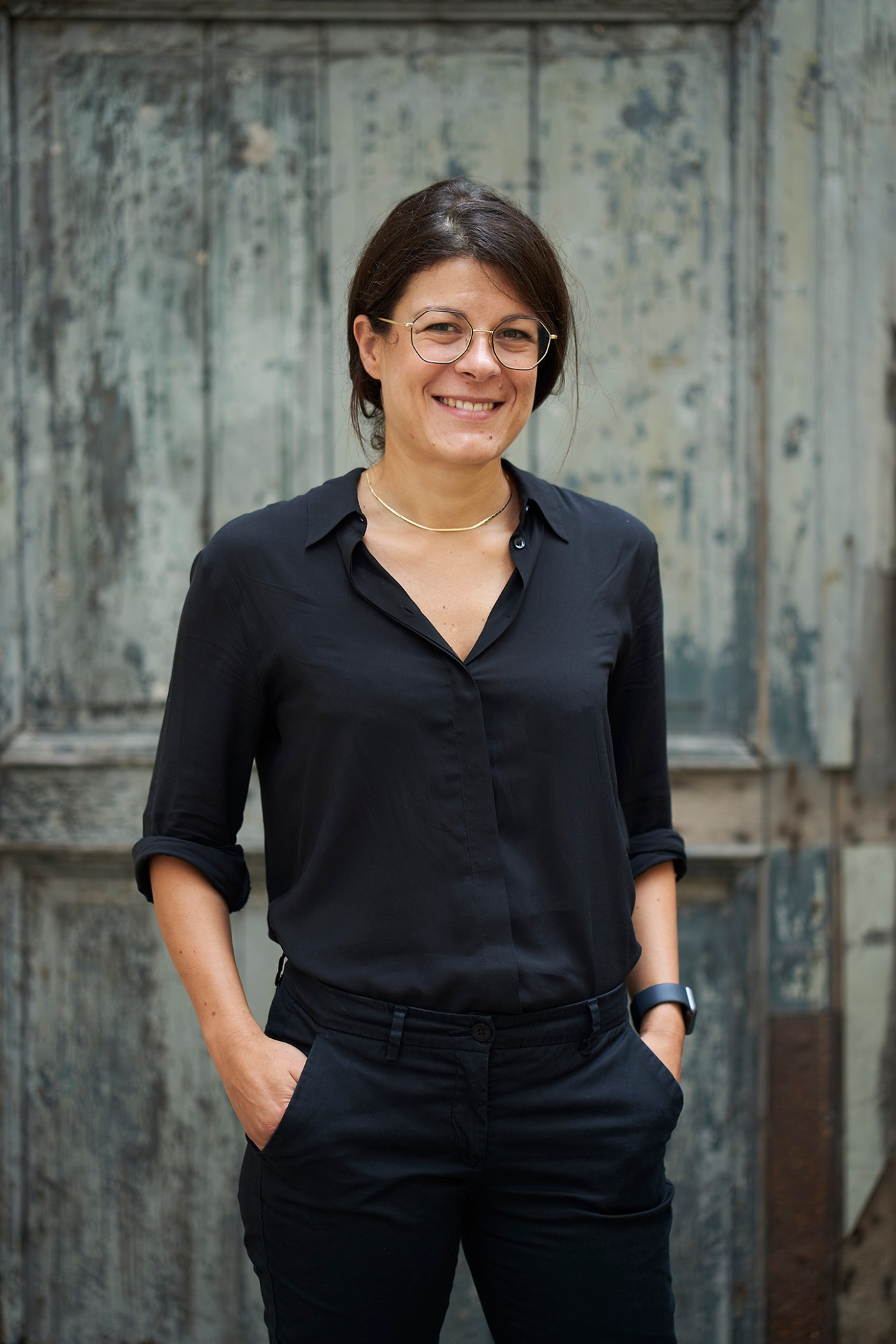
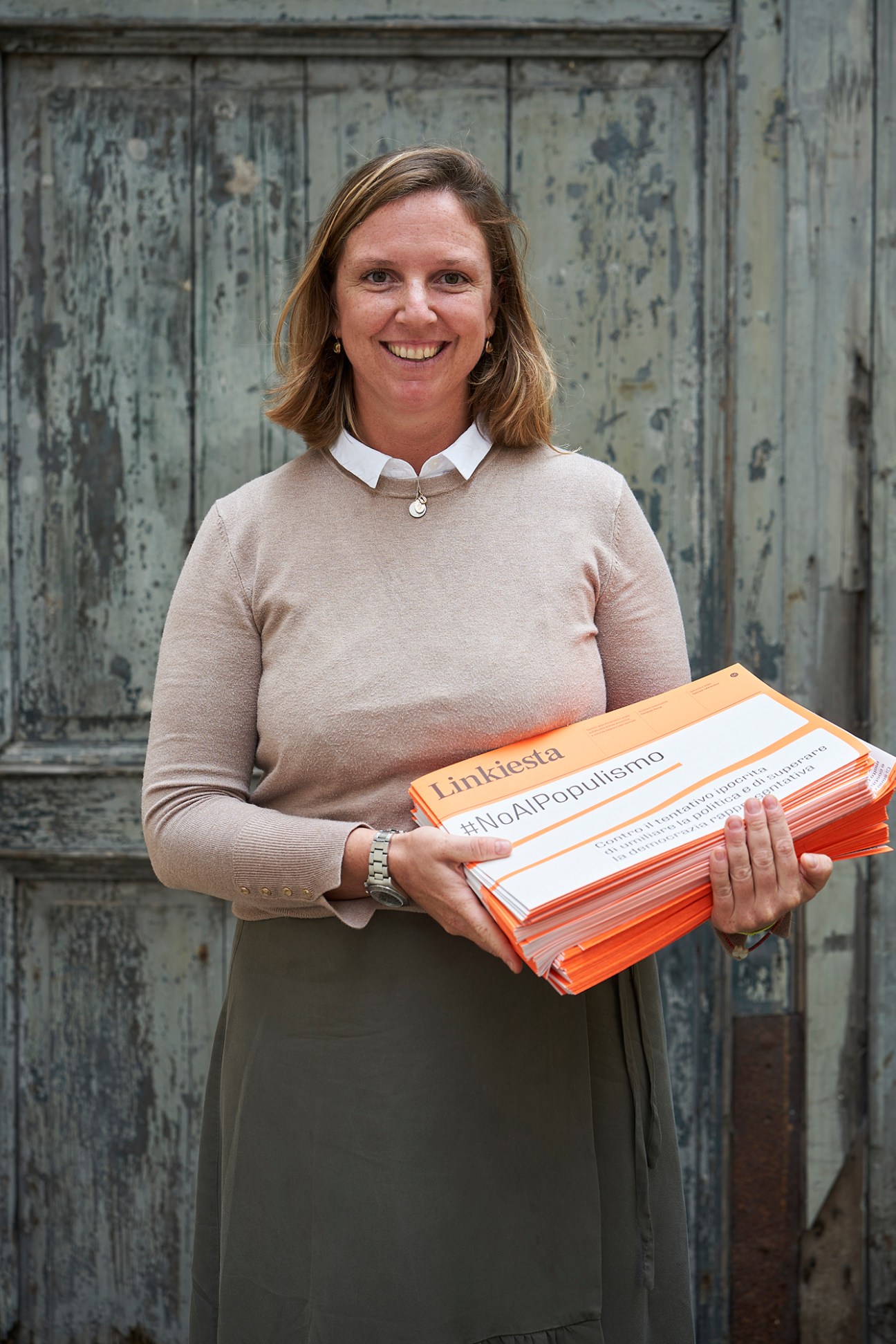
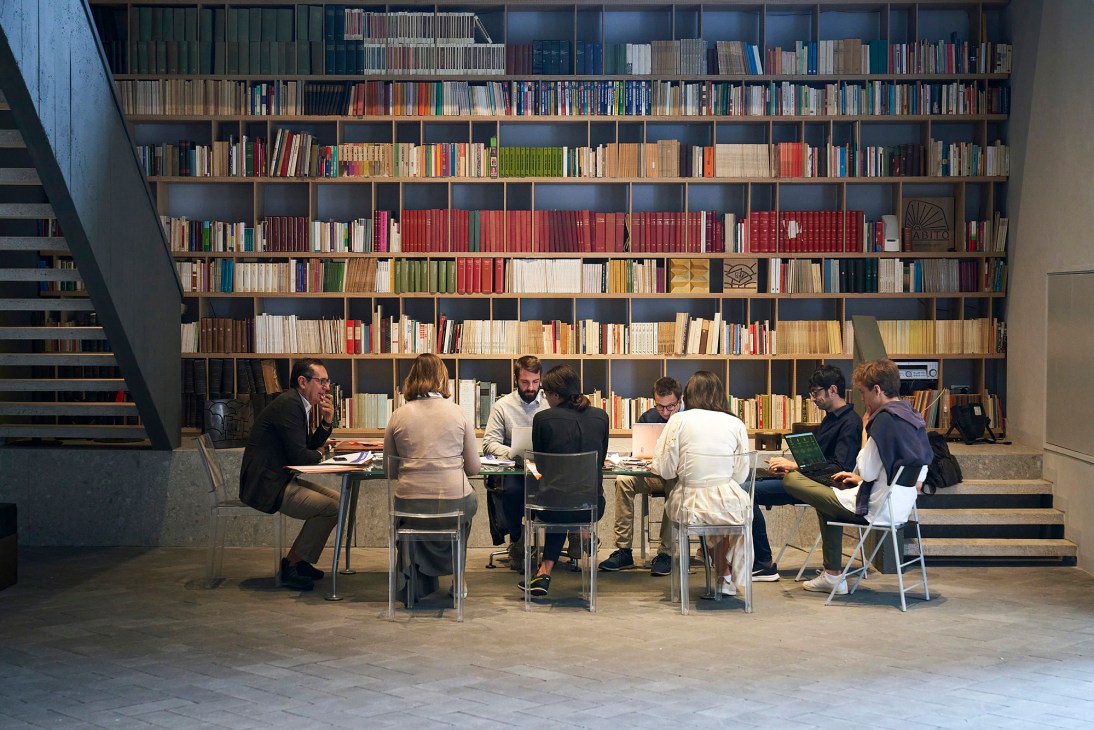
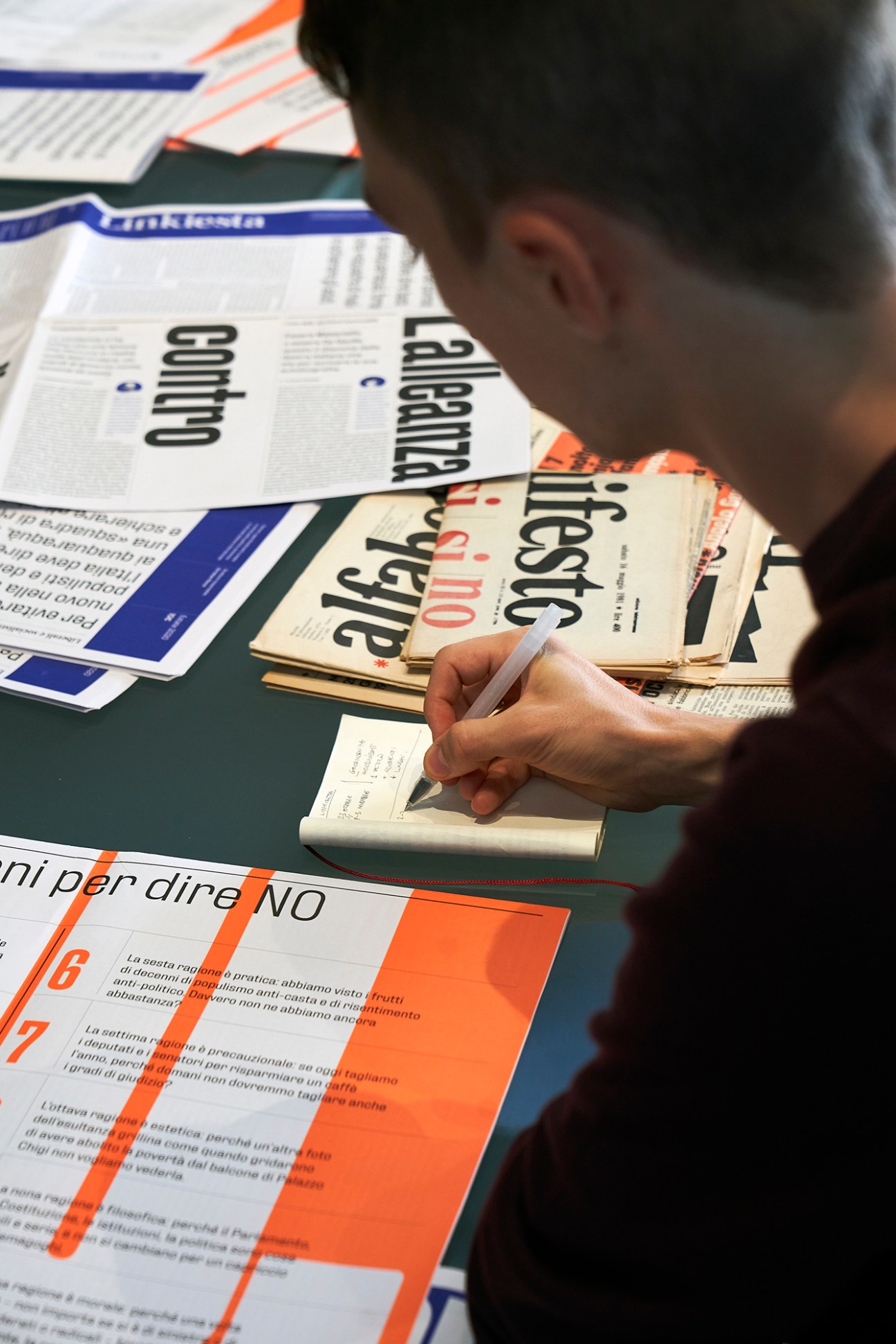
The editorial team reconvened in September in the sleek archive building of Critica Sociale, a storied socialist newspaper whose vintage editions helped to inspire the striking aesthetic of Linkiesta’s print issues. “For a newspaper to make sense, it needs to have a unique spirit and be a beautiful object,” says Rocca. Despite its design influences, the title’s perspective is not socialist but, as Rocca describes it, “globalist, pro-EU and anti-populist”. Examples of its content include a study of Italy’s long-ignored colonial history and a list of reasons to vote against a recent decision to cut the size of the country’s parliament. Although Linkiesta’s subscription-free site updates daily, the print edition is only published “when we have something specific to say,” says Rocca.
Today, Linkiesta draws much of its funding from a “friends club” comprising about 500 readers who have each offered between €120 and €1,200 a year, “with no other benefit than to support us”. The business is set to grow as the title racks up further funds from its new events club, live festivals and its work as a content agency.
Ultimately, Rocca believes that what sets the newspaper apart from its competitors is its attitude towards participating in public discourse. “Italian media is always reaching out to the worst of our nature,” he says. “What’s missing is something like Linkiesta, which calls us to the best of our character and our society.”
linkiesta.it
The ambitious start-up
Domani
Rome
At Domani’s Rome offices it’s time for the 10.30 editorial meeting. Softly spoken editor in chief Stefano Feltri addresses the dozen journalists present. The atmosphere is calm even though the team has a new national daily newspaper to send to print by 19.30. “It’s vital that we get this right,” says Feltri before opening up the conversation to the room.
It’s September and this is only Domani’s second week. The paper is the latest title to join the crowded Italian newsstand. Brainchild of leftist industrialist and media mogul Carlo de Benedetti, the newspaper – with its 26 full-time staff – is an attempt to revive independent, socially progressive, high-quality journalism in the country. It’s not surprising that De Benedetti called upon 36-year-old Feltri to help. As one of the founders of influential investigative title Il Fatto Quotidiano, he has a formidable reputation. “That experience means knowing all the mistakes that we made,” says Feltri. “I know that it is much more difficult to evolve and change a newspaper than it is to start one from scratch.
Holding a copy of the latest Berliner-format edition of Domani (“Tomorrow” in Italian), Feltri is visibly proud of the venture. Whereas many other Italian papers focus largely on domestic affairs, Domani takes a broader view. Feltri believes that his readers are hungry for something different. “Every issue, we try to have a feature related to the climate crisis and to inequality,” he says. Feltri also points towards a roughly fifty-fifty split in the male-to-female ratio of the editorial floor.
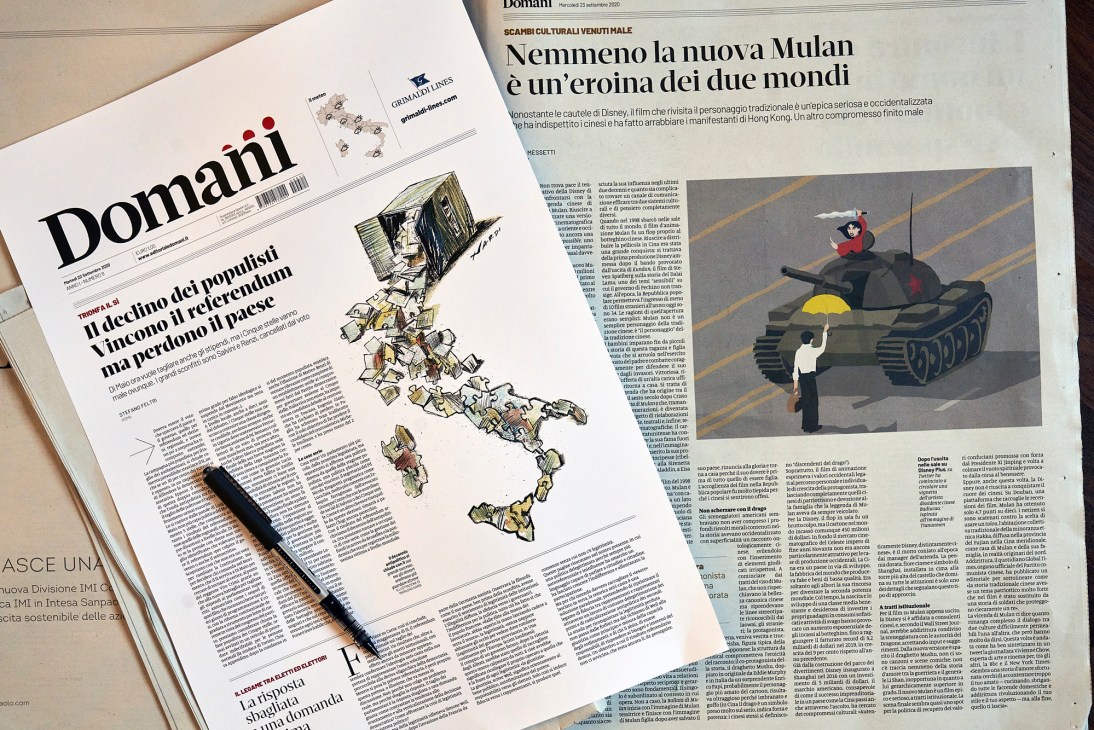
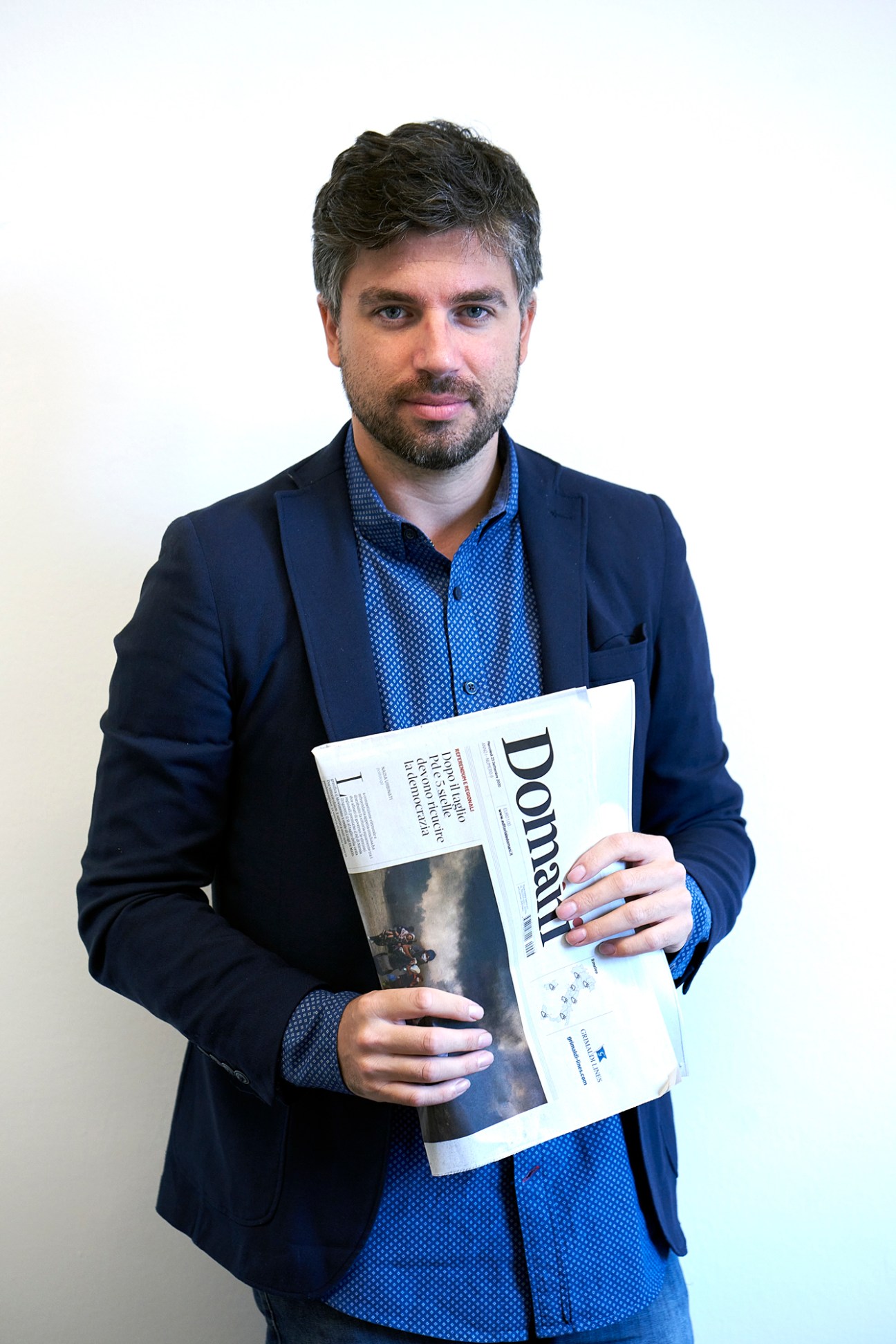
Domani’s fresh approach extends to all aspects of its production. Graphic design, for instance, was initially commissioned to an external agency but is now in the hands of editors who follow a series of pre-made templates. Rather than hiring designers, Domani is investing in positions such as a data editor, the first of whom is Filippo Teoldi, who relocated from New York to work here.
With a young, cream-of-the-crop editorial team behind him, Feltri is confident about the vision he’s creating. He believes that the paper’s predecessors and rivals are stale and often out of touch. “I don’t think most people understand what journalists are talking about,” he says. Tomorrow, it seems, there will be important, and well-written, issues to discuss.
editorialedomani.it
The zingy daily
Il Foglio
Rome
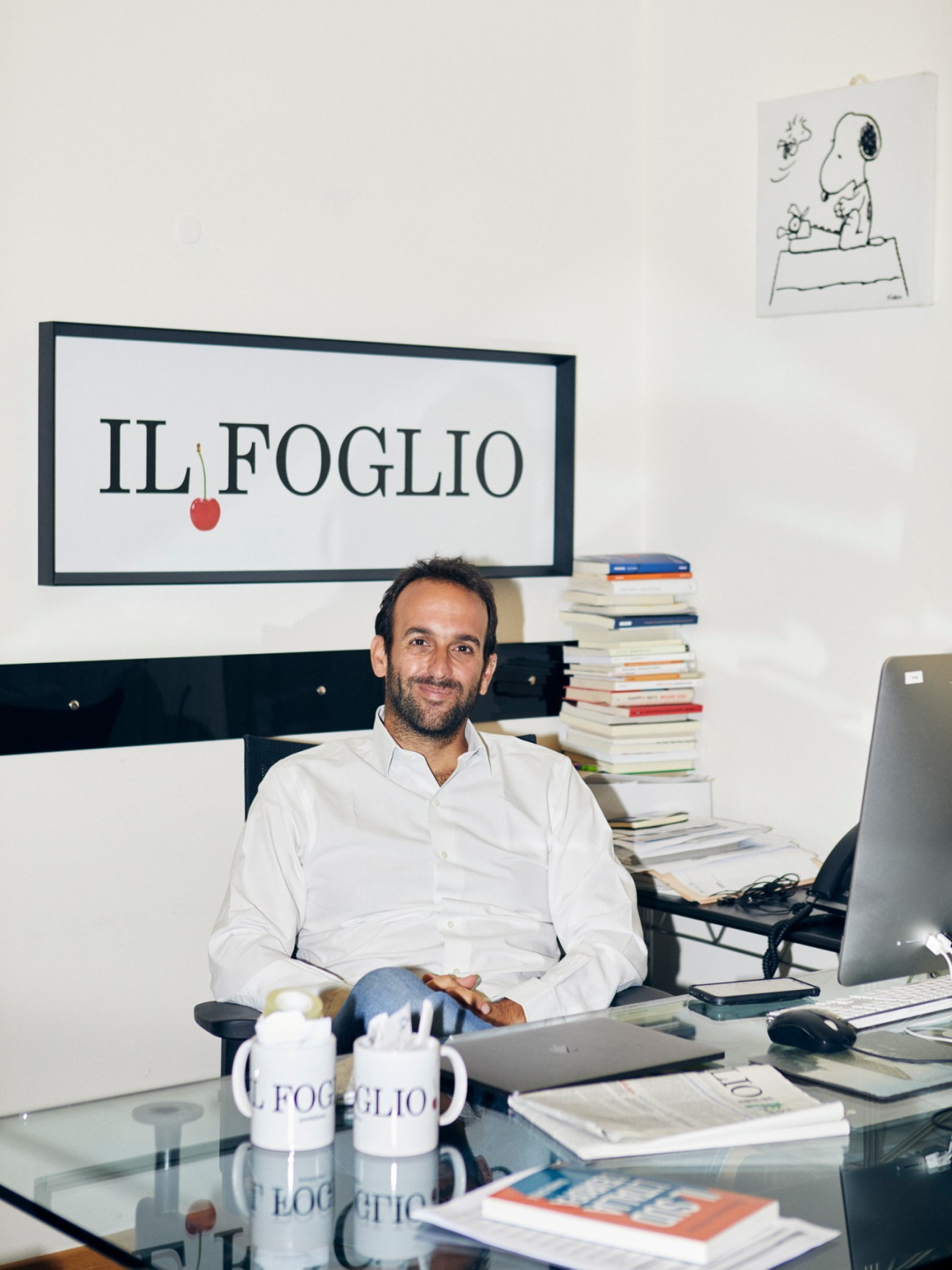
There can’t be many editors who would describe their typical reader as having the potential to be “a bit of a pain in the arse”. Yet that is how Claudio Cerasa puts it. At 38 he’s young to be editor in chief of a major national newspaper. But as he sits in his Rome office, the boss of Il Foglio is merely pointing out that, generally, those who buy his svelte, text-heavy broadsheet tend to have a certain reputation.
“There’s a feeling that you already know what kind of person they’re going to be,” he says. Specifically: serious, although not overly so; bookish with a wry sense of wit; “a bit of a nerd but also sort of cool”. Like its typical reader, Cerasa’s newspaper – founded in 1996 as a centre-right, opinion and political analysis-led daily – straddles many cultural boundaries.
The daily editorial meeting takes place at 11.30 at Il Foglio’s Via del Tritone offices, inside an elegant, art nouveau building. “It’s the magic moment of the day,” he says. Despite the 20-member editorial staff currently coming into the office on rotation, face-to-face meetings are something Cerasa is determined to maintain. “I’m not here to simply gather ideas,” he says. “Only by tackling and comparing stories all together are ideas born.”
Another feature that helps Il Foglio steer its editorial path is that the front page is put together in the morning, not in the evening, as is the norm with dailies. This means that Cerasa and his team set the agenda for the day and are not beholden to reporting developments, no matter how big the news might be. “We are choosing to direct rather than to digest,” he says. Cerasa admits that this path is not always easy but in many ways the strategy puts Il Foglio in an advantageous position by turning it into what Cerasa calls “a second read” – perused after a bigger news daily. It gives the paper the scope to dig deeper into a few choice topics and often with the kind of long-form writing that is hard to find elsewhere.
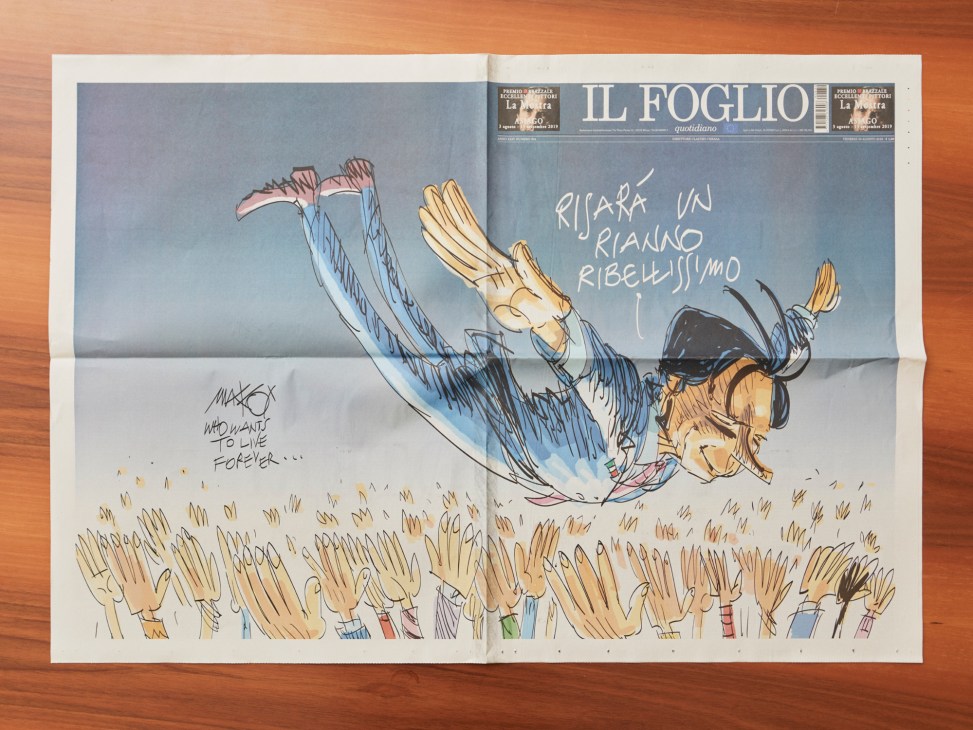
The title’s editorial line covers a broad church but Cerasa is clear on what is and is not acceptable. “We are against political correctness,” he says. “Although not when the war against political correctness is in any way linked to political extremism.”
Il Foglio’s journalistic style is working: daily print sales from kiosks rose during Italy’s lockdown. Average daily distribution stands at about 29,000 copies and unique website visits are between 200,000 and 1.5 million a day. This newspaper’s editorial position might be peculiar but it is timely. “The big divergence is no longer between left and right,” says Cerasa. “It is between being open and being closed.”
ilfoglio.it
Knives out
Long admired for its melting pot of culinary cultures, bountiful Aussie-grown ingredients and sunny service, Sydney’s restaurant scene had a long way to fall in 2020. In April the Australian Bureau of Statistics revealed that 70 per cent of hospitality businesses reduced staff hours and more than 40 per cent fired staff or placed them on unpaid leave. Beyond the direct effects on restaurants themselves, there are also issues around access to food for the most vulnerable.
South-African born Ronni Kahn has been running food charity OzHarvest since 2004. The former events organiser founded the firm to help reduce food waste that Kahn would see discarded at events. OzHarvest rescues 250 tonnes of food every week, delivering it to some 1,500 charities helping vulnerable Australians. Requests for assistance have increased during the pandemic. The charity responded by opening a second fresh food market in Sydney for hungry locals, stranded international students and temporary visa holders. OzHarvest swung into action in early 2020 during Australia’s bushfires, providing meals and groceries for affected communities and to regional towns on the east coast during the country’s longest-running drought. Kahn has also built relationships with strong, like-minded professionals to help with the cause. Among them are chef Massimo Bottura of Osteria Francescana in Modena, whom Kahn met in 2015, and chef Neil Perry of Sydney’s Rockpool Group.
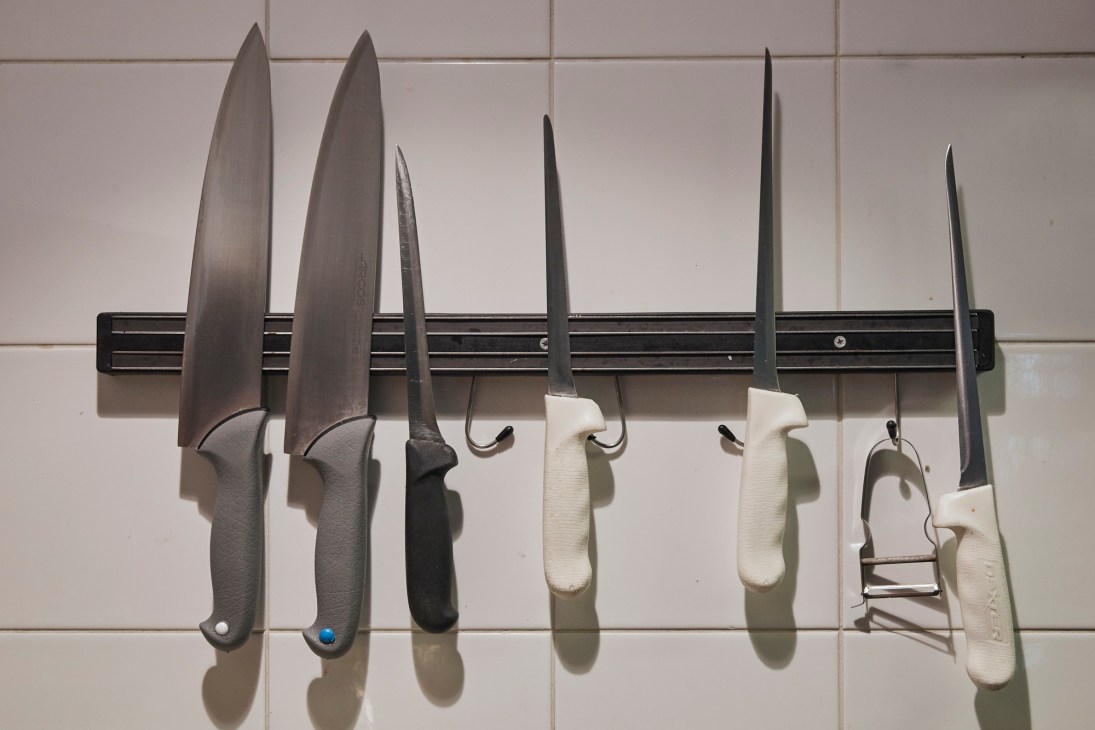
Bottura and his wife and business partner Lara Gilmore shared Kahn’s vision and developed their Refettorio concept under the banner of their Food for Soul charity. It helps chefs use rescued ingredients to create meals for vulnerable citizens, with spaces in Milan, London, Rio de Janeiro, Paris and soon in Modena, Bologna, Naples, Lima and Mérida in Mexico. A planned space, on Crown Street in Sydney’s Surry Hills, is a partnership with OzHarvest. The dignity of dining together in a well-designed venue is paramount regardless of your background or means. Refettorio provides free lunches for the vulnerable.
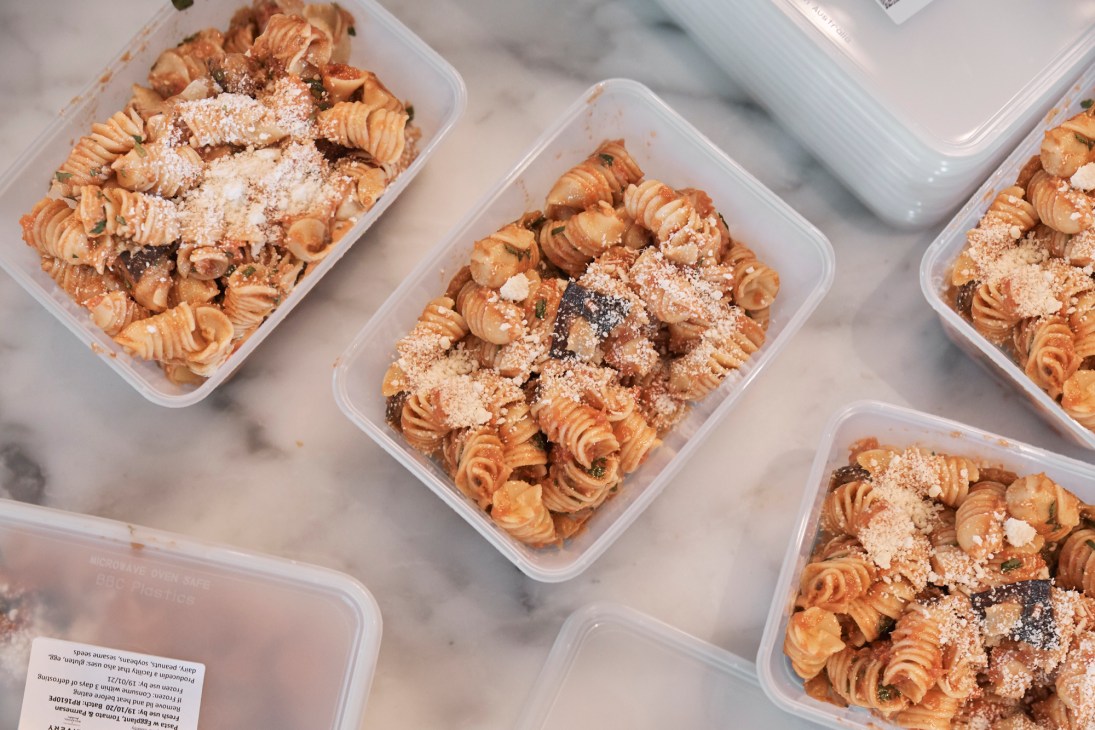
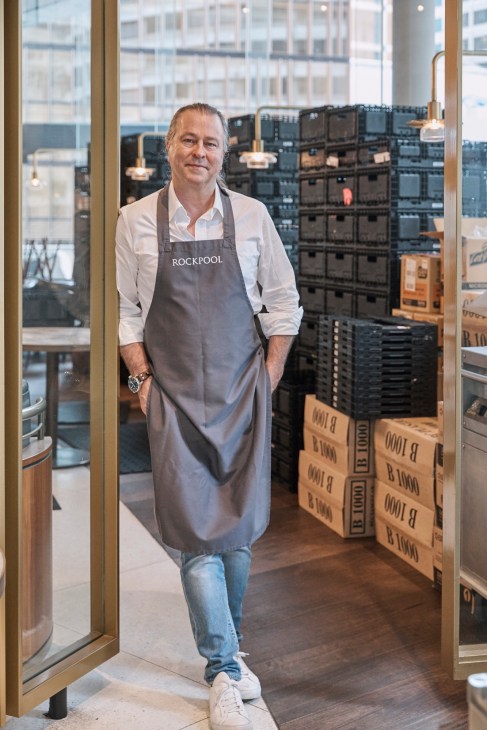
Perry is another Sydney chef turning his hand to feeding the needy with Kahn. “We worked together to get the first OzHarvest truck on the road,” says Perry. Today, OzHarvest’s food trucks also help to deliver meals for Perry’s new charity, Hope Delivery by Rockpool, which is designed to combat the effects of the coronavirus pandemic. Perry started the venture in April 2020 after hearing news that restaurants across Australia had to close their dining rooms. He was keen to supply meals and, as the name suggests, hope to those who government assistance has missed.
“We have many skilled-migrant-visa holders among our staff,” says Perry. “The restrictions of their visas mean that they can’t work for anyone else, not even digging a ditch. When the restrictions were announced, I figured that mass unemployment across hospitality and other sectors would not be far off – and sudden unemployment can see people become vulnerable quickly.” Newly empty kitchens at Perry’s restaurants – Rosetta in Sydney, and Rockpool Bar & Grill in Melbourne – meant that Perry could mobilise quickly. Through his network of existing donors, he raised AU$300,000 (€181,000) in a week to help fund the initiative.
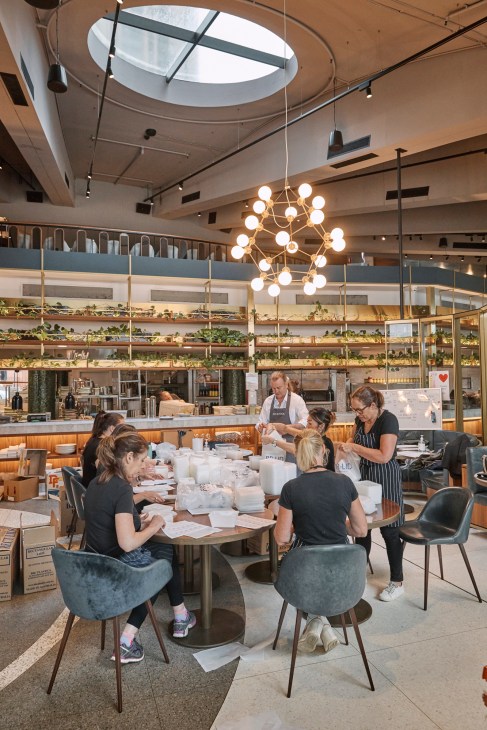
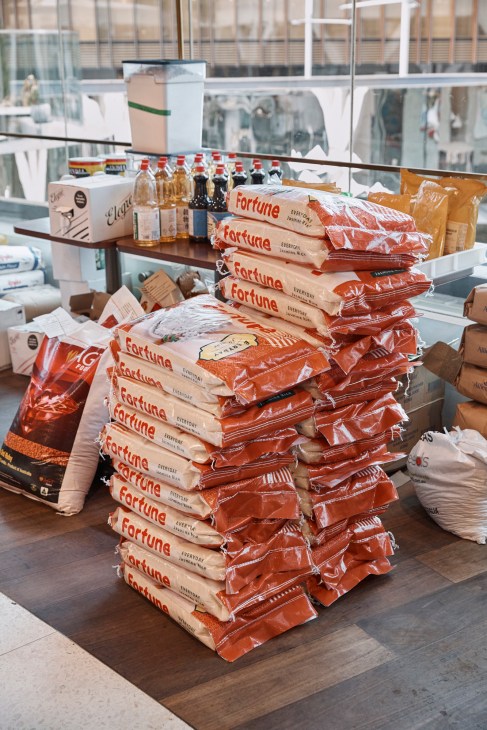
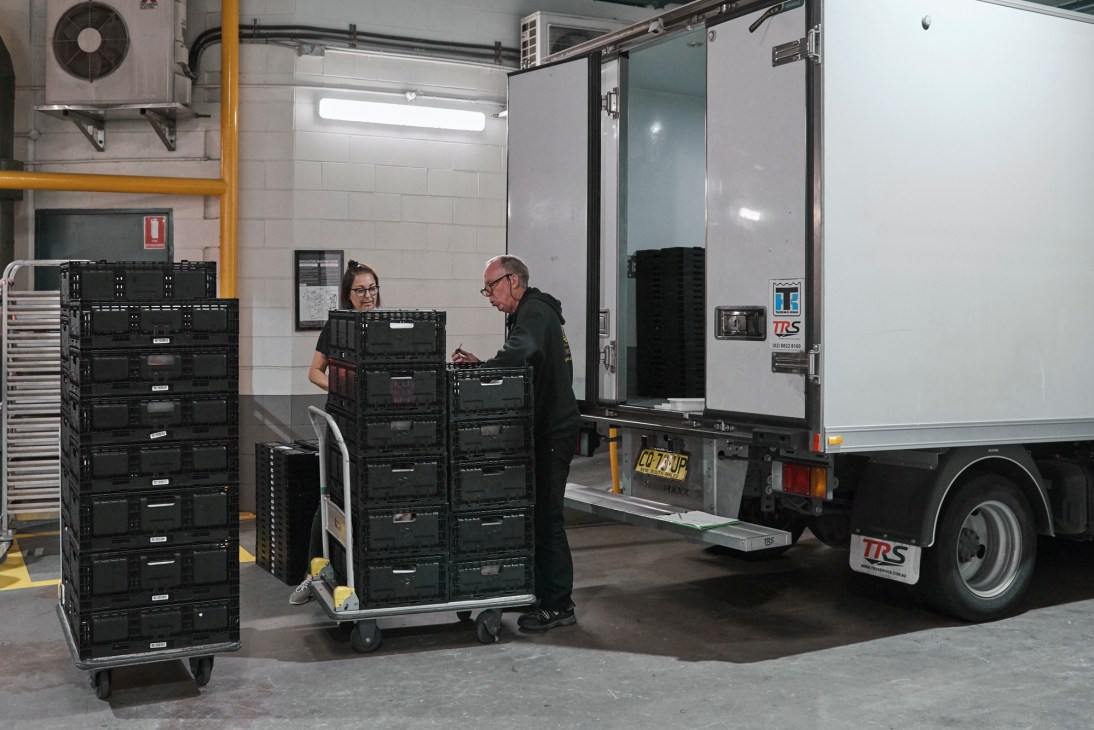
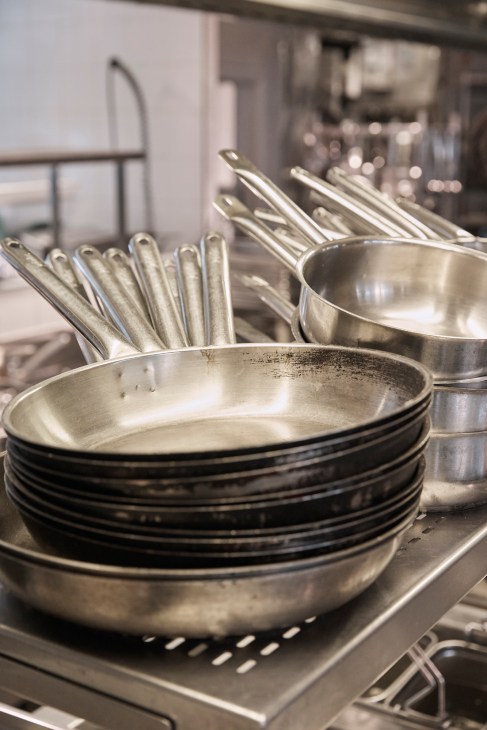
Perry hasn’t had a day off since March and continues to cook and pack meals – including beef tagine and tomato, cardamom and potato curry – beside a team of 2,000 staff who have been furloughed by other firms, as well as volunteers. So far, they’ve distributed more than 250,000 meals. “In Melbourne there’s a line outside the restaurant every day,” says Perry. “We hand over up to 1,500 meals.”
Perry plans to expand the initiative to Perth as soon as Australian state borders open and find a permanent home for the Sydney operation. “I’m keen to add a social enterprise,” says Perry, who hopes to upskill refugees with training in hospitality for the days that he hopes are ahead. “I figure I can teach a man to fish as well,” he says.
ozharvest.org; rockpoolfoundation.com; foodforsoul.it
OzHarvest
The venture that’s helping to feed Australia’s vulnerable in numbers.
AU$0.50: Cost to produce a meal.
160 million: Meals served since 2004.
250 per week: Tonnes of food saved.
15: Cities and regional centres in Australia.
Second thoughts
Figures that show why food in Australia requires a rethink.
AU$20 billion: The estimated cost of food waste every year, according to the Australian Government.
4 million: People in Australia experience food insecurity every year; a quarter of those are children.
71%: Almost three quarters of produce is exported. Australia makes more than it can eat.
Art and soul
Victoria Rogers
Bought
Sculpture by EJ Hill
Victoria Rogers’ career has included the role of director of arts at crowdfunding platform Kickstarter. She is now a masters student in fine arts at Parsons School of Design. Recently she has been spending time in Philadelphia, campaigning for Joe Biden. Activism comes naturally: the daughter of political insiders (her mother is Desirée Rogers, the former social secretary for Obama), Rogers was raised around the Democratic elite.

Collecting art is a more recent endeavour, which she pursues with a sense of social engagement, which informs her role as a board member of both the Brooklyn Museum and New York-based non-profit Creative Time.
In this challenging political and cultural moment, does collecting art still matter?
I think it’s possible to focus on art and on issues like social justice at the same time. Art, for me, is a way of tracking our cultural past while pushing forward new ideas and creative visions for what the future can look like. Artists of colour are an essential component of doing this work. It’s important that institutions engage more deeply with diverse audiences.
What about collectors of colour, do they have a unique responsibility?
There have always been really incredible African-American collectors throughout history that I’ve long looked up to. It’s true that wealth creation has not been equitable in this country, which has impacted the ability of African-Americans to acquire works. I try to vote with my resources and invest in artists that believe in inclusion.
Why this piece? Why this artist?
This is a piece that EJ Hill made following a performance series that he mounted at the Hammer Museum in Los Angeles. I’ve long been a supporter of his work. This piece is incredible to me, particularly the ways in which it speaks to black power. Sometimes it can take me a while to make a decision about a piece but in this case, I saw it at New York’s Company Gallery and decided to buy it instantly.
What advice would you give to those who’d like to collect?
There are many ways to support people who are making the art world more equitable. Artists have been engaged in conversations around these topics for a long time and I hope this can encourage others to do the same. Being a black woman I have an added burden, an added responsibility. But it is my hope that in the future everyone feels the same way, that everyone values this process as much as I do.
Nanne de Ru
Bought
Vintage furniture by George Nakashima
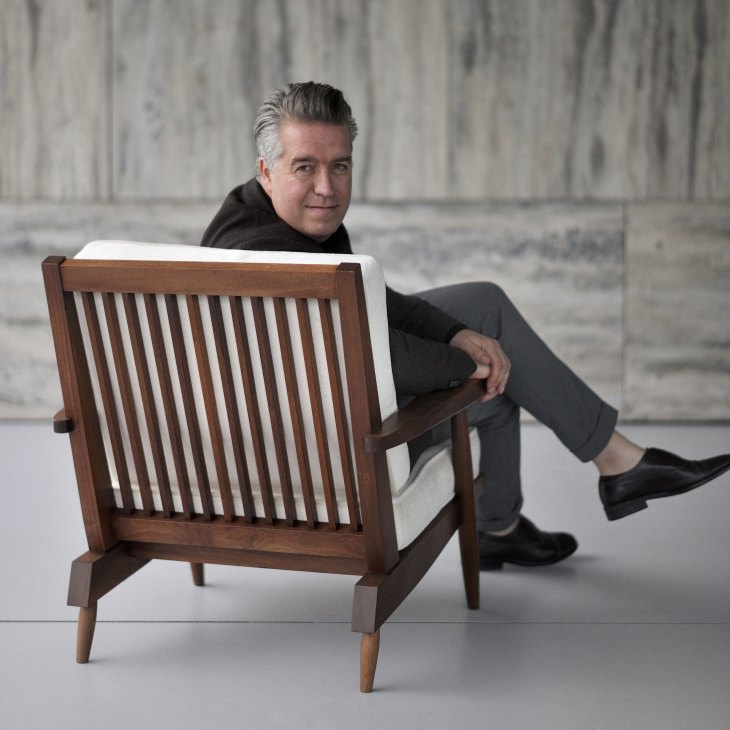
Having lived in the US and Germany, Dutch architect Nanne de Ru settled in Rotterdam in 1999, where he founded his own practice seven years later. Today his firm employs 100 people across offices in Rotterdam, Oslo, Munich and Beijing, taking on projects that range from high-end residential briefs to train stations and public-use buildings. De Ru began collecting as a way to reward himself after closing great deals but it then grew into its own dedicated pursuit. Here he explains why buying vintage furniture is not just an investment but a way to bring some “joy” and “soul” into a home.
What did you buy and where?
A spindle back chair and ottoman by George Nakashima from the 1960s. I bought them at the Morentz gallery [in Waalwijk, the Netherlands]. As a designer and architect I work regularly with Morentz – we do a lot of interiors. It always has beautiful stuff. I have bought quite a few things there; the gallery is really good at sourcing rare original pieces. This one, in particular, caught my eye. I am so happy when I’m looking at it.
When did you start collecting?
About 12 years ago. I wanted to celebrate a commission. I started buying chairs, then after a while I realised I had a lot of chairs. So I started buying art too. I really like mid-century modern but lately I’ve been looking at the interbellum period.
Has your attitude towards buying changed in 2020?
The lockdown has made us more aware of our surroundings at home, so we decided to fine-tune quite a lot of areas in the house. Many friends of mine have also been spending more time and money on furniture than in previous years.
Do you also buy from fairs?
Yes. I bought from Brussels’ Brafa, Art Rotterdam and Tefaf in Maastricht. What I like about Brafa is that it puts together art and furniture in what is an inspiring combination. I think that is what fairs are moving towards. The mixture and crossover will become stronger in the coming decade.
Has the market for vintage furniture changed since you started collecting?
The market is really rising. Some pieces that were available for a few thousand euros could now be double that price. People are realising that vintage pieces have an investment value and, if you choose right, they keep that value. They also bring a lot of joy and elegance to a home. The art market has exploded to unprecedented levels, which makes high-level art unaffordable, while design furniture and objects are good entry-level [purchases]. And it might be banal but it’s nice that you can physically enjoy these pieces. Vintage design furniture is something that you can engage with and it also has a certain nostalgia about it.
Guy Salter
bought
Korean pots
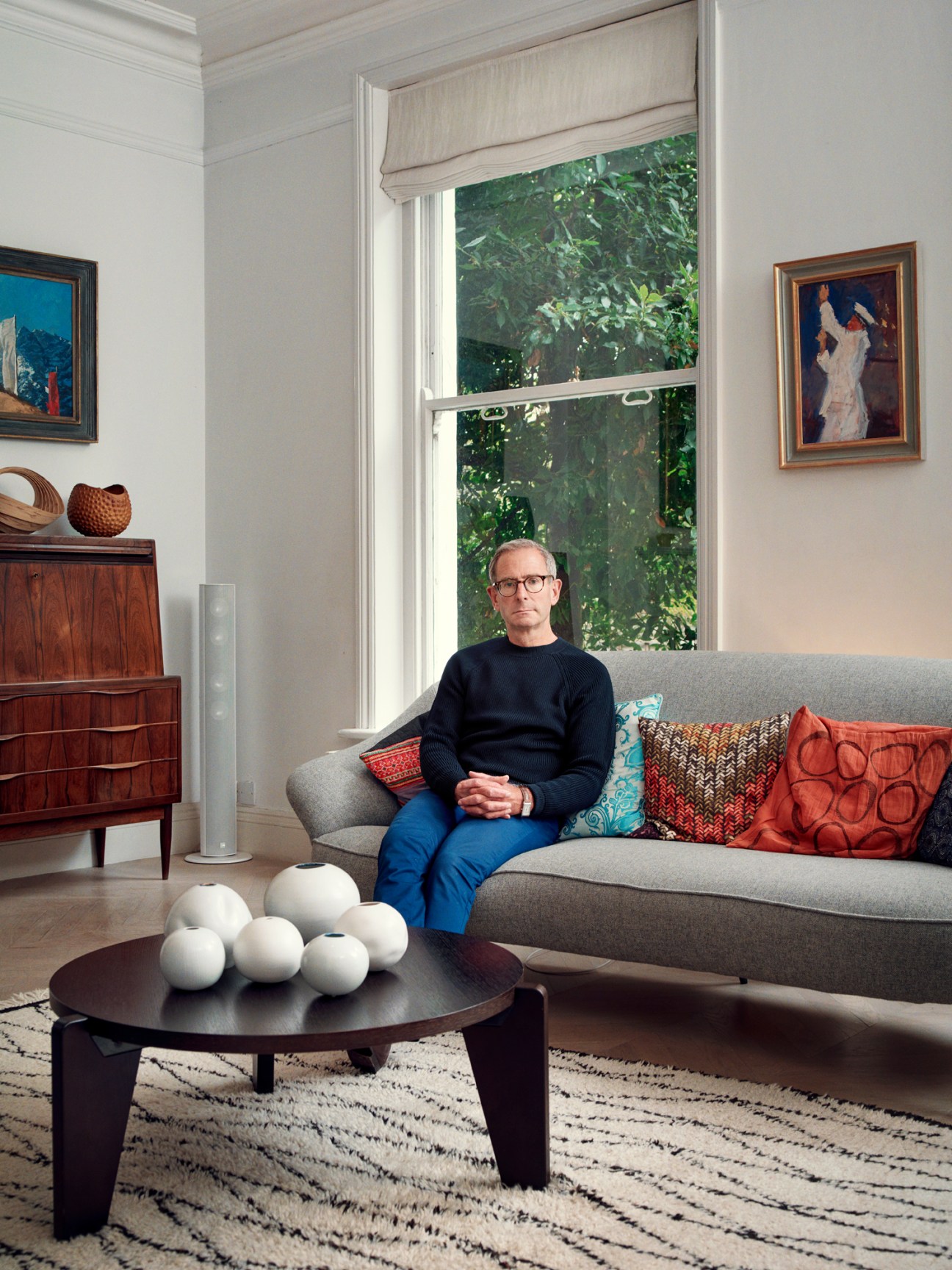
Guy Salter founded London Craft Week in 2015 to plug a hole in the art-world calendar. That absence was no doubt down to craft’s old, undeserved reputation as an inferior art form – after all, these were objects with domestic functions. But as more and more people develop a keen interest in finding out how the things that surround them are produced, high-end ceramics, woodwork and metalware are going through a resurgence in popularity. It’s something that Salter – an avid collector with a lengthy career in luxury retail – is particularly attuned to. We spoke to him during the fair’s 2020 edition about shifts in the market and why craft is a comfortable (and smart) area to buy into.
What did you buy and where?
I bought these Korean pots from the Han Collection, a London-based gallery representing artists from Icheon City. They were made by an artist I’d never heard of, called Jeong Sewook. I bought them all. They were priced individually so it wasn’t that they were being sold as a set but they’re just beautiful together.
Why did you buy them?
Korean culture, especially when it comes to craft, is incredibly rich and much overlooked. I go to Korea quite a lot. They’ve actually done me the compliment of copying London Craft Week – they now have a Korea Craft Week – and they’re doing it brilliantly.
What’s the difference between collecting craft and contemporary art?When did you first become interested in craft?
I’ve always been fascinated by how things are made, and I’ve always responded strongly to quite simple, beautiful things. Then you realise that there’s actually a huge amount of skill that goes into achieving that beauty.
Craft is much less fashionable. It doesn’t have the same hype. As a collector, it’s brilliant because it’s more affordable and you’re operating in a space that is still a little hidden. There are so many opportunities – such as visiting makers’ studios – and there’s less of a sense of right or wrong.
Chiara Mazzoleni
bought
Etching by Georges Braque
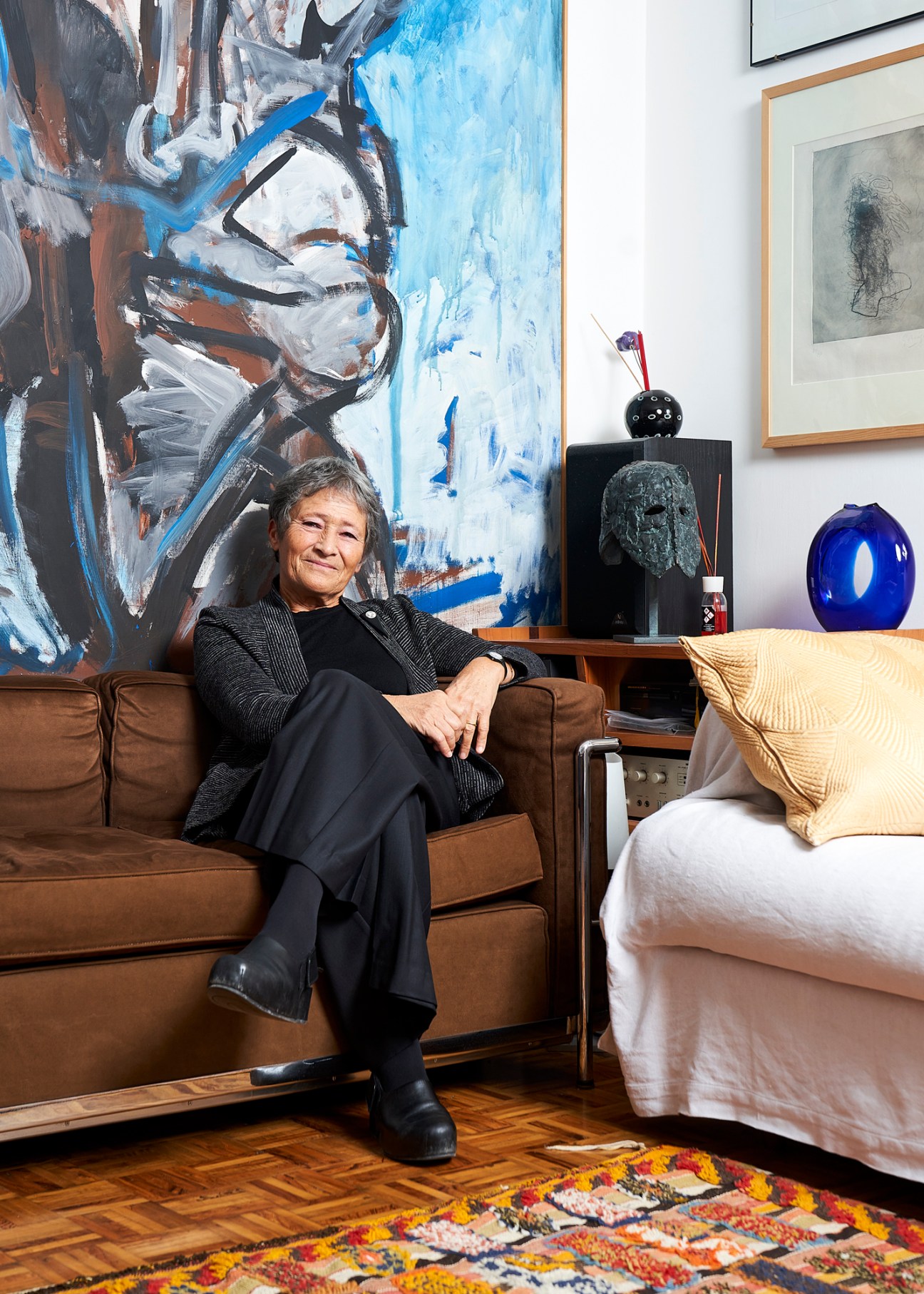
For Chiara Mazzoleni, collecting isn’t so much a matter of investment – but instead, a way to connect to her city, foster friendships and, crucially, ensure that her home is a place where she is happy to spend time. That’s why, when she buys art, she chooses works that make her feel something and why she values building long-standing relationships with galleries. Born in Bergamo, she moved to Venice in the 1970s to study architecture and is now an associate professor of urban planning at the city’s Iuav University. It was through meeting local artists that Mazzoleni began to piece together her collection of lithographs and etchings.She tells us about the latest addition on her walls.
What did you buy and where?
I recently bought a 1950 etching made by Georges Braque called “Grande tête”. It was included in an exhibition of his prints at Galerie Bordas in Venice. I first bought a piece there 20 years ago and I’ve been buying art there ever since.
Why did you buy it?
It was the work’s eccentricity that appealed to me. What dominates is this strong and enveloping scene that only partially reveals the figure. You can see that it’s a classic figure, a bust, but the emotion and atmosphere are the first things that draw you in.
What are the benefits of buying prints or etchings?
Prints allow us to appreciate aspects of an artist’s language that are not always recognisable in paintings or sculpture. Often the artist manages to be more biting, to immediately communicate his intention. I appreciate that spontaneity and the incisiveness and expressive force of the line. Prints can also bring those with limited purchasing opportunity closer to the world of art.
When did you start collecting?
When I came to Venice, which during the 1980s and 1990s was very vibrant and filled with Venetian artists. I became friends with lots of them and I bought their work – not only prints, but also paintings. Through these friendships I had the chance to discover art and be a part of the process.
What’s behind your decision to buy something?
I look for art that makes me feel something. Because if I have no emotional reaction to a work, then what? Whether or not I buy something depends entirely on my feelings – it’s about passion.
Any advice for future collectors?
The place in which you buy art makes all the difference. The relationships I have with some galleries are a precious resource. With Galerie Bordas, [for instance], selling art is part of a family tradition. Hervé Bordas himself is an artist and Domenico Brancale is a talented poet. You need to have an understanding with the person you buy from. We’re good friends now.
How has the market changed over the past few years?
It’s being discovered and quite often by well-established art collectors. It’s always the same with collecting: you get to a certain point and you’re hungry for more. There are a few people, including [ceramics collector and curator] Sarah Griffin, who have been leading the way and showing that these are world-class artists.
And the future of craft?
Funnily enough, the times we’re in are perfect for it because everyone’s forced to spend more time at home, so investing in something beautiful that you can look at every day is quite special.
Sound bites
1.
Celebrate being present
See who zooms goes nowhere fast
Make 2021 the year of being present, of being there, of getting out and about and leaving that meagre, horizontal arrow-slit of an online world behind. The sheer speed of doing things in person will offer you weeks of free time.

2.
The grace of gardening
Planting Seeds Makes Happiness grow
Those new skills? So satisfying. The soil beneath your fingernails? Such a pleasure to see it washing down the plughole. Those tomatoes? So sweet. The patience and pride gleaned from a little garden husbandry can be transferred anywhere.
3.
Invest in things you love
Good things come to those who subscribe
We would say this, of course, but subscribing to something in print is well worth your pennies. Some weeks you can’t wait for the next instalment; others that affirmative flump on the doormat is a pleasing surprise.
4.
Revel in the attention
Dance like 1,000 people are watching
Oh, so you missed dancing? Just getting lost in music in a club, on a beach, in a ballroom, out in a field? Of course you did. Now try to stop yourself next time you get going. You’ll find that you missed all the attention too.
5.
Highball logic
Shake and stir to see with clear eyes
It’s high time that you chose a couple of cocktails and stuck with them. It’s a joy to know how to mix your own gimlet or old fashioned almost with your eyes closed – or only for your guest. Plus, practising is fun.
6.
Perfect your tennis serve
He who tosses highly will win admirers
This might seem specific but your tennis serve is a transferrable skill. Get some lessons, practise in the park, grow into your rhythm and impress your opponents. It’s all about tossing it up in the same place every time. It sounds funnier than it looks.
7.
Get a four-legged friend
Celebrate the year of the dog with gifts
Fortune favours the dog lover. Those folks chatting on the green? They didn’t know each other last week but Rover and Rita brought them together. Make something furry happy and you’ll be smiling.
8.
The draw of the destination
Travel to the source to find true value
Embarking on a pilgrimage to see, say, the vines that make your favourite wine is its own reward. A couple of cases rattling about in the back of the car will feel like rare bounty and every bottle opened will tell its own story.
9.
Take time to reflect
Use the mirror for more than shaving or makeup
Ah, this is all about the benefits of reflection. Of which there are many: taking a long view, wondering why the hell you did that, or enjoying a pat on the back. Pepys can rest easy but writing down what you think in a book unshared is a good impulse.
10.
Learn from experience
Seek wisdom from your elders
The world’s problems will not be solved by a 19-year-old with an Instagram account. There has always been a bit of wisdom in experience. Call your folks – and call theirs. Even a fortune cookie has wrinkles.
Status grow
It’s no surprise that gardening television shows across the globe clocked record viewer numbers in 2020. With many cooped up at home, neglected greenery suddenly had the attention it deserved. The garden beds and indoor pots flagged as projects for long weekends were planted, watered, pruned and fertilised. “Our homes are our sanctuaries,” says Peter Milne, co-founder of The Nunhead Gardener, a London garden centre that opened its second location – in Camberwell – in September. “The past year, and this summer in particular, has made people appreciate and value their homes more than ever.”
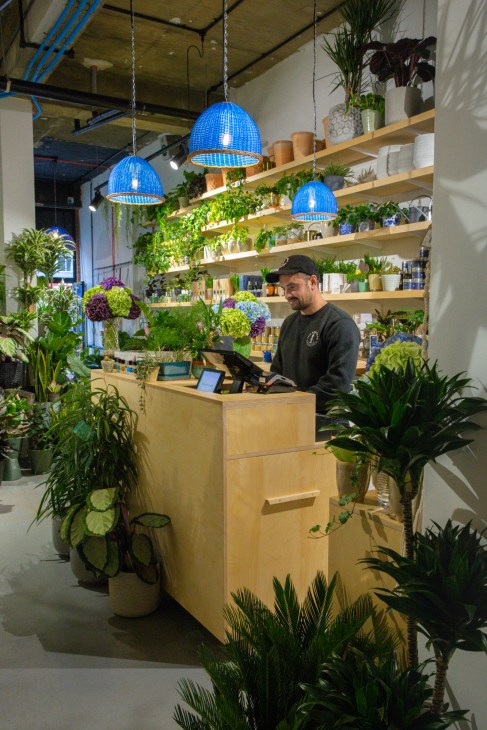
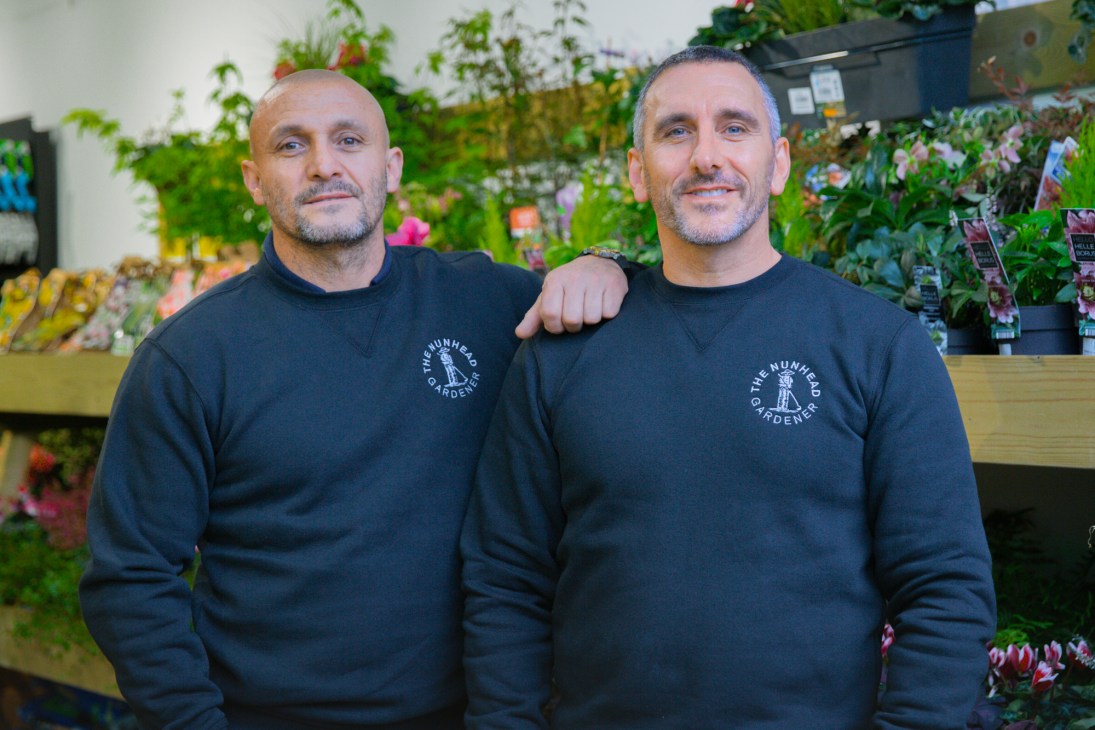
This shift has meant that although recent months were rough for retail, the climate is ripe for a new garden centre. Taking a punt on an unlikely south London high street (not far from its original outpost in Nunhead), Milne and his partner Alejandro Beltran have set up shop in a former bank. Nestled among coffee chains, bookmakers and small supermarkets, the space offers a wide collection of indoor and outdoor plants, homeware and garden supplies. It’s the first shop of its kind in the area, giving customers access to wares and horticultural advice. Judging by the constant flow of visitors, it’s a hit.
“I’ve been in twice already this week,” says Lauren Hand, who lives nearby. “I have a bit of an obsession with plants and then there’s a lot of nice candles and soaps. I’ll be back all the time.” It’s this sort of relationship that The Nunhead Gardener intends to grow. It’s an ambition embedded in the layout. “You don’t even need to buy anything,” says Milne. “You can just wander in, have a browse and then walk out the back. It can be a distraction on your way to work, on your way home or at the weekend.” The outside is intentionally inviting with the big front windows appointed with lush plants and gentle lighting.
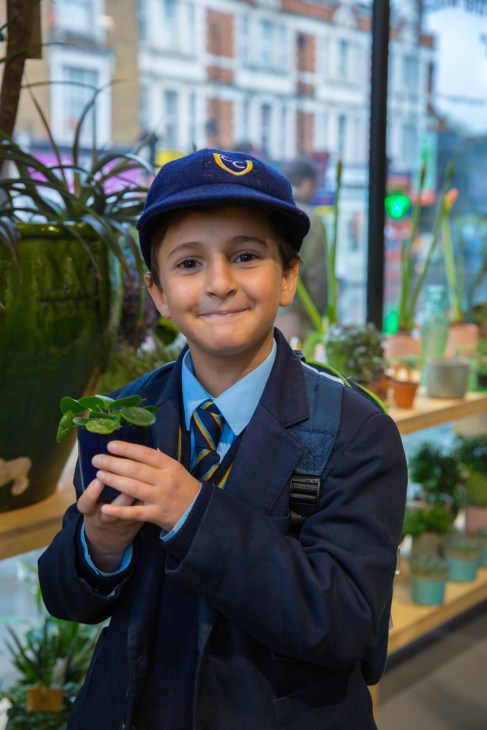
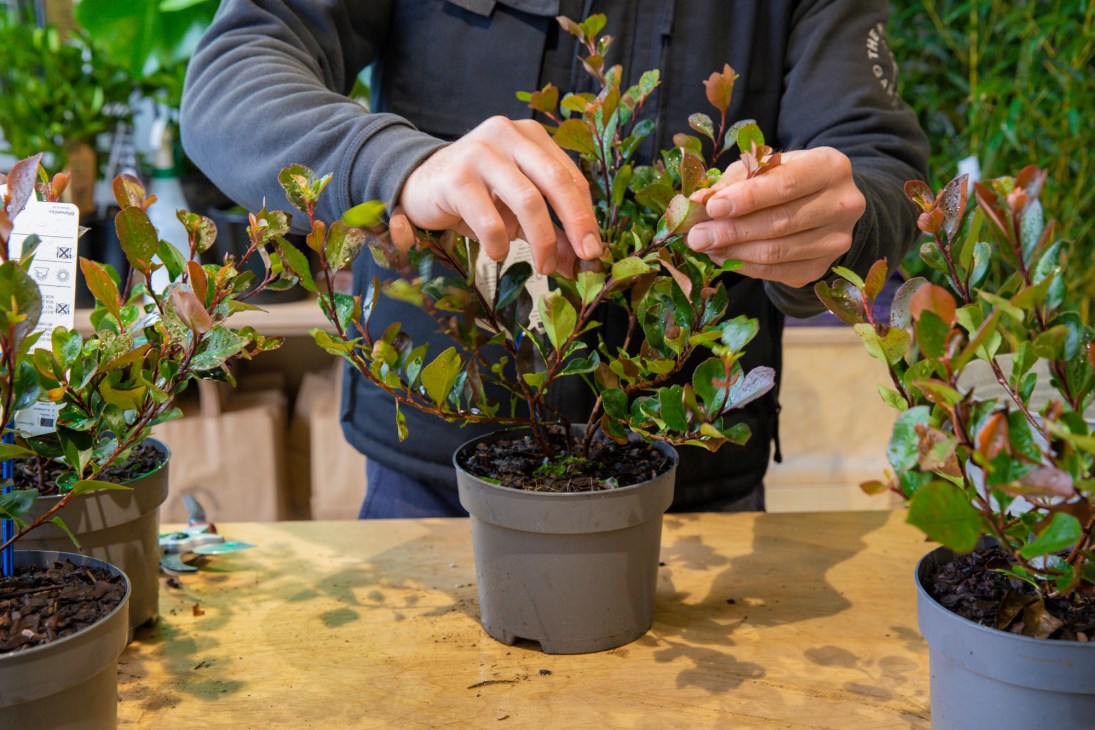
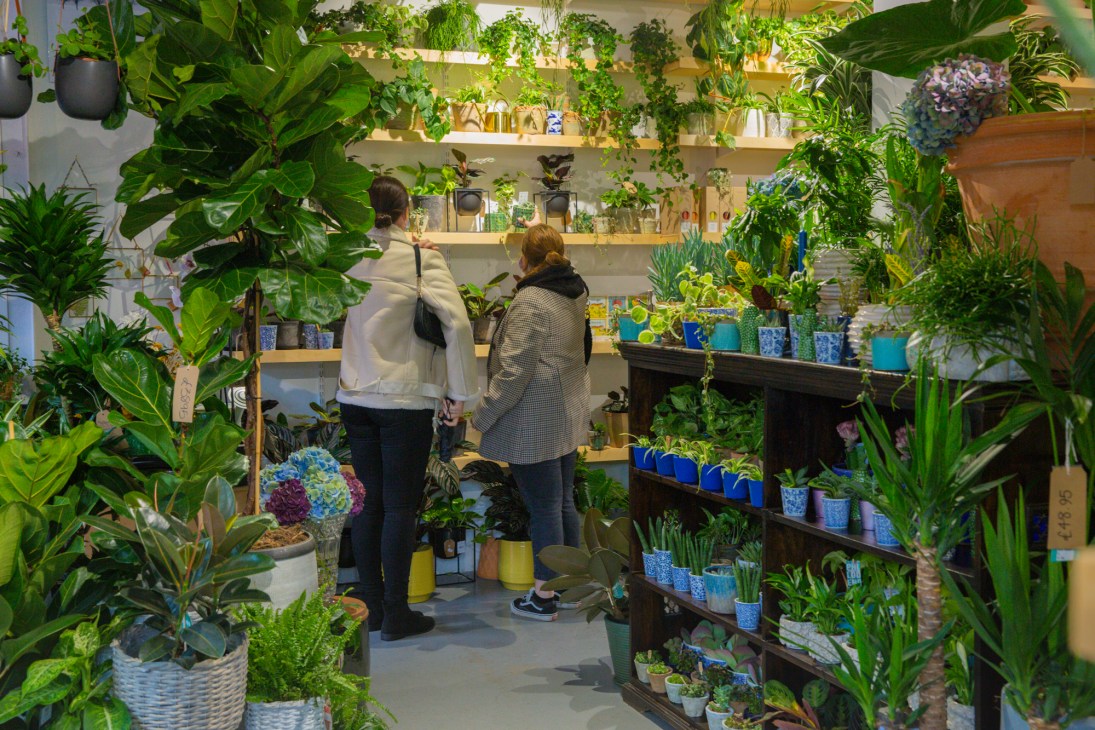
The Nunhead Gardener hopes to be a shop for stocking up on bulbs but also a meeting place and point of pride for the community. And in this regard it’s got a pretty good barometer for success – one that Milne and Beltran cultivated themselves. “We’ve been at our original Nunhead location for five years now and we feel that we’re really positioned at the heart of the community,” says Milne. “We’ve seen people start dating, get married and begin families, and we feel as though we have been on that journey with them.” Expect the green shoots of success to also take root in Camberwell soon.
thenunheadgardener.com
All in place
Where next for…
Architects?
Ho Chi Minh City
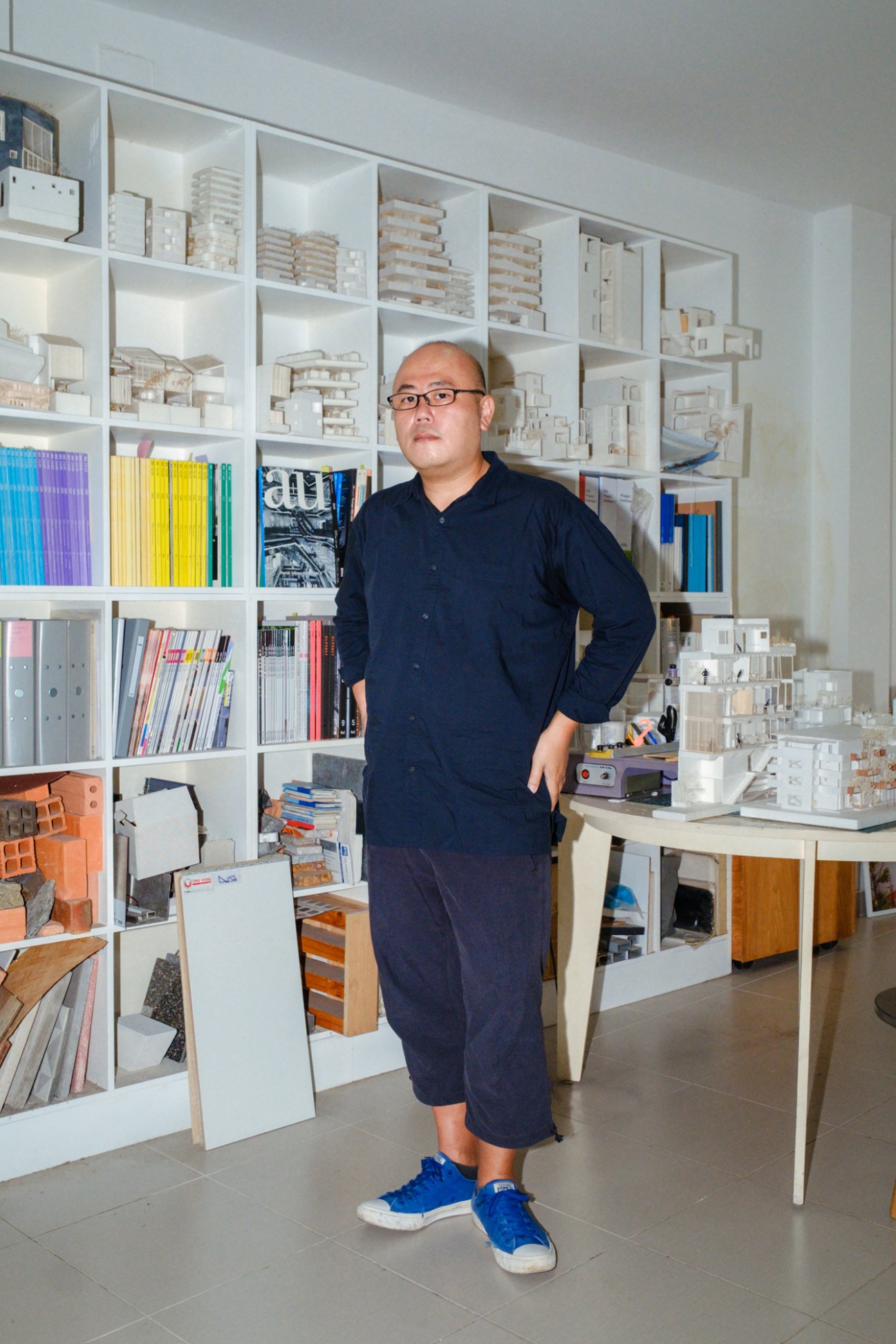
Backed by strong economic growth, Ho Chi Minh City is developing rapidly – and architects, drawn by the hive of building activity, are coming from near and far to have a hand in shaping its skyline. Sanuki Daisuke, one of several Japanese architects who works and lives here, was an early settler. He arrived in 2009 to join vtn Architects as a partner, before setting up his own firm, Sanuki Daisuke Architects. Unlike Japan, which has a shrinking economy, Vietnam promises abundant work opportunities. “Young architects easily get a chance to design here,” says Daisuke, who adds that building activity has not waned during the pandemic due to the confidence that investors have in the city. “I think architects will be setting up branch offices here, just as they did in China before.”
“It is the place to experiment,” says Switzerland’s Manuel Der Hagopian, partner at g8a, which co-designed the vegetation-clad factory for Jakob Rope Systems on the outskirts of Ho Chi Minh City. “There are few rules compared to Switzerland and Singapore, where we also have offices.”
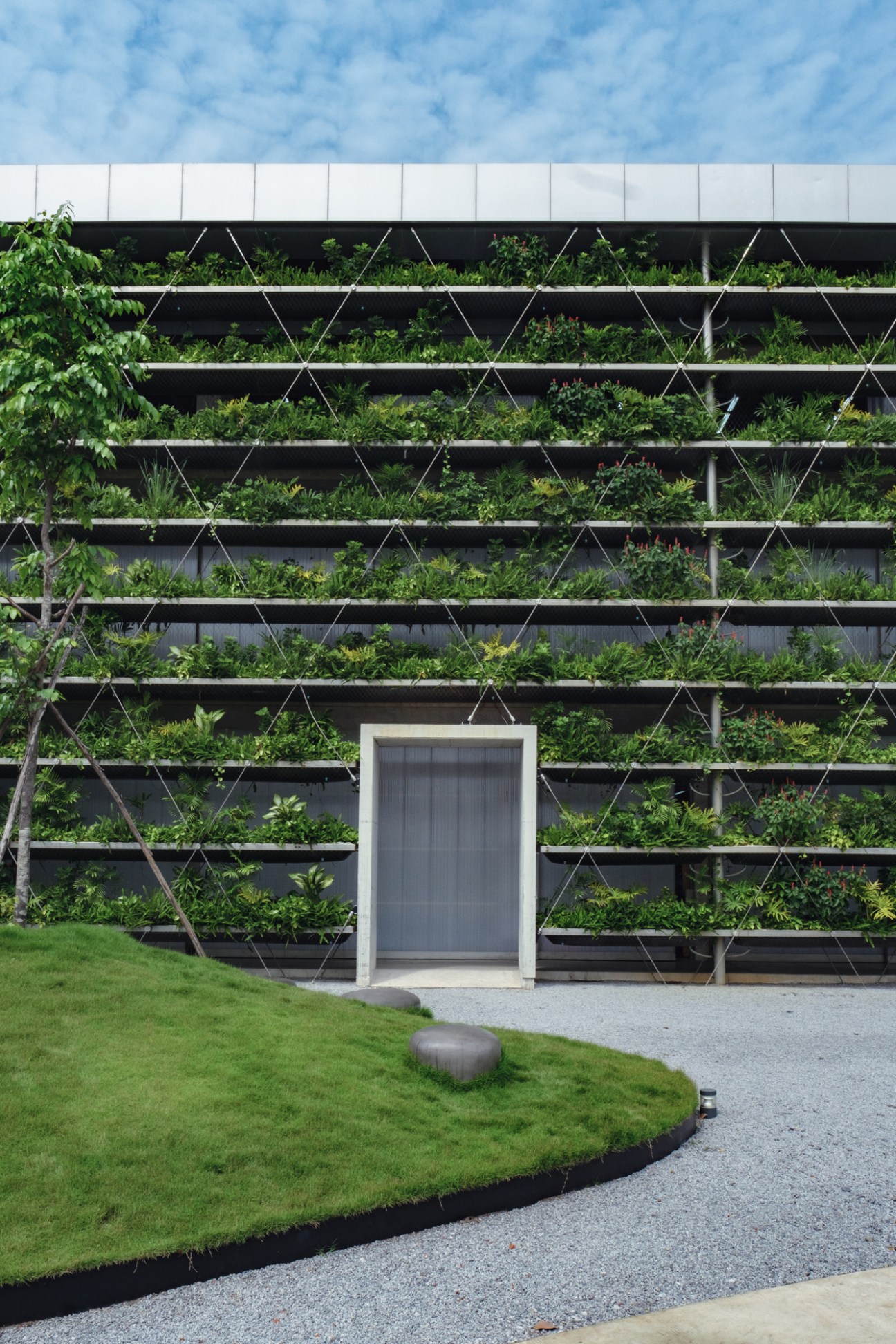
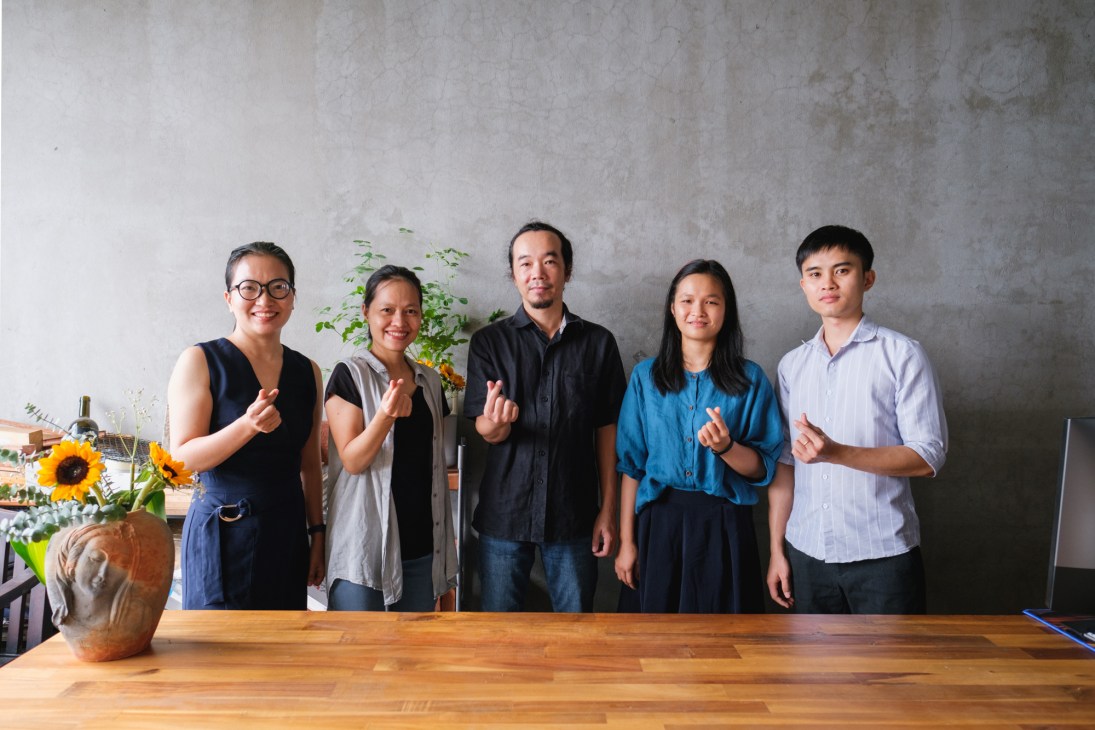
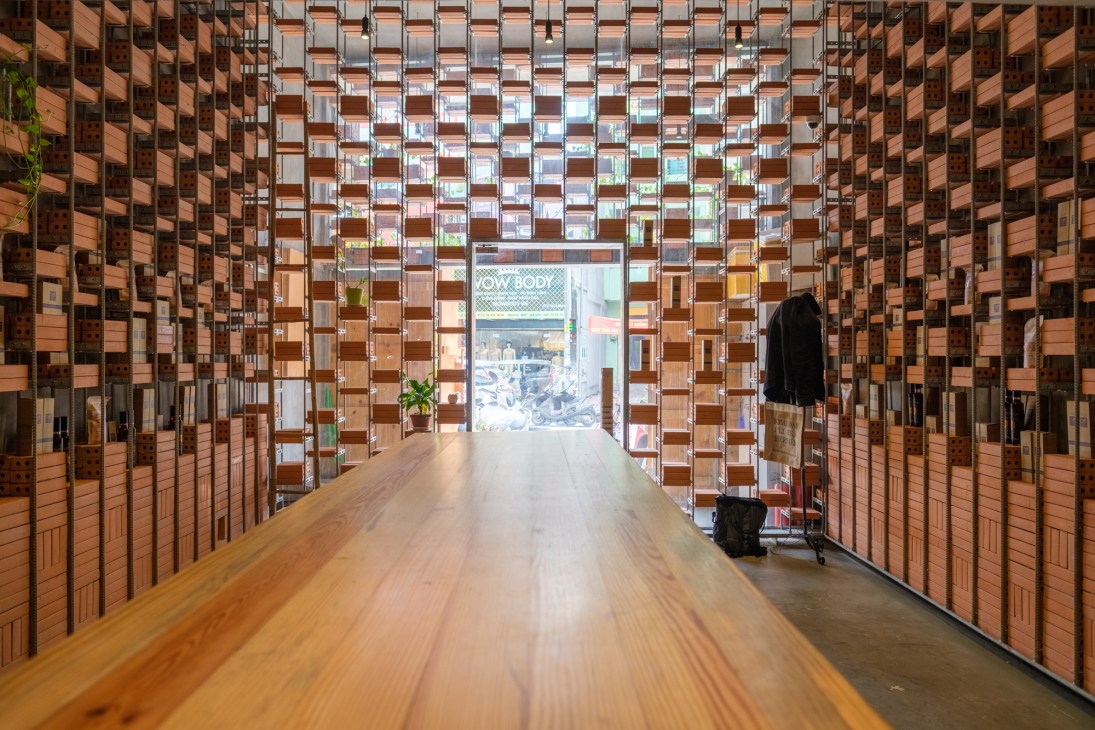
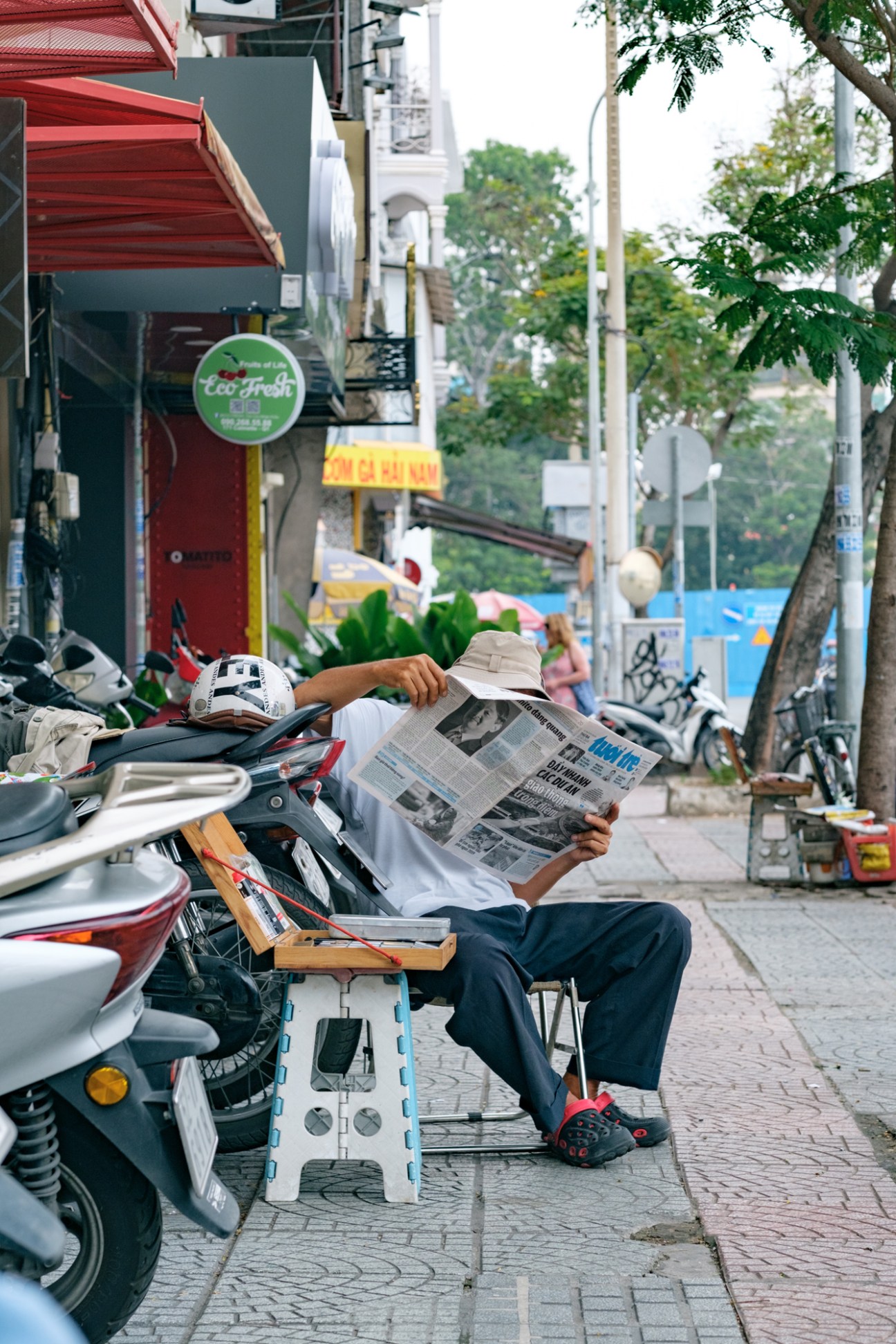
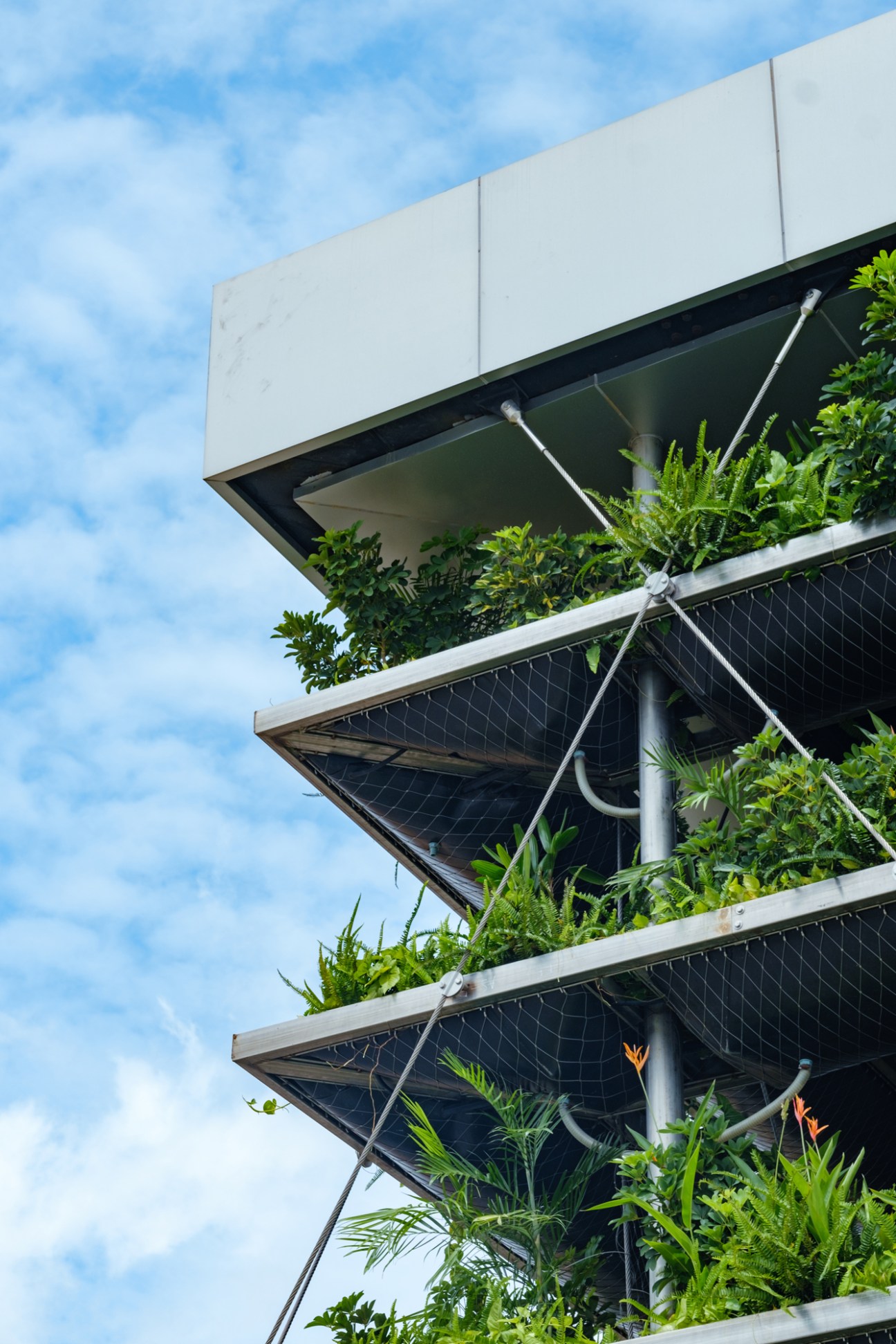
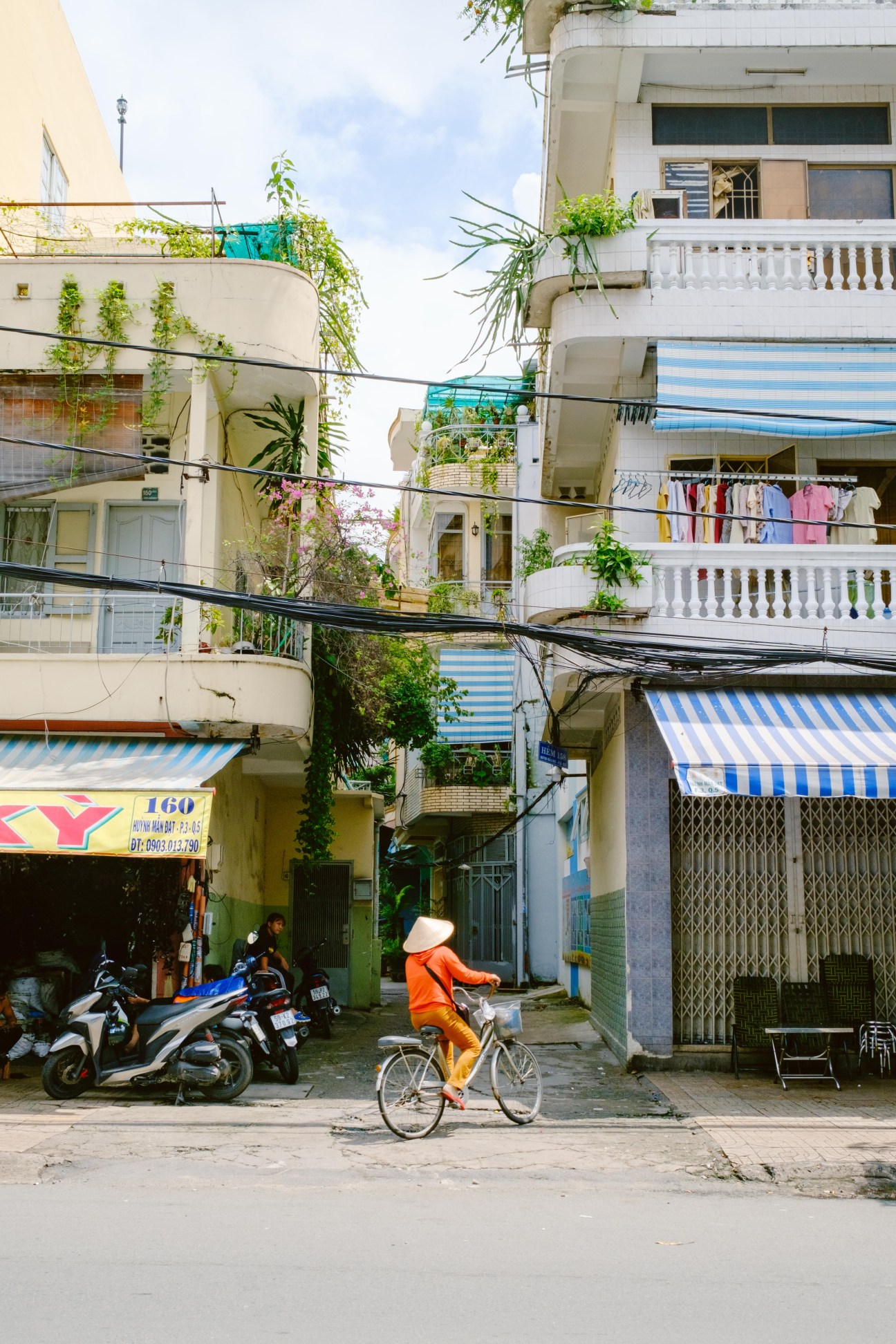
Homegrown architects are also making a base here. Tropical Space’s Tran Thi Ngu Ngon and Nguyen Hai Long moved here to study at the University of Architecture Ho Chi Minh City. Like many of their fellow graduates, they stayed and started taking on projects across the country. “Different cultures meet here so people are more open-minded,” says Tran. While they enjoy creative free play, Tran says that architects have serious responsibilities. “Pollution, climate change and worsening living conditions are problems we have to solve,” she says of the challenges that are a by-product of rapid urbanisation. But if there is one place to break new ground, it’s here.
Where next for…
Fashion designers?
Lyon
Lyon is to food what Paris is to fashion. Such is the claim by which France’s third city has long been known. But as creatives are increasingly turning their backs on the world’s capitals in search of opportunities, Lyon has risen to the forefront of a new – if unexpected – French fashion movement. Rustic restaurants now rub shoulders with smart retailers (among them multibrand shop Summer and leather-goods boutique Le Feuillet), while tucked away in their ateliers, designers are crafting collections that are finding an international following.
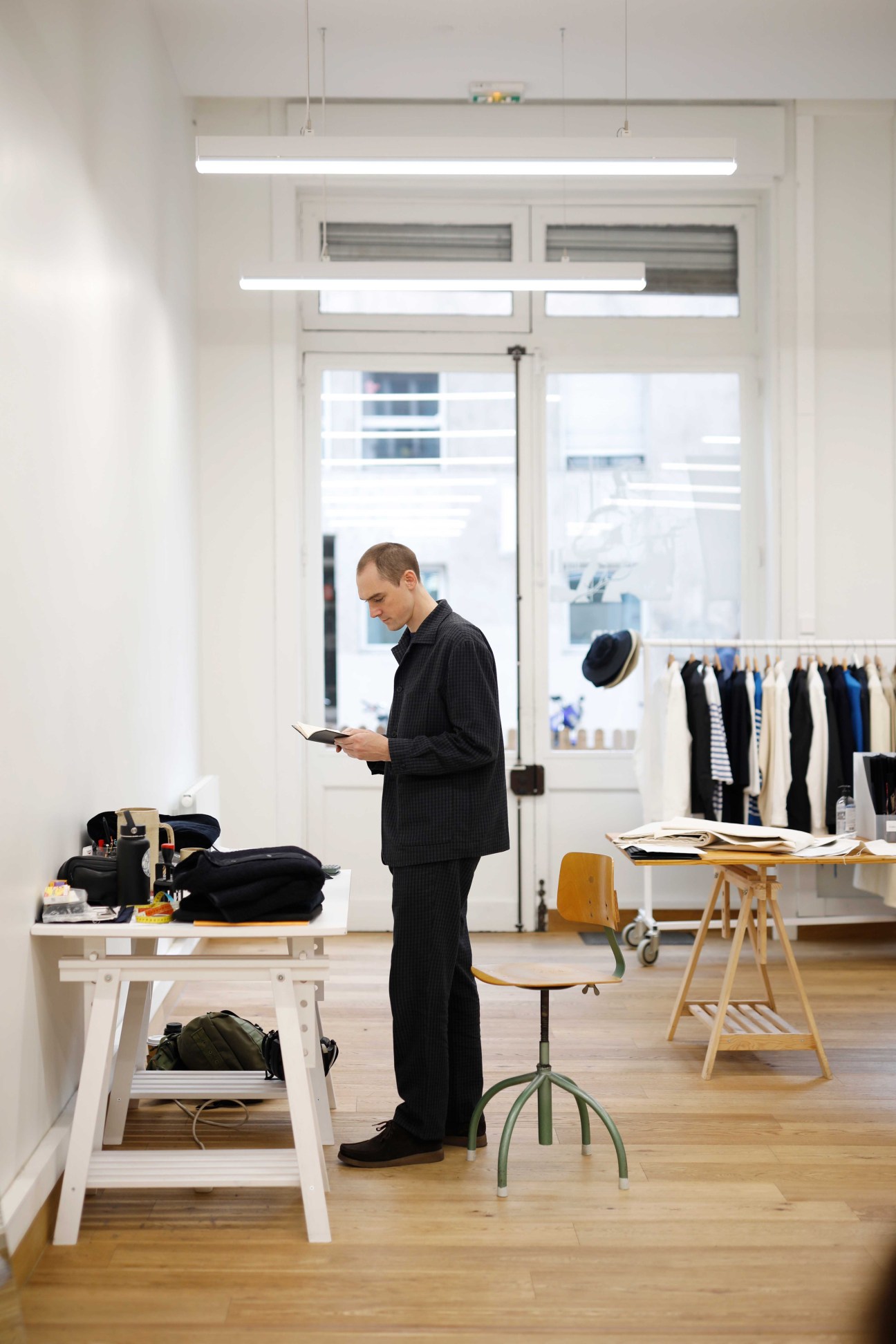
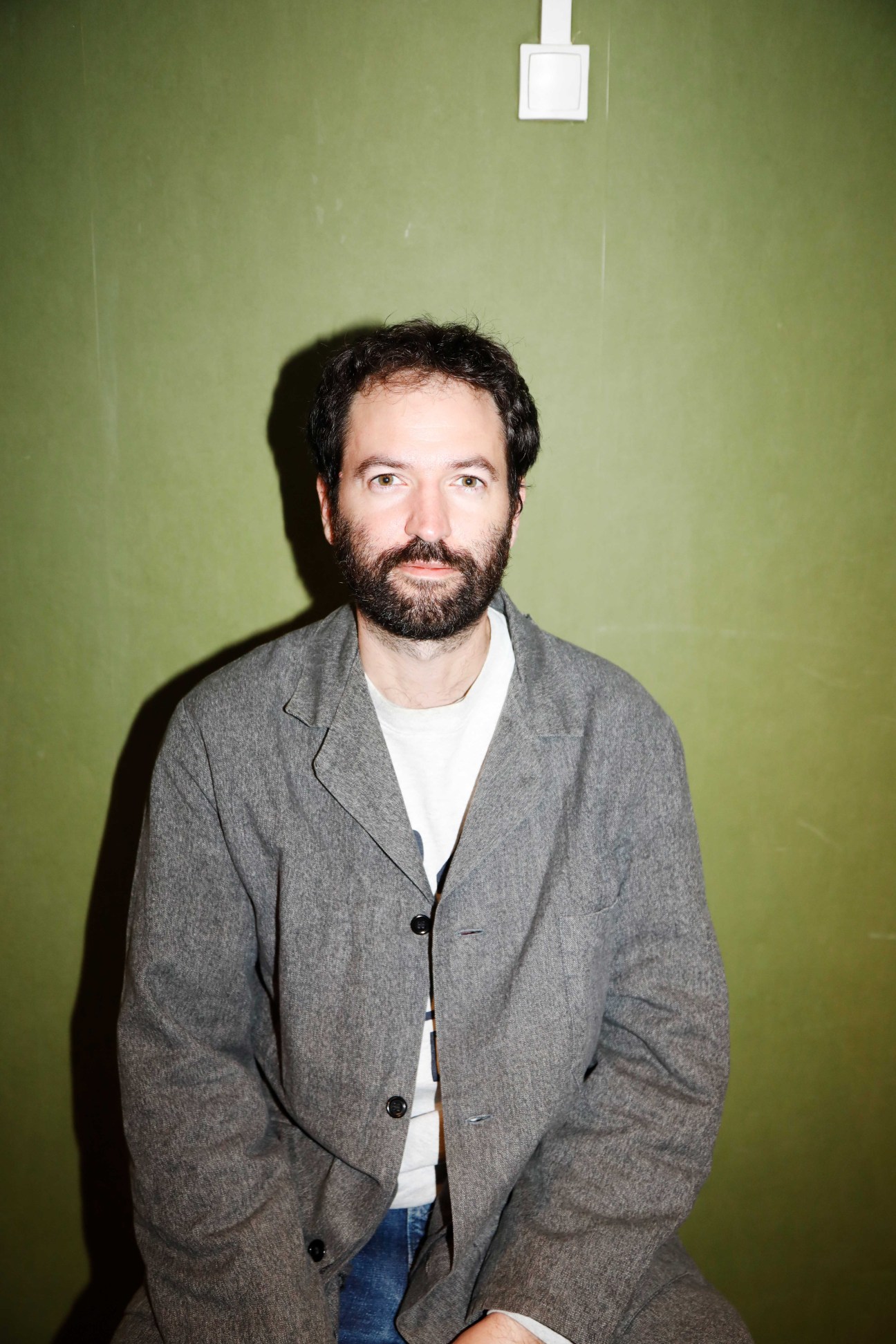
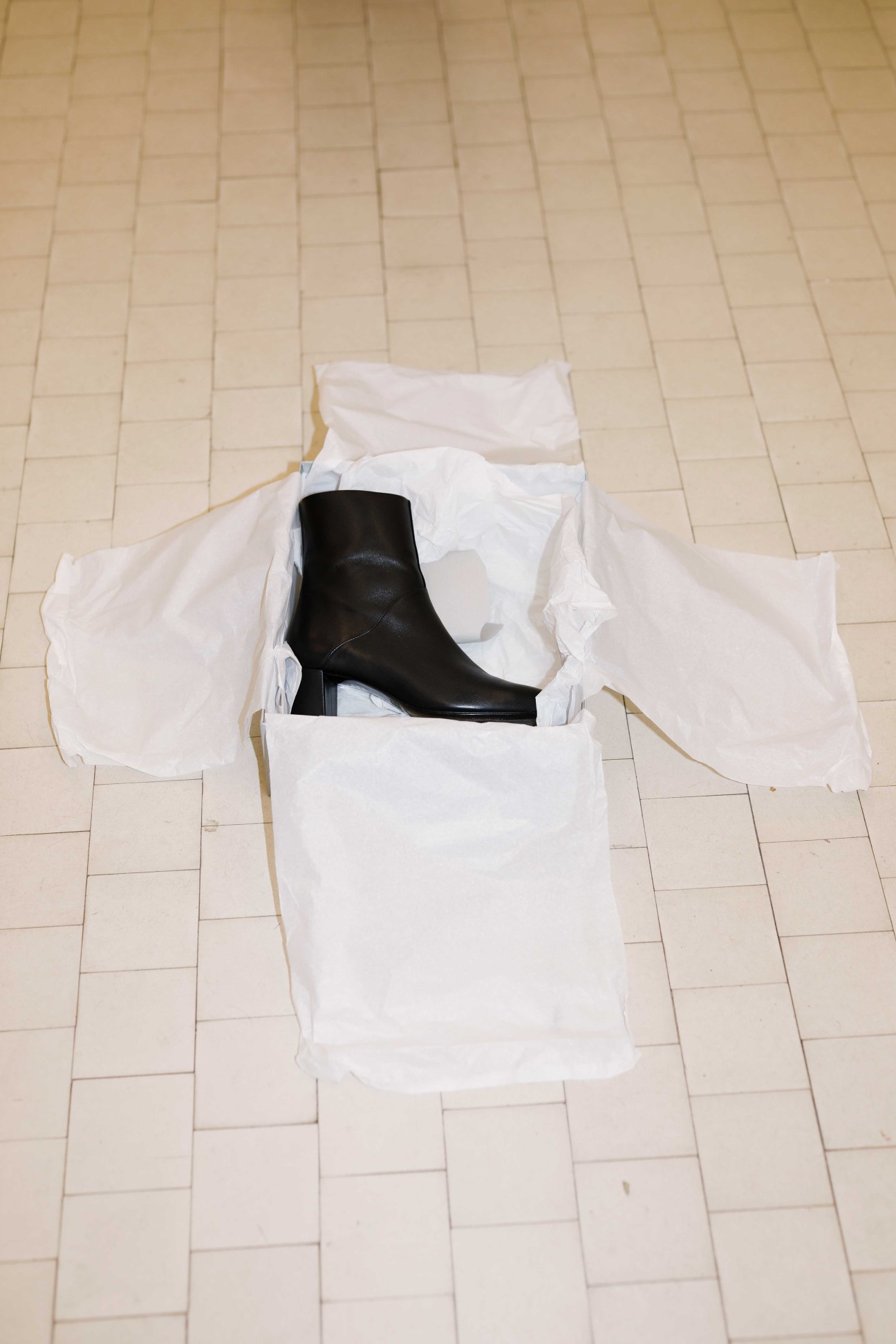
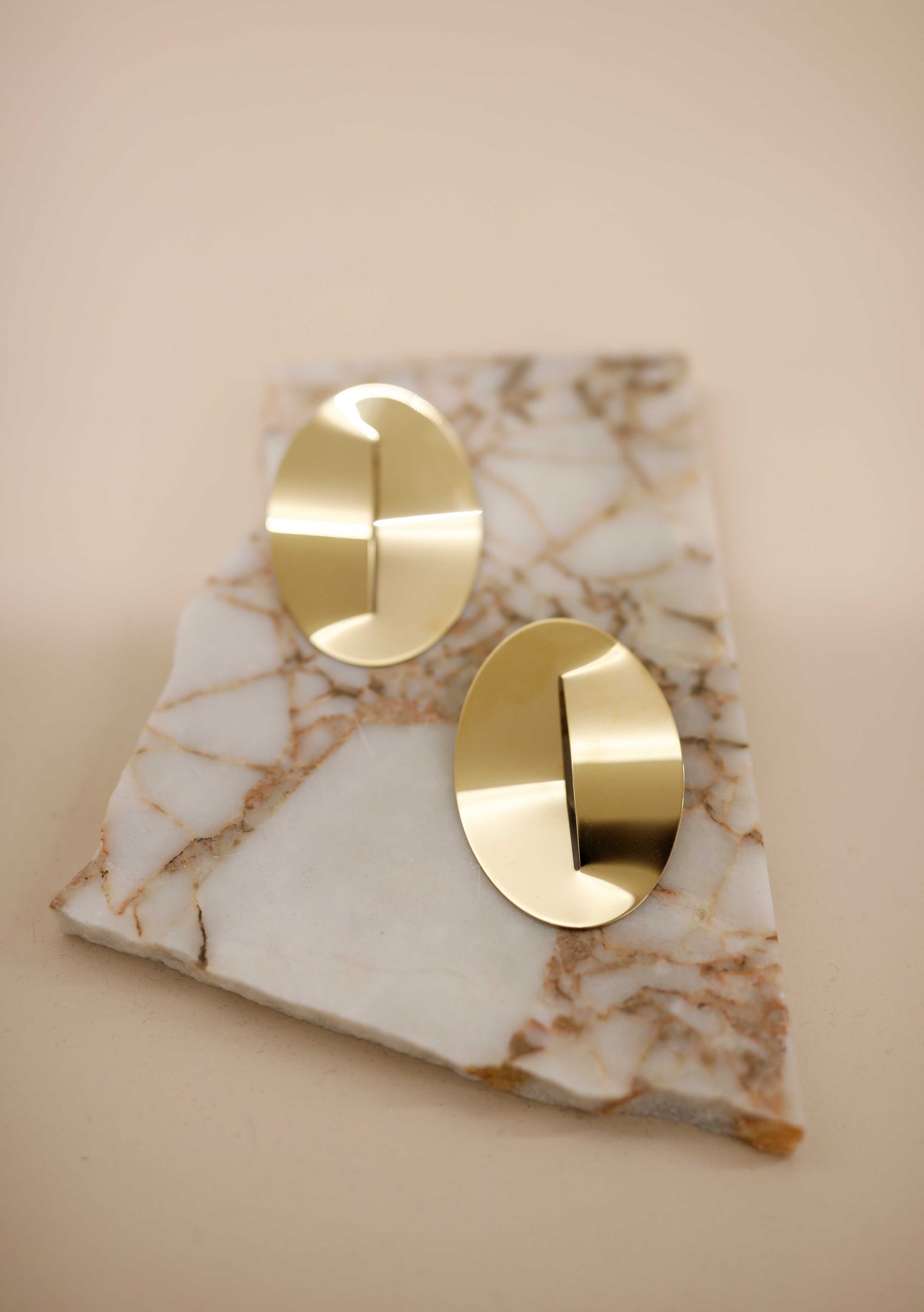
“We’re the alternative to Parisian haute couture,” says Laurent Bourven, who moved here from the French capital in 2011 to found menswear label Arpenteur with his cousin Marc Asseily. “Lyon is more relaxed; there are vintage shops filled with French workwear and 1970s sportswear, all of which is reflected in our collections.” Mixing a utilitarian aesthetic with clean lines and a well-crafted finishing, the label particularly resonates with a Japanese, British and US audience; of Arpenteur’s 50 or so stockists, only seven are in France. Yet France plays an important role in the life of the brand, as all items are crafted in factories located a couple of hours from Lyon. Not only would being based in Paris distance the founders from their manufacturers, it would be more challenging for a “Made in France” brand to make ends meet.
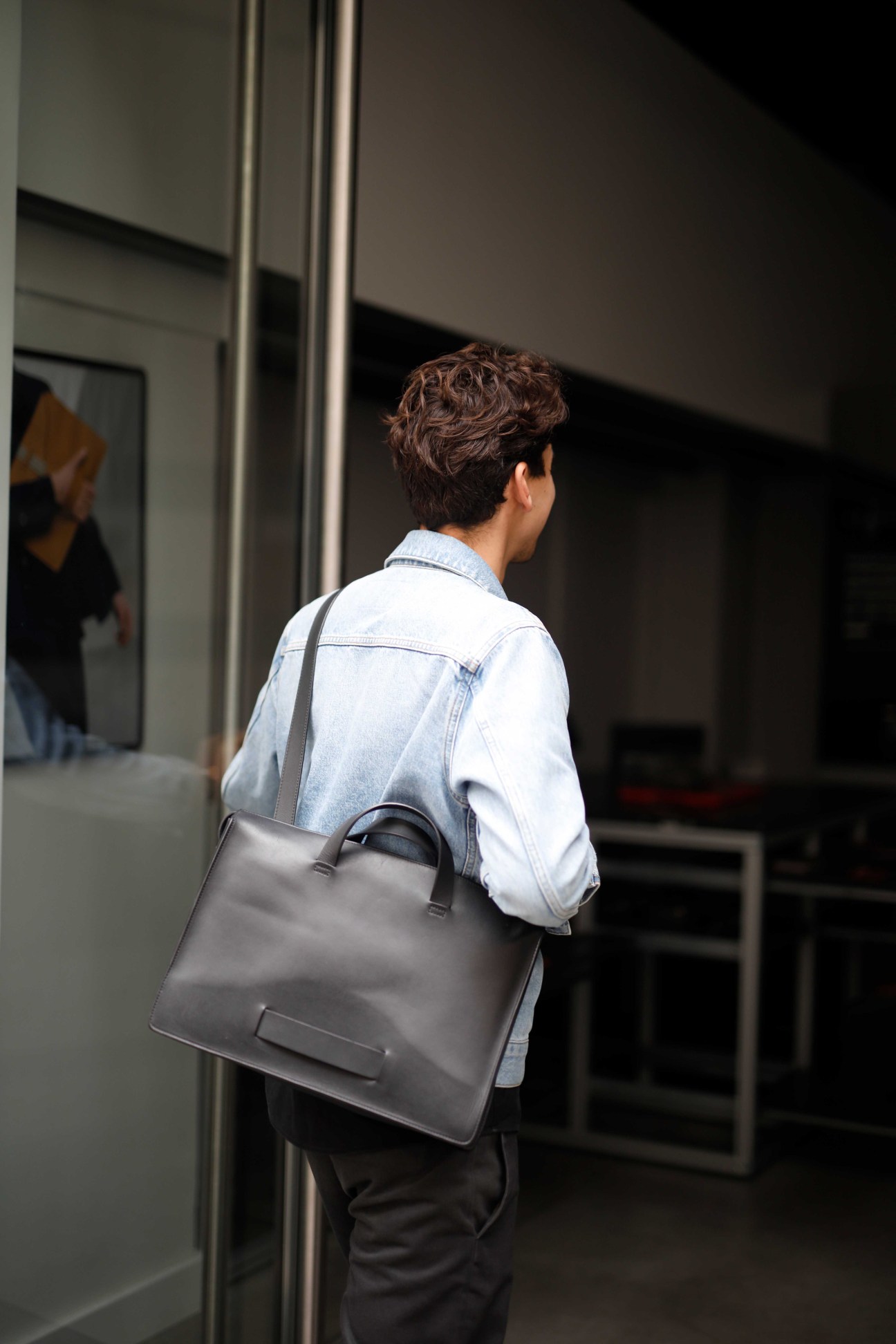
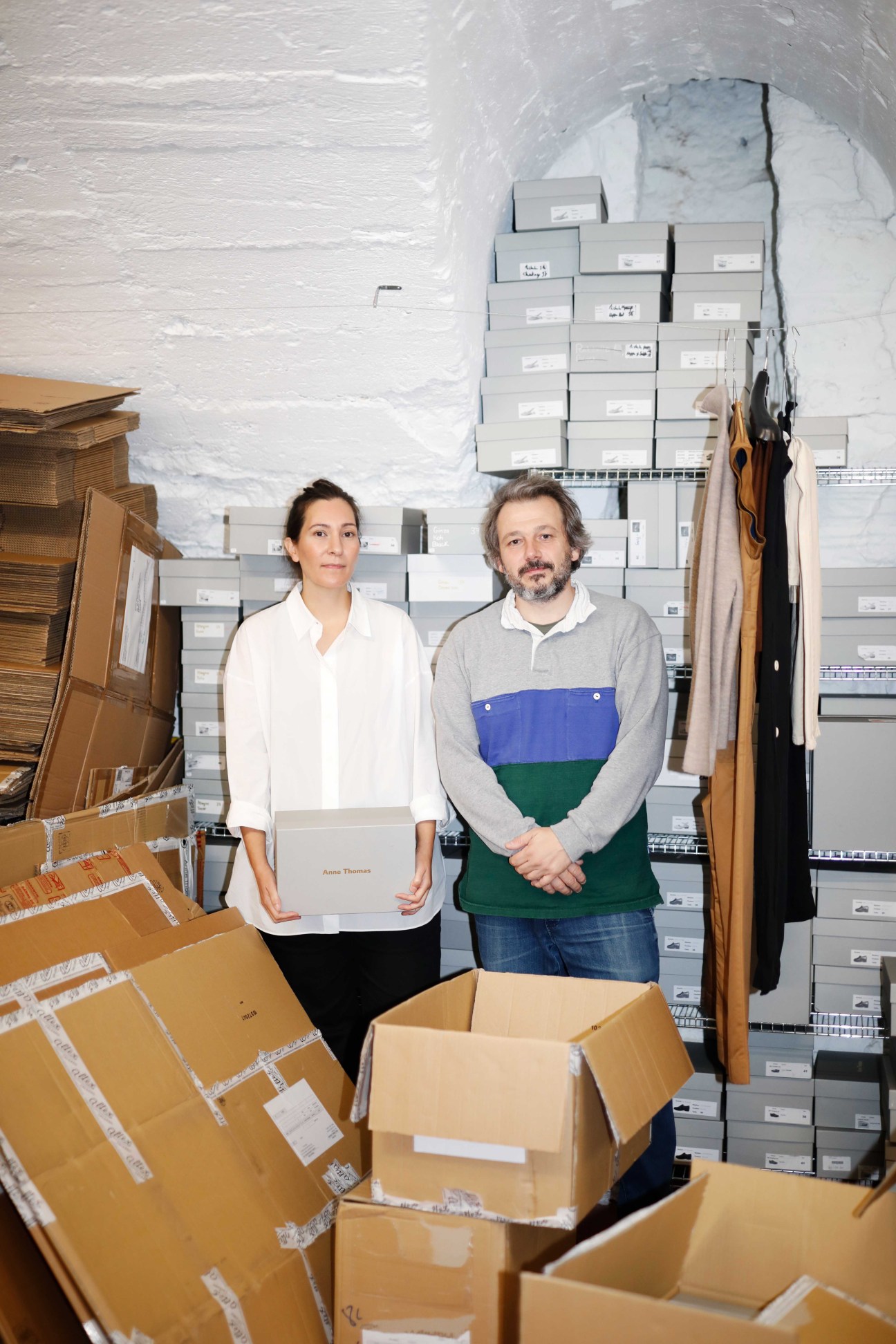
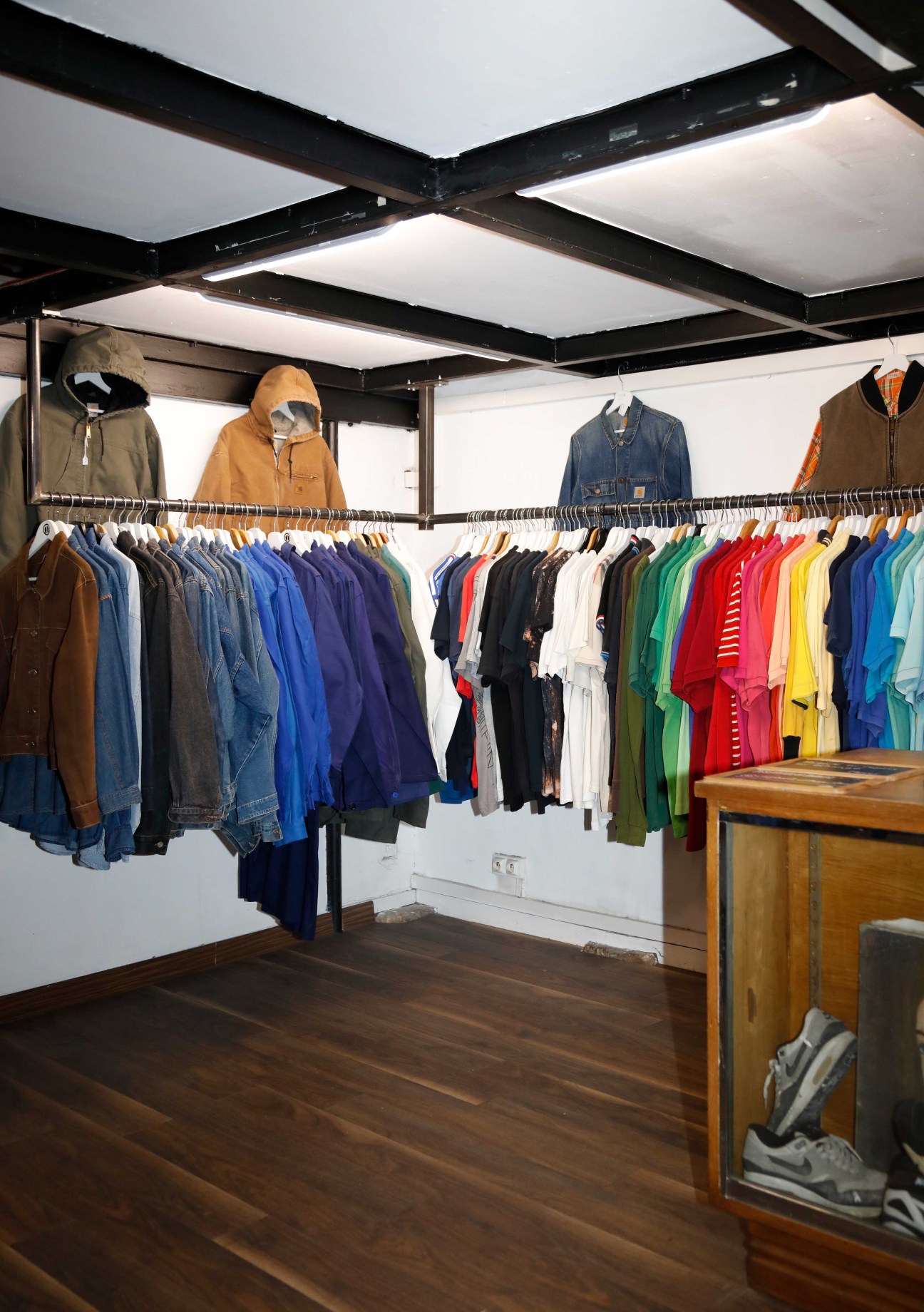
Though Lyon isn’t home to any major industry events, the city’s down-to-earth nature makes it easy for shoppers to get up close to the design talent and vice versa. Arpenteur doesn’t have a shop in Lyon but twice a year Bourven and his co-founder Asseily open the doors of their La Guillotière workshop for a private sale. Similarly, accessories and footwear designer Anne Thomas works from the mezzanine above her Lyon boutique, where she can get direct feedback from her clients. “Here we get to focus on crafting really good products,” says Thomas. “Eighty per cent of our shoes are exported to North America and Asia, which is proof enough that Paris isn’t where it’s all at.”
Where next for…
Remote workers?
Athens
Talk to anyone who’s visited the Greek capital recently and they’ll tell you there’s a sea change taking place: from new urban-regeneration projects, such as the long-awaited revamp of Omonia Square, and a slew of hotel openings, to the mayor’s guerrilla tactics for cleaning up the city’s graffiti. And when other European cities struggled to contain the spread of coronavirus, the Greek government’s swift and decisive actions were praised around the world – although it also faces challenges from a second wave.
“Lockdown in London was the tipping point and Athens was top of my list,” says 32-year old British scriptwriter Ben Jacobs, who moved to Athens two months into the UK’s lockdown. “When I moved here I didn’t feel like I was just following the herd,” he says. “People are only just starting to explore the potential of Athens as a base for remote working.” Jacobs is just one of many lured by the city’s mild climate, outdoor life and lower cost of living. “I cycle to the beach at the weekends,” he says. “It’s incredible being able to swim even in October.”
For new resident Sam Freeman, the ease of navigating the city has been a big draw. “Like the Swedes, Greeks really take it on themselves to learn English,” says Stockholm-born Freeman, who moved to Athens after he left his job in Paris during the pandemic. “It makes it so much easier to network and get around.” He now works remotely for an American podcast producer. “Even our time zone works,” says Athens mayor Kostas Bakoyannis. “Athens is ideally located geographically, connecting Europe to Asia, the Middle East and the Mediterranean. We’re in the centre of a dynamic cultural and economic exchange, and transport is very easy and quick.”
Where next for…
Suburbanites?
Schlachtensee, Berlin
The string of lakes on Berlin’s southwestern edge is famous for summer dips. And Schlachtensee – a glacial body of water where ducks, cranes and tortoises glide in the water alongside stand-up paddleboarders – is arguably the most beautiful. Yet most city-centre swimmers head straight to its waters from the train station, ignoring the charming surrounding neighbourhood, which is as far from a boring suburb as it gets.
Schlachtensee is a mini-district whose core is like a village centre (it was precisely that until 1920 when it was incorporated into the city) extending around Breisgauer Strasse, which is packed with restaurants, small shops, doctors’ offices and organic supermarkets. Expat families, especially outdoorsy ones, settle in for a few years – some for decades. Available property is scarce but rental prices are commensurate to those in the centre, which is only 30 minutes away on public transport.
“In the past eight years, the demographic has become younger; it’s just a great neighbourhood and I couldn’t imagine going back,” says Christofer Radic, who moved here from Berlin-Charlottenburg and opened Pracht wine shop in 2020.
Best of all, of course, is the lake itself, which makes the district feel like a resort town and not part of a German metropolis. A forest path winds 5.6km around it for a perfect jogging route. Boat and paddle rentals are well booked. Then there’s the Fischerhütte, a lakeside beer garden and upscale restaurant whose building dates back to the 18th century. In the early hours older neighbours wander to the shores in their slippers and bathrobes, doff it all and take their morning dips. Not a bad way to make friends in the suburbs.
Where next for…
A rural retreat?
Livingston Manor, New York
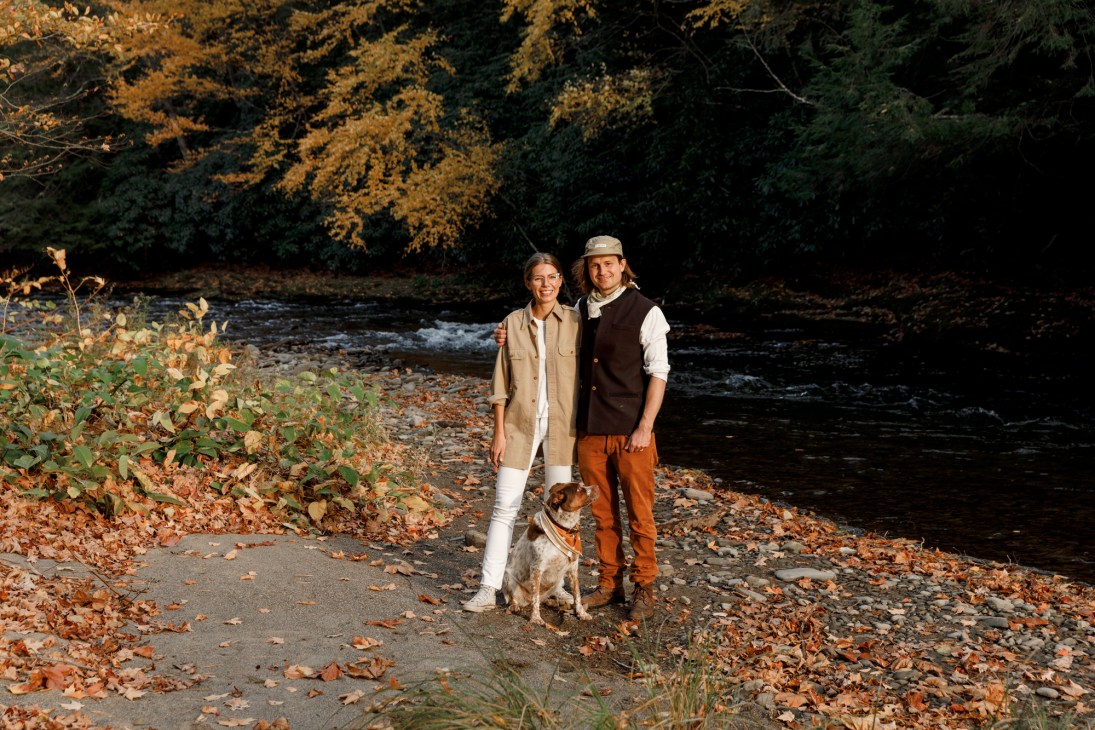
“You have the ability to steer the direction of the community – not just your business,” says Tom Roberts, co-founder of Homestedt store and Livingston Manor Fly Fishing Club. Originally from the UK, Roberts and his wife Anna Aberg, from Sweden, relocated to Livingston Manor three years ago to experiment with business ideas. They’re among many enticed by the area’s rugged nature and opportunities.
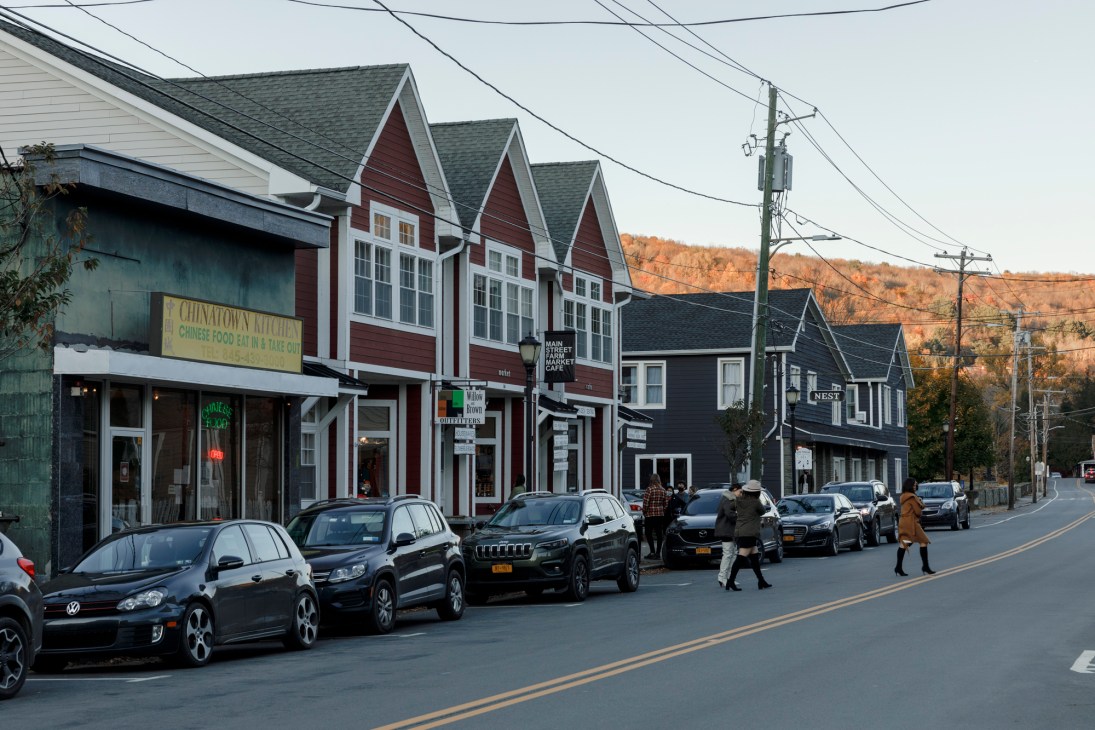
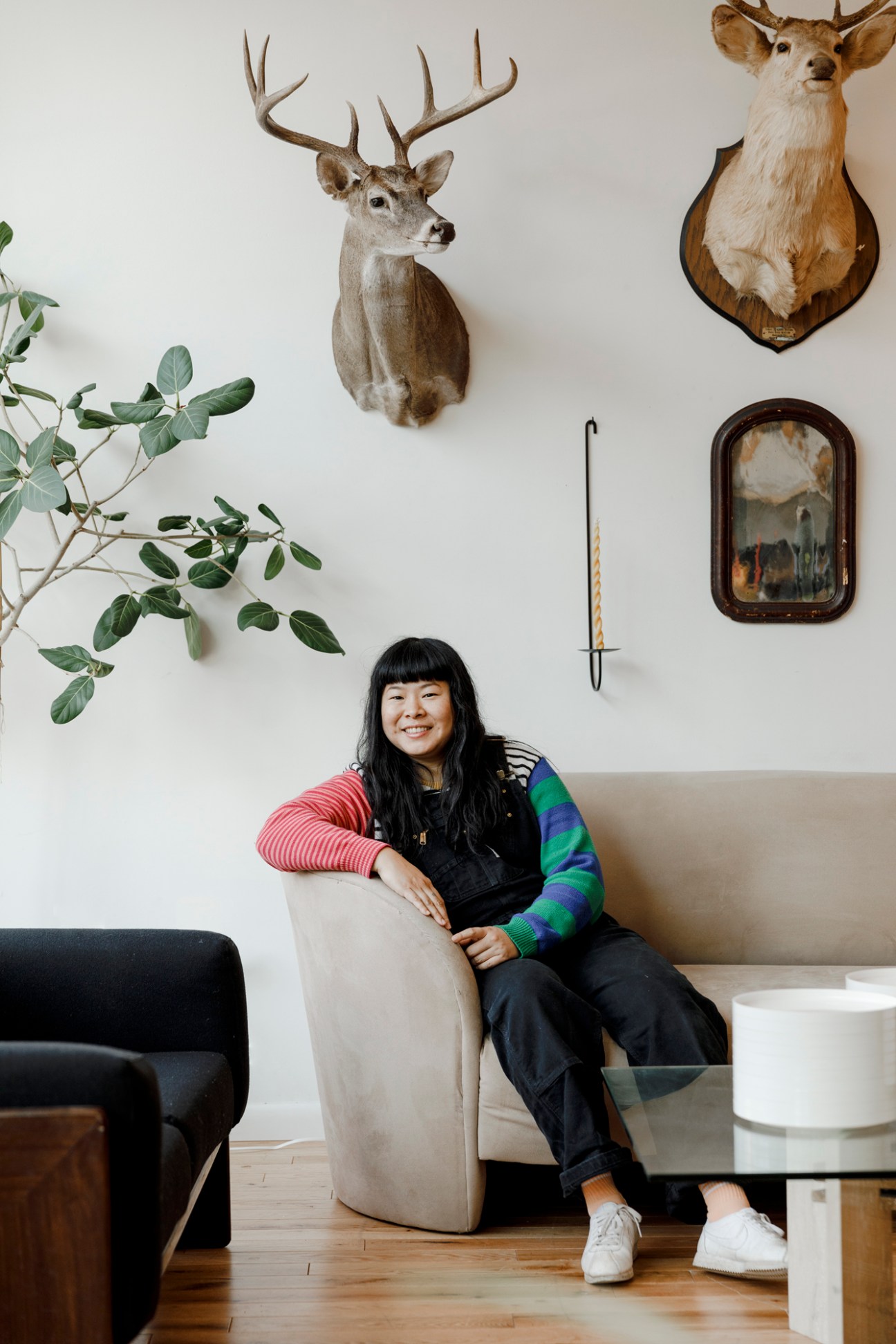
Ringed by the Catskill Mountains, Livingston Manor is an easy two-hour drive north of New York, although the lack of a train line means that it has remained largely untapped. But in the past few years, the area has experienced a surge in scrappy entrepreneurs. “There are ambitious people [here] who can afford to buy property and invest in their dreams,” says Roberts. With affordable space to rent or buy and lower taxes, cultivating creative business ideas is achievable – unlike in oversaturated and costlier upstate towns such as Hudson. “Living in the city, I always thought it would be cool to open a shop,” says Ninze Chen-Benchev, owner of Long Weekend, a shop selling vintage furniture and homewares. “And then I moved here and did it.
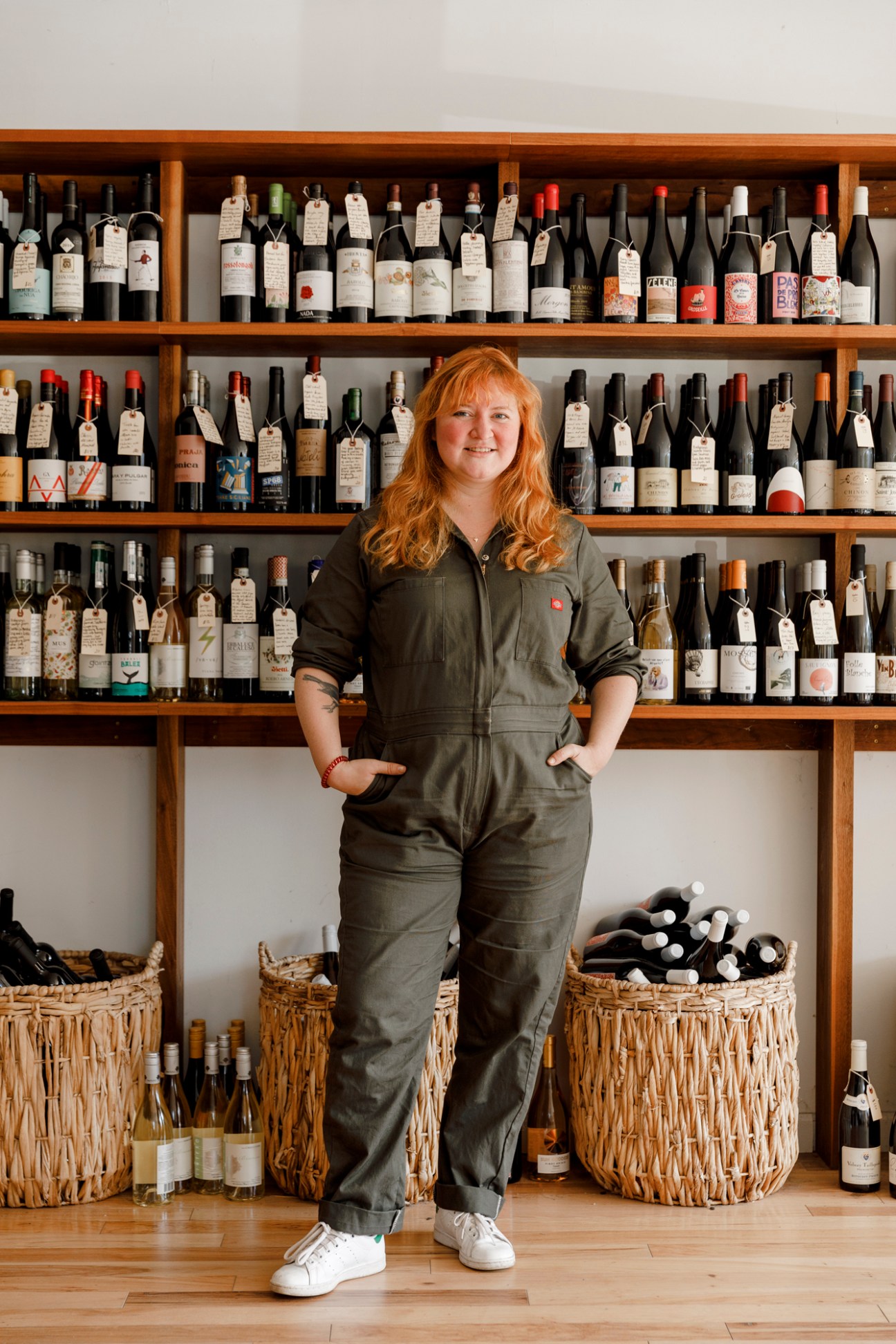
There’s also a collective sense that these small businesses are invested in the growth of the area and want their neighbours to succeed. “It’s a place where you can fail small; the risk isn’t great,” says Jeff Prybolsky, a creative director who moved from New York five years ago and opened his smokehouse earlier this year with encouragement from the community. Many of these entrepreneurs are seeking this slice of rural life in the wake of trailblazers such as Sims and Kirsten Foster (of Foster Supply, which has a collection of small hotels in the area), Anna Bern, owner of lifestyle shop Nest, and Jon Westergreen, of the Main Street Farm artisan-grocery shop. “The new generation sees all this undiscovered space where they can create their own businesses,” says Westergreen, who opened his wood-fired pizza joint The Kaatskeller three years ago. “If you have the time and the energy you can really create something great here.”
Where next for…
Craft?
Mérida, Yucatán
Mérida, a town of colourfully painted houses in Mexico’s south-eastern state of Yucatán, has been on our radar for a while. It’s attracted a reputation as a region where artists go to seek inspiration, luring everyone from Mexico City gallerist José García to Cuban-American artist Jorge Pardo. But its flourishing craft scene is also making a name for itself.
A cradle for Mayan culture, there has been a craft tradition for thousands of years and recent efforts are giving these ancient techniques a contemporary twist. Angela Damman, originally from the US, has proved something of a trailblazer when it comes to elevating local crafts. Since moving to Mérida nine years ago she has designed décor pieces for hotels such as Chablé Yucatán and the Coqui Coqui group. “It’s evident that Yucatán’s cultural heritage is unlike anywhere else in the world,” she says.
And it’s not just expats who are pushing the boundaries of what “craft” can be. In downtown Mérida, design studio Region, founded in 2016 by Eugenia Díaz Peón and Áurea Sian Ka’an, aims to preserve the area’s artisan traditions by making collaborative, bespoke objects, such as candelabras made from dried fruit casings of the calabash tree. They also organise workshops to relay the time and cultural value that goes into every piece. “Traditionally, handmade crafts have been devalued in our society,” says Sian Ka’an. “But now we are pleased to see how the craft movement has evolved.”
Mexico City designers are also tapping Yucatán’s makers. The capital’s Taller Maya works with about 30 groups on the peninsula, with each artisan community running its own sustainable social enterprise. Mérida and its environs are clearly a hot ticket.
Where next for…
Hollywood?
Canada
Before the pandemic struck, film and television production across Canada was poised for another banner year, with direct spending and permits issued at either near or record highs. Lockdown measures brought an abrupt halt to that but, by the summer months, film sets from Vancouver to Toronto were cautiously beginning to light up again; a fact that wasn’t lost on producers south of the border. Several US-based productions have since moved shooting north, including the Robert Rodriguez-helmed action-thriller Hypnotic, which relocated from California to Vancouver. The city got another boost in September when Netflix announced that it would be opening a large production hub there.
“Because we were able to keep the number of cases low, it’s drawn a lot of new productions here that might otherwise have gone elsewhere,” says producer Shawn Williamson, chairman of Vancouver’s Brightlight Pictures. “Local talent, the crews – the value of what people can shoot here has always been high. Now we are busier than ever.”
Of course, there are still challenges: producers for the smaller domestic market have been struggling and there is the worry of another outbreak. But the success of Canadian-made series Schitt’s Creek, which swept the comedy category at the Emmy Awards, hasn’t hurt the country’s reputation.
According to a 2018 study, Canada was the world’s third most filmed-in country, behind the US and UK. Not that the average filmgoer would know it. Canadian cities are used to standing in for American locations as US productions have taken advantage of the cheaper Canadian dollar and an impressive pool of crews and on-screen talent. Signs suggest they will be doing even more of it in the coming years.
Cleared for takeoff
For many would-be air passengers, 2020 has been more or less a bust. Airlines would likely characterise things in similar terms. At some point in the middle of the year there seemed to be a shift in focus from fear of contracting coronavirus en route to fear of the uncertainty around restrictions and regulations being changed on arrival.
That limbo has lasted longer than most of us had hoped. Worse, many governments have refused to think pragmatically and proactively, opting instead to cover their backsides and stick with blanket bans or quarantines instead of constructive solutions based on the available evidence. It’s an unfortunate reality for airlines and those who wish to get moving – but some have made the best of it.
The airlines that shone did so in part by offering stability. Those that faced the logistical challenge of reacting to dozens of varying national policies across their once robust networks have been rewarded with healthier operations and a larger customer base because so many others retreated in fear or botched their approach with half-hearted measures. The airlines that have been bullish about resuming their services and sticking to them have been the winners.
Qatar Airways, for instance, did this by continuing to fly despite the nation’s borders being all but sealed. Funnelling passengers through Doha at an aggressive clip, it carried more than 2.3 million people during the crisis. Its decision to be the airline that kept flying proved positive on several fronts. Not only was the Qatari carrier able to combine business with diplomacy (arranging repatriation flights with embassies all over the world), it reached a whole new segment of potential passengers and bought itself untold goodwill.
“We figured out how we could take a bigger share of a smaller pie but always by fulfilling the central mission that we have as an airline – what we ‘do’ is fly”
Thierry Antinori, chief commercial officer at Qatar Airways, says that this strategy has had the added benefit of allowing the airline to keep its finger on the market’s pulse and identify where to add service next. Qatar was the busiest international carrier in the world in July. At the time of writing, the airline’s network is serving more than 90 destinations – and is growing.
“For us it was all about being proactive instead of reactive; being agile rather than panicked,” says Antinori. “We figured out how we could take a bigger share of a smaller pie but always by fulfilling the central mission that we have as an airline – what we do is fly. We cannot leave people stranded. It helped to create new relationships.”
As some airlines preserved cash by cancelling flights a few days prior to departure, others built a reputation for flights that would actually operate. Lufthansa and group member Swiss stood out as airlines that stayed true to the tickets that they were selling. So did Air France-klm. Qatar Airways made it a point to do likewise.
Revenues are down and all airlines are struggling. Some felt less pain, including those that operate mostly domestic networks, such as Southwest Airlines in the US, because the vagaries of border control have affected them less. All airlines, though, have been tempted to cut frills. In the worst cases, cost-cutting has masqueraded as a safety measure. Take the different service offerings of European airlines in Business Class. British Airways has opted to distribute snack boxes on long-haul flights in Business Class, purportedly because it is safer than serving a hot meal. But then why are the Lufthansa Group airlines, including Swiss, still able to offer hot meals?
It’s a delicate debate because reducing contact between passengers and crew makes sense – but does serving a hot meal and offering a “thank you for flying with us” really increase transmission rates? It’s easy to guess which airlines might stick in customers’ minds when flying picks up again.
Another highlight amid the gloom of 2020 has been the small regional carriers that managed to keep connecting communities, in many cases because people relied on them to do so. Norway’s Widerøe, which runs small Dash-8 turboprops to the country’s hard-to-reach coastal and Arctic communities (plus a handful of routes to nearby countries on Embraer E2 jets), at one point became the busiest airline in Europe. The people of Norway needed Widerøe and it delivered with a close-to-normal service.
A charm offensive is needed to remind people why it’s good to fly. Airlines need to give passengers a reason to believe
Binter Canarias found itself in a similar position. Serving a population that’s spread across several Atlantic islands, shutting down operations just wasn’t an option. If anything, the airline managed to reinforce its positive image both to Canarians and those visiting for a getaway once European travel began to open up again. In fact, the list of smaller airlines getting it right reveals a crop of carriers that are involved with the communities they serve, which stands them in good stead as travel returns to normal.
There are also those airlines with only a minor presence that have gone against conventional wisdom and grabbed the bull by the horns. Little-known Amapola Flyg in Sweden took over a number of domestic routes when the largest domestic carrier, Braathens Regional Airways, ceased operations. Taiwanese upstart Starlux only began flying just prior to the pandemic and yet it offered an agile response: scheduling pleasure flights within Taiwan, restarting some of its network as soon as it was legally possible to do so and announcing new aircraft orders alongside the kinds of plans that inspire a public who are desperate to travel.
These are airlines that have taken active steps to keep existing customers happy and to win over new ones. They have made intelligent allocations of resources (including by adding services strategically even as demand drops), communicated respectfully with ticket holders and advocated with authorities for intelligent ways to reopen borders and safely increase passenger flow.
The winners in 2021 will be those airlines that take a bullish approach by identifying opportunities and staying the course. They won’t be going into hiding, cutting themselves into oblivion or trying to cheat customers out of services and flights in order to save money. These are the airlines that we’ll be looking to fly with once global mobility picks up again.

What airlines should do next
As The Forecast went to press, it looked as though the billions in bailout funds that kept many airlines flying over the past nine months was running out. Treasuries in many countries will have to decide whether they want to get back into the airline business but a shakedown is on the horizon. Here’s what the industry needs to consider.
1.
Airport projects that were already financed should move ahead. Airports are quiet, so there’s time to make improvements. Passengers won’t want to see construction after a year of shuttered ticket desks.
2.
A charm offensive is required to remind people why it’s good to fly. Rather than cutting services, airlines need to give passengers a reason to believe.
3.
Focus on entrepreneurs rather than corporates. Too many big firms have travel restrictions in place and a belief that almost everything can be done from a home office. It’s better to focus on people who are responsible for their own travel budgets and keen on being the first to spot opportunities.
4.
Go big. Is there a case to be made for using large aircraft on short-haul routes (with reduced frequencies) to jog passengers’ memories about the delights of flying in a 777? Airlines can revert to narrow bodies later on.
5.
Flag or legacy carriers who’ve been playing in the low-cost space should regroup and stick to what they’re best at. In any case, it’s likely that there’ll be fewer low-cost carriers when this is all over.
View from the top
What do you get if you bring 15 founders, CEOs, mayors, diplomats and directors to a Swiss hotel 1,850m above sea level, alongside Monocle’s editors, subscribers and long-time friends? Two days of insight, as it happens.
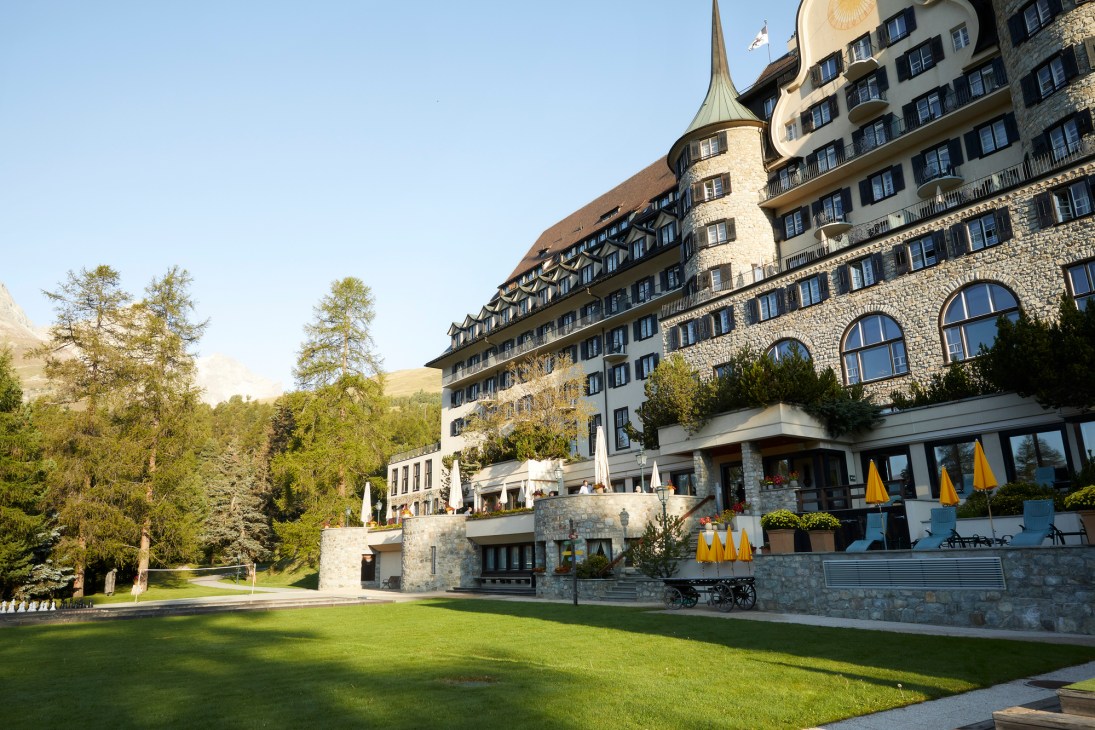
In September, an audience took advantage of the wise words of leading figures in design, defence, diplomacy and international development in St Moritz’s Suvretta House (pictured) for Monocle’s inaugural The Chiefs conference.
A few words from Vitra CEO Nora Fehlbaum assuaged office dwellers’ fears of losing their vocational homes. The mayor of Athens offered his take on how to bring about change in a city; and Peter Maurer, president of the International Committee of the Red Cross, considered the challenges facing multilateral institutions. All of them then spoke with guests over a glass of Malanser pinot gris at restaurant Trutz. Here are a few words of wisdom from the chiefs themselves.
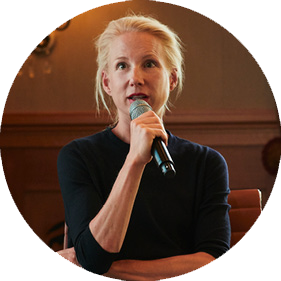
Nora Fehlbaum
CEO of Swiss furniture company Vitra
After heading up the global launch of Vitra’s online shops, Fehlbaum took the helm of the firm in 2016. She is the third generation to be CEO of the family-owned business.
With many working from home, do offices still matter?
We believe that, every minute of every day, we are influenced by our surroundings. I think every company will have to take a decision about its office for itself. Businesses must ask, “What are our values? What do we want people to think and feel every day, when clients and also employees pass through our environments?” Are aesthetics important to you? Maybe not; maybe you’re running a company that is cost conscious. Maybe, in this case, you shouldn’t invest in a fantastic environment. Maybe you don’t need an office at all. But if you believe you have a brand to sell, customers to excite and a premium offer, then I think that your office should really matter to you.
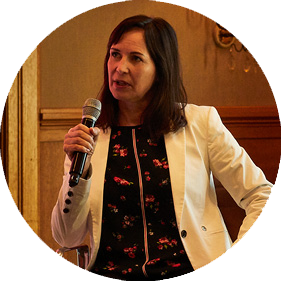
Ambassador Pälvi Pulli
Head of security policy at the Swiss federal department of defence
Pulli’s expertise spans the fields of foreign and security policy, as well as international relations and defence co-operation.
Why does Switzerland need new fighter jets?
We get this question very often: who is threatening Switzerland? We’re not expecting that stable democracies – our neighbours like France or Germany – would engage in aggressive warfare with Switzerland. But as we have seen lately with the pandemic, things can boil very quickly into unexpected situations. We also see that international tensions are rising, as well as growing rivalry between big-power states. The aircraft will be procured over 10 years and we can’t predict what’s going to happen in that time. We want to remain a neutral country – and that means to keep ourselves out of armed conflicts. If you have performing fighter aircraft, you also send a signal internationally that you will not tolerate incursions into your space.
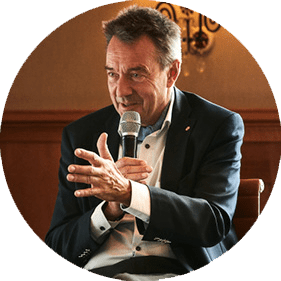
Peter Maurer
President of the International Committee of the Red Cross
Maurer regularly meets heads of state to find solutions to humanitarian concerns and has doubled the ICRC budget. He has also served as Switzerland’s representative to the UN.
Support for multilateral organisations is dissolving…
The donor community needs to have a serious discussion about how we move, with a model of transforming money into services on one hand, and raising capital and social capital on the other. What strikes me when I listen to victims, to beneficiaries of our operations, to governments, to non-state armed groups in the world – everybody comes with the same message: “We don’t want handouts. We want support for sustaining autonomous lives.” We have been bad on this. The response is not continuously asking for the money, which is not coming and will never come. The answer is finding new models of sustaining lives and livelihoods of people so that they can become more autonomous and less dependent.
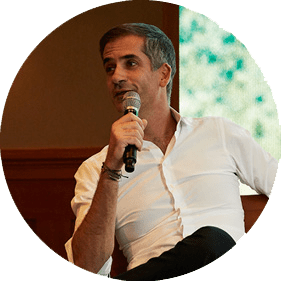
Kostas Bakoyannis
Mayor of Athens
Having graduated from Brown, Harvard and Oxford, Athens-born Bakoyannis went on to work for the European Parliament and the World Bank. He has been mayor of Athens since 2019.
What is the best way to implement change in a city?
I began as a small-town mayor, in my hometown of Karpenisi in the mountains in central Greece. We decided that we wanted to change the city centre completely. We changed the mobility, parking and pavements in two or three years. You cannot imagine the abuse that I got. Then they voted me in with 75 per cent. I would see them outside the polling station and say, “Why are you voting for me? Do you remember what you were saying about me?” And they would say, “Yes, but you were right.” At the beginning, people are – justifiably – angry because one guy says, “You have to change the way you live.” Slowly, when the project is completed, they like what they see. They appreciate the change to their quality of life.
Gnanli Landrou
Co-founder, Oxara
Silver-medal winner for his outstanding work at ETH University in Zürich, Togo-born Landrou is the co-inventor of cement-free-concrete technology and co-founder of Oxara, a company that turns excavation matter into sustainable construction materials.
How were you motivated to innovate by your community?
It was a no-brainer to develop a new sustainable building material. I’m from an area in Togo that is an informal settlement. Many houses were either made with metal sheets or concrete. But concrete is too warm to live inside in such a hot climate. I remember talking with my parents and asking, why is everyone building with concrete, which is a symbol of success, if they have to sleep outside at night because it is too warm inside? It didn’t make sense to me. There were traditional techniques that were available, but they took time to implement. I wanted to make use of the resources that were everywhere in a way that could keep pace with the urbanisation trend. eth gave me an opportunity to explore this.
Elise van Middelem
Creative consultant
After years as a brand strategist working for companies such as Louis Vuitton, Nike, Samsung and Art Basel, Van Middelem founded Sugi. This urban tree-planting platform works with communities to turn vacant patches of land into dense forests in a matter of years.
Do people really want a genuine product?
Yes, but I think it takes time. One of the challenges is to stick to your values. I wanted to restore biodiversity and not just go for a model where it’s “one dollar plants one tree” – many people said I should do that and go for a million trees. And I said, “No, it needs to be a whole ecosystem thing. We don’t dig a hole and put a tree in the ground; we start with cultivating the soil and working to bring back the fungal network.” We have 14 forest-makers and 75 projects today, ranging from one hectare in London to a small patch in Queensland, Australia; they all have a story and they’re all a necessity for their community. You subscribe [to Sugi] to build biodiversity and become part of that whole network.
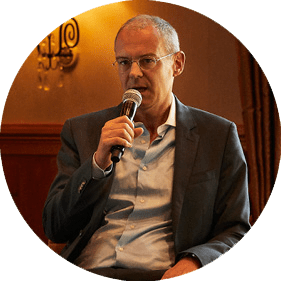
Dirk Effenberger
Head investment risk at CIO GWM, UBS
Investment strategist and economist Dirk Effenberger heads up the investment-risk arm of UBS. His team publishes the Swiss bank’s Global Risk Radar, analysing the effect of risks on financial markets and assets.
How can we manage risk as we head into 2021?
Risk management thinks about the downside scenarios but it’s as important to think about the upside. I’m positive for the next six to 12 months, especially when it comes to the market; if you’re investing. It is unlikely that we will see another nationwide lockdown in some major countries, which should bode well for the global economy and for most companies. Our analysts are confident that a vaccine will be available in early 2021 and distributed in the first half of next year. It’s important to think about how the world looks after the pandemic; it’s not only investors that should be optimistic. Coronavirus will change the world – we will be more localised – providing opportunities on the other side.
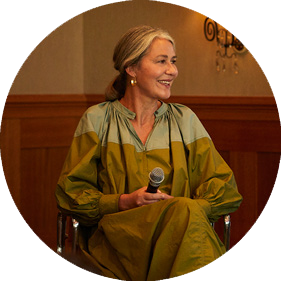
Ruth Kramer
Co-owner, Brücke 49
In 2011, fashion designer turned interiors expert Ruth Kramer co-founded Val’s finest hospitality venture, Brücke 49, which she runs with husband Thomas Schacht. Situated in the Swiss Alps, it’s a haven where people go to recharge.
Do we need to rethink the world of hospitality?
At Brücke 49 we didn’t know that we were doing something special. We have been travelling the world with our jobs previously and stayed in big hotels and experienced super service but they can also be impersonal. There could be more places in the world with smaller hotels. But we have to realise that we can’t cheat anymore; we have to be real. We have to think, “What do we want if we go to Paris? Or to another new place.” We have to ask how safe we want to feel and what we want to experience. We want to feel the heart of another person, and the bigger you get, the more difficult it is. There’s potential for opening smaller places in big cities, to give people shelter. From there, we build brands that can grow organically again.
Alberto Bertoz
Senior vice-president, V-Zug
Bertoz leads the international division of luxury home-appliances manufacturer V-Zug. His achievements include the successful introduction of the brand to Shanghai, Hong Kong and Singapore and a commitment to the brand’s ethos: “Swiss perfection for your home.”
Where do you stand on innovation for the sake it?
In our industry there’s a tendency to over-engineer. With V-Zug the focus has always really been on engineering and bringing innovation and technology. Where do we stand in terms of the digitisation and experience? I think we’ve taken quite a clear direction: we don’t enter into gamification and we don’t enter into digitisation that doesn’t serve the purpose of the appliance’s primary function. If it gives a real benefit to the customer, we do it but not just because the consumer electronic “big guys” do it. We cannot follow every trend, so we have defined boundaries that focus on delivering the primary function with superior results. Then we add the digital part that is necessary to enhance this experience.
Bright lights, small city
During 2020 many big-city dwellers thought about life in quainter, quieter spots with space to move around in and fresh air to breathe. The Forecast had already been considering the allure of a downsize when we launched our inaugural Small Cities Index 12 months ago. The idea was to profile the places that challenged our readers in the big smokes to consider a fresh start in a smaller place, without losing all the things that they love about urban life. In doing so, we championed well-connected cities that offer great business opportunities, a welcoming culture and access to nature. We also met citizens already living and thriving in these places.
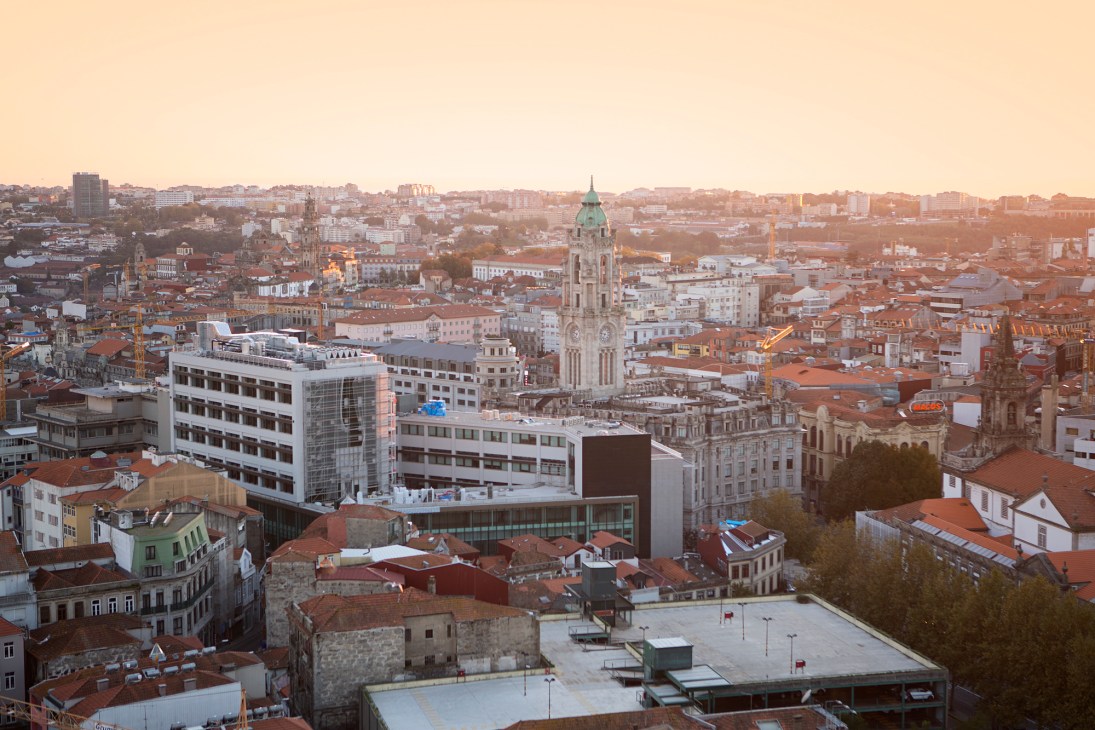
Approaching this index again after a gruelling 2020 gives us a different lens through which to look at the subject. The world has changed but the aspects that enhance quality of life within our cities have not. We therefore believe that this index is more essential now, at a time when many of us are reassessing our lives and what we need from the places that we call home. With this in mind we have fine-tuned the metrics to take into account the lessons we’ve learnt from the rough-and-tumble 2020.
One aspect of small-city living that we’re keen to stress is that a place works best when its civic leaders are closely connected to its people. In small cities these leading figures often enact change in a more nimble and meaningful manner than their counterparts in larger metropolises. When those in charge are able to move swiftly and confidently if things go awry, they can command trust and respect from their citizens. We also realised the importance of access to nature and green spaces – and how much better cities are when we can escape their concrete corners and wander into health-enhancing parks.
So for those looking to relocate, or maybe run for office or build a business in a upstart city, or even those who simply just want to learn some lessons about what makes a city work, we’d advise that you take heed of our rankings.
1.
(Up from 9 in 2020)
Porto
Portugal
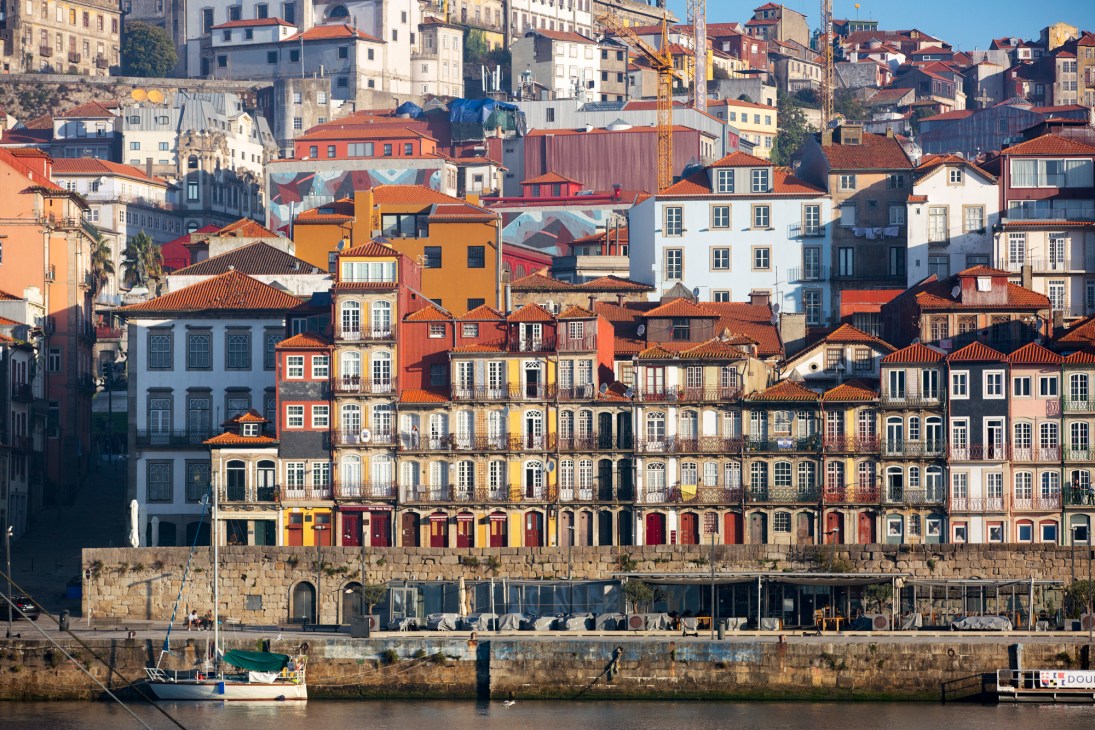
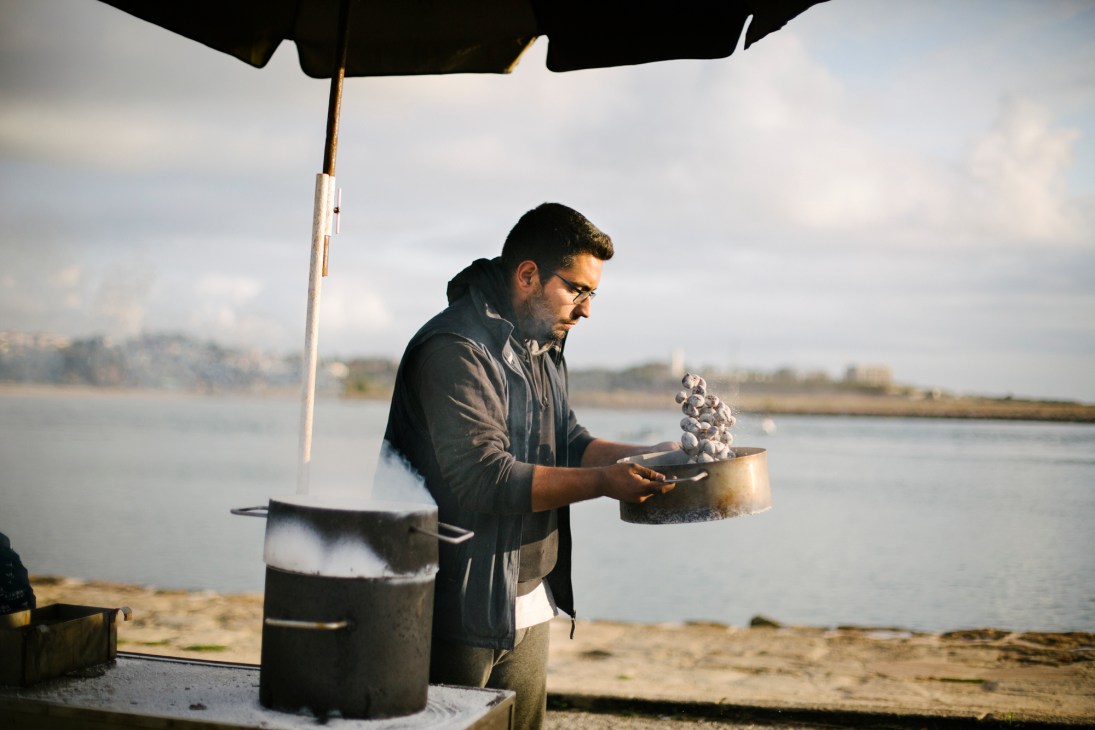
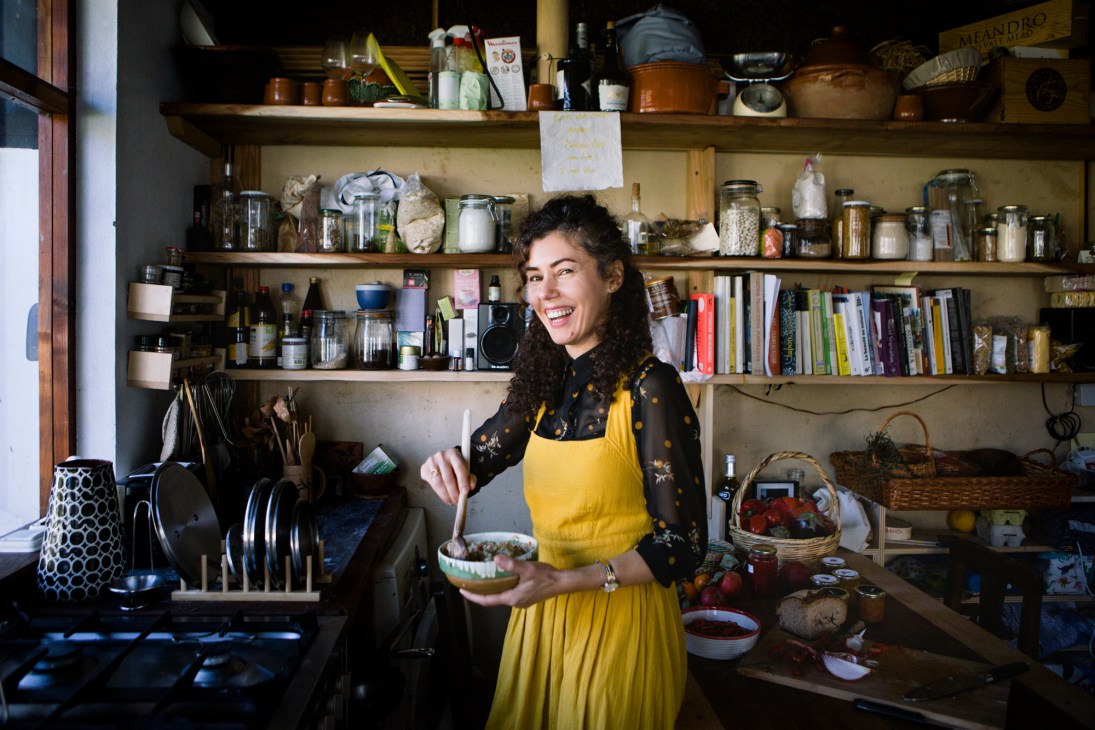
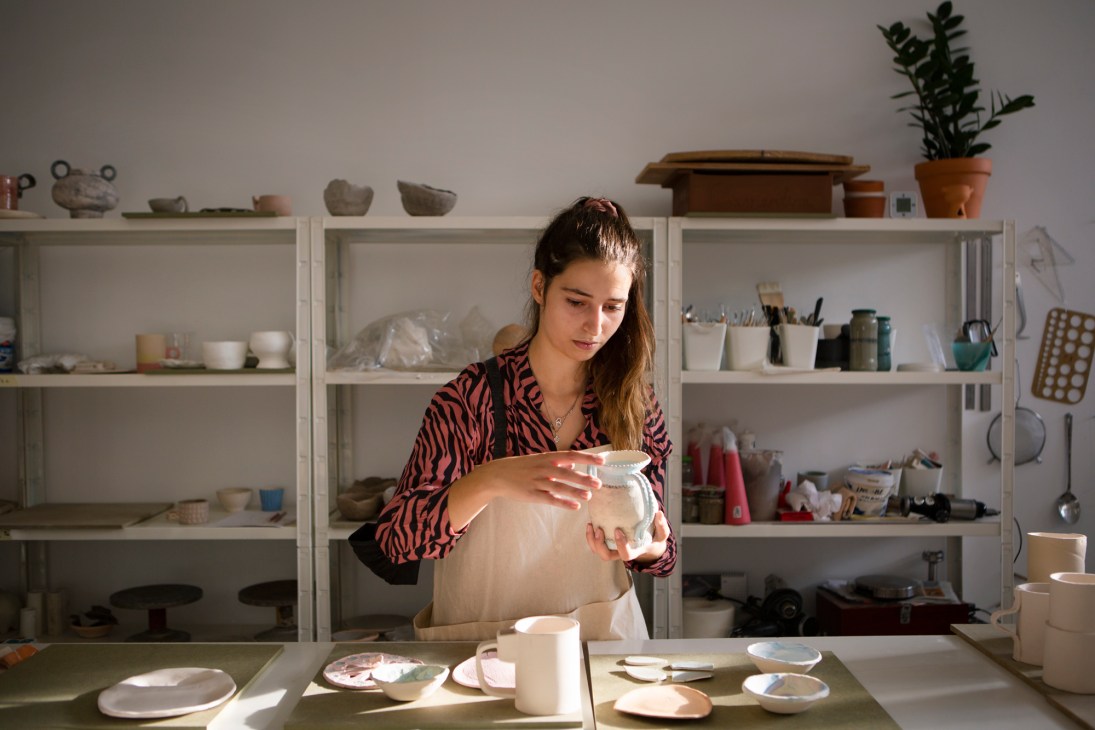
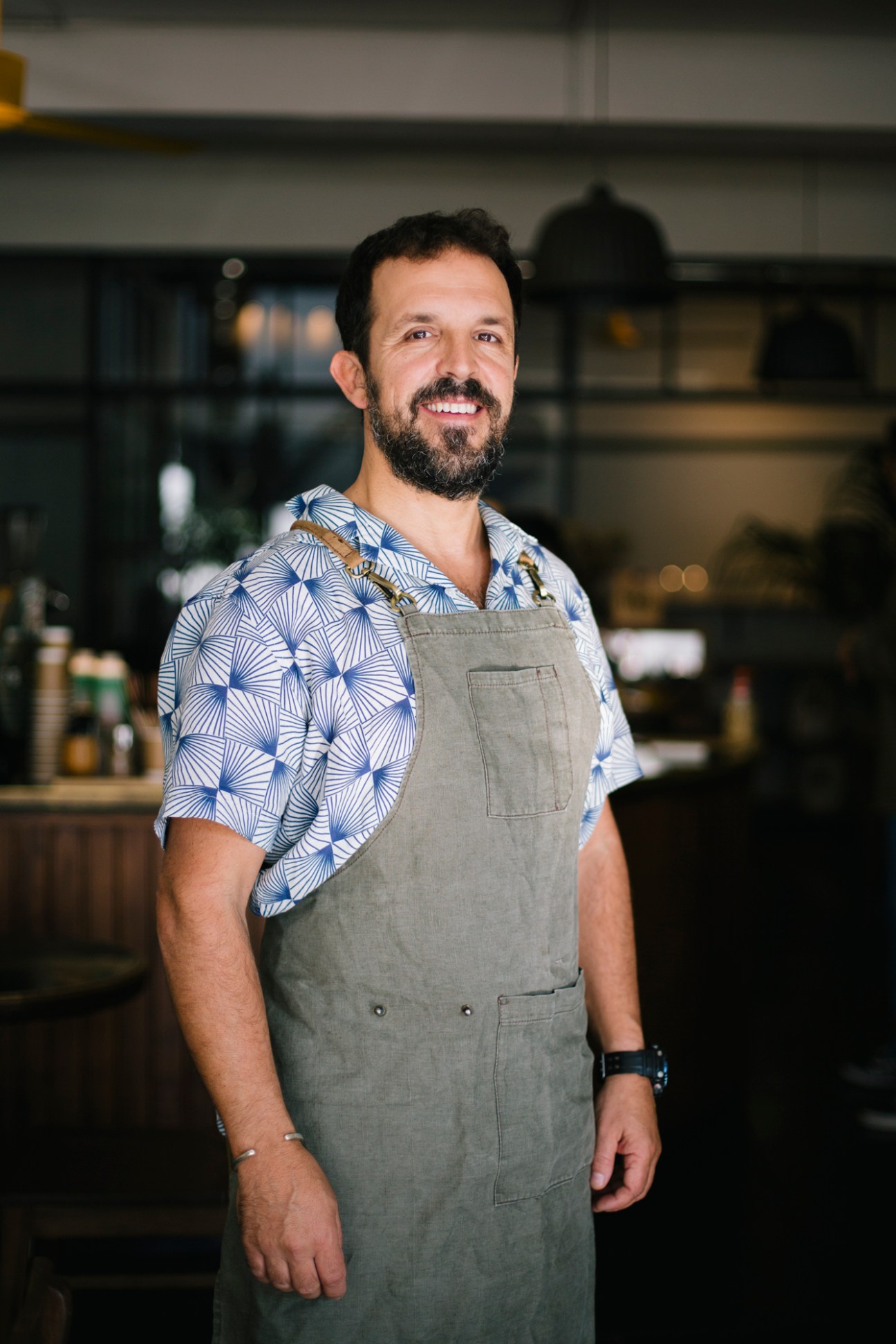
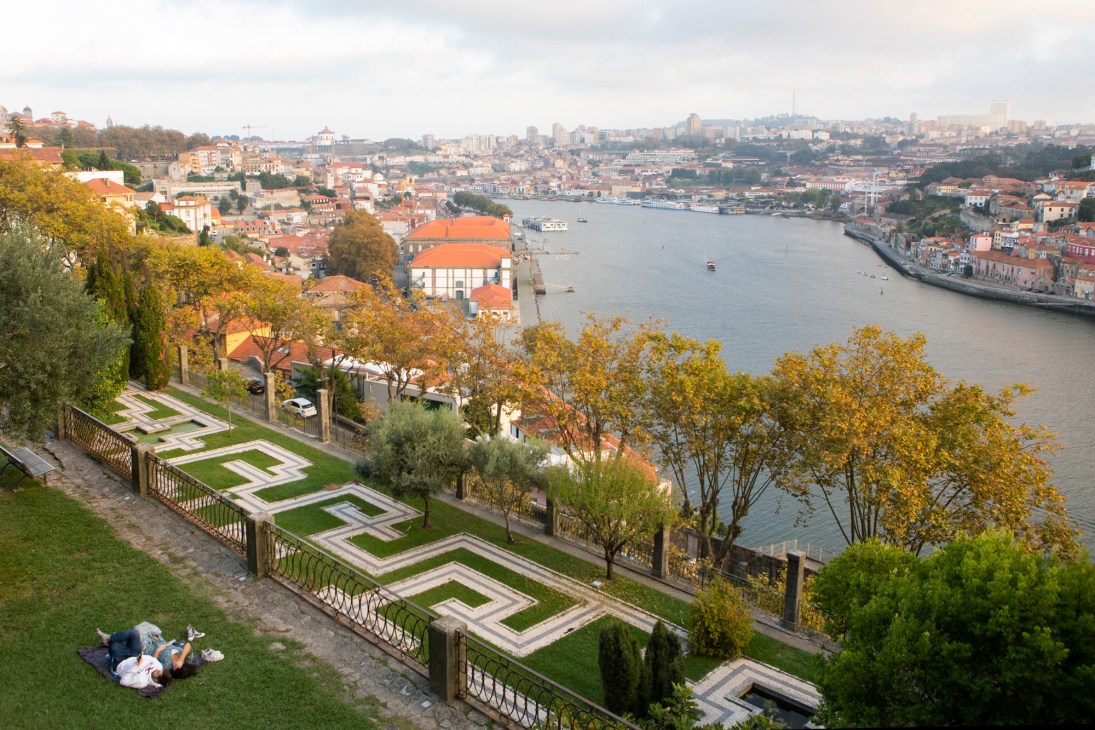
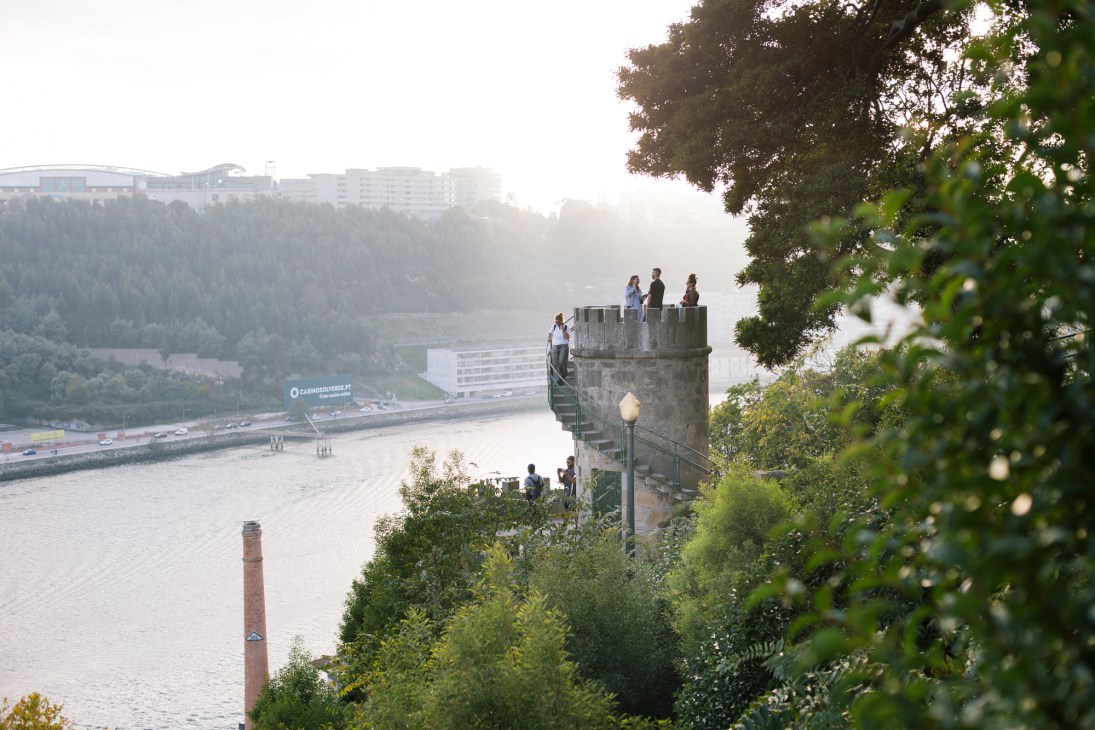
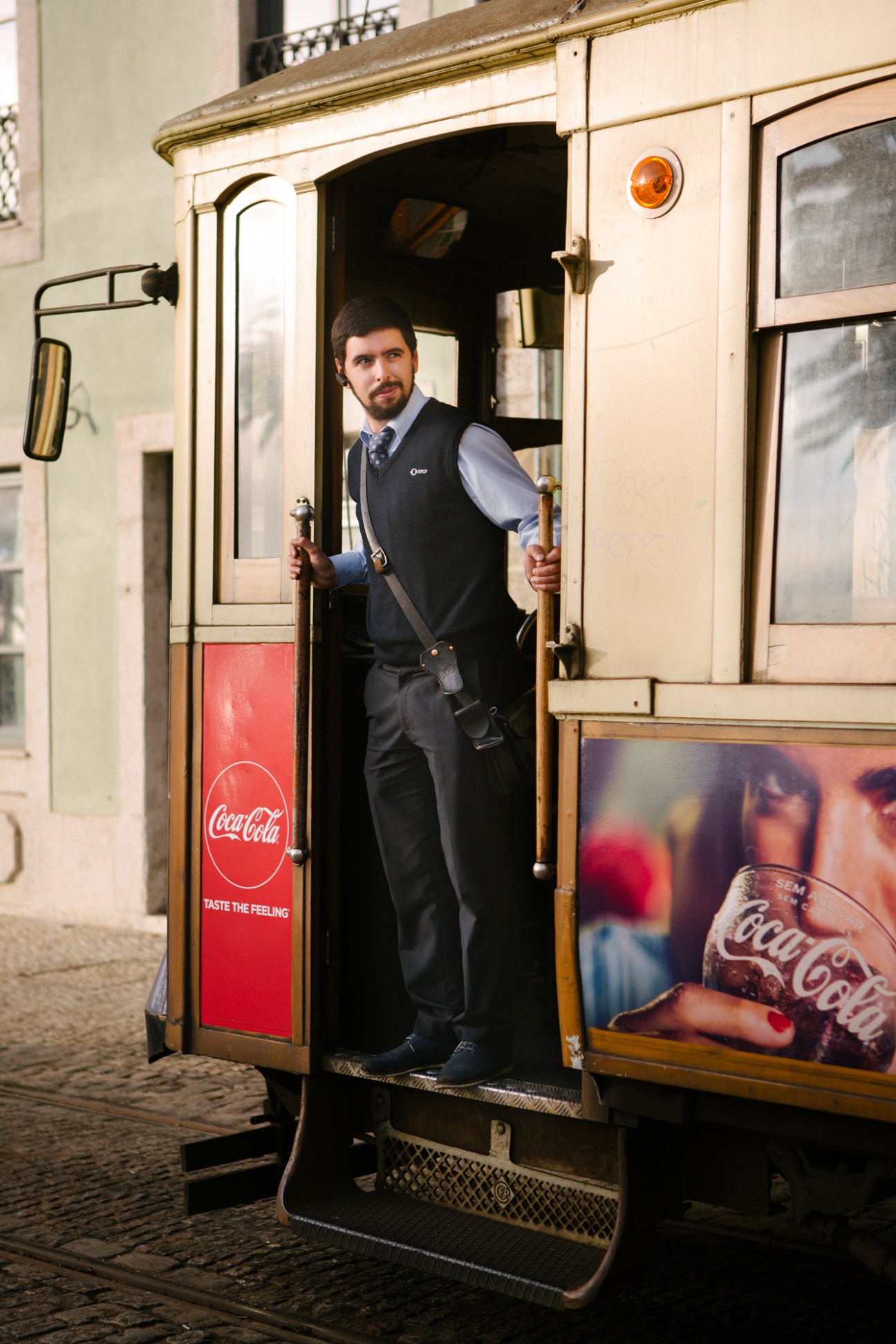
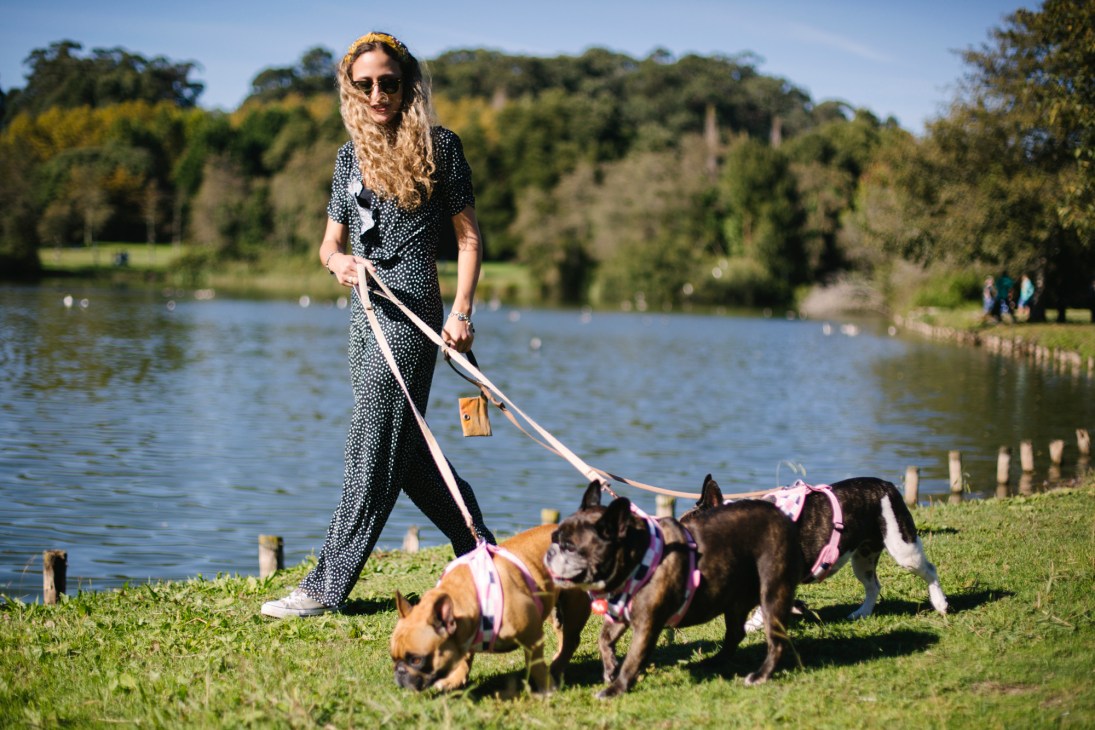
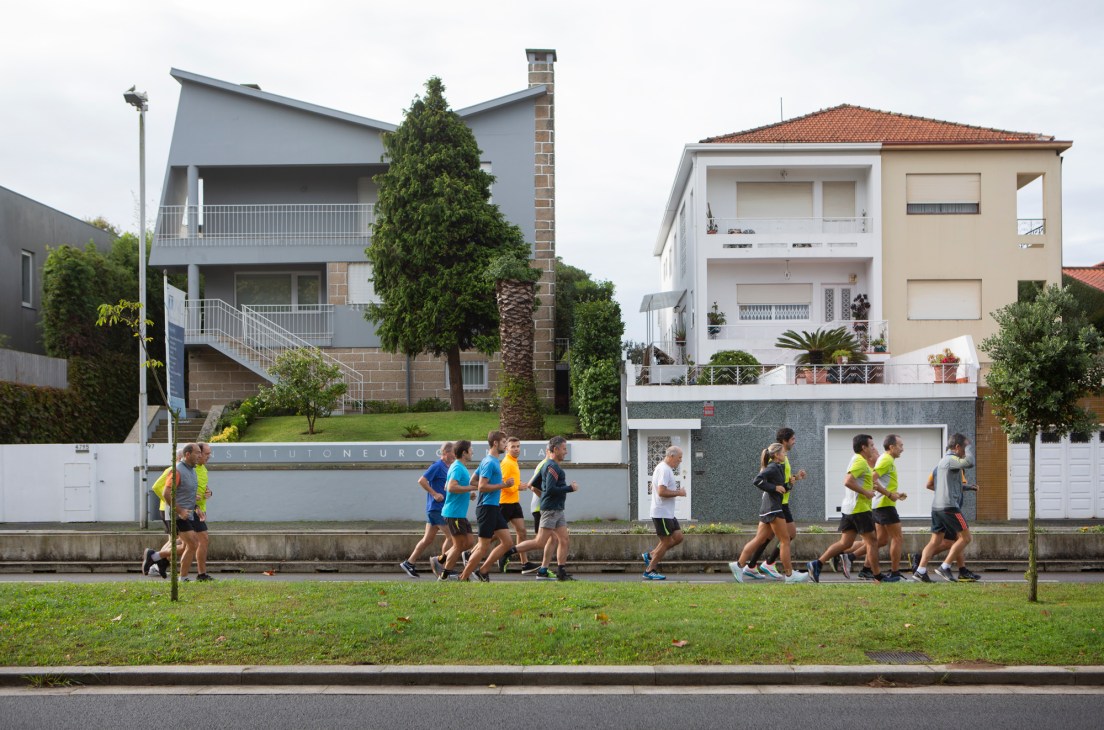
Any tripeiro (yes, people from Porto are nicknamed tripe eaters) will quickly and proudly list all of the reasons that their hometown is so different from Portugal’s capital, Lisbon. From the outside the similarities are many – both are charmingly historic port cities with quick access to good beaches. But dig deeper and it becomes clear that Porto beats to its own pulse, completely independent from Lisbon’s rhythm. Home to about 220,000 inhabitants, the city has always been Portugal’s business heart, with many of the country’s industries based around its perimeter. Porto citizens are known for their hard-working and matter-of-fact attitude yet being business-oriented here doesn’t come at the cost of a sense of community and enjoying a glass of wine with colleagues over lunch.
A number of fashion and furniture manufacturers are found close to the city, which has helped Porto to develop into a thriving creative hub. Foreigners (many of whom received government support in acquiring a Portuguese EU passport) and tripeiros alike are setting up cutting-edge furniture and fashion outlets in old tiled buildings and once-derelict mansions that now host avant garde galleries. The plethora of cultural offerings in Porto reflects the affection of the city’s inhabitants for all things arts and crafts. International designers have long sought Porto for its manufacturing capacity but increasingly they are choosing to move closer to their supply chains, giving this small city a can-do, cosmopolitan feel.
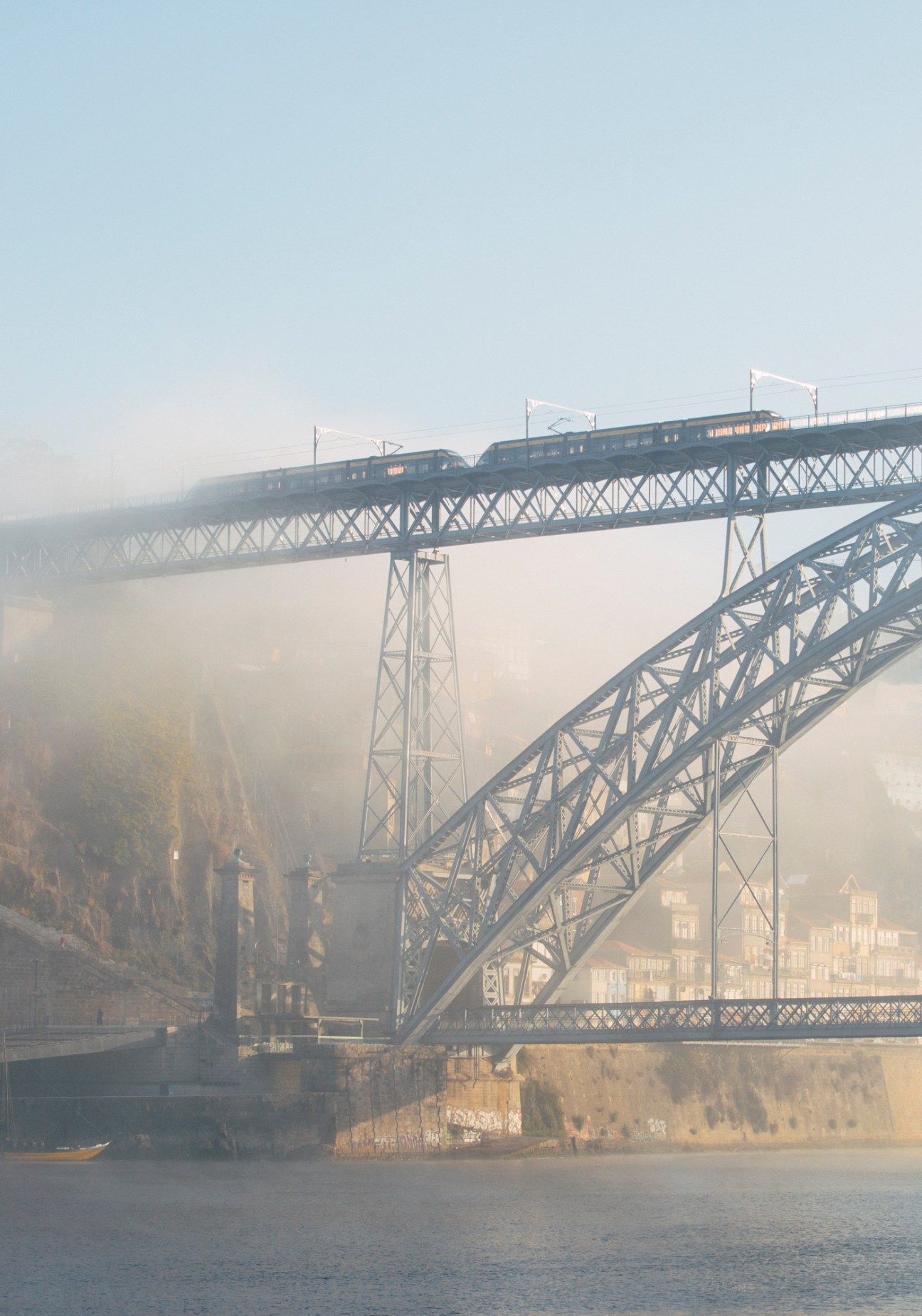
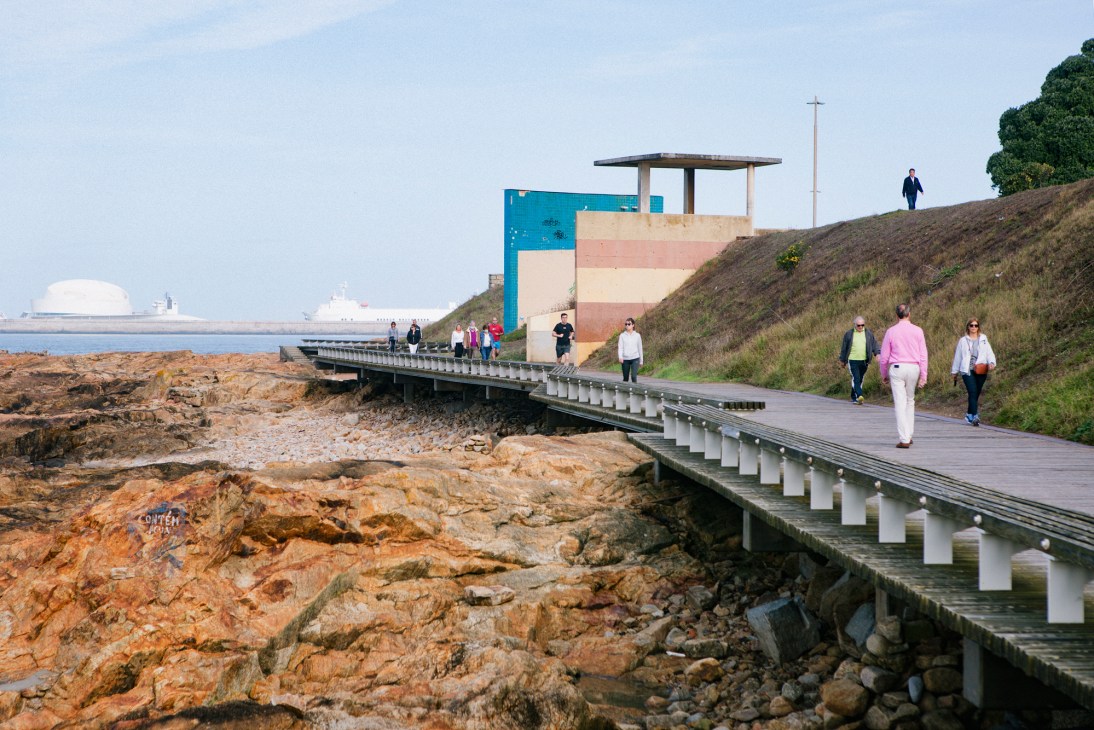
Porto is small but it has big-city ambitions, with the advantage that most of its action happens within a compact radius of medieval winding streets that are easily walkable from top to bottom. But should all that port wine and balmy weather go to your head for any reason (and we don’t see why it should), you can easily catch a train to Spain or head down south – and the international airport is just 20 minutes drive away.
The rules
In 2021 we’ve reconfigured The Forecast’s Small Cities Index by focusing on settlements of fewer than 250,000 people that offer incredible quality of life and are led by smart, trustworthy leaders. They must also have all the other assets that make any city tick, whatever its size: buzzing nightlife, great business opportunities, welcoming populations and good connections to the wider world.
Tipping the scale
Tasmanians, for example, might be a bit sore that Hobart has fallen from our rankings. But we’ve made a few tweaks to ensure that we provide a meaningful index in changing times. Here are the key factors that came into play:
1.
Accessibility
A few places were knocked back due to our emphasis on accessibility. For instance, new entrant Wellington in New Zealand might have ranked higher if it were easier for international travellers to get there directly. That said, we’ve still covered the little spots in big nations that those feeling a little landlocked should consider.
2.
Mayor factor
We’ve upgraded the importance of a good, progressive mayor in these rankings by highlighting the power of those providing everything from the best urban infrastructure to reassuring leadership during hard times.
3.
Warm and welcoming
Anyone who is relocating wants to be embraced by their fresh home’s community and feel integrated. The best small cities are internationally minded and provide this in spades.
4.
Green ambitions
Parks and well-appointed plazas improve the mental and physical wellbeing of city dwellers. We’ve considered the green factor through access to nature, environmentally thoughtful infrastructure and a sustainably minded population.
5.
Business opportunities
A downsize shouldn’t mean a downgrade in salary or missing out on an interesting career. We’re promoting cities that are hubs for industries and ambitious in their business mindset.
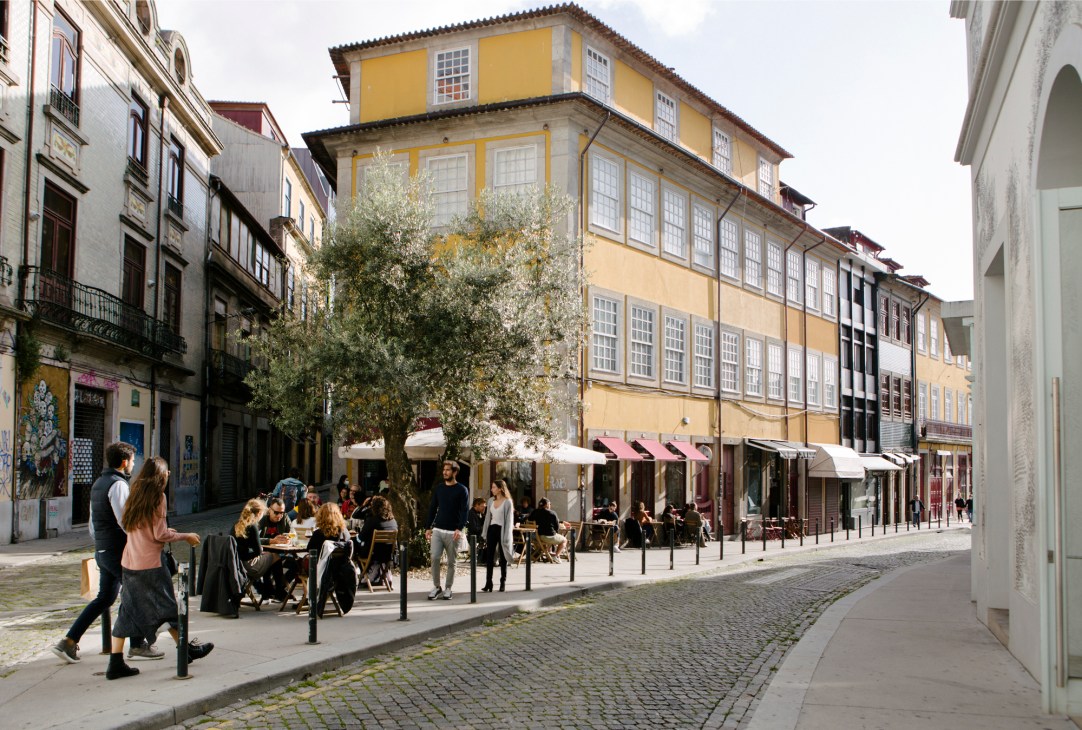

Good for? Strong leadership.
Porto’s mayor, Rui Moreira, who has been in office since 2013, is appreciated for his staunch defence of the city. He’s always quick to remind politicians that, although the seat of government is in Lisbon, Portugal’s northern region is the main contributor to the country’s economy.
2.
(New entry)
Leuven
Belgium
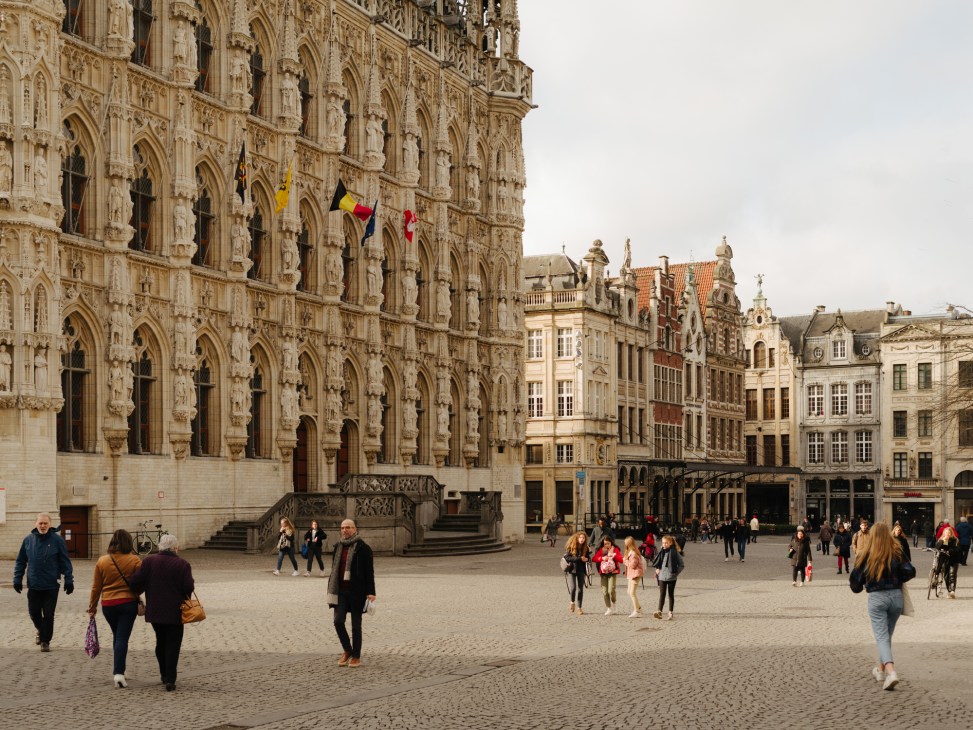
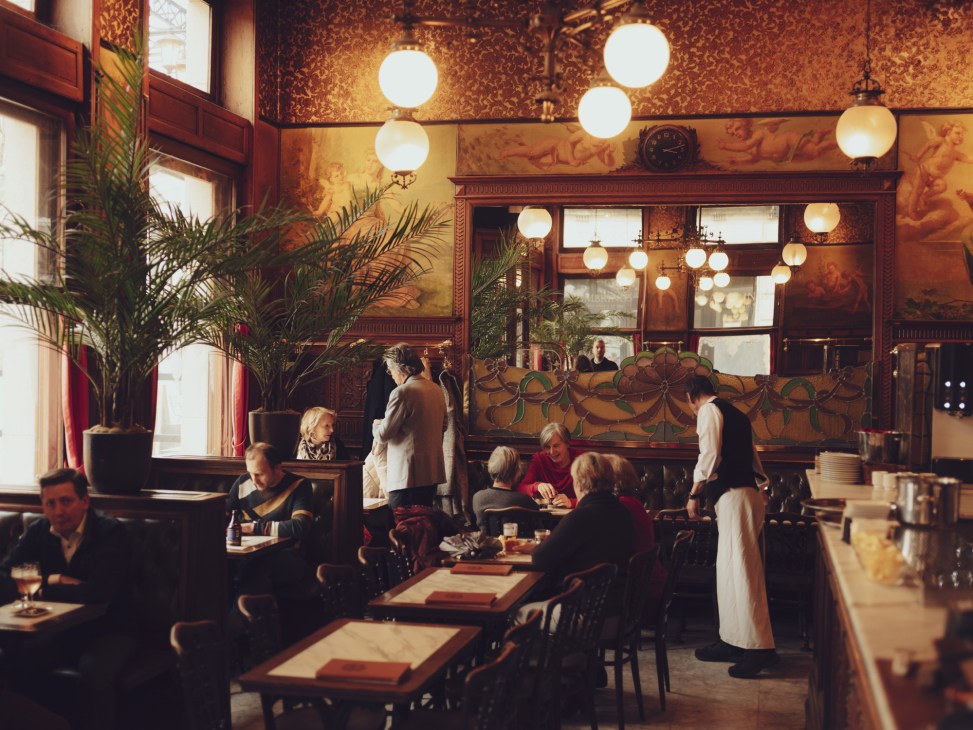
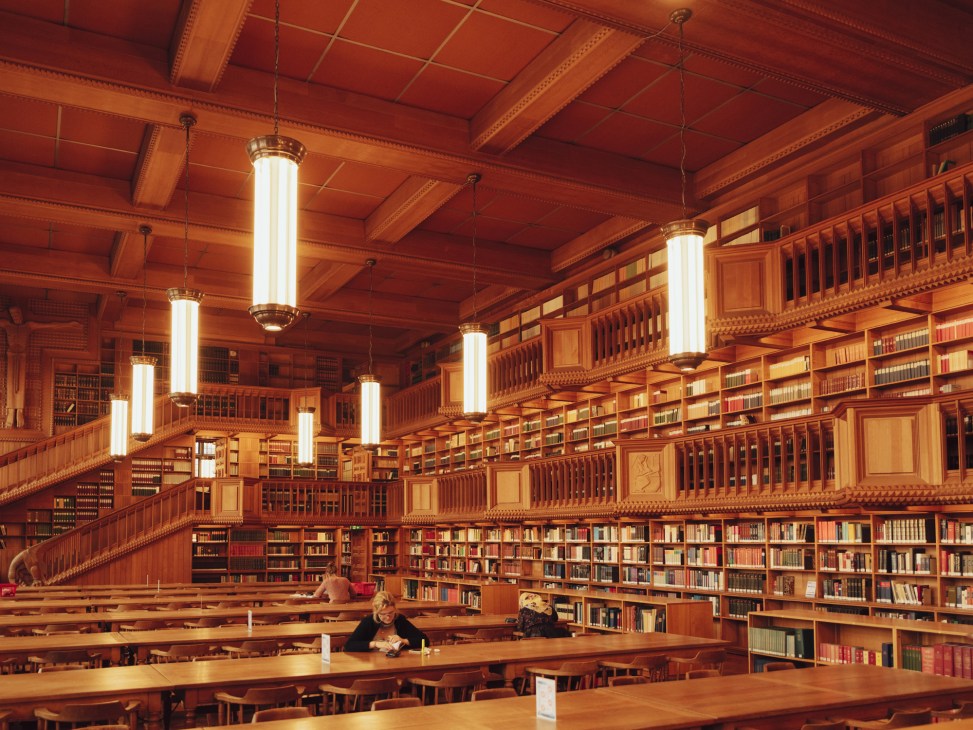
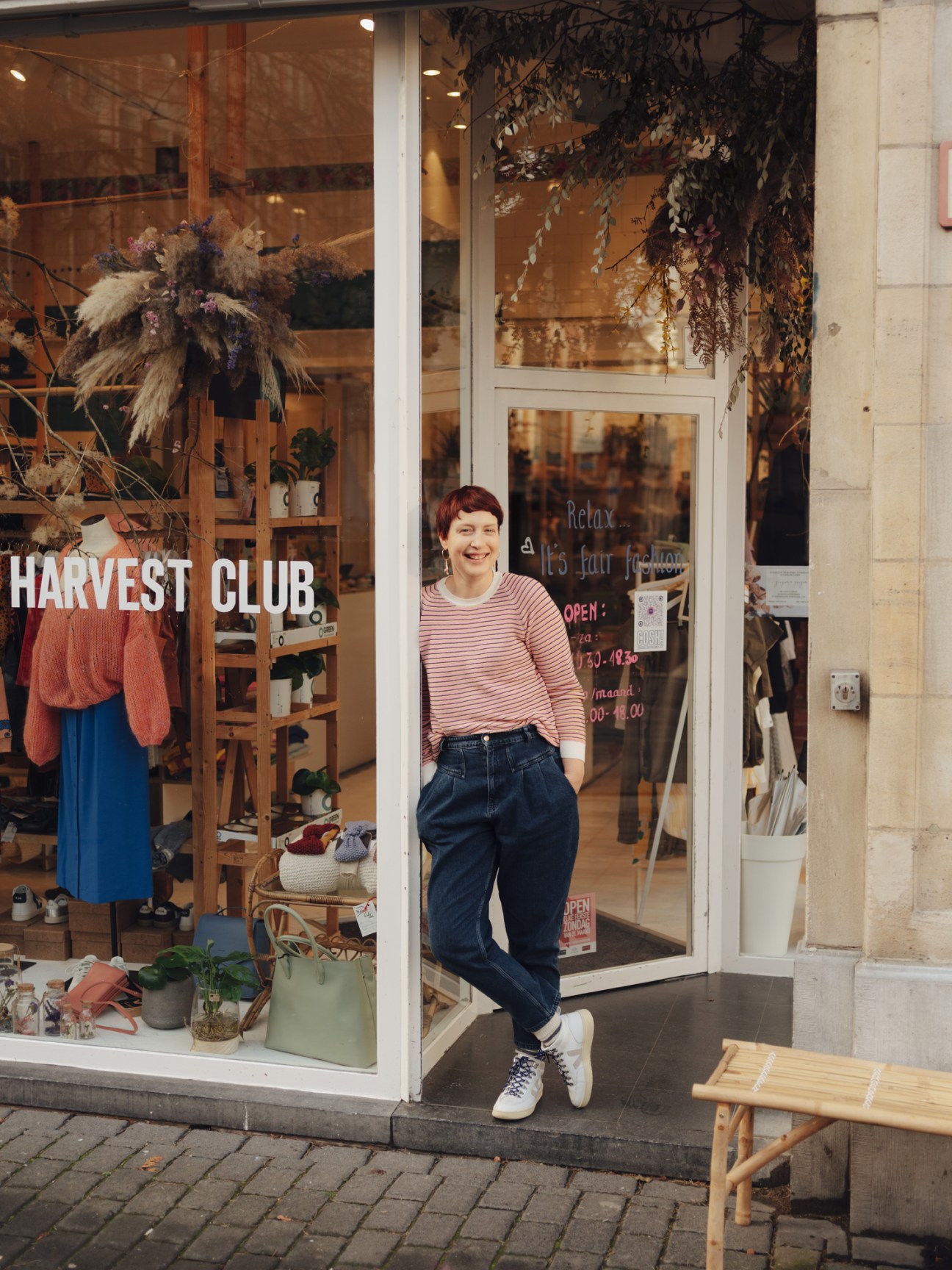
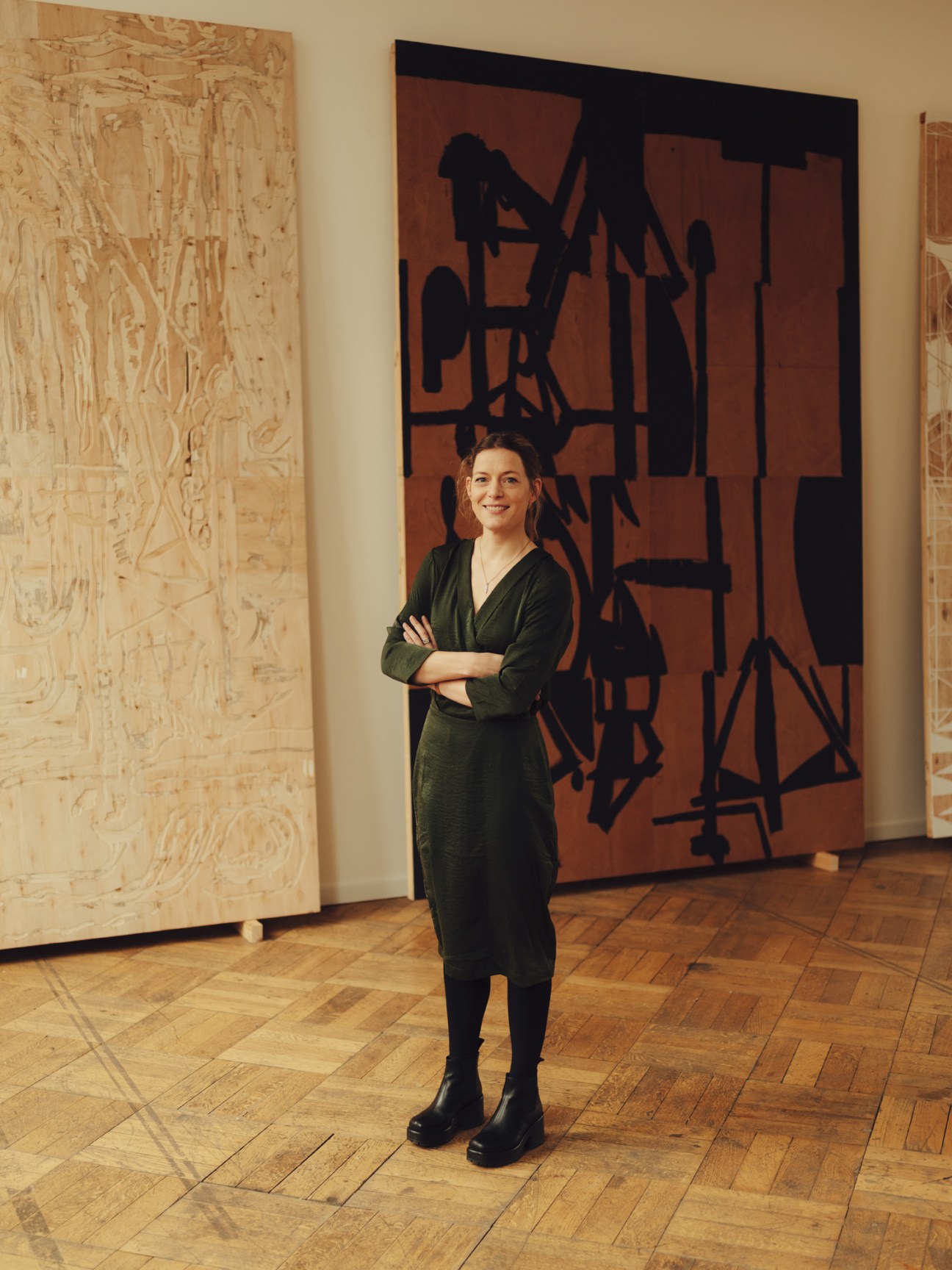
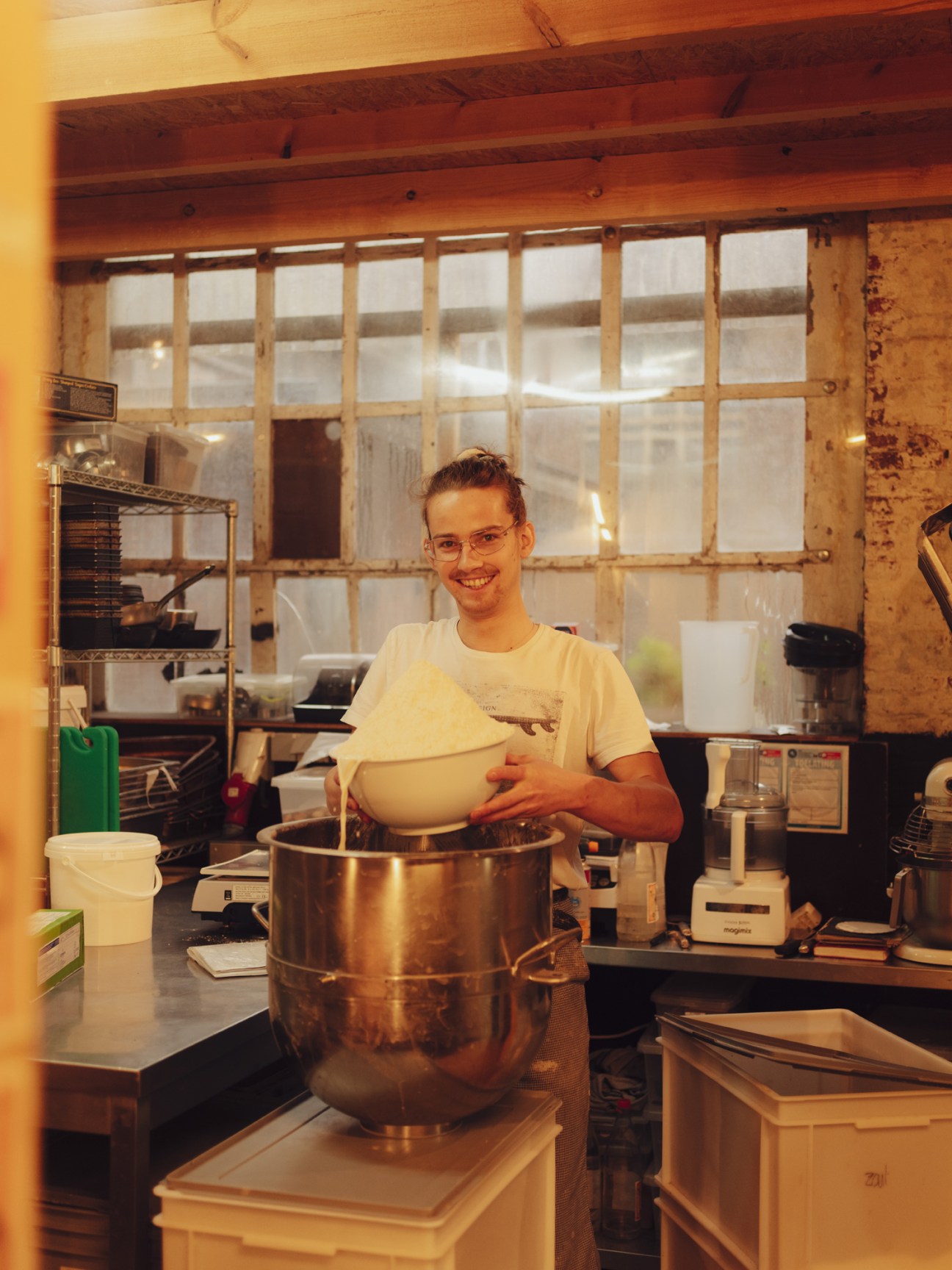
Although Leuven is only a 20-minute train ride from Brussels and the capital’s international airport, this picturesque Belgian stad of 100,000 inhabitants feels nothing like a sleepy suburb of the capital. Perhaps it’s the young, globally minded population that makes Leuven – home to one of the oldest and most renowned universities in Europe – wonderfully vibrant year-round. The world-class beers (Stella Artois among them) that pour out of the 30 or so breweries in the vicinity also contribute to Leuven’s outgoing nature.
Nightlife and education aside, the innovation and technology sectors are thriving, attracting professional talent well beyond university age for work opportunities and industry events, such as the And& innovation festival. The town’s residents cover 171 nationalities, leading city hall to launch the International House Leuven centre, which aims to provide expats and their families with support on housing, social integration and job opportunities. Regular information evenings and guided city walks help newcomers find their bearings, while English is widely spoken throughout the town – it’s taught to children from a young age.
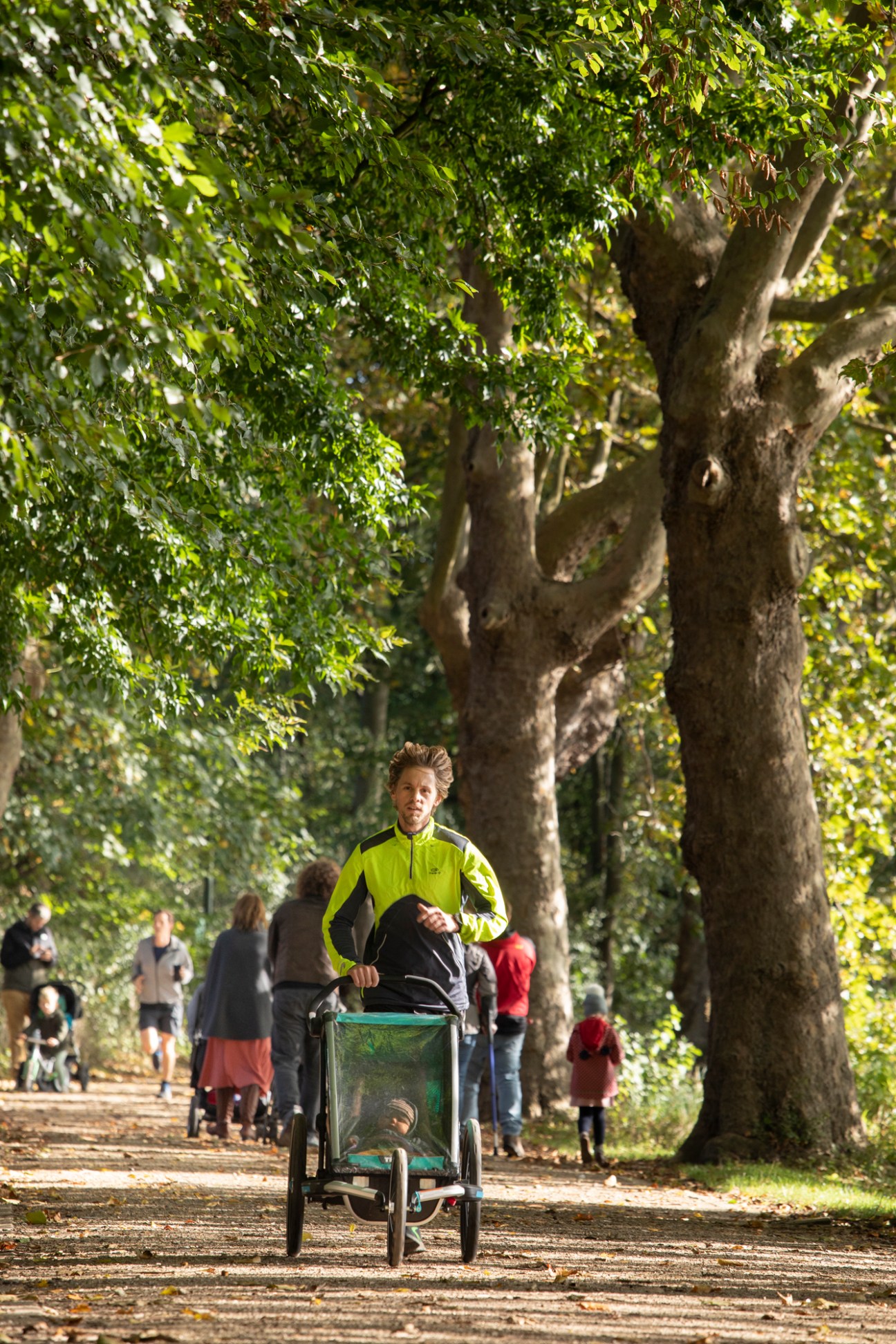
Many of the people-focused initiatives such as these are the fruit of Leuven’s progressive mayor, Mohamed Ridouani, whose ambitious urbanism policies and strong ideas on sustainability helped the city to win the European capital of innovation award in 2020. During his time as mayor and previously deputy mayor, Ridouani has initiated an positive mobility plan to clear the city centre of cars by creating pedestrian zones and new cycle lanes, and investing in a better bus network. The number of journeys made by bicycle rose by 32 per cent in just a year, making for cleaner air and a safer environment for children and the elderly to roam around.
Good for? The environment.
The city-government-endorsed Leuven 2030 initiative brings together more than 600 organisations, businesses and citizens to help provide a plan for the city to cope with the effects of climate change.
3.
(New entry)
Itoshima
Japan
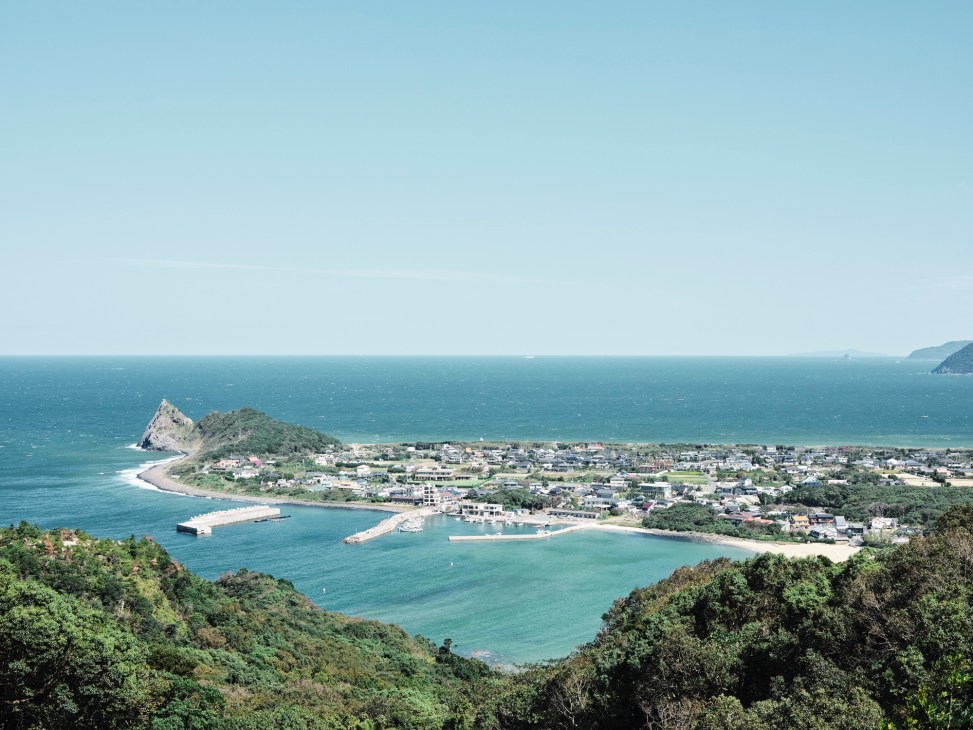
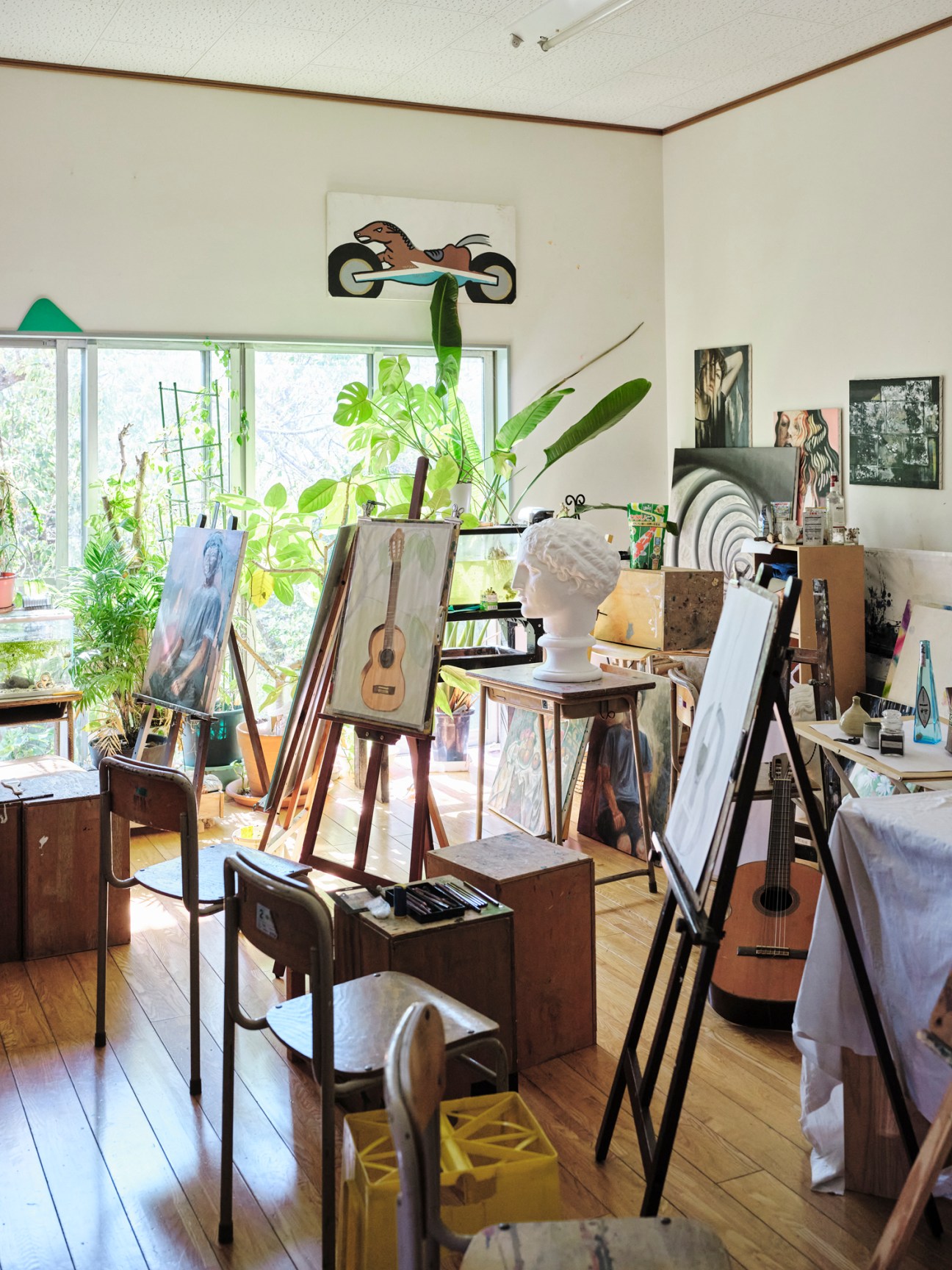
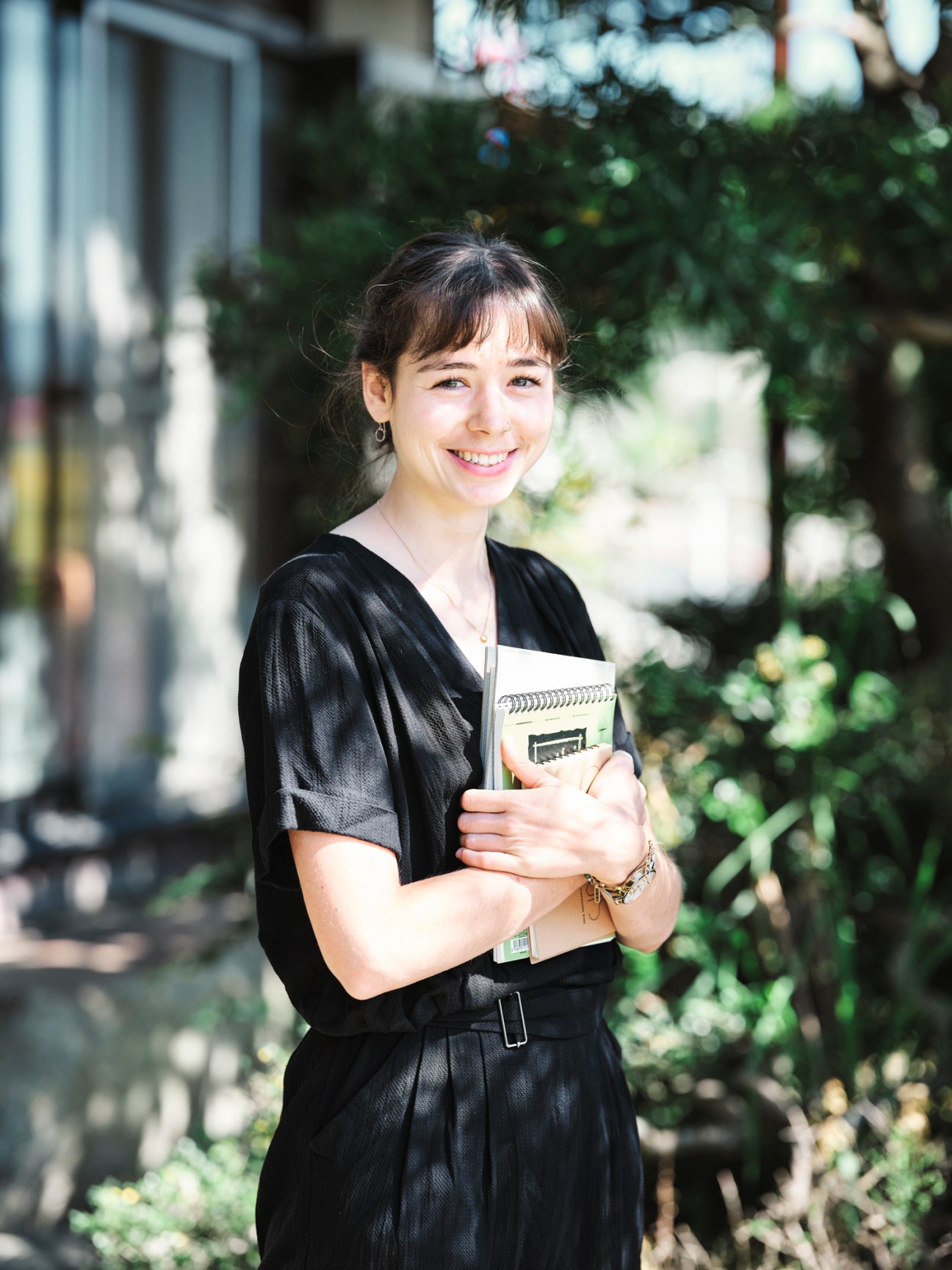
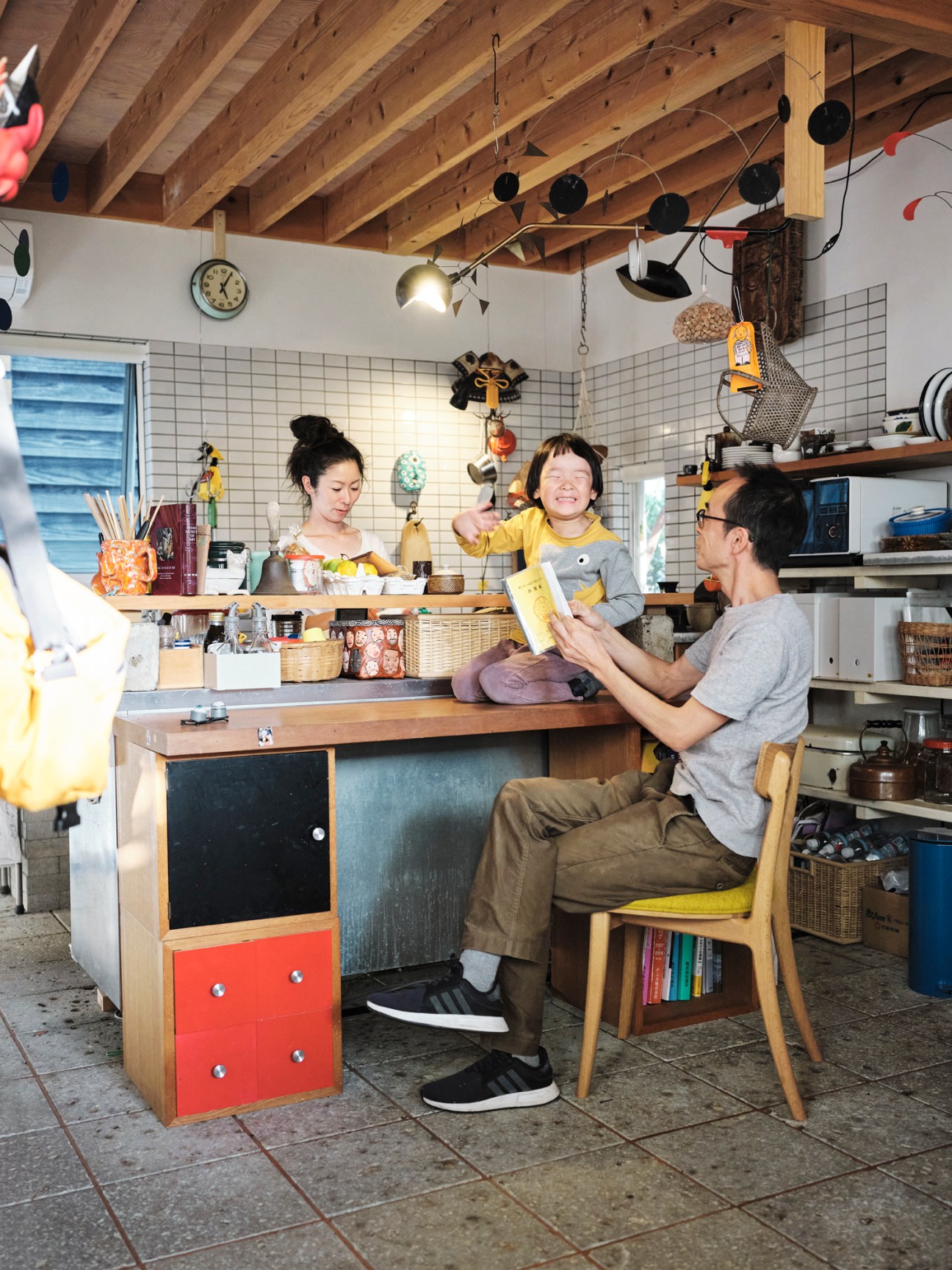
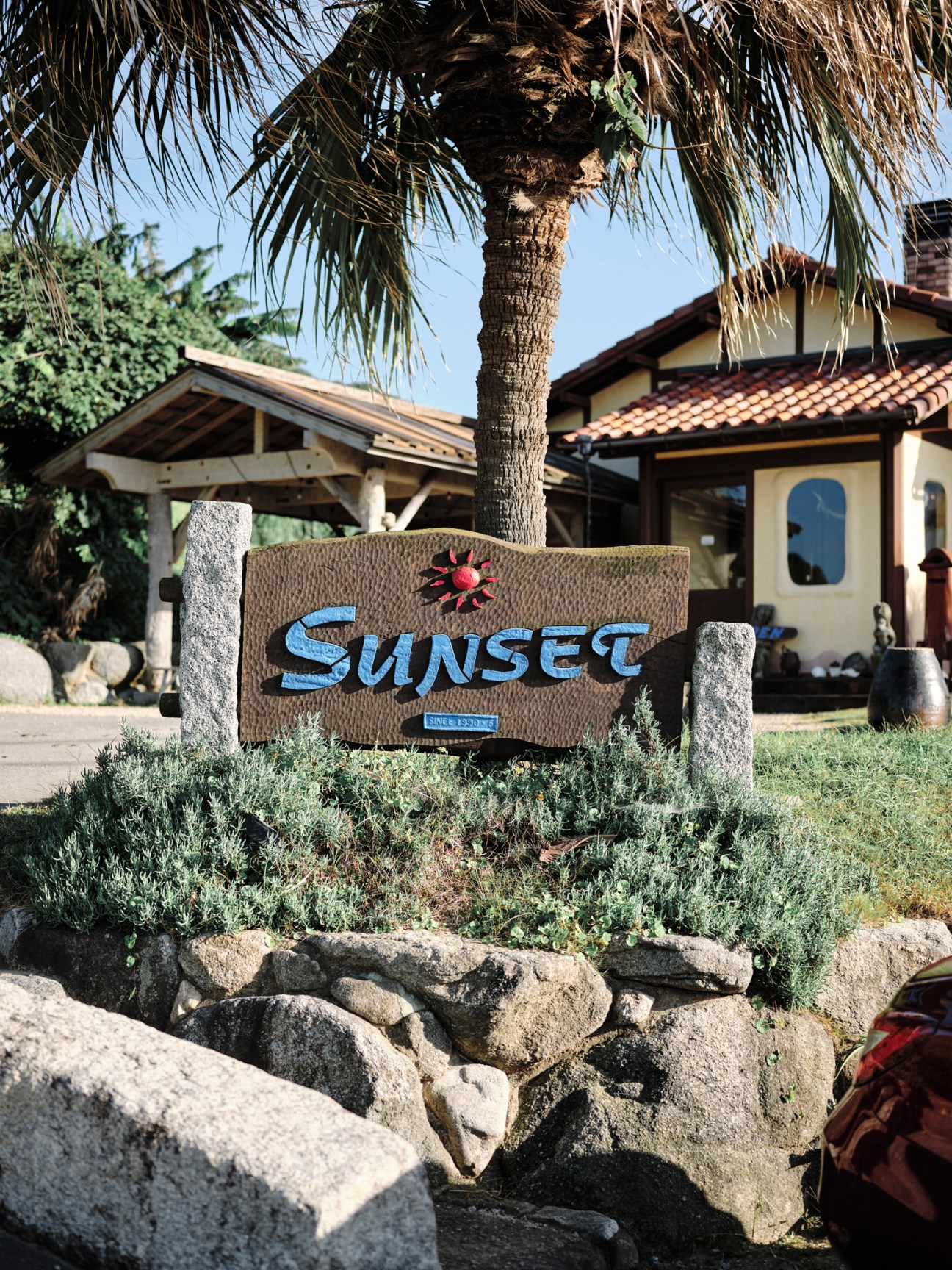
Situated on a peninsula on the western edge of Fukuoka prefecture, Itoshima is a city of about 100,000 people that offers an excellent quality of life due to its spectacular access to both nature and urban life. The fine location has helped it to forge one of the region’s best agricultural scenes, known for its Itoshima-branded pork, beef and chicken, as well as its organic farm produce. The city sits next to the Genkainada Sea, which provides delicious and inexpensive seafood. Explore the city and you might stumble across a saké- or salt-maker – in fact it’s more difficult to think of what Itoshima doesn’t produce. Young farmers and small businesses are thriving here.
Itoshima has a strong sense of community and its citizens are open to outsiders, which has helped to attract creative minds to come here and launch interesting businesses. Woodcraftsman Wataru Sakai moved to Itoshima in 2011. “When I was in university in the early 2000s, Itoshima was much more rural,” he says. The city government’s subsequent investment in putting Itoshima and its craft culture on the map has lured people to both visit and relocate. “Now buyers from Osaka and Tokyo come here,” says Sakai.
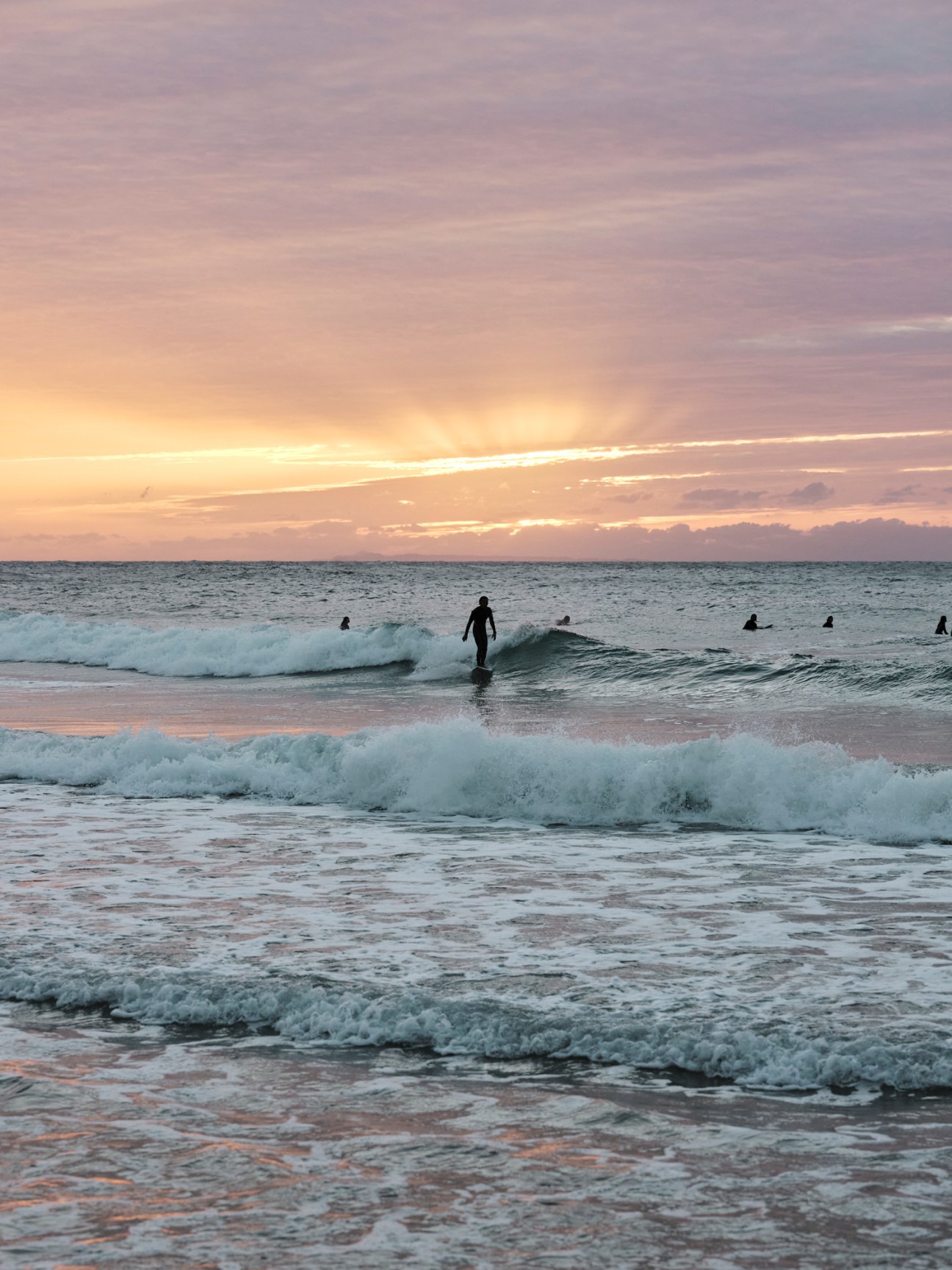
A quick bike ride from the city centre around the Maebaru area draws cyclists to open roads for some recreational (or more serious) journeys. On the shore, Nigino beach is a surfers’ paradise, while Mount Tateishi is a popular hiking spot that provides a breathtaking panoramic view. And all of this is a mere 35-minute drive away from the bustling city of Fukuoka and its international airport.
Good for? Versatility.
Some people call Itoshima home and commute to the neighbouring city of Fukuoka; others base their businesses here. The city is an excellent choice either way.
4.
(New entry)
Lucerne
Switzerland
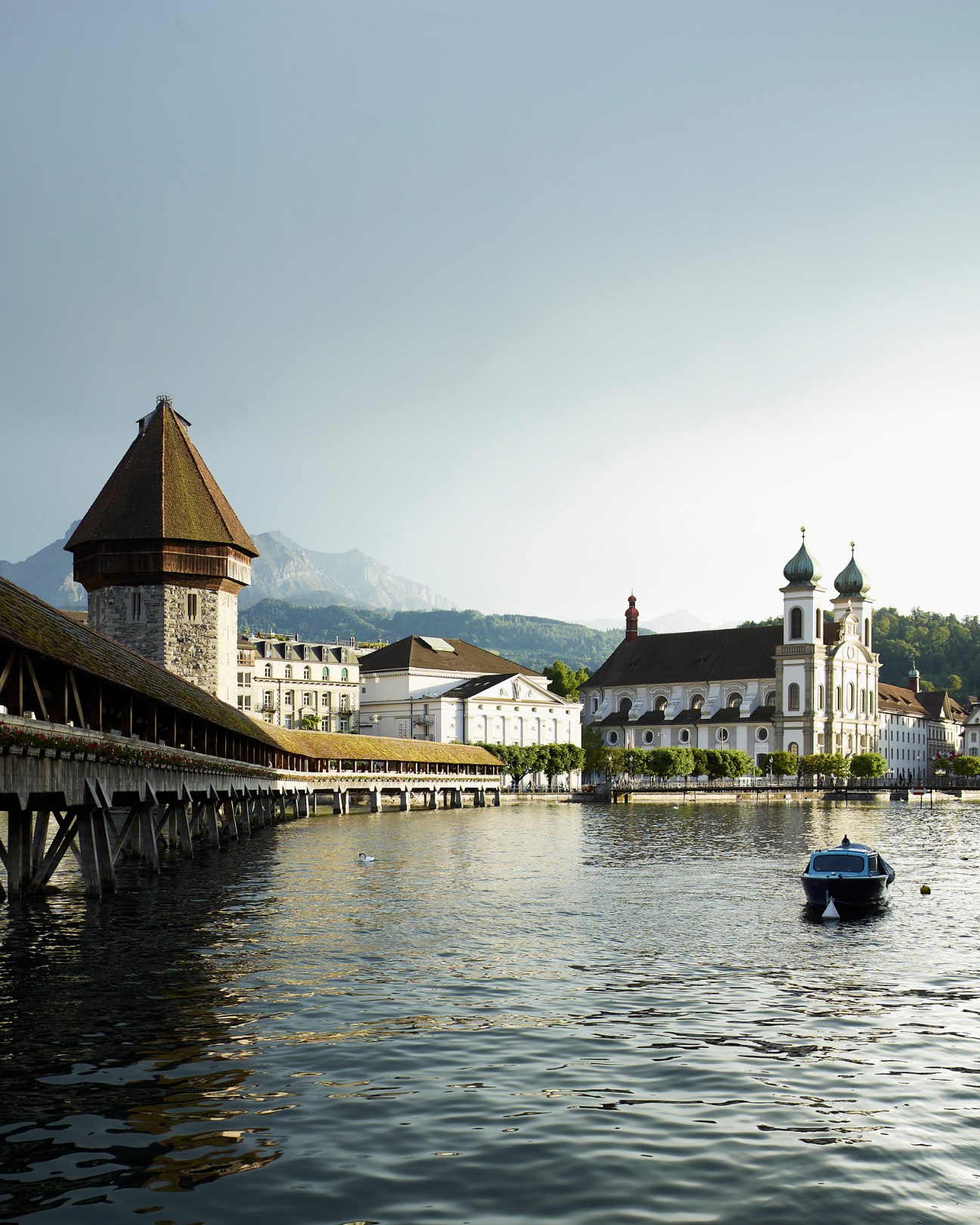
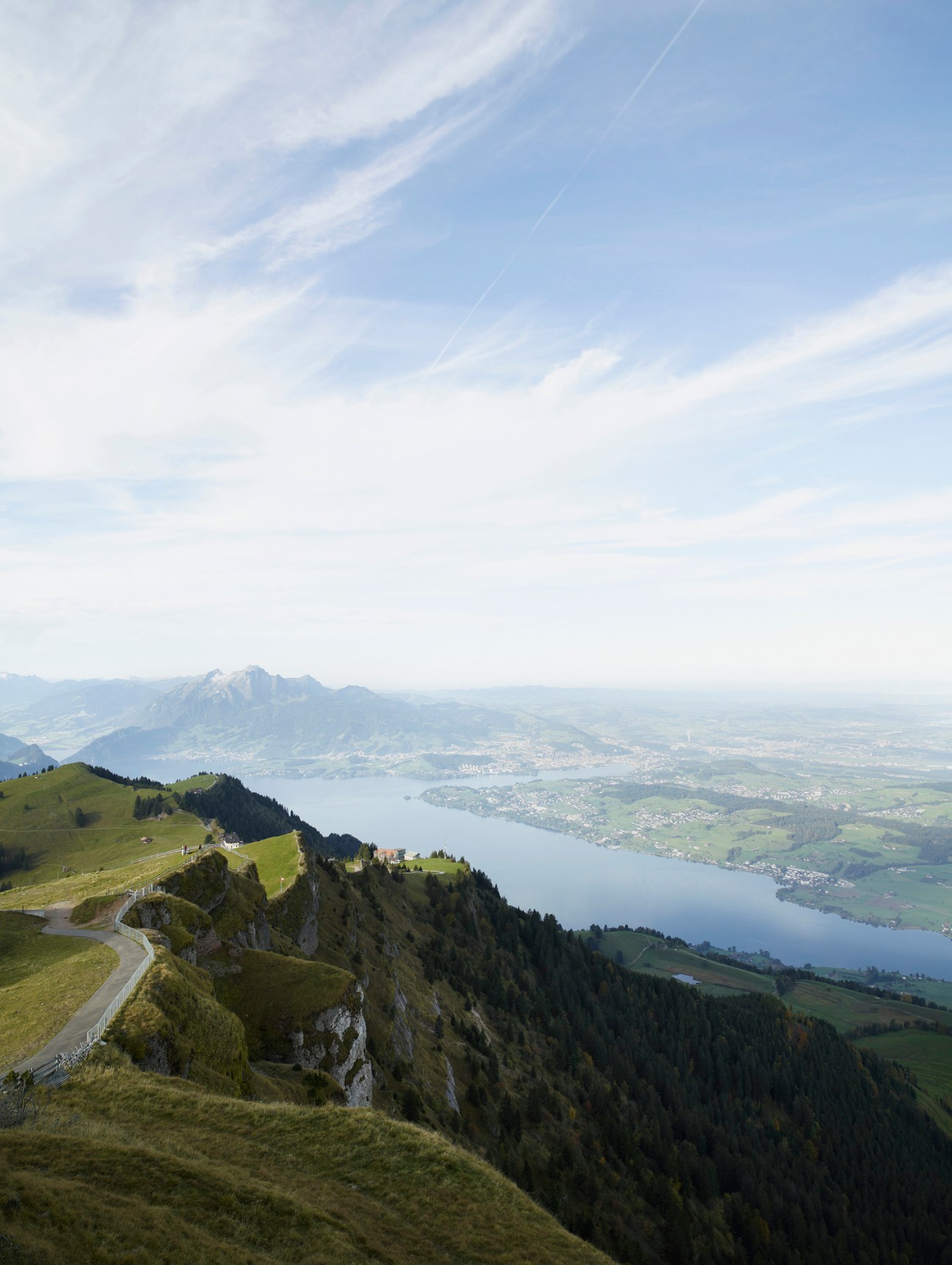
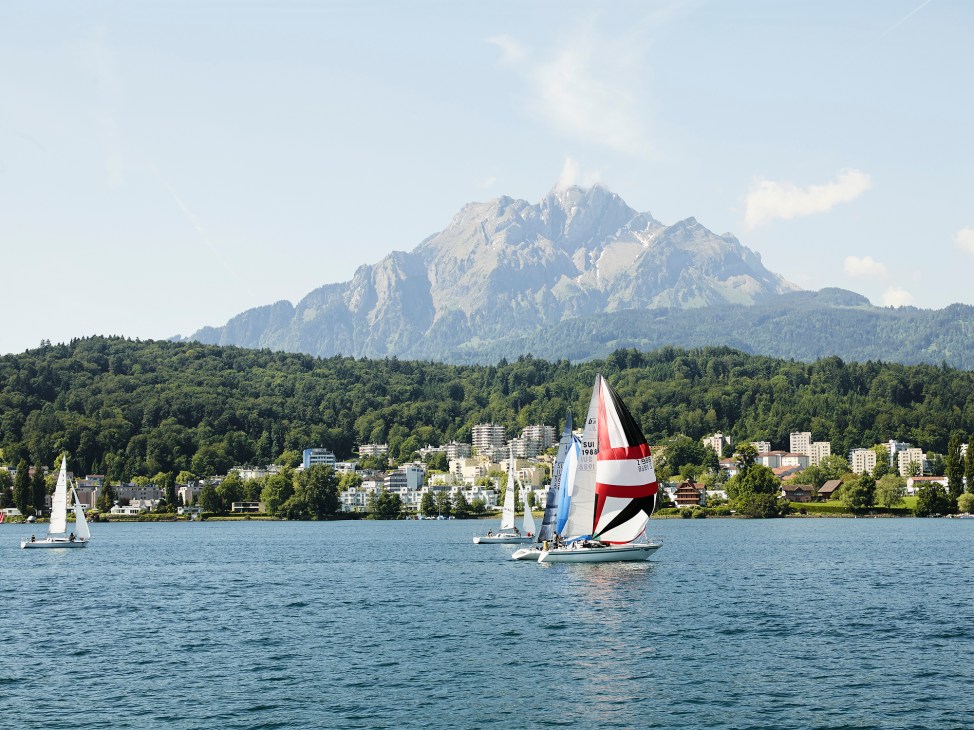
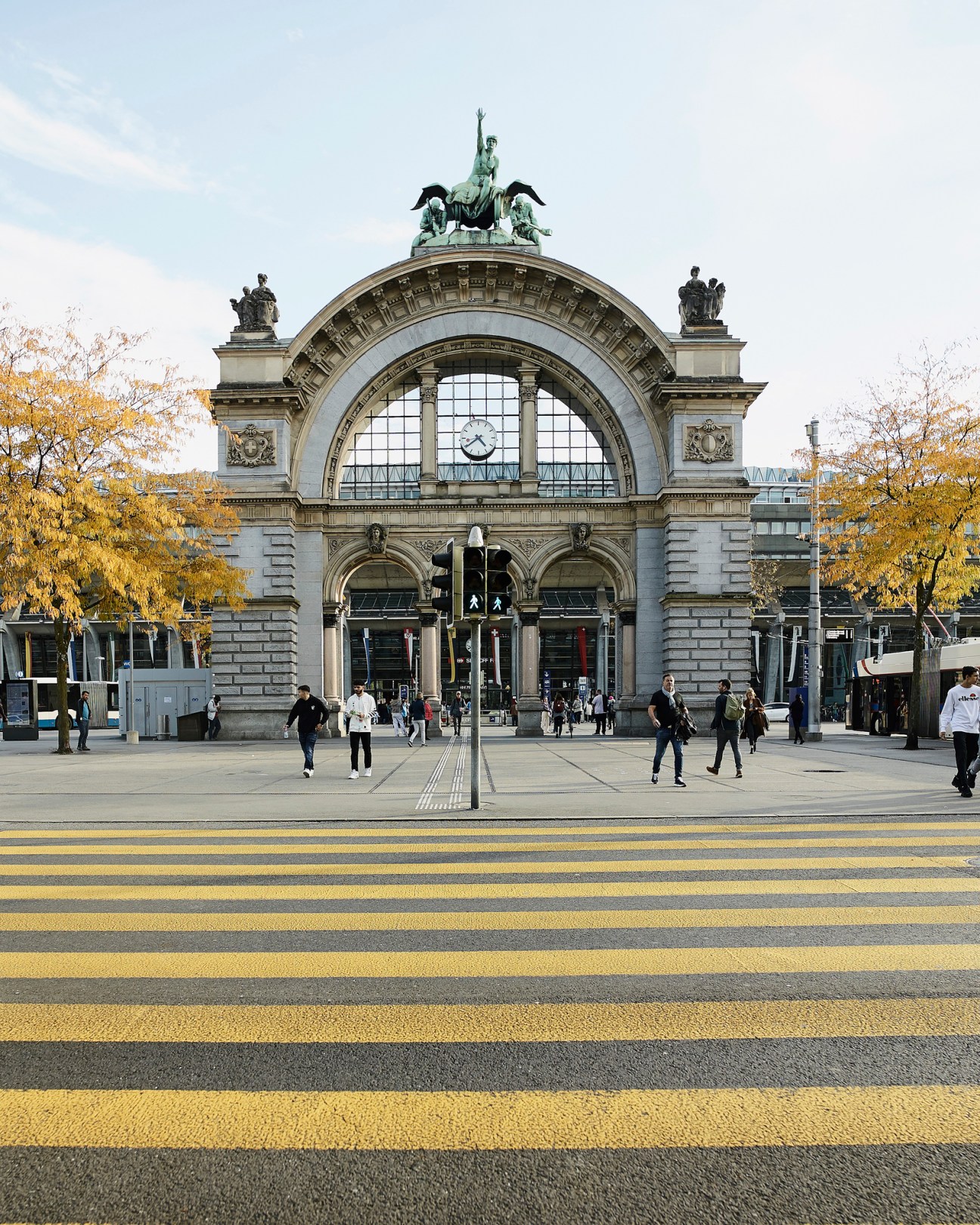
Lucerne’s residents are said to be the happiest in Switzerland and for good reason. Perched on the west of its eponymous lake, the city offers towering mountains, a charming centre and a friendly business community. At the foot of the Swiss Alps, Lucerne’s natural beauty is hard to ignore – its residents enjoy views of the year-round snowcapped peaks of Mount Pilatus and Mount Titlis. The old town, with its cobbled streets and colourful frescoed buildings, is equally delightful. The Reuss river that cuts through the city offers the perfect setting for waterside cafés and traditional restaurants that serve hearty rösti or Kügelipastetli (meat and mushroom stuffed pastries). This is the Swiss heartland and the food reflects that.
In the summer, residents can easily beat the heat by dipping into the lake, which has long lured the smart set, including Sophia Loren and Audrey Hepburn in the 1950s. Snow enthusiasts have an equally prolific choice: 500km of ski runs and many cross-country tracks are on their doorstep.
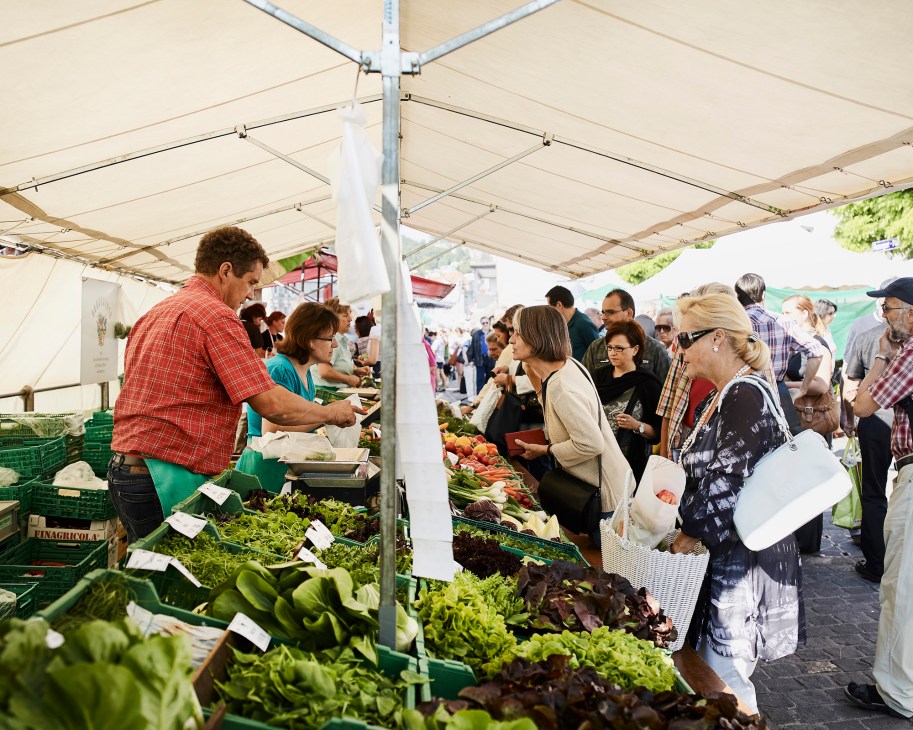
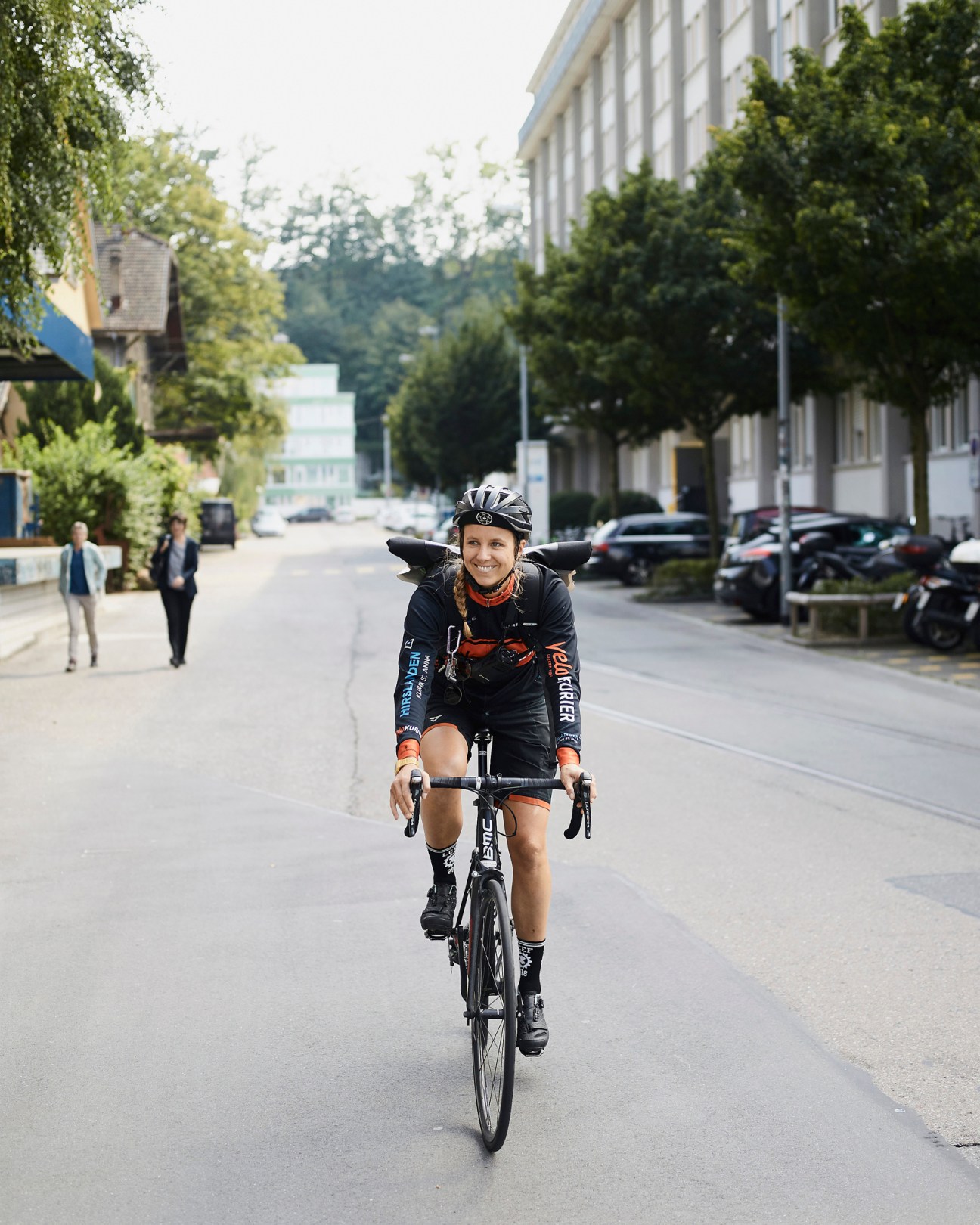
Lucerne’s clement weather is matched by a great climate for business. The companies based here are varied but global: elevator giant Schindler is headquartered in the city and so is jewellery and watch-maker Bucherer and dairy producer Emmi. Lucerne has achieved industrial success without the industrial look. Careful planning has transformed its outskirts into parks and recreation centres, while even the glittering high rises are placed in positions that are respectful of the panoramic landscape. To cap it all, finances go further here than in the city’s larger cousins, Zürich and Geneva, and Altbau (old building) apartments in the centre remain within many people’s economic reach.

Good for? A global delegation.
Lucerne’s international lustre was secured when it was recently announced that it, instead of Davos, would host the next World Economic Forum in May. Part of the reason for the decision is the fact that Lucerne is only a 45-minute drive from the extremely well-connected Zürich airport.
5.
(Up from 16)
Victoria
Canada
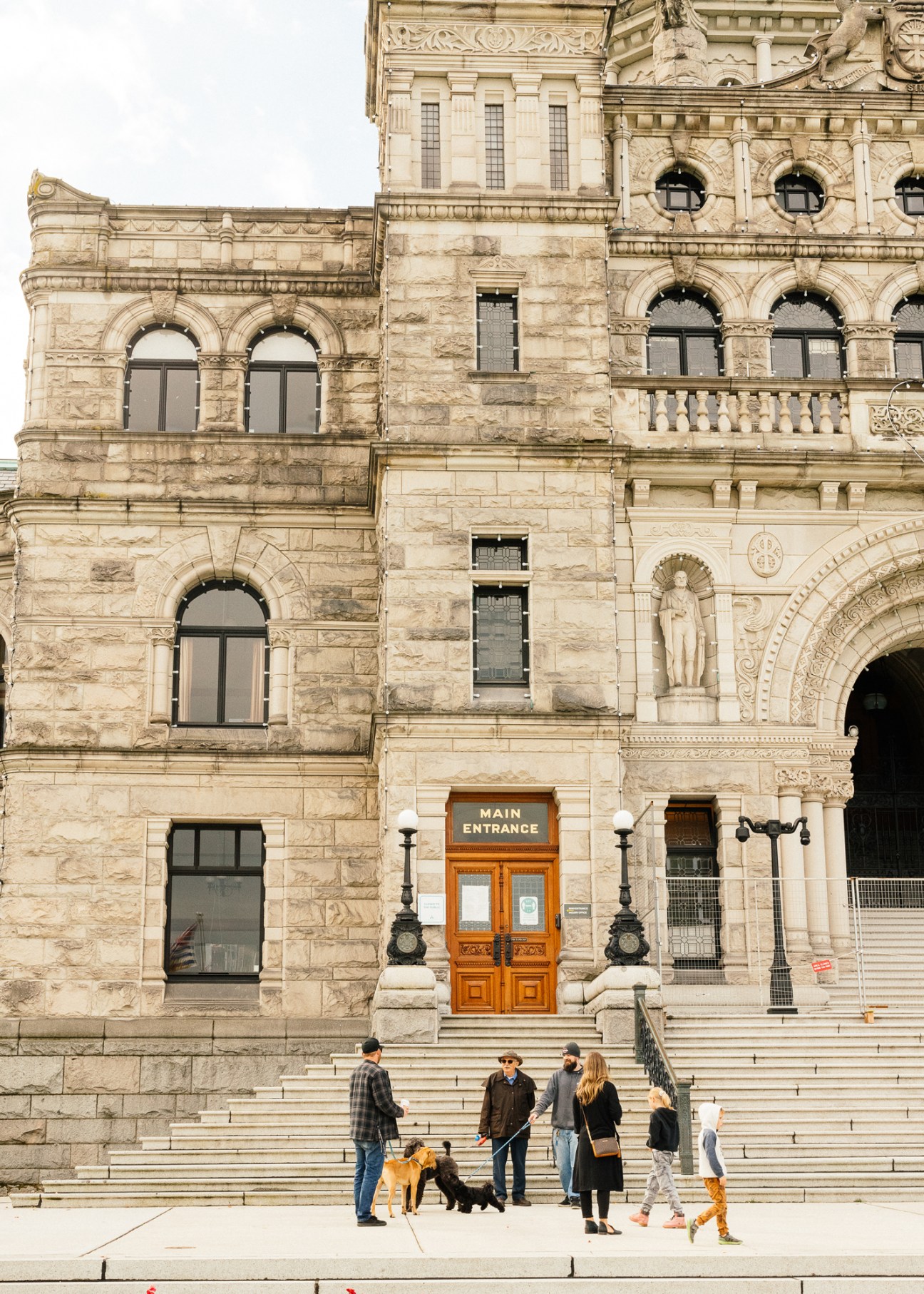
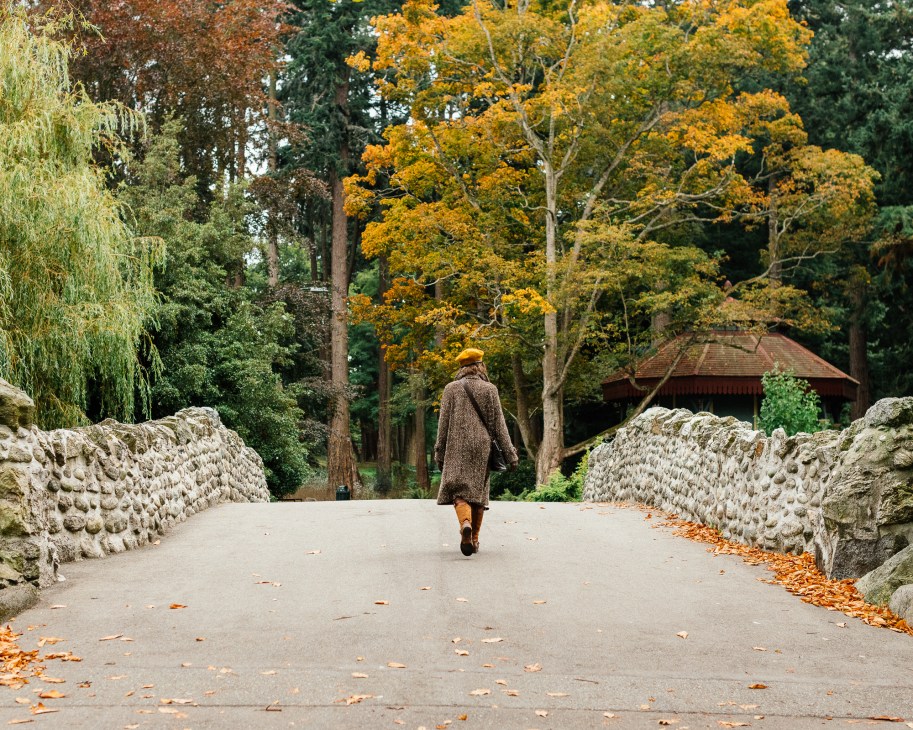
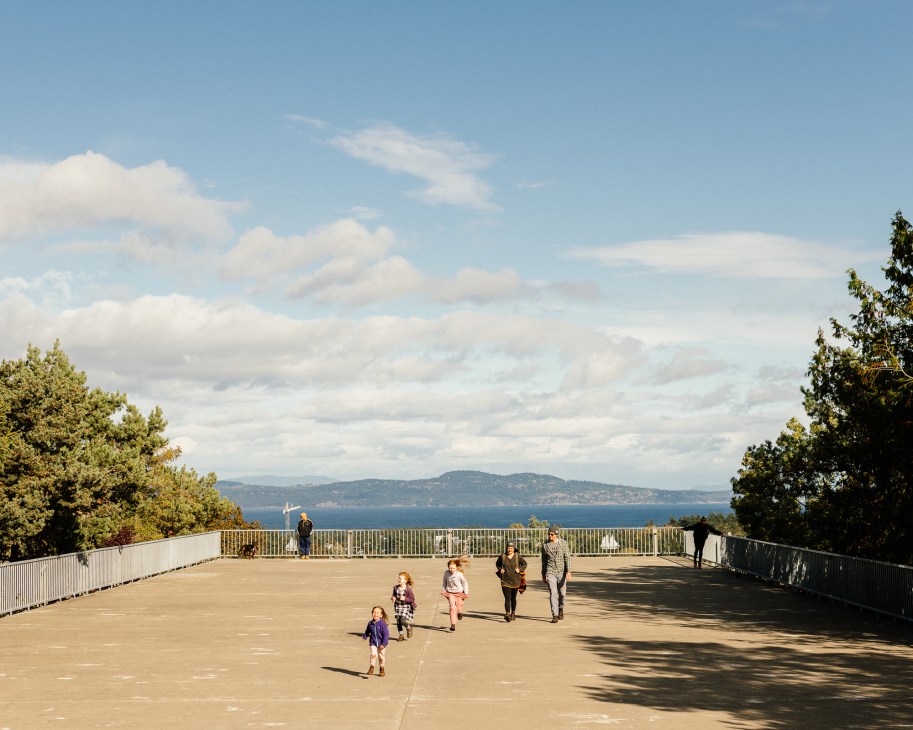
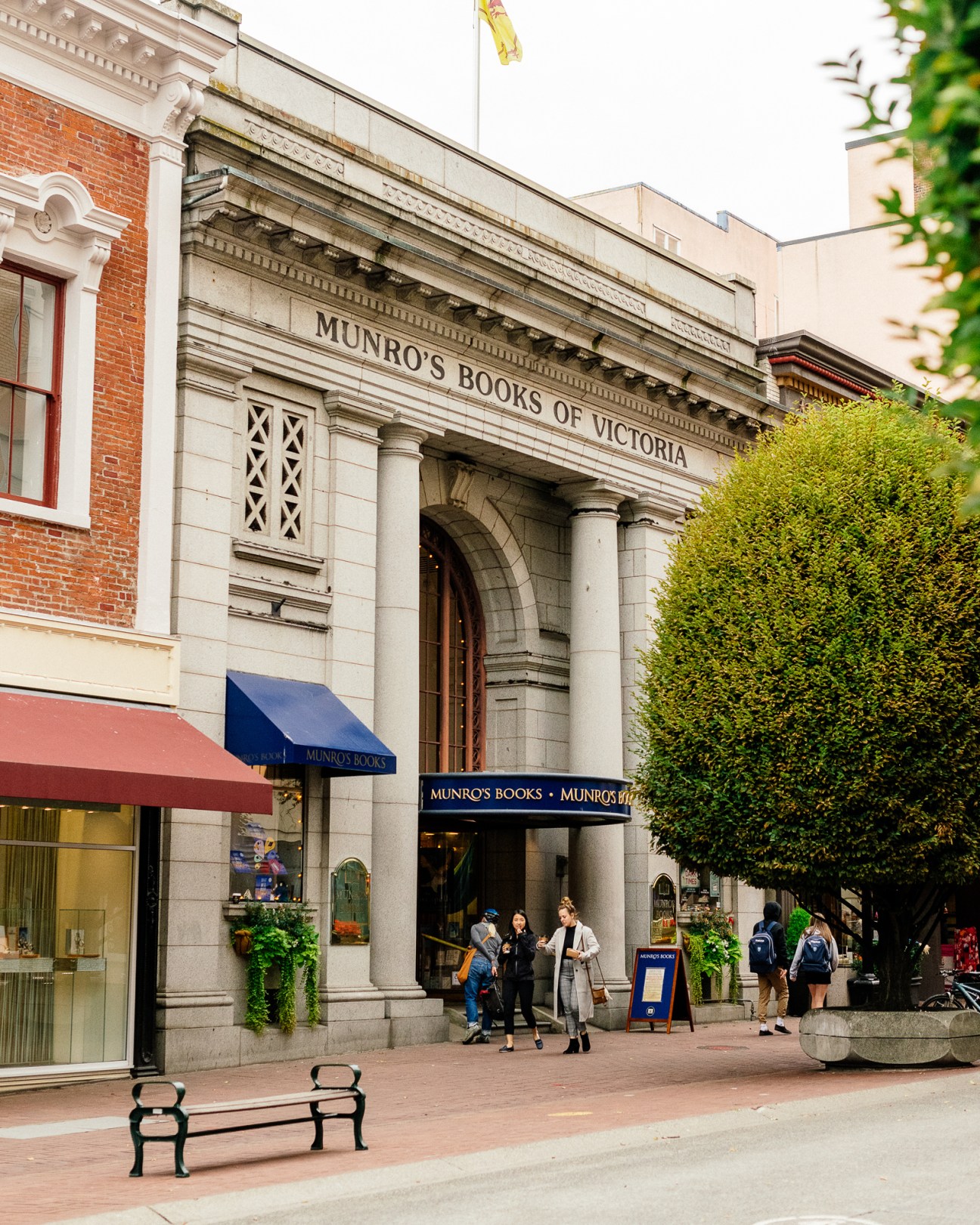
Long thought of by Canadians as a place for the “newlywed and nearly dead”, Victoria, British Columbia’s provincial capital, is evolving. First, Victoria’s long-held reputation as a serious, sedate city – a characterisation that often cloaks government towns – has continued to slip away, thanks, in part, to shifts in its population and a progressive agenda from the city’s mayor, Lisa Helps.
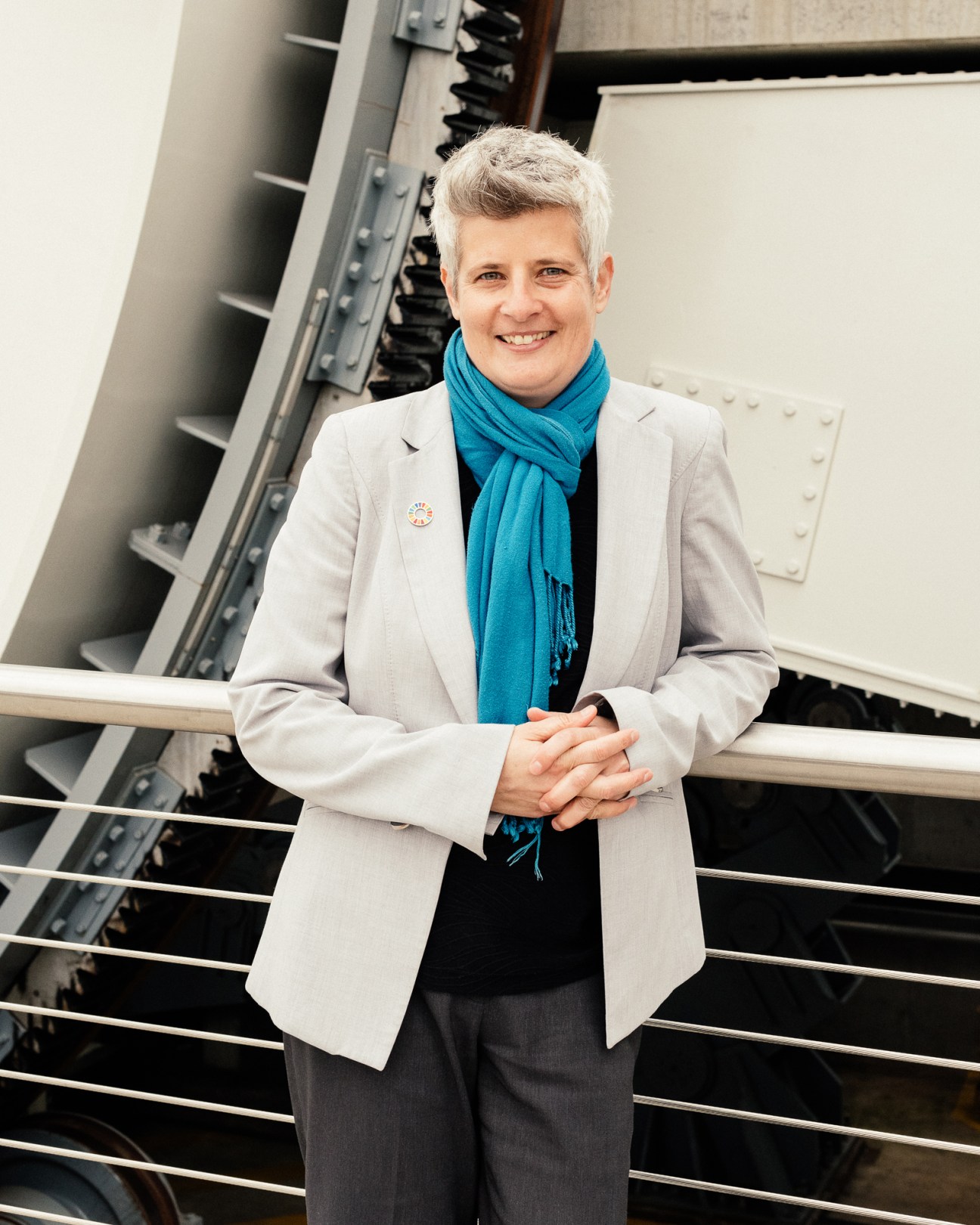
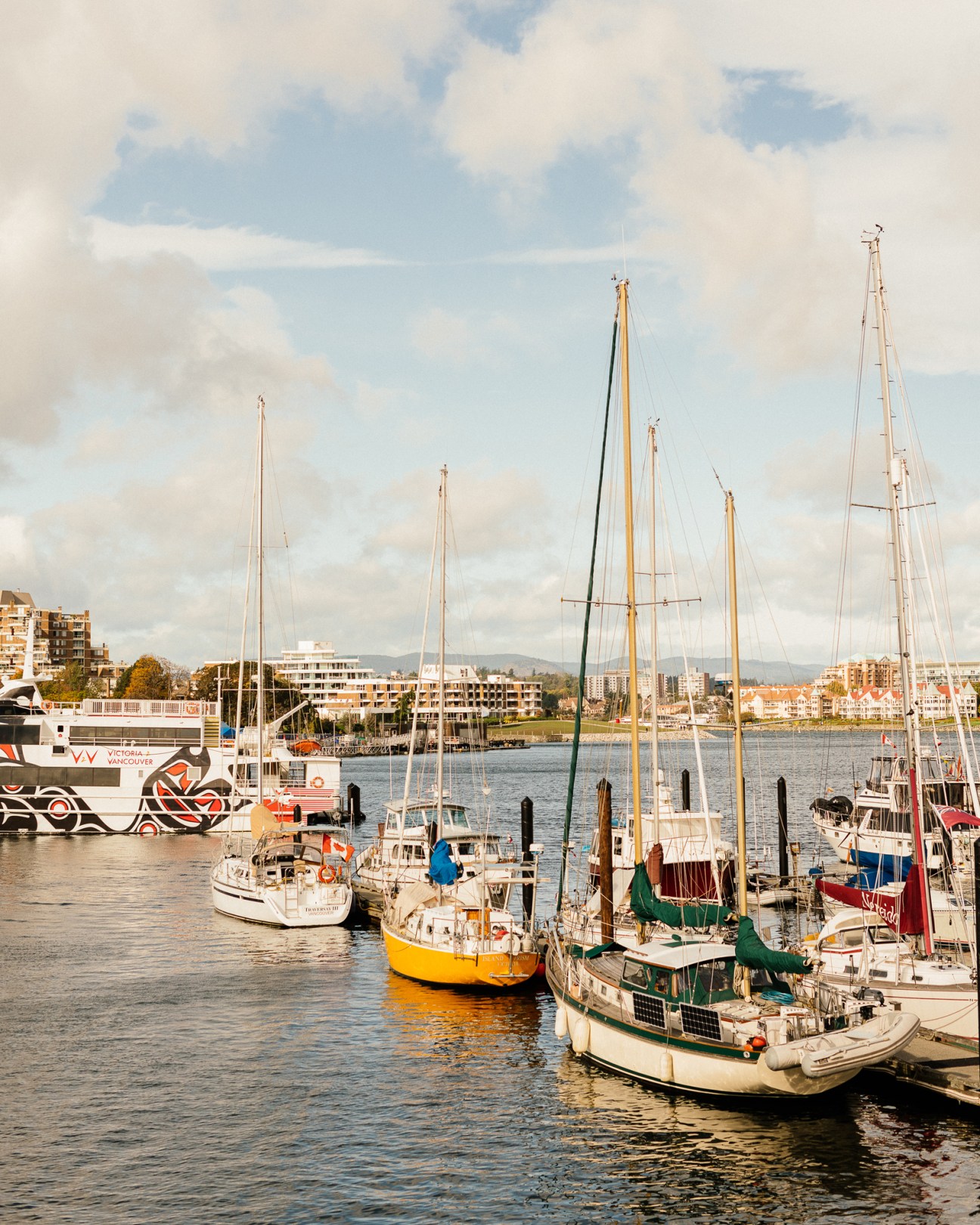
Helps, who is halfway through her second four-year term at city hall, has introduced initiatives to encourage young Canadians and foreigners to relocate here. These include free bus passes for children, as well as a growing network of bicycle lanes across the city. Victoria’s setting is a key factor too. The city is fringed by the Pacific Ocean on three sides and crowned by national parkland, forests and mountain ranges that sweep along the length of the island to the north. Transport links are surprisingly strong, despite Victoria’s relative remoteness. A small international airport, ferry routes, and seaplane services run by Harbour Air (North America’s largest seaplane operator), link the city to Vancouver and Seattle as well as the surrounding Gulf Islands.
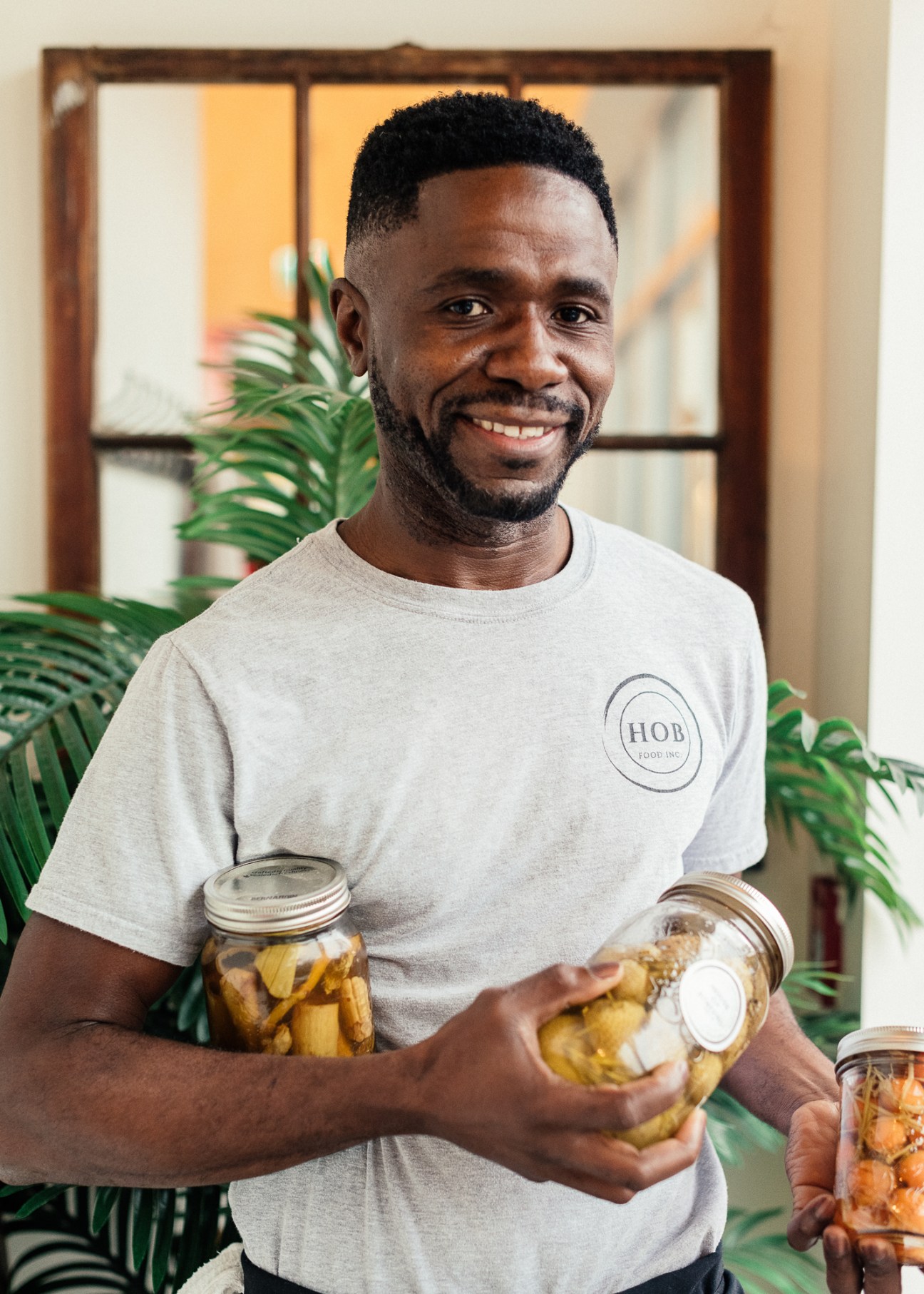
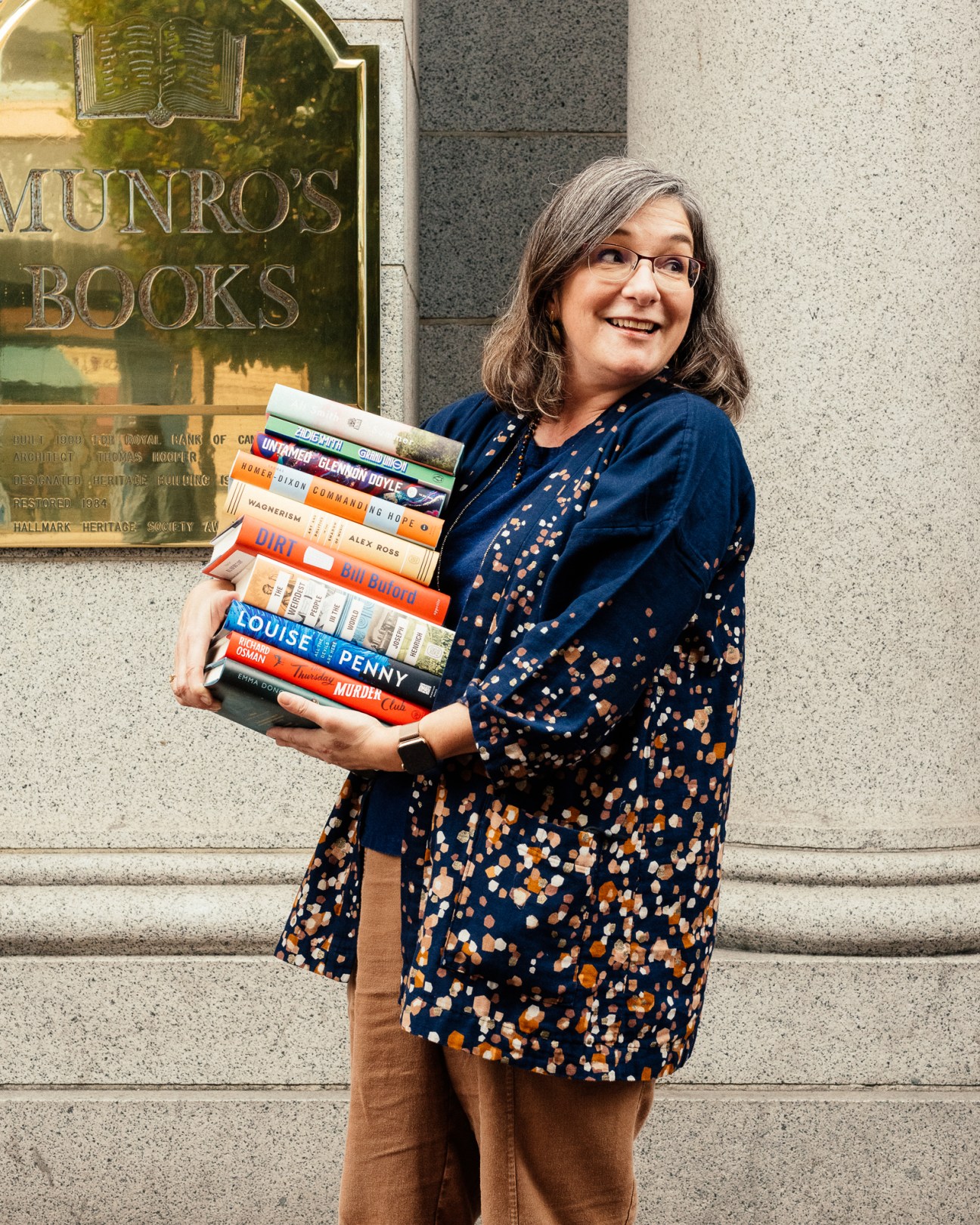
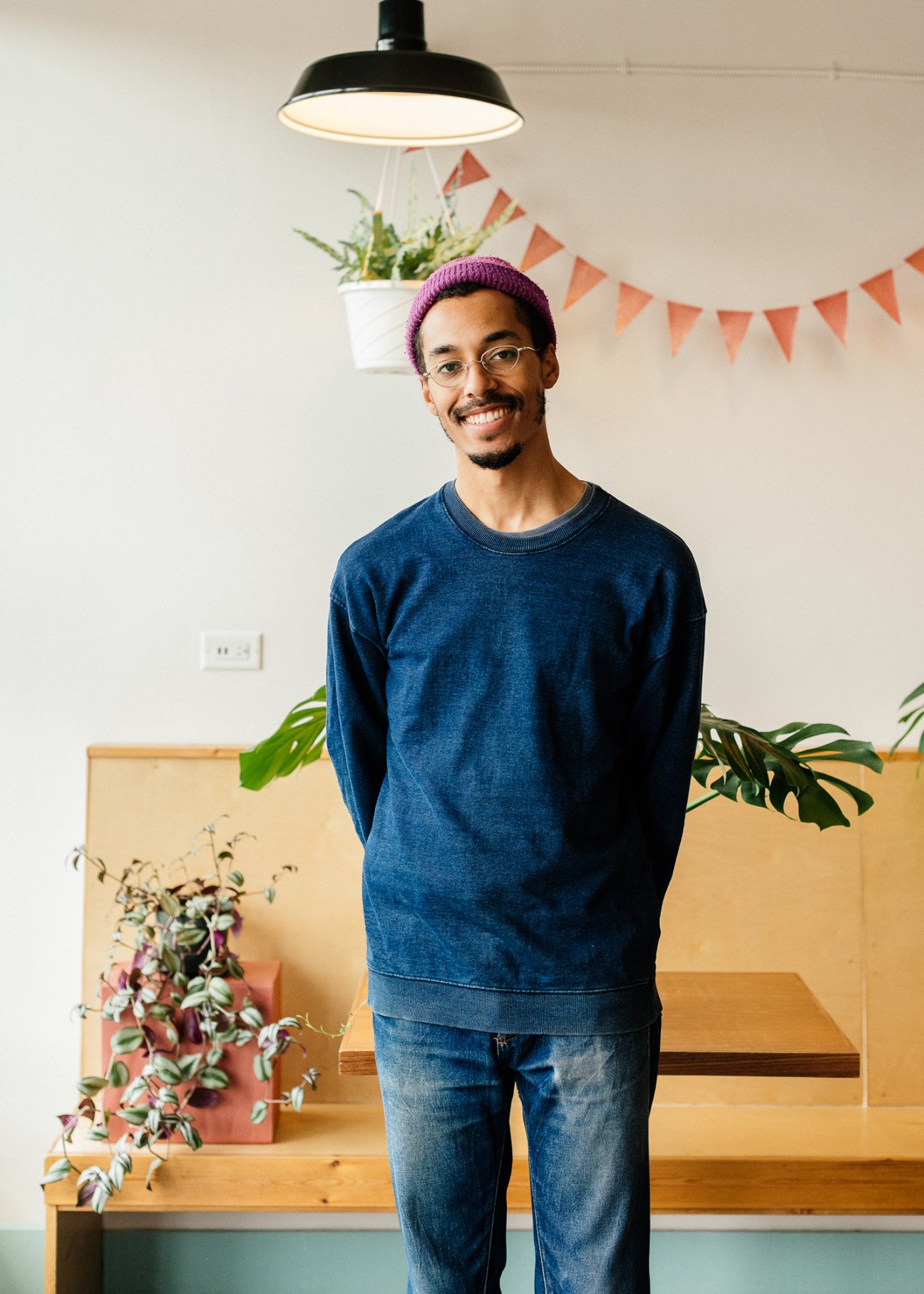
A diversifying economy is taking the edge off a tough 2020 for tourism here and is driven by a nascent financial-services economy, a well-regarded ocean-research sector, a rich literary culture and a blossoming f&b scene. “People are starting to see the island as a place to escape [to],” says Castro Boateng, co-founder and executive chef at House of Boateng, the award-winning café and catering company that he opened with his wife, Charlotte, a decade ago. “We’re so lucky. You’ve got this vibrant city with young entrepreneurs who are at the forefront of their industry. So the island is really bursting with energy.”
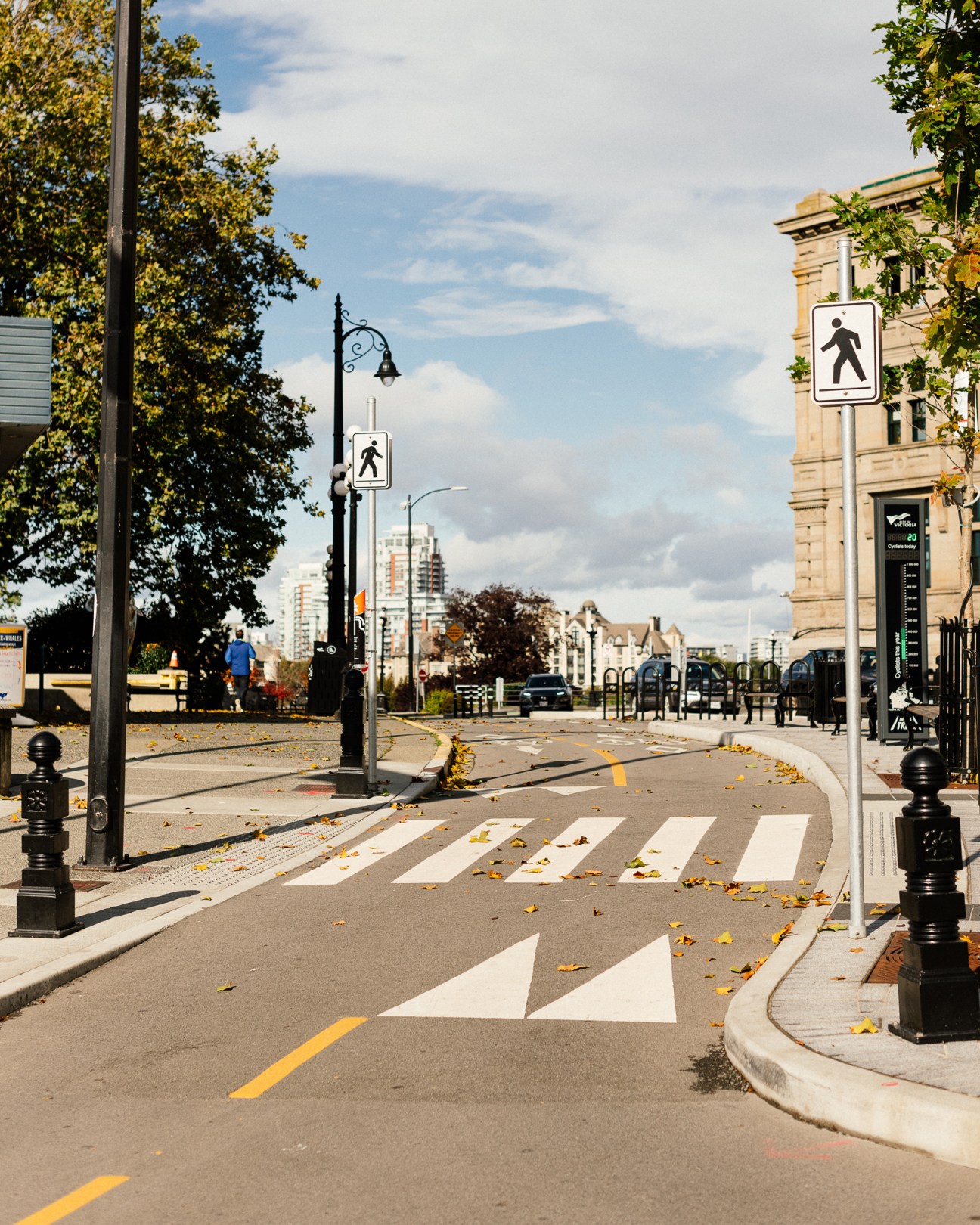
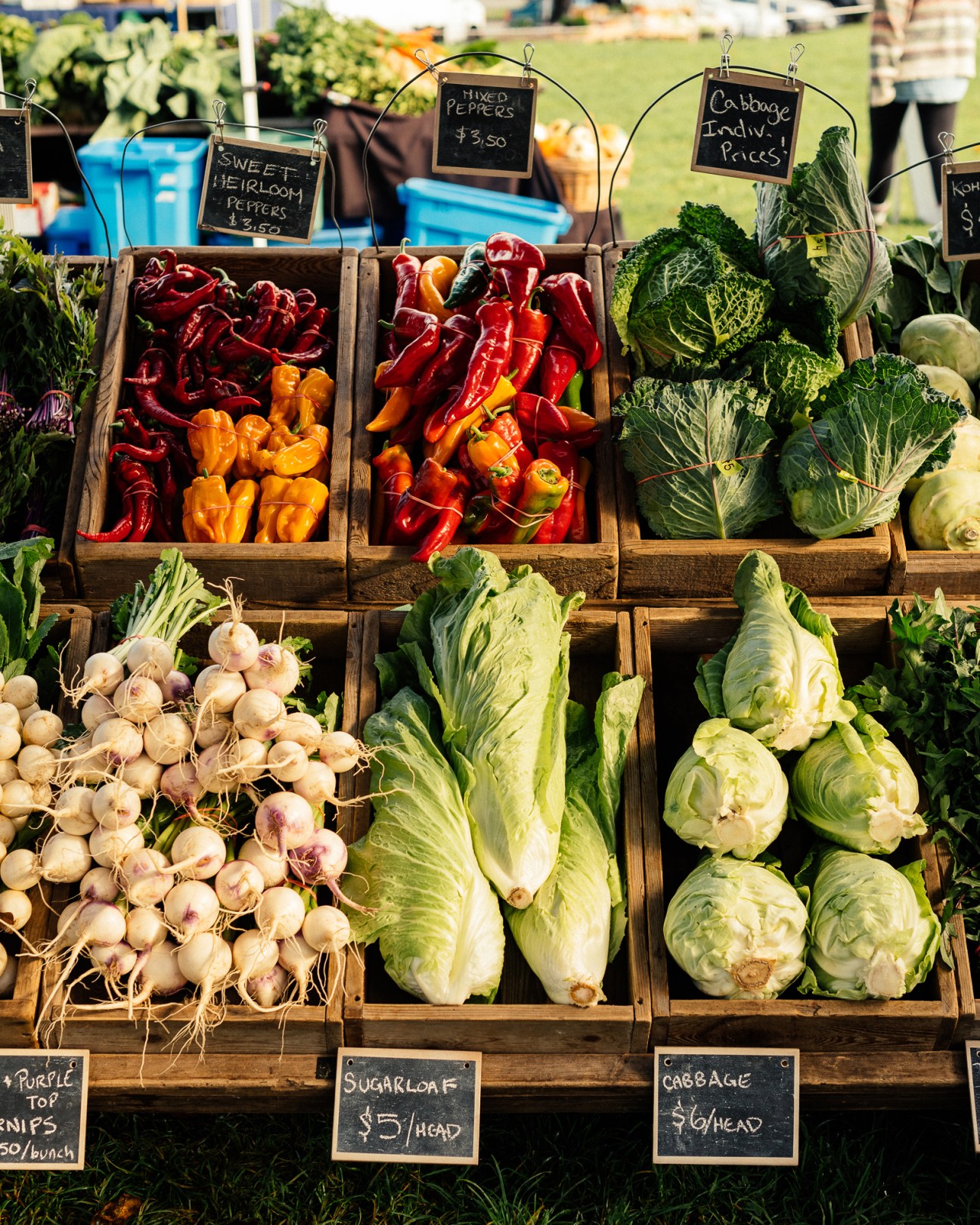
Good for? Proximity to nature.
An afternoon spent whale watching? Yes, please. Vancouver Island’s abundant natural assets are easily accessible.
6.
(Down from 1)
Lausanne
Switzerland
Despite a population of just 140,000, Lausanne is alive with big-city allure. Home to the International Olympic Committee – and dozens of its offshoots – there is a global importance to this city that’s complemented by world-renowned education offerings. The École Polytechnique Fédérale specialises in science and engineering, while the École Hôtelière turns out some of the best hospitality graduates. The city is on a hill sloping down to Lake Geneva and has Switzerland’s only metro system, which makes getting around a breeze. From lakeside shores alive with morning swimmers to cool crowds enjoying after-work cocktails at Parc de Milan, life is enjoyed expansively (if a little expensively) here.
Good for: Culture.
The impressive new Fine Arts Museum hugs the train station, bringing art straight to the people. Two more museums will join it in 2021.
7.
(Up from 14)
Basel
Switzerland
Basel is a pretty Swiss city that has a lot going for it as both a business and creative hub. Students graduating from Basel University go on to bolster global firms such as Herzog & de Meuron, the world-leading architecture practice that has played a role in adding modern buildings to the fine mix of heritage infrastructure already in the city. It’s also a global centre for the pharmaceuticals industry: names such as Novartis entice intelligent foreigners who tend to appreciate the city’s many cultural and culinary options. With its own airport, plus Strasbourg, Paris and Zürich’s all an easy journey away, this is a connected, clever city that’s quaint enough to still feel cosy.
Needs improving: Hospitality.
As a hub for events, Basel could do with a few more nice hotels where citizens can also stop by for a drink. Thankfully some good Swiss developers are already on the case.
8.
(Down from 6)
Bolzano
Italy
This politically autonomous city in the heart of Alto Adige – one of the first Italian regions to come out of full lockdown – consistently ranks as one of the country’s most liveable. It is cycle-friendly, has reliable public transport and offers easy access to plenty of hiking trails and ski slopes across its stunning Alpine surroundings. The city is also tackling environmental challenges head on by aiming to cut its carbon emissions by half within the decade and boosting investment in renewable energy sources – measures encouraged by the city’s democratic mayor Renzo Caramaschi, who recently secured a second term.
Needs improving: Transport links.
Bolzano is not currently served by an international airport and better accessibility is needed here.
9.
(Up from 20)
Aalborg
Denmark
Located in a well-governed country where more than half of its population felt that 2020 was close to business-as-usual, Denmark’s fourth city is an increasingly attractive spot. With a vibrant young and creative population, this coastal Nordic city has kilometres of commuter-friendly cycling lanes, a growing gastronomical scene and its own university that ranks among the country’s best. The Utzon Centre, which celebrates the works of one of Denmark’s most celebrated architects, together with the Alvar Aalto-designed Kunsten Museum, are just two of the city’s strong cultural offerings.
Needs improving: Connection to the capital.
Although direct flights to European capitals are on the rise, efficient rail connections to Copenhagen still lag behind.
10.
(Down from 3)
Bergen
Norway
A gateway to some of the country’s most breathtaking fjords, Bergen’s proximity to nature makes Norway’s second city an ideal spot for lovers of the great outdoors. And on one of its frequent rainy days – we are in one of Europe’s wettest cities, after all – a visit to the cultural institution that is the Kode provides a network of art, craft and design museums housed in buildings scattered around town. Despite the cultural sector being among the hardest hit this year, the Kode secured €27.7m to refurbish one of its main structures in the hope that it will boost domestic tourism.
Needs improving: Hospitality.
Although Bergen can’t do much about its rainy weather, we’d like to see some braver concepts in its dining and hospitality scene.
11.
(Up from 18)
Eindhoven
Netherlands
Although Eindhoven is not that pretty (it was severely bombed during the Second World War and most buildings date from the postwar era), the Eindhoven Academy and University of Technology have fed talent into the city’s buzzy creative industries and dynamic business community. As Brits fleeing Brexit and other Europeans on the move look for a place in which they can ply their business skills in an English-speaking environment, this is a worthy candidate. As the birthplace of electronics firm Philips, it has a long history of doing global business.
Good for: Business travellers.
Eindhoven is exceptionally well connected, with Amsterdam, Brussels and Düsseldorf all less than three hours away by train.
12.
(New entry)
Ghent
Belgium
More residential than its tourist-pulling neighbour Bruges but still featuring meandering canals and soaring spires, Ghent is a quiet beauty that features in our index for the first time. The reason? There is a more urban feel to this northern Belgian port city than most quaint places of comparison in the Benelux. This is bolstered by the local government’s community-minded stance and the city’s great selection of housing options, from affordable to very fancy farmhouses. Farm-to-plate is great here too, as Ghent offers some of the best vegetarian and vegan options in the country.
Good for: City lovers.
Comprising 250,000 inhabitants, Ghent is Belgium’s third-largest city, making it the ideal compromise between metropolis and small town.
13.
(New entry)
Burlington
USA
Many Americans who’ve been cooped up in big cities are seeking a fresh start in more laidback surrounds. Perched on the shore of Lake Champlain, Burlington is Vermont’s vibrant cosmopolitan centre and could just be their spot. As a university city, it is known for its liberal, free-thinking atmosphere, which complements the old-school charm of its New England architecture. The civic arts initiatives instigated by Bernie Sanders when he was mayor still help to democratise the city’s dynamic cultural scene today. Its host of creative residencies, programmes and exhibitions have brought Burlington a reputation as one of most enterprising cities in the US for the arts.
Good for: Culture.
Those craving the big city still get it easily here: New York is an hour’s flight from Burlington International Airport.
14.
(Down from 8)
Innsbruck
Austria
The capital of the Austrian Alps, with its youthful attitude, hard-to-beat landscape and cultural richness, remains in our index this year. Helped by the university students who make up a quarter of the population, the city offers a vibrant life off the slopes, with its charming galleries, and good restaurants and bars in the cobbled Old Town. Lying at the nexus of one of Europe’s most important north-south routes, a quick escape from here is easy: Munich and Bolzano are both less than two hours away by car.
Good for: Charm.
A city that is at once Alpine, imperial and urban is hard to resist.
15.
(New entry)
Wiesbaden
Germany
Wiesbaden, close to Frankfurt, is emerging as an increasingly popular commuter city for those seeking fresh air and a relaxed alternative to Germany’s financial hub. Built along natural thermal springs, of which 14 are still flowing, and surrounded by the vineyards of the Rheingau area, Wiesbaden has long been the go-to destination for healing and entertainment. The city is close to one of the last remaining US army bases in Germany so it’s home to a large expat community, which is nurtured by a number of international schools. Rich in culture and laidback in lifestyle, Wiesbaden is ideal for young professionals and families.
Needs improving: Affordability.
It’s one of the wealthiest cities in the country so living costs certainly aren’t cheap – but Wiesbaden’s wonderful housing stock is still more affordable than Frankfurt’s.
16.
(New entry)
Aomori
Japan
Aomori, at the northern tip of Japan’s main island Honshu, is surrounded by so much natural beauty – mountains, lakes and forests – that this coastal city is often overlooked. Unfairly so. Rents are cheap, the hon-maguro (bluefin tuna) caught off Aomori’s Tsugaru Strait is the most highly prized in Japan, and hot springs are plentiful. Mention Aomori and people will think of apples – the area produces more than anywhere else – and Nebuta Matsuri, one of the best festivals in Japan. Now that people are thinking about life beyond the capital, this metropolis of nearly 280,000 offers opportunity and open space. Aomori is served by the Hayabusa bullet train (less than four hours to Tokyo) and its airport connects the city to the rest of Japan, plus Seoul and Taipei.
Needs improving: Indoor options.
Winter here is very cold so some nice new social spots in which to take refuge would be appreciated.
17.
(Up from 19)
Bath
UK
Tucked into the rolling hills of England’s West Country, the Unesco World Heritage city of Bath is at once a timeless idyll and a bustling cultural hub. Its honey-coloured Georgian architecture and Roman baths have made it a picture-postcard tourist destination but there’s much to enjoy for the long-term resident. Bath’s steep winding roads and lack of parking spaces aren’t kind to car lovers but its compact centre is most easily traversed on foot or by bike. Although the city feels more quaint than cosmopolitan, its proximity to the urban thrum of Bristol should keep revellers entertained, while its excellent educational offerings make it a hotspot for students and young families.
Good for: Fresh air.
Bath is encircled by green-belt land and there’s lots of leafy spaces in the town too, from botanical and landscaped gardens to the lawn of the famous Royal Crescent.
18.
(New entry)
Taitung
Taiwan
Taitung (pronounced Taidong) is set between the mountains and the sea, resulting in an inspiring view for the adventurous and the artistic. Blue skies and Pacific Ocean breaks are drawing writers and artists to Taiwan’s southeast coast, as well as surfers and climbers. The pyramid-shaped library at the National Taitung University speaks volumes about the culture of this tropical city and the arrival of an international school has enabled professionals and entrepreneurs to move with their families down from Taipei – the capital’s convenient city airport Songshan is less than an hour away by propeller plane.
Good for: Beach life.
Wake up with the rising sun and prepare for a full day outdoors with a plunge in the Pacific.
19.
(New entry)
Groningen
The Netherlands
The recent opening of Groningen’s cultural centre, Forum, comes at a welcome time for the city, which took an economic hit when the government phased out natural gas, a major earner here for decades. In response, the civic council launched an ambitious circular-economy programme. Groningen is a pre-eminent cycling city: 60 per cent of all journeys are made on two wheels. It is also home to the country’s youngest population: half of its residents are under 35. Aided by the decision to remove cars from the centre, Groningen is becoming one of the most lively and liveable cities in northern Europe.
Needs improving: Eating out.
All that cycling and cultural appreciation works up an appetite. A few decent restaurants, please.
20.
(New entry)
Annecy
France
Annecy is an outdoors kind of place. With the nearest ski resorts less than half an hour away, this lakefront city is built on tourism and the outdoor industry. It is one of the economic powerhouses of France’s Auvergne-Rhône-Alpes region. Salomon, Millet and other sports-equipment giants are headquartered in the area, making for below-average unemployment rates, further backed by Annecy’s easy access to Geneva and the Swiss labour market. As a result, the town’s residents have a certain spending power, which has led to a crop of handsome businesses. Typical Savoyard restaurants, sports shops, zero-waste cafés and chic boutiques line the medieval vieille ville.
Good for: Parisian charm.
Annecy is home to many ex-Parisians, who have brought with them a major draw of big-city life: a thriving retail, hospitality and culture scene.
21 – 25
Honourable mentions
21.
Wellington, New Zealand: Wellington is home to plenty of art galleries and cultural institutions, as well as a craft beer and coffee scene. Stunning beaches and mountains provide an escape to nature within the city itself.
22.
Stavanger, Norway: Located a stone’s throw from some of the country’s most spectacular natural wonders, Norway’s fourth city is stepping up its fight against dependency on fossil fuels. But the city is split between those eager to scrap the “oil capital” label and those clinging to the industry. It recently elected its first progressive left-wing mayor in a generation, who might swing things in a greener direction.
23.
Bergamo, Italy: Mayor Giorgio Gori, an entrepreneur and former journalist who has held the seat since 2014, is boosting Bergamo’s appeal. Gori is a member of the Democratic Party – his stable and pragmatic leadership won him the third spot in a nationwide ranking of city mayors conducted by newspaper Il Sole 24 Ore, despite being an outlier in a region that’s historically loyal to the right-wing Lega Party.
24.
Victoria, Seychelles: Home to Africa’s smallest capital, the Seychelles archipelago celebrates 45 years of independence from British rule in 2021 and is more than just a sun-soaked winter getaway. Priding itself on good infrastructure, a strong education system and a well-functioning welfare state, the country is connected by a network of domestic and international flights. This capital city is home to some 30,000 people and has Africa’s highest GDP per capita. Generous levels of taxation make the city an attractive spot to start a business.
25.
Ljubljana, Slovenia: Thanks to much urban greenery, a pedestrianised centre that blends medieval and baroque architecture, plenty of cycling lanes and many initiatives to improve quality of life, Ljubljana is one of Europe’s most interesting small capitals.
Think again
1.
Social history
Will the twenties roar?
by Joshua Zeitz

For insight into the 2020s, it’s worth looking back 100 years to the ‘Roaring Twenties’, the era from which so many of our modern fixations emerged.
Writing in the immediate aftermath of the famous Scopes “monkey trial”, in which a US school teacher stood accused of violating a statute barring the teaching of evolution, Mark Sullivan, a popular journalist of the day, heralded, “the end of the age of Amen and the beginning of the age of Oh Yeah!” The year was 1925, the high-water mark of the “Roaring Twenties” – the age of Ford, flappers and Fitzgerald – and Sullivan’s pronouncement captured the spirit of a seemingly progressive age marked by a new ethos of sexual liberation, mass consumerism and new media, as well as radical developments in art and fashion. Emerging from years of wartime slaughter that felled kings and emperors – and from a flu pandemic that killed about 50 million worldwide – ordinary people in Europe and the US embraced a spirit of modernity that still stands out for its lasting impact on historical consciousness a century later.
The prosperity of the age touched the US in particular, a country that had economically benefitted from the First World War. Because of the US’s vast natural and agricultural resources, Americans spent between 34 per cent and 44 per cent of their wages on food; the figure in France and the UK was far higher. This meant that the average US worker had more money left over at the end of the week for non-essentials: entrance to amusement parks and dance halls, tickets to the new motion pictures, cheap homewares and furnishings, and, of course, clothing.
For women, whose entry into the workplace and public sphere marked a new era of economic and social freedom, the age of restrictive corsets and crinolines gave way to “flapper” attire that, alongside automobiles and modernist art, remains the most popular visual marker of the age. In Paris two designers, Paul Poiret and Coco Chanel, revolutionised popular fashion. In place of dark Victorian shades and Edwardian pastels was a bold palette of red, gold and yellow that revealed the influence of Eastern art and textiles.
Chanel – an orphan turned milliner, sometime courtesan to wealthy men and a woman who, some say, lied compulsively about her life – crafted dresses from jersey, a heavy material that no dress-maker had ever dared enlist in the cause of haute couture. It eliminated the frills and excesses of women’s fashion in favour of styles that offered comfort and manoeuvrability. It made sense. The First World War had accelerated the social trends that made Chanel’s style so appealing. As women entered the workforce to help sustain war production, they needed more practical clothes. The androgyny in Chanel’s designs suggested that men’s and women’s roles were blurring. A Parisian law student underscored this point when he asked, “Can one define la jeune fille moderne? [These] beings without breasts, without hips, without underwear, who smoke, work, argue and fight exactly like boys. These aren’t young girls! [No] more women either!”
In keeping with this liberated spirit, the 1920s were marked by a shocking frankness about sex. As early as 1913, social commentators observed that the bell had tolled “Sex’o’clock in America”, signalling a “repeal of reticence”. The new ethos was unstoppable and woven throughout the decade’s most popular art form: film. Audiences on both sides of the Atlantic lapped up silent movies such as Flaming Youth, in which a group of silhouetted nude young men and women jump into a swimming pool.
It was also an age of celebrity. The growth of movies, spectator sports and the onset of tabloid newspaper wars in the 1920s created an environment in which colourful personalities could command new attention. In the US, the decade saw sensational murder trials, such as that of Nathan Leopold and Richard Loeb, two wealthy Chicago teenagers who killed a young boy just to see whether they could get away with it, and Fatty Arbuckle, a Hollywood impresario who was tried twice – and finally acquitted – for the brutal rape and murder of a young actress. It was a decade of sports legends, such as baseball player Babe Ruth and Jack Dempsey, a heavyweight boxer who by the mid-1920s appeared in almost as many films as he did title fights.
But was it real? The crash of world markets and economies after 1929 exposed the decade as something of a sugar high. For all its glitz and glamour, income and wealth remained unevenly distributed in Europe and the US, leaving the consumer economy vulnerable to a mass contraction during the Depression. A number of democratic governments, particularly in Germany and France, teetered on the verge of collapse. And aspirations for a century of peace and tranquillity quickly gave way to a second war that proved even more devastating than the first.
On the centennial of its start, the 1920s remain emblazoned in our consciousness not only because the decade firmly closed the door on the 19th century but because – for good and bad – it was the first era that was so sharply similar to our own.
About the writer:
Historian Zeitz is the author of several books including Flapper, Building the Great Society and Lincoln’s Boys.
2.
Humour
Comedy in the age of covid
by Negin Farsad

Is the pandemic funny? The months of lockdown can be measured in the stages of shared jokes but we’re steering clear of the fresh wounds of this era.
The great US comedian Steve Allen once said that “comedy is tragedy plus time”. He said it in 1957. Now, here we are, in the middle of the most tumultuous era in public health – and the lowest point in history for trousers that don’t have an elastic waist. So we have to wonder when is it appropriate to make jokes, especially about the pandemic?
Coronavirus has already seen its own phases of comedy. At the beginning, the jokes were all about “catching the yeast” and the bread-making phase of quarantine. There were jokes about hygiene, the “commute” from the kitchen to the living room and “resting Zoom face”. We made jokes about “finishing Netflix” and we all tried to figure out which big-cat gamekeeper we identified with most in the streaming giant’s compulsive trash-viewing docuseries, Tiger King. Yes, remember Tiger King? That was this year. Of course, the rules around the actual disease are pretty clear. Death isn’t funny; it so rarely is. But a patient with a mild loss of smell and unfortunate bowel movements? Sure, those things can be funny for the adolescent boy that lurks within all of us. But it’s a slippery slope. Maybe there’s a point in the future where we can look back at the million small businesses that closed here in the US and have a laugh. I mean, that gemstone shop was barely hanging on in the first place. But we really haven’t got there yet. For now, all we’re left with is content such as: “Covid-19, more like Covid-extra-19-pounds, am-I-right?” Cue the rimshot.
About the writer:
New York-based Farsad is a comedian, host of the podcast Fake the Nation and author of How to Make White People Laugh.
3.
Government
If Denmark ruled the world
by Michael Booth

Our Copenhagen correspondent casts his mind forward to 2024 and an imagined future where Denmark rules the world. Who’s for handball?
Following the 2020 US presidential election and subsequent global descent into chaos, economic collapse and war, many were surprised when the UN decreed that Denmark take over the running of the planet, with the country’s prime minister, Mette Frederiksen, as inaugural president of Earth. But the extraordinary vote of the General Assembly was virtually unanimous; only Sweden abstained. The only people who weren’t surprised were the Danes. “What Took You So Long?” ran the headline in Danish newspaper Berlingske.
Four years have now passed – a suitable time for a retrospective of the Danes’ first term as global governors. When they took the reins, top of the agenda was de-polarising our toxic political landscape. Danish politics is characterised by consensus, which means that everyone is merely mildly annoyed about everything, without ever doing anything about it. Because freedom of speech is more important to the Danes than breathing, the bonkers fringe is allowed plenty of oxygen on a “give them enough rope” principle.
It took the Anglo-Saxon world a while to cotton on but it got there in the end and, once the French understood that they were still allowed to argue about everything, they too accepted the new order. Perhaps the most radical change has come in the global education system, which is now free. Spending increased to Danish levels of 7.6 per cent of GDP (from a global average of 4.5 per cent; 5.5 per cent in the UK). Educational opportunity has been equalised. Fee-paying schools went bankrupt due to decreased demand and thus the British class system crumbled. With their colleges now free, Americans suddenly had greater expendable income to boost the global economy. Talent was unleashed and we are already seeing the benefits in new technologies, medical innovation and massive job vacancies in the service industry as students are now paid to study instead of having to wait tables. Children are now happy to go to school; team-building, project work and co-operation are emphasised; competition and ambition is generally frowned upon. Low achievers are raised at the expense of high achievers but the psychotherapy industry has expanded to cope.
Which brings us to Jantelov. The Law of Jante was a 1930s satire on provincial Scandinavia, a kind of Tall Poppy Ten Commandments. But in 2023 the Danes enacted it into actual law and thus diktats such as “You shall not think you are anything special” and “You’re not to think you are more important than we are” became global mantras. The prize money on Who Wants to Be a Millionaire? was capped at DKK1m (€135,000) which, these days in 2024, we all agree, seems like quite enough. The rollout of the new Hygge Universities helped persuade most sceptics and in line with Danish custom, we are all now members of at least two social or sporting clubs (attempts to make handball the planet’s official sport continue to be resisted).
Danish-EU politician Margrethe Vestager’s successful nationalisation (or, I suppose, “globalisation”) of Google and Facebook has led to less social-media noise, fewer conspiracy theories, more truth. Vestager’s dismantling of technology monopolies, such as Apple, Huawei, Foxconn and Amazon, has benefitted innovation, competition and the wellbeing of employees.
Climate change has slowed dramatically. Ambitious co2 reduction targets haven’t quite been met – but the Danes are, above all, a pragmatic people. That last 10 per cent was always going to be tough. Following the prompt annexing of the Norwegian’s oil fields (“They were ours anyway,” Frederiksen reminded them at the time), the Danes are now able to supply the world’s demand for crude all by themselves. The established oil states’ enforced pivot to solar energy was expedited with limited collateral damage. Norway was at least allowed to keep some of its oil fund and, by all accounts, the Saudi royals are quite enjoying their exile in Greenland.
Urban bicycle infrastructure saw massive spending increases around the world. The average global two-wheeled commute is now 30km per person, per day. We are all fitter and Type 2 diabetes has halved to the Danish level of 3.9 per cent. Private cars are taxed at 150 per cent. Virtually all vehicle production is now electric. Pollution levels have plummeted, as has the pollution-related death toll.
Talking of taxes, looking back, it seems churlish that we complained when more than half of our income was appropriated to fund public spending because, along with the free universal healthcare and vast improvements to the quality of homes brought about by better interior lighting and functional Scandinavian furniture, quality of life and happiness levels have skyrocketed.
Women expressed some disappointment that things haven’t improved as much as they expected in terms of the gender pay gap. Indeed, the Danish approach to gender relations seemed, if anything, a little retrograde.
Some have struggled with all the spare time granted by our new work-life balance – and it was initially frustrating that no one answered their work phones after lunch on Fridays. But we have learned about weekends – there is always the handball and communal singing to fill the hours.
Finally, while it is true that the Japanese have been troubled by the decline in service standards in the wake of the New Egalitarianism, and not everyone is fully on board with the official diet of rye bread, baked celeriac and foraged weeds, and of course the quality of pop music has deteriorated to a lamentable stage, everyone can agree that things today are both very much better and very much more boring than they used to be. Til lykke!
Five pros
1.
Green energy
2.
Economic equality solves pretty much everything
3.
Equality of educational opportunity takes care of the rest
4.
Free healthcare
5.
Better lighting and design standards

Five cons
1.
The drive to the middle is a tad dull
2.
Hygge’s head-in-the-sand approach
3.
Slightly too much booze?
4.
Stifling of ambition and competition
5.
It’s so peaceable that people miss arguments
About the writer:
Booth is Monocle’s Copenhagen correspondent and his latest book, Three Tigers, One Mountain is out now.
4.
F&B
The future of eating
by Carolyn Steel

Through the lens of recent events, an architect looks at how what we eat shapes our human existence and how we can build a better world by rethinking our relationship with food.
How will we live in the future? Recent events have left us pondering this existential question and the future of our cities, economies and politics. The core assumptions upon which our very idea of a good life is based have been shaken. Back in the 18th century, UK economist and philosopher Adam Smith argued that real wealth was obtained from nature – and was therefore free. But the pandemic has reminded us that this isn’t the case; nature is an exhaustible resource. If we are to thrive in the future, we need to rebalance our lives with the natural world. Which in turn means rethinking how we eat.
Living in a city such as London, it can be hard to grasp quite how profoundly food shapes our lives. Our bodies, habits, homes, landscapes, economies, politics and climate have all been influenced by it. Our ancestors were well aware of this: food in the pre-industrial world was at the top of everyone’s agenda. The shared problem of how to eat is essentially what formed us as a species and the feeding of their people was every leader’s top priority. Yet two centuries of industrialisation have obscured food’s vital importance, hiding the crucial connections without which no city could survive: those that connect it to the countryside. Before the pandemic, most of us in the industrial world blithely filled our supermarket trolleys or ordered late-night food deliveries without a second thought as to where our meals were coming from. The ubiquitous availability of cheap grub was part of the modern bargain.
Today the picture looks very different. The pandemic is just one of a slew of “externalities” of cheap industrial food, along with climate change, deforestation, pollution, water scarcity, soil degradation and diet-related disease. To those who gave much thought to what they eat before 2020, none of this is news: experts have long warned that industrial food production was fatally weakening biodiversity and that our deep encroachment on wilderness would expose us to deadly disease. For most in the West, however, it was only when supermarket shelves were stripped bare that the threat became real. In that moment, the illusion of effortless plenty was shattered. The reality is that our food system is fragile – and with it our place on Earth.
In truth, there is no such thing as “cheap” food; indeed, were we to internalise the true costs of industrial production, it would instantly seem unaffordable – which begs the question: what would happen if we were to do precisely that? The answer is that there would be a revolution, not just in the way we eat but in how we live.
Imagine a world in which food was the most precious and expensive thing in our lives. Our habits, values, economies, policies, ways of sharing and using land and resources would all shift. Large-scale industrial feedlots and “Big Ag” monocultures would be replaced by more regional, seasonal food systems, fed by a variety of smaller-scale, mixed-use, regenerative farms and rewilded land. The relationship between city and country would be more balanced. Domestic life would revolve around kitchens, gardens and shared meals; markets and high streets would be abuzz; balconies and allotments would heave with homegrown produce.
Such a place is a good “sitopia” (from the Greek words for food, sitos, and place, topos): a world with food at its heart. If it sounds somewhat utopian, that is because every utopia in history, from Plato and Aristotle through to the Victorian Ebenezer Howard’s Garden City, has had at its heart the question of how to feed society equitably. What such thinkers recognised was that, in order to flourish, people need access to land. Today, very few of us farm, yet our need for land remains. We still eat, after all – and food, for now at least, still comes mostly from land and sea. Smith’s insight – that all wealth comes from the land – hasn’t changed. The reason why making access to good food a basic human right is such a radical idea is that it exposes the deep inequalities inherent to most industrial societies. As Howard himself recognised, the “path to real reform” lies in common access to land, achieved through mechanisms such as the Land Value Tax, proposed by 19th-century US economist Henry George.
Sitopia is a radical vision – yet unlike its utopian counterparts, it already exists. Wherever people care about food, take time to cook, nurture their gardens or seek out the best producers and restaurants, it flourishes. We all know such places – we often choose to go there on holiday – but the question persists: could we afford to build such a world for everyone? The emphatic answer is: “yes”.
The greatest barrier in our way is the fact that our current idea of a good life is still predicated on the old Smithian vision of endless consumption and getting rich. Yet, as coronavirus has also demonstrated, a very different kind of life – based on a more meaningful, caring, less frenetic existence – could actually be more rewarding. During lockdown, millions discovered the simple pleasures of baking bread or cooking with their children, gardening, getting to know their neighbours or communing with nature. In one UK study, 42 per cent of respondents said they valued food more during lockdown and just 9 per cent said they wanted life to go back to the way it was before.
Food is both the most valuable thing in life and our greatest source of pleasure. By rebuilding our lives around it, we can not only create more liveable, resilient, low-carbon societies – but happier ones. By revaluing food, we can not only thrive but also share a common future. And it doesn’t have to cost the earth.
About the writer:
London-based Steel is a trained architect and author of Sitopia: How Food Can Save the World and Hungry City.
5.
Politics
Popularity contest
by Richard Heydarian

The pandemic has particularly exposed the incompetence of populist leaders, who have overseen some of the worst public health and economic crises. So why are they still popular?
Largely thanks to president Rodrigo Duterte’s dithering and incoherent response to coronavirus, the Philippines has been suffering from the worst outbreak and the second-worst economic contraction in Southeast Asia. Yet a recent survey shows that as many as 92 per cent of Filipinos are satisfied with his performance, making Duterte the world’s most popular leader. However, on closer examination, there is less than meets the eye.
First of all, the Filipino president is a master of “performative governance”, a thespian with legions of online propagandists devoted to propping up Duterte’s image as a strong-willed, decisive and compassionate leader in a time of profound collective anxiety. In a country where social media has become the main platform for news and commentary, widespread disinformation has made any objective assessment of government performance close to impossible.
Even at the height of the crisis, Duterte hasn’t stop mesmerising his countrymen with his notorious “stream of subconsciousness” rants and ravings. He is a one-man show: pure entertainment, sometimes in its most twisted forms.
Duterte has engineered his political ascent based on a systematic exploitation of widespread resentment against the country’s liberal oligarchy, which has overseen Asia’s most unequal and lopsided economic development. In 2011, for instance, only 40 business families took home 76 per cent of newly created growth.
From his rape jokes to his populist posturing, Duterte has crossed one red line after another without ever suffering a significant dip in his approval ratings. But his rise to power should be understood in a broader global context. He is eerily similar to right-wing populists in other emerging-market democracies, from India’s Narendra Modi to Turkey’s Recep Tayyip Erdogan and Brazil’s Jair Bolsonaro, where an aggrieved middle class has proudly voted against liberal democracy.
Duterte’s international peers have also enjoyed a surge in their approval ratings at the height of the pandemic. What’s common in all these cases is the ability of these strongmen to present themselves as tough, reliable figures in the darkest hours.
There are also more prosaic factors in play. Duterte’s latest approval ratings, for instance, came on the back of multi-billion-dollar cash assistance and financial reprieves given to working and middle-class families in recent weeks. A survey taken prior to that showed the president’s approval ratings at a much lower level of 64 per cent.
But perhaps the most important reason for Duterte’s sky-high approval is fear. The majority of survey respondents are working class or urban poor, a demographic that has disproportionately borne the brunt of thousands of extrajudicial killings under Duterte’s scorched-earth drug war. The latest surveys show that a large number of respondents said that they only “somewhat approve” of Duterte’s performance – too tentative to count as a ringing endorsement.
The true challenge for leaders such as Duterte will be economic recovery as cash assistance dries up. But for now, it seems that populists from India to Turkey and the Philippines have leveraged the ongoing malaise to consolidate power, isolate the opposition, expand surveillance regimes and win over besieged masses with a cocktail of dole outs, systematic propaganda and performative leadership. Adept at projecting themselves as tough and decisive, these strongmen have proven, as Game of Thrones’ Little Finger cynically put it, that “chaos is a ladder”.
Cult appeal
Duterte’s international peers have also enjoyed a surge in their approval ratings at the height of the pandemic. What’s common in all these cases is the ability of these strongmen to present themselves as tough, reliable figures in the darkest hours.
About the writer:
Heydarian is the author of The Rise of Duterte and The Indo-Pacific: Trump, China and the New Struggle for Global Mastery.