The Forecast
Let’s make it a good one
1.
A sociable seat
New York
The knotted gun sculpture at the UN headquarters plaza is an artful reminder of the organisation’s aims – and since autumn 2019 it has been kept company by a bench designed by Norwegian firm Snøhetta. The inspiration? A quote from Nelson Mandela and the idea that “the best weapon is to sit down and talk”. The raised edges and curved design of the simple seat makes sitters gravitate inexorably towards one another, enabling conversation and pushing people to recognise their closeness rather than just their independence. “Our aim was to create an object that was relatable to everyone yet effectively delivering the message of the project’s vision: to resolve conflicts through dialogue,” says Marius Myking, director of product design at Snøhetta. It’s a fitting idea for the site. In 2020, urban-planners and architects should bear in mind how buildings and the built environment shape the behaviour of the people who use them.
2.
A private view
Paris
Pinault Collection, which opens in Paris’s Bourse de Commerce in June 2020, is the latest Paris museum to challenge the notion that only the state should show major artworks.
3.
Streets for people
New York
In 2019, New York banned cars on Manhattan’s 14th. So far the experiment has been a success: instead of the chaos many critics feared, bus speeds have increased by about 30 per cent and the surrounding area is noticeably quieter.
4.
Proper food shopping
Switzerland
The Swiss Coop is showing how to mingle online and physical retail with Fooby. It hosts online cookery classes and recipes but also has a buzzing shop in Lausanne, brimming with fresh food, cookbooks and kitchen kit.
fooby.ch
5.
A real looker
Global
Sony’s rx1r ii compact camera is a professional-standard digital snapper. Unlike your phone it won’t buzz or ring – or wrangle you for updates.
sony.com
6.
A light touch
Germany
Axel Meise, founder of German lighting brand Occhio, saw the need for different rooms to have their own solutions and produced lighting systems that could be adapted according to their setting. Bad lighting is bad for our health; 2020 is the year to throw some shade.
ochio.de
7.
Manners on the move
Global
Public transport is undeniably a good thing but airlines, train and bus firms need to establish a few more rules for use. Here are some for starters: no filming or photographing other passengers, phone calls to be conducted out of earshot and anyone playing music out loud to be swiftly ejected.
8.
Making tracks
Los Angeles
Founded in 2015, Los Angeles-based sportswear brand Lady White Co opened its first shop, on Hyperion Avenue in 2019. Its clothing can be found in more than 60 stockists, from Stockholm to Kyoto, but it still produces its collection in family-owned factories in Los Angeles. Retail done right: a good brand story and well-made products still sell.
9.
Open kitchen
Copenhagen
Chef Kamilla Seidler, who won acclaim while at Claus Meyer’s Gustu in Bolivia, has returned to the Danish capital with Lola, a restaurant that employs people on the fringes of the job market (new immigrants and “young women who are a bit feisty”). Expect a menu of cutting-edge fare with an emphasis on human as well as environmental sustainability.
restaurantlola.dk
10.
Mix it up
Global
Gin and tonic is so ubiquitous that it’s a bit like tea or toothpaste: just a thing in your weekly shop. So what else to put with tonic? Well there’s Lillet Blanc, the wine-based aperitif, white port or tequila. You might think the latter a waste of the old rare agave – until it hits your lips in its mixed form.
11.
A local designer
Global
For a house or hotel revamp in the Med, look up Palma-based OhLab, whose work at the Can Bordoy Hotel speaks for itself. Melbourne-based Edition Office is a dab hand with fitting projects into landscapes, while Swedish firm Elding Oscarson shows why Scandi design is still the envy of the world.
ohlab.net; edition-office.com; eldingoscarson.com
12.
Buildings that last
Byron Bay, Australia
Sydney-based architecture firm Chrofi is behind a new project in Byron Bay, which includes a subtropical rainforest and the stone-built Lune de Sang Pavilion. Materials were either sourced in Australia or recycled, while all the water that’s used is ultimately returned to the forest ecosystem.
chrofi.com
13.
An easy ride
Seattle, USA
City hall has approved the use of regional transit passes on Seattle’s Monorail line, integrating it with the bus, train and light-rail system. Riders can now move between services without having to fumble for change; ridership is anticipated to increase by 16 per cent.
14.
Shoes to shine in
Global
In 2019 we’ve noted that white trainers have become the de facto work shoe of the “creative class” – but not in winter and not forever. John Lobb, Crocket & Jones, Berluti and Bruno Cucinelli are where to go for proper shoes in fine leather and staff who know their stuff.
15.
Arts for minds
Hong Kong
Hong Kong’s M+ Museum by Swiss firm Herzog and de Meuron will be built by March 2020, with doors opening nine to 12 months later. The museum will house modern and contemporary art and will be a platform for discourse when the city needs it the most.
16.
Coast to explore
Istria, Croatia
For a summer free of traffic and tourist tat, try the island of Istria. Fine virgin olive oil, while wine and hospitality are poured onto tables in picturesque towns.
17.
High hopes
Innsbruck, Austria
Innsbruck is home to some of Europe’s best ski and winter clothing brands. If you fancy setting up shop in the Alps, call start-up centre InnCubator. See what they’ve done there?
inncubator.at
18.
Trees, please
Los Angeles
Rachel Malarich, Los Angeles’ first forest officer, is hard at work to meet the city’s goal to plant 90,000 trees by 2021. This will increase the tree canopy by at least 50 per cent by 2028. Here’s hoping the idea takes root in other cities.
19.
Plugged-in transport
Canada
NFI Group was founded in Winnipeg in 1930 and is now the leading independent producer of electric buses. Its astute 2019 acquisition of one of the UK’s most storied double-decker bus-maker, Alexander Dennis, will expand its reach over the electrification of public transport even further in 2020. Honk, honk.
20.
A serve of civility
Beirut
If there’s one thing that Beirutis do well it’s enjoy themselves, despite Lebanon’s political strife. Open since 1949 (even during the 15-year civil war), Hanna Mitri in Furn el Hayek serves mastic ice cream and sorbets to long, friendly queues of customers of all stripes. A little of this decency and co-operation will go a long way in 2020. The ice cream’s not bad either.
21.
Bedroom antics
Global
Making a splash in 2020 doesn’t only mean a city transport revamp or a new business model. Small, subtle fixes can improve your life and here’s something… for the bedroom. Turn off your phone and invest in an alarm clock – or, better still, a clock radio – and get some real shuteye.
22.
One stop closer
Paris
After 10 years of redevelopment, Paris’s Gare d’Austerlitz is reopening. It’s a work in progress but the investment has put the whole area back on track. Cities take note: as King’s Cross in London shows, stations can be nice places.
23.
City comeback
Istanbul
Istanbul is under new management with mayor Ekrem Imamoglu. The new airport will be followed by the redevelopment of Galataport, and, after a torrid few years, 2020 should see visitors and investors return.
24.
Retail done right
New York
While other department stores decline, in 2019 Seattle-based chain Nordstrom opened a New York flagship on 57th Street, grasping that simple things done well work, from customer service to store layout.
25.
Waste not
Global
It’s time to take stock of our wasteful consumer habits. Need a new jacket? Get a well-made one from Viennese tailor Barena. Upgrading the furniture? Invest in a set from Japanese wood specialist Maruni. Make 2020 the year you only buy things worth holding on to.
26.
Couture construction
Paris
While waiting to unveil a new Parisian home for its métiers d’art division in autumn 2020, Chanel has tapped street-art collective Quai 36 to create a series of murals for the fences surrounding the site. The work by German artist Case Maclaim depicts the hands of Chanel craftworkers as they sketch, cut patterns or embroider fabric. Who says construction sites can’t be beautiful?
27.
Bear-faced branding
Japan
Do you or your business need a soft-pawed, soft-power leg-up? The charm offensive to learn from for 2020 comes from Japan’s Kumamon character (see issue 129 of Monocle), a bear whose rosy-cheeked, low-tech, happy-go-grizzly vibes are a lesson in small-scale statecraft. The understanding is that anyone can use his image for free as long as they namecheck the Kumamoto prefecture of his birth. That way, this rural, volcano-strewn corner of Japan packs a punch way above its weight.
28.
Sportswear to sweat for
Global
And Wander, from designers Keita Ikeuchi and Mihoko Mori, has scaled new heights with its Alpine-inspired outdoorswear; for women we’d suggest an acquaintance with east London label LNDR. For shorts we’d advise Californian brand Olivers – and finish the look with French firm Veja’s first high-performance trainers. These colourful mesh-topped treads are billed as the first post-petroleum running shoe.
andwander.com; lndr.uk; oliversapparel.com; veja-store.com
29.
Growing up
Paris
Paris is opening the world’s largest urban farm on top of a 15th arrondissement hall; the Agripolis project will also have a bar and restaurant and community allotments. Fruit and vegetables species will be farmed vertically, both feeding the neighbourhood and supplying food entrepreneurs. Tasty suggestion.
30.
A rosy future
São Paulo
The Rosewood São Paulo will launch in late 2020. Actually made of rosewood, the hotel was designed by Jean Nouvel and will become the centrepiece of the 20th century Cidade Matarazzo complex, Another reason to visit the city in 2020.
rosewoodhotels.com
Calling the shots
It’s noon in the woods outside Budapest and a ragtag army of Germanic tribesmen has just finished fighting a crack Roman legion. This was only a skirmish but soon a proper assault will begin: the famous Battle of the Teutoburg Forest in 9ad, a nation-defining moment for the Germans and the focus of hotly tipped new Netflix series The Barbarians. The original setting of that clash still exists: said forest is in Germany’s Lower Saxony, more than 1,100km northwest of here. As it’s now a protected national park, filming there would have been a logistical and financial headache. In Hungary, however, the whole operation is rather smooth.
“When we were shooting A Good Day to Die Hard in 2012 we closed down a motorway for three days straight,” says Mihaly Korom, head of productions at Origo Studios, Hungary’s largest film studio, which is working on The Barbarians today. “Can you imagine something like that in Paris, for example? There would be a revolt.”
This laissez-faire approach to using public space is one of many reasons why, over the past few years, foreign productions have flocked to Hungary. Origo was founded in 2010 and its fortunes have risen with the city’s cinematic clout. Based on the outskirts of Budapest, it’s home to nine soundstages, warehouses and backlots spread over an area as big as 31 football pitches. It employs 50 people on a permanent basis but that number can balloon to several hundred depending on the scale of the production. Origo’s recent titles include multimillion-dollar blockbusters 47 Ronin, Blade Runner 2049, Inferno and Atomic Blonde, the 2017 thriller starring Charlize Theron.
Yet there are many other factors behind the country’s appeal to film-makers. “[People here] have high professional standards, are fluent in English, and have the skills and manpower,” says Barbara Eder, Austrian-born director of The Barbarians, during a short break from bloody combat. Perhaps the biggest boon, though, is Hungary’s huge tax rebate on all films, which was introduced in 2004 (it excludes films with adult content, a genre that’s flourished in Hungary despite the less favourable tax terms). The rebate was bumped up to 30 per cent in 2018; as a result, Denis Villeneuve’s upcoming Dune, also produced with Origo, made record savings of €24m.



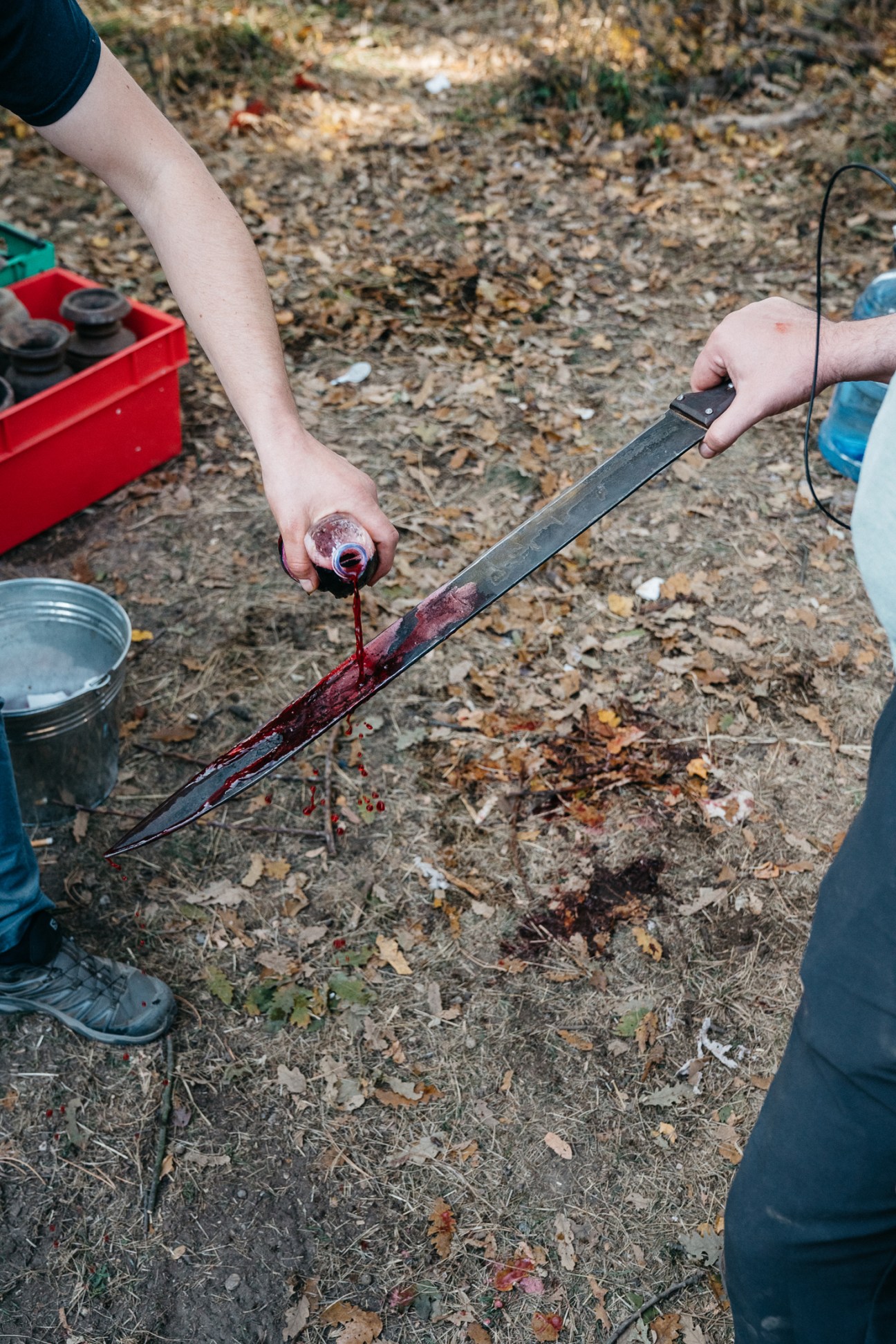
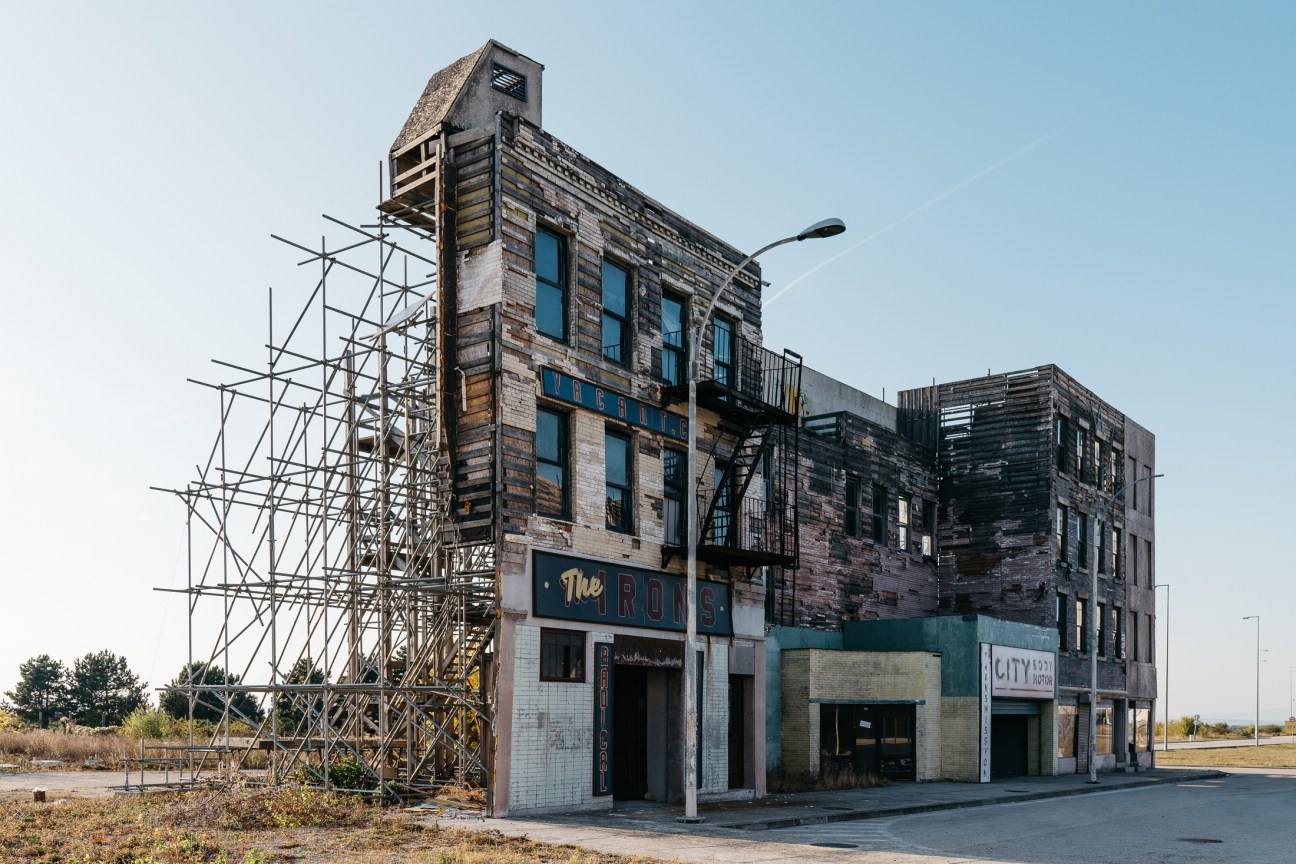
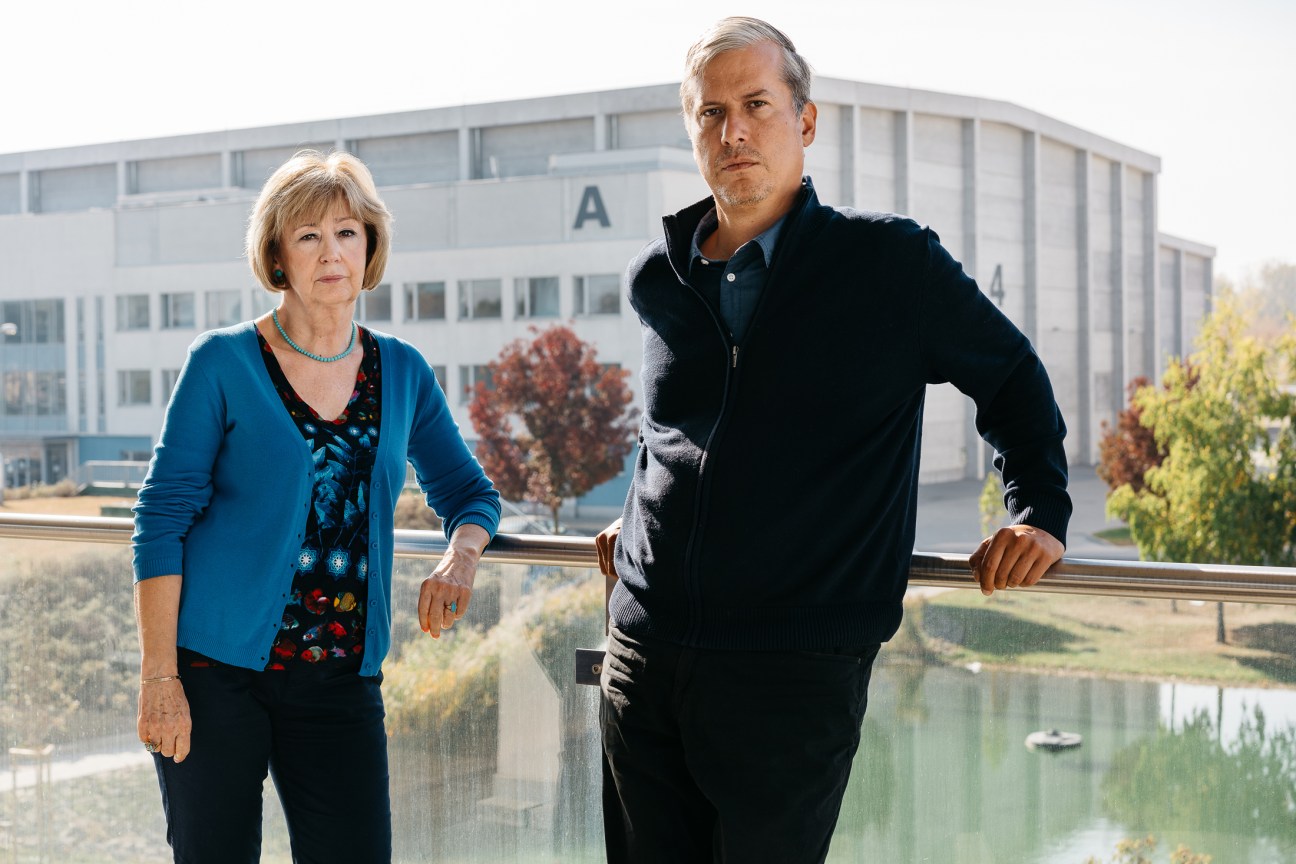
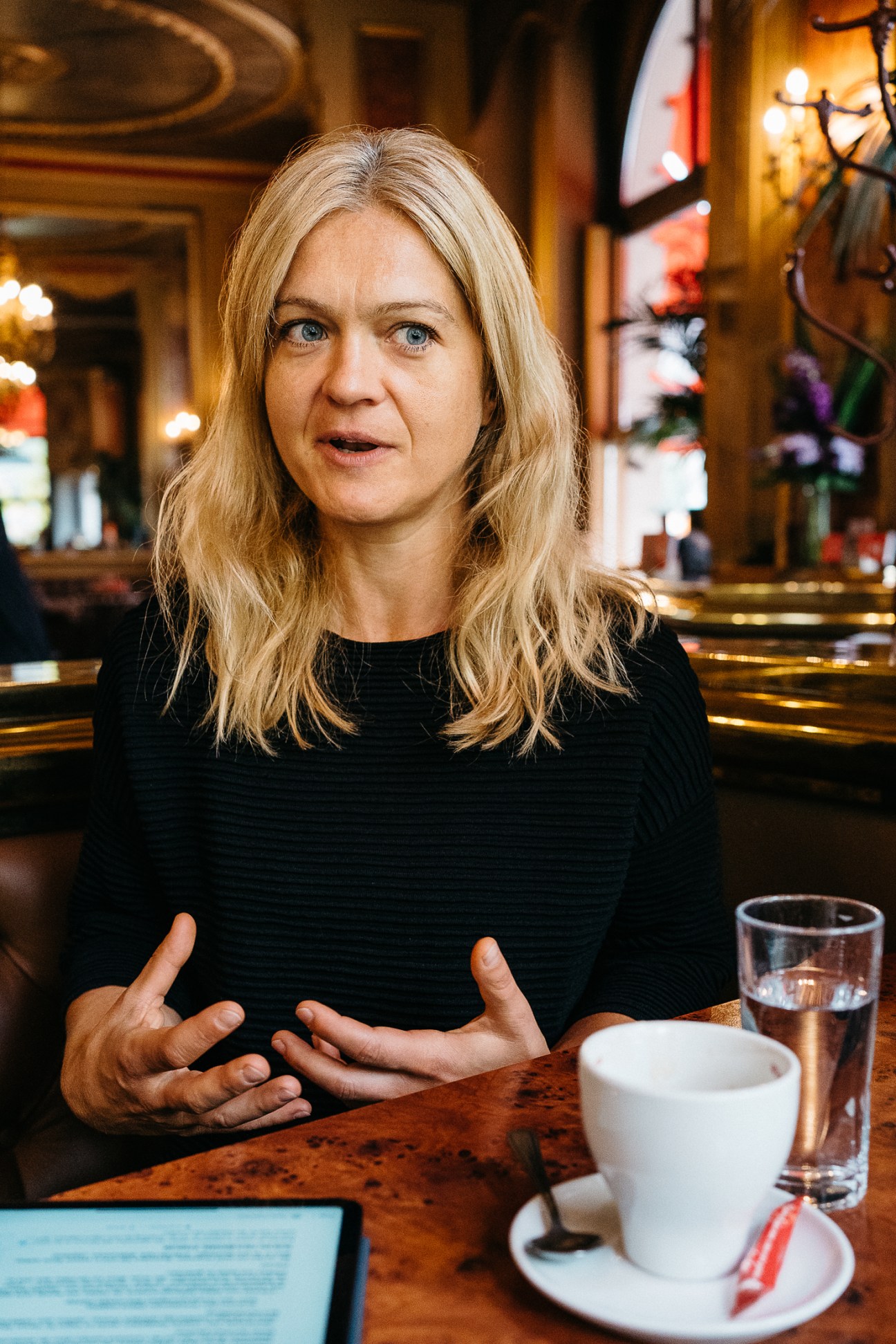
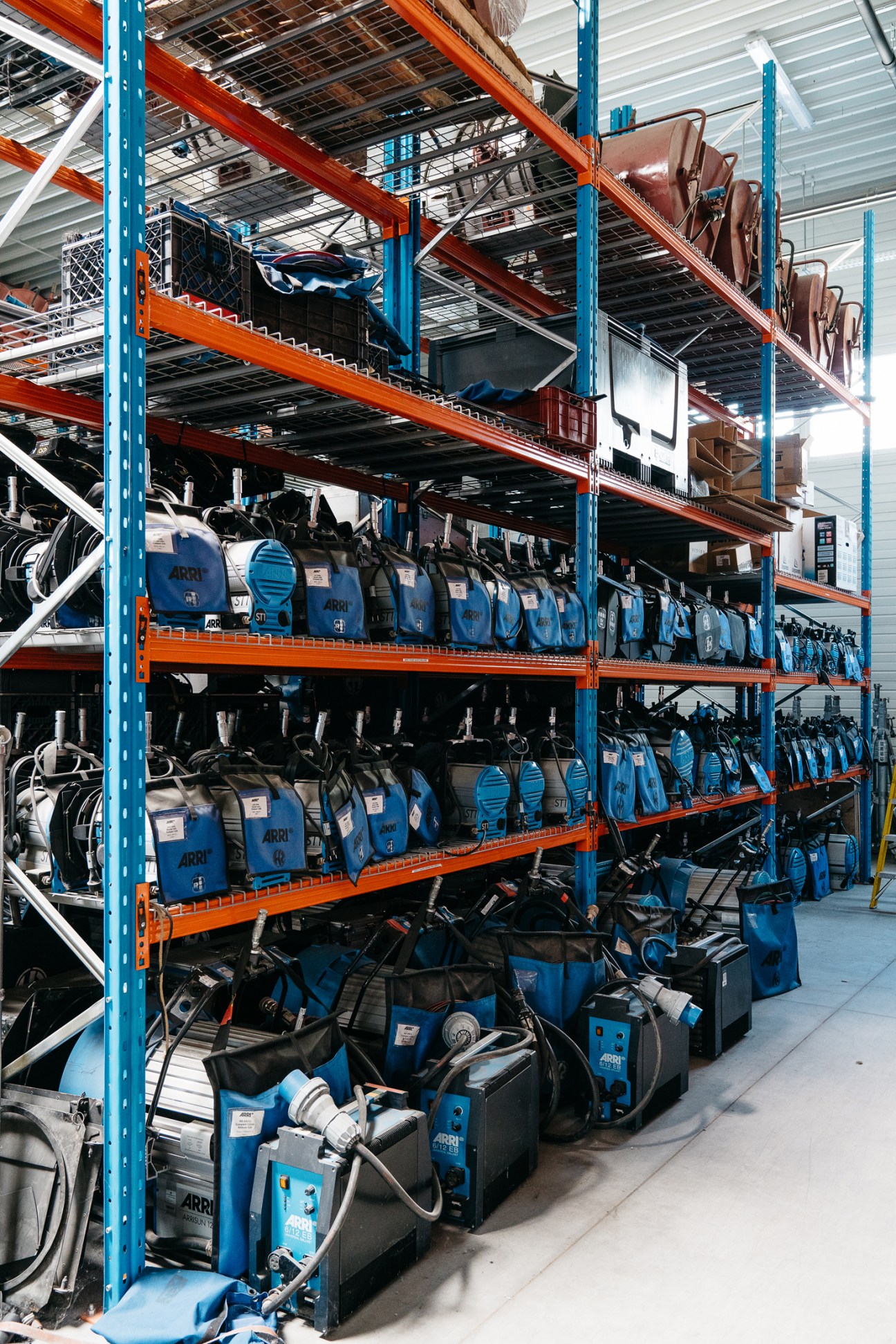
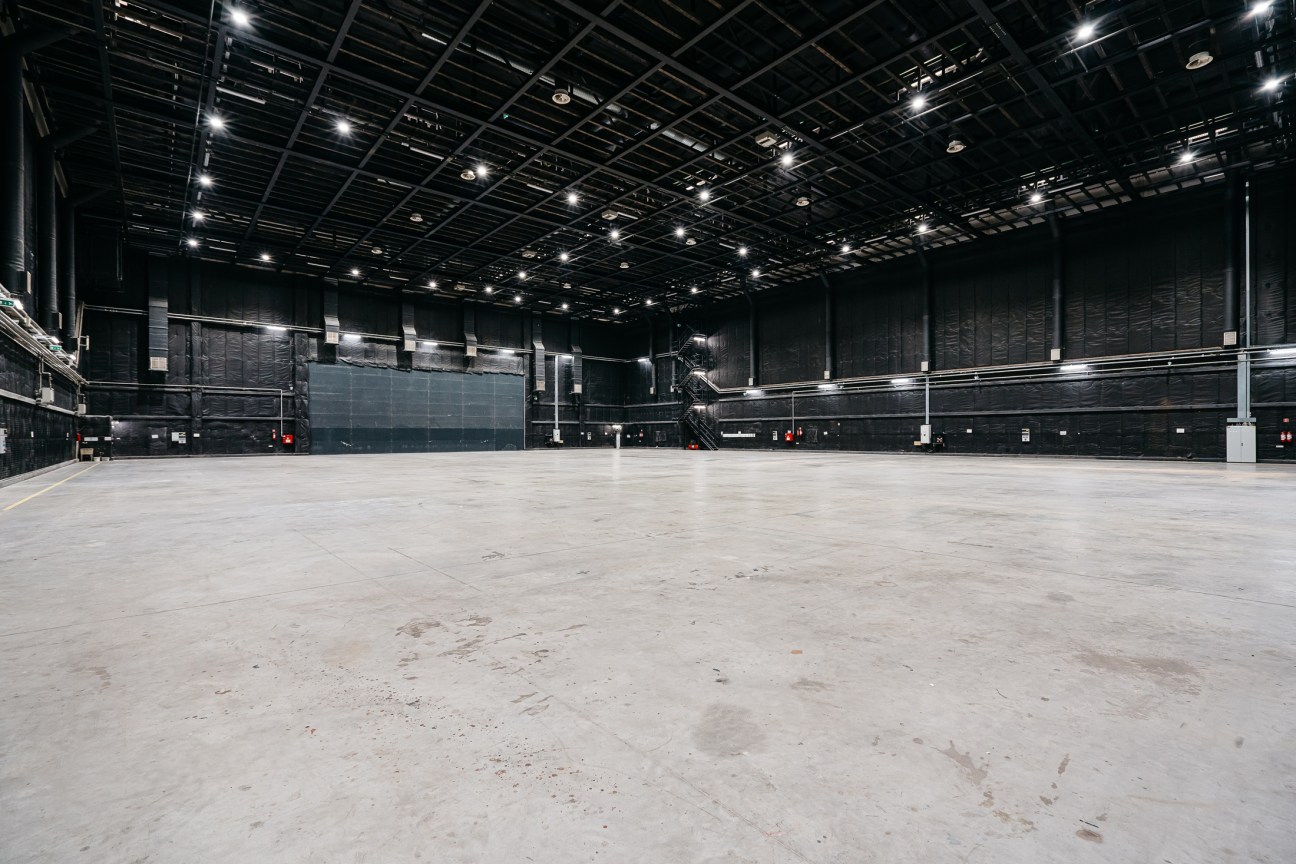
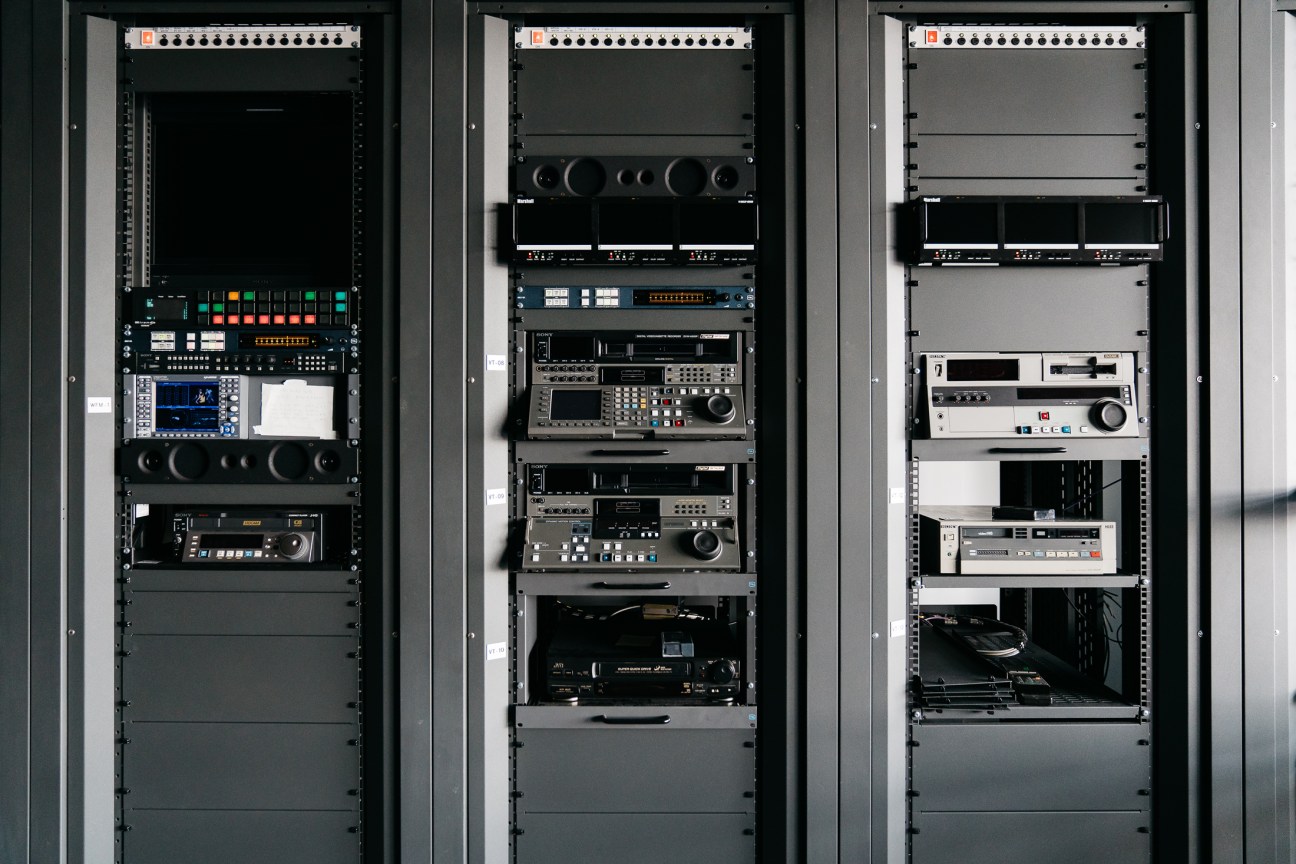
Over this period the number of foreign productions has rocketed – the industry now brings about €360m a year into state coffers. Add to this the relatively cheap labour and the architectural versatility of Budapest (which has variously been made to look like Paris, New York and Copenhagen) and you’ll see why the city has earned its reputation as the Hollywood of Europe.
Hungarians will proudly tell you there’s a long history connecting the nation to the global film industry. Many founders of Hollywood’s biggest production houses were either born in the then Austro-Hungarian empire or came from immigrant Hungarian families who moved to the US in the 1900s. Adolph Zukor, the co-founder of Paramount, was one of them, and so was William Fox of 20th Century Fox fame. The birth of Hungarian-based production powerhouses has furthered this tradition and finally made returns for the country’s reputation – and its bottom line.
“This makes Hungarians proud,” says Origo Studios CEO Marta Fekszi Horvath. “It supports whole sectors of the economy: hotels, restaurants, spas, car rentals, taxi services, construction firms – you name it.” The country’s cinematic credentials have helped domestic film production too. Hungarian director Laszlo Nemez’s debut, Son of Saul, was shot on home ground and won an Oscar, a Golden Globe and a Bafta.
Located in the countryside just outside Budapest, Korda Studios is another major winner in Hungary’s lucrative silver-screen industry. Its vast exterior set spaces have been used for titles such as Hellboy II: The Golden Army, Will Smith thriller The Gemini Man, space drama The Martian and Showtime period series The Borgias. The sets are so elaborate that some of them have been turned into open-air museums. “Everybody who comes here says that Hungarian craftsmen are the best,” says Korda’s Richard Sandorfi, standing in the studios’ visitor centre. Sets can take years to build so, instead of tearing them down, producers sometimes prefer to redecorate and add props. The Renaissance city created for The Borgias, for example, was adapted for a subsequent sci-fi production.
Requests to film at Origo and Korda pour in year round but the busiest months are from March to November. At the time of writing, all six of Korda’s soundstages are in use for a large international production, while Origo’s lots are almost full – and demand for studio space is growing. “Because of the global switch towards video on-demand, clients such as Netflix have to produce content all the time,” says Origo’s Korom. “Most of our business these days comes from that.”
But as business booms is there a danger that Budapest’s cinematic success could have unwelcome repercussions? Part of the city’s appeal for film-makers is its less salubrious areas, which allow it to stand in for Cold War Berlin or modern-day Moscow. Will the industry’s rising revenue change it beyond recognition? Barbara Eder doesn’t think so. “Budapest is being renovated and new neighbourhoods are being built but you will always be able to find special corners that tell a story,” she says, as the cast of The Barbarians start another scene. “In fact I wish I were shooting in the city right now – but I’m afraid my series is set in the wrong time period.”
Filming incentives around the world:
Canada: 16% federal tax credit for local labour
Australia: 16.5% tax rebates for production; 30% tax rebates for post-production
Austria: 25% of qualifying production expenses (cash grant)
New Zealand: 20% cash rebate on qualifying production expenses
Italy: 25% tax credit on production expenses
The UK: 25% cash rebate on qualifying expenditure
Fiji: 47% tax rebate on qualifying production expenditure
High fidelity
If you’ve ever been to a jazz-kissa in Tokyo – listening bars where vinyl comes first and conversation second; where the light is low and the whiskey potent – you’ll know no other venue can match its impossibly cool atmosphere. Off the success of a few such clubs for audiophiles – from London’s Spiritland to Hong Kong’s Potato Head – entrepreneurs have decided to export the Japanese model to their own countries. The idea seems to be reverberating nicely so we’ve pinned down three examples to chart the rising fortunes of the kissa abroad.
1.
Black Forest
Buenos Aires
Coltrane and Hancock aficionados in Buenos Aires finally have an outlet for their passion: the city’s – and nation’s – first listening bar. Sharing quarters with smart bookshop Falena in Chacarita, Black Forest has taken over the basement to create a temple to jazz on vinyl.
Finnish transplant Jali Wahlsten had long toyed with the idea of a space for music lovers; then he found out about Japan’s jazz-kissa and realised that the model already existed. “I thought about creating a venue for listening to jazz that allowed music, rather than the space itself, to be the protagonist,” he says.
Wahlsten – who’s also behind London’s Scandi pastry-maker Nordic Bakery – found a kindred creative spirit in Falena owner Marcela Giscafré and they opened Black Forest in 2018. It was quite a slow start: “Our soft launch lasted seven months,” he says, laughing. “But by taking an organic approach we made it our own.”
Unearthing rare Altec Lansing speakers and McIntosh amplifiers from an analogue equipment restorer was key; listening to music on these powerful beasts is a novelty for many porteños. “They often ask us, ‘Now what do we do?’” says Giscafré. The answer: sit back on a church pew, nurse a glass of single-grain whiskey and let the music do the rest. Either Wahlsten or rotating DJs choose vinyl for Thursday-evening sessions; one Monday a month is dedicated to live jams, a porteño touch that diehard kissa fans may draw the line at.
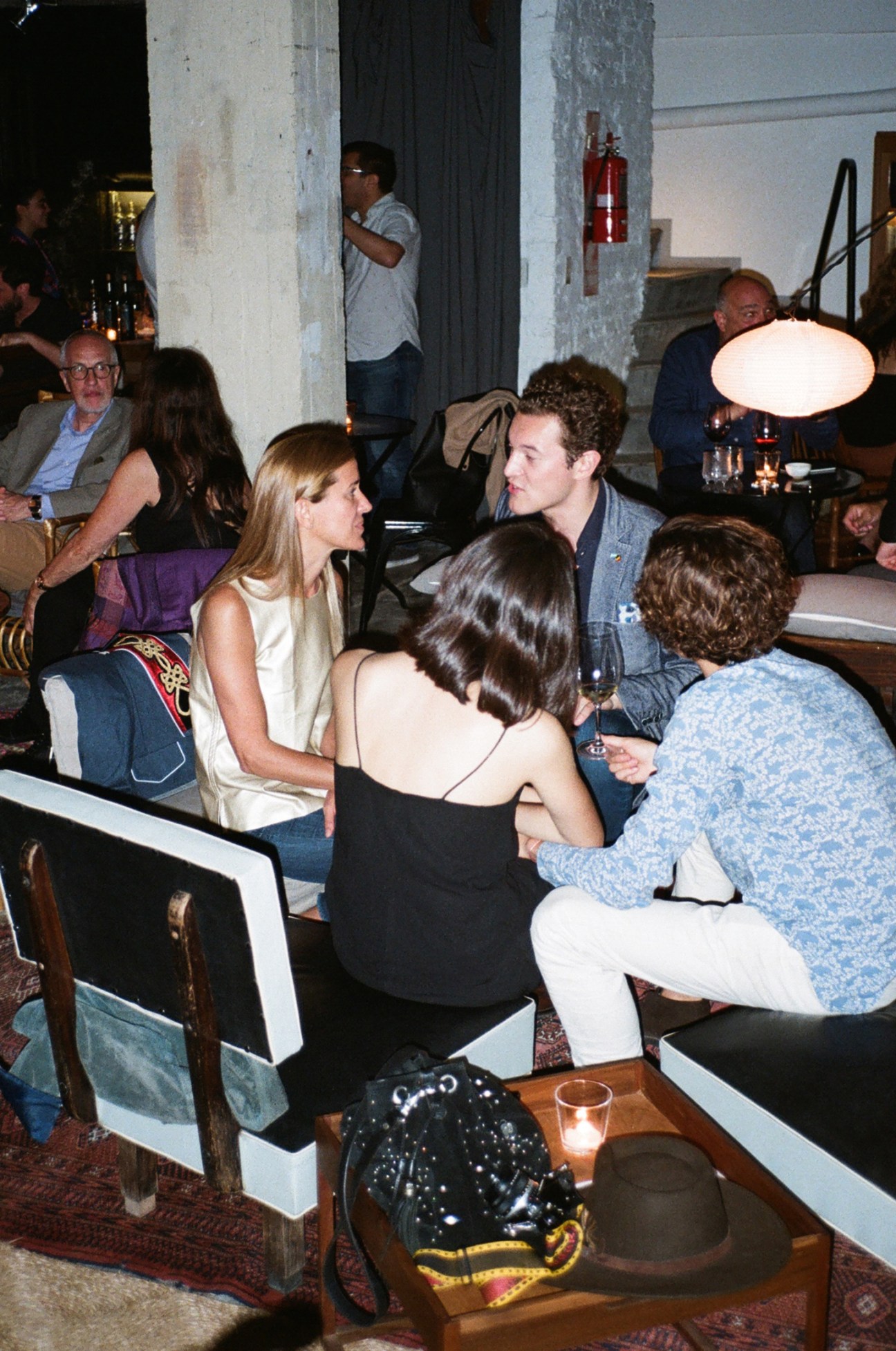
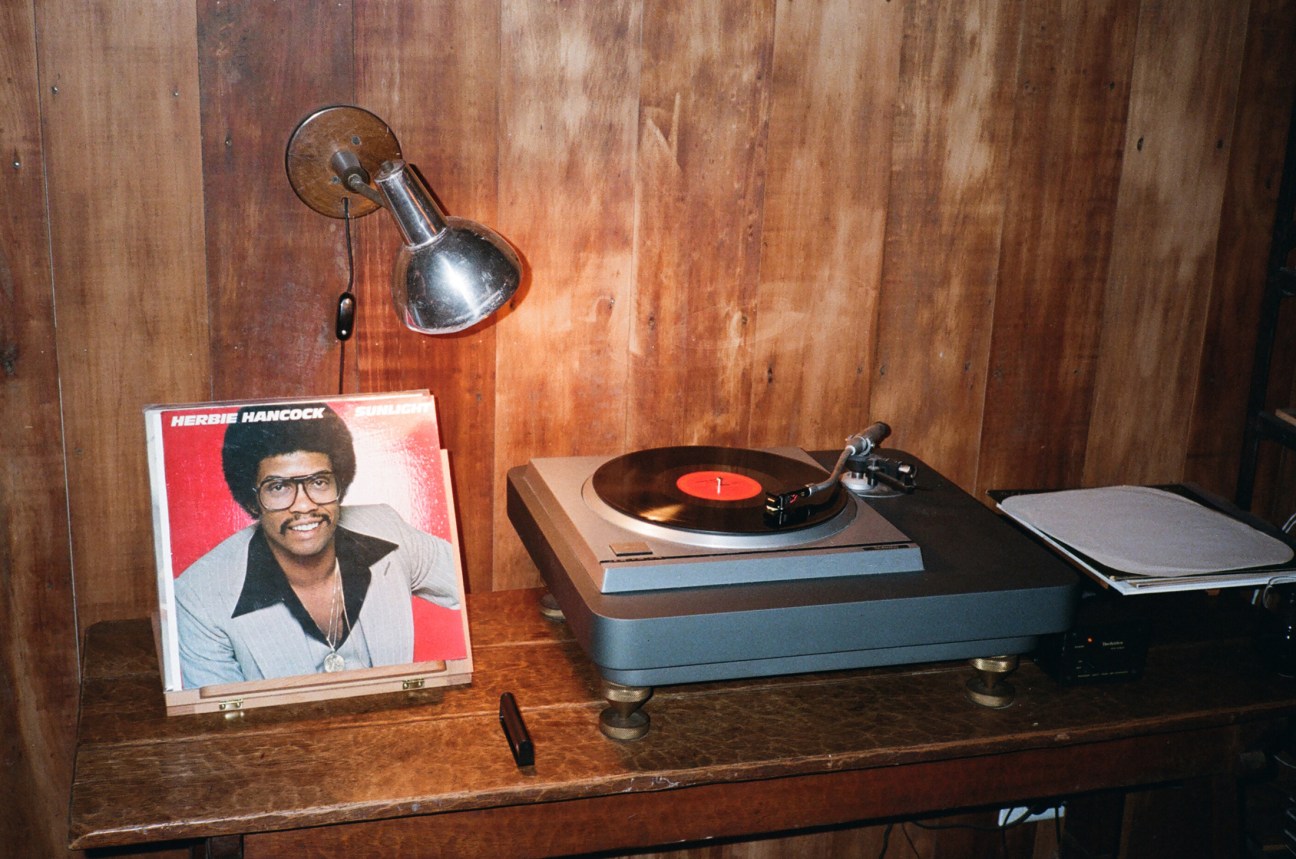
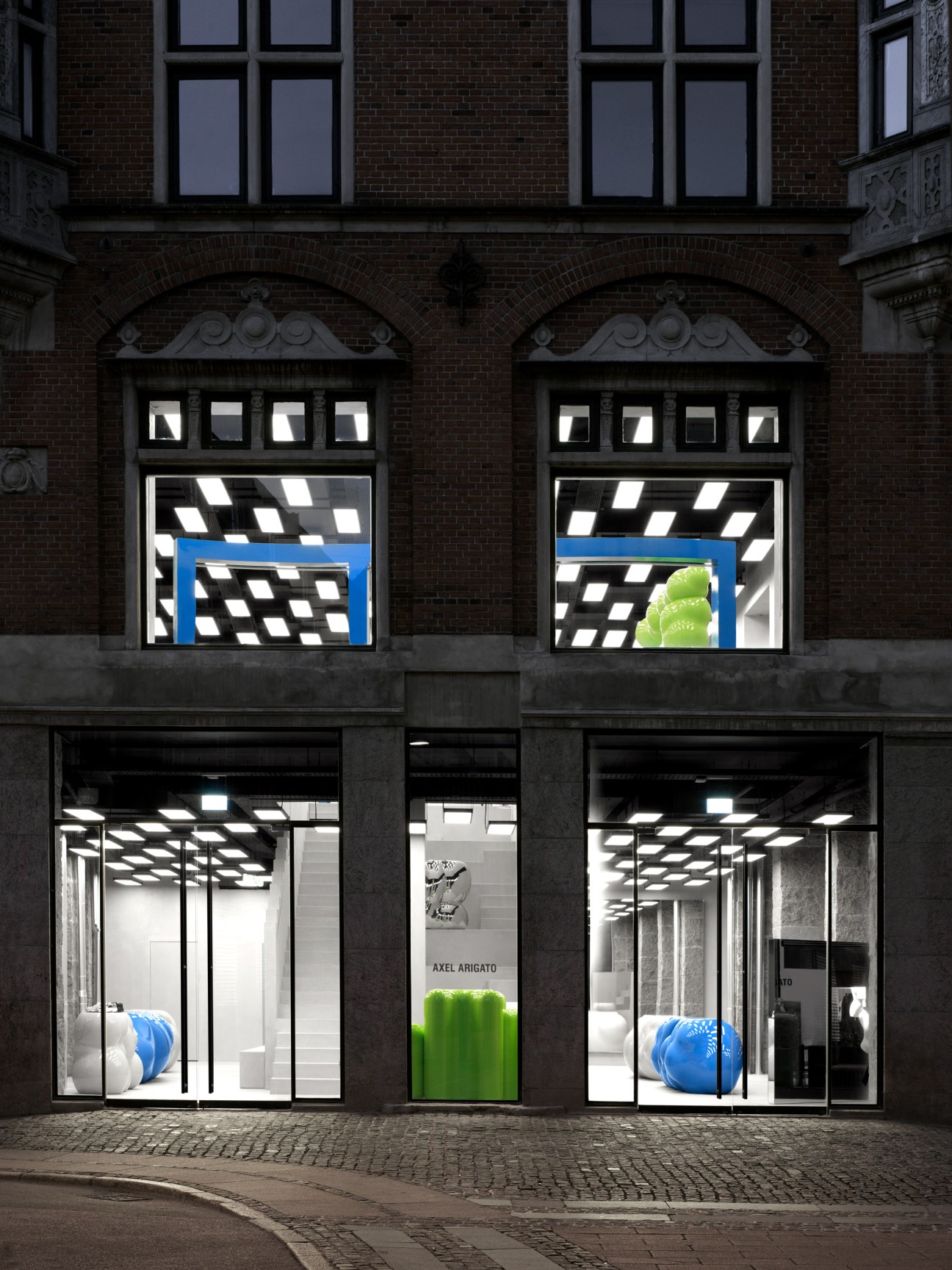
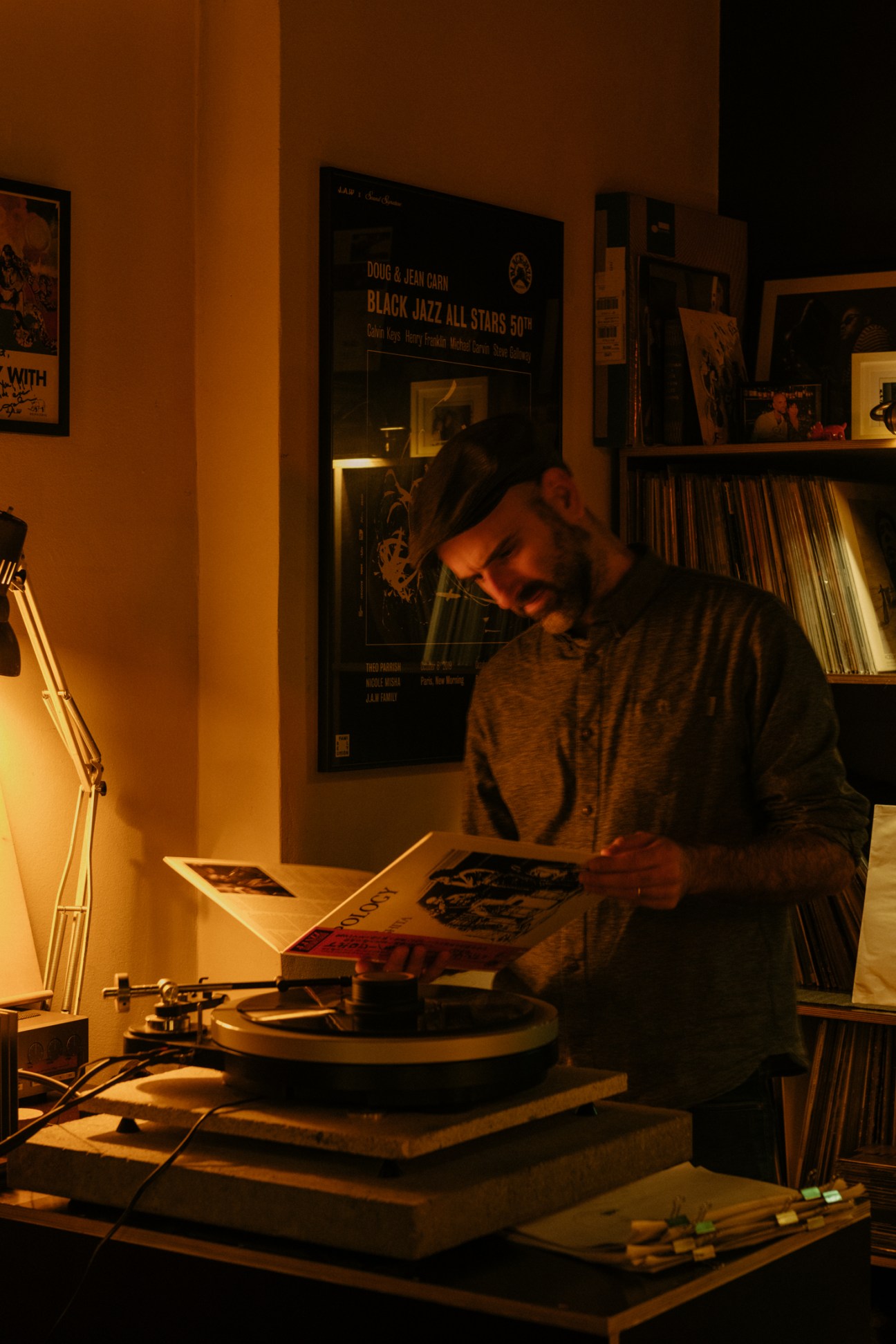
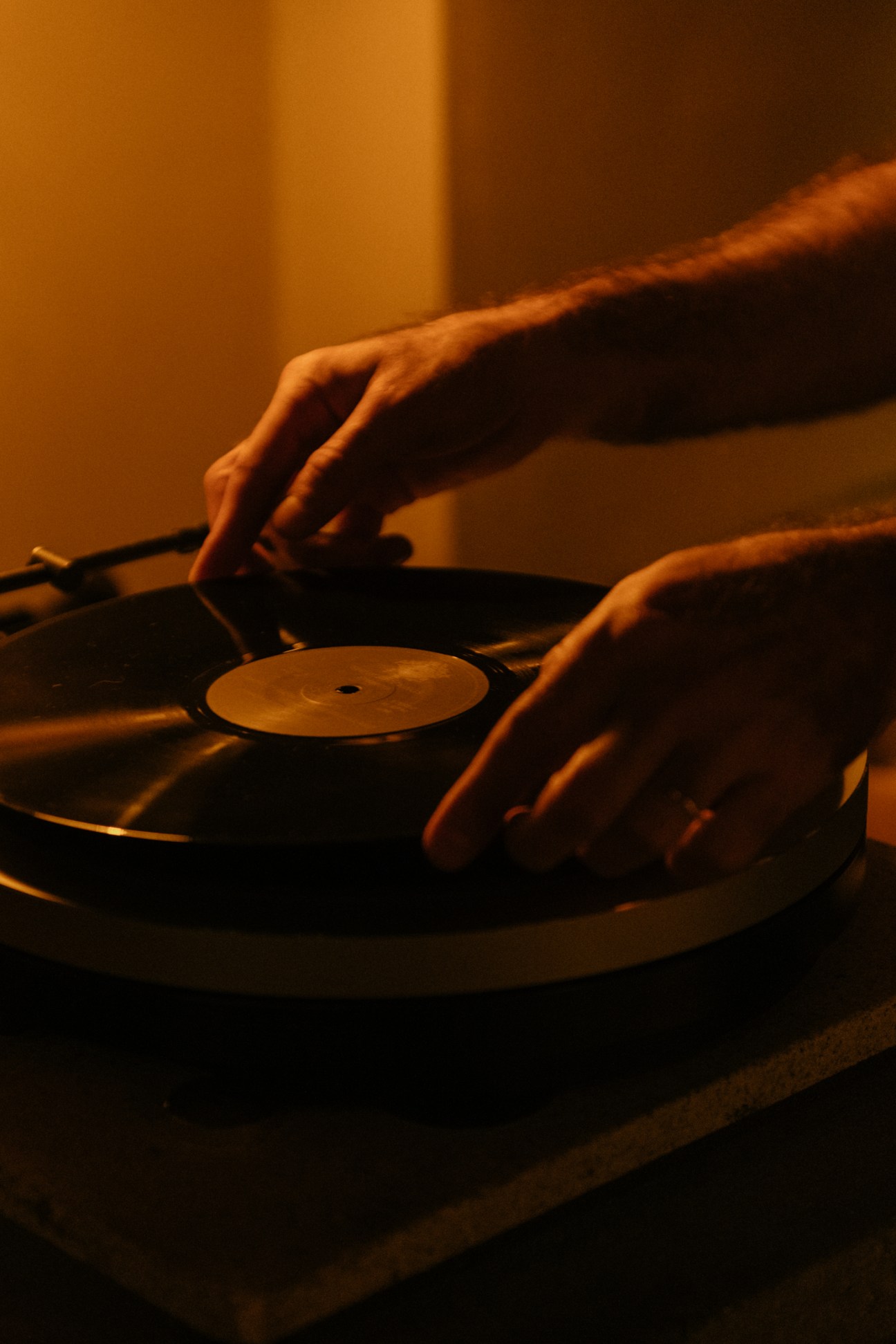
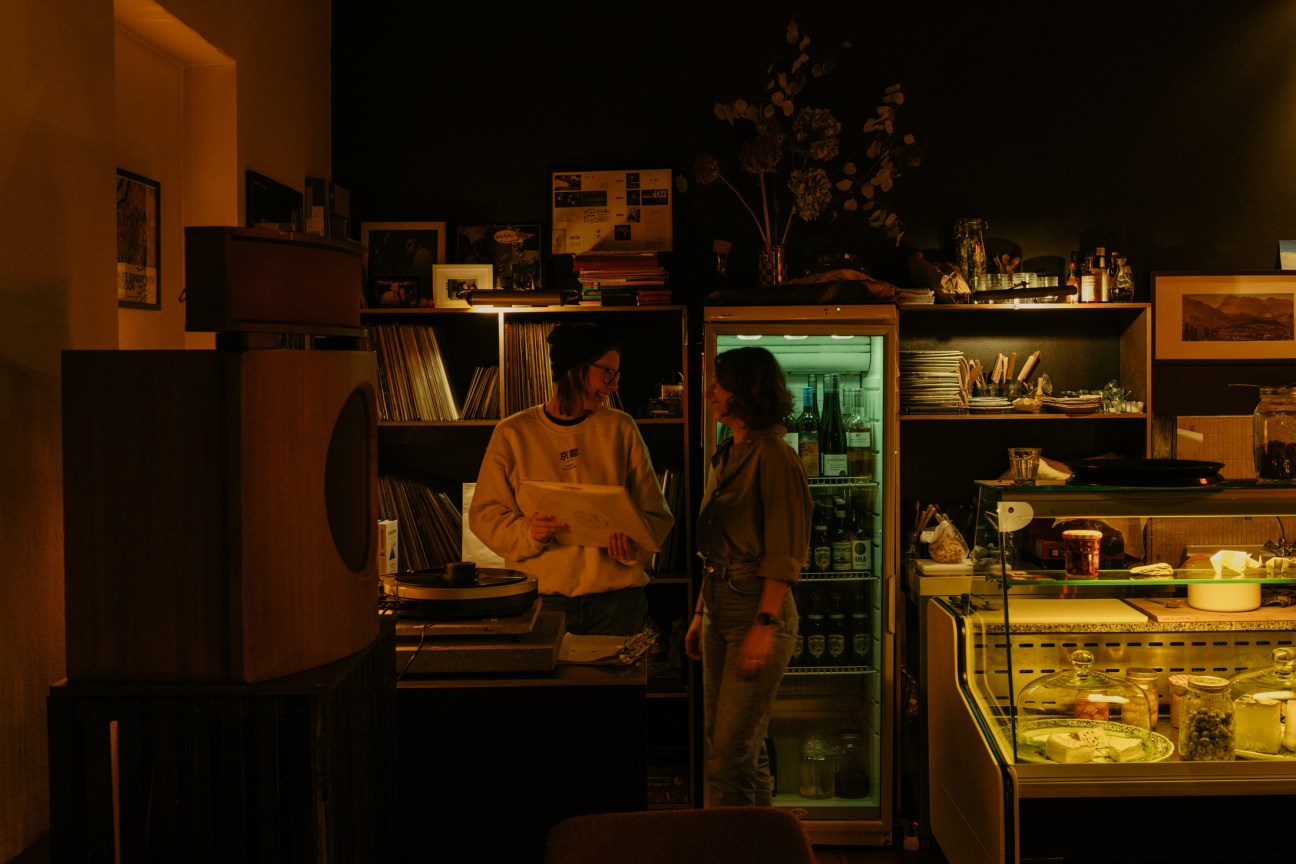
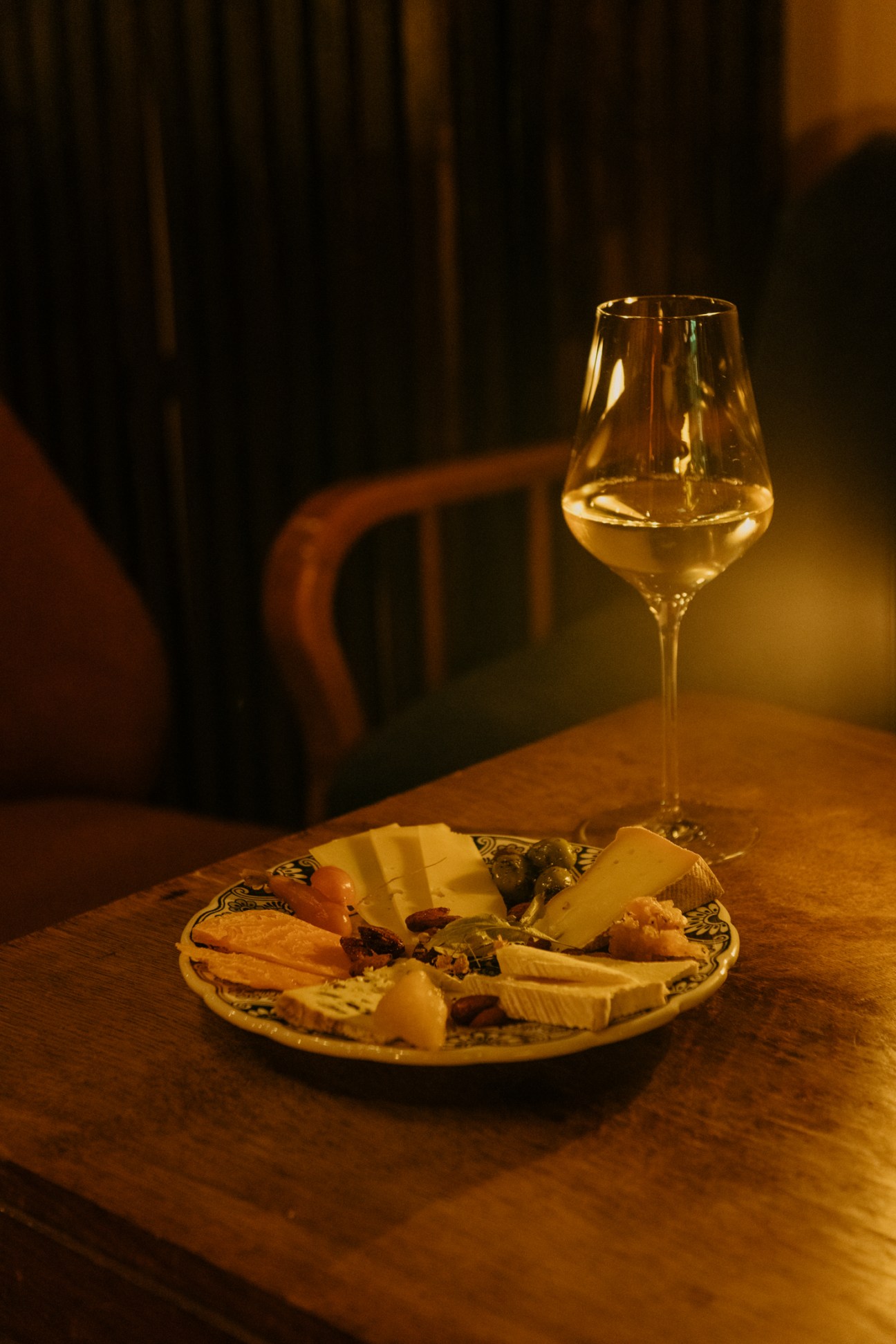
The eclectic basement borrows from Nordic and Latin American aesthetics, including wicker furniture sourced from the Delta and some Persian rugs gifted by the Norwegian embassy.
The pair considers Black Forest a work in progress, allowing it to evolve at its own pace. Though as its popularity keeps rising and people are inspired to follow, they may not hold on to nationwide primacy for long.
201 Charlone
2.
Rhinoçéros
Berlin
“We wanted to do something that wasn’t like every other bar in Berlin and the idea of the Japanese jazz-kissa combined all the things we love – vinyl, jazz, whiskey and good sound – in one place,” says Martina Carl, who co-founded Rhinoçéros in Berlin with her husband Bénédict Berna about two years ago.
An homage rather than a perfect facsimile, Rhinoçéros adapts the concept of Japanese kissa for a German audience, replacing the customary whiskey and soda with classic cocktails, a host of spirits and an eclectic selection of French wine. “We don’t want anyone to come here and think, ‘Oh, I’m in Japan,’” says Carl. “We want them to feel like they are in a very intimate and comfortable space.”
With its open fire, low lights and minimal decoration, Rhinoçéros’s unfussy interior allows the focus to be on the real stars: two wooden Bowers & Wilkins speakers from 1976, a Micro Seiki Turntable from 1981 and an early 1970s Quad amplifier and preamplifier.
Tuesday to Sunday, this vintage soundsystem plays albums from the couple’s 800-strong collection of vinyl jazz records to a roomful of interested locals, wine lovers and audiophiles – but the concept really comes alive every second Monday, at the bar’s listening sessions. “During these events, it’s like a church,” says Carl. “Everyone sits in complete silence.” For those passionate about music, these events can be almost overwhelming. When Italian fans filled the bar to hear Lucio Battisti’s South American-inspired masterwork Anima Latina, some were so taken by the experience that, according to Carl, “tears were streaming down their faces”.
rhinoceros-berlin.com
3.
Public Records
New York
“You can have a great bar and the music is very pedestrian – or it’s the other way around,” says Francis Harris, one of the partners at Public Records. Billing itself as a social space, hi-fi bar and sound room, it is the result of Harris and his collaborators “bringing the two worlds together”. It opened earlier this year in a vast red-brick building from 1912 – which mirrors the architecture of the Gowanus Canal pumphouse opposite – and is one of the driving forces in a rapidly changing neighbourhood. Where there was once a church pipe organ restoration outfit and a secondhand guitar shop, today this space is more whitewashed walls and soft lighting meets eminently noticeable (and very impressive) audio equipment.
Alongside a small record shop featuring choice vinyl, a magazine kiosk and a coffee machine, there is a larger, high-ceilinged space where cocktails are being mixed. At the other end of the room a DJ plays anything from ambient or techno to Pink Floyd – it’s a notch above background music without making it feel like a club. “We have a really strong regular community,” says fellow partner Shane Davis. “It’s become a home for a lot of people.”
While Public Records may not uniquely lure music lovers, the space is clearly put together by people who are passionate about it. First there are the bespoke Ojas speakers with their diy aesthetic, made down the road in Clinton Hill. And then there’s the beautiful custom-made mixer from London’s Isonoe at the DJ booth. The icing on the cake may well be the Sound Room, a separate area decked out with plywood and a raised stage. With programming Wednesday to Sunday, events here cover everything from live music to “first listens” of new albums, followed by a Q&A (as was the case recently with FKA Twigs).
While clearly being related to the kissa model, Harris argues that his venue is much less precious than its Japanese counterparts. “This is more democratic,” he says. “You don’t have to be a DJ to come in!”
publicrecords.nyc
Talk to my agent
George Lane
(Theatre Agent)
CAA, New York
Theatre agent George Lane is part of the fabric of New York. In the business for almost four decades, the 67-year-old regularly hashes out deals at a corner table in Manhattan’s Gramercy Tavern, about 20 blocks south of his Chrysler Building office at Creative Artists Agency (CAA), where he’s been working since 2013. Known for driving a hard bargain, he represents everyone from Alec Baldwin and Sarah Jessica Parker to directors Leigh Silverman and Jerry Zaks (the latter worked on the production of Mrs Doubtfire running on Broadway). Unsurprisinly he understands the scene intricately. Best place to start a musical? Easy: La Jolla Playhouse in San Diego. Best client-list ratio? No problem: “Fifty per cent A-list, 25 per cent B-list entering into A-list – and 25 per cent r&d.” And there’s more…
“I was born an orphan and adopted. I spent my first five years in Brooklyn and then was part of the great suburban push to Long Island. I then lived in Steamboat Springs, Colorado, for a couple of years. I wanted to work in entertainment but couldn’t find a job so I worked in politics, and actually got a winner in Hugh Carey, who was governor of New York. It was amazing but I needed something with more of a moral centre, so I went into showbusiness.
I started in the mail room at William Morris. It wasn’t theatre that drove me; my parents loved theatre but they didn’t really take us much as children, nor did I show great interest. But I quickly got to see that it was a place of great collaboration. That was both among the agents and externally, with the actors, the writers, the composers, the lyricists, the directors and the producers – and it was quintessentially New York. I became an agent within four years.
When a writer gives you a script you really are charting a course: in the case of a play, it’s 18 months until you get that first production; or, for a musical, three to five years. Once you become a seasoned agent you’re working with a group of clients and you know what they’re capable of; new talent tends to begin with a recommendation. I’m very comfortable with candidly cold-calling; if I see something amazing I go directly to that person if I don’t know them.
The agent is always the go-between: between the talent and the audience but also between the talent and the producer. A big contribution is: ‘I think this producer is really right for you, not only for this play but I sense a string of things happening.’ You’re really relying on your agent to know who’s making the decisions and then to execute your deals.
So many projects are based on movies now. When I began in this business it was really about stage to screen – the balance has swung. Normally studios and film producers have a certain number of rights, so in order to take a movie and make it a play or a musical you have to acquire them. Usually the rights are jointly held by the screenwriter and the producer or the studio. So that’s why so many studios have gotten into this business: because they say, ‘We already have the rights anyway – why are we licensing to people? We should do it ourselves.’ Take a big hit like Moulin Rouge: 20th Century Fox has certain rights; Baz Luhrmann has certain rights. Carmen Pavlovic from Global Creatures, the producer, spent seven years putting them all together.
For the individual, theatre is a place where you struggle to make a living but you can make a killing. It’s a struggle to make a living as a playwright but the full exploration and exploitation of the rights is highly remunerative. We have eight agents in the department and we’re constantly on the road and working with talent in the UK, in LA, in the provinces, in New York – elevating their work, putting it together and reconfiguring it in a way that brings opportunities and financial rewards. We’re proud of that. I represent artists and I look to value-up their rights. If it weren’t for them we wouldn’t have a business – so that’s where I stand.”
Janet Carol Norton
(Television Agent)
ICM Partners, Los Angeles
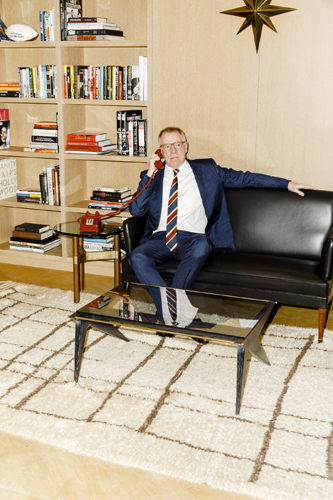



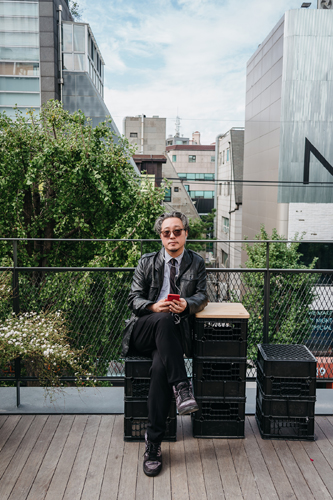
Janet Carol Norton is co-head of the television production department at icm Partners. For more than 20 years she has represented producers, line producers, production executives and producer-directors working on scripted television, both in the US and abroad. Her roster of clients includes professionals who have worked on shows such as Homeland, Stranger Things, Veep, How to Get Away with Murder, The Big Bang Theory and The Man in the High Castle. She also serves on the board of governors of the Academy of Television Arts & Sciences, which each year presents the Primetime Emmy awards, honouring the best television in the US. Here she gives us a recap of her career and an idea of things to come.
“A good agent doesn’t let you in on the magic of what happens behind the scenes or how a client gets a job or an interview. A client gets the culmination of years of trust that you build with the community you’re selling to. Buyers are looking to us to have a curated list of who they need. And a client might not see that the reason they got an audition or a script read was due to their agent’s relationship with the buyer.
It’s my job to introduce television producers to the community, get them work, finesse the interview process, negotiate the job and set them up as best I can. Most deals are struck via a combination of email and phone calls, whereas it used to be done almost exclusively over the phone and lunch. Formats have changed over the years too: there are fewer and shorter seasons. In the past, producers would do a pilot and you’d wait to see if it would get picked up; now it tends to go straight into the series, which means there’s much more preparation in getting it right straight away.
The blending of film and television has impacted our work in a good way: there used to be a feeling of being pigeon-holed but now it doesn’t matter. It gives talent more opportunity and now I have an agenda to get producers paid differently. In TV, producers have an episodical quote, meaning you go into the negotiation agreeing on a fee per episode. But film producers have a weekly quote and because the business of television now is more like film, that should change – the work often involves fewer episodes over a longer period of time. If TV is filmed like the movies, that should be reflected in the pay.
When I started, nearly 20 years ago, I saw a brick wall for women, especially in directing and producing. I had people laugh on the phone when I’d suggest they should add a female producer or editor to their production. That has changed. In our agency, shortly after the Harvey Weinstein scandal, we pledged to have an equal number of men and women on staff by 2020. I now have people calling me to specifically ask about the female directors or producers I represent and that’s really exciting.
This is a business where leadership wants everybody to succeed. Because if you succeed then the client succeeds – and everyone around you succeeds too.”
Olivia Mayolle
(Photography Agent)
Rose Agency, Paris
Olivia Mayolle founded Paris-based talent agency Rose in 2007. She represents photographers, stylists, set designers, art directors and composers. Though she came from a communications background she chose to start her career in photo-editing with an internship at Vogue, before moving on to work for various Parisian photography agencies. Of the decision to bring together her own pool of snappers, she says, “I no longer wanted to sell artists who didn’t completely match my taste.”
“I’ve always struggled to put into words what draws me to an artist. I need to like the personality – of them as individuals and of their work. And there needs to be a certain elegance in what they do. I get approached by photographers whose work would do well commercially but if their aesthetic doesn’t match my sensibility, it’s a no. The decision is simple: yes or no. Being demanding is key for maintaining quality.
There used to be famous photographers whose work everyone was familiar with; this doesn’t exist anymore. The industry is so fast-paced, with artists coming and disappearing again within two years. As a reaction I’m building long-term relationships with the talent I represent, helping them develop careers. We function like a family, where all artists know each other and no one is in competition. Some people have been with me since I founded Rose 12 years ago, joining me when they only had a few photos in their portfolio. It’s great to follow their evolution over time, even if it means that it will take a couple of years until their work starts to sell. It’s little steps at first but there’s always a thin glass ceiling that you manage to break eventually. It just requires patience. At the end of the day the role of the agent is also a pedagogical one: we have to make clients understand that work of a certain level deserves a decent salary.
Think about the amount of content we see every day, in magazines or on Instagram. How much of it do we remember? There remains space for quality, work that is well crafted and people who understand the importance of giving it time. More and more artists are returning to non-digital ways of working: shooting film and developing their own photographs. Print is making a comeback too. I represent a publisher of artist books, rvb Books, which has recently exhibited at fairs such as Offprint and Paris Photo. It all moves in cycles but a desire for quality will always exist.
I decided to branch out beyond photography, taking on people working in fields such as set design and music for fashion campaigns. They are all interlinked so the move was a smooth one for me – plus it allows me to offer clients a full palette of artists. I’m proud to have started my own agency that exists in this form now. After all these years my favourite thing about my job remains the daily contact I get to have with my artists. It’s a relationship built on trust and affection. I know them inside out but, believe me, they know me just as well.”
Bernie Cho
(Music Agent)
DFSB Kollective, Seoul
Bernie Cho is president of dfsb Kollective, a music distributor and agency founded a decade ago in Seoul. It represents some of the biggest names in K-pop, from Jay Park to Drunken Tiger, and was one of the first South Korean agencies to sign direct deals with iTunes. Cho splits his time between LA and Seoul. At a time when sex and drug scandals have rocked the once squeaky-clean industry, he tells us how K-pop can bounce back – and how physical sales of CDs and records may yet prove to be the way forward.
“Korean music becoming a worldwide phenomenon goes beyond the eye candy of the videos or the ear candy of the melodies. It’s to do with the industry’s business model. Many top Korean music companies are part-agency, part-management, part-label. They are fully stacked: they do everything from acting as producers to concert promoters. We handle the merchandising and licensing part of artists’ careers too. Top Korean music companies are not only doing well in the music charts: they are also excelling on the stock market. K-pop wouldn’t be a global phenomenon without this innovative model that merges strategies from East and West.
There was always pressure to look for the next big thing in the boy-band or girl-band space but our job has been made more complicated by the rise of audition-based TV shows. The discovery and development of talent suddenly became all the more compressed: instead of years it now takes months. The pressure to be discovered, trained and – most importantly – succeed has reached a new level. With talent shows the role of a company’s artists and repertoire [a&r] flipped from the industry to the fans. The industry is getting hyper-competitive and this puts a lot of stress on everyone. We’ve begun to see a few cracks in the system. The current scandals [superstar Seungri was accused of procuring drugs and prostitutes for his club in Gangnam; singer Sulli was recently found dead in a suspected suicide] are reflective of the pressure these artists face. It’s a cathartic moment and it’s forced people to rethink their value system.
What’s also proven disruptive is the surge of new social media – we are constantly thinking about our strategy. The new Facebook is Instagram; the new Twitter is Tik Tok [a short-video app]. We are constantly on our toes, trying to predict the next big platform.
There are a range of revenue streams that we have to exploit to maintain success. We can’t just recruit artists on the basis of how much they can record and sell: we need to understand what will help them generate revenue from alternative streams, be it live performance, film or TV. As digitally advanced as Korea is today, we’ve seen a resurgence of physical music too: Korea is the fastest-growing physical-music market in the world. When K-pop fans buy a CD they’re not just buying music but also merchandise. When I started my agency we were big on download and streaming; now we are more focused on physical music than ever.”
Roll up, roll up!
How do you keep cool? Depending on where you live, this might not be a priority. But as hotter weather becomes the norm across the world, it’s not a question that can be avoided for long. In 2019 the UK experienced its warmest February on record – temperatures reached a balmy 21c – and the previous summer broke records across Europe. Globally, nine out of the 10 warmest years on record have come since 2005.
In many offices, hotels, shops and homes, this kind of weather means one thing: cranking up the air-conditioning. But there is another option for those keen to stay sweat-free without relying on installing unsightly machines: window shades. “We’ve noticed that growth rates for these are going through the roof in Europe: about 7 to 10 per cent annually,” says Alexander Grundhoff, managing director of Germany’s Warema International. With 5,000 employees and a turnover of €510m in 2018, the company is one of the largest suppliers of external shades in Europe, selling everything from pergolas to roller shutters. Its sales are concentrated in colder countries so its bestselling products have long been geared towards providing insulation and privacy. But over the past 20 years, says Grundhoff, it has seen a marked increase in sales of products for sun protection, particularly exterior Venetian blinds and fabric awnings. “Those products have been grabbing a relatively large slice of the residential market share,” he says.
Cooling buildings by preventing sunlight from entering is hardly a new idea. Mediterranean countries have long made use of deep balconies and awnings; southern US homes boast shady porches and verandas; and traditional north African and Middle Eastern buildings feature perforated walls that act as screens. Now the hot weather common in such places is spreading. The planet has warmed by about 1c since 1900, scientists say; and that could rise to 1.5c or even 2c by the end of this century. Heatwaves will become more frequent and last longer. As a result, people in places as far north as Sweden are having to think about ways to cool buildings without changing their architectural vernacular.
Air-conditioning seems like an obvious solution but, as well as looking awful and being noisy, it actually makes the problem worse. In the US, it is used by 90 per cent of homes, accounting for 6 per cent of the country’s residential energy use and spewing out 100 million tonnes of carbon dioxide a year. Shades require no energy, have a low carbon footprint and can be used for decades. They also look sharp and provide privacy and security.
Increased interest in such products has been felt along the entire supply chain. “Integrated shading solutions are very Swiss but we now see an increasing demand for it in other countries,” says Angelo Razzino, head of sales at Sky Frame, a firm based near Zürich that specialises in large high-end frameless sliding doors and windows. “We work with [Swiss shutter firm] Griesser and [customers] get everything from us.”
The future looks similarly bright for France’s Dickson Constant, a worldwide leader in manufacturing technical textiles. “Our customers are more and more aware that they need to find sustainable solutions to higher global temperatures,” says Adrien Derreumaux, who manages the brand’s solar-fabrics portfolio. “Shade and sun protection is our number-one market, especially in Europe. In total it accounts for about 50 per cent of our business. Within this, our biggest market is for retractable awnings.”
Dickson Constant’s direct clients are other businesses, such as Warema. Home owners make up two thirds of final customers, with hospitality and retail companies accounting for the rest. The historic Peninsula Hotel in Paris, for instance, was reopened in 2014 after extensive renovations and now features neat green awnings using material from Dickson’s Orchestra range. “We still see a lot of potential for further growth, partly because of global warming but also because of the rising costs of energy,” says Derreumaux. “Shade and sun protection products are a sustainable way of controlling a building’s temperature. There is a greater awareness of the need for that, not just from our end customers but also from the building industry and architects.”
Danish engineering and design giant Ramboll has seen a lot of interest in alternative cooling methods for cities and individuals. It has studied ways to reduce urban heat through its annual Copenhagen Urban Lab, which has run for three years. “In Singapore, for example, they are focusing on greening neighbourhoods and buildings to provide natural cooling,” says Christian Nyerup Nielsen, Ramboll’s senior director for climate adaptation and landscape. “That includes green façades, roof terraces and green streets. In New York they’re going back to older techniques from southern Europe, with more focus on natural ventilation and all kinds of shading.”
When Ramboll works on large-scale projects where air-conditioning is required, it focuses on hybrid schemes. “We design the airflow inside the building and optimise the controls,” says Nielsen. “When do you flush air and when do you shade the building? So you can have natural ventilation and then also use ground- or seawater [a sustainable source that is already cooled] for air-conditioning.”
Investing in temperature control is about more than fixing a stuffy office. “There are serious health issues at stake,” says Nielsen. “There’s also the efficiency of the workforce and the effect on infrastructure; the financial impact of heat on a city can be measured in millions of dollars.”
As we move into a new, warmer decade, consumers and architects would do well to take advantage of the growing range of options available. Just don’t say that you were kept in the dark.
Keeping cool – a manifesto:
1.
Add loggia balconies that catch the sun less.
2.
Design homes that maximise cross-ventilation.
3.
Use awnings or shutters on any sun-facing window.
4.
Use greenery as much as possible – in the street and on buildings.
5.
Ditch the air-conditioning.
The real thing
For those in real estate, construction, architecture or anything tangentially related to the property industry, October means one thing: Expo Real. Europe’s largest real-estate trade show brings people from all over the world to Munich’s Messe München for three days of debate, prospecting and deal-sealing. This year 2,190 exhibitors from 45 countries set up stands across seven halls; they included Invest Stockholm, real-estate and investment firm CBRE, Hyatt hotels and Gina Barcelona Architects.
Between discussing deals, participants chomped Bavarian sausages and supped beer in the autumn sun before rushing off for talks about everything from urban planning to the future of mobility. Some 46,000 people attended – 4 per cent more than last year – hailing from 76 countries.
More than anything, Expo Real measures the pulse of the industry. This year the outlook was “positive with a note of caution” and there were a few unexpectedly positive signs for the London market. Didn’t make it? Fear not. Here is our overview of the best bits and the investment opportunities to watch.
1.
The investment hotspots
What makes a city attractive to investors? Real-estate services firm JLL looked at various criteria to rank the world’s leading investment destinations. “Many real-estate investors are targeting cities that are rich in innovation and technology,” says Jeremy Kelly, JLL’s lead director of global research. Highly connected cities with extensive pools of skill, top universities and a rich culture attract the best talent, he tells us.
Brexit has wrought uncertainty in the UK but, long-term, trust in London remains strong. For those looking for more stable investment strategies (with lower yields), Germany, the Netherlands and the Nordics are seen as safe bets. Higher returns (and greater risks) can be found in Ireland, Spain, Poland, Italy and Portugal.
When it comes to predicting future hotspots, Kelly bets on “cities that offer high levels of amenities and universities”. The marker of a successful city is one that is adaptable and agile,” he adds.
Top investment destinations:
1. London
2. New York
3. Paris
4. Los Angeles
5. Shanghai
6. Seoul
7. Tokyo
8. Hong Kong
9. Washington
10. Chicago
2.
The deals
Mipim in Cannes might be where property people partyon yachts and network but Expo Real is where deals are actually cut. Here are three that caught our eye.
1.
Long stay: The UK’s InterContinental Hotels Group signed three multiple development agreements to accelerate its growth across Europe. The goal is to add 50 hotels in Europe over the next decade.
2.
Big deal: Commerz Real of the German Commerzbank made its biggest deal yet by buying dozens of sites from Munich-based insurance firm Generali Lebensversicherung for €2.5bn. The Millennium Portfolio includes 49 office, residential and retail properties in prime German locations.
3.
Nice work: Germany’s Real IS AG bought an office in Adelaide and is starting to build up a diversified real-estate portfolio there worth up to AU$400m (€245m).
3.
The Q&A
Anna Gissler
CEO Invest Stockholm
Anna Gissler works on attracting global investment and talent to Stockholm.
Why are you here?
Expo Real is a good place to meet investors from different countries – mainly Germany. We’ve attended the fair for 15 to 20 years.
More than €111bn in investments are planned for Stockholm by 2040. What developments are you excited about?
Stockholm is one of the fastest-growing cities in Europe. The Meatpacking District, our newest development project, will be an expansion of the city – a place for creativity, culture and start-ups.
What is your aim for 2020 and beyond?
Investing in technology has paid off: we’re home to more billion-dollar companies per capita than any region other than Silicon Valley. Our focus on big data centres has attracted firms such as Microsoft and Google. Ultimately our goal is to make the local business environment even better, with a focus on improving quality and work-life balance.
Stockholm developments to watch:
1.
The Meatpacking District
Planned opening date: 2030
Construction of 4,000 homes and 10,000 workplaces has just begun. There will also be food, retail and cultural spaces.
2.
Stockholm Royal Seaport
Planned opening date: 2030
As one of Europe’s biggest urban developments, this old industrial area will provide at least 12,000 new homes and 35,000 workplaces.
3.
Arstafaltet
Planned opening date: 2030
This 60-hectare greenfield site is being developed into a new city district.
4.
The 2020 trends
Germany, France and the UK continue to dominate the real-estate-investment scene in Europe. Housing has established itself as “the new ‘sweetheart’ of investment in Europe”, according to Chris Brett, CBRE’s head of EMEA capital markets. It’s a trend that he expects to see continue “as demographic patterns and declining levels of home ownership drive demand”.
Thomas Westerhof, who runs CBRE’s European residential activities, says that housing is a relatively safe bet. It is also evolving rapidly to serve young and old, and provide space to work. “Student housing is gaining ground and senior living is going to have a big growth trajectory,” he says. “There’s a demand for affordable housing and residential buildings are diversifying in response to that demand. In five years we might start seeing mixed-use spaces with lots of amenities, especially cities with a more mobile and flexible population that is driven by convenience.”
5.
The future of Expo Real
This year’s fair was bigger than ever thanks to the addition of Nova3, a new exhibition hall for businesses focused on how digital products can transform the industry. “We’ve grown the fair and had a boost of new exhibitors, including those from Malta, asset-management companies from the US and international start-ups,” says Expo Real director Claudia Boymanns.
Now the focus is on further expanding Nova3, staying abreast of changes in the industry and developing regional plays, such as a group stand for the Baltics or Nordic countries. Issues discussed here include rapid urbanisation, the revival of inner cities, logistics, affordable living and reducing Co2 emissions. “Cities are the biggest drivers of change and the interest in exhibiting here is growing,” says Boymanns. “I’d like to talk about creating car-free cities and see whether we can find solutions to such issues.”
Best of both worlds
Regular visitors to Honolulu will already be familiar with Halekulani, the legendary hotel whose own story is entwined with the birth and growth of Hawaiian tourism. Tucked among the crowded front row on Waikiki Beach, Halekulani, which translates as “House Befitting Heaven”, opened in 1907 as a residential hotel. In the 1980s it was bought by Japanese property company Mitsui Fudosan, which remodelled the property. Today Halekulani is regularly voted the island’s favourite hotel and 60 per cent of the clientele are Japanese.
Although many holiday-poor Japanese travellers are prepared to fly to the middle of the Pacific for a long weekend, it made sense for Mitsui to offer a second Halekulani experience closer to home – and Okinawa was the obvious location. Due to its subtropical climate, the promise of zero jetlag and easy three-hour flight from Tokyo, this archipelago off Japan’s southern tip appeals to locals.
In 2015, Mitsui Fudosan acquired a prime beach property in Nago, in the north of the main island. “In terms of the view and location, we knew it would work for Halekulani,” says Mitsui’s project manager Yoshiaki Murata, who oversaw the 2019 opening.
The leisurely drive from the city of Naha, which hosts the nearest airport, allows about an hour to adjust to the warmth and pace of the island. The Ryukyu Kingdom, as Okinawa was once known, was proudly independent until Japan annexed it towards the end of the 19th century; it was ceded to the US after the Second World War and only reunited with the rest of Japan in 1972.
Today the culture is a beguiling mix of Okinawan and Japanese, with hints of Chinese and curious remnants of the US occupation, such as a love of spam (not shared by the rest of Japan) and a legacy of mid-century concrete military homes, which have been pleasingly weathered by fierce sun and humidity.
Nago is in pineapple territory. Turn left off Okinawa’s one expressway and the lush vegetation reveals itself. Hotels are dotted around but few can claim such a spectacular perch (Halekulani lies within a national park). Architectural giant Nikken Sekkei designed the building: a long, slender structure that hugs the expansive coastline and gives everyone a sea view (something many Honolulu visitors can only dream of).
The interiors were created by multiple designers: New York studio Champalimaud Design conceived the guest rooms, lobby and two restaurants; LA-based Naoko Horii designed smart French restaurant Shiroux and Japanese restaurant Aomi; Belt Collins Hawaii took care of the landscaping.
“It wasn’t a simple matter of replicating Halekulani in Honolulu,” says Murata. “The point of the architecture and design was to create a new resort hotel for Okinawa while retaining some of the sensibility and atmosphere of the original. We wanted to express ‘Halekulani-ness’ through an Okinawan lens.” The architecture references the location too. “We used Ryukyu limestone in the base of the building and hana blocks [decorative concrete squares] that are a distinctive feature of Okinawa.” The roof is the same brown as in Honolulu but here it was partially made with local kawara clay roof tiles.
The serene guest rooms take their cue from the original Halekulani’s signature seven shades of white; it’s a subtle canvas that offsets the iridescent blues of the ocean and greens of the garden. Some rooms look out on Mount Katsuu and the Motobu Peninsula; others over open sea. There are 360 rooms in total, including five private villas with their own plunge pools and natural hot springs. Beyond this, the hotel has a sizeable spa with a large onsen bath and five treatment rooms. There are also four outdoor pools spread around the hotel (plus one indoor pool) as well as a quiet sandy beach with loungers and a bathing area.
In the evening, diners can choose from four main restaurants and there’s a sea-view bar where guests gather to watch the setting sun. Bar manager Hiroshi Imayasu has crafted a menu of classic and Okinawa-inspired cocktails for the hotel. They include Route 58 (named after the highway that meanders north to south through the island), made with pineapple-infused rum, coconut water, Okinawan shikuwasa citrus, mango purée and vanilla bitters.
In Aomi, the Japanese restaurant, Nago-born sushi chef Hiryoshi Tamaki shows off Okinawa’s seafood. Tamaki, who has returned from stints at some of the top restaurants in Osaka and Tokyo, prepares an outstanding dinner using local fish such as makubu (tuskfish) and mahi-mahi, served with a chilled saké. It’s all rounded off with a sliver of confectionery from Jahana Kippan in Naha, which uses 300-year-old recipes to make sweet treats such as toganzuke (sweetened Okinawan winter melon).
With all this to keep guests entertained and fed, it might seem as if there’s little incentive to leave the grounds. But general manager Jun Yoshie and his team have come up with a programme of excursions. They include a night-kayaking trip to see fireflies (Okinawa is home to half of Japan’s 50 types of fireflies) and an introduction to Okinawan karate. In addition, anyone curious to know how it is that Okinawans have one of the highest life-expectancy rates in the world should enjoy an outing to renowned rural restaurant Café Garamanjaku, which serves the herbs, goya (bitter melon) and other local produce that are thought to be the key to Okinawan longevity.
Occupancy rates at Halekulani have been sky high from the opening day so the hotel has clearly found its audience (so far almost entirely Japanese). “We think that the set-up makes the most of the great location and character of the place,” says Murata. “The detailed service is just as Japanese guests would expect too.”
Greece is the word
It’s a baking-hot September day when we meet Katerina Georgopoulou at the Basil & Elise Goulandris Foundation in Athens. She’s in the middle of feverish preparations for the museum’s grand opening the following month. The 11-storey building is a significant addition to Greece’s culture scene: it has been constructed to house an impressive collection of modern and contemporary art, including Picasso, Van Gogh and Giacometti, plus celebrated Greek artists, and boasts a state-of-the-art auditorium, a library, a shop and a café-restaurant.
“It’s been a long time coming,” says Georgopoulou, as she shows off the gleaming library with its 6,000-plus art-history titles. She heads up the foundation’s educational programmes and, since joining the team in the summer of 2019, often comes here to research content for the museum’s print and audio guides. “I remember visiting Athens and walking past the construction site, wondering when it would open. I never expected to be part of the team when the time came to cut the ribbon.”
It was a reasonable expectation given that until a few months ago Georgopoulou hadn’t lived in Greece for nearly a decade. She is one of about 400,000 people – mostly young, educated and from cities – who emigrated as Greece’s economy spiralled after the crash of 2008/9. Most went looking for better work opportunities as youth unemployment soared, reaching a peak of 60 per cent in 2013 (it’s now less than 20 per cent). Georgopoulou, for example, moved to London aged 29 in 2011 and spent eight years working for the Saatchi gallery. Losing many of its best and brightest was a major blow to Greece.
But something is shifting. Georgopoulou is one of a rising number of Greeks choosing to be part of a country that, although still recovering from years of austerity, is starting to find its feet. The economy is growing, the start-up scene is booming and cultural spaces are breathing life into abandoned buildings. According to recent figures from the Hellenic Statistical Authority, almost 32,000 Greek expats returned in 2017, the highest number in seven years. Could Greece’s brain drain finally be ending?
“People are ready for a change and I’m not just talking about politics,” says fashion designer Christina Pistofidou, 29. “I think the crisis made Greeks see things differently. There’s a positive momentum – to put in the work and put things right.”
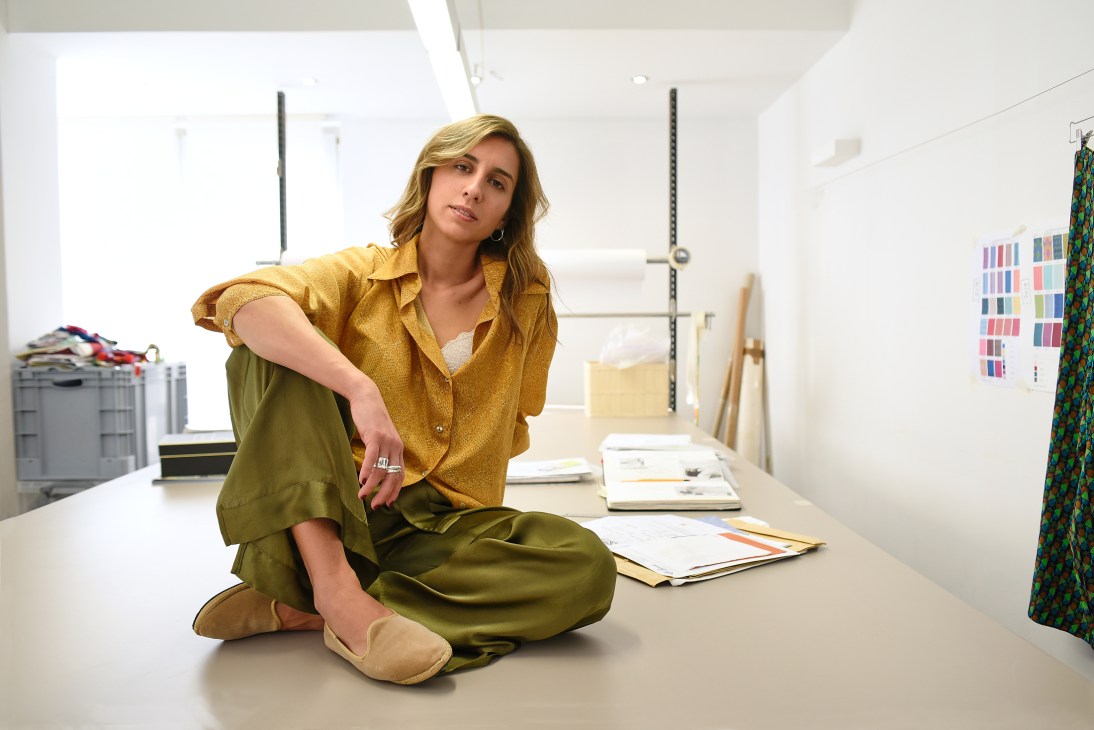
Pistofidou set up her resortwear label, Wéngko Molé, in the UK in 2014 after studying performance costume at the University of Edinburgh. She’s in the process of registering the company in Greece, having returned a year ago. “Moving back has been gradual,” she says from her Athens studio, which is lined with brightly coloured silk dresses and trousers from her sixth collection. “The printing of our fabrics still takes place in the UK but I’ve been increasing my collaborations with showrooms in Greece. All the sewing and final production takes place here – everything costs far less.” Most of her wholesale orders now come from Greece and she does many of her campaign photoshoots here. “There’s so much potential for growth, especially when your product is linked to the summer season,” she says.
Pistofidou originally considered moving the company to Greece two years ago but was put off by the amount of red tape involved. “It was a nightmare,” she says. “There were so many specifications and prerequisites and also a lot of uncertainty in the country due to the political situation. Now things are more geared towards providing a stable environment for small to medium businesses.” Since winning the elections in July, the pro-business government has pledged a roster of reforms including corporate-tax cuts and a more streamlined process for setting up shop. “This year, the timing just felt right,” Pistofidou adds.
Change is definitely in the air, agrees recent returnee Michalis Rikakis, who left a job at Siemens in 2012 amid an increasingly depressed atmosphere. “Until 2016 there was so much pessimism and perpetuation of negative stereotypes but after 2017 the media coverage calmed down and that helped. Perception can sometimes change reality itself.”
Nearly one million jobs have been lost in Greece over the past six years, says the Hellenic Statistical Authority. But that’s slowly reversing as new companies – particularly in technology, agriculture and tourism – build on the country’s growing confidence and find success, pulling back expats in the process. Rikakis, a computer engineer, was working for Google in Sweden when he was approached by Workable, a new platform offering innovative recruitment software. “It was always the plan to come back at some point but there’s no way I’d have left my job if the right opportunity hadn’t presented itself,” he says. “There are few companies that would have tempted me to return but Workable is one. Corporate culture is changing in Greece. We’re not insular any more. At Workable we deal with clients from all over the world.”
On top of coming back to build their own businesses and join promising start-ups, young Greeks are choosing to bolster older firms, often run by their own family. Vasilis Mandrekas, 27, returned in 2017 after six years working and studying in Canada and the US to take his place at his family’s 70-year-old dairy business in Corinth, a city in the south. The company, known for its Greek yoghurt, is present in 10 countries and has a production plant in Wisconsin. “People still put their trust in the ‘Made in Greece’ brand so I was excited to come back and help move the company forwards,” says Mandrekas, who’s now the factory’s operations manager. “I’m working on expanding into a new building here in Greece, which will double our capacity.”
Things are far from perfect here but lower living costs, a Mediterranean lifestyle and a sense that returnees can contribute to the country’s comeback are big draws. According to a recent survey by the Athens-based National Documentation Centre, six in 10 Greeks living abroad want to return. To capitalise on this, the new government appointed Steve Vranakis, former head of Google’s Creative Lab, as Greece’s inaugural chief creative officer and tasked him with burnishing the country’s image, serving as a special adviser to prime minister Kyriakos Mitsotakis and leading projects to entice back the diaspora.
Independent initiatives to help with the situation are springing up too. Brain Regain was set up last year to connect young Greeks with mentors from different business sectors who can provide advice. “There are people who want to return and don’t know where to start. We’re trying to connect young people with those who know the market,” says Stathis Potamitis, an Athens-based lawyer and member of the non-profit’s board.
“I don’t think young Greeks should stop migrating to work or study – they should be encouraged to reach their full potential wherever is best,” says Georgopoulou, who took her master’s in London after completing her studies in Athens, a common practice for Greeks who can afford it. “But I do think that young people need to be presented with enough opportunities to feel that the doors are open for them to return. Brain drain can become brain gain if all the knowledge and skills picked up abroad are redirected back into the country.”
Ten long years – Greece’s post-crash timeline:
2009: Global financial crash. Greece’s credit rating downgraded due to its government debt. Austerity measures first introduced.
2010: First bailout of Greece, worth €100bn, agreed by the IMF, the European Central Bank and the European Commission.
2011: Tens of thousands of protesters march to oppose new austerity laws. Prime minister George Papandreou resigns.
2012: A second EU bailout is agreed.
2013: Unemployment rises to 26.8 per cent with 60 per cent youth unemployment.
2015: Anti-austerity Syriza wins election. PM Alexis Tsipras U-turns and accepts third bailout, making it the largest rescue package ever.
2018: Greece officially exits bailout programme.
2019: Greek economy returns to positive economic growth. Pro-business, centre-right New Democracy party wins the general election.
Outside the box: can e-commerce packaging clean up its act?
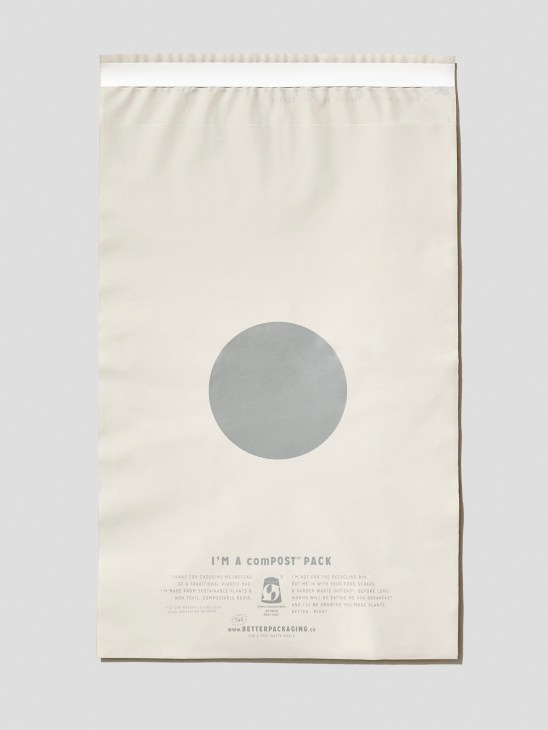
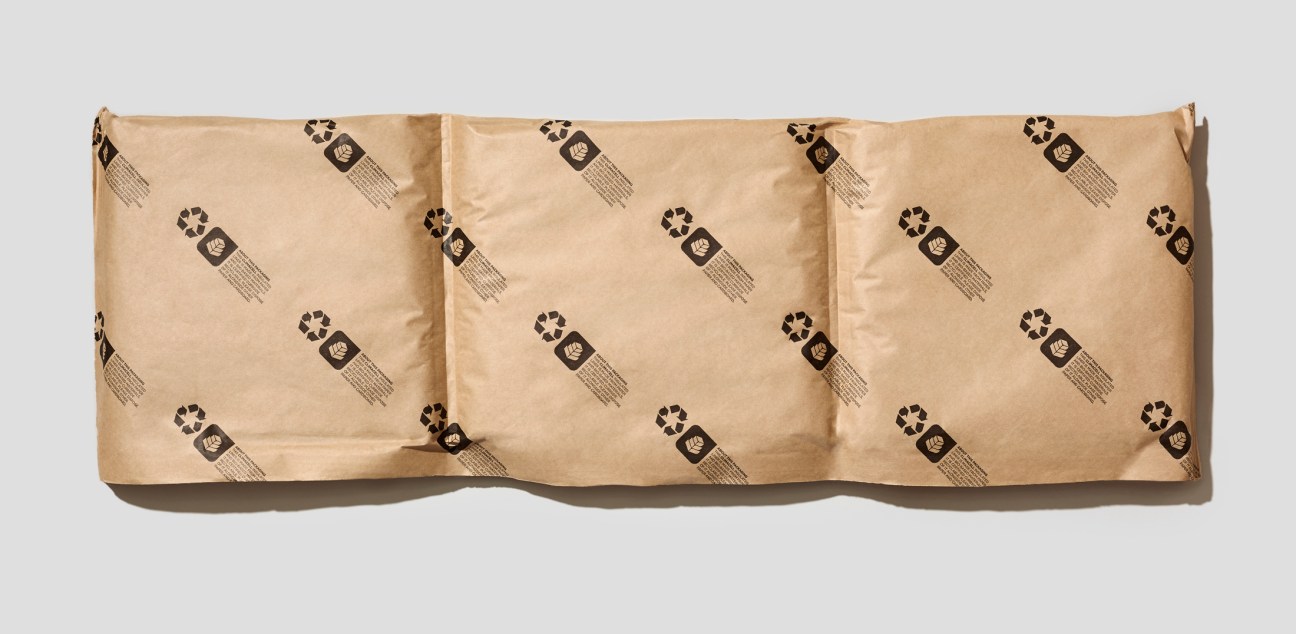
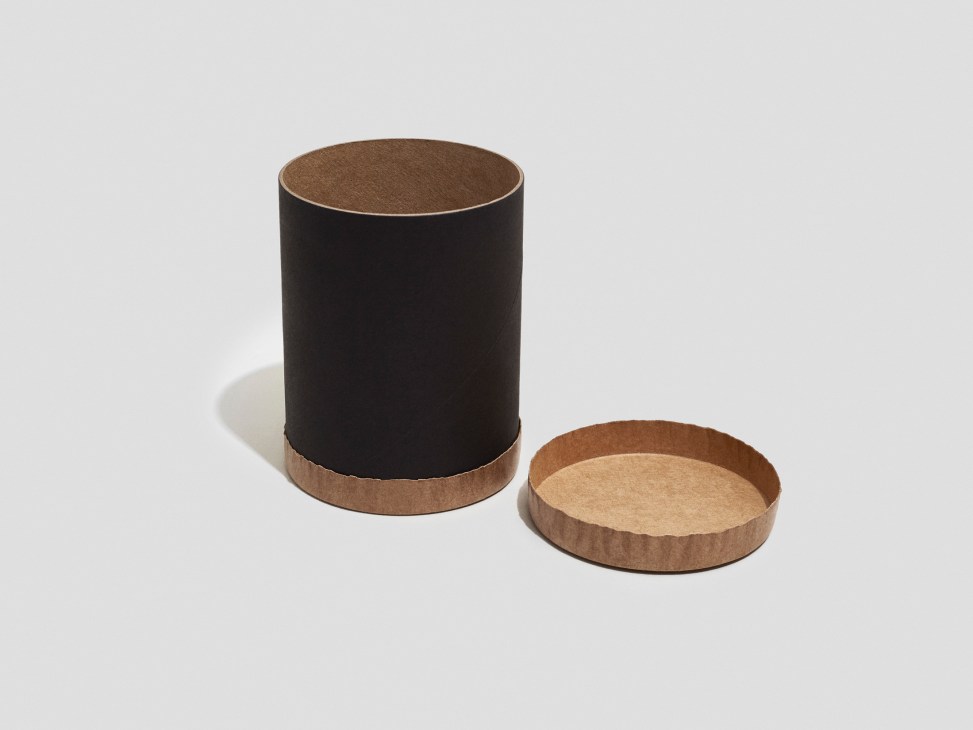
Online shopping means the packaging market is exploding: it was worth about $870bn in 2017 and is predicted to reach $1trn by 2023. But what about the eco-credentials of all the boxes, bags and stuffing accompanying all those purchases? And can companies still communicate their brand’s values while being more sustainable? From mushroom moulds to intelligent boxes, we look at how people from across the board are rising to meet the challenge.
1.
The big player
Boxing clever
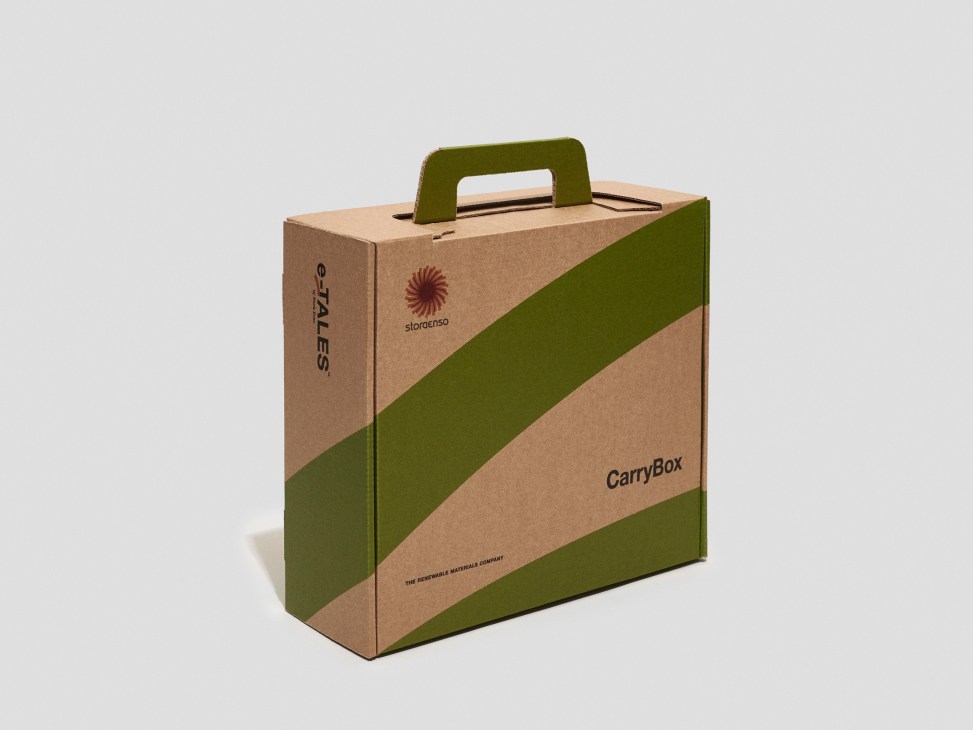
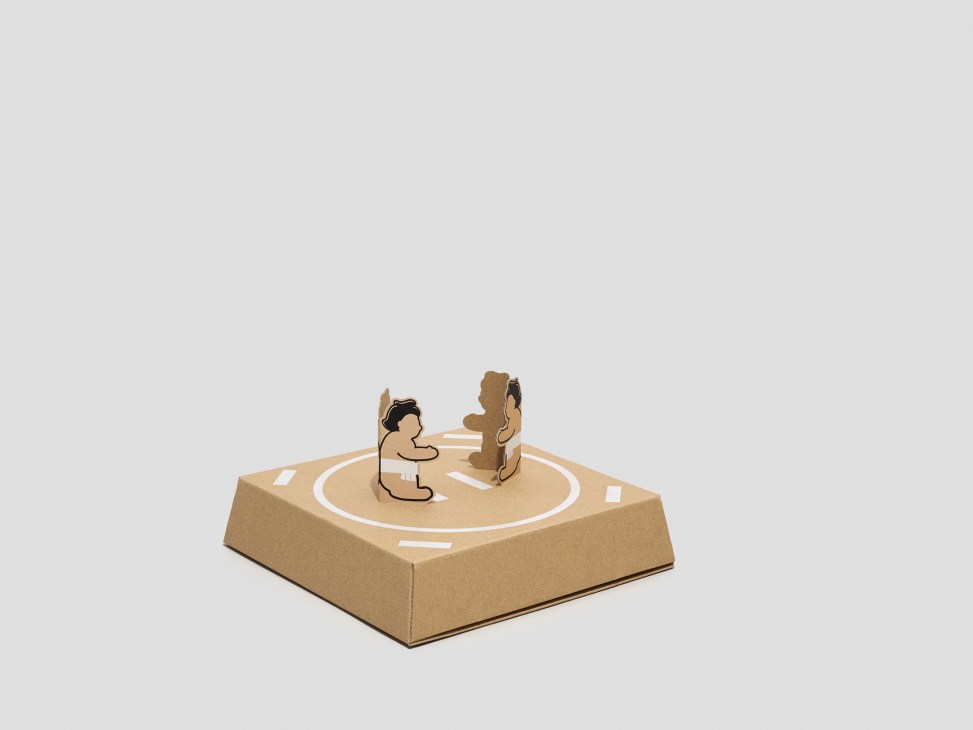
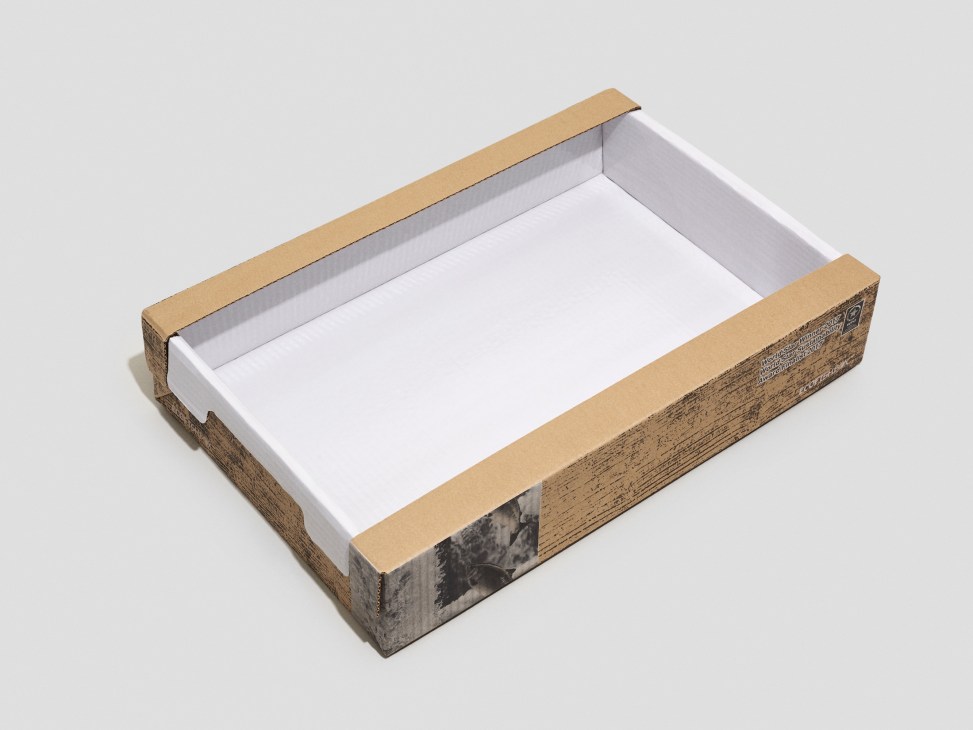
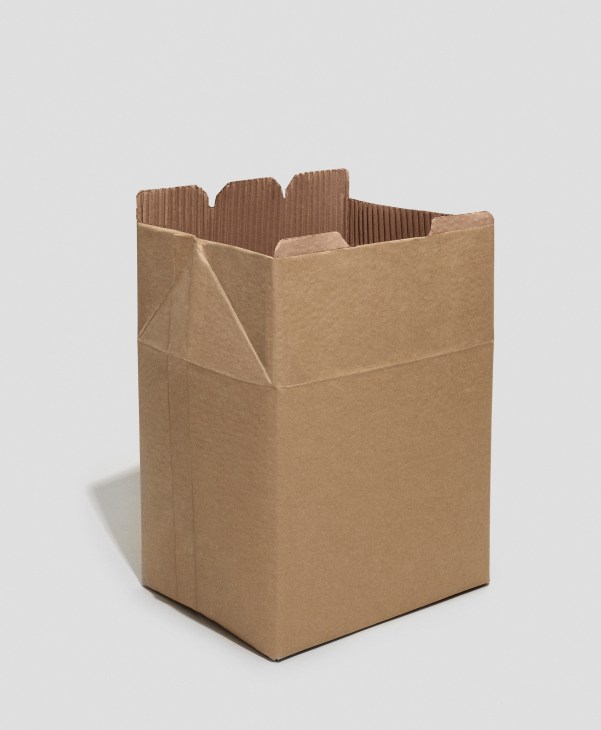
We’re at the Stora Enso packaging factory in the Finnish town of Lahti. The Swiss-made Masterflex flexographic printing-press huffs and puffs as a steady flow of brown corrugated board is fed into the machine. It cuts it into shape and prints the customer’s brand identity on it in colourful high-definition, before spitting it out again. A package is born.
“When I joined 11 years ago I could not have imagined that one day we would achieve this precision and print quality,” says production manager Roope Laaksonen, inspecting the final product. That’s not the only change that he has witnessed: Nordic paper companies such as Stora Enso were among the largest in the world until digitalisation forced them to rethink their strategy. In a region where much of the land is covered in forest, a renewable and ecological source of raw materials, packaging was the solution.
Leading the charge is Stora Enso. The Finnish-Swedish paper behemoth employs 26,000 people in 30 countries worldwide and had a 2018 turnover of €10.5bn. The Lahti factory is now one of the largest packaging factories in the world, churning out 230 million products a year. The amount of cardboard shipped out of the factory in one day would be enough to cover the road from Brussels to Amsterdam.
“A decade or so ago, 70 per cent of turnover came from paper but it accounts for less than 30 per cent now; packaging has grown from 28 per cent to about 40 per cent,” says Vesa Penttinen, business-development manager for the company’s packaging division. Key to this growth is the firm’s push towards more innovation in sustainability. Its product line, for example, includes wood-based biocomposites that can replace plastics in cosmetics packaging and be used for renewable and recyclable leak-tight packaging for the food industry. Items designed specifically for e-commerce feature easy resealing for hassle-free returns.
Yet pleasing its clients has required a tricky balancing act: as well as being functional and cost-efficient, packaging also needs to look good. Up on the factory’s second floor, designer Outi Honkavaara is busy working out this conundrum for a box that will contain plant seedlings. “Our customers want the packaging to reflect their brand more than ever before,” she says.
Sustainable packaging is not just about the right materials or recycling after use. It is also about ensuring maximum efficiency and reducing waste, particularly when it comes to perishable goods. “Soon our packages will be able to sensor what is inside, what the temperature is and how much oxygen there is,” explains Juha Maijala, deputy head of intelligent packaging at the company’s innovation centre in Helsinki. “Just think about what this can achieve, for instance, in the food industry.”

2.
The specialists
Bio-packaging
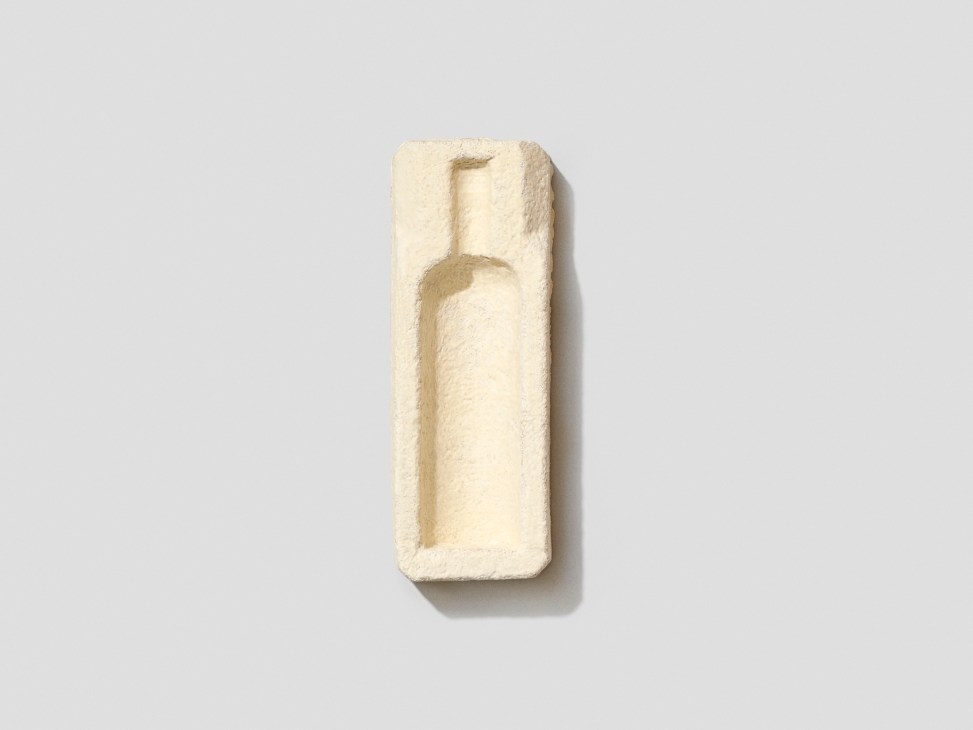
In 2007, Eben Bayer and Gavin McIntyre started a company based on something most people wouldn’t think twice about, something hidden under woodpiles and on tree trunks: mycelium. It’s a living organism comprising the cobweb-like roots of fungi that, when combined with agricultural byproducts such as woodchips or cornstalks, can be grown into a durable, fully biodegradable material. It can then be used for any shape desired, from packaging for a wine bottle to protective corners for a TV. “It’s able to perform like a plastic during its life cycle,” says Bayer. “But then it actually breaks down and can be returned to the earth as a nutrient.”
Today Ecovative Design, which is based in Green Island, New York, is capable of producing 900,000kg of mycelium per year. Customers include Ikea, Dell, and New York-based lighting firm Rich Brilliant Willing. Such eco-friendly products were once too expensive for upstart brands but today they are cost competitive; the firm was able to make custom packaging for direct-to-consumer probiotic firm Seed Health, despite a modest first order. “The brand is about sustainability so our packaging helps them tell a story that they feel strongly about: protecting both your body and the Earth,” says Bayer.
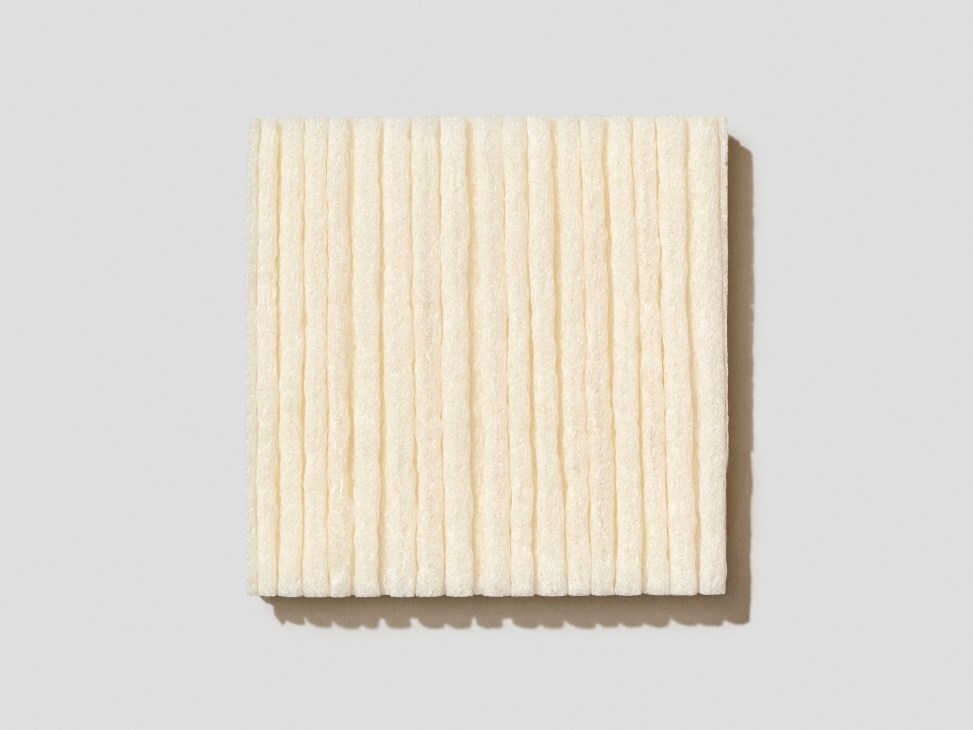
Green packaging hasn’t always made a hot sales pitch. In 1997, Tim Colonnese founded ktm Industries, a Michigan-based manufacturer of what he called Green Cell Foam: a Styrofoam replacement made of cornstarch for cushioning fragile items. The product is water-soluble so it can be poured down the drain; it also requires 70 per cent less energy to produce and creates 80 per cent less greenhouse gas than conventional foams. The product was released to market in 2002. “All we heard were crickets,” says Colonnese.
By 2010, KTM was on the cusp of bankruptcy. Then, due to a combination of clever business decisions and sustainability rising on the consumer agenda, things started picking up. “Now corporations are hopping on the bandwagon, saying, ‘We’re getting lots of blowback from our customers and shareholders – we need to be doing better things for the environment,’” says Colonnese. He expects 50 per cent growth in sales in 2020 and again in 2021. “We have yet to scratch the surface,” says Colonnese. “If we can make this locally available in more markets – in North America, Europe, Australia – this could be a billion-dollar company.”
Both Bayer and Colonnese are working on minimising their carbon footprint. Ecovative Design is licensing its technology to entrepreneurs, while ktm is opening a manufacturing facility on the West Coast of the US to avoid long shipping distances and meet growing demand. “It’s been a long time coming,” says Colonnese. “I’ve been at this for 22 years and thank God we stuck around, because now people are truly interested in what we’re doing.”
3.
The industry approach
Experiential unboxing
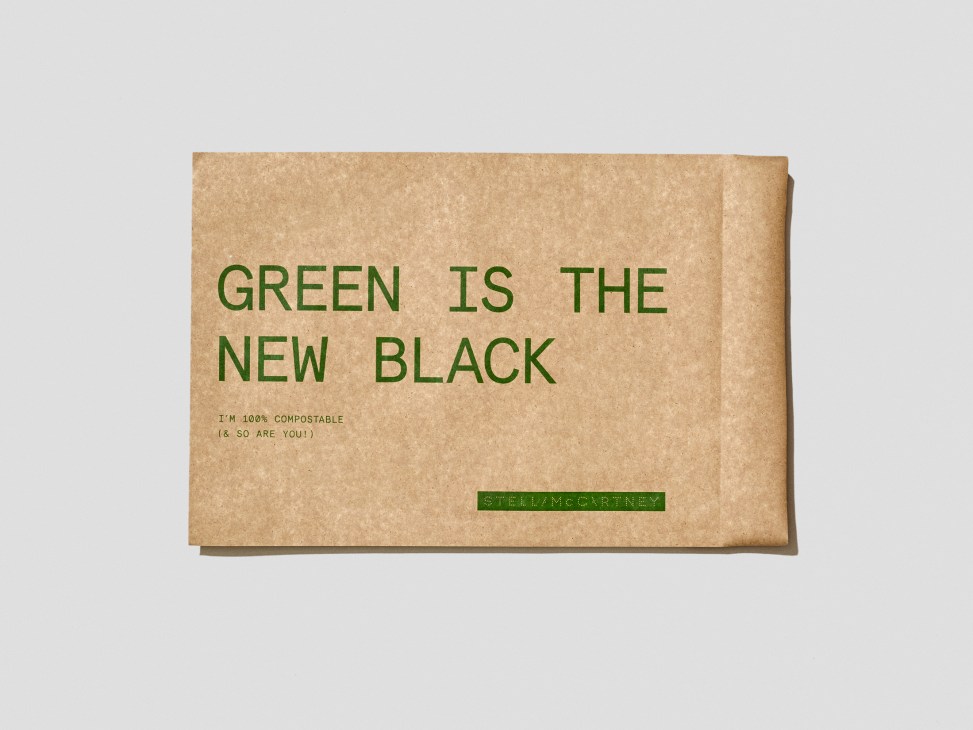
Fashion pollutes. It’s the second-most environmentally destructive industry (oil holds firm at number one). In response, sustainability has become an industry buzzword. Labels such as Raeburn, Stella McCartney and Gabriela Hearst are known for their upcycled, eco-friendly materials and it’s now easy to get a thoughtfully produced coat and learn the origin of every fibre. Buy it online, however, and you’ll know almost nothing about the packaging it comes in – beyond the fact that some of it is single-use plastic and a lot of it appears unnecessary.
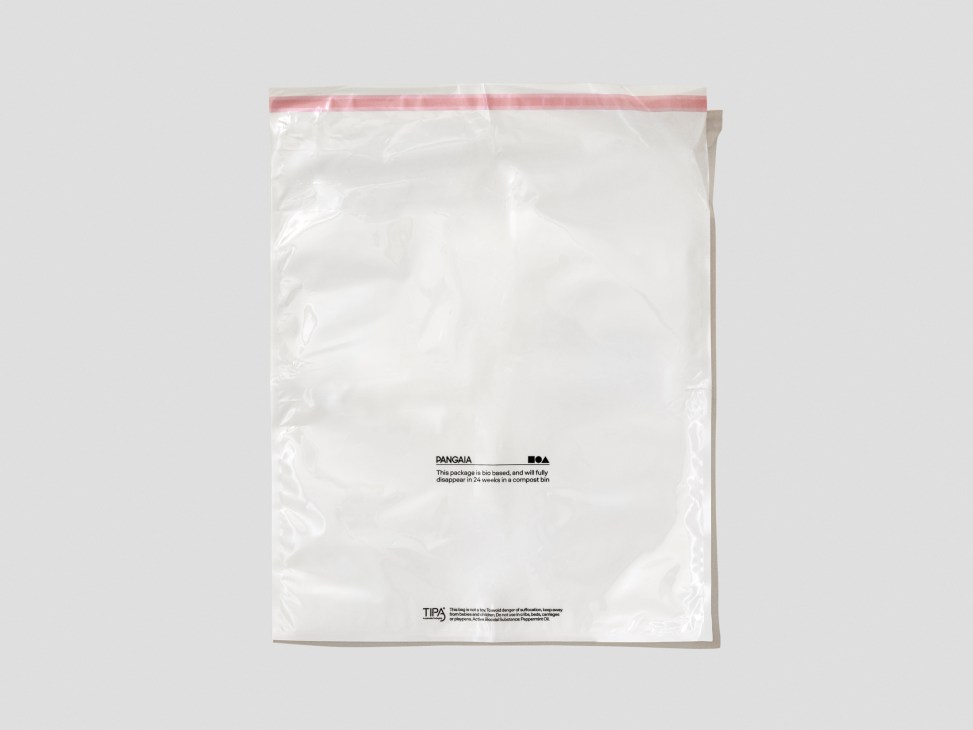
As a result it seems packaging lags behind in terms of sustainability – but the reality is more complicated. Take polybags: those thin plastic bags wrapped around individual items of clothing. The challenge of packaging in fashion extends far beyond them but they illustrate the scale and nature of the problem.
The ubiquity of polybags isn’t just due to laziness; the clothing industry has spent a lot of time and money trying to find alternatives. Patagonia, which puts millions of dollars into environmental action, decided it couldn’t stop using polybags after testing showed that without them, 30 per cent of goods were damaged before they left the factory. Everlane, a US online clothing company whose slogan is “radical transparency”, has committed to removing virgin plastic from its supply chain by 2021: it spent months looking for alternatives to polybags. In the end the best it could do was replace virgin plastic bags with recycled ones. “A garment that’s damaged and can’t be used has a significant footprint as well,” says Bleue Wickham-Burnham, head of sustainability at UK menswear brand Oliver Spencer. “That’s the thing about sustainability: there’s no straightforward answer.”
Wickham-Burnham has spent a lot of time investigating polybag alternatives. Part of the issue is that, surprisingly, plastic packaging can require three times less energy and emit less greenhouse gas in production than alternatives such as cardboard. “We’ve talked with recycled paper suppliers but from a carbon perspective, plastic is still the lowest-footprint material at the moment,” he says.
Many of the materials that consumers feel good about are less environmentally effective than they seem: the cotton tote’s carbon footprint, for example, is 131 times higher than that of a single-use plastic bag. Bioplastics – derived from natural materials – are better than standard plastic from a carbon standpoint, according to a University of Pittsburgh study, but deplete more of the ozone and require extensive land use.
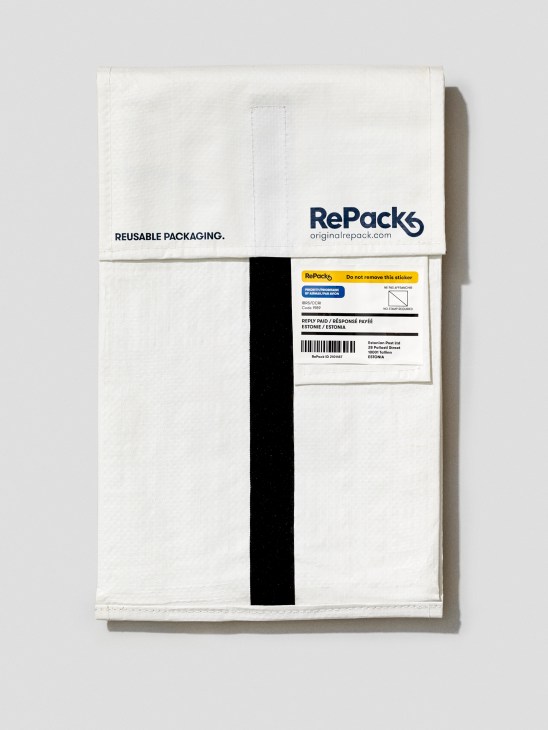
Even when everything is designed to have a second life it can still be problematic. High-end online retailer Net-a-Porter now boasts a long list of packaging that is recyclable or biodegradable, including boxes, ribbons, tissue paper, garment-protection bags and shoe dust bags. Yet that’s still a lot to manufacture and it will quickly be thrown out.
The most effective solution is no doubt the least technical: just use less. Wickham-Burnham says, “The first thing we did, before even looking at the fabrication of our clothes, was remove all the innards from our shirts: the cardboard, rice paper and plastic in the collar. Now they’re just beautifully folded. That’s reduced our annual carbon footprint by 36,000kg. The new luxury comes from innovation and ideas – that’s what people find interesting.”
Have there been customer complaints? “Not one,” says Oliver Spencer himself. “And let’s say Matches or Mr Porter sends a garment to a customer – he unpacks it, doesn’t like it and sends it back. Well, it has to be repackaged again with all that stuff. Now that’s not necessary.”
Yet it’s a dilemma for an industry where a certain quality of packaging has traditionally been part of how luxury brands advertise their value and add to the ceremony of the transaction. People who buy cleaning products on Amazon don’t talk about “the unboxing experience”; fashion customers do.
London-based luxury retailer Matches Fashion, for example, has an “eco” packaging option but still offers its signature marble boxes, which are celebrated across social media. The rationale? “Customers expect an experience that reflects the quality and style of the pieces they’ve purchased,” says Jess Christie, chief brand officer. While the company is aware younger customers are “increasingly looking to retailers to support them in reducing their environmental footprints”, she says, it also needs to cater to older people’s expectations.
Not everyone agrees. “Our customers’ relationship to packaging, and to all things ecological, has undergone a notable change,” says Tim Sayler, chief marketing officer at watchmaker Breitling. “Some want only the pouch and others want the watch without anything at all.”
It’s comforting, and partially justified, to blame giant corporations for polluting the Earth. But when it comes to packaging, we as consumers are a big part of the problem. About 30 per cent of goods bought online are sent back. And each time we buy something in three sizes and return two or have something sent out instead of going to a shop, we’re adding to that item’s carbon footprint. For fashion to stop being one of the most polluting industries, people will have to shop differently and reassess the sustainability of eco-friendly clothing packaged in a way that undermines the product itself. Consumers will have to decide that, when it comes to fashion and packaging, it’s what’s inside that counts.
Small packages
A new decade, a new city? How about fleeing that busy metropolis and downsizing? Is it possible to have it all – the job, social life, family, a well-connected airport – away from the capital in a cosier place? We believe it is – and we’re backing the 2020s as the decade of the small city. So we’ve selected the world’s best for your consideration.
“But wait – why should I want to move to a small city? I’m happy here!” We hear your rebuttal from the sophisticated suburbs of New York, Hong Kong and Sydney. Small cities aren’t for everyone but the best ones can offer life-enhancing qualities. For one, your finances go further – whether you’re homemaking or setting-up shop.
Small-city living isn’t just about space and comfort – although the idea of a vegetable garden to call one’s own has its appeal. And socially, life can feel refreshingly different in a more community-minded place. Big cities bring people closer together but often only in a practical sense: isolation and loneliness seem to be unavoidable by-products. The best small cities tend to provide the opposite: people are more relaxed and happy to have a chat. While your social calendar may start off looking sparse upon arrival in a good small city, it doesn’t take long to become integrated.
Urban dwellers have also become a more health-conscious bunch and small-city living can aid your mental and physical wellbeing. Beyond a better connection to the outdoors, the reduction in pollution, lack of traffic and additional breathing room result in a healthy antidote to the hustle and bustle of modern life.
The places we have chosen (and see page 55 for how we chose them) are also good for doing business in, while technology is freeing up how and where we work. Still unsure? Tour through our Small Cities Index and see what’s on offer; you might be surprised to learn that downsizing your city can increase your quality of life.
Small cities – the rules:
A city of 200,000 people provides something of a sweet spot when it comes to offering an optimum balance of social and cultural diversity and quaintness. Our list comprises places as close to this mark in population as possible (some are smaller, some a tad bigger). To determine a shortlist our global correspondents scoured their home regions, weeding out cities lacking close connection to an international airport, decent public transport, progressive local government and welcoming residents. After drawing up a shortlist we delved into the harder metrics such as crime rates, life expectancy and quality of universities. We then contrasted them with more intangible factors, such as whether you can get a good coffee at 06.00 or be on a dance floor at 02.00. Finally we dispatched our journalists to spend some time in our list-toppers to meet the locals and ask an important question: why is your small city one of the world’s best?
1.
Lausanne, Switzerland
Between Geneva and Zürich, perched on the north bank of Lake Geneva, Switzerland’s fourth-largest city is worth stopping in – or, indeed, staying in. Small enough to feel familiar, big enough to live in, this city of 140,000 inhabitants has something to offer at every stage of life: good schools, top universities, professional opportunities (combined with ease of travel) and a slower pace of life in later years.
Stone buildings, with shutters in soft green, chalky blue and dove grey, give Lausanne an elegant, almost-Mediterranean vibe. On its charming streets, shops sell goods ranging from flaky croissants to antiquarian books. It is built on a slope, rising more than 500 metres from the lakeside port of Ouchy to Chalet-à-Gobet, where the celebrated École Hôtelière is located. This makes cycling tricky but it’s more than made up for by the metro – and it’s the smallest city in the world to have one. Sustainability reigns too, from investing in renewable energy sources to 350 hectares of parks and gardens.
Despite Lausannois’ relaxed manner, their city has a reputation for international excellence that belies its size. The École Polytechnique Fédérale, specialising in science and engineering, has numerous spin-offs, and the École Hôtelière tops global hotel-management school rankings. The city is also hugely international: more than 40 per cent of its population is foreign. And since 1994 it has proudly held the title of Olympic Capital, as the base of the International Olympic Committee. Further along the lake, the Olympic Museum and Olympic Studies Centre make Lausanne the global centre for knowledge of the Games.
If Lausanne’s streets start to feel too narrow, the lake and mountains are within easy reach. Geneva Airport is a 45-minute train ride away and there are direct rail connections to Milan and Paris (both under four hours). Yet with this small city’s pleasures – a glass of local wine, a shimmering view of the lake – always within arm’s reach, there is not much reason to leave.
Best for: Diversity. Lausanne is an international city, despite its size, and you’ll hear French, German and Italian spoken, plus English in accents from Australian to Canadian.
What’s needed: Lausanne is Switzerland’s third-most expensive city to rent an apartment in. More affordable housing is needed, especially for families. The third metro line, set to open in 2026, will further improve public transport.
Life after midnight?Yes. Start the evening with wine before moving to one of the city’s clubs or music venues.
2.
Boulder, USA
It’s worth rising early in Boulder to drive the short distance to the start of the Chautauqua trail. As the sun comes up you can take in vistas of the city and the breathtaking Flatirons: jagged rockfaces that dominate the scenery. If any proof were needed of the quality of life in this city of 108,000, nestled in a valley near the Rockies, it’s here. With sunshine about 300 days a year, Boulderites are an outdoor tribe.
Boulder was popular with the Beat generation: its Trident bookshop and café, originally the Buddhist Bookstore, dates back to 1979; Allen Ginsberg was a faculty member of the Buddhist-inspired Naropa University. The 1960s and 1970s were key decades, when the “elders” (as those still alive today are called) established environmental rules such as a maximum building elevation of 16.8 metres – the rough height of a cottonwood tree. It was around then that Boulderites voted to tax themselves to fund land acquisition (something everyone is very proud of): the city owns and manages more than 18,000 hectares of parkland. Meanwhile the neat centre boasts restaurants, such as Corrida and Frasca, that wouldn’t look out of place in major metropolises (not to mention the rare cheese and meat at Cured).
Almost all native and adoptive Boulderites say the sense of community and talent pool were decisive factors in staying. Boulder is home to 17 federally funded labs, a large University of Colorado campus, renowned advertising firm Crispin Porter Bogusky and design and consultancy firm Stantec Vibe. There’s something fascinating about the currents moving through this place, from tech start-ups to regenerative farming projects via health-food brands. Boulder punches above its weight because it seems to have perfected the work-life balance (people “work to live” here, according to one Boulderite).
Think you’d still miss the big smoke? Probably not. But if you did, Denver – with its international airport – is but a 45-minute drive away.
Best for: Media. Boulder is served by Denver television and radio stations, newspapers and other media. There are a number of outlets but the newspaper of record is the Daily Camera. npr affiliates include Colorado Public Radio Kunc and Boulder has a community radio station, kgnu.
What’s needed: The city needs to solve how to grow to suit all parties, be it outwards or upwards. Transport links have to be improved to make it easier for people to commute into the city and avoid congestion on the road.
A good coffee at 06.00? One of many examples is Ozo Coffee, which started in Boulder and has several locations.
3.
Bergen, Norway
Folks from here will argue that even the capital Oslo can’t offer the friluftsliv (outdoor life) Bergen provides. The city is surrounded by picturesque mountains and is a gateway to the fjords of Norway’s western coast. Recreation options, besides hiking, include summer dives into seawater pools, winter train journeys and ski resorts in Voss and Geilo. The wet weather can be tiresome but it has proven useful in creating a buzzy hospitality and dining scene that’s enlivening the city’s once-tame nightlife. Let’s hope retailers will follow suit, as current shopping options are lacking. Bergen’s creative industries, however, are thriving, nurtured by talent from well-respected universities and growing amid handsome studio spaces, often housed in remarkably revived industrial buildings.
Best for: Culture lovers. Bergenfest is a world-leading summer music festival, while Kode and the recently renovated Natural History Museum don’t disappoint on the cultural venue front.
What it needs: A good coffee shop for early birds.
Cycle-friendly? Yes. Bikes are a popular means of commuting and the city is cycle-friendly.
4.
Hobart, Australia
This petite city is often bathed in moody sunlight, boasts a mild climate and has a resident mob of wallabies. Views include the peak of Mount Wellington, modernist suburbia and salty seafarers hauling the latest catch into port. But don’t let this laidback feel fool you: Tasmania is the second-best performing state economy in Australia, though. Though this has been stimulated by a migrating workforce. Hobart remains one of Australia’s most-affordable state capital. There’s an exciting thrum here too, yet the test will be how local and state governments capture the momentum. It has been suggested that the city needs a further 20,000 people to bolster the economy; more medium-density housing would help. Move here and start living the good life.
Best for: Education. The University of Tasmania is a leader in marine and Antarctic science.
What it needs: Critical investment in streetscapes, its transport infrastructure and the housing mix.
Cycle-friendly? Mayor Anna Reynolds wants more bike lanes but car remains king for some voters.
5.
Chigasaki, Japan
Surrounded by mountains and ocean, and just an hour’s train ride south of Tokyo, Chigasaki feels like a rural refuge. Good cycling infrastructure means two wheels are the the best way to get around and to visit beach communities nearby. International cuisine options aren’t limited to the centre as the whole city is dotted with good restaurants. With its mild climate and safe streets, this is a quiet Tokyo alternative.
Spots to surf, hike or ski? Chigasaki is famous for surfing. The Shonan coast is the birthplace of Japan’s modern surf culture.
Best for: Young families. The council has introduced initiatives for working mothers and it’s a very safe city.
What it needs: Lacks good offices and co-working spaces at reasonable prices. The Chigalab co-working space is a nice try but there’s room for improvement.
6.
Bolzano
Italy
Widely considered one of Italy’s most liveable cities, the capital of South Tyrol has plenty on offer for nature lovers and entrepreneurs alike. It is in the heart of the Alto Adige region, dotted with top-class resorts where ski slopes stretch for miles. Recently a steady growth in the number of start-ups has seen a focus on tech innovation, supported by the autonomous region’s wealthy economy and a generous grant scheme. What’s more, Bolzano can pride itself on reliable transport and an extensive network of cycle lanes.
What it needs: The city has a small airport but no scheduled passenger flights. Ideas to open it up to airlines have been met with fears of mass tourism.
Best for: Wine-lovers. Alto Adige white wine is among the best in Italy – and that’s saying something.
Good local media? Newspapers are Alto Adige and Dolomiten; radio stations include rai (local edition).
7.
Bordeaux, France
Despite its neoclassical architecture and surrounding wine region, Bordeaux has been more generally known for traffic jams and abandoned warehouses. But thanks to a significant effort to revitalise the Garonne River it has become France’s relaxed alternative to Paris. A buzzing technology scene and renowned restaurants are attracting young professionals escaping the capital’s exorbitant living costs. The inauguration of Méca, a new cultural hub designed by Bjarke Ingels Group, aims to broaden access to the arts. Getting around is pleasurable too: it’s one of the most bicycle-friendly cities in the world.
Best for: Cyclists. Besides the city, they can enjoy the vineyard-laden routes.
What it needs: A mayor to fill the large shoes of the outgoing one: former prime minister Alain Juppé.
Life after midnight? Bars at the Quay de Paludate are busy into the early hours.
8.
Innsbruck, Austria
Set amid the fine scenery of the Alps, Innsbruck is Austria’s mountaineering capital but it offers much more than skiing and hikes. It’s built majestically, from its alley-woven old town with its handsome 19th-century Tyrolean State Theatre to the contemporary masterworks from Zaha Hadid and Snøhetta that dot its slopes; the wealthy city’s coffers have gone a long way to beautifying the place. Good weeknights out occur regularly, with its university crowd fuelling a vibrant bar and restaurant scene that sizzles on long summer nights. And cabin fever is rarely a feature of life here: Munich and Bolzano are both less than two hours away by car and Zürich is a little further down the road.
Best for: Skiers, snowboarders or anyone with a passion for the slopes.
What it needs: A few more international residents beyond the friendly locals who call it home.
A good daily paper? Tiroler Tageszeitung does a fine job of covering the province and is proudly published in Innsbruck.
9.
Porto, Portugal
Porto’s transformation from a sleepy city into a spritely alternative to Lisbon continues at full speed. Fifteen years ago this was a city in decline as Portugal’s economy faltered but a shift in priorities – restoring the historic cobbled and tiled centre, spending on infrastructure and opening up to foreign investment – has propelled Porto forward. It’s a creative melting pot, with proximity to good fashion and furniture manufacturers drawing a smart crowd of designers. The sunshine and world-leading cuisine are encouraging foreigners to settle here.
Best for: Beach lovers who don’t mind the nippy Atlantic temperature.
What it needs: More money spent upgrading its historic core; many buildings sit derelict.
Well connected? Besides its international airport there’s a train connection to Vigo, which joins Spain’s high-speed rail system.
10.
Aachen, Germany
This German spa town hugs the border of the Netherlands and Belgium, making it a cultural melting pot despite its size. It’s well connected via road, rail and now air, thanks to the renovated Maastricht Aachen Airport. Besides historic landmarks, crowned by the Unesco World Heritage-listed cathedral, it boasts a number of museums, plus four colleges and universities. It is a youthful city and there’s a growing start-up scene. Housing remains affordable enough, though prices are rising quickly. Free time can be spent in the nearby forests, fields and thermal springs – or tackling the region’s best beer at one of the city’s many pubs.
Best for: Start-ups. Well connected and loaded with talented students, it’s a fine launching point for business.
What it needs: More affordable housing for its young talent.
Good daily paper? The award-winning Aachener Zeitung.
11.
Reykjavik, Iceland
Home to little more than 100,000 people, Reykjavik’s rare traffic jams keep the air clean and commutes short. Despite its isolation, international tech firms based here take advantage of the easy direct flights from both Europe and the US. And a decade on from the country’s economic meltdown, start-ups are flourishing. Business aside, the city is dotted with geothermal swimming pools and is a short drive away from geysers and waterfalls. The world’s northernmost music festival, Iceland Airwaves, attracts thousands of foreigners every November, when tourism begins to slow. The quieter months are no bad thing for locals as limited housing stock and high seasonal demand has led to steep living costs and fewer long-term rental properties.
Best for: Architects. The city requires new buildings – and fast.
What it needs: Smarter governance on leveraging tourism.
Life after midnight? Bars and clubs stay open late at the weekend.
12.
Savannah, USA
With its tree-lined streets and rich architectural heritage, Savannah feels like nowhere else in the US: wander around the extensive historic district and you’ll come across styles spanning Italianate, Gothic and more. Founded in 1733, it is steeped in history yet the city is forward looking. The food scene has plenty of contemporary offerings (try Squirrel’s in the Starland District) and the art scene is buzzing, anchored by the Savannah School of Arts and Design, one of the country’s (if not the world’s) best arts institutions – it also has an excellent museum. And then there’s the easy access to nature, surf and sandy beaches: Tybee Island is about 20 minutes from downtown. What more could you ask for?
Best for: A slice of old America.
What it needs:Better housing and addressing its wealth inequality.
Connections: Savannah/Hilton Head International Airport handles more than 40 non-stop flights per day.
13.
Potsdam, Germany
A relaxed urban retreat a mere 40-minute drive from the capital, Potsdam is a better option than a Berlin suburb for those curbing their night-time activities as they grow a family. The peaceful streets here, adorned with 18th-century palaces and lush parks, provide the perfect antidote to the nightlife-driven German capital. The city’s lakes make it especially desirable in the summer, though be prepared for the Berliners flock here to beat the heat. Recent renovation efforts continue to improve the city, one example being the revamped Museum Barberini: a city palace that’s been turned into a renowned art museum.
Best for: Innovative minds. More than 30 universities and research institutes have attracted incubators such as the sap Innovation Center and the Volkswagen Group Future Centre.
What it needs: Quicker public-transport links to nearby Berlin.
Leisure spots? The nearby lakes are plentiful and gorgeous.
14.
Basel, Switzerland
Basel is known in the cultural and luxury worlds for Art Basel and Baselworld but the city is vibrant year-round. Bordering Germany and France, it has a European panache that mixes these neighbouring influences, best reflected in the city’s museums and architecture; a bike trip around the centre will reveal many feats by the native power firm Herzog & de Meuron. Meanwhile, a prominent pharmaceutical and med-tech sector has made the city a life-sciences hub, and the canton is the most business friendly in already business-friendly Switzerland. Moreover, its attempts to be the first city in the country to introduce paternity leave is proof of its progressive spirit.
Best for: Hosting a party. When the private jets arrive for the major shows, the doors to swanky mansions and world-class restaurants open.
What it needs: A bike-sharing system to complement its world-class public-transport network.
15.
Chiang Mai, Thailand
Feeling the most remote of all the cities in Southeast Asia, Chiang Mai is set against a mountainous backdrop in northern Thailand. With its centuries-old temple stupas and moats, as well as floating markets, it has a relaxed vibe and a creative set shaking up the design, hospitality, culinary and arts scenes. Young Thais fed up with busy Bangkok are establishing small businesses here and blossoming. Further infrastructure is still required for better office space and public transport but new developments can draw upon skilled artisans, architects and local materials. If Chiang Mai continues to balance the old and new, it will be a benchmark for other cities in developing nations.
Good education? Of 12 universities here, Chiang Mai University is notable for its fine-arts faculty.
Best for: Food, from street stalls to fine dining.
What it needs: Better public transport. Dense Bangkok has shown what’s possible in Thailand.
16.
Victoria, Canada
British Columbia’s capital, located on Vancouver Island, has long been seen as a little sleepy. But that is changing thanks, in part, to a thriving nascent technology economy and a growing number of young people defecting from nearby Vancouver, where the cost of living on the mainland is soaring. The city’s temperate climate, proximity to the Pacific Ocean and rich cultural life (downtown’s Munro Books, one of Canada’s best independent bookshops, was co-founded in 1963 by Nobel prize-winning writer Alice Munro) are reason enough to move here.
Best for: Outdoor enthusiasts. The Pacific Ocean makes it perfect for swimming and kayaking, while surf breaks are plentiful. There’s lots of hiking and three hours north of the city is Mount Washington, Vancouver Island’s best ski spot.
What it needs: More housing stock to improve affordability.
Distance to nearest airport? It’s 26km to Victoria International.
17.
San Sebastián, Spain
This beautiful Basque seaside city may harbour some of Spain’s highest housing costs but the rebound effect seems to have lured regional creatives – many of whom have been won over by the beaches, fiercely respected food traditions, world-renowned film festivals and art spaces – to activate other areas of the city, such as the Gros district. Clean and calm, San Sebastián stands as testament to what can be achieved once violent conflicts are resolved and people have common success to share. — la What it needs: Cheaper housing. While it was surpassed this year by Ibiza, housing is still more expensive than in Madrid or Barcelona.
Best for: Foodies. San Sebastián has one of the highest concentrations of Michelin stars in the world.
Life expectancy? The region of Gipuzkoa (of which San Sebastián is the capital) has one of the highest life expectancies in Europe: an average of 80 years for men and 86 for women.
18.
Eindhoven, Netherland
Eindhoven locals (even city officials) are quick to admit that their city isn’t the prettiest place in the world (or even in the Benelux) but what this small city lacks in beauty, it makes up for in opportunity. Put on the global business map as the home of Philips, the city prides itself on an economy based around innovation. There’s a concerted effort to support start-ups and the creative industries – plus an increasing number of students from the respected Eindhoven Academy – are choosing to stick around upon graduation. The city’s also undergoing an architectural revamp, masterplanned by MVRDV’s Winy Maas and featuring a tree-laden skyscraper by Italy’s Stefano Boeri.
What it needs: As with most cities in the Netherlands, it has great late-night offerings but not a lot going on for early risers.
Best for: Starting up. With Philips manufacturing globally, its old sprawling factory spaces provide ample room for entrepreneurs.
Spot to swim nearby? In a forest beyond the perimeter of the city you’ll find Duynenwater Beach.
19.
Bath, UK
Close to London and on the right side of Heathrow Airport (and closer still to Bristol Airport), the world never seems too far away from the pretty streets of Bath. You may have to strain your neck over tourists to see the city’s Roman remains but there’s plenty to enjoy within charming 18th-century buildings, theatres, museums and thermal spa. The city is nestled in the southwest of England, with excellent access to wild swimming spots and cycle routes.
Best for: Education. The city has five independent schools, a large number of “outstanding” state schools and two respected universities.
What it needs: The city’s charm is its quaint English aesthetic but this has been a hindrance in generating a vibrant nightlife and cosmopolitan start-up culture.
20.
Aalborg, Denmark
Denmark’s fourth city boasts kilometres of cycling lanes, a renovated harbour front and its own university, which attracts thousands of students and contributes to the city’s bustling nightlife. Its cultural offerings are strong and a culinary scene is slowly flourishing. However, poor rail and flight connections and a rather weak global outlook, not helped by the government’s decision to cut the number of English-language university programmes, mean there is still room for improvement.
Best for: Design appreciators. The Utzon Centre and the Alvar Aalto-designed museum alone make this city an exciting destination.
What it needs: A more diverse and international environment and better connections. Most international flights connect via Copenhagen.
Cycle-friendly? Yes. We are in Denmark, after all.
21-25.
Honourable mentions
Wiesbaden, Germany
Has close connections to Frankfurt Airport, wonderful housing stock and a laidback lifestyle but was slightly too large to be cast as “small”. But well worthy of your consideration.
Trieste, Italy
This warm, coastal city, close to Venice and filled with historic architecture and excellent eating options, doesn’t quite offer enough work opportunities. But it certainly delivers in terms of quality of life.
Haarlem, Netherlands
Adjacent to Amsterdam, this felt a little too much like a suburb of the Dutch capital. But it’s this proximity, balanced with a more relaxed version of canal-side living, that gives this small city its appeal.
Annapolis, USA
A push from some US staffers to give this Washington commuter city a look-in for our list was quashed when we learned how bad the traffic was when trying to get from the beautiful bay destination into the capital.
Salzburg
A few more night-life options and attractions beyond the tourist trail might be all this Austrian city needs to be competitive.