The Forecast
The big news
It’s 06.00 and Ram Lakhan jostles for position among the other delivery men as bundles of newspapers are dropped from the backs of the Times of India‘s trucks onto a road in New Delhi. He now has less than two hours to race through the narrow streets and up and down the apartment-block stairwells of his patch, a middle-class neighbourhood, to ensure that his customers get their paper in time to read with their morning tea. He’s one of 30,000 deliverymen across the country who are a vital part of the machinery that has helped the Times of India (TOI) retain its title as the most widely circulated English language newspaper in the world.
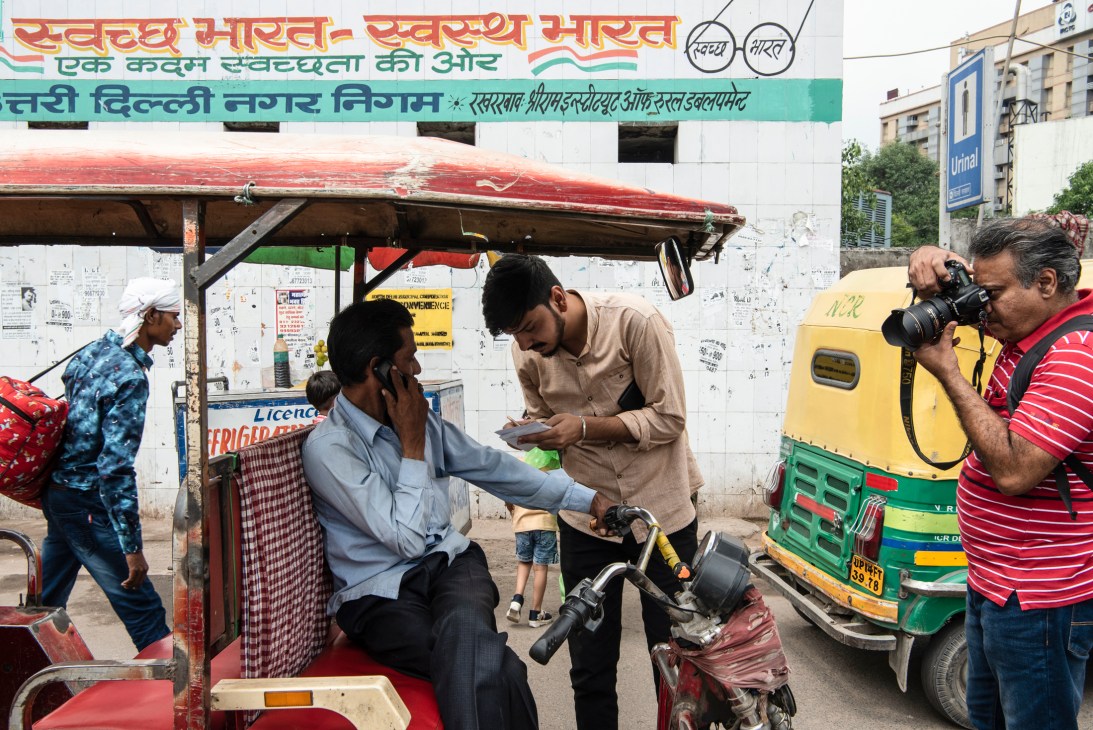
An hour later, another group of the newspaper’s early birds – crime reporters based in more than 50 Indian cities – begin their morning calls to police stations, finding out what went down in the dark of night. One of New Delhi’s three crime reporters is Somreet Bhattacharya and this morning – as every morning – he has spent an hour talking to groggy night-shift officers before he heads out to follow up on leads and catch up with investigators in person.
“It’s not always easy waking up to news of suicides and murders, being on the phone all day, but it’s the job,” says Bhattacharya, who has been at the paper for seven years and has broken stories about a national kidney-extraction racket and the murder of a politician’s son.
Back in the newsroom he sits down to start filing the five to seven stories that he’s expected to deliver every day. This is also the point in the morning when the political and law reporters, gearing up to stalk the halls of government and court houses, are heading off on their daily hunt for news.
But it’s not just politics and crime that will fill the 30-plus pages of the Times of India today. There’s a city reporter writing a story revealing that New Delhi’s electric rickshaws, meant to decrease pollution levels, are actually running on cheap, dirty fuel. Another reporter is assessing whether a massive hike in traffic fines is taming India’s notoriously unruly roads.
Unlike many of the country’s politics-heavy newspapers, the TOI has a more popular approach to news, offering stories that it hopes will appeal to India’s growing middle class. Much like India itself, the paper is crowded and colourful, with headlines in different fonts, bright sidebars, photos everywhere and lots of huge adverts. Very lively.
It’s a far cry from the staid, colonial paper it once was. Originally called the Bombay Times, it was founded in 1838 to inform the British ruling class and business elite. But as India has changed, so has the TOI, often called the “masthead of India”. After the British left in 1947, the paper championed the nation’s early development and socialist values. But when the markets began to liberalise in the 1990s and a more consumerist middle class emerged – people with interests beyond activism and politics – it gained a different audience. Its cultural reference points no longer looked westward but were proudly rooted in homegrown entertainment, food and fashion.
The owners of the paper today are two business-savvy brothers, the third generation of their family to be at the helm of a company still known formally by its old English title: Bennett, Coleman & Co. They have capitalised on India’s changing demographics and turned the firm into a media empire. The younger and more public of the brothers, Vineet Jain, is a 53-year-old whose quirky specs and boyish smile belie the sharp-shooting businessman beneath.
“The paper used to be really thin: 12 pages,” says Jain. “Now it’s three to four times that, including supplements, as we’ve dramatically deepened our coverage with more news, more data, graphics and perspective.” Jain is managing director of the firm, which also owns 13 other publications, 12 TV stations, 76 radio stations and a fledgling university.
Sitting on the ninth floor of one of the company’s many buildings, he smiles proudly as he likens the TOI to the original tasting plate of Indian dishes. “The paper is like a thali, a buffet of India. We offer the entire spectrum, from politics and crime to fashion, sports and spirituality.”
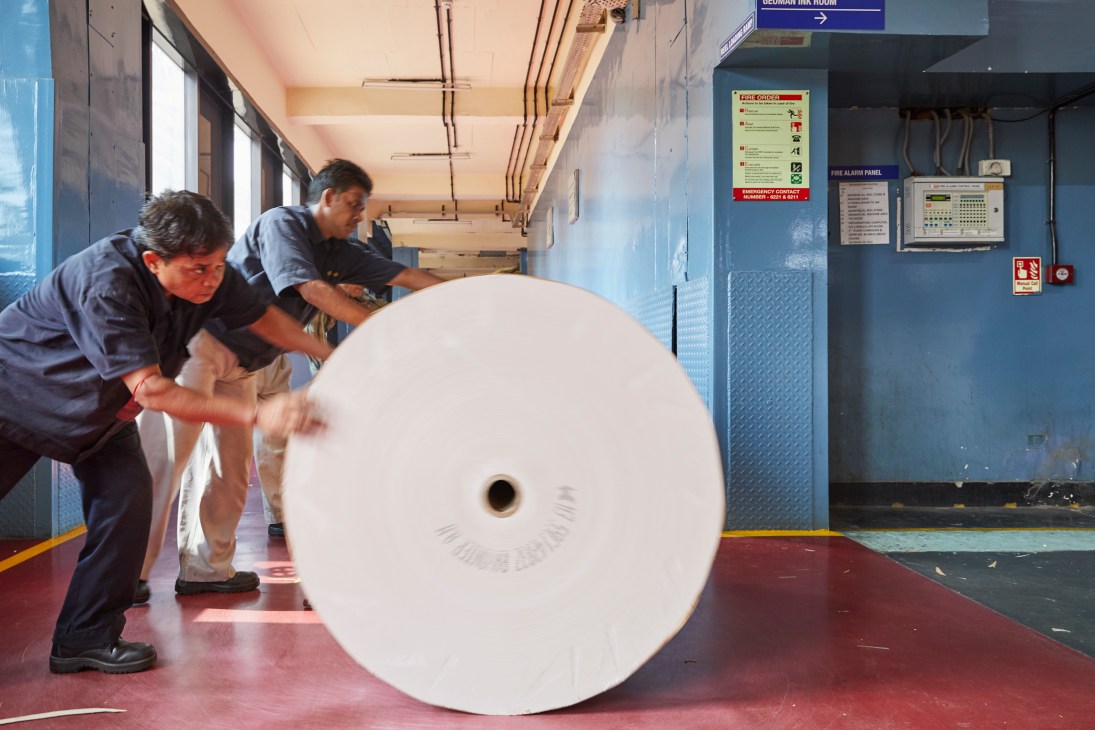
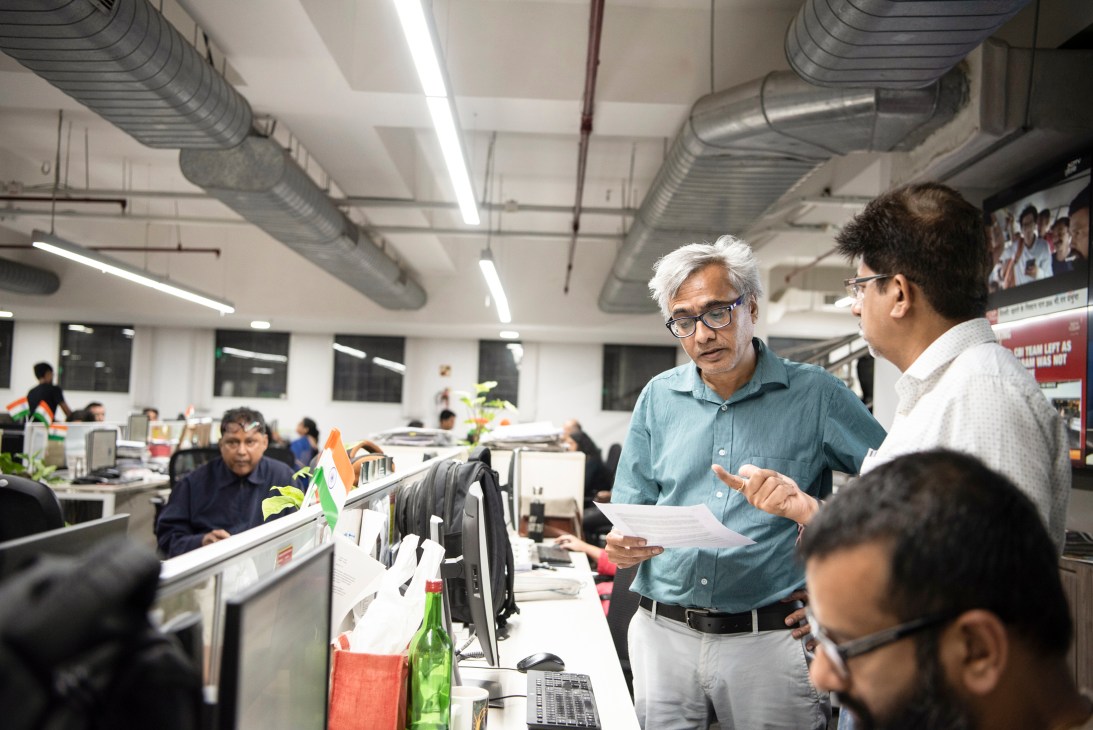
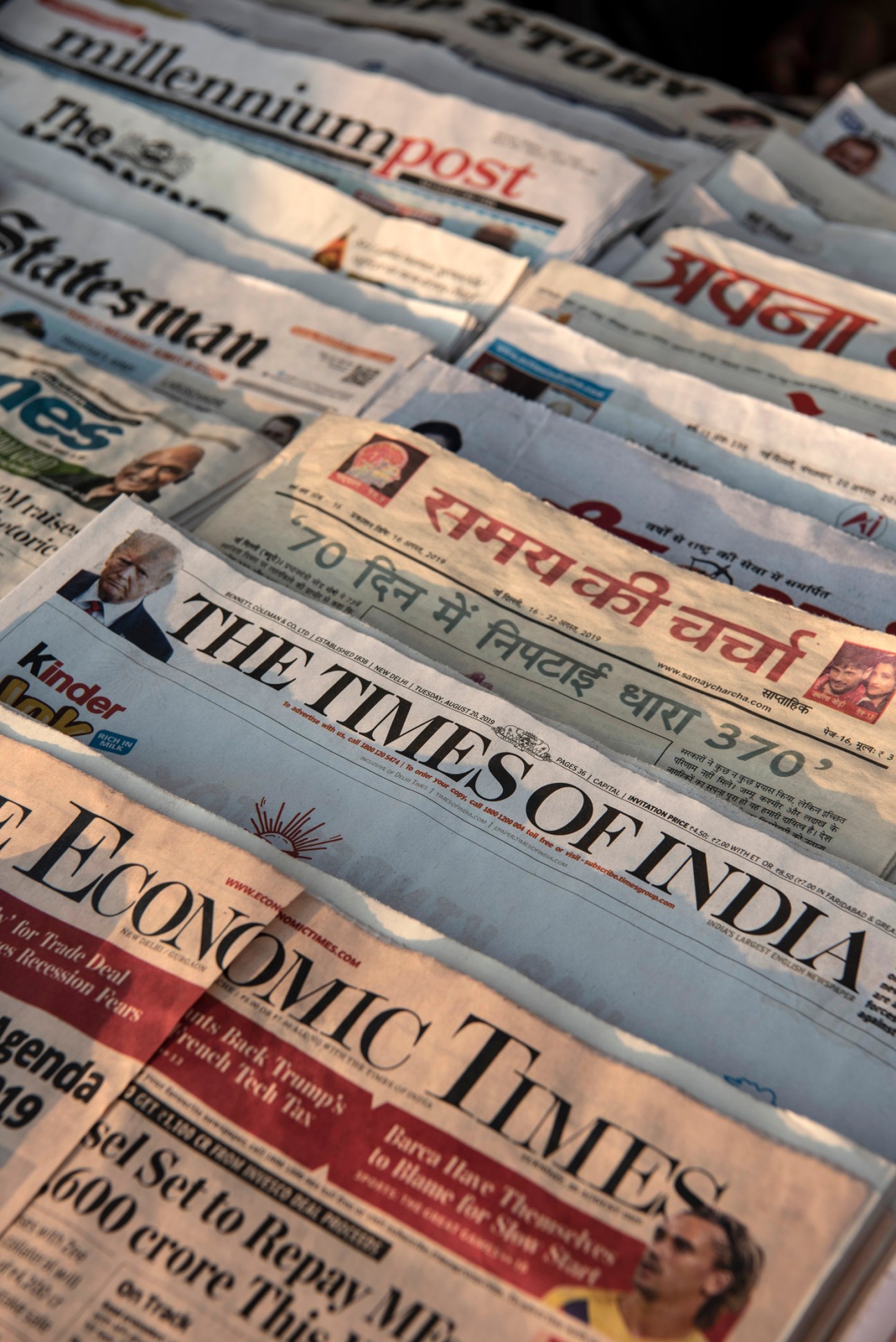
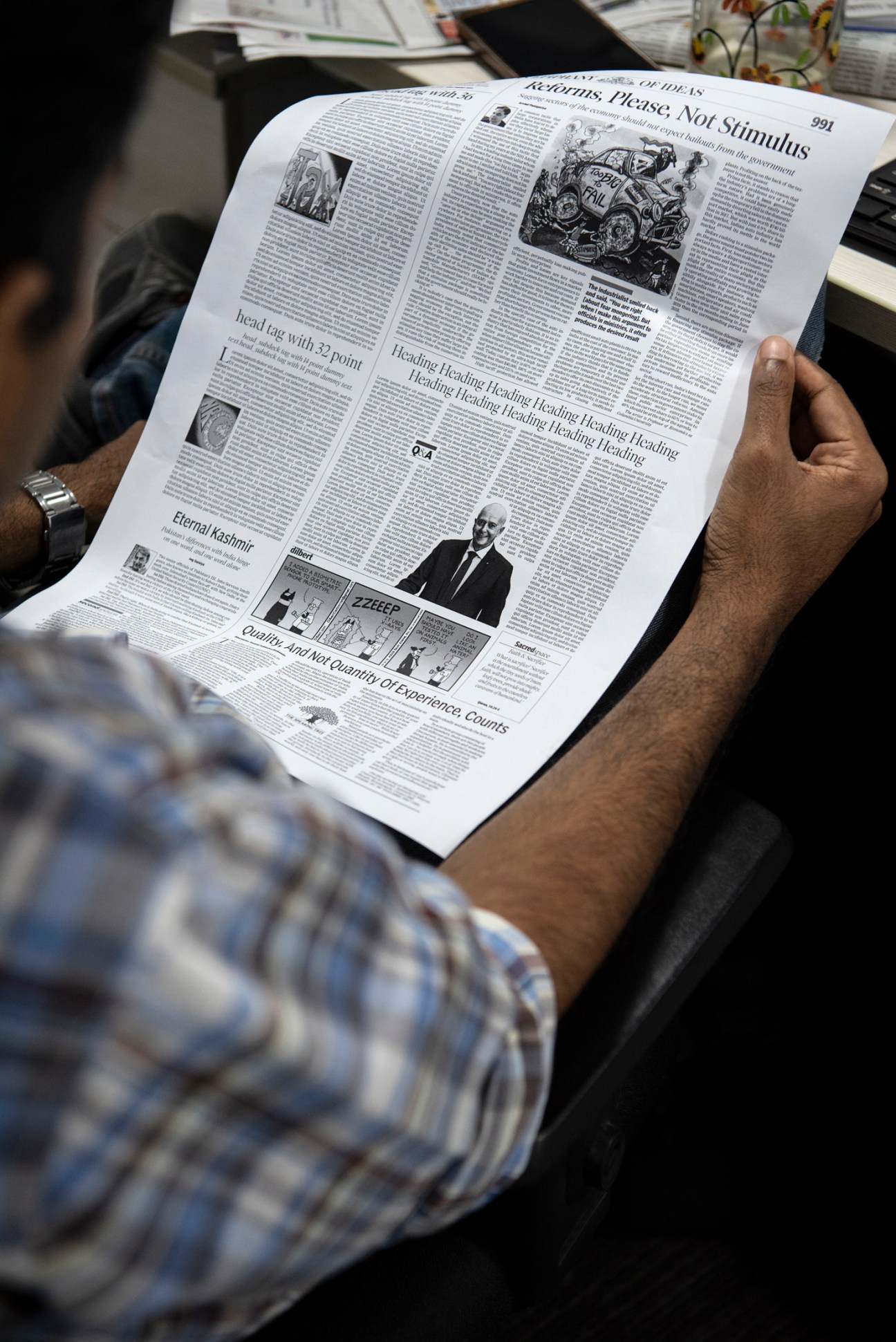
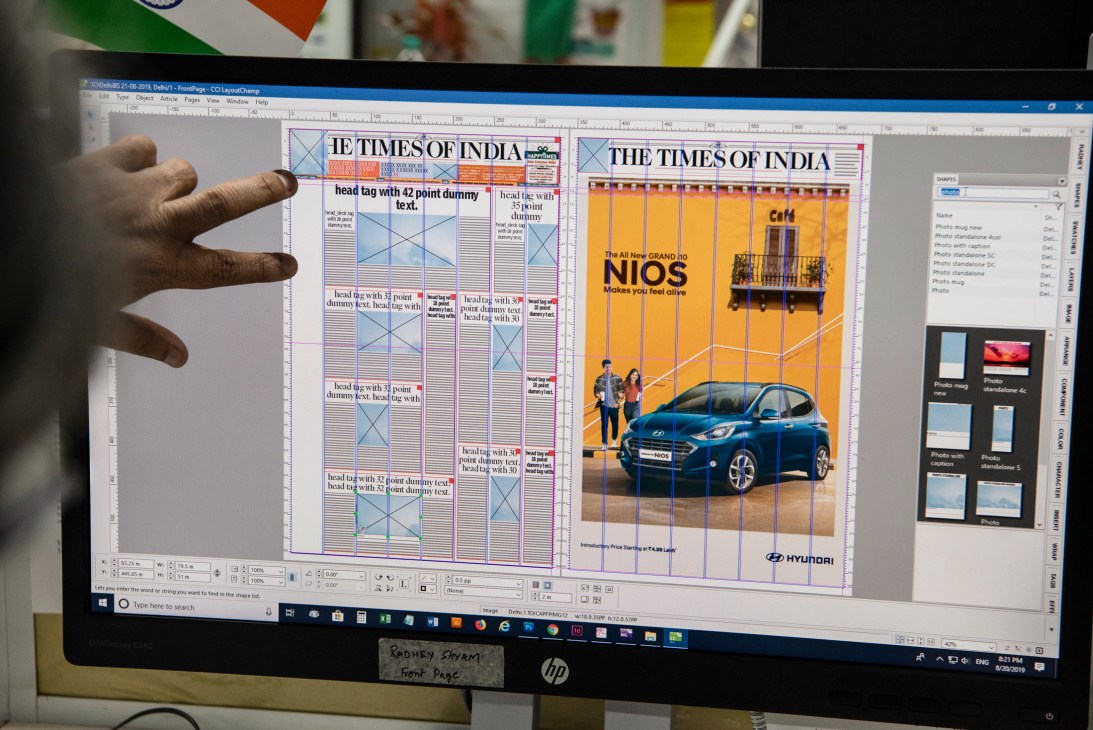
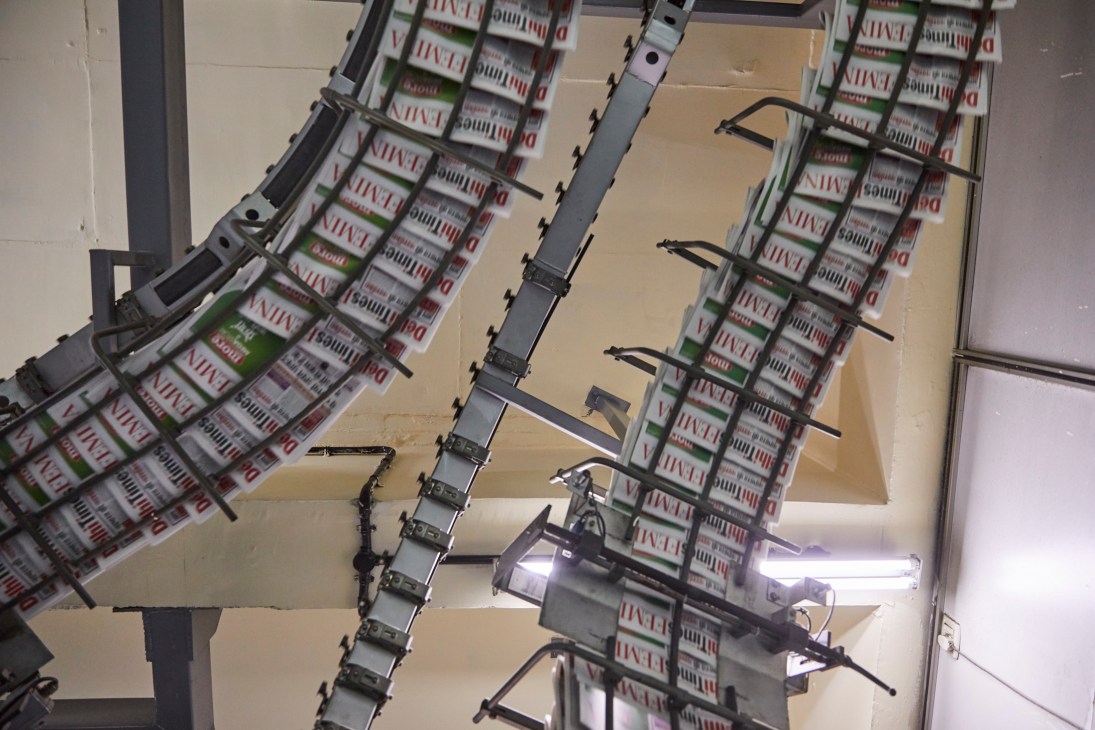
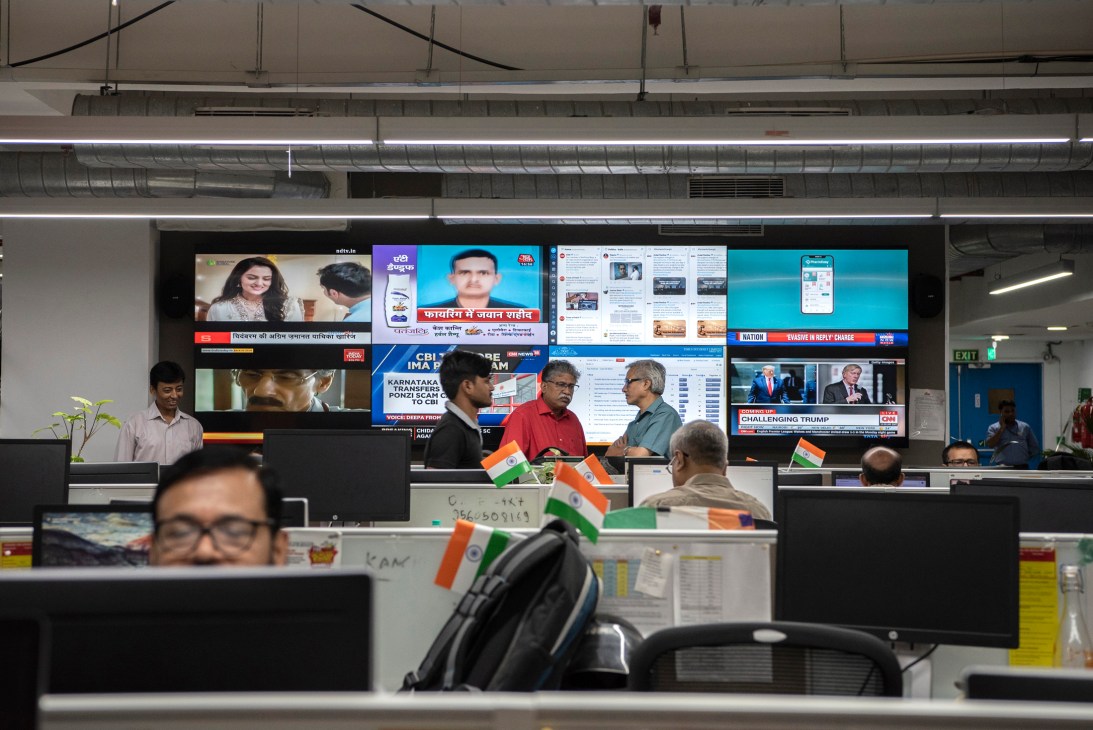
But being in step with its readers (the paper puts its daily print circulation at 4.2 million, which continues to grow) is not simple in a country with a vast mix of cultures, languages, religions and, at times, contradictions. The paper puts out a staggering 56 editions every day, with five to seven pages of “hyper-local” news in each one.
This mammoth task of publishing so many editions is not just about giving readers a bespoke product but also driven by the lure of tapping regional businesses, which would not be able to afford ad space in a national paper. “India’s smaller tier-two cities are expanding and new wealth is being created,” says Jain. “Literacy is also rising. We want to cater to this audience.”
By the afternoon the senior editorial team begins its day, arriving at the paper’s main newsroom in New Delhi, near the seat of government, in a utilitarian building owned by The Indian Express. This drab base is temporary: a fire destroyed TOI’s editorial headquarters in 2017 and a new building is being erected.
Three people gather around the desk of Shankar Raghuraman, a softly spoken senior editor who runs a small and earnest team of data-crunchers. Their attention flits from various spreadsheets they’ve mined from government, corporate and NGO databanks as they work on uncovering stories buried in the data.
Take, for example, the paper’s recent “lost votes” stories. The team exposed India’s anachronism of only letting people vote from the place they are registered in, without any postal vote as an alternative. After running the numbers for the previous national election, the team found that an astonishing 280 million people – a third of the electorate – were not able to cast a vote in the ballot. For weeks leading up to May’s general election, the paper ran profiles of “lost voters” and graphics decoding the numbers.
This statistical storytelling is so popular with readers that it regularly features on the inside of the paper’s innovative “front flap”: a vertical half page that sits on top of the front page. This week the team is looking at the data on school lunches, digging into everything from nutritional value to how much money is set aside to pay for them. They have found that many states don’t issue enough funds to cover the cost of a healthy lunch.
The political editor Rajeev Deshpande says that besides covering the horse-trading of India’s coalition government, he must also surrender column inches to other concerns, such as education and gay rights. “The paper tries to catch these moments, moving away from a world in which we’re just looking at parliament and policy.”
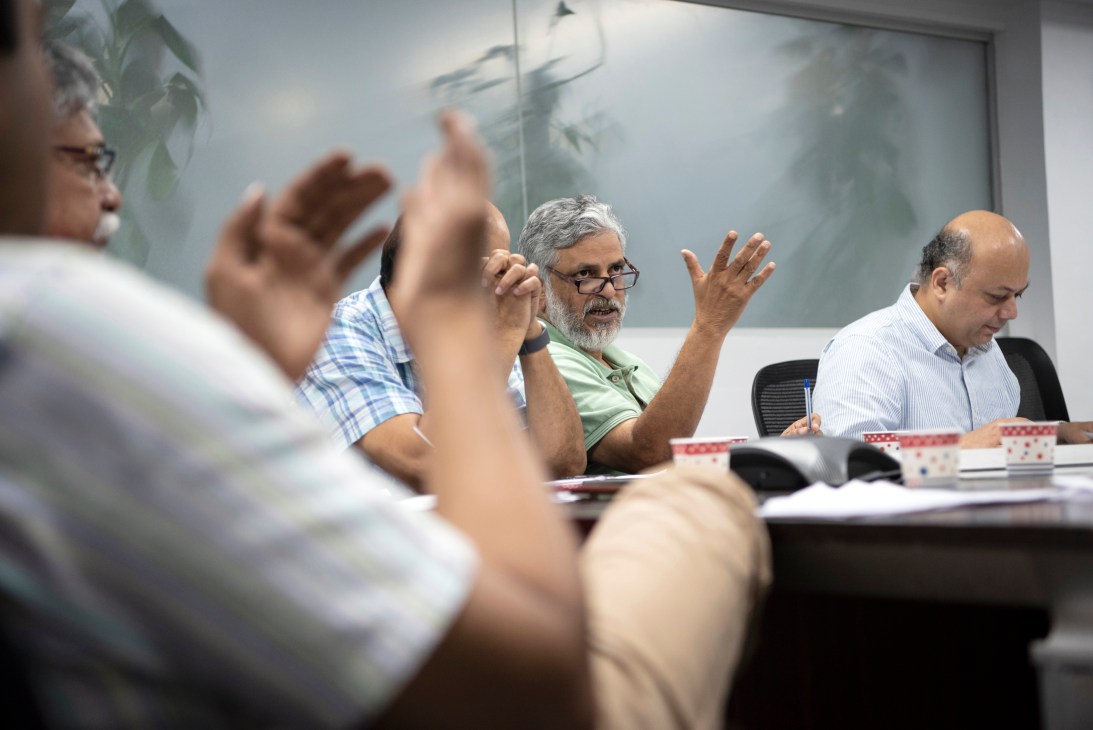
At 18.30, 19 senior editors enter the long conference room that’s flanked by large video screens showing the group’s news and business TV channels. Printouts of dozens of stories from different departments and regions are looked over while everyone waits for editor in chief Jaideep Bose to dial in to the meeting from the TOI’s original HQ in Mumbai. Much like Charlie in the 1970s TV show Charlie’s Angels, Bose is just a voice, avuncular but commanding, and everyone leans in when he offers his opinion as to the worthiness of a story.
During the meeting, the front-page editor uses pen and paper to draw and redraw the front page, which can have as many as eight columns of text carrying up to 20 stories, covering everything from the situation in Kashmir to the state of coral reefs. Bose does not lead the meeting but shepherds it with the grace and authority of someone respected. When we later visit the Mumbai newsroom he declines to be quoted, preferring, he says, for his work to speak for him and his editors to take the limelight.
Unlike many of the Indian newspapers losing readers to digital platforms that deliver content to smartphone users, the TOI has seen an upsurge in its print circulation. Executive editor Diwakar Asthana puts it down to the paper’s centrist and populist approach. “We get attacked by everyone, whether it’s the opposition or the government, BJP or Congress – whether it’s left-wing or right-wing. That shows we’re doing something right. We don’t pontificate as much as other Indian papers. We’re not preachy. We believe we don’t have to torment our reader every morning.”
Asthana points to a more frivolous recent story about a young man who pushed his BMW into a river out of anger after his father refused to buy him a Jaguar. “More cerebral papers wouldn’t want to waste space on such a story.”
Such is the premium that the paper places on lifestyle and entertainment news that it publishes a daily 12-page supplement on such topics – and that can double in the festive season. It also offers “hyper local” content with 46 city editions. Its newsroom is across town in Delhi’s “film city” and its editor, Anshul Chaturvedi, reports directly to managing director Jain. “We handle all the stories that happen in people’s supplementary time,” says Chaturvedi. “Everything they do when they clock off from work is what we report on. And our casual tone and language reflect that.”
The supplement’s special Delhi correspondent, Divya Kaushik, has spent the day writing a consumer guide to spotting sketchy massage parlours. However, by the evening she is reporting on a fashion show that’s featuring young designers, with a special appearance from Miss India.
Back in newsrooms across the country, after a strictly vegetarian buffet is served, only the sound of concentration (and the occasional order barked across computers) can be heard as the midnight publishing deadline looms. The last of the seniors to leave is front-page editor Vikas Singh. “I try to unwind but I stay awake next to my phone for another two hours. Just in case.”
Then it’s over to the dozens of printing presses up and down the country. While they run all day to produce the group’s other publications, they now whirr only for the flagship TOI, heralding another day in India.
India’s print-digital news diet:
News consumers in India have long bucked the global trend in their preference for old-fashioned ink on paper. But as 610 million Indians now have smartphones, (a number expected to nearly double by 2024) there is a steady move from print to digital. According to TOI front-page editor Vikas Singh, research shows that readers use digital throughout the day, while the newspaper is reserved for breakfast and leisure time. That’s when readers can linger over analysis pieces, editorials and features, usually while sipping some masala tea. “That’s the ‘tea’ in the TOI,” says Singh, smiling.
TOI is the largest English-language newspaper in India but there are local language papers with higher numbers. See right for the top five, based on circulation in the second half of 2018.
India’s top sellers:
4.32 million
Dainik Bhaskar
Language: Hindi
3.41 million
Dainik Jagran
Language: Hindi
3.03 million
Times of India
Language: English
(4.2 million if including discounted distributions)
2.37 million
Malayala Manorama
Language: Malayalam
2.07 million
Amar Ujala
Language: Hindi
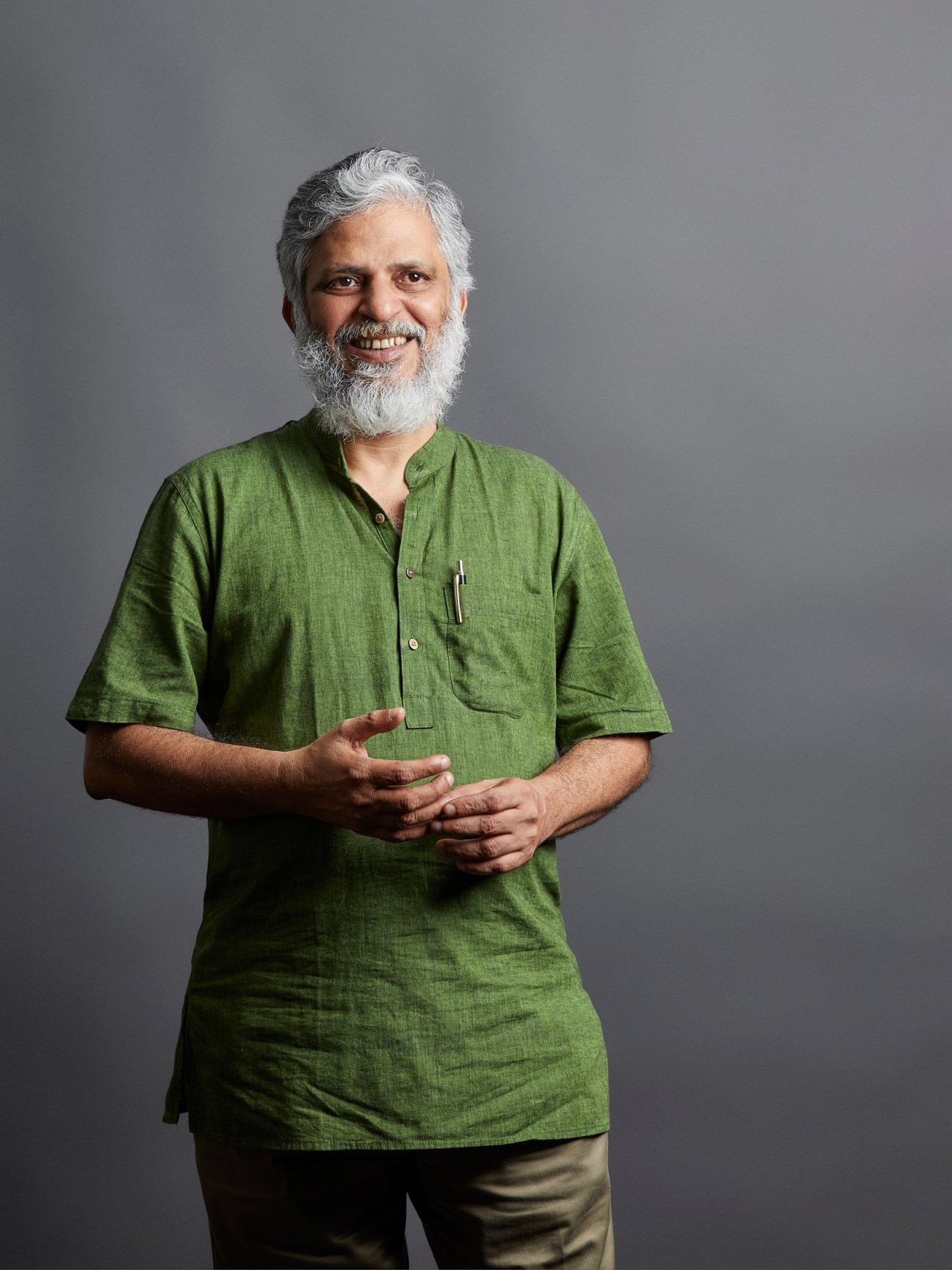
Delhi office
Meet the editors
Shankar Raghuraman
Senior editor, Times Insight Group
A former business journalist, now in charge of the TOI’s data-mining team, dissecting everything from politics to cricket with fastidious glee.
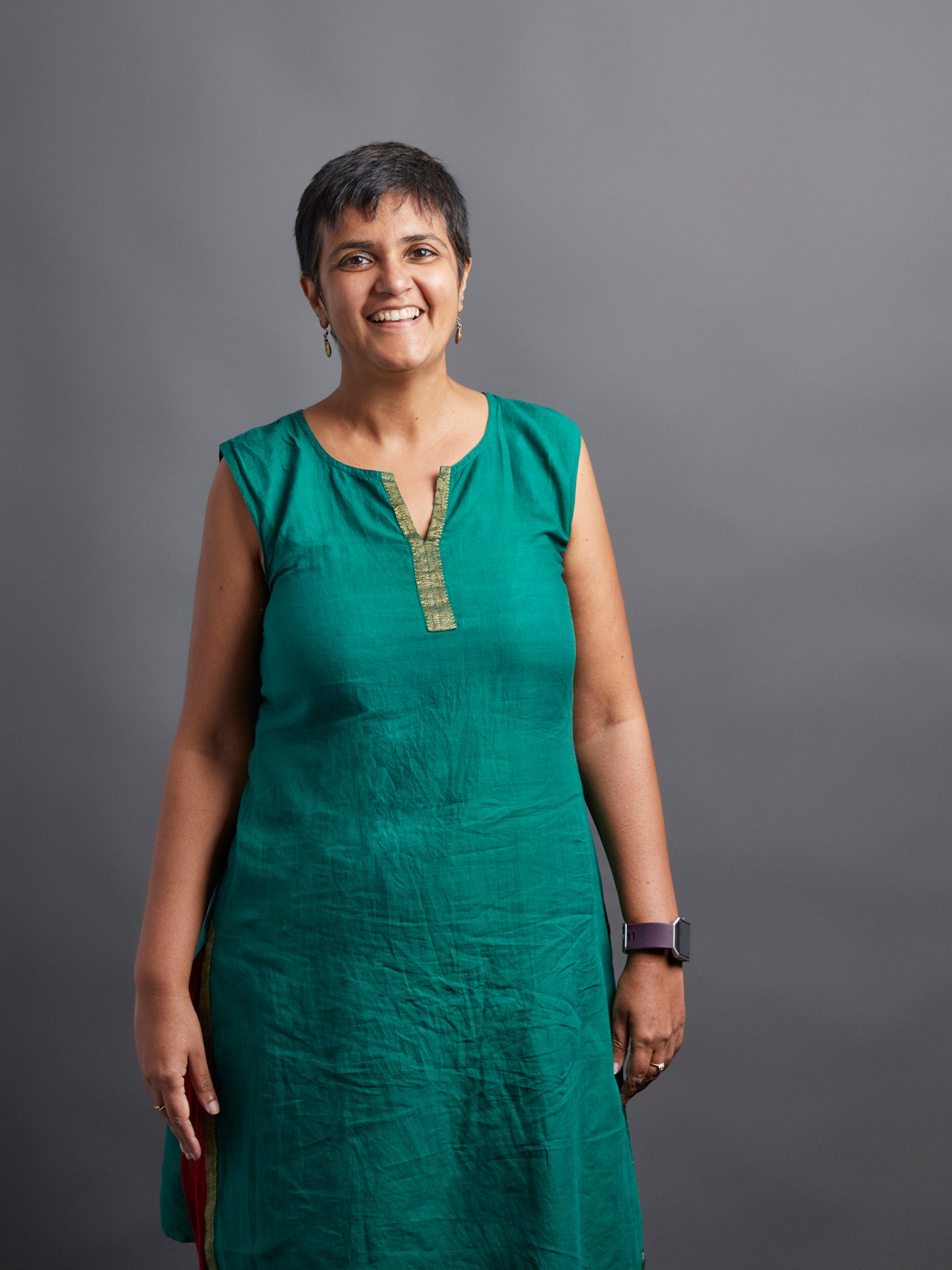
Neelam Raaj
Editor, Sunday Times
Makes sure the news gets more depth and analysis in the weekend papers. Married to a journalist at another paper – she’s glad hers is number one.
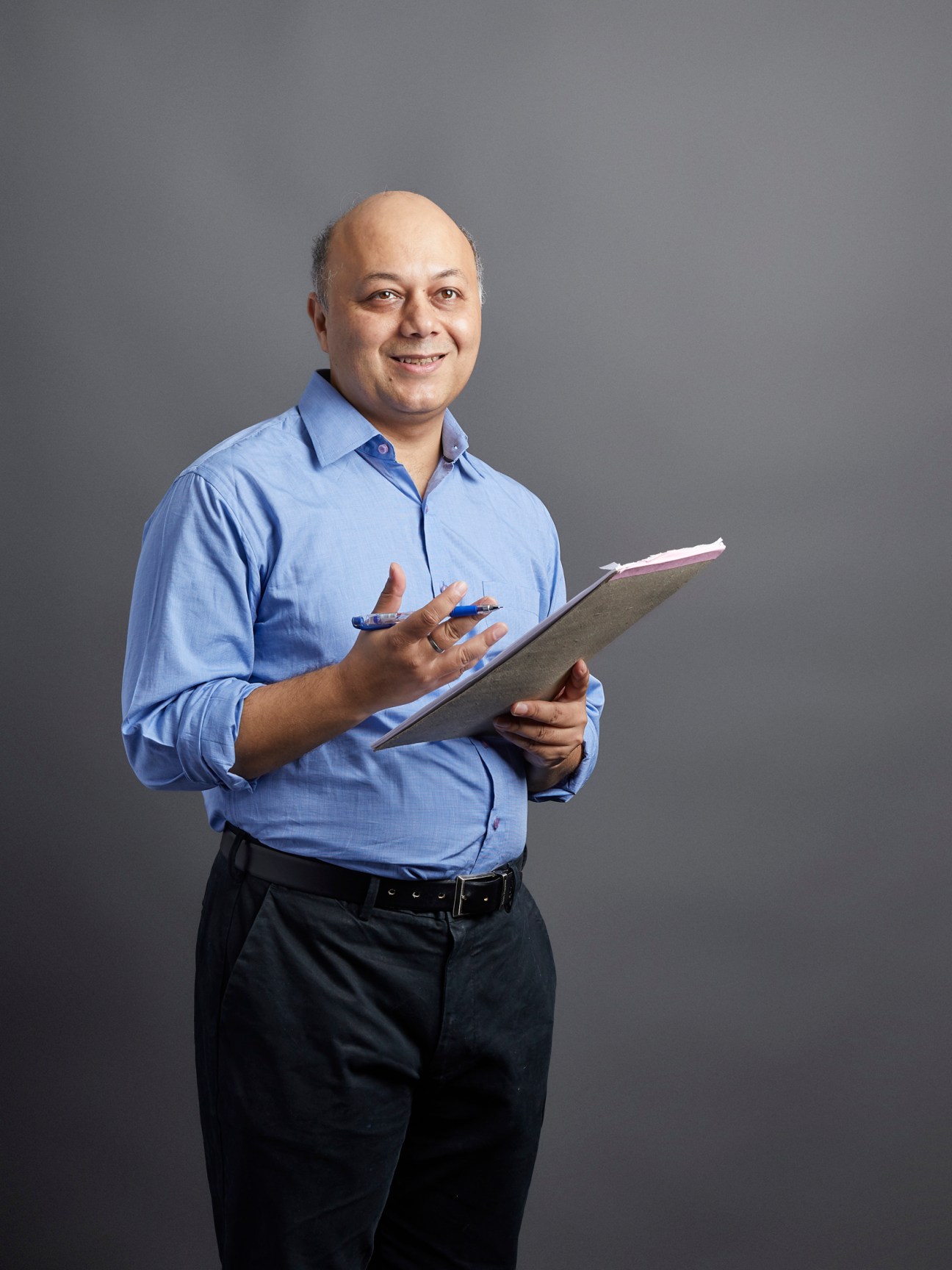
Vikas Singh
Front-page editor
The last editor to leave the building and doesn’t get to bed till after 02.00. When he’s not catching up on sleep he writes novels in his spare time.
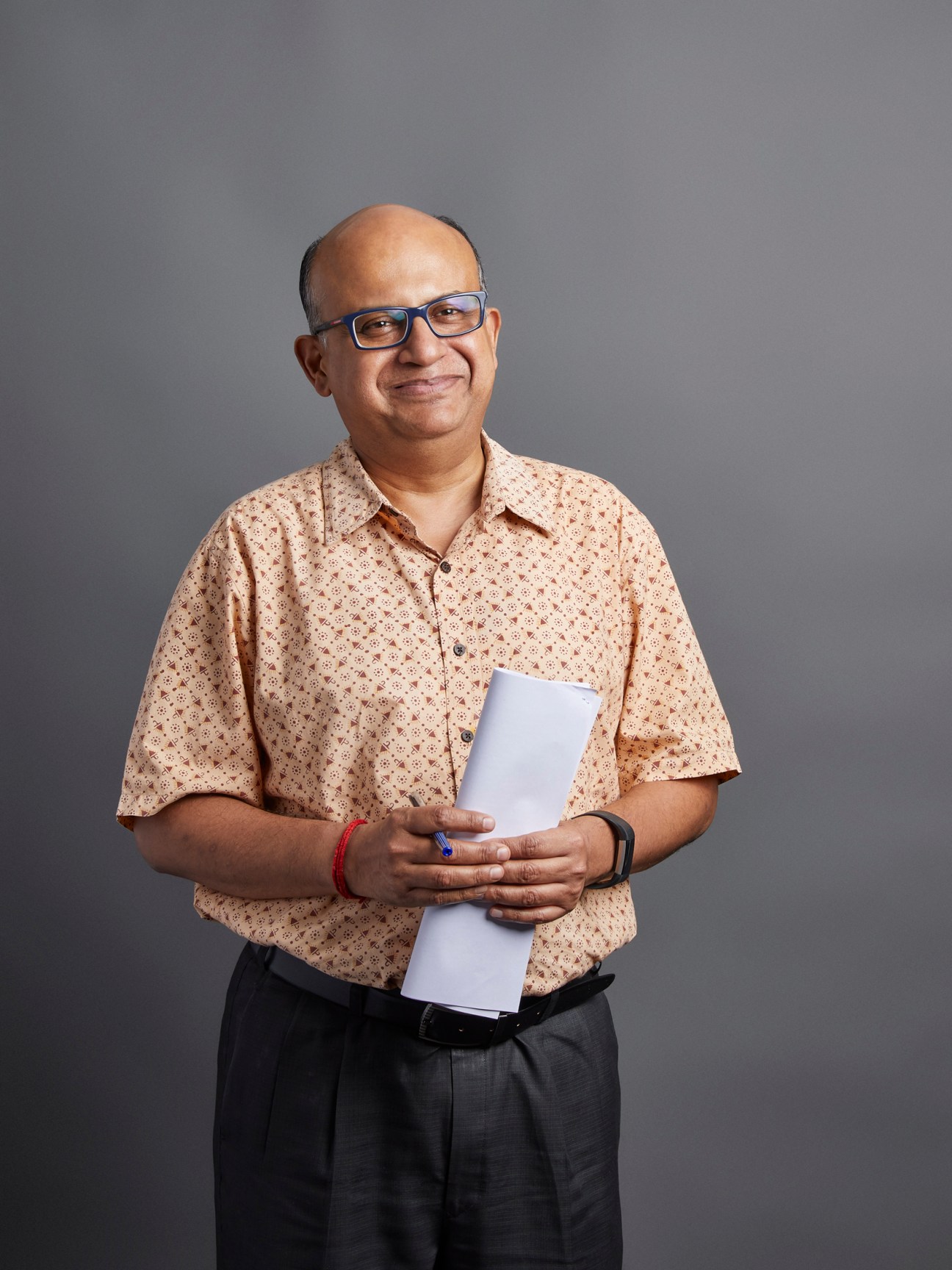
Subhendu Mukherjee
City editor for Delhi
A harmonica player who enjoys being outraged at how politicians promise much but deliver little. Loves Delhi, even though his family is from Bengal.
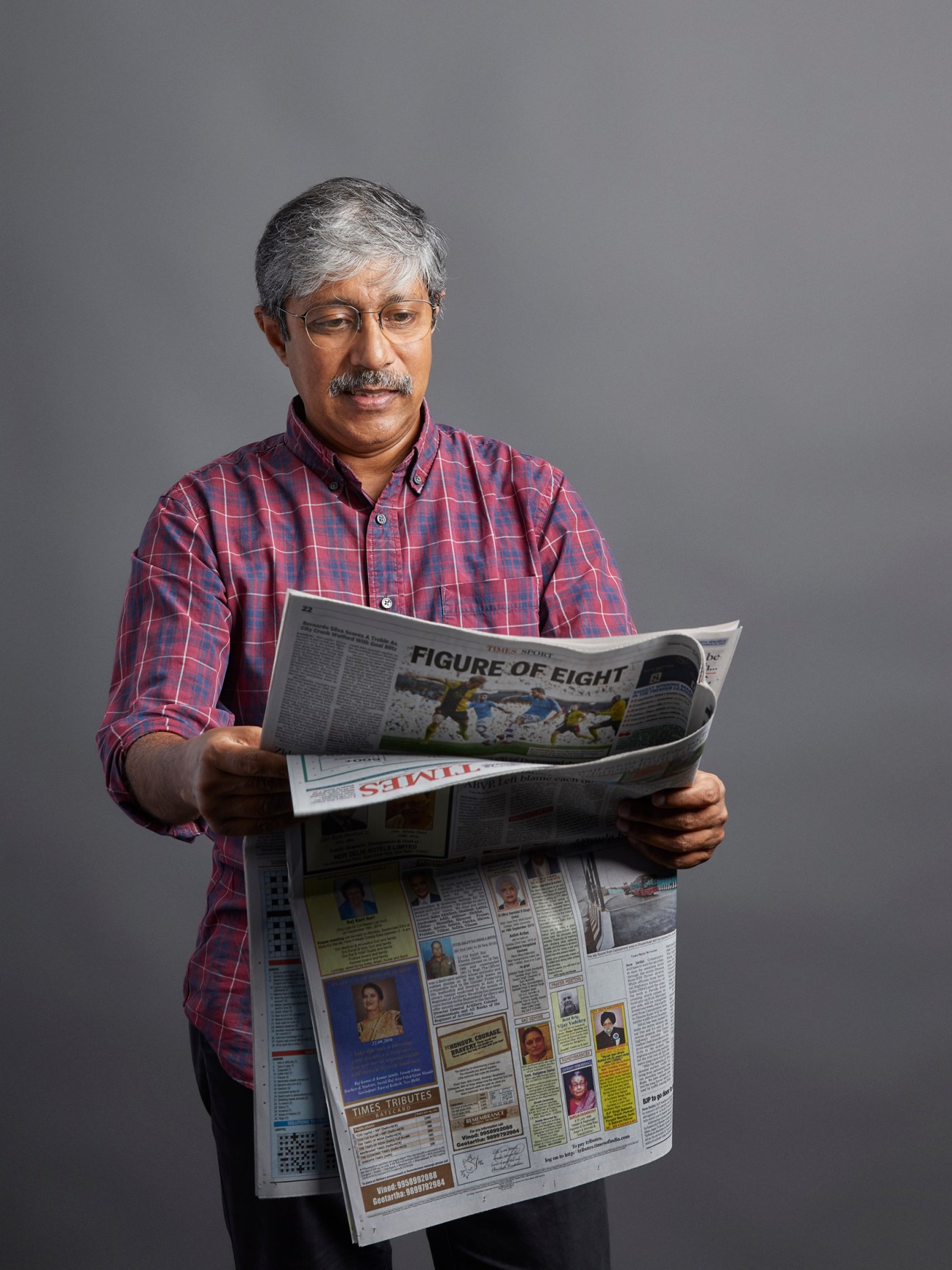
Rajeev Deshpande
Political editor
Covers India’s dance with democracy. Having grown up when there were just two kinds of chocolate bars in India, he enjoys charting the nation’s growth.
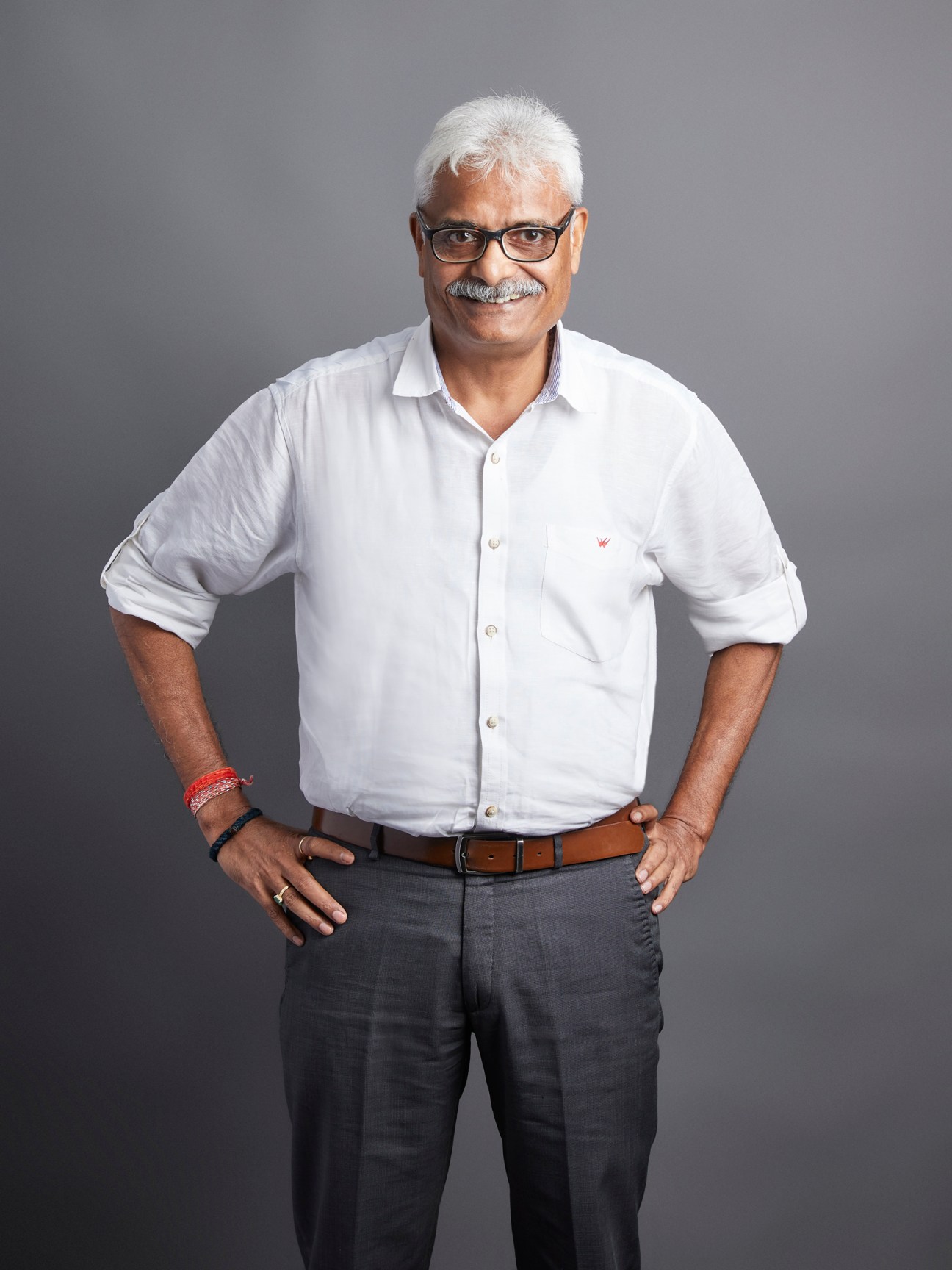
Diwakar Asthana
Executive editor
Says the TOI succeeds because it’s not elitist. Likes it when it pushes social norms, whether women’s rights, gay issues or fighting for better nightlife.
Thought leaders
Rand Corporation
Location: Santa Monica
Founded: 1945
Staff: 1,950
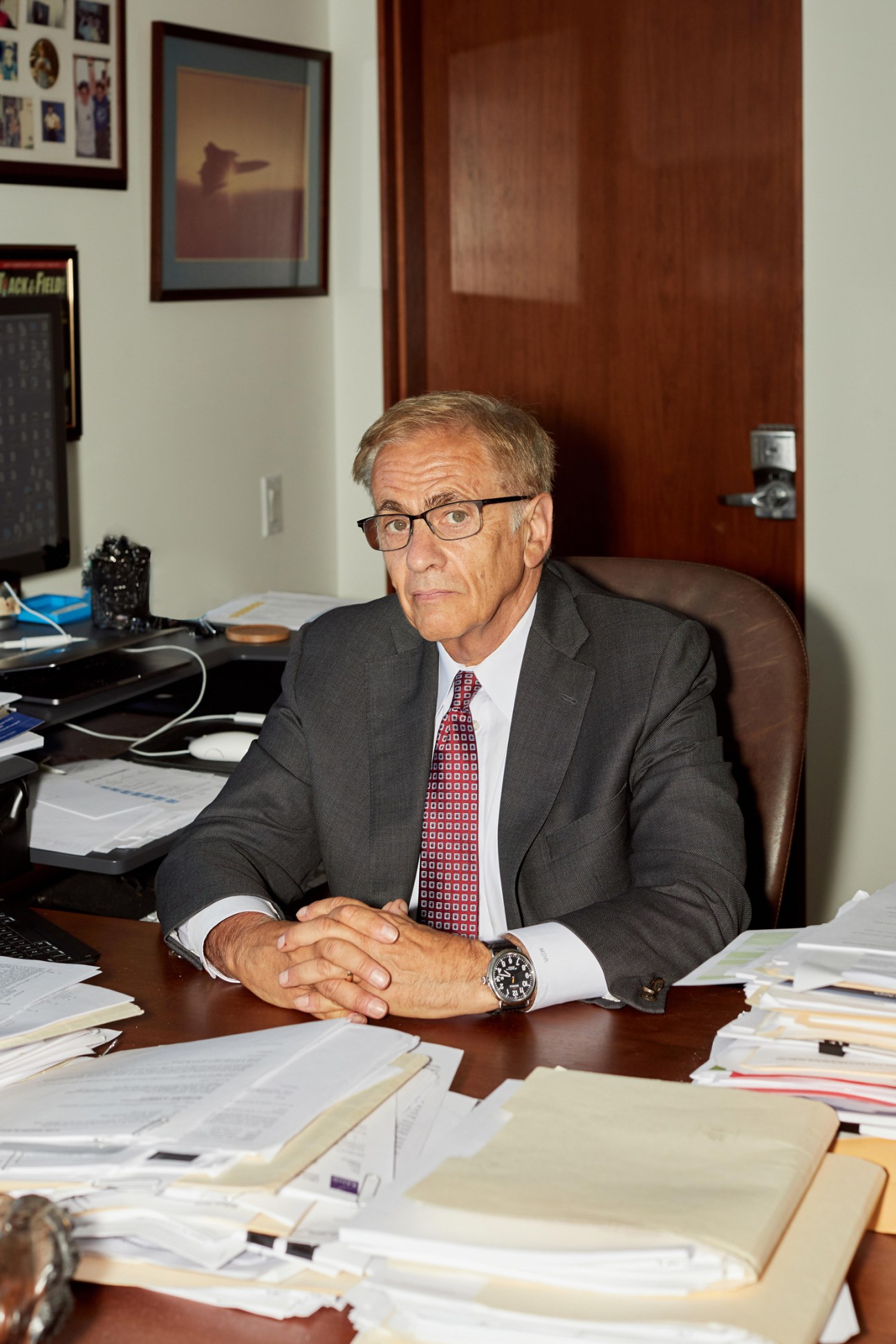
These days Michael D Rich is preoccupied with “truth decay”. The term, coined by the Rand Corporation, describes what the think-tank sees as the diminishing role that facts and analysis play in public life. It’s a familiar issue today with “fake news” and “alternative facts” but Rich, Rand’s president and CEO, says the danger has been brewing for decades – and will take decades to undo. Rand has researched the topic in the US and next year plans to look at Europe. “Facts are facts,” says Rich. “People can interpret a situation differently but the resolution is not going to be possible if we can’t agree on the facts.”
In an imposing building a pebble’s skim from Santa Monica Beach, Rand has come a long way from its roots as a scientific research institution. It conducts some of the US’s most important research on global policy in areas such as education, ageing societies, healthcare, migration and gun reform.
Rand was initially a private offshoot of Douglas Aircraft Company, a top defence contractor, and provided analysis and data for the US airforce – but by 1948 it had evolved into an independent non-profit. In the mid-1950s it started to diversify, first with other national security clients, then adding social and economic policies. One of its most significant developments came in 1970 when it founded the Frederick S Pardee Rand Graduate School, one of the eight original public policy schools in the US and the first to offer a PhD on the subject. “It was crucial for Rand to become both a research and educational organisation,” says Rich.
It now spans nine locations, with dozens of academic disciplines under its belt, and has expanded from its national focus to an international outlook. “What hasn’t changed is our non-profit charter,” says Rich. “And our core values: quality and objectivity.”
World view
Michael D Rich
What is the biggest threat for 2020?
Truth decay. One point that we’ve made over and over again is that no important problem can be solved in the US within the span of just a four-year presidency or a two-year Congress. And the way those problems have been surmounted in the past is consensus and compromise. That’s impossible if two sides can’t agree on the basic facts.
Which other key issues are a focus in the year ahead?
We are going to issue major reports on the opioid crisis that’s affecting the US. And we’ll continue to expand our work on the effectiveness of different gun policies.
And outside the US?
Some countries face challenging demographic trends, particularly refugees and internally displaced persons. The challenge is to provide adequate education and healthcare for the families that have been displaced, as well as assisting countries in integrating them into the new economies.
Who will have the biggest global impact in the next year?
Whoever is the winner of the 2020 presidential election in the US. I’m not in a position to predict – none of us are. But whoever prevails in that contest will have a tremendous impact on the world.
Institute of Defence Studies and Analyses
Location: New Delhi
Founded: 1965
Staff: 110 (50 admin, 60 research fellows)
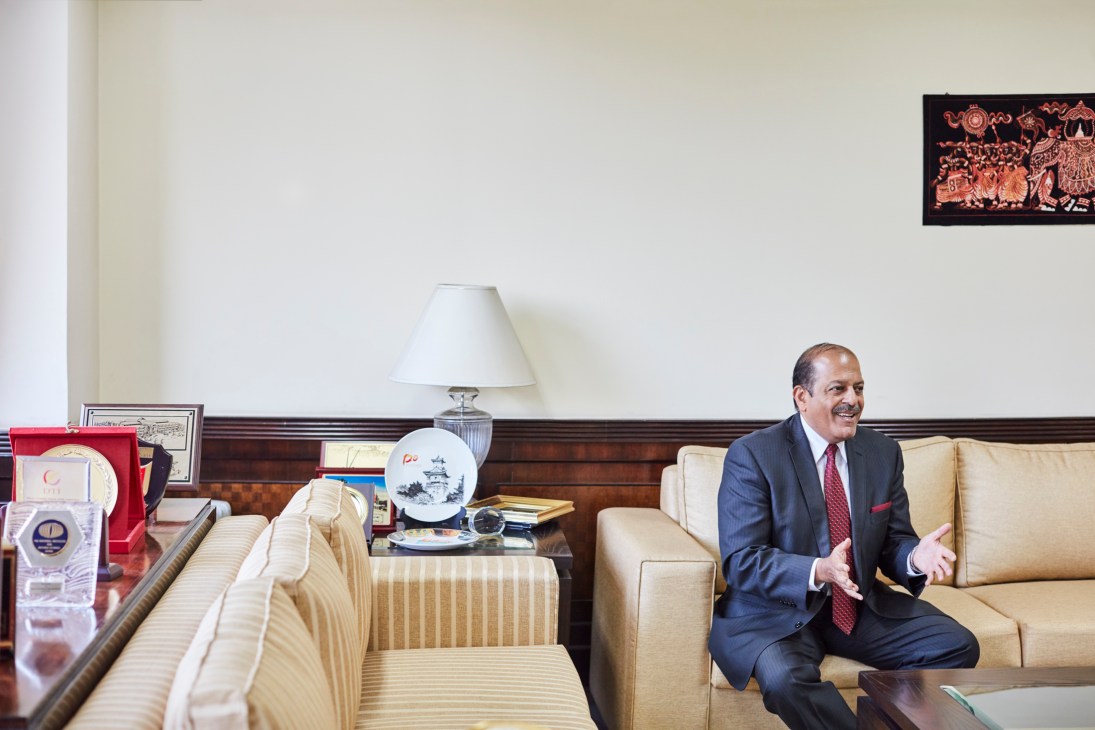
India’s Institute of Defence Studies and Analyses (IDSA) sits on one of the world’s most critical geopolitical faultlines. As nuclear-tipped allies Pakistan and China look over India’s shoulder, the idsa advises the government on everything from border security to nuclear armament. But its scope goes far beyond the country’s backyard.
The idsa was founded in 1965, modelled on the US’s Rand Corporation, and now collaborates with dozens of think-tanks around the world. Its flagship publications, the Journal of Defence Studies and Strategic Analysis, cover a broad range of issues, from the Syria-Turkey conflict to xenophobia in South Africa. Though it is autonomous, it is entirely funded by India’s Ministry of Defence.
Ambassador Sujan R Chinoy took over as director-general earlier in 2019. A career diplomat, Chinoy has focused on helping Indian officials, from soldiers to students, see the bigger picture. An officer on the Pakistani border might know about cross-border terrorism but little about wider relations with China, or how his decisions might impact India’s economic growth, so the idsa offers courses that it hopes will make soldiers better decision-makers. It also runs programmes with young parliamentarians who may sit on important committees in the future, and even engineers in the arms industry. “I want them to know more about what their equipment ends up doing, in whose hands, and why it gets used,” says Chinoy.
He adds that as nationalist sentiments soar, Indians have become preoccupied with defence, making the IDSA’s outreach more pressing. “It’s not with ecclesiastical zeal that we try to convince people to come around to our point of view. The point is to familiarise people with broader issues.”
IDSA’s 2020 priorities: Terrorism and radicalisation; stable relations with China, Pakistan and the Indo-Pacific region; upgrading India’s domestic defence industry; climate change’s impact on regional and energy security; fallout from a fractured, multi-polar world.
Clingendael Institute of International Relations
Location: The Hague
Founded: 1983
Staff: 100 (11 different nationalities)
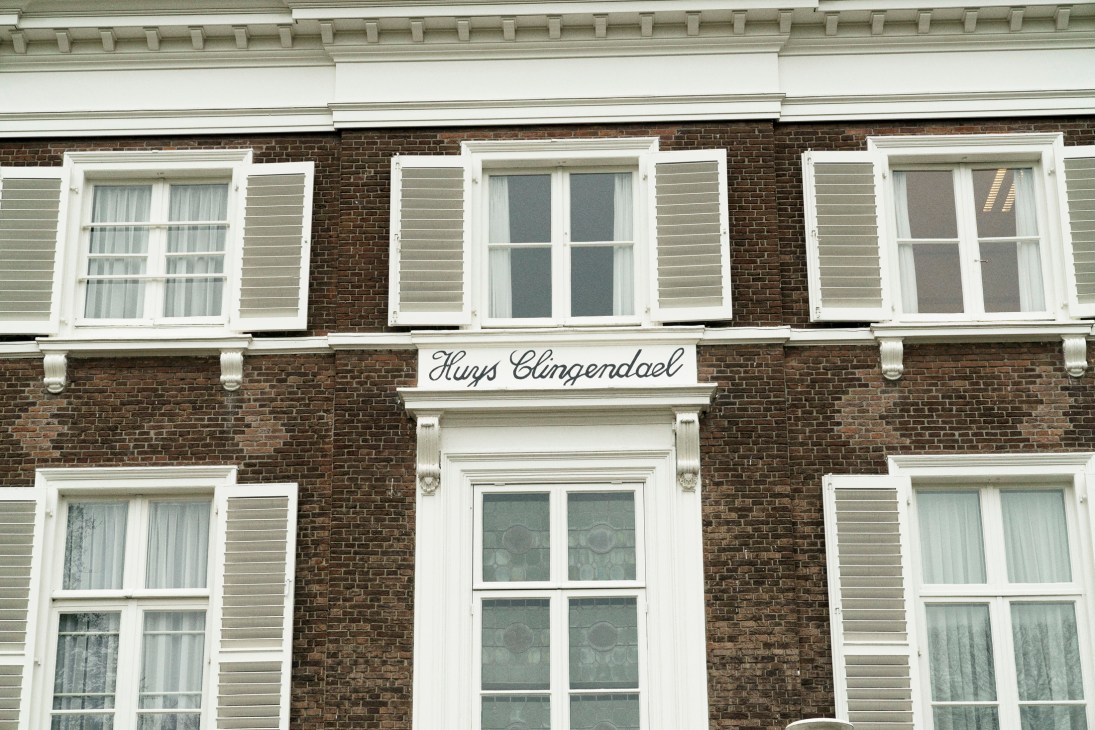
Approaching Clingendael on an autumn day is a feast for the senses. Bowing trees along a narrow road envelope you under falling leaves; only the occasional sheep disturbs the silence. Bags of ripe apples and pears from surrounding orchards sit in reception – a gift from the farm sharing this forested land on the northeastern outskirts of The Hague.
The stately 17th-century manor, which now houses the institute, was the residence of the occupying Nazi commissioner in the Second World War. Tank barriers and pillboxes are also a diverting attraction for visiting diplomats and dignitaries. “It works as a very good ice-breaker,” Rem Korteweg, a senior research fellow, says of the site’s history.
Clingendael was founded in 1983, in a merger of five smaller Dutch institutes and think-tanks. In its early years the institute was closely aligned to the Dutch government but today, while it still receives more than half of its funding from the Dutch government, it is politically independent and has become a leading global voice on international affairs. “On the one hand we make sense of the Netherlands to an external audience,” says Korteweg. “But we also want to help a Dutch audience make sense of what’s happening abroad.”
Clingendael has 100 staff producing extensive research on international issues and hosting an ambitious events programme. The manor and grounds are also home to the Clingendael Academy, which trains diplomats, NGO staff and civil servants from the Netherlands and all over the world. Students can also take courses in diplomacy, conflict-resolution and mediation, all informed by a uniquely Dutch foreign-policy outlook shaped by centuries of trade and empire. Korteweg describes this perspective as a “pragmatic and open approach to international affairs”.
Clingendael’s 2020 priorities: Europe’s future after Angela Merkel; Brexit and uncertain effects for the Netherlands; the Sahel region and curtailing people smuggling; an end game for Syria’s civil war; elections in the US and Taiwan.
In it together
The Scandinavians are a famously collectivist bunch but the Danes’ social cohesion is off the scale. The super glue that binds them is an extraordinarily high membership of clubs, societies, voluntary associations and unions. According to one recent survey by Aalborg University, more than 90 per cent of Danes are members of something or other. The Danes joke that if two or more of them meet they will form a forening (a union or association) and they commonly refer to their country as foreningsdanmark.

Some say this tendency has something to do with climate or geography; others point to Denmark’s history, in which its vast empire was slowly eroded by military defeats and economic ruin, leading to an insular national character. These nesting tendencies are inherent in hygge, the much co-opted Danish concept of cosiness.
“Denmark is a small country; we don’t really have any natural resources so we’ve had to work together to negotiate and trade,” says social scientist Torben Bechmann Jensen from Copenhagen University. The upside might well be that this proclivity to join groups and clubs is the secret behind Denmark’s most valuable soft-power asset: happiness.
Club membership has also helped make Danes among the least lonely people in the world. In a 2018 Eurobarometer survey, 79 per cent of Danes reported never or almost never being lonely and only 8 per cent of them socialised less than once a month. In contrast, one in five American and British adults reported feeling lonely or socially isolated; while two in five people in Japan are expected to live on their own by 2050.
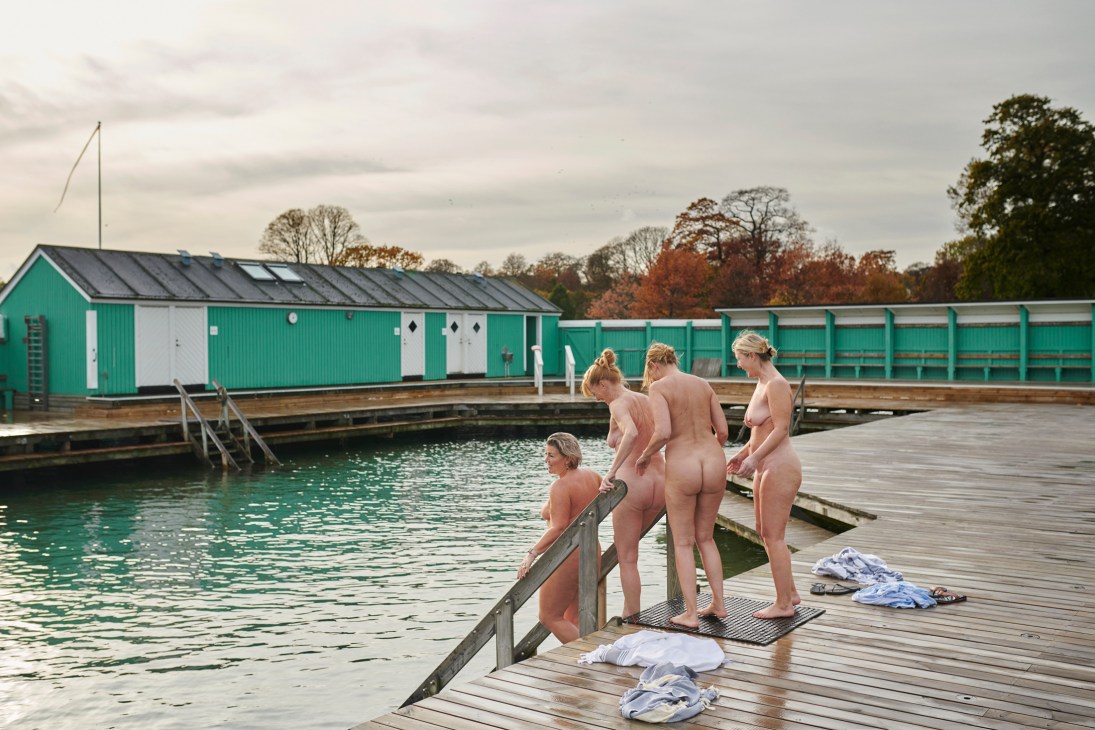
“After a dip in the cold water we’re smiling, even at the end of a bad day,” says Karen Sophie Lerhard, a board member of Charlottenlund Søbad winter-bathing club. “We dream of the ice; the colder the better.” Fellow board member Lise Bak agrees: “The slush is like a silk scarf on your body.”
Winter bathing is just one of the club activities booming in Denmark. Charlottenlund Søbad, founded in the early 1900s on the coast just north of Copenhagen, has 3,000 members and an eight-year waiting list. The health benefits of a cold dip are well documented but the winter bathers stress the social aspect. “You feel part of something bigger here,” says new member Lotte Maersk. “It becomes part of your identity: ‘I am a winter bather.’”
There are said to be more than 100,000 local and national societies and associations in Denmark, ranging from hobby or leisure-orientated groups with a handful of members to trade unions, which have a combined membership of about 1.25 million. The average Dane belongs to three such formal associations, more than any other European nationality. The most popular are amateur football clubs, with 350,000 members nationally.
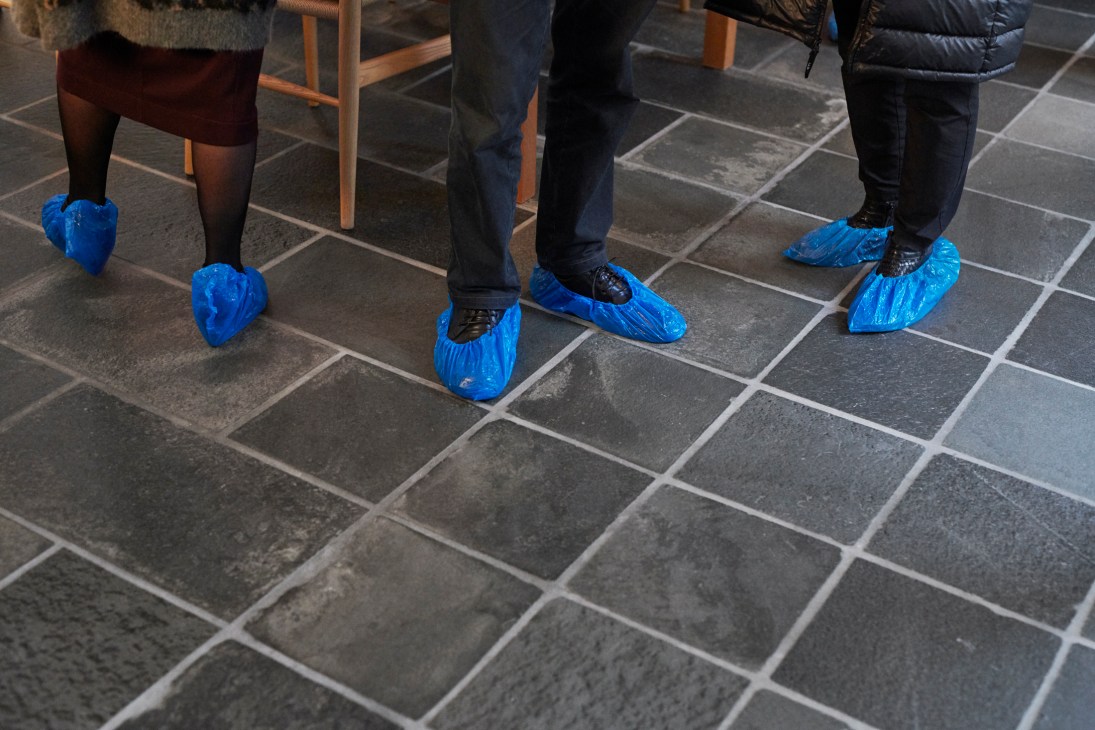
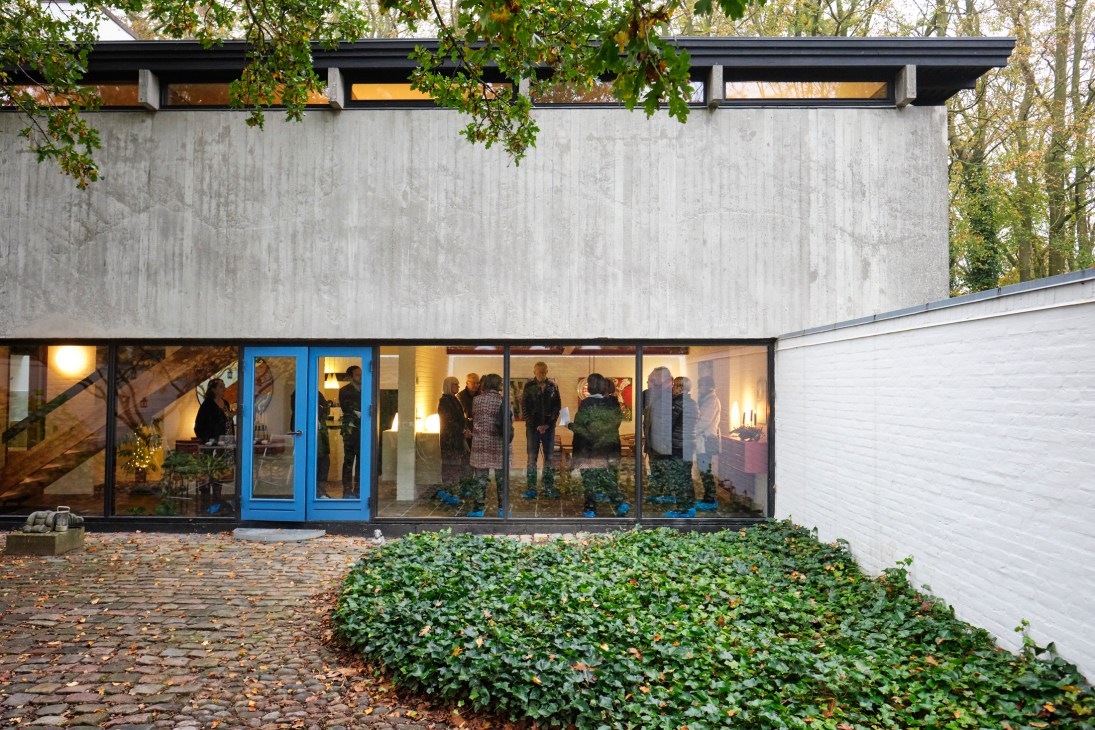
In recognition of sports and hobby clubs’ importance to Danish society, support for them is enshrined in law and local authorities provide financial assistance and help in finding premises. But Bachmann Jensen does have a warning about foreningsdanmark, pointing out that if you’re constantly told that you live in the happiest country in the world but you yourself aren’t happy, it can foster a sense of failure and isolation. “Younger Danes and those in big cities are occupied with other things and the fear of missing out stops them committing to something regular,” he says.
Psychologists have long cited membership of groups as important for wellbeing. A 2016 Nottingham Trent University study of 4,000 people in Italy and the UK found that for each club, team or group people joined, their happiness increased by 9 per cent, irrespective of age, gender, income, employment status or nationality.
“In a sense it doesn’t matter so much what people do in the club – it doesn’t have to have a greater purpose,” says Jensen. “The most important thing is just to be doing something with other people.”
The members of Københavns Braetspilsklub (Copenhagen’s Board Games Club) would probably agree. At a weekly Tuesday night gathering in a basement in an apartment block in Nørrebro, members cheerfully suggest that board games are a rather limited sphere of activity – but that’s the point.
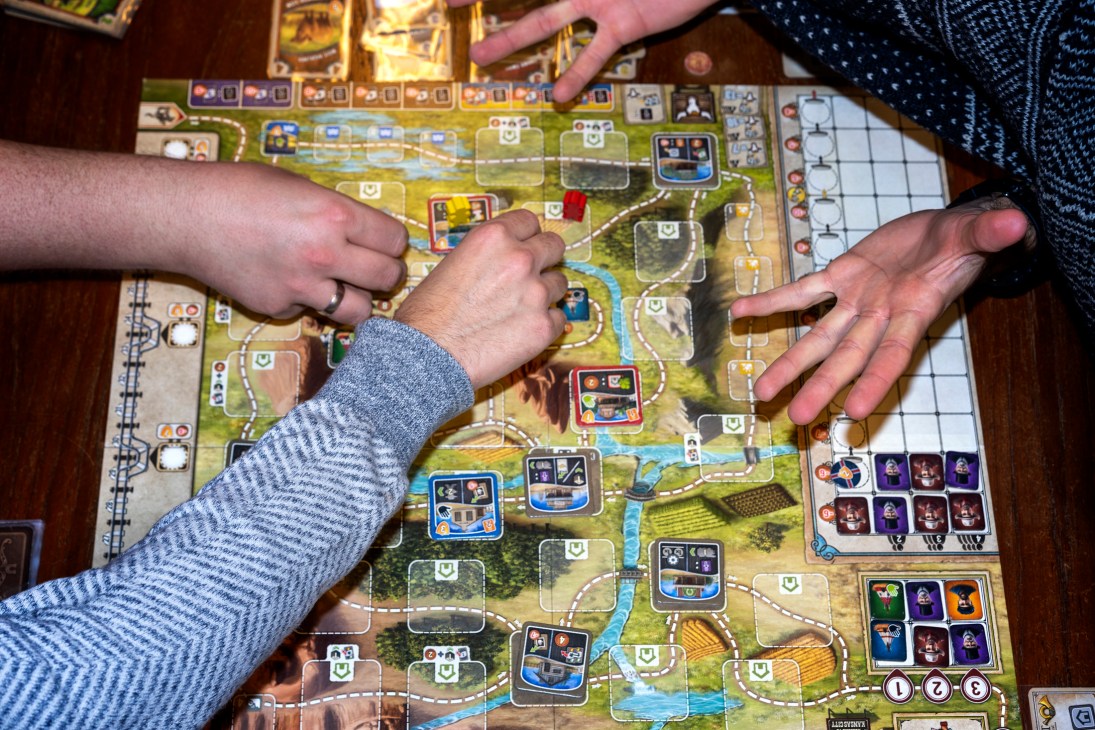

“It’s great to be with people while you are doing something else, something distracting,” says Daniel Olsen as he enjoys The Great Western Trail, an obscure and complex strategy game typical of those played here. “My friends and family are all members of clubs but I was a bit socially distant. Then I found board games and it was like, ‘Where have you been all my life?’”
Another student, Copenhagen-based Louis Kleiminger, a first-time visitor, reveals that he sometimes finds social occasions stressful. “It’s easy to be with people around a board game,” he says. “You don’t have to talk too much. Everyone has been really welcoming.”
A couple of days later we catch up with another Danish special-interest club: the Realdania By and Byg Klub (Realdania City and Construction Club). Realdania owns about 60 historical buildings across the country, including several homes created by Danish design legends such as Arne Jacobsen and Poul Henningsen. Today some of the club’s 4,000 members are in Brabrand, west of Aarhus, visiting a prime example of 1950s Danish brutalism, which was once home to its architect Knud Friis.
“This is different to other clubs I belong to,” says Pia Mølholm, who’s also in a salsa club and a business networking association. “This is about an interest in architecture, not so much about hygge or getting together to eat and drink.” Similarly, another member visiting the Friis house, Maike Jessen, belongs to a knitting circle and a ceramics club “but this is about an interest in design. I don’t come here [just to] socialise.”
Whether it’s about socialising or not, the simple motivation for joining a club is the same: get out of your home, follow your passion and be less lonely while doing it. “You work to get results and be productive,” says Stine Petersen, another member of multiple organisations. “But these clubs are where you put your love.”
Do you socialise less than once a month? (2018 EU survey)
Least lonely three:
Denmark: 8 per cent said yes
Netherlands: 8 per cent
Sweden: 8 per cent
Most lonely three:
Greece: 40 per cent said yes
Hungary: 40 per cent
Lithuania: 35 per cent
Escape plan
Indonesia’s Ministry of National Development Planning enjoys a pleasant view of Jakarta. Bappenas, as the ministry is known, looks out over Suropati Park, a picturesque square with sculptures and a fountain in the low-rise residential neighbourhood of Menteng. The latter is an example of Dutch urban-planning in what was then colonial Batavia. When the sun shines, residents sit on the benches and stroll along the pavements. Embassies on all sides add to Menteng’s similarity to London’s gilded Mayfair.
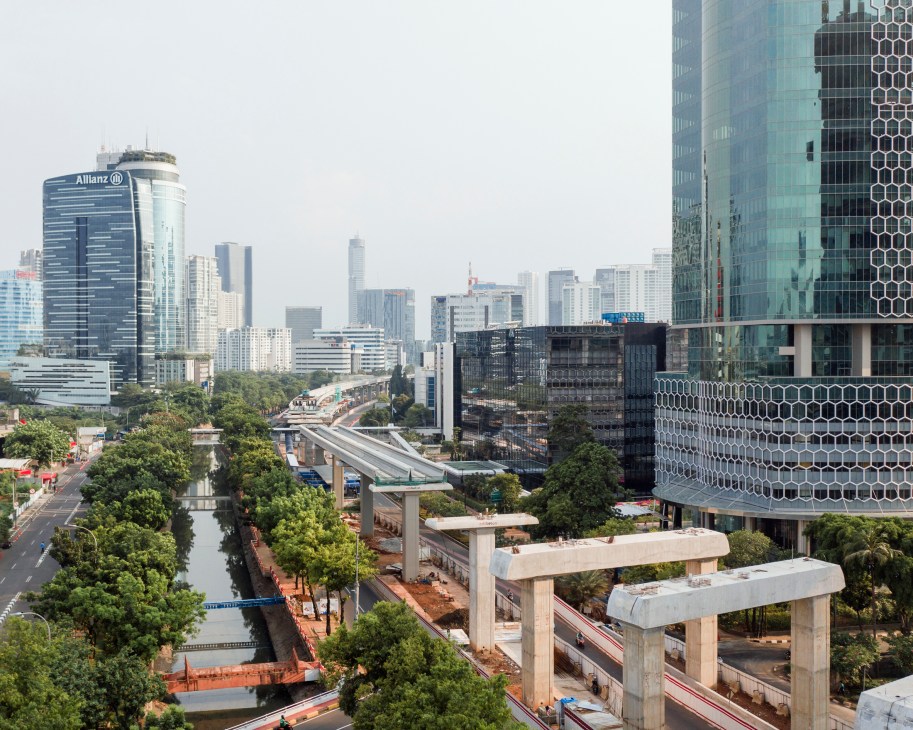
However, the ambassadors and ministerial staff may soon be looking for a new home. Indonesia has decided to move its national capital and Bappenas has been put in charge of planning the yet unnamed new seat of government. Relocating to the rainforest island of Borneo is arguably one of the most ambitious urban-planning endeavours of this kind ever undertaken – by any country – and 2020 will be a make-or-break year for the mega project.
President Joko “Jokowi” Widodo wants to spread economic opportunity away from the island of Java, where the majority of Indonesians live, and take some of the burden off of the former 17th-century Dutch trading hub. “The new capital could be another source of growth and we want Jakarta to heal a little bit,” says cabinet minister Bambang Brodjonegoro, who headed Bappenas from 2017 to 2019. Construction is slated to begin by the end of 2020 and the first Indonesian government workers should be moving there in 2024 (although the whole project will take decades).
“Our president wants to be different from other presidents: he wants to realise his vision,” says Bambang, who was in charge of picking the site of the new city. Jokowi called him to the presidential palace in 2017 and instructed him to find a suitable site in Kalimantan, the southern part of Borneo controlled by Indonesia. He had been working on the project for two years before the president went public with the move in August 2019. “It has to happen by the beginning of 2024 because the president’s term will end in October 2024.”
This ambitious – some might say unbelievable – timetable also reflects the sense of urgency around the notion of leaving. Menteng’s pavements, planned gardens and greenery embody everything that Jakarta is not. The Indonesian capital is a chaotic and sprawling city of some 30 million people crowded into kampungs (urban villages), with little public space or public transport. Streets often flood during the rainy season due to poorly maintained pumps and drainage canals that are clogged with rubbish. Jakarta is below sea level. Some districts are said to be sinking and the city sits on an earthquake zone.
Even on a good day the cluttered streets are filled with a cacophony of cars, bikes and food carts. For officials, getting around without a police escort can be arduous. Jakartans tell stories of taking 2.5 hours to travel 5km.
Jakarta’s problems are nothing new; nor is the plan to move the capital. Jakartans have heard it all before. Sukarno, Indonesia’s post-independence leader, floated the idea of shifting to Borneo in the 1960s. An alternative plan by one of his successors to move to nearby Jonggol was scuppered when rampant property speculation pushed up the cost of land. So scepticism is understandably rife, although Jokowi would have voters believe that this time will be different. For one thing the government already owns the land: 40,000 hectares of rainforest that has been earmarked to house some 1.5 million people.
Many countries have moved capitals before or are in the process of doing so (see panel, next spread); what sets Indonesia apart is the scale of its ambition. The likes of the US, Australia, South Korea and Malaysia selected sites that were in striking distance of the largest city. Conversely, Kalimantan is on an entirely different island – a two-hour flight away from Jakarta. Bambang draws comparisons with Brazil. The Latin American giant moved its capital from Rio de Janeiro to Brasília in the heart of the Amazon rainforest; the capital today has a population of about 4.5 million.
“Brazil did it in five years back in the 1950s,” says Bambang confidently. And it’s true that technology advancements should work in Indonesia’s favour – plus, the government isn’t starting from scratch because the selected coastal site is near two existing cities. Therefore contractors can make use of existing roads and an airport, as well as a sea port; that’s advantageous when shipping in city-sized building equipment.
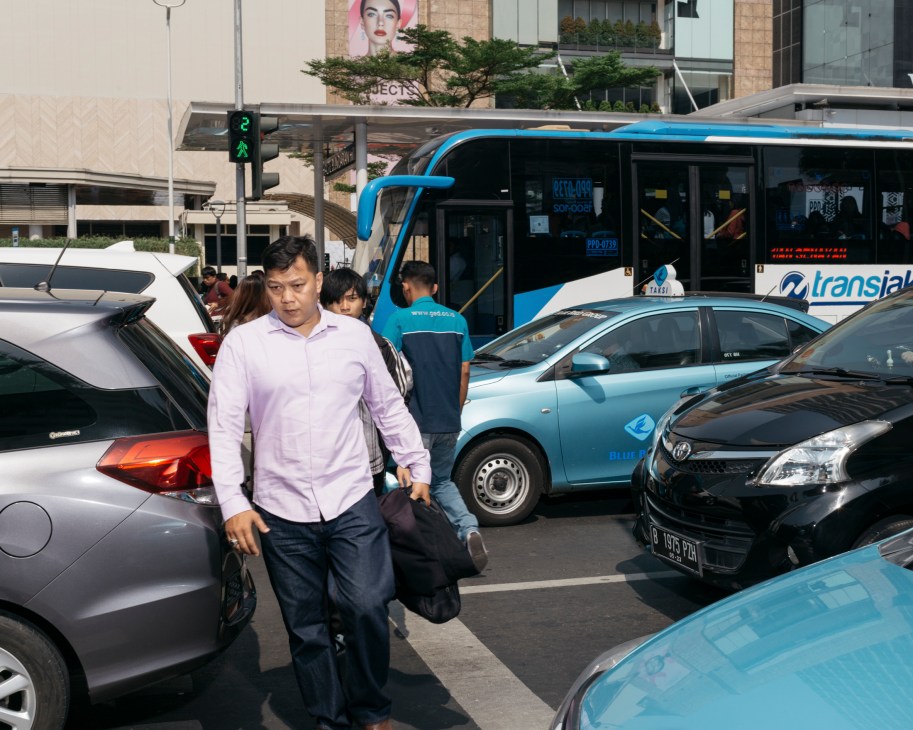
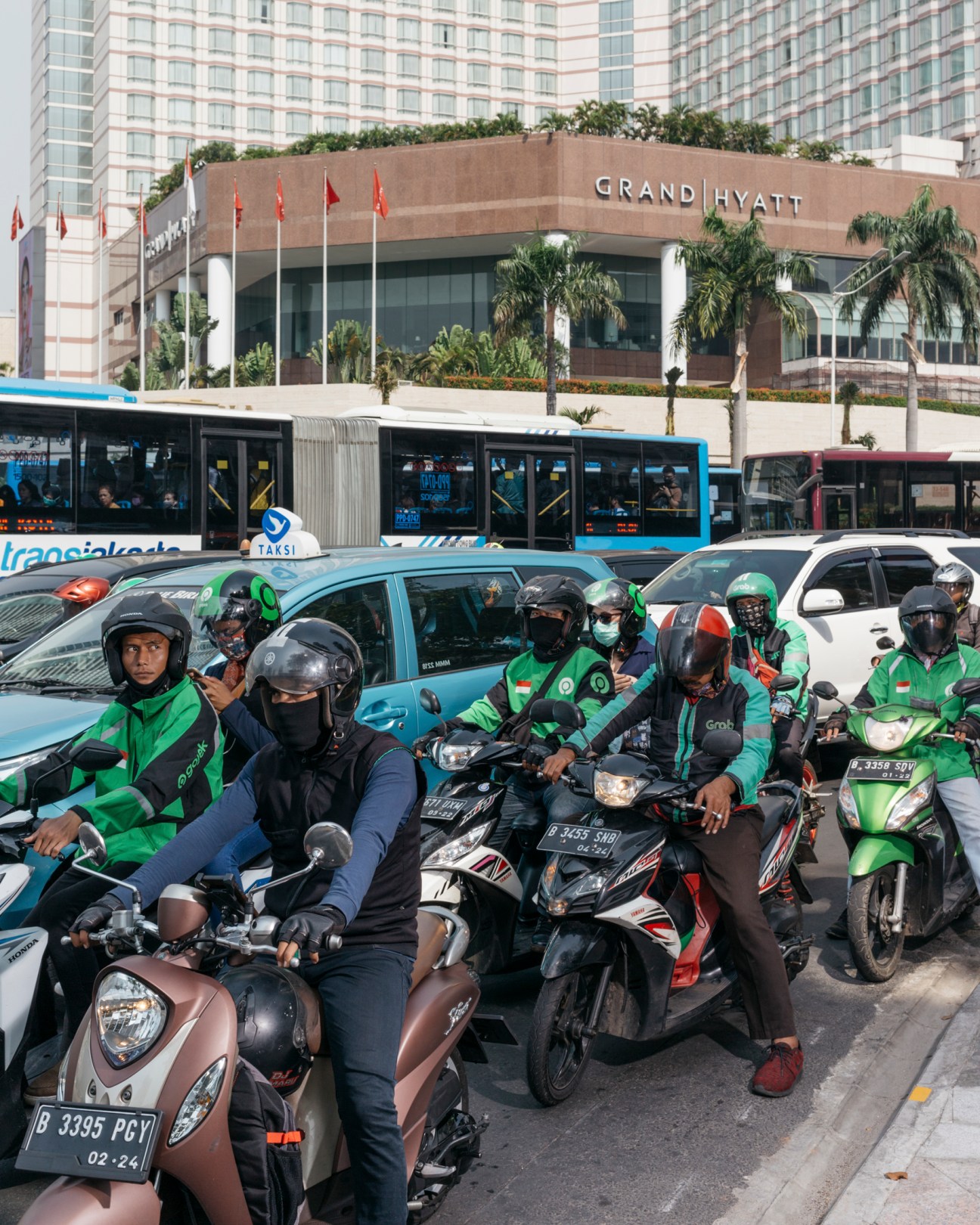
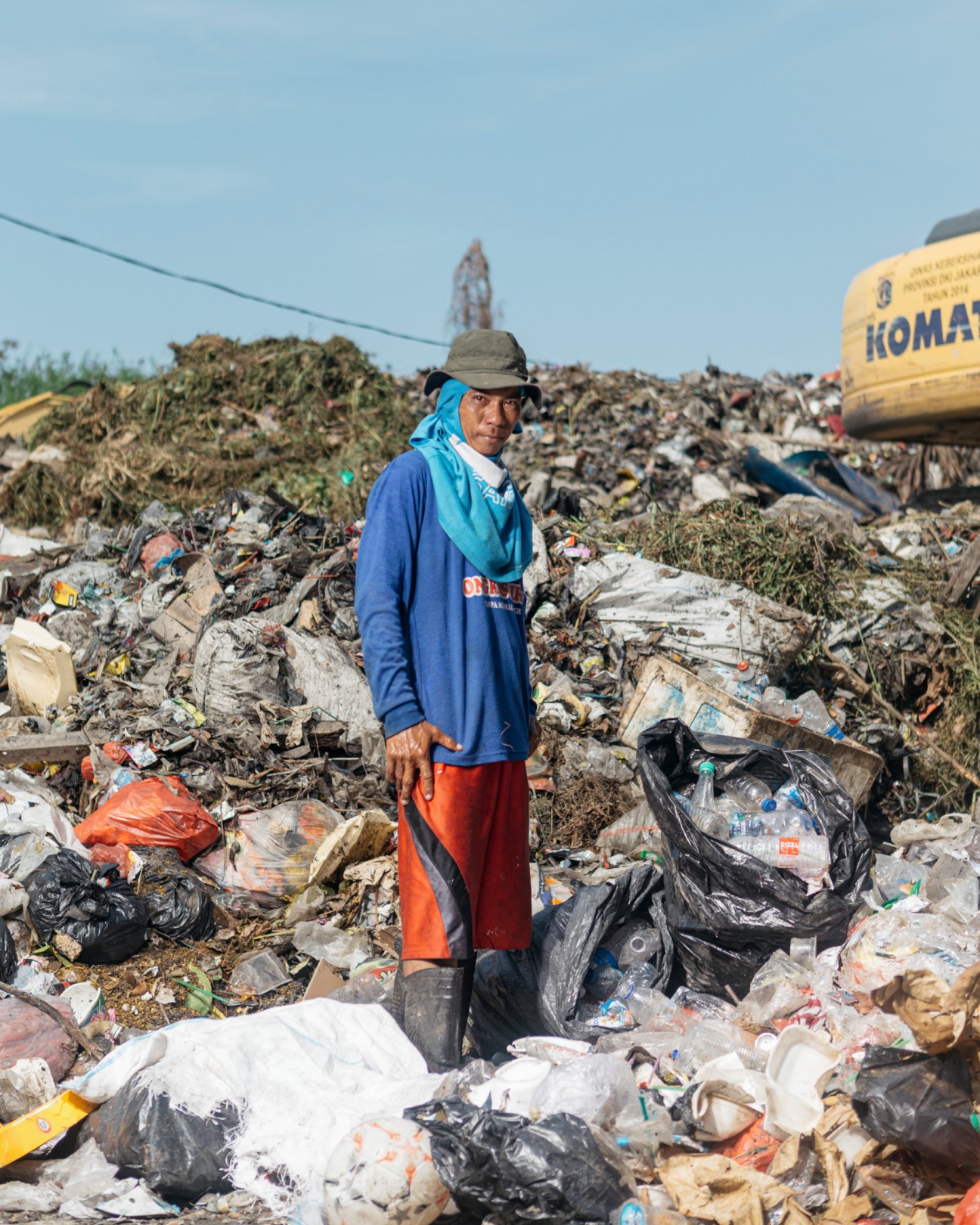
The need to address imbalances is another similarity. While Brazil’s economic powerhouses are clustered on its east coast, Indonesia’s are concentrated on the western island of Java. Jokowi wants the government to jumpstart economic activity in the eastern archipelago and start narrowing the income disparity between Java and the other islands. According to Bambang, “The disparity between western Indonesia and eastern Indonesia has been stagnant for almost 40 years.”
Both countries also picked a symbolic location in the geographic centre of the country. This is especially important in Indonesia, a sprawling archipelago made up of more than 17,000 islands and multiple languages, cultures and religions. East Timor gained independence in 1999; recent riots in Papua have reignited the spectre of eastern separatism.
Nevertheless, the big question on many people’s lips, especially in the business community, is why now? A tight government budget, combined with a plan to partly fund the project with private money, would be severely tested by any major shocks to an already slowing global economy.
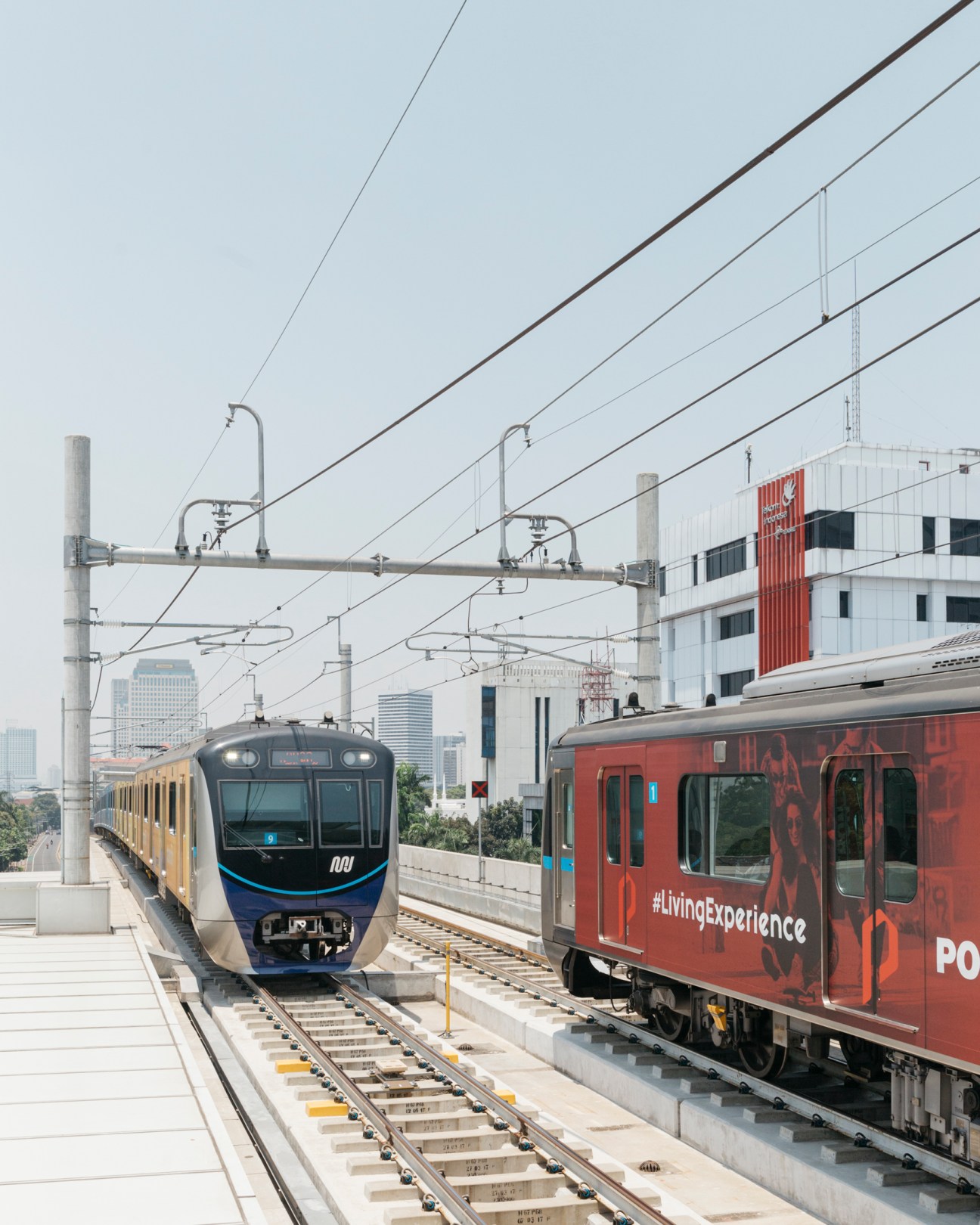
At the same time, residents of Jakarta are beginning to see some improvements in their city thanks to infrastructure investments, which began when Jokowi was governor and have sped up ever since. Upgraded flood defences, new toll roads, an Uber-like ride hailing service and the city’s first subway have all made life easier for Jakartans – and some are determined to stay. Regional association Asean has a brand new HQ and secretary-general Lim Jock Hoi has announced that the secretariat will remain in Jakarta, comparing it to the UN in New York. Jakarta, like New York, will continue to be Indonesia’s primary economic hub.
Unsurprisingly the word “legacy” quickly comes up in conversation. “He wants to have this as part of his legacy,” says Bambang, who can attest to Jokowi’s personal interest in the project. “The longest discussions I’ve ever had with the president during his first term were whenever we talked about the new capital.”
A €30bn price tag has been put on the relocation plan. While this figure is almost certain to rise, the political costs of securing Jokowi’s legacy could be even higher. “The project needs buy-in from parliament and the public, not just the president,” says Phillips Vermonte, director of the Centre for Strategic and International Studies, a Jakarta-based think-tank. That includes securing legislative support beyond Jokowi’s administration.
Jokowi’s success in winning re-election for a second and final term masks a complicated web of political horse-trading. His majority in parliament relies on a fractious coalition of parties and the country’s growing religious conservatism is forcing the liberal president into uncomfortable and uncharacteristic compromises. Controversial laws rushed through by the outgoing parliament caused student riots and several deaths. There is some suggestion that he let lawmakers pass a bill to rein in Indonesia’s powerful anti-corruption agency to win support for his capital project.
Likewise the public still need to be convinced. A nationwide poll conducted by Median after the decision was announced in August suggests that support for the project hangs in the balance. Approval numbers are likely to go up as more concrete plans emerge (scant details have been revealed so far). Government plans to invest in Jakarta would also assuage fears that the current capital will be unceremoniously abandoned and left to sink into the sea. “There is no really strong rejection of this plan,” says Daliana Suryawinata, co-founder of architecture firm Shau. “People get that we need to develop something and Jakarta will not lose from not being the capital.”
Past pastures new:
Indonesia has plenty of historical precedents to learn from; here are a few examples.
Canberra
The most boring city in Australia can still inspire
Canberra has long carried the mantle of being Australia’s dullest metropolis but there’s nothing dull about the city’s origins. Chicago architect Walter Burley Griffin, who is nowadays hailed for his visionary approach to the city’s plans, won an international competition and moved to Canberra in 1914, leaving behind a thriving practice in Chicago, a city that boasted revolutionary architects such as Frank Lloyd Wright.
Griffin’s plans were inspired by the site’s natural surroundings. “He really wanted to build a Washington DC, a city that people would find inspiring, and for it to be a great nation-building moment,” says Christopher Vernon, an associate professor at the University of Western Australia’s School of Design. But when he arrived he found that budgets were tight and suspicion of (non-British) foreigners was high. Facing stiff resistance, he quit the project in 1920 after being edged out of his leadership role; a new committee opted for suburban sprawl rather than the high-density city Griffin had planned.
Canberra became a budget version of Griffin’s grand vision and what started out as a compromise capital, midway between Sydney and Melbourne, is only now starting to find its own identity. Griffin’s original design did inspire other cities – including New Delhi and Rio de Janeiro – so perhaps Indonesia’s capital can draw some inspiration too.
Islamabad
Capitals can move – and so can their political problems
Islamabad’s planned grid of wide streets is a car driver’s dream when compared to the commuting chaos of Karachi but the new capital is by no means insulated from the country’s political jams: the airport is a regular target for domestic terrorist groups and hotels are mini-fortresses. Indonesia faces its own security challenges: religious conservatism is on the rise and terror attacks often threaten Jakarta. A new capital will need security to be built into the foundations; this will require architects and urban-planners to be particularly smart. Residents want a liveable city, not a police state.
Nur-Sultan (Astana), Kazakhstan
Beware too much symbolism
Moving the capital from Almaty to Astana was billed as a nation-building exercise by the country’s first post-Soviet president, Nursultan Nazarbayev. However, after two decades of authoritarian rule and dozens of architectural monstrosities, it has become a living monument to the man himself. The “leader of the nation” stepped down in March 2019 and Astana was promptly renamed Nur-Sultan in tribute.
Indonesia’s brief for its masterplanning competition calls for a sustainable and adaptable forest city, so it would do well to stick to the script. Fortunately it doesn’t have Kazakhstan’s oil money to squander.
However, environmental concerns about building a new city amid ancient rainforest will take a lot more assuaging. According to Bambang, the land is already being used for commercial gain and many of the adjacent forests have already been stripped by illegal loggers. But political promises to build a sustainable and adaptable forest city that fits in with the natural environment inspire little confidence in a country dogged by corruption and a poor environmental record.
The upcoming year will be decisive; even if, as most suspect, building contractors do not manage to break ground by the end of 2020. The next major milestone will be coming up with a palpable masterplan. “Year one is the most successful year of a 30-year masterplan – can you get people to buy into it and feel like it’s theirs?” says Sylvestor Wong, head of Asia Cities at architecture firm Aecom. “Unlike architecture, masterplanning is very ego-less. You have to be willing to let everyone feel that it’s theirs.”
Wong is working on New Clark City, which is being built by the Philippine government north of Metro Manila. He recommends that the Indonesian government plans for 100 years and then breaks it into five-year segments, so that there are bite-sized chunks for private investors to get involved in. “A good masterplan is a nimble framework that allows the unpredictable to happen,” he says.
While Jokowi has been criticised for a lack of public engagement over the new capital, he appears to be listening. An early government masterplan was scrapped in favour of a competition open to both domestic and international entrants; the in-house design, when viewed from above, was meant to resemble the mythical Garuda bird that appears on Indonesia’s state emblem, resplendent with a feather, wreaths and a Washington-style obelisk at its centre.
A promising judging panel has been appointed and the winner will receive a relatively sizeable design fee. Such a set-up is a rarity in Indonesia and recognises the long life of the eventual design. Daliana Suryawinata will serve as one of the 13 jury members alongside Ridwan Kamil, who is the architect-turned-politician who transformed Bandung as mayor before becoming governor of West Java. “As a country it would be our first time planning a new city so it excites me as an urban designer – it gives me hope,” says Suryawinata.
Her excitement is shared by notable Indonesian architects and there is a consensus forming about the need for efficiency: saving space, saving resources and reducing commuting times. A small capital, both in terms of its population and architecture, needn’t be seen as a sign of failure – nor lack of ambition. In this way, Indonesia can break away from comparisons to Brazil’s capital. “Brasilía was designed during a time when the only way to show identity was through monumentality,” says Suryawinata. “Is that still the case? I hope not.”
Q&A
Milton Braga
Architect
Milton Braga, an award-winning architect and professor who’s the author of an influential book about the pilot plan for Brasília, says the Brazilian capital (inaugurated in 1960) began as an architectural highlight – but forgot to plan for urban sprawl.
How did Brazilian authorities decide who would design Brasília?
There was a competition to present a masterplan for Brasília. Oscar Niemeyer was contracted by Lucio Costa, a student of the famous modernist architect Le Corbusier, to fulfill his winning pilot, assessed by an international jury. It was an extremely intellectual period in our history and the architects were prepared.
Is it considered the true capital of Brazil?
Cities are not a physical product – they’re a process. You can build a bunch of houses with almost utopian levels of over-planning but it is what comes after the architecture that matters. Culturally Brasília has become a big urban centre, with a thriving popular-music scene and a first generation that strongly identifies with being from the capital. The social question for the most part has worked and it has achieved the main objective of moving the focus of our country away from the coast.
What is the biggest challenge for Brasília now?
Brasília suffers from the same problems as other major cities when they start to populate. The original plan was designed for roughly 500,000 residents – fast forward 60 years and more than 3.5 million people live in Brasília and its outskirts. The horizon stretches away endlessly so the suburbs have sprawled with no proper development plan in mind, which has led to issues with infrastructure and housing. On top of that you add the broader issues in Brazil: poverty and inequality.
What can other cities learn from Brasília?
There was a big technical debate at the time about how to develop the city: engineers said Brasília needed a proper network of satellite towns, roads and flight paths built around it if the project was ever going to be a success. Fifty years ago many of the northern states in Brazil simply didn’t exist, so planners failed to imagine how the pilot might expand. We thought it was just one big building project, not a transformative process. That is worth considering when building something that will last for centuries.
What’s it called? The tricky game of naming a new city
Delving into history, while tempting, can dig up old memories. The US chose to name its capital after the first president and one of its greatest statesmen when it built Washington in 1790. Indonesia is likely to land upon its own founding father: Sukarno. As president he proposed the idea of moving the capital to Kalimantan (albeit a different area). “Sukarno City” would also win political support from Sukarno’s daughter, Megawati, an ex-president who wields considerable power. However, the leader of Indonesian independence went on to rule with an autocratic iron fist. A new name would offer a cleaner slate.
Riding the waves
The new Maine attraction
Lobster country turns to kelp
The lobster roll from Reds Eats lobster shack, which overlooks Sheepscot River in Wiscasset, is arguably the best in Maine. Customers queue for hours for a pile of fresh, hot lobster meat atop a hotdog bun. But the changing climate could mean that the crustacean won’t always be so readily available. Maine has seen record harvests in recent years; statewide catches were worth more than $484m in 2018. Lobsters make up three quarters of the state’s fishing income but they don’t like warm water – and 2019 was the hottest year on record.
Entrepreneurs believe that kelp is at hand. The seaweed grows in shallow coastal waters and might yet ensure the financial success of fishing in Maine. Abigail Carroll arrived from Paris in 2012 to launch Nonesuch Oysters in the Scarborough estuary. Its skincare products made from kelp help to balance the books off-season. Lisa Scali and Mitch Lench’s company, Ocean’s Balance, sells seaweed-based condiments such as kelp purée, wakame flakes and bonito sprinkles. “Seaweed was interesting to me from an ecological, sociological and business perspective,” says Lench. “Seaweed is the most nutrient-dense plant on the earth and it captures carbon. Seaweed goes beyond food: it provides solutions.”
Briana Warner (pictured) agrees. Her firm, Atlantic Sea Farms, helps Maine’s fishermen to diversify their income. “We provide seeds, help them get leases, provide training and buy everything they grow,” she says. The firm then turns the seaweed into food products to sell to natural-food stores in the US.
The potential global market for edible seaweed is expected to hit $8.8bn (€7.9bn). Too good to be true? Scientist Nichole Price, from Maine’s Bigelow Laboratory for Ocean Sciences, is optimistic but watchful. “Maine has the capacity to support seaweed aquaculture that is therapeutic to water quality,” she says. “But we need to grow the industry in a sustainable way.”
Foundation class
Architecture school for children
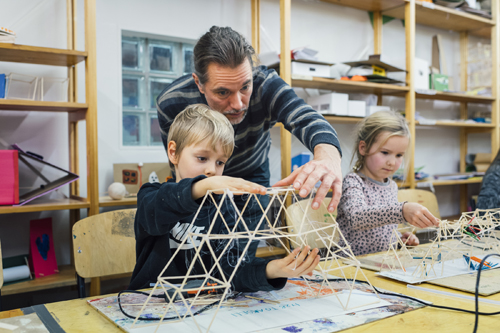
Seven-year-old Oscar is building an overpass with wooden blocks and glue. He places a bucket of playdough on top to test its sturdiness. “It needs to be high enough for boat traffic to pass under it and strong enough to withstand cars and pedestrians,” he says. The bridge holds the weight but fails a more important test: Oscar’s friend Miio smashing it to pieces. The boys burst out laughing.
The Arkki School of Architecture in Helsinki is no ordinary architecture school. Children aged four to nine are learning the basics of building – and having fun while they’re at it. “We give them problems to solve, tasks that are rooted in their own world,” says teacher (and architect) Minna-Mari Paija. “We don’t lecture and we don’t use books.”
In one class the pupils are building miniature deep-sea exploration vessels; in another they are designing transformable houses. The shelves are brimming with their earlier creations: it’s a wonderful glimpse into the boundless imagination of small children. “Why can’t we build houses underwater?” says nine-year old Sofia. “It would be so much more fun to look at fish instead of walls.” She is surrounded by models of everything from hillside housing to imaginary cities, skyscrapers and castles.
Founded in 1993, the school now attracts about 800 pupils a year for its extracurricular courses – and that’s just in Helsinki. Arkki School also has outposts in China, Thailand, Vietnam, the Czech Republic and Greece. With urbanisation around the globe showing no signs of slowing down – and likewise concern about climate change – the role of sustainable architecture is only going to gain importance. Educating the next generation of architects – or, simply, anyone who lives in a city – from a young age is a smart thing to do, particularly as the children here seem to be taking to the task with an enthusiasm unmatched by adults.
More often than not the architectural training that these children receive goes beyond the classroom. Some parents says that they’ve woken up in the middle of the night to find their offspring engaged in urban planning. Not all of them will end up pursuing what they’ve learnt at Arkki as a career but school principal Jaana Räsänen is no less satisfied. “Some of our pupils have become architects but that’s not our goal,” she says. “We want to raise citizens that understand the importance of architecture in creating a good living environment for us all.”

Smog burner
Krakow tackles air pollution
Pawel Scigalski, Krakow’s minister for air quality, is pointing to a map on his computer showing the historic city’s pollution levels; the centre is a reassuring green. But when his finger moves across the screen to Krakow’s outskirts, where the map turns an alarming shade of red, his smile fades. Thanks to coal still being burnt in its suburbs, Poland’s former capital often suffers from thick smog, especially on wintry days.
Krakow’s air is some of the dirtiest in Poland – in fact 33 of the 50 most polluted cities in the EU are here. The reason? Coal is still the main source of domestic fuel in the country and politicians call it Poland’s “black gold”.
Krakow’s recent turnaround is the result of campaigners fighting for it to clean up its act. For the past five years the local government has been phasing out solid-fuel boilers and stoves; a complete ban on burning coal and wood came into effect this September. The tipping point, though, was a petition and protest organised by Polish Smog Alert. The group continues to campaign and runs workshops on the dangers of polluted air. “It’s not like air pollution wasn’t around before Polish Smog Alert started in 2013,” says the group’s Magdalena Kozlowska. “But people didn’t say anything so politicians didn’t need to do anything about it.”
The conversation has also spurred entrepreneurs into action. Start-up Airly provides detailed pollution readings via its smart sensors, a service it sells to local governments. It was founded by friends who were training for a marathon but couldn’t get readings that would help them decide where to run. “The younger generation in Krakow is amazing,” says Airly’s Marcin Gnat. “They have the guts and talent to change things.” There are now more than 200 sensors in the city and some 250,000 people accessed Airly’s online map last year.
Activists and city hall will be keeping a keen eye on smog levels here come winter. Both believe that regulations have to be implemented across the entire country but the links between those in power and the mining industry are still too entrenched. Change is the air though. “What’s happening in Krakow proves that it is possible,” says Gnat.
No place to hide
Cock an ear to lipreading
It’s morning in a London café and the co-working crowd have settled in. I’m trying to guess what people are saying but I can’t make out the words over the din. But Tina Lannin can follow every word. Lannin is deaf but she can lipread from six metres away. It’s key to her ability to understand people and also her primary means of making a living: she is the founder of forensic lipreading firm 121 Captions.
It seems that I’m not the only one who’s curious to know what people out of earshot are talking about: the media’s desire to find out what public figures are up to off-mic has created a high demand for lipreaders. Lannin’s first projects consisted of trying to work out what people were saying in the background of Jihadi ransom videos. “It was harrowing,” she says. “The work bookings are slowly built up; the celebrities and politicians came later.”
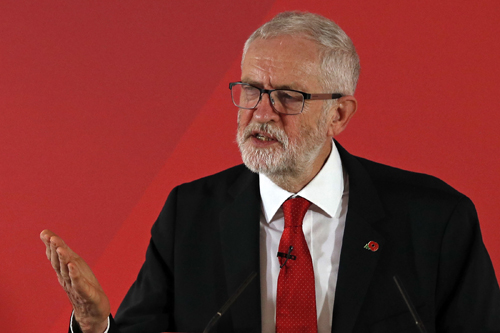
Nearly half her work is for newspapers and TV stations seeking to break stories on indiscreet outtakes; a 20-second video can take hours to decode. She was asked to lipread comments made by UK opposition leader Jeremy Corbyn (pictured) in 2018; he was accused of calling Theresa May a “stupid woman” but claimed that he had said “people”. “The shape of the words ‘people’ and ‘woman’ are completely different,” says Lannin.
That’s why Lannin employs seven lipreaders – at least two working on each project to verify results. All of the staff are deaf; Lannin says that it’s a pre-requisite for a good lipreader: “If you’ve been lipreading people all your life you should be good at it.”

Picture postcards
Something to write home about
Dan Ulrichs works with global artists to produce covetable artworks in the form of a €1.50 postcard. “The first print run was 10,000 with six or seven artists; I thought they would last five years,” he says. “In six months we were sold out.”
That was in 2015. Now the business – based in Galway, Ireland – produces 40,000 cards a year. Ulrichs has worked with 40 artists, printing some 700 works as postcards, greetings cards and posters. Last year he launched publishing firm Artwerk 1 Press, which commissions 12 in-house artists to create exclusive pieces. Most recently he started selling his postcards wholesale; 12 retailers in Ireland and abroad have stocked up. For all the fears that postcards might soon become a vestige of the past, Ulrichs’ business sends a hopeful message.
Creating a publishing company in Galway wasn’t easy. Ulrichs was running his family toy shop, the Wooden Heart, when he decided to pursue something that resonated more deeply with him. “I loved design, architecture and art,” he says. He realised that he had to establish the market he wanted to sell to. “I had to create something that would bring people through my doors. That’s where we looked at coffee.”
Coffeewerk + Press became known for the quality of its roast and the deft hands of its baristas. Ulrichs knew that this would draw attention to the other wares in his shop. It’s easy to walk out with more than a cup of coffee. Customers flick through cards divided by artist, from surreal mushroom illustrations by Ross to monochrome collages by Larissa Haily Aguado. The first floor is filled with design objects; Futagami’s brass trivets sit beside earthenware from Arran St East in Dublin. The second floor is a poster gallery.
By the window, two residents are enjoying a coffee. Ulrichs’s international vision is kept alive by the community. “It’s great that young people find us,” he says. “But the 60-year-old couple who come in every Sunday – that’s what warms my heart.”

Mind your business
Mass-scale meditation
My eyes are closed and the room is silent but for the droning of a shruti box: an Indian instrument that’s similar to a harmonium. The 300-strong audience has been asked to repeat a humming sound; my voice wobbles before latching on to the correct pitch. I’m at The Big Quiet, a mass meditation series launched in New York in 2015. Four years later the company embarked upon a US roadtrip, visiting 10 cities. This event, at the 1895 McKim Building at Boston Public Library, is the last stop.
Founder Jesse Israel starts with an icebreaker. Members of the audience are asked for their name, go-to karaoke song and a description of something they’ve done for themselves recently. Then come the breathing exercises, which include raising our hands and pulling them down with a shout and making animal noises. Next up are a series of mindfulness exercises before the 75-minute event is wrapped up with musical performances.
Even though I was expecting a little more quiet time than I ended up getting, there’s no doubt that Israel and his team are on to something. Everyone seems to want a piece of the wellness pie, whether it’s luxury hotel brands or start-ups working on mobile apps – and it’s a trend that looks set to continue in 2020. But the more meditation gains ground, the more it is being sold. Does something so personal remain effective on an industrial scale – and with such high production values?
Israel says that the motivation to found The Big Quiet came from his own experiences of feeling anxious and lonely in a big city, and the realisation that “the thing we crave most is human connection”. But the 35-year-old realises that not everyone engages with the New Age, incense-burning idea of spirituality. Instead his aim has been “to create entry points that make these experiences more accessible”, which is why he sees the nexus of music, entertainment and brand collaborations playing a part in The Big Quiet’s future. He hopes to take the firm’s events overseas and deliver mass meditations to as many as 20,000 people at a time.
While I didn’t quite achieve spiritual enlightenment on this soggy evening in Boston, I realise that the path is a long one. Yet I’m a little disappointed with myself: while we were being asked to concentrate on our heartbeat, I found my mind wandering. Israel says that this is perfectly normal – but I’m reluctant to confess that it landed on what I was having for dinner.
From Shanghai to Saigon
French expats ditch China for Vietnam
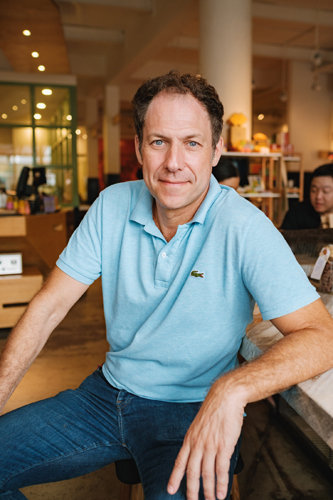
Maison Marou, a Parisian-style café-cum-chocolate factory in Ho Chi Minh City, is abuzz with customers. Founders Samuel Maruta and Vincent Mourou (pictured) are in expansion mode: a third outlet is due to open in 2020. The city’s booming F&B industry is attracting fresh talent. “Saigon [as residents still call it] feels like Shanghai did at the start of the decade,” says Maison Marou’s Julie de Bruyne. For many the change has been more noticeable over the past few years. when cars became commonplace and modern homes started to dot the skyline. “Saigon is a magnet for young French,” says Maruta.
Ho Chi Minh City is opening its doors at the same time that Shanghai is shutting up shop. French entrepreneurs are nudged towards the door while aspiring graduates, who are struggling to get visas, are heading to Vietnam instead. “In the government’s eyes, every foreigner working in China is stealing the job of a Chinese,” says De Bruyne, who often bumps into friends from Shanghai in Ho Chi Minh City.
China’s policy shift is heavy-handed but it is also a sign of Shanghai’s progress: regulations are up, corruption is down and outside talent is surplus to requirements. Henri-Charles Claude, country manager of building-management firm Aden Services (one of the largest French-owned employers in Vietnam), moved to Vietnam in 2015. “Foreigners still had a value in Shanghai back then,” he says. “We would never move back to China now.”
Internet censorship, pollution and China’s social-credit system, which ranks citizens on their contribution to society, are particularly galling for French expats. But the sun is shining in Ho Chi Minh City and its growing French population is intent on making hay – and plenty of chocolate.
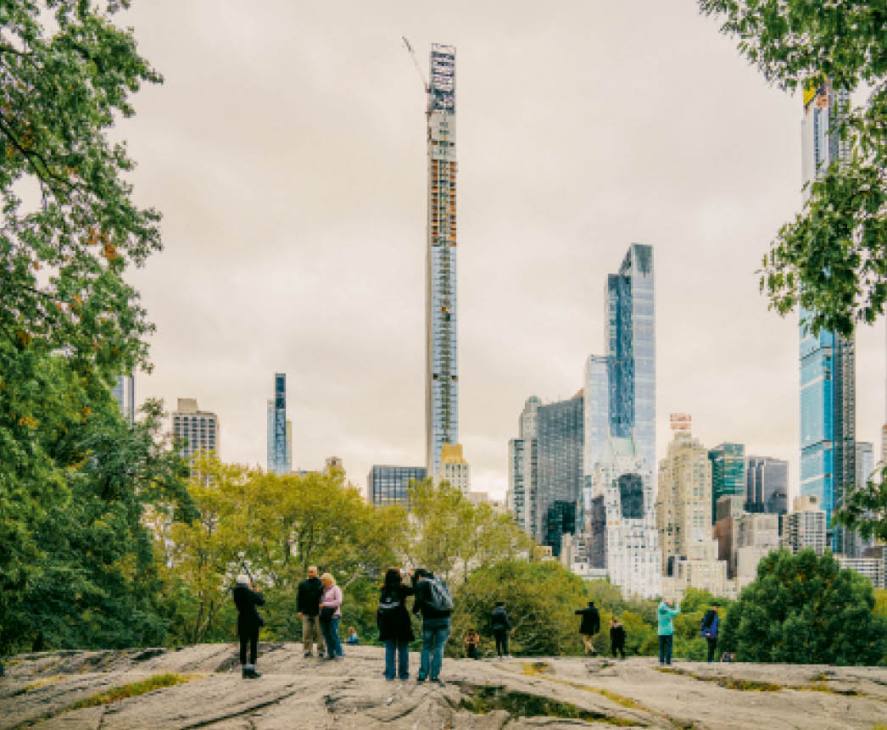
Lean times
New York’s ‘pencil towers’
Winds of 88km/h aren’t ideal for riding to the top of what is soon-to-be the world’s slimmest skyscraper, although it might be a good moment to see if the “tuned mass damper” – an anti-wobble device – is working. But the hoist running up the side of the building will only take me as far as the 43rd floor today – about half way up. A few days later I finally have the chance to stand on the roof, 388 metres above Manhattan. It’s a clear day and the views of George Washington Bridge to the north and One World Trade Center to the south are impeccable. Fancy a penthouse? It’s a snip at $50m (€44.5m).
The building in question – 111 West 57th Street – is set to welcome residents in spring 2020. It is part of a mutation of New York’s skyline. Just over a decade ago only two of the city’s buildings – the Chrysler Building and the Empire State Building – were “super-tall”(more than 300 metres high). Now there are almost 30. “Pencil towers” are all the rage. These slimline buildings are the result of expensive land, and an insatiable appetite for luxury and technical breakthroughs, such as the ability to produce concrete that’s two-and-a-half times stronger than previously achievable for shear walls.
There’s no doubting the architectural merit of 111 West 57th Street, which has a width-to-height ratio of 1:24. “We wanted to look at the history of the tower in New York and extract the dna of the buildings that the city loves,” says Gregg Pasquarelli, a founding principal at Shop Architects, the firm behind the design.
The tower wraps around an existing building from 1925: the former Steinway showroom. Its landmarked interior rotunda will become a retail space. But it’s the new façade that stands out. More than 41,000 pieces of terracotta and bronze filigree line the east-west shear walls; the north-south faces are wall-to-ceiling glass overlooking Central Park. “The best view of the best view in New York,” says Michael Stern, CEO of developer JDS. But not everyone is as excited: pencil towers are a symbol of the 1 per cent. Stern thinks there’s a disconnect between perception and reality: he says that the shadow projected by slim buildings passes quicker than that of larger towers.
The trend for super-tall buildings raises important questions. Architect Felipe Correa of Brooklyn’s Somatic Collaborative asks, “How does the city see the larger social landscaping changing?” Let’s hope that it won’t skimp on size and ambition there either.

Heart of craft
How Portugal is preserving its artisans’ skills
Inside a workshop in Lisbon’s Ricardo do Espírito Santo Silva Foundation, French designer Sam Baron is watching Portuguese craftsmen work on moulds for a mirror’s decorative reliefs. The piece, which will be adorned with plated leaves, is part of his latest collection. The designer is calling it “Feuillade”, a play on the French word for “leaves” and the Portuguese saudade (longing). The object is a meeting point not just for Portugal and France but also past and future.
Many designers appreciate the value of traditional crafts but it is not always easy to find artisans who are willing to experiment. That’s where Passa ao Futuro (Pass to the Future) comes in. The nonprofit organisation arranges collaborations between Portuguese artisans and international designers. “It’s about attracting young blood and understanding that these people carry important knowledge,” says Fatima Durkee, who founded the firm with her partner Astrid Suzano in 2016.
The pair realised that a lot of artisans were about to retire, taking their skills with them; the solution was to involve young creatives and direct artisans towards new ventures. Passa ao Futuro isn’t the only group to have understood that preserving the past is Portugal’s best route to the future.
A sticker reading “Lojas com História” (Shops with History) graces more than 140 storefronts in Lisbon – a city hall initiative that protects commerce which has long shaped the city’s economic, cultural and urban landscape. There’s a candlemaker that’s been active since 1789, a tea and coffee dealer that opened in the 1940s and Versailles Tearoom (pictured), which was founded in 1922. Álbio Nascimento is one of the curators of the project and says, “We are trying to create a network so that people notice that there is a historical social fabric.”

Look, it’s Mr Whatsisname
Who is Switzerland’s president?
Name the first 10 foreign national leaders who come to mind. It is likely that most will be buffoons or monsters; such are the creatures that get most of the press. So if an inept or malevolent leader is a surefire guarantee of notoriety, is the inverse true? Is it the case that well-run countries do not have well-known heads of government? Another challenge: name the president of Switzerland, by any measure one of the world’s best-run countries. If you can’t, don’t beat yourself up. On a recent assignment to Geneva, I asked a dozen or so people that very question; barely a handful knew the correct answer.
“I’m sure most Swiss people don’t know who the president is,” says professor Pascal Sciarini of the University of Geneva. “But the word has a different meaning in Switzerland.” This is true: Switzerland’s presidency is a collective role. The top tier of the country’s government is the seven-member Federal Council, elected by the Swiss parliament. Every year a member of the Federal Council is named president of the Swiss Confederation. In 2019 it was Ueli Maurer of the Swiss People’s party; in 2020 it is due to be the current vice-president Simonetta Sommaruga of the Social Democratic party. It is unclear how many of her fellow citizens will be aware of this. “A lot depends on how much a president tries to be visible,” says Sciarini. “Sometimes they get to the end of their year and nobody has really noticed them.”
So can this model can be exported? “I wouldn’t claim that the Swiss system can’t be exported,” adds Sciarini. “But it is part of a much larger set-up that is quite specific to Switzerland: the system of federalism, direct democracy and popular initiatives.”
Which could be where the fantasy of quietly competent leadership founders: we might have to do more of the work ourselves.
Warning: The Following Magazine May Challenge Prevailing Opinion.
It’s perhaps fitting that I’m writing this from the last major city that will ring in 2020. Yes, dear reader, I’m hard at work in Honolulu as we send the forecast to press and I’m very much looking forward to the year ahead. It’s also fitting that I’m writing this from one of the outermost time zones because something rather odd happens when you’re this far behind the global centres of decision making: you soon realise there’s a certain pleasure that comes with being a little off the global conversation. When you’re 19 hours behind Tokyo, 10 behind London and five adrift of New York, a lot of decisions and discussions have happened while you’re either fast asleep or tucking into your lightly grilled opakapaka (think of it as a pink snapper). Although there’s a thrill that comes with being at the centre of the chatter and breaking news, there’s also a great relief at being able to absorb, digest and analyse when geography leaves you far from the world’s major editorial hubs.
For the past year there has been considerable discussion across our own editorial floor about the luxury that comes from stepping outside the English-language news cycle and not relying on three or four major New York/London-based news outlets that are stuck on the same five stories, plus another three or four with themes that play a dangerous game of clickbait dressed up as righteous campaigning. If you’re blessed with a command of a second or third language then it’s easy to obtain a broader world view by dipping into the pages of Norway’s Aftenposten, France’s Les Echos and Brazil’s Folha da São Paulo, or tuning into a cultural debate on Austria’s ORF.
If your German or Portuguese isn’t fully polished, you needn’t feel left out. Mr Google’s translate function does a decent to occasionally excellent job of getting the point across by swapping an opinion piece or weighty bit of reportage into your language of choice. For sure, a bit of nuance is lost across 1,800 words of analysis on modern Poland and there’s a lack of beauty in the prose of a 3,500-word interview in Die Zeit. But, at the very least, you’ll walk away with a perspective that is far away from what’s being trotted out as a “world view” by the English-language media.
Spend a bit of time in the pages of Spanish, French, Mexican, German and Swiss dailies and you’ll soon realise that things aren’t quite as straightforward as the English-language powerhouses would have us believe. And thank heavens. Whereas less popular points of view have been shut out in many English-language media outlets, controversial opinions can still find a full page in a very respectable outlet elsewhere.
Before I touched down at my base in the mid-Pacific, Monocle hosted a small but punchy cities conference in Chengdu in early November. Over a lively hotpot dinner with various delegates (most of them British, Australian and Dutch) there was a point when the volume of conversation lowered and my dinner guests started glancing over their shoulders and speaking into their napkins – not because of the volcanic Sichuan peppers spiking every mouthful but because they had something potentially potent to say. It was at this point that I was reminded how stifled conversations have become in the English-speaking world and how terrified many people are of putting a foot wrong by being culturally insensitive or not being abreast of the latest “no-go” topics – and having a point of view that’s not part of the mainstream.
By now you might be familiar with this parallel global conversation that is happening across dinner tables, in quiet corners of dimly lit bars, between the seats of heavily upholstered cars and anywhere else that people find themselves out of earshot and among those they can trust. Only in these safe spaces can differing views be presented, the seemingly absurd be questioned or the clearly ridiculous dismissed. We like to think that all these media platforms allow for a grand, global discussion but it couldn’t be further from the truth. Instead of providing a variety of views and allowing for intelligent debate, too many English-language news outlets have shifted to the default stance of being do-good campaigners rather than taking the balanced position of being questioning news outlets.
As Monocle develops its story line-up for 2020, we want to ensure that we present a variety of views and opinions that are well removed from the narrow agenda being driven by others. Ours may not be the most popular take on the world but that’s just the way we want it. We’re here to question, to challenge and, more importantly, to present perspectives that fail to find space in other outlets.
I welcome your thoughts on the above; you can get in touch with me at [email protected]. In the meantime, thank you for all your feedback and support during the course of 2019. I can assure you that it encourages our fresh take on global affairs, business, culture and design – and all the other elements that define the forecast and Monocle. Cheers.
Step it up




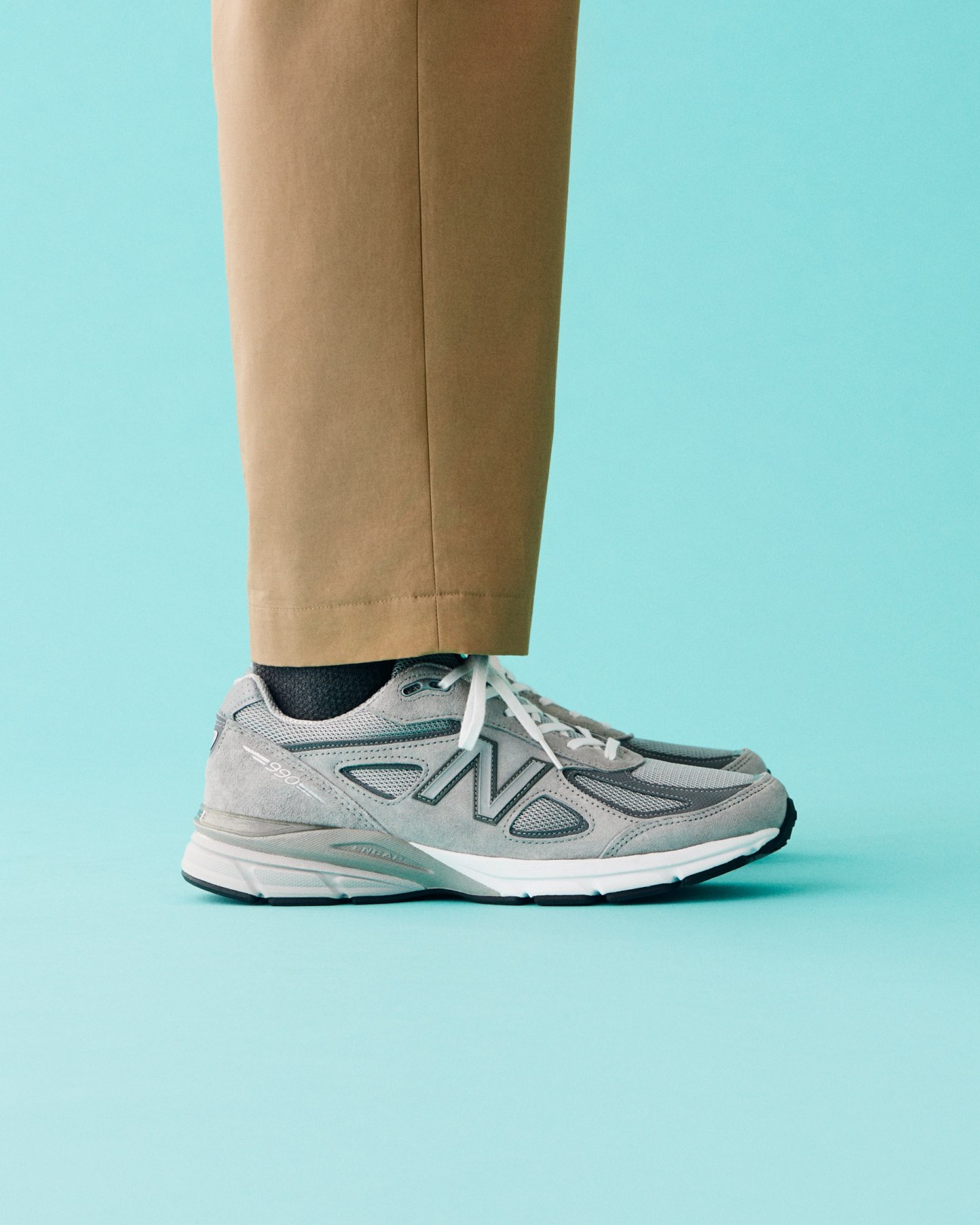



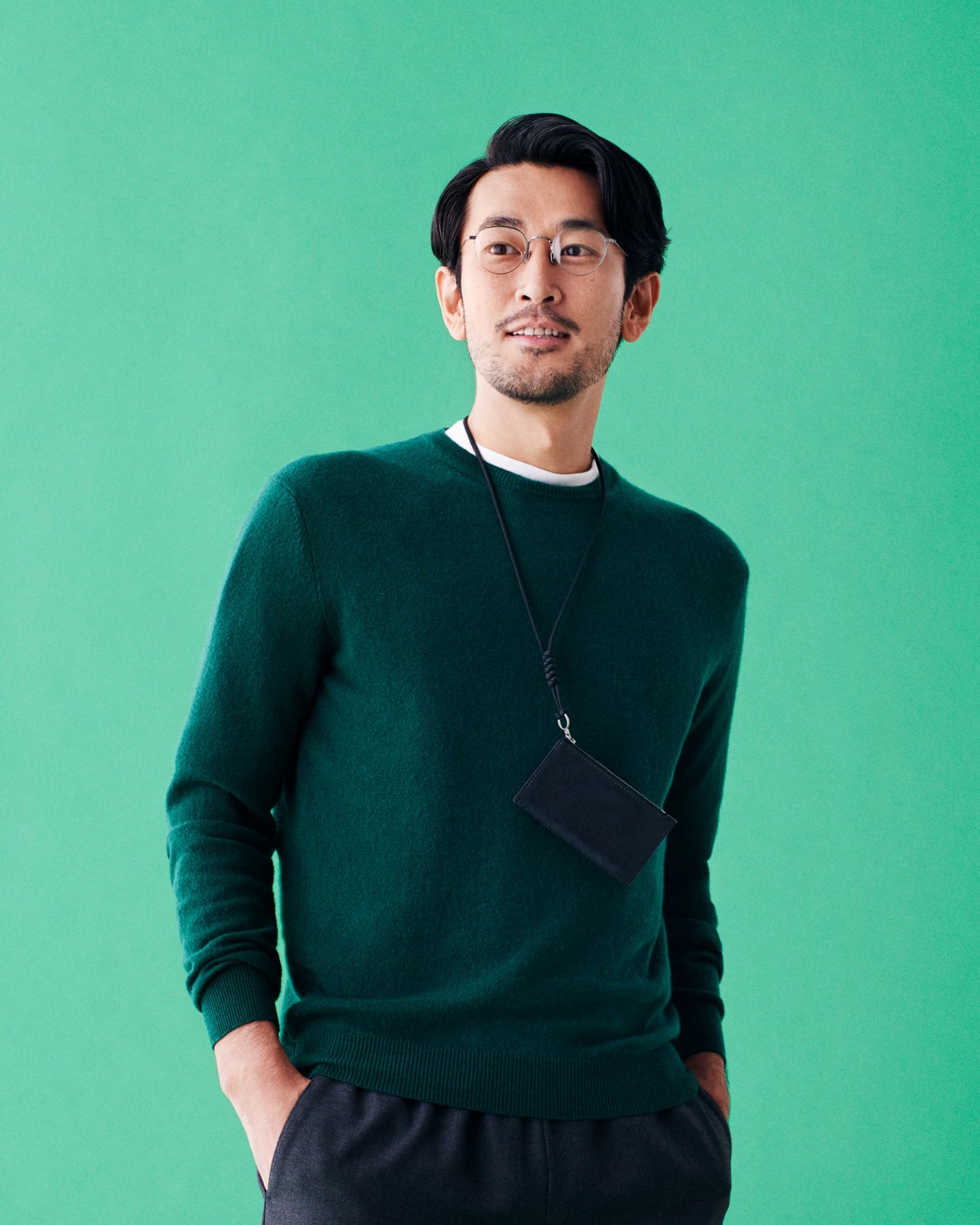







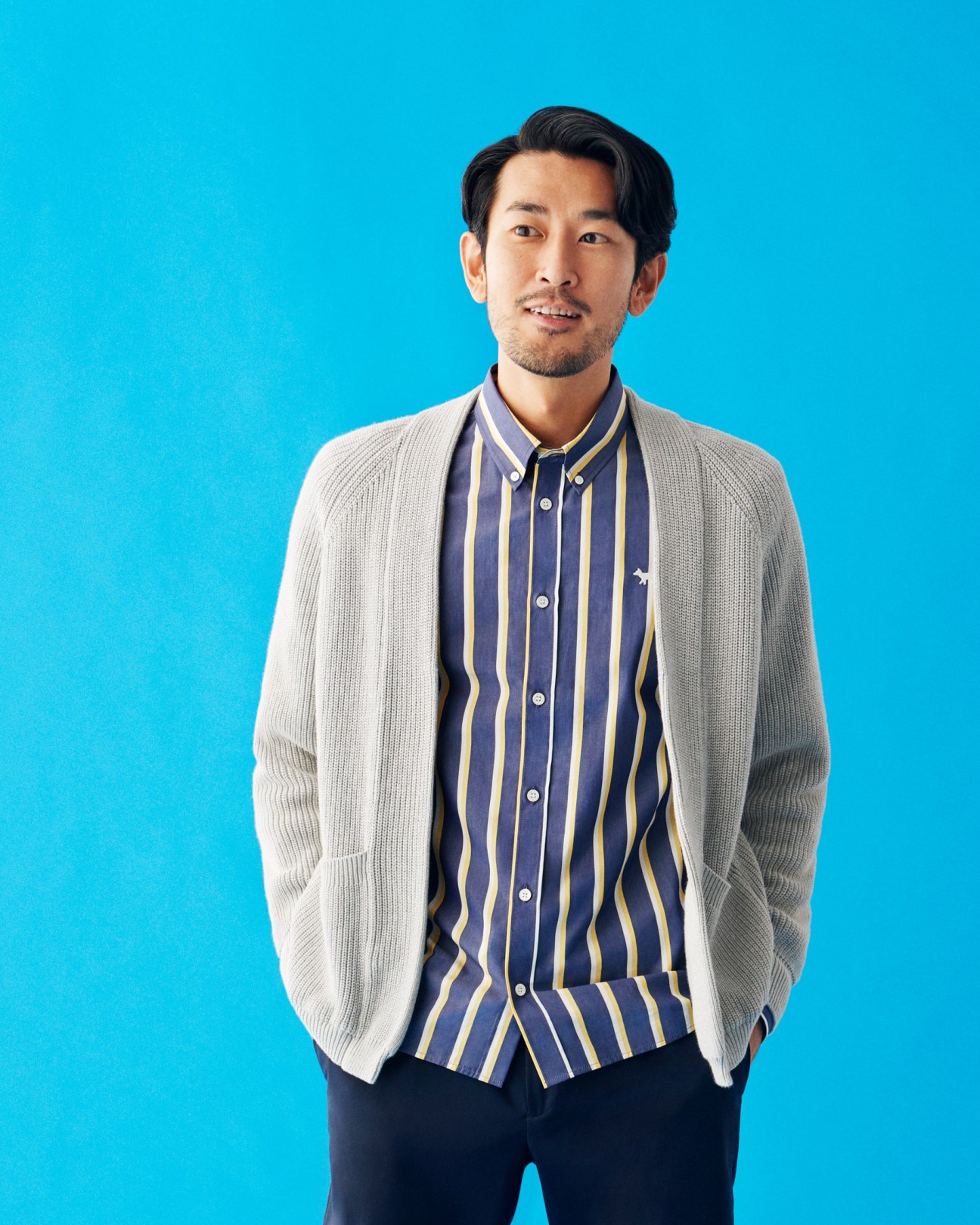






Stylist: Shun Katakai
Hair and make-up: Masaki Takahashi
Models: Ken & Takeshi Watanabe
High flyer
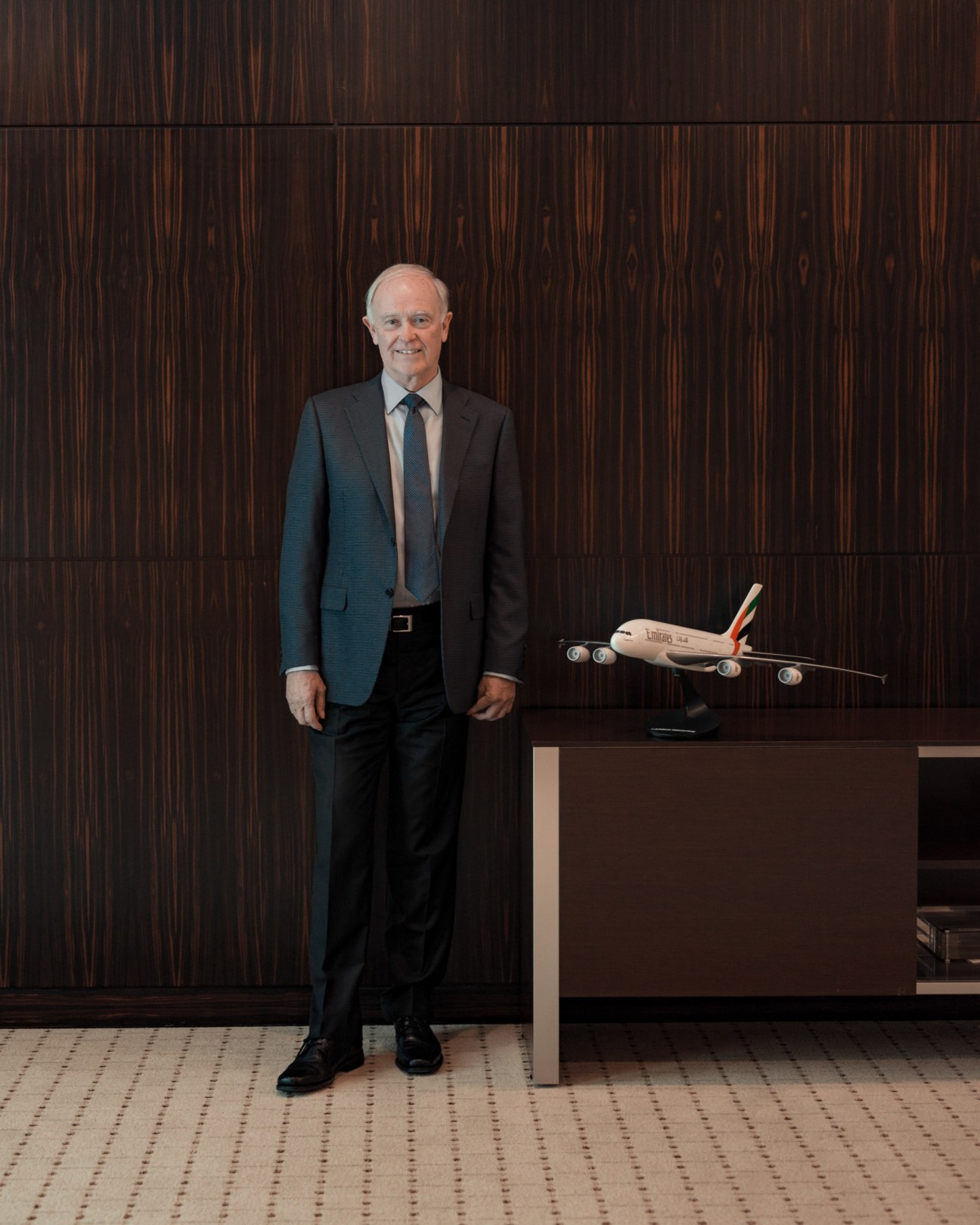
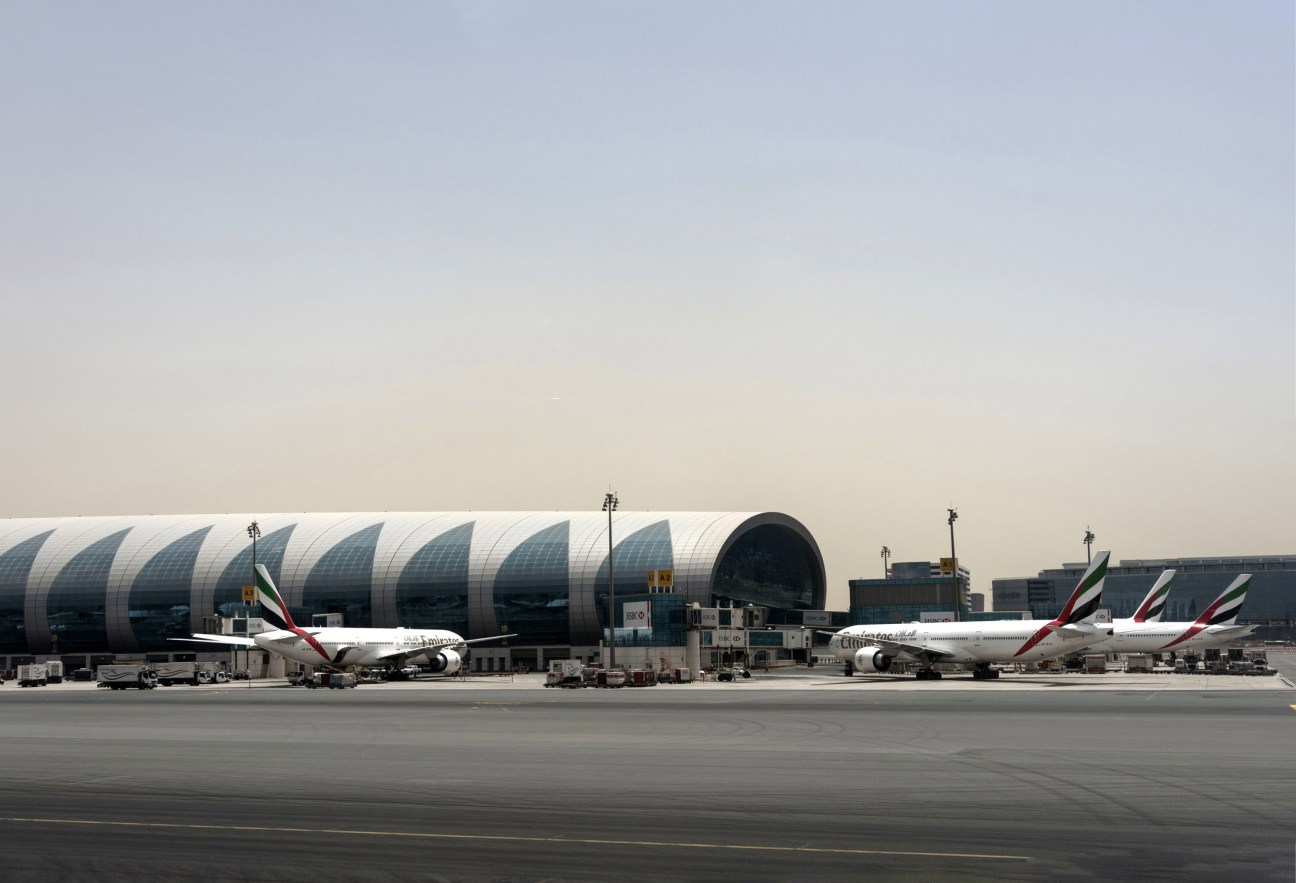
Sir Tim Clark is not coy about the achievements of the company that he has helped to build over more than three decades. “What I think we have done is reshape and redefine the way airlines go about their long-haul business,” says the Emirates president, as gleaming white Airbus A380s and Boeing 777s roll by outside his office’s windows in Dubai International Airport. Raised in Birmingham, UK, far from the pomp and glitz of modern-day Dubai, the 69-year-old airline veteran started his career at British Caledonian before taking a post with Bahrain’s Gulf Airlines in the mid-1970s. He signed on as Emirates’ head of airline planning when the company was founded in 1985 and has been president of the state-owned company since 2003.
He is likeable, with a sharp sense of humour and the polish of a lifetime as an executive. And he is clearly comfortable going against the grain: when he joined the Emirati airline it was an underdog operating in a stifling geopolitical and cultural environment. “My peer group used to think we were barking mad,” says Clark, who was knighted in 2014 in recognition of his services to British prosperity and the aviation industry. “We had wars, insurrections, Kuwait one, Kuwait two, cruise missiles – all sorts of things going on.”
Since then, from a company with a tiny fleet of two narrow-body Boeing 727s, Emirates has grown to become the world’s fourth-largest airline by passenger kilometres flown and the second-largest by freight tonne. In 2017 its 268-strong fleet carried nearly 58.5 million passengers and 2.6 million metric tonnes of cargo, bringing in $12.1bn in revenue. Despite criticism over the support it receives from the UAE government and numerous allegations of unfair play, it has become a major competitor for much more established airlines. To understand how, you have to go back to the 1980s.
When Emirates was created by Sheikh Ahmed bin Saeed Al Maktoum, the UAE’s sometimes tense relationships with neighbouring countries such as Bahrain, Oman and Qatar meant that flight options were restricted. The word “aeropolitics” may not be in the dictionary but it became a very real term – and so the Emiratis decided they needed their own airline.

“That’s the reason Emirates was formed,” says Clark. “We’re right in the middle of land masses and population masses of the eastern and western hemispheres. At that time the east hadn’t risen. The west controlled air flows.”
The management team decided to focus on long-haul travel, going toe to toe with long-dominant western carriers. They took on the likes of PanAm, Lufthansa and British Airways and what Clark calls the “pre-determinist world” they had created. “The pre-determinist world was: you have one flight, I have one flight. You have 10 seats, I have 10 seats. You make a cheese sandwich, I make a cheese sandwich exactly the same,” he says. Those carriers thrived in part because they were built on a model of highly restrictive and protectionist international air agreements. “We had to start a mission to persuade [foreign governments] that multilateralism is the way to go.”
Little by little, the UAE began forging “Open Skies” agreements, designed to eliminate government involvement in airline decision-making about routes, capacity and pricing in international markets. That aeropolitical game, coupled with deregulation in major markets such as the US and Europe, soon paved the way for Emirates and many other airlines to capitalise on a new era of long-haul travel.
What followed was an industry-wide rush to acquire wide-body jets that could accommodate more people – and make the long journeys these new agreements allowed more profitable. Emirates started with smallerAirbus A300s and A330s, moved on to A340s, then Boeing 777s and eventually the A380. It’s with the A380 that Clark, who initially thought the 500-passenger double-decker was simply “just too big”, became bullish. The company bought 15 in the early days and has since made the jet its flagship. It now has a fleet of more than 100 that enable it to dominate the skies.
That domination has not gone unchallenged. The US airline industry has previously alleged that the UAE has pumped $25bn (€22bn) in government grants, airport fee exemptions and capital injections into its airlines (state-owned Etihad Airways is based in neighbouring Abu Dhabi), violating the “Open Skies” agreements. Emirates strongly denies the claims, with Clark pointing to public audits by Price Waterhouse Coopers. Nevertheless, a trade group composed of major US airlines and labour unions has been petitioning Washington to take action since 2015 and in May 2018 a deal between the US and UAE was announced: all Emirati carriers would begin releasing more transparent accounting information.
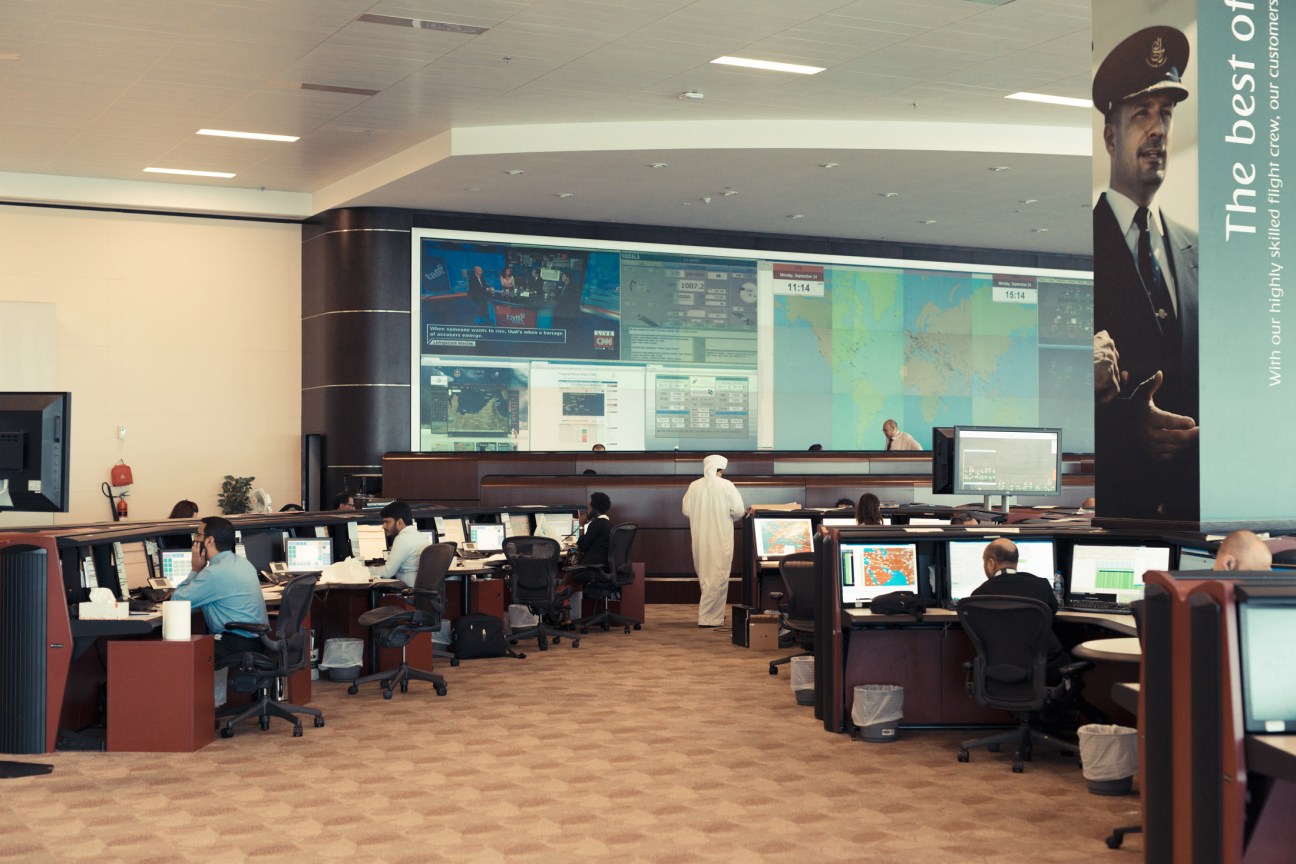
There are other criticisms, such as the national ban on labour unions, which allows Emirates to keep wages down and cut staff when needed, or the fact that while most airports face strict night-time noise restrictions that prevent flights, Dubai airport never closes. But Clark doesn’t let the detractors bother him – he’s too busy keeping his eyes on the prize. Indeed, the floor-to-ceiling world map in his office (a present from former Brazilian president Lula da Silva’s own office wall) feels like the monitor through which he keeps tabs on his airline’s progress.
And the future looks bright. In the near term he predicts that oil prices will keep airlines guessing. This year Emirates spent about $10bn (€8.7bn) on fuel and geopolitics will continue to cause periodic scares. In the long term, however, he envisions a completely streamlined airport experience driven by artificial intelligence and facial-recognition software. Emirates has already introduced a trial biometric passport- control tunnel as the first step towards a seamless journey. Such technology will soon enable airlines to significantly reduce the number of employees needed.
It may sound far-fetched but given Clark’s track record, he’s either great at guessing or he’s equipped to will just about any big idea into existence. “I’m an optimist in this business, I have to be,” he says. “I’ve lived right the way through it for the past 45 years in the Middle East. I’m kind of immune to it.”
Behind the scenes
Emirates flight-crew training
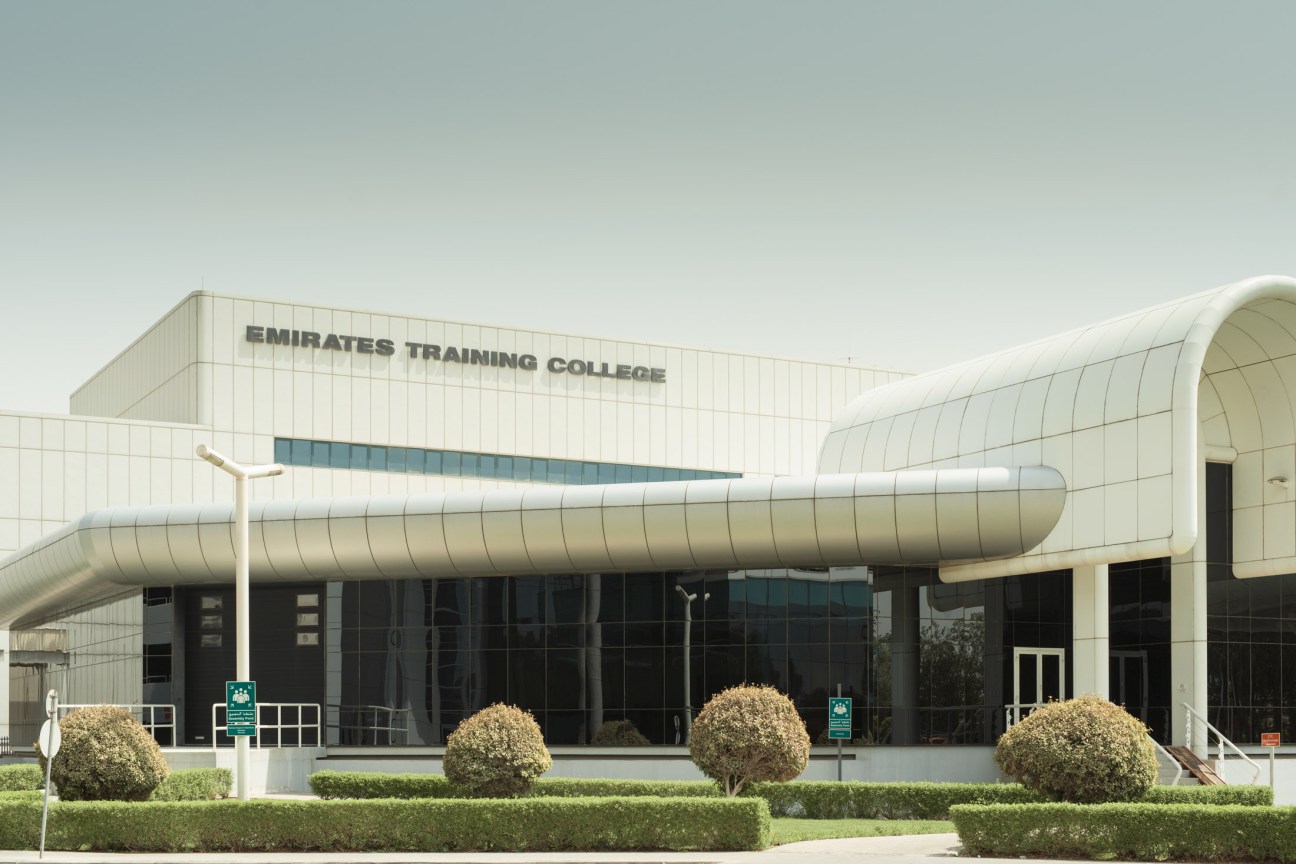
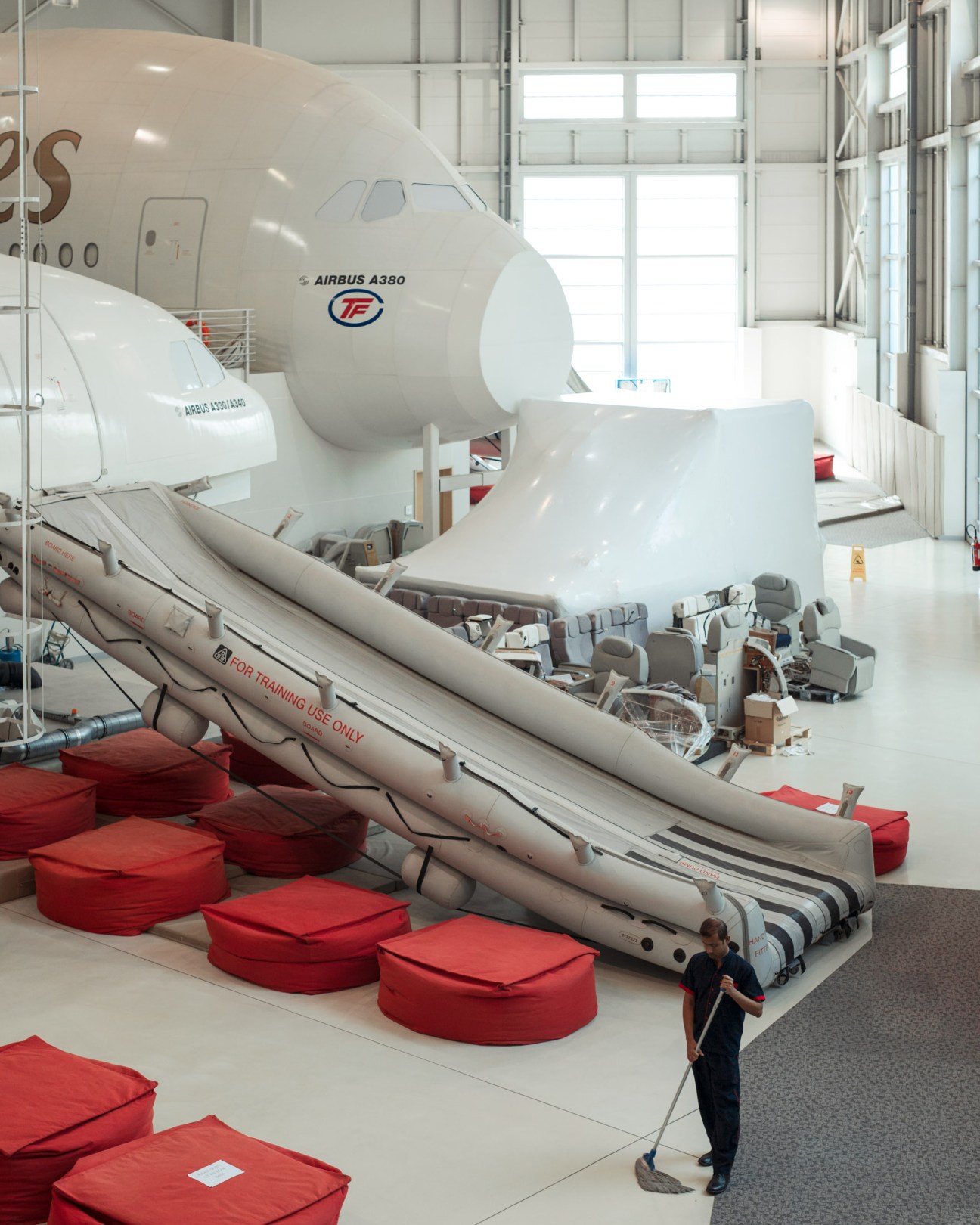
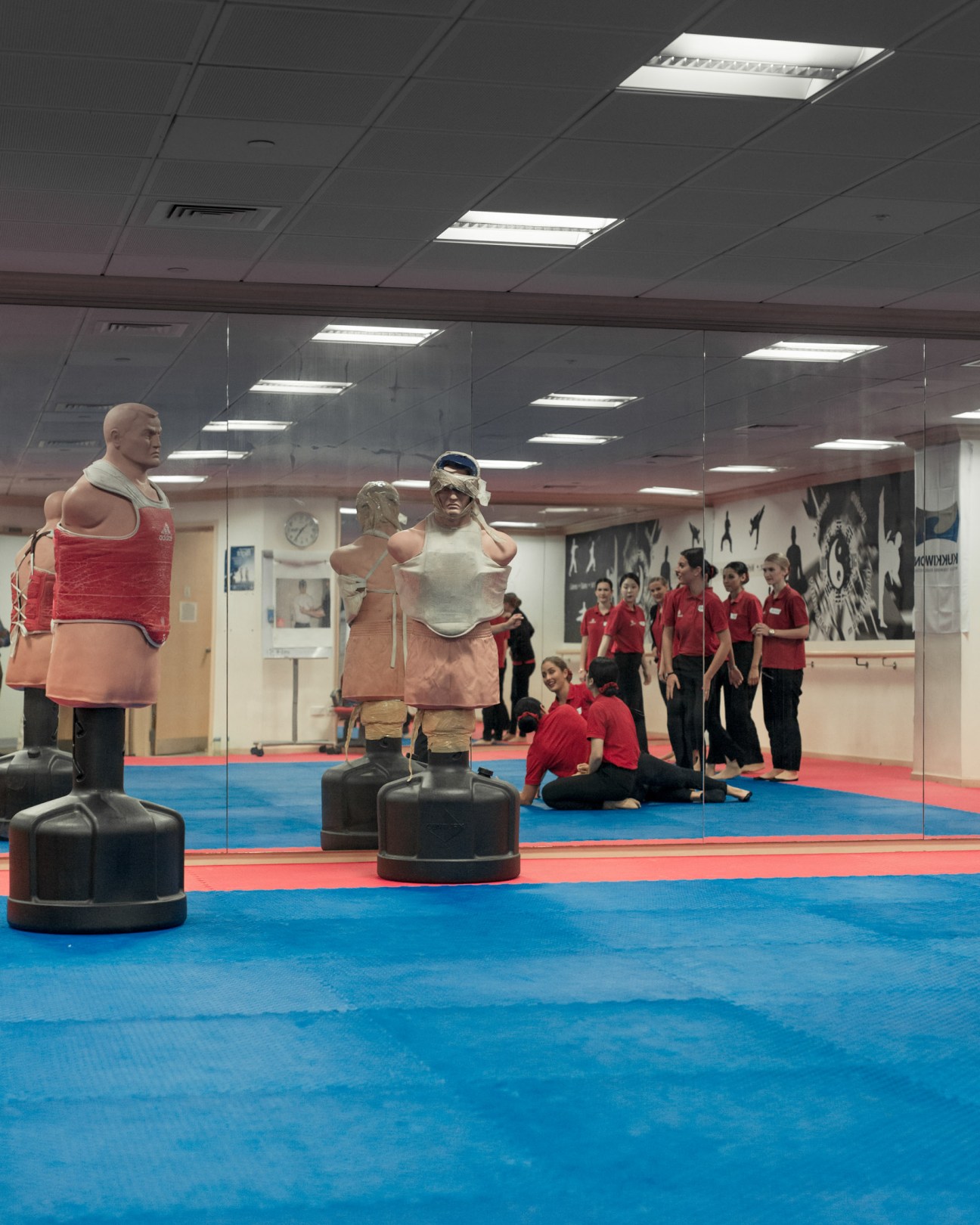
When flight attendant trainees arrive at the Emirates Aviation College they get an education that goes far beyond serving meal trays to hundreds of passengers at a time. “We start at 5.30 in the morning and we finish training at 11.30 at night; we run three shifts a day to get through the scale that we have,” says Catherine Baird, senior vice-president of cabin-crew training at Emirates, as she inspects a scale replica of the Business Class cabin on an Emirates Airbus A380.
It’s Baird’s job to ensure that the 120 cabin-crew trainees that arrive every week learn the ins and outs of the job. Trainees are put to the test in airplane-cabin mock-ups, responding to water-landing, fire and onboard medical emergency drills. Such extensive and lifelike facilities, covering nearly every angle of a jet’s potential journey, are rare in the business, according to Baird. “It’s all experiential learning. Because I’ve got 140 nationalities I can’t show them just text. You have to be able to bring people in and get them to practise and do things.”
The whole programme lasts eight weeks and admission is highly competitive. More than 200,000 hopefuls apply every year for about 3,000 spots. “We’ve got people who join us who have tried three, four, five, six, seven times,” says Baird.
The dry state that stockpiles alcohol
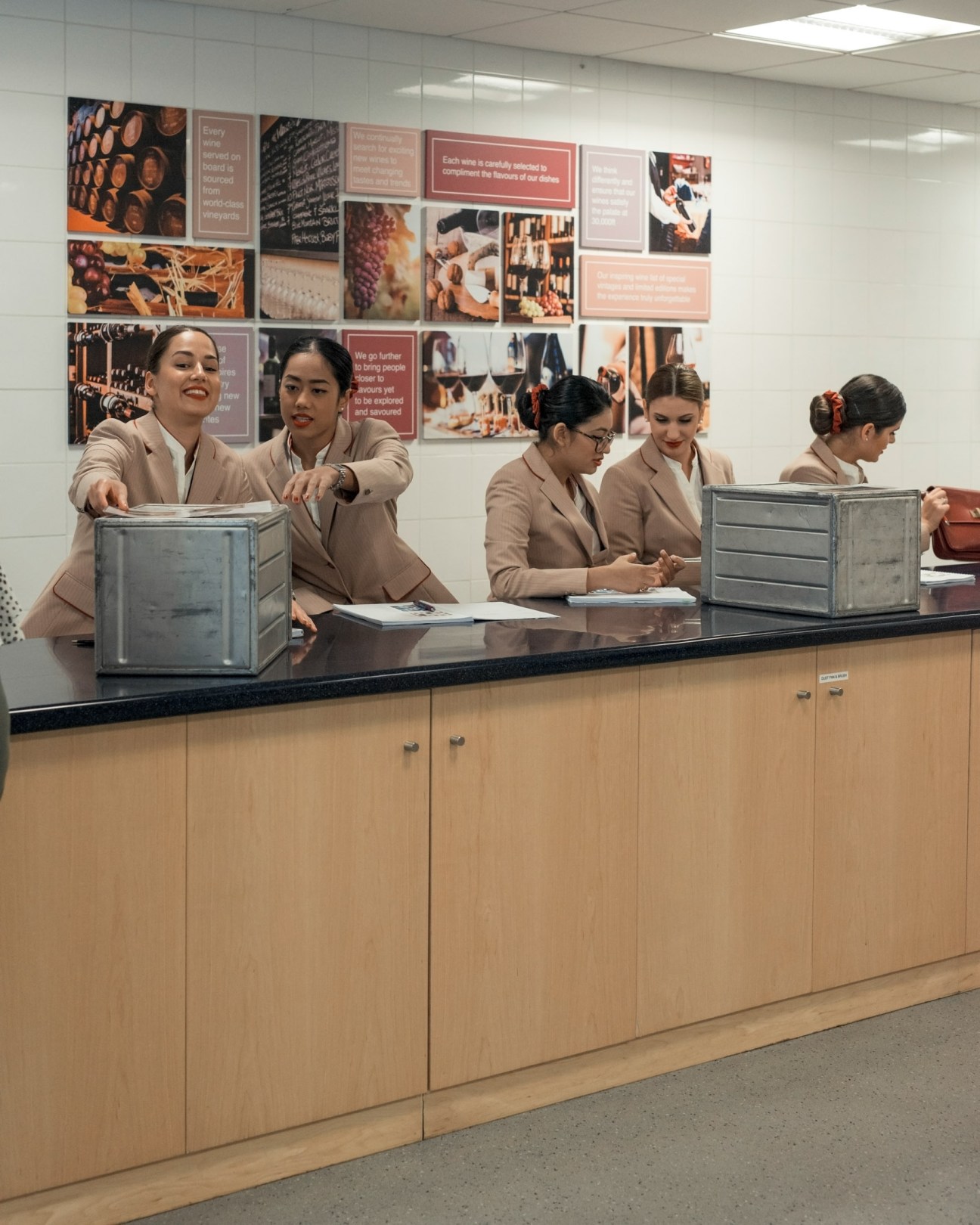
The UAE may be known as a tricky state for tipple lovers but a flight on an Emirates plane is a whole other world. In fact, although there are a number of challenges when it comes to ensuring top-quality vintages for its premium passengers and transporting wine safely as cargo, operating in a mostly dry state is the least of the airline’s worries.
Soaring ambient air temperatures affect the proper storage of wine and every litre of it has to be imported to the UAE, a country where the sale and consumption of alcohol are highly restricted. The Emirates Group owns one of two liquor distributors in the country, which reduces some of the complication, and it also ships bottles from Dubai to points on its network just to ensure that there’s quality product on the return flight.
In addition, Emirates’ voracious demand for fine vintages has meant that the airline needed to have a better handle on its wine-supply chain. To tackle this, Emirates spent more than $500m in acquiring a wine cellar in France. This ensures that the airline can keep up with its own demand. “There are well over a million bottles of wine that are the property of Emirates, just ageing there,” says Robert Paulus, senior supply-chain manager at Emirates Flight Catering. “We do not compromise on wine quality.”
Images: Shutterstock
Double vision
With fanfare and fireworks, the new US embassy opened in Jerusalem last May. The US diplomatic mission’s move from Tel Aviv was castigated by Palestinian leaders, and European and Middle Eastern allies, as irresponsible, dangerous and even catastrophic; deadly confrontations between Israel and Palestinian demonstrators in Gaza underlined these warnings. But Israeli and US leaders speaking from the podium promised a new “realistic” beginning for the Israeli-Palestinian peace process and foretold that a diplomatic tsunami was about to hit Jerusalem. Prime minister Benjamin Netanyahu said he expected other countries would soon move their embassies, following the US’s lead.
So far only Guatemala and Paraguay have actually made the move, and Paraguay reversed that decision less than four months later. However, Australia, Romania and the Czech Republic have all said that they may follow suit, while Brazil’s new president Jair Bolsonaro has reiterated his plans to move his nation’s embassy. With the US set to expand its embassy staff by the summer, according to a State Department official, could all this activity transform Jerusalem into a proper diplomatic city?
While Washington says that “recognition of Jerusalem as the capital of Israel is simply a recognition of reality”, for most of the international community, Trump’s decision has undermined the principle that the competing Israeli and Palestinian claims on the city can only be decided through a negotiated settlement. “It was one of the most undiplomatic decisions you can think of,” says a European diplomat, candidly, about Trump’s move. “It threw the diplomatic consensus – that Jerusalem is a final-status issue – under the bus. We will all be happy to recognise West Jerusalem as the capital of Israel when we can recognise east Jerusalem as the capital of the Palestinian state.”
Daniel Seidemann, a much sought-after legal expert and adviser on Israeli-Palestinian relations in the city, concurs. “America’s move of the embassy has not, in any significant way, impacted the recognition of Jerusalem as the capital of Israel. I think that we will pretty much see a continuation of what we’ve seen until now.” That is, he adds, the paradoxical and uniquely Jerusalemite situation of an extremely international city that is not cosmopolitan at all.
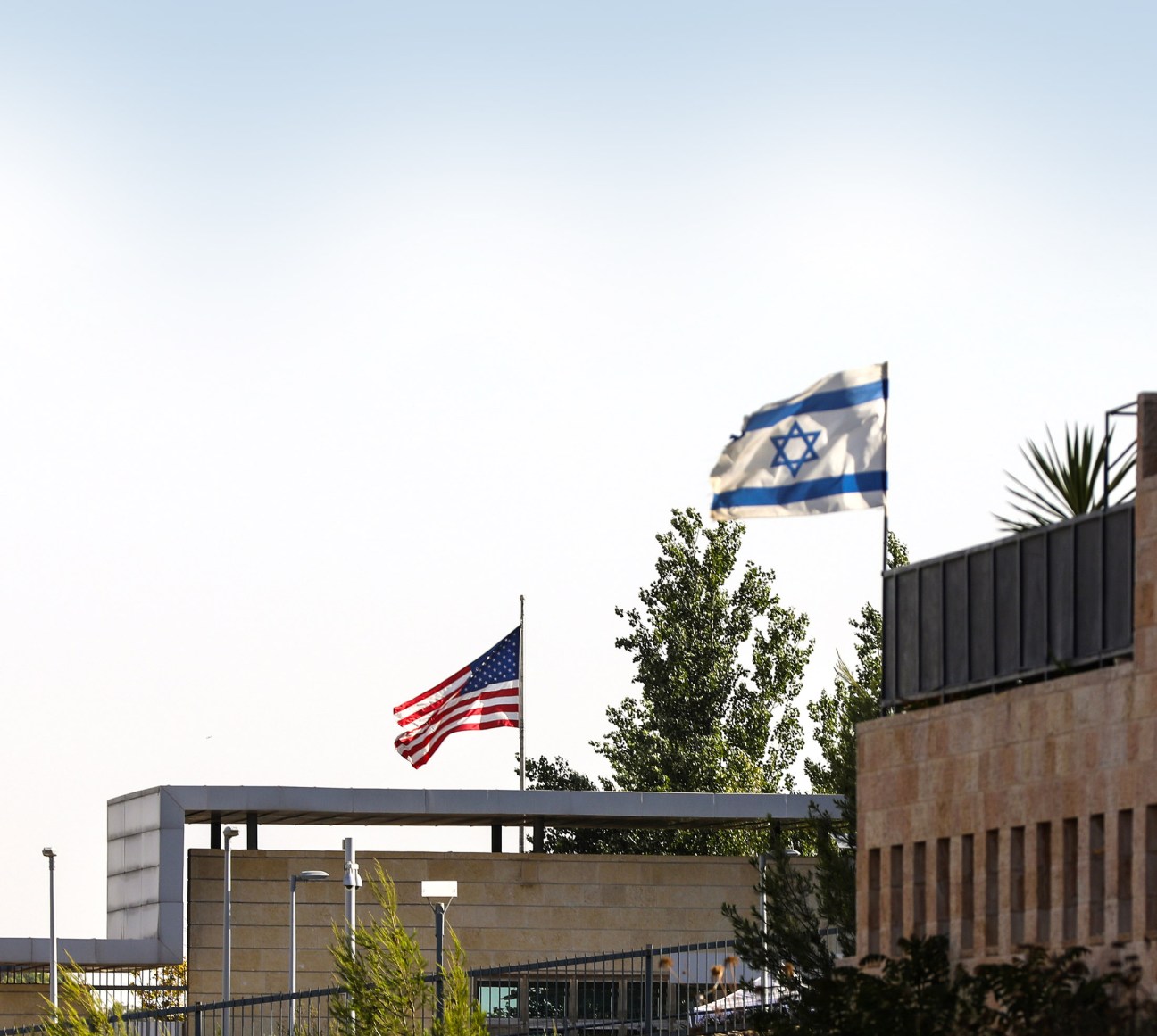

Jerusalem is the poorest city in Israel; the business and cultural hub has long been Tel Aviv. Many Israelis in West Jerusalem look to – and often eventually relocate to – Tel Aviv for work and culture, in the same way that Palestinians in East Jerusalem, who are Israeli residents but not citizens, look to Ramallah and Bethlehem. “Jerusalem is probably three cities, at least,” says Seidemann. “A modern Israeli city, a Palestinian city and an ultra-orthodox city. And the interface between these three is not exactly seamless.”
Perched on top of this urban landscape, however, is a “micro-diplomatic” city. Several European states, Turkey, the UN and a host of international NGOs have missions based in Jerusalem, though they’re here to serve the Palestinian people and as representatives to the Palestinian Authority. In addition, many of the diplomats accredited to the Palestinian Authority actually live in Jerusalem and commute to offices in Ramallah, crossing the separation wall that divides Jerusalem from the West Bank (which is mostly impenetrable to Palestinians).
“There is a sizeable diplomatic community,” says the European diplomat, “so in that sense we’re a big part of the city.” However, diplomats maintain their distance from most Jerusalemites. “People tended to frequent fellow internationals, not the locals,” he adds.
Even under a comprehensive peace agreement, Seidemann is not convinced that an influx of diplomats would change Jerusalem’s essential character. “What would happen if all of a sudden you had 70 embassies in Jerusalem instead of 20 representative offices? Difficult to say. But ultra-orthodox Jews will still make up 23 per cent of the population and the Palestinians will still be 40 per cent.” Though many diplomatic cities are bubbles, Jerusalem is a city of many bubbles. “That’s not going to change.”
If diplomacy circles might as well be on another planet for most Israelis in Jerusalem, for some Palestinians the various consuls and representatives are a more immediate presence. “We are in contact with diplomats all the time,” says Sami Abu Dayyeh, the Palestinian CEO of travel agency Netours, and owner of Jerusalem’s Ambassador Hotel. On any given day, lunch or dinner at the Ambassador – or the nearby American Colony Hotel, both hubs of East Jerusalem’s diplomatic activity – can turn into a game of spot the diplomat.
Yet even Abu Dayyeh believes that diplomacy isn’t well practised in the city. “Diplomats are adapting to the realities that Israel imposes [on the Palestinians],” he says. “If they stood by international law and told their friends on the Israeli side what is right and wrong, it would have been a different ball game. But they don’t have the guts to deal with Israel.”
But whether or not more ambassadors appear, Jerusalem is already on a trajectory for change. A just-opened high-speed rail line links Jerusalem with Ben Gurion Airport and Israel’s extensive railway network, making travel significantly easier; meanwhile the central Machane Yehuda market is seeing new, hip bars open. Like everything else here though, as author Adina Hoffman points out, this development is not distributed equally; even as the municipality lavishes money on Jewish West Jerusalem, it barely collects the rubbish in Palestinian neighbourhoods.
And yet, says Hoffman, Jerusalem shows certain subtle signs of becoming a city like any other. The light-rail system crosses the city, connecting East to West, thereby blurring the Green Line separating the would-be Palestinian capital from sovereign Israel. This, says Hoffman, has troubling political implications. Nevertheless, “what’s interesting on the light rail is that everybody’s there. They’re not interacting but you see Palestinians, you see haredim, you see secular Jews and you see tourists,” she adds.
This obviously isn’t peace but it is a kind of fragile coexistence. “They’re leaving each other alone, in the way you’re supposed to do in a big city,” says Hoffman. It might not indicate much with regards to the city’s potential as Israel’s diplomatic capital but it’s a cautiously positive sign for Jerusalem’s future.
Images: Getty Images
Off the beaten track
1.
Bahia Bustamante
Argentina
Somewhere in the middle of the scrub-studded Patagonian desert, bordered by hundreds of kilometres of empty sandy beaches where the Atlantic Ocean meets the terra firma of South America, lies the old seaweed and sheep-farming village of Bahía Bustamante. Not a living soul is in sight on the dirt road leading to it, save the occasional lone gaucho on his horse.
From a distance the village looks small but that’s deceptive: it is more than 40,000 hectares of unspoiled outback, dotted with well-kept ocean-facing houses. But it wasn’t always like this. The village was deserted for decades until entrepreneur Matías Soriano left Gaiman to revive the town. In 2000, to open it up to the kind of traveller who wants to avoids crowds, he transformed a handful of old whitewashed houses once used by algueros (seaweed harvesters) into guestrooms.
Soriano represents the third generation of his family to settle in Bahía. His grandfather, Don Lorenzo Soriano, moved here from Andalucía in 1953 to gather seaweed. Bahía eventually became the world’s largest seaweed-farming village, with 400 workers living here almost full-time. The industry remained strong until the 1990s, when it collapsed following oil spills in the Atlantic, while Argentina dived deep into an economic crisis.
“It was almost cheaper to import seaweed from Asia for processing than to gather and sell it here,” says Soriano. “For years Bahía was abandoned, apart from three workers who stayed on to protect it from squatters. When a large piece of our land was integrated into the National Marine Park conservation area, I had the idea to open Bahía again as a hotel for visitors. I restored the village and its seaweed industry little by little and, more and more, workers have been coming back.”
Ten men are once again at work in the small family-run factory, with 15 more employed at the hotel and its restaurant Proveeduría, which serves mouthwatering parrilla (charcoal-grilled meat). Once more, music can be heard playing from the casitas, laundry is drying in the crisp air and locals come and go. For Ludmila and Pedro Britos, a young couple who work in the village, the hamlet offers a second chance amid the country’s economic crisis. When Soriano isn’t busy managing the community he takes guests out on his boat to visit the rock pools and spot sea lions and the colony of 100,000 resident Magellanic penguins.
He has plans to expand the village by opening a school and enlarging the small shop that sells everything from bottles of malbec to handmade knitted ponchos. Recently Soriano and his wife, Astrid Perkins, planted vines and olive trees to create even more opportunities. “We’re harvesting seaweed, collecting sea salt, prodtucing wine, organic meat and vegetables, and all this in the middle of a windswept steppe by the ocean,” says Soriano. “My dream is to prove that wildlife and nature production and protection can be a great business.”
Soriano doesn’t consider living in this remote place to be a disadvantage. “We are privileged to live surrounded by pure nature and to have this kind of freedom. We have a responsibility to protect, establish strong allies in the conservation community and keep working hard to create more meaningful jobs,” he says.




The fact that time here has stood still for several decades is a blessing in disguise. Bahía remains one of the last unspoilt places in Patagonia, whose well-managed, small-scale tourism is a blueprint for revitalising other secluded parts of the world.
bahiabustamante.com
2.
Matera
Italy
Matera’s Sassi is an area of extremes. A prehistoric puzzle of limestone caves carved into a towering mountaintop, it was dubbed the “shame of Italy” in the 1950s for the antediluvian lifestyle of its impoverished inhabitants. The Bronze Age settlement had no public drinking water and a scourge of malaria until it was evacuated in the postwar period. When Unesco declared Sassi a World Heritage site in 1993, it harboured drug dens and illicit squatters. But from that moment on, Matera seemed more like a long-overlooked opportunity. Now it has been named the 2019 European Capital of Culture.
One site above all has become the symbol of the town’s rebirth: the Sextantio Le Grotte della Civita. The hotel, which opened in 2009, transformed a portion of the village’s neglected stone grottos – many of which dated back to the Paleolithic age – into 18 candle-lit guestrooms decorated with recouped local furniture.
“Globalisation is making places lose their identity but poor places have held on to theirs,” says Daniele Kihlgren, the founder of Sextantio, who studied philosophy before running hotels. “There are travellers out there who are looking for the kind of things that tourism typically destroys. What make these places beautiful are these traces, these sediments, of human existence.” Sextantio is part of the albergo diffuso (“scattered hotel”) movement originally conceived by Giancarlo Dall’Ara, who called for the revival of Italy’s derelict towns through hotel developments. The goal is to kickstart tourism. Kihlgren’s idea to bring luxury to Matera’s caves brought a wealth of attention to the city and has been so well received that he is expanding the hotel with two more spaces by 2020: a sprawling network of caves and a 17th-century palazzo.
Matera’s renaissance has brought 2,000 residents back along with new businesses and opportunities for natives, including the 20 who work at the hotel. “Tourism is bringing the young generation back to Matera,” says Michele Centonze, Sextantio’s head of sales and marketing. “We’re the ones creating alternatives. It’s no longer about waiting for the government to do something for us.”
Mario Daddiego has been handcrafting ceramics in the caves for decades and can hardly believe the change. “Today everyone knows that Matera exists,” he says.
legrottedellacivita.sextantio.it
3.
Sasayama
Japan
Jokamachi Dori is the kind of picturesque street that travellers to Japan are longing to find. The small winding thoroughfare in the 400-year-old castle town of Sasayama is lined with old homes and shops. The town stretches out, fringed by persimmon trees, bamboo groves and rice fields. Though it’s only an hour by car from the cities of Kyoto, Osaka and Kobe, Sasayama is a delightful relic of a gentler time; it is renowned for its black soy beans, yams and matsutake mushrooms.
Despite its many charms, Sasayama is a victim of rural depopulation – an issue all over Japan. As young people are drawn to the big cities, houses lie empty and shops have closed. “It’s a problem,” says Toshiaki Imamura, a community leader. “There are many buildings of cultural and historical significance that have little or no economic value. If we don’t communicate the importance of preserving these buildings they’ll just be knocked down and sold to developers.”
But a once-bleak picture was redrawn a decade ago with the arrival of Note, a non-profit organisation set up by Yukio Kinno, who believed that the remarkable concentration of traditional buildings in Sasayama was an asset. “We realised that, by restoring an old property, we could do everything, from boosting tourism to farming,” says Ayako Tamagaki, Note’s project manager. So the organisation spent ¥180m acquiring five historic properties and turning them into luxury accommodation run by Valve management under the Nipponia brand name. It is rare for urban dwellers to experience such carefully renovated historic homes.
The hotel project has encouraged other businesses to open too. Yukihiro Hosotani moved from Tokyo to Sasayama two years ago to open Breath & Roy, a craft shop and café in a beautifully refurbished building a few doors from Nipponia. “I love this place,” he says. “We’re lucky here – we’re close to snowy hot-spring towns and the warmer climes of Setouchi to the south. And it’s hard to find a town with these old buildings nowadays; people from Kyoto come here to escape the crowds at home.”
Tomoaki Maekawa, a 35-year-old chef, opened his own Japanese restaurant at the front of one of the Nipponia properties in 2017. Born and raised in Sasayama, Maekawa trained at a restaurant in Kyoto but dreamed of returning home. “I always wanted to open a place here,” he says. “The ingredients from around here are so good. I really like the sundried rice and ancient vegetables and I buy deer and boar from a school friend who is a hunter.” Married with two young children, he’s showing that it’s possible to reverse the move to the cities if help is offered. “The Note project is great,” he says. “I’m so happy they’re using what we already have rather than building something new.”
By spring 2019, Nipponia will expand to 10 buildings and 24 guestrooms. Note has also begun to restore Sasayama’s historic centre. Following its success here, Nipponia – in partnership with Note – is taking on projects across Japan, each in a property that might otherwise be demolished. “We’re so grateful,” says Imamura of Note’s work in Sasayama. “New people are discovering the city’s charm; it’s breathing life into the area.”
sasayamastay.jp
Land of the rising scrum
Done well, tourism can rescue a town; taken too far, it can harm its identity. Ten years ago, when Japan had few visitors, no one thought it would one day suffer from an excess of tourists. Now “tourism pollution” is a concern. The Japan Tourism Agency is even conducting a survey on “overtourism”. In 2010, Japan played host to 8.6 million visitors; by 2020 the government aims to attract 40 million.
The speed of the increase is a problem and many tourists have a similar itinerary; destinations such as Mount Koya are bursting at the seams. Building an international tourism industry is a balancing act. As Sasayama shows, it can provide a vital boost to a stagnant local economy but too much can be damaging. The trick is to encourage tourists to venture beyond the “greatest hits” into lesser-known places where they’re more likely to find the authentic Japan they’re looking for.