The Forecast
Shifting sands
In good health
The future of medicine
David Karow is an intense, wiry man who believes he is unlocking the secrets of the future. “I feel like the theme-park owner in Jurassic Park,” he says, as he leads us to the inner sanctum of his futuristic medical clinic outside San Diego. “Remember how the character says, ‘I’ve spared no expense’? Well, we’ve spared no expense.”

Karow’s clinic, Health Nucleus, offers the check-up to end all check-ups: not just the usual blood work and heart monitoring but a full-body MRI and, most importantly, sequencing of patients’ DNA to look for mutations, risk factors and early onset of disease that, Karow says, no other medical exam can match.
The service doesn’t come cheap. When it launched in 2014, the price tag was $25,000 per visit, although that has come down to $5,000. Patients, most of them high-level business executives, are treated to what Karow describes as a “spa-like” setting, complete with private waiting rooms, bathrobes and essential-oil treatments to ease the hour-long MRI.
The clinic certainly feels like a glimpse of the future, with its small army of medical technicians and genetic scientists. There’s software that shows sharp, beautiful images of the human heart beating and full-colour views of the brain from any angle. In a vast upstairs room, banks of gleaming white genomic sequencing machines boast enough processing power, Karow says, to map the DNA of “a medium-sized European country”. Following the tests, visitors are given a “personal health intelligence report” that provides insight on everything from cardiovascular and neurological health to food allergies and ancestry.
The clinic was founded by Craig Venter, a biotechnologist involved with the first sequencing of the human genome in 2000. He has been looking for ways to revolutionise medical science with it ever since but the venture has not been without its hiccups. Venter vastly overspent on the clinic; he and most of his original senior staff have left, trusting Karow, who took over in the summer of 2018, to find a way to make it commercially viable.
Karow acknowledges that Health Nucleus started out as “an artisanal science experiment.” Now he wants to partner medical schools and hospitals to grow the databank of patients well beyond the 3,000 who have come in so far. “We want the data to drive decisions, not superficial examinations,” he says.
About: Andrew Gumbel is a British journalist and author who has written for The Los Angeles Times, The Independent, The Atlantic and others.
Living longer: a brief guide
1.
Move to the country
A Harvard study found that women living in areas with more open space have lower rates of mortality.
2.
Move to Monaco or Japan
Monaco’s elderly folk are the longest-living (and best maintained) in the world. But Japan is a close second.
3.
Join a choir
A study by the University of London found that singing releases stress-reducing endorphins and exercises the heart, lungs, abdomen and back.

Selling happiness
Let’s put cheer back into advertising
Once the advertising industry was a world of blissful happiness and clinking glasses in booze-infused boardrooms. The free-thinking spirit of this postwar, pre-computer golden era (so shamelessly romanticised by today’s side-parted, suit-wearing branding bigwigs) was a catalyst for creativity. And while we’ve thankfully moved on from much of the misogyny and misbehaviour that also ran rampant back then, we do miss the novel whimsy that also poured out of campaigns from a time when the creative director was king.
Air India, for instance, appeared a whole lot more enticing (on printed page, at least) when its charming cartoon mascot Maharajah introduced newly minted jet-setters to far-flung locations. And while Guinness still tastes as good as ever (and largely still does great advertising), didn’t its frothy form just look a touch more appealing balanced on a toucan’s beak on the famous 1950s “Lovely day for a Guinness” illustrated campaign posters? OK, sure, back then the products being so joyfully flogged weren’t going to make us happy in the long run (despite what marketeers told us). Yet the illustrated cockerel puffing a smoke in a 1950s Gauloises cigarettes poster by Switzerland’s Donald Brun still raises a smile, simply for its creativity.
So what happened? Well, health-and-safety regulators rightly curbed the creatives who were sanctifying the image of tobacco. But even the more savoury stuff seems to have been straightened up a notch. Only a few little iconic mascots like Knorrli (the slightly sinister-looking red-hooded character advertising Swiss food brand Knorr) still persevere. Even he, however, is now less prevalent in the brand’s messaging. Happiness as a naive and joyful emotion has been squeezed out of the brief by advertising agencies. And the reason? Well it’s us, the consumers, who are to blame.
Problems started when the people actually paying for the products got involved in the way that they wanted to be marketed to. Social media happened and brands suddenly became very attentive to us. Seducing a smile from an audience via a cutely designed billboard, poster or page ad is no longer enough. Now brands need to turn up the “engagement” and have a “purpose” – so maybe a turban-sporting mascot who could potentially divide opinion among the “audience” is no longer going to fly. For the record, the Maharajah temporarily ditched his turban in 2015 to don more internationally friendly garb. The aim was to make the brand feel more universal but we see it as a slight identity crisis.
Surely, in this era of hyper-awareness and sensitivity, we’ve all wised up to advertising being just what it says on the tin – advertising? Our kids certainly have, yet both they and adults can still be caught looking at it with complete glee. Case in point: the global phenomenon that became Melbourne’s Metro Trains’ Dumb Ways to Die 2012 safety-awareness campaign. Here happiness met the macabre in a frightfully cute cartoon that gathered awards and, most importantly, got kids off railway tracks.
Thankfully, in an industry where egos abound, advertising agencies are only going to kowtow to consumers’ wishes so much. Creative folk tend to be a strong-minded bunch and the good ones only pay so much attention to the zeitgeist. They continue to push companies to let them harness their creative craft in new and unexpected ways. And why shouldn’t they? After all, there’s no shame in popping a glass of stout on a cartoon tortoise’s back in the hope of cracking a smile (and selling some beer in the process).
Brands we like
- Yamato Transport, Tokyo
A brand that’s intimate, humane and happy. Its simple image of a cat carrying a kitten is a clever metaphor in the otherwise dull world of logistics. - Porter Airlines, Toronto
We can’t fail to mention the original Mr Porter, the cheeky, charming and popular raccoon mascot that our sister agency Winkreative developed for the Canadian airline. - Herman Ze German, London
A restaurant that’s all about sausages but with a sense of the ironic. Its logo is smile-inducingly simple and blush-inducingly rude (depending on how long you look at it).
About: Australian import Nolan Giles is Monocle’s Design editor. His idea of happiness is a few “frosty ones” in a second-tier Belgian city.

How we’ve reached peak brick
It’s time to ditch mock masonry
My first inkling that the back-to-bricks look had gone too far hit me like a ton of… well, never mind. It took place outside a dull branch of an unremarkable food chain at the base of a burly glass-and-steel tower in central London. The site’s fit-out, like many of the chain’s outposts, was adhering to a painfully strict set of brand guidelines. Through the window I saw carpenters hewing pale wooden shelving, electricians tinkering with head office-approved pendant lamps and a small mixer sluicing wet cement to just the right consistency to lay bricks.
In a glassy steel-beamed tower, you ask? Yes. And this modish take on brickwork is everywhere, from panels of brick cladding added on to new apartment blocks as an afterthought to carefully weathered (but brand new) feature walls in restaurants, galleries and god knows where else. Perhaps these exposed brick walls are meant to hint at the idea of craft or a back-to-basics aesthetic? An entrepreneurial do-it-yourself feeling that’s being felt from Brooklyn to Brisbane? Or is it just that laptop-toting freelancers are now demanding Chelsea-loft-conversion-style brick walls with their low-calorie decaf oat-milk mochas?
Whatever the reason, what started as a genuine money-saver (artists and upstarts didn’t always have money to treat their walls) or a crafty throwback has come to signify something more naff. Aren’t most exposed brick walls the modern equivalent of wood-effect wallpaper? The silliness is compounded when brick walls are retrofitted in full in glassy tower blocks or stuck onto buildings that don’t need them. So here’s a thought for out-of-ideas designers and architects: deconstruct that much-aped mock-masonry approach. It’s chilly, makes rooms noisy and isn’t sending the message you meant to. Likewise, popping panels of bricks on the outside of buildings smacks of a cover-up. Cementing an interesting brand identity, remember, needn’t involve cement at all.
About: Josh Fehnert is Monocle’s executive editor. Despite being made of the things, his house in London features no exposed brick walls.

Tokyo’s game face
The Olympics are coming
On a sunny November day, in a lengthy process that called for years of experience and nerves of steel, Japanese engineers raised the roof – literally – on the new gymnastics venue for the 2020 Olympics. Journalists and construction workers watched as hydraulic jacks inched up a huge chunk of timber roofing. One misstep and 200 tonnes of carefully crafted Japanese larch could have come crashing down.
As night fell the roof section was finally in place, another piece in the puzzle of a unique building that is designed to showcase traditional Japanese building techniques. Work this meticulous doesn’t come cheap – the building has cost ¥20.5bn (€159m). Nor does it happen quickly (it should be ready by next autumn). Once complete it will boast the largest wooden arched roof in the world and seat 12,000 spectators.
Attention to detail is a Japanese trait that makes the country well suited to hosting an event on the scale of the Olympics. Preparations are at full throttle. Thousands of volunteers are being mobilised, the mascots have been unveiled and Olympic merchandise is on sale. Tokyo’s freshly minted taxi fleet – an eco-friendly Toyota hybrid in indigo blue – bears the 2020 logo and the city is festooned with banners and billboards.
The 2020 Games are the reason for everything from a spike in property prices to a long overdue curb on smoking. There was even talk of introducing daylight saving time for the Olympics to allow athletes to avoid the worst of Tokyo’s fierce summer heat (that plan didn’t work out but the marathon might still start at 05.30).
Apartment blocks and hotels are springing up while tourist figures are reaching numbers not dreamt of 15 years ago. By 2020, Japan is looking at 40 million visitors per year, a four-fold increase in little more than five years. The government is already encouraging companies to introduce teleworking to keep workers at home instead of clogging up roads during the Games. Construction is a feature of life in this relentlessly changing city but the Olympics has upped the pace and these days cranes hover all over. Kengo Kuma’s hulking 80,000-seater national stadium is rising in the middle of Tokyo. It will be even more striking once clad in its wooden lattice. The new Olympic venues are mostly clustered in Ariake, a spacious but unloved area of waterfront that has long needed a clear planning vision. The Olympics might finally make that happen.
No Olympic Games would be complete without its missteps: the original logo for 2020 had to be ditched once it was deemed to be too similar to a theatre in Liège, Belgium, and the planning stage of the national stadium was a tortuous saga. Few are thrilled by the astronomical bill for the Games either, currently estimated at ¥2.8trn (€22bn). There is still much to be done but if any city can pull this off with aplomb, Tokyo can.
About: Fiona Wilson is Monocle’s Tokyo bureau editor, heading up editorial output from our shop-cum-office in Tomingaya.

Building on Brexit
Madrid’s urban makeover
Four storeys below ground, men in helmets and hi-vis jackets are gathered in semi-darkness, closely scrutinising a concrete pillar for cracks. There is a murmuring of agreement: it passes muster. They are standing at the foundations of Madrid’s newest skyscraper, Caleido. The structure has just broken ground and when it’s finished it will be a 35-storey tower with offices, retail units and classrooms for IE University. Caleido is just one development in Madrid that is expected to lure European businesses away from a stricken post-Brexit London.
Following the UK’s referendum result in 2016, companies in London’s financial districts have been looking to Europe in search of stable ground. Thousands of workers from the finance sector are expected to relocate to continental Europe due to Brexit. While Frankfurt, Amsterdam, Paris and Brussels are considered the frontrunners, Madrid is emerging as another quiet-yet-convincing contender.
When it comes to attracting talent, Madrid might be an easier sell than a northern European city. It has, on average, 58 days of rain a year, compared to Paris’s 164 and Frankfurt’s 111, while the allure of free-flowing sherry and tapas might entice more epicurean financial workers. But Madrid can’t market itself on quality of life alone according to José María Ezquiaga, dean of Madrid’s College of Architects. “Younger generations are prioritising the promise of a better lifestyle over inflated pay packets but big investors still look at the numbers.”
For years Ezquiga has been part of Madrid’s renewed push to attract skilled workers, acting as a consultant on the city’s most audacious development, Madrid Nuevo Norte. The sparkling new mixed-use suburb has been stalled for 24 years but is now earmarked for completion in 2024. “Truly global capital cities draw strength from innovation, knowledge and a vibrant social fabric,” says Ezquiaga. “Madrid boasts all of the above but it’s hamstrung by a slow-moving judiciary and bureaucracy.”
This may be the flaw in Madrid’s ambition to court businesses looking for a new European home. Today it takes about 13 days to get a business permit, although it’s a marked improvement on 2003 when it was 138.
As we ascend the stairs leading from the basement of Caleido, workers can be seen fixing metal rods into concrete to support the heavy structure about to rise in their place. It’s a useful metaphor: if you’re trying to create the most attractive financial and business centre in Europe, don’t forget the groundwork.
About: Liam Aldous is Monocle’s Madrid correspondent. Read his happy take on his adopted home in most issues of the magazine.
Cash-free in China
Efficient for some, tricky for the rest
One minute I’m strolling into a metro station in Guangzhou; the next I’m stopped dead in my tracks by a bank of ticket machines that only accept payment by QR code and mobile phone. No cash, no credit cards, no kiosk to ask for help. The panic at missing my connection back home to Hong Kong only subsides when I discover the dusty slot machines hiding in quasi-retirement downstairs. As the country goes almost cashless, visiting as a foreigner is increasingly frustrating. China prevents anyone without a Chinese bank account or credit card from accessing essential payment services such as Alipay and Wepay. This is even the case for Hong Kongers: one country, two financial systems indeed.
Want to hail a taxi in Beijing using Didi, China’s equivalent of Uber? No chance. Fancy renting a bike in Chengdu? Don’t even think about it. Even paying for an ice lolly from a stall inside Tianzifang, a tourist spot in Shanghai, requires a QR code. In the past year or so I have faced an awkward after-dinner showdown at restaurants in each of these three cities when my card was declined and I was told that my roll of renminbi (the people’s money) isn’t acceptable tender.
Initially I refused to kowtow. Take the cash, I insisted, while borrowing the same stoic smile adopted by Chairman Mao on the red 100 yuan notes. China invented paper money, don’t you know. Waiters in Beijing would eventually relent and scramble together some change. Meanwhile, in Shanghai, my stubbornness didn’t work in a new European restaurant of all places, forcing me to fall back on the kindness (and credit) of my local dinner guest.
A working solution is to travel with a Chinese companion, rely on them to pay with their phones and then attempt to foist cash on them instead. Fortunately, Chinese hospitality is unrivalled. Visit China with a local and you may as well leave your wallet behind. However, this enforced economic dependency is limiting, ill-mannered and potentially ruinous: Chinese guanxi dictates that I must return the favour in Hong Kong so fingers crossed my mainland creditors don’t all visit at once. What’s more, relying on local largesse is not open to first-time visitors from faraway lands. The only absolute guarantee is to stick close to international hotels – hardly an authentic Chinese experience.
The global tourism industry is being upended by China’s high-spending tourists, who are venturing out into the world in high numbers. Nonetheless, the traffic is not all one way. More than 60 million overseas tourists visit China every year, placing it fourth behind France, Spain and the US (it would be top if Macao and Hong Kong were not counted separately). One travel-guide publisher I saw recently popped Shenzhen second on its list of cities to visit in 2019 – behind Copenhagen. China’s southern hub is home to technology giants such as Tencent – owner of WeChat and WePay – but good luck trying to tap into this increasingly futuristic city.
Finding a sympathetic ear on the mainland will be equally hard. Chinese tourists continue to face plenty of their own hurdles abroad: China’s passport ranks on par with Swaziland and only recently has UnionPay – its major credit card – become widely accepted internationally. But tit-for-tat retaliation is the language of trade wars, not tourism. As president Xi Jinping positions China as the champion of globalisation – for free trade and against tariffs – he should also open up the domestic digital economy to outsiders. More foreign trips to China can only be good for international relations in 2019.
About: James Chambers mans our Hong Kong bureau. Experiences in China aside, he’s usually happy to pick up the tab.
Sweet release
Turning on the waterworks
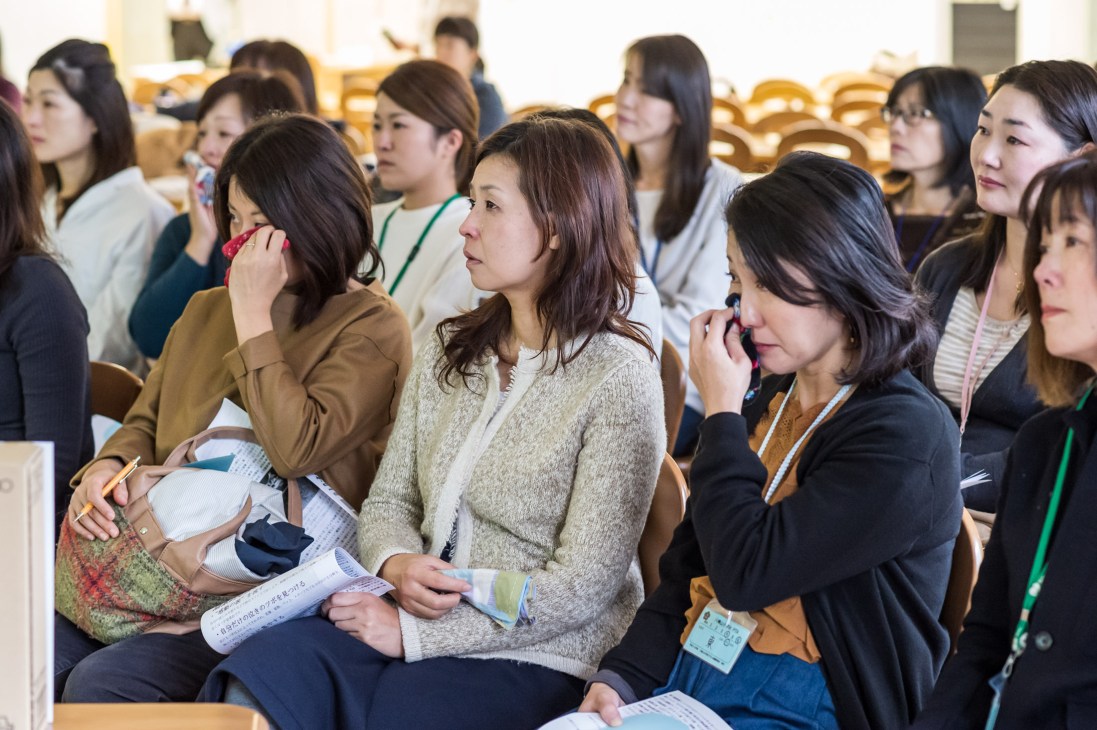
In a darkened room at a primary school in Tokyo, 40 mothers from the Parent Teacher Association (PTA) are watching short videos depicting love and heartrending loss. There are dying pets, weddings, selfless grandmothers and schoolchildren rising to a challenge. Before long all of the women are sniffling and dabbing at their eyes with handkerchiefs. I shift awkwardly in my seat. Then the last of the videos – a nappy commercial – begins and my eyes moisten. “How did that feel?” asks Hidefumi Yoshida from the front of the room as the lights flicker on.
Yoshida is known as the “tears teacher” and I’m sitting in on one of his two-hour seminars. He has made a name for himself as a guru of cathartic weeping. It’s a radical idea in a culture where self-restraint is a virtue. “We are told not to cry in front of others; at a young age boys are told they shouldn’t cry at all,” he says. “But people need to let it out.”
Before becoming the tears teacher in 2013, Yoshida taught English at a Tokyo high school. There, students often came to him with their problems. “They either got angry or wept. The angry ones kept coming back but the ones who cried didn’t. Crying seemed to solve a lot,” he says. A literature search led him to Hideho Arita, a Toho University researcher whose book, Techniques for Relieving Mental Stress, offered a scientific explanation. The two now teach courses as “tear therapists”.
These days Yoshida spends a lot of time hosting seminars in settings ranging from intimate gatherings at private homes to packed theatres with hundreds of educators. He’s been popular in the business sector since 2015, when the government made it compulsory for companies with more than 50 employees to have a stress-check programme.
Yoshida tells the assembled PTA mothers that he likes to cry at least once a week. He tells them to write down what moves them to tears. “If cat videos make you cry that’s what you should watch,” he says. After a few women share their stories, Yoshida has a tear-jerker about his own grandmother. By the end he’s sobbing. It’s a revelation for Kanako Kawasaki, a mother of two. “It’s reassuring to hear that we shouldn’t think of crying as bad or embarrassing,” she says. Her statement sets us all off again and the handkerchiefs come out.
Newest-age therapies
1.
Letting it all out
Primal therapy, which involves expressing repressed suffering through the medium of anguished screams, is said to be a cathartic way of exercising one’s demons.
2.
Virtual therapy
Virtual-reality headsets are being experimented with as a way for people to overcome fears, from acrophobia to arachnophobia.
3.
Horsing around
Equine-assisted therapy involves getting up close with stallions and mares to build trust between patient and steed.
About: Kenji Hall is Monocle’s Asia editor at large. He now understands the benefits of a good old cry.
Images: Alamy, Getty Images, Donald Brun, Swiss National Library NL
Taste of success
Bjorn Steinar Jonsson
Owner, Saltverk
Reykjavik
While living in Copenhagen as a student of engineering, Iceland native Bjorn Steinar Jonsson was thinking of returning home – but the financial crash of 2008 meant that jobs were scarce. While researching Iceland’s plentiful geothermal energy, he stumbled upon the idea of reviving a long-lost tradition: manufacturing salt much as it had been done in the 17th century. “It started with me going to the remote Westfjords of Iceland and making up a small batch of flaky salt using geothermal energy to evaporate seawater,” says Jonsson. “I took it to Dill [the first restaurant in Iceland to be awarded a Michelin star] in Reykjavik where I knew the chef, and asked him how he liked it. He told me to make more. It snowballed from there.” But the salt-production process didn’t come without its challenges: Jonsson had to design and produce the required equipment, while the Westfjords has an unforgiving climate. However, once the production got going there was no turning back. His pristine mineral salt is stocked all over Scandinavia and in high-end food shops in Europe and the US. Saltverk now employs 15 people. “We’re extremely proud of our Icelandic heritage and our product,” says Jonsson.

Fresh perspectives
Former occupation: Engineer
Current occupation: Salt maker
Reason for career change: “To have a positive impact on sustainability and food production by using renewable resources in Iceland, my home country.”
Sigitas Zemaitis
Owner, Sweet Root
Vilnius
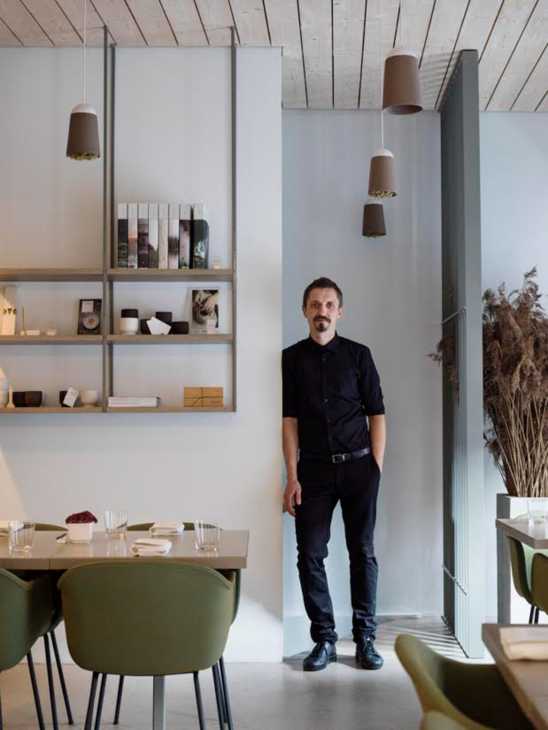
Frustrated by Lithuanians’ forgetfulness when it comes to their country’s rich natural bounty, Sigitas Zemaitis, his brother Vilius and fiancée Agne Marcinauskaite decided to jog memories. The idea for their restaurant, Sweet Root, had been brewing for some time, says Sigitas. “If you ask people abroad about their local produce they talk about it with passion and pride. Here in Lithuania we have so many lovely-yet-forgotten ingredients. That’s how we got to the idea of showing Lithuania at its best: at the dinner table.” Sigitas ditched a career in marketing and communications and the trio sought out a space in Vilnius’s bohemian neighbourhood of Uzupis. “We decided to build our restaurant around the ingredients that are available at a particular moment in time, so we started to follow the natural rhythm of nature,” says Sigitas. Opening in 2014, it took some time for Sweet Root’s tasting menu to catch on. Locals were perplexed by the restaurant’s refined presentation and its emphasis on ingredients grown nearby. After all, anybody can make beetroot soup. “We’re not that far away from our history of growing our vegetables or going foraging – it’s only 30 years ago that it would be really natural for us to do this,” says Sigitas. “People don’t see the value in it anymore so we have to present our dishes in a surprising way. We want people to say, ‘Oh I didn’t know you could do this with a beetroot.’”
Fresh perspectives
Former occupation: Communications and marketing manager
Current occupation: Restaurateur
Reason for career change: “The idea is to bring back the pride of Lithuania at the dinner table using true, sincere and seasonal ingredients.”
Nana Chan
Founder, Teakha
Hong Kong
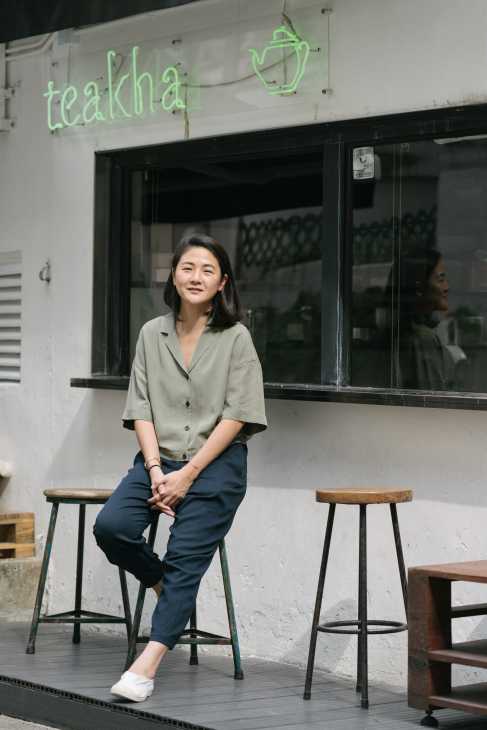
“Sometimes I do think about giving up,” says Nana Chan, founder of Teakha, a teahouse in Hong Kong’s Tai Ping Shan neighbourhood. “But seeing people coming here keeps me going.” The former lawyer knew that the pursuit of a legal career was merely an attempt to live up to her parents’ expectations, so she decided to take the plunge and start her own business. Born in Taiwan, an island that accounts for one fifth of the world’s Oolong-leaf output, Chan’s family never lacked tea. “I started to dream about having my own teahouse when I was in high school,” says Chan, who later read law in London. She used savings, plus a loan from her somewhat sceptical parents to start Teakha. The new job is never boring. Chan recently converted a second space into Plantation – a shop that sells Japanese teaware – and her office.
Fresh perspectives
Former occupation: IP lawyer
Current occupation: Tea entrepreneur
Reason for career change: “I wanted to create a slow-pace living space in busy Hong Kong.”

Maya Yatabe & Bing Bai
Co-owners, Food & Company
Tokyo
Maya Yatabe and Bing Bai were working in different cities – she in New York, he in western Japan – when they decided to quit their jobs. “We thought we should start something that felt right to us, more fulfilling,” says Yatabe. In 2014 the couple opened Food & Company, a Tokyo grocery shop hawking seasonal, organic and sustainable produce. The handsome wood-and-glass shopfront has a rustic market-like interior of blackboards, hand-painted signs and wooden tables. It is a meeting place for producers and consumers, hosting seminars about katsuobushi (fermented and smoked tuna) and workshops on knife sharpening. In 2018 the couple opened a second shop in Fujisawa, southwest of Tokyo, and a kiosk in the capital’s busiest railway station, Shinjuku.
Fresh perspectives
Former occupations: New York npo (Maya); Uniqlo employee (Bing)
Current occupations: Grocery store co-owners
Reason for career change: “We were looking for a new, ideal way of living that would inspire others,” says Yatabe.

Ludwig Cramer-Klett
Founder, Contemporary Food Lab
Berlin
There’s a quixotic flavour to the way Ludwig Cramer-Klett talks about the future. In 2012 the Bavarian-born investor and food entrepreneur founded Contemporary Food Lab, which runs two eclectic restaurants in Berlin: the Katz Orange, a 200-seat affair in a former brewery; and Panama, a perky bar and restaurant inspired by a German children’s book. He believes that food has the capacity to transform people. “Food touches our archaic side, which is why eating is such an integral part of experience,” he says. Ludwig traded real-estate boardroom talk for dining-table repartee after a three-year bout of self-reflection. His advice to those considering a change of their own is: “Listen to that inner voice and everything on the outside will fall into place.”
Fresh perspectives
Former occupation: Real-estate investment and development
Current occupation: Investor and restaurateur
Reason for career change: “Working with food was an idea that lingered in my mind from a young age.”

Aishwarya Iyer
Founder, Brightland
Los Angeles
Changing career is nerve-wracking. What if you lose those previous years of toil? Or your idea falls flat? These were concerns held by Aishwarya Iyer, a consultant who spent a decade working for technology start-ups and an early-stage venture-capital firm in New York. But, if her olive oil is anything to go by, she needn’t have worried. “There wasn’t a design-led, American-made option in the industry,” says Iyer. “So I decided to create something that would resonate with and delight people.” Now based in LA, Iyer works with a Californian grove to make two types of olive oil. Everything from manufacturing to branding had to be just so, including the glass bottles with UV-resistant coating. Iyer’s tip for would-be entrepreneurs? “Have a clear point of view, a clear vision and know who your audience is.”
Fresh perspectives
Former occupation: Technology start-up consultant
Current occupation: Olive-oil manufacturer
Reason for career change: “Because food creates a deep, emotional response with people.”

Hannah and Marian Cheng
Founders and co-owners, Mimi Cheng’s
New York
When New Yorker Hannah Cheng left JP Morgan’s trading floor, and her sister Marian quit her job as an account executive at Burberry, they weren’t motivated by dissatisfaction with their current careers. They wanted to pursue an obsession: making Taiwanese dumplings that were a worthy successor to their mother’s. Their dumpling supply dried up when their mother (known as Mimi Cheng) moved to Arizona, so the pair scoured Manhattan for a dumpling house that filled the handmade dough with fresh ingredients – to no avail. So in 2014 they opened Mimi Cheng’s in Manhattan’s East Village. The restaurant’s menu includes just five types of dumplings, including a signature of organic Long Island-reared chicken and courgette. “We keep our menu small because we do everything by hand,” says Hannah (pictured, on left). “After our first day, we were up until 03.00 prepping broccoli for the next day. We were looking at each other like, ‘What have we gotten ourselves into?” But the pair’s lack of restaurant experience freed them from conventional thinking. While most restaurants impose strongly defined roles, employees at Mimi Cheng’s can wear multiple hats: wrapping dumplings or serving customers. Today Mimi Cheng’s sports a second location, in Nolita, and fans across all five boroughs. But the pair’s mother remains their most ardent supporter. “She wears her Mimi Cheng’s T-shirt everywhere,” says Marian. “But she loves to come back and ‘quality control’ the food,” adds Hannah.
Fresh perspectives
Former occupations: Account executive at Burberry (Marian); Trader at JP Morgan (Hannah)
Current occupation: Restaurateurs
Reason for career change: “When you’re obsessing about a passion project on the level we were, you have to do something about it,” says Marian.
Serious business
With braceleted wrists, Bob Geldof hair and a chirpy British accent as props, Michael Acton Smith is demonstrating how the happiest app in the world works. With one click on an iPhone, words flash up instructing us – with just the right amount of passive aggressiveness – to “take a deep breath”. Birds chirrup and waves lap on some unseen shore. Are we on the banks of Lake Tahoe, in the mountains of Colorado, or perhaps lounging by a Tahitian beach? Regardless, everything is sunny and good in the world. “Who ordered the macchiato?” interrupts the waiter. Ah, yes: we’re actually in Soho House in London, and rain is hammering on the windows.
Founded by serial entrepreneurs Acton Smith and Alex Tew, Calm is a meditation app that spirits away stressed urbanites to a more peaceful realm via anti-anxiety tutorials and bedtime stories. Together with Headspace it dominates the meditation-app world (they racked up roughly 90 per cent of the €24m in revenue made by wellness apps in the first quarter of 2018), delivering an ancient practice to a modern audience by making it smartphone friendly. Paradoxically, given its platform, it has proven incredibly popular with westerners weary of the digital world. In 2017, Calm was named Apple’s app of the year and a survey of 200,000 people by the Center for Humane Technology revealed it to be “the happiest app”, beating Headspace and Spotify. It’s been valued at $250m (€218m) and last year boasted 35 million downloads and more than one million paying customers, each forking out $60 (€52) annually. Acton Smith and Tew are beatific.
While apps are the most conspicuous type of business to make money out of the idea of cheering us up, they’re hardly alone. The wellness revolution has mushroomed into a $4.2trn (€3.7trn)industry and the pursuit of happiness is emerging as an adjunct of sorts, with a fast-growing pool of consumers – led by younger generations in big cities – taking their mental health as seriously as their physical wellbeing. “In the last couple of years we’ve seen the language of happiness ascend,” says Beth McGroarty, director of research and PR at the Global Wellness Institute, a non-profit based in Miami. “Like the wellness market, happiness is consumer-driven and not medical. Companies are rushing in to solve a problem: people are willing to spend a lot of money to become a little happier, or a little less unhappy. We’re seeing its use rise in businesses, governments and schools.”
We’re desperate for salvation: we want to feel great! And we will pay for the privilege. Whether it’s mindfulness apps, trendy meditation studios or “happiness consultants” for workplaces, a new generation of entrepreneurs is only too happy to meet our needs. The eye-rolling – yes, even among the Brits – has slowed. The wallets have opened. This is no flower-children parade; happiness is serious business.
It’s been a slow rise. Acton Smith and Tew began brainstorming a meditation app while sharing a house in London in the late 2000s (both are now based in Silicon Valley). “Rather than convince people to buy heavy books or strange CDs from weird bookshops, I thought, ‘Wouldn’t it be good to make meditating cool and contemporary?’” says Tew. Not really, came the feedback. In the first round of funding they approached 100 people but just 10 invested. “Most people thought it was a ridiculous idea,” adds Tew.
It wasn’t until 2012 that Calm launched, with honey-toned meditation veteran Tamara Levitt as the voice of the app and routines such as the “Breathe Bubble,” which slows your breathing in 30-second chunks. It gained traction, especially among New Yorkers and Londoners aged 25 to 40, but its breakthrough came in 2016 when it unveiled Sleep Stories, a collection of bedtime tales read by the UK’s dreamiest voices (Stephen Fry and Joanna Lumley among them).
For many – including, most famously, Arianna Huffington – the pursuit of better sleep is a cornerstone of wellness. Unlike meditating, “there’s no stigma associated with sleep – everyone does it”, says Acton Smith. “So most people now come [to Calm] for the sleep and stay for meditation.” It’s in the past year that mindful, happy pursuits have reached critical mass and become mainstream (and thus more profitable), allowing Calm to grow its team to a staff of 40.
“Something happened in society in 2017, particular around the pushback on screens and mobile phones,” says Acton Smith. “The big tech companies are starting to take some responsibility for these extraordinary devices, giving people better tools to monitor how they use them. And we’re constantly hearing in the press about the growth of anxiety, depression, insomnia – all these very important mental health issues. So all of this is coming together.”
In that happiest-app survey, the apps deemed unhappiest were those that rely on the dopamine chase that is central to all that swiping and scrolling: Tinder, Grindr, Instagram, Facebook. The happiest, by contrast, are not addictive; 10 to 15 minutes per day will satisfy. Their solution is akin to an anti-venom: use a dash of the poison that’s doing the damage – technology – as an antidote to digital fatigue. “Smartphones are not good or bad: they’re tools,” says Acton Smith. “The key is helping people become the master of these devices, not slaves to them.”
Happiness has been used to sell products since forever – think of smiling families peddling sports cars, life insurance and Coke. Today it’s the emotion itself that’s being sold – although what’s packaged as “happiness” is really tips for better sleep, say, or an enforced time out from social media. “The best companies in the happiness space are providing people with training programmes to do the work to become happy,” says Dr Laurie Santos, who teaches Psychology and the Good Life, the most popular course in the history of Yale (1,200 students signed up when it launched this year). “Take a meditation app that includes a way to track how often you’re practising. These tools help you begin meditating and keep at it to form a habit. So in this case I don’t think it’s a marketing ploy.”
It’s not just individuals who are buying into it. Samantha Clarke sells happiness to clients as varied as the nhs, the Royal Bank of Scotland, Shopify and UK restaurant group Dishoom. A chic thirty-something with a calm mien, she is carving out a lucrative career as a happiness consultant, advising companies on how to make employees more upbeat. “I help companies think about how you get to the heart of who [each employee] is and how they can show up at work and be their best,” she says, sipping a turmeric latte when we meet in central London.
Clarke started in advertising at Saatchi & Saatchi but, unsatisfied, she studied coaching and psychology before first pitching herself as a “happiness consultant” in 2013. “It was a bit tongue in cheek,” she says. “Part of me wanted to poke fun at people’s perceptions of what happiness means – and whether it belongs in the workplace.”
Her services span one-day workshops, weekend retreats and six-month programmes, with solutions including the introduction of set times each day when employees answer emails, daily pause sessions (where everyone sits quietly for five minutes) and walking meetings to get people out of the office. Her speech is scattered with the odd aspirational adjective but she means business. “I’m not going to suggest one yoga session to fix everything – and I’m not saying we should be ‘Kumbayah-ing’ every day.”
Clarke’s effectiveness is measured by things such as comparing companies’ employee-retention rates before and after intervention, or encouraging businesses to hold “leaving interviews” where they sit down with employees to find out how much they enjoy their jobs and how likely they are to jump ship. It seems to work. Longstanding client Dishoom, for example, says its retention rate has increased by 10 per cent since it started working with Clarke in 2017.
Inviting happiness gurus into workplaces has become common, from the popularisation of the role of chief happiness officer across the US (most famously at Google) to start-ups hiring freelance consultants. Businesses consider it a worthwhile investment because studies show that happier employees are more productive workers. And there are plenty of employees who need cheering up. Thanks to smartphones we are always on the job – answering emails on the Tube, at dinner, over weekends – and remote working has amplified anxieties. A recent survey by office-supply company Staples revealed that nearly 90 per cent of UK office workers regularly think about switching jobs and roughly half “run to the loo to hide”.
A positive workplace is particularly important to the young. UK employment-review website Glassdoor found those entering the workforce today place a high priority on whether there’s a “wellbeing” programme. “I feel like we’re on that cusp where people, especially younger generations, are wondering, ‘Why does work have to be monotonous?’” says Clarke.
Just like actual happy people, the happiness sector is a sitting duck for a takedown. Happiness has gone mainstream but a cloud of cynicism still surrounds the concept. One company looking to hire Clarke didn’t want to use the title “happiness consultant” because it sounded “gimmicky.” Acton Smith and Tew say many people still “don’t get” Calm.
Some have also questioned the ethics of monetising happiness. After all, money might not buy happiness but being able to actively pursue happiness through paid-for apps and expensive classes is a luxury. “We believe that we should be monetising this – $60 a year compared to a session with a therapist is fantastic value,” says Acton Smith. The alternative, says Tew, is to have advertising, which seems absurd. Chakra with a side of Mercedes-Benz, anyone?
Of greater concern is whether these products have merit. Ashley Whillans, an assistant professor specialising in happiness and consumer psychology at Harvard Business School, says it’s important not to overstate how “happy” a single product or service can make us. She explains that if you do any one thing to a person, whether that’s sending them on a shopping spree or to a meditation class, you can only raise their happiness level by a maximum of 3 per cent because there are so many other factors – genetics and relationships, for example – affecting us. “There’s no harm in the industry, it’s just up to consumers to be cautious,” says Whillans. “We shouldn’t be hanging too much on any one product or tool – there is no silver bullet.”
Back at Soho House, the rain is still pounding but not enough to dampen the spirits of Calm’s founders and their vision for the future. “We think we can build a multibillion-dollar business, one of the world’s most meaningful brands,” says Acton Smith. “Digital will always be the heart but we love the idea of taking this brand offline and building a ‘Nike for the mind’. What if we had Calm coffee shops or Calm books; Calm clothing; Calm hotels optimised for sleep? Ultimately we want to buy an island and create Calm Island, the world’s most relaxing resort. Which could be a lot of fun.”
It does sound fun – and, bar the island, much like the expansion plans of any mega-brand in any sector. Except that, at its core, inside that little blue-iconed app that gives you pause, plays ocean sounds in your ears or helps you drift off to sleep, there is a drive to cheer you up. Even if it’s incremental, it’s enough to raise a smile.
We need to talk
The veneered folding seats squeak in the lecture hall just off Paris’s Boulevard Voltaire as a mixture of policy wonks, former ambassadors and students settle down to hear three panellists begin a discussion on the geopolitics of Russia. It’s standing room only and the latecomers who arrive clutching their overcoats must perch in the wings.
At events such as these it is the audience’s questions that define the evening. In this case there are many. Are we pushing Russia into the arms of China? Is France inherently Russophobic? Then a more passionate stand on the back row: “How can we morally engage with a regime that has political prisoners locked away in modern gulags?” A response of sorts comes from another spectator on the front row who jumps to his feet. “Viewed from Russia, the Borgo prison in Corsica is a penal colony. It is a matter of perception. They are having the same discussion about us.” It’s a hot topic for a cold, dark Thursday night. When the talking is over there’s a sense of catharsis as the crowd disperses.
On any given evening in Paris – and most big European cities – there are dozens of talks, lectures and seminars. People gather before work for coffee mornings; they attend lunchtime jamborees and after-work events at bookshops, cinemas, cafés and libraries. In the art world, no exhibition is complete without a series of rencontres. In diplomatic circles, such events are where business cards are swapped and alliances formed. The city that invented the soirée is rebooting its oral tradition. In a world that’s supposedly governed by online social networks, the urge to gather in a room, listen and converse is more compelling than ever. Talks are a way of making sense of the world – alongside likeminded people.
The next morning the bells of Notre Dame cathedral chime 10 as a much more arty demographic crams into Shakespeare and Company’s café near Saint Michel to hear four women introduce a new project (and book) called How we See. The attendees clutch buttered bagels and jam-slathered scones as the panellists are introduced. With the room at capacity, a hardy splinter group assembles outside at tables in the bitter morning cold (and lingering Seine fog) to follow the discussion through the long window. The first to speak is Russet Lederman, a writer and publisher from New York who has put together a mobile reading room of books by female photographers that will tour the US and Argentina. “The goal is to spark a debate about inclusivity,” she says. “We want these books in as many hands as possible.” Next, publisher Frédérique Destribats opines on the work of Claude Cahun, Hannah Höch and Lucia Moholy. “A lot of her work is attributed to her husband [László Moholy-Nagy],” she says.
Here the questions quickly become manifestos: women are under-represented in photo publishing; they’re under-represented in arts education; older women should also be taken into account. When a well-known (MALE) writer and curator takes the mic to make a comment on who is creating the photographic canon, parts of the audience prickle with hostility. “Not again,” says one person. “There was some tension last night when he spoke at another event,” says another spectator. “There was a sense that all these women had spoken and he had to have the last word.” It’s clear each talk has its consensus – and its disruptors.
Paris Photo, the four-day jamboree at the Grand Palais, is in full swing. One side of the balcon d’honneur in the huge glass-domed hall is reserved for a series of quick-fire informal talks with artists. Véronique Prugnaud, co-founder of The Eyes magazine and organiser of the programme, says the sessions are modelled on Japan’s PechaKucha, a fast-paced presentation format devised in 2003 by Tokyo-based kda architects. It allows just 20 slides shown for 20 seconds each during a presentation limited to 6 minutes and 40 seconds. Essentially, it stops people sounding off for too long. “We’ve allowed a little longer – around 10 minutes,” Prugnaud says. “But the point is that the subject flows, you get the artist’s view. It’s not a closed lecture theatre. We hope to draw people in.”
The open format beckons a transitory audience from the photo stands, who appear and disperse in waves. The small attentive group that assembles to listen to Matthias Bruggmann’s grave presentation about photographing the Syrian war gives way to a jubilant gang who hang off the handrails to hear the exuberant French installation photographer JR on his photographic intervention on the Mexican-US border, which involved constructing a scaffold to support an image of a giant baby that seemed to be peering over the partition. “I had tea with the border guards,” he says as the Francophone crowd chuckle. “We even did a cin-cin through the border fence.”
Next door, an interview with octogenarian Japanese photographer Daido Moriyama draws a reverent crowd who film the fêted pioneer of postwar photography on their phones, as if it might help them to see him better (it doesn’t, of course). This session has a sense of studied homage as Moriyama talks about his practice with the kind of pared-back honesty that is found in his work. “Through my photos I have been trying to edit this world as a jigsaw puzzle,” he says. Asked how various cities have inspired his approach, he replies simply: “Wherever I go, be it Tokyo or Honolulu, I don’t make any distinction between cities. I just like taking photos.”
Friday afternoon in a former clothes market in Le Marais is a chance to debate the status of African wax-print and Indonesian batik. Three designers and an anthropologist start by discussing the meanings of motifs and patterns. The conversation is surprisingly political. Is wax-print really African? (It was developed by Dutch companies, based on Javanese batik, to export to the colonies.) “There is a lot of debate in African fashion about the need to use real African fabrics,” says Faou Soulé, an entrepreneur with roots in Benin who already knows a great deal about the topic but is here to network in advance of launching her own brand. “I want to make something that’s African but doesn’t look African.”
Later, at the Bibliothèque Historique de la Ville de Paris, audience members peel off their overcoats as they enter the thick warmth of the long, 16th-century room with its painted coffered ceiling. They sit in near silence on green leather chairs as actor and director Pierre Jacquemont takes to the stage and begins to read the letters and poems of French poet Guillaume Apollinaire to his love Lou. Jacquemont’s voice is both soothing and gripping.
The letters are longing, witty, erotic odes to Lou but they darken as Apollinaire endures the horrors of the First World War. There is something potent about listening as a group. There is a kind of solidarity in the room as we hear the poems the author wrote from the front. “Tu as vu la mort en face plus de cent fois?” A middle-aged man with a cashmere overcoat draped neatly over his knees cries quietly. Later the group gathers for drinks in the foyer. “[Many of these poems] were written on the bark of birch trees, on military report cards,” says Jacquemont. “Apollinaire used the rhythm of horses, of the train, of walking. He sang poems to himself. It’s right that they are read aloud.”
Cerebral nocturnes are drawing crowds in Paris. At the Unesco HQ not far from the Champ de Mars, an all-night rota of talks on philosophy draws a huge crowd who pack into the halls of the concrete edifice for seminars on anarchafeminism, utopianism and reputation. There are wine-tastings that question the essence of perception (In Vino Veritas) and a 05.00 piece on Why it isn’t Nietzsche Who Elected Donald Trump. There’s even a philosophy disco with texts read to house tracks. The event has the feeling of a rave, albeit a very clever one. Here there are few distractions and people listen into the night (with the odd power nap). “It is fast paced and you have that intensity to stay awake,” says Peter Keyser, who enjoyed a session on being “veganish”. “We saw another talk that had the kind of monotone delivery of Gil Scott-Heron. It was very radical, theatrical.”
And finally, a talk about talking – in this case to terrorists. Over coffee served in white Minton china cups, diplomats sit in the panelled dining room of the British embassy. They are here to listen to the UK government’s former negotiator on the Good Friday Agreement, Jonathan Powell, discuss the necessity of talking to armed political groups. We should talk to terrorists on their own turf, he says, “not just [from] a castle in Stormont”. He recalls engaging with the ira in settings ranging from monasteries to small semi-detached houses on the outskirts of Belfast. There were moments of humour and of ingenuity during the process – including the custom-made diamond-shaped table designed to allow two arch-enemies to sit both beside and facing each other at the same time. “You have to make it human. You have to engage on a social level,” he says. “Just don’t let them get Stockholm Syndrome – that happens too.”
It’s clear that no matter what the circumstances, we understand each other better in person. We may not agree but agreeing to disagree is a powerful tool. There is an energy, tension and alchemy to a real-life discussion that cannot be replaced by technology – so, for the moment, we’ll keep on talking.
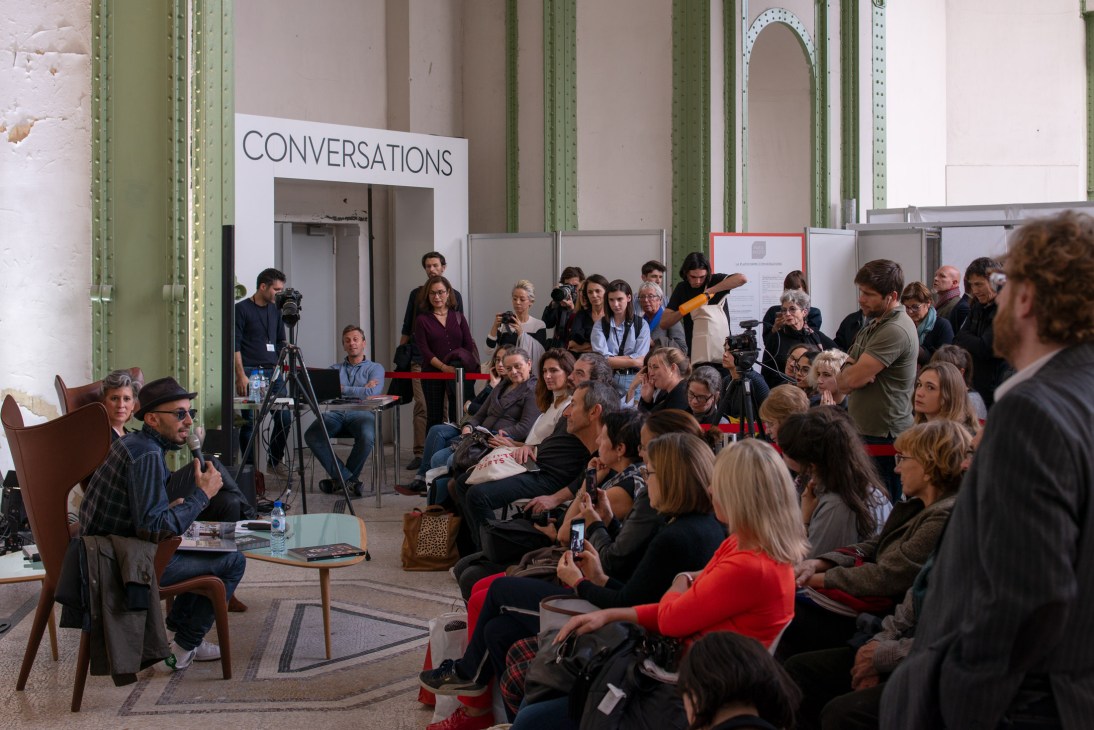
Debate: The Artist Talks by The Eyes at Paris Photo
Venue: Grand Palais, Avenue Winston Churchill
Speaker: Artist-photographer JR
Talking pictures:
The crowd at international fixture Paris Photo hear from French photographer JR, whose provocative images and installation pieces have endeared him to the typically iconoclastic Parisian art crowd
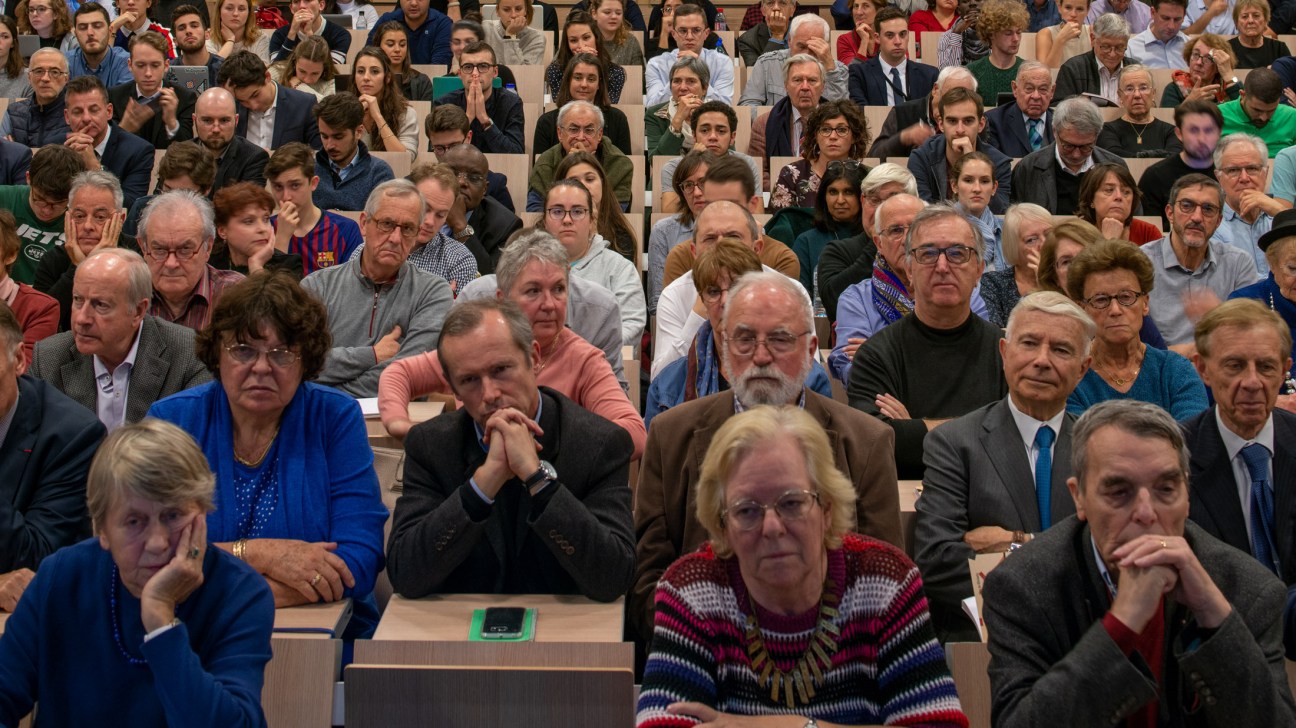
Debate: The Geopolitics of Russia
Venue: Espace de Conférences de l’Iris, 2 Bis Rue Mercoeur
Speaker: Former French interior minister and Fondation Res Publica president Jean-Pierre Chevènement, hosted by Iris director of research Jean de Gliniasty
No laughing matter:
The great game of global rivalry and a resurgent Russia make for a sober kind of soirée but the audience at strategic policy think-tank Iris are ready to drink it all in

Debate: How We See – Photobooks by Women
Venue: Shakespeare and Company Café, 37 Rue de la Bûcherie
Speaker: Publisher and collector Frédérique Destribats, Vogue India’s former photo editor Iona Fergusson and Russet Lederman, a writer, editor and photobook collector
He said, she said:
The discussion hots up on a cold morning at the Shakespeare and Company Café near Saint Michel, where a full house (and more) debate women’s representation in the photography world
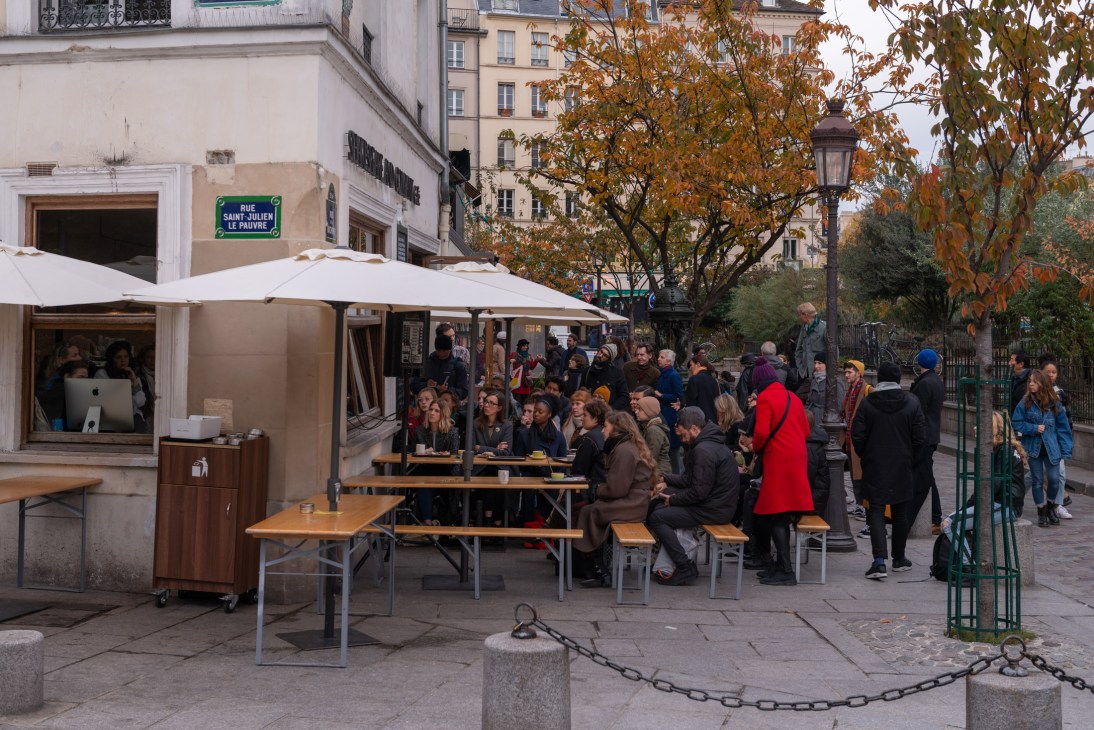
Getting it out in the open:
Space is not an issue at the Shakespeare and Company Café, wher ethe extramural audience gets involved
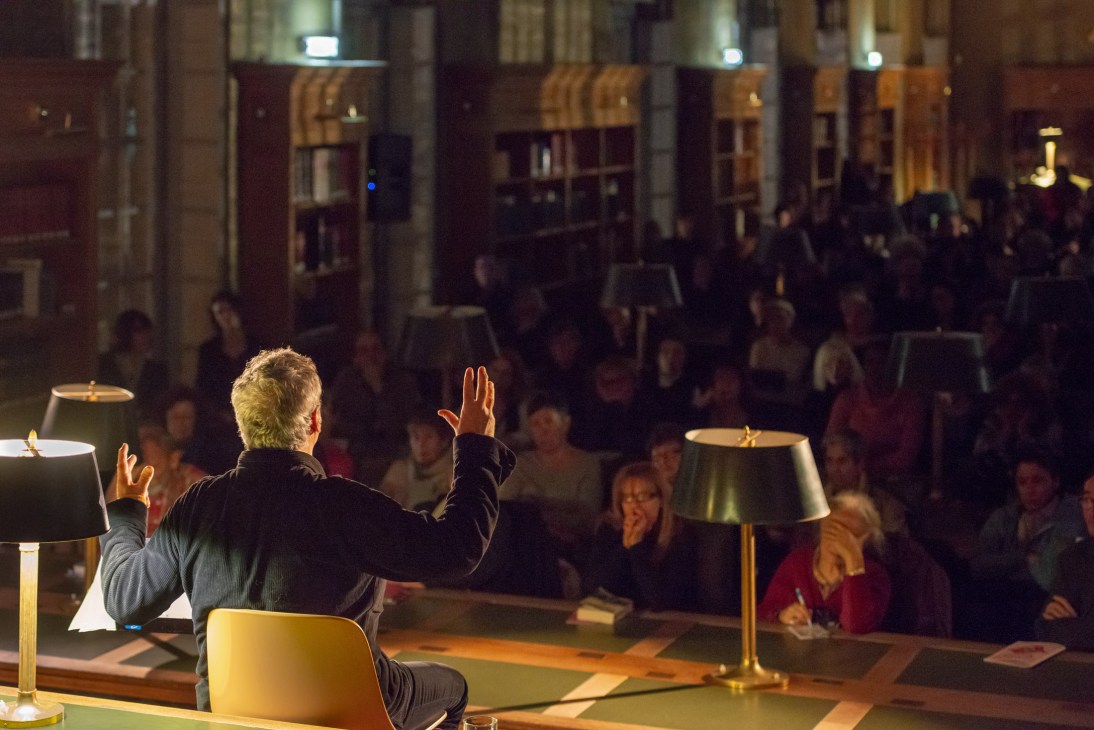
Debate: Apollinaire: Letters to Lou and Madeleine
Venue: Bibliothèque Historique de la Ville de Paris, 24 Rue Pavée
Speaker: Pierre Jacquemont (reader), Stéphane Puc (accordion)
Reading from the front:
Actor Pierre Jacquemont breathing life into the century-old wartime words of poet Guillaume Apollinaire in the moodily lit Bibliothèque Historique de la Ville de Paris
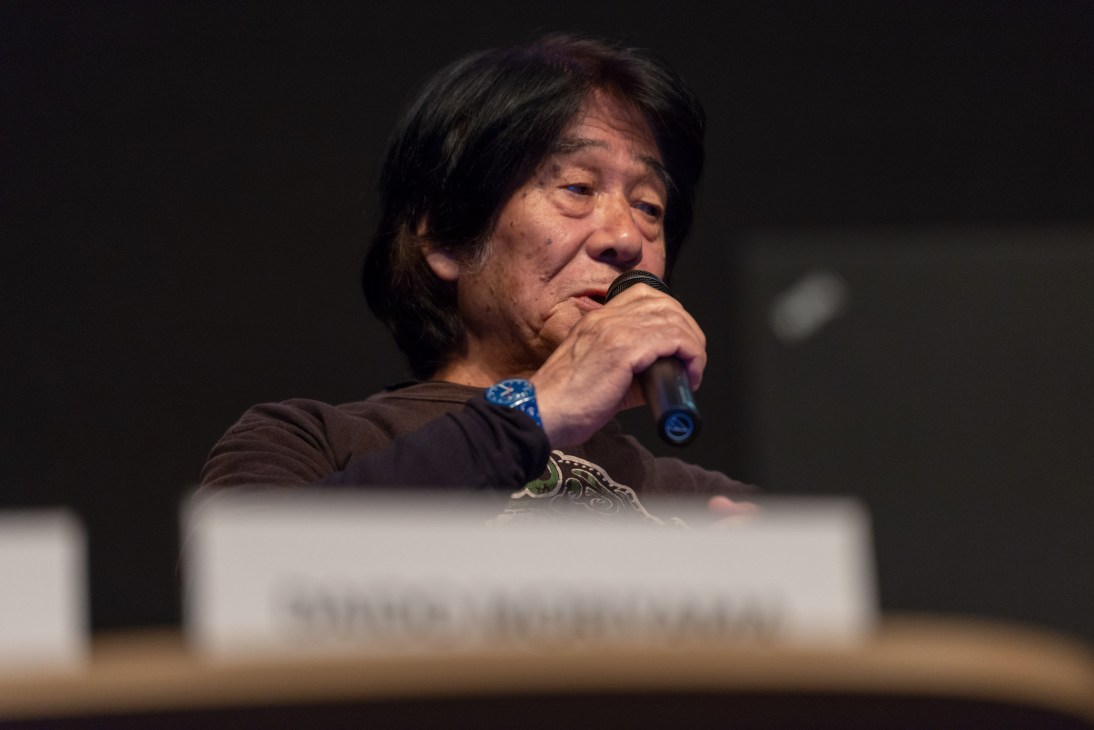
Debate: Daido Moriyama at Paris Photo
Venue: Grand Palais, Avenue Winston Churchill
Speaker: Photographer Daido Moriyama in conversation with Simon Baker, director of the MEP
Lens culture:
Pioneering Japanese photographer Daido Moriyama discussing his practice and philosophy in front of a hushed audience at Paris Photo
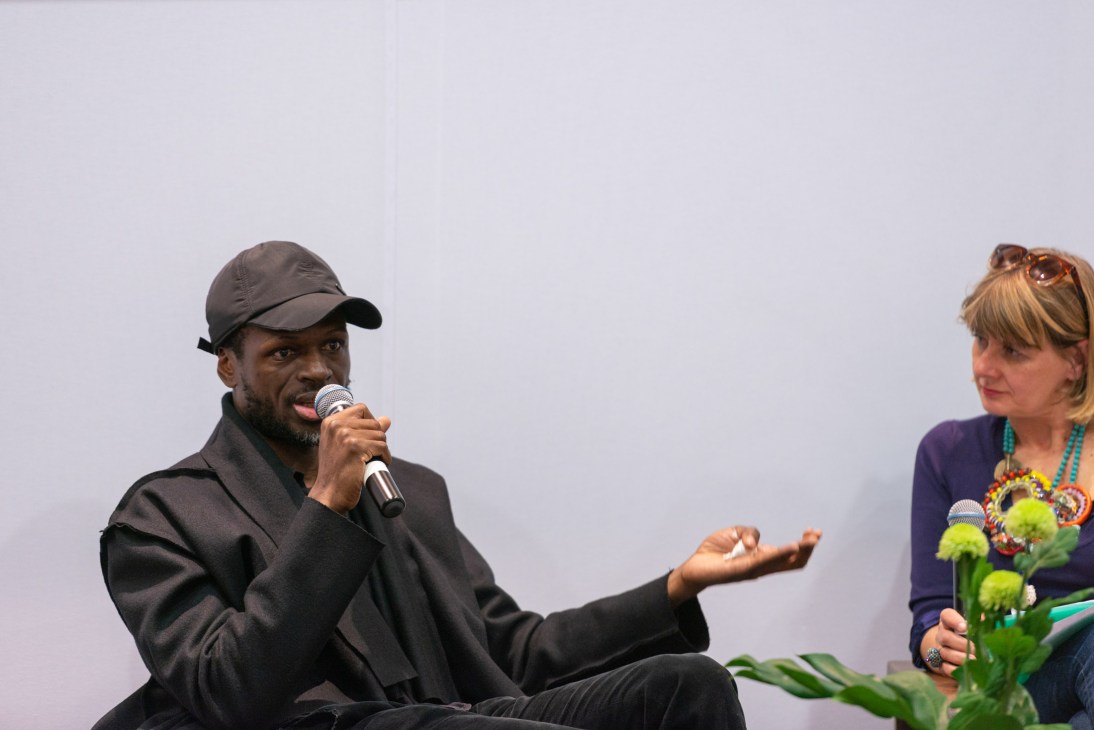
Debate: Batik and Wax, From Indonesia to Africa
Venue: Le Carreau du Temple, 4 Rue Eugène Spuller
Speakers: Model and designer Imane Ayissi, Guave co-founder Myrthe Groot, and Youssouf Fofana, founder of Maison Château Rouge. Hosted by anthropologist Anne Grosfilley
Pattern recognition:
A former clothes market is the apposite setting for model and designer Imane Ayissi (left) to discuss the perception and origin of African textiles with anthropologist Anne Grosfilley
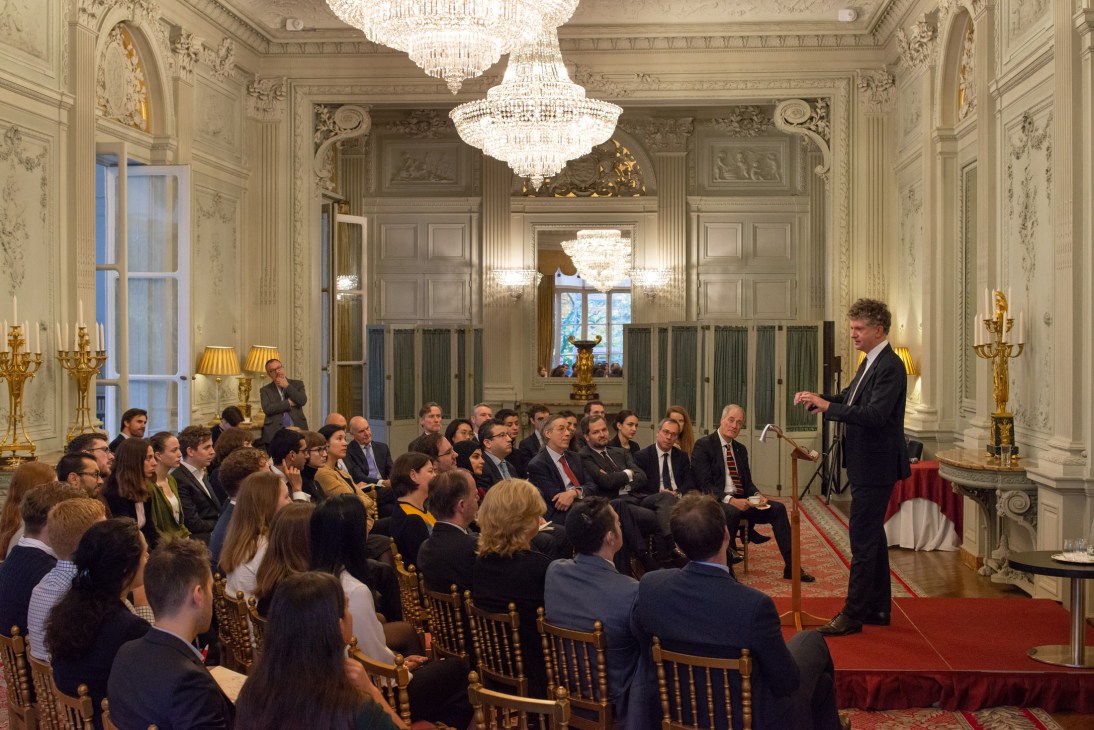
Debate: How to End Wars Well
Venue: UK embassy, 35 Rue du Faubourg Saint-Honoré
Speaker: Jonathan Powell, Tony Blair’s chief negotiator on the Good Friday Agreement in Northern Ireland
Talking about talking to terrorists:
At the British embassy, Powell explains why the only path to peace involves speaking to the masked men
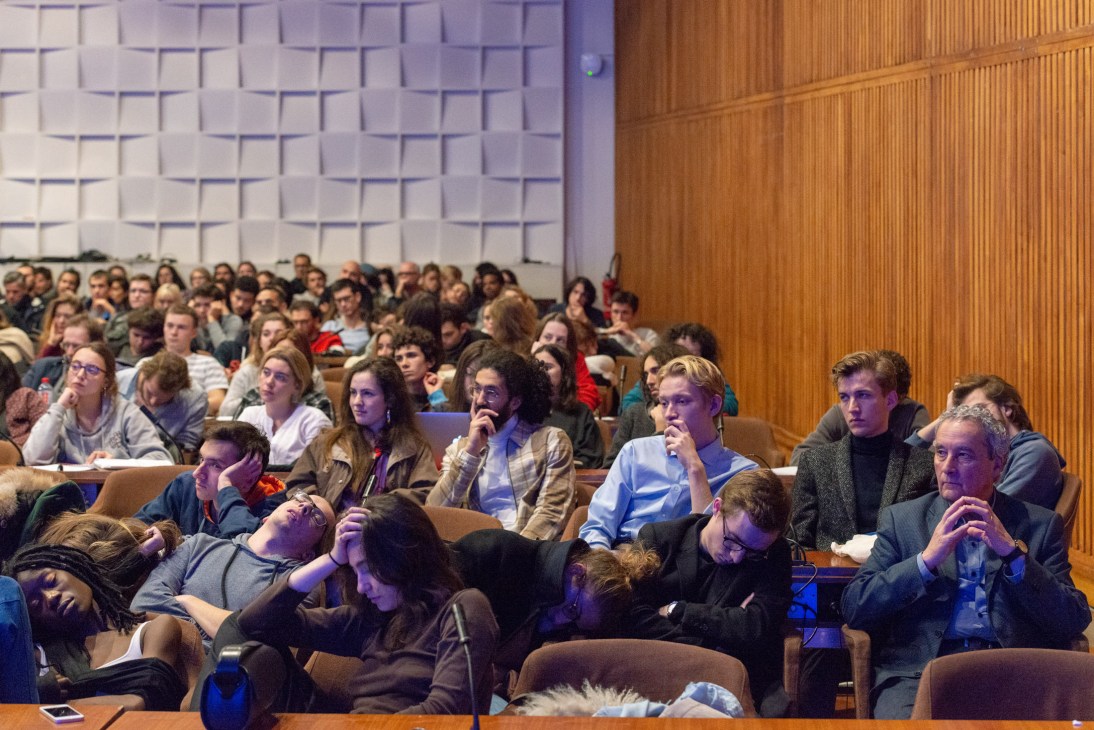
Dream line-up:
At Unesco headquarters, a philosophy marathon lasting from 19.00 until 7.00 tests the audience’s stamina with sessions on the nature of existence, death and wine.
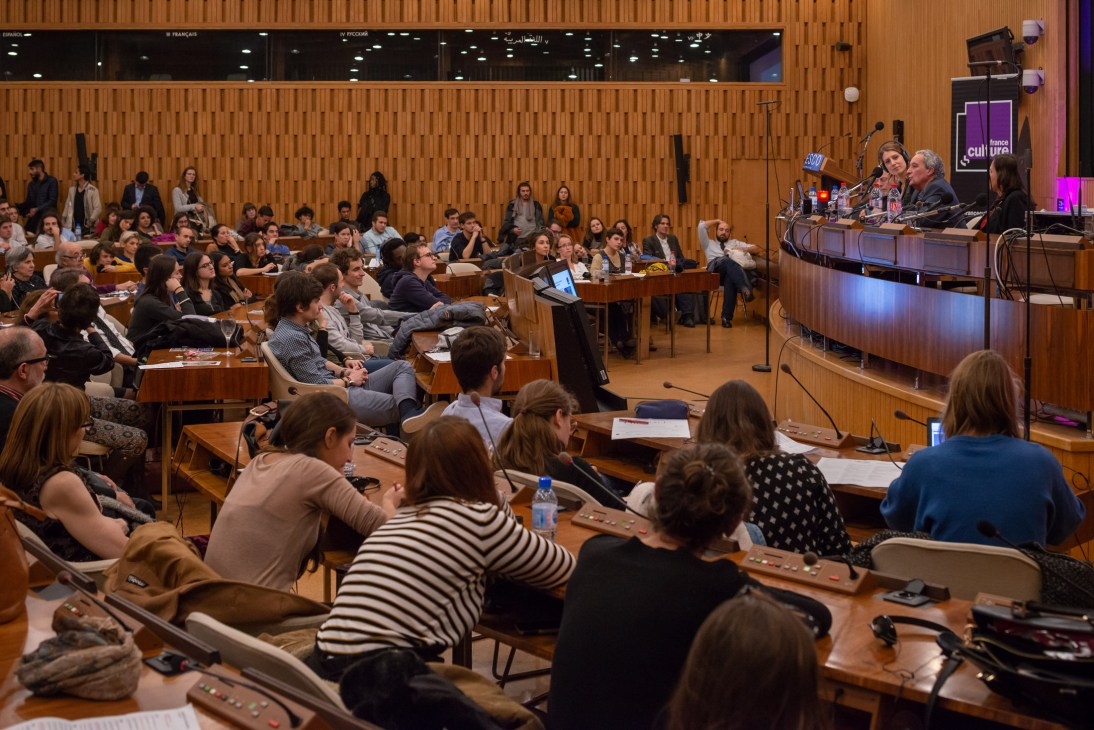
Debate: A Night of Philosophy
Venue: Unesco headquarters, 7 Place de Fontenoy
Speakers: A plethora of writers, thinkers and artists from around the world
Probing questions:
Just because it’s a 12-hour marathon, that doesn’t mean the audience gets to sit back and soak it all in. The Unesco philosophy night’s strength is in dialogue and the exchange of ideas
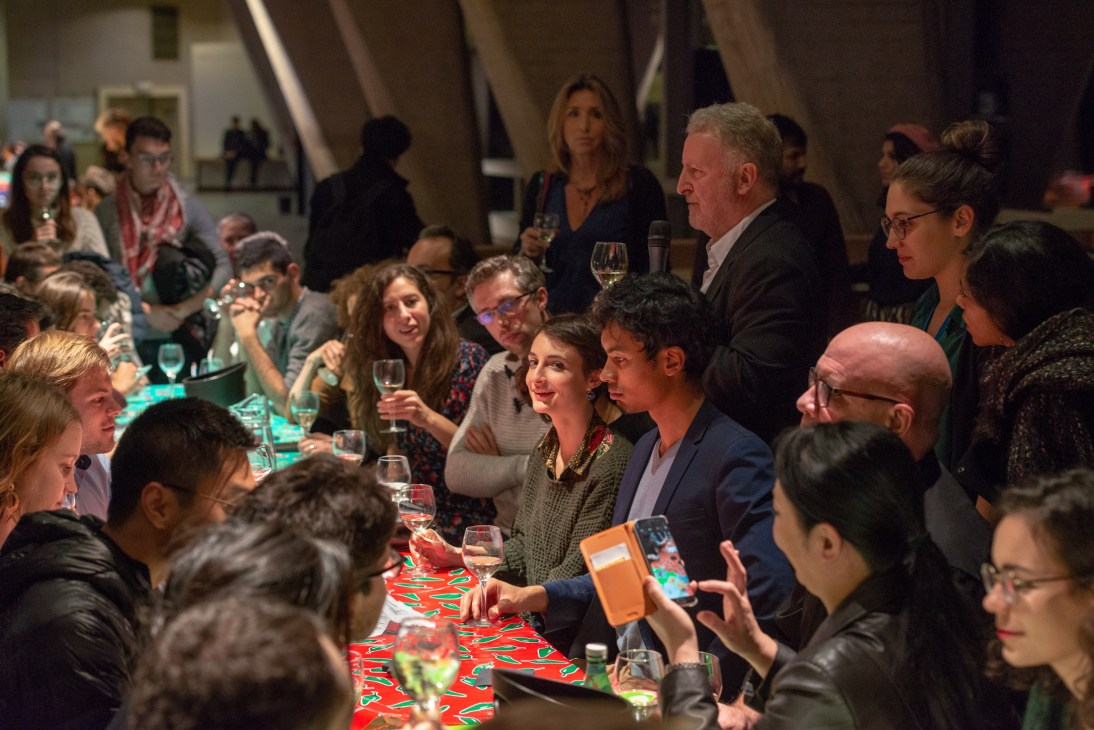
Grape ideas:
At a session called In Vino Veritas, thirsty attendees at the Unesco philosophy all-nighter breavely inquire into notions of reality in the perception of taste. Hic.
Life in miniature
1.
Small art
Pocket-sized paintings are big news. What’s behind the appeal of small sketches?
From her studio in north London, Anj Smith paints dreamlike landscapes and melancholic women. In technique and style, her intense pieces recall the intricacy of Hieronymus Bosch. But unlike the Dutch master’s triptychs, many are tiny – in some cases as little as 20cm wide.
Smith is one of a growing number of artists finding big success with small works. Ridley Howard paints tender images of lovers, while fellow New Yorker Maureen Gallace specialises in landscapes – both on a micro scale. Even abstract painting – a form associated with the monumental since Jackson Pollock exhibited his massive drip-painted panels – is beginning to downsize.
Rising stars such as the Brazilian Lucas Arruda, Venezuelan Alvaro Barrington and American Ryan Nord Kitchen have all begun to experiment with working in smaller formats but the results have still had a huge impact.
Size has always mattered in art and larger works have often been the most fawned over. So how have collectors and curators developed a penchant for the petite?
Roberta Smith, an art critic at The New York Times, has written that “work that you can take home in a taxi” has become a way to challenge an art world that has for too long fetishised the extra-large.From Art Basel’s Unlimited (the Swiss fair’s section dedicated to the gargantuan) to the Tate Modern’s enormous commissions for its Turbine Hall, spectacular pieces have repeatedly proved their pulling power. Yayoi Kusama’s Infinity Mirrored Rooms are such a draw that Victoria Miro, the normally sedate commercial gallery hosting her exhibition in London, was forced to issue tickets to control numbers.
Artists’ studios have often grown to cater for the creation of large-scale works, with many choosing to employ dozens of assistants. But for some this overblown approach has quashed a fundamental part of the creative process.“We are seeing a return to individual making – and scale is part of that,” says Zoe Sperling, director of the London outpost of international gallery Hauser & Wirth. “Collectors like the jewel-like quality of small art and the personal connection with the work. It is gaining momentum in our over-saturated visual world.”
Smaller work can be more accessible for buyers too: it is easier to display and often more affordable. But demand at the top end of the market is also growing. Small-scale work is now prized by collectors who are not restricted by the size of their exhibiting space – nor their pocketbook.
Anita Zabludowicz is a collector for public art spaces in London and New York. Her acquisitions include some of the biggest names of the past 20 years, from American painter Richard Prince to French multimedia artist Pierre Huyghe. But her London mansion is filled with tiny ceramics; small paintings and photographs are scattered across corridors, bathrooms and stairwells.
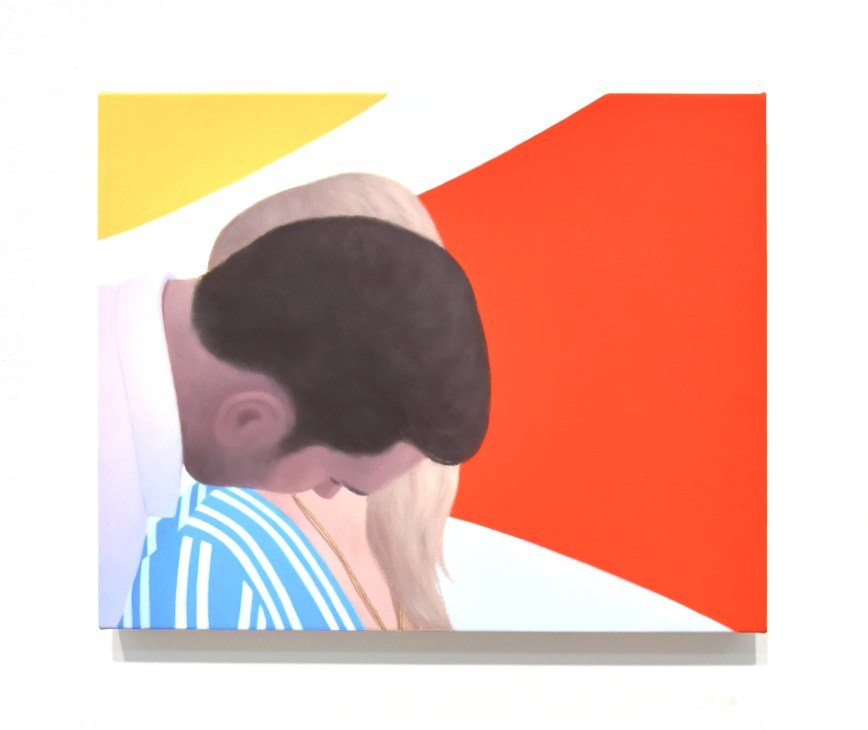
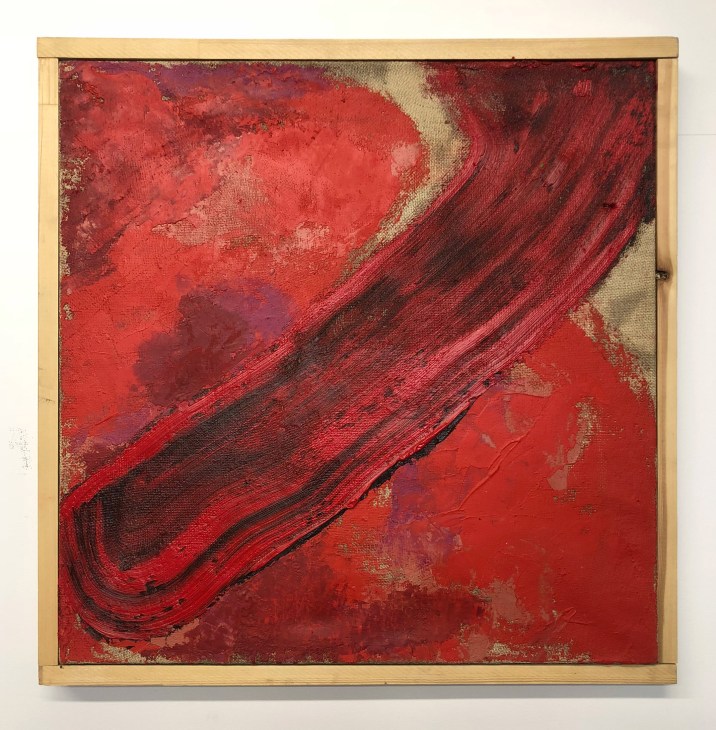
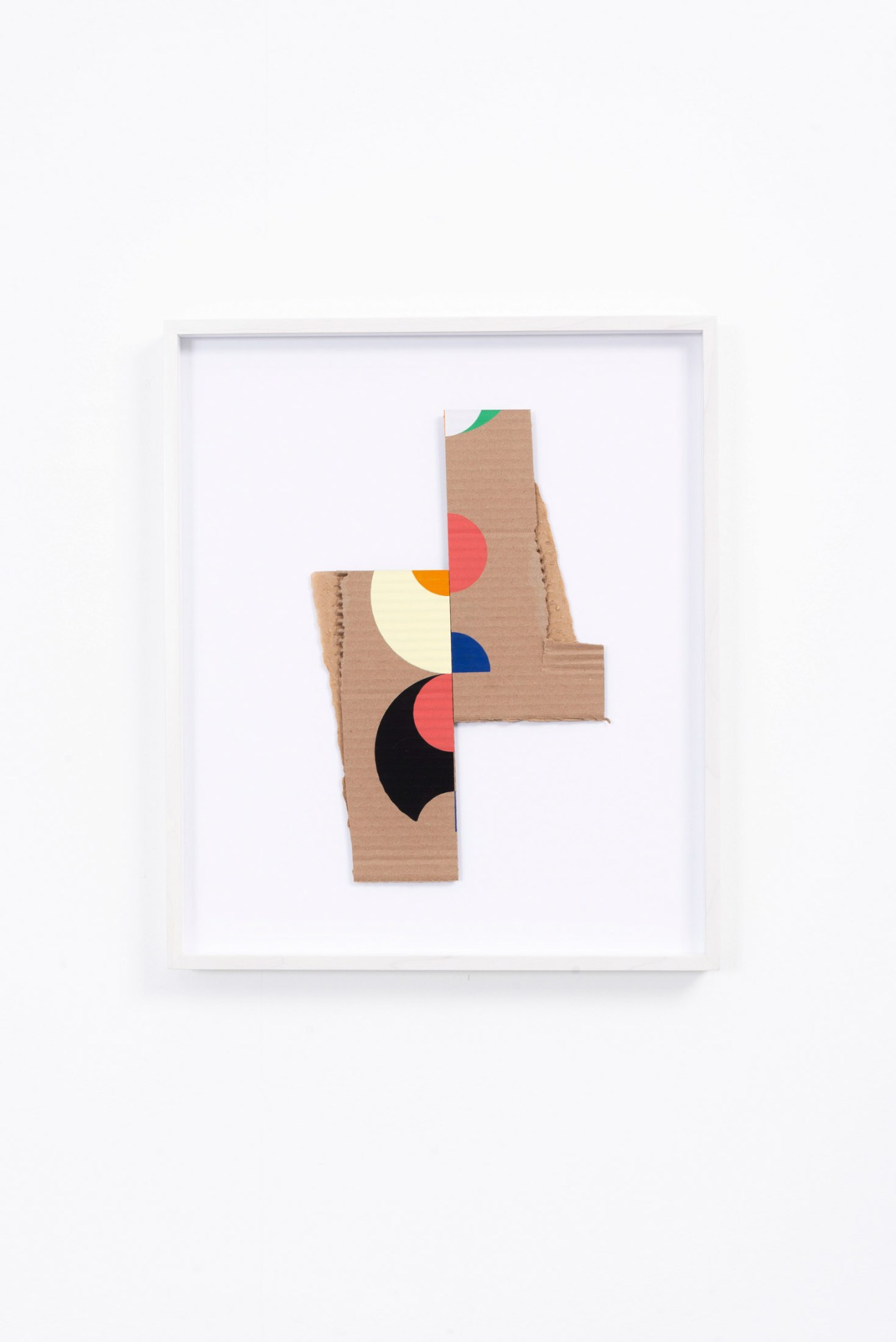


“We have large walls and lots of light so I started with big paintings and photographs,” she says. But she soon became seduced by the allure of the miniature. “Some works command a stage without taking up very much space.” Zabludowicz, it emerges, is an Anj Smith fan. “If you asked me what I would save in a fire, of all the art I have, it would be her paintings.To me they are so beautiful. They are such precious things.”
2.
Small television
Forget the silver screen, film-makers are chasing time-strapped phone users.
Step on public transport and you’re bound to spot a passenger with a phone propped on their lap, earphones in, eyes glued to the screen. They won’t waste a minute of their commute playing Candy Crush. Long gone are the days when a large screen was needed to watch television; thanks to smartphones, the small screen has become a whole lot smaller.
As ever the medium influences the message: even the most determined viewers will struggle to follow a two-hour historical drama on a 12cm display. Short-form shows suit the small screen but an audience used to Netflix nailbiters expects more from short videos than clips of skateboarding bulldogs. Facebook, Instagram and YouTube might have helped to create an appetite for mobile video but 2019 will be the year that short-form goes premium.
The effort is being led by Jeffrey Katzenberg, the former Walt Disney Studios chairman and Dreamworks Animation CEO. Along with former Ebay and Hewlett-Packard CEO Meg Whitman, Katzenberg has created Quibi (short for “quick bites”), a platform dedicated to short-form content. Having raised $1bn (€873m) from investors including Hollywood studios, global broadcasters and Chinese technology giant Alibaba, Quibi is expected to launch next year.
“The trends are clear,” says Katzenberg. “Mobile video consumption is exploding, with the average consumer now spending about 60 minutes [per day] watching mobile video, up from just six minutes in 2012. There is a clear white space for premium content in mobile video that is of the same quality as what you would find at a movie theatre.” Quibi has already enlisted several A-list contributors: The Shape of Water director Guillermo del Toro is making a zombie story; thriller specialist Antoine Fuqua is preparing a modern take on 1970s classic Dog Day Afternoon; and producer Jason Blum is working on his Fatal Attraction-esque Wolves and Villagers.
For film-makers, this may feel like a completely new approach but writing a short-form series is close to the way that shows were made for cable television. “Quibi brings together the storytelling used to deliver a two or three-hour story arc with the discipline of ‘act breaks’, which writers have had to use to deliver network television against time increments to allow for advertising,” says Katzenberg.
Quibi will initially launch in the US but the company has plans for expansion across the globe: it hopes to develop projects with foreign auteurs, even producing non-English-language shows.
For many investors in the project, jumping on board was a no-brainer. “Smartphone screen use is exploding,” says Darren Throop, CEO of Entertainment One, the company behind The Walking Dead and a Quibi investor. “Being in the market with high-quality content is something that needs to be explored and done.” All3Media, the UK production company behind the BBC’s Call the Midwife and Fleabag, is also eyeing plans to work with the nascent platform. “We’d love to produce for Quibi,” says CEO Jane Turton. “We’re testing, we’re watching and participating. It will be fascinating to see how it goes.”
Quibi is unlikely to be alone in the marketplace. In October, Snapchat unveiled its first spate of original short-form programming, including college coming-of-age series Co-Ed, which is produced by the Duplass Brothers. It is also remaking Bref, a French series of episodes that last an average of two minutes and debuted on Canal+.
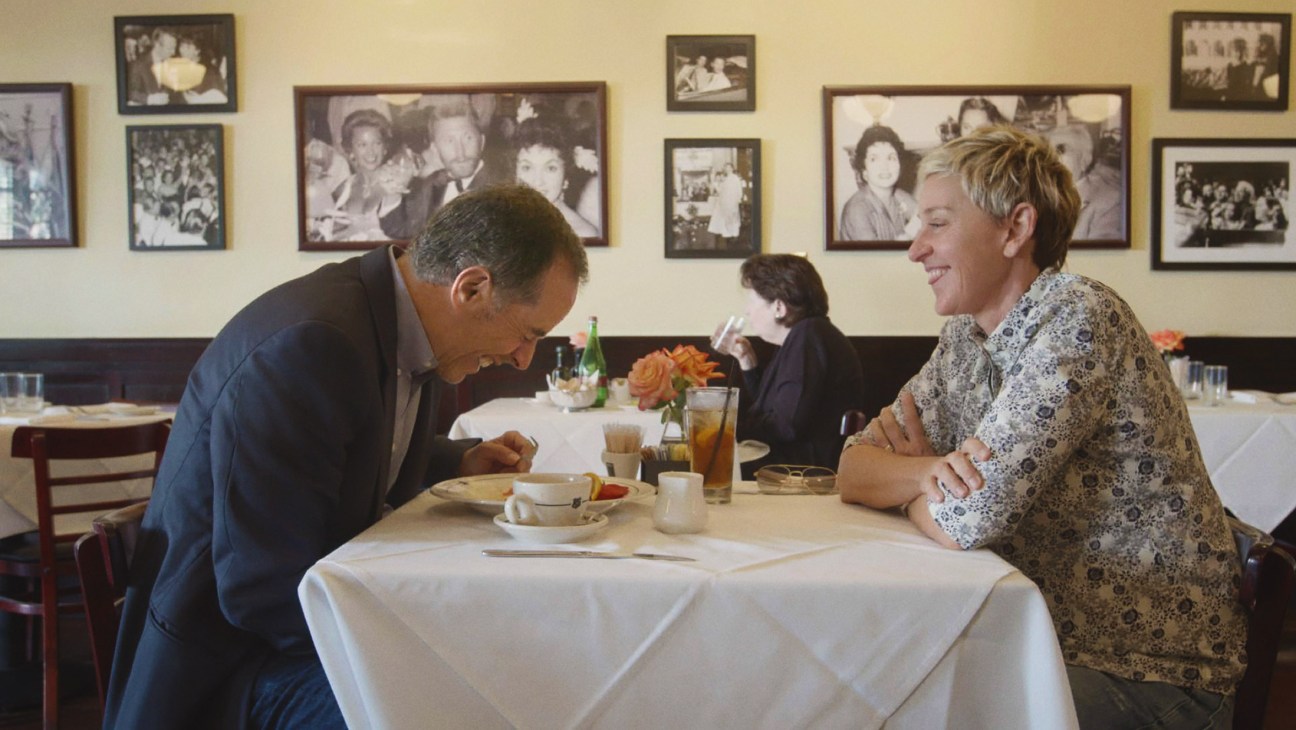
The world’s leading streaming services are also weighing in. Netflix has teamed up with Buzzfeed to produce short-form documentary series Follow This and has ordered new episodes of Jerry Seinfeld’s Comedians in Cars Getting Coffee. Amazon is funding shorts from comedy website Funny or Die while Facebook Watch is ordering documentaries from a raft of producers including Barcroft Media, a heavy-hitting YouTube channel. Traditional broadcasters are also getting in on the action. BBC Studios has opened a new investment fund dedicated to bolstering high-end short-form projects, aiming to produce scripted series with a whopping budget of £500,000 (€562,000) per each 15-minute episode. The opportunity seems good enough to justify throwing money at the genre but some smaller foreign-language producers are more cautious. Israel’s Armoza hopes that its Hebrew-language short-form series Instababe will be an international hit but, for CEO Avi Armoza, there is no guaranteed revenue stream. “There is a contradiction: the business models are not clear,” he says. “It is crucial to reach young audiences where they are and they are often on a platform like Instagram.”
For any nascent platform, finding a space in a market dominated by social-media giants will be a challenge. High-profile players, such as NBCUniversal and Verizon, saw burgeoning short-form platforms fail in 2018. Can the stature of the enlisted cast and crew make the difference for Quibi? “When we speak with top-tier creatives about Quibi, they immediately get it,” says Katzenberg, who remains confident. Time-strapped viewers hungry for short, sharp bursts of well-produced video might do too.
3.
Small print runs
Crowd-funded books about increasingly niche subjects find a fervent audience.
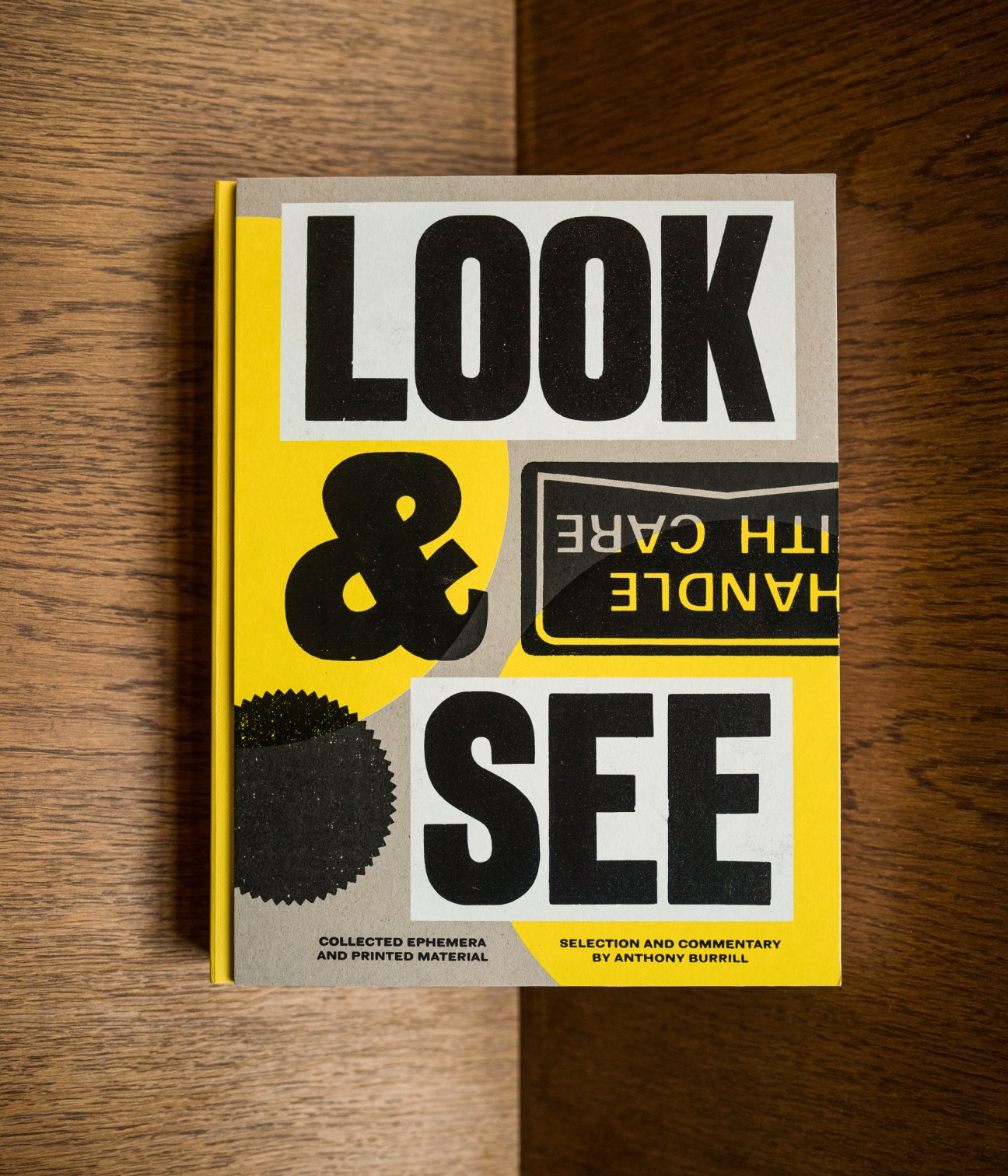
Fancy reading about the history of Japansoft, the Japanese video-game movement in the 1980s and 1990s? Or taking a tour through the colourful ice-lolly packets and plane tickets that inspire British graphic designer Anthony Burrill? Maybe you’d prefer to see Ralph Waldo Emerson’s Self-Reliance repackaged as a “typographic essay” by Dutch designer Irma Boom? Perhaps not. But there is almost certainly an audience that is intensely interested in each of these subjects. Rather than hunting a mass-market bestseller, these are the audiences that some large publishing houses hope to reach with small print runs.
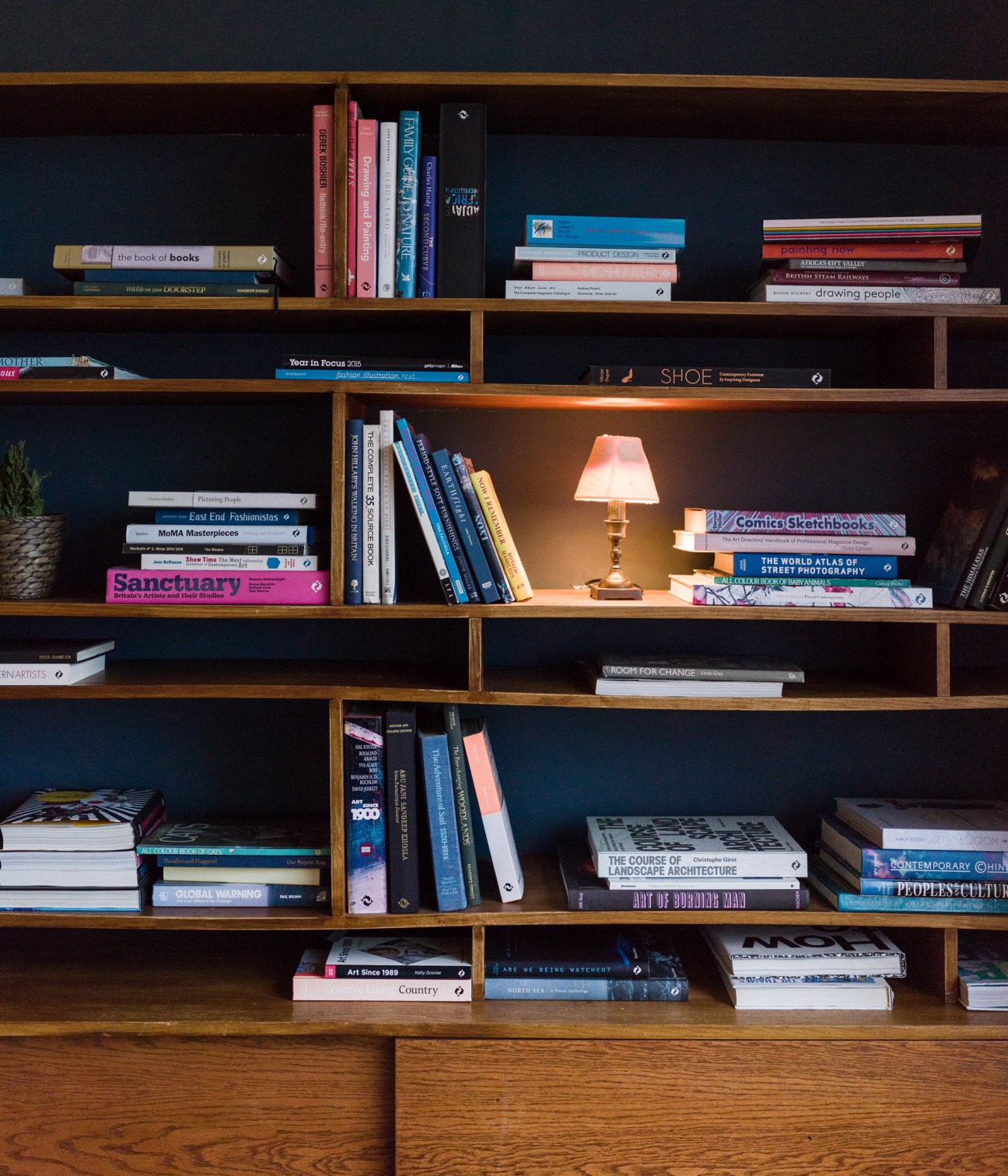
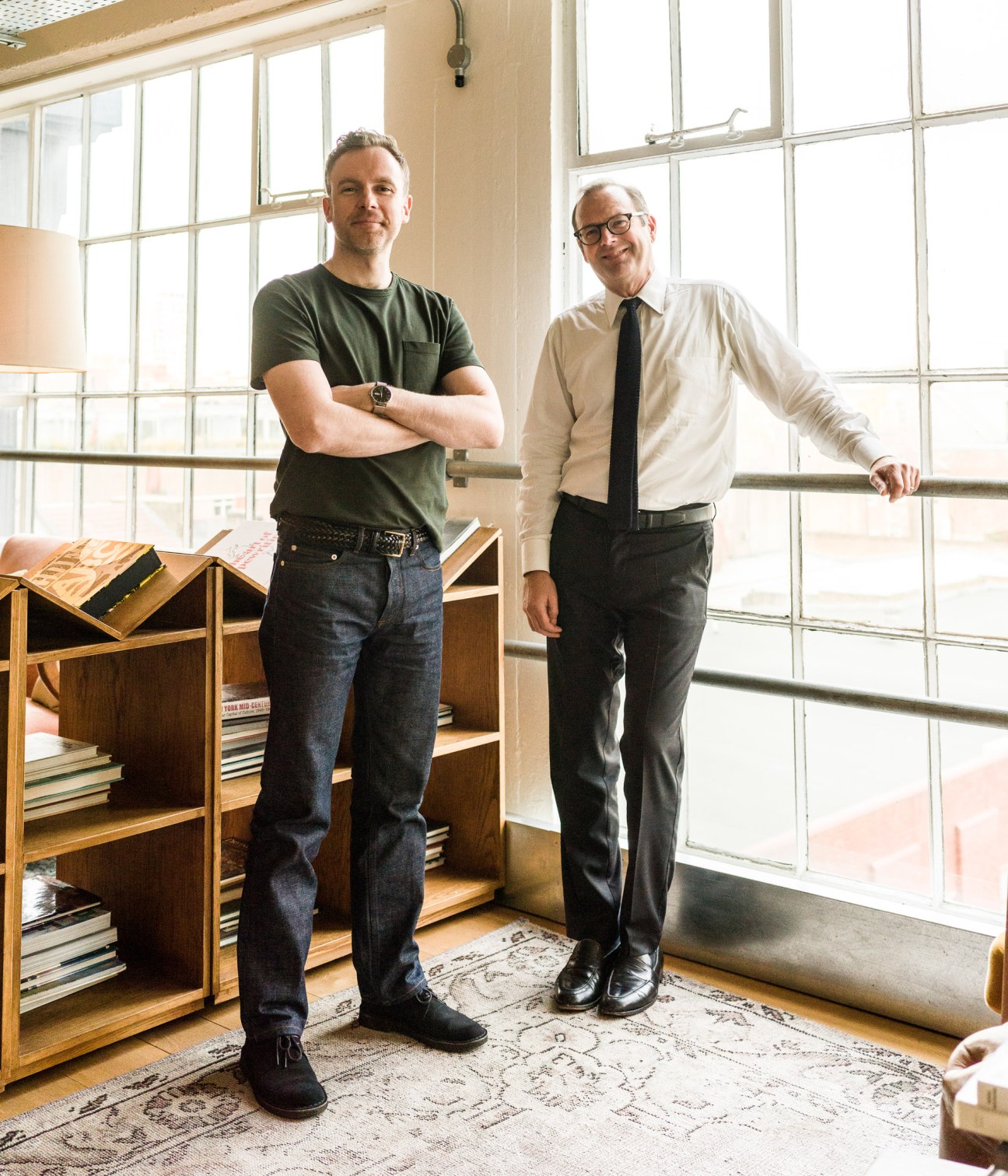
Volume, an offshoot of London-based publisher Thames & Hudson, uses crowd-funding to produce illustrated books on niche topics that would otherwise struggle to make it onto the page. Its first title Look & See – about Burrill’s inspirations – was released in November. Its platform is the work of Lucas Dietrich and Darren Wall, a dynamic duo with complementary skillsets. “Old-school publishing guy” Dietrich is international editorial director at Thames & Hudson; he brings editing clout to the project. As an art director who founded Read-Only Memory, an online company specialising in books about video games, Wall adds the design and digital nous.
They’re using a funding model normally reserved for start-ups to make books on topics that would usually be too risky for a big house such as Thames & Hudson to publish. “The commissioning spirit at Thames & Hudson is very entrepreneurial,” says Dietrich. “But it is also a publishing company that’s 70 years old. Launching this satellite was its chance to try something different.”
Dietrich and Wall accept submissions for books at any stage of development: the seed of an idea, a working script or a finished book by a publisher short of funds. Once selected, Volume creates mock-ups of covers and a blurb, posts the potential book on a slick website, and opens to backers. The only sunken cost is Dietrich and Wall’s time. “You’re ‘de-risking’ the book because everything is paid for upfront,” says Dietrich. “If it turns out there’s not a big enough market for, say, basket-weaving, then we don’t make that book,” adds Wall. But this will rarely be the case, according to Dietrich. “We only need to do a print run of 1,000 copies to make a book viable – and I believe we can sell 1,000 copies of pretty much anything.” Using traditional models, a publisher such as Thames & Hudson would need to sell at least 5,000 copies to make a title worthwhile. Dietrich and Wall lean towards subjects that have a fervent following: graphic design; video games; pretty much anything Japanese. Books with a person at the centre are much more likely to ignite passion than those that deal with general trends. Unusual topics are brought to life with eye-catching covers.
“I get so depressed when I walk into most bookstores,” says Dietrich. “Everything looks the same.” That’s not to say that Volume will revolutionise the industry on its own but it has started to fill small yet significant gaps. “If this is not the future it’s certainly one of the more interesting paths,” says Dietrich. “It attracts younger talent in terms of submissions and, with the funding model, engages readers from the outset. They get so emotional about books. We want to maximise that emotional attachment.”
Happy space
1.
Madrid’s pavements
Greener and more literate
Under the cover of night four years ago, Boa Mistura, an acclaimed troupe of street artists, brightened the mood of Madrid’s commuters by stencilling 33 poetic verses onto pedestrian crossings. Manuela Carmena, who was sworn in as the city’s unlikely mayor a few months later, has since embraced a similarly playful approach to urbanism.
From the outset of her time in office, the septuagenarian’s agenda included a pledge to make the city “more amiable”. One of her earliest interventions was to remove hostile spiked iron railings around two fountains in Puerta del Sol. “We came into power looking at large paved areas lacking any green space and individual public seating designed to repel the homeless,” says José Manuel Calvo, Madrid’s councillor for sustainable urban development. “But this meant friends, couples and families were also prevented from sitting together.”
Fast-forward a few years and mayor Carmena’s policies have prompted a sweeping revival of the city’s streets. Madrileños might have grumbled through a cacophony of jackhammers and harried construction but the work has paid off. The century-old Gran Vía has been transformed from a congested boulevard to a place to rest and socialise. More than 110 stone benches and 33 modular wooden recliners designed by architect Marcos Plazuelo sit on widened footpaths lined with 89 trees. The road is now not only a major transport artery but an attractive place to mingle.
Councillor Calvo has embraced Madrid’s gregarious character where others had sought to rein it in. “A friendly city means urban design for all, regardless of age or physical condition,” he says. Adding more trees will improve wellbeing because “breathing uncontaminated air always helps to improve a city’s mood”. Six plazas next to Gran Vía will soon become parks, offering Madrileños further green space in which to relax.
A city-centre restriction on non-residential traffic, which has come into force after years of delays, will provide further impetus to reimagine the public realm. And what of Boa Mistura? Mayor Carmena invited the street artists to continue their once-illicit activities and daub poetic verse onto Madrid’s streets, this time with the city’s financial blessing. They can even use permanent paint.
2.
Child-friendly Rotterdam
Universal design at play
“People can inhabit anything – and they can be miserable in anything and ecstatic in anything,” said Rem Koolhaas. But in 2006, the architect’s native city hosted the Netherlands’ unhappiest children, according to a survey. Industrial Rotterdam was the country’s poorest urban centre. Housing stock was low quality and space was scarce despite the city’s reputation for architectural innovation.
“We began mapping the problems using the new possibilities of open data,” says Sandra de Bont, a landscape architect on the city’s urban-planning team. “We wanted to have a child’s perspective in the front of our minds every time we made plans for neighbourhoods or streets.” This approach has long been championed by Rotterdam’s mayor Ahmed Aboutaleb. “He always emphasises how important it is that young people grow up in a city they like,” says De Bont.
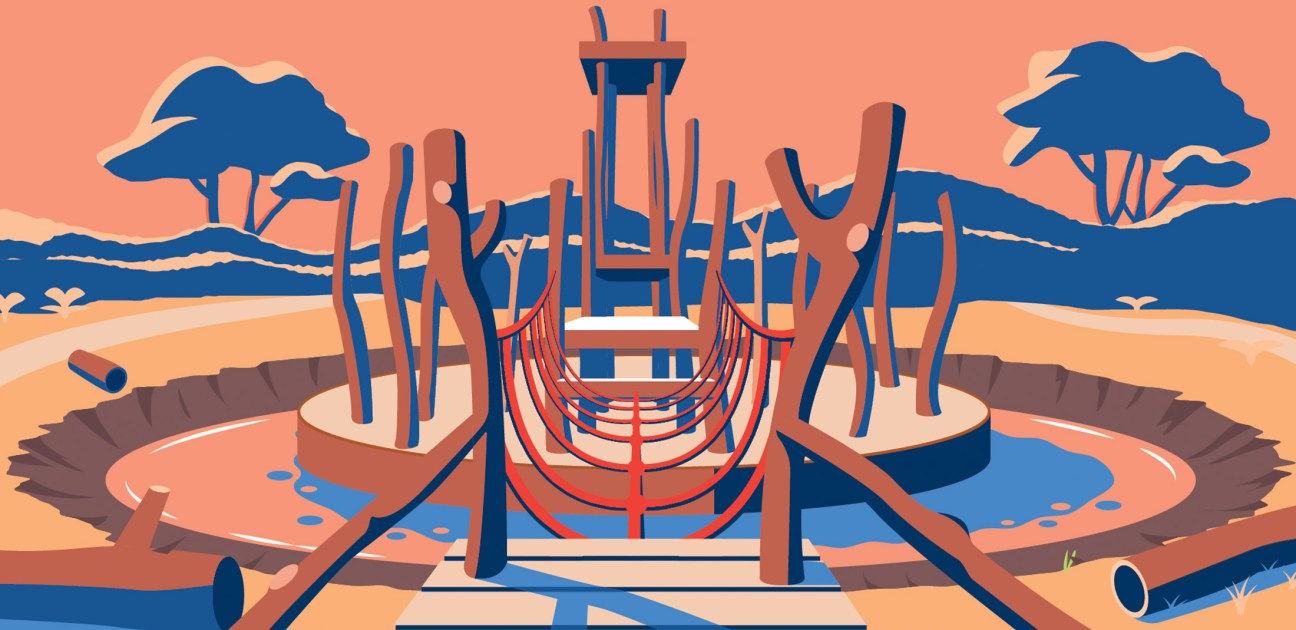
Bike paths have been prioritised over parking spaces and “playable pavements” at least 3 metres wide have been built on the sunny sides of streets. Roof Park Rotterdam has brought playgrounds, themed gardens, a barbecue area and dancing water fountains to the top of a new waterside retail park in Delfshaven. Speeldernis nature playground in the city centre occupies the site of a former playground known as de botte spijker (the blunt nail). Director Ian Mostert says the playground fosters the independent play that boosts a child’s development. “Kids are encouraged to understand risk for themselves,” he says. “They develop their social skills and learn how to set their own boundaries using all of their creativity and imagination in contact with nature.”
Since 2006, Rotterdam has spent €15m upgrading its public spaces. The biggest change so far has been the regeneration of nine disadvantaged neighbourhoods into “promising areas” by building houses and improving schools. The city’s council hoped that “the average number of affluent families will increase by 10 per cent”. Marguerite van den Berg of Amsterdam University’s Institute for Social Science Research says these families are considered to be “the silver bullet that will solve a variety of urban problems. Children and parents are a focal point of gentrification policies.” The droomstraaten (dream streets) initiative has also encouraged residents to contribute. Mustapha Ziani and his four children took part in the €53,000 overhaul of Ruilstraat. Locals planted shrubs and staffed pop-up cafés. “Everyone who participated feels a sense of pride,” says Ziani. “Teenagers keep the street clean and tidy. My kids spend more time playing outside.”

3.
Bandung’s novel public square
Art accommodating life
“Heads, shoulders, knees and toes, knees and toes.” Indonesian children in brown uniforms are led through an anatomical nursery rhyme by their teacher before their morning lessons begin. The exercise is part of a 30-minute workout in a public square in Bandung, a city of 2.5 million that is 160km southeast of Jakarta. A teacher concludes the singing and stretching and watches the children run amok among sculptures, clambering up the steps of a pavilion and crawling under seating.
This is Cicendo plaza, a scrapyard-turned-community space that also boasts a basketball court, skate park, art market and amphitheatre. Mothers gather to chat and elderly men conduct their morning stretches. There is even a spot for an indulgent reflexology massage: visitors take off their shoes and walk over stones. The plaza is sandwiched between low-income and middle-class neighbourhoods. Walls have been erected on two sides of the corner plot to shield the site from noisy traffic.
Public open spaces are rare in Indonesia’s busy and heavily privatised cities. Cicendo plaza is the third such project initiated by former mayor Ridwan Kamil, a former architect who is now governer of West Java, the archipelago’s most populous province. The project he began aims to reinstate the leafy squares that were once common in urban Indonesia. “This is a society where people are learning to use public spaces for the first time,” says Daliana Suryawinata, the co-founder of Shau, the Bandung-based architecture firm that designed the space. “Indonesia is 40 – if not 100 – years behind many developed cities in terms of public infrastructure. We are learning from doing.”
Cicendo plaza’s topography unfolds on multiple levels. Steps lead down to the art market and up to the elevated decking. This landscaping is reminiscent of the rice terrace tiers that can be seen in the countryside. Tropical legumes arachis pintoi (pinto peanuts) add a vibrant shade of green to the sculptures that sit atop six plinths. The inspiration for this “accessible art” from the Kröller-Müller Museum, the sprawling sculpture garden in the Dutch village of Otterlo.
It was in the Netherlands that Suryawinata met her German husband and business parter Florian Heinzelmann.“On the weekends the park is full,” says Heinzelmann, who grew up near Munich. “I have never seen that in Europe, ever. People here are really craving public spaces and the number of activities they are engaging in is dazzling.”
4.
Toronto’s golden bone
Whimsy for dogs and humans
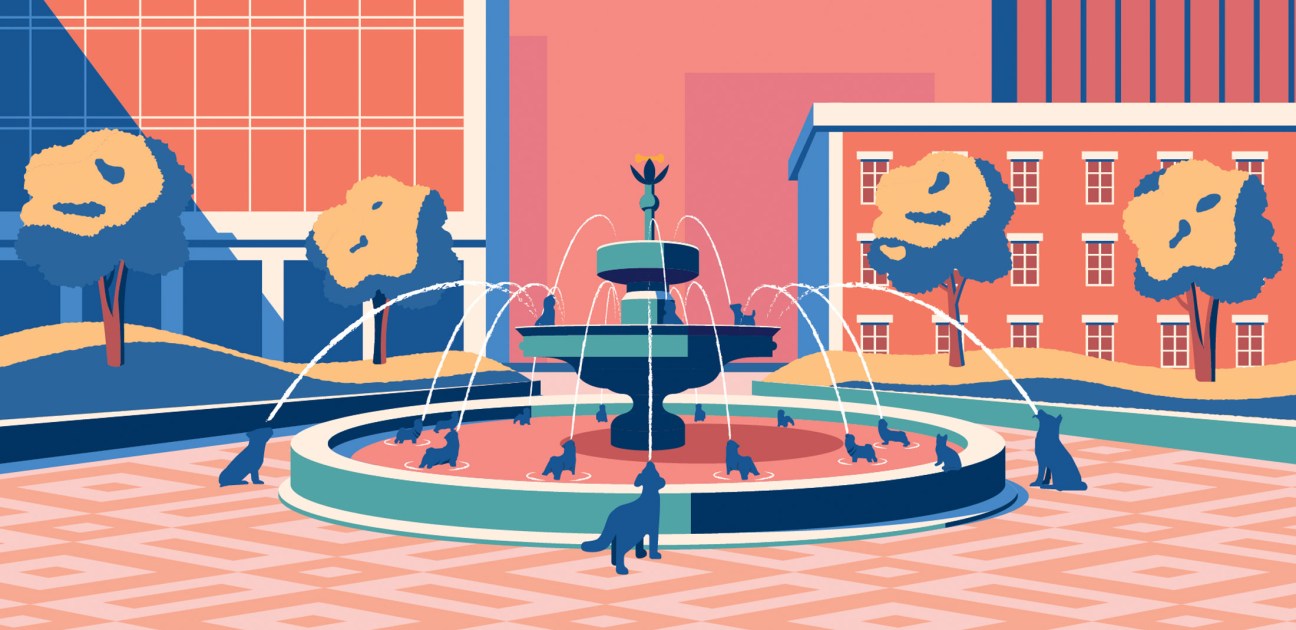
Toronto isn’t a city known for the playfulness of its public spaces but the golden bone atop the Victorian-styled, cast-iron fountain in Berczy Park could be a sign that things are changing. Staring hungrily up at the bone are a boxer, a St Bernard and some pugs: hand-painted statues with jets of water spraying from their mouths, which converge gracefully at the fountain’s apex.
The somewhat absurd fountain is the centerpiece of the recently renovated park, as conceived by landscape architect Claude Cormier on a tight triangular plot on the east side of Toronto’s downtown. The original park was well used but it was also dull. Cormier wanted to demonstrate what a touch of whimsy and wonder could do for a city, especially in a busy, mixed-use neighbourhood rapidly becoming denser with office workers and condo residents. “We wanted to bring some magic to the space,” says Cormier. “It’s not about being pretentious or stylistically heavy handed. Our goal was to create something playful and timeless by being conceptually strong.”
Infusing a sense of fun into urban spaces has been a signature of Cormier’s 14-person studio since it launched in 1995. He is best known for his “Pink Balls” installation in Montréal, a kilometre-long canopy of plastic spheres hung over Sainte-Catherine Street. One of the most-loved (or, in some cases, most-loathed) additions to Toronto’s waterfront revitalisation is “Sugar Beach”, a delightful faux-urban beach of white sand and oversized candy-pink umbrellas designed by Cormier.
Despite the success of “Sugar Beach”, Toronto’s authorities were initially reluctant to approve Cormier’s plans for Berczy. “They probably worried it was going to be tacky,” he says. “What did dogs have to do with art or landscape architecture?” Having already won the support of local stakeholder groups, Cormier convinced city staff by showing them historical depictions of dogs in art, such as William H Beard’s “The Dog Congress”. They also cited hand-painted dog figurines produced by German toymaker Schleich, after which Cormier’s team modelled Berczy’s dogs. His fountain opened in 2017 to much local fanfare.
Cormier’s approach is to never think of a street as just a street, or a park as just a park. “It’s about creating a mise-en-scène,” he says. “We’re making a stage where people can act on a daily basis, where part of what makes a place enjoyable is watching and being watched.” Cities, he adds, could generally use more moments of theatre and doses of whimsy. Why not – as in this case – make dogs a part of the action?

5.
Vienna’s miniature parks
Good things in small packages
Since 2007, Vienna has sought to reinvigorate the overall concept for its 950 parks – ranging from the curlicued Baroque gardens of Schönnbrunn Palace and the Belvedere to lovely corners in the Stadtpark – while also creating brand new microparks in the once-fallow corners of the city’s districts. The positive effects of large parks are well documented but nature can boost happiness even in small pockets. These tiny spaces bring unexpected cheer to the urban landscape. “A few years ago we began to use the little corners on the streets – everywhere where it makes sense – to enliven the city,” says Margit Grassinger of the City Parks Department.
The municipal department manages the bigger picture but each of Vienna’s 23 districts has its own budget for flowers, trees and seating. Squares in front of churches might sport “summer flora”, while smaller areas use a combination of evergreen plants to add life to interstitial spots. “The reaction has been very, very positive,” says Grassinger, who views the city’s role in making people happy as a matter of course. Other creatures benefit too. “There’s a lot happening in these small areas, even in terms of ecology – a lot of small animals live here as well.” The microparks host some of the one million red tulips that are planted across the city every spring; come summer they are replaced with wheatgrass and purple gladioli. For the curious, some of the gardens contain signs to identify the species on display. Many of the flowers are bought from local nurseries and all are cared for by 950 gardeners.
But the microparks do not only provide a refuge for flowers and rodents: Vienna’s humans can also find outdoor seating, tables and even red-rope hammocks. “The idea was to offer seating beyond the usual park benches,” says Grassinger. “We looked at young people and they usually don’t sit on benches but put their feet up, so we have a range.” Chairs in tiny plots on busy pavements offers the city’s older residents a place to rest when tired.
While the proliferation of microparks in Vienna is a relatively recent phenomenon, the inspiration may come from a decades-old project. Developed in the mid-1980s by a group of gardening students, Therese-Sip-Park is an oasis beside Linke Wienzeile, a busy thoroughfare on the north bank of the River Wien. Trees, hedges and blooms protect the park from the noise of the traffic and surround two tables around which sets of chairs are arranged, creating the impression of a living room. “It’s intensively used,” says Grassinger.
Inside Jørn Utzon’s Fredensborg Houses, where architecture and community age well
At the same time as Jørn Utzon was designing the Sydney Opera House he was planning a settlement in his homeland for Danes returning from careers abroad. One of these projects was monumental, a landmark that would transform the identity of a nation. The other was modest: a low-rise medium-density housing scheme. Both, however, were true to his belief that an architect should “fall in love with the nature of things instead of fighting for form and style”.
Utzon had already built the Kingo Houses in Helsingør when he began to plan Fredensborghusene (the Fredensborg Houses) in north Zealand on a sloping site near Fredensborg Palace, bordered by oak and beech trees. It was the late 1950s and the settlements were pioneering both architecturally and socially; they still feel daring 60 years later.
The foreboding brick walls of the Fredensborg Houses are broken only by small doors and windows; in April Danish newspaper Berlingske compared their appearance to a prison or crematorium. But step beyond the brick threshold and inside you’ll discover enchanting lightfilled rooms. Utzon was especially interested in the spaces between outside and in that bridged public and private, natural and man-made. The uncompromising exteriors of the Fredensborg Houses serve to heighten the cosiness within. Taking his cues from Chinese courtyard homes and the adobe structures he’d seen while hiking in the Atlas Mountains, Utzon designed multiple L-shaped quarters with large living rooms facing the generous rectangular courtyards, which are enclosed by stepped brick walls.
The residences dot the rolling hills in this green corner of Denmark but they remain close enough together to maintain a strong feeling of community across the neighbourhood. Utzon not only designed the buildings but also the interiors and furniture for the communal spaces: boxy wooden chairs and bench seats are complemented by his New Angle tables and Sundowner lights. “Utzon combines the sublime with the everyday,” says Sebastian Skovsted, a partner at Copenhagen-based Skovsted Johansen Arkitekter. “They are quite modest, simple houses but they emerge from the ground, evoking an existential sense of being a human in the landscape.”
The project was the vision of Jørgen Saxild, an industrialist for whom Utzon had designed a bank in Tehran. Saxild was concerned about the wellbeing of his many expatriate workers, who often returned to Denmark after long periods abroad.
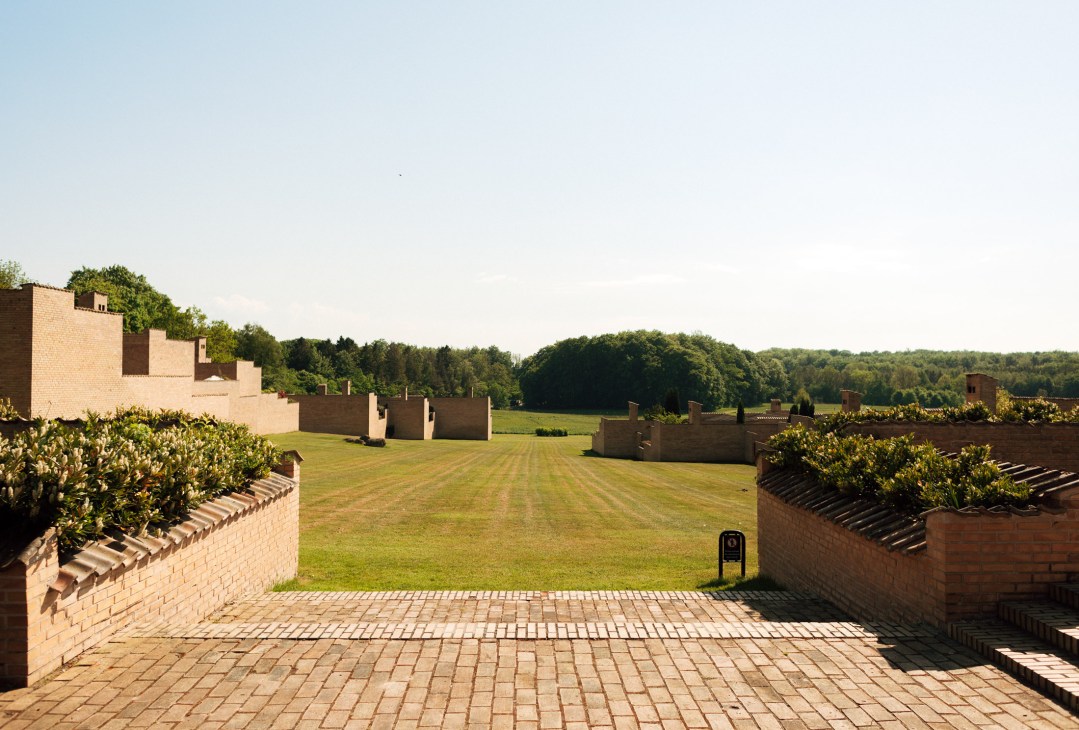
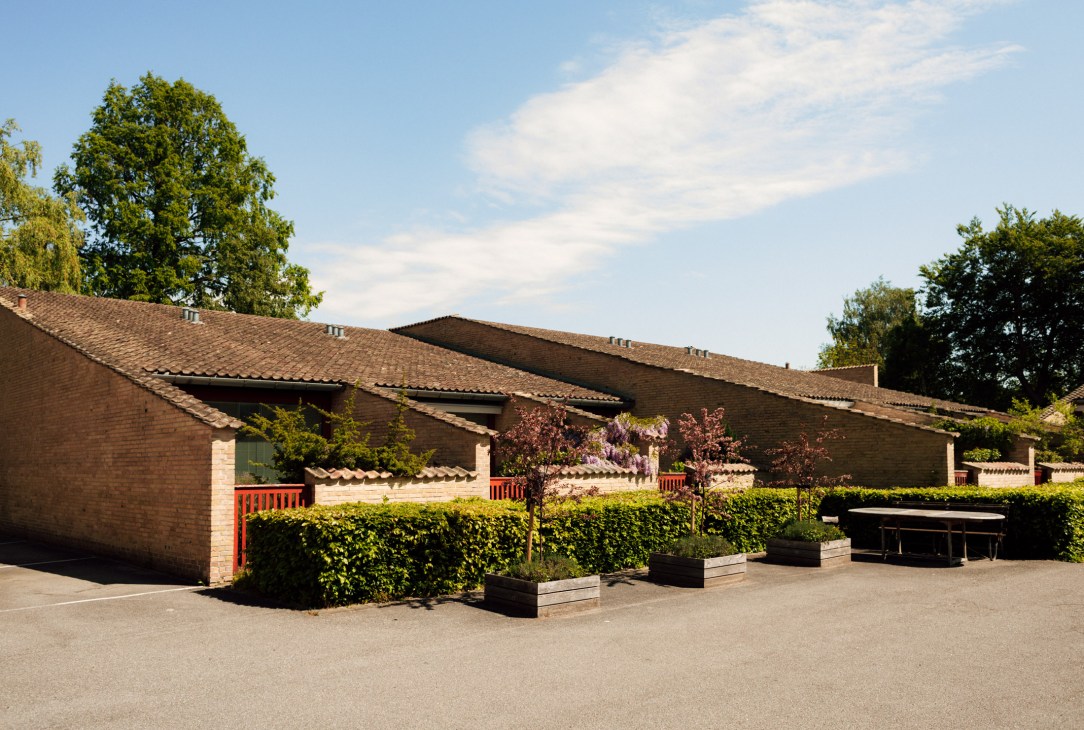
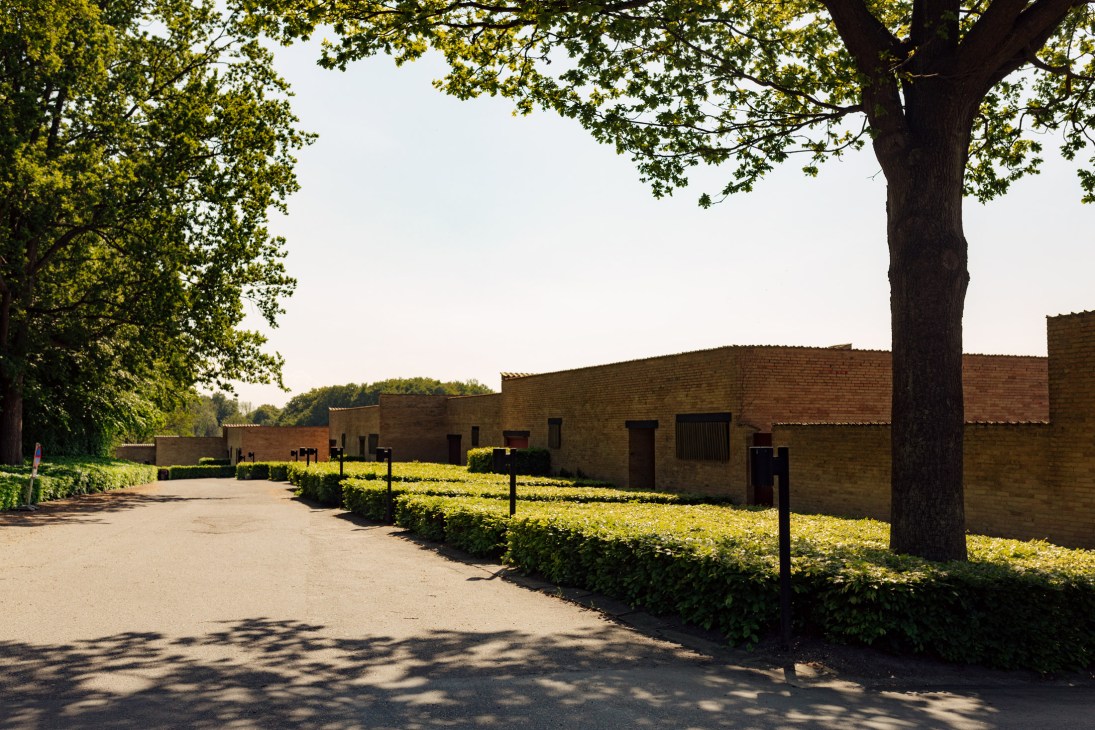
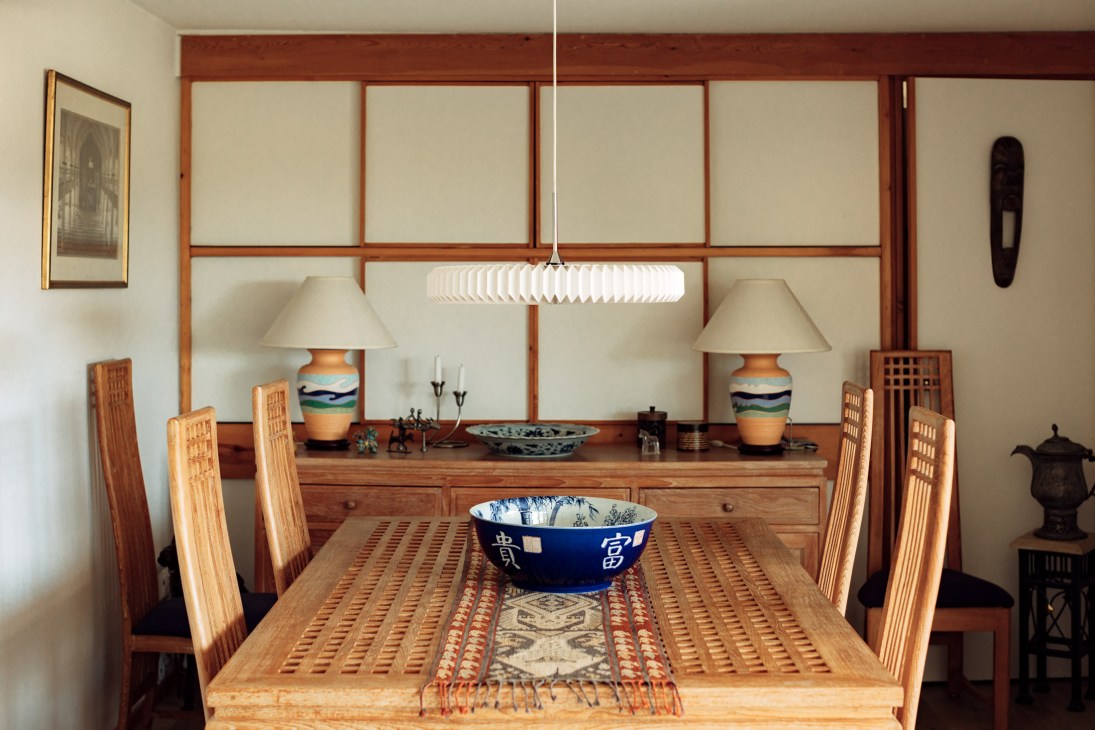
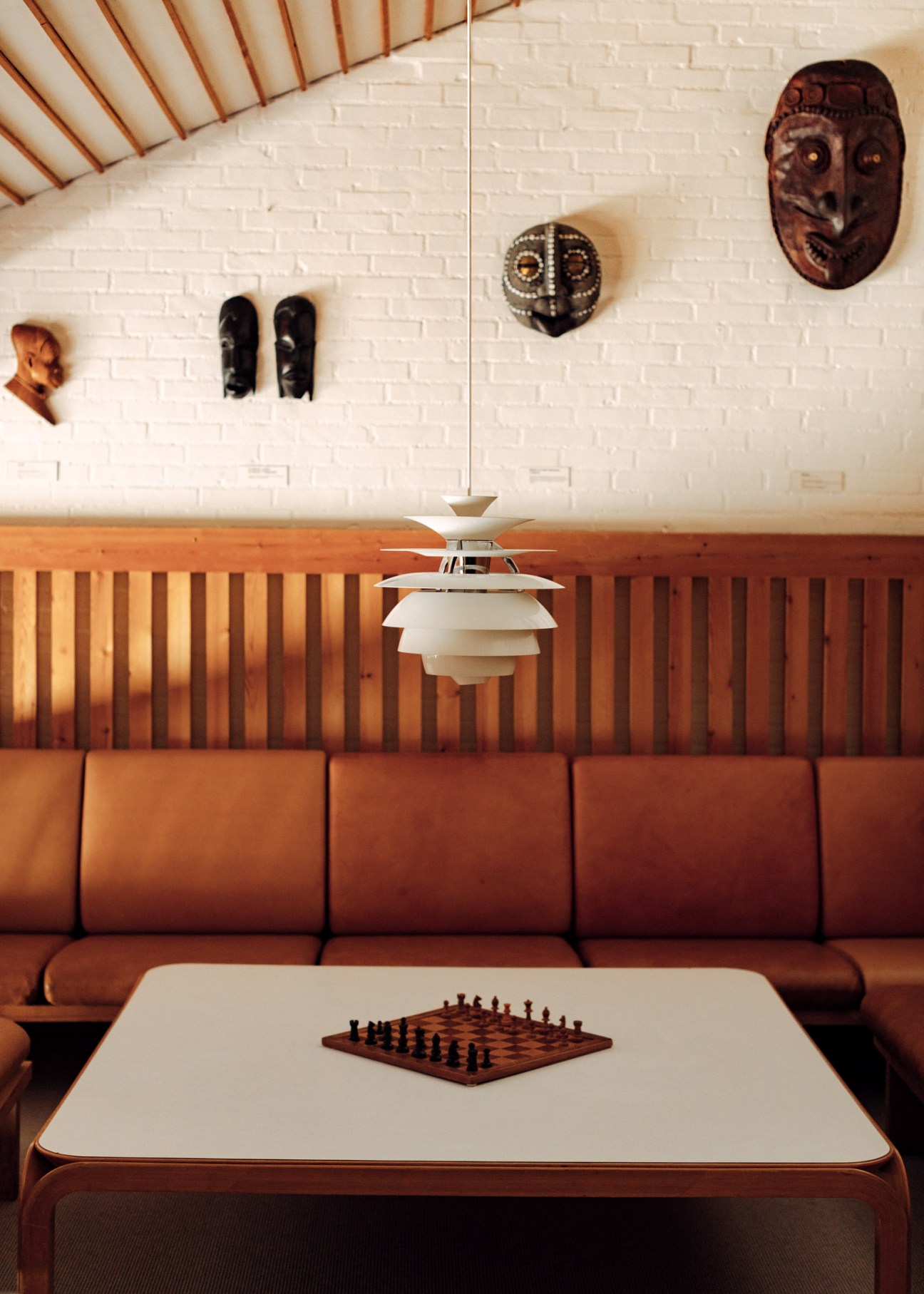


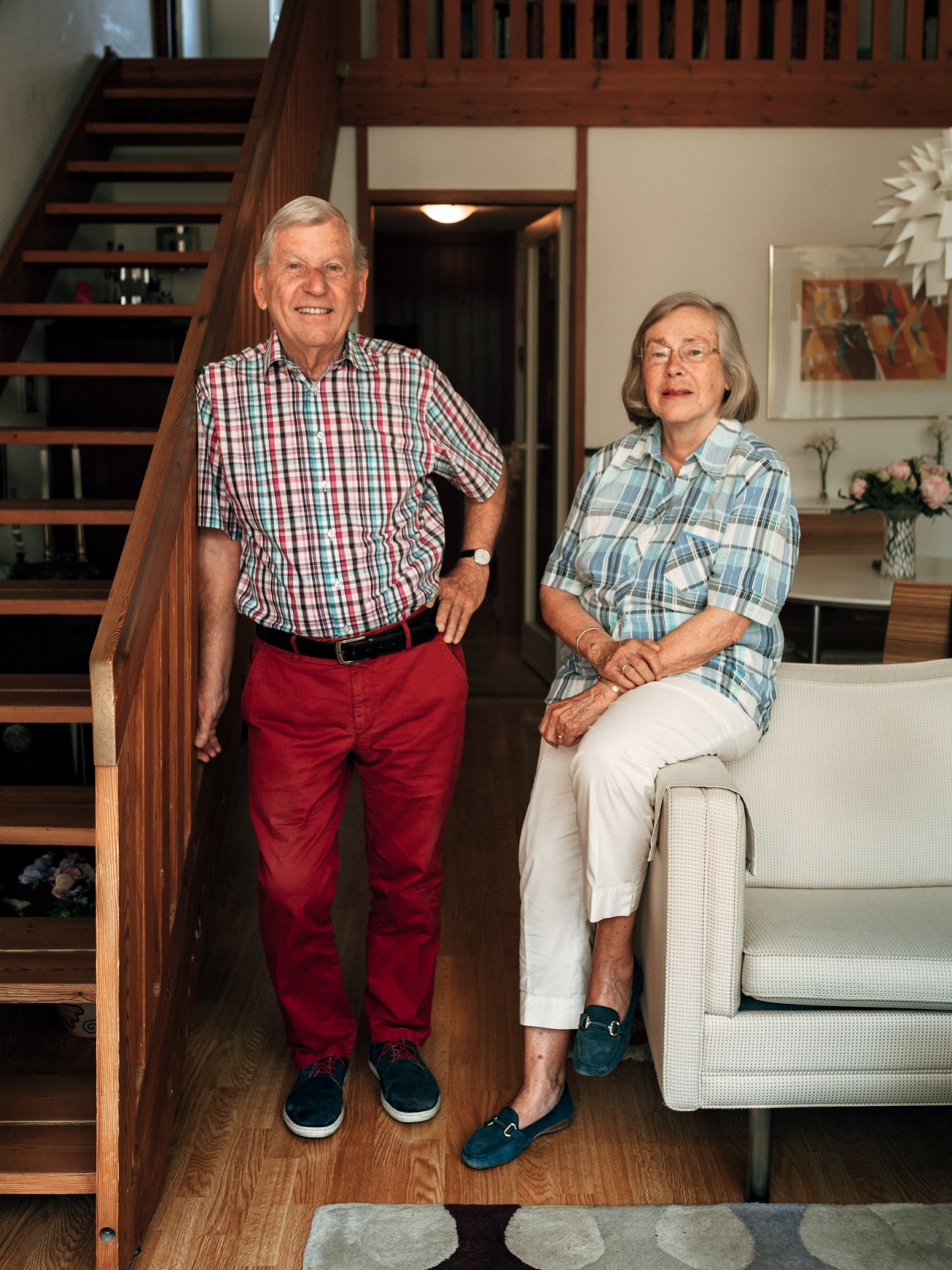
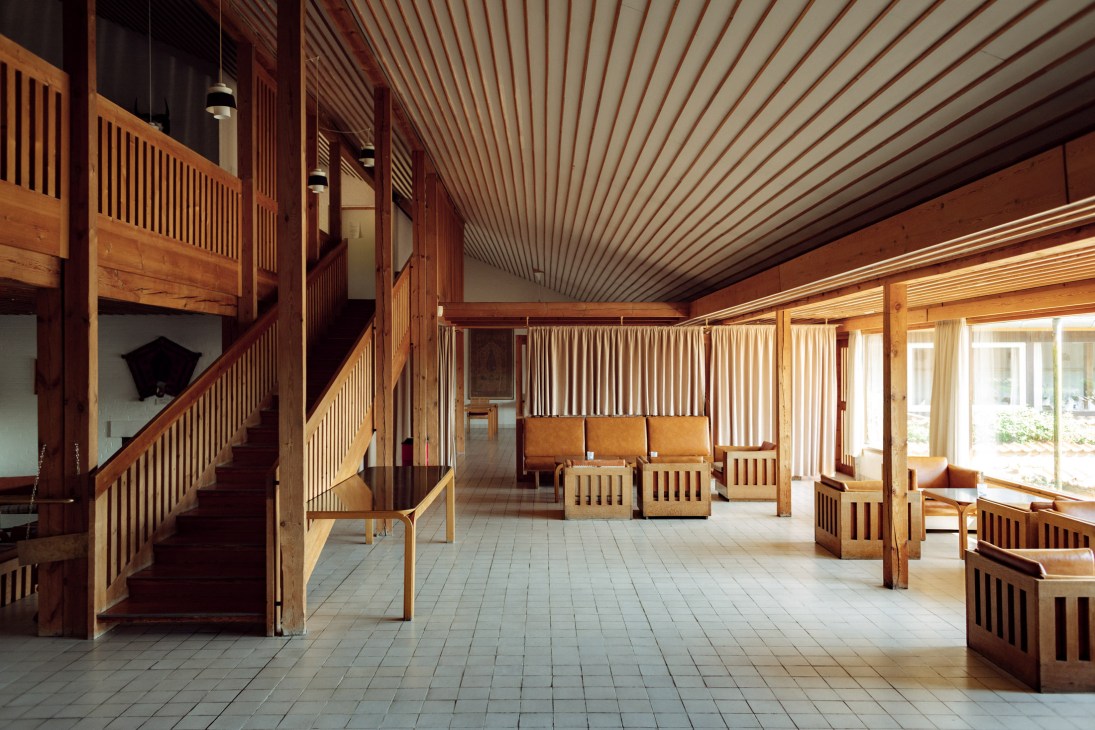
When the Fredensborg Houses were completed in 1963 they were something of an oddity: the architecture was considered radical, as was the communal way of living. The uptake was initially slow but today this is a thriving neighbourhood of retirees with 500 applicants on a waiting list to occupy the 77 homes. All the accommodation is rented but for many the houses have become homes for life; new arrivals tend to replace residents who have passed away. Two have lived here since the 1960s while another celebrated his 100th birthday in August with a communal party.
“If you want to be sociable, you can be,” says Birthe Holme Nielsen, who moved to Fredensborg with her late husband after spending 10 years on the waiting list. “But if you just want to have your privacy, that’s not a problem. We felt lucky when we got here.”
As a 25-year-old in the 1960s Hanne Grane Engel lived at Fredensborg, which was then seen as a development promoting a revolutionary way of living. She returned to Fredensborg 11 years ago, leaving behind a career at an international company as a product development manager. Engel is now chairman of the self-governing residents’ committee that organises cultural events and tours.
While residents are aware of the building’s architectural significance – Fredensborg was listed as a heritage site in 1987 – most are effusive about their way of life. Their monthly rent, which is about €1,800 for a medium-sized house, includes 12 dinners a month for every resident, served in the timber-lined common dining room. There are bridge groups, drawing and singing clubs and daily dog walks.
“We were not especially interested in the architecture,” says resident Kirsten Thomsen. “It was more the concept. We thought it was a good place to grow old.” She has, however, grown to admire Utzon’s thoughtful details, such as the open pine staircase in her house.
The architect believed the “principal rule” of a home was to provide scope for its residents to express themselves, so he kept adornment to a minimum. Untreated pine and painted plywood are prominent; a splash of Frank Lloyd Wright’s favourite Cherokee red on doors and window frames contrasts with white walls. All the kitchens are utilitarian and bathrooms across the board are small. Very little can be changed now that these are heritage-listed buildings so the Fredensborg Houses remain faithful to Utzon’s vision.
The houses have long been an architectural pilgrimage and interest in them has intensified with 2018’s Utzon100 events run by the Utzon Center in Aalborg to commemorate the centenary of the architect’s birth. Students from France, Germany, the UK and even as far afield as Australia have been among the visitors so far.
As we reach the end of our tour of the neighbourhood we join Lissie Christoffersen in her courtyard garden. The rhododendrons and Japanese maples here are a reminder of 25 years spent in Asia but her lifestyle epitomises that of many of the site’s residents, who have come to form new lives in the Fredensborg Houses. She looks out across a lawn to a row of neighbouring homes whose stepped walls break the regularity of the brick structures. She has seen plenty in her life but today says she could not imagine living anywhere else.
“It’s beautiful. I can’t get better.”
Moving the pieces
It’s mid-afternoon on the first day of Expo Real, Europe’s largest real-estate trade fair, and Marko Kauppinen is in the middle of delivering one of the more unusual pitches anyone has heard that day. “We,” the Finn tells a gathered crowd of men and women in suits, “are boring. Things that work are boring. Finland is a boring country. And boring is good for business.”
Kauppinen’s business card identifies him as a “city growth evangelist” for the Helsinki Ring of Industry, a network of 10 (presumably boring) towns on the outskirts of the Finnish capital. However, his jeans, polka-dot scarf and blond man-bun suggest his commitment to boring might not be wholehearted. This is his first time at the Munich convention and he’s hoping to attract investment from one or two of the thousands of real-estate professionals gathered here.
Every year Expo Real brings everyone from Barcelona to Burger King under one roof, with hundreds of cities, regions, real-estate investors, banks, hotel chains and other companies all gathering to talk shop. The massive booths and crowded halls resemble any other trade fair but with one marked difference: there are no goods on display and nothing tangible to buy or invest in.
Instead, Expo Real is more like a three-day networking event, helping players in a sector with a lot of moving parts find each other and figure out what’s on the horizon. From technology-oriented construction solutions to the next version of business hotels, it’s a place where the seeds are sown for deals that may blossom months or even years down the line. “It’s not like a trade fair where you sell products and get a response a few days later,” says Burger King Deutschland’s Andreas Brinkmann. “Here it’s a long way to success.”
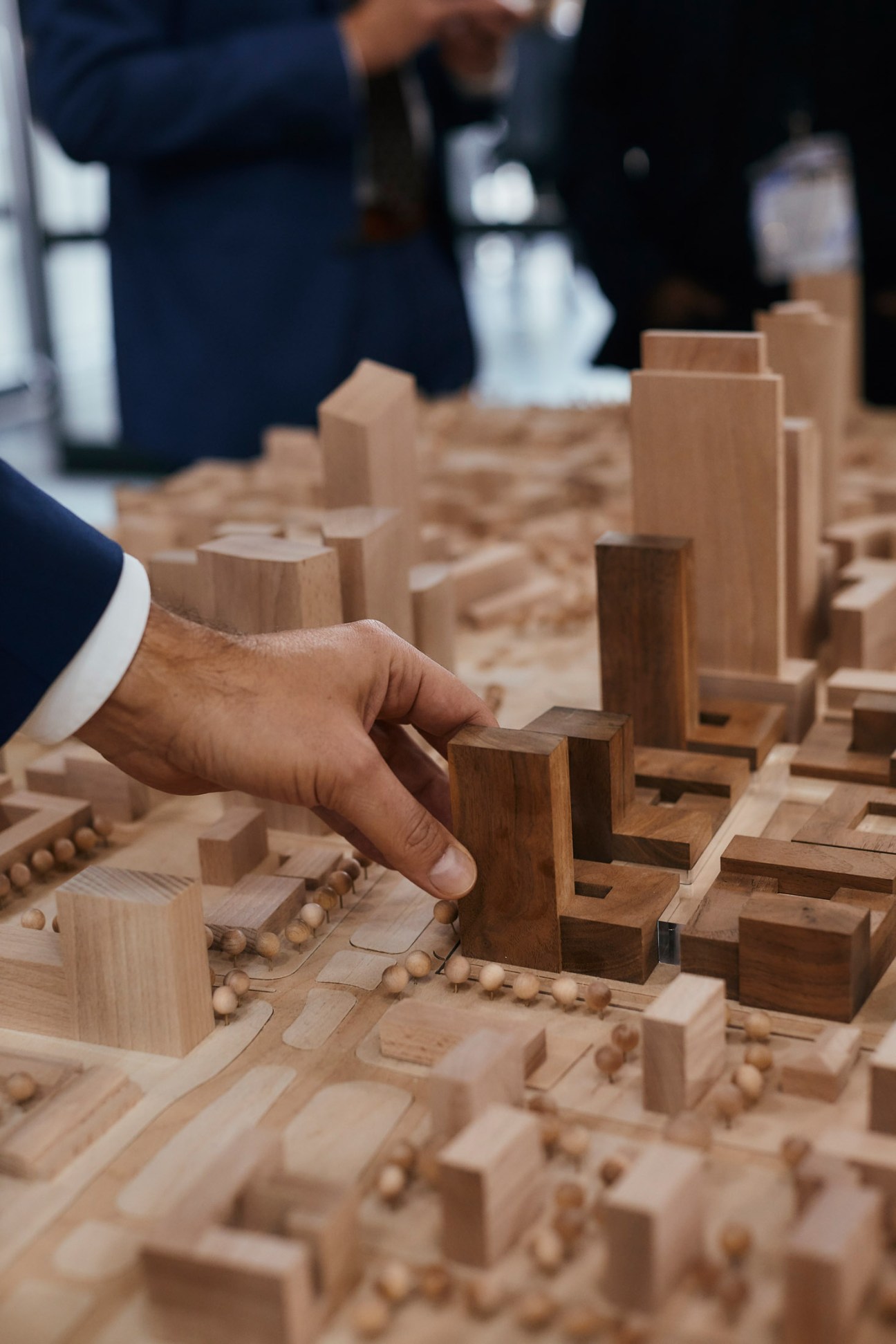

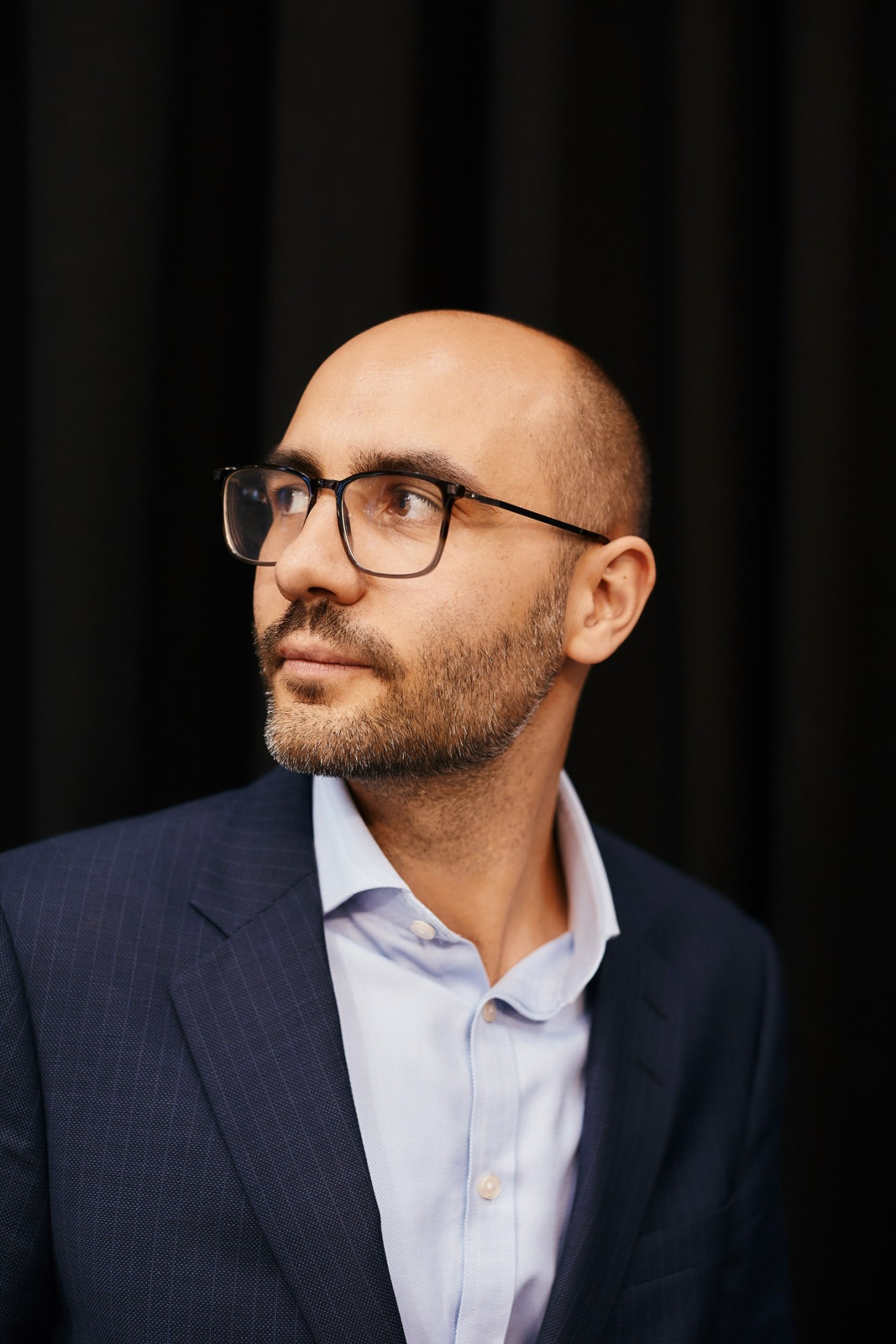
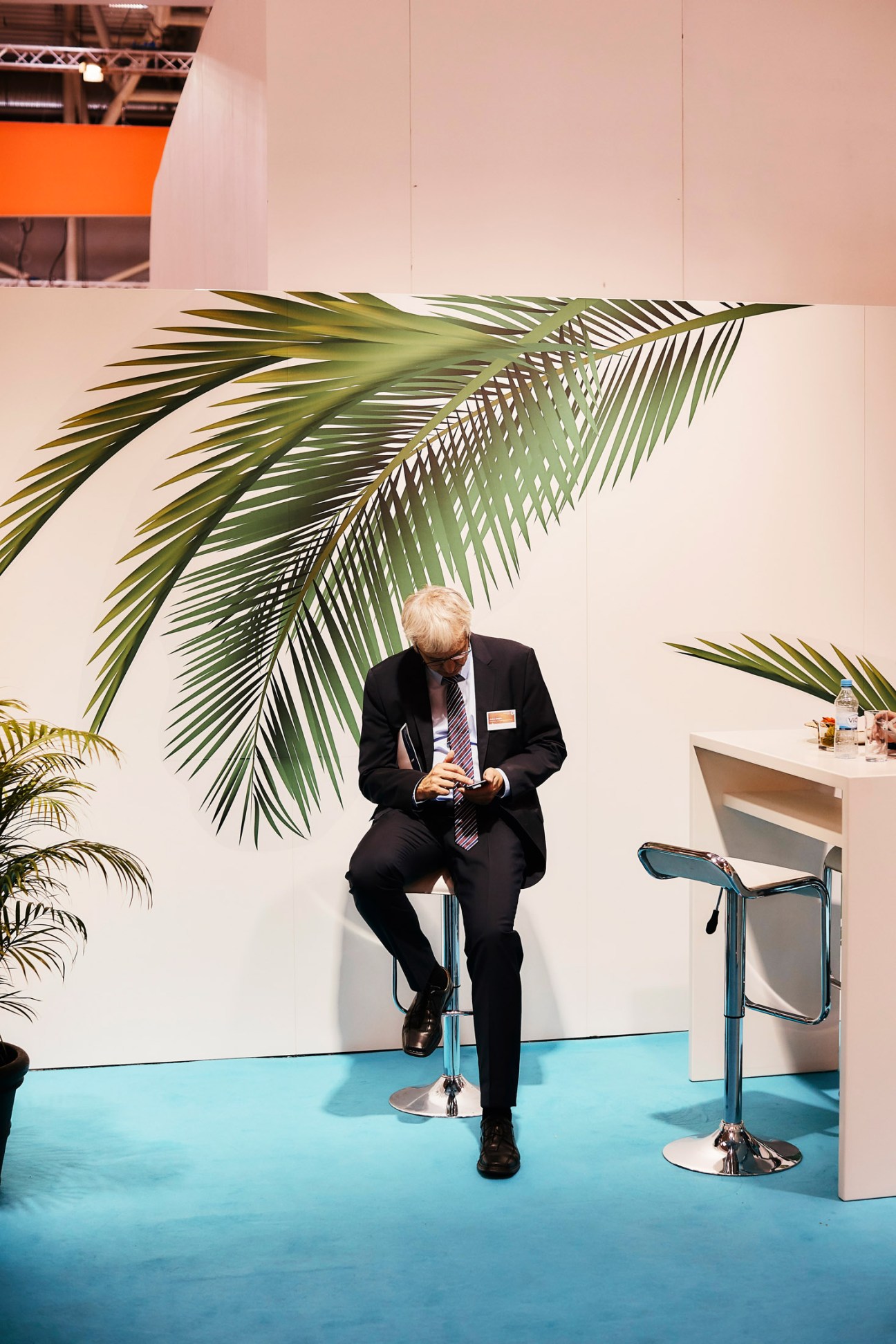
Glasgow is just one of the cities represented at the fair. It’s looking for help to redevelop its faded waterfront and this is an ideal opportunity to pitch itself at a high level. Anne Murray, who has been coming for seven years, says Expo Real is the staid Teutonic sibling to Mipim, Cannes’ annual real-estate extravaganza – and that’s why she likes it. “Mipim is more razzmatazz. Talks with German investors here are short and sharp,” says Murray who, as the city’s inward-investment manager, decided to expand the size of its booth this year. “Expo Real is taken more seriously. People come here to do business.”
And there’s plenty of business to be done. More than 44,000 people came to Munich in 2018 – its biggest crowd yet – drawn by years of strong growth in the European real-estate market, fuelled in part by a decade of cheap credit and uncertainty elsewhere in the world. This meant that in the first half of 2018, global real-estate markets turned in their strongest performance since 2007, according to investment management-company JLL. In a pre-fair survey, 66 per cent of respondents were upbeat about the conditions facing the sector.
It helps that Expo Real is heavily focused on the German market, with ample representation from neighbours such as Poland, Sweden and the Netherlands, all nations with strong, growing economies and comparative political stability. “Because of all the chaos in the world, Germany is, more than ever, a safe haven,” says Matthias Pink, Savills’ Germany’s head of research, who says that sure things such as logistics hubs – warehouses and distribution centres located close to major population centres – are particularly hot right now. “There’s a lot of insecurity in the global market and investors are risk-averse. The fundamentals are very good at the moment. There’s a lot of money looking for opportunities – and opportunities to invest are rare.”
That helps attract first-timers to the fair, including folks from capitals such as Sofia and Riga, as well as more off-the-beaten-track cities. Vojvodina, Serbia’s northernmost province, sent representatives in colourful flowered scarves to promote the region’s “EU adjacent” benefits. Shared borders with four EU members, coupled with cheap costs, make the province convenient for manufacturing and logistics, says spokeswoman Katerina Ivezic. “Transport is accessible and cheap, and taxes are lower than in the EU.”
One major change at the Expo is the increasing attention to technology. Whereas the sector was once on the margins, since 2017 the trade fair has devoted an entire section of the programme to new technology, with offerings ranging from major players with millions in venture-capital backing to tiny start-ups. In the Innovation Forum, potential customers and investors chat at wooden tables with technology-company owners hoping to break into the real-estate space. One firm is offering drones to make building inspections cheaper, while another is selling virtual-reality tours of construction projects based on blueprints. It’s a sector with enormous potential: more than 70 per cent of the real-estate industry sees so-called PropTech as a key opportunity, according to a KPMG survey.
One of the companies generating the most buzz is Berlin-based 21st Real Estate. At its booth, staff explain how they use data – from preschool density to proximity to organic markets – to predict how much an apartment might sell for in any German city. “Nearly everybody with a booth here is a potential customer,” says CEO Petr Bradatsch.
By late afternoon the convention overflows outside, covering the grass in a sea of blue and black. Cards are swapped and deals discussed over Bavarian beer in the autumn sun. “You can sit in the office and stare at the phone,” says Kauppinen as he surveys the scene. “Or you can come to something like this and take a chance.”
The new business hotel
Spanish hotel firm Meliá specialises in all-inclusive beach resorts in Spain and further afield. But its booth at Expo Real was dominated by Innside, a decade-old brand aimed at young business travellers. Meliá executive Pilar Serra Colom says that the chain is hoping a younger, fresher look will attract interest from developers looking to add hotel properties to their urban projects. “If you want to grow, you have to adapt,” says Colom.
Inside was just one of the “business casual” hotel offerings at the Expo. Amid the rise of savvy, fresh-faced chains such as CitizenM, newer brands such as 25Hours, Me and All, Premier Inn and Innside are all part of an effort by major hotel companies to capture the attention of a younger breed of business traveller. Central, high-traffic urban locations are considered key, along with plenty of sockets for gadgets and laptops, plus café-like common spaces to lure business travellers out of their rooms. (Moxy, Marriott’s bid for a boutique hotel brand, seemed to be basing its pitch on the smell of pink-frosted doughnuts.)
For developers, this new breed of hotel is easier to cater for than their sprawling, up-market cousins. “A four-star hotel is a challenge in the real-estate market because of the high floor area,” says Chris-Norman Sauer, Premier Inn’s head of acquisitions. “People don’t need a 30 sq m room.”
Electric dreams
Imagine a museum where you can touch every artwork and where images are constantly moving, changing and migrating from room to room, never exactly the same as when you first stood in front of them. A place where you might find yourself strolling through what appears to be a rice field but which, in an instant, turns into a rushing stream. Somewhere you can stand in a room and be surrounded on all sides by a relentlessly churning ocean; where animals move along the walls and flowers carpet the floors.
This is not a fantasy. All this is possible courtesy of TeamLab, a remarkable company based in Tokyo that is creating beautiful and immersive digital artworks and exhibiting them to adoring crowds. By the end of the year more than one million people will have seen Mori Building Digital Art Museum: TeamLab Borderless, their stunning space that opened in 2018 in a 10,000 sq m box in the Tokyo waterfront district of Odaiba.
TeamLab was founded in 2001 by Toshiyuki Inoko, 41, after he finished his undergraduate studies in physics and mathematical engineering at Tokyo University. He joined up with four friends to explore where maths, art and technology might meet. “Ever since I was a child I was interested in creating art using science,” he says. “But basically I wanted to hang out with my friends.”
Inoko quickly realised that his art projects didn’t make for a sustainable business model so TeamLab started designing websites and applications, work that is still a core part of the business. But the art never went away and the roots of Borderless can be found in works that date back to those early years (“Flowers are Crimson” from 2005, in particular). The opportunity to turn digital art into a viable business finally came in 2011 when Takashi Murakami – one of the biggest figures in contemporary art – came across TeamLab’s work and offered them an exhibition space at his Kaikai Kiki Gallery in Taipei.
When Japanese developer Mori Building – which runs its own contemporary-art museum – heard that TeamLab wanted to build the first fully digital art museum, it rushed in. The firm offered to finance the project, as well as providing the space in Odaiba close to where venues are being built for the Tokyo Olympics. “We’re using art and culture to make Tokyo a better place,” says Ou Sugiyama from Mori Building, which runs operations at the museum. TeamLab has also created a “body-immersive” project in Tokyo called Planets, backed by media company dmm. Visitors to this smaller, semi-permanent space wade through milky waters filled with uncannily real digital carp or lie in a darkened room as giant flowers appear to float overhead. Another exhibition is currently illuminating a 400-year-old castle in Kochi, western Japan, and TeamLab created the inaugural exhibition for the new Amos Rex museum in Helsinki. Borderless has prompted calls for exhibitions elsewhere; in 2019, TeamLab’s work will be on display in locations around the globe.



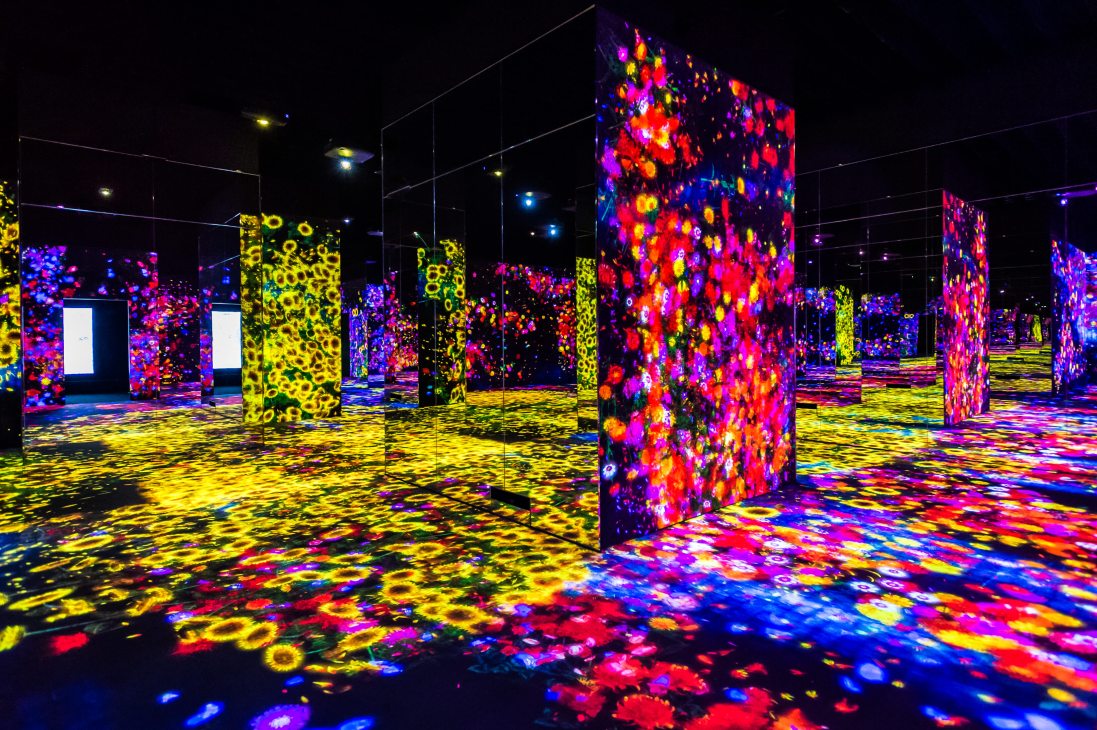
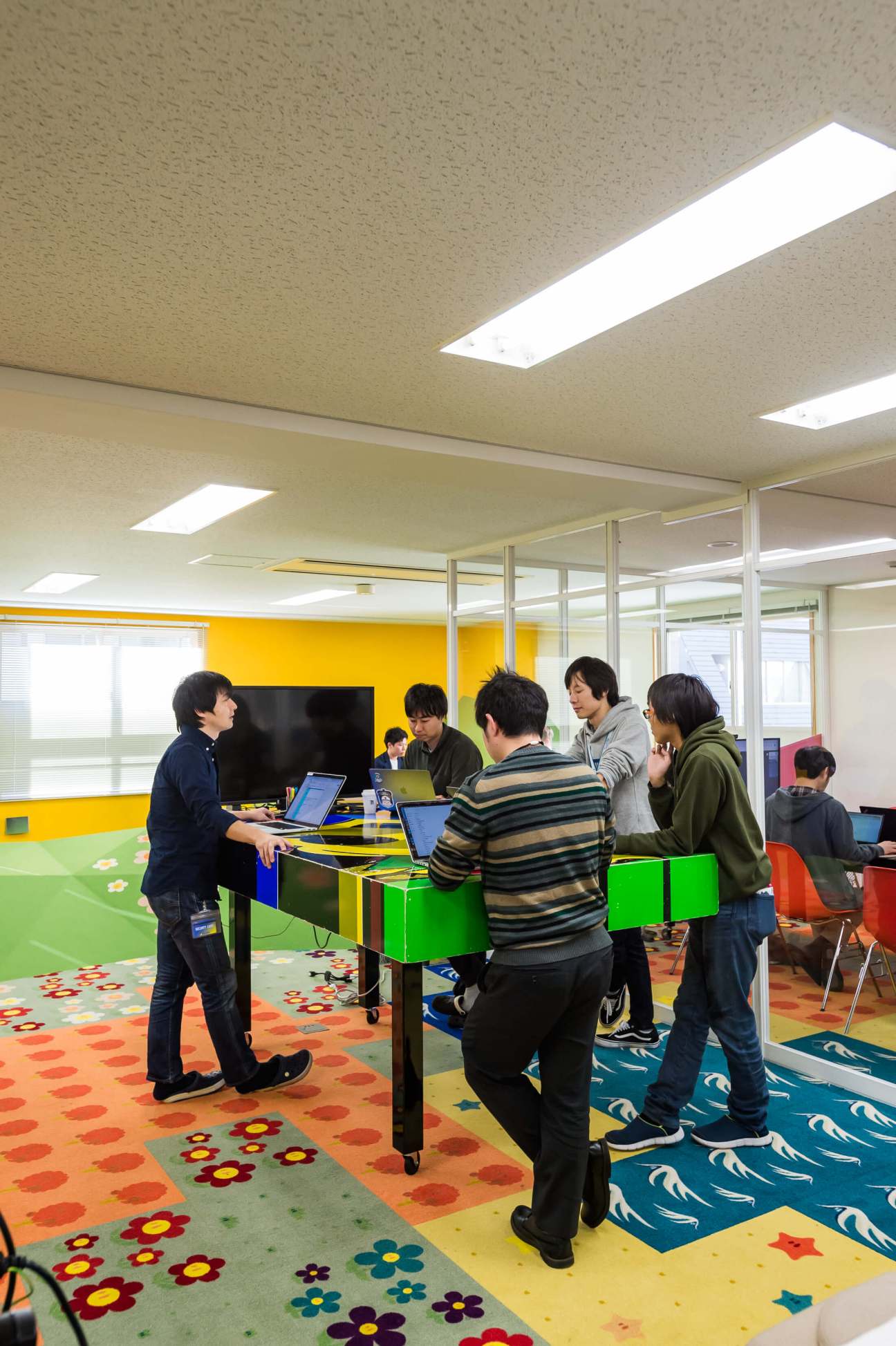
There is growing interest in TeamLab’s work from collectors too. In 2014, Pace Gallery, based in New York, started representing them. Last May a TeamLab digital work called “Ever Blossoming Life – Gold” sold at Christie’s for $225,000 (€200,000). It’s a beguiling piece that looks like a traditional Japanese screen-painting but is in fact a moving image that changes as the painted flowers grow, bloom, fade and die. The work’s nature presents an interesting conundrum for the art world since, like so much of TeamLab’s work, the image is never the same twice. It is created by a computer in real time; when the flowers die, the computer starts another cycle but the results will never be exactly the same.
Inoko, who has the brains of a science boffin and the look of an off-duty popstar, seems so focused on the work that he appears not to give too much thought to the mechanics of his company and even less to the machinations of the art market. The team has grown enormously in the past year (nobody can give a precise figure but it has somewhere in the region of 600 people in Tokyo), while retaining a flat corporate structure that eschews the usual rules of hierarchy and promotion. But rather than paint himself as a beacon of progressive employment practices, Inoko – munching voraciously on a Wendy’s burger – says honestly, “I just don’t really think about it.”
Yet Inoko is a thinker: someone who can pause for two minutes while pondering the answer to a question. His medium is images, not words, and the concepts for TeamLab’s work start with him. When he does express his thoughts you feel that you are being offered the tiniest portion of what is actually going on in his mind. When he tries to explain why he creates art, he swiftly moves onto philosophy. The mission is complex and vast, from understanding the world and the meaning of beauty to pulling people out of their smartphone-filtered worlds and into a shared public space that requires their physical presence. You get the sense that it’s almost too trying to explain. Which is why Inoko has people like Takashi Kudo, another university friend and a loquacious, eloquent advocate of TeamLab’s aims. Talk to him for half an hour and you begin to think TeamLab might have found the answer to world peace.
“We believe we can use digital art to change the relationship between humans and the world around them and the relationship between people,” he says. “In cities we can feel negative about people but here you can create and share a single moment of beauty with others that can’t be repeated. It has the potential to make you feel more positive about the people around you.” Where traditional art is a one-way conversation between a static piece and a viewer, in TeamLab’s digital art the presence and touch of a human can change the whole work.
Nothing can quite prepare you for the discombobulating thrill of dipping into TeamLab’s world. Even if the technology is beyond the reach of the average civilian, the results are mind-blowing. In one room, “The Forest of Resonating Lamps”, Venetian-glass lamps shine brighter when someone stands close, setting off a chain reaction with lights around them. Stamp on a creature and it will die, as in real life; elsewhere, children watch in awe as their aquatic drawings are scanned and instantly float across the walls. Music, much of it composed by Hideaki Takahashi, adds to the mystique, while generative sounds of thunderclaps and rain resonate when people touch a work. It is a world of algorithms, a contained disorder, which means that no two visits are alike.
In one of the most intriguing rooms, a ghostly orchestra of traditional musicians appears to play as an ensemble, although there is no score and the music is never the same. Visitors gasp, holding phones aloft as they try to capture the scene before them. Even those in the business have expressed their bafflement. “If I didn’t work at TeamLab I would wonder how on earth it was done too,” says Hidekazu Fukunaga, one of the software engineers who spent two years working on Borderless.
At its core, Borderless is a nerve centre of 520 computers (and 470 projectors), each of which needs to be tweaked and updated. TeamLab – always authored collectively – considers Borderless a single work of art but the space contains more than 60 different artworks, each one the product of endless programming, testing and retesting. Nature provides essential source material. “When you look at nature there are so many independent elements that are interconnected and yet you can’t see the borders between them. That’s what we wanted to recreate; each work is autonomous and yet they all intermingle and co-exist.”
Adam Booth, a British artist and art director with a phd in Japanese Nihonga painting, has worked at TeamLab for 10 years. He needs to be both a master with a brush and a whizz with a computer and he sees no conflict between the two. “With technology people can participate in art in a way that has never been possible before – you’re not only part of the work, you can interact with it and change it.” He also points out the importance of teamwork. “Everybody brings their own skills to a project: engineers, designers, programmers. Nobody could do this on their own. It’s like a contemporary atelier.”
Borderless is rooted in technology but it is not the deadening kind that leaves users emotionally isolated and physically feeble; this is tech with emotion that encourages physicality and appeals to children and adults. It changes the way we think about the digital world and brings visible joy to people who see it. Inoko seems baffled. “I honestly don’t know why it does,” he says, laughing. “I’d love to know.” Can technology keep up with his ideas? “Yes – that’s like asking a painter if his acrylic paints are good enough to express what he wants to say. It’s up to us to keep working with whatever is available.”
Borderless gets Instagrammed wildly; musicians seem particularly drawn to it (Kendrick Lamar, Sam Smith and The Weeknd have all posted their own visits). But as everyone will tell you, no photo can do it justice. In an age when people can live vicariously through the social-media adventures of others, Borderless is a reminder that there is no substitute for real life. It is, as its creators intended, something you can only really experience for yourself.
Material thinking
1.
Byborre
Amsterdam
Borre Akkersdijk is something of a textile genius. The 33-year-old founder of Amsterdam fashion brand and textile studio Byborre sells his sculptural menswear designs to agenda-setting shops. Yet it is his behind-the-scenes work that is most impressive: he conjures cutting-edge knitted materials for the biggest names in performance wear, including Adidas, Nike and Gore. They come to his lab, with its circular turquoise Santoni machine, to collaborate on fabrics that distinguish themselves for their functionality. They are anti-bacterial, anti-odour, temperature-adaptable – and have a futuristic aesthetic, with bumps, pinholes and undulating surfaces. “We want our fabrics to be recognisable without a logo,” says the designer. “We want you to pay attention to how they are made.”
Akkersdijk studied design in Eindhoven and at the Fashion Institute of Technology in New York, where he became fascinated with the behaviour of different fibres; he did stints in product development before establishing his textile studio in 2015. The fashion brand – “A showcase for what our materials can do,” according to the designer – followed in 2016.
Akkersdijk has a set process when working with companies. “The moment brands say they want our look, I say, ‘Let’s sit down, discuss who we are making this for and understand a day in the life of that person.’ Then we can start building the perfect textile.” Brands are drawn to Byborre’s combination of striking aesthetics – typically incorporating vibrant colours and “jagged gradients” that look like a pixelated computer screen – and practicality. One particularly pioneering material is a quilted double jersey made using mattress insulation and boasting impressive temperature adaptability (it alternately insulates and ventilates).
Byborre’s partners include outdoor heavyweights such as Japan’s Descente All Terrain, as well as automotive companies and sportswear giants. The studio is working long-term with Adidas on development across the brand and launching an “off-bike” collection with Rapha, not to mention consulting the Dutch gymnastics team to help improve the stretchiness of some of Byborre’s clothes.
Akkersdjik ushers us through the “machine room” where the Santoni, its two rows of 1,008 needles whirring at speed, is churning out a raspberry-coloured nylon jersey flecked with indigo chevrons. Algorithms for the machines are built by senior knit engineer Annemarie Reedijk, who is the third generation of knitters from Reedijk Knitting (in the city of Ommen) and came to Byborre via American Apparel. “When you’re a designer you just think of the aesthetics,” says Akkersdijk. “But we have to create tools and software to bridge that gap [to see if those aesthetics are possible], which is why we have Annemarie. Of course, it’s fun to make art but the aim is always to make a scalable product.”
Byborre’s success ties in with the dominant athleisure trend but Akkersdijk is sure his designs are not a fad. “The future consumer will need to have their wellbeing addressed also – it can’t only be aesthetics.” His ethos is informed by the city of Amsterdam and “how people move in it”: every day he cycles across town in the mercurial Dutch weather. (To this end he shows off some trousers with Gore-Tex panels on the front to protect from rain and a melange jersey on the back for aeration.)
Akkersdijk wants to use his relationships with mega-brands to change how these behemoths think about production. “Why not listen to the end consumer in the beginning and design especially for them?” he says. “The moment you are born you are wrapped in textile and then you are in contact with it your whole life.”

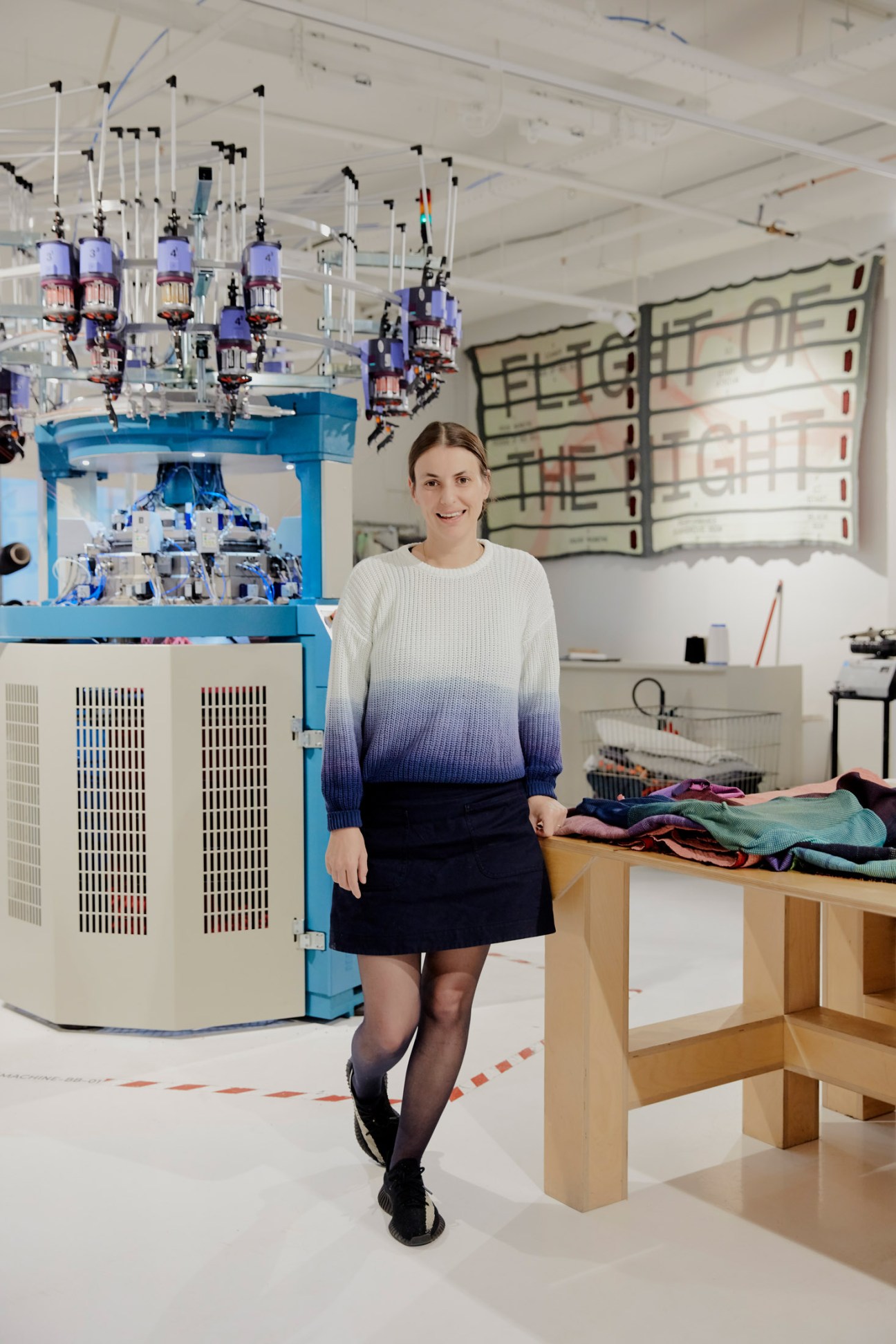

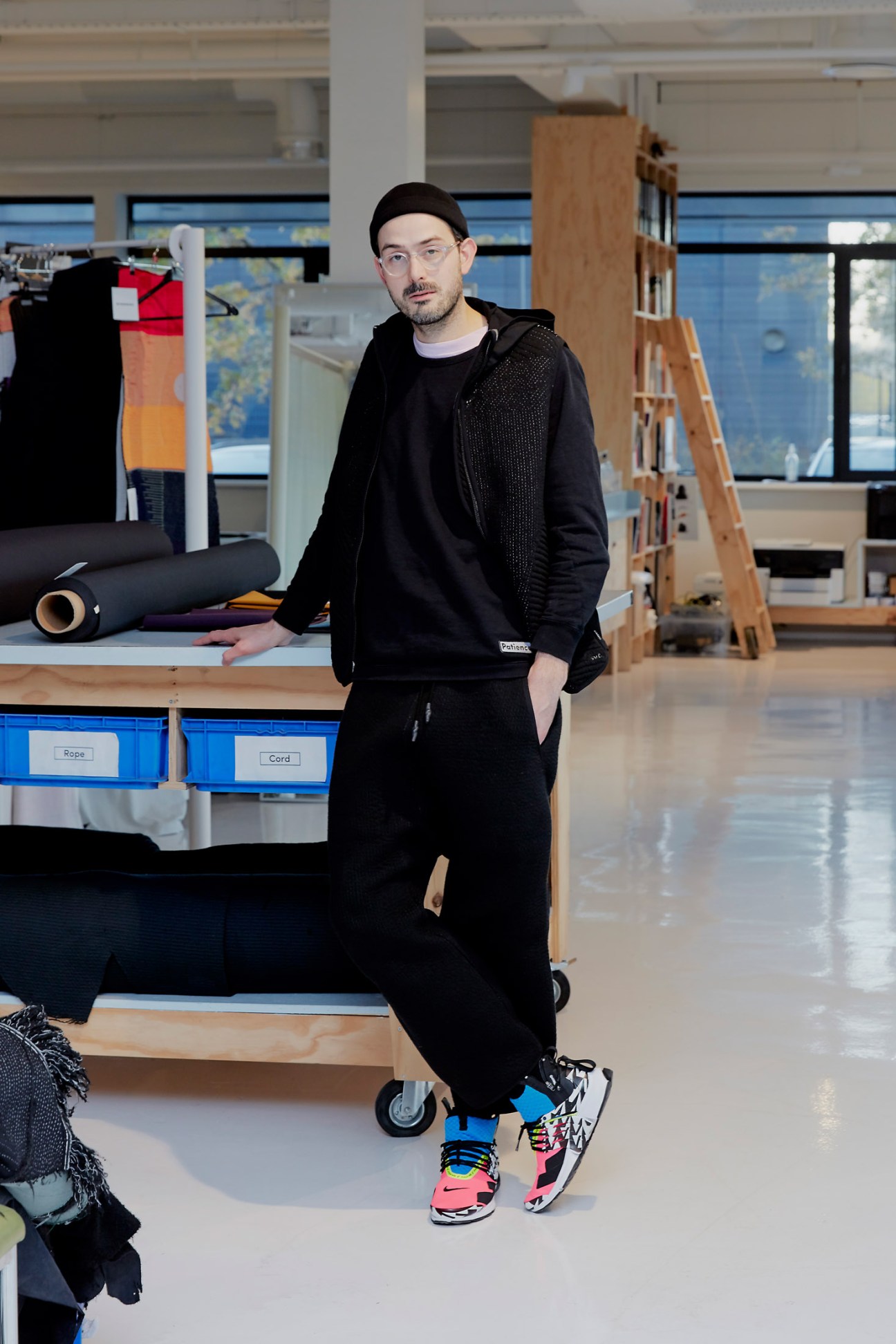
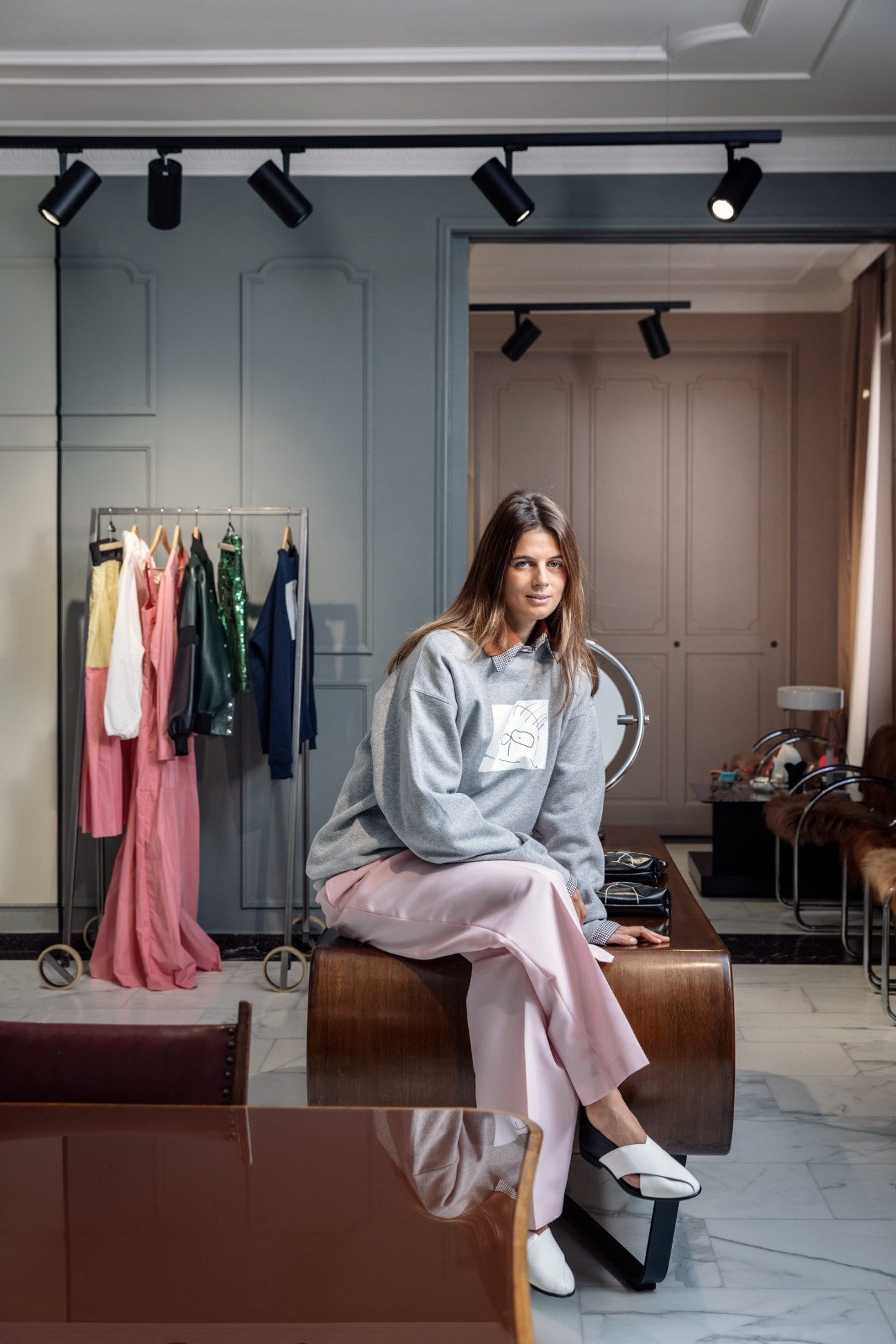


2.
Plan C
Milan
In 2016, when Consuelo Castiglioni and her family left Marni (the brand she founded in 1994 and sold to Renzo Rosso’s OTB holding company), a significant voice for thoughtfully eccentric, feminist-friendly fashion vanished from Milan. Yet some see hope in a new brand with a fair bit of shared DNA. Unwilling to permanently depart fashion, the Castiglioni family turned to plan B – or, in their case, Plan C. That’s what Carolina, the 37-year-old daughter of Consuelo, has christened the womenswear label that she has created with her father and brother (her mother is enjoying a hiatus). The first collection will hit shops this spring.
“It wasn’t hard to launch,” says a softly spoken Carolina, wearing a pair of giant pink trousers from Plan C’s debut line. “We’ve already done this kind of project as a family but this time it has a smaller, more human dimension to it.” Fabric suppliers and clothing manufacturers (mostly Italian and Japanese), together with an interested sales network, were all readily available thanks to their Marni tenure.
The new brand, however, is a more modest affair. It gained an impressive 100 stockists at its first presentation in September and Carolina intends to keep its retail presence mostly limited to those shops. Unlike Marni – a big house raking in nearly €200m annually – Plan C has just a narrow collection of women’s daywear and a handful of accessories. Going forward the family plans to host biannual showroom presentations of new collections – eschewing elaborate runway shows, as well as the “infinite, non-stop collections” of Marni, as Carolina puts it. That’s where she worked for 13 years in the commercial and then retail arm, before designing the children’s collection along with various special projects.
Inside a 1960s palazzo in the centre of Milan, the brand’s small team works in a colourful apartment-style showroom. The space was previously the atelier of Carolina’s great-grandmother, whose fur company became Marni in the hands of Consuelo. Today Carolina’s own flea-market furniture – the mid-century designs sometimes spruced up with a bright wallpaper tabletop or furry upholstery – mirrors the contrasts and quirks of the clothing. Cappuccino-coloured vinyl curtains match a glossy trench hanging on the metal racks. Her designs are distinctive – that Marni idiosyncrasy shines through in extreme sequins, oversized and sculptural silhouettes, clashing colours and fabrics from Japan and Italy that are memorable to the touch: crispy cotton, thickly coated canvas, papery double-face lambskin and stiff organza.
There’s Marni’s signature anti-bourgeois clash of masculine and feminine, as Carolina pairs menswear button-downs and sporty K-Way-style jackets with long dresses or mini-skirts. “Everything’s intuitive, everything’s according to my own taste,” she says, clutching a black pouch imprinted with a scrawly drawing by her four-year-old daughter. (The family legacy of design will continue, it seems.) “The Marni aesthetic is present because I spent so many years there. Maybe I have the same influences as my mother because I’ve always lived inside her world. But we’re different ages and we’re two different people.”
The ingredients are similar but the look belongs to Carolina, as she proves when she pulls together her own outfit: a billowing, off-kilter ensemble. She combines those pink trousers with a voluminous sweatshirt and two layers of shirt collars poking out at the neck. She’s recasting the Castiglioni dynasty in her own image.
3.
Stòffa
New York
One of menswear’s most forward-thinking brands moves at a snail’s pace, field-testing items and fabrics for a year before selling them and using a business model that eschews instant purchases. Stòffa, a four-year-old label whose co-founder, Agyesh Madan, has studied computer engineering, business and fashion (the latter at Parsons), fuses the best of technology with the oldest way there is to dress a man: made to measure.
Stòffa’s products – long coats, pleated trousers, knitted shirts – are sober and rich. A piece like its flight jacket (cut higher than usual at the waist, with oversized pockets and a tall, rollable collar) suits men who appreciate small details and items that last (jackets cost from €700, trousers from €240). Furthermore, Stòffa offers something attractive for those who crave limited editions: the chance to buy one-of-a-kind pieces.
The customer process begins at one of Stòffa’s pop-ups: the label calls them “trunk shows”, which is a misnomer since there’s not much available to buy on the spot. Instead men make an appointment with a fitter for a 45-minute consultation. They start with a discussion about the client’s lifestyle before moving on to style preferences and measurements. Once an order is placed it’s emailed to Stòffa’s Italian factory; production starts at once and the pieces can be picked up in a month at the next pop-up. It’s a departure from what Madan calls the usual made-to-measure timeframe of “three fittings and six months”.
Both Madan and co-founder Nicholas Ragosta (who decline to pose for press portraits because they don’t want to be the “face” of a brand that involves many different people) understand what it’s like to have special clothing needs, as the pair have what Madan calls “problematic bodies”. “We’re both short,” he says. “And my natural waist is super high – regular pants fit so low, it’s unbearable.” Ragosta is built like an Olympic swimmer on top but his body tapers so sharply that jackets that fit his shoulders are always long and boxy.
Yet many men can wear standard sizes so why not sell some ready-to-wear online? “One reason we do made-to-measure is that we believe the process delivers a superior product – and the second is waste,” says Ragosta. “We’ve tried to set our business up in a responsible manner and be considerate of our environmental impact: making product we don’t necessarily need is something we’re trying to avoid.” To illustrate how far this is from the norm, Madan recalls a case study he worked on at Stanford, which required him to explain the fashion industry to one of his teachers. “He said, ‘Wait, you’re telling me there’s a business where you expect not to sell 40 per cent of what you make? That’s ridiculous.’”
If Stòffa has its way and made-to-measure ends up being a bigger part of the future, that kind of inefficiency may become a thing of the past.