The Forecast
Better together
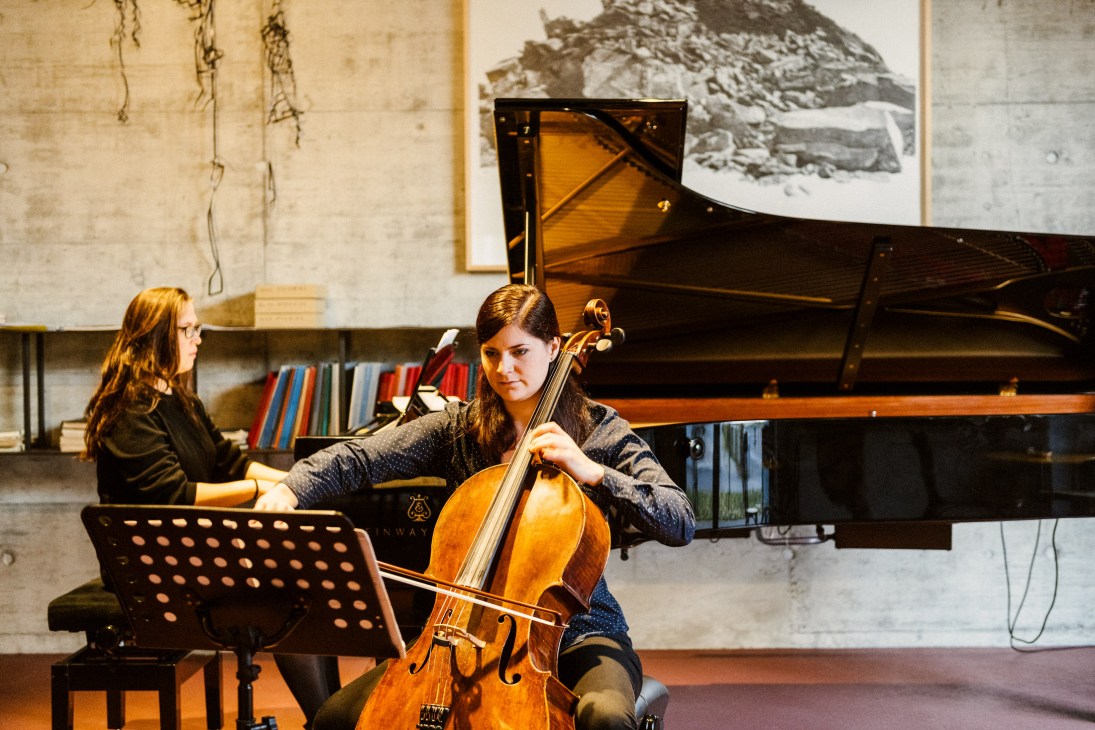
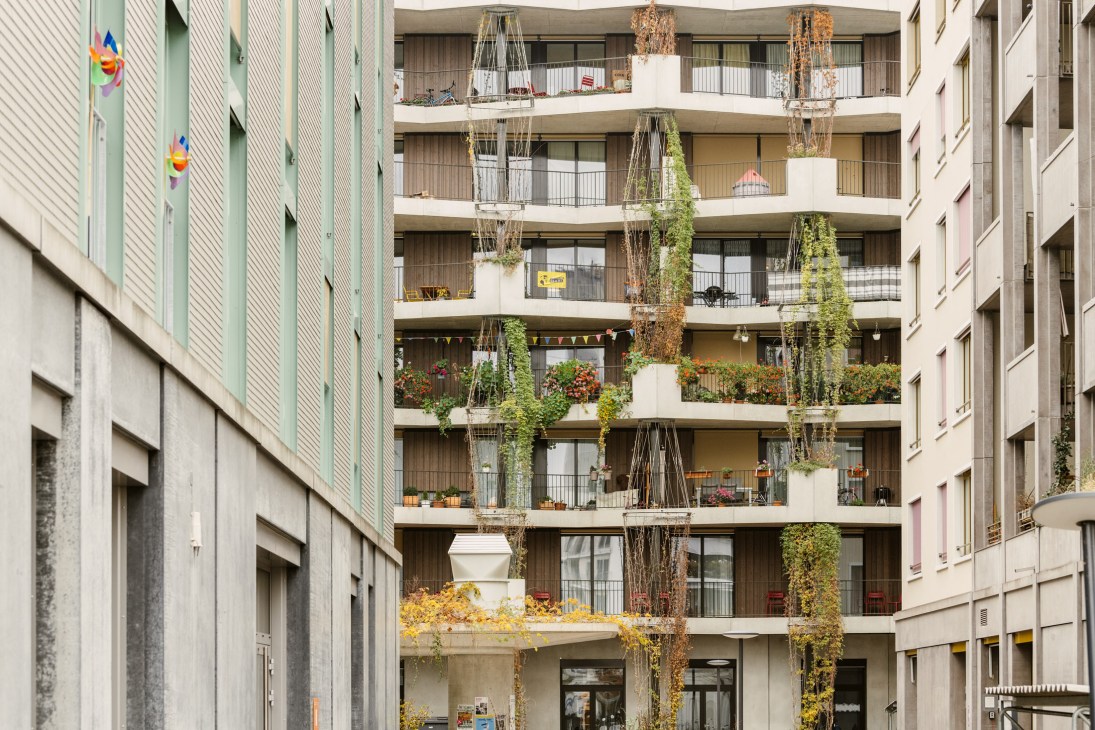
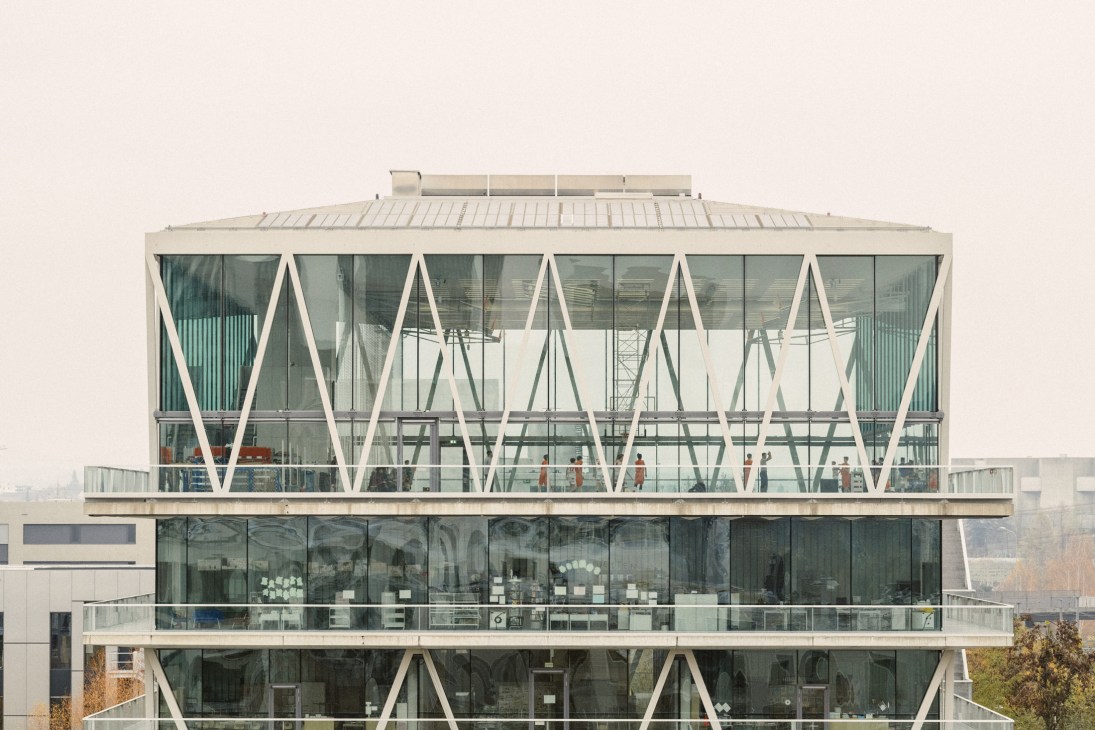
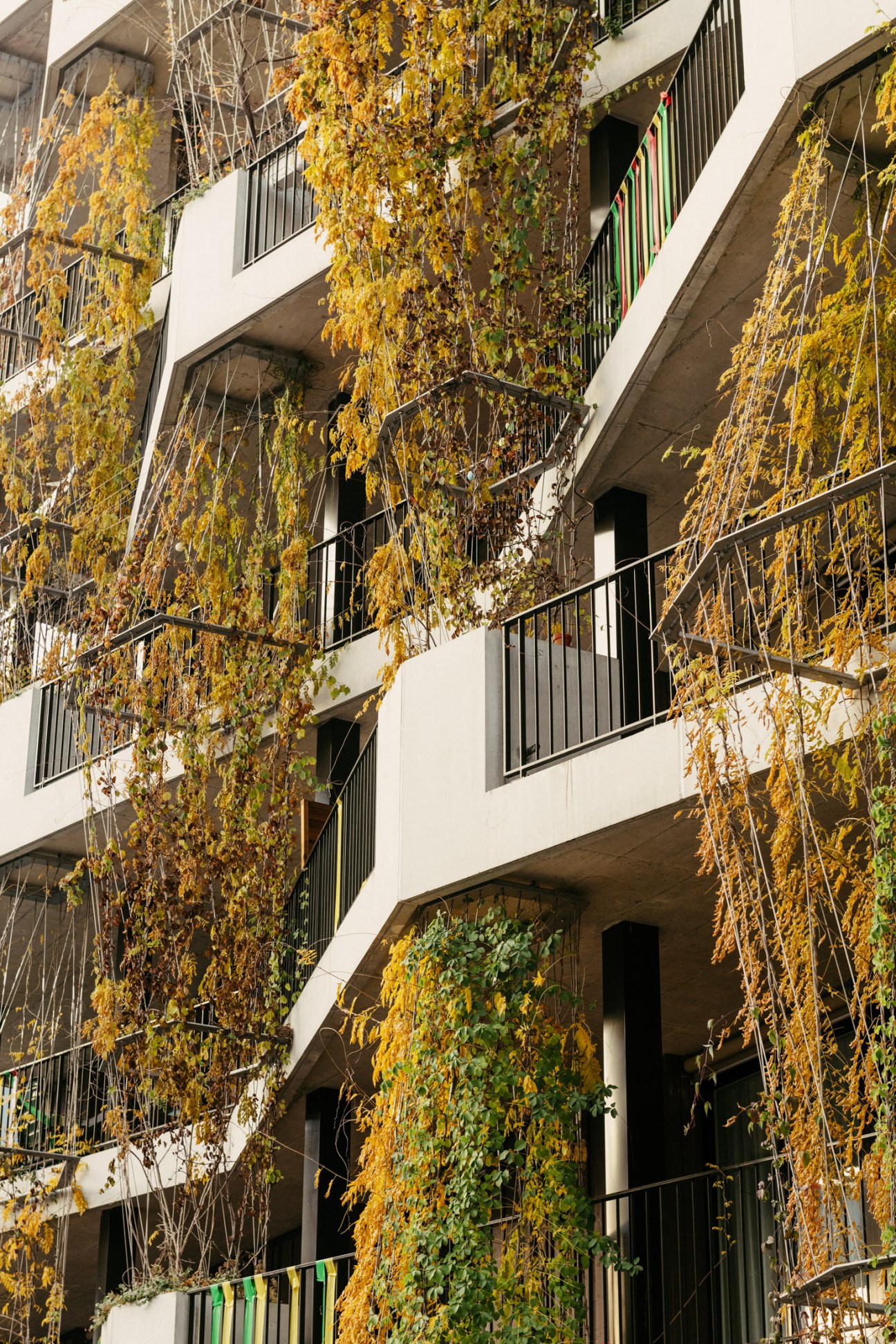
Not many housing estates have an onsite violin restorer. Or a book publisher, a recording studio, two award-winning restaurants, a stylish guesthouse and a rooftop sauna. There’s even a classical-music salon run by an opera singer; on the evening we drop by, a cellist and pianist are performing Brahms sonatas by candlelight. But not many housing estates are like Mehr als Wohnen – literally, “more than living” – a co-operative that opened on the site of a former concrete factory in Zürich’s Hunziker Areal neighbourhood in 2014. We visited Mehr als Wohnen three years ago to see how the first wave of tenants were settling in; many are still here.
City-planner Jordi Riegg, 44, was an early arrival. He and his girlfriend initially lived in a “cluster apartment”: sprawling arrangements of eight bedrooms linked to capacious common areas. They have since moved to a more orthodox 80 sq m apartment with a kitchen and living area, two bedrooms and a bathroom. It is spartan but smart, with wooden-laminate floors and exposed-concrete ceilings. The couple pay rent of CHF1,800 (€1,600) per month; good value by local standards. “But it’s not just that,” says Riegg. “I still really like it here. It feels like a village but even more concentrated. It’s almost like a mini state.”
Riegg shows us around the 13 handsome buildings of Mehr als Wohnen, explaining its quirks and governance as he goes. Residents gather for a general assembly twice a year but are also kept up to date via a monthly email newsletter and a subscriber-only intranet. There are dozens of residents groups – which can be assembled when five or more residents rally behind one cause – covering a host of issues and interests. These groups can apply for funding from a kitty to which everyone contributes; the money is then disbursed by a panel of seven elected representatives.
Riegg is among those who pays for a share of the produce from nearby allotments; others make use of workshops. Residents leave unwanted possessions on a table in a hallway for others to claim; on offer today are saucepans, a blue woollen scarf, a bicycle pump, recipe books and a belly-dancing-instruction dvd, which is gone by the following day. Responsibility for encouraging participation in all that Mehr als Wohnen has to offer falls to Anna Haller, 36, one of 14 administrators. She estimates that 20 per cent of the 1,250 residents play an active part in proceedings, a proportion that she says compares favourably with other Swiss co-ops. Care is taken, she adds, to keep the population diverse, with the population of Zürich used as a template for deciding numbers according to gender, age, income, ethnicity and other metrics.
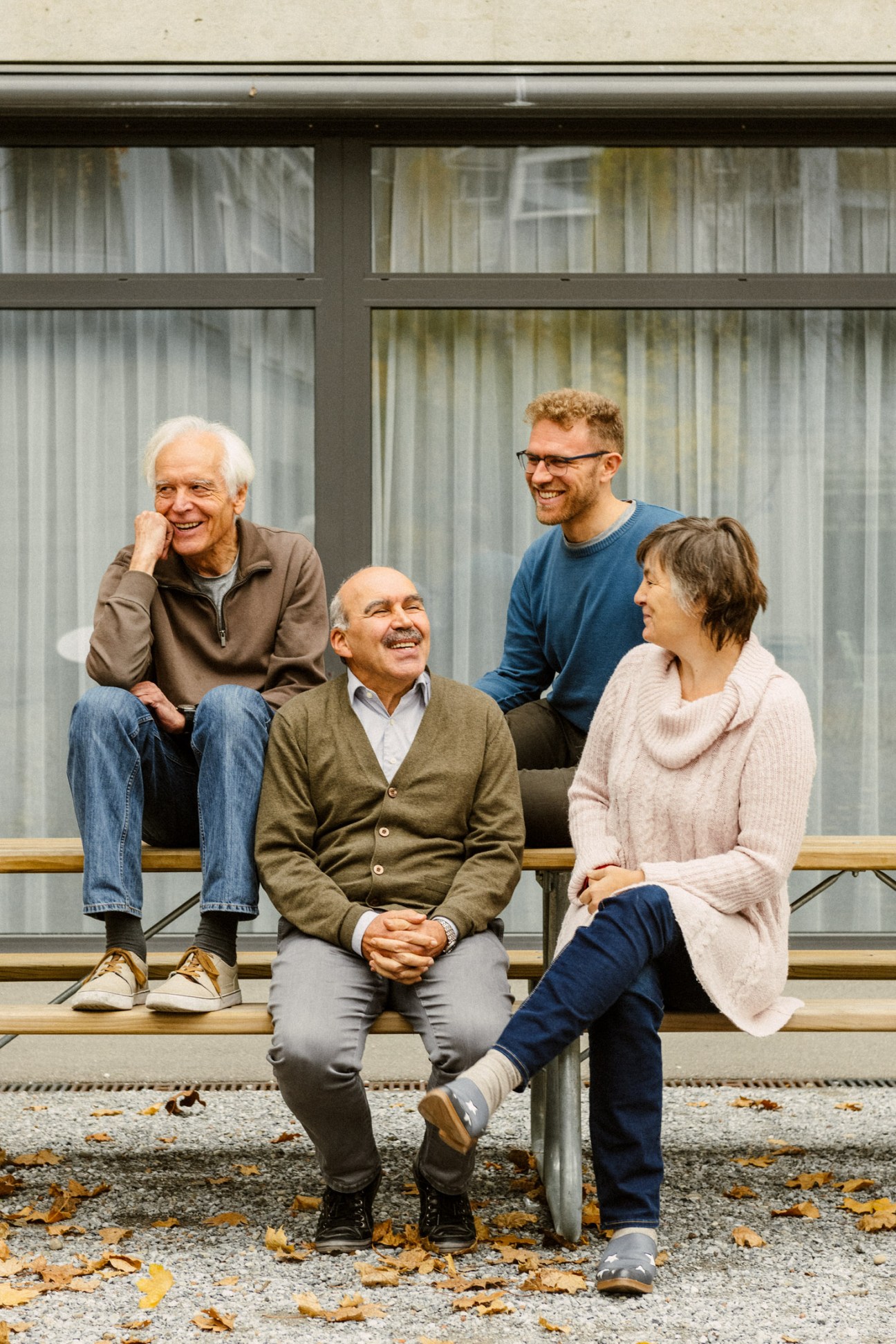
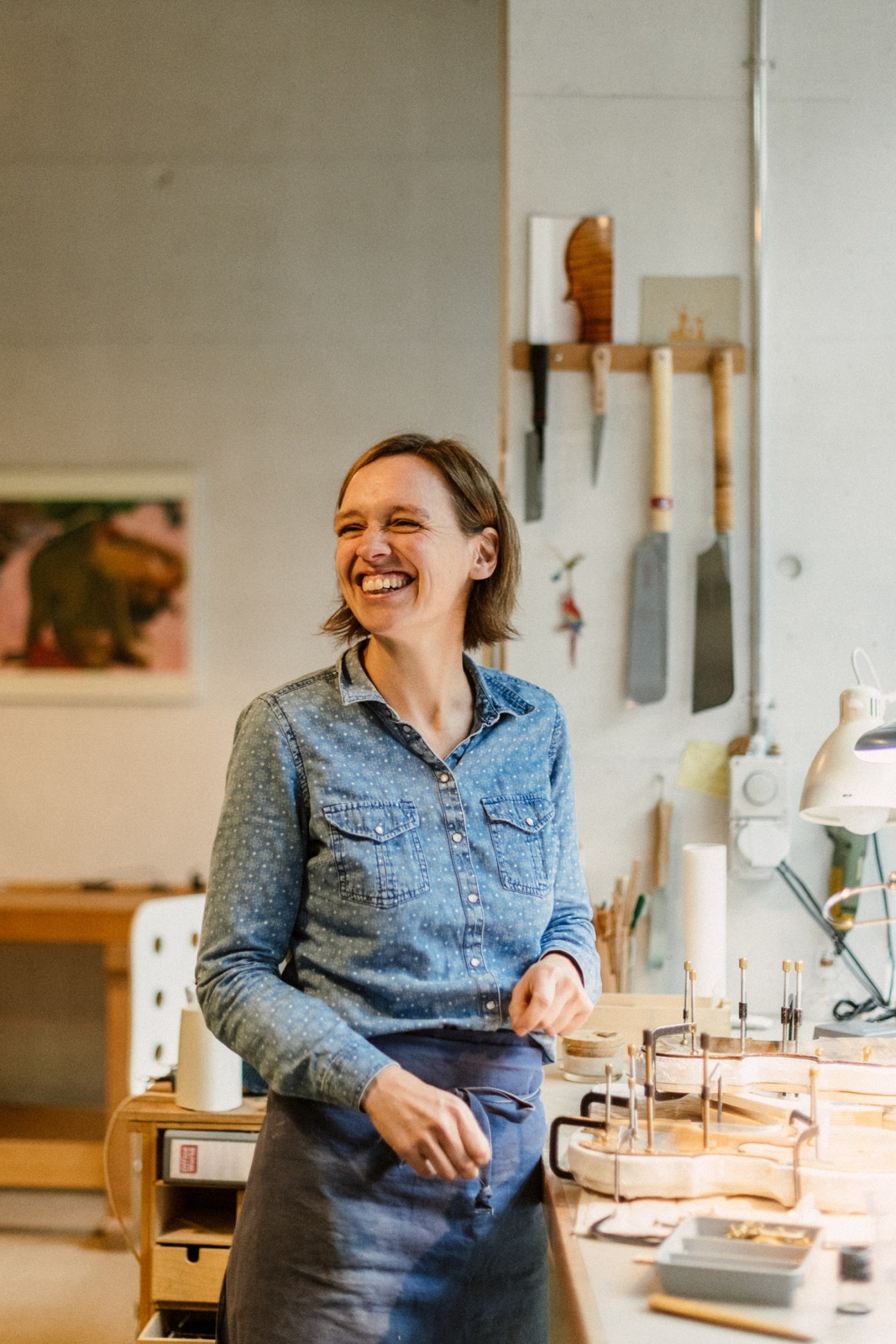
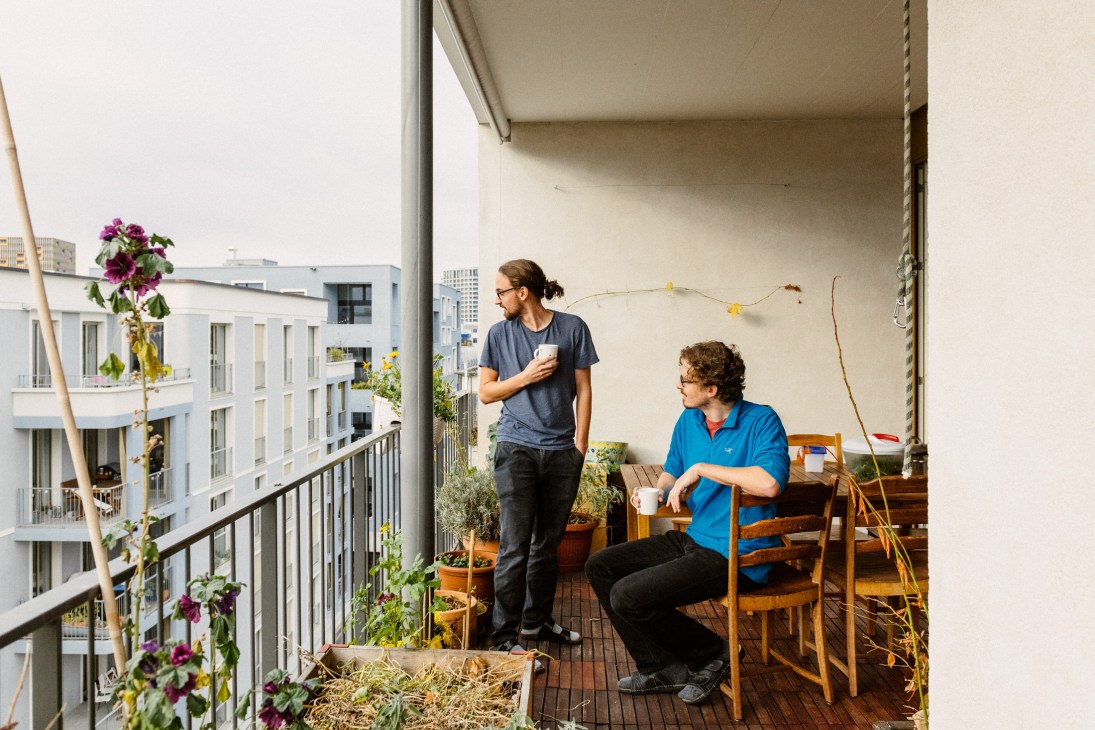

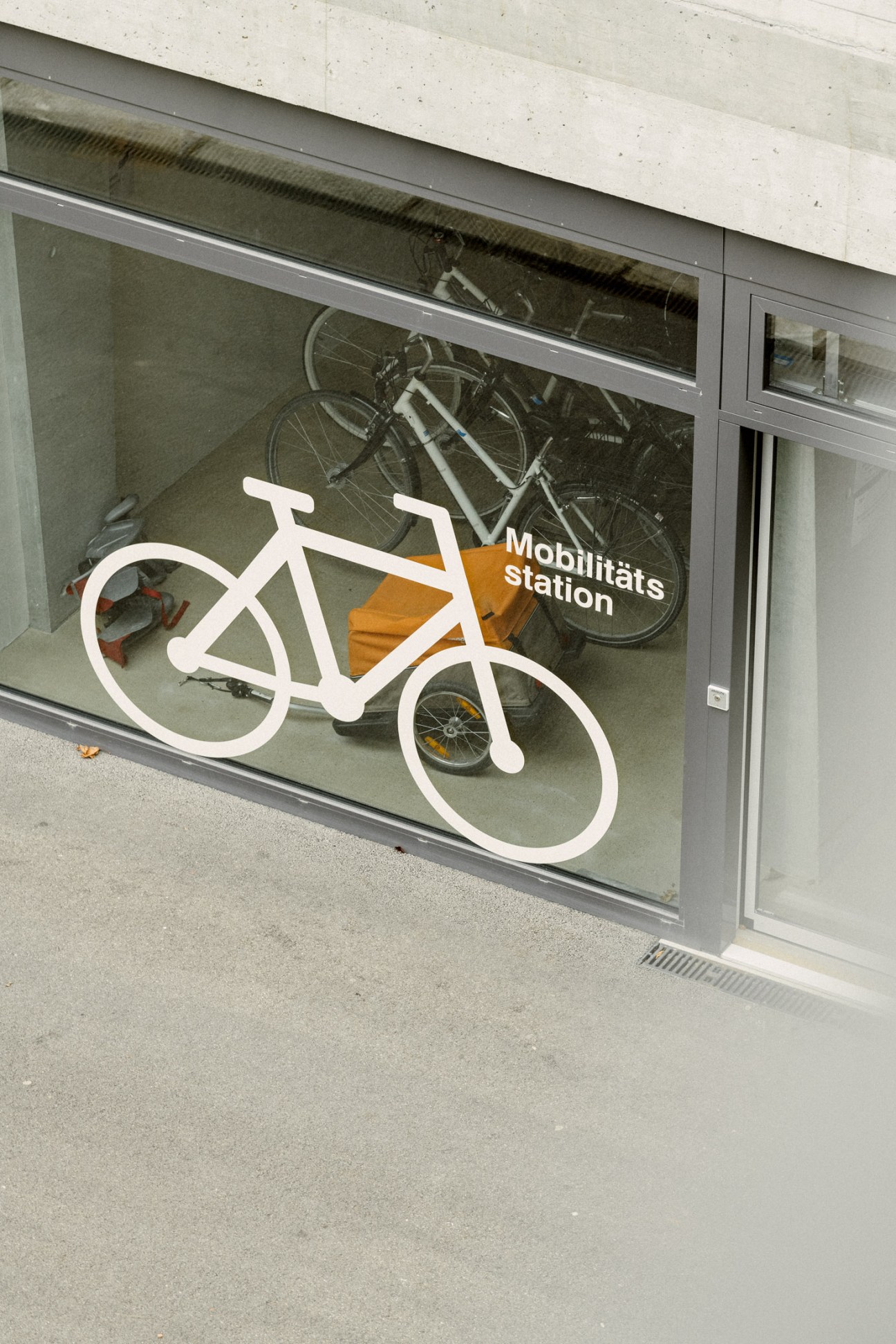
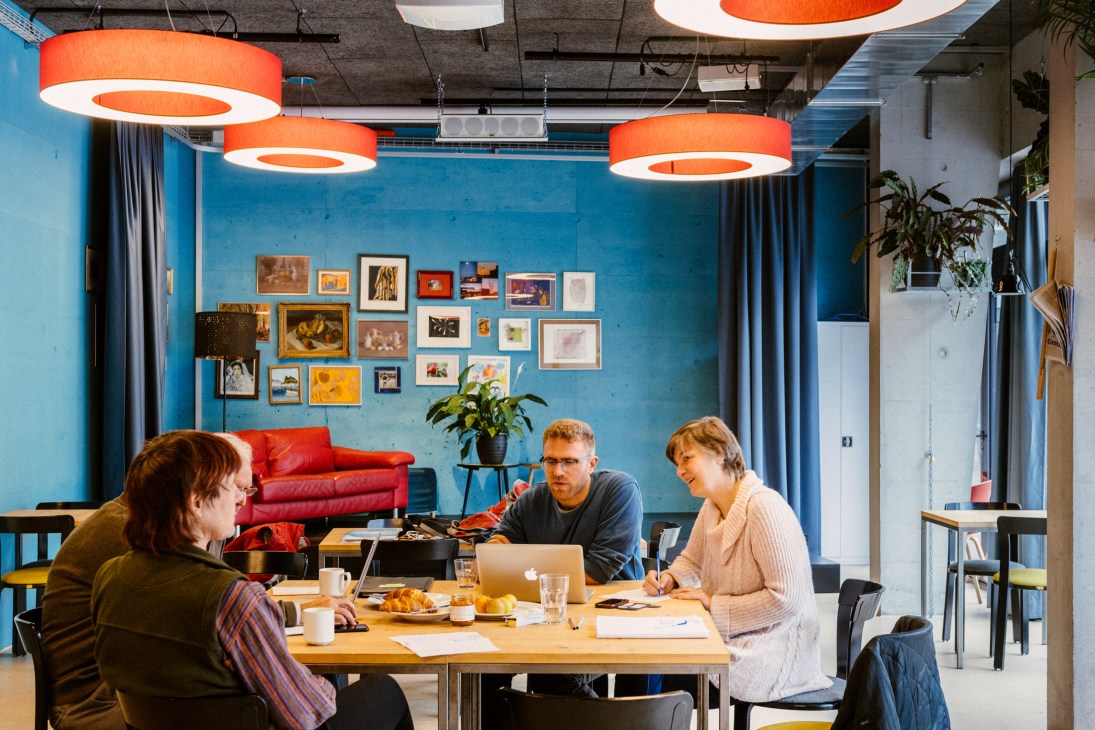
We meet Solomon Semhar in Treffpunkt (“meeting point”), a free space on the main square. Semhar, 37, and her two children are one of nine Eritrean-refugee families in Mehr als Wohnen. She still becomes tearful when recalling the harrowing story of the journey that she made here six years ago. Unsurprisingly, her present circumstances make her cheerier and she sincerely describes Mehr als Wohnen as “like a big family”. The Eritreans have a monthly gathering, she says, but everyone is invited for Eritrean coffee. “They know everything about Eritrea now.” To reciprocate, some of the Swiss residents taught the Eritreans how to ride bicycles.
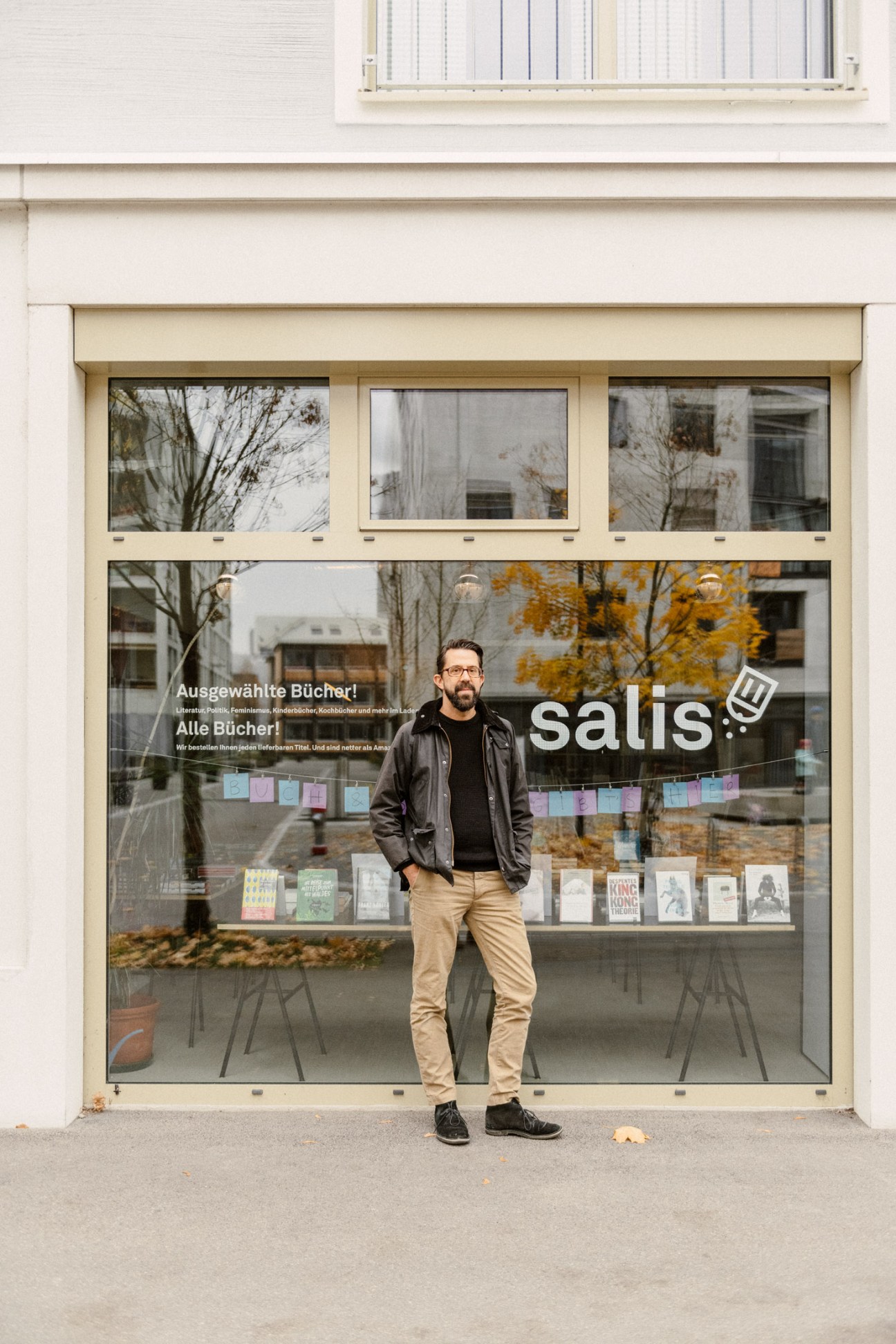
“I was just looking for an office,” says André Gstettenhofer, 46, founder of publishing house Salis. “But I ended up moving here with my family so my world has suddenly become very small.” Gstettenhofer points to his apartment, which is across the square from the Salis bookshop-cum-headquarters. “It’s actually even better than I imagined,” he adds. “It’s not an academic ghetto or a bohemian ghetto. I’ve met all kinds of people here and made lots of friends.”
Though many urban dwellers flee their apartments when children arrive, Gstettenhofer says that Mehr als Wohnen is a great place to raise a family. There’s a feeling of communal responsibility, he says, and the well-appointed Leutschenbach primary school – the recipient of awards for Christian Kerez’s design – is next door. “In fact,” says Gstettenhofer, “I don’t know if I’d live here if I didn’t have children.”
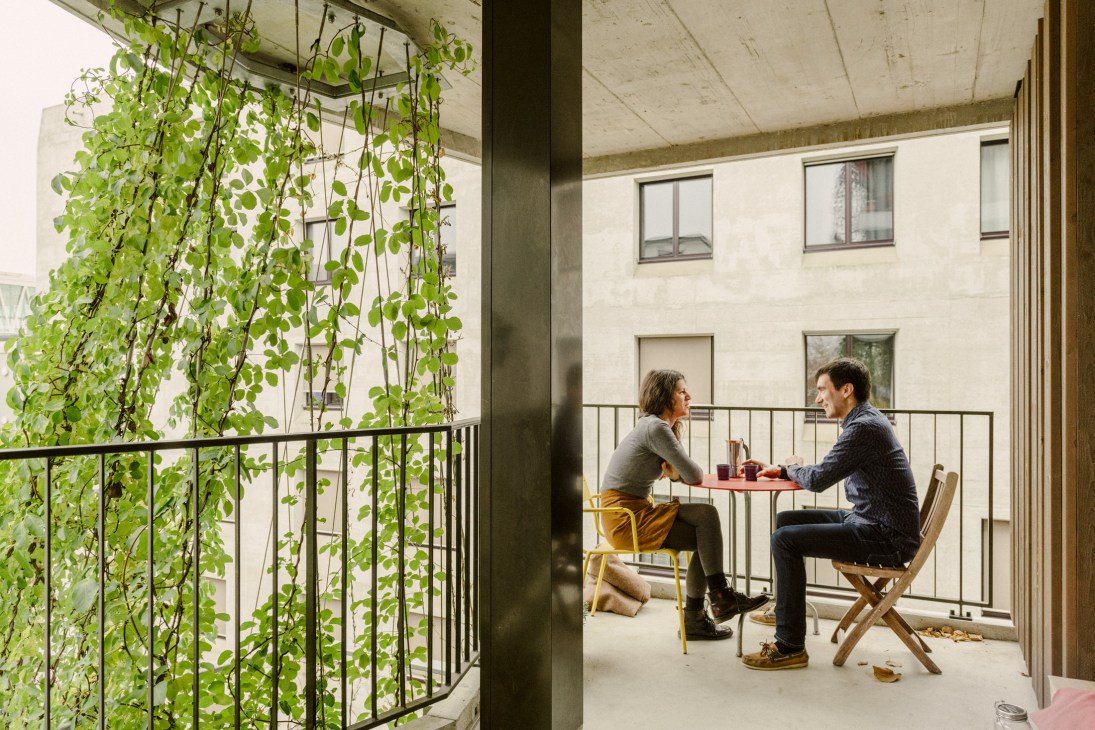
Though the most appealing aspects of living at Mehr als Wohnen are doubtless the practicality and relative economy, a measure of missionary zeal is discernible among its residents. The truest believers dwell in the cluster apartments, for which residents pay up to CHF8,500 (€7,500) collectively in rent per month, with adjustments made according to room size. The apartments have interior windows facing a central stairwell to encourage familiarity between neighbours, though some admit that it takes time to get used to being watched by passers-by while they are eating their breakfast.
Judith Ellens, 36, lives with 10 other adults and her young child. “I like the interaction with other people,” she says. “And, from a sustainability perspective, sharing a household budget makes a lot of sense. We can buy in bulk and take turns to cook.” Samuel Müller, 34, keeps beehives next to solar panels on the roof of the cluster apartment building and on the balcony outside the communal laundry. “I think I spoke to my neighbours more often in the first six months than I did in 10 years in Zürich,” he says.
Christoph Homberger, 56, spent decades travelling the world as an acclaimed tenor. The day after his final performance – in Madrid in September 2014 – he received a call from Andreas Hofer, Mehr als Wohnen’s head of research and innovation. Hofer offered Homberger a venue for the tenor’s long-dreamt-of musical and culinary venture. Hombi’s Salon now stages evening concerts from Thursday to Sunday, often involving a 60-year-old Steinway grand that Homberger describes as “one of the best pianos in Zürich”. Up to 40 punters pay CHF100 (€88) each for a dinner cooked by Homberger, with wine included. If the restaurant isn’t full, tables are offered to Mehr als Wohnen residents at half price.
Still, there are often spaces available. Downtown Zürichers are deterred, says Homberger, by a perception that Mehr als Wohnen might as well be on the Moon (from the city centre, it’s barely 20 minutes by bus). “It is a perfect idea,” says Homberger. “But it is not perfect yet.” He brightens up considerably, however, discussing the “anarchy chorus”, his name for the singing sessions he holds for children of the community on Wednesday afternoons.
Homberger’s other concern about the development is that the residents here have too much to choose from – there are worse problems to have of course. A co-operative model such as the one on display at Mehr als Wohnen is an enticing solution to some of the problems faced by those struggling to pay rent in major cities.
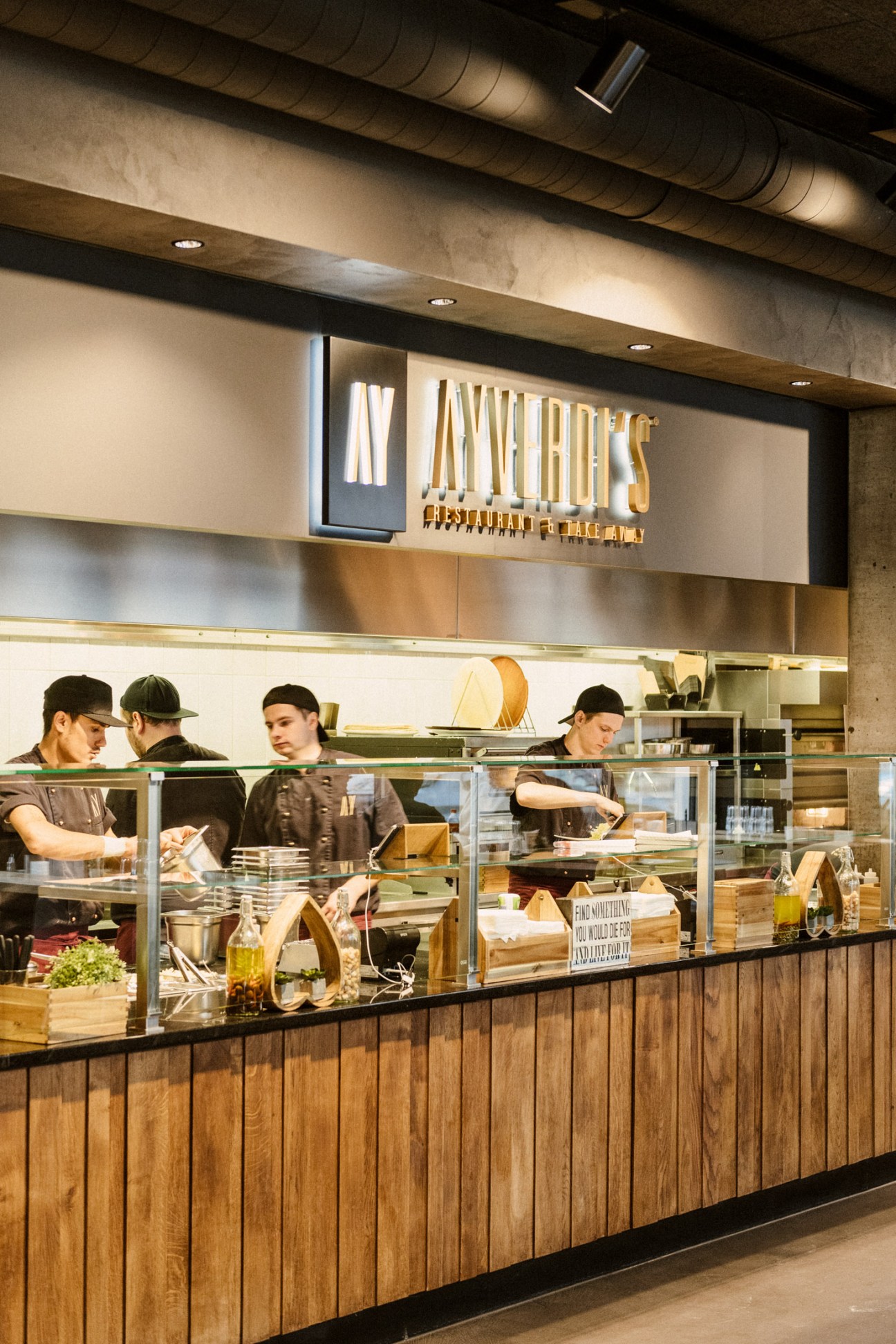
We wind up our day at Mehr als Wohnen’s Bagel Boys café, which came second in the “on the move” category in 2018’s Best of Swiss Gastro awards. It was beaten to the prize by Ayverdi’s, a nearby kebab house run by three Kurdish-Swiss brothers. Nathalie Bartholemie, 36, who works at Bagel Boys, used to live in Mehr als Wohnen, though she now resides a short walk away. “It’s awesome,” she says of her former home but adds that it might be good for her son to spend some time outside the development. “People here have everything they need,” she says, laughing. “So they don’t leave.”
Rugby World Cup 2019
Tokyo Convention & Visitors Bureau x The Monocle Forecast
Tackling Tokyo
Kick-off
While in Tokyo, make time for cultural excursions and river cruises.
Host city: Tokyo
The Japanese capital is one of a dozen cities that will host matches and provide a gateway to some of the country’s famed regional attractions.
Old meets new
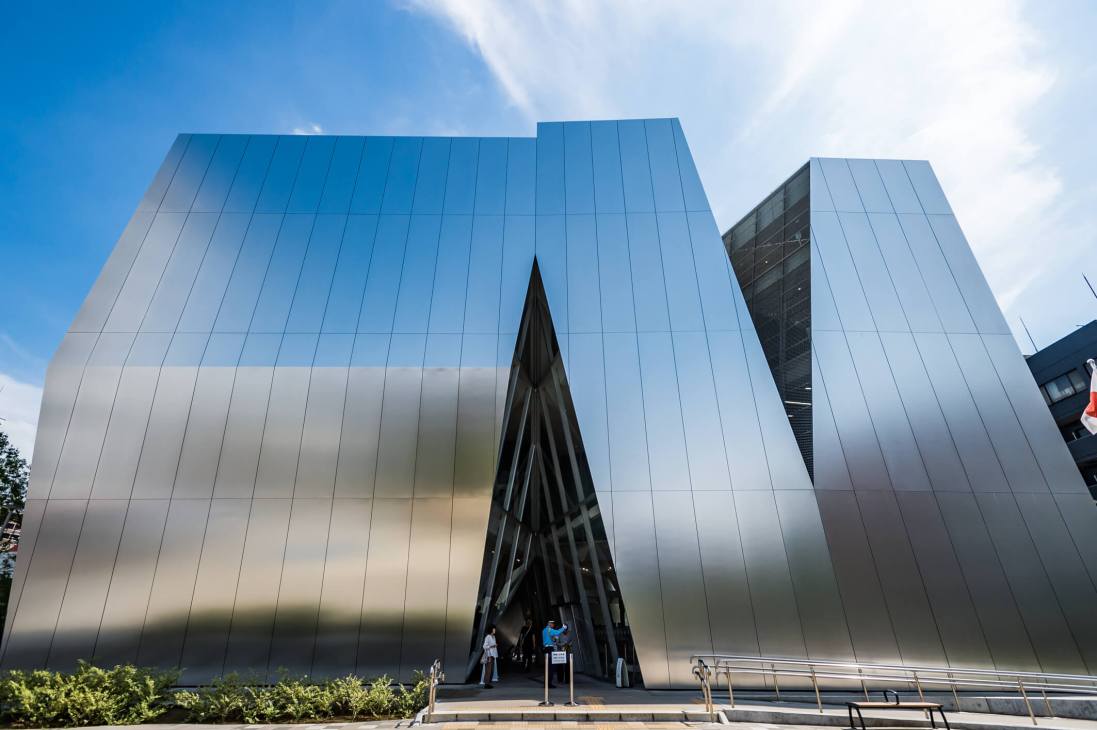
Tokyo’s dynamic mix of modern and traditional takes shape at Sumida Hokusai Museum. Designed by Kazuyo Sejima, the museum celebrates the work of renowned ukiyo-e artist Katsushika Hokusai. Integrated technology shines new light on Hokusai’s works, many of which were created by the renowned artist in his native Sumida City.
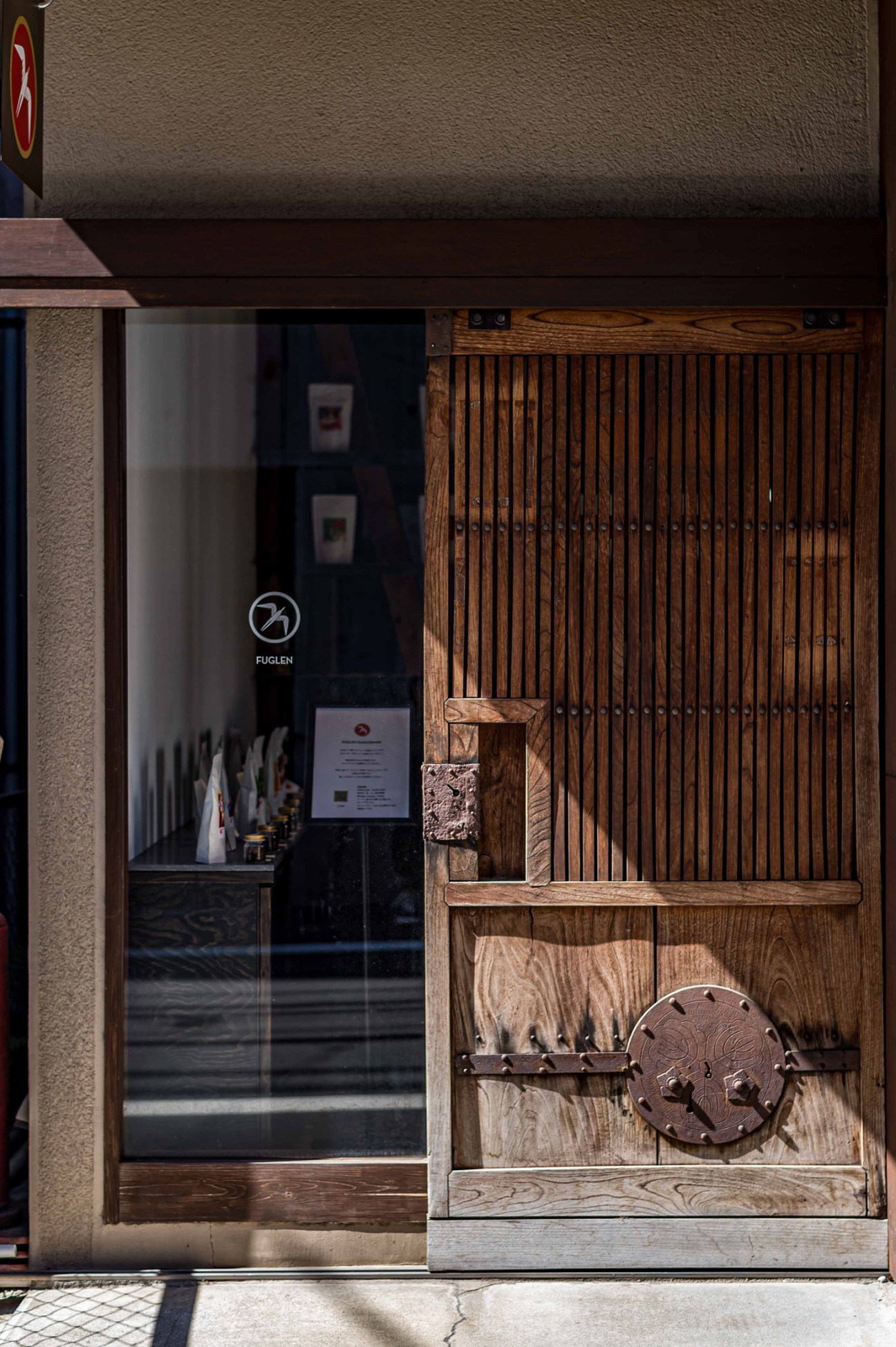
Venturing onto the streets of Sumida and east Tokyo reveals workshops producing a range of traditional wares. Dating back to the early 19th century, Edo Kiriko glassware features intricate patterns created through a series of cutting techniques. Craftspeople can be seen at work, while hands-on workshops provide an insight into their craft.
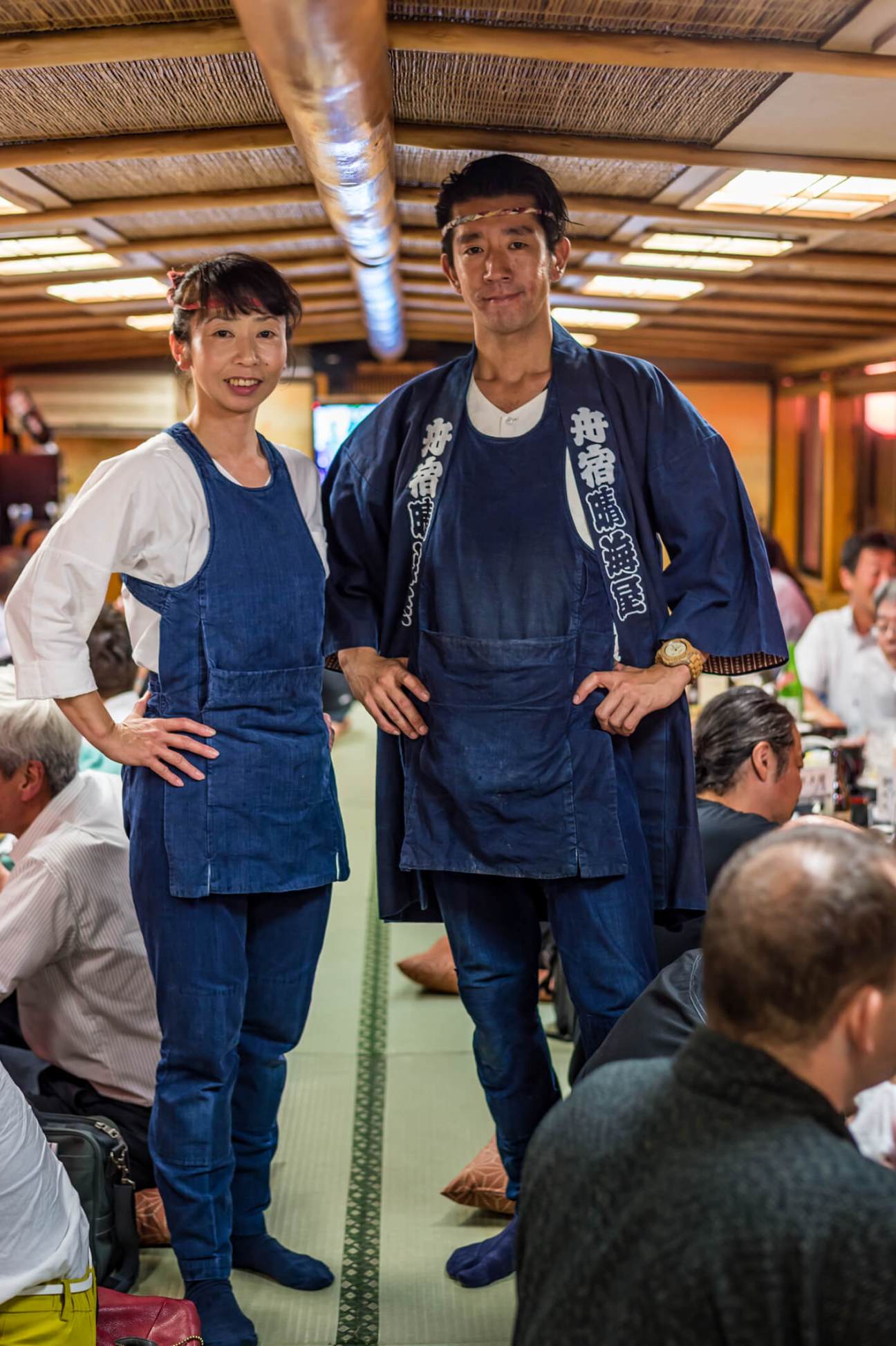
For a fresh view of Tokyo Skytree and the city’s evolving skyline, hop on board a yakatabune for an evening river cruise. Often adorned with glowing lanterns, the traditional boats provide the perfect setting to drink, dine and be entertained after dark.
Blurred lines
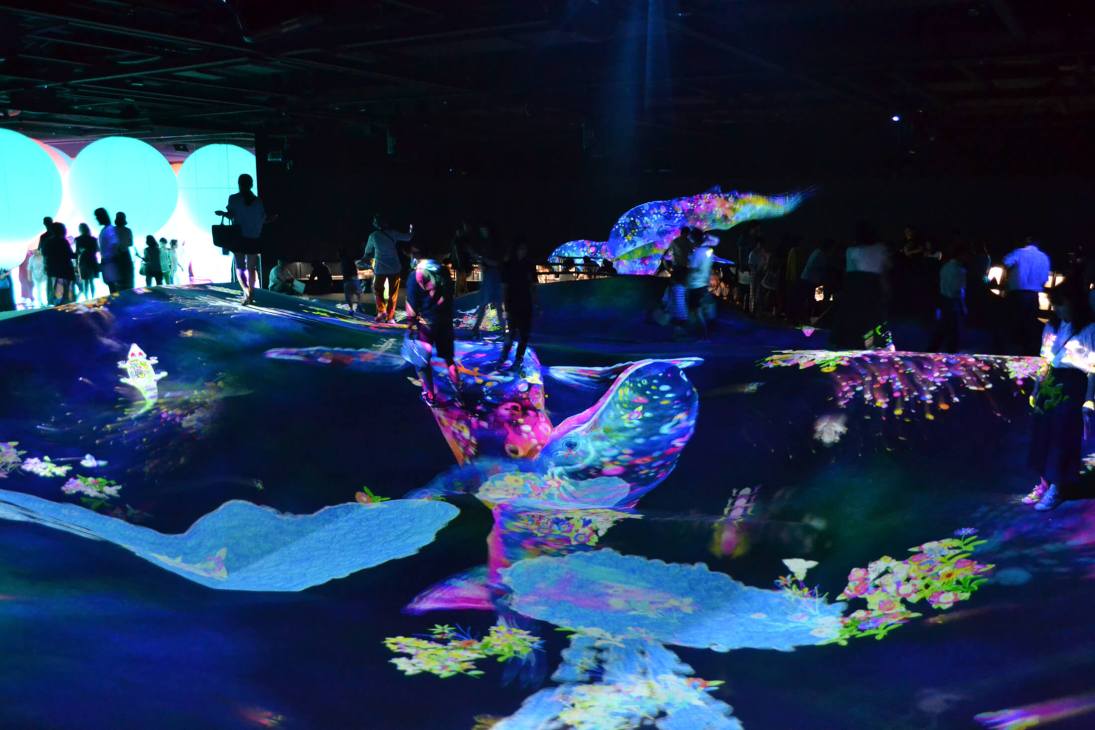
One of the latest additions to the city’s art scene is the imagination-filled TeamLab Planets Tokyo. Created by TeamLab, an interdisciplinary art collective based in Tokyo, the digital art space houses a collection of immersive installations and interactive works. Drawing on elements from nature and the universe, the works blur the lines between real and virtual, creating new ways for visitors to engage with art and the world around them.
Iwate/Kamaishi
This city is revered for its sporting success, sacred temples and saké breweries.
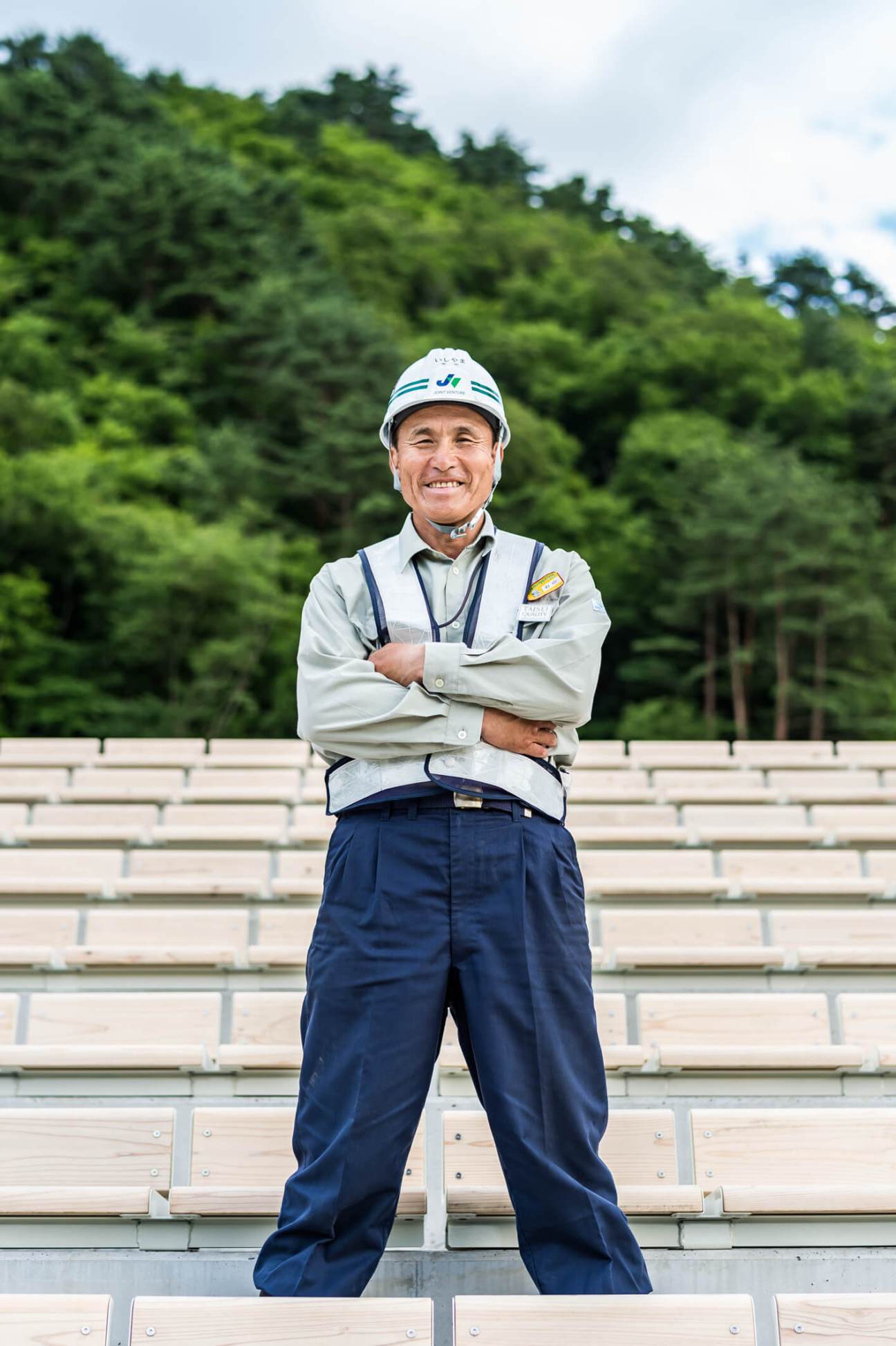
Rugby is woven into the fabric of the city of Kamaishi: the local Nippon Steel-backed team has won seven consecutive Japanese Rugby Football Championship titles from the late 1970s. The sport has also played a role in the city’s regeneration in the wake of the Great East Japan Earthquake. The host city bid committee included former Kamaishi and Japan national team player Jiro Ishiyama, who worked on construction of the new Kamaishi Unosumai Memorial Stadium.
Kamaishi Daikannon
The sacred Kamaishi Daikannon gazes out toward the horizon from high above the Sanriku coastline. A worship hall, kannon statues and the Seven Gods of Good Fortune await inside, while views can be enjoyed from the observatory on the 11th and 12th floors.
Hamachidori Brewery
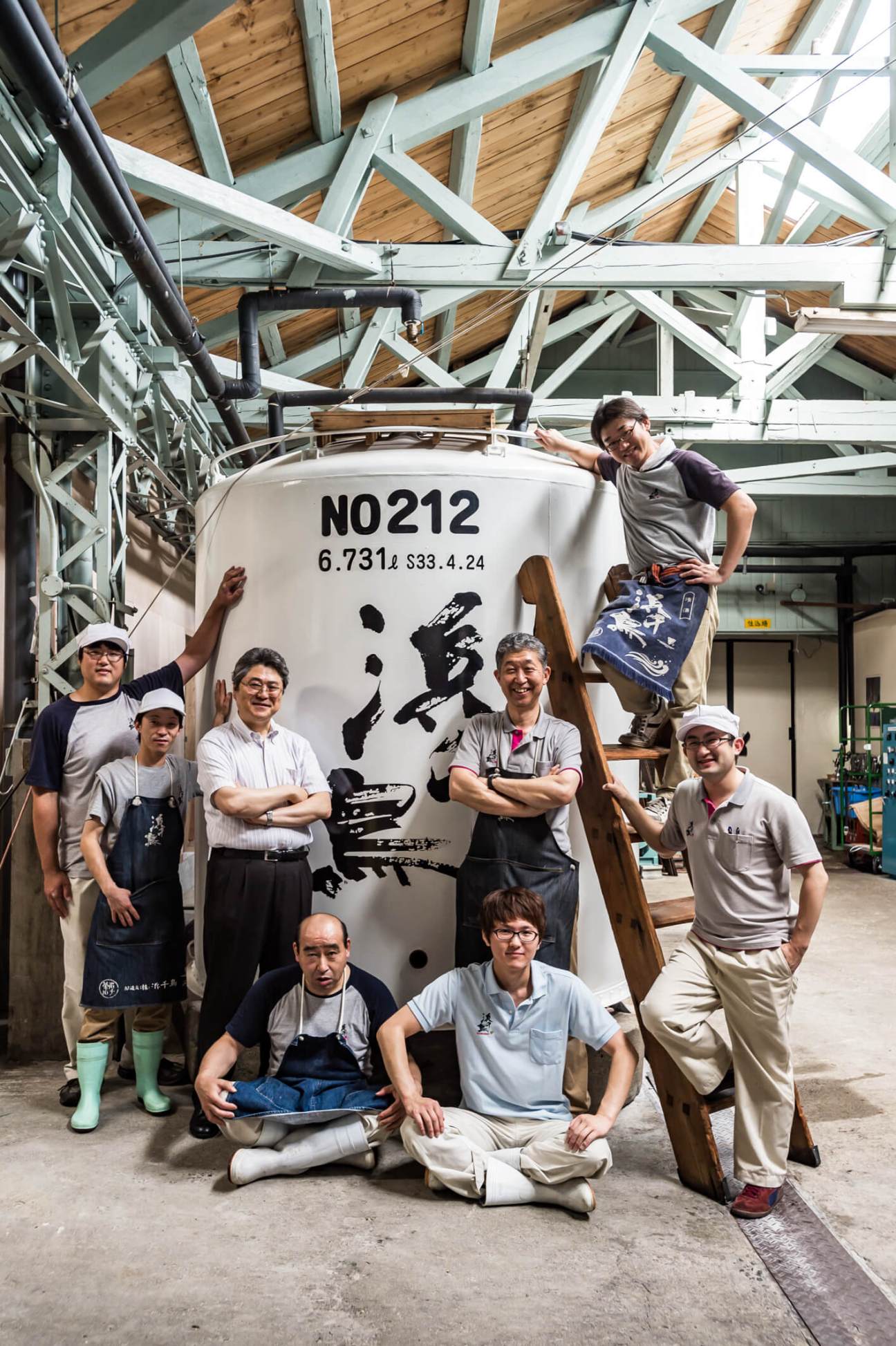
Hamachidori has been producing fine saké for almost a century. Guided tours can be arranged and provide an insight into the brewery’s inner workings, including the creation of the award-winning Hamachidori Daiginjo.
Tournament map
Field view
Teams from all around the world will face off in 12 Japanese cities
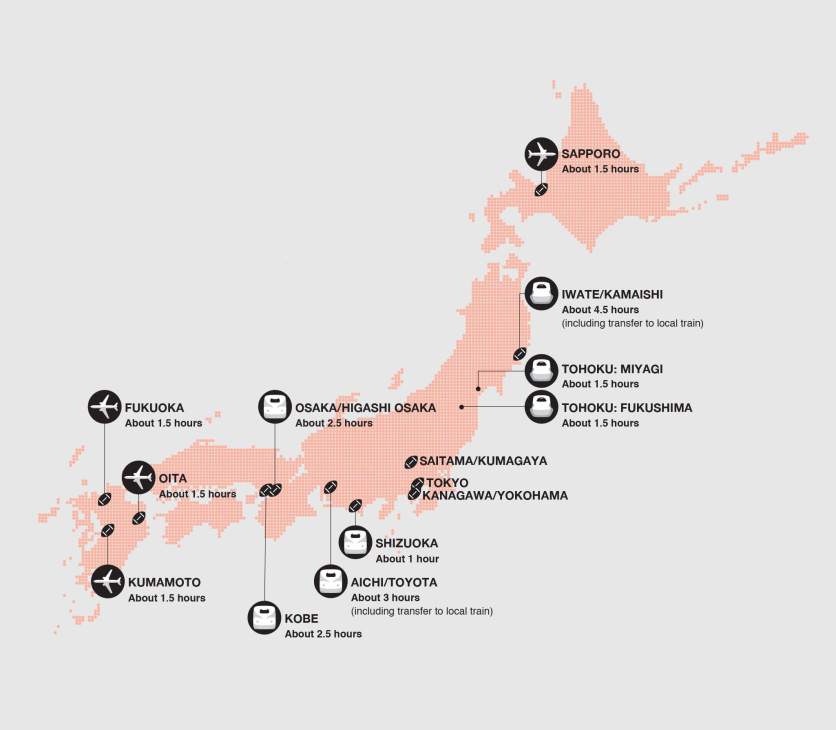
Host cities
The seven-week tournament will commence with the kick-off match between Japan and Russia on 20 September in Tokyo. Matches will take place in 12 cities, at venues including the purpose-built Kamaishi Unosumai Memorial Stadium and the International Stadium Yokohama, where up to 72,000 fans are expected to be in situ for the final on 2 November.
See gallery for the Rugby World Cup 2019 map of Japan
Sapporo
The capital of the hilly northern island of Hokkaido is most famous for its beer and scenic skiing.

Sapporo Food Culture
Whether it’s fresh crab or zangi (deep-fried chicken), Sapporo brings together the unique flavours of the north. Inspect the catch of the day at the morning markets but save some room for a hearty bowl of soup curry, fresh dairy products and a medley of regional ramen.
Saitama/Kumagaya
Two rivers – the Arakawa and the Tone – flow through Kumagaya, a city in Saitama prefecture.
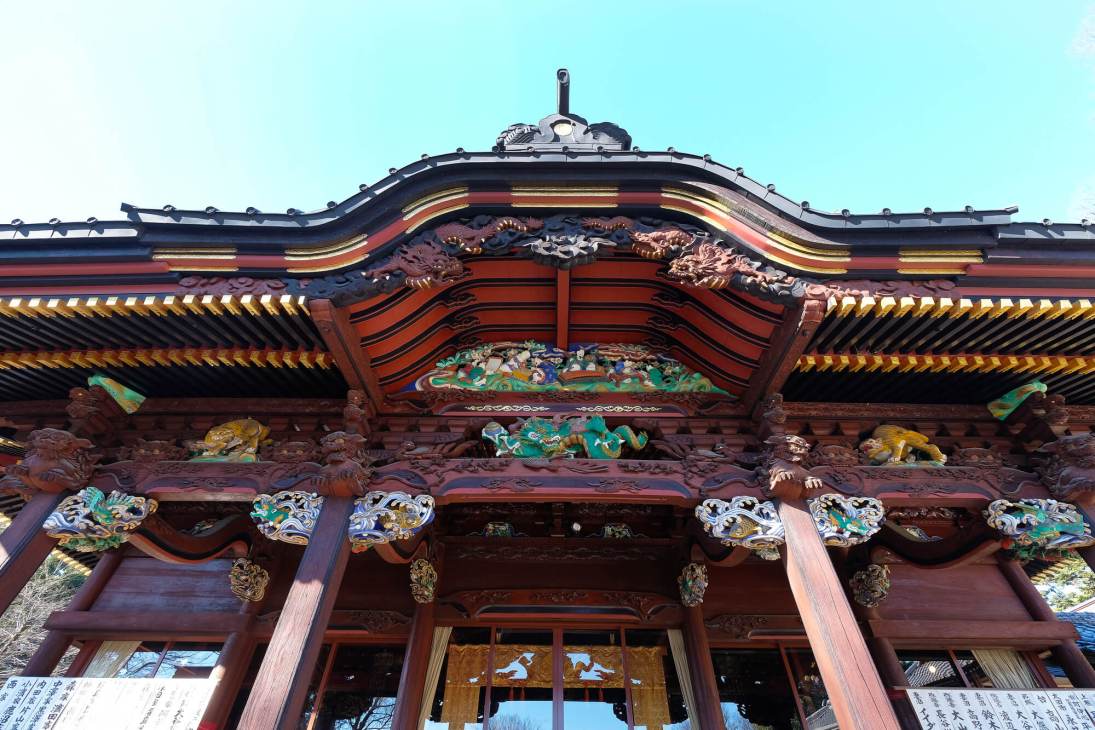
Shodenzan Temple
Kumagaya developed as a post town on the historic Nakasendo route from Tokyo to Kyoto and is home to Shodenzan Temple. Attracting those in search of good connections, the temple includes an opulent hall detailed with sculptures and is designated as a national treasure.
Kanagawa/Yokohama
Yokohama, the capital of Kanagawa prefecture, is known for the botanical oasis of Sankeien Garden.
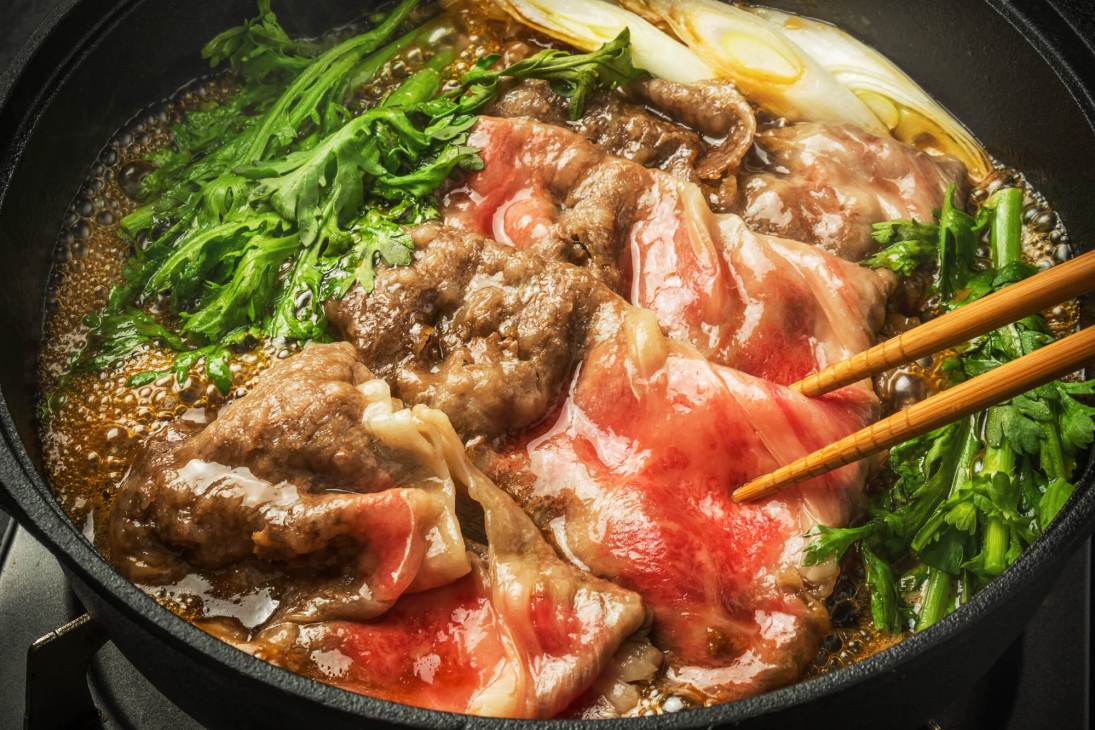
Sukiyaki
The port city of Yokohama, selected to host the World Cup decider, is also the birthplace of sukiyaki. Originally known as gyu-nabe (beef hot pot), the dish has evolved but remains at the top of menus throughout the city, from waterfront restaurants to cosy small-scale venues.
Kobe
The capital city of Hyogo prefecture, on the north shore of Osaka Bay, is well known for its marbled beef.
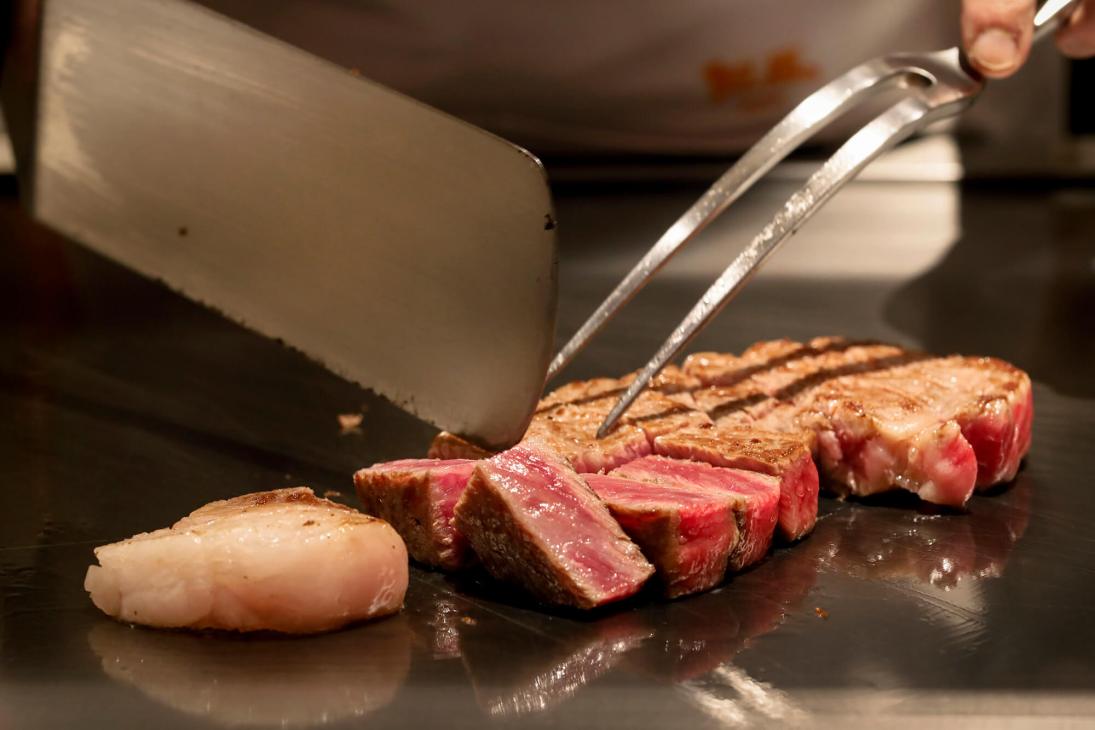
Kobe beef
The origins of Kobe’s renowned beef are said to date back to the port’s opening to foreign trade, when an intrepid Englishman sampled the local Tajima beef. Today the city’s chefs present the marbled, melt-in-your-mouth delicacy in myriad ways.
Fukuoka
A thoroughly modern city and the largest on the island of Kyushu, off the south coast of mainland Japan.
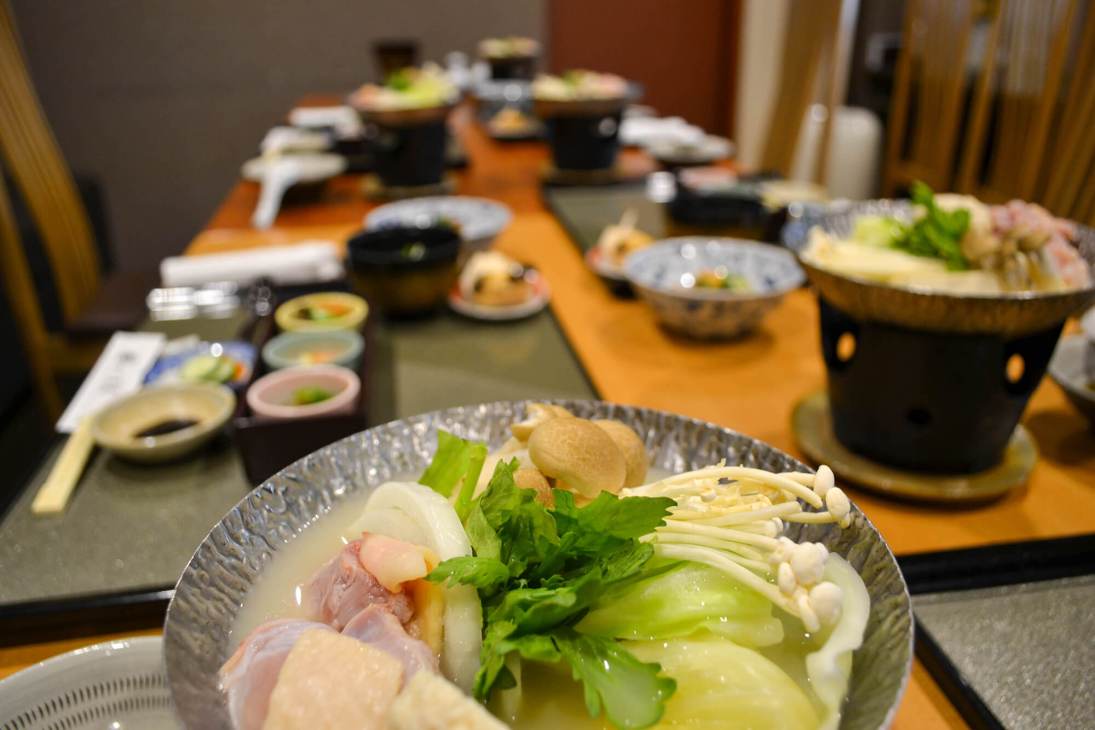
Dining in Tenijn
The bustling streets of Tenjin provide a crash course in Fukuoka cuisine. Local dishes include Hakata ramen, mentaiko (pollock roe) and mizutaki (chicken hot pot). For an intimate insight into the food scene, pull up a seat at one of the local yatai (food carts).
Kumamoto
Kumamoto is the capital city of Kumamoto prefecture, located at the centre of Kyushu.
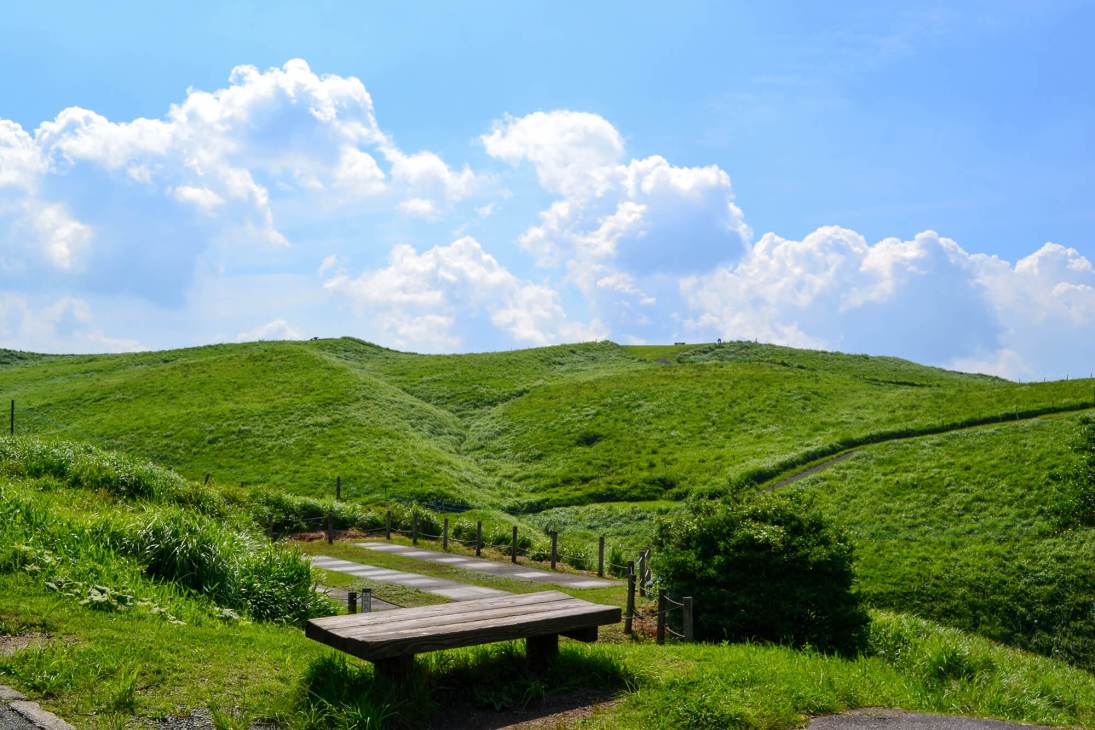
Daikanbo
One of the world’s biggest calderas – a form of volcanic crater – is found in the fields of Daikanbo. Gairin Mountain surrounds the five peaks of Aso-Gogaku and the crater basin, and it’s said by some that Aso-Gogaku resembles oshakasama, or a sleeping buddha.
Shizuoka
On central Honshu’s Pacific coast, Shizuoka prefecture is home to Mount Fuji and hot spring resorts.
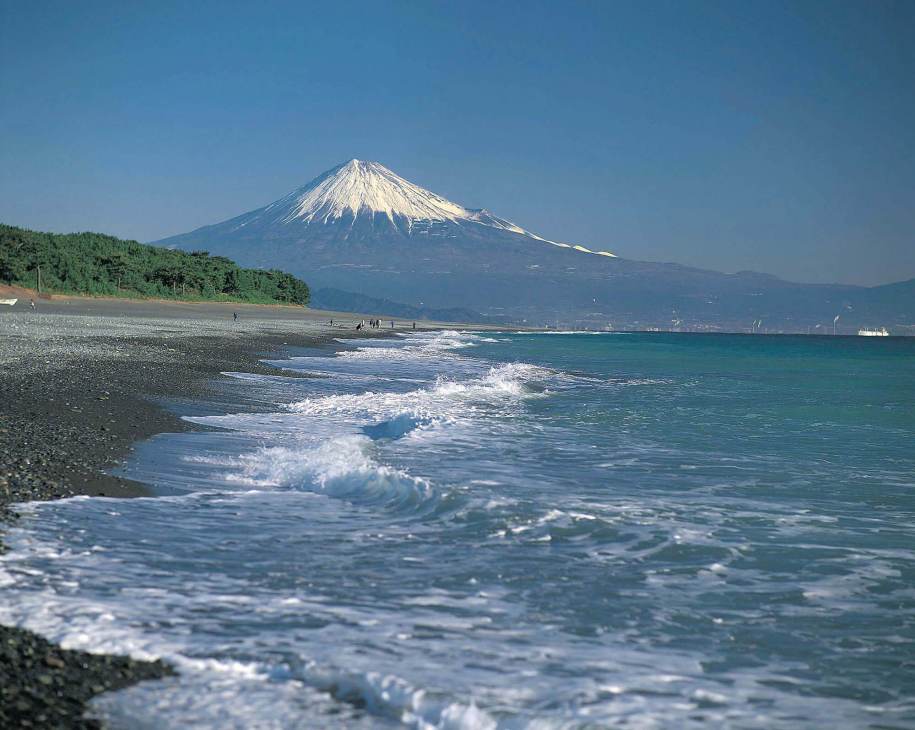
Mount Fuji
No trip to Shizuoka would be complete without a visit to Japan’s most iconic peak. Beautiful views of Mount Fuji, which has been designated as a World Heritage Site, can be seen from the scenic area of Miho no Matsubara, a seven-kilometre shore lined with trees.
Aichi/Yoyota
Aichi is located in central Japan and is home to ceramic and automobile manufacturing facilities.
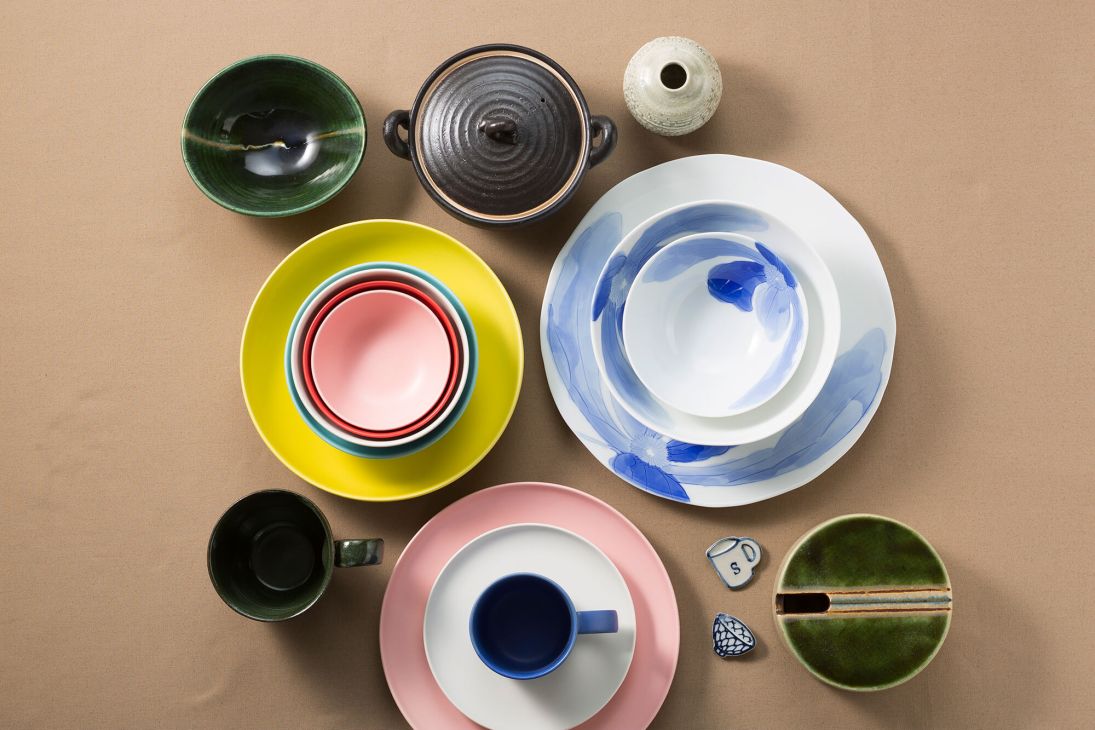
Seto
Home to one of Japan’s Six Ancient Kilns, Seto’s history of ceramic production dates back more than 1,000 years. The local Seto ware is made using various glazes and techniques including sometsuke, which results in underglaze paintings in blue on a white porcelain base.
Osaka/Higashi-Osaka
Higashi-osaka, located in Osaka prefecture, is well known for rugby and manufacturing.
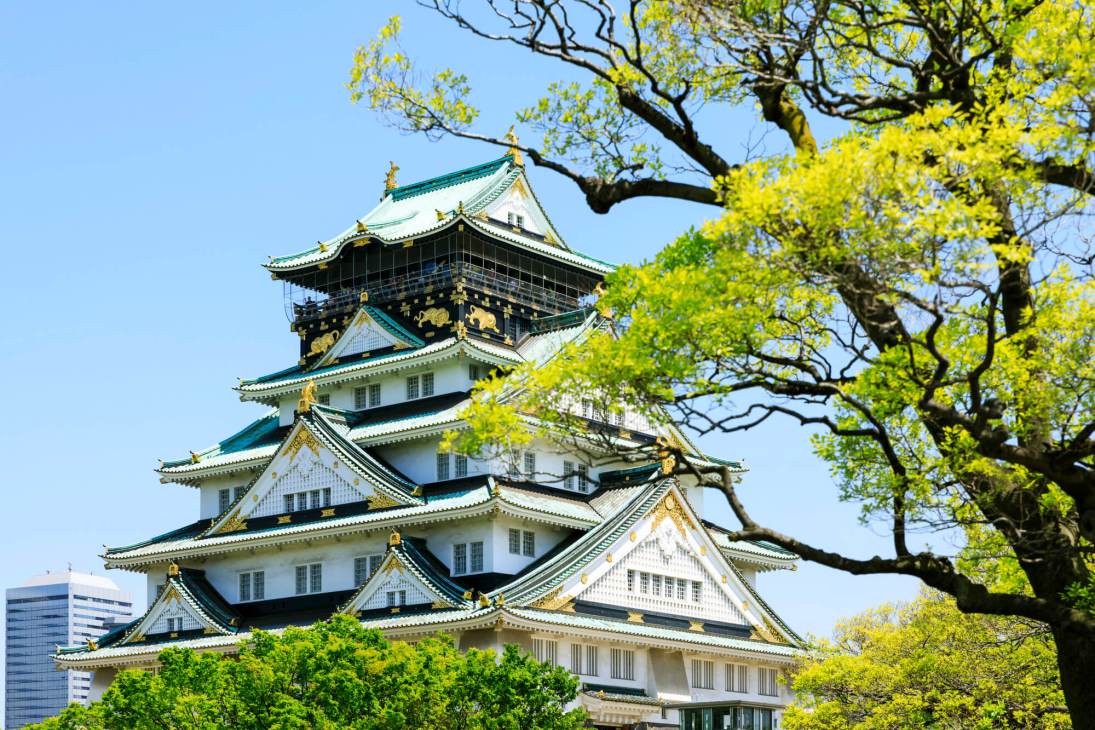
Osaka Castle
Standing at the centre of Osaka Castle Park, Tenshukaku is a history museum that appears to have five levels from the outside but, inside, reveals eight. The park itself contains many historical sites and is a peaceful oasis in a city that offers plenty of pleasant greenery.
Oita
Famous for its onsen cities, Oita prefecture is located on the eastern coast of Kyushu Island.
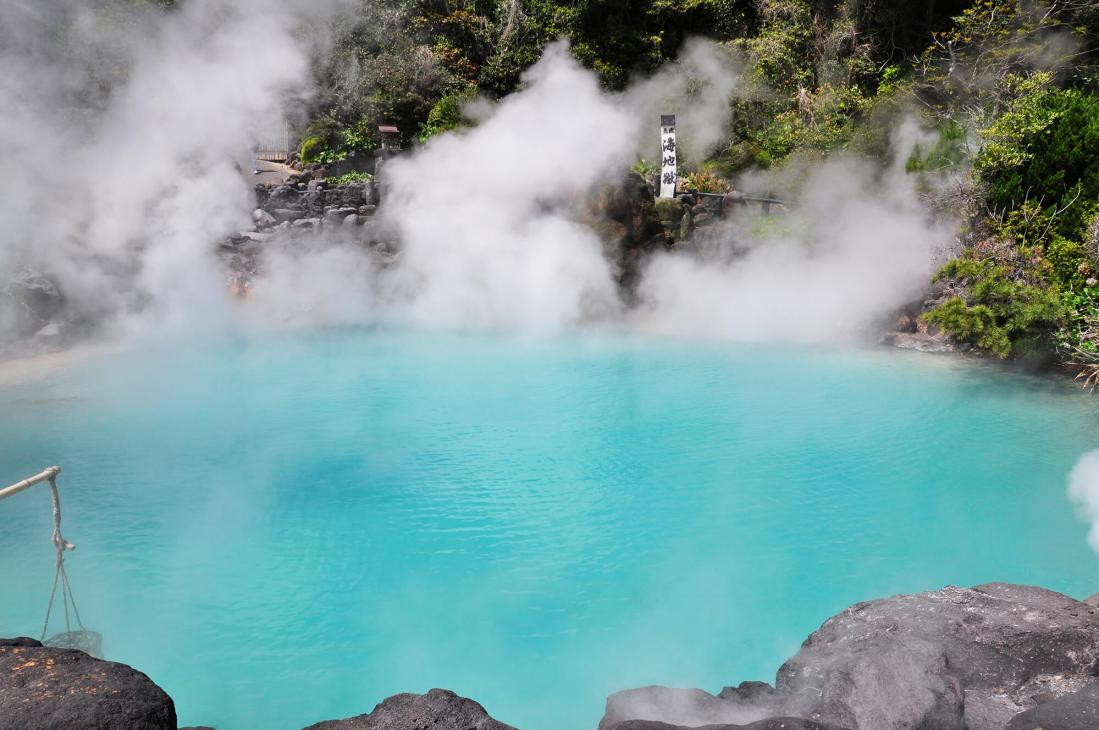
Hells of Beppu
With names like Oven Hell and Tornado Hell, this group of hot springs provides a glimpse into Beppu’s geothermal wonders. After checking out these sightseeing spots, relax and recharge with a round of bath-hopping in the eight hot spring areas found in the city.
Miyagi
Miyagi is a Japanese prefecture north of Tokyo on the east coast of Honshu Island.
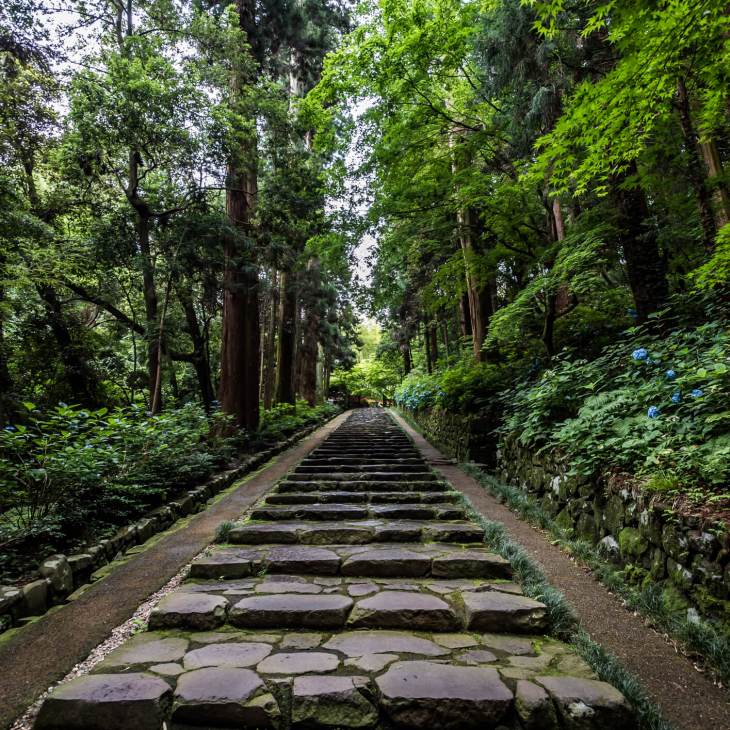
Sendai
The economic hub of the Tohoku region boasts a rich history, natural beauty and inspiring architecture. From the opulent Zuihoden mausoleum and its lush surrounds to the zelkova-lined promenade of Jozenji Street, the scenic city lives up to its “City of Trees” moniker.
Fukushima
Fukushima, the southernmost prefecture of the Tohoku region, offers ample natural beauty.
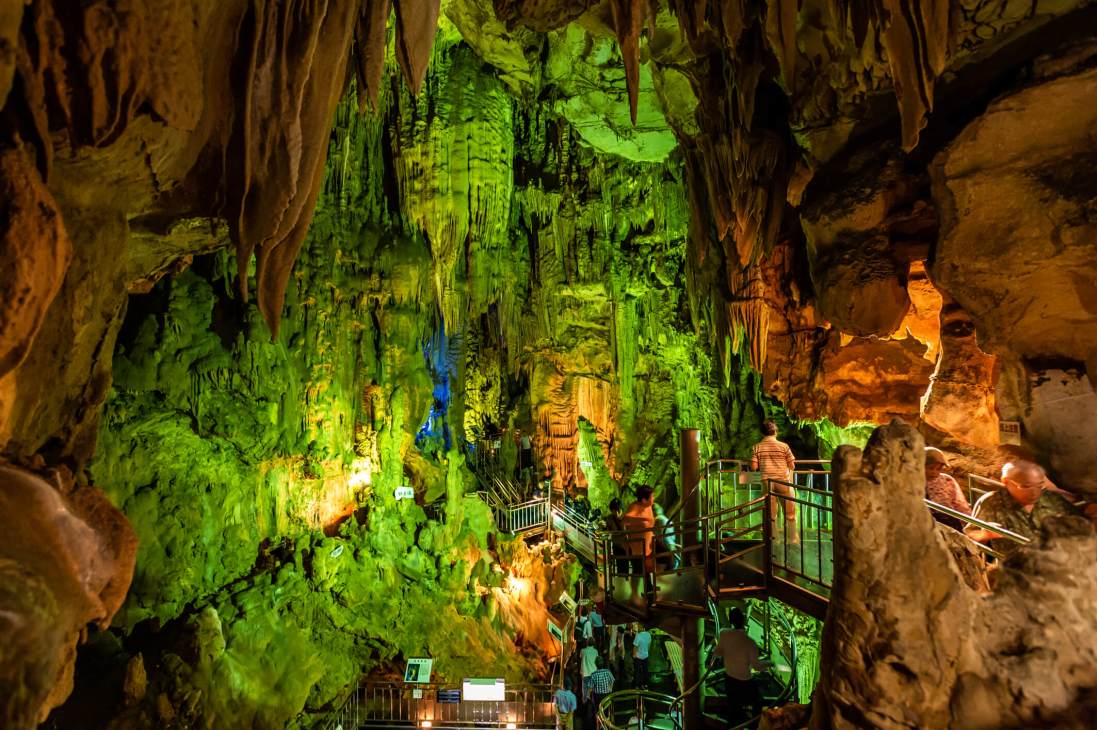
Abukuma Cave
Located in the Abukuma Highlands, this limestone cave was discovered by chance during excavation. Taking shape over more than 80 million years, the cave is renowned for its vast array of stalactites and for its cavernous main hall, known as the Takine Palace.

For more information visit sportsjourney.jp.
Before you read our editor in chief’s welcome note, turn your phone off.
You will surely not have missed the focus on happiness that is currently sweeping the globe. Think-tanks are developing different metrics to measure it, authors are making a lot of money offering up myriad titles dedicated to how to find more of it and countries are looking for new ways to make sure their citizens are overflowing with it (and hopefully attracting new residents as a result).
Depending where in the world you’re reading this, you might have different measures for gauging both personal happiness and the general mood of those around you. For sure there are some universal pillars that unite most of us (good health, a tight circle of loving family and friends, a sense of security and regular sunshine) but there are also elements that divide us – and they are based on geography.
In Australia, many are unhappy about the heavy hand of the nanny state: put on a hi-vis to do this, put on a helmet to do that, don’t stay out too late and, whatever you do, don’t drink on the pavement. At the same time, Aussies are happy about being one of the richest nations in the world. The high spending power allows them to escape their winters and enjoy summers in Europe, where there’s a more liberal approach to alfresco living.
In Lebanon it’s rather the opposite. There is very little in the way of nannying or societal guardrails but the country manages to tick over despite itself. Most Lebanese would love better rubbish collection and social services but would resist being told what time they should call for last orders or when they should be tucked up in bed. Indeed, Beirut takes a starring role in this issue (see page 195) as a city that understands the need for a liberal nightlife to keep the economy moving in the right direction – and allow people to push their limits.
On the eve of sending this issue to press I celebrated a significant birthday. Much of the party brief centered on where I’d be able to host friends and family from around the world while ensuring maximum fun and frolics. For a brief moment, Beirut was at the top of that list.But it soon fell off as it was a bit of a hike for many who could only make it for one evening.
London was in the running for a few weeks but I struggled to think of venues and how I might keep everyone within a single neighbourhood to create a sense of cosiness in a sprawling city. In the end I opted for Zürich (good airport, excellent infrastructure, diverse mix of hotels and liberal licensing laws) and a pair of venues that could host 130 friends. As we went through the planning and logistics in the weeks running up to the event, the main venue highlighted a rather curious house rule: “When your guests arrive they’ll check their coats, bags and phones here,” said the gentleman in charge.
Initially I thought he’d bundled those items together as a broad concept, so I didn’t think much of it. As I toured the space high above the city (this being Zürich, we’re talking six floors), I nodded with approval at the cream carpets, the matching 1960s sectional seating units, the brass lighting fixtures and the general feeling that this was wonderfully frozen in 1977. Then I came back to the comment about the garderobe.
“You mentioned that phones are also checked at the door,” I said with curiosity. “Is that an opt-in or opt-out concept?” Apparently not. “This is a house rule. We want people to be in this space and in the moment,” said the manager. “Do you really want a party where people are posting pictures the whole time, aware of the time and distracted from the reason they’re here in the first place?”
This was a man after my own heart. How clever, I thought. But would it work on the night? Would friends, no matter how understanding, get the notion that this might be an interesting experiment in happiness? I’m tapping out this note 24 hours after the party wrapped and I can confidently say that the evening/morning was a massive hit. That was not only thanks to the drinks, exceptional DJ and wonderful array of friends but also the lack of connectivity, which played a huge part in ensuring happy vibes.
Next time you have a gathering – social, business or otherwise – I recommend the check-your-phones-at-the-door rule. Not every moment needs to be posted, documented, streamed or digitally discussed. Sometimes it’s a quite wonderful thing to simply recall being there and conjure up the best moments.
On that note, we do hope you find plenty of moments within this issue that demand you pause and think about not only the year ahead but also challenge what makes you happy at home, in your workplace, around your city and within the country you call home. We’re always keen to hear from you so please drop me a note at [email protected]. If you have any other queries (including the name of that DJ) my colleagues Hannah ([email protected]) in London and Luigi (lle@monocle. com) in Zürich can lend a hand.
Cheers to a wonderful 2019 (and Year of the Pig) and, as ever, thank you for your support.
A few things you’ll learn in our 2019 Forecast:
1.
How Finland has become a giant laboratory of wellbeing by tracking its citizens’ health from cradle to grave, testing the latest ideas in education and pushing the boundaries on welfare reform. Is that why it’s the world’s happiest nation? (Page 30)
2.
Why salons, debates and readings have boomed around the world as people look for moments of deep thought in among their fast, digital and unfocused daily lives. Join us in Paris, where we give you a front-row seat. (Page 59)
3.
What happens when three small cities with clever entrepreneurial ideas flourish. And, just as importantly, come end of day their residents enjoy a quality of life that makes all the hard work worthwhile. We’ve found spots in Australia, Spain and the US – come and see for yourself. (Page 93)
Worthy investment
The idea of impact investing is simple and social. Its proponents shy away from pouring cash into questionable causes or greedy funds. Instead they seek out honest and interesting businesses to create marked and positive effects on the world (they turn a tidy profit too).
The value of such investments doubled between 2016 and 2017 to some €203bn, according to the Global Impact Investing Network, and its effects are shaping issues in everything from urbanism to the arts. “Private capital will play a critical role in addressing the biggest societal challenges facing the world today,” says Andrew Lee, head of sustainable and impact investing at ubs Global Wealth Management’s Americas chief investment office, which aims to mobilise €4.4bn of private capital into such ventures in the coming years. “In many of these problem areas we see the potential for it to earn competitive returns while doing so.”
No excuse for disregarding it then; here we spotlight some of the venture capitalists, entrepreneurs and ceos forging a brighter future with their spare cash.

Laura Callanan
Upstart Co-Lab, New York
Investing in: Artistic Endeavours
Investing in our cities doesn’t just mean building roads and infrastructure: it can mean enriching the arts scene too. “Creative people solve problems,” says Laura Callanan, who founded New York-based non-profit Upstart Co-Lab in 2015. “Impact investing won’t be a source of capital for every creative activity but we hope a rising tide will lift all boats.”
The arts have long been the remit of philanthropists but Callanan, formerly the senior deputy chairman of the National Endowment for the Arts, sensed that there was an opportunity that she would both find fulfilling and make returns from. She has now channelled about $6m into a dozen creative-sector businesses, including ethical fashion lines and affordable housing projects for artists.
Upstart Co-Lab recently collaborated with the Local Initiative Support Corporation and raised $10m to support creative workspaces in New York. This included a loan for renovations at La Mama, an East Village theatre that gives opportunities – and income – to 1,500 artists every year. “More resources supporting creative people who are socially minded to do their work will, in turn, allow more of that work to happen,” says Callanan.
Bill Fuller
Barlington Group and Mad Room Hospitality, Miami
Investing in: Charms of the inner city
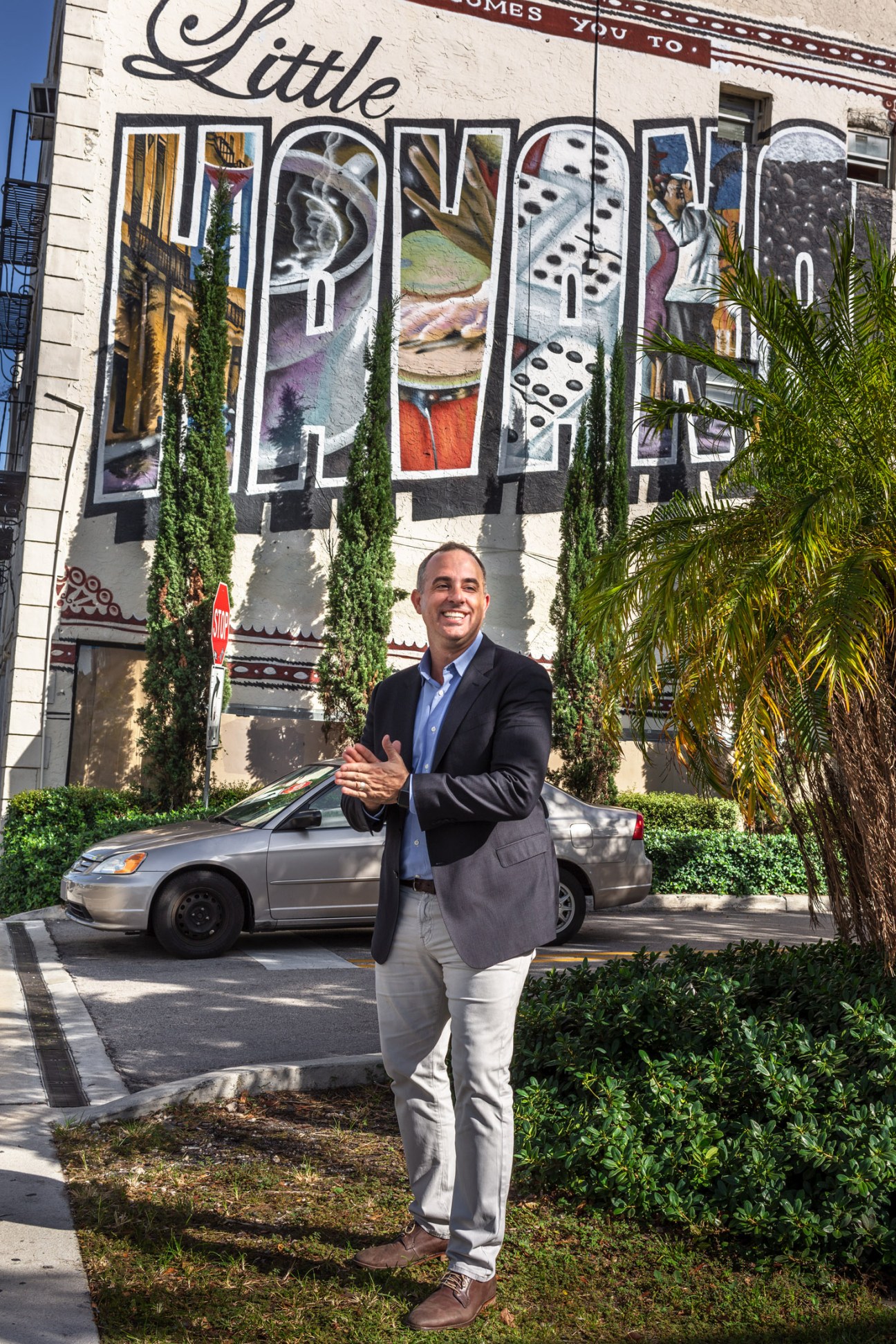
Bill Fuller is stood outside a taco joint in the historic Miami neighbourhood of Little Havana and gazing at the shimmering collective of high-rises that make up the city’s downtown core. “For me this neighbourhood has much more sazón [flavour] than Brickell [the city’s financial centre],” says the longtime real estate agent.
It’s a sentiment that drives his business. Fuller has owned Taquerías El Méxicano, that taco spot, since 2017. He bought the building, in part, to save its folksy mural of serpents and Aztec deities from ruin. In October he opened the newly renovated upstairs: a Oaxacan sweetshop with a hidden speakeasy-style mezcal bar. His work isn’t completely altruistic but his developments all intend to help retain the integrity of the neighbourhood.
Fuller now owns 40 Little Havana buildings, 25 of them in the Calle Ocho commercial corridor. Most are rented out to carefully picked tenants through the Barlington Group that he co-founded. Mad Room Hospitality, his F&B arm, is also invested in running places such as the beautifully restored 1930s restaurant and music venue Ball & Chain, which had been vacant for 12 years. There are also plans to open a Little Havana museum, a hotel and other initiatives. Brickell might provide the lure of fast money but Fuller wants the cafecito drinkers and domino players to stay where they are – their character draws millions of visitors per year to Little Havana.
Fuller’s approach to investment is personal. Little Havana has long been a haven for exiles from Cuba, where both of his parents grew up. As a child Fuller would often visit while seeing his grandmother, who lived nearby. He’s chosen to rent to help bring artists into the area, knowing that it can only be made more desirable if investors are willing to play the long game.With little historic protection in Little Havana it’s a constant battle but Fuller still believes in using “social impact” to guide his many investments. “If you don’t care about that and just the economics then impact investing is not for you.”
Kshama Fernandes
Northern Arc, Chennai
Investing in: Offering credit (where credit’s due)
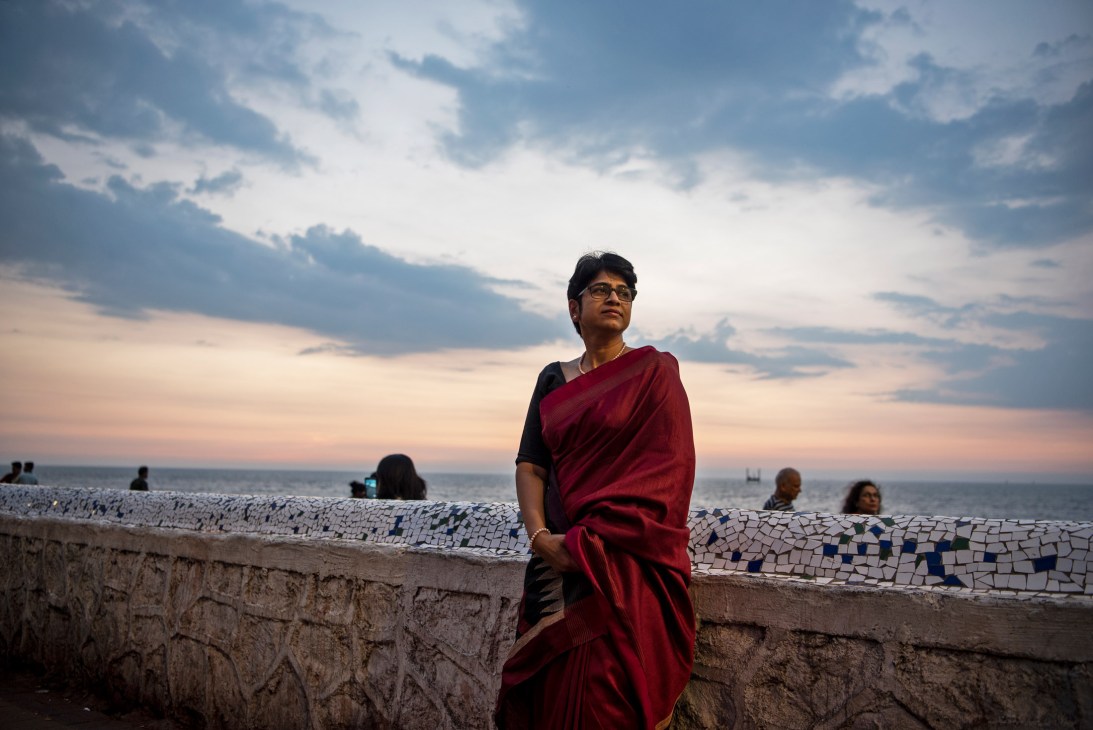
“Most people in the Indian market have a bank account but the bank wouldn’t give them a loan,” says Kshama Fernandes, CEO and founder of Northern Arc. “They are the ‘underbanked’.”
Having spent many years specialising in risk management, working with everyone from students to the Indian government to stock exchange regulators, Fernandes knew the capital markets like the back of her hand. She also knew that she wanted to play a more direct role in helping those worse off in the world’s second-most populous country. The next step was “to unleash the power of capital markets in a manner that could be really transformational”.
Northern Arc (formerly ifmr Capital), a financial services company based in Chennai, offersmodest loans to help Indians raise cash for anything from small-scale farms to commercial vehicles. It provides the financial resources that larger banks won’t.
Since 2008, Northern Arc has provided inr559bn (€6.8bn) in financing to some 30 million borrowers across the country. “Our role is to be a bridge between the world of people who have access to money and the world of people who don’t,” says Fernandes.
Stephan Ensmann
Nomina, Zürich
Investing in: Green Energy
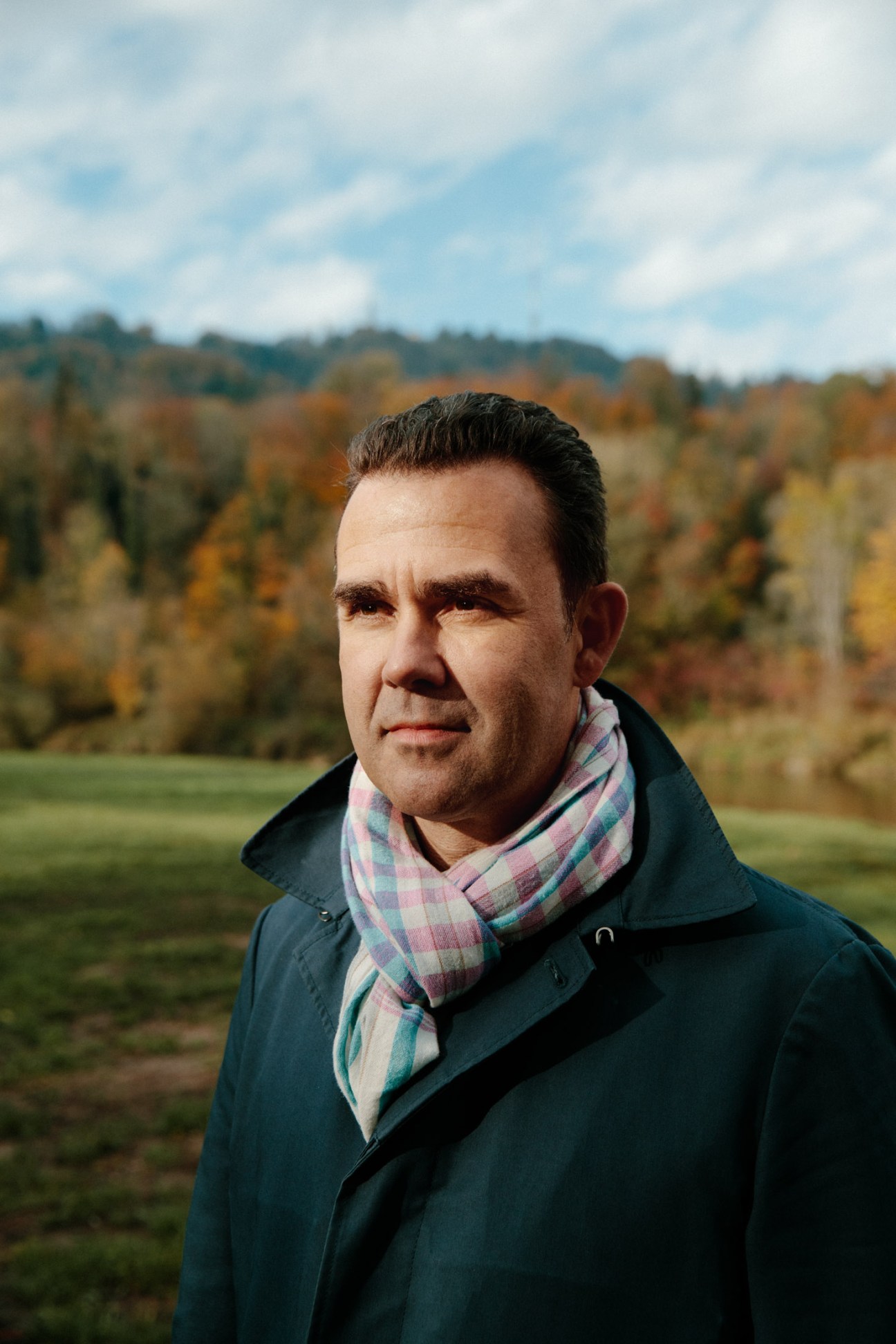
Stephan Ensmann knows power: as a member of the management team at Zürich’s Nomina he offers clients investment opportunities in renewable energy. “Usually impact investment is through funds of funds or private equity,” he says. “But this is direct investment.”
The family office manages and invests in Swiss Solar City, which is part of the country’s largest solar power-plant. The model – which uses networks of solar panels and small, localised energy grids – can generate energy at lower prices than gas and nuclear alternatives. Always ambitious, Ensmann has secured funding to increase the plant’s production to 30 gigawatt-hours per year in 2020, enough to power a town the size of Davos.
It’s a worthy alternative to inefficient centralised energy systems – and it’s also good for business. “At the end of the day this works because we have good returns for us and for our clients, otherwise we wouldn’t do it,” says Ensmann. However, his passion comes from the fact that these models help the transition to green energy
Jenny Abramson
Rethink Impact, Washington
Investing in: Balancing the scales in the workplace
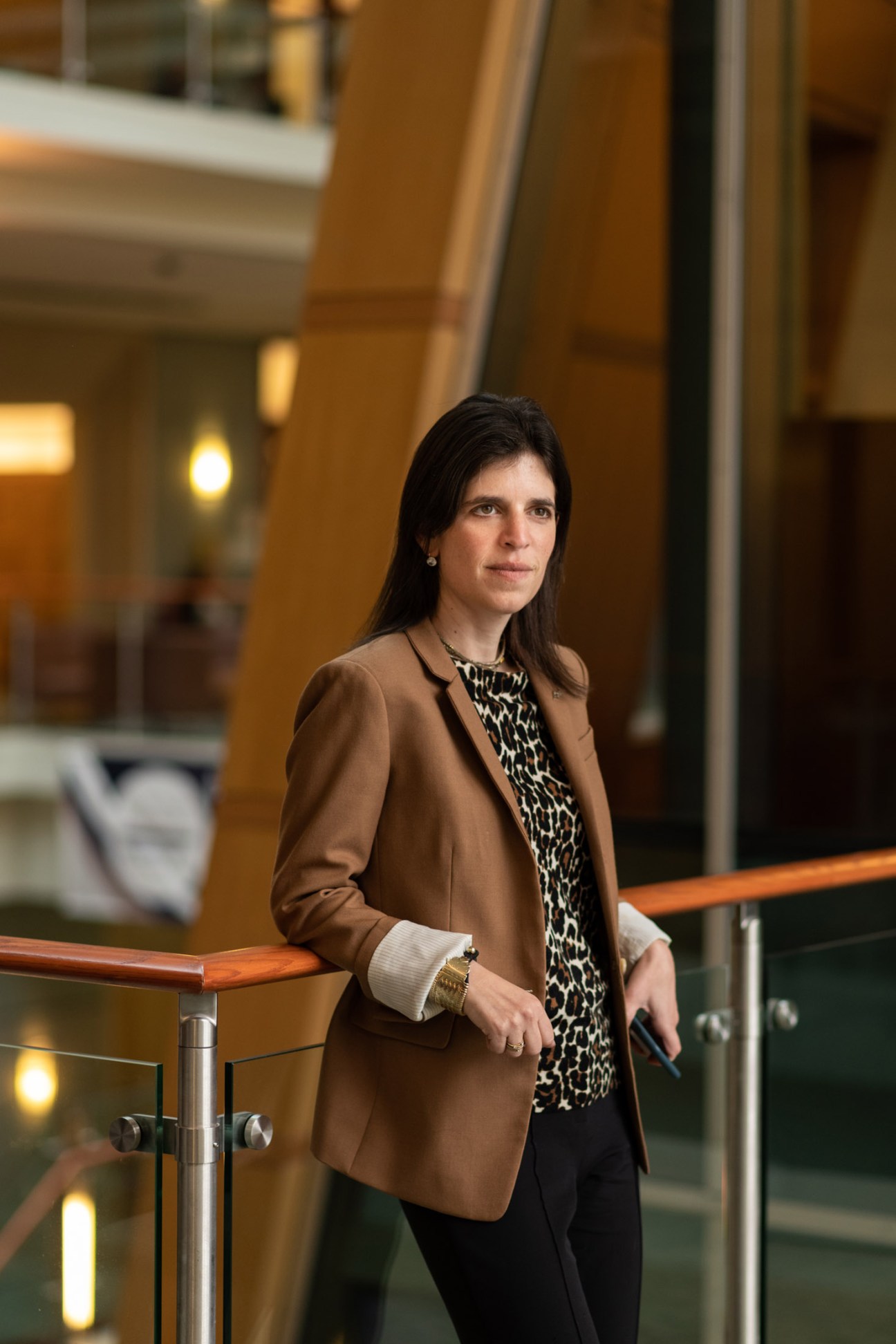
As the former CEO of a technology firm, Jenny Abramson was struck by how few women were winning investment. “Twenty years earlier my mother had been in a similar field and the [amount] invested in women had actually fallen,” she says. She decided something had to be done so in 2016 she started Rethink Impact, a venture-capital firm focused on directing money to female-fronted and gender-diverse firms that use technology for a range of worthwhile causes, whether in the classroom or for the environment.
Since then the firm has pulled together some $114m (€100m) of funding and made 20 or so investments, which they say have touched the lives of more than 100 million people. Rethink’s portfolio currently includes Ellevest – a platform for women to manage their investments – and Aclima, a pollution-mapping company led by a female entrepreneur.
For Abramson, making more money available to female leaders isn’t just about addressing historic grievences or scoring points – it’s about business. “There’s all sorts of data showing how important it is to make the scales more balanced, not just out of fairness but from an economic perspective,” she says.
Going forward, Abramson sees a greater appetite for impact investing, particularly as the younger generation starts to inherit.“Two thirds of [US] wealth is expected to be controlled by women by 2030,” she says. “We are at this moment of change – it’s a really exciting time to be investing in women.”
What we’d invest in
If we ran an investment fund we would put our money where our mouth is: investing in the things that would make our cities more liveable and boosting bricks-and-mortar retail. Here are five areas we’d want to help.
Music venues: Social anxiety and all-hours working is widespread so there are more reasons than ever to help get city-slickers out, spending and shaking a tailfeather. Boosting the night-time economy is often overlooked but crucial for a modern metropolis.
Better high streets: They would include kiosks that sell print (though not ones reliant on chocolate bars and fizzy drinks) and markets that offer a platform for small businesses to thrive. By shopping online we are losing the charm and character of our streets.
Diverse public transport: A well-placed ferry route, clever cable car or nifty bus can cut travel times, reduce pressure on other services and even – whisper it – make the journey enjoyable. We all need to commute so let’s make it less of a drag.
Repurposing unused buildings: That old factory could be torn down to make way for a huge office block or it could become a mixed-use hub for shops, co-working spaces and residents. How about mixing up rents to draw in more diverse tenants? The spillover effect would be greater in the long run.
Craft apprenticeships: Not everyone is going to be able to work exclusively online, hunched over their laptop and immersed in their email inbox all day – and not everyone wants to. We’d invest in institutions that can train people to do things with their hands – and everyone would be better off for it.
Inside Finland’s state-backed pursuit of happiness
If there’s one saying that tidily sums up the Finnish national culture, it’s perhaps this: Kell’ onni on se onnen kätkeköön – or “He who has happiness should hide it.” The adage points to the Finns’ steadfast avoidance of boasting or even admitting to being more comfortable than a neighbour. In other words, even when they’re happy Finns won’t show it.
So it was with much astonishment, both in the country and abroad, that Finland came in at number one in the UN’s 2018 World Happiness Report, a global ranking based on research by Gallup World Poll. While many column inches in the Finnish press were devoted to denouncing the methodology of the report (a legitimate gripe, to be fair), the coverage in the international press could be boiled down to one word: “Huh?”
Yet Finland has long been dedicated to improving the wellbeing of its citizens. Like other Nordic countries it has a robust welfare system that champions both financial and social equality. But Finland is unique in that it has, for many years, operated almost as if the entire country was a wellbeing laboratory and its citizens lab rats. In this lab the state has played the role of scientist, intent on improving the comfort and security of the nation’s five million residents through thorough research and a near constant series of experiments covering health, education, employment and more.
“One often forgets that Finland was one of the poorest countries in Europe,” says Juha Leppänen, chief executive of Demos Helsinki, a think-tank that focuses on building a sustainable and fair society. “So the only way for a country like this – very remote, with horrible weather conditions – to be successful was to focus on its people.”
By many definitions, Finland has achieved success as a nation: it is among the wealthiest countries in the world by GDP per capita; the maternal mortality rate is one of the lowest on the planet; and the poverty rate is low, as is the crime rate. So what is there left to do but pursue – and perhaps even perfect – happiness?
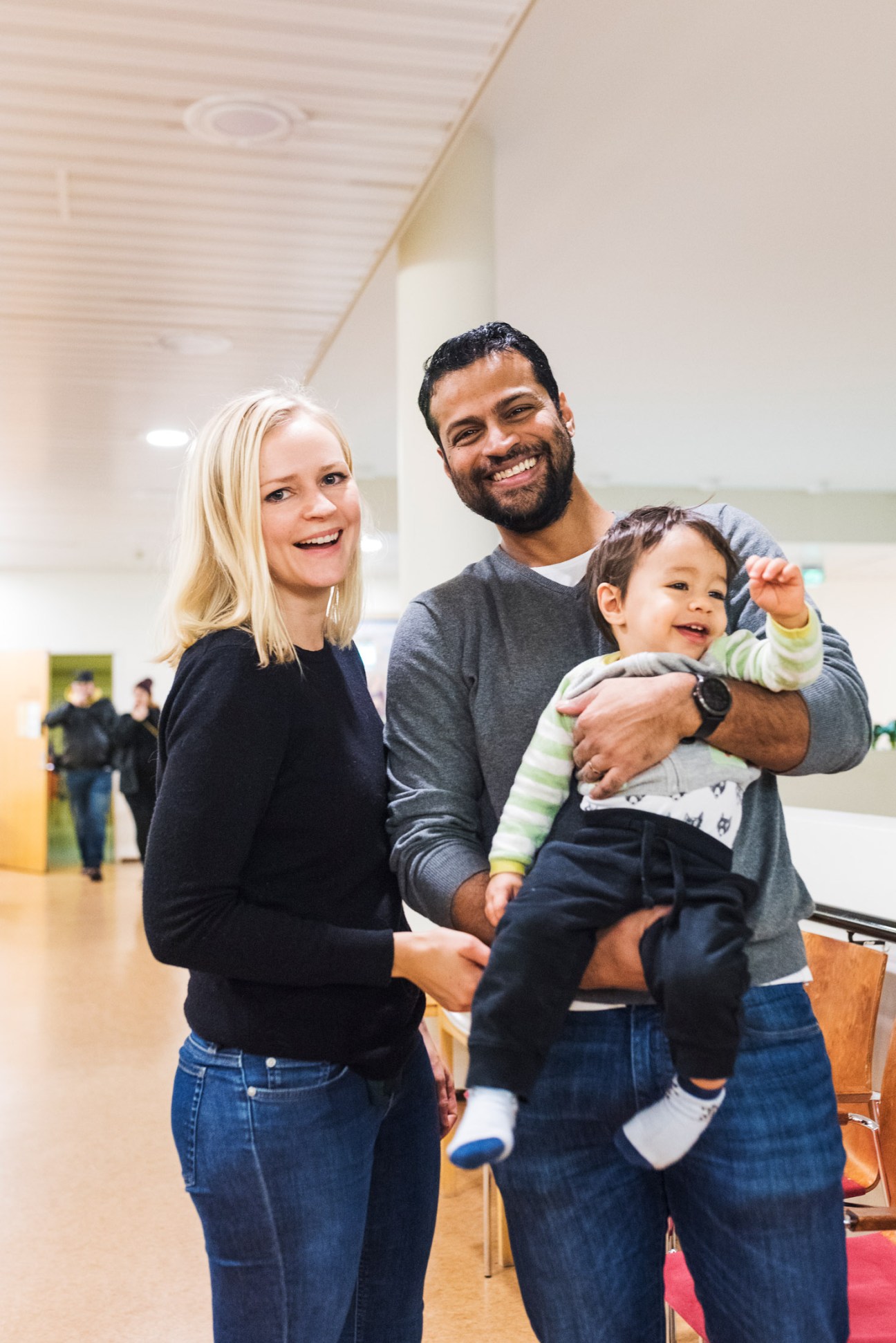
Happiness in Finland begins in the womb. In central Helsinki’s Töölö district, Richard and Karla Jerome are sitting in a room at a neuvola, a child-health clinic, as a nurse observes their boisterous toddler Arthur. The nurse asks Karla, a blonde Finn who grew up in the country, and Richard, who moved from India to work for Nokia and has since become a citizen, about Arthur’s sleeping habits and motor skills while the little boy scoots around the floor with toys. “He’s almost walking on his own,” says Richard proudly. Karla has been coming to this clinic since she became pregnant with Arthur (and, before that, with his older brother Aaron). Even before he was born, Arthur’s health has been tracked and documented in a database under his personal identity code, an ID number given to each Finn by the government and which is associated with everything from their medical records to their tax history.
Today, on his first birthday, Arthur is weighed, measured and vaccinated against polio, pneumonia, diphtheria and a range of other ailments. The appointment goes as well as any check-up involving a shot and a one-year-old can (though tears are surprisingly minimal) and once the needles have been administrated and Arthur’s growth has been calculated, the nurse diligently inputs the new information into the database.
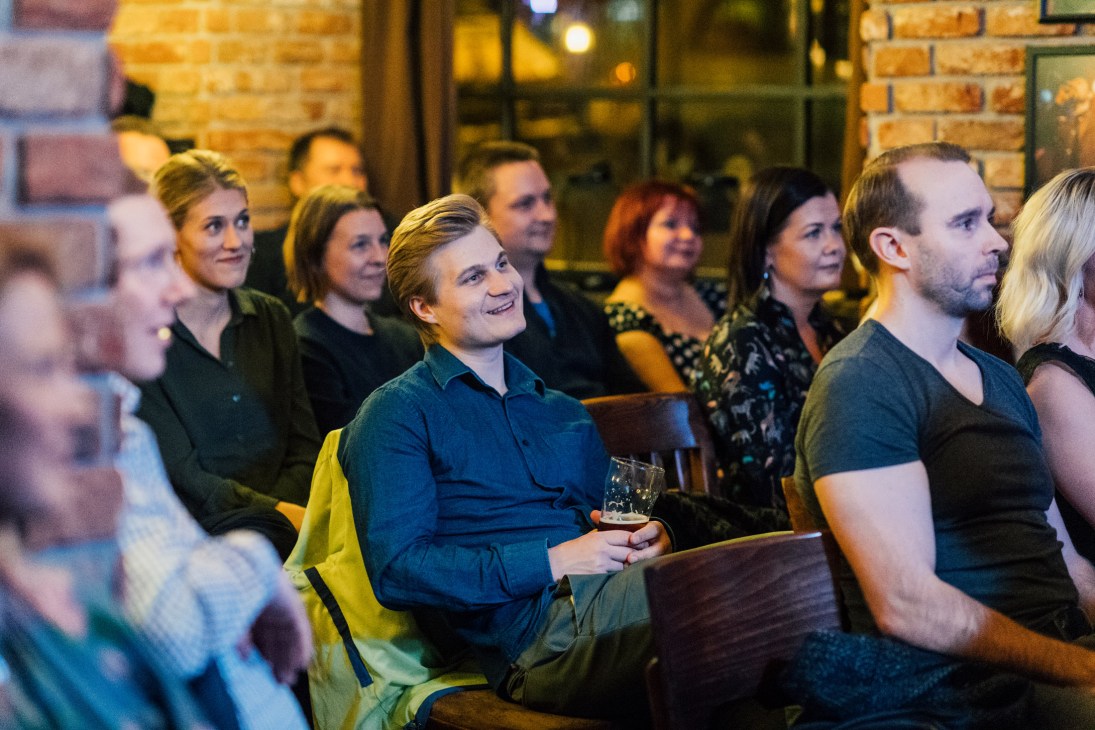
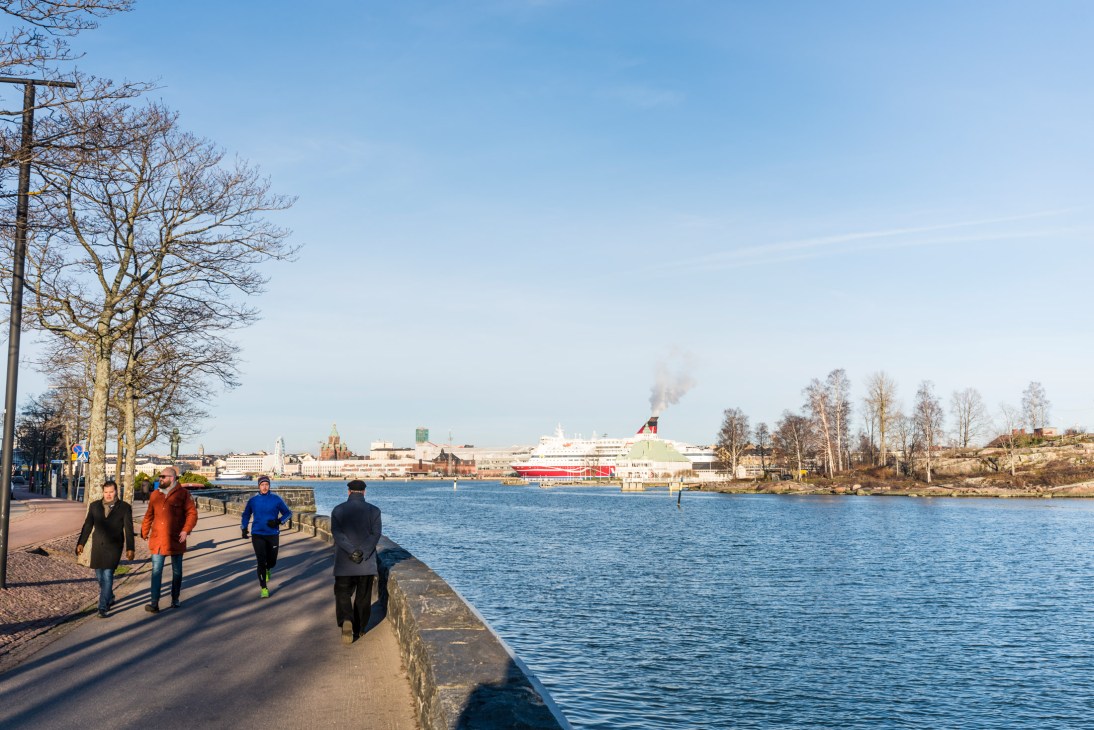
But Arthur’s medical information isn’t being recorded simply for his own personal records (though he will have access to this information for the rest of his life). Beginning in the 1960s, the state began tracking the health of each of its citizens from birth until death using their personal identity code, recording every hospitalisation, outpatient treatment and prescription and analysing the data. (Healthcare is managed at a municipal level in Finland but the state has been working to centralise the data collected on each citizen at a national level.)
“We use this data to monitor the population’s health – how many people have diabetes or how many people are dying from cardiovascular disease,” says Markku Peltonen, head of unit at the National Institute for Health and Welfare. “Slowly but surely, each healthcare organisation will be a part of this.” The state-funded research institute analyses Finns’ medical data and then formulates policy recommendations based on its findings. Because the population of the country is small, the institute is often able to spot patterns. When an uptick in diabetes was observed, the institute was able to recommend changes to the national nutritional guidelines. “We have the advantage here that we are a small country,” adds Peltonen.
At the municipal level, this type of close monitoring can be especially nimble. Taru Koivisto, director for the department for wellbeing and services in the Ministry of Social Affairs and Health, says that by tracking each of its citizens the municipality can best learn where to apply its resources in order to improve wellbeing. “Municipalities take this responsibility seriously,” she says. “It creates a sense of security for people – if they need something they’ll get it.” She gives a small but striking example, which occurred when one municipality saw an increase in people from a certain neighbourhood being hospitalised with broken hips. Having studied the data, authorities then understood that they needed to apply more sand to the icy pavements in the area to prevent falls on the slippery streets.
Though there is something of an Orwellian note to the level at which the state monitors its citizens, Finns don’t seem all that bothered by it. Everyone we speak to notes how much faith they have in their government institutions. “People trust us,” says Peltonen of the National Institute for Health and Welfare. “We really want to keep it that way. We couldn’t handle a breach of trust.”
And it’s not just in healthcare that the state has a heavy influence. In many ways, education has been the most successful Finnish experiment of all. For decades the country has offered universal basic education to all children and adolescents, with a focus on small class sizes. The result is that more than 70 per cent of Finns pursue higher education (versus 49 per cent of pupils in England).
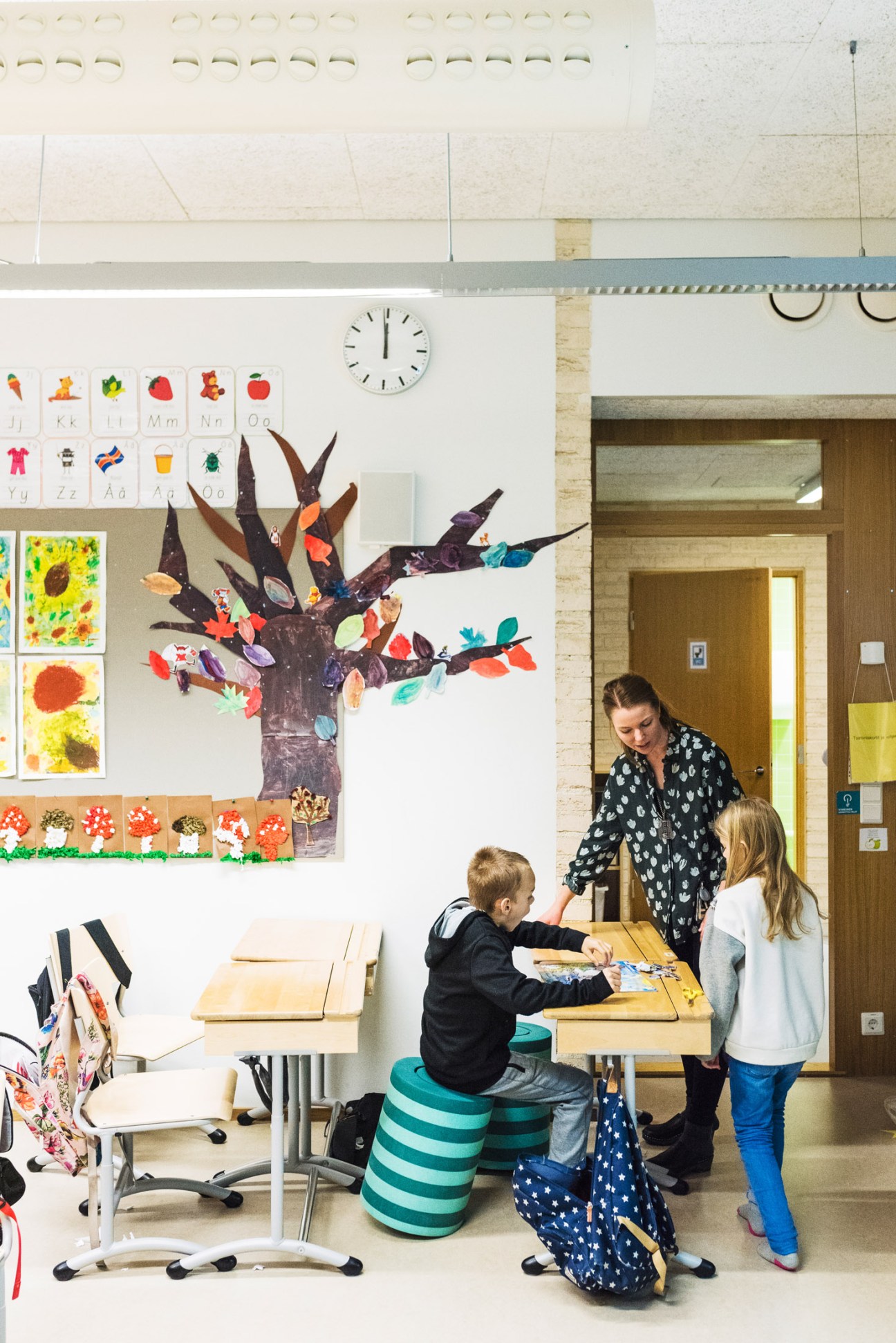
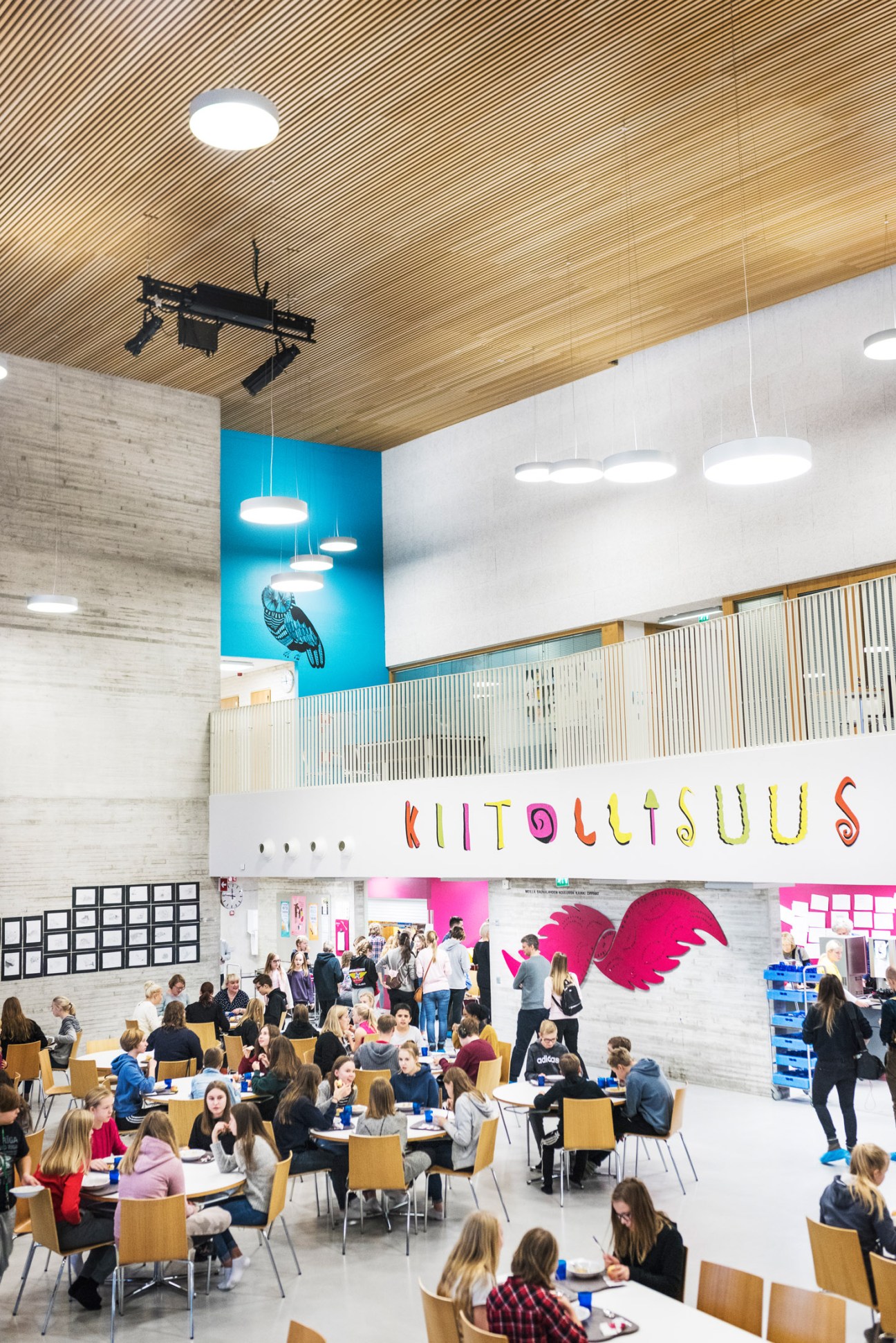
On a dreary November morning we visit Saunalahti, a school in Espoo, where hundreds of small, shoeless Finns buzz through the halls. The award-winning building, which opened in 2012, was designed to foster the flexible approach to learning that the school is pioneering (educators worked with Verstas Architects on the school’s layout). The school and its curriculum are built around the goal of having kids learn outside of the classroom. Around every corner is a space for children to work independently or in small groups, whether it’s a cosy nook around a brick fireplace or comfortable seating areas overlooking the busy dining hall. They are given plenty of freedom to roam the school, working anywhere they like, and each child is given a customised lesson plan that is tailored to his or her needs. “Children are individuals,” says Hanna Sarakorpi, Saunalahti’s principal, speaking from her second-floor office.
This approach to freedom and learning is something that has been developed over the past decade; Sarakorpi had a hand in planning the government’s new national curriculum, which embodies the practices she has embraced here at Saunalahti. The school also trials smaller experiments when it comes to learning: a recent example was a test run to incorporate more storytelling in maths lessons for younger pupils. Sarakorpi describes the school’s approach as a “holistic” one that is not just interested in test scores but also on helping children to fully develop. “Based on my years of experience, this system has improved their wellbeing.”
The state wants to get even more serious about the role of experimentation in society. The current government has embraced the idea with such zeal that it has formalised the process. Experimental Finland is a project launched by the government in 2016 with a budget of €3m. It has embarked on a series of experiments, some conducted independently and others in conjunction with private firms, NGOs or regional groups. The experiments all fall under the umbrella of three themes – the circular economy, artificial intelligence and employment – but, according to Markus Kanerva, a senior specialist on the project, the larger aim is “to improve society by gaining knowledge”.
Experiments have ranged as widely as an electric car-sharing pilot in the city of Lappeenranta, in Finland’s southeast, to free pre-school education for children under five in the municipality of Liperi. Virve Hokkanen, project manager of Experimental Finland, notes that there has been “a lot of jealousy” from other nations. “Not every country can do it,” she says.
But not all ideas prove successful. The basic-income experiment – by which 2,000 randomly selected unemployed Finns receive €560 a month for two years – has been criticised by everyone from the international press to the experts who designed the study. The pilot runs until the end of 2018 and is intended to determine whether such financial support could encourage people to get back into work. “The tricky part is that this is messy,” says Johanna Kotipelto, another senior specialist with Experimental Finland.
Yet all this experimentation – and monitoring and research – means that Finland has, for quite some time now, been fine-tuning its society. It has had a knock-on effect on health, education and employment – and yes, even happiness. It’s not just the fact that the state plays such an active role in its citizens’ lives that contributes to the nation’s wellbeing but the idea that Finns, by and large, feel secure as a result.
Most Finns don’t see the state’s work as an infringement on their freedom but an advancement of it. “It is obviously a good thing to allow people to make bad choices,” says Frank Martela, a Finnish academic who specialises in the psychology and philosophy of wellbeing. “But I think it is a good thing for the state to take responsibility for citizens with a security net.” If the fundamental basics needed for a good life are looked after by the state, goes the thinking, then the average citizen is free to focus on their own pursuits, whatever they may be: time spent with family, work that offers a sense of purpose or the security to try new things.
Perhaps part of the reason why Finns have such a hard time believing in their own happiness is that there are two words for “happy” in the Finnish language. Iloinen is one, which roughly translates into the idea of happiness as being cheerful or joyous – a tricky feeling for anyone to sustain day in, day out. But then there is also onnellinen, which connotes not a spring in your step but a feeling of being fortunate and content with one’s life. In that sense, Finns have every reason to be the happiest people in the world – whether or not they are willing to show it.
Venture capitals
1.
Gold Coast
Australia
“My dream was always to move to the Gold Coast to make surfboards,” says Kiwi native Dale Wilson, who owns cult board-manufacturer Byrning Spears. Since the 1970s, surfers and shapers such as Byrning Spears founder Allan Byrne have given “the Coast”, as it’s known locally, an international profile. The surf industry now contributes €2.1bn each year to the eastern Australian city’s economy and employs about 21,000 people. “We have the best waves, plus a major city, so all the infrastructure for business is here. And any time the surf is good, the factory is shut.”
In the past decade, others have started to catch on to the appeal of a city characterised by a stable business environment, high quality of life and a close-knit community. “I’m the opposite of the Coast [type] and yet I can’t leave, it’s like a magnet,” says longtime resident and restaurateur Simon Gloftis, owner of Hellenika and Nineteen at The Star. “It’s the perfect storm right now for businesses, where everything has hit critical mass and kids are no longer saying, ‘When I go to Sydney or Melbourne’.”
The sun-drenched city is experiencing a long and sustained period of growth, boosted by hosting the 2018 Commonwealth Games and heavy government investment in transport infrastructure, as well as culture, education, health and the knowledge sector. This positive climate is something city hall says has encouraged residents to dream big and take risks. “We are officially the small-business capital of Australia,” says the mayor, Tom Tate, explaining that there are 63,000 small enterprises among the city’s population of 590,000.
Cornerstone Stores, for example, is a tidy new café and hub for Gold Coast-based retailers that opened in February 2018 in the Currumbin neighbourhood. “The talent and designers were here,” says Renee Honey, who set it up along with her brother, mother and husband. “But there wasn’t really any opportunity for them to step out of the market world and rent shop space.”
This sense of a city evolving by supporting its own is also clear at homeware shop and studio Kira & Kira, where finance-worker-turned-furniture-maker Grason Kira and his wife stock artwork, linen and glass lamps made by artist friends also from the Coast. Kira says it’s the dream work environment: “It’s kind of like a holiday all the time. People aren’t frantic here – even the bosses aren’t frantic.”
“It’s about working as a community,” says Isla Wilson who, along with her husband, owns Dust Temple, a popular gallery, music venue and café. The only downside is that construction companies and large tourism operators have dominated the economy for so long that getting planning permission can be expensive and lengthy. “Effecting change is the thing you have to work hard for,” says Wilson. “But the more we have other small businesses come in and push the boundaries, the better it will be for everyone.”
Essentials
1. Setting up: It’s notoriously hard to obtain a work visa in Australia. Entrepreneur options, business innovation and investment visas are a better bet, with the latter requiring either a nomination by a government organisation or an investment just shy of €1m.
2. Growth sectors: The film industry in particular is on the rise, with global blockbusters such as Aquaman and Thor: Ragnarok being filmed here recently. Local government is also focused on attracting the marine, tertiary education, health, knowledge and IT sectors.
3. Getting around: The Gold Coast city has a 57km-long coastline and follows a strip-style development, which means traversing this great expanse normally requires a car. However, the government recently invested millions to build a light-rail network that will continue to expand south over the next few years.
4. Air travel: The Gold Coast Airport is serviced by more than 420 flights per week, with regular connections to New Zealand and more than 20 destinations in Asia, as well as various domestic spots.
5. Active lifestyle: There are more than 20 sandy beaches to choose from and 300 sunny days a year. It’s little wonder, then, that the fitness industry here is alive and well.
2.
Palma
Spain
Palma de Mallorca may be a permanent fixture on airports’ summer departure boards but increasingly it’s also a year-round destination for people wanting to set up design, architecture and hospitality businesses.
This small Mediterranean city of about 400,000 people has almost everything you need: an airport minutes from the city centre with Europe-wide links; incubators and start-up hubs for entrepreneurs; a deep vein of craft and heritage; and a lot of money looking for projects. But while all that’s tempting, it’s the quality of life matched with the possibility of doing interesting work that has fostered a series of very creative businesses here. And, actually, many of their founders also like the city for what it lacks: hustle and hassle. It’s a place that, once summer ends, reverts to being more like a village.
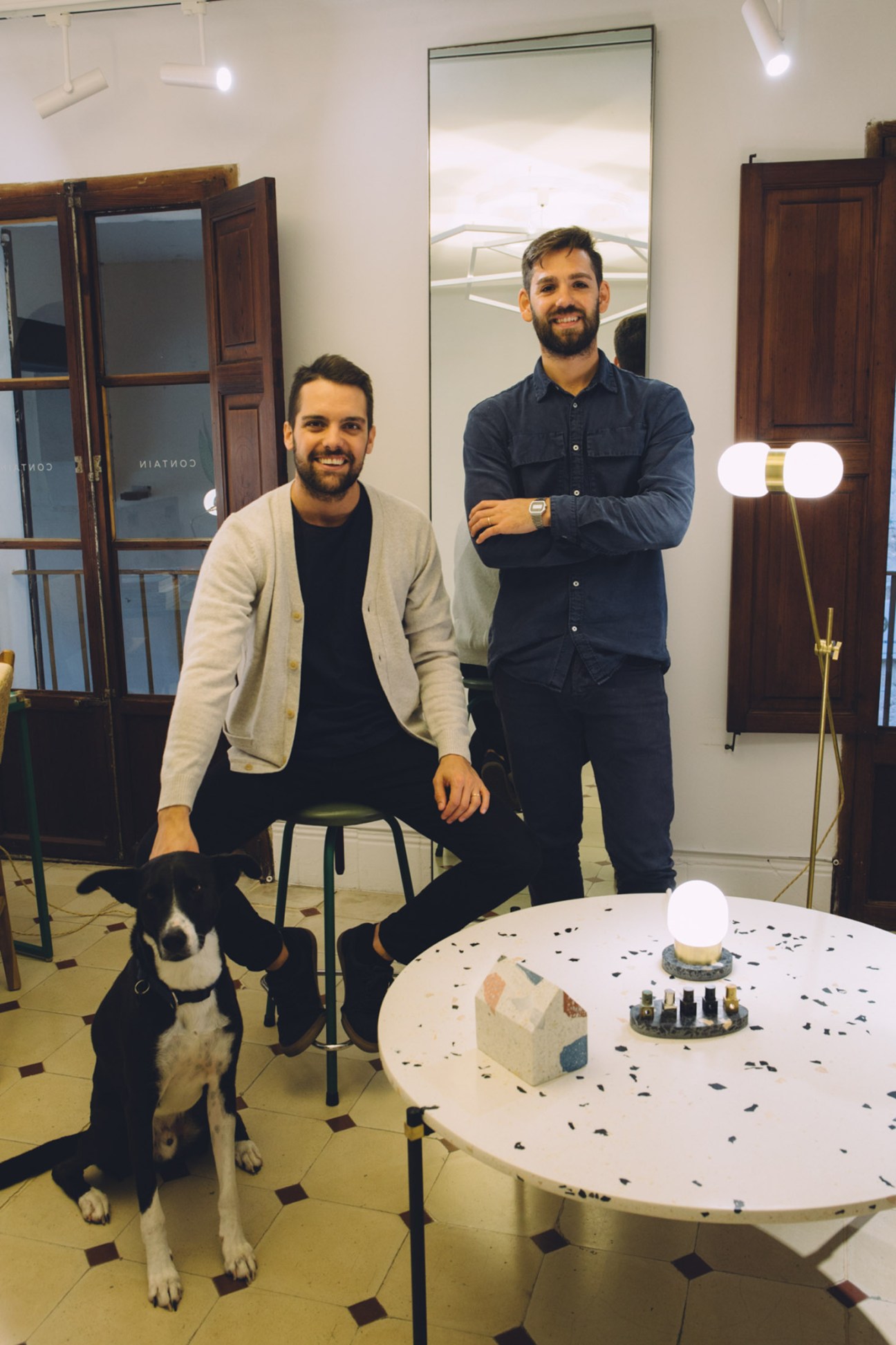
Argentinians Juan Peralta and Mauricio Obarrio are perfect examples of Palma converts. They are sitting with their rescue dog Otto in the warm autumn sunshine outside their office-cum-atelier in an easy-to-miss courtyard when we arrive. The couple moved to the island in 2016 after Peralta visited his brother in Mallorca and knew instantly that he wanted to live there. They now run Contain, a young lighting-and-furniture company that has landed them numerous projects, including making 400 lights for the Hotel Riu Plaza España in Madrid.
“We were warned that locals will not buy from you if they don’t know you,” says Peralta, who is the advertising creative; Obarrio does the designing, working with local suppliers to source hand-blown glass, terrazzo and brass. “But we were lucky,” adds Peralta. “I think you need a supporter; one of our first customers was a Mallorquin family and then they told one friend about us and then another one… Our first 10 projects were for Mallorquins.”
Stresses? When you’re making small runs of products, says Obarrio, “it’s hard to get orders for parts to the front of the queue in summer, when everyone is busy. And you also have to get to know people to get their support. But now that they know the product, there’s trust.” In the same courtyard as Contain is the shop of Italian-born potter Roberto Paparcone. An architect by training, he studied in Delft and worked in Bilbao, Milan and Barcelona before taking a one-month pottery course seven years ago that spun him in a new direction. Three years ago he moved to Palma for a better life – and to focus on his new passion.
Sporting a black beanie and dressed in an apron bearing his brand’s moniker – his own name simply tweaked to Paparkone – he has an unhurried air. “It’s making pots; it’s the best relaxation,” he says. Like many of those who make a success of Palma, he’s found good clients on the island and is supplying finishing touches to hotel projects, as well as working on an idea with the Contain duo. Yet it’s clearly Palma and Mallorca that are the lure: “I have time to keep learning; to make everything by hand on my own. Sometimes when people place a big order, I say ‘No, it’s too much.’” He’s only just joking.
This pace of life sometimes bothers Tony Jiménez Roig, owner of fashion shops La Principal and Addict (he has a great eye and delivers a covetable line-up of menswear), as well as fashion label Mews. “Sometimes you want to feel hectic – and I have to leave to get new ideas, to feel inspired. This is not London or Madrid.”
And then there are the changes driven by the tourists and the people pouring in money. “We are suffering from a loss of character with so many generic businesses,” he says. “I like evolution but it’s small businesses that make a city interesting.” Yet he makes most of his money from those visitors, who account for about 80 per cent of his customers.
Still, there are plenty of enterprises that he believes do add value to the city. There’s Monge, a classic shoe brand that still manufactures on the island (although this once-great trade has almost dwindled away); coffee-roaster Mistral; and Colmado Sant Jaume, a reinvention of the traditional corner store by Maria José Aguilar Calzado, with all-Spanish products and aimed at locals, not just visitors. There are a lot of good things going on but Jiménez Roig says the island needs businesses that want to do more than turn a profit.
The Mallorquin capital is also attracting big names. Eddie Hart, one of the brothers who found success in London with the Barrafina group of Spanish restaurants, opened El Camino (Spanish for “The Path”) with partner-in-wine Samuel Gough in August 2018. Both men have deep Mallorcan links: Hart’s mother was born on the island and Gough’s great uncle, poet and novelist Robert Graves, was among its most famous residents.
Hart says that launching the €2m restaurant was a very different experience from any of his other ventures. “It took half the time to get this open compared with what it would have needed in the UK. In England you spend a lot of time and money on lawyers; here we got a two-page lease and that was it. The builders didn’t want to have meetings but to just get on with it. From start to finish it took just six months.”
Are they nervous about how the business will work in low season? No. It seems Palma has year-round customers: the Mallorquins come back from the beach in mid-September and many overseas second-home owners now visit on a regular basis. And anyway, this winter Gough is busy perfecting the wine list: “The island’s winemakers are making wines as good as anything in France.” Like everyone else, they seem very happy with their decision to make their business move and follow el camino that brings you to Palma.
Essentials
1. Growth sectors: The hotel sector is upgrading, with new boutique ventures shaking things up nicely. It’s a trend that seems set to continue in the restaurant world, where there’s a push for provenance, kitchen-garden produce and more slow food. The city is a centre for yacht folk, with many boats coming into harbour for repairs in winter.
2. Getting around: You can walk everywhere in Palma, or jump on a bicycle and ride along the promenade to clear your head.
3. Air travel: Palma de Mallorca’s airport is designed for clearing vast numbers of tourists. That means it’s efficient and well connected – and you can get very cheap flights. Many connections vanish in the winter.
4. Active lifestyle: The sea is right in front of you and even the busiest locals make time for the beach.
5. Setting up: Rent is high in the centre of the city but go beyond the core and prices rapidly fall. Anyone with an EU passport can open a business, once you’ve jumped a few bureaucratic hurdles.
3.
Greenville
South Carolina
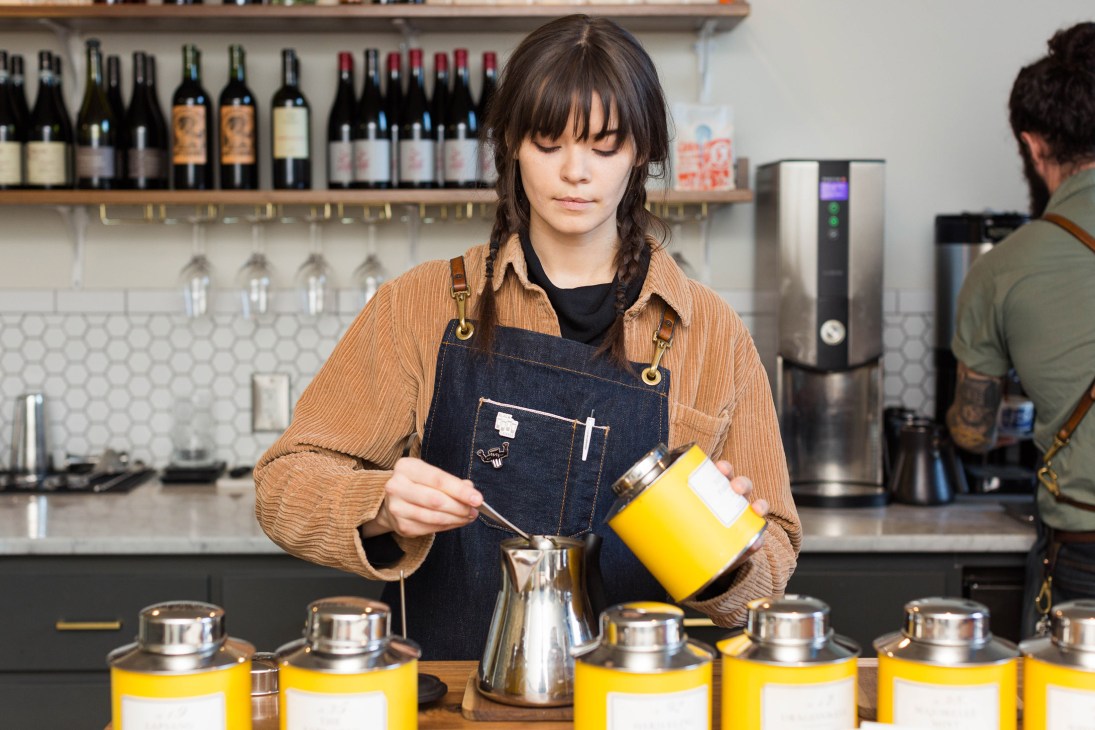
“I remember when Greenville got its first Starbucks. That was a big deal,” says Marco Suarez, co-owner of Methodical Coffee, a sun-soaked coffee shop and roaster with industrial floors and whitewashed walls in Greenville, South Carolina. Just a few decades ago the city centre was a ghost town, with most retailers lured out to shopping centres in the suburbs. Today, Greenville – once the textile capital of the world – instead brims with opportunity. In 2016 it was the country’s fourth-fastest-growing city and it boasts the highest level of foreign investment per capita in the US.
Much of this is thanks to the hugely liveable urban centre. Greenville resurrected its downtown by focusing on pedestrians, slimming down main arteries in favour of tree-lined, walkable roads and using residential developments to inject life into the city centre. Swapping a busy vehicle bridge for a footbridge even revealed a 12-metre waterfall.
“It was the transformation of the natural space that drew people and paved the way for businesses like mine,” says Suarez, who returned to Greenville in 2014 following stints in San Francisco, New York and Atlanta in search of a higher quality of life. “The cost of living is low and it’s less stressful, while offering big-city amenities.”
“It’s also attracted something we never had before: tourists,” says the mayor, Knox White, explaining that the city is becoming a popular getaway for visitors from nearby Atlanta and Charlotte drawn by the bike trails, burgeoning cultural scene and mountainous scenery.
Further, the presence of major multinationals – Michelin’s North American headquarters and bmw’s biggest plant are in the area – gives the city cosmopolitan tastes and creates hospitality and retail opportunities unavailable in most similarly sized US cities.
One of the best examples of this is The Anchorage, a restaurant set up in early 2017 by restaurateurs Greg and Beth McPhee. Abandoning the meat-focused menu expected of South Carolina restaurants, they’ve focused on fresh, locally sourced vegetables and reaped the rewards. “Greenville has well-travelled, well-educated citizens who can support a business like ours while not being a saturated hospitality town like Charleston,” says Greg. It also has a pro-business mentality. “If you’re crazy enough to open a restaurant, the city is extremely helpful. From day one we had a direct line to city hall.”
To top things off, infrastructure is improving and the city has added a free tram route linking downtown to the Village of West Greenville, a buzzy arts district that’s home to both The Anchorage and gb&d, another food-based pioneer. Ultimately, experimenting is encouraged. “Most people in Greenville didn’t even know our waterfall existed,” says White. “The lesson is to find your own falls.”
Essentials
1. Demographics: While the county of Greenville is South Carolina’s most populous, the city itself has just 65,000 residents, with a median age of 36.
2. Connectivity: Greenville-Spartanburg International Airport offers daily departures to 14 domestic cities. And thanks to its location near Interstate 85, Greenville is about a 90-minute drive to Charlotte and a little over two hours from Atlanta.
3. Recreation: Greenville boasts 39 parks and recreation centres within the city limits. It also sits in the foothills of the Blue Ridge Mountains and is a short drive from five state parks.
4. Cost of living: With low utility costs, property taxes and a sales tax of 6 per cent, the cost of living in Greenville is lower than the US average. The median home price is an accessible $215,000 (€189,000).
5. Doing business: South Carolina provides a 25 per cent tax credit for the renovation and redevelopment of any abandoned textile mills.
The happiness formula
1.
Hangover cure
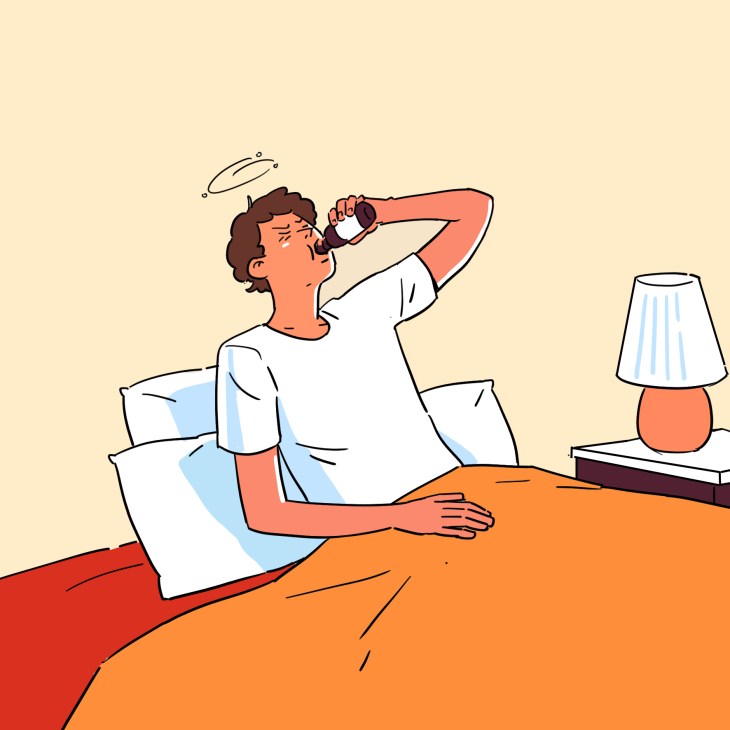
A hangover regime: The morning after — Most of us have short memories when it comes to knowing when enough’s enough – and sometimes these drinking hijinks come with a next-day price to pay. One simple stop-gap is a decent hangover remedy. A shower stocked with Alpine-foraged unguents from South Tyrolean firm Trehs is a start, while a few bottles of “genki” energy drinks (Oronamin C and Lipovitan D are most widely available) will provide a much-needed sugar fix. Before you know it you’ll be powering through your sleep debt and on to your early flight or morning meeting.

2.
Dog walks
Find a furry friend: Pet project — Getting a puppy or adopting a canine companion isn’t a decision to take lightly but, done for the right reasons, it’s one of the most fulfilling things you can do. Caring for Fido will offer endless excuses for walks (and tummy tickles) and will instantly soften people’s perspectives towards you. Bringing a dog into an office is also calming, though likely to cause a short lull in efficiency as co-workers COO over him or her. This is very much the case at Midori House when our editor’s wire-haired fox terrier scampers in for a visit.

3.
Jet washer
Get your hands dirty: Thrive under pressure — We’ve discovered that there are few greater pleasures than getting your hands dirty – so here’s to donning some clothes you don’t mind splashing and giving your decking a damn good hose-down. You’ll take great satisfaction from the fact that your patio is gleaming and your windows are shining; just as sparkly is the sense of a morning well spent. After you’ve sluiced the last muddy bits into the borders, the crowning glory arrives when you hose yourself down and admire your work, cup of coffee in hand.
4.
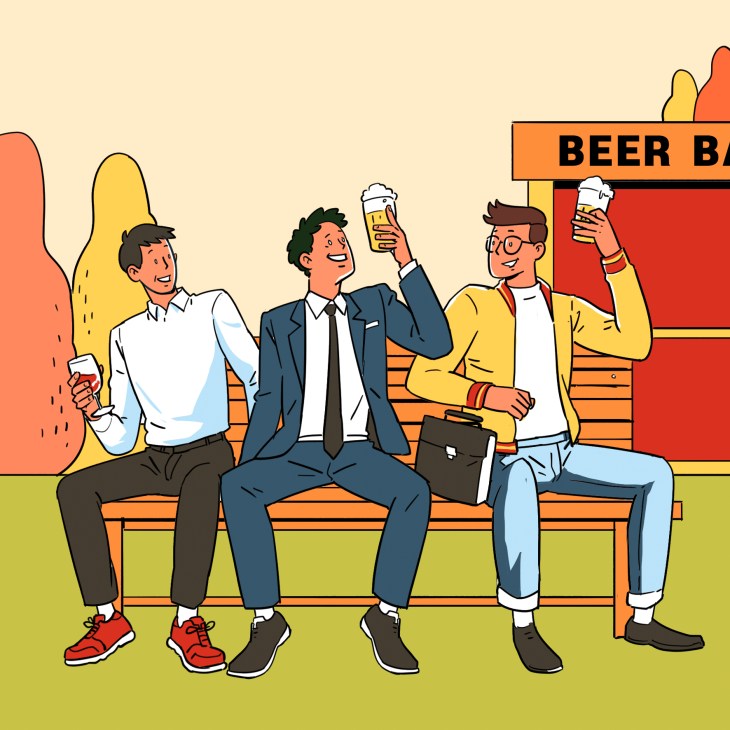
Early finish
Finish early: Bunk off — Even if you love your craft (or run your own firm), a little distance from your desk and returning to a problem refreshed will work wonders. Sneaking off for a chilled glass of white in the early afternoon – on a Tuesday if the feeling takes your fancy – is a panacea for most work-related woes. Plus, heading off early every now and again just feels good; it’s a small rebellion against a mostly arbitrary timetable that helps you wrest back some control and gives you time to reflect. Try it – the thrill will be its own reward.

5.
Guilty pleasure
A guilty pleasure: Pop art — Everyone has headphones (though not everyone uses them, sadly) but what of the satisfaction that comes from cranking up a sound system at home and rattling the blinds with the bass? There’s a time and place for slinky jazz tunes or audio books but we’re never happier than when we’re dancing to a cheesy-but-cheerful pop ditty with a little panache. “You Sexy Thing”? “Bat Out of Hell”? Honestly we’re not judging, whatever makes you happy. Keep a few kitsch albums to hand and you’ll see your mood rise remarkably.
6.
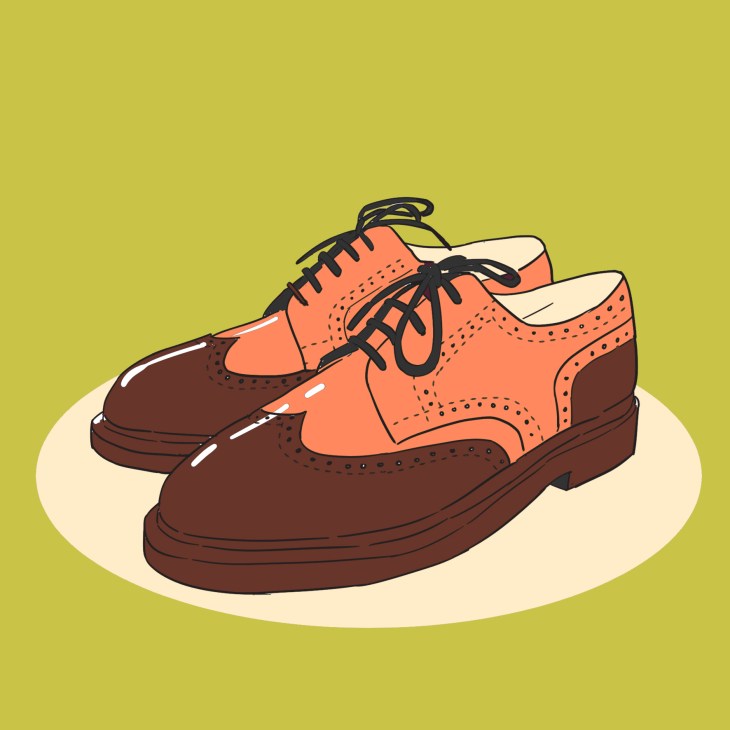
Smart footwear
A firm footing: Walk tall — Trainers may be a leveller that have become acceptable attire for anyone (young and old, CEO or student) but what about the surefootedness that comes from dressing up for an occasion? Shining a shoe ahead of a meeting shows diligence and dedication – and pays dividends in self-esteem and confidence. We’d suggest a quick spree with messieurs JM Weston, Crockett & Jones and Ludwig Reiter, plus the folks at Heschung and Paraboots, to shore up the informality imbalance.
7.
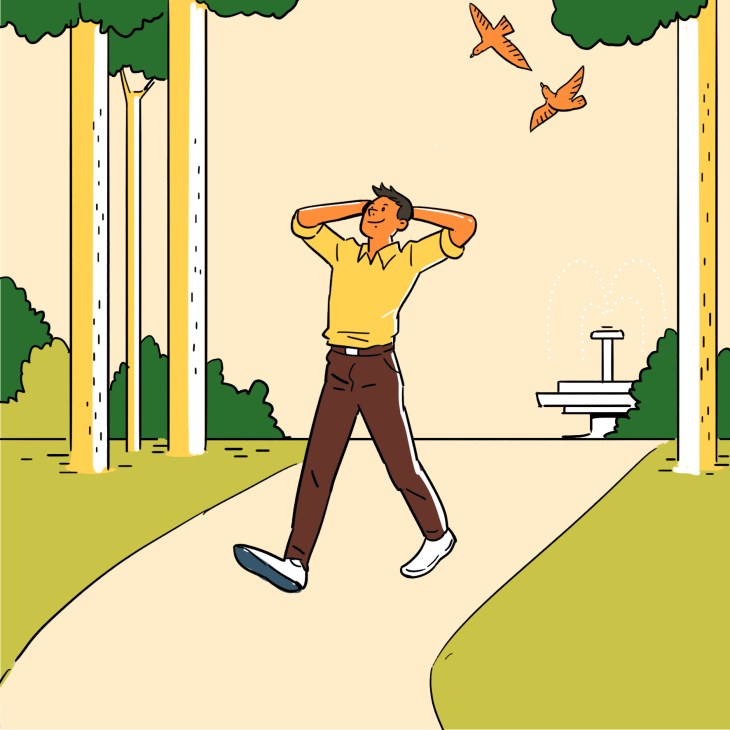
Private time
A sense of privacy: Peace out — Sometimes it’s nice to break the check-and-respond bond we have with our messages and get a little lost. What about a wander without telling anyone where you’re going? Or a sunlit stroll to overhear a few snippets of city life, chance encounters and serendipity without being hounded by your notifications? And if you do need a powwow over the phone or want to watch a clip, be considerate to those around you. No one’s interested in listening to your tinny speakers or hearing from your aunt. Take time for your own privacy – and leave others to theirs.
8.
Safe neighbourhoodS
A little security: Neighbourhood watch — Feeling safe will do wonders for your happiness. There’s nothing more comforting than the click of a front door shutting, except perhaps the flutter of a closing blind as you shut out the outside world and its worries for another day. Security is more about knowing and trusting your neighbours than installing CCTV cameras. A few more police on the streets might help – the hat-doffing “help you with your shopping ma’am?” types, ideally.

9.
Letter writing
A meaningful missive: Put pen to paper — Answering emails is the modern equivalent of the sort of punishment that Greek gods doled out to mortals. As soon as we’ve rolled the rock of correspondence to the top of the empty-email hill, it teeters back and falls. It’s why getting a meaningful hand-penned letter in flush freehand – and on nice paper – is so touching. Who isn’t grateful for a thank-you card? As the magazine you’re holding attests, we think things that are worth saying do well in print. And a letter, particularly a personal one, is a humane antidote to the impersonal, electronic “communications” we’re bombarded with.

10.
Comfort food
Order a burger: Eat indulgently — Get a burger and chips while your abstemious pals push pulses around their plates. We’re warned not to overindulge but there’s great pleasure to be had in pushing back and taking a little child-like joy from a comforting portion of salt-lashed fries (especially while your friends harrumph enviously at your dish over their sad salad leaves). Give yourself a treat now and again, have second helpings, get on the gravy train and don’t skimp on the sides. Would anyone like to see the dessert menu too?

11.
Open hearth
An open fire: Eternal flame — In chillier climes, nothing makes winter more worthwhile than the excuse to gather and enjoy the primeval pleasure of an open fire. But why are they considered the preserve of mountain chalets and Alpine retreats? Fires shouldn’t just be about necking Glühwein and drying soggy salopettes at 1,500 metres. We’d be delighted if a few more pubs and restaurants were a little less fearful of the insurance premiums and more focused on the hearth-warming flicker of an open flame – and perhaps even a glass of Glühwein after all, if you’re asking?

12.
Rail travel
A rail journey that never gets old: Train of thought — There are few delights like whiling away an afternoon watching the world go by through a train window between Osaka and Tokyo, or Zürich and Vienna, say. Perhaps it’s our willingness to relinquish control that makes you feel contented (you can’t speed the train up or slow it down and, with any luck, you’re on the right track already). A decent view, quiet carriage-mates and space (such as the Business Class seating on Italy’s Frecciarossa or Austria’s ÖBB) are all ingredients for a deeply rewarding afternoon.

13.
Live music
A gig: In tune — What’s more freeing and fun than a late night on the tiles? Cast off your inhibitions once in a while (dance, even) and you’ll be surprised how quickly others will join in. Be it a late-night boogie at Berghain in Berlin or a little toe-tapping to a jazz band somewhere more salubrious, you’ll feel better for a melodious interlude. Here’s a happy image for you: a dancefloor without lead-footed phone-holders on it. Picture instead an experience shared merely by those in the room and the performer. Worrying about posting a good image online then totting up the “likes” is a recipe for anxiety, so enjoy what’s in front of you. Encore.
14.
Park life
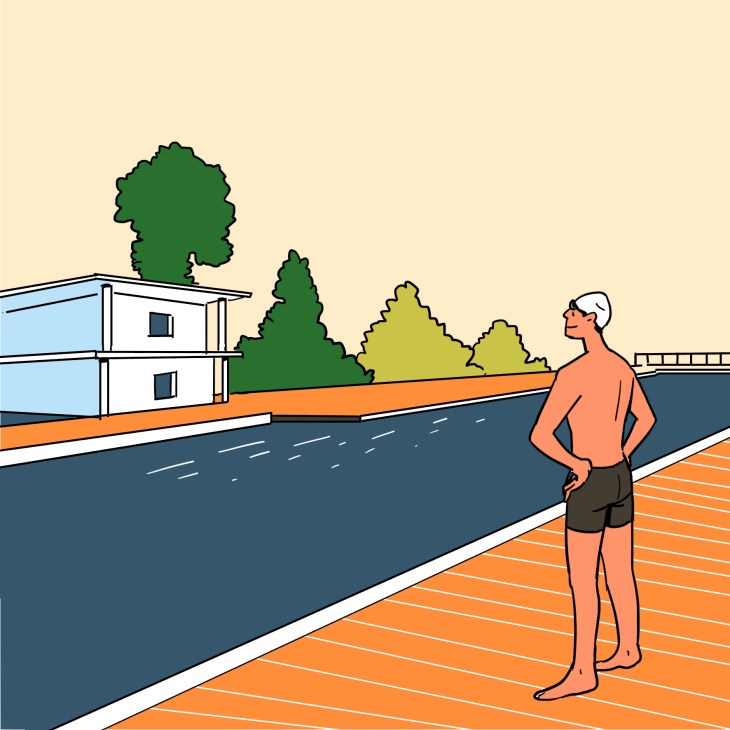
A spot to run and swim in: Great outdoors — Health is key to happiness but exercise shouldn’t be limited to small rooms or group classes. What about making a run for it? Whether it’s a leisurely loop around Regent’s Park or a canal-side canter, we all need to get out into the real world a little more. Parks are public forums in which to delight in city life, but don’t join the over-dressed runners or peloton of aggressive cyclists working on their lap times. Push for a good split by all means but remember you’re sharing the space. And don’t forget to smile.
15.
Outdoor seating
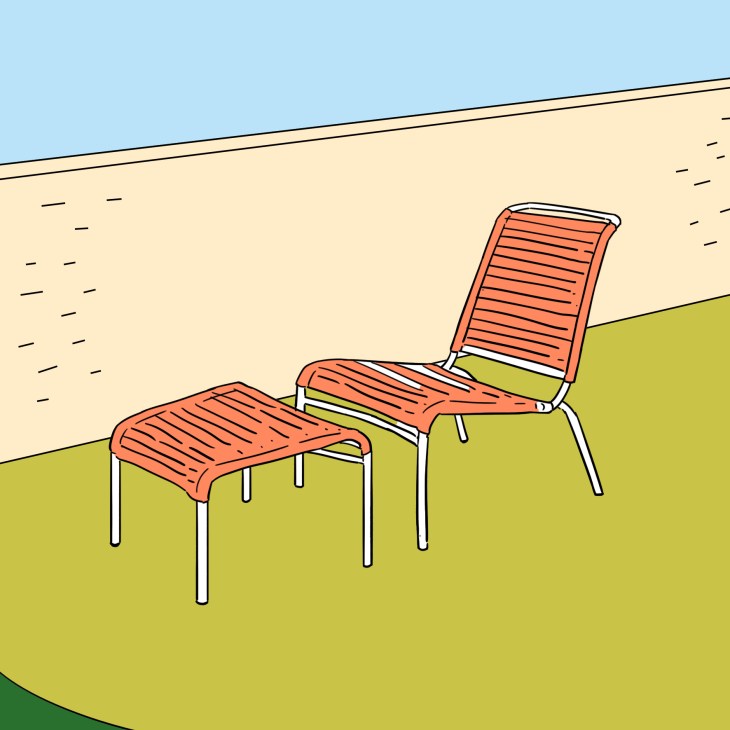
An outdoor seat: Lounge time — If you’re lucky enough to own a balcony or breezy terrace then be sure to have somewhere from which to soak up the views. Swiss firm Embru’s galvanised steel Altorfer lounge chair is stackable, sturdy and suitable for the task (or just curling up with a book). It was designed by an office junior who came to the firm as a clerk in 1934 (full disclosure: his father was director of Embru at the time) and the mid-century majesty of the spaghetti-structured weaving is comfortable in the extreme. It’s available in a range of cheery colours – the jaunty yellow version is suitably sunny.

16.
Fine dining
A meal with a view: Sumptuous solitude — Eating can be either mundane or magical but there are few spots in which we’ve had more memorable meals than Merano’s pale-wood-lined Leiter Am Waal restaurant. We’d suggest the spinach Schlutzkrapfen (a stuffed semi-circular pasta affair) or the steamy speck dumplings; either way, pair your meal with a glass of Gewürztraminer on the terrace. Your view will take in the Lagundo Waalweg hiking trail and Adige River; there are few better adverts for Alpine life. This ia a place to which to escape the trials of city living and just enjoy a meal of high merit.

17.
Sleep well
A shop to sort your sleep: Drowsy delights — Opened on Munich’s Theresienstrasse in 1916, there are few shops more bedded into their market than Bavaria’s Bettenrid. Piled high with duvets and bed linen, it’s an advert for touching and testing the investment you’re making in a good night’s sleep (rather than buying your bedware or bath towels from an unseen source on the internet). Studies have shown a link between happiness and approaching the day well rested and we’re certain you’ll be happy you made the journey (there are two spaces in Munich and another in Frankfurt). Svenskt Tenn in Stockholm or Zur Schwäbischen Jungfrau in Vienna’s Innere Stadt are also comfortably best-in-class for the task in their respective cities.
18.
Heavenly scents
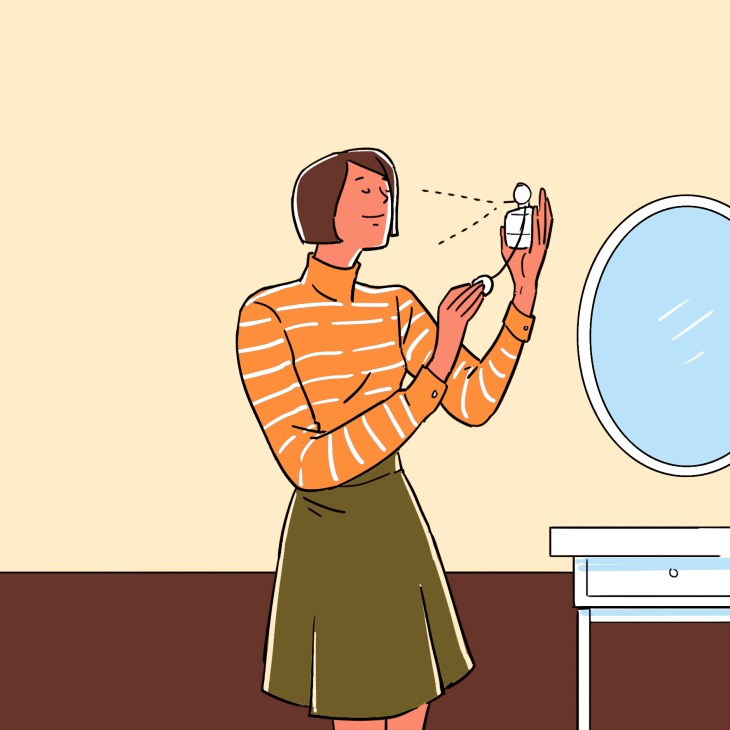
A fragrance that transports you: Heaven scent — “Wiener Blut” literally means Viennese blood (less literally, “to be Viennese to the core”). The phrase was first coined in 1873 to account for Vienna’s peculiar mix of chilliness and charm, which has long defined the residents of the Austrian capital. It’s also the name of a firm started in 2009 that sells some of the most beguiling scents you’re likely to clap nostrils on. Freudian Wood is an eau de parfum with notes of cypress, sandalwood and mimosa that transports you to the breezy slopes of the Northern Limestone Alps, while Unheimlich is all vetiver, leather, birch-tar and red peppers. You’ll be happy you tried them.
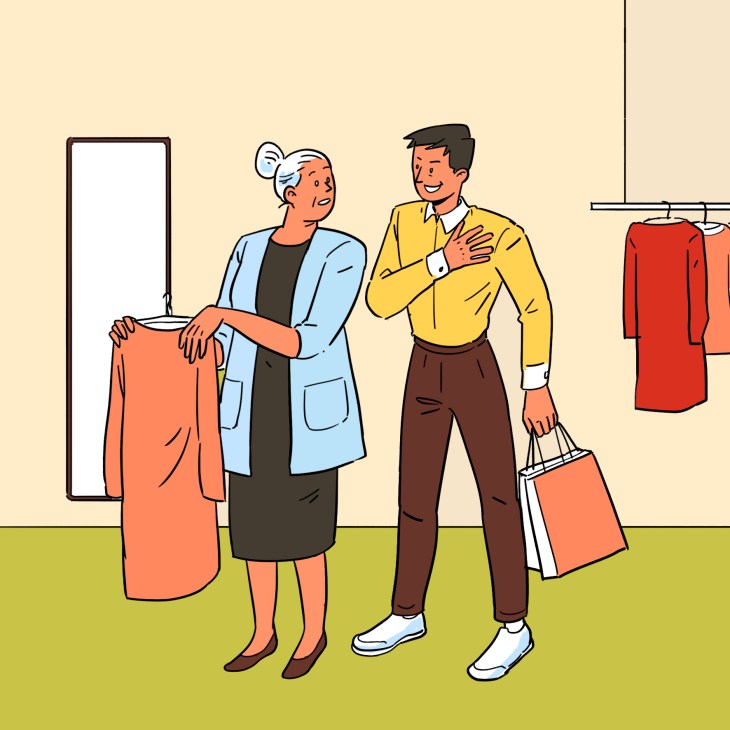
19.
Kind acts
A modest act of kindness: Helping hand — Cities tempt us in with their promise of opportunity but most city slickers miss the daily chance to do something unexpectedly nice for their fellow dwellers. To make your hometown just that little bit happier we’d suggest taking a little more notice of those around you (the shopping-burdened, the lost and the lady who just dropped her scarf) and lending a helping hand where you can. These everyday acts of kindness make big cities feel smaller, interactions less fraught and everyone concerned just a little more joyful. Giving even one iota of happiness to a stranger is its own reward.
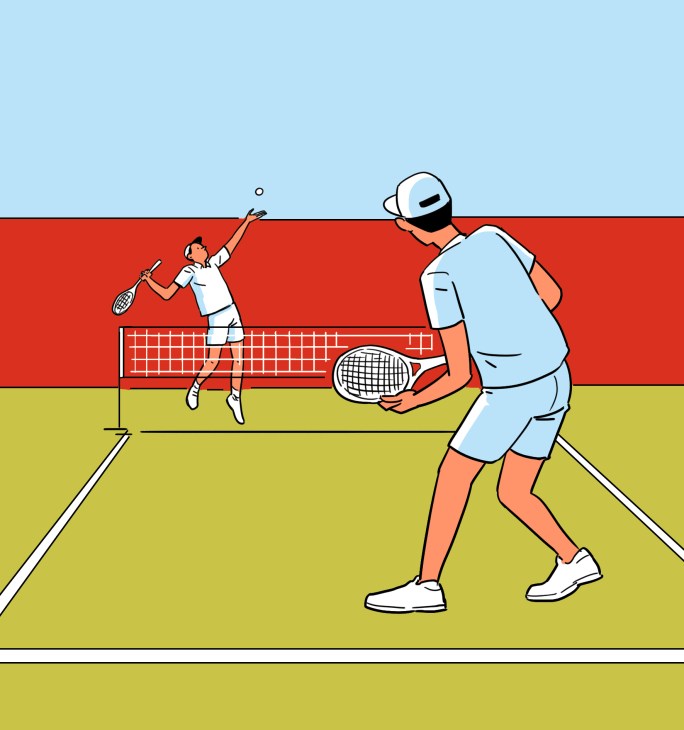
20.
Good sport
A little competition: Anyone for tennis? — It’s OK to be competitive, you know. Pushing yourself, being disciplined and a little bloody-minded now and again (and in the right proportions and circumstances) are what makes winning such a gleeful thing: so challenge your fittest friend to a race (even if you lose you’re likely to get a good time), or how about squaring up to a friend who’s handy with a racket? Palma Sport & Tennis Club on the island of Mallorca serves up charm by the net-full, while Hebraica, a Jewish sports club in São Paulo’s suburb of Jardim Paulistano, also has few challengers when it comes to charm. Your serve.

21.
Top togs
A get-up that wins compliments: Feel-good fashion — To nudge away the blues try investing in an outfit that serves you from plane to boardroom and dinner afterwards. Start with a jacket from Munich-based A Kind of Guise coupled with a red crewneck from Antwerp-based Howlin’. Pair them with pleated trousers from PT Pantaloni, socks from RoToTo and underwear from The White Briefs. Finish off the look with Sunday Somewhere sunglasses, a belt from Andersons and a bucket hat by De Bonne Facture. For the ladies? A tan jacket from Sealup, vest by Sofie D’Hoore and trousers by Chloé.

22.
Familiar faces
A few familiar faces: Make friends — Sadly our high streets are still paying the price for high rents (imposed by over-ambitious property owners) and the ubiquity of faceless online interactions. But there are still a few avenues of opportunity that show you can say hello to the restaurateur, pharmacist, kiosk owner or florist. From Division Street in Portland to William Street in Sydney, and even Chiltern Street in London’s Marylebone (say hello to our editors in the Monocle Café at number 18), seek out a high-street in which a friendly smile replaces the click of a mouse.
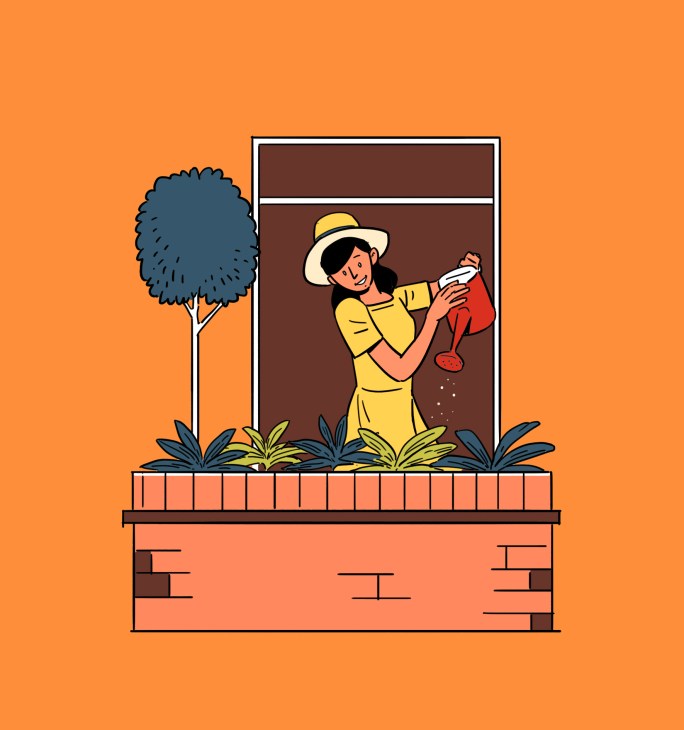
23.
Plant power
A place to grow: Breath of fresh air — Keeping a few house ferns from drying out is par for the course these days, even a little passé. While investing in a well-pruned orangery may be a stretch, gussying up the garden or greening the balcony will do wonders for your mood while being civic-minded in the same breath. Plants have a proven calming effect and are good for regulating air temperature, storing rain water and increasing the oxygen level. And caring for plants is personally enriching too. We’ve also seen inspiring projects in Paris, where the municipal government is prospecting small, shared green spaces to recast as mini-gardens. So take over the vacant patch outside your house and get growing.

24.
Movie night
A movie night (in a building that’s aged gracefully): Big screen — The internet has made more films and television shows available to more people but the way in which we watch them has become a little crummy (often it’s hunched over a small screen while simultaneously eating dinner). There’s much to be said for the sense of occasion, superior sound system and widescreen wonder of a night at the movies. Well-preserved cinemas such as the Bio Rio in Stockholm’s Södermalm or the Golden Age Cinema in Sydney’s Surry Hills are precious examples of the art done well. Likewise London’s Curzon has been busy creating characterful spaces with surprising film line-ups, spot-on seats and a lively bar. Let’s make an evening of it.
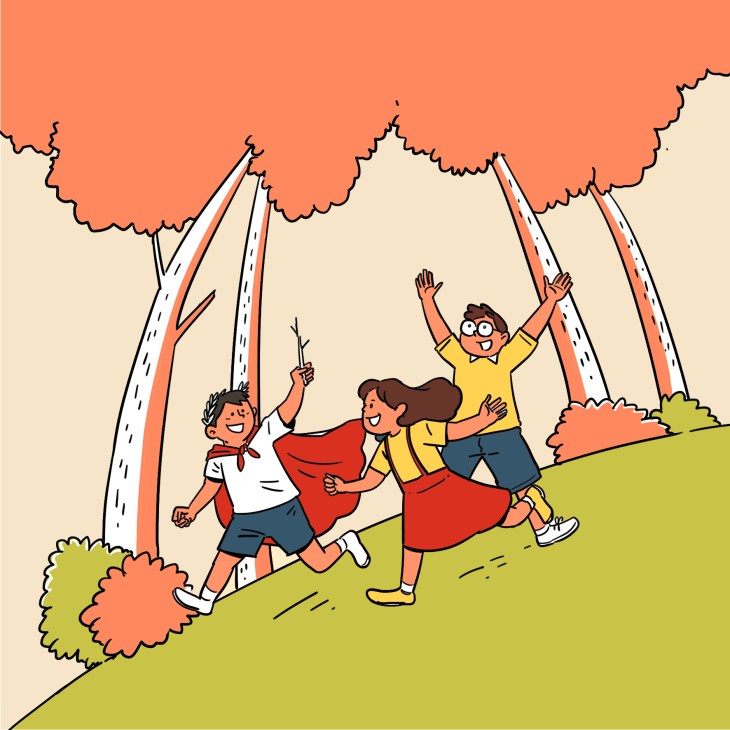
25.
Forest school
A place in the Wald: Where the wild things are — Afraid that your children are more likely to look mutely at a screen than scream with delight or clamber up a tree? Welcome to the Waldkindergärten. In Germany a long-rooted culture of forest schools sees children – mostly those aged six and under – bundled up and taught to play outside, climb trees, brush off scraped knees and generally enjoy themselves. There are now more than 1,000 such outposts in the country and many have opened in the past decade in response to an appetite – among children and adults – to relish nature’s bounty, embrace the outdoors and enjoy the simpler things. There’s a lesson in there for all of us.
No sleep ’til sunrise
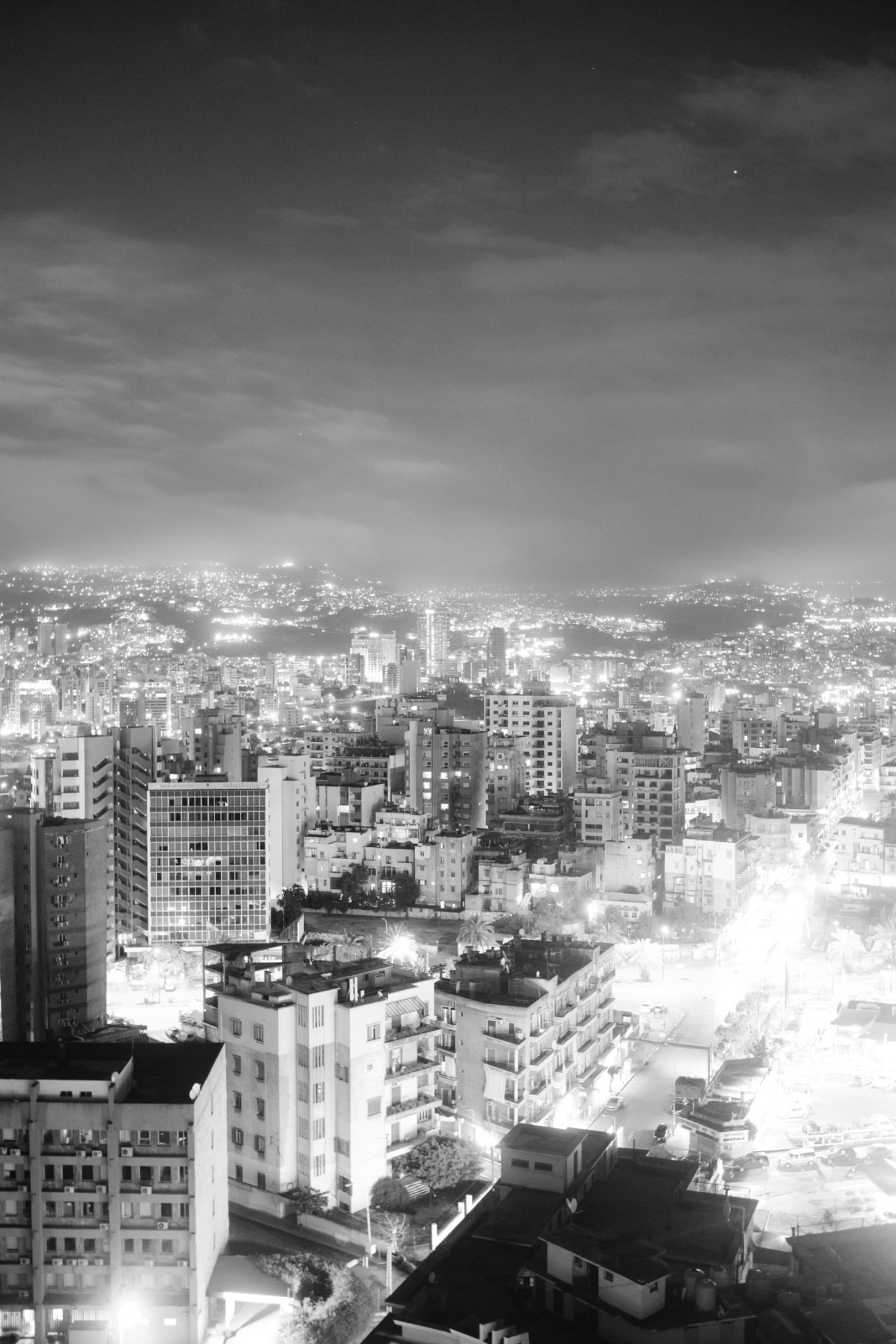
Had London’s Bloomsbury Set been formed today in Lebanon’s capital, there’s a fair chance they would meet at Aaliya’s Books, a breezy bar with a chessboard floor nestled in east Beirut. It’s late afternoon and nearly winter but the doors are propped open to the street outside – all the better for enjoying one of the final pleasant evenings of the year. Friends settle on low leather sofas, their shoes tapping on the stripped wooden floorboards. The reassuring chink of glasses and bottles rings out from behind the bar, where manager Farouk Hariz is calmly transforming the scene from day to night. There’s a low-pitched hum of excitement: it’s Friday night after all.
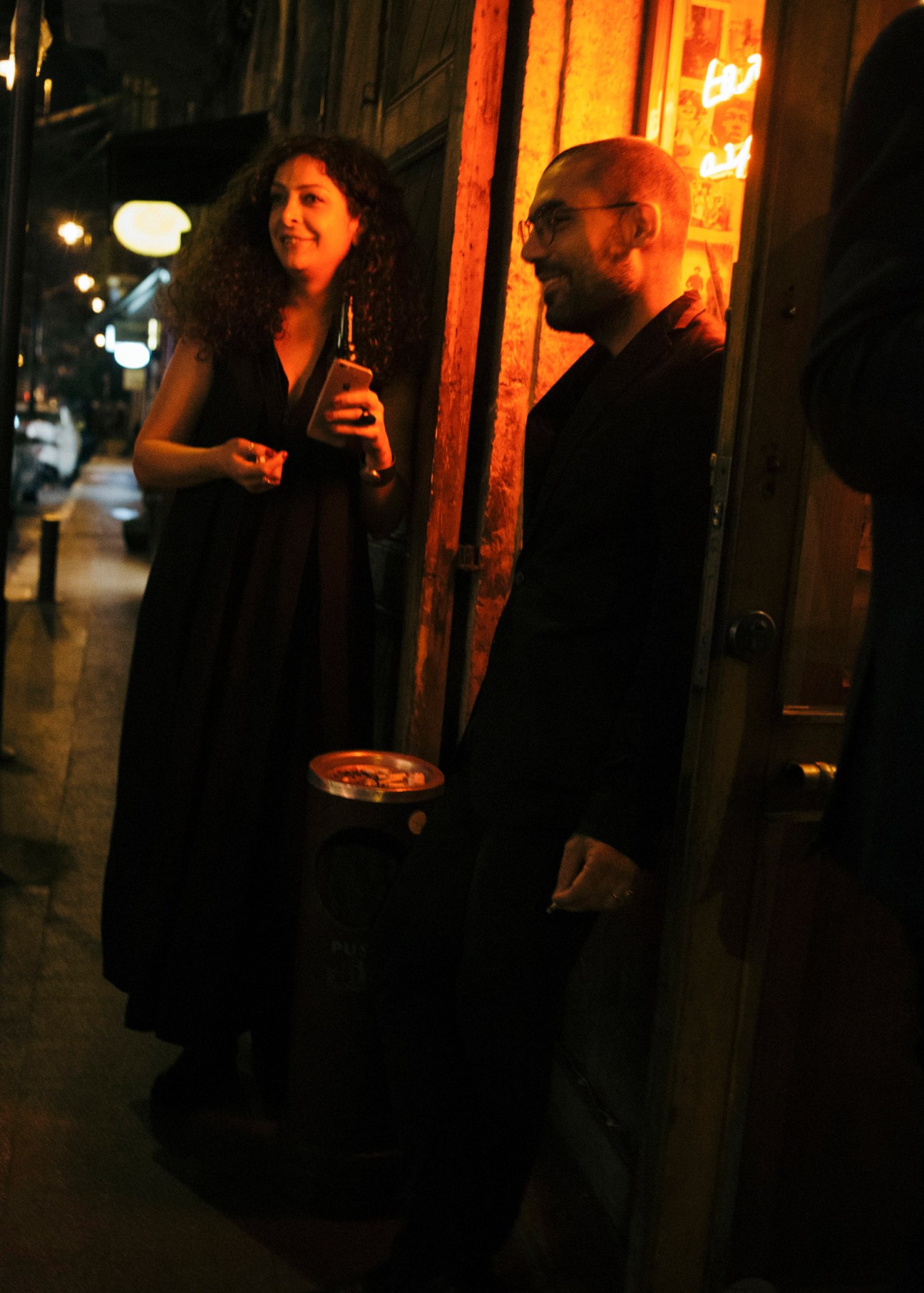
Outside, smokers gather in a cluster in an alleyway. They’re stood next to wooden fruit crates overflowing with paperback books and a chalk-daubed sandwich-board tempting passers-by to join the evening’s entertainment. Delivery boys from the surrounding restaurants sit on stationary motorbikes, waiting for their next order – everywhere in Beirut delivers.
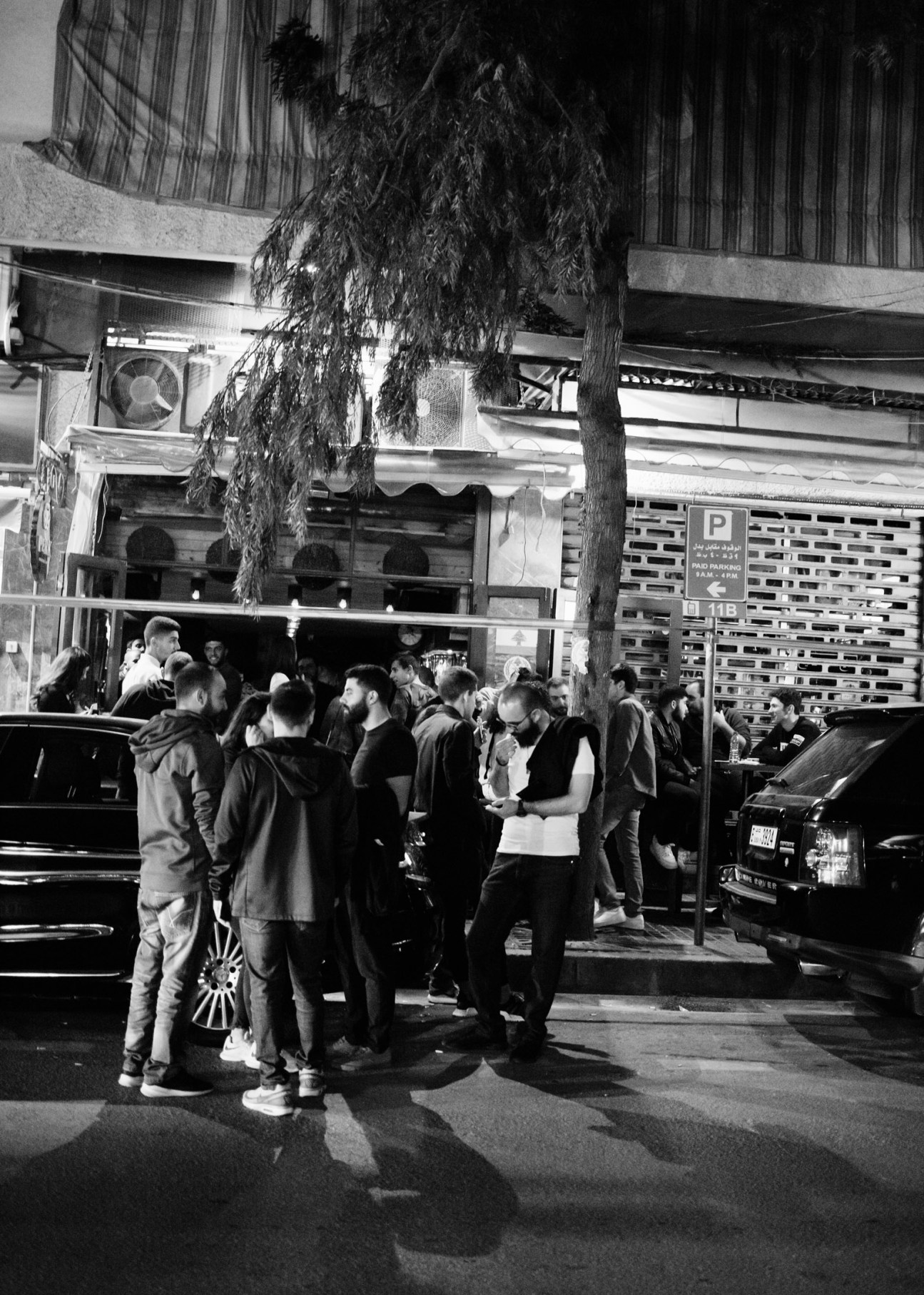
Aaliya’s hosts a bohemian crowd of Beirutis and foreign visitors, young and old. Many are draining their final coffee of the day, snapping shut their laptops and considering their first rosemary martini of the weekend. Work is done, for this week at least. With a fractious political landscape and tumbledown infrastructure, Lebanon is not always an easy place to reside. Living costs are high and, as state supplies are often inadequate, many people work two or more jobs in order to cover the additional costs of basic services, such as water and electricity. These concerns don’t go away but they also don’t stop the Lebanese enjoying their free time. There comes a point in the week when they exhale deeply and utter the word khallas (“that’s enough”). Now, as night falls, it’s time to celebrate life and put worries aside until tomorrow. From Aaliya’s we stroll west down a street marked Gouraud on maps but more often known as Gemmayze. As visitors quickly discover, many of the city’s streets have multiple names and most locals navigate by way of landmarks. Here, fun can lie in the journey itself. It’s now very definitely dark. Beirutis gather outside dimly lit hole-in-the-wall bars for aperitifs. “Happy hour” runs from dusk until dinner.
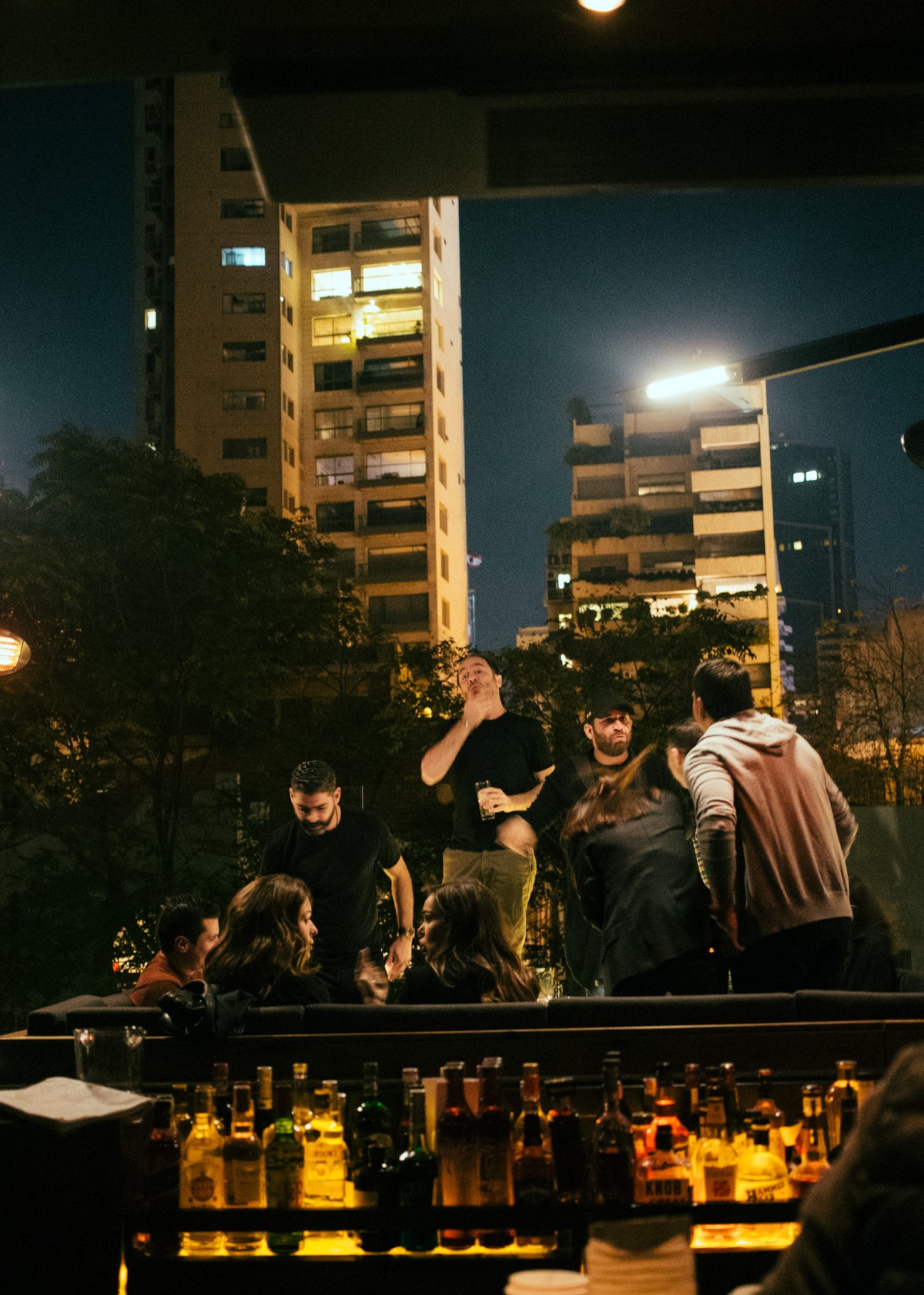
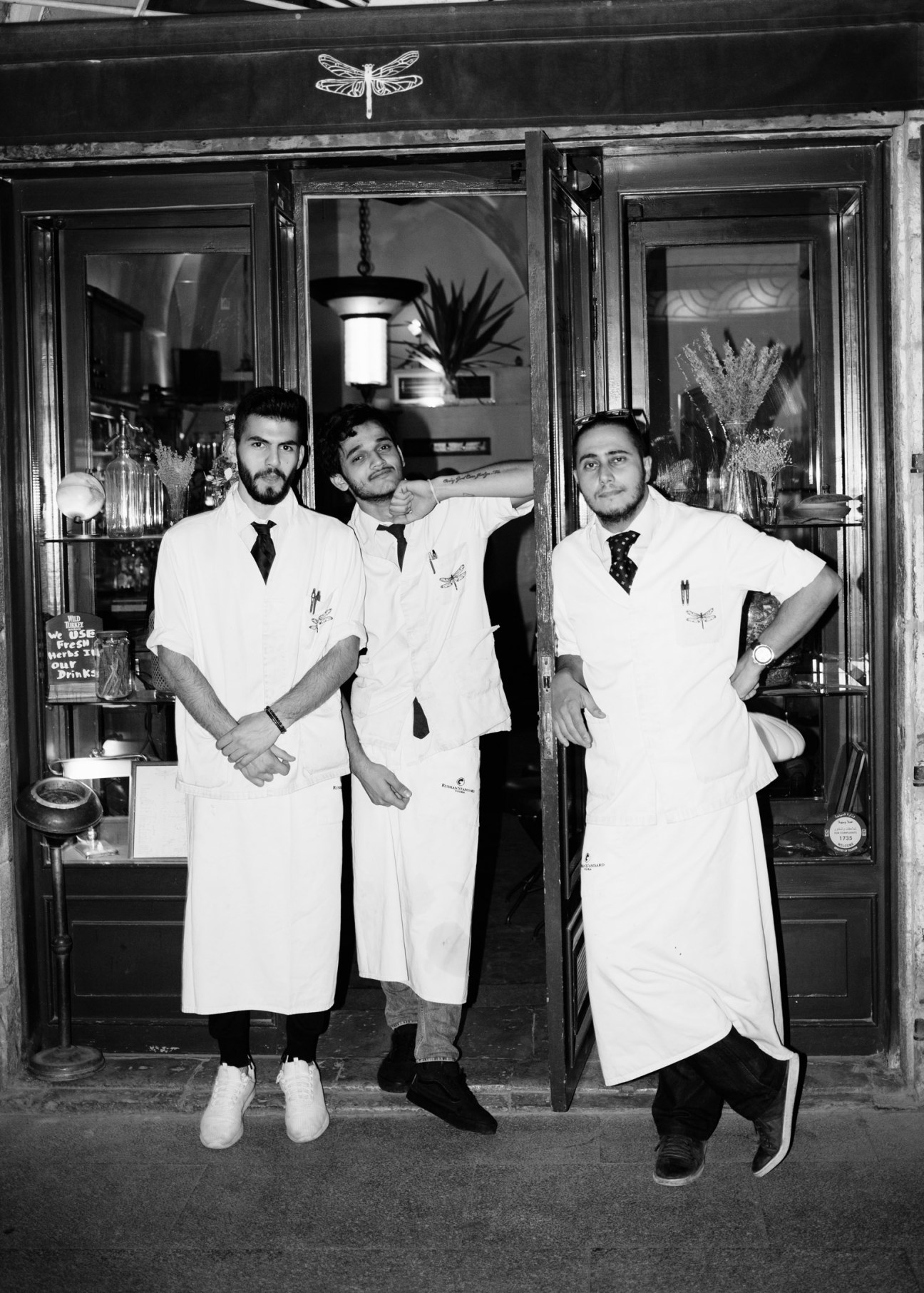
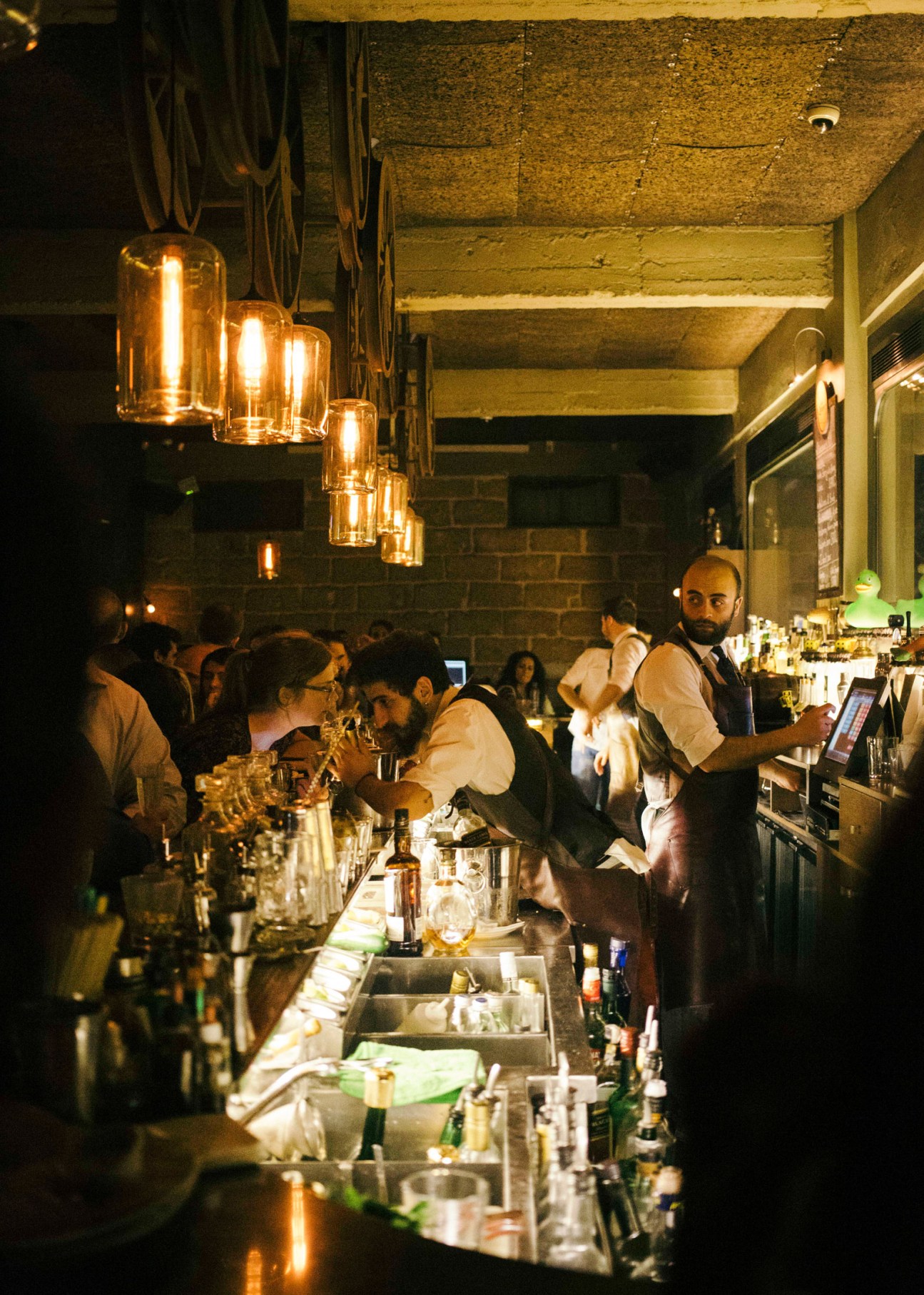
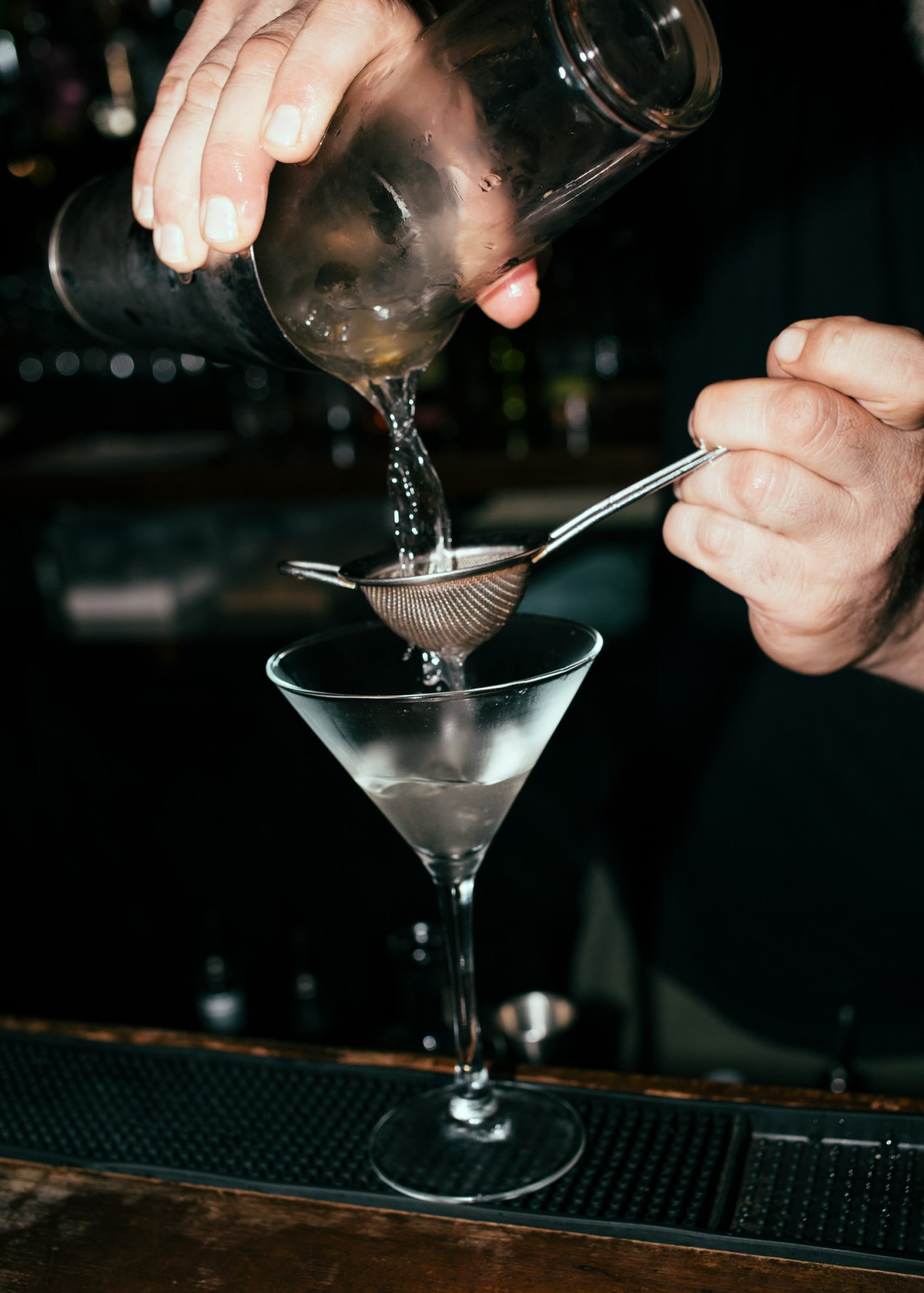
Jars of dried and pickled ingredients line the apothecary-like shelves and vitrines of Dragonfly, a low-lit bar with vaulted ceilings run by 35-year-old Nino Aramouni. Drinkers visit for an Old Fashioned or Gin Gimlet. Heels and red lipstick are not out of place here but neither are trainers, chinos and an artist’s satchel. “People should feel at home here,” says Aramouni, who greets drinkers like old friends (many of them are). “They are coming here to have fun. Leila here, she is one of my best customers,” he says, gesturing towards one member of a group. Some prop up the bar while others curl up on old leather cinema seats.
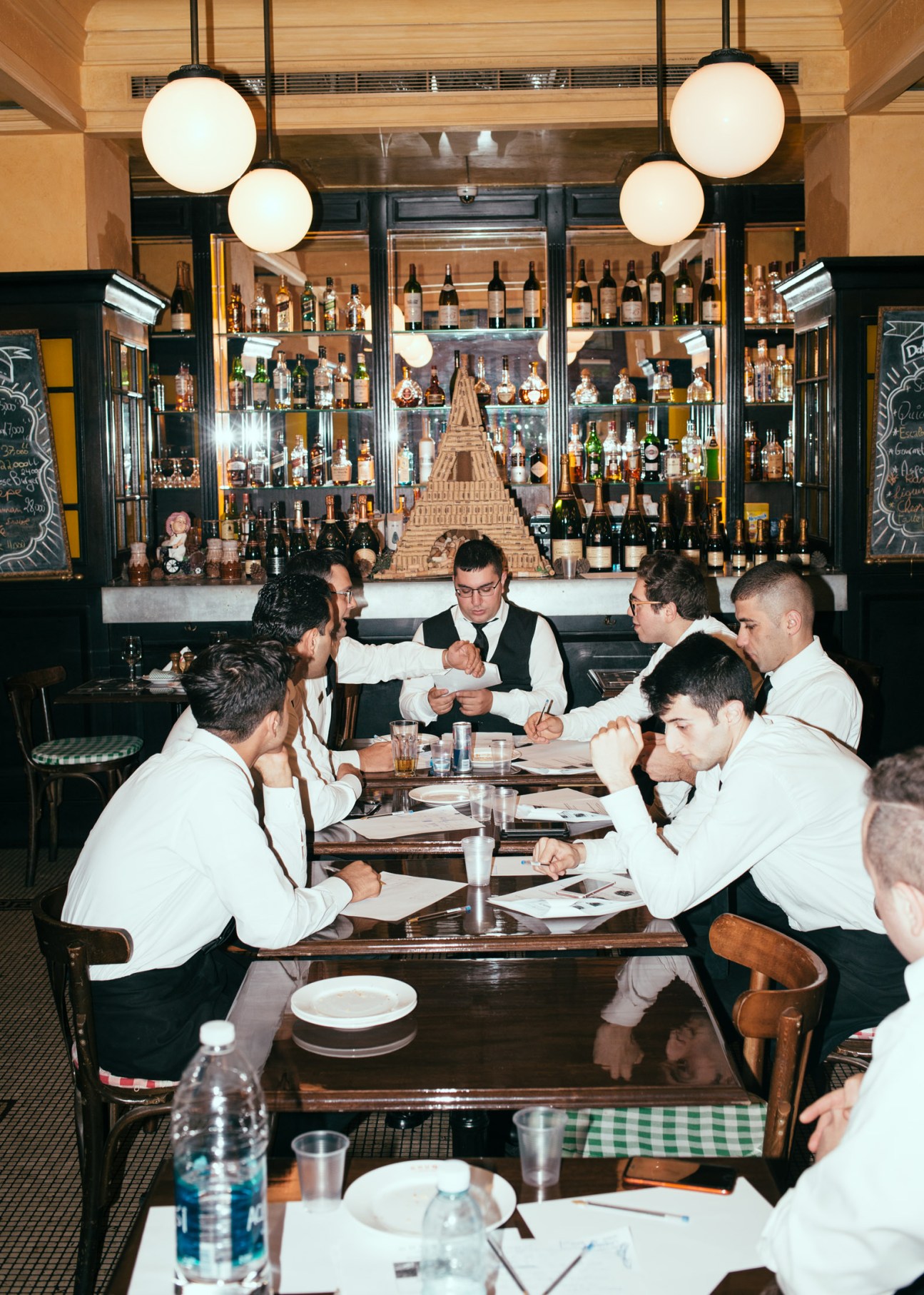
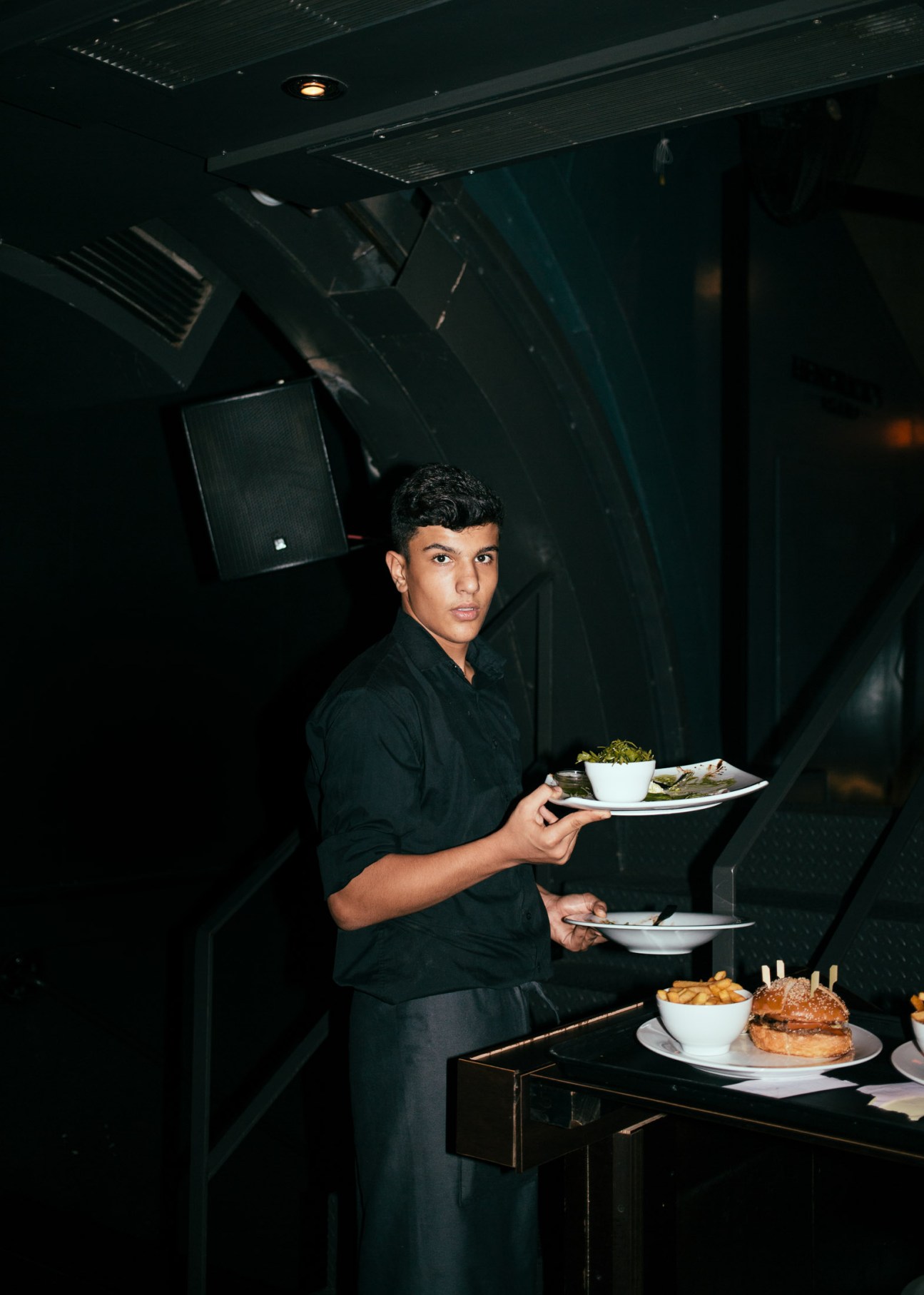
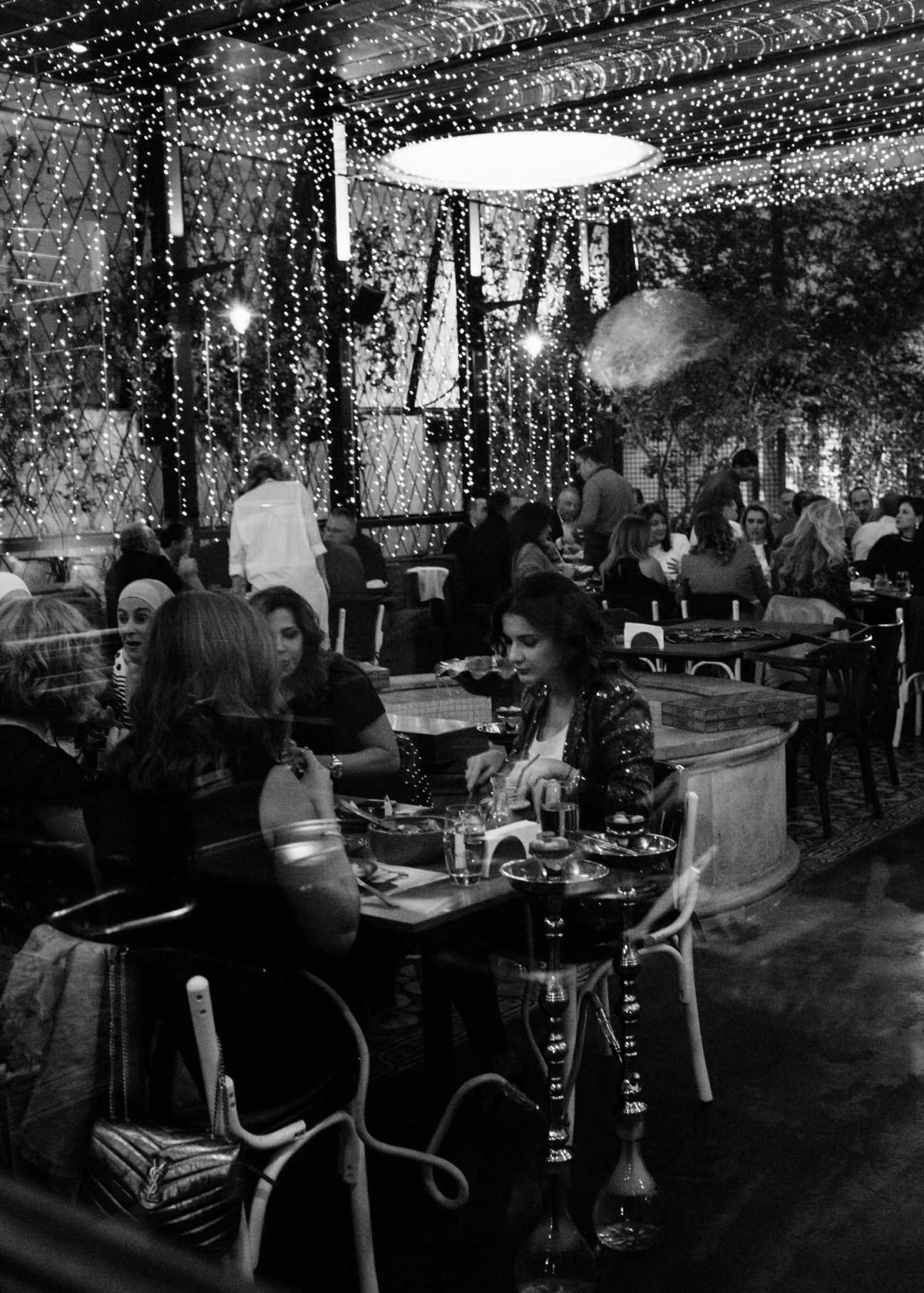
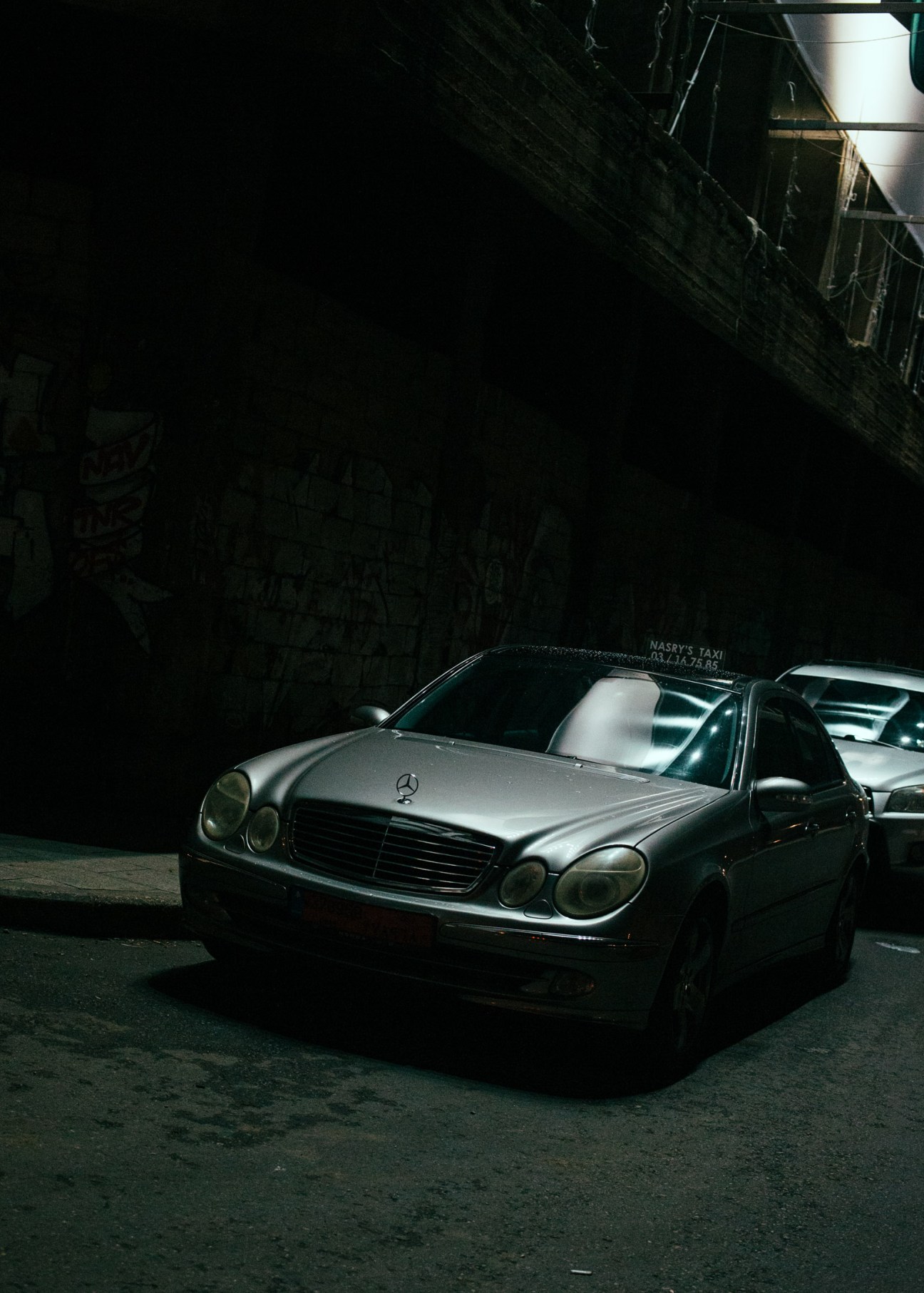
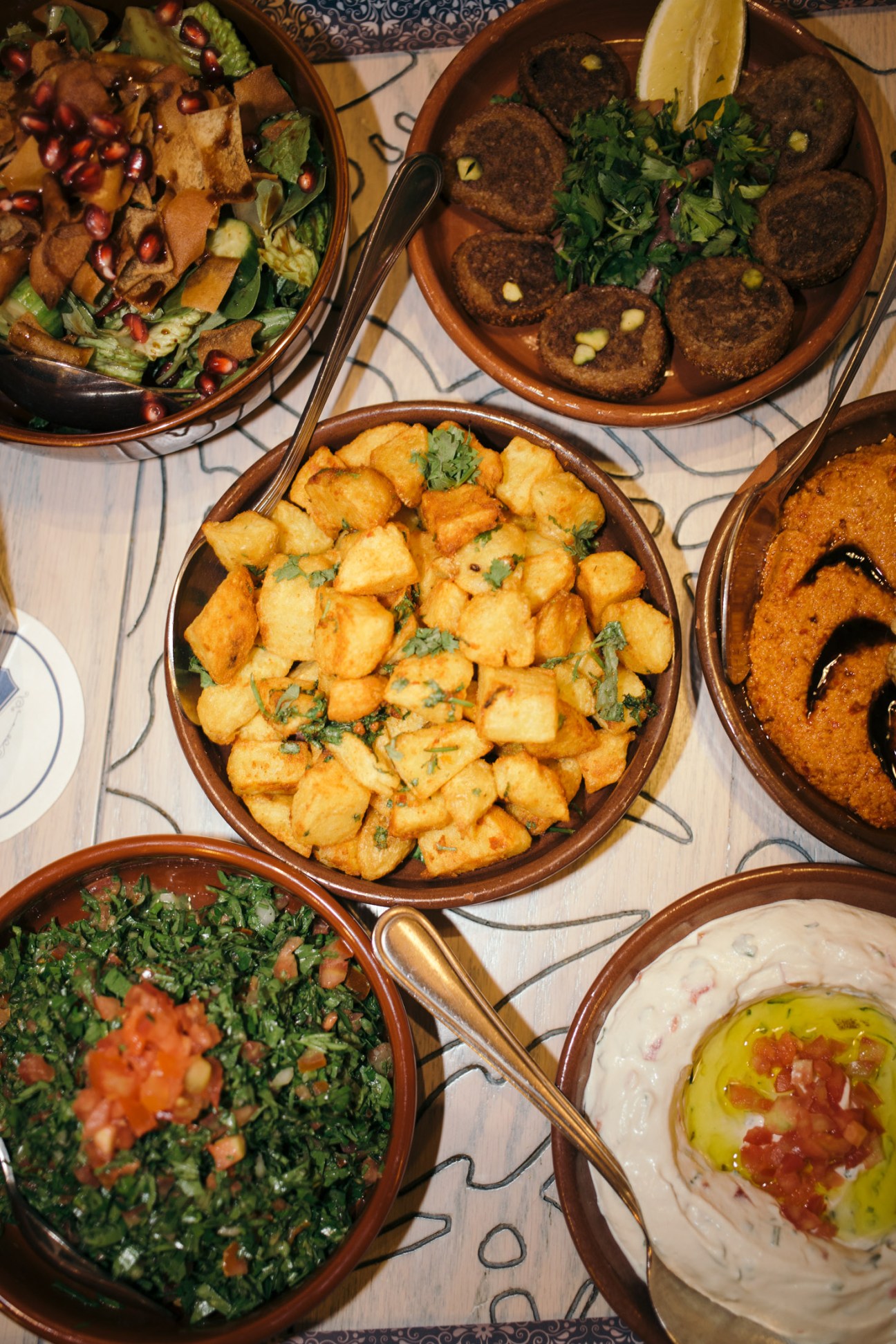
We turn to dinner next. Unsurprisingly, Lebanese fare with all its delicious variations is what the city does best. Loris is housed in a punch-pink Ottoman mansion and by 21.00, gaggles of diners dressed to the nines have arrived: men in sharply cut blazers and women in skin-tight dresses have taken their seats in the mosaic-floored central courtyard. Jaunty waiters carry platters of grilled meat aloft to place on long tables. Colour-coded aprons convey the staff hierarchy; a grey suit marks out the boss.Time for grilled kefta and marinated chicken with a big dollop of toum (whipped garlic), pomegranate-bejewelled tabbouleh and fattoush salads, and rich ruby muhammara, a piquant pepper and walnut dip. Music is absent – at least for now – and instead the high-ceilinged dining room fills with the cacophonous chatter of friends. It’s difficult to leave: don’t expect the bill to arrive quickly in Beirut, where evenings roll on long and languid. Dinner over, groups hail taxis or wait for the valet to return their polished black Mercedes (everywhere in Beirut delivers). From low-key bars and humming restaurants, it’s time to take things up a notch – literally.
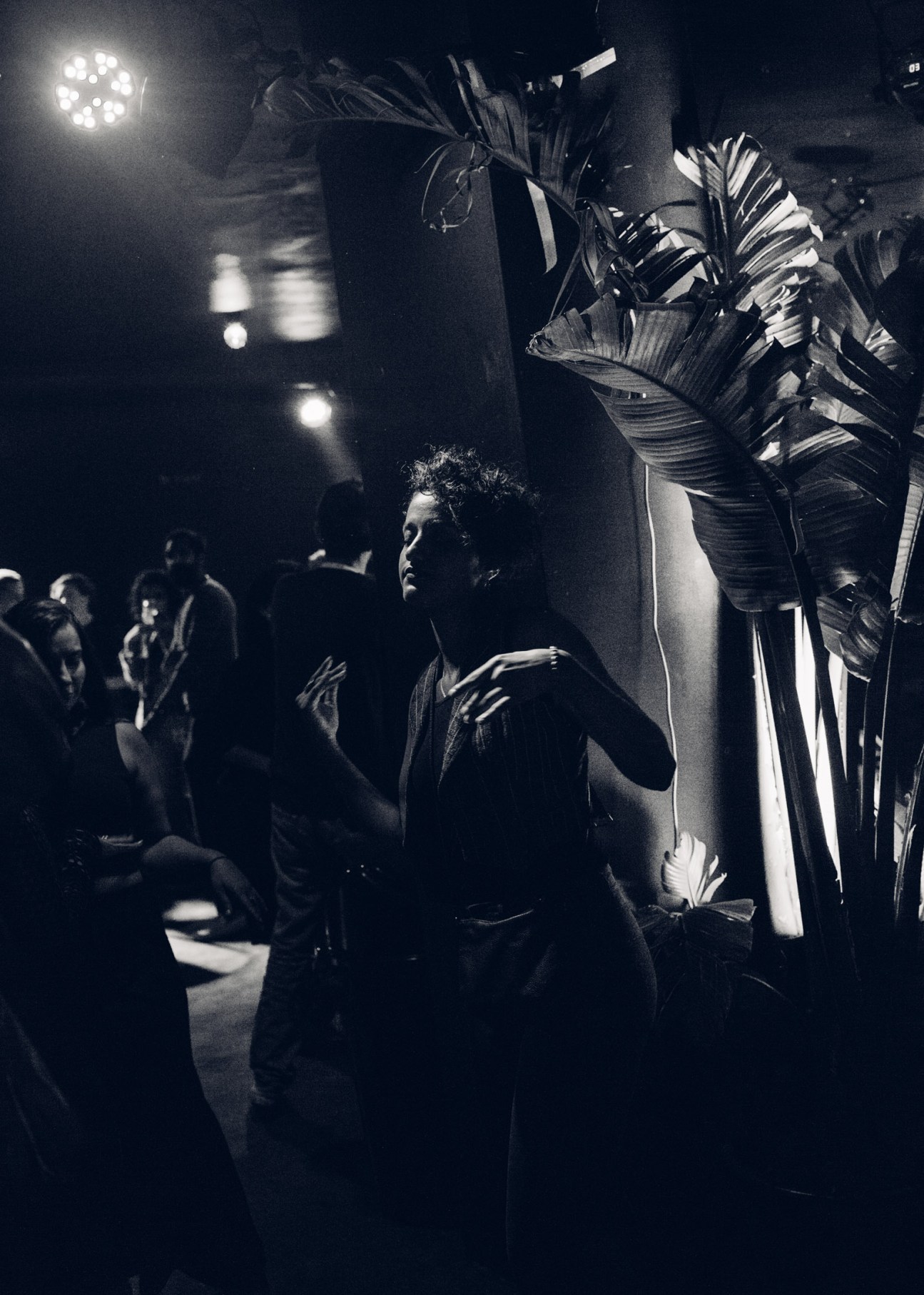
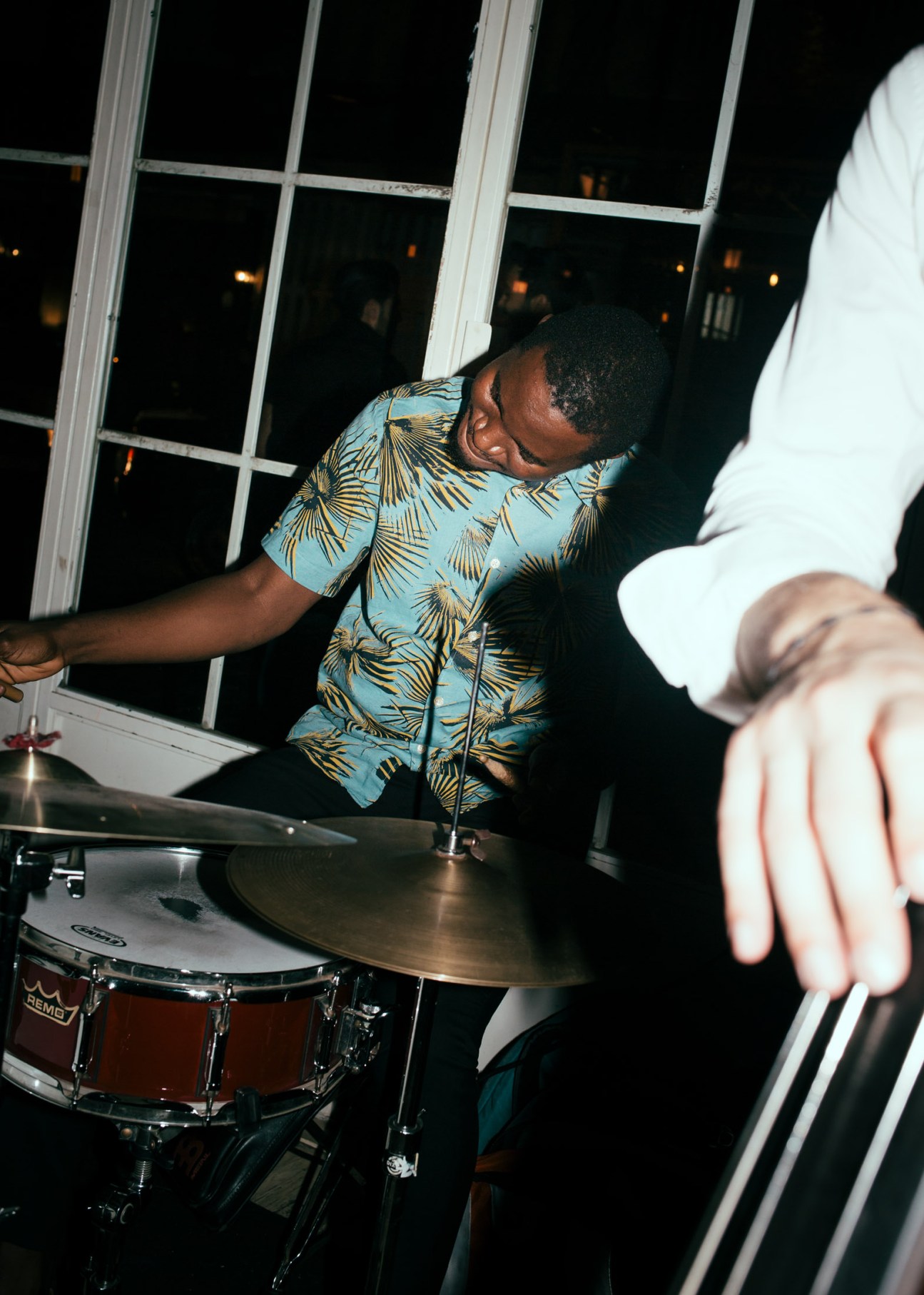
Well above the leafy gardens and St Maron church on the street below, terrace bar Centrale welcomes a smart crowd of well-coiffed couples in discreet but expensive-looking clothing: a turquoise jacket here; a quilted leather clutch there. Black stools and tables – fully booked on most weekends – are built into a wall facing the bar and a DJ judiciously masters a playlist of tasteful pop. It’s almost midnight but in this city that means the night has only just begun. It’s time to hit the dancefloor, so there’s another stop on the journey. Our taxi driver gets lost on the 10-minute drive to a cluster of warehouses-turned-clubs in Beirut’s port district of Karantina. These aren’t the sorts of places that are signposted but we get there in the end. Boasting banana plants and a silver disco ball, ked is hosting the Beirut Groove Collective DJ ensemble. Their selection eschews well-known hits in favour of the less familiar strains of African funk and Arabic fusion – to thrilling effect. The lively crowd here is different again: there are more hi-top trainers and dreadlocks than stilettos and face lifts. A couple sneaks a furtive kiss as we enter, seeking the shadows away from the turquoise blur of flashing lights within.
It’s 03.00 but Beirut doesn’t stop. Abu Hassan, an open-all-hours café in the Armenian quarter of Bourj Hammoud, does a steady trade as revellers come to calm down and sober up. On the menu, fried eggs with spicy sujuk sausages are found next to piles of green olives, pink pickles and scarlet tomatoes, finished with crisp potato chips. As the sun rises, partygoers turn in or move on again to places unknown. Beirut has again delivered on the night that its revellers sought. But khallas – that’s enough. For tonight at least.
Address book
Aaliya’s Books, Gemmayze
This lively bar-café-bookshop is a home-from-home for creatives, journalists and photographers. It also holds regular live music and dance events – from Scottish ceilidhs to swing nights – and a book club, naturally.
+961 1 566 375
Dragonfly, Gemmayze
Smart barmen in white lab coats mix up aromatic concoctions for drinkers in this low-lit, smoke-free bar.
+961 70 784 292
Loris, Gemmayze
Middle-class Beirutis dress up for weekend dinners at this classic Lebanese restaurant, serving mezze and grilled meats, with solicitous service.
+961 1 568 567
Centrale, Saifi
This upscale terrace bar, reached via a caged lift, is a hangout for chich groups of girlfriends and other sophisticated sorts.
+961 3 915 925/+961 1 575 858
Beirut Groove Collective at KED, Karantina
Established in 2009, this DJ group plays African funk and northern soul to a cool but friendly crowd. ked is among the various club venues in the Karantina industrial district.
+961 70 934 904
Abu Hassan, Bourj Hammoud
Service is around-the-clock at this traditional Lebanese café, serving staples such as eggs, hummus and warm flatbreads that are ideal for soaking up the excesses of the night.
+961 1 266 888
All the fun of the fair
Switzerland has become Marie-Sophie Schwarzer’s second home: Monocle’s associate editor is sent there whenever there’s a story to cover. And that happens quite a lot: Switzerland may be tranquil but there’s no shortage of stories to tell. This one was particularly fun to report – after all, who wouldn’t want to spend the day among piglets and burly Schwinger champions?
It’s a clear sunny afternoon when the contestants enter the packed arena to the sound of the Star Wars theme tune. They have been training for eight weeks and now they’re in the starting stalls, stamping their hooves on the ground amid sharp grunts. “The moment we’ve all been waiting for has come,” shouts suited and booted master of ceremonies Christian Manser from the sidelines as the music fades. Everyone in the audience is on the edge of their seats as the referee blows a golden horn and the gates open. The race has begun: five piglets shoot out of the stalls and race around the arena to thundering cheers from the packed crowd.
The wiry Öpfeli, fittingly sponsored by the Swiss army, comes in first place, lured to the finish line by a trough heaped with treats. The audience – espcially those fired up by betting CHF5 (€4.30) or more on the winning contestant – applaud the pink pig, who is wrapped in a Swiss army banner. As the cheering dies down, Manser steps into the centre of the sand-filled arena and congratulates the “Maserati of pigs” on his victory. Then he invites a group of elementary school children to accompany the pigs back to their enclosure. What follows is a scene straight out of a cartoon: a boisterous horde of children begin chasing the snorting pigs, including a few stragglers who need an extra push, back to the stalls. “Ready for round two?” asks Manser as the music swells. “There’s a lot of money in the game.”
The pig races are a highlight at Olma, Switzerland’s annual tradeshow for agriculture and nutrition. Every year some 365,000 people from all over the country descend upon the valley of St Gallen for the most Swiss of fairs. This is the place where you’ll come across myriad products that you didn’t realise you needed; we spy an electric cow brush as we enter the grounds. Sophie – a hazelnut-hued Alpine cow – nuzzles the yellow bristles as if paid to advertise DeLaval’s product. The Swedish producer of dairy and farming machinery is one of the 611 exhibitors represented at the 11-day fair. And while Olma started as an agriculture exhibition when it first opened its doors in 1943, organisers have adapted and visitors can now find everything from coffee-makers to whirlpools at what has become Switzerland’s largest consumer fair.
During the Second World War, when Olma was born, Swiss farmers fed the nation and made up 25 per cent of the population; today that figure is down to just 3 per cent. Yet while the farming industry may be costing the Swiss taxpayer an estimated CHF4bn (€3.4bn) in subsidies every year, it continues to produce more than half of the food consumed in the country. That’s why even though farmers are no longer the fair’s key demographic, Olma continues to celebrate everything Swiss. Next to Sophie’s grazing spot there’s a stand selling cow fodder; nearby, visitors are huddled around tables downing pints of beer. The lager they’re swilling is from the nearby Schützengarten brewery packaged in Olma-themed bottles to celebrate the fair’s 75th anniversary.
“These days Olma is more of an encounter between countryside and city,” says Nicolo Paganini, director of Olma Messen, projecting his voice above the chatter and occasional moo. “Our goal is to reintroduce people to rural life,” says Simon Bieri, cradling a 13-day-old squealing piglet to the delight of throngs of children. Bieri represents Suisseporcs, the Swiss pigs association with a booth adjacent to Sophie’s pen. A couple walk past him while heartily biting into a grilled Olma Bratwurst. Is it tasteless to eat what you’ve just cuddled? Perhaps it’s simply too good to resist. “Our Bratwurst is so delicious that it’s a crime to top it with mustard; they’ll kick you out if you do,” says Paganini with a chortle. In the 1970s the Olma Bratwurst (which is made with bacon) even claimed a spot in the Guinness Book of World Records when 60 St Gallen butchers grilled a 1,293-metre-long sausage for the occasion. And yes, it all got eaten.

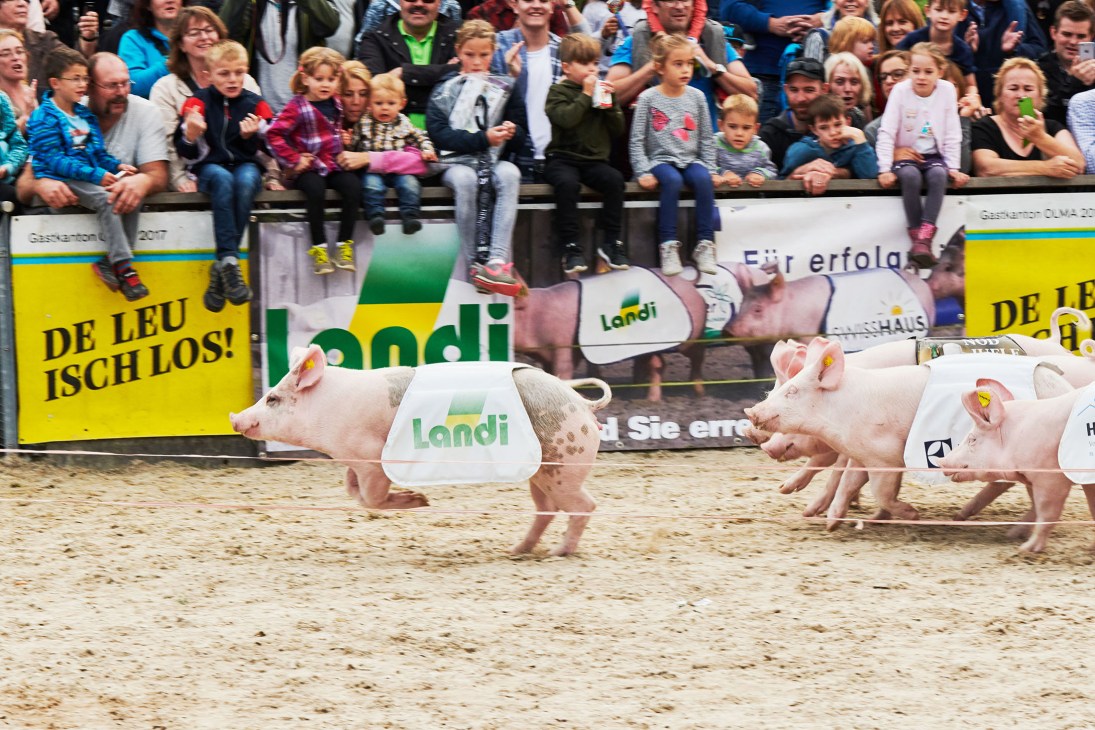
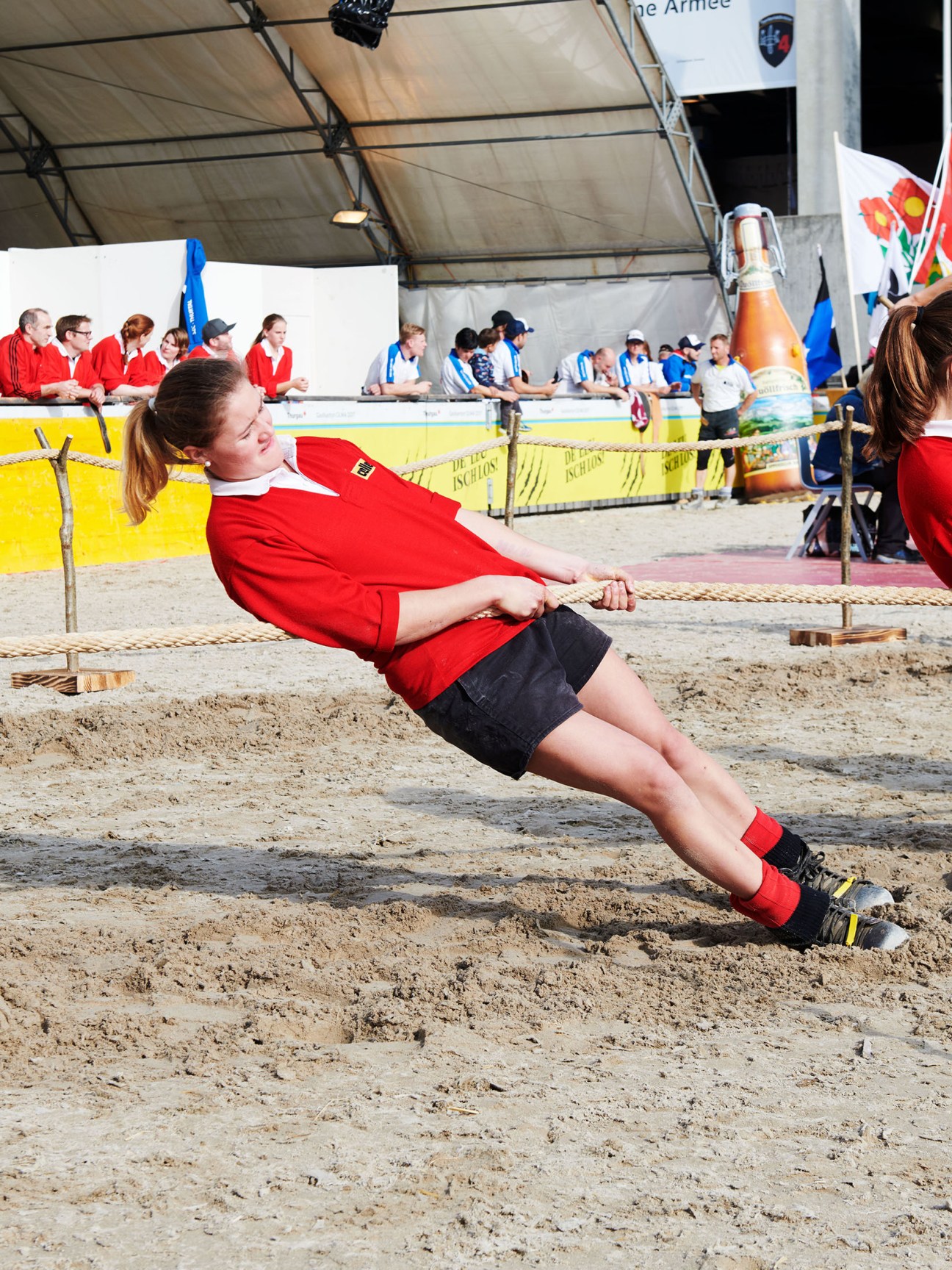
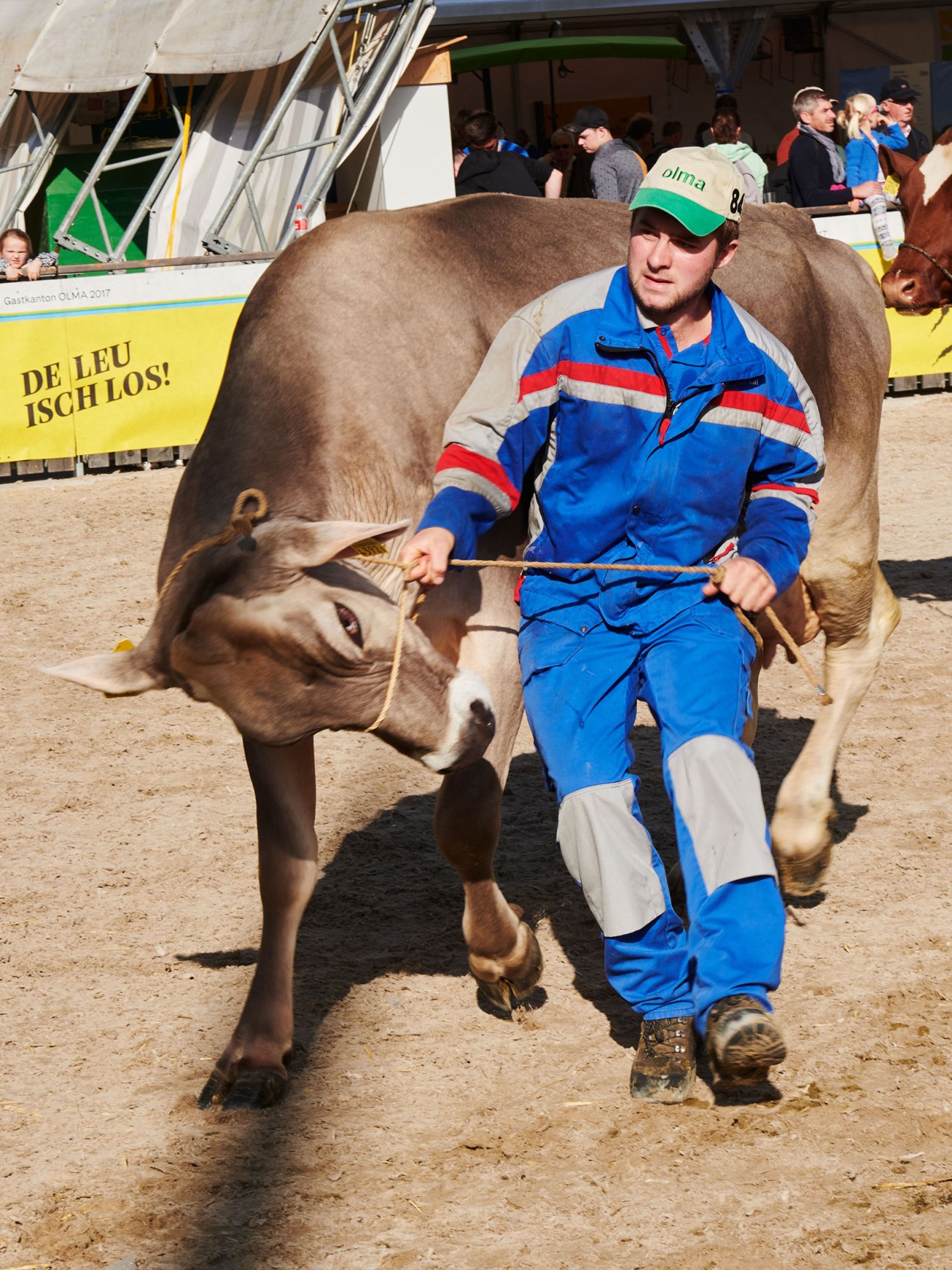
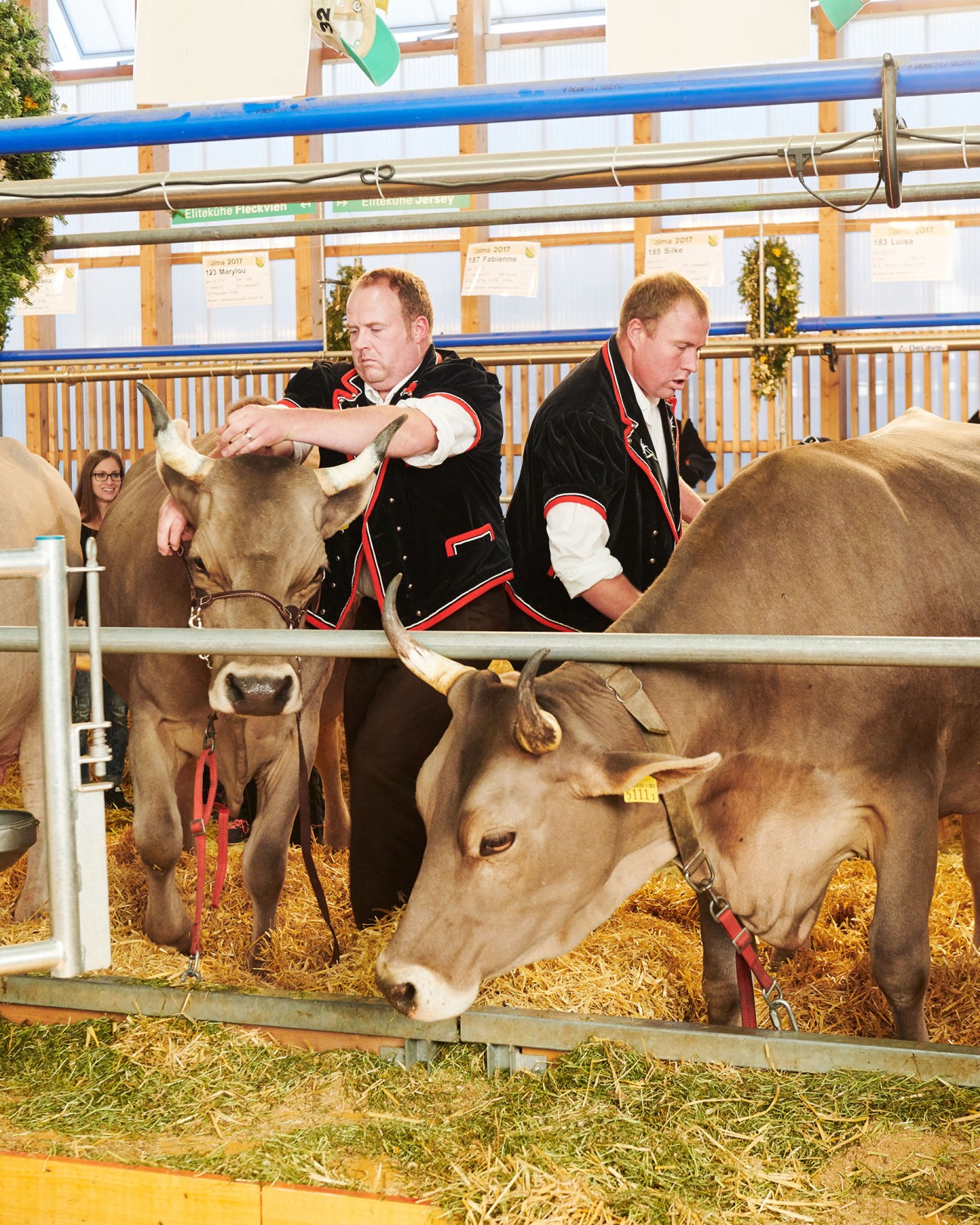
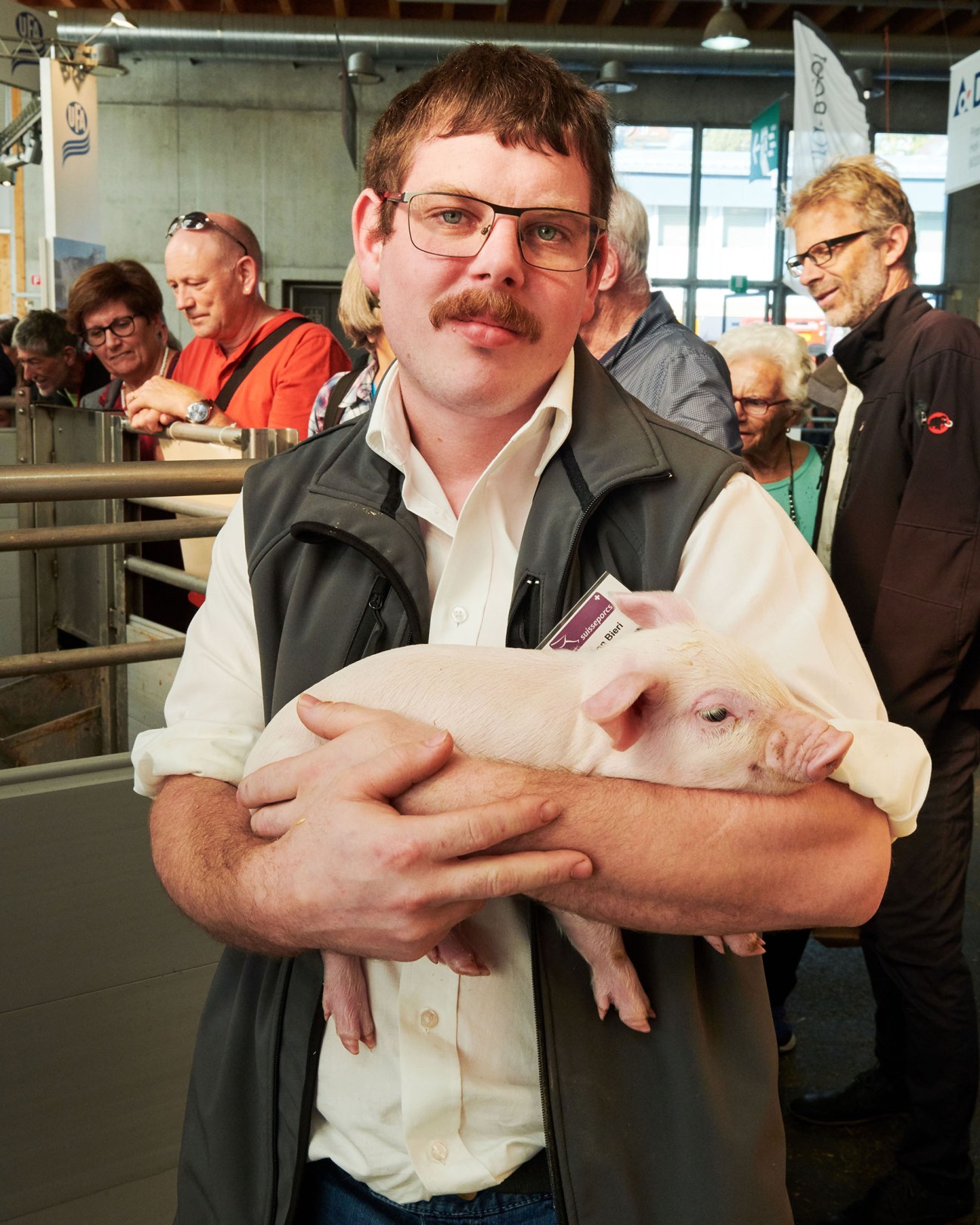
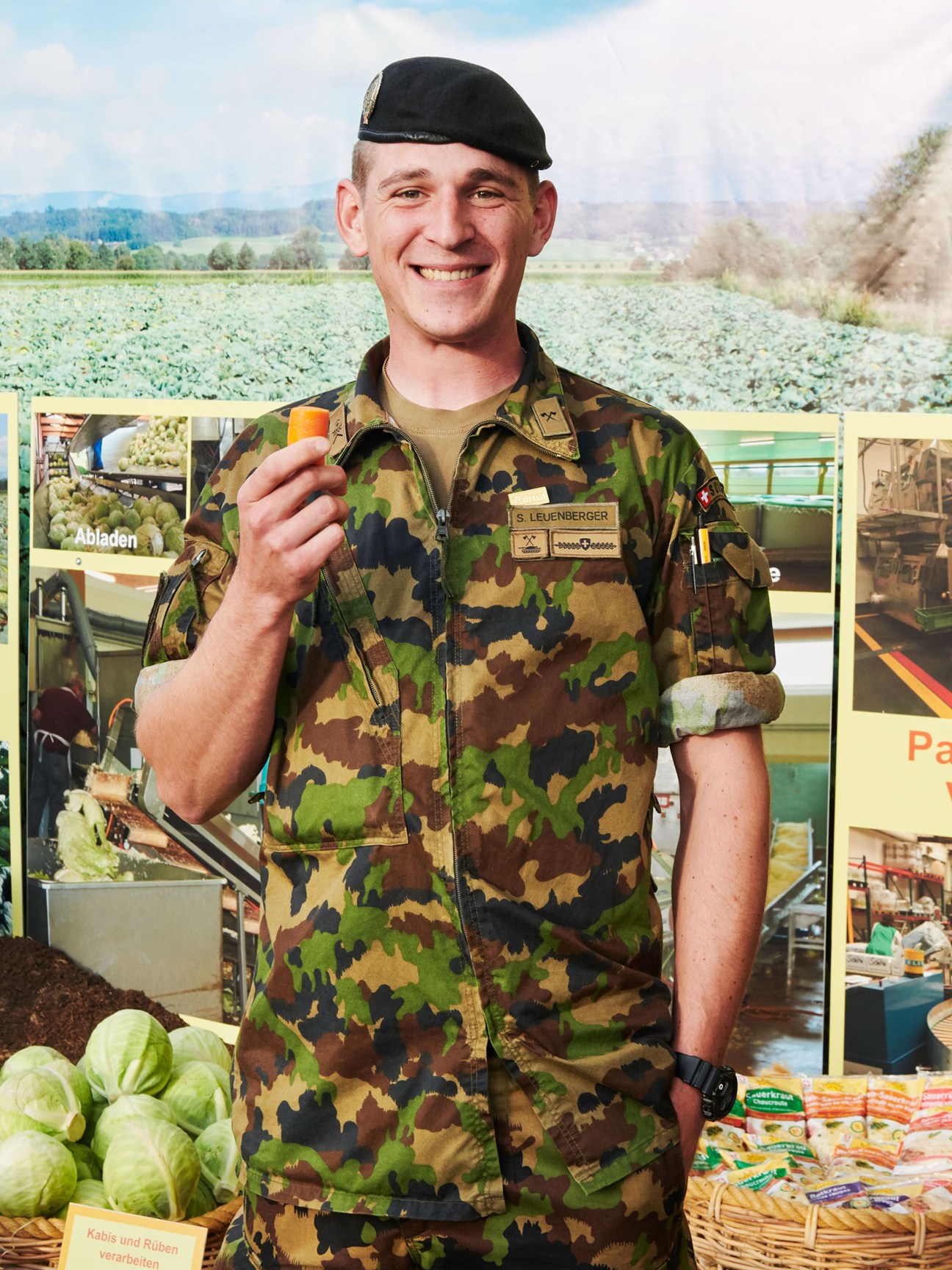
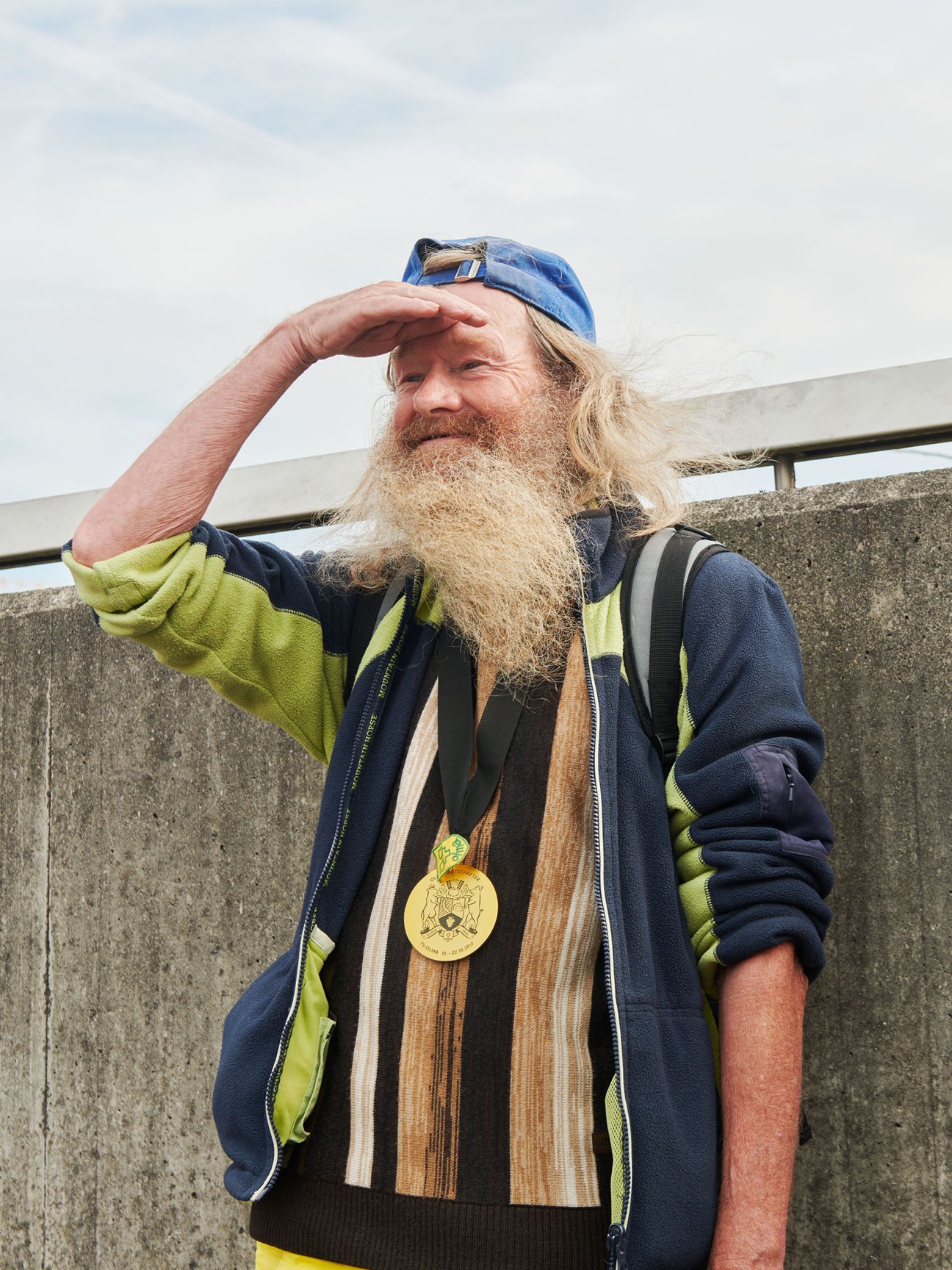
“We want our visitors to understand where their food comes from,” says Paganini. “That way they gain respect for the animals and the environment.” The link couldn’t be made more obvious: while cows are crowned with floral headdresses and paraded around the fair, burgers and Bratwurst are consumed left and right. “The idea is to let urbanites experience farm life while promoting Swiss produce and products,” adds Paganini. He admits that he owes his wife a round on the Ferris wheel and that he has yet to prepare for this afternoon’s big tug-of-war competition. “If it’s up to me we’ll lose disastrously, even though we do have a champion Schwinger on our team,” he says, referring to the Swiss wrestling sport.
Before disappearing into the crowd he points us in the direction of the degustation halls where Swiss wineries abound. Yet the people delighting in their tipples seem less concerned with provenance than with sampling as much alcohol as possible – hence the large squad of security guards. Indeed, Olma can get rowdy. At the alpine cheese stands in hall 9.1, visitors descend like hungry hawks on carefully laid-out samples, skipping queues and coming back for seconds. In Swiss terms, it’s chaos. Over at the booth of chocolatier Kägi, an apron-wearing volunteer with a wide smile is handing out chocolate bars. “It’s been exhausting,” she says croaking, her voice almost inaudible as another piece of confectionery is grasped by greedy hands.
Olma fans take pride in regularly attending the fair but only a few can call themselves true Olma Grand Slam champions for attending 11 days in a row. One such title-holder is Albert Nufer, who’s 75. “I’m just as old as Olma,” he says with a crinkly grin. A golden medal around his neck catches the light: it turns out Nufer is one of Olma’s anniversary ambassadors, nominated alongside figures such as FC St Gallen goalkeeper Daniel Lopar, Reto Preisig, the CEO of the Schützengarten brewery and federal council member Ueli Maurer. Nufer made the cut as Olma’s number-one fan. “There are so many beautiful treats for the eyes here at Olma,” he says, stroking his bushy grey beard. “Today I’m on a shopping spree: there are certain products on sale here that you’ll find nowhere else.” He picks up a glass jar of rowan berries. “When boiled these poisonous berries are an ancient household remedy.”
For some it’s berries, for others it’s vacuum cleaners and lawn mowers; in many ways Olma is a shopping channel come to life. At every corner there’s an overzealous salesman hoping to sell you one thing or another. “We’re here for the free food and something to drink; we don’t want to buy anything,” says Lucas Patt, who visits Olma annually with his family. “Then again, we always say that but ended up buying a Kenwood mixer and a coffee machine last year – we got a good deal.”
Most years the fair runs much the same way, with a few variations. This year the canton of Thurgau near Lake Constance has been named Olma’s guest of honour and in celebration of this bestowal, organisers decided to host its annual Apple Queen contest at the fair. Much like Miss USA, this competition is all about selecting a representative of the region. Its most profitable export – the apple – is also celebrated.
Marion Weibel is one of six finalists; her father prompted her to apply but she never imagined getting this far. “I grew up in the countryside picking apples for my family,” she says, as she brushes a strand of brown hair off her face. Later that day she is crowned the 20th Thurgauer Apfelkönigin (Apple Queen) in front of 4,000 people. The competition may not involve swimsuits but there is a crown, laid out on a red velvet cushion. And while Weibel doesn’t shed a tear when her name is finally pulled out of the golden envelope, she’s visibly overjoyed as she carries out her first task, which is – surprise, surprise – handing out apples to the cheering crowd.
But the event the crowd has been most looking forward to is the ultimate tug-of-war competition. The arena is cleared and Paganini and his troops enter to wild applause. The team from St Gallen – including the director of Olma, Schwinger champion Daniel Bösch and Swiss Snowboard World Cup winner Julie Zogg – will have to compete against Weibel’s compatriots from the canton of Thurgau. The Thurgau team look confident in their matching shirts. Paganini seems amused but not entirely optimistic about what is about to happen.
“Ladies and gentlemen, get ready for the main event,” shouts Manser. Music blasts out of the speakers and the match begins. Paganini grips the rope with all his might but the men and women from Thurgau take home the win. Paganini shrugs: “All that matters is that the audience had a good time.” He looks around the packed stands. “You can see that Olma is riding the same wave of popularity as Schwingen,” he says, pointing out that the folk wrestling sport has enjoyed a resurgence in recent years. “Traditional customs are experiencing a revival in a backlash against globalisation. The Swiss are proud of their roots and young generations are rediscovering their heritage. There’s a sense of escapism about Olma – it has the semblance of an unspoiled world. But of course, that’s an illusion.”
And it remains a successful illusion. With annual cash flow of CHF8.5m (€7.3m), Olma is one of Switzerland’s most profitable fairs and it’s investing in its future. “We’re working to expand the exhibition grounds with a new hall by 2024,” says Paganini. He has fond childhood memories of Olma and wants to see the tradition preserved. “I used to come here with my family, boarding the train to Olma was always a special occasion. You could say I grew up here. And so did many others.”
It’s clear why the fair has such a hold on Swiss hearts. It’s a place where couples meet; it’s where they share their first kiss and sample their first beer. Olma is a fair of firsts – and there are bound to be many more.
Forecast comment
Olma’s evolution from a farmers’ fair to a celebration of everything Swiss signifies the rise of the conscious consumer. The event brings the countryside to the city and teaches younger generations the importance of provenance and sustainability. Mass production and blind consumerism are (in some quarters) giving way to a new set of values and Olma is at the forefront of this movement towards greater transparency.
Issues such as fair trade, sustainable manufacturing and responsible farming have all become important to consumers. At Olma, cows, pigs, sheep and goats are presented to the public, regional produce is celebrated and producers explain how and where their food is made. It’s a step in the right direction when it comes to transforming consumerism and brands around the world are catching on.
Venture forth
Have you ever had to hand your 110ml bottle of fragrance over to airport security and then go days on the hoof without your favourite scent? Or woken up an entire neighbourhood in the wee hours with an implausibly loud wheelie suitcase? Or arranged to go for a drink with an old friend on a gloriously sunny evening, only to find that the outdoor seating area of your chosen establishment is already – heartbreakingly – in the shade? These are undoubtedly some of the greatest ills currently facing mankind; luckily there is no problem too entrenched for the visionary entrepreneur to tackle.
Let’s make 2018 the year in which you find your inner entrepreneur. If you have an idea you’ve been ruminating on for years, stop boring your heroically patient friends and family with explanations of just exactly why and how it would work. They’ll gladly put a few thousand behind you if you take the plunge, if only because it might shut you up. Alternatively, if you lack a concrete concept but still want to run your own show, then fear not and read on. Whether it’s a venture built to solve one of the common conundrums mentioned above or one designed to remedy a more serious scourge, we have put together a lighthearted collection of 15 business concepts that we’d like to see emerge in the next 12 months.
Whereas endless time and capital is poured into vanity projects that, even if successful, would have limited benefits for the world (who’s crying out for a Hyperloop?), these ideas are mercifully simple and would, on the whole, be cheap to execute. So please feel free to borrow and steal as much or as little inspiration as you like. Our only request is this: if Suncatcher really catches on, take us for a pint please.
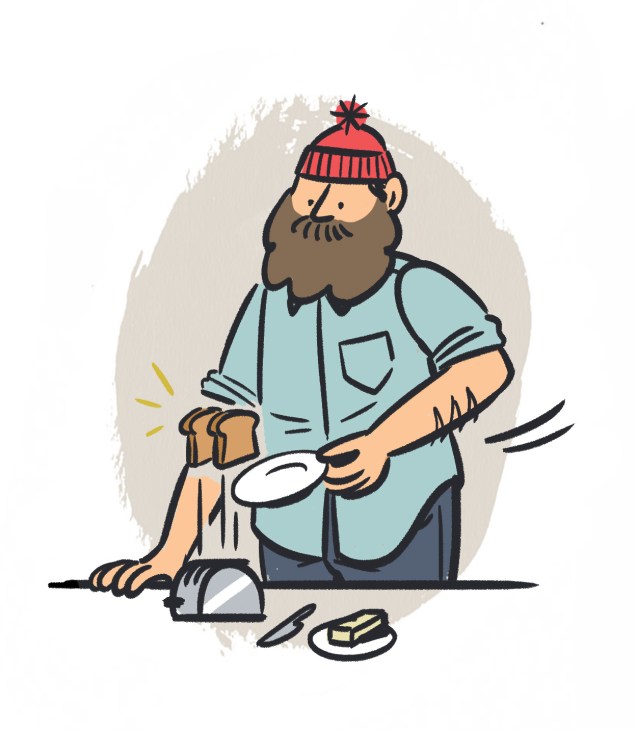
1.
Mini Appliances
Outside Japan, the world has been slow to realise the need for miniature home appliances. Japanese apartments have been small for generations but in much of the West, city-dwellers are only now getting used to the battle for square footage. So there is space (literally) in the market for a Muji-like manufacturer-retailer selling irons, kettles and toasters that fit snugly into our shrinking flats. Ikea hasn’t yet cornered this market but must be considering a similar move. Co-living and smaller-footprint apartments are here to stay so it’s time for a brand to fill this (petite) gap.
2.
Golden Hours
“Drinking in the morning sun/ blinking in the morning sun”, sang Elbow on “One Day Like This” and fans loved the double meaning. But where can you drink in the morning sun? Or the early-evening sun, come to that? For too long the post-work negroni or after-hours pint has been downed in shade. So welcome Suncatcher™. This ingenious app collates data from establishments that have paid a small fee to fix a sunshine sensor to their terraces, and points you in the direction of a sunny drink, even suggesting a next stop. A Suncatcher rating will be the key arbiter of any beer garden.
3.
The Spritz Machine
One of the biggest frustrations for the modern traveller is the no-liquids rule. Air passengers either have to buy mini bottles of perfume or try to pour enough for a trip into a smaller receptacle. So wouldn’t it be nice if there were a beautifully designed dispensing machine in your hotel bathroom pre-loaded with 10 hand-picked smells? We’d team up with the finest fragrance brands, such as Acqua di Parma and Perfumer H, to cover all tastes. That way you could leave your bottle of scent at home and still have a spritz before dinner.
4.
Business Schools
City-centre schools usually belong to the local council or some genteel foundation. Many seem unaware that they’re sitting on a valuable asset: a big tranche of land and buildings that are all but dead come 16.00, and dormant all weekend. Others, recognising the financial value and desperate for cash, have sold their playgrounds to developers. There’s a more imaginative way to use schools and their land. From their playing fields to their classrooms, schools could be given over to start-up communities at the end of the school day. The sports hall could be a maker’s market; the classrooms rented out cheaply to entrepreneurs. A sharing-economy player with scale would have a huge impact – a kind of back-to-school Airbnb.
5.
The Modern Travel Agent
Online travel-bookers are among the world’s biggest technology firms. But not everyone is happy booking flights, travel and accommodation through a faceless website, so we need an alternative. It’s time for the traditional high-street travel agent to return in a more modern guise. We’d like to see one that also acts as a concierge, checking in for you, printing your boarding passes and ensuring your luggage gets to the airport bag-drop counter. A global network of well-appointed city-centre locations would be just the ticket.

6.
Trumped Up
Although The Onion is the US’s best-known satirical organ, it hasn’t been a print publication in nearly five years. It gave up too early though. In this age of Donald Trump, what’s needed is a satirical newspaper that people can hold in their hands, leave on the coffee table and pass on to friends. Since Trump’s inauguration in January, late-night satirical TV shows have experienced something of a renaissance in the US, so there’s an appetite for poignant political puerility. Meanwhile there are plenty of brands keen to disassociate themselves from the current administration that would surely advertise in a satirical print title. It wouldn’t even need to be partisan: there’s plenty to poke fun at on both sides.
7.
Plastic Fantastic
Beaches worldwide now routinely feature plastic bottles washed up on the sand and shopping bags in the shallows (see our report on cleaning up the sea on page 100). Though advances have been made in delivering biodegradable plastics and alternative materials, it’s time one large-scale manufacturer hit on a solution. According to Greenpeace, Coca-Cola produces 110 billion plastic bottles every year. Such businesses do little to change the status quo so we call on a new company with a fresh plan to end this nightmare.
8.
Have your fill
Businesses such as Appear Here and Storefront have revolutionised retail leasing. These platforms connect landlords sitting on empty spaces with eager young brands who want to try out, for a limited period, bricks-and-mortar retail. Many an online-only retailer has used such a platform to experiment with offline concepts, meet their customers and test the strength of their brands.
Yet there are relatively few such platforms for aspiring chefs and restaurateurs to trial F&B concepts for a short time in a restaurant environment. The accepted wisdom is that this demand is met by food trucks – but given the size of a food-truck kitchen, offering a full menu of many courses is impossible. There’s a gap in the market for a platform connecting landlords who have empty restaurant space and chefs keen to test their idea. Ours would help with certification and paperwork, and get them up and running in days.
9.
Festival Foodsters
In recent years the food at music festivals has progressed from being a distinctly average support act to centre stage. But while the standard of grub on offer is now first rate, the food trucks themselves are often still run on inefficient generators that spew dirty emissions into the country air all night. Surely nature-loving festival-goers should be up in arms about this? Well, we have a solution. We’d team up with Move Systems in Grand Rapids, Michigan, a company that designs and manufactures the sleek, energy-efficient “food carts” that are taking over the streets of New York’s hipper ’hoods. With their help we’d build a line of hardy, mud-proof and solar-powered food trucks with four-wheel drive, perfectly suited to festivals.

10.
Disappear Here
We’d like to see a technology that would allow people to vanish from the screens of those who pan their phones across airline lounges, restaurants and hotel lobbies then post the videos online. Such behaviour is a gross invasion of privacy and needs a seamless solution to protect those who’d rather their whereabouts go undisclosed.
11.
Souvenir Store
Souvenir shops are invariably miserable affairs hawking cheap “Made in China” knick-knacks. But why can’t there be an amazing souvenir-shop chain present in cities across Europe, stocking high-quality, thoughtful gifts? We’d sell postcards featuring pictures by good local photographers; items, such as ties and scarves, made by small independent brands; and beautiful hand-carved models of the city’s more unusual architectural delights. We’ll see you in town centres, railway stations and airports everywhere from 2018.
12.
Scooter Service Inc
Go-Jek, the first Indonesian start-up to receive a valuation of $1bn (€850m), is transforming how people get around congested Jakarta. The company has signed up informal motorbike-taxi drivers (ojeks) in their thousands and manages their bookings via an app. It’s now added more unusual services: you can have a personal stylist – or medication, or cinema tickets – dropped off at your door by scooter. Uber has spread to hundreds of cities but there’s room for a ride-sharing app offering quirkier add-ons. How about a barber-delivery service in Seattle? Or a vinyl-bringer in Berlin?
13.
Licence to natter
Research shows that elderly people are feeling increasingly lonely. It’s little wonder: the supermarket cashier is now a robot and the Post Office has been closed (you can do it all online, don’t you know?). This is a public-health emergency with a simple solution. There should be a certification system to tell customers how “friendly” a shop or supermarket is. Retailers with staff on hand to help and chat would get full marks; those with mainly automated tills would score poorly. That way, yuppies can keep choosing convenience over conversation and older citizens can have a good natter.
14.
The Silent Wheel Co
While the mobility maestros of Bavaria and Silicon Valley deliver us electric cars quieter than a mute mouse in slippers, those in the world of luggage have yet to crack the quiet all-terrain wheelie suitcase. The first person to master the sturdy travel bag that glides seamlessly from polished concourse to cobbled Strasse without a murmur will have the backing of councils and residents from Barcelona to Boston. Might this be a side project that bmw could collaborate on with luggage expert Rimowa? Or one for Toyota and Proteca in Japan?
15.
Light Brigade
In winter the Swedes know how to light a space and keep it cosy. Sadly, almost everyone else uses leds. If only there were an elegant lampshade calibrated to convert the cold light emitted by an led into the warm glow of a Karlskrona Lampfabrik table lamp – one that could be hung over an led bulb to give any room a pleasant ambience.