The Forecast
The show must go on
In Soviet-era Moscow, neighbourhood life often revolved around the local cinema. The film industry was the pearl of the USSR’s propaganda machine and the entertainment on offer was affordable and accessible. Today, however, just over 25 years since the Soviet Union fell apart, these buildings have lost their appeal as neighbourhood focal points. Many have been abandoned, becoming hollow grey reminders of another age. Until now.
With their glass façades, imposing concrete exteriors and vintage signage, a constellation of run-down Soviet cinemas are being given a new lease of life. Thirty-nine of them, scattered across Moscow’s residential districts, are being revamped by Russian property developer ADG Group. The two brothers behind the ambitious project are hoping to restore the sense of community that the cinemas once provided. “Our idea was to keep this function but change the buildings,” says Mikhail Pecherskiy, the firm’s managing partner.
When he and his brother Grigory, also a managing partner, acquired the cinemas in a single lot auctioned by the Moscow city government at the end of 2014, it was an emotional moment. Growing up in Kaliningrad, a Russian exclave on the Baltic Sea, the two would go to the cinema to meet their schoolfriends. They bought the 39 sites at a steal for €140m, partly because of the parlous state the properties were in: some had become flea and food markets, most were crumbling and empty. ADG is now investing about €840m in their makeover and will lease the finished spaces out to businesses that fit its vision of community living. The “neighbourhood centres” are expected to be ready by 2019, with a few completed in 2018.
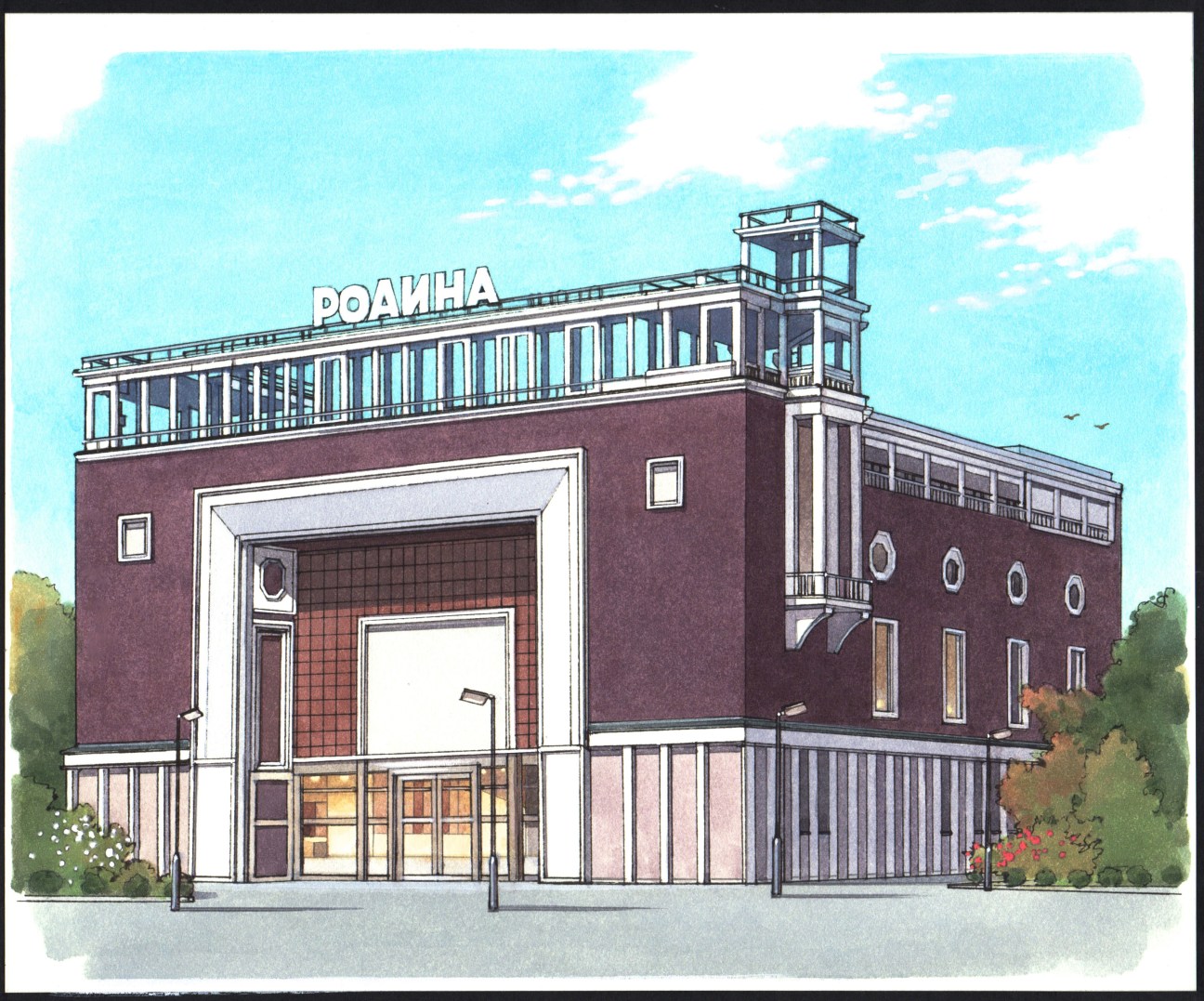
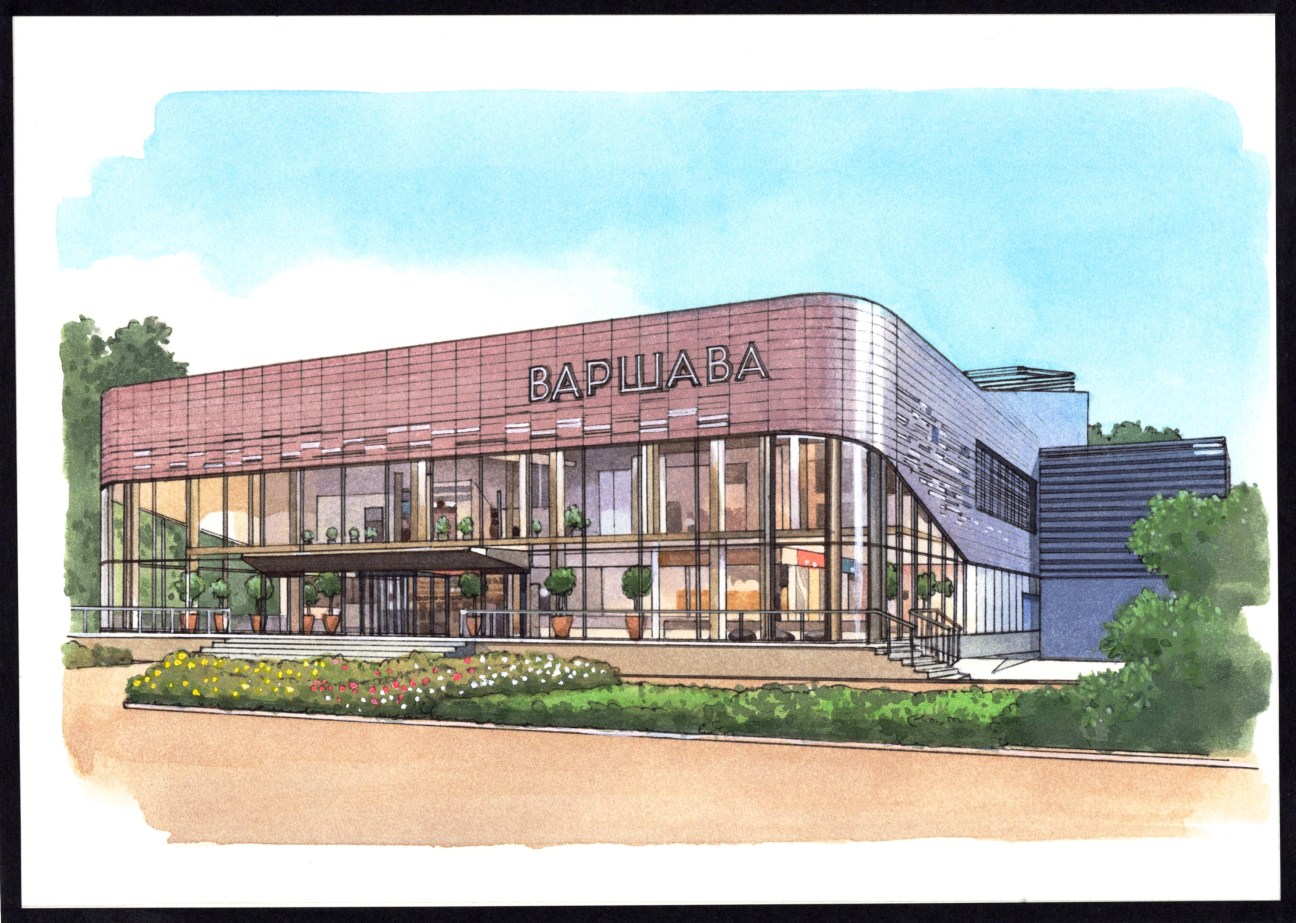
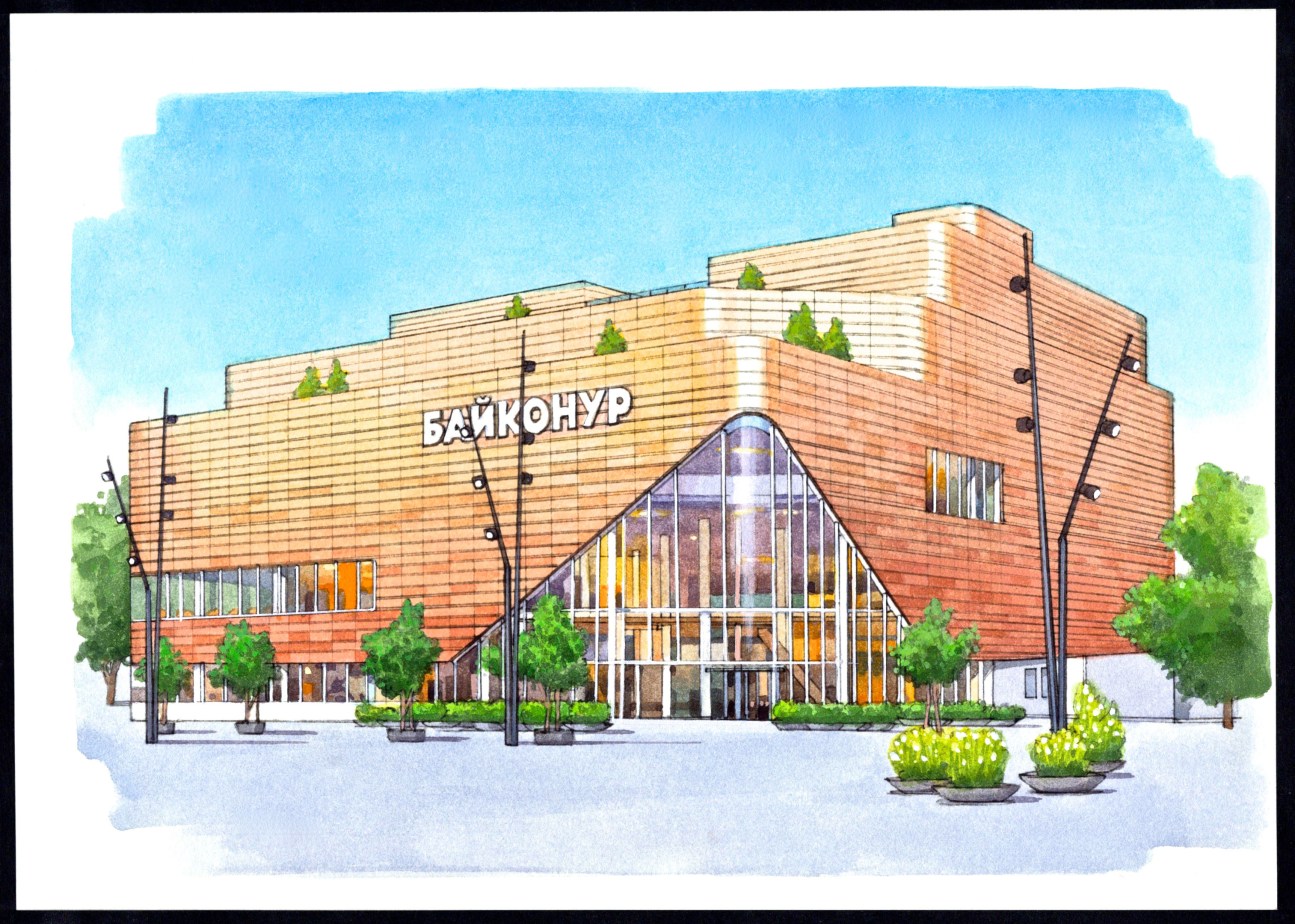
The goal is that they will provide what Mikhail calls “a centre of gravity” for the 2.5 million mostly middle-class Muscovites in their vicinities – that’s about a fifth of the city’s population. All but one are located beyond Moscow’s Third Ring Road, a multi-lane beltway considered the fringe of the city’s centre, and are sprinkled evenly across these suburban areas, easily accessible on foot. Each development will offer shopping areas, restaurants and some form of entertainment.
Unlike other major global cities, almost all of Moscow’s cultural activity and sought-after restaurants are concentrated in the centre. Yet actually getting there can be tough: traffic jams and vast travelling distances are daily headaches for residents. Indeed, in 2017, Moscow ranked 168 out of 231 cities in consulting firm Mercer’s quality-of-life index, sandwiched between the Saudi Arabian cities of Riyadh and Jeddah.
ADG plans to dismantle Moscow’s reliance on the centre. Of the 39 sites, cinemas will still exist in 33 but, unlike the Soviet single-screen system, 160 screens will be built in conjunction with South Korean multiplex-cinema chain cj cgv. Almost all locations will have a Lenta supermarket; some will have medical and sports facilities. “It’s a question of quality of life,” says Grigory. Russians both young and old have, he says, a renewed desire to enjoy their urban environments after decades of decay.
ADG’s plans come as Moscow undergoes its largest physical transformation since the Soviet era. Costing billions of euros, the multi-year reconstruction has made the metropolis of 12 million sleeker, cleaner and more liveable. Dilapidated industrial sites are being cleared for parks and apartment blocks, while the homemade advertising that covered the city’s underground rail network has disappeared. Moscow’s chaotic web of kiosks has also been bulldozed. In recent years, new pedestrian areas and bike paths have appeared too. Critics, including opposition leader Alexei Navalny, say the overhaul is designed to distract people from a poor economy and stifling politics. Yet it’s difficult to argue that the city hasn’t been improved.
There are also concerns that not enough is being done to preserve the heritage of the city. And it could be said that ADG is contributing to this: of the sites being redeveloped, only one is being preserved in its original form. Named Rodina (Motherland), the cinema in the northeast of the city retains its 1938 opulence. ADG is preserving the original chandeliers, ceiling vaults and wall designs (including the obligatory hammer and sickle), as well as its façade and roof terrace, which will be turned into a restaurant. The majority of ADG’s sites are being razed and rebuilt from scratch.
Yet few of the other properties have much architectural value. For the new structures, ADG hired London-based architect Amanda Levete, known for London’s Sky Hub and Bangkok’s Central Embassy building. Her designs limit the internal storefronts and walls, creating more open and flexible spaces. The properties will also maintain some original Soviet furnishings, as is the case in Moscow’s modern-art museum Garage, where sections of mosaics are being reinstalled. But other attributes from that time, such as the foreign perception “that Russians never smile”, will be combated through customer-service training, according to Mikhail.
Alexey Belyakov, ADG’s in-house architect and project-development manager, insists that each new building will retain, at a minimum, a replica of the signage currently sitting atop the cinemas. (When looking at the cinemas’ names – Riga, Patriot, Budapest, Kyrgyzstan – the expanse of the Soviet Union and its satellite states becomes apparent.) Belyakov has been trawling through the archives to look for design clues. “We want to keep an historical approach,” he says. “We want to make them alive again.”
Talking points
1.
Tunisia
Leading the Arab world.
“There’s no choice: it’s either corruption or the state, either corruption or Tunisia.” In May 2017, Youssef Chahed, the prime minister of Tunisia, told his country that he had chosen the state. A week later he told two newspapers that the struggle against corruption will be a long-term war. “No one will be protected.”
These were not empty words: several high-profile figures, including a former presidential candidate, had just been hauled in by police on charges of corruption and funding protests in the country’s restive south. In the months that followed, dozens of notable people – from mafia bosses to customs officials – were arrested. Chahed’s willingness to tackle the biggest issue facing Tunisia, and many other Arab countries, has sparked optimism that this tiny north African nation could be the posterchild for the region in the year ahead.
Since 2011, Tunisia has weathered the downfall of a 23-year regime, the creation of a new constitution, political assassinations, its first free elections and two major terrorist attacks. Of all the Arab world’s revolutions, Tunisia’s is the only one that has led to constitutional democratic governance. When we’re in town, the capital is alive with a bustling film festival, the cafés are packed with men and women, and tourists are once again trekking through the souks. Rather than descend into chaos or stagnate like its neighbours, Tunisia has pressed on – albeit in a halting fashion.
“Corruption permeates every sector so, in that sense, it’s the most important thing to address in 2018,” says Sarah Yerkes, a Carnegie fellow focused on Tunisia. “Corruption was one of the main causes of the revolution so the government’s inability to address that increases the trust gap, which is a real problem for a democratic transition.”
It is, Yerkes says, what has allowed human trafficking and the smuggling of drugs and weapons over the border. Corruption has also made it easier for people to fight with militants in Libya and then return home – a huge security threat. (Tunisia has been the greatest contributor to the manpower fighting for Isis.)
While Chahed’s crackdown appears impressive, some have accused the government of using it to settle political scores. Others point to the lack of transparency and, according to Carnegie research, three in four Tunisians say corruption has got worse since the fall of president Zine El Abidine Ben Ali. “It’s symbolic,” says Mohammad, a 26-year-old theology student drinking coffee with three friends in Tunis’s historic Medina quarter. “This government does nothing. It’s all promise and no action.”
Pessimism and a lack of trust in politicians are common in Tunis; there’s a feeling that the perfect future envisioned during the 2011 uprising has failed to materialise. Mohammad and his friends – all unemployed – also point to the lack of jobs, particularly for young graduates, a group with 31 per cent unemployment in 2016.
Yet there are reasons to be optimistic. Tunisia’s thriving civil society is evidence of how far ahead it is compared to the rest of the region – Egypt, for instance, recently introduced laws that threaten to stop NGOs from being able to work at all. In Tunisia even the most government-hostile organisations work without fear of arbitrary arrest. “We are lucky compared to other Arab countries,” says Mohamed Chérif El Kadhi, the fast-talking communications manager at I Watch, an anti-corruption organisation affiliated with Transparency International.
In the past two years the watchdog has published more than 20 investigations, naming and shaming everyone from bank officials to media moguls, and even uncovered evidence of shady dealings by the former anti-corruption minister. Headquartered in Tunis’s lively downtown, the group has been seen as an unstoppable force since it was founded in March 2011 and has faced legal challenges and smear campaigns. “We have to be fearless because we know we are going to face some threats,” says El Kadhi. “We are saying what no one else wants to say.”
The increased freedom since 2011’s revolution allows for spirited debate in the press, fairer coverage and investigations. Tunisia is a rare beacon, coming top of the 2017 Press Freedom Index among Arab countries in the region. But that’s not to say that journalists in Tunisia don’t face resistance: “We’re in a delicate situation due to this transitional context,” says Hanane Zbiss, a freelance investigative reporter covering corruption. “The authorities would like to have greater control over journalists and media groups. But we are not going to give up. I’m optimistic.”
For many Tunisians, getting beyond the turmoil of recent years also means reviving the country’s crucial tourism industry. Visitors are slowly returning after the horrific 2015 terrorist attacks in Tunis and the resort town Sousse that left roughly 60 people dead. The National Office of Tunisian Tourism recorded 3.6 million visitors by the end of July in 2017, a 27 per cent year-on-year increase. It’s welcome news for a sector that previously accounted for a sixth of the country’s GDP.
At the Bardo Museum, home to a staggering collection of Roman mosaics, there are still bullet holes in one of the 15th-century palace’s many intricately decorated rooms. Staff say visitors are returning – about 250,000 came over the summer – but numbers haven’t recovered completely. The ruins of Carthage, an ancient city just outside Tunis, may no longer receive the droves off the cruise ships that once docked in Tunis but tour guide Laouini Kalthoum makes do. “I live for this,” she says. “The attacks made everything worse, yes, but it was actually crowded here this summer.”
Despite its travails, Tunisia projects an image of renewed stability. Its long history of secularism was entrenched in the new constitution and women’s rights are being protected further by new laws. The country is affirming principles that are threatened elsewhere in the Middle East but if it is to be the shining light that PM Chahed wants it to be, he must make good on his anti-corruption crusade.
Kalthoum points to a cluster of sun-bleached stones lying among the ancient rubble. “When you see the Punic sector of these ruins you see that they built things out of older bits from before Carthage, parts of terracotta pots and so on. Well, we do the same,” she says. “We’re survivors.”
2.
Midterm elections
Can the Democrats stage a comeback?
Ever since the election of Donald Trump to the US presidency, the Democratic party has been anxiously waiting for 2018. The midterm elections in November are an opportunity to initiate the great swing back to power that the party desperately needs: retaking the Republican-held Senate and House of Representatives, and reinstating some checks on the administration’s power to push through policy.
The midterms, after all, have long been a see-saw of power for whichever party is in opposition. The 2010 midterms during the Obama administration, for instance, unleashed a powerful reactionary force in US politics: the birth of the Tea Party and some of the more crackpot factions of that movement have since found their way into mainstream Republican discourse. It follows then that these midterms could present the possibility of a similarly grassroots (but hopefully more sane) response from the US left.
The year ended with some promising political twists for the Democrats, with blue wins at gubernatorial elections in Virginia and New Jersey. Meanwhile there’s much soul-searching going on in the wings of the Republican party about the meaning of US conservatism itself. To get a sense of how 2018 – a pivotal year in US politics – might unfold we’ve asked academics, authors and activists about what they think the midterm elections will deliver.
1.
Andrew Feinberg
Whistleblower and former White House correspondent for Sputnik news agency
An animal is most dangerous when it’s wounded. With Trump’s current 38 per cent approval rating, the right wing-Russia axis is going to lash out so as to hold on to power.
2.
Jim Brulte
Chairman of the California Republican party
Our number-one goal for the midterms is electing a Republican governor. We have seven congressional districts that Hillary Clinton carried and we have really good opportunities in about five others.
3.
Sanaa Abrar
Policy and advocacy manager, United We Dream: the largest immigrant youth-led organisation in the US
Many people are calling the elections in Virginia, New Jersey and beyond a microcosm for what might happen in the midterms. The “Rising American Electorate” is present in every state.
4.
Leah Greenberg
Co-executive director, Indivisible: an anti-Trump, progressive grassroots organisation
The November 2017 elections made it clear that a newly awakened progressive base is energised in every community in the country – even in ones considered safely conservative. A progressive wave is coming.
5.
Nancy Pelosi
House Democratic leader
The people spoke loud and clear on election night in November 2016: they will not stand for a Republican agenda that crushes the middle class and threatens the economic and health security of hard-working Americans.
6.
Peter Baker
Chief White House correspondent, ‘The New York Times’
The real question of 2018 is whether the normal laws of political gravity will reassert themselves – or will we continue to be in this freefall, with everyone trying to figure out how they’ll land?
7.
Xenia Wickett
Head of the US and Americas Programme at Chatham House, and former adviser to the US State Department
The Democrats shouldn’t expect midterm wins to translate to the general election. The party hasn’t found a way to reconcile its two sides: the vetted candidate and the outlier candidate. That civil war plays out on a national level.
8.
Brian Klaas
Fellow at the London School of Economics and author of ‘The Despot’s Apprentice: Donald Trump’s Attack on Democracy’
It’ll be a landslide rebuke to Trump. I don’t think the Democrats will win the Senate but they are likely to take the House of Representatives – and the Republican losses will make it harder for Trump to push through policy.
9.
Jorge Ramos
Mexican-American author and TV anchor, Univision and Fusion
The reaction to Donald Trump has been slow and I’m hoping 2018 might be a revival. I just hope that Democrats put more imagination into their candidates and strategies.
10.
Elaine Kamarck
Senior fellow at Brookings and author of ‘Why Presidents Fail and How They Can Succeed Again’
In the 2010 midterms, when the Republicans took back the House, it was a referendum on Obama and his healthcare plan. But we’ve never had a situation where the national issue is the character of the president himself.
11.
Stewart M Patrick
Senior fellow at the Council on Foreign Relations
This is a pivotal moment because it will determine whether Donald Trump has realigned the Republican party. Ironically, the more Trump succeeds in remaking the party in his image, the greater the Democrats’ chance of success in the general election.
12.
Kathie Obradovich
Chief political columnist, ‘The Des Moines Register’
A question the midterms will answer is whether Iowa, and other swing states, have taken on a decidedly red hue in the long term. Was the vote for Donald Trump here an anomaly?
13.
Katty Kay
Anchor, ‘BBC World News America’
The test for the midterms is whether the resistance, anger and energy on the left translates into winning. We’ve all seen the protests, we’ve seen the women’s marches; the question is, will people then get out and vote?
14.
Lawrence Rinder
Director, Berkeley Art Museum and Pacific Film Institute
Trump’s demonisation of the media has created a climate that could trickle down to undermine freedom of expression in the arts. Anyone with a stake in this will be paying attention to midterms and hoping for the best.
15.
Christina Bellantoni
Assistant managing editor for politics, ‘LA Times’
Even though the Affordable Care Act was unpopular, people didn’t want to lose their healthcare coverage. So that really was both an emotional and a pocketbook response. The ingredients are there for a wave back towards the Democratic party.
16.
Dana Perino
Former White House press secretary under George W Bush
Only a few times has a president not lost seats in the first midterm. If the stock market continues to do well and companies make decisions to reinvest in the US, that could help Trump.
17.
J Ann Selzer
Pollster, Iowa
We’re seeing Congress jolt into action but beneath the surface there is so much changing. There are members of Congress deciding they won’t run again so that is opening up possibilities.
18.
Rich Lowry
Editor, ‘National Review’
It will be a bad Republican year. Based on the Virginia results and the historic baseline of what an out-of-power party can do, you have to assume that the Democrats are, at the very least, going to come close to taking the House.
19.
Katrina vanden Heuvel
Editor and publisher, ‘The Nation’
Resistance to Trump is a tempting default position but won’t cut it in terms of consolidating a governing majority, or the mandate for reforms this country desperately needs. It is going to take a cross-class, cross-racial coalition for Democrats to take back the House.
20.
Margaret Brennan
White House and senior foreign affairs correspondent, CBS News
The midterms will be a test case of where we are as a nation: whether the Trump effect has really taken a hold in this country; has it completed its hostile takeover of the Republican party; is it now the party of Trump?
3.
Making a nuisance
Political provocateurs.
Politics has always had its fair share of agitators. For as long as there have been positions of power there have been those who have wanted to challenge – or flat-out usurp – the people holding them.
Depending on the regime in charge (and who you ask), agitators can either be a force for good or the start of something even worse. Nelson Mandela and Mahatma Gandhi were both revolutionaries who disrupted the status quo and changed the face of their nations. Then again, so was Benito Mussolini.
Some political troublemakers take on corrupt or cruel systems, envisioning a better world. Others are simply looking to claim power for themselves. Yet all disruptors have one thing in common, at least in the beginning: they become something of a pain in the backside for whoever happens to be in charge. After all, it doesn’t always take a coup to bring down a government and even the provocations and challenges that don’t manage to unseat a leader can still reverberate far and wide.
Here we take a closer look at how a career politician, a rising star, an insider-turned-whistleblower, a perennial oppositionist and a prosecutor who could bring down an entire administration have the power to influence their countries. It’s too early to tell whether these five figures will be the leaders of a revolution, turn into the villains du jour or see their efforts fizzle out. But throughout 2018, for better or worse, these rabble-rousers will be serious thorns in the side of power.
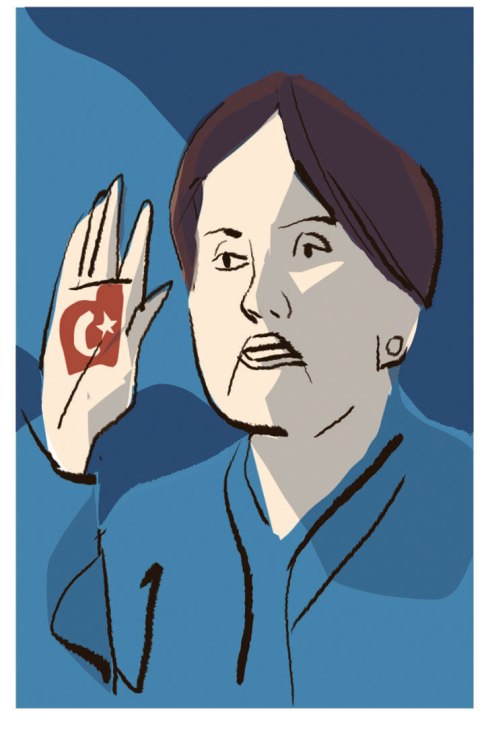
1.
Meral Aksener
Leader of Turkey’s Good party
A threat to the president’s grip on power
For a depressingly long time the received wisdom was that despite the gaffes, spats and constitutional illegalities, Turkey’s permanently embattled president Recep Tayyip Erdogan wasn’t going anywhere. Meral Aksener has shaken up that order.
A former interior minister in the 1990s, Aksener is informally referred to as Asena, meaning “she-wolf”: wolves being a key symbol of the more fanatical annals of the far-right Nationalist Movement party. Aksener broke away from its sycophantic leader in 2017 to form her own political party and now presents herself as a centrist who is cut from the cloth of the old Republic, waving images of Mustafa Kemal Ataturk. She’s bemoaned Turkey’s cowed media and Erdogan’s readiness to run roughshod over democratic institutions.
Her Good party hopes to nudge Turkey back towards the West if it wins in the 2019 elections. Aksener herself comes from a long line of politicians who have no time for Kurdish autonomy and there’s no indication she can unite a divided country. That said, she represents a real political threat to Erdogan. He may still have the theatrics but there’s growing fatigue in the country, which works in Aksener’s favour.
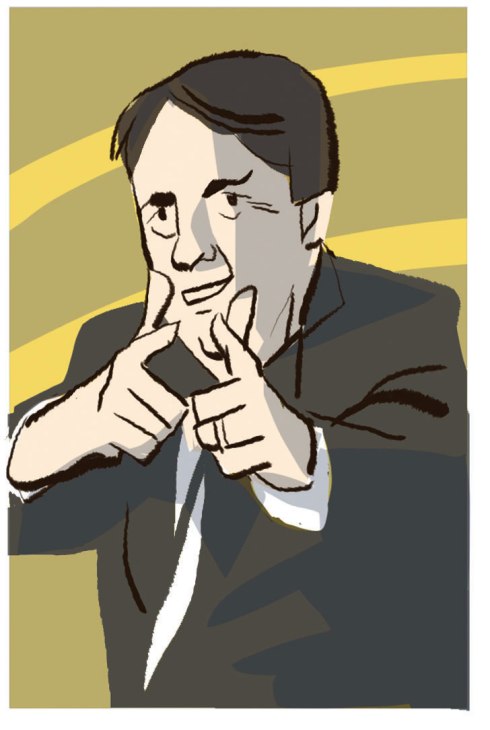
2.
Jair Bolsonaro
Populist politician
Brazil’s Donald Trump
Tipped as the tropical answer to Donald Trump, Jair Messias Bolsonaro is a gun-loving, anti-minority right-wing populist who plans to run for president in October’s election. Infamous for dedicating a congressional vote to an army colonel notorious for brutality, Bolsonaro sends shivers down the spines of his opponents, invoking Latin America’s dark past.
But with Brazil recovering from economic recession and beset by corruption scandals, the former army captain – seen as an outsider to the country’s political establishment – is garnering support, particularly among conservatives and religious groups. Like Trump in the US and the Philippines’ Rodrigo Duterte, Bolsonaro is a social-media master. His straight-talking tweets have connected with many Brazilian voters tired of false political promises.
Securing enough support to be elected will be a challenge but he need not win an election to disrupt the country’s political landscape. While he denies the populist label, Bolsonaro has embraced a string of controversial policies, including ending gun control in an already crime-ravaged nation. What the popularity of a candidate like Bolsonaro represents is the country’s pronounced shift to the right.
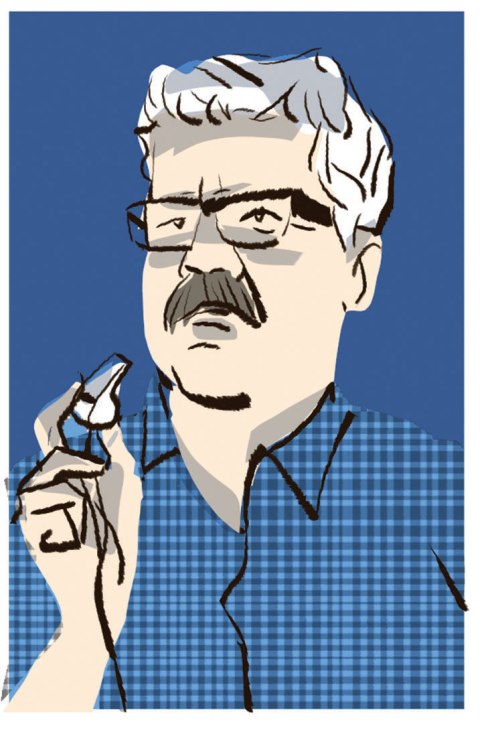
3.
Grigory Rodchenkov
Scientist
Damaged Russia’s key soft-power asset
Since 2016, whistleblower and eccentric scientist Grigory Rodchenkov has been a problem not only for Vladimir Putin and his government but for all elite Russian athletes and the entire nation’s sport programme. After several years as the director of the Moscow-based Anti-Doping Centre, Rodchenkov revealed to US journalists that he had been part of a state-sponsored doping programme designed to help Russia’s top athletes, including Olympic medallists, achieve success – and avoid being detected.
The fallout from Rodchenkov’s revelations was dramatic: more than 100 Russian athletes were banned from participating in the Rio Games in 2016, seriously staining one of Putin’s most potent soft-power assets. Rodchenkov, fearing for his life, entered the FBI’s witness-protection programme.
Yet 2018 might bring further problems, with the Winter Olympics taking place in Pyeongchang, South Korea, in February and Russia still under suspicion.
What’s more, the World Cup is slated to begin in Russia in June and Fifa has confirmed that it wants to meet with Rodchenkov to discuss doping in football.
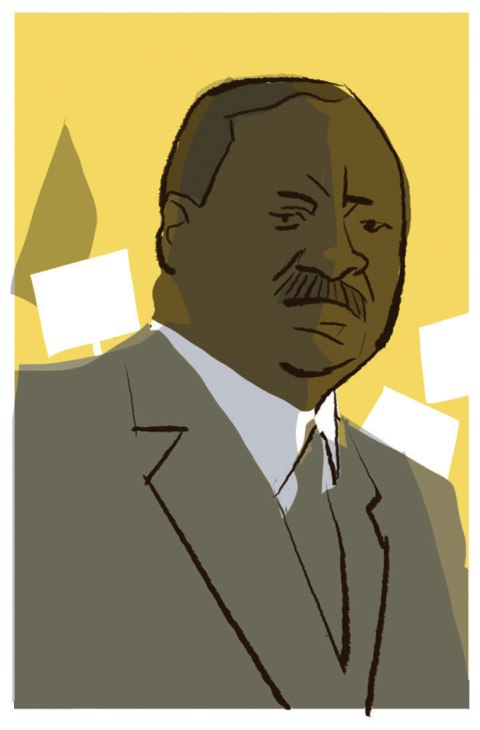
4.
Raila Odinga
Opposition leader
Kenya’s resistance movement
Septuagenarian Raila Odinga is Kenya’s perennial oppositionist and bridesmaid. In 2017 he tilted at the presidency for the fourth time and again lost to Uhuru Kenyatta. In that respect his career has emulated that of his father who also failed to win the top job, losing to Kenyatta’s father in what has become a dynastic struggle shaping Kenyan politics since independence in 1963.
Odinga has cried foul in all but his first defeat, back in 1997. He likely was cheated in 2007 but in 2013 and in the latest election, it’s less clear. He won a legal challenge against the August 2017 result then boycotted the court-ordered rerun in October, and continues to insist Kenyatta’s government is illegitimate. Kenyans get that he feels aggrieved but given the elite nature of Kenyan politics, there’s little sympathy for sore losers whose self-serving antics get in the way of the important stuff like earning a living, paying the rent, getting the kids to school and feeding the family.
That isn’t likely to slow Odinga: to push his claim of Kenyatta’s illegitimacy he has launched the National Resistance Movement, promising economic boycotts, civil disobedience and protests that are set to disrupt life in Kenya for months to come.
5.
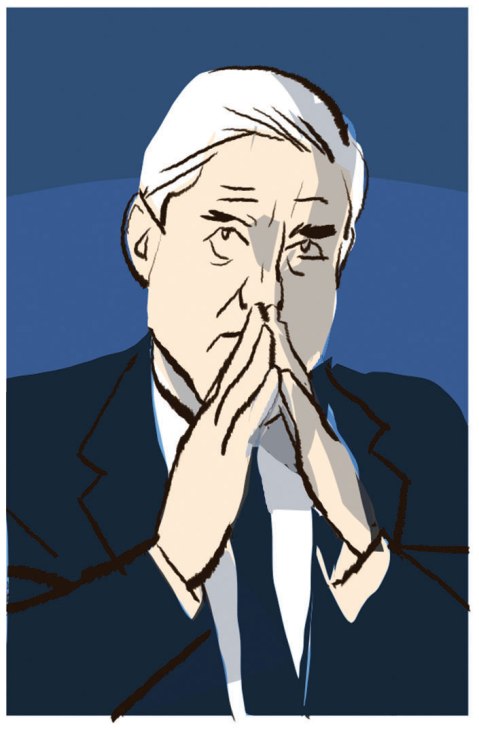
Robert Mueller
Lawyer and civil servant
Probing Russian influence in US politics
Some Democrats may bemoan the fact that Robert Mueller – the former FBI head charged with investigating Russian meddling in the 2016 US election – still has to report to the Department of Justice. (The spectre of Donald Trump firing the special counsel therefore looms.) But that doesn’t seem to be stopping Mueller from aggressively investigating the president and everyone in his administration.
Indeed, Mueller has shown little sign of being ruffled by any of Trump’s thinly veiled attacks. Alongside the fallen heads of former White House foreign policy aide George Papadopoulos and former campaign manager Paul Manafort, Mueller’s outstretched tentacles are getting ever closer to the highest echelons of power. The special counsel may have enough evidence to indict former national-security adviser Michael Flynn and he’s also probing the likes of Jared Kushner and communications director Hope Hicks.
What’s certain is that Trump – much as he may like to – would be hard-pushed to fire Mueller no matter how close his prosecutions get to the Oval Office. Sure, Trump can level a charge but doing so could unfurl a public and political backlash of Watergate proportions.
A fine beast
If bricks-and-mortar retail is dead, nobody has told Gentle Monster. Five years after its first shop opened in Seoul, the South Korean sunglasses firm – famous for shops that look more like art galleries – is gearing up to launch in Europe in 2018, starting with its London flagship on the corner of Oxford and Regent streets. A big year ahead, then?
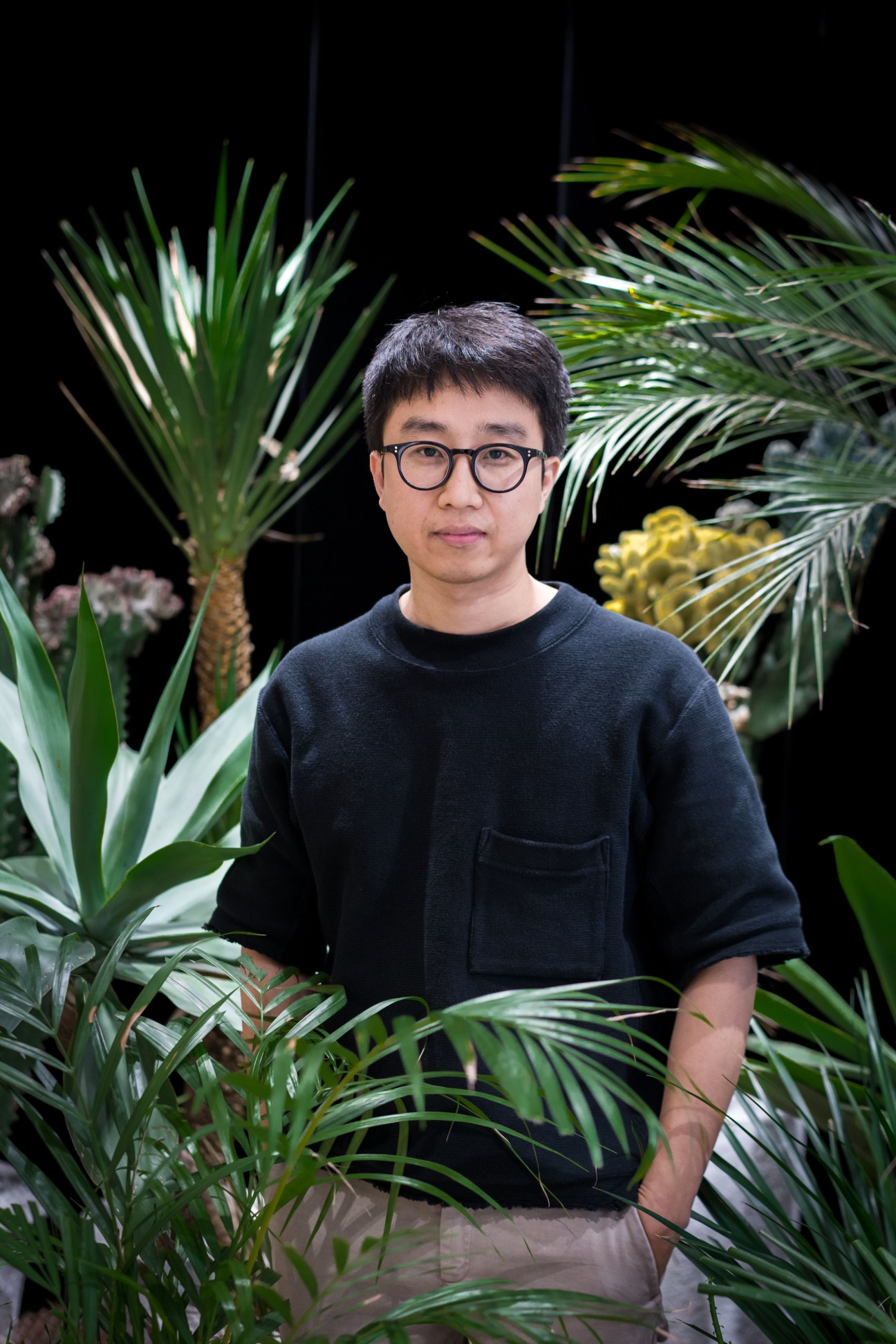
“It’s a big year every year,” says its boyish, bespectacled co-founder and CEO, Hankook Kim. The 37-year-old is sitting in a retractable room in the company’s purpose-built HQ: the third-floor meeting area slides out of the building’s façade whenever the sun is out. Why? Well, why… not? The company’s 130 staff only moved into Seoul’s lively Hongdae area in February but Kim has already bought a new site in nearby Seongsu-dong that is three times as big.
“I put more energy into spaces than sunglasses,” says Kim, who has had a hand in designing the offices and retail spaces. Gentle Monster opened shops in Singapore, LA, Chengdu and Guangzhou in 2017, taking its number of individual shops to 16. Each is designed in-house and the interiors are getting more fantastical with each opening.
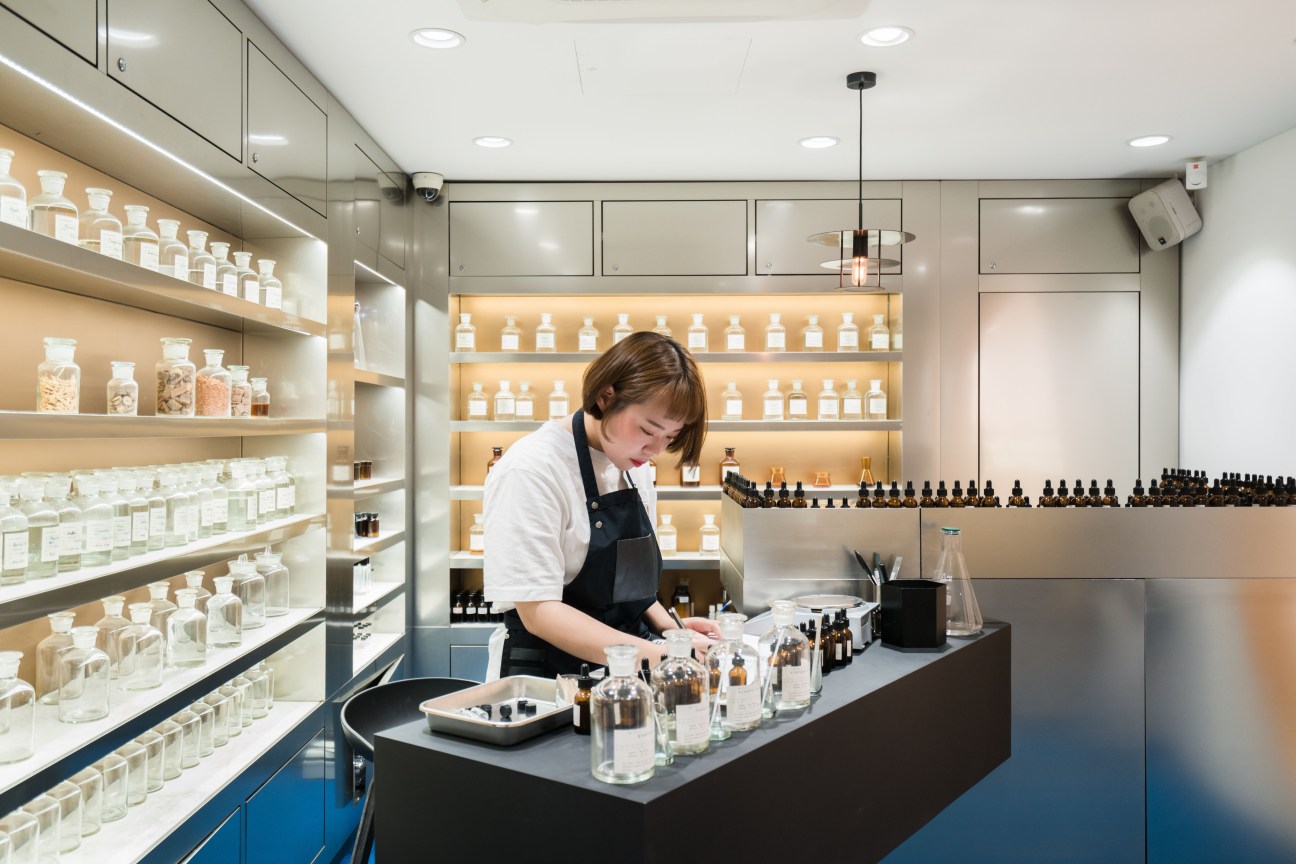
The one nearest its Hongdae headquarters has a scent theme. A distillery made of copper and brass sits at the centre, surrounded by glass vials: it’s part perfumery, part science experiment. The Hong Kong flagship takes the form of a railway carriage, while Chengdu has sculptures interpreting what life would look like after a tsunami has fused land and sea. Needless to say, Gentle Monster’s brand philosophy is weird beauty.
Putting physical shops at the core of the business is a bold move for a young fashion label that’s grown up in the era of online retail. It’s no surprise then that Kim is often called upon to defend the time and money spent on creating peculiar retail experiences. He responds with a straightforward explanation: he enjoys it. “Making money is important but being happy is more important to me.” Surely his chief financial officer has something to say about that? “I don’t have one,” he says, while walking across the shopfloor in Hongdae, where sunglasses are displayed in mechanical pods that imitate lungs’ movements during inhalation.
In the early years these bewildering displays were changed every 21 days but such drastic refits have now become an annual event. Kim is trying to free up time to plan the future of the company as it begins to experience rapid growth: annual revenue is expected to reach $180m (€153m) this year, up from $1m (€850,000) in 2012. Clearly, investing in memorable spaces is paying off.
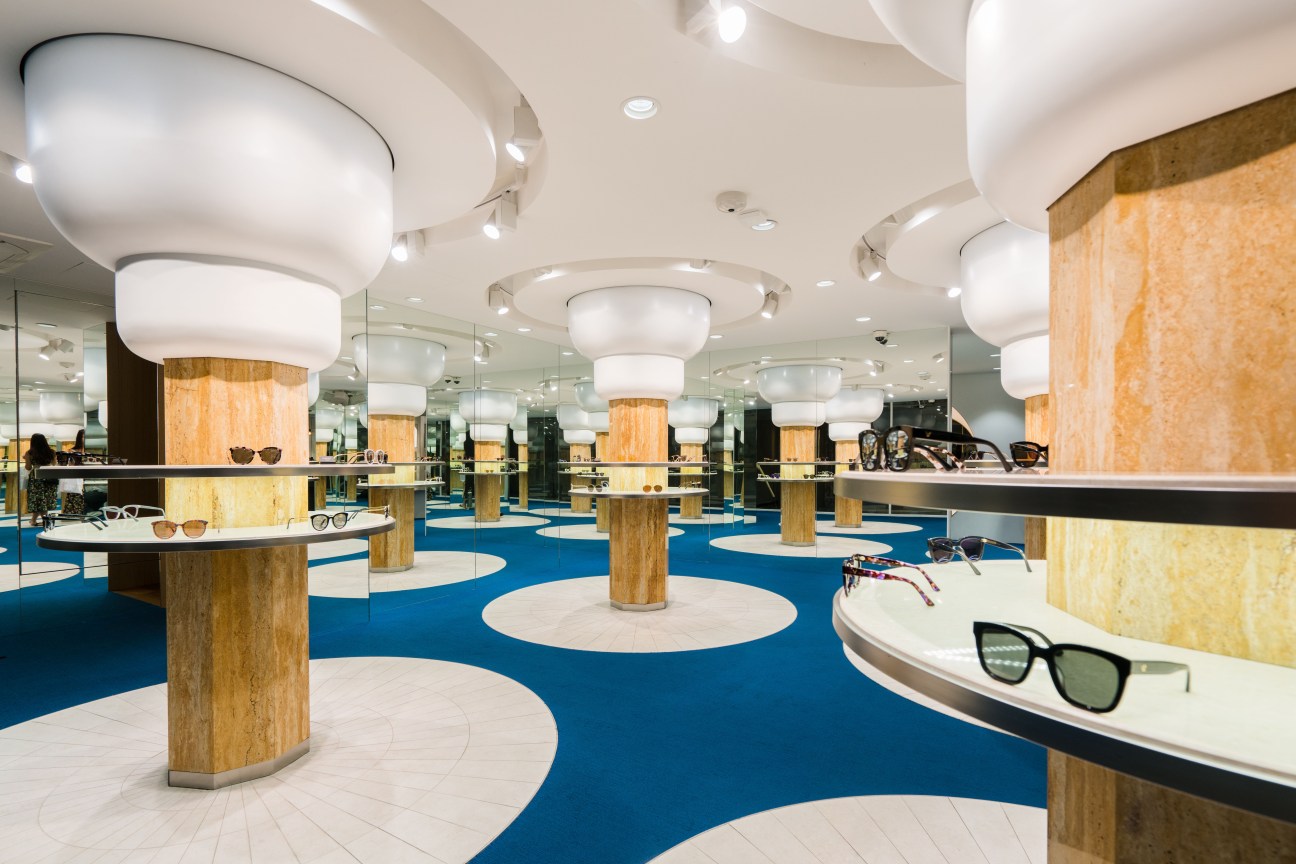

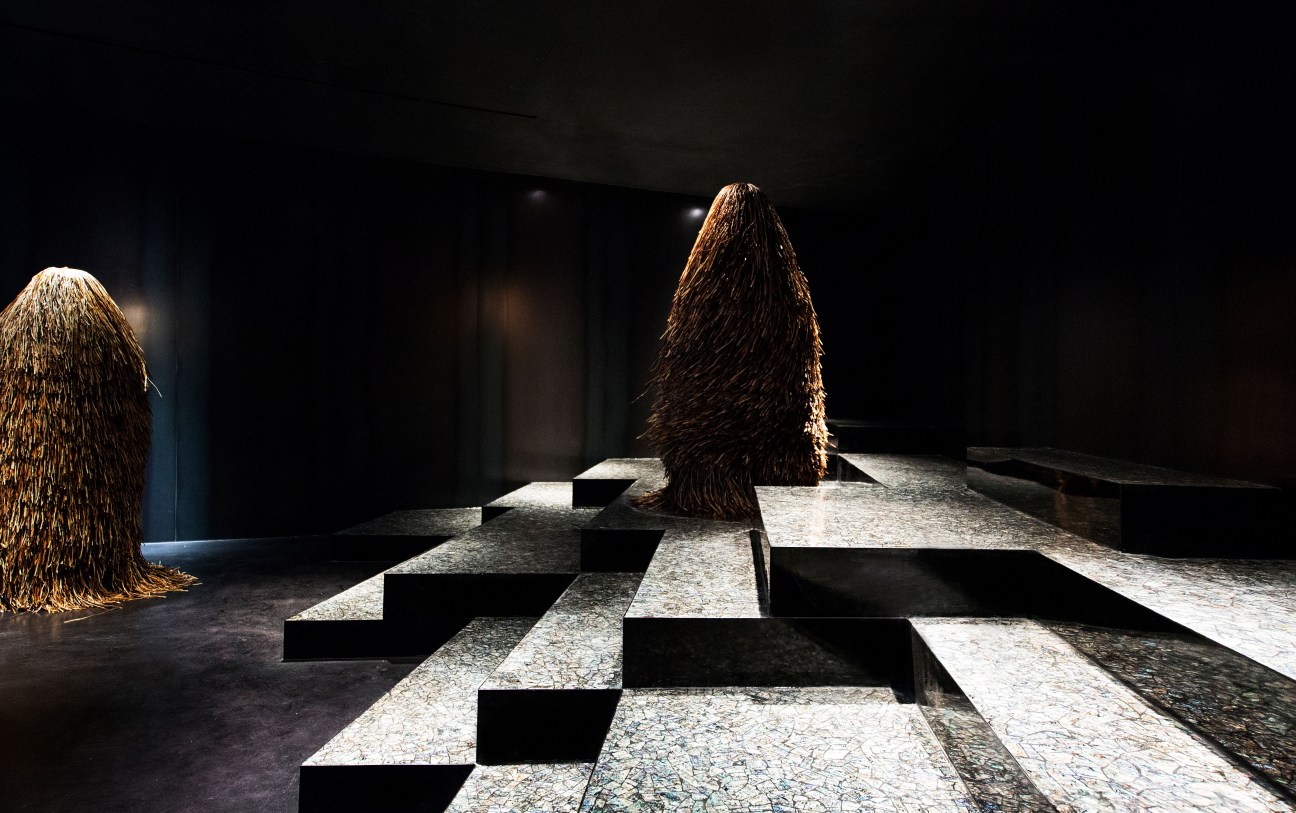
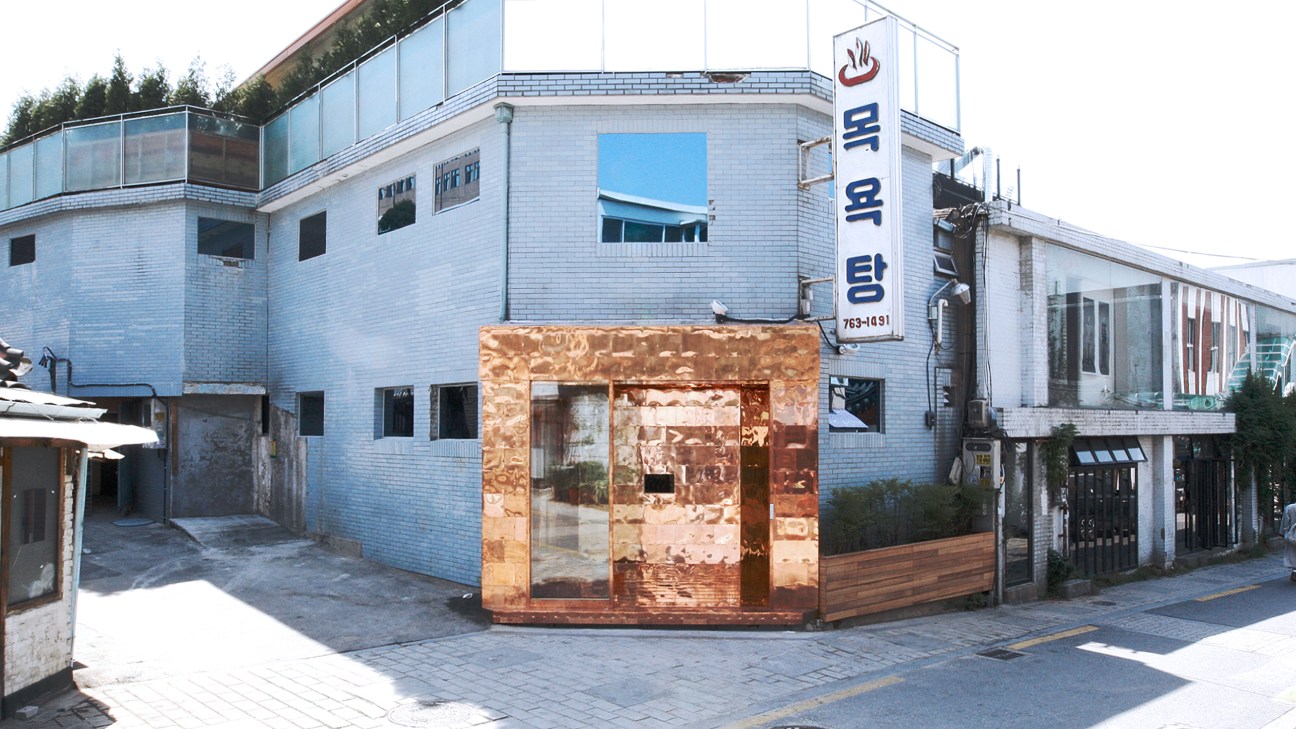
When walking past a Gentle Monster shop window it’s easy to forget that its business is selling sunglasses. Colourful products, such as a collaboration with Danish designer Henrik Vibskov (dark-green frames, yellow-tinted lenses and a yellow pencil on the bridge), hide upstairs in largely empty displays, often next to a “sold out” sign. This scarcity is part of a careful strategy: “Our sunglasses have to look valuable,” says Kim, while bemoaning the way opticians line up frames in cramped rows, making luxury labels look the same as other brands. “Our secret is that we know how to display small quantities of sunglasses in big stores.”
The appearance of luxury is central to Gentle Monster, even though the price tag is usually half that of European designer eyewear. Success depends on customers – 90 per cent of whom are women – buying several pairs each year. Kim sees little competition in the $200 (€170) to $300 (€255) bracket, and selling larger frames that are flattering to rounder Asian faces is an added point of distinction.
Each season has about 30 new designs to provide choice for repeat buyers; about 65 per cent of annual turnover comes from the latest collection and there are no discounts, even for staff. Kim may appear sensitive on the outside but Gentle Monster is his alter ego. “Inside I am so man,” he says, without a hint of irony.
The new season will launch in January and by February it will be clear how successful 2018 is going to be. Kim is sitting in front of six pairs of sunglasses taken from the soon-to-be-unveiled collection; the range has been inspired by his trip to Dover Street Market in London. Each pair is graded on a weirdness scale of one to three. This ensures that there are a sufficient number of commercial models to balance out the outlandish designs.
This year, for instance, the whacky Vibskov-designed Pencil glasses that retail at $410 (€348) were supported by 2017’s bestseller, Absente: Audrey Hepburn-style black acetate frames that fly off the shelves at $210 (€178). Kim is already sure of his 2018 bestseller, although it is being kept under wraps. Industrial espionage is a concern, especially at the firm’s two factories in Daegu and China’s Guangdong province.
Gentle Monster controls every aspect of the commercial process, from design to manufacturing to selling. Profitability comes from cutting out the middleman. While it is not rocket science, it is impressive for someone with no background in the industry. “I didn’t know anything about sunglasses, glasses or business,” says the former journalist and teacher. His greatest skills – business acumen and an awareness of women’s fashion tastes – are innate.
Kim co-founded Gentle Monster seven years ago with his former boss from a language camp where he taught English. He read management books and attended meetings with South Korean eyewear bigwigs. He started out selling spectacles but regulatory restrictions steered him towards sunglasses. “Now I know the market and I know sunglasses,” he says. The nation’s specs market is dominated by men – women are more likely to wear contact lenses or get surgery – but the sunglasses market is the domain of women: in many parts of South Korea and Japan it is considered rude for men to wear shades. And there are women who will go so far as to jump on a plane to buy a pair of Gentle Monsters. It may not have been a carefully planned decision but homing in on sunnies has proved savvy.
Celebrity endorsements have been central to Gentle Monster’s rise in Asia. The brand blew up in South Korea and China in 2014 after an actress in a drama wore a pair. Even a year-long diplomatic spat between the two countries did little to dim its success. “As long as the brand is strong enough, people anywhere will be drawn to it,” says Kim, who has been downplaying his company’s South Korean roots as it goes international. Chinese people are his most important customers: they tend to be braver than South Koreans and have increased the number of sunglasses that the company sells at the pointy end of the weirdness scale.
Ahead of its European launch, Gentle Monster has collaborated with British actress Tilda Swinton. Mirroring its Asian strategy in Europe – where celebrity endorsements hold less sway – will be tough. But Kim has a powerful backer. In September the brand announced an investment of nearly 10 per cent by the private-equity arm of LVMH – the ultimate European seal of approval. While the brand didn’t need the cash, it now has the benefit of LVMH’s luxury cachet as it expands on the continent and plans an IPO.
“Finding a good location is one of the most important things in retail and LVMH has a lot of shops in Paris,” says Kim – as ever, keeping an eye on the retail spaces. A shop in Paris is slated for 2019, by which time Gentle Monster will have opened at least two more shops in China, a second in Hong Kong and a first in Taiwan and Tokyo. This beast of a sunglasses start-up has plenty of big years to come.
Creating experiences
What does the shop of the future look like? Browns East, an impressive new boutique in London’s Shoreditch, attempts to answer that question, with newfangled features such as digital mirrors that allow customers to browse full collections and view clips of how the clothes are worn on the catwalk. But shops don’t need to be technologically advanced to be forward-thinking; the key is to create a memorable experience. Gentle Monster does this by conjuring breathtaking displays. Browns East has thought about this too: beyond the hi-tech tricks there’s a bakery, a striking interior that will change constantly and a gallery space lined with art for sale.
Then there is Brigitte Tanaka, a shop that recently opened in a former church in Paris. Its appeal comes via the element of discovery: ascend a narrow winding staircase to find nooks where multicoloured kimonos and ceramics are displayed. It is anti-technology but totally novel. This pint-sized space also proves that when it comes to retail bigger does not mean better. Too many retailers overwhelm with a sprawling shopfloor and a vast product range. The most enjoyable spots to visit are compact in size and considered with their offerings: think the Norse Store in Copenhagen or Goodhood in London. There’s no need to make life too difficult for shoppers; just tell us (with a little bit of wiggle room) what we should be buying.
Quick off the blocks
An audience of billions. A global cast of athletes at their career peak. An expanding universe of adrenalin-infused stories. The Olympic Games has always had the core ingredients of a TV show. Now, with the Olympic Channel, which was launched in 2016, the brand is leaping into the media landscape with muscular aplomb by repositioning itself from quadrennial to 24-hour broadcaster. Loading its own bases with talent from every corner of the globe, the channel wants to do more than outrun the competition: this is a plan to change how people consume sport.
“They say patience died with the 20th century,” says Yiannis Exarchos, the ebullient CEO of the Olympic Broadcasting Services (OBS). Sitting like a statesman in front of several wall-mounted Olympic torches, it’s hard to know whether Exarchos evolved into a steadfast embodiment of the brand or whether his penchant for prose and his thunderous voice were gifts bestowed by his Greek ancestors. Nonetheless, he is quick to dispel any old-school air. “When we launched the Olympic Channel the day after the Rio Games [in 2016], this new reality was a fundamental consideration.”
Exarchos champions the International Olympic Committee’s (IOC’s) surge into what he calls “digital territories”. Yet the birth of a 24-hour cable channel is only part of the parcel. “Obviously the Olympics will continue to be the big family event around the TV set,” he says, acknowledging that the 2016 Olympics in Rio didn’t have the highest TV ratings. But he points to a bigger picture. “The engagement on digital platforms, especially social media, actually made them the most watched Games in history – we want to embrace this transformation.”
Every new edition – across the Summer, Winter, Paralympic and Youth Games – pushes the broadcasting bar higher. For February’s PyeongChang 2018 Games, the obs television crew will grow to more than 4,300 staff in order to produce thousands of hours of content in South Korea and transmit it to the channel’s Madrid control room. “Remember this is an event consumed by almost half of the human population,” says Exarchos. “For us, each edition of the Games is always a chance to unlock ways to engage with younger viewers.”
South Korea may be just around the corner but the Olympic Channel team has a mission that is more marathon than mad dash. Around the world, Olympic coverage is always skewed to the national interest, which means the IOC’s lucrative rights deals remain in play. Now the channel wants to keep audiences engaged off-season, amplifying a sports mini-series into an every-day event.The IOC’s €490m seven-year investment (plus additional cash from founding sponsors Bridgestone, Toyota and Alibaba) will fund new programming and snappy new formats, and produce coverage aimed at capturing a younger – albeit more distracted – audience’s attention.
TV isn’t what it used to be. Digital, multi-platform, content on demand: the Olympic Channel is embracing them all. The website is the ace up the network’s spandex sleeve, home to a pre-programmed streaming channel and a pool of on-demand content. Agreements with stations in key regions, including Eurosport, Bein Sports, and NBC, also expose channel-surfing audiences to the channel’s content via the TV. Rather than pushing people to watch the new channel, this is about changing how people see a channel: put down the remote, pick up a smartphone and dive into the digital domain. Well, that’s the idea.
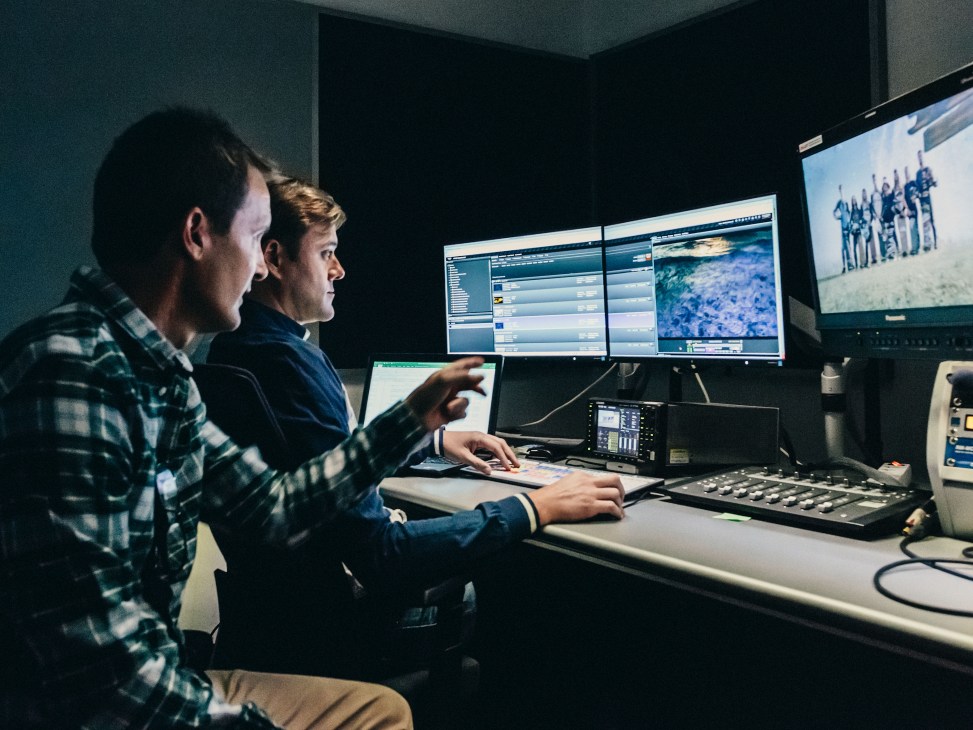

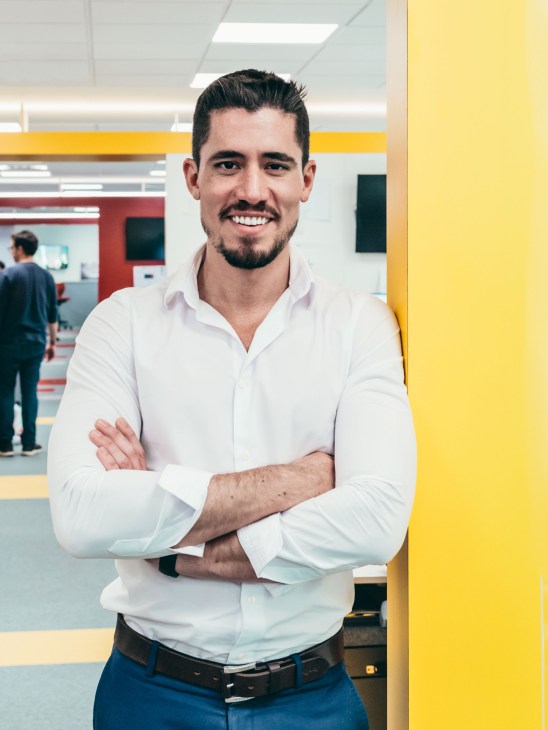
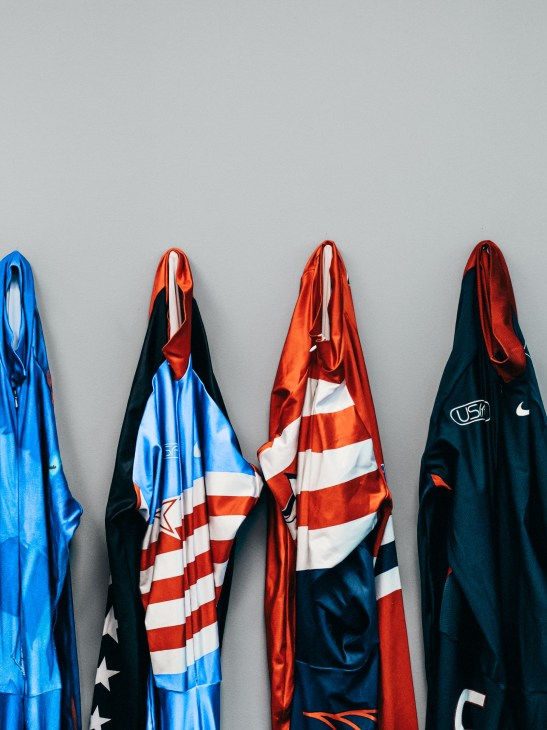

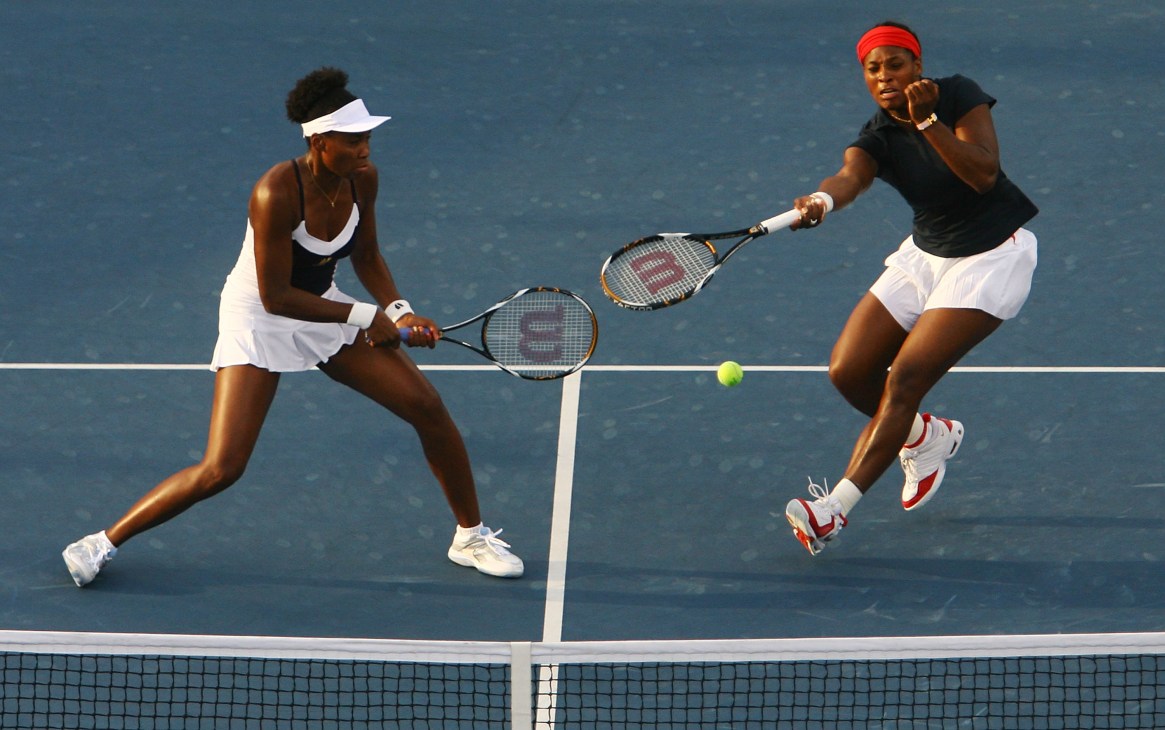
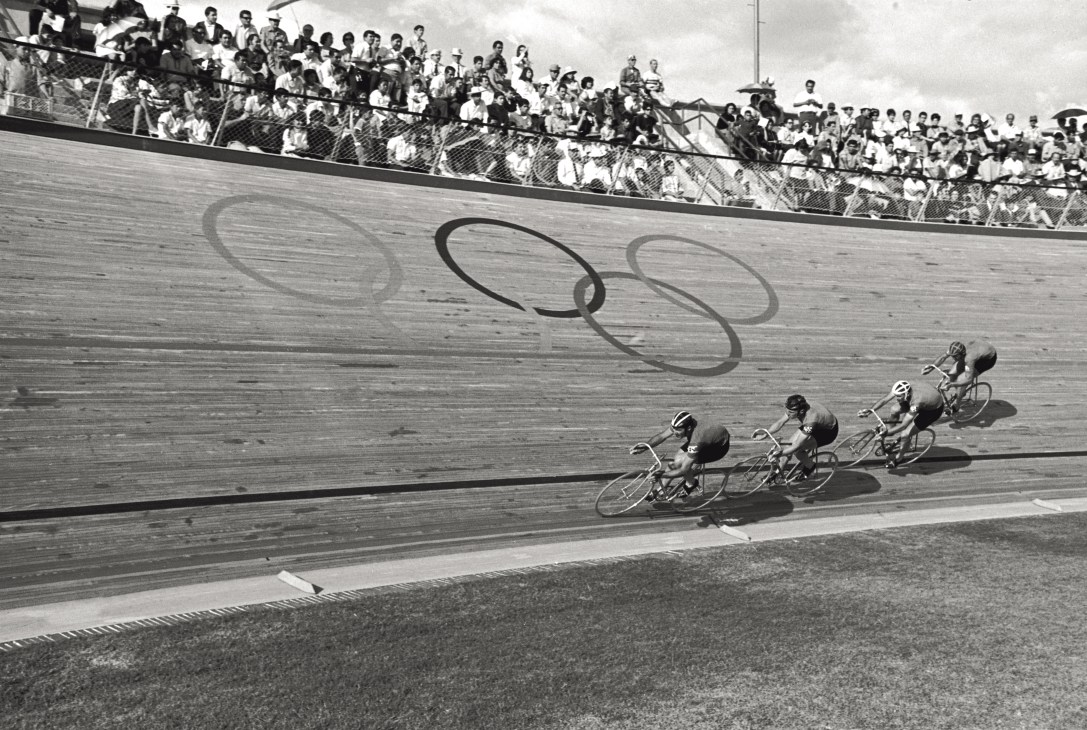
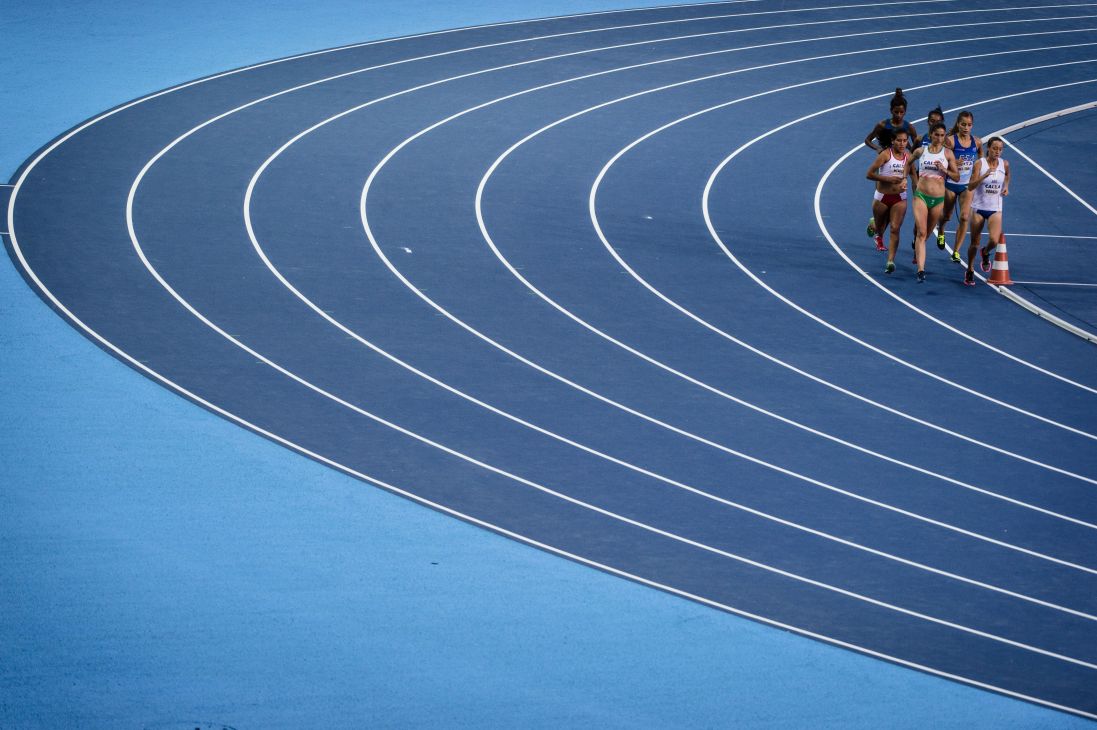
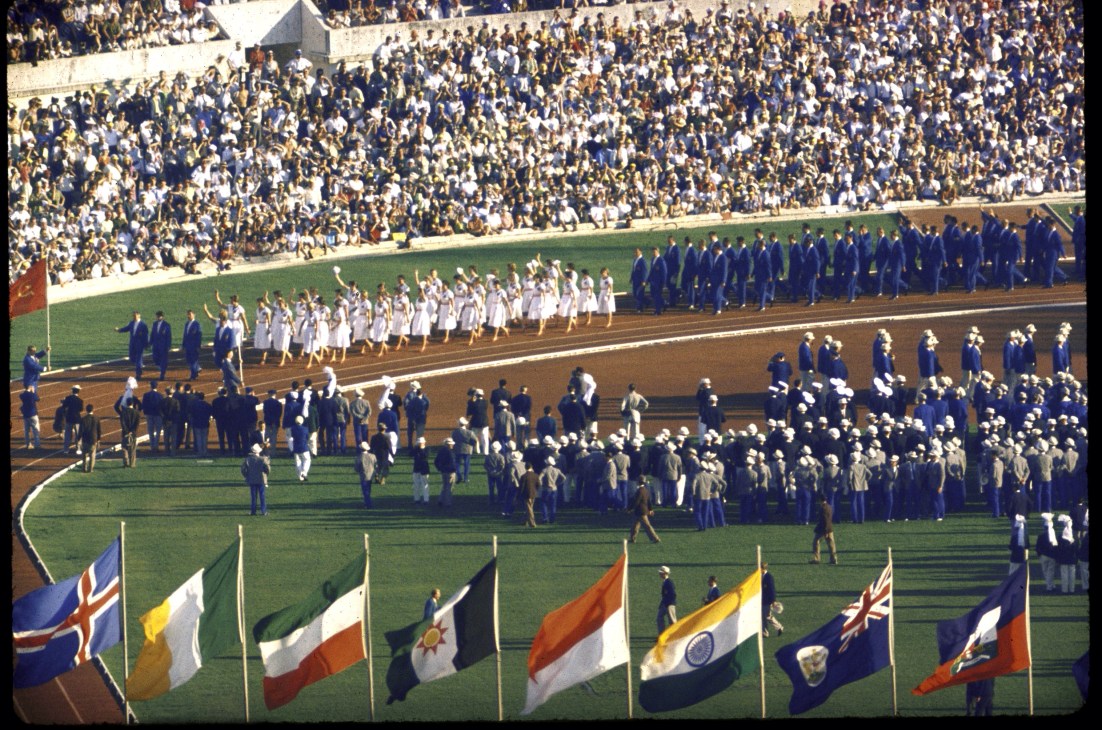
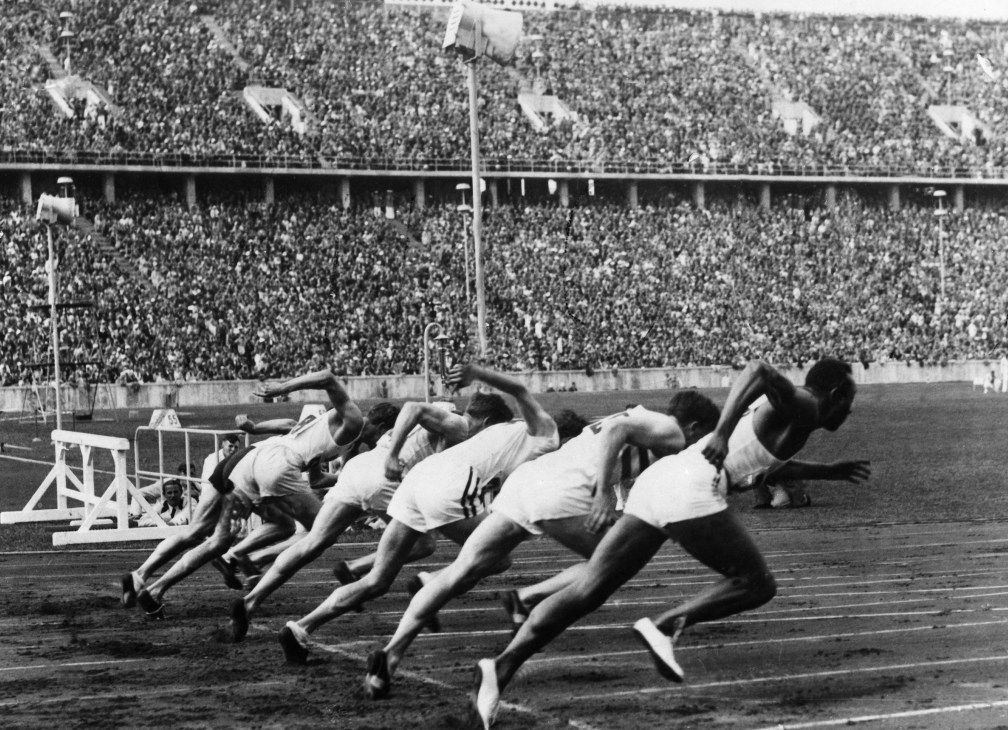
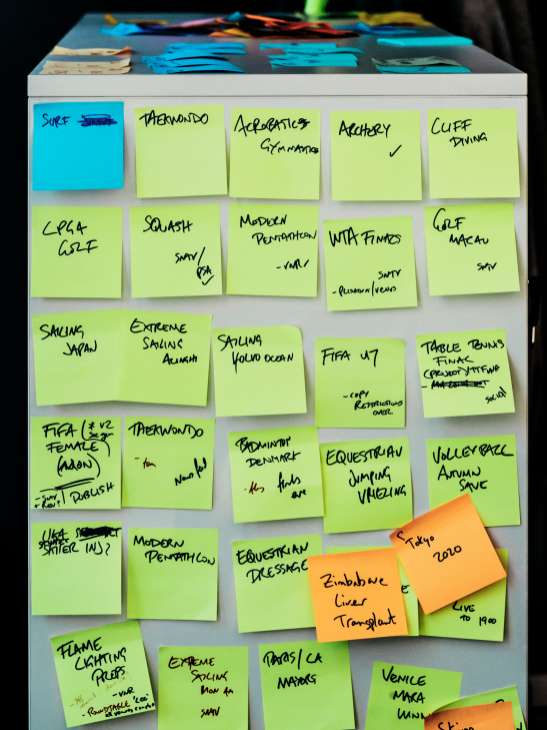
As far as recruiting tools go, a brand built on excellence, co-operation and triumph over adversity is a big drawcard. The 100 or so broadcasting professionals on the channel’s Madrid-based newsfloor were easily enticed from other sport networks. “There was a lot to get done in our first 100 days,” says the channel’s general manager Mark Parkman. “Explaining our story to national sports broadcasters was one; the aggressive effort to snap up the best staff was another.”
Digital start-up experience or involvement with Olympic-level sport was a portfolio plus. “We needed people who understood that Olympic success isn’t just about gold medals but about the heights of human co-operation and achievement.” A central part of Parkman’s game plan was to nurture longer narratives: introduce audiences to lesser-known athletes, cover the nuances of their sports and then gear the story towards “the final episode, as they compete on the world’s largest stage”. The Olympic Games as season finale – very nice.
Catherine Philbin, the channel’s power-walking communications chief, is leading us down a glass-panelled corridor as she lists the channel’s achievements in its first 20 months. Having cut her teeth at the LA Dodgers baseball team, this seasoned sports PR doesn’t skip a beat. “We’ve created 7,000 pieces of content, televised more than 500 live events, surpassed one billion social media views and signed a raft of reciprocal broadcast agreements with networks and sporting federations around the globe.”
Downstairs, a vault filled with ceiling-high hard drives leads onto a 50,000-hour archive of Games footage. Directly opposite we survey the busy screens inside the channel’s control room. Philbin points to the nearest monitor where the Olympic logo is embossed into the bottom corner of the image. “This bug [industry lingo for watermark] is a beacon,” she says. “It paves the way for partnerships [57 to date] that get us more airtime on other networks, and allows us to share content and material from our coveted film archive.”
Back upstairs, former US Olympian Tommy O’Hare is leaping over hurdles within the smartphone-friendly 8-bit game Torch Dash, an amusing crash course in South Korean geography, the development of which he oversaw. The head of digital strategy, and medal-winning speed skater, is devising ways to engage up to a billion social-media spectators. During our tour visit he’s applying the final touches to Olympic Plus: software designed to work with exercise app-makers Strava, Moves and Fitbit that allows users to see how they would rate against medal-winning athletes. “The IOC wants people off the couch too,” says O’Hare with a smile.
Reeling in viewers is still the main strategy though and there’s no shortage of powerful narratives to work with. During the Games the drama can be as stark as blood in the water: during the 1956 Summer Games in Melbourne, defending water polo champions Hungary brawled with the Soviet team while the Kremlin was suppressing a nationalist uprising back in Budapest. Geopolitical drama has been making regular cameos ever since. An Egyptian judo champion refused to shake his Israeli opponent’s hand. Ukraine stared down Russia in the fencing ring. Then again, a gesture as small as an unscripted selfie between gymnasts serves as a flash of humanity – especially when shared between North and South Korea.
In theory politics should remain firmly beyond the apron of the sporting arena; in practice this is where national myths have been forged and fortified since the Games were revived in Athens in 1896. Nebraska-born Greg Groggel, the channel’s director of original programming, is focusing more on human-interest stories than hot-button political rivalries. “We’re not sensationalist – thankfully, in sport, reality is usually better than fiction.”
Leveraging the brand’s clout, Groggel has commissioned content from some of the strongest players in TV and film. A few highlights include Far From Home, an athlete-preparation documentary from the team behind Chef’s Table; and the virtual-reality series Trending Gold featuring the Nigerian women’s bobsledding team, marketed as a feminist spin on the 1993 film Cool Runnings. “We shot this eight months ago – it’s gearing up as one of the big stories of the next Winter Games,” says Groggel.
With 30 series in the bag and an extra 20 in the pipeline, formulaic profiles of sporting superstars are being eschewed for more unexpected programming. In addition, a preference for native producers who know their own backyard ensures the right tone. Identify, a co-production with Viceland about trans-athletes, is a case in point. Veteran producer Frank Marshall, Steven Spielberg’s right-hand man, produced another about Cuban boxing. Surfing documentary Shredding Monsters has even been screened at film festivals.
“All of these producers could be working on bigger-budget blockbusters but they’re attracted by the chance to tell these incredible sporting tales,” says Groggel. “This is the power of the Olympics.”
Olympic Channel by numbers:
7,000 pieces of content created since its launch
500+ live events streamed in 2017
100 staff working at its Madrid HQ
77% of viewers are under the age of 35
57 agreements signed with international sports federations
30 original series with 25 production companies across 23 countries
11 languages available on the channel’s platform
1 billion views across all social-media platforms
Olympic broadcasting timeline:
1936: First Olympic Games on TV (Berlin)
1960: First Games broadcast live across Europe (Rome)
1968: First Games broadcast in colour (Mexico City)
2004: First Games streamed online (Athens)
2006: First Games available live on mobiles (Turin)
2008: IOC launches own YouTube Channel (Beijing)
2010: More than 100 official websites worldwide carried broadcast coverage of the Games. Online coverage reached almost half of the overall broadcast output (Vancouver)
2012: Internet, mobile and digital platforms exceeded linear TV coverage for the first time. Also for the first time, the IOC’s YouTube channel broadcast live and on-demand coverage in 64 territories in Asia and Sub-Saharan Africa (London)
2016: IOC launches the Olympic Channel after the closing ceremony of the Games (Rio de Janeiro)
Direct current
Where we’re going next and what it means for our cities
Electric cars are an exciting prospect but what are the practical measures that need to be implemented in order for them to take to the streets? Here’s a lowdown on the forward-thinking ideas required.
Sometimes vehicles evolve in order to keep pace with the changing needs of society. More often than not, however, the invention of new means of transport actively defines the conditions and possibilities of life in a specific time and place – and can herald revolutionary ways of inhabiting our planet.
Take the car, for example. Few other objects can stake a claim to having shaped the 20th century as much as the four-wheeled vehicle. The motorised, faster evolution of a horse-drawn carriage did much more than just cut travel times. When cars entered mass production – and became affordable for all classes – it created unprecedented opportunities for individuals to move about wherever and whenever they wanted. And in the long run it shaped the way we have set up our countries for transit: the network of tunnels, flyovers and tarmac strips we created brought the car to all of the isolated places that trains could not reach. But the car helped to create the city as we know it: a vast, vibrant agglomerate of neighbourhoods crisscrossed by busy roads.
Yet the very same urbanisation that the car helped to foster has now reached a point that forces us to rethink the role we want automobiles to play in the future. Governments around the world are putting deadlines on when their processes to cut all emissions needs to be carried out by; our way of understanding the notion of environmental responsibility has shifted dramatically. Finding ways to improve traffic and improve air quality have always been important for municipalities. Climate change has become the defining – and urgent – issue to contend with on a global level. A way out has long been wished for but now the technology to make it happen has matured and is ready to be implemented.
The equation that will be behind mobility in the future is underpinned by two factors, and both need to change if they are to produce the right result. First, city-planners need to adapt to include new transport options; second, cars need to change if cities are to make room for them. Even tweaking the layout of a street can do plenty to make certain that bikes and public and private transport can coexist in harmony in the city of the future. But any multimodal network cannot entirely forgo the car. The same tenet that made them so popular throughout the 20th century is what users will still require in the future: flexibility and adaptability when it comes to the personal needs of drivers.
As for the side of the equation relating to cars, Audi has long been trying to establish a future trajectory and developing answers that can work to define it. The electric car may not be a newcomer to the world of mobility but it is precisely because Audi’s engineers have studied its evolution over the years that this technology has reached a point of maturity that makes it ready to get the global exposure it deserves.
In the early stages of development of the very first cars, batteries were considered as one of the alternatives to propulsion. Petrol engines may have prevailed in the contest then but nowadays they need not feel like the only possible option: hybrid and fully electric cars are poised to catch up. Cities also have a great responsibility to ensure that battery power can take over from petrol engines, which can be achieved simply by installing an extensive network of charging points across its streets.
With that in place it’s Audi’s job to make sure that the electric car has the technological prowess necessary to both complement and improve the urban environment. A car powered with sustainably produced electricity is always good news for the urban dweller as it reduces both pollution and noise levels. The company is also working hard to improve on those core qualities by equipping its models with long-lasting batteries that can be charged quickly. In this manner, Audi’s electric cars aim to achieve their potential.
There are plenty of developments that Audi has led that, until recently, felt like they belonged in the future. Currently in the works are exterior lights to alert passers-by to an electric car’s silent presence; meanwhile, advanced connectivity helps to identify mechanical issues before they present themselves. Plus, advanced artificial intelligence could help to pilot a car autonomously, which takes all of the stress out of traffic jams.
These advancements signal a turning point in the way we envisage mobility. They are proof that electric cars are no longer just an alternative but, rather, the mainstream we’re looking forward to welcoming.
Q&A
Dutch professor Carlo van de Weijer is head of the Smart Mobility strategic area at the Eindhoven University of Technology, where he forecasts what the car and transport networks of the future will look like. We ask him what’s on the horizon.
Q: What do you think we can expect from 2018 in matters of mobility?
A: The turning point will be the trend towards electrification – not so much spearheaded by environmental concerns but mainly because, in due course, it will be cheaper to drive electric. Plenty of governments are now supporting electric cars because a self-sustaining system will make driving cars much cheaper. And this turning point will come much quicker than people expect.
Q: What do you think cities can do to help make this change a reality?
A: Cities should facilitate the instalment of charging infrastructure but a market mechanism is what will help. You’ll see many fuel providers buying into companies that provide charging structures; there is a strong business case behind that. It’s easier when people have their own charging point in their driveway but not everyone has a parking spot. Cities can help by increasing the number of lampposts equipped with charging points.
Q: In terms of technology, what do you think is making electric cars ready for such a shift?
A: The main thing is the volume effect: people thought it would take 20 years before the electric car started spreading and being competitive against the engine car. But a sharp decrease in battery pricing has really been a mind-shifter. There’s also the maintenance factor: there are fewer components in an electric car, and rideability is better.
Q: What about in 50 years’ time – what do you think mobility will be looking like then?
A: I think electricity will still be the main propulsion method. Fast charging is approaching; although I have been riding electric for four years myself, I don’t consider charging time a problem, it’s just a question of mind-shift. I do think that a few long-distance vehicles – and planes – will probably still need liquid fuel in the future. But I think that given energy will be abundant in the future due to the drop in cost of solar cells, and we will be able to produce synthetic fuel with sustainable electricity.
Q: How do you think digitalisation will impact the car industry?
A: As with any industry confronted with digitalisation, changes come in exponentially – and are often fuelled by new players. But I don’t believe in a future of fully driverless cars. Cars will never be able to flexibly interpret the law in certain situations. Automated driving will come in a form, though. It will take the nasty bits out of driving: the traffic jams, the commuting, the long highway drives. Humans have an important biological urge that makes us want to be mobile for a certain part of day; the car is a good tool to use to fulfil that biological need.
Are cities ready for the advent of electric cars? Who develops the technology that ensures they are ready to take to our streets? To find out the answers to these questions and more, follow our eight-part series on the future of mobility.
Casa Vicens opens its doors with locals, not just tourists, in mind
“The first thing we agreed upon was to make the people of Barcelona feel welcome too,” says Casa Vicens’ director Joan Abellà, discussing Antoni Gaudí’s famous first residential commission, which finally opened to the public in November 2017. For more than 130 years, curious crowds hoping to explore the property were held off by a wrought-iron fence put in place by its private owners. But after its acquisition by an Andorran bank and a fastidious three-year restoration effort, its rebirth as a museum means the world is being welcomed inside.
“We wanted to delve deeper than the spectacle of design by embracing dialogue as part of the museum’s mission,” says Abellà. Part of that dialogue relates to the one around mass tourism, which has been riling residents. With Gaudí’s oldest building set to become Barcelona’s newest museum, the plan was to avoid the perception of commodifying another part of the city’s heritage. “Barcelona, just like Catalonia, is having a debate about the future,” says Abellà. “We wanted to ask, ‘How should Casa Vicens contribute to the conversation?’”
As the former director of Macba, the city’s premier contemporary-art museum, Abellà is well versed in the pervasive influence of politics on culture. “Even a museum anchored in the past shouldn’t exist in a vacuum,” he says. “We couldn’t simply rely on the magnetism of Gaudí.”
Adventurous, admirable and slightly subversive, Gaudí sits comfortably as brand Barcelona’s immortal poster child – and he still has plenty of pulling power. Long queues stare lovingly at Casa Batlló’s fantastical façade. Children squeal as the Gaudí Experiència museum’s jolting cinema seats and virtual reality transform his architecture into a 4D thrill ride. Meanwhile, thousands of daily tourists target their lenses at the Sagrada Família’s slowly rising turrets. Set for completion by 2028, it is poised to become the tallest cathedral in Europe. The cranes remind Barcelona that, even though Gaudí died in 1926, their most beloved architect still has a stake in their future.
Lately though, this future feels less assured. A terrorist attack last summer, the ongoing turmoil of the secessionist drive and simmering unease about mass tourism have dented the city’s confidence. With annual visitor numbers hovering above 30 million, more than half of residents think the city has reached capacity and want authorities to curtail promotional campaigns. There is a clear consensus for change.
“We decided to embrace quality over quantity,” says Abellà, whose team moved to consult the surrounding community before the renovation teams moved in. Located in the residential district of Gràcia, Casa Vicens needed to tread carefully so as not to disturb the peace. After personally presenting the project at community meetings – a wise move in a neighbourhood notorious for spirited activism – Abellà reassured residents by adhering to a museum model that wouldn’t attract massive crowds.
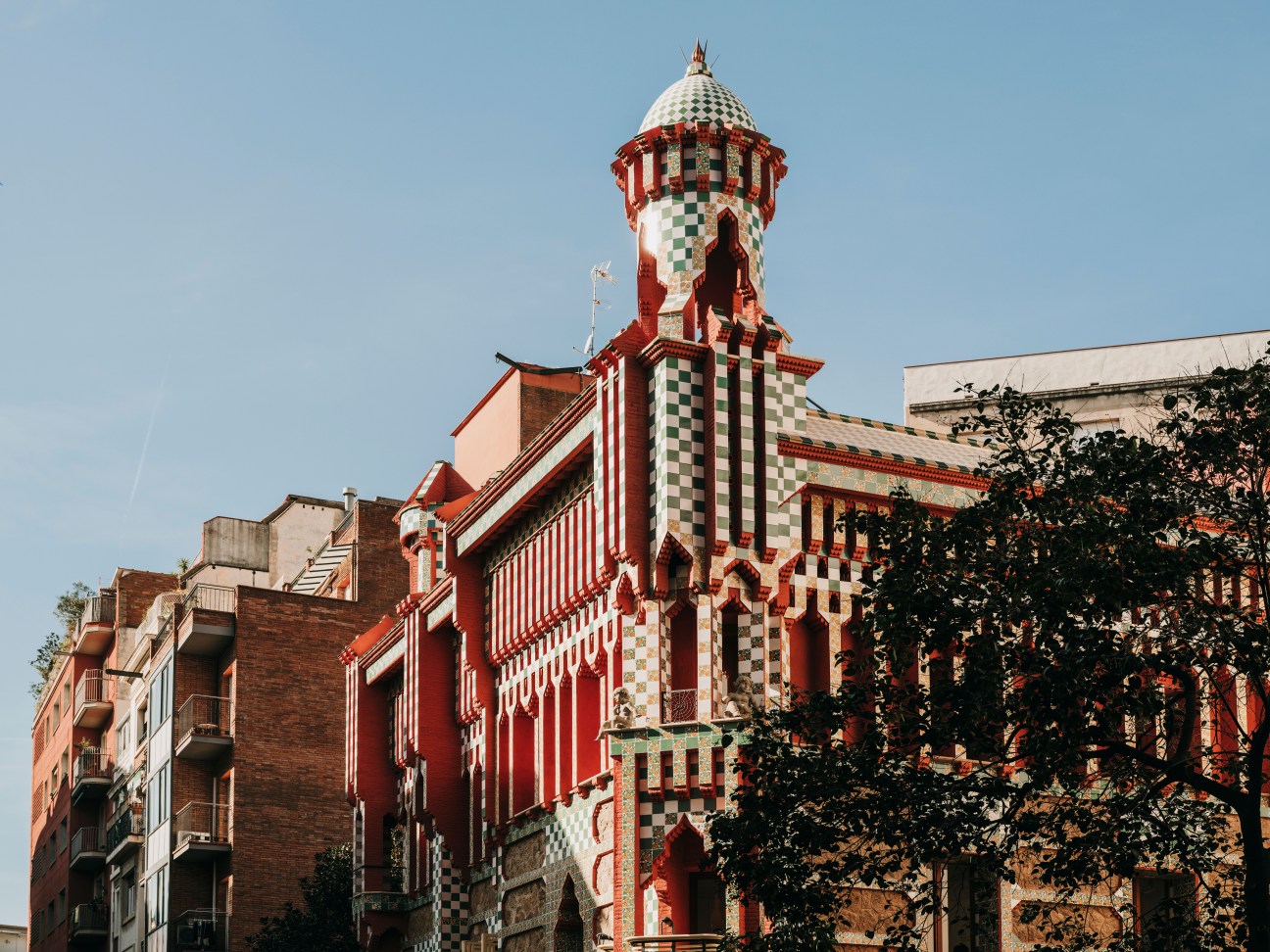
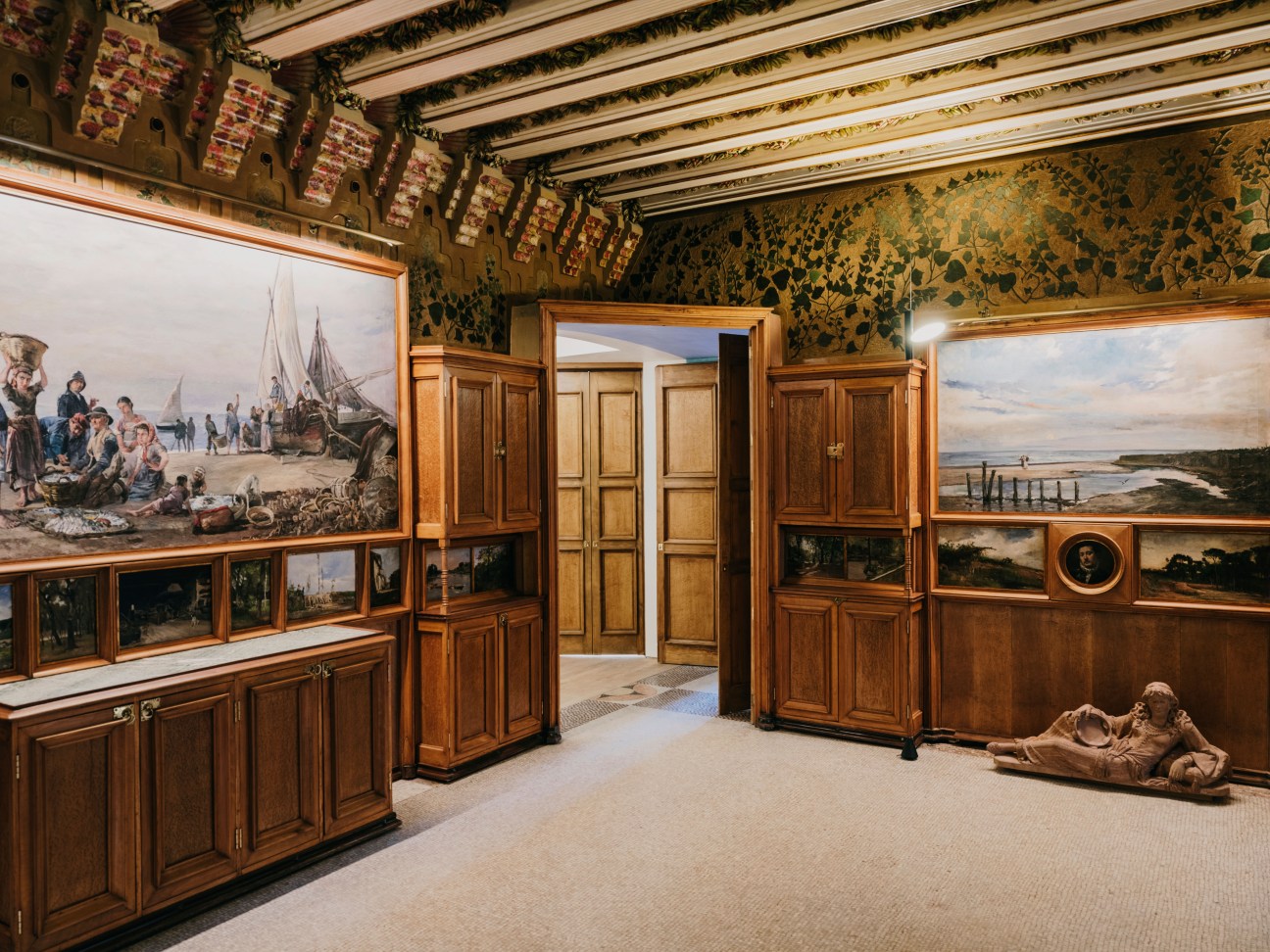
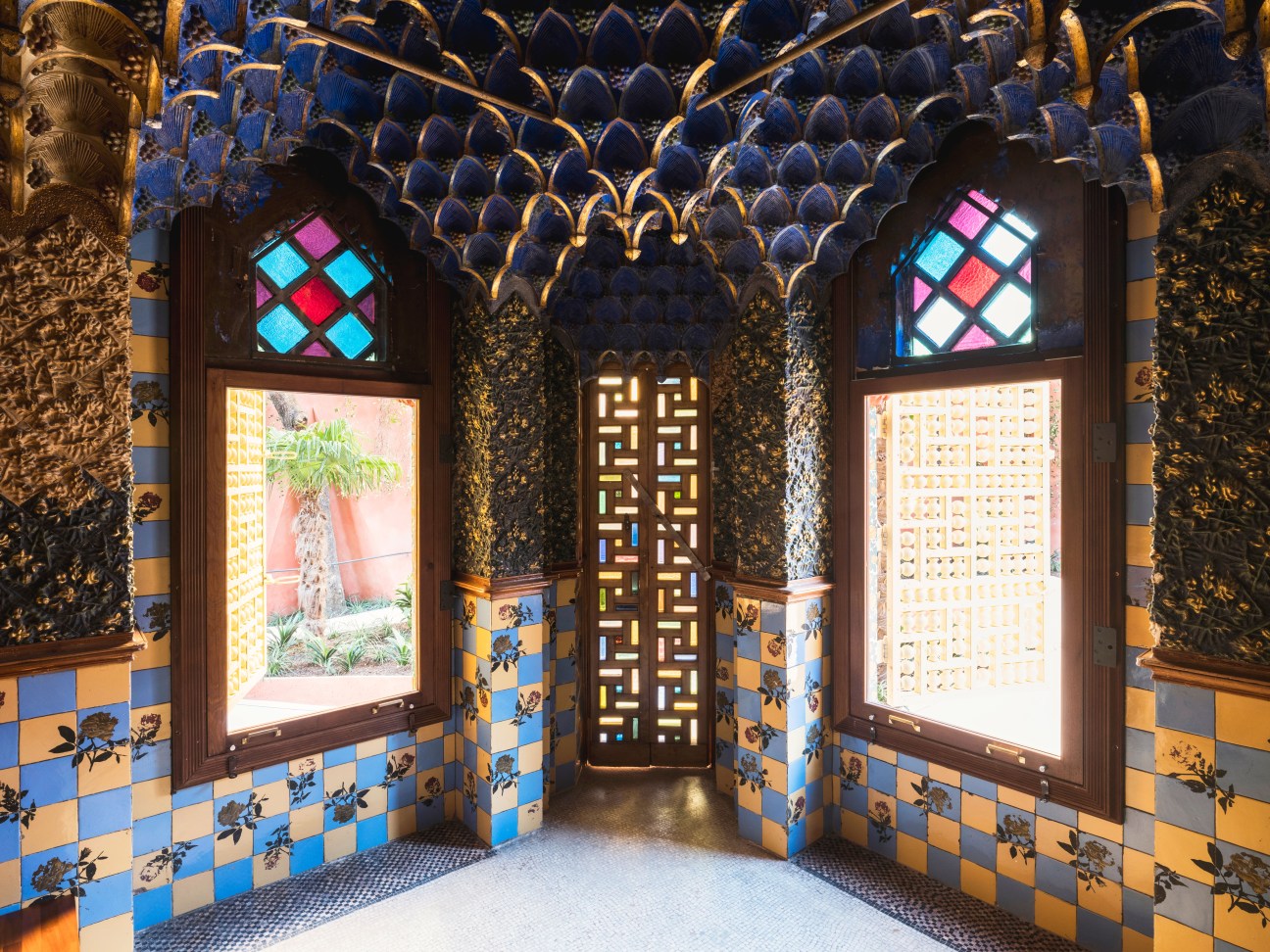
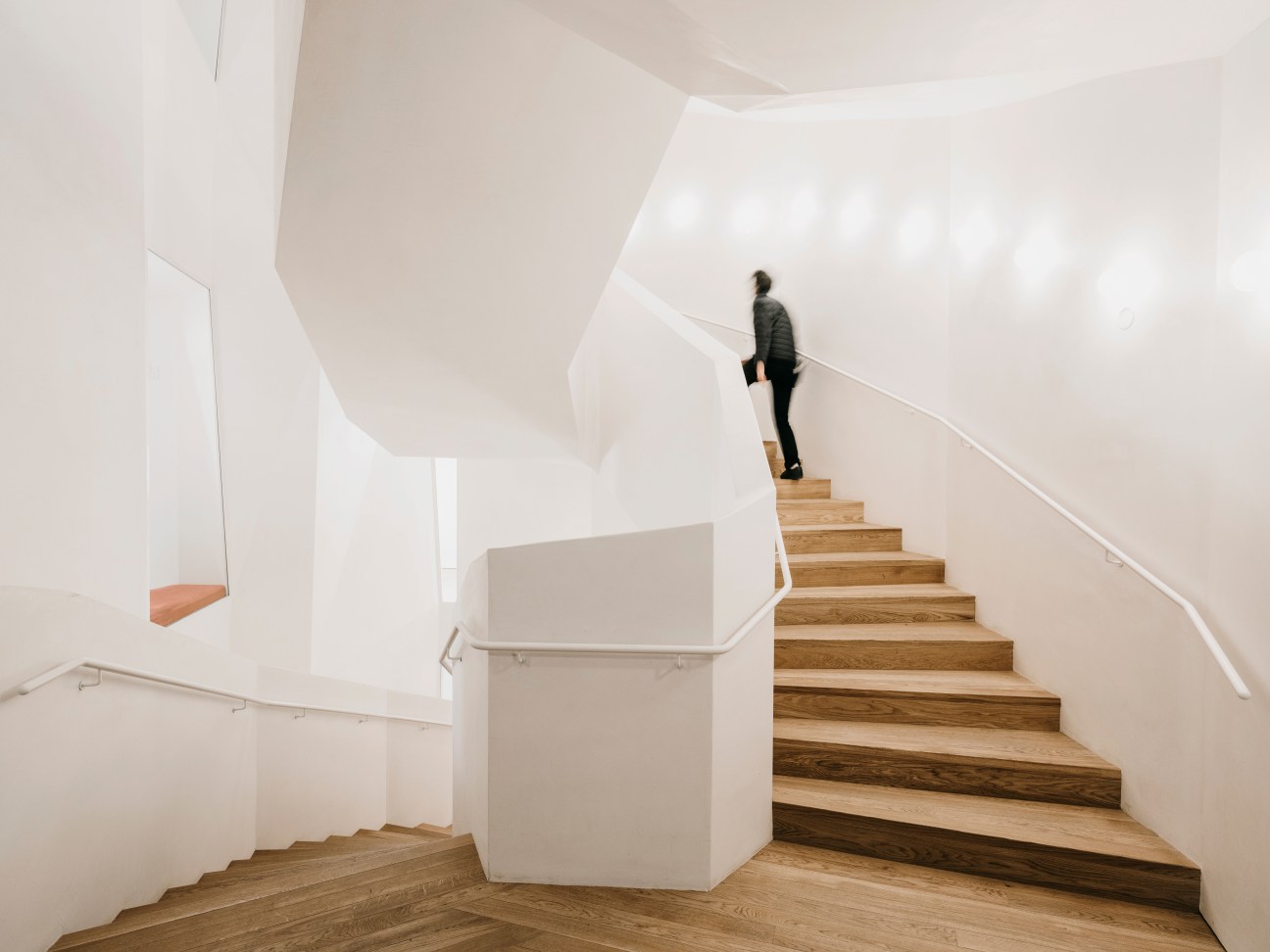
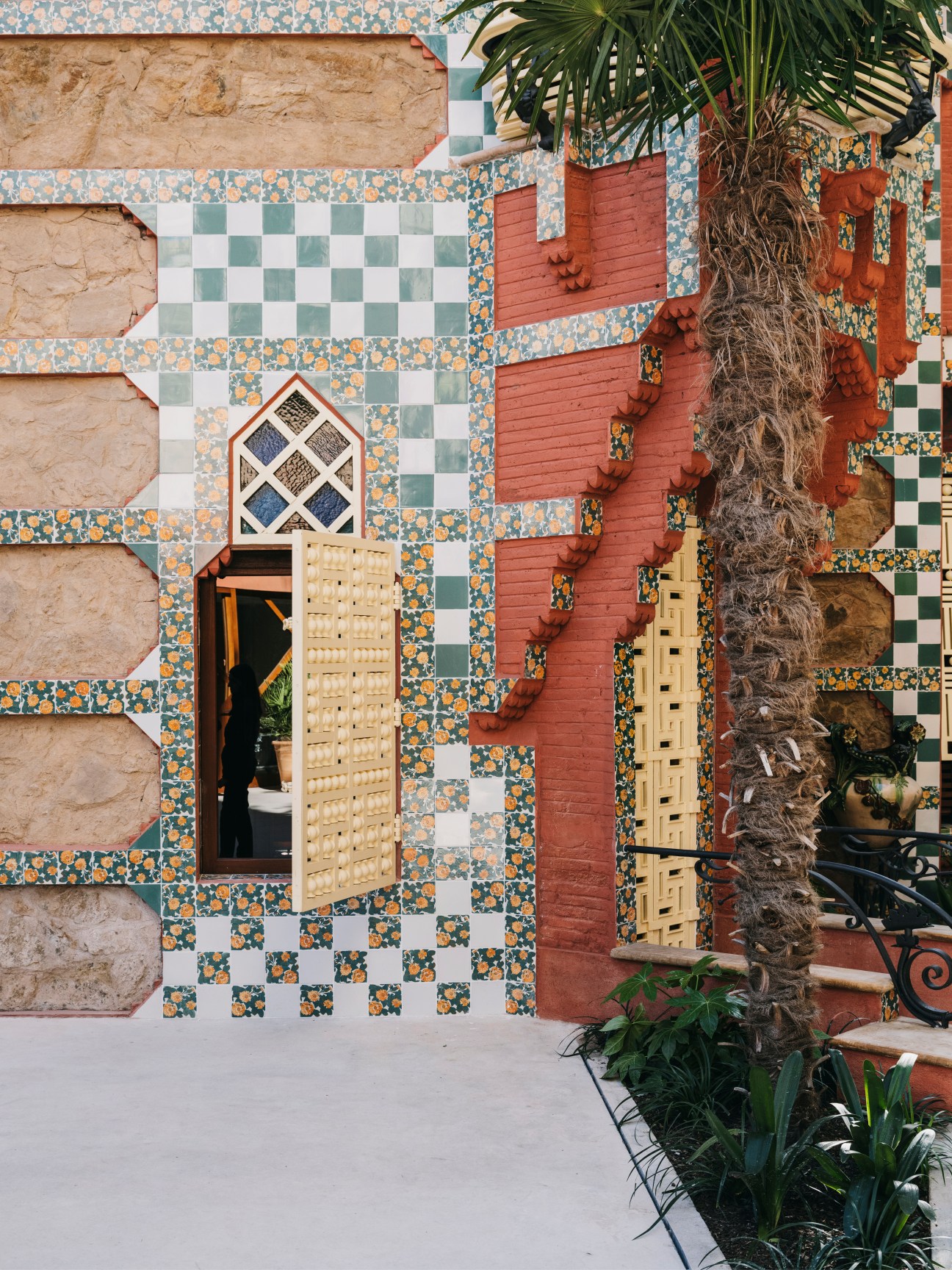
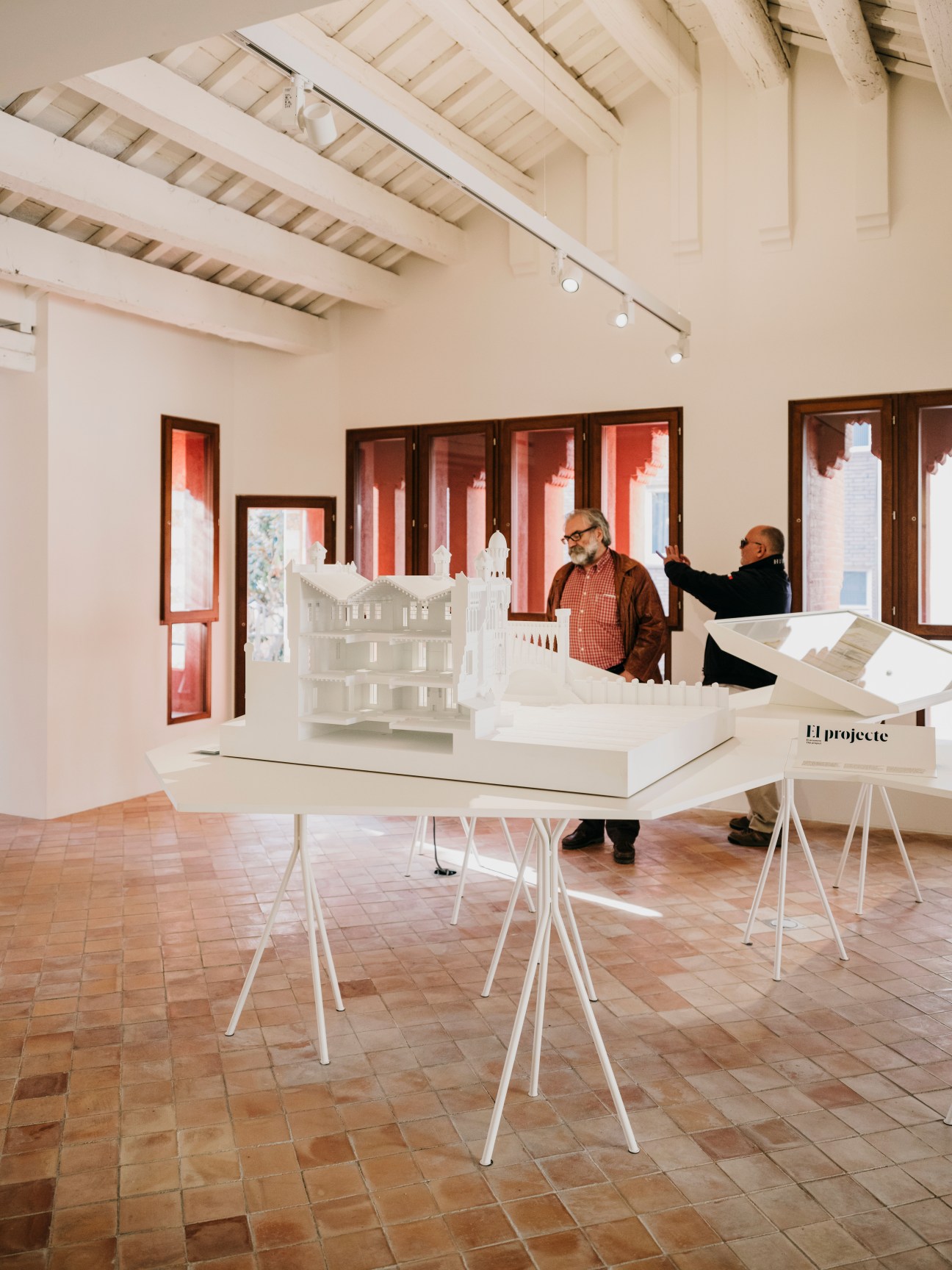
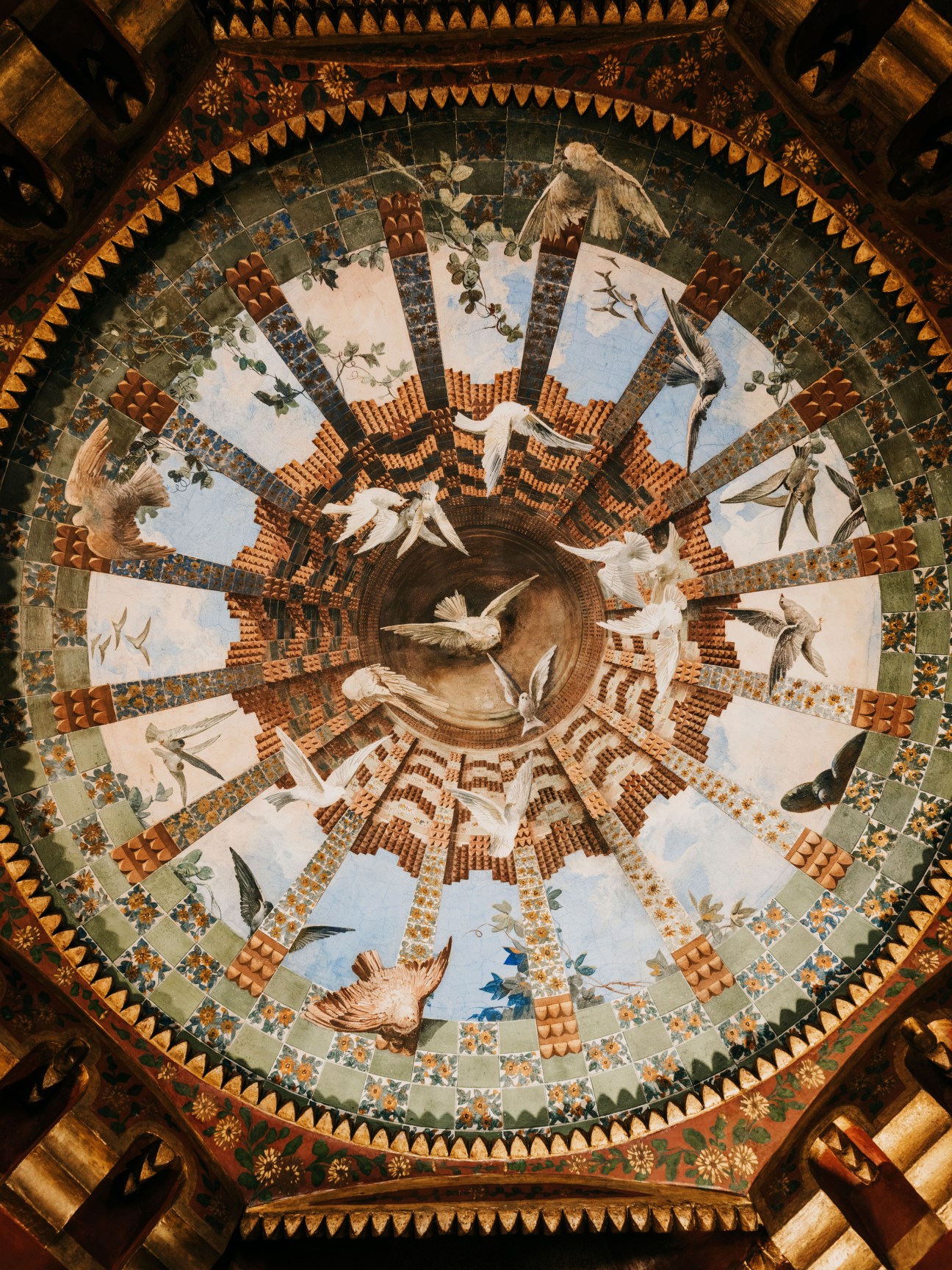
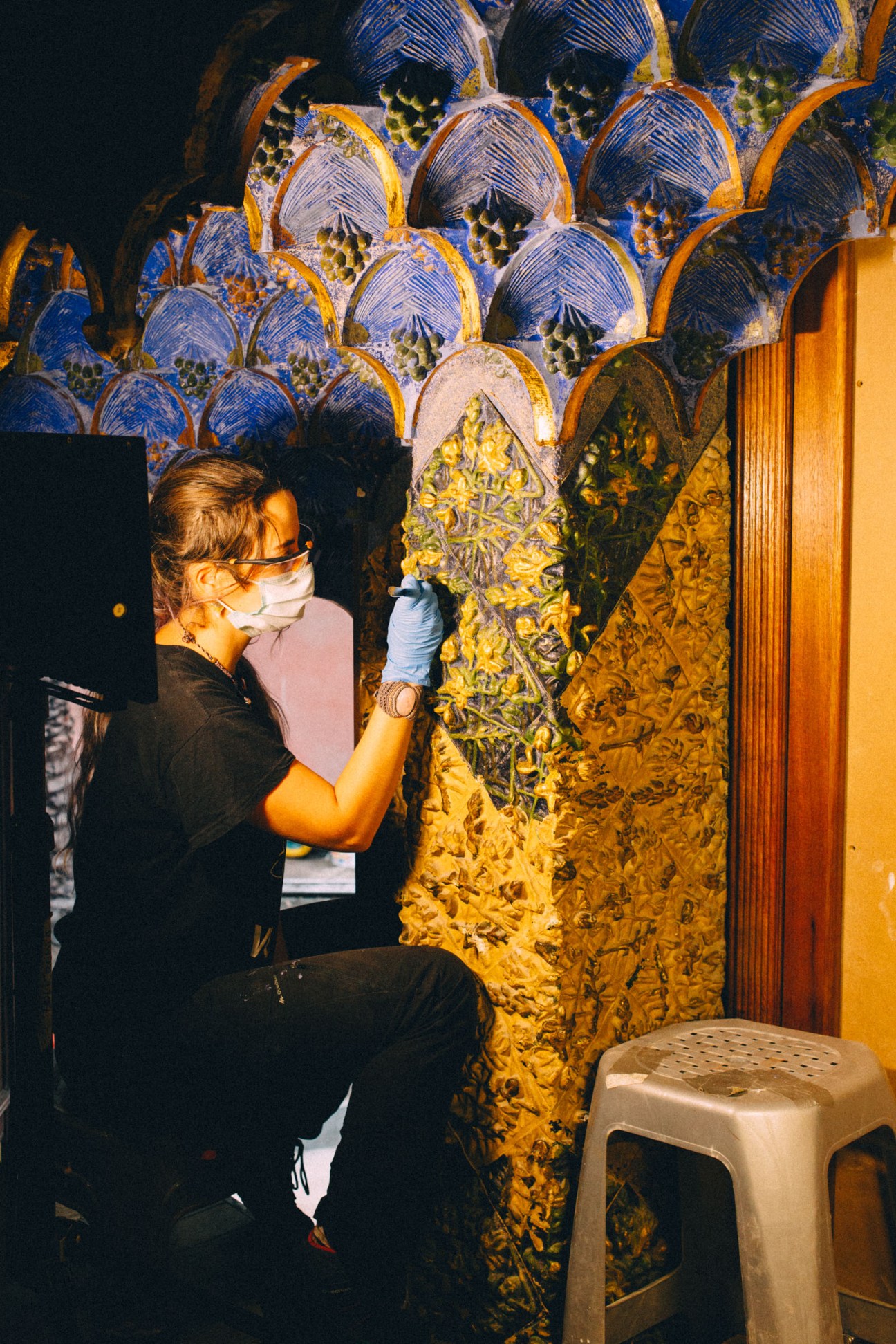
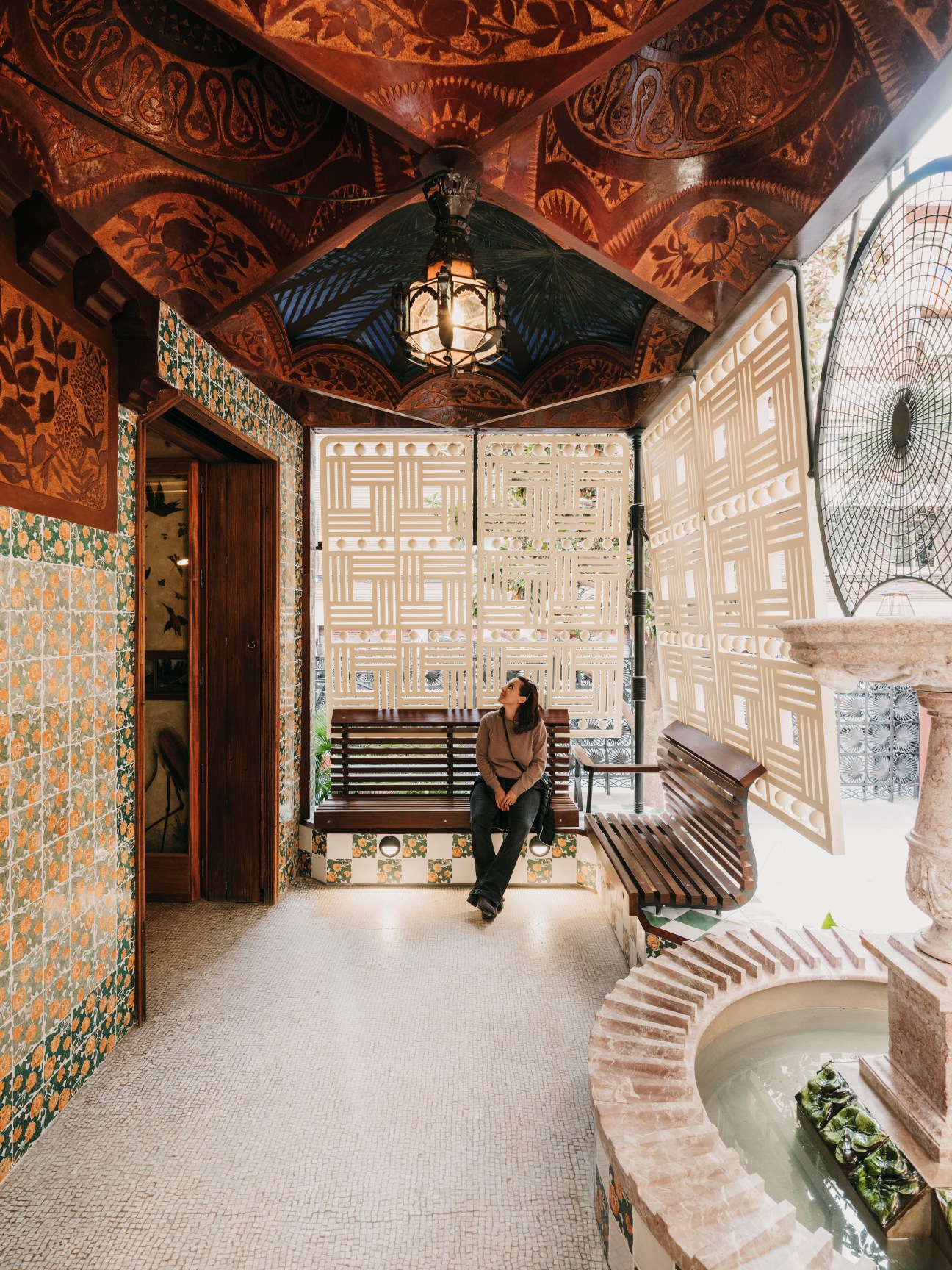
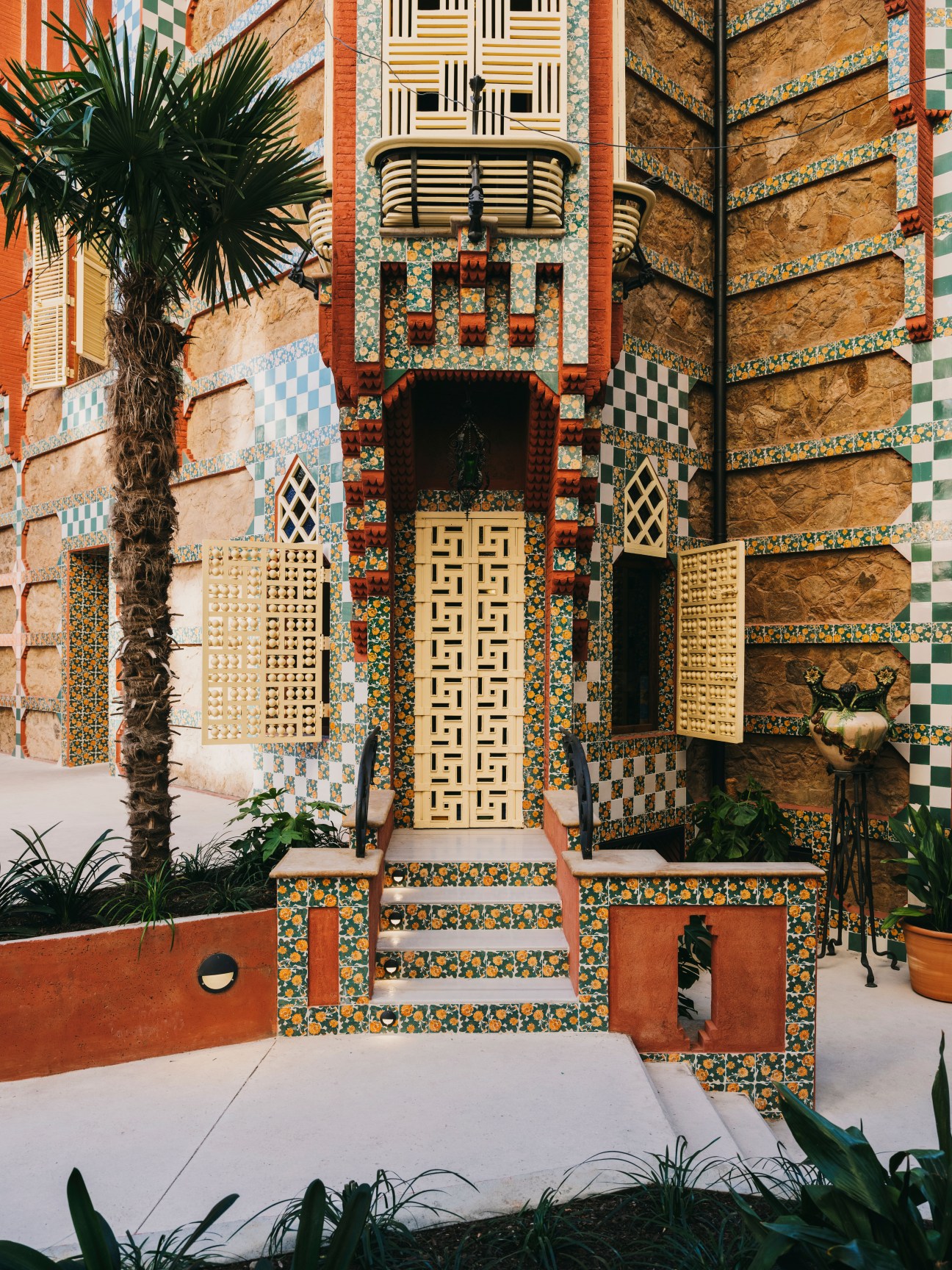
In practical terms this meant pressing the flesh with as many residents as possible, as well as something unorthodox in this city’s tourism sector: actually listening to their concerns. Protests about potential noise resulted in a 500-person daily quota designed to regulate rowdy crowds, while a compulsory pre-booking ticket system staggers visits and keeps queues off the pavement. Neighbours were won over by the offer of new double-glazed windows and part of the budget was allocated to improving security in the neighbourhood. “It was a lot more work but we tried to solve issues before they became a problem,” says Abellà.
Inside, the renovation played on the past-present dichotomy. First envisaged as a summer house for a wealthy stockbroker back in 1883, Casa Vicens has since been consumed by the urban sprawl. One of Gaudí’s disciples just about doubled the house’s size in 1925 (his mentor declined the commission due to a slightly bigger project: the Sagrada Familia) and despite the seamless façade covered with hand-painted tiles, the newer extension’s interior lacked Gaudí’s whimsical touch.
“We embraced these two architectural realities,” says architect David García, whose studio – along with that of Elías Torres and José Antonio Martínez Lapeña – was called upon to accentuate duality in the museum’s design. As an 18-strong team of ceramicists, woodworkers and other specialists wound back time on one side, the architectural trio hollowed out the other to accommodate a modern staircase and several austere museum spaces. “It’s now a hybrid house, where the spectacle of Gaudí’s vision coexists with the adjoining white-walled exhibition rooms,” says García. “It allows visitors to reflect on his ideas and how they took hold.”
Watching as the first cornerstones were laid in 1883, a young Gaudí could probably never have imagined that the design of this home would become such a catalyst for change in Catalonia’s vernacular. It’s permeated with natural motifs: floral forms adorn the ceilings, fruit is carved into the smoking room’s Moorish-inspired concaves and the painted forms of majestic fauna, including several flamingos, grace the walls. Each room provides an insight into the ideas of a designer who would go on to shape Barcelona’s visual identity.
Now, 135 years on and at a time when questions of identity are swirling around the Catalonian capital, Casa Vicens is embracing its new vocation to form a social dialogue within the city. “Sometimes the most critical and difficult conversations are also the best,” says Abellà. “Brand Barcelona is in need of an upgrade and right now the cultural arena is where people still feel free to open up about the city’s past and future.”
Gaudí’s unbridled imagination hasn’t just transformed the city map: it also shapes its inhabitants’ self-image. Delving beyond the architect’s aesthetic, making room for modern designers and encouraging conversation about identity, Casa Vicens is reaffirming itself as a monument to unabashed adventurism. And in true Barcelona style, this is a spirit that extends far beyond its beautifully illustrated walls.
Restoring pride
Pau Ramírez Mena and Cristina Marti Robledo, the founders of Barcelona-based restoration studio Restauracions Policromia, assembled a superlative squad of experts to work on Antoni Gaudí’s first house. Ceramics master Manel Diestre, for example, who has dutifully restored a roll call of Barcelona’s most illustrious buildings, was called in to emulate the same layering techniques used by Gaudí to colour the patchwork patina of exterior tiles. Veteran artisan Xavier Serra Llavall, meanwhile, took care of the heritage woodwork. Among several pieces sourced from the original owners’ archive was an ornately carved fireplace, designed by Gaudí for Señor Vicens’ second residence in the town of Alella. Peeling back more than a century’s worth of wear and tear required impressive momentum: the dream team split 21-hour working days into three successive shifts. With this degree of intricate detail, rushing the restorers was out of the question.
More modern museums
V&A
Dundee
The Kengo Kuma-designed museum in the Scottish city of Dundee will bring major works up from the prestigious London museum of decorative arts and design, while celebrating designs from north of the border alongside them.
vandadundee.org
Poster House
New York
New York’s Poster House is one of numerous print-inspired museums in the works. Set to open in 2019, the privately funded development will aim to trace the impact that posters have had on society, from politics to visual culture.
posterhouse.org
Grand Egyptian Museum
Giza
The tourism industry in politically unstable Egypt took a huge hit over the past decade. In a bid to reignite interest in its ancient heritage and attract tourists to historic sites, this vast museum (due in 2018) will take aesthetic influence from the nearby Pyramids of Giza and cater to a tour-bus-driven crowd.
He’s hired
1.
How anti-Trump America fights back
Sasha Issenberg
At some point the examples of Donald Trump’s obsequious behaviour towards Moscow became too much to see as isolated slips by a candidate who said his guiding principle was “America First”. There was the persistent flattery of Vladimir Putin, the inexplicable shift in the Republican party’s Ukraine policy and the odd insistence by a candidate who relished conflict that his priority with Russia was to “get along”. The theory among bewildered observers was that the candidate had been turned by the enemy. “In the intelligence business,” wrote former CIA director Michael Morrell, “we would say that Mr Putin had recruited Mr Trump as an unwitting agent of the Russian Federation.”
Now it is time for the American left to do the same. Over a year and a half as a full-time politician, Trump has offered a rich portrait of his psychological and political vulnerabilities. His opponents should use it not to destroy the new president but to put him to work as an asset.
For a would-be strongman, Trump is uncommonly weak. There is the wan political power that he brings into the White House, having won more than one million fewer votes than Hillary Clinton did. Among his own supporters, large numbers cast ballots for him even as they concluded that he was unqualified, dishonest, untrustworthy and temperamentally unfit for the presidency (15 per cent of those who voted for Trump at the time viewed him unfavourably, according to exit polls). On the night that he was elected, Trump was already among the least popular presidents in US history.
He may benefit briefly from low expectations but bad news is inevitable – economic cycles will likely ensure that – and Trump’s inability to live up to his boldest promises will disappoint his supporters. The factories and coal mines will not hum back to life and no wall will ever stretch from the Pacific Ocean to the Gulf of Mexico. Even the more plausible-sounding commitments, such as his vow to replace Obamacare “with something terrific”, are fraught with political peril. To enact any healthcare reform will require the type of horse-trading with Washington lobbyists that could sully Trump’s image as an untainted outsider. Tensions with house speaker Paul Ryan – a more conventional free-market conservative who disagrees with Trump about immigration, trade and social-welfare programmes – are inevitable.
As a candidate Trump tracked his process in polls and that fixation is unlikely to fade even though he won. Where other politicians are driven by ideological or party priorities, or a sense of their place in history, Trump responds to more urgent imperatives. He wants to be loved and respected in his own time, which he tracks through poll numbers and press clippings. He wants to claim victories – whatever they may be.
Even as he relishes conflict Trump doesn’t respond well to adversity. He is sapped by the insecurities that led Hillary Clinton to mock his “thin skin” during the campaign, to label him “a man you can bait with a tweet”. A critical word may drive Trump to lash out but even modest praise – or even a perfunctory congratulatory phone call from a one-time rival – can easily send him into a swoon. “If he says great things about me, I’m going to say great things about him,” Trump said of Putin.
The Democrats’ most valuable handlers in this respect will be Barack Obama and Bill Clinton. As former presidents they can speak to Trump as an equal and he will be flattered to have them do so. He himself seemed surprised to say at the end of his first meeting in the Oval Office that he would seek his predecessor’s “counsel”. Trump has already done so with Clinton, even consulting his future rival’s spouse by phone before announcing his candidacy in 2015.
On the golf course, Obama and Clinton can earn Trump’s confidence by sharing insights that only they can offer. (The Bushes are likely to stay at a greater remove and Jimmy Carter has never been much for fraternising in what authors Nancy Gibbs and Michael Duffy call the Presidents’ Club.) The former presidents can commiserate about the unique task of managing a White House and the secrets of a Camp David lifestyle. They can gossip about other heads of state with whom they interact as peers.
Given their removal from partisan politics, Trump is likely to be less threatened by Obama and Clinton than by other Republicans whose motives he would find suspect. As two-term presidents they can convince him that they, not Ryan, are the real winners – and guide him on the path to high approval ratings. As Trump finds himself at odds with members of his own party, his Democratic handlers should pull him closer, offering him the opportunity to reclaim his identity as a dealmaker. Obama and Clinton can goad the president to see the Democratic senate leader Chuck Schumer – another canny New Yorker who has made a hobby out of constructive haggling – as a more natural partner than Ryan.
After all Trump was, until not very long ago, a Democrat who believed in abortion rights, gun control and even a public national healthcare system. He switched all of those positions out of opportunism and was an unconvincing convert: the language of his old stances came more naturally than the new ones. To the extent that there is a Trump ideology, it is of nationalist economics and great-man accomplishment. The policy about which he speaks most fluently is public infrastructure, where he wants to spend heavily without regard for debt or deficit. It is the ideology of the builder. “I alone can fix it,” Trump said at his convention. Democrats should lead him to their fixes and let him think he did it all alone.
Sasha Issenberg is Monocle’s Washington correspondent
2.
Why there’s nothing wrong with being liberal
Steve Bloomfield
It hasn’t been a good few months for liberals, city-dwellers, experts, gay people who want equal rights, women who don’t want a president who boasts about sexually assaulting them and people of colour who want to be heard. We have been castigated as an elite that’s out of touch with people’s real concerns. Apparently we have been numb to the fact that this is a divided world. We need to give up on our beliefs and leave the stage to the politicians now confident to display in public their isolationist views, their sexism and homophobia, and their belief that all people are not born equal. Well, sorry, but we’re not going anywhere – and we’re not shutting up.
The use of the word “elite” to describe those of us who believe in education, equality and opportunity for all is particularly pernicious. It’s said with a sneer and suggests that those in the “elite” somehow think that they are better than everyone else; it’s intended to divide. More than that, it’s an attempt to suggest that there are fewer of us than there are. A reminder: more than 62 million people voted for Hillary Clinton, while in the UK 16 million voted to remain in the EU. Those voters are not the elite: in the UK they number 48 per cent, in the US just over 50 per cent. We need to remember that we have strength in numbers.
We also need to remember that we’re right. There is nothing wrong with believing in equality: that everyone should be allowed to marry regardless of their sexuality; that women should not be sexually assaulted, verbally abused in the street or discriminated against at work; and that black people should not be racially abused or targeted by the police because of the colour of their skin. There is nothing wrong with being an expert – with getting an education, specialising in a chosen field and then using that knowledge to better understand the world around us. There is nothing wrong with being cosmopolitan, learning a language, understanding another culture and mixing with people who are from different parts of the world. (And here let us pause for a moment and consider the absurdity that we – the ones with passports, the ones with friends, family and colleagues from around the world – are the ones who are accused of living in a bubble.)
But liberals also need to remember this: right now we are losing. Not by much but by enough. We need to fight for our values as vigorously as they do for theirs. We need to be as adept at using language as they are. We need to be as smart at engaging with people who don’t automatically agree with us as they are. Now is not the time to hide away, to lick our wounds and to meekly accept that the battle is lost. Now is the time for liberals to stand proud and fight for what we believe in.
Steve Bloomfield is Monocle’s executive editor
3.
What the Democrats need to do – and not do – next
David Usborne
The Democrats in the US are smarting. Of course they are. Not only was their candidate for president macheted by a bilious blowhard they were certain was entirely unfit for office but on election day they saw their hopes of regaining control of the Senate evaporate. It got more painful when they looked at who voted for Hillary Clinton – and who did not – and how that also impacted on candidates for Congress. More than ever the party has been corralled into a few states on the coasts. Even erstwhile Democrat bastions in the industrial Midwest turned from blue to red.
The good news is that diagnosing the errors of 2016 and taking corrective action will put the Democrats back on the offensive; it will also put them back on the map in time for both the midterm elections for Congress and 2020, when Trump will presumably seek re-election. But there are pitfalls that must be avoided: it will be tragic if the party reads its current predicament in simple ideological terms. Within hours of its debacle, some on the liberal wing were making the case that Democrats had spent too long following the centrist co-ordinates first set by Bill Clinton 25 years ago and that the only solution to their troubles was to swing left.
Internecine ideological squabbles of the kind that have convulsed the UK’s Labour party would do nothing to win back the territory that the party has lost. Rather it would further disgust voters who only ask that their representatives listen to them – and put them first. That means listening to the issues that concern them most: their wallets and economic security – or lack of it. How ironic it is that Clinton lost partly because she lost focus on the mantra first coined by James Carville, her husband’s strategist in 1992: “It’s the economy, stupid.”
On social policies – abortion, gay and transgender rights, gun control and so forth – the party’s left-progressive credentials are solid. But arguably it was because the party became so preoccupied with proving kinship with the right interest groups in the US’s so-called culture wars that it allowed itself to lose focus on the Carville dictum. Concern with cultural liberalism took precedence over concern with economic solidarity, which in turn fed a sense that the party had become a prisoner of the liberal elite and disconnected from the ordinary worker.
Clinton also allowed her economic message to be drowned out by her determination to message individual constituencies, such as African Americans and Latinos, in her hoped-for coalition. Had she emphasised the former it might have resonated with each of those groups anyway. “The party started looking at people through interest-group coalitions and we thought, ‘If we talk to them all in different ways, that will be enough,’” says Ruben Gallego, a Democrat congressman in Arizona. “I think that there is a common interest in our economic policies between the laid-off white worker in Flint, the African-American and the Latino in Phoenix.”
And in 2018, Democrats will still face inbuilt challenges: they will have to fight Senate races in 10 states that voted Trump and regain the majority in the upper chamber. But consider the other variables, such as how Trump himself will be faring after two years in office: historically the party that has just captured the White House gets walloped in the first mid-term elections because high hopes of a new president have not been met. Just as important will be how Democrats on Capitol Hill, especially in the Senate, conduct themselves in those first two years. Their choice is simple: either they try to stymie the Trump agenda at every turn – including his attempts to replace the late Antonin Scalia on the Supreme Court – or they show more constructive, bipartisan colours. They should take the latter course.
Indeed, Democrats may find themselves with more opportunities to make an impact in the next two years than they realise because on a range of key issues they may share more common ground with Trump than their Republican colleagues do. It might be with help from Democrats, for instance, that Trump gets his ballyhooed infrastructure-rebuilding programme though Congress. And his pledge to find ways to maintain full funding of so-called entitlement programmes such as the Medicare insurance system for retired Americans will also get a far more sympathetic hearing from Democrats than from many in his own party.
Though they are suffering from a Trump migraine, Democrats should not behave like Republicans did with Barack Obama and become the party of obstruction. If they help in areas of common interest they will regain relevance. And who knows, if they also retool their economic message, their time in the wilderness may not be so bad – or last so long.
David Usborne is a veteran observer of the US political scene who has just finished following his sixth – and most unpredictable – presidential election.
4.
What the world stands to gain
Megan Gibson
Trying to find a silver lining in Donald Trump’s victory can feel like a fool’s errand. The election of a narcissistic, ill-tempered bigot will have profound consequences not only for the US but also for the world. There is already evidence that some Americans are looking to escape. Two days after the election Genetic Engineering & Biotechnology News surveyed more than 1,600 industry professionals and found that nearly half think Trump’s win will trigger a brain drain of foreign-born, US-educated scientists and medical experts.
This will be the likely result of immigration policies and unwelcoming rhetoric that pushes hardworking people out of the country. But with Trump’s disavowal of climate change and disregard for professionals, it’s not hard to imagine that a brain drain could run deeper than just the foreign-born. His unsettling policy suggestions make it easy to believe that liberals in other sectors might wish to find somewhere more welcoming. And here’s the good news: there are lots of great places that would love to have you.
For decades the US has been the recipient of other nations’ brain drains, benefitting from the talent and innovation of the world’s brightest as people were lured by the idea of the American dream. Now it could be Americans who look for more progressive pastures abroad.
For the liberal nations now bound to see a brain gain as recipients of these disenchanted Americans, this is an opportunity. Canada, Australia, much of Europe and parts of Asia will soon have talented people knocking on their doors. First will be their own returning citizens, trained in the US, coming back with a fresh perspective and new ideas. Then there will be the influx of US citizens, whose progressive ideals and stellar education will make them a welcome addition to any workforce. The rest of the world should be seizing this moment to say what Trump has pointedly refused to: “Welcome.”
Megan Gibson is Monocle’s associate editor
Five ways in which liberals can change the conversation
Create a binational city across the USA and Mexico
There is far more that unites Mexicans and Americans than divides them – unless, of course, that wall gets built. But instead of simply campaigning against the wall, liberals on both sides should put their weight behind a more positive project. We would like to see some attention given to the quixotic yet beautiful plan for a binational city spanning the US-Mexico border. The city’s residents would have dual nationality and people and goods would move freely across the border. Dreamed up by Mexican architect Fernando Romero, the admittedly ambitious plan could help foster a new period of coexistence.
Burst the bubble
We are cutting ourselves off from each other, retreating into our own perfectly curated information silos. We read things that reinforce our views, watch comedy programmes that make us feel better about our way of life and increasingly meet and speak to people who are just like us. This isn’t just a liberal problem: many people in former coal-mining centres in Midwest America and northeast England know little about life outside their own towns. Read a newspaper or watch a news channel that you disagree with – or just pick up the phone and talk politics with that relative whose views you find tricky.
Protect real jobs
The past 30 years have seen most mainstream parties, on the centre-left and the right, embrace a form of economic liberalism that has failed to prioritise meaningful jobs. When factories have outsourced or old industries have failed, governments have put too little emphasis on retraining and thought too little about the community. Old jobs can’t be brought home but governments can do more to protect those that remain. They can also provide funding for vocational education, which in too many western nations is still seen as an afterthought. A job isn’t just about an income: it’s about an identity. And no-one has ever proudly told their friends that they work in a call centre.
Invest in infrastructure
This is not a new idea but it is one that needs to be voiced again and again. In both the US and western Europe, infrastructure is crumbling: potholes go unfilled and bridges are not repaired. Infrastructure spending remains one of the best ways in which to stimulate an economy – and even Trump understands this. From a political point of view it’s also the best way of proving that a government is governing for everyone.
Fight for what you believe in
Change doesn’t happen unless people fight for it. That has always been the case but perhaps in recent years some liberals have forgotten it, happy to make their case online with a simple click while neglecting to organise in their community or take to the streets. Progress, as Barack Obama pointed out after Trump’s victory, is not linear. “We zig and zag,” he said. New protest groups have sprung up following Brexit and Trump, while older ones have had new life breathed into them. If 2017 is to be any better than 2016, it will need to be a year of protest.
Statement piece
“I can still remember my first visit to Kadewe: we were looking for a pair of shoes. It was shortly after the war when the building was still half-destroyed and creaking escalators connected what were, at the time, two floors,” says Burgi Schulze-Hewmann, adjusting her square black-rimmed glasses. “I like to come here in the evenings. Instead of the pub, I visit Kadewe.” As a Berliner and loyal customer of the historic department store, she has watched the German capital’s Kaufhaus des Westens change throughout the years.
Designed by architect Johann Emil Schaudt in 1907, the building itself was rebuilt after a US plane crashed into the site during the Second World War.
Schulze-Hewmann remembers the rebuilding of the by then seven-storey space and was around when thousands of east Berliners stormed it after the fall of the wall in 1989. Today she’s here on a more jubilant mission: to toast the completion of the first stage of the latest renovations.
It’s a drizzly winter evening and hundreds of guests are roaming the halls of the shop in Berlin’s central neighbourhood of Schöneberg. They’re eager to see the first phase of Kadewe’s extensive makeover. The remodelling of continental Europe’s largest department store – which offers close to 500,000 products, ranging from porcelain to Porter bags, and food on the sixth floor – is part of a six-year €300m project funded by the Bangkok-based majority stakeholder Central Group. By 2021 each of the three Kadewe Group’s properties (including Hamburg’s Alsterhaus and Munich’s Oberpollinger) will be revamped.
All stores are being upgraded by a notable name from the world of architecture: Kleihues + Kleihues is taking care of Hamburg’s Alsterhaus while Munich’s Oberpollinger is being transformed by British architect John Pawson. Meanwhile, the Rotterdam-based Office for Metropolitan Architecture (Oma) is behind the masterplan of Kadewe. “We wanted to organise the whole building into four parts to create a shopping experience that’s intimate and easier to navigate,” says Oma partner Ippolito Pestellini Laparelli, who has arrived just in time for the opening event. “Moving between the quadrants will be like going from one neighbourhood to another.”
Paris-based interior architect and designer India Mahdavi has designed the first portion of one of these quadrants, while Italian architecture firm Storage Milano is tackling another. More will follow. “There’s something unfinished about Berlin and I wanted to reflect that,” says Mahdavi, whose design for the women’s fashion department on the second floor draws on Bauhaus silhouettes (the Bauhaus archive is just around the corner). Ribbons of marble wrap around the floor and walls in juxtaposition to rosé-coloured carpets on which golden racks display fashion labels from Gucci to The Row. “I want women to feel like they’re in their boudoir when they come here,” says Mahdavi. Her idea was to create a space that takes design cues from New York and London: cosmopolitan at heart yet rooted in Berlin’s history.
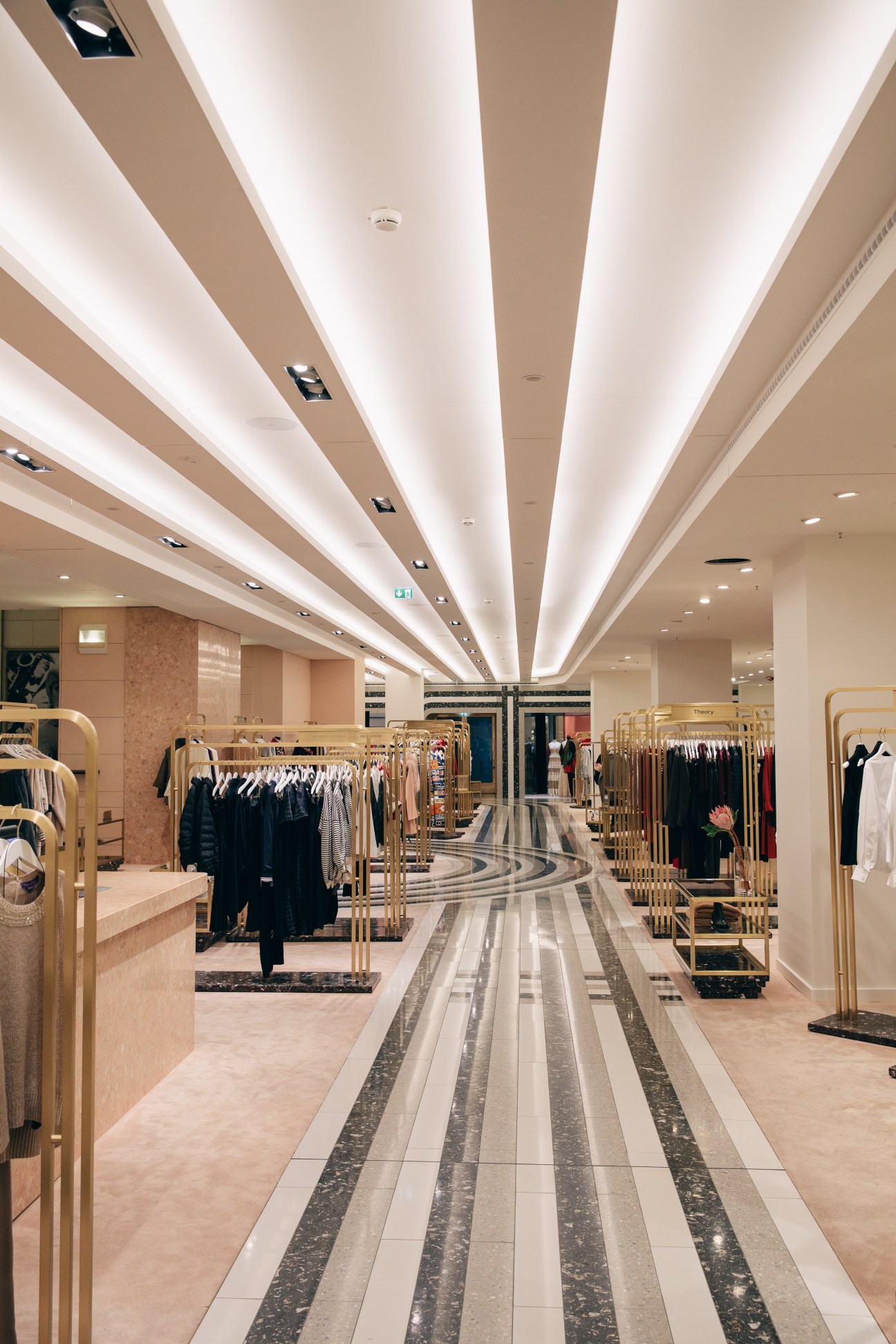
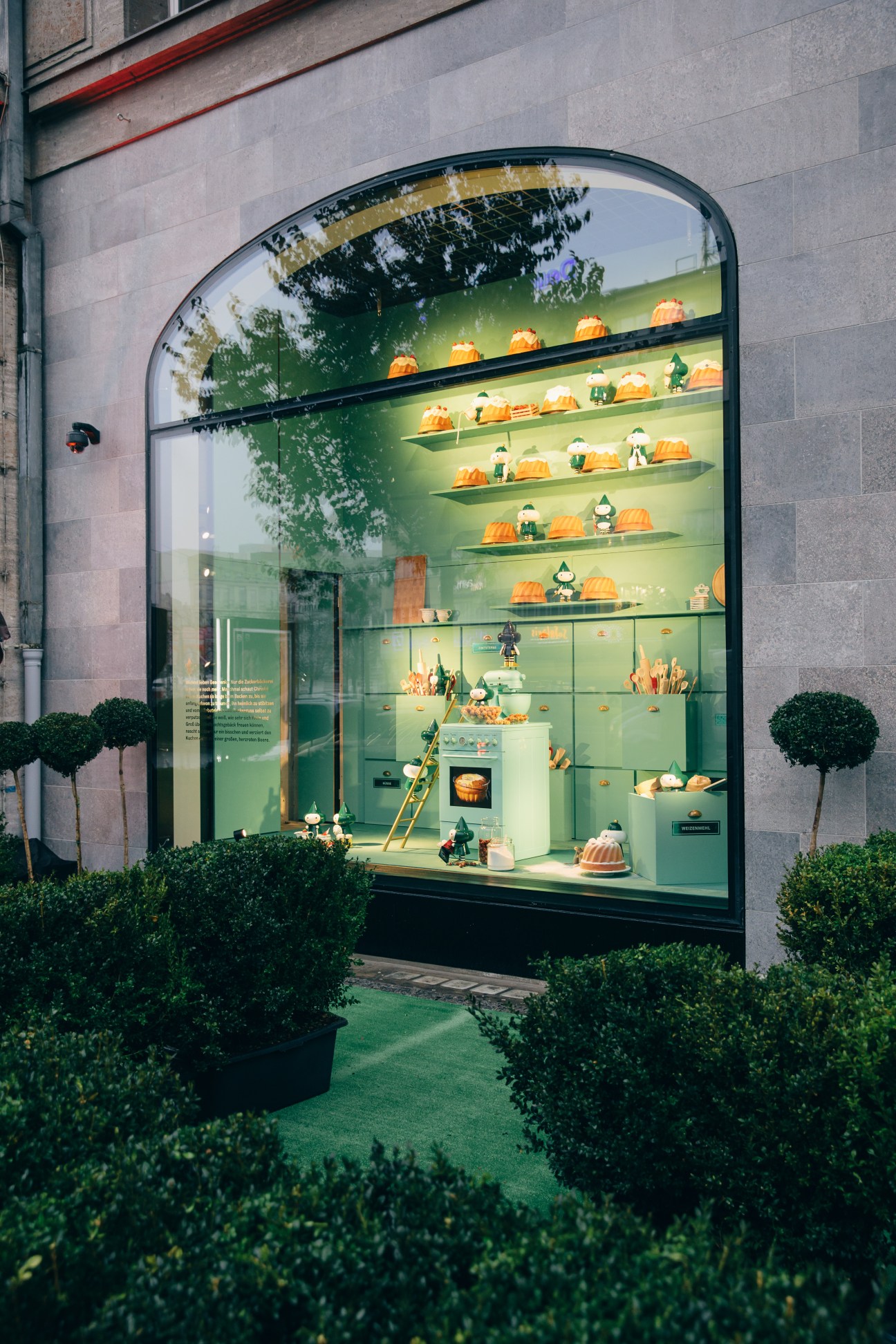
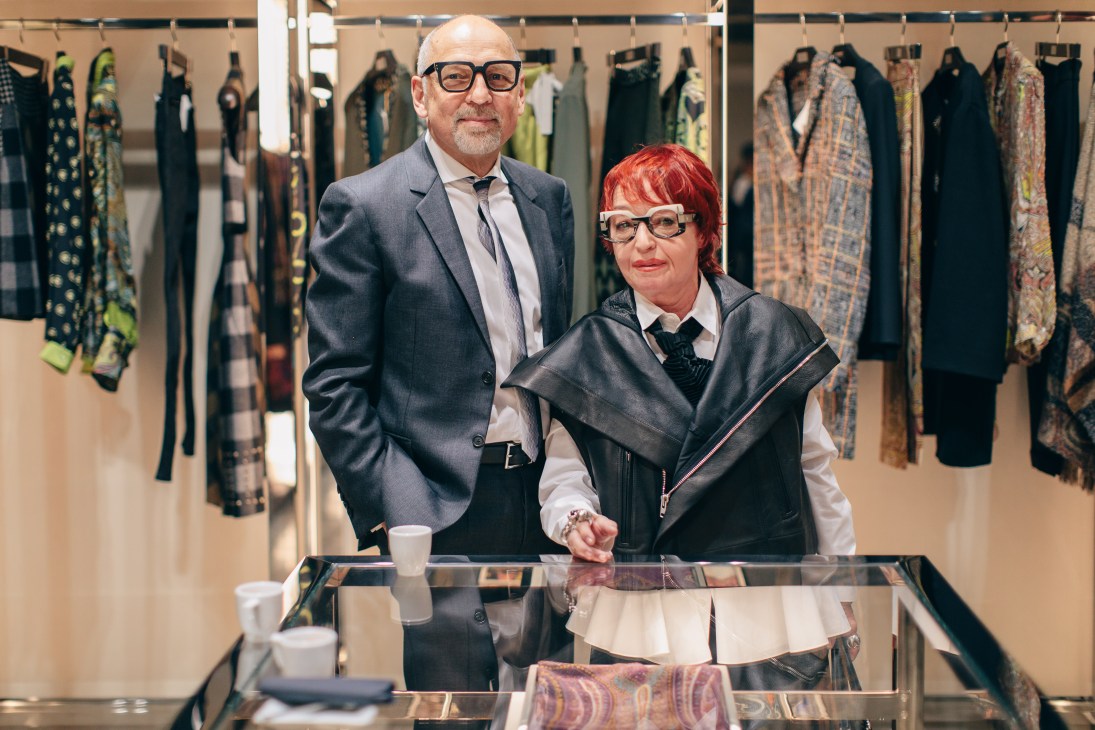
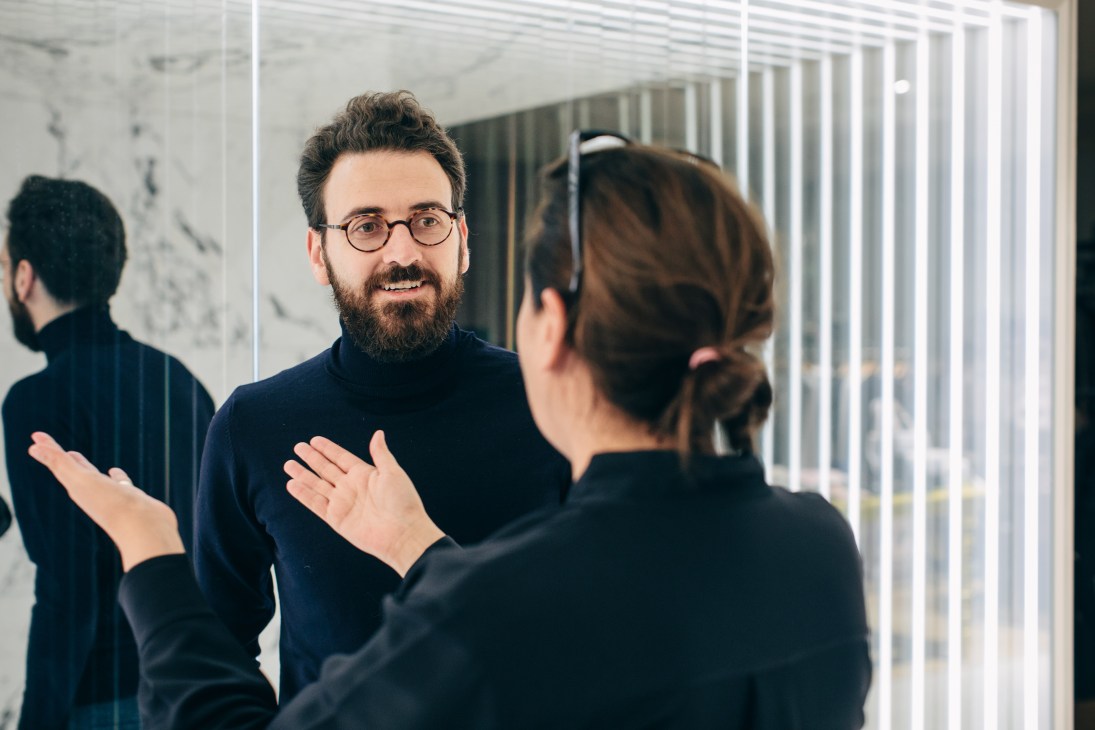
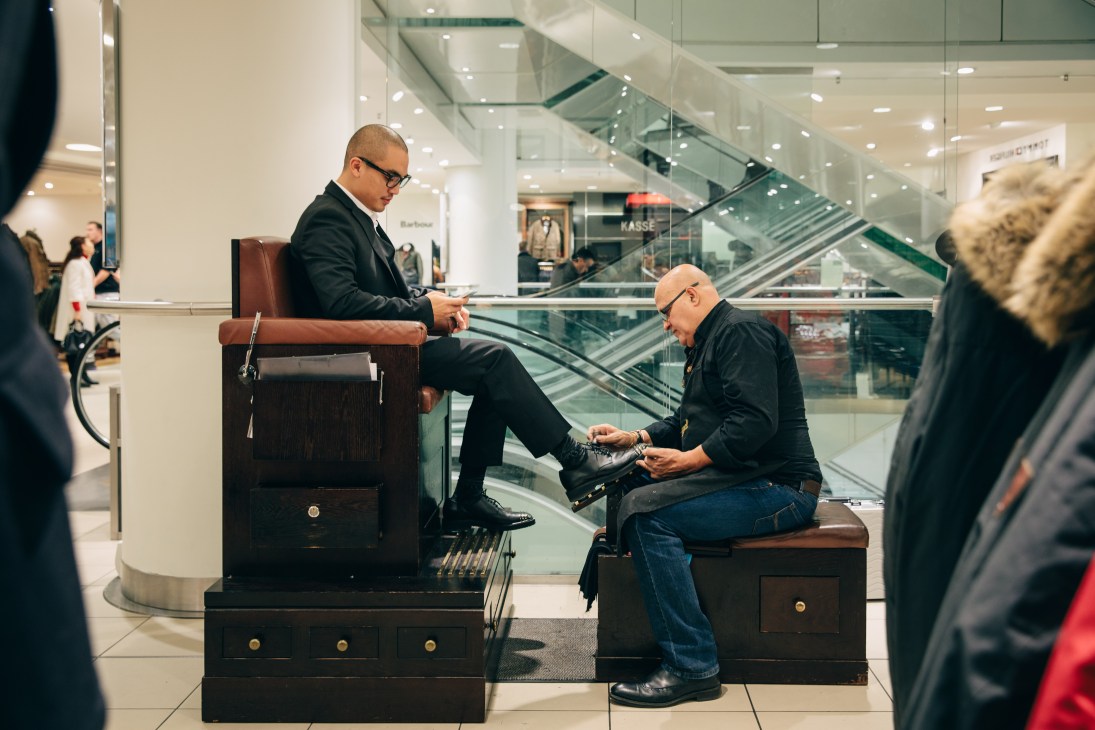
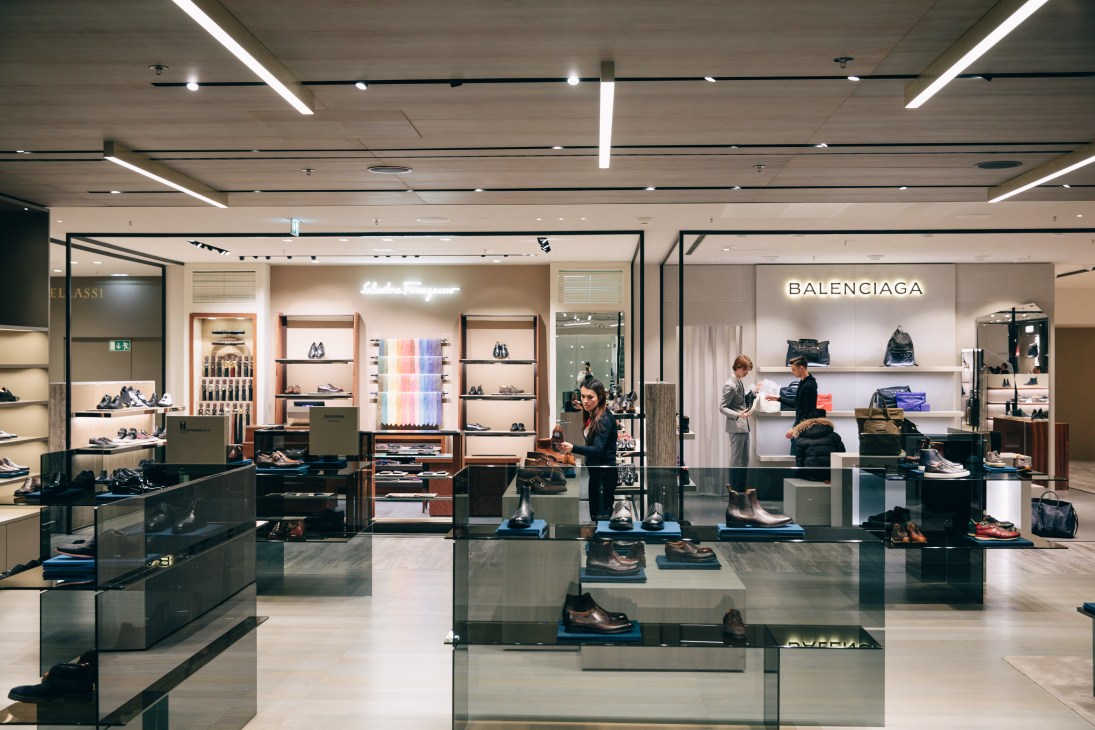
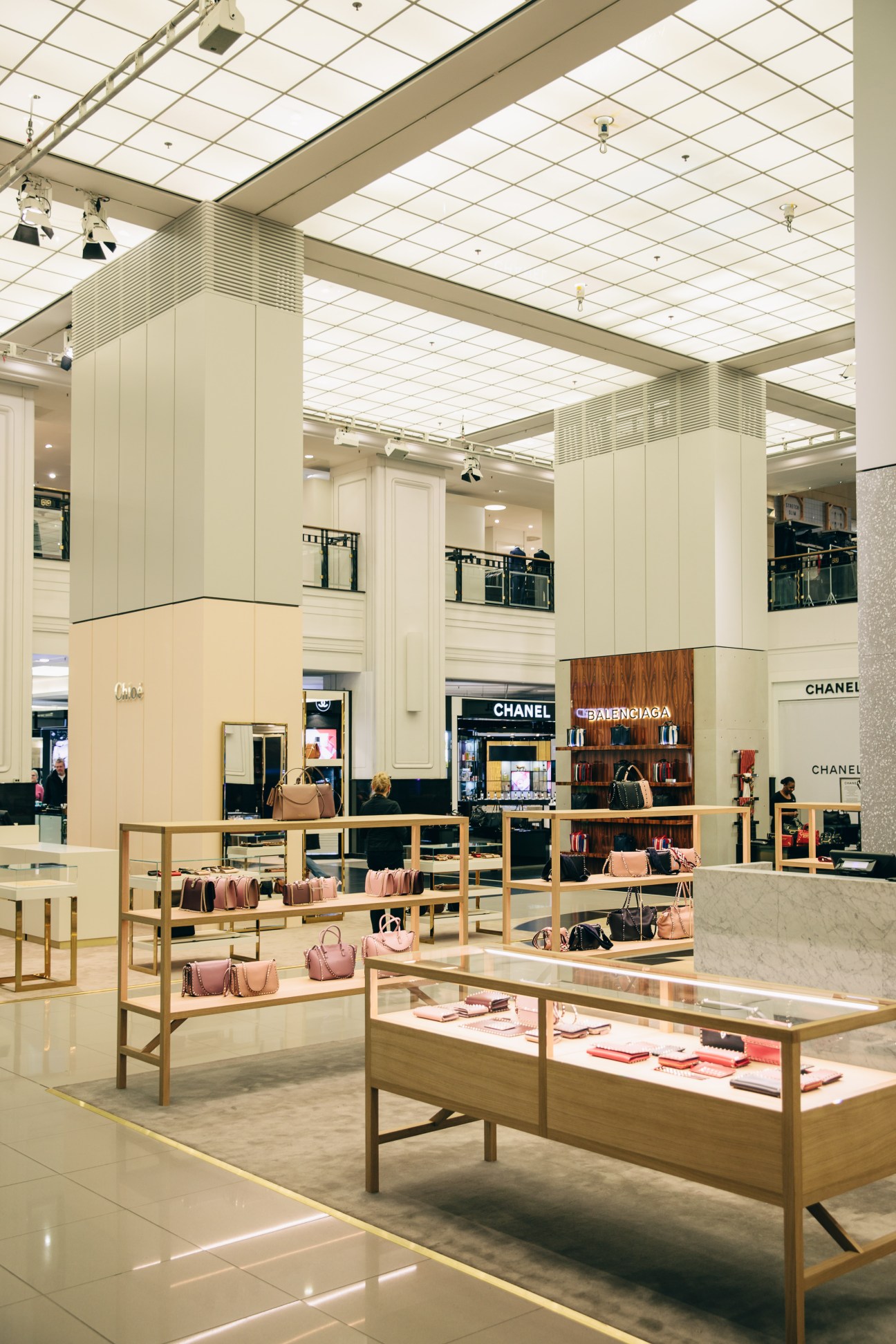
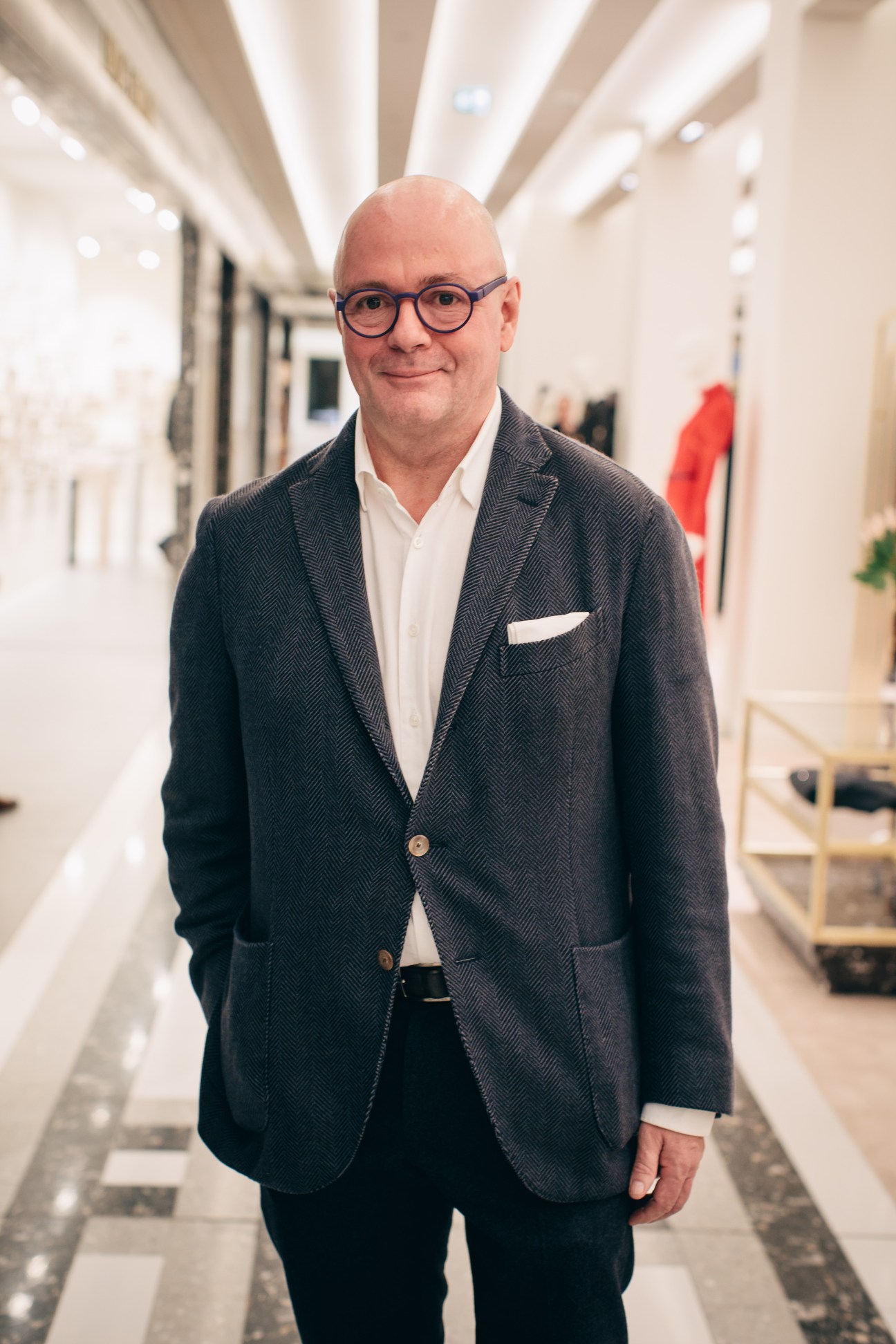
“These days everything is about rebranding,” says André Maeder, CEO of the Kadewe Group, as he takes a seat on a pistachio-coloured velvet sofa in Mahdavi’s redesigned department, which is about to fill with curious party guests. “Single-brand shops have reached their limit and people have had enough of chains; they are looking for individuality, for something special and unique. Only the department stores that adapt will survive.” It’s a sentiment echoed by Kadewe’s managing director Nico Heinemann, who joined the team in 2015. “The retail industry has to redefine itself at a time when you can order everything you desire online. We have to keep moving.”
The Kadewe Group is not resting on its laurels: even the bags are getting a facelift. Maeder points out Kadewe’s new black-and-white paper carrier, which has a bold new logo that is as eye-catching as the shop’s new windows along Tauentzienstrasse, designed by Oma’s Rem Koolhaas. The idea is to make a mark beyond the nation’s borders. “There will never be a second Kadewe and we have no competition in Germany but it’s time to take a stand internationally,” says Maeder. “The recent political developments in the US and the UK could do Berlin good; it may very well become Europe’s most important city.” And if it does, he will be ready.
Meanwhile, Schulze-Hewmann and her husband – in matching eyewear – are weaving their way through the crowd of party guests and greeting acquaintances. “I’ve known many of the shop assistants for more than 20 years – longer than I’ve been with my husband. We’ve become friends; we hug when we see each other. You’re not anonymous here and I hope that whatever happens, Kadewe will never lose that.”
Top of the line
1907: On 27 March, Kadewe, owned by Adolf Jandorf, opens its doors
1950: Kadewe reopens after suffering destruction during the war
1956: Construction of all seven floors is completed and the food hall opens
2007: Kadewe celebrates its 100th anniversary
2014: Austrian company Signa Retail takes over Germany’s Kadewe, Alsterhaus and Oberpollinger as part of the Kadewe Group
2015: The Central Group, owned by Thailand’s third-wealthiest family, becomes the majority owner of the Kadewe Group
2017: Each day about 50,000 people pass through Europe’s second-largest department store, which is in the middle of a makeover
On the make
On first inspection Graz appears to be what you’d expect from a small Austrian city. An old clock tower sits atop a lush green hill overlooking a neat grid of pastel-hued buildings. It’s a pretty place for sure but as we roll into town on a crisp winter morning an edgier aesthetic begins to reveal itself. The classic serif signage of Graz’s best baker, Auer, sits splendidly on a hot-pink painted exterior. Sharp logos also adorn the windows of copious architecture and advertising firms, while well-turned-out students from the city’s many universities stroll the streets.
It’s not all pretty (Sir Peter Cook’s Kunsthaus Graz is an acrylic-clad monster of a museum by the Mur river) but thoughtful design permeates this city.
“There’s a feeling here that design is not just an industry but the way a fast-growing city solves its problems,” says Mike Fuisz, whose branding agency Moodley sits in one of the nicer modern buildings. The clients of Moodley – a 70-staff firm with a second office in Vienna – range from Martin Auer, whose bakery chain Moodley rebranded, to Volkswagen Slovakia. While cars are Graz’s key industry (Mercedes-Benz’s iconic G-Wagen is assembled here), the trophies Moodley has won during its almost 20 years show that design and advertising are high on the business agenda too.
“It’s nice to be a part of making the city more international,” says Fuisz. “We were engaged in helping Graz become a Unesco City of Design in 2011. There are something like 400 cities as large as Graz in Europe so to stand out you need to be doing something special.”
Fuisz says that now is the time for second cities: charming, laidback and less touristy places that have a high quality of life and are well connected. As Austria’s second-largest city and the capital of the state of Styria, Graz embodies these virtues by having affordable living costs and an international airport that reaches key European capitals, while Vienna is two hours away by car. Moodley’s clients stretch far beyond the city but Fuisz says that the design work commissioned in Graz is as challenging as anywhere else. “Most of our clients are the next generation, young people who want to do it their way. They have a visual approach and an eye for aesthetics.”
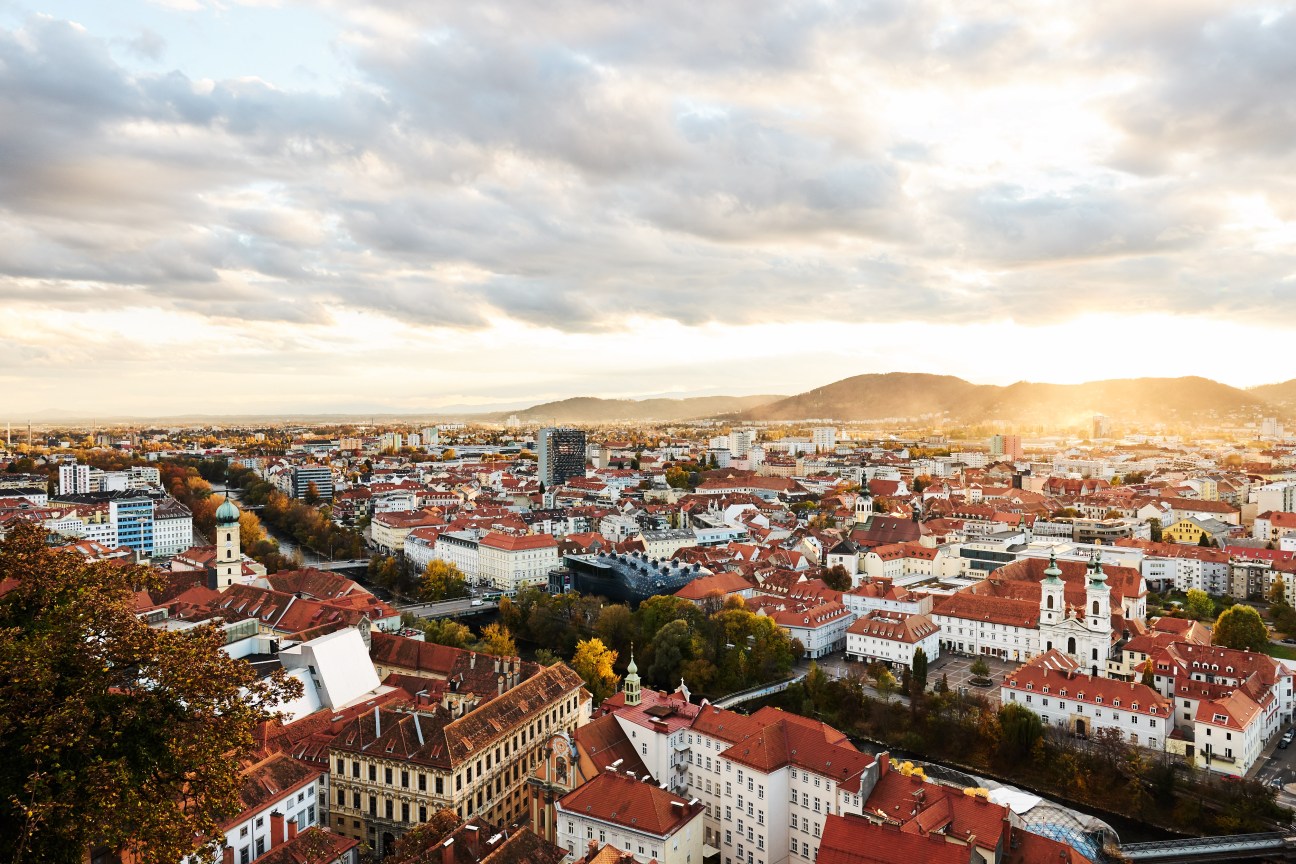
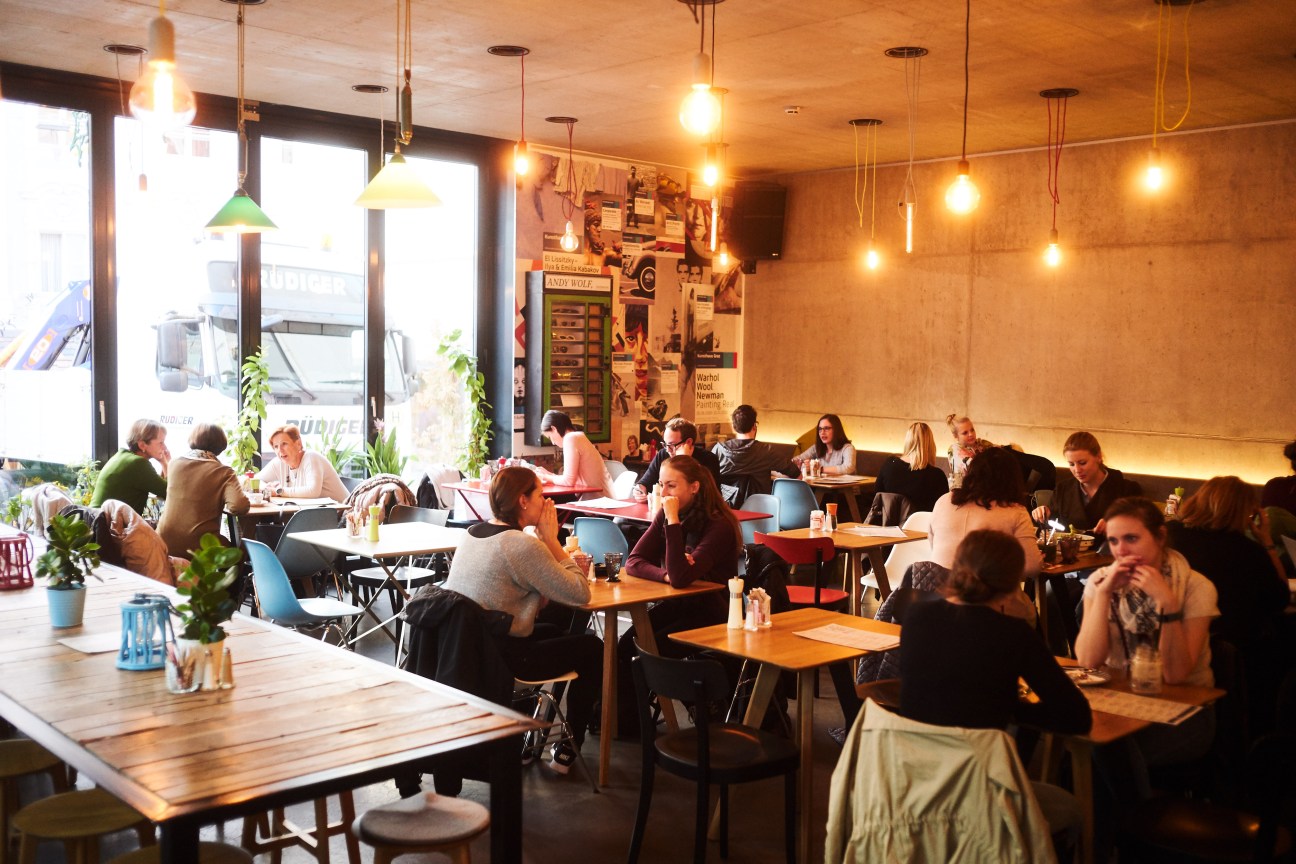

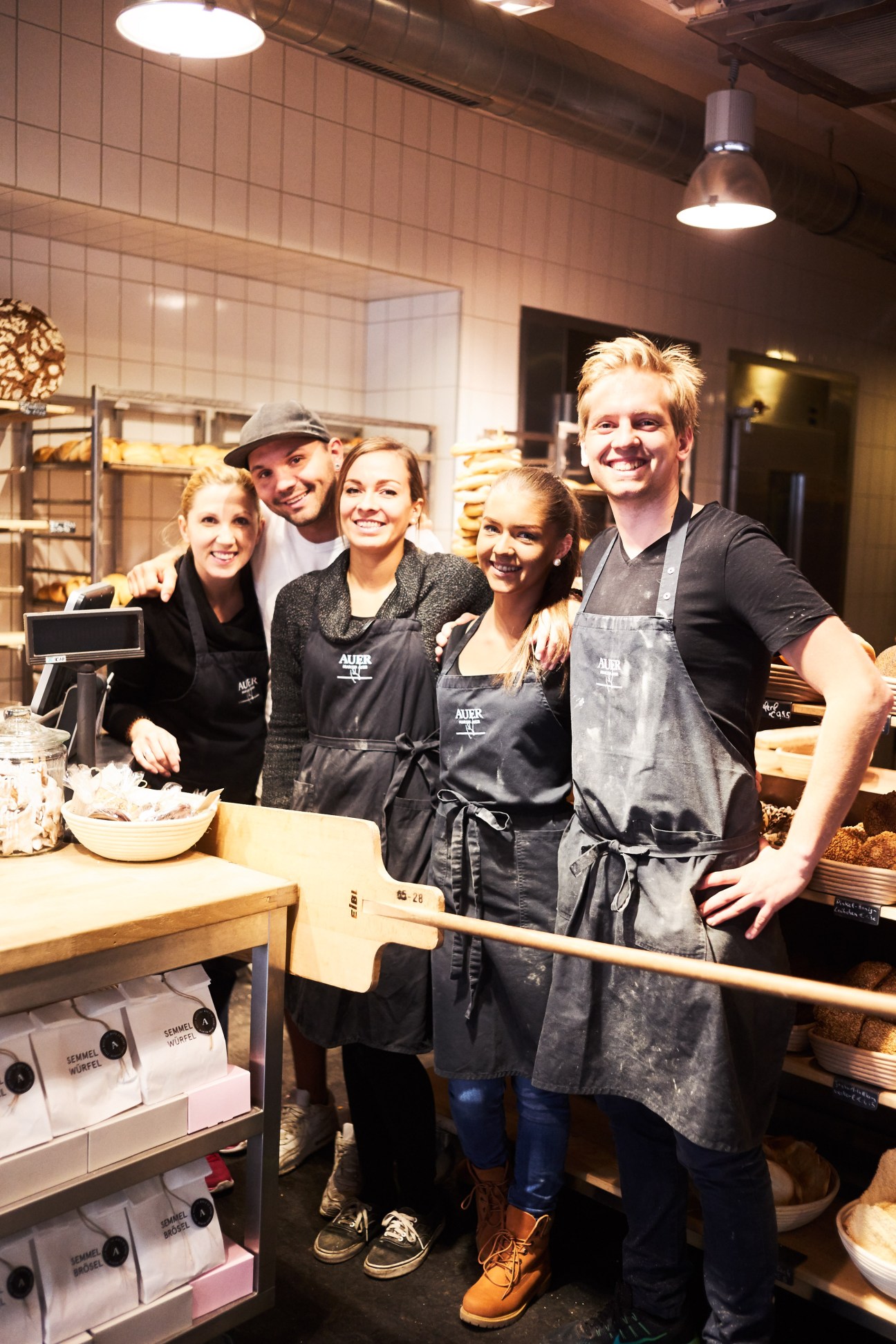
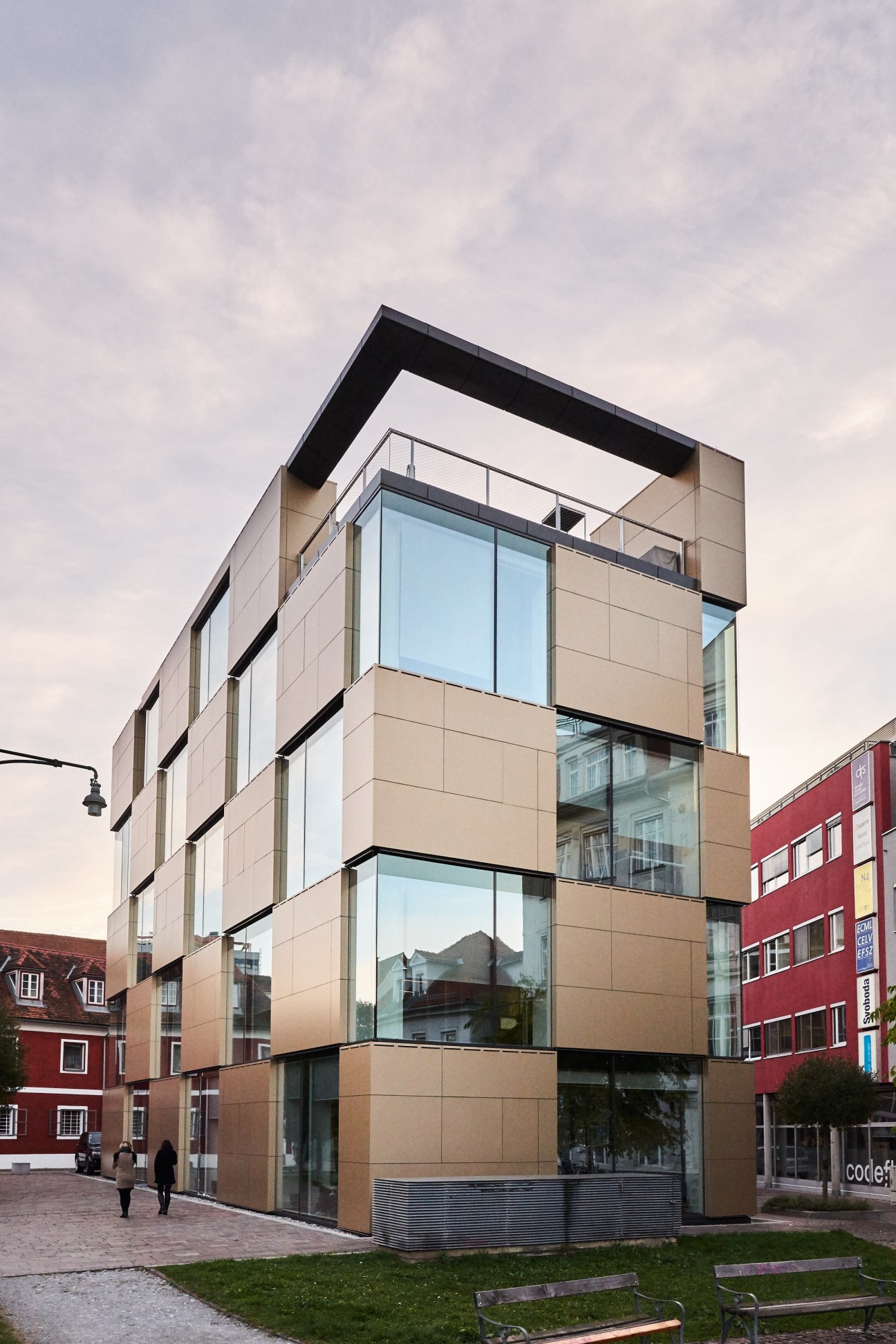
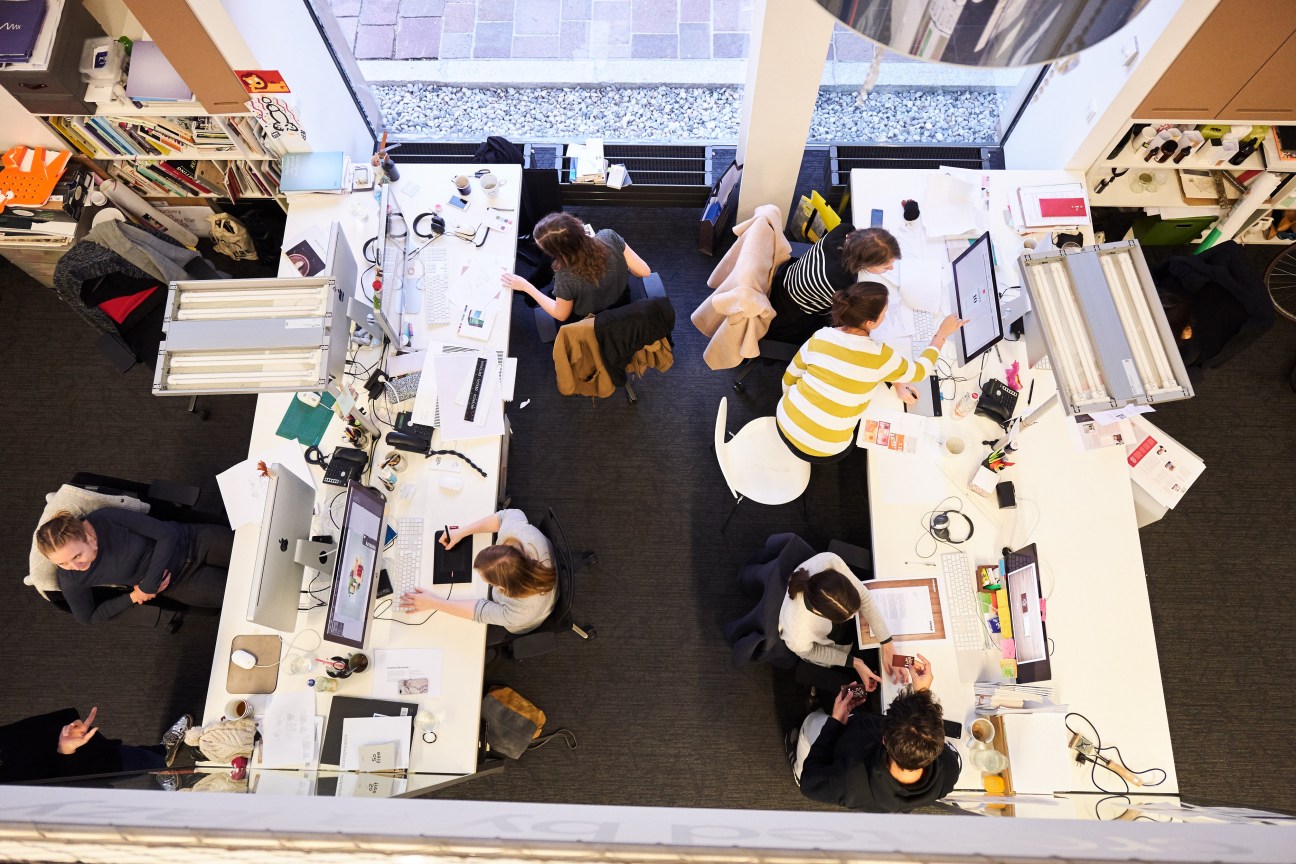
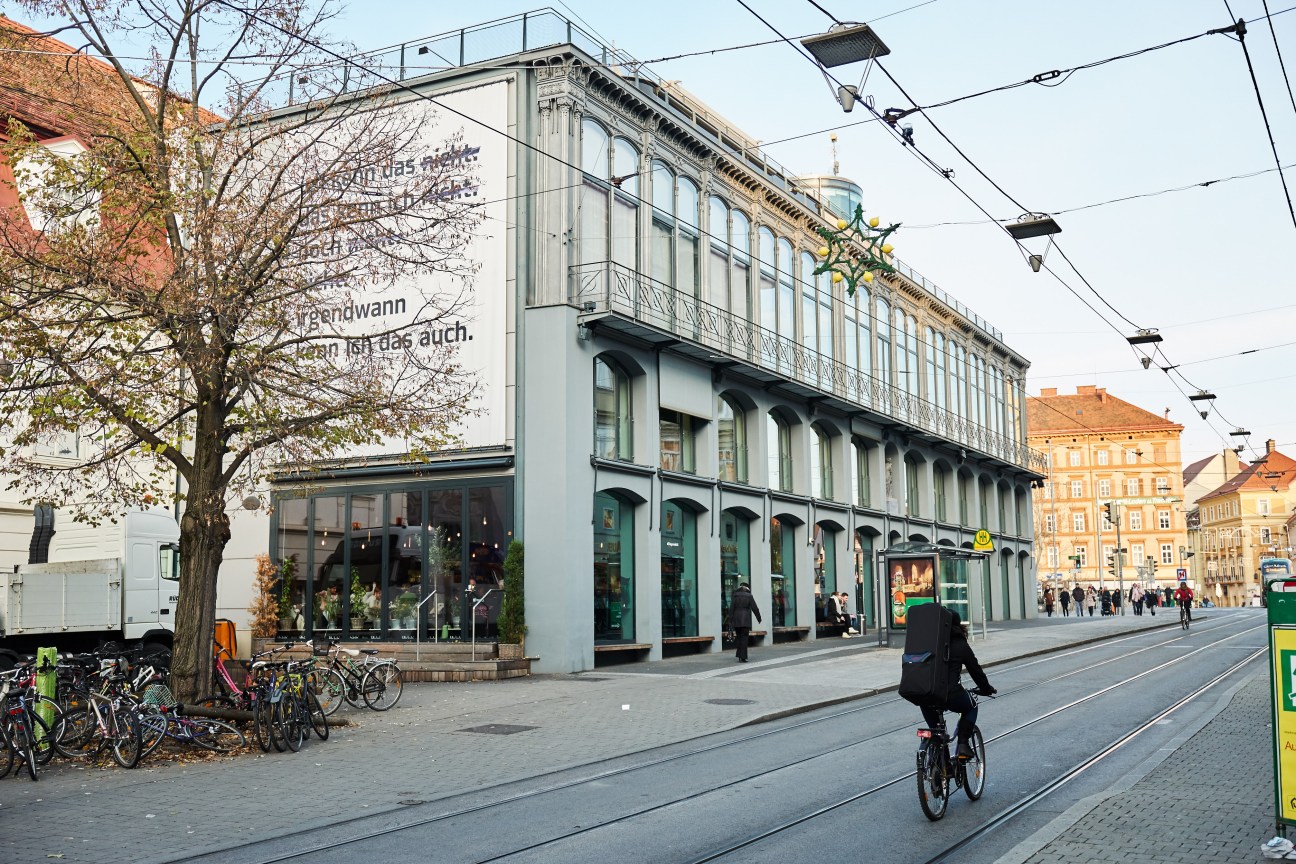
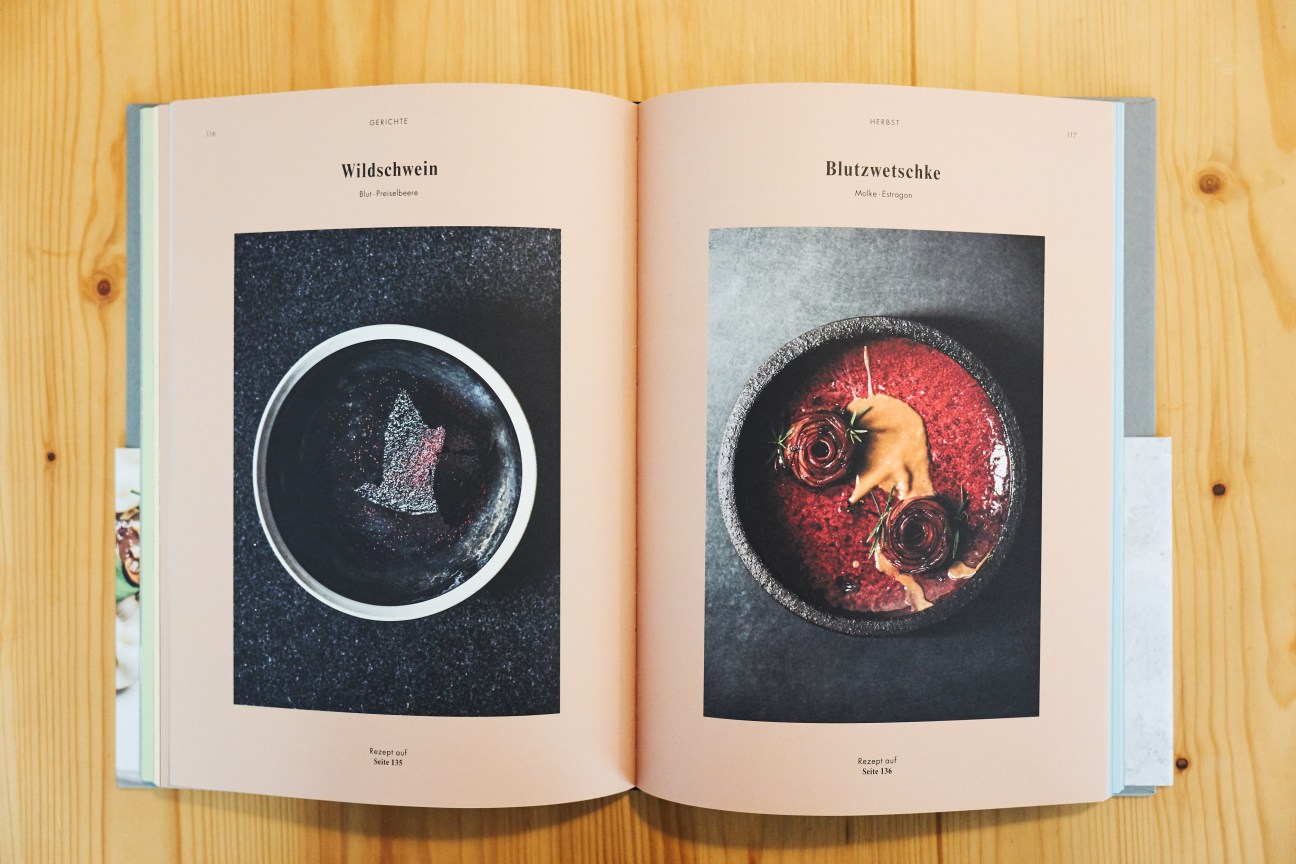
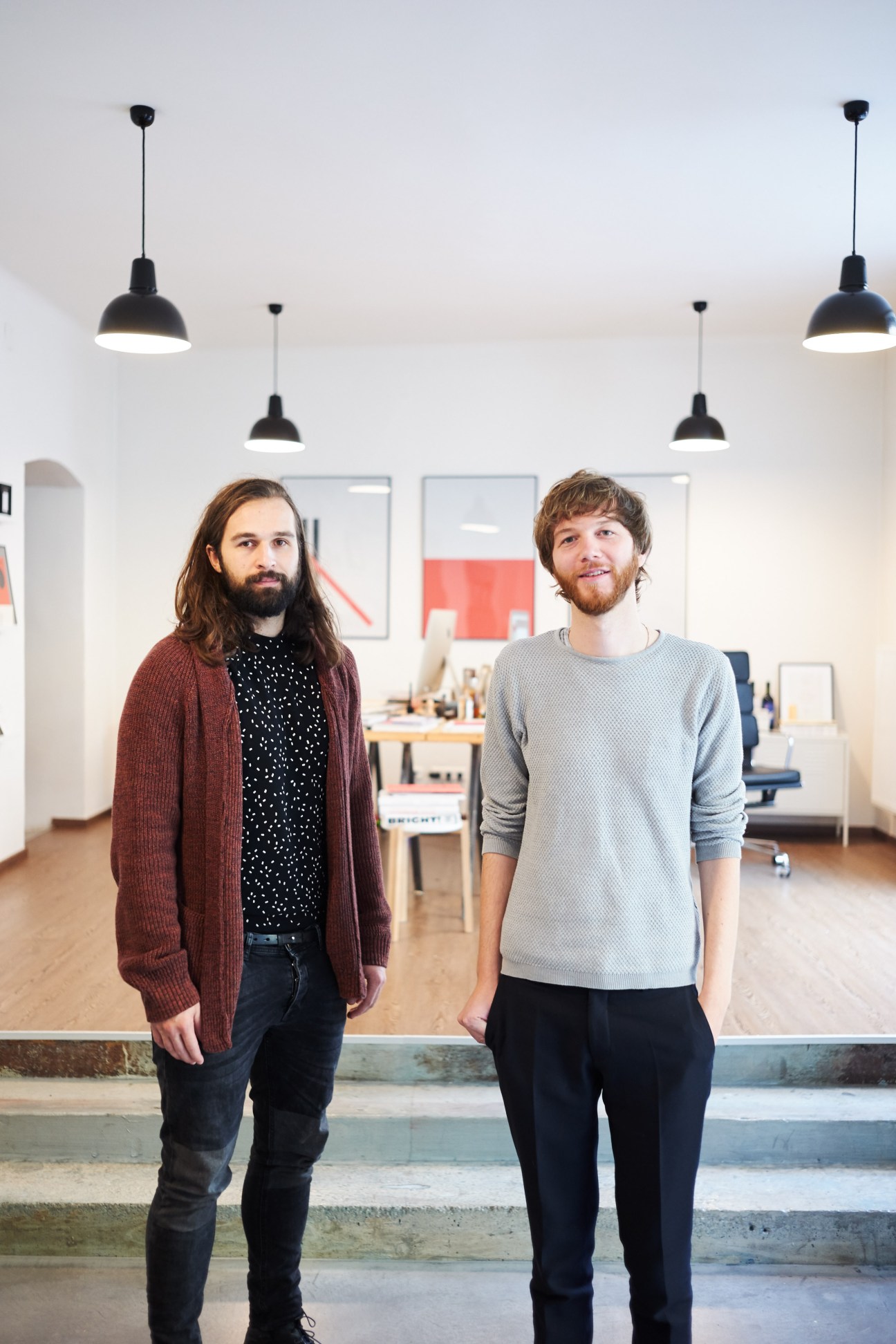
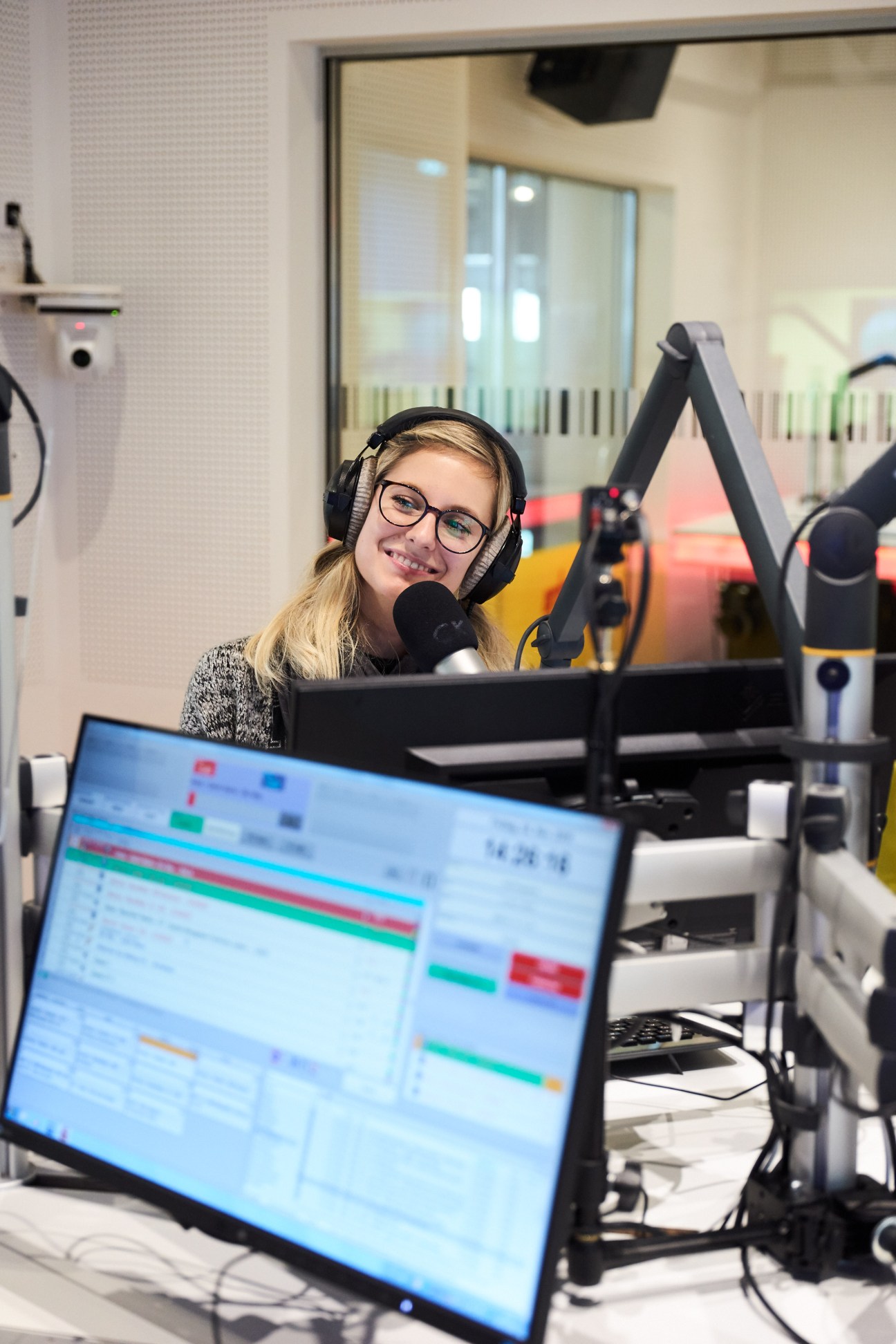
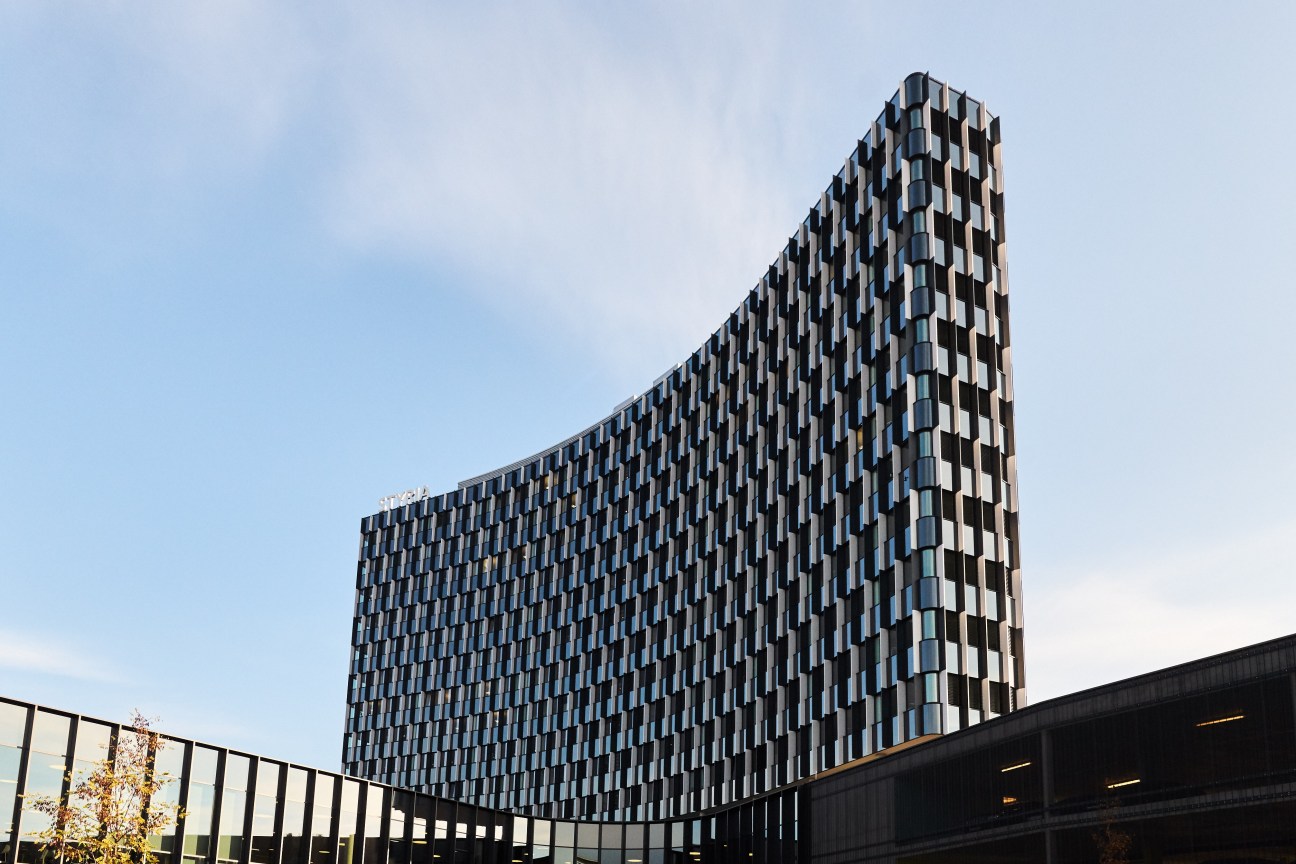
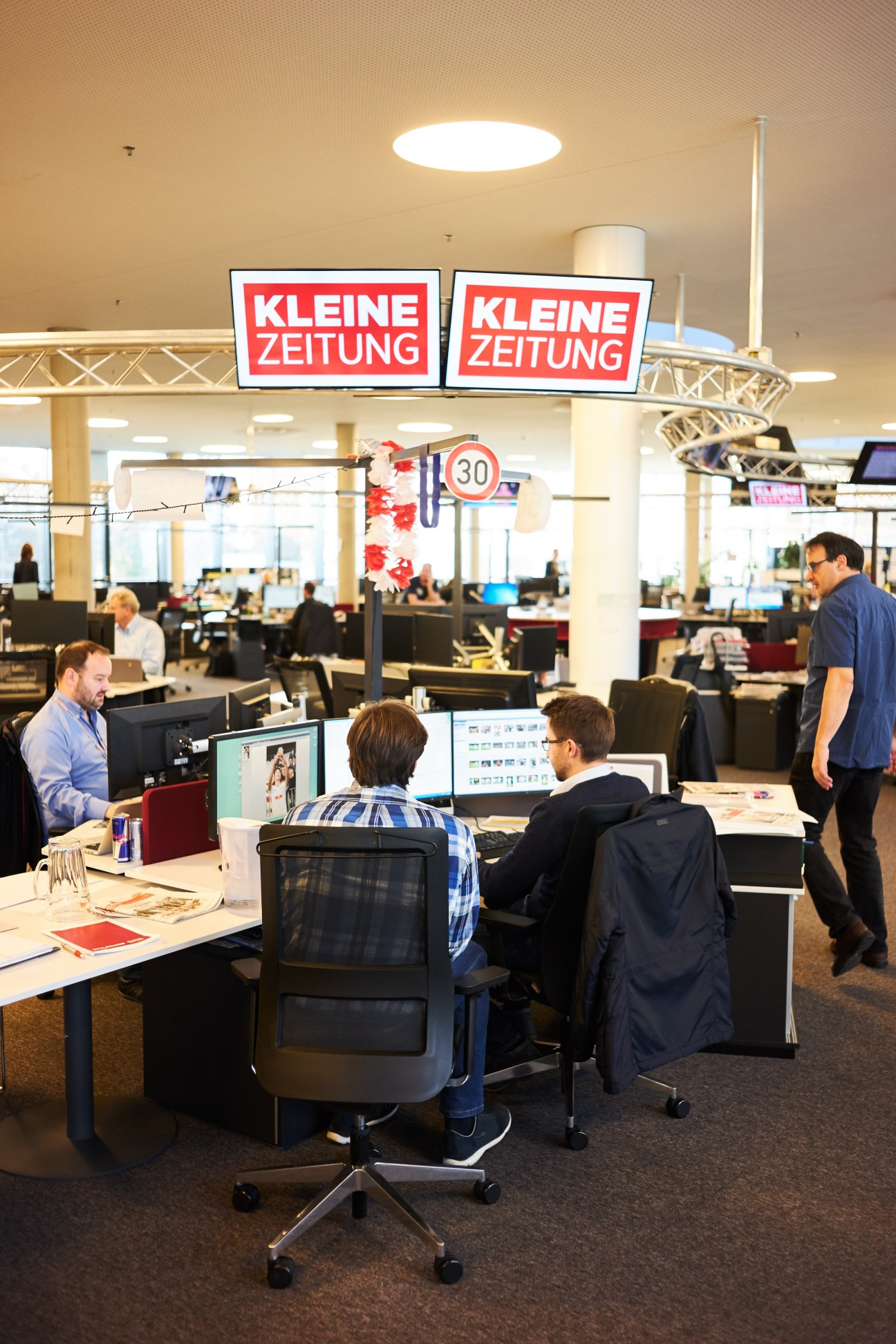
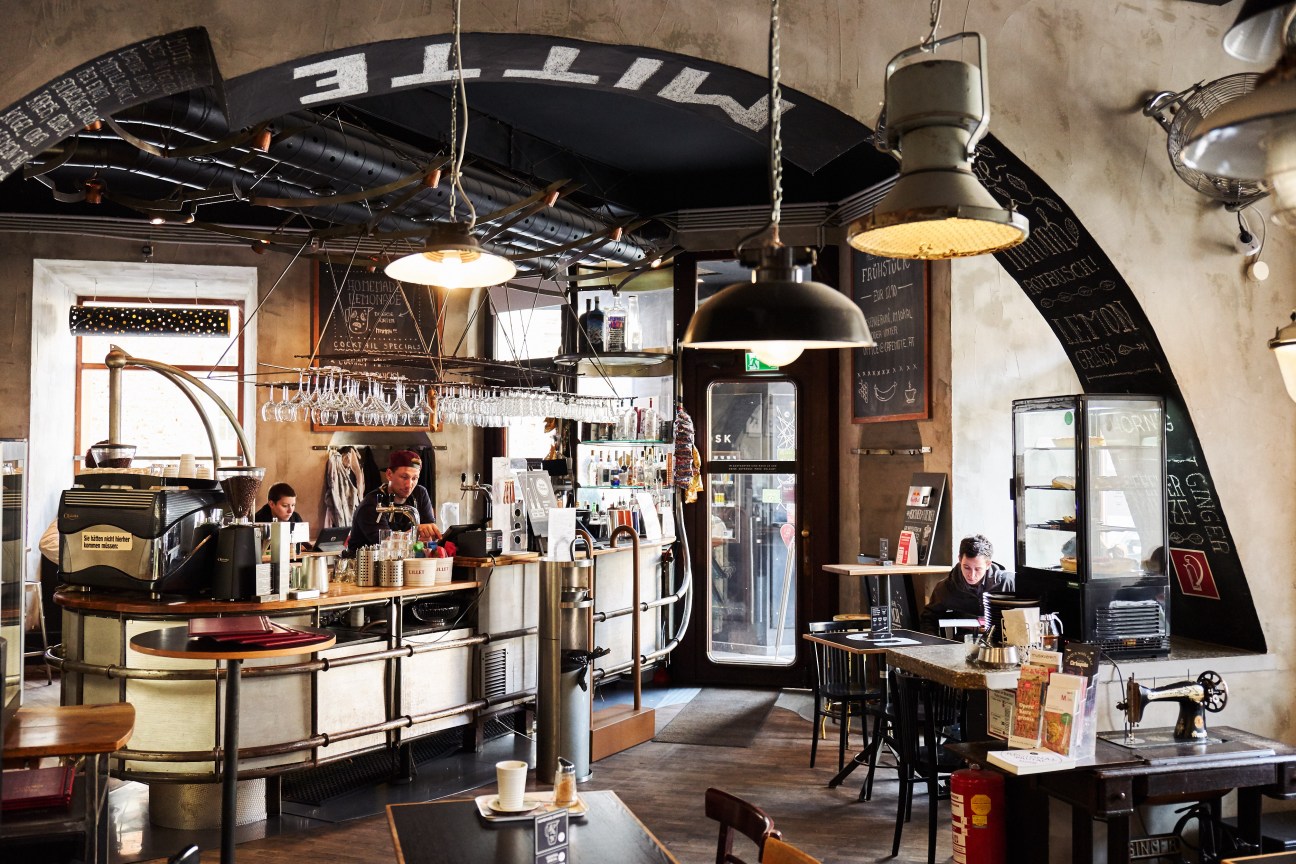
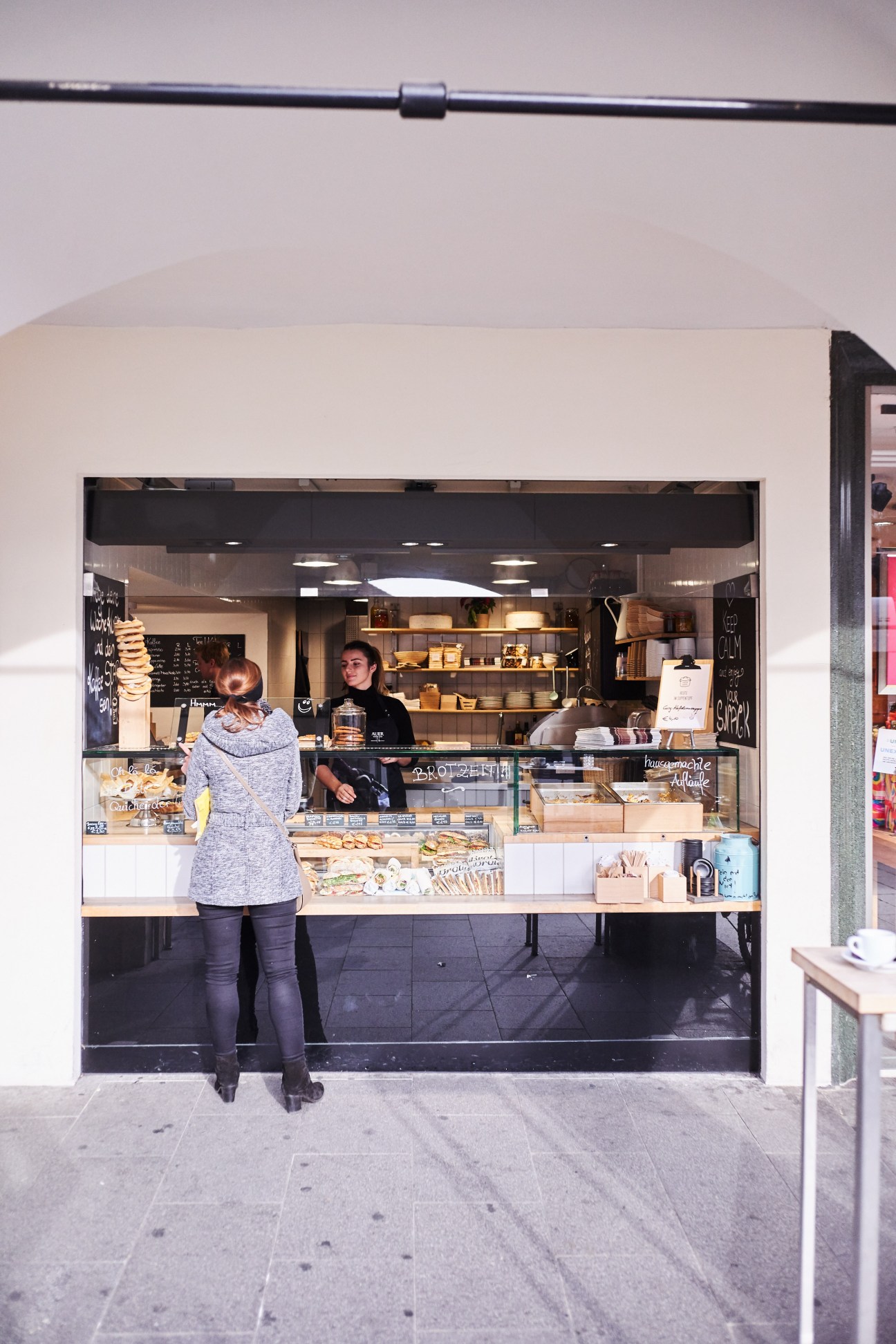
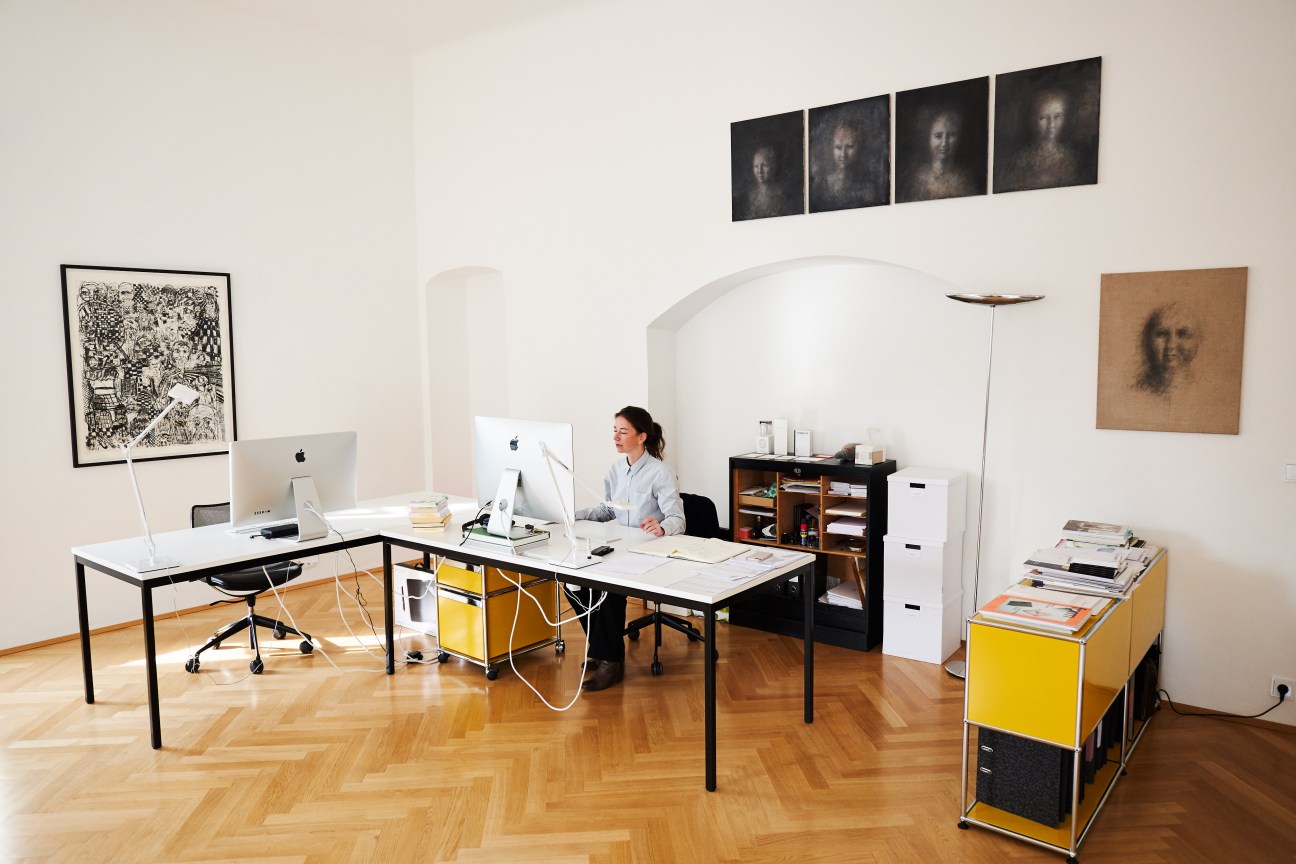
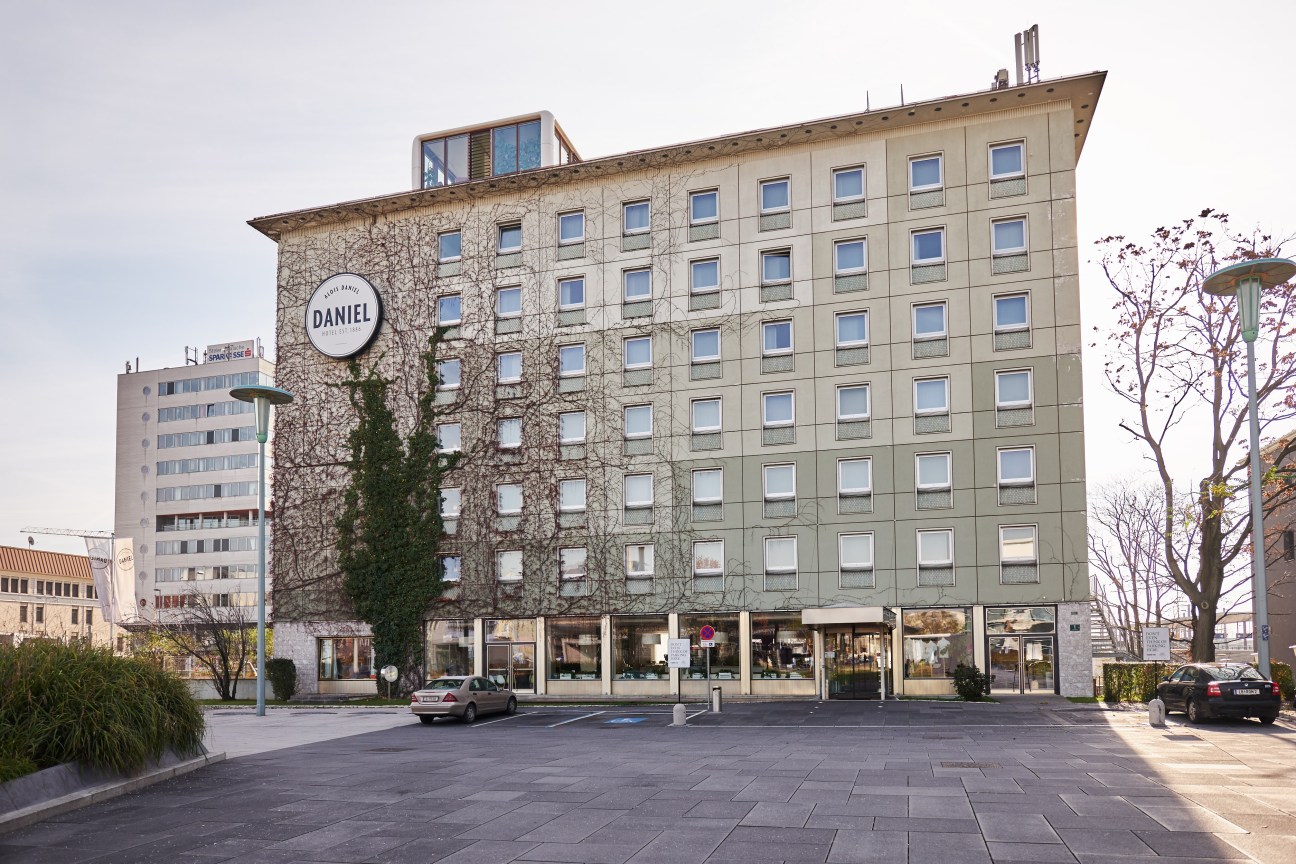
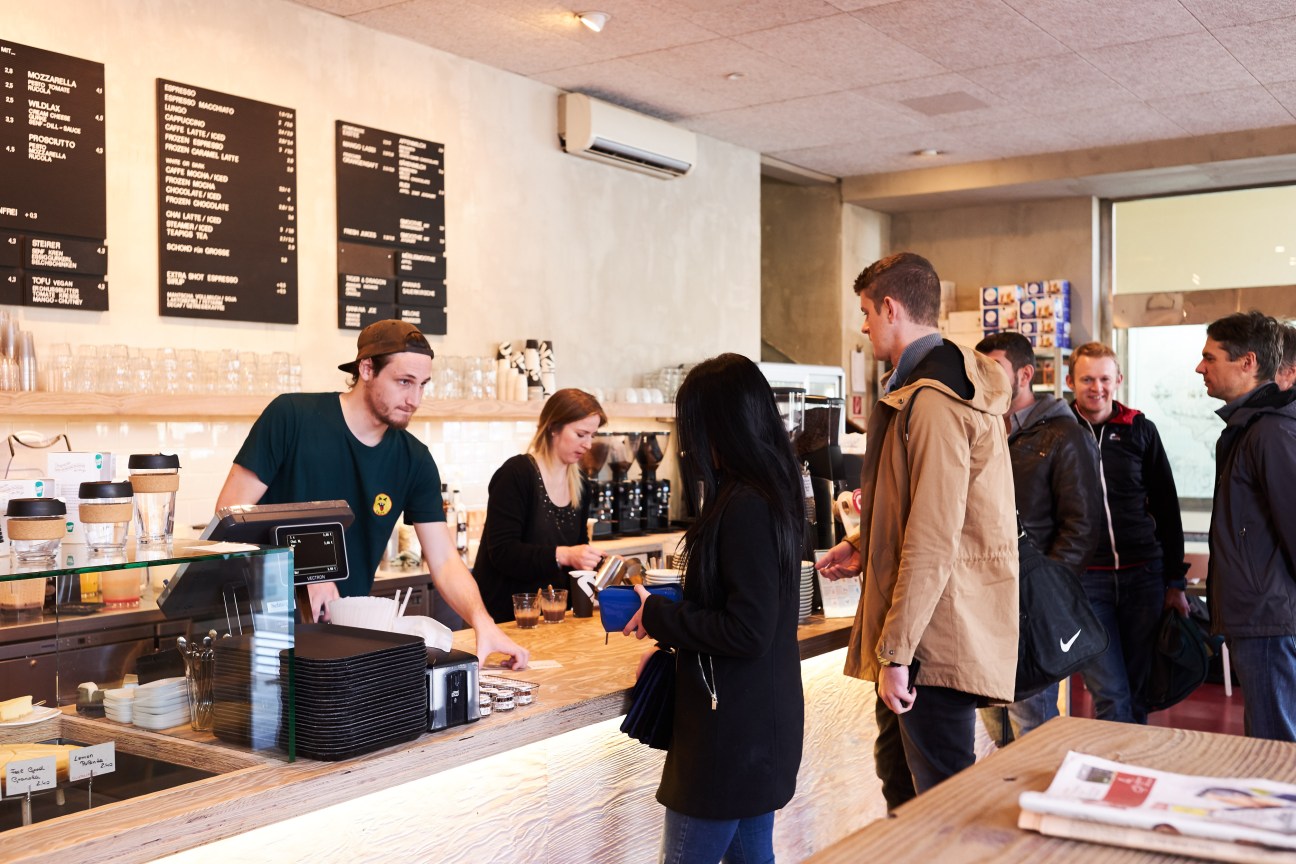
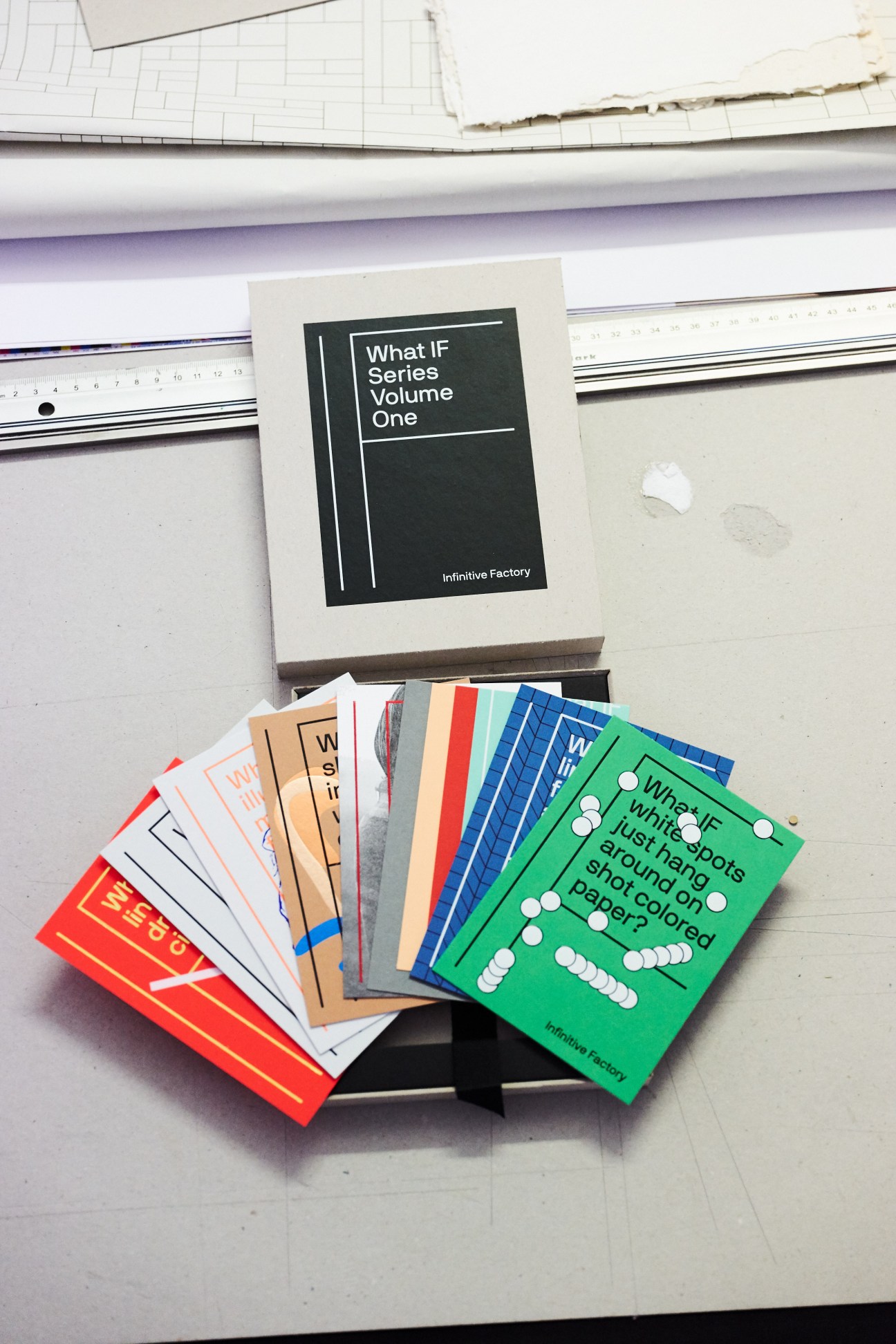
At the crest of the next wave of design talent are two former Moodley staffers: Kurt Glänzer and Josef Heigl of Bruch. Three years into business their portfolio is a sumptuous selection of beautiful print and digital projects. Food books for top South Styrian restaurants are as finely printed as magazines for Adler, one of Austria’s biggest paint brands. Typography purists with a penchant for Swiss style, the pair try to research fonts entirely from classic graphic-design books.
“We have large clients and small clients but we work with a lot of craft-minded businesses who have allowed us to do very creative work,” says Glänzer.
“At some touchpoints it pays off to not be so tight with the brief. Making it a bit more open allows for fresher ideas and clients here have the guts to go that way,” he adds. The Bruch boys are part of a broader movement in the city. Here university graduates are sticking around and in turn sharpening Graz’s competitive edge.
A respect for the old ways among the young rings true across the city’s media landscape too. Graz’s largest Austrian and international pop radio station Antenne Steiermark employs young talent who are working hard to innovate in their chosen profession.
“Radio listening is expanding here,” says head programmer Stephan Legat, from Antenne’s Graz studio. “We were the first private radio station in Styria, we set the benchmark and now we have 250,000 listeners daily.”
Antenne’s parent company Styria Media Group is a force to be reckoned with among Austrian media. It has successfully embraced the digital age while staunchly backing print and radio. Its flagship daily newspaper Kleine Zeitung is published and printed in Graz and is one of the nation’s most popular regional reads. Moving into plush new €37m headquarters in 2015, the company is an attractive prospect for Mitteleuropean talent, from Bratislava to Berlin. “While our target audience are young Austrian families, we do our best to entertain everyone,” says Antenne producer Gregor Sommer.
Gazing out at a group of Graz’s elderly citizens doing the daily Styria Media tower tour, it’s clear that an enthusiasm for the creative industries applies to all ages here. This hasn’t always been the case says Karin Novozamsky, who returned here to start her own branding agency in 2014. “I couldn’t wait to leave when I turned 18,” she says.
Today she can look over the beautiful Mehlplatz square in the city’s centre from her office in a restored mansion, having built success in some of the world’s biggest German-language advertising agencies. She says that her reputation was forged by consistently fighting for creative outcomes for clients. “Design can really put energy into a project; it visualises the concepts and the ideas that a business might always have been aware of but not have been able to articulate,” she says. “When they see the result it gives them a new energy.”
The same can be said for Graz, where creative people have worked hard to turn the general populous onto design. In a city where talent is ripe, Novozamsky says that winning work is getting tougher but the vibe remains welcoming. “The design community here is inspiring and government agencies are building bridges for us to connect with different industries, which makes for the right mixture.”
By the time we bid Graz goodbye we’ve felt the warmth of this close-knit community, sharing homemade curry with the design team at Graz creative agency En Garde and getting stuck into some printing at the city’s busy letterpress studio Infinitive Factory. It’s only been a couple of days but the sun has vanished and winter has suddenly set in. Snowflakes flurry around the airport and a clock-tower bell tolls to tell flyers that it’s time to board. It might seem quaint but there is a feeling that this old city’s best years are yet to come.
Why Graz is good
1.
Good long-haul connections via Vienna and Frankfurt
2.
You can take the tram to the airport
3.
Small-city scale with high quality of life
4.
The Adriatic is less than three hours down the Autobahn
5.
Good skiing is even closer
Seasoned to taste
1.
Reinventing the hawker centre
Timbre+, Singapore
Cooked up in 2016, Timbre+ was co-founded by Edward Chia and Danny Loong, who turned their know-how of running live-music venues and festivals to starting their own contemporary take on Singapore’s traditional hawker centre. Their space in the One North neighbourhood gathers businesses from across the generational divide to address the lack of young talent willing to join the oldsters in the food-stand business.
“It’s a collaborative project,” says Chia, who co-founded the Timbre Group with Loong in 2005. “Our role is like an aggregator, creating and bringing different concepts.” Across the 35 food outlets and during an annual calendar of pop-ups and food fairs, Timbre+ also has two stalls that act as an incubator programme for young chefs to try their hand at running a food business over three to six months. The crucial ingredient, though, is the opportunity to learn from their experienced neighbours.
“Here it’s not a competition, it’s more about complementing each other,” says stall owner Christian Calledo, 35, stood next to a table of seated diners tucking into his sweet chilli liempo (grilled pork with rice). “It’s family and you get good conversation; every time we meet up we try each other’s food and exchange ideas.”
When Timbre+ stepped in to develop a new business on the site of a demolished food centre, it also intended to give voice to veteran hawkers and be proactive about promoting the value of their businesses. “What about the older guys?” says Chia. “There was no intention to kick them out – slowly, we tried to get them involved in the new initiatives. Initially there was a bit of a culture shock for them.”
But the success of the project is evident. At Timbre+ you’ll find unlikely alliances, such as that of 44-year-old chef Willin Low – of Singapore’s celebrated Wild Rocket restaurant – with 56-year-old long-time hawker Michael Heng at Roxy Laksa. They worked together to refine and reintroduce Heng’s third-generation laksa to a younger crowd. It means that while Heng’s children may have shown little enthusiasm for his business he has found an eager collaborator in Low, who has frequented his stall for the past decade.
“From customer he became friend and now a partner,” says Heng, delighted that his recipe will survive another generation. Low is equally effusive: “If we do this right it could be the blueprint for other hawkers.”
timbreplus.sg
Notes: The team is turning an ailing trade into a brisk one – and successfully safeguarding Singapore’s culinary heritage in the process.
2.
The Aussie food market grows
Tramsheds Harold Park, Sydney
Sydney relied on trams for transport until the 1960s but today the Victorian workshops that used to maintain the rolling stock are a new stop for the city’s food-lovers. About 3km west of the cbd, between once-grungy Glebe and Forest Lodge – and on the site of the now-closed Harold Park Paceway dog track – lies the latest addition to Sydney’s dynamic food scene. To the delight of residents – and the roving hordes keen to taste something new – The Tramsheds reopened after an au$34m (€24m) refurbishment in 2016.
At the front door a vintage tram carriage and ornately crenellated brickwork welcome you; inside, corrugated iron ceilings tower three storeys above a buzzing market hall. Visitors can sample all manner of fine food at casual cafés and swish sit-down spots, while there is also fresh produce – everything from tinned preserves to bread and booze. Restaurant and monger Fish & Co sees all eyes fixed on the wooden fishing boat suspended from the ceiling. Opposite, Bodega 1904 and its accompanying wine shop by Elvis Abrahanowicz and Ben Milgate (the clever souls behind Porteño and Continental Deli) serve Australian wine and delicate tapas-style dishes.
But its not just flash restaurants from Sydney’s better-known f&b set that make the place hum. On Sundays the shed’s central hall is lined with market stalls and independent vendors, which give the place more of a down-home feel than its plush redesign suggests. Among them is florist Wendy Ellis’s Thorny Roses concession. As the in-house flower merchant for building developer Mirvac – the St Leonards-based group responsible for The Tramsheds’ regeneration – Ellis decided to take up position in the market hall, where she peddles late spring blooms such as towering peonies and romantic tea roses. Next door, Pepe Saya offers samples of his hand-churned butter, while the bakers at nearby Dust mill their flour on site (try the peach Danish, spiced with tea or the saucer-sized pain aux raisins, studded with pistachios).

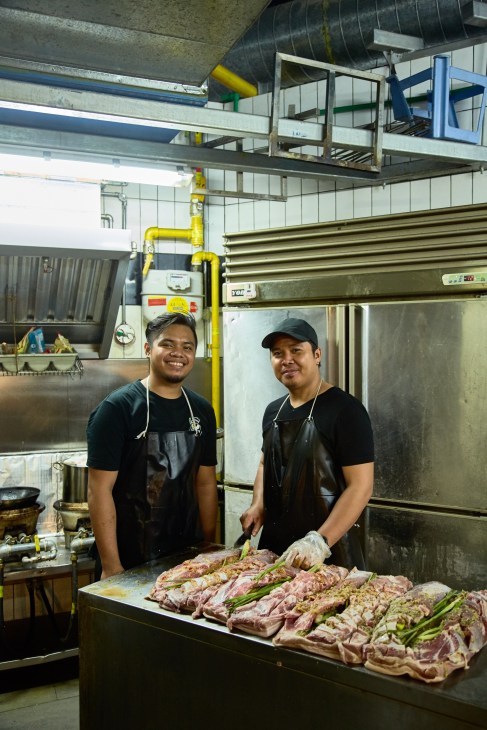
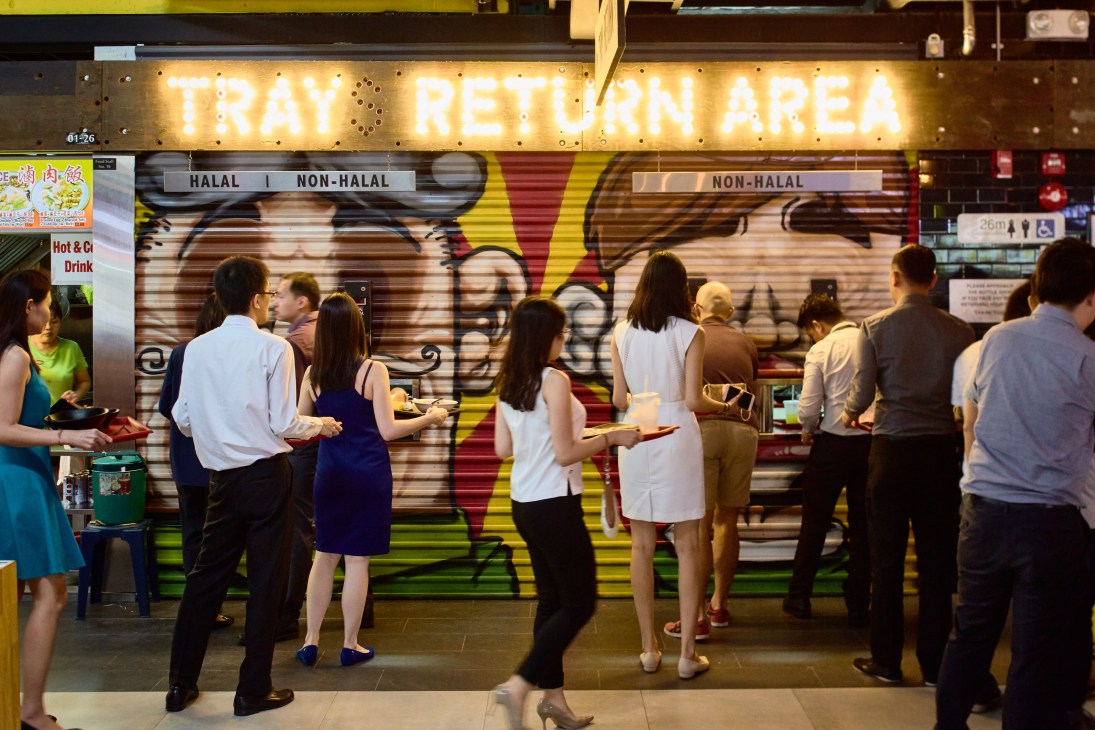
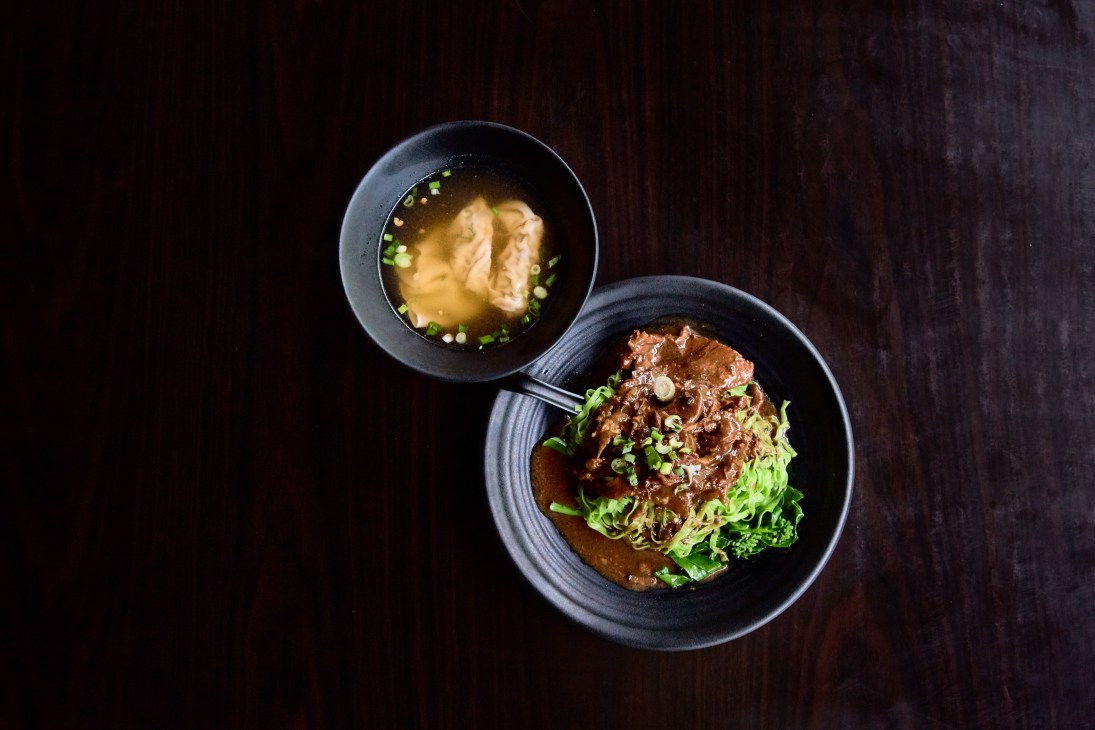
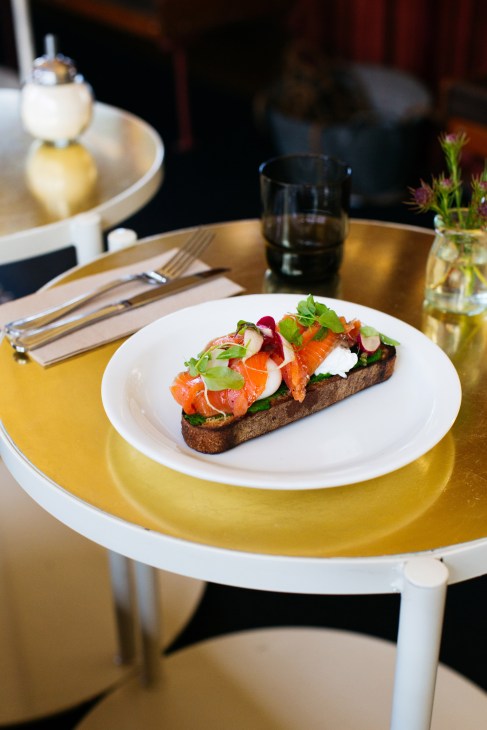
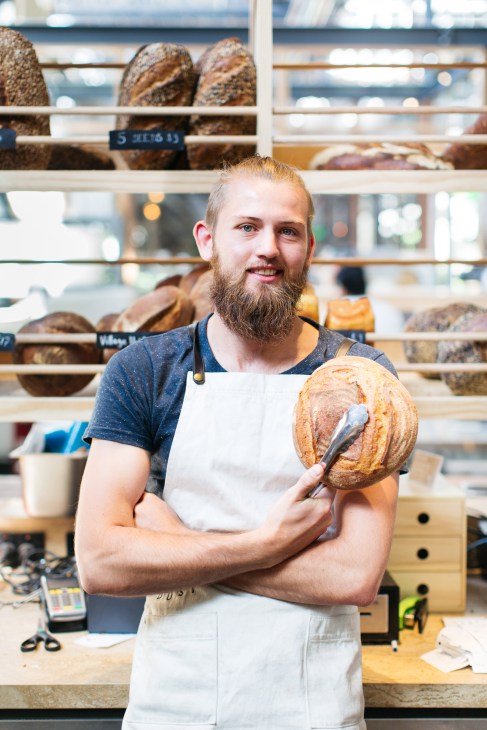
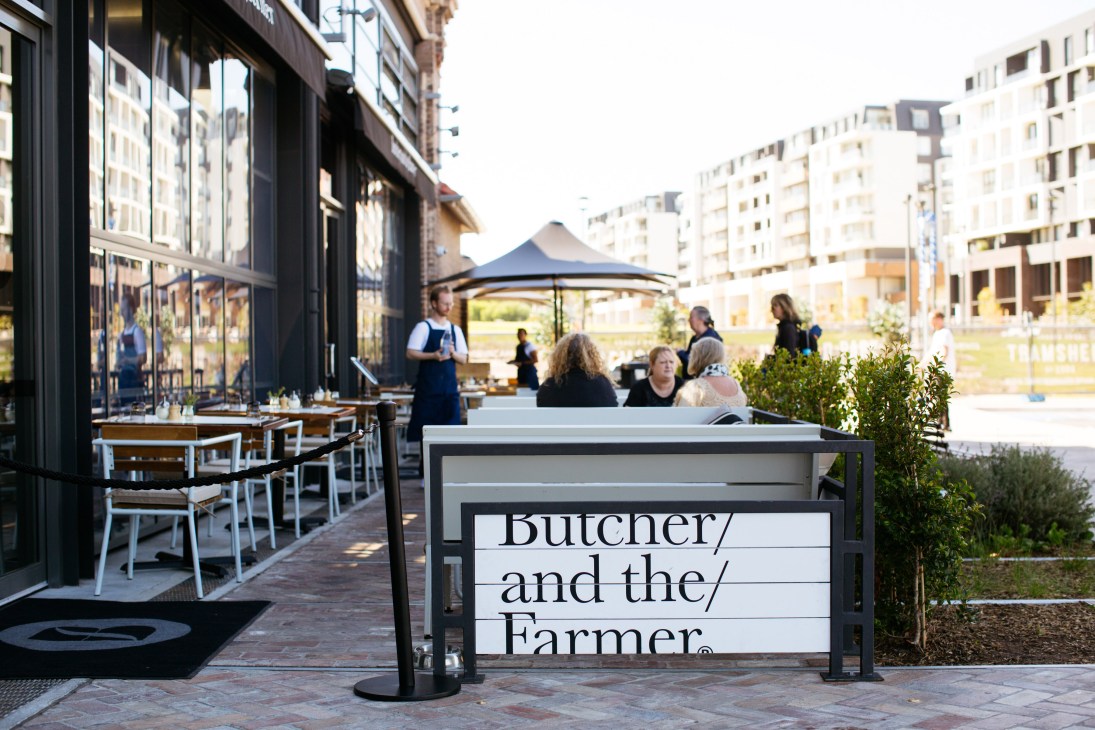
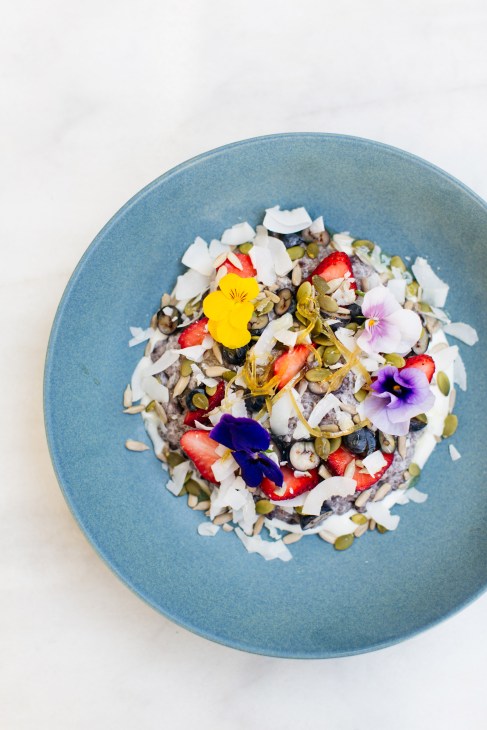
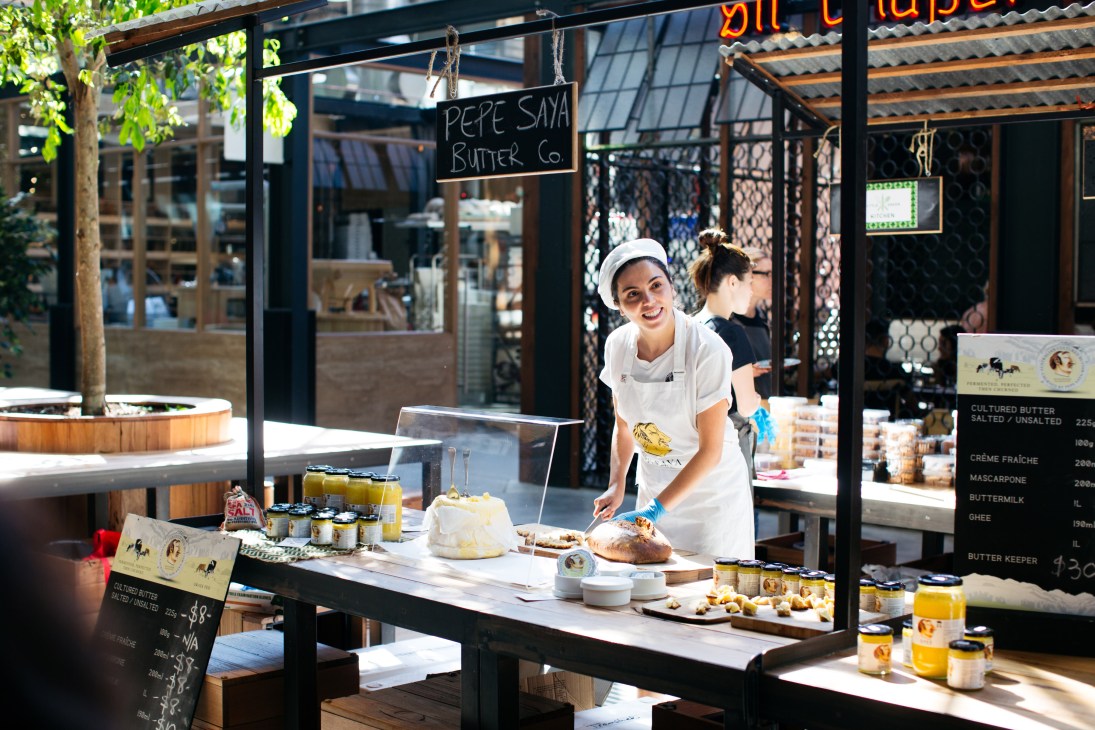
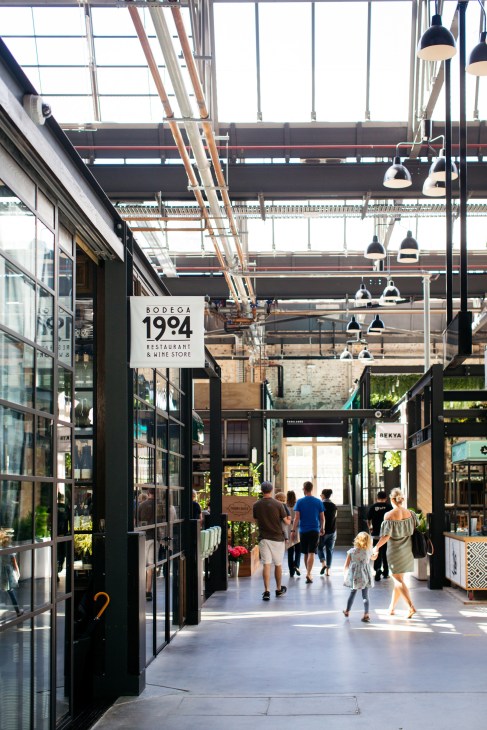
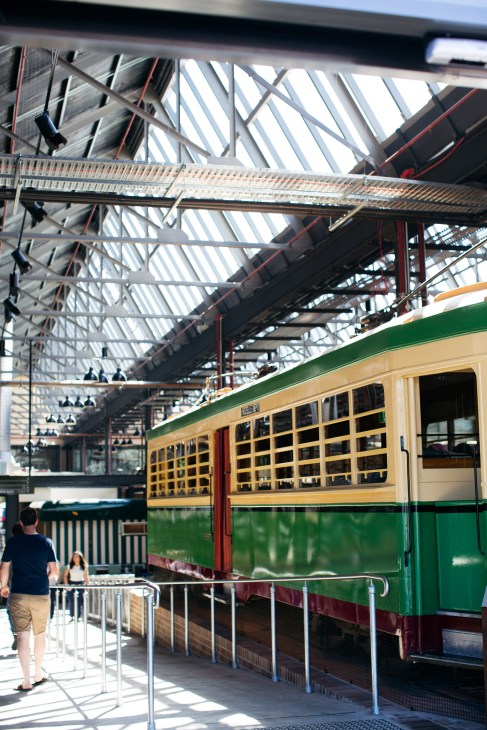
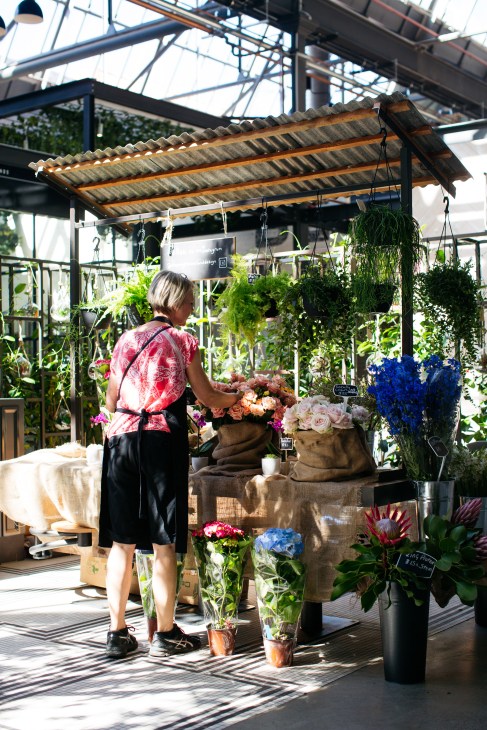
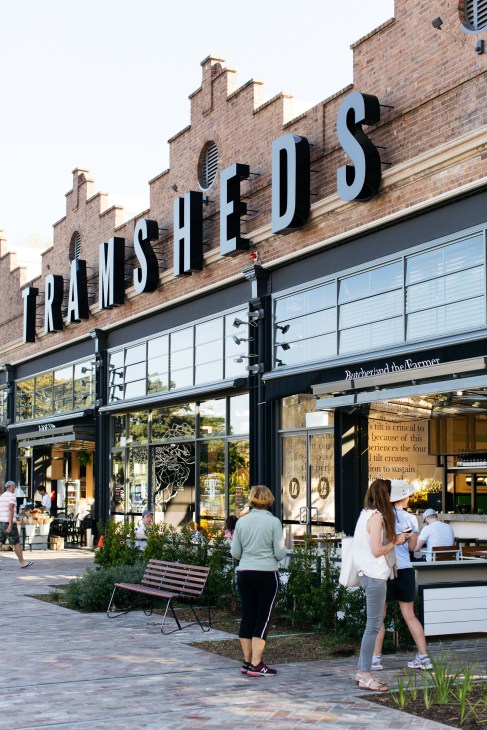
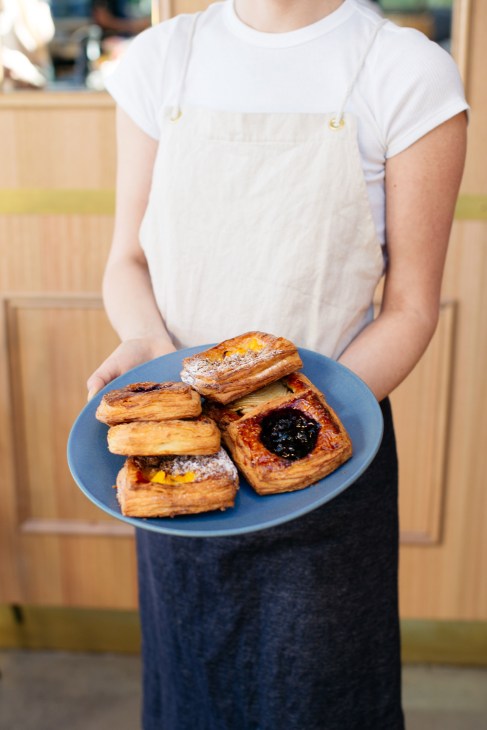
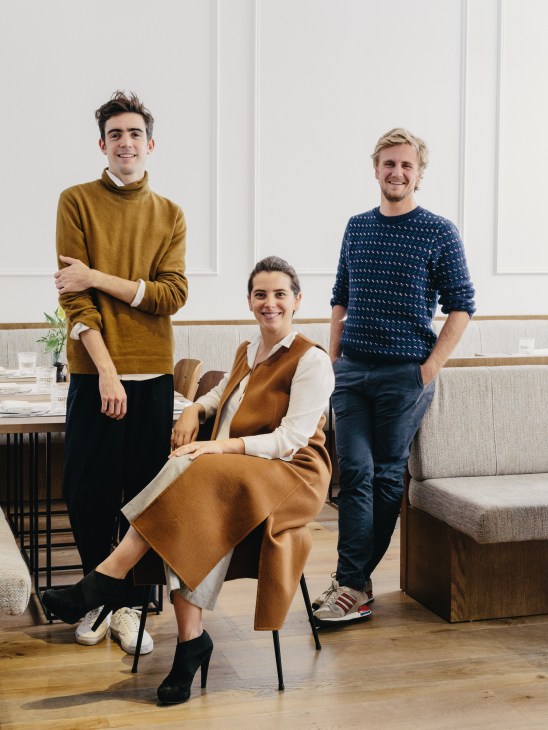
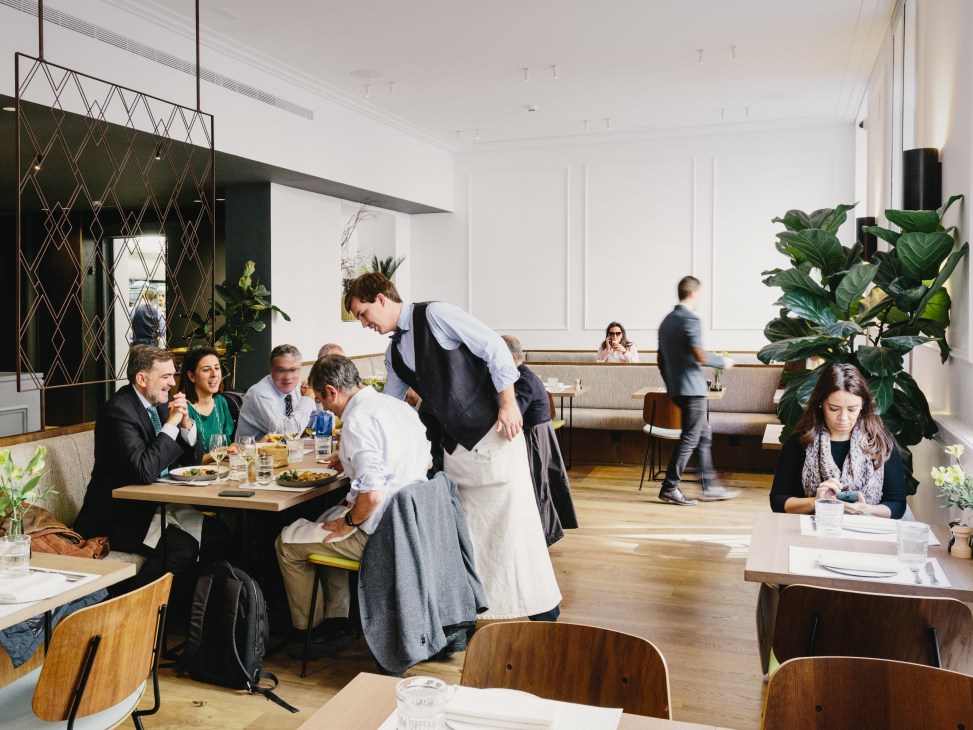
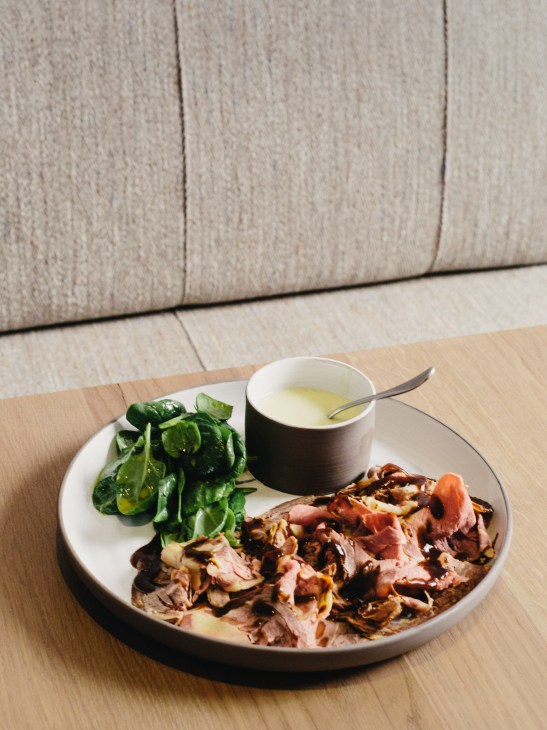
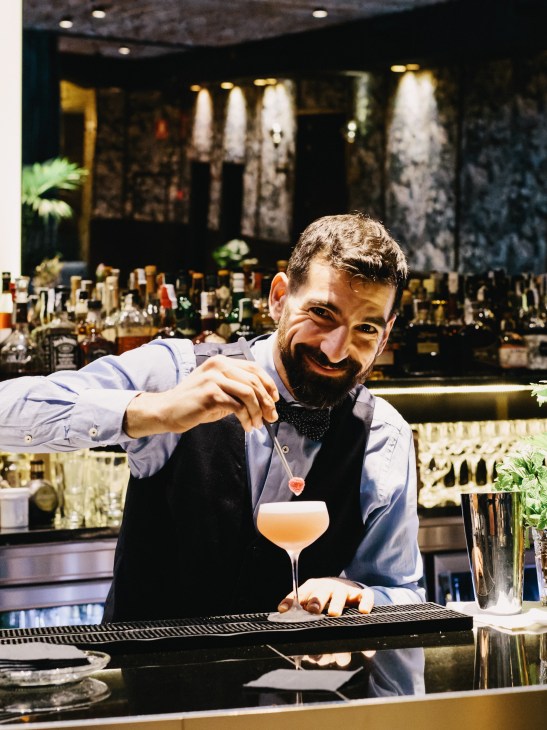
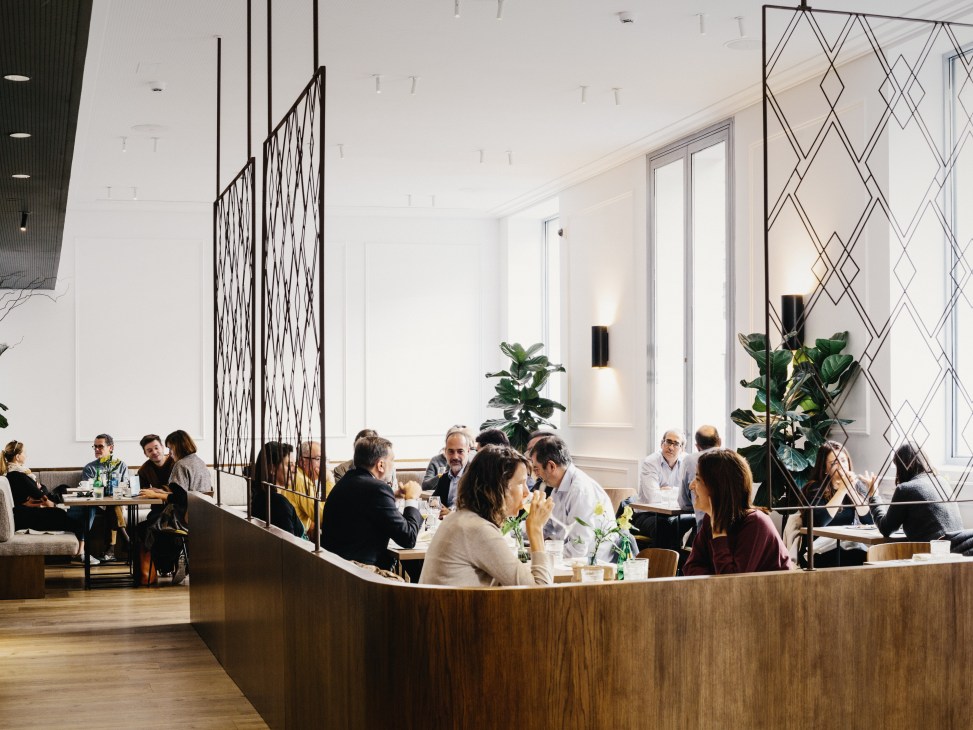
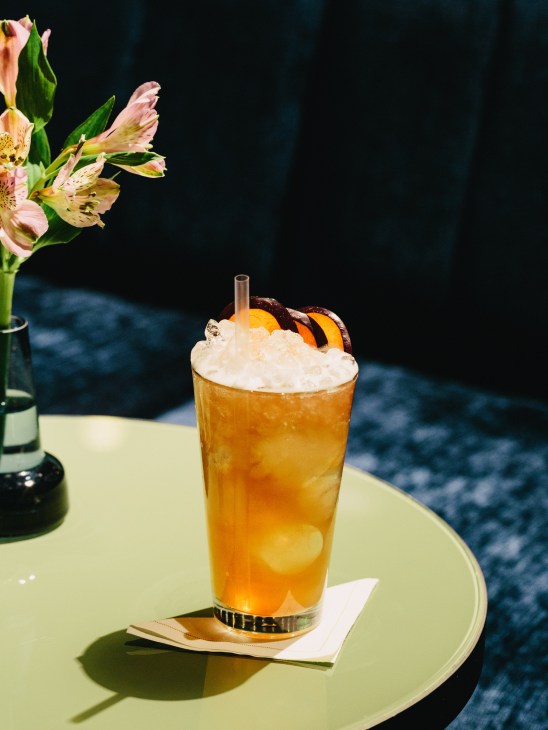
On the site where punters once cheered on the dogs, and mechanics kept the city’s trams trundling, this urban retail and dining development admirably knits together disparate communities. It also provides Sydneysiders from further afield with a new station to stop at.
Notes: The din of hammers has been replaced by the scrape of knives and forks on fast-emptying plates. Other cities should look to this community-minded market before demolishing out-of-use spaces.
3.
The new model that could take local global
Portland, Oregon
Q&A: Amanda Oborne
Vice-President, Ecotrust
Farm-to-table has been done, so will the farm-to-institution model bear a higher yield in 2017? We speak to Amanda Oborne at Oregon-based Ecotrust about how schools, large firms and even prisons can change the food industry for the year ahead.
How does connecting institutions with farm-growers boost business and food quality?
Farm-to-table chefs and restaurants have been innovators, rule-breakers and rising stars. But food-service directors will be the unsung heroes who figure out how to source and serve nutritious, community-minded, locally produced food affordably and at scale.
Give us an insight into the food industry in 2017.
I think institutions really are the sleeping giants of local food. At their scale they have the purchasing power to completely change the farm-to-table game and make it accessible to the entire population, not just the affluent. As people at every socioeconomic level become aware of food-system issues and demand food justice, I believe more and more institutions will embrace their role as game-changers.
Who is doing this successfully?
One great local example is Gitta Grether-Sweeney, director of nutrition services for the largest school district in Oregon. Over the course of 10 years Gitta managed to shift 35 per cent of the food budget into the local economy. If a public school can source locally, any institution can.
ecotrust.org
Notes: Our obsession with locally grown food has been good to smaller producers but the next step is for companies and institutions to up their expectations. How’s that for a fresh approach?
4.
The new model for hotel dining
Better, Madrid
When it comes to dining, hotels often tread a familiar path: lavish fit-outs, food that errs on caution (or, worse, confusion) and a big-name chef to headline all the fanfare. In Madrid a young collective – fittingly named Better – is pushing hoteliers away from this tired formula, determined to transform hotel dining rooms into more homely destinations for good food. “Hotels are masters of managing complex systems but aren’t usually specialists in gastronomy,” says Miguel Bonet who, together with fellow food-lover Alejandra Ansón, develops authentic and understated menus for Better.
In 2014 the team, which is rounded out by savvy PR heads and interior designers, had the whole Spanish capital salivating over their pop-up restaurant series called The Table By, which saw 12 regional Spanish restaurants delight diners for month-long stints inside Madrid’s Hotel Urso. One of the participants, Galician restaurant Abastos 2.0, was so buoyed by the response that it decided to go a step further and open a permanent spot (by the name of Barra Atlántica) in a nearby neighbourhood.
“The success of The Table By suddenly elevated a younger voice in a sector dominated by older mindsets,” says Better’s creative strategist Sofia López-Quesada. “It provoked an avalanche of calls from other hotels.” In the months since the collective has joined forces with the Marugal group to develop, brand and oversee Hotel Tótem’s dining spot Hermosos & Malditos, and is currently working with Iberostar to carry out a complete revamp of the Hotel de Las Letras in a prime space on Madrid’s central drag.
“Innovation isn’t just about coming up with a new concept: we work on telling a story through the food but also throwing the spotlight on the lesser-known younger generation of Spanish talent,” says Bonet. “Designing the space is important but so is selecting the staff. And, more importantly, we stick around to guide the evolution well after the relaunch.” Better, it would seem, knows best.
esmejor.es
Notes: The Better team provides some key lessons for hoteliers: they don’t need to dazzle diners into submission with flown-in fare, sometimes talent doesn’t cost the earth (or whatever a celebrity chef gets paid) and people always respond to a good old-fashioned story that doesn’t feel forced.
5.
Where localism isn’t a gimmick
Mercator, Slovenia
The rise of the supermarket is both a curse and blessing for the food industry. These strip-lit shrines to shipped-in food have made more ingredients available to more people but they’re guilty of squeezing farmers and firms for maximum profit.
Interestingly that’s not the policy of Mercator, Slovenia’s largest food retailer. Launched in 2016, the Radi imamo domace (“We love local”) scheme helps 100 or so smaller-scale Slovenian firms to supply some 900 different products in more than 300 of its shops. The participating firms can pitch themselves to the shop managers and aren’t subject to the same strict quotas or minimum orders that many supermarket models enforce.
The shelves and fridges marked with a ruby red heart (the branding of the scheme could be better but the supermarket’s heart is, at least, in the right place) hold everything from tea to turnips, milk to meat, all produced in the region. Although the 67-year-old Mercator brand gambled on rolling out the scheme, the idea has proven to be a boon for all concerned.
“On one hand local suppliers are present on our shelves and can grow their business,” says Mercator’s president of the management board, Toni Balazic. “On the other hand, buyers are supplied directly by local producers and then we gain a distinct competitive advantage.”
Radi imamo domace helps appease a trend towards food that’s made nearby and even the process is endearingly homespun, with many producers hand-delivering their bounty. In the capital’s outposts the regular roster of suppliers include the Puksic family’s pickled vegetables, Sirarstvo Oresnik’s melt-in-your-mouth goat’s cheese and the Brozovic family’s syrups made from Grandma Brozovic’s recipes.
“Selling our products in a big supermarket provides the possibility of growth with less marketing,” says Irena Oresnik, who runs the Sirarstvo Oresnik goat dairy with her family in Sentjost nad Horjulom (an hour west of Ljubljana). “This allows us more time to work on quality and develop new products.”
This hybrid business model takes a clever cue from the golden age of small-town grocers while still turning a profit for producer and corporation alike. It’s also great PR for the Mercartor brand that’s doing more than most in the space to show off its commitment to decent, honest and locally made food.
mercatorgroup.si
Notes: A supermarket that’s on the side of the little guys? It may be hard to believe but Mercator prides itself on being a platform for producers who need a helping hand.