The Forecast
Fare game
Food defines a nation. The precision of sushi, the excess of a double cheeseburger and the haughtiness of haute cuisine all betray the character of their creators. But what of Brazil? Few countries are perceived as positively abroad; stereotypes of warm welcomes in warmer climes muddled with bossa nova, samba and tropical modernism have traditionally travelled well. Yet Brazilian cuisine never seems to make it past customs. It’s hardly what you crave on a Saturday night.
Countries have always used food to ease dialogue and make friends. Today the notion has shifted from hobby to economic necessity as farsighted governments use it as a branch of foreign policy by investing in programmes that push their produce overseas. Food has become the ideal soft-power tool.
For inspiration, Brazil needn’t look far. In 2002, some bright bods in Bangkok launched the Global Thai scheme, aimed at increasing the number of Thai restaurants around the world. By 2013 the total had risen from 5,500 to over 20,000. Similarly, South Korea invested more than €60m in the Global Hansik project in 2009 with the hope of beefing up its international presence to a whopping 40,000 Korean restaurants worldwide by 2017. Likewise, Brazil’s Andean neighbour Peru launched the Cocina Peruana Para El Mundo (Peruvian Cuisine for the World) initiative to raise the quality of its fare; the ultimate goal is to have its food recognised by Unesco under the Intangible Cultural Heritage of Humanity category. And it is working. Peruvian dishes and pisco sours are popping up on menus around the world. What’s more, it means much more than just a PR push: a food culture that travels increases revenue from tourism.
Unfortunately this is not the case in Brazil. Part of the problem is that the cuisine, like the country itself, is hard to define: a mish-mash of intangibles that presents a problem for the branding brains intent on repackaging it for global consumption. Even the most daring foodies willing to brave the lacklustre Brazilian restaurants abroad would be hard pressed to know where to begin. Be it tacacá no tucupi prawn broth made in the north to acarajé (a deep-fried bean paste from Bahia), moqueca, a fish stew from Espirito Santo, pão de queijo cheese bread or the national dish of feijoada, Brazil’s best dishes will need some deft positioning to tempt diners in New York, London or Tokyo. But then who could have predicted that raw fish, seaweed and wasabi would one day be one of the world’s most popular lunch options?
Current moves to raise the nation’s game are enthusiastic but insufficient. Festivals such as Folia Gastronômica in Paraty may be on the rise but food trucks full of pasteis and petiscos are small fry by international standards. Rogério Fasano, Brazil’s best hotelier, jokingly encapsulates the challenge for the country’s culinary culture in the decade ahead. “Don’t ask me about Brazilian cuisine,” he says. “I’m Italian, why would I eat anything else? I like my food Italian, my cars German, my wine French and my women Brazilian.”
But entrepreneurs who have invested in the nation’s native produce have been pleasantly surprised. Nico de Virieu, co-founder of London-based Dri Dri ice cream, was responsible for bringing artisanal gelato to Brazil and began experimenting with flavours in the firm’s São Paulo shop. “We had to change our recipes because Brazilian ingredients are so good and so diverse. We have queues around the corner every day,” he says.
For all its shortcomings in unshackling itself from hoary old perceptions, Brazil can benefit from the overwhelming good will it inspires abroad. All it needs to do is leverage that positive global image into realising the hitherto untapped potential of Brazilian produce on the world stage.
Recipe for success
So, Brazil has the raw ingredients and talent to produce. Given the task of turning Brazilian cuisine into 2015’s success story, here’s what we would do.
1.
Back talent
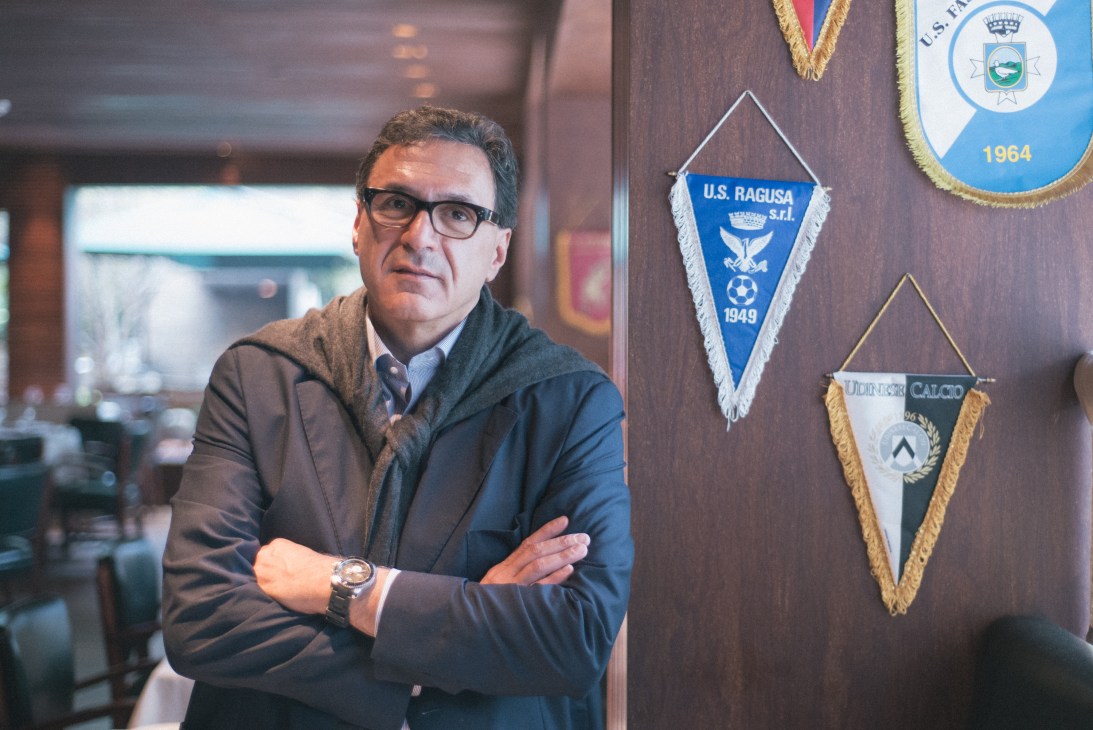
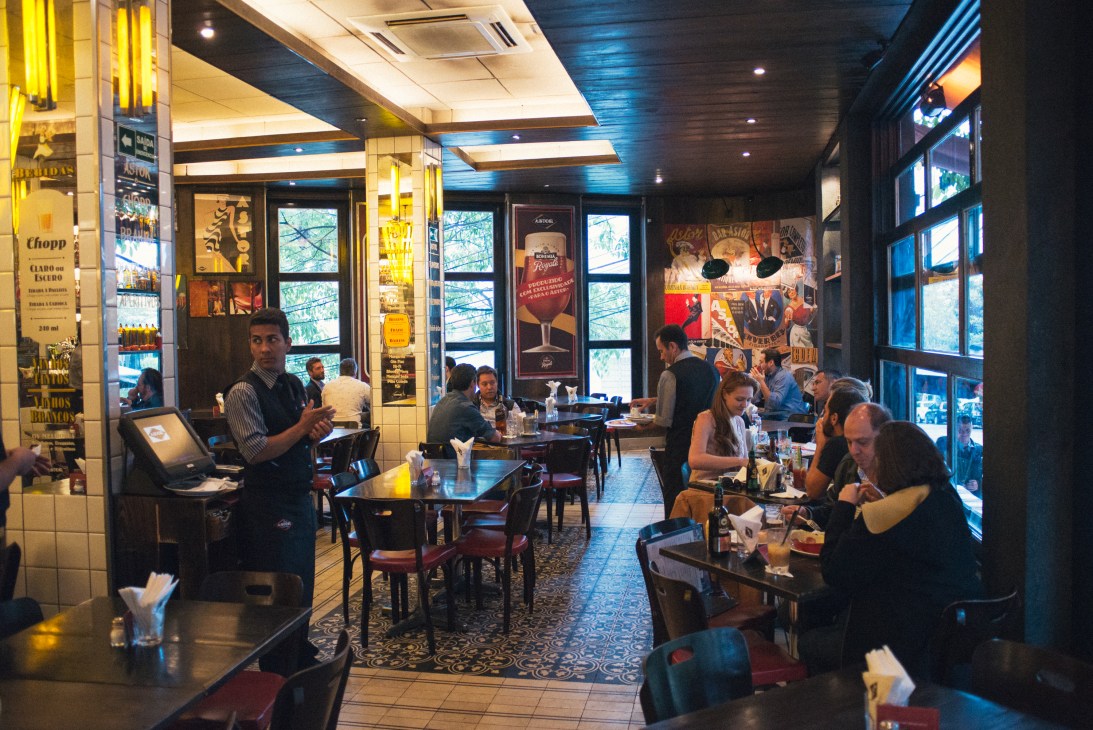
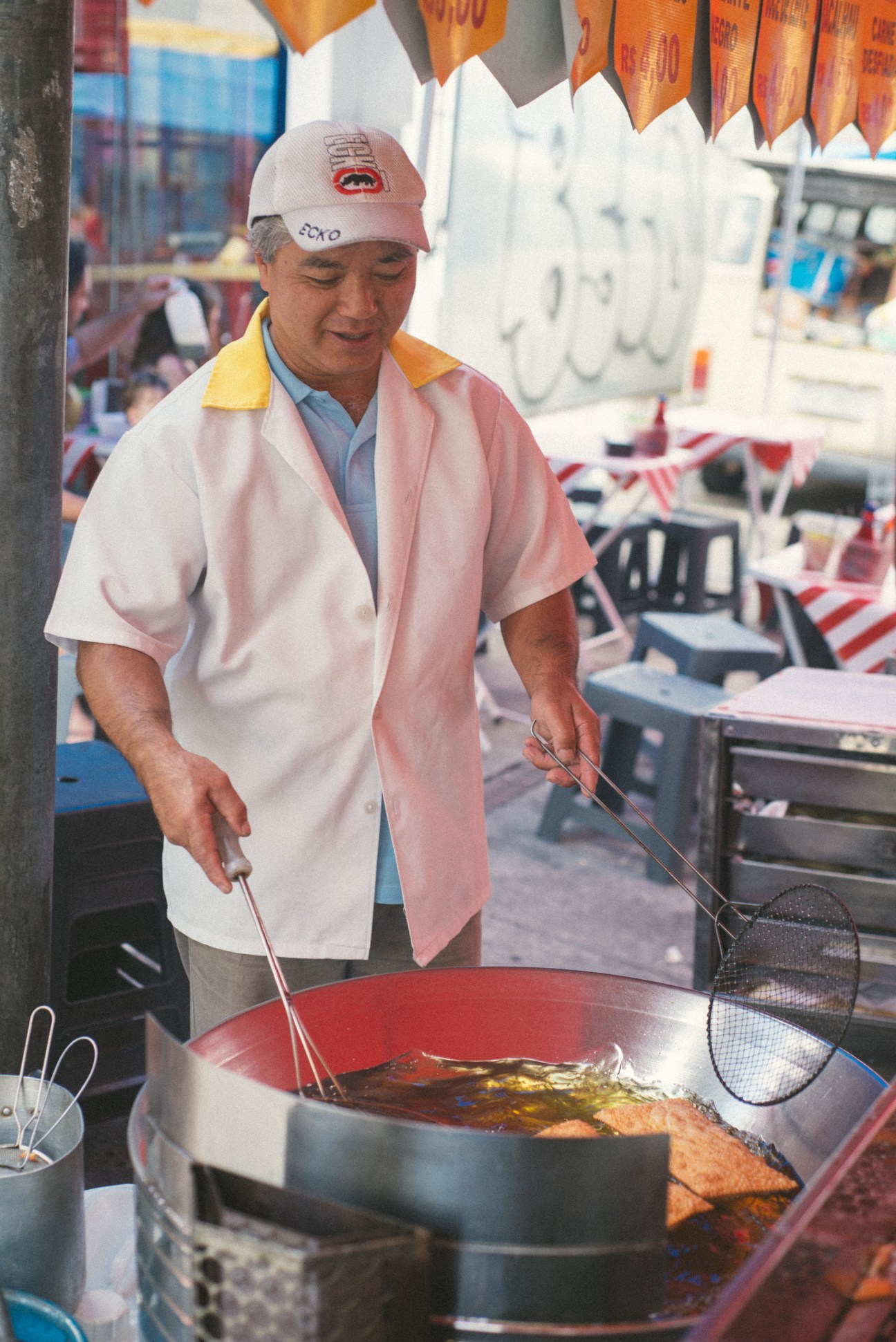
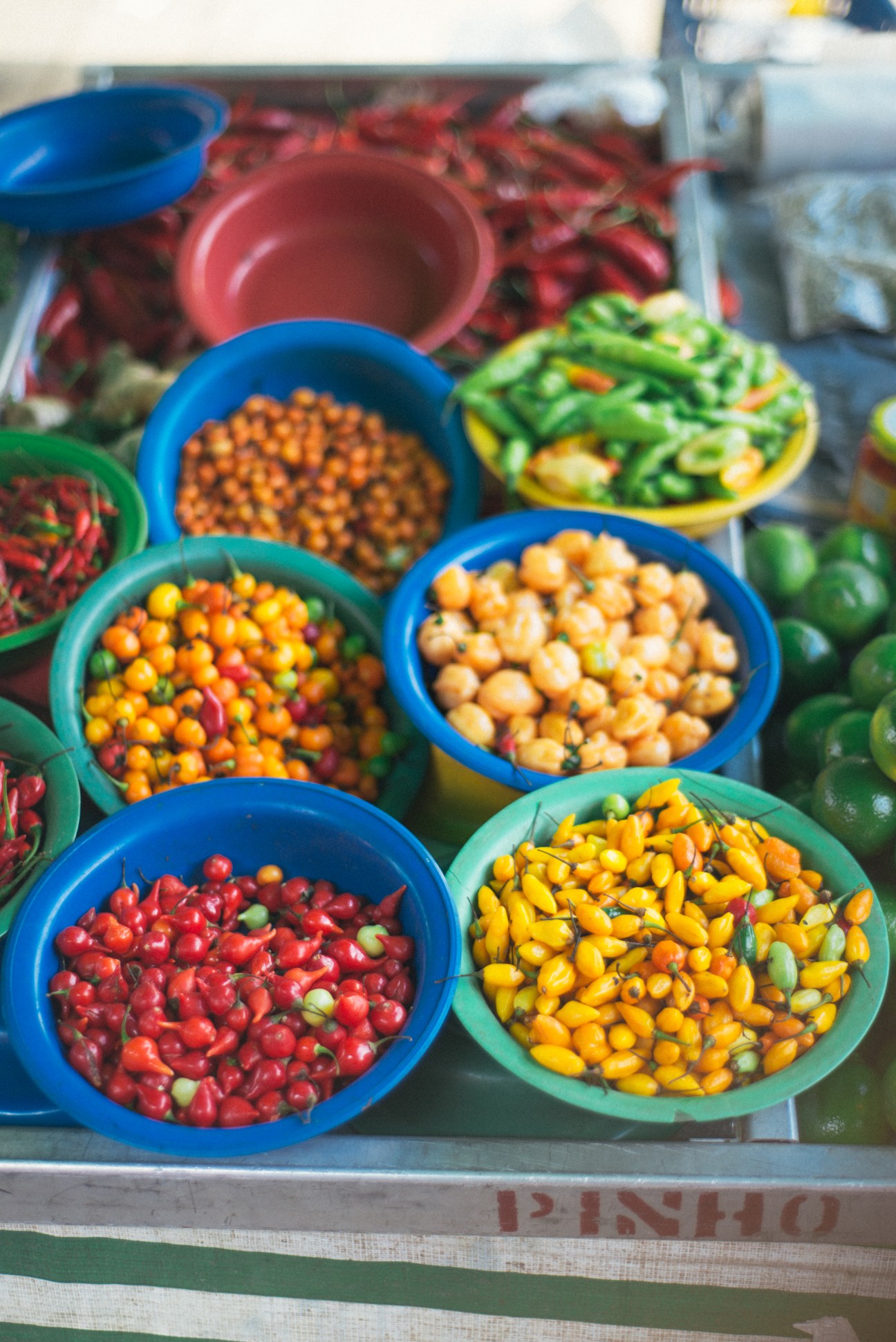
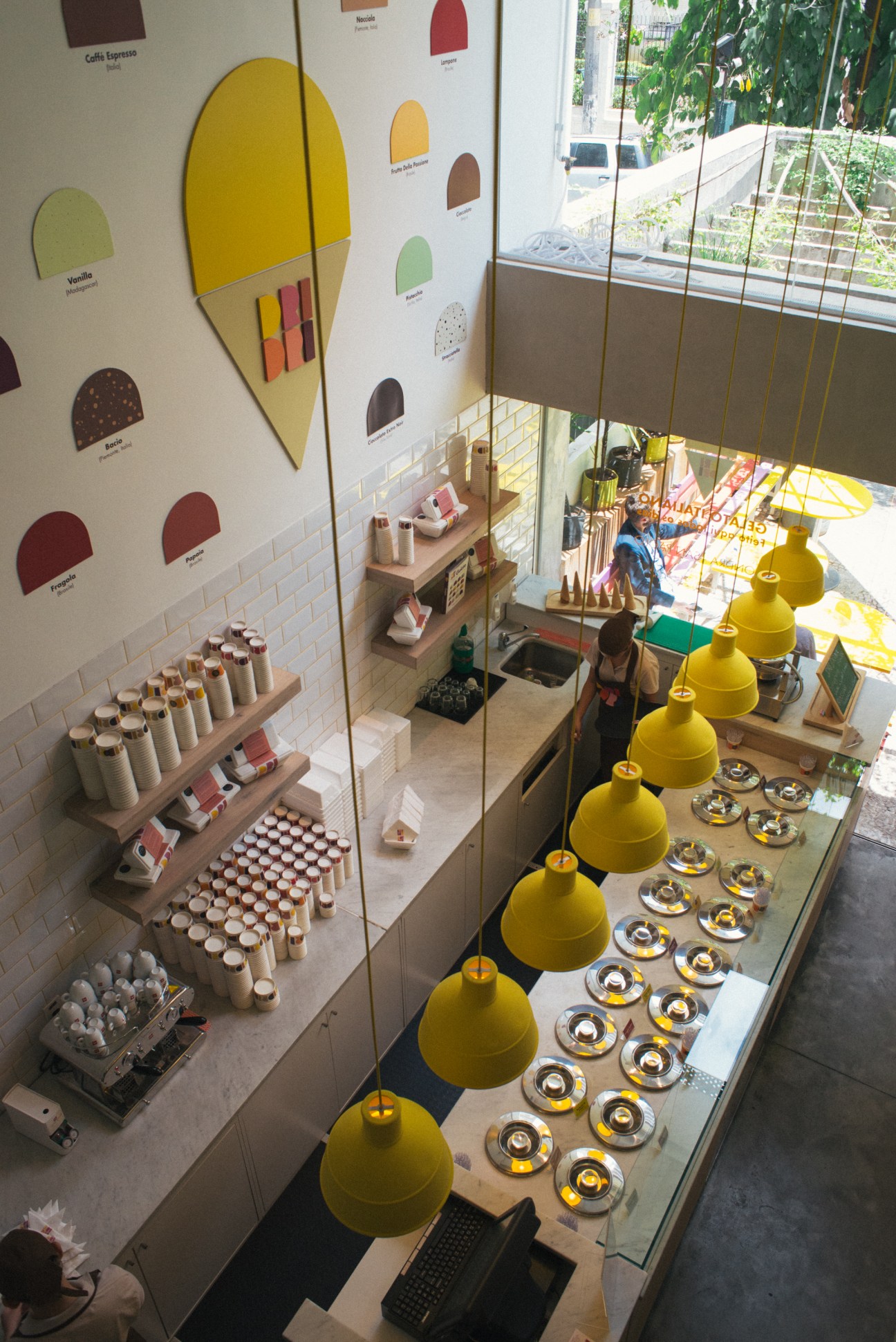
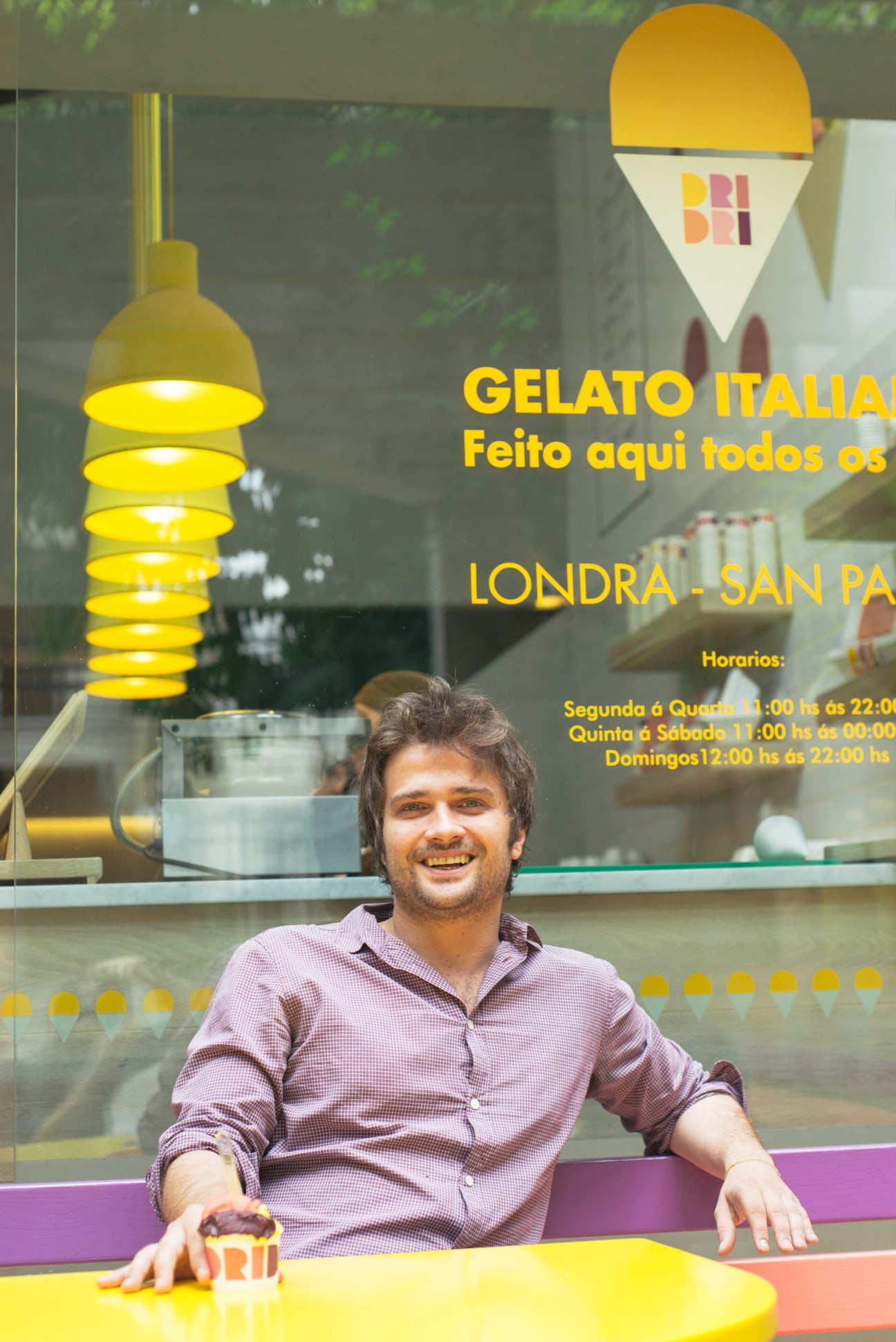
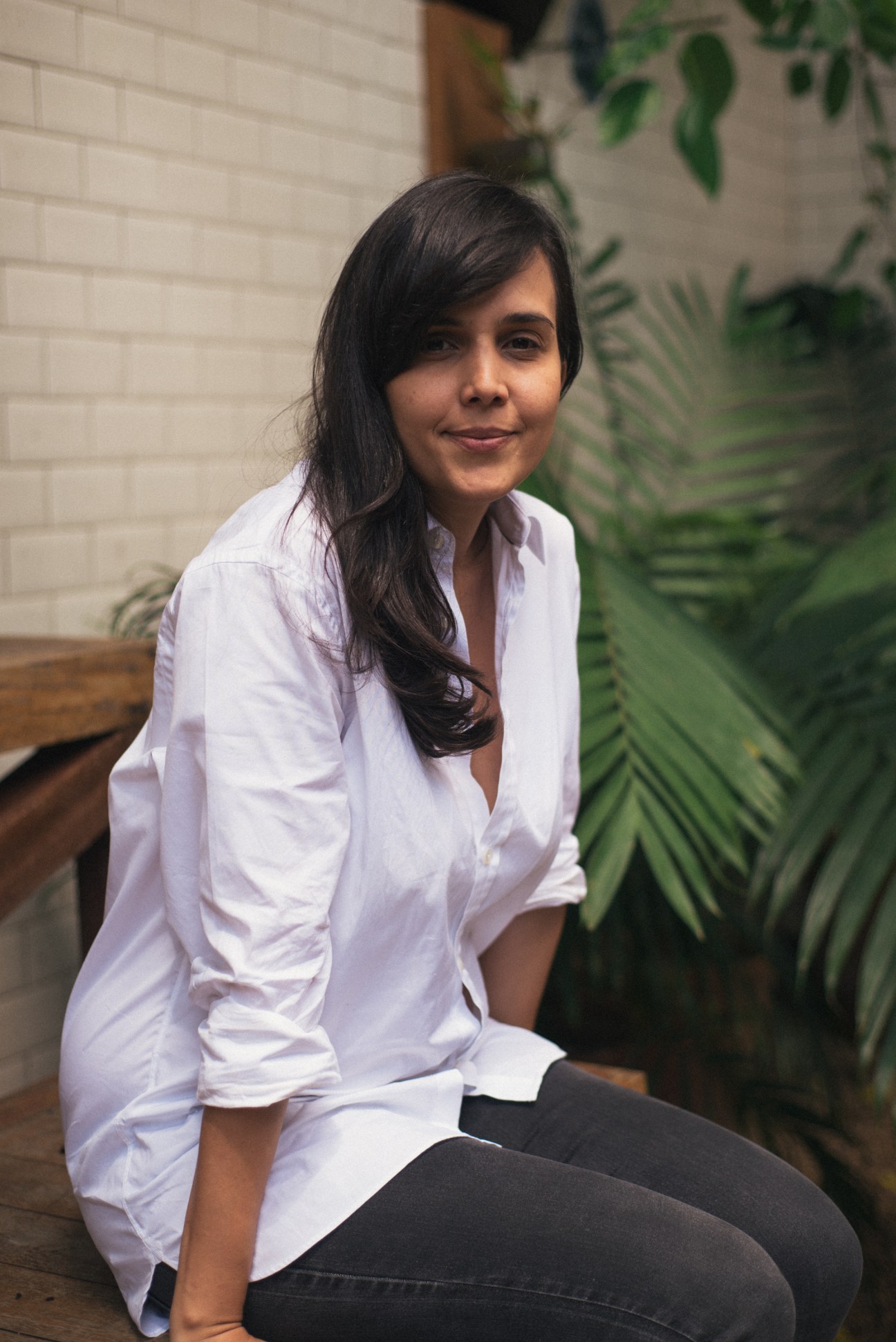
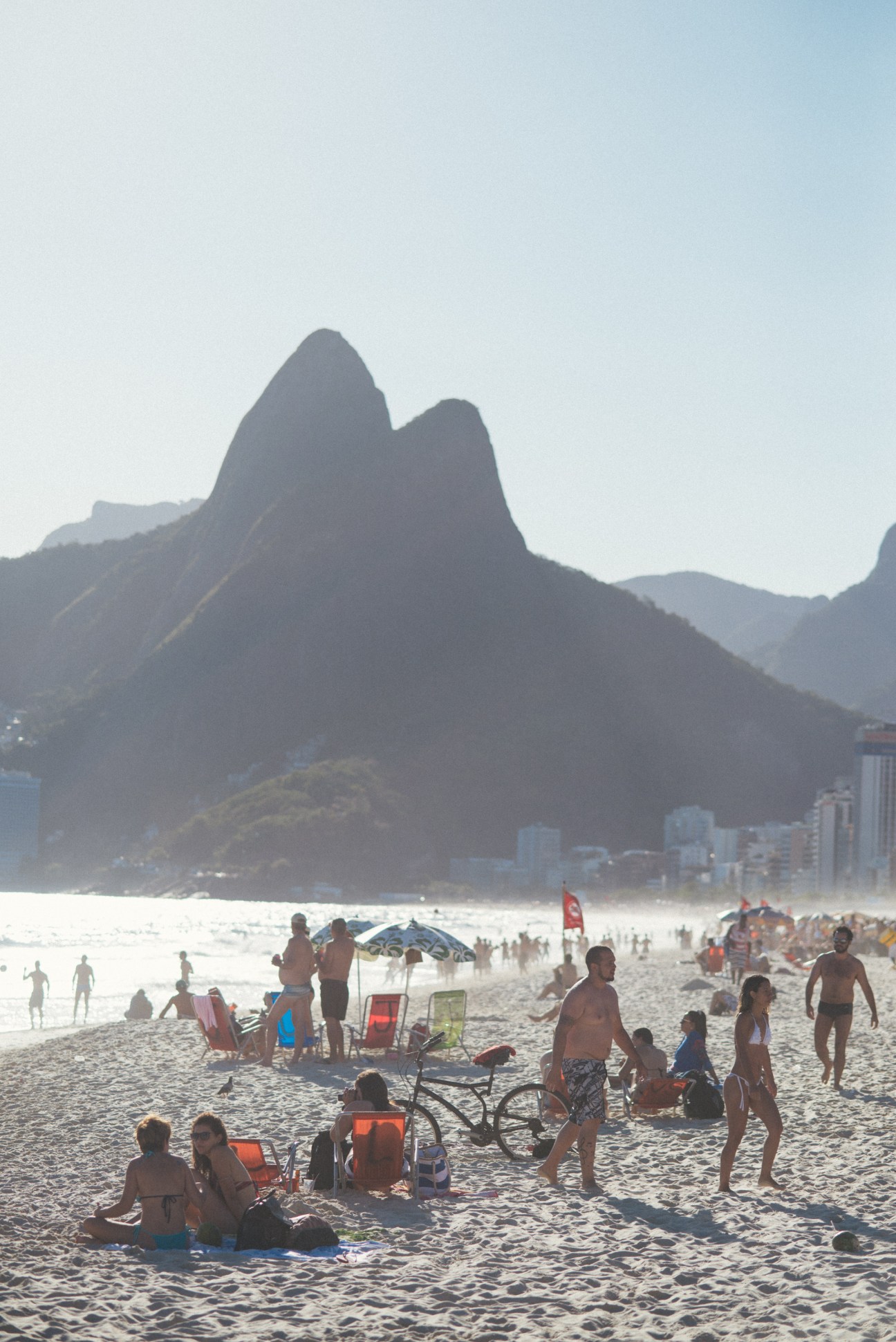
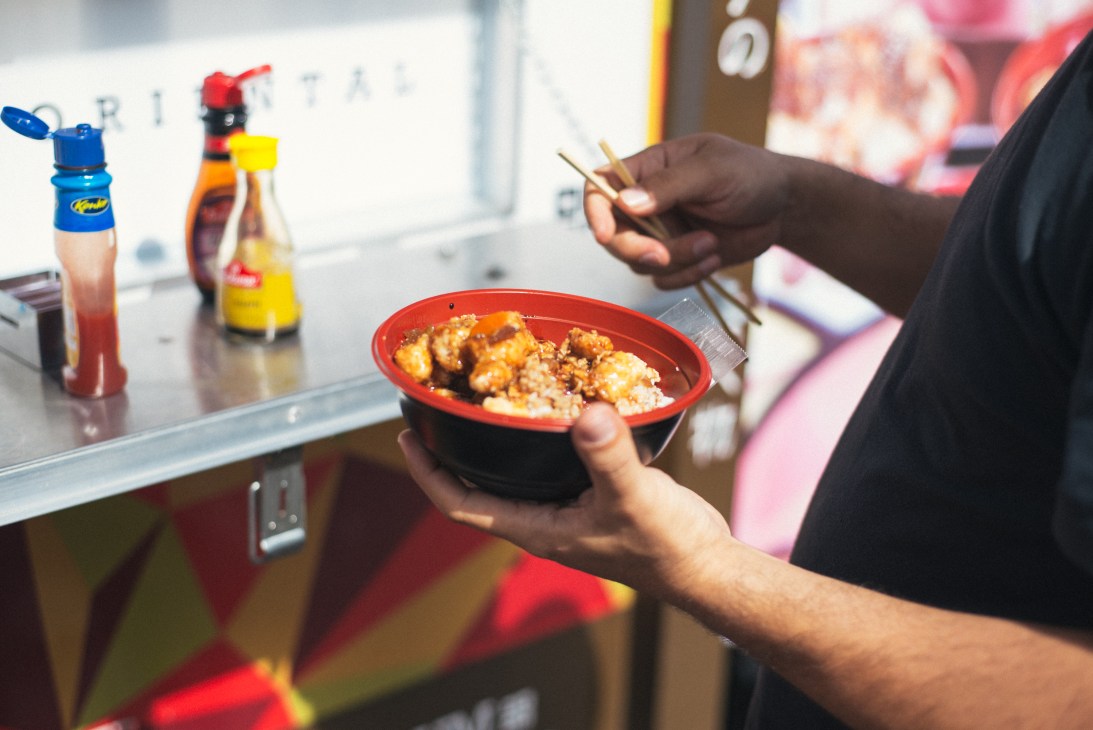

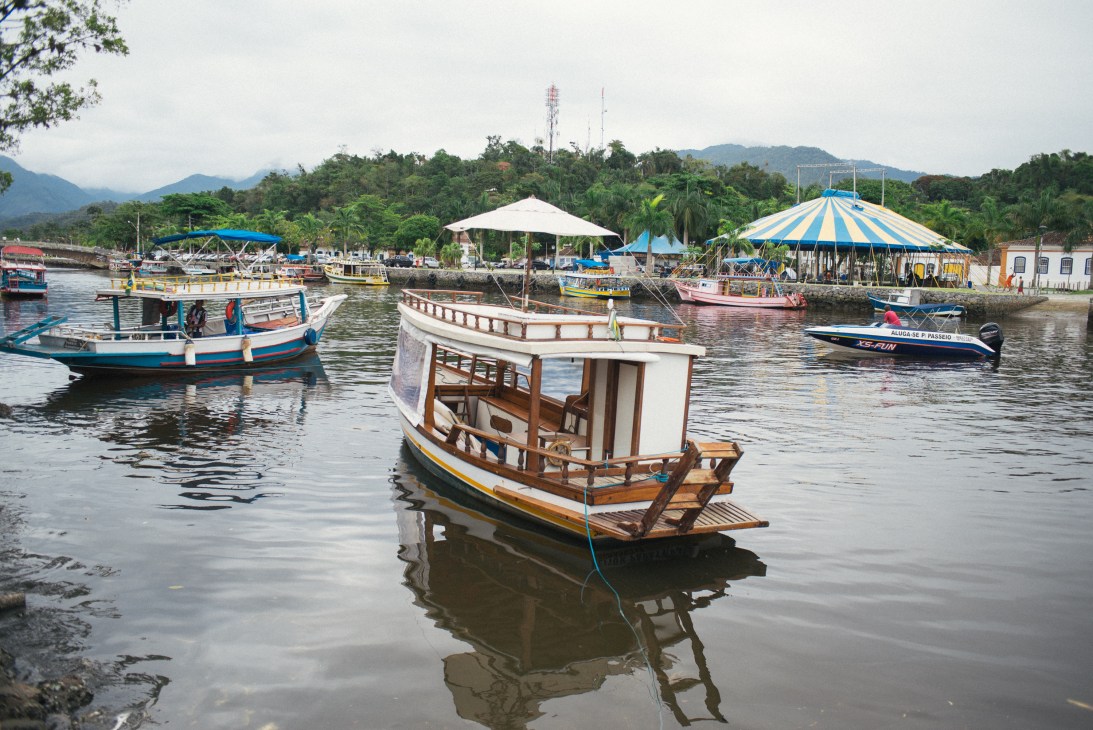
A new generation of chefs including Alex Atala and Samantha Aquim is leading the charge to raise the profile of Brazilian cuisine. How about including them in the push for Brand Brazil, too? You need a chef who travels; is there a Brazilian Jamie Oliver?
2.
Cough up the funds
Government intervention has been underwhelming. The not-for-profit Gastromotiva uses food to generate social inclusion but it needs allies. “Brazilian chefs need to work with the government to build public policies,” says founder David Hertz.
3.
Brand Brazil
Brazil needs better branding. Édouard Malbois, founder of advertising agency Enivrance, laments how they still “overplay the stereotypes of Brazil in the 1960s and 1970s”. Having wasted the potential of the World Cup, efforts must be redoubled for the 2016 Rio Olympics.
4.
Honour thy neighbours
The good news for Brazil is that positioning projects have proved fruitful for nations who have gambled on their goods. Mezcal evangelist Silvia Barnett Sanchez targeted early adopters in New York and made the little-known Mexican spirit a worldwide success. Cachaça can easily do the same?
5.
Sustainable growth
Alan Bojanic, the director of fao-un in Brazil and a principle at Desafio 2050 says, “Brazil is in a position to teach the world good agricultural practice. Family producers can help innovate and uphold food traditions.”
6.
Adopt the missionary position
Federal tourism agency Embratur and Apex, the trade agency, should invest in dispatching culinary embassies to key markets and placing Brazilian stalls at international trade fairs. But leave the carnival floats and feathers at home if you want to be taken seriously.
7.
Go on tour
Brazil’s tourism industry is pitiful compared to those of its neighbours; its annual five million visitors is dwarfed by Argentina. From Seoul to São Paulo, Peru has built an entire industry around ceviche and pisco sour.
8.
Invite the world
You have a country 13 times the size of France. Bring international journalists, critics, chefs, hotel owners and investors to experience every facet of Brazilian cuisine from the farmers, fisherman and cowboys to the bright young things in the kitchen.
9.
Export the unknown
Brazil is already the largest producer of beef, orange juice and sugar cane in the world but is home to ingredients such as pupunha palm and priprioca root, which have the potential to be better known abroad.
10.
Go for gold
With almost two years until the Olympics in Rio there is time to create a campaign that includes cuisine. The world will be in town so invest in training to win medals in the culinary stakes and convince an international audience of Brazilian food’s worthiness.
Design scout
1.
Germany’s Bulthaup continues to engineer better ways to cook and entertain while Stockholm-based Asplund has launched a dedicated kitchen range to complement the rest of its furniture collection.
2.
Catalogues belonging to Paris-based Piasa auction house are always worth having close to hand for those moments when the Christmas bonus might still be burning a hole in your pocket.
3.
Danish company Dinesen is the best option if you’re looking to make a lasting impression in your corporate foyer. Fine wood underfoot doesn’t get any better than their super wide and warm planks.
4.
Dornbracht has a series of smart finishes that work well if you’re overhauling your family owned hotel, your executive bathrooms or the shower enclosure outside your sauna.
5.
Lindholdt studio’s collection of lamps (standing and sideboard-friendly are our favourites) is perfect for the library at home, in the guest reception and also in retail environments that require handsome, masculine features.
6.
Florida-based bag and accessory brand makr continues to expand into housewares territory with its essential fixtures. Every bedroom and study could use a few of its creations.
7.
This spring/summer why not take an old-school turn when it comes to outdoor seating? Sweden’s Fri Form and German brand Sieger have collections that put an end to the tyranny of all that brown plastic woven stuff.
8.
In search of a firm to build a new house in the Alps or an elegant townhouse in a European capital? Bernardo Bader architekten should be added to your contacts list.
9.
In search of a place to let the nippers play house while doing it well away from your main base? Or perhaps you just need a mini cave for tinkering? Swiss company Renggli makes a modern collection of garden huts for potting, storing and snoring.
10.
We searched long and hard for just the right benches to sit in front of our new Tokyo bureau. In the end we chose Hiroshima-based Maruni’s pine benches, designed by Jasper Morrison and suitable for indoors and outdoors.
11.
As Sydney’s bar scene continues to improve, and dare we say challenge Melbourne’s, how about a new project in and around Riley Street’s collection of drinking spots? Either a little house or a new office set-up will do.
12.
Keep the scent of your home fully natural with a Svenskt Tenn planter table full of fragrant geraniums. If you need to see how it’s done, check into Stockholm’s Ett Hem.
13.
Should you be in need of a solution to battle against poorly sourced LEDs then Karlskrona Lampfabrik’s oil lanterns will give your bedroom or dining room the appropriate glow.
14.
And finally, if you need a vehicle for all this exploration then we’re very fond of Toyota’s Land Cruiser 70 – particularly as it has been relaunched in the Japanese market as a clear challenger to the G-Wagen.
Barn again
Perhaps after being charmed by meadowed hills, dense forests, a wild stretch of beach or even good local schools you have been won over by some bucolic idyll. So you look in the window of a rural estate agent and your heart sinks. In the UK, for example, you will be faced with bungalows designed for the infirm, cottages with ceilings so low that even a hobbit would bang its head and country piles whose air of rot and damp shines through even in a photograph. Where are the houses that look right for the setting but have a contemporary air?
In order to design a home that’s affordable, fit for purpose, easy on the eye and sustainable, taking the vernacular route is often the best bet. Low-cost houses need not mean low design impact, especially when you have traditional architecture on your side. And a template for the future can be found in Hamilton, the centre of New Zealand’s dairy industry. In the gently rolling countryside, Red Architecture’s Tane Cox has designed a house for a young family that is practical, economical and thoroughly inspiring.
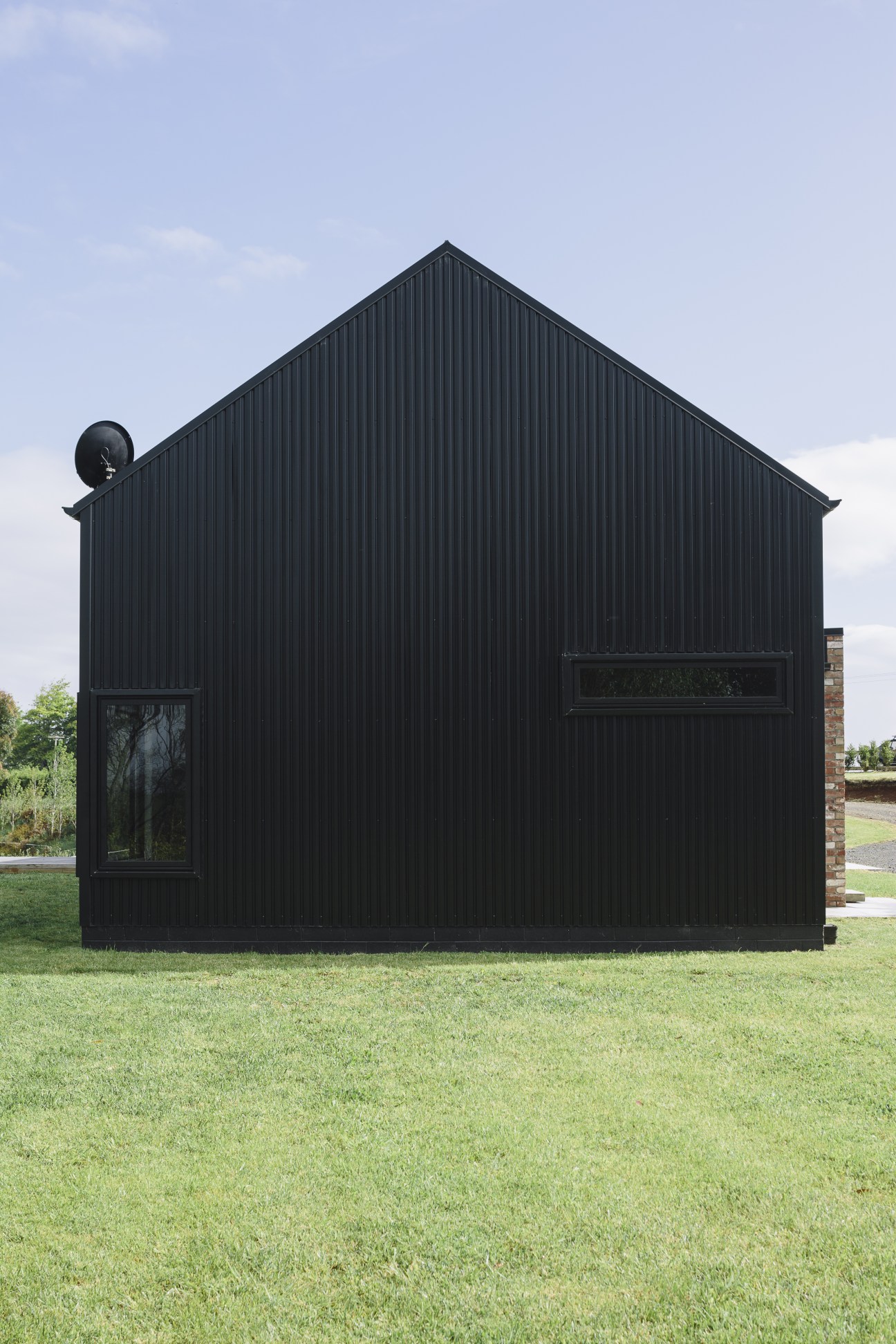
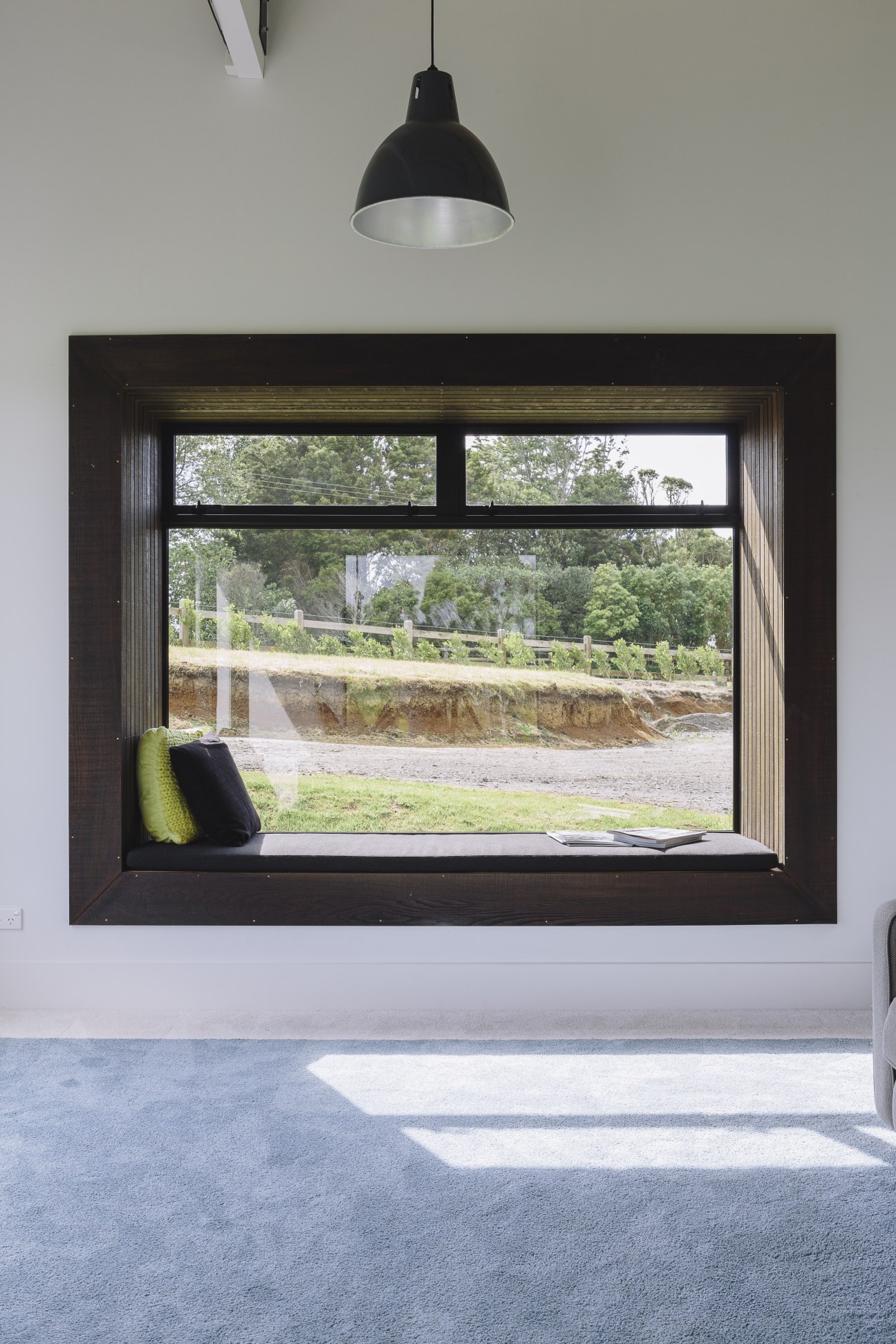
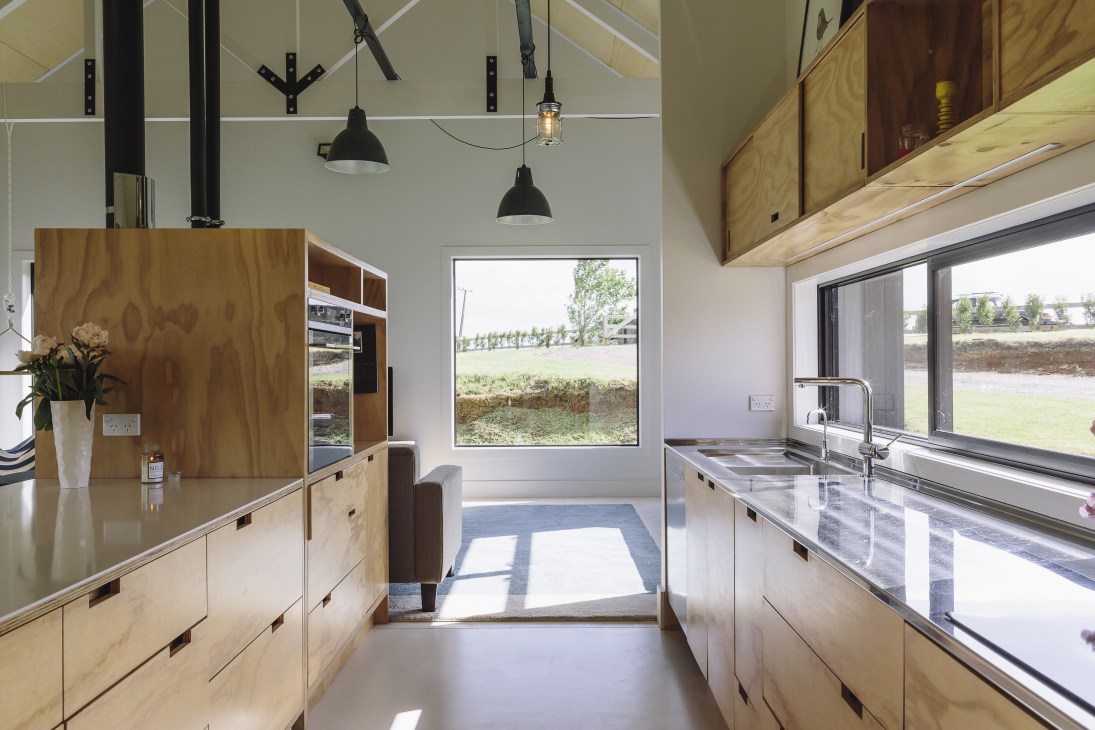
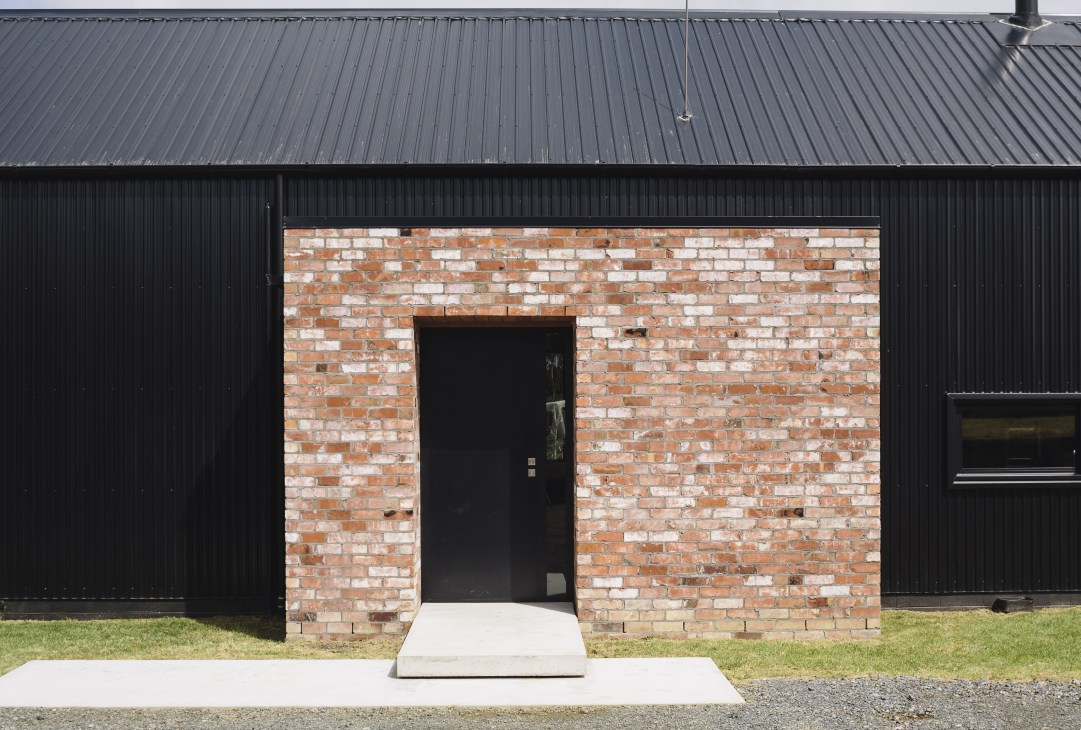

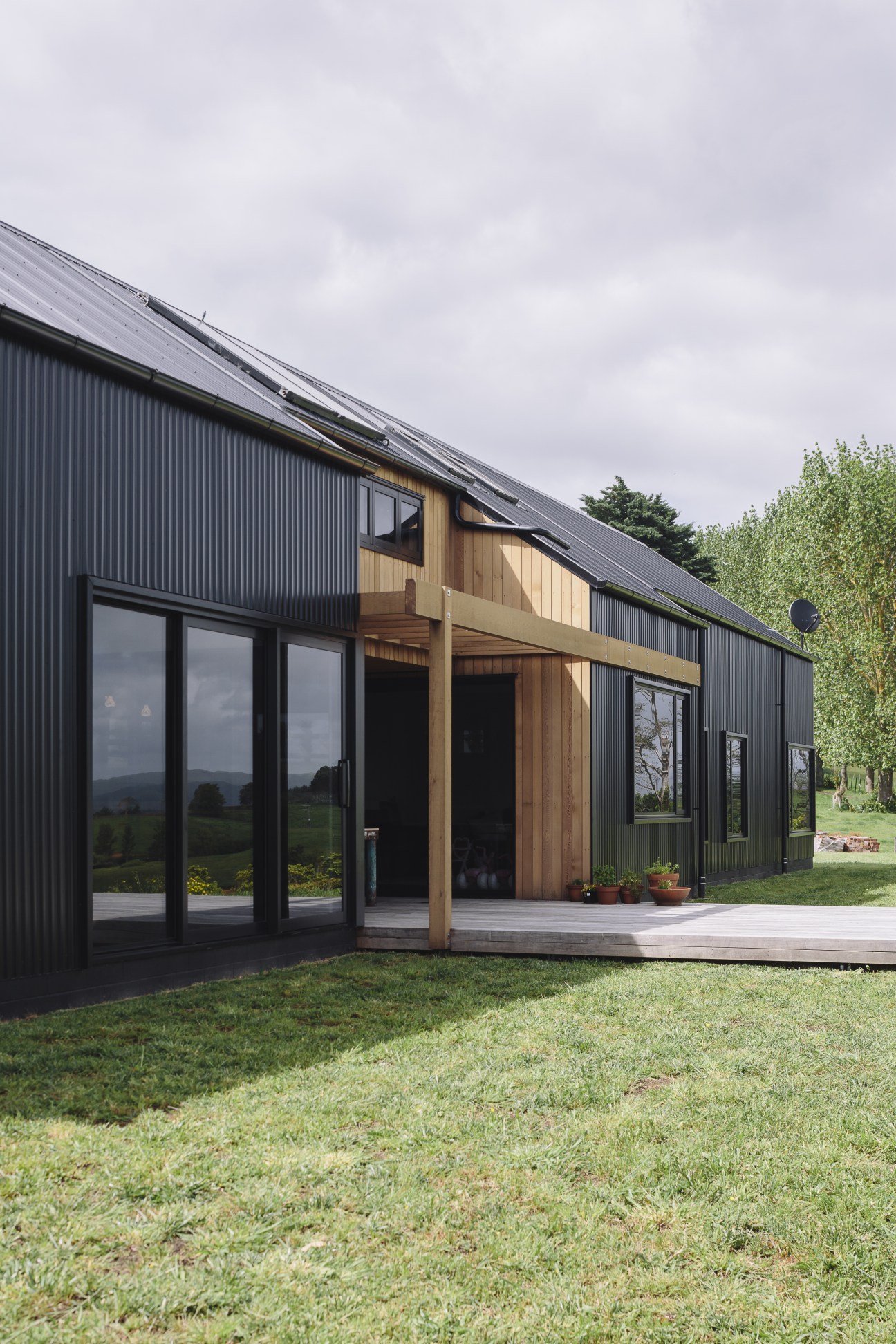
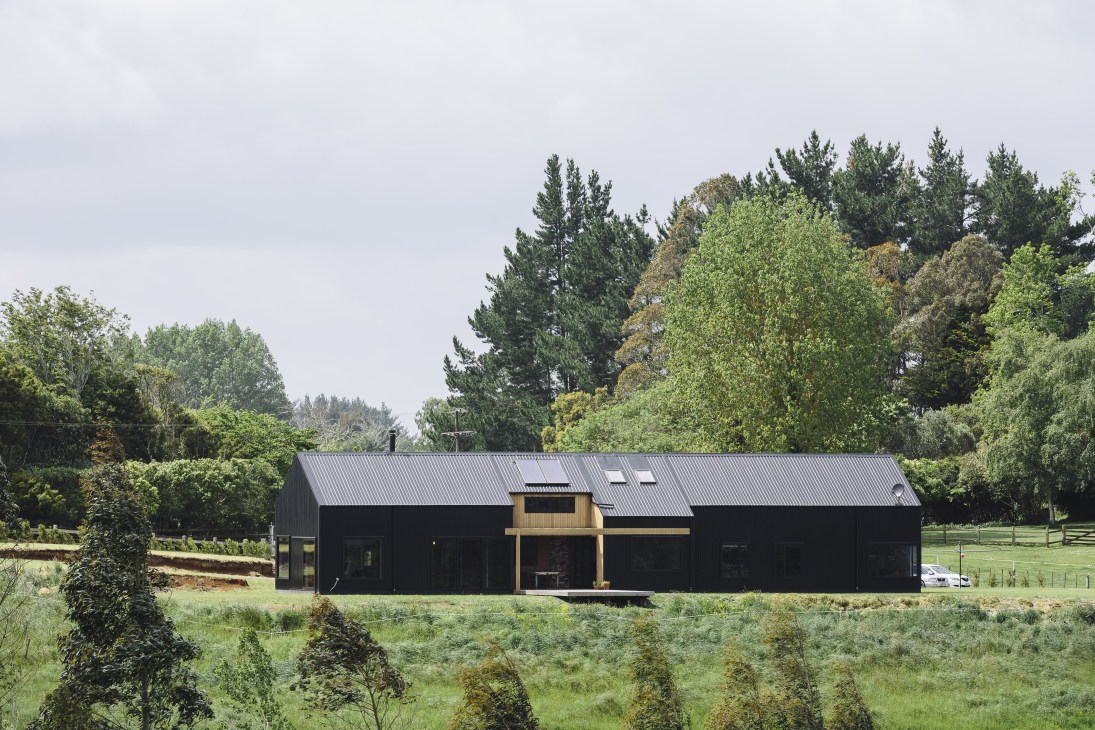
The clients had a lovely site but a small budget. They needed room for both their family and landscaping business to grow but didn’t want an ordinary house. Cox turned to local architecture for inspiration: the pitched-roof barns clad in corrugated steel that dot the countryside around the North Island. They are durable structures that are inexpensive and fast to build. “I’ve always had an interest in the humble farm barn,” says Cox. “Barn typology can take on a variety of forms depending on the site influences and type of farm it serves. It brings an honest aesthetic.”
Cox flattened the site then placed two pitched roof structures around the driveway: a smaller one to be used as a garage and studio, and a larger one to house bedrooms and living areas. Materials are robust and cheap but used cleverly and with attention to detail. “Steel cladding, bricks, cedar and concrete are all fantastic natural materials that can be applied in so many different ways,” says the architect.
All of which would still look like a barn if Cox hadn’t sliced through the middle of the house with an enclosed timber deck that extends like a jetty out into the landscape. This splits the house in two: living areas and bedrooms on one side, more functional spaces on the other. It brings light into the centre of the home and invites its owners to head outdoors.
Fundamentally it’s the dramatic structure that makes this particular house sing: it could look good anywhere, belying its humble roots in the New Zealand countryside. “Simple form can already be found everywhere. How you detail it and reflect the environment it sits in will always be the key to making it work,” says Cox. “But the idea is straightforward: creative yet pragmatic.”
Made to measure
1.
Baag
Buenos Aires
“We brainstorm ideas in workshops and continue to be involved until the build is complete,” says Gabriel Monteleone, partner at Buenos Aires-based architecture firm Baag (Buenos Aires Arquitectura Grupal). “Our methods are different but they allow us to hone our skills and grow as a team.”
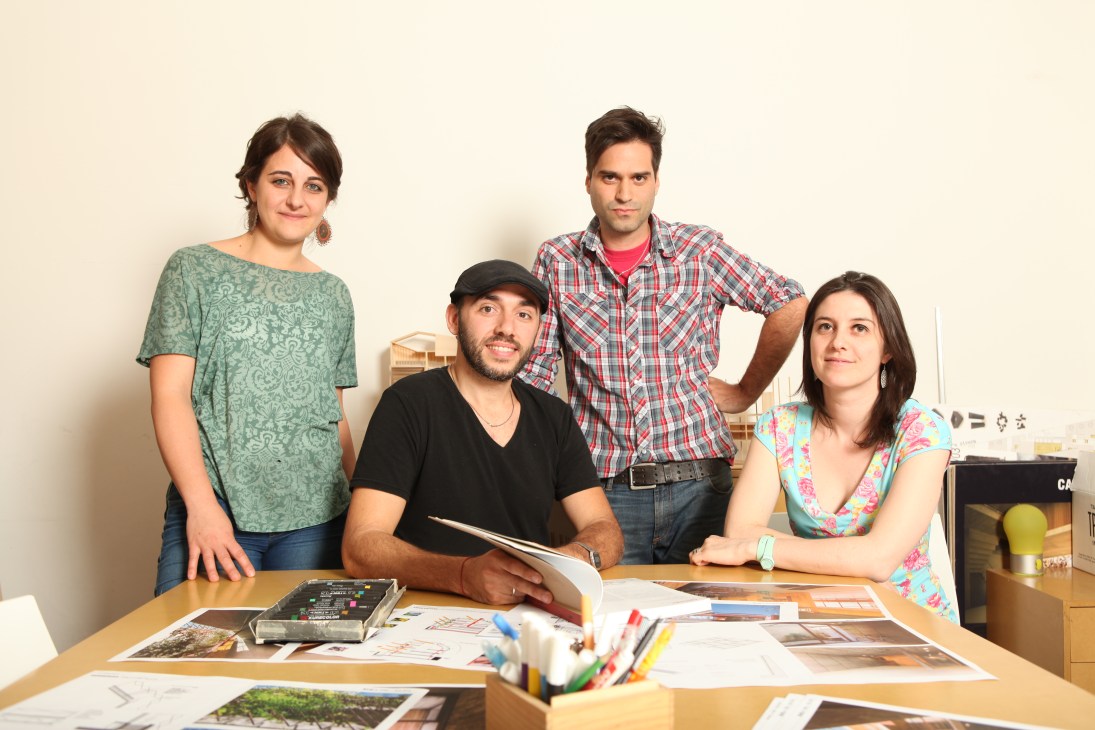

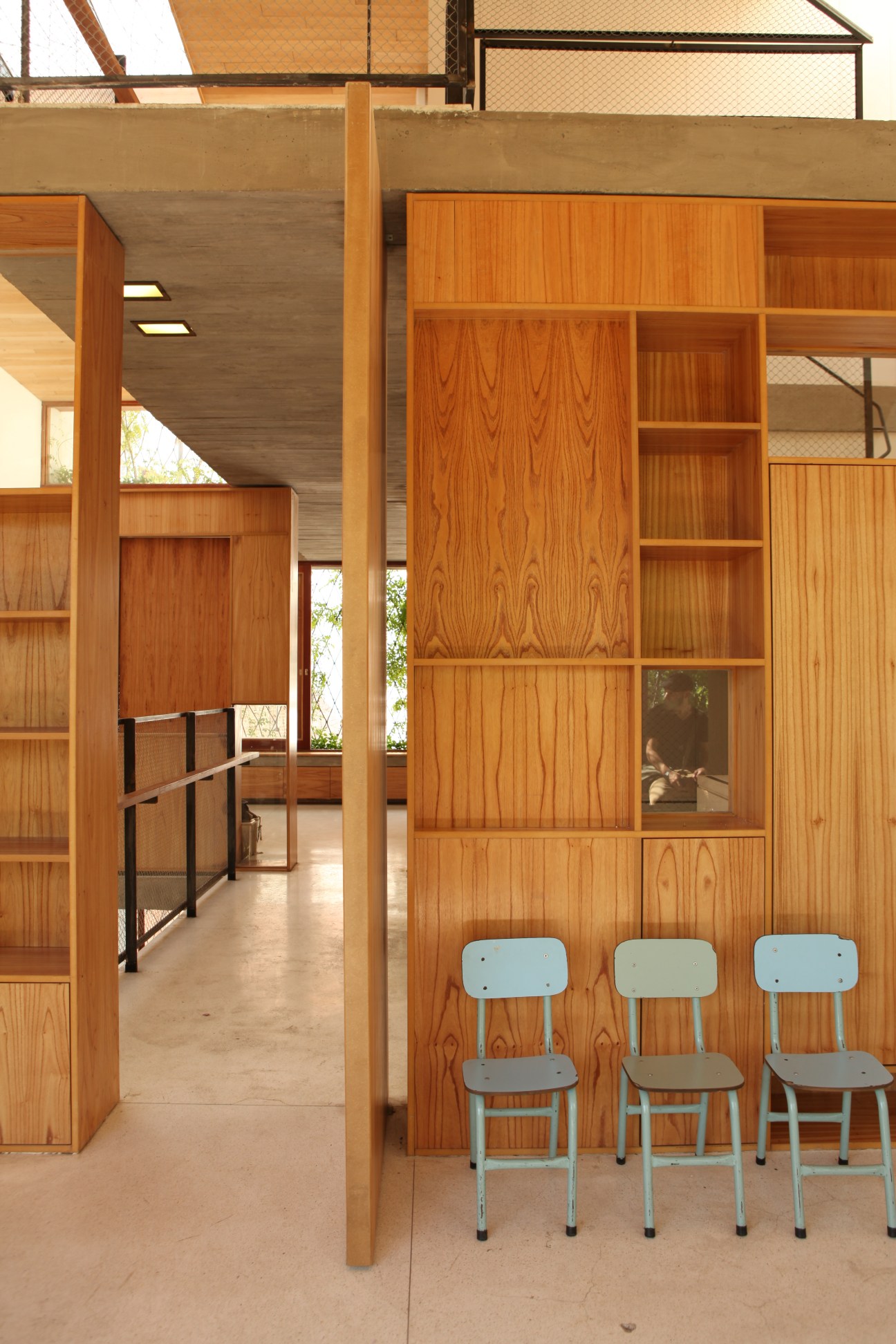
All too often the act of architecture ends with a cad file and a set of builders’ instructions. Baag, established in 2007, is rectifying that. It is proving how a hands-on, resourceful approach to building design and project management not only solves the problem of budget constraints but also helps innovate new design solutions.
Baag has just nine projects under its belt; the best example of its innovation is the award-winning Casa Scout, a peaceful retreat for a Boy Scout group in a busy area of Buenos Aires. A protective metal lattice covers the building, an idea conceived when a surplus of reinforcement bars used to strengthen breezeblocks from a previous assignment was given a new lease of life. Large cedar-framed windows open fully to provide airflow over the four storeys. The iron grid covering the exterior acts as a framework for a green canopy, planted by the scouts. It insulates during the cold months while letting in winter light when the plants drop their leaves; in summer it offers shade while acting as a noise buffer and providing added security to the building. Spanning 340 sq m, the building is decked out inside with chinaberry wooden panelling.
Monteleone and his three partners – Griselda Balian, Gaston Noriega and Maria Emilia Porcelli – are as committed to the building process as they are to its design. The architects gain first-hand experience by working with materials in a workshop on their studio roof. “We adapt to resources available locally rather than aspiring to unobtainable hi-tech models in Europe,” says Balian. “We reinterpret rudimentary and traditional materials that are then used in new and exciting ways.”
The Baag architects are undeterred by limited funding for certain municipal commissions and seize every opportunity to experiment; they have clear objectives for the future. “We are striving to create architecture that has a place and a context,” says Monteleone. “We approach our discipline as a continual challenge rather than viewing it merely as a succession of completed works.”
2.
BVD
Stockholm
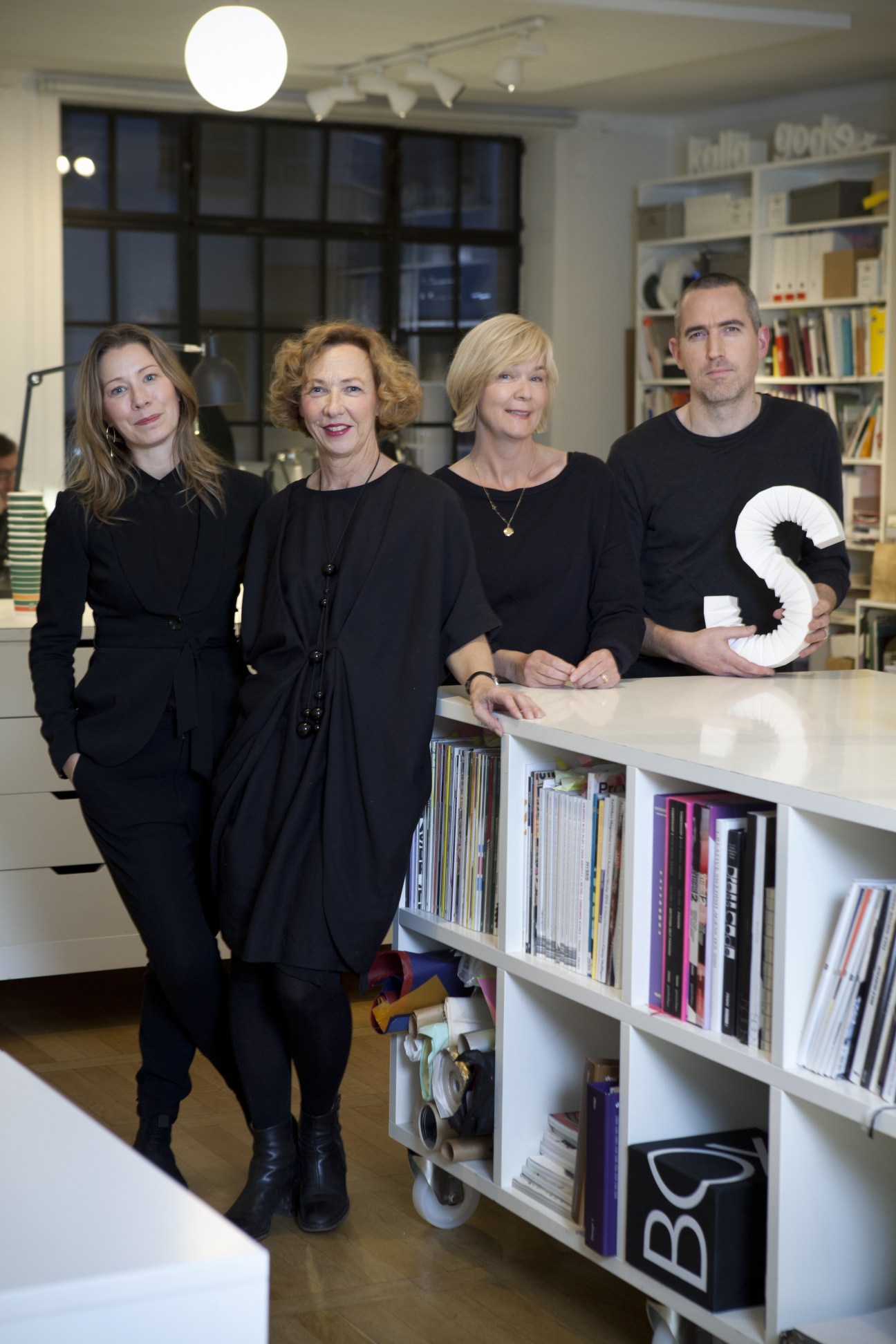
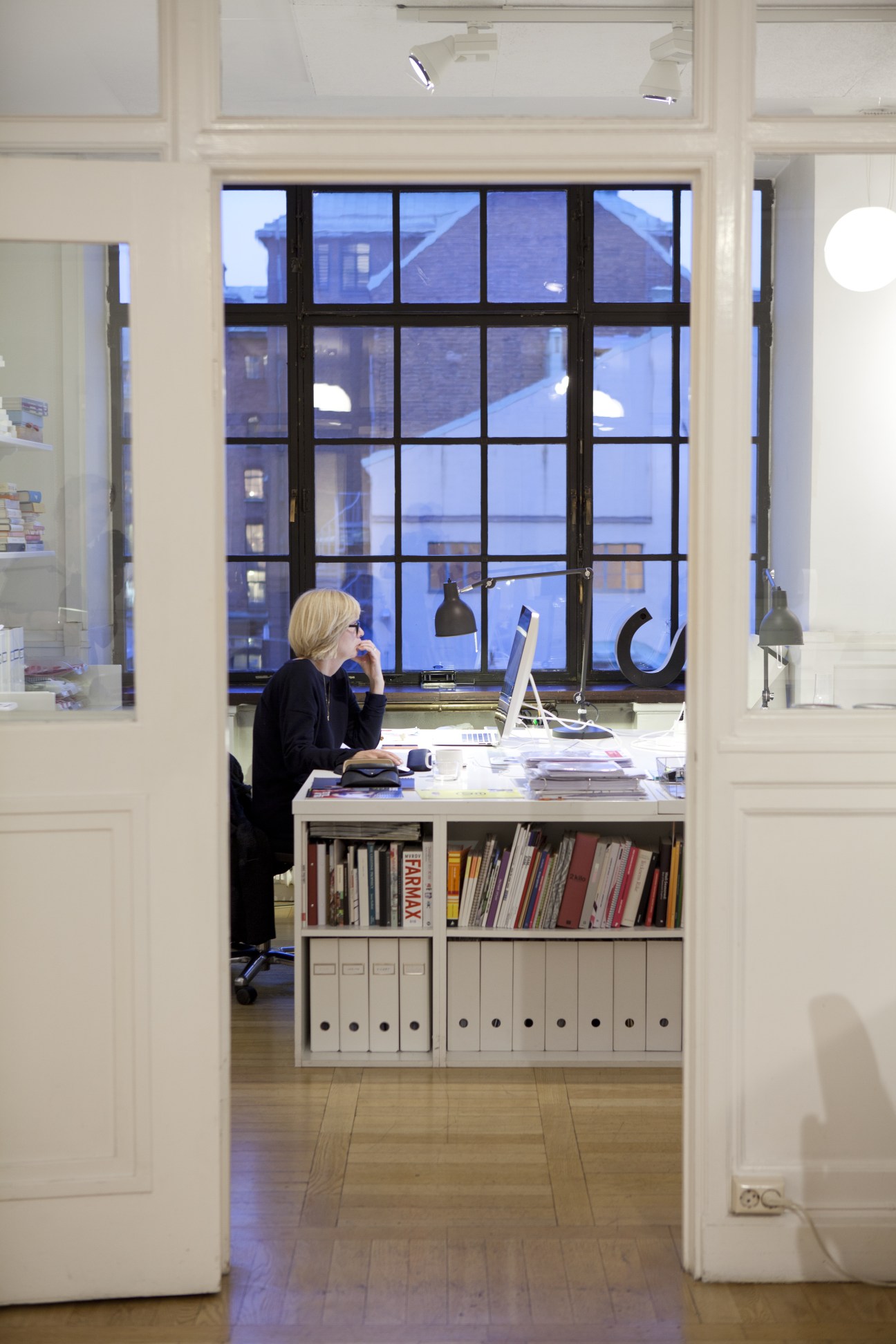
More than anything else it makes financial sense: do something timeless and classic and you’ll only ever have to pay one lot of agency fees. It is the basenote of all Scandinavian design to get it right the first time because it should last forever. That is why, if you had to describe the Stockholm design agency BVD with a single word, it would be “simplicity”. BVD is known for its graphically strong, bold designs for leading Swedish brands. Even its strictly black-and-white offices in Stockholm’s hip Södermalm district follow the same ethos. But arriving at those seemingly simple final results can take months of work.
“Simplify to clarify: that is our philosophy,” says CEO and partner Diana Uppman. “When things are complicated we come in to sort them out, define what’s important and put those important things first.”
One of BVD’s most successful recent projects is the rebranding of 7-Eleven Sweden, awarded Best of Show at the How International Design Awards in 2014. Senior designer Rikard Ahlberg used the brand’s colours and famous stripes in a new way, giving them a look that was 1970s-inspired with a contemporary edge. “We changed the typeface and applied a new design based on a system of stripes,” says Ahlberg. “The coffee mug was the key; we wanted to make it nice enough to place on a conference table.”
BVD has also worked its magic on brands such as Apolosophy, a cosmetics line developed by the Swedish pharmacy Apoteket Hjärtat; MarisPlus, a German premium Omega 3 product; and, more recently, the Swedish media house MTG. One of its newest clients is Coca-Cola’s Atlanta headquarters. Its plans for the classic drinks brand’s HQ are still a secret but chances are it will be applying its clean signature look, something that has already shown an ability to stand the test of time.
“Most of the things we have produced during our 18-year history are actually still out there,” says creative director Catrin Vagnemark. “It goes to show that investing in good design is sustainable.”
3.
Ray Chen
Taipei
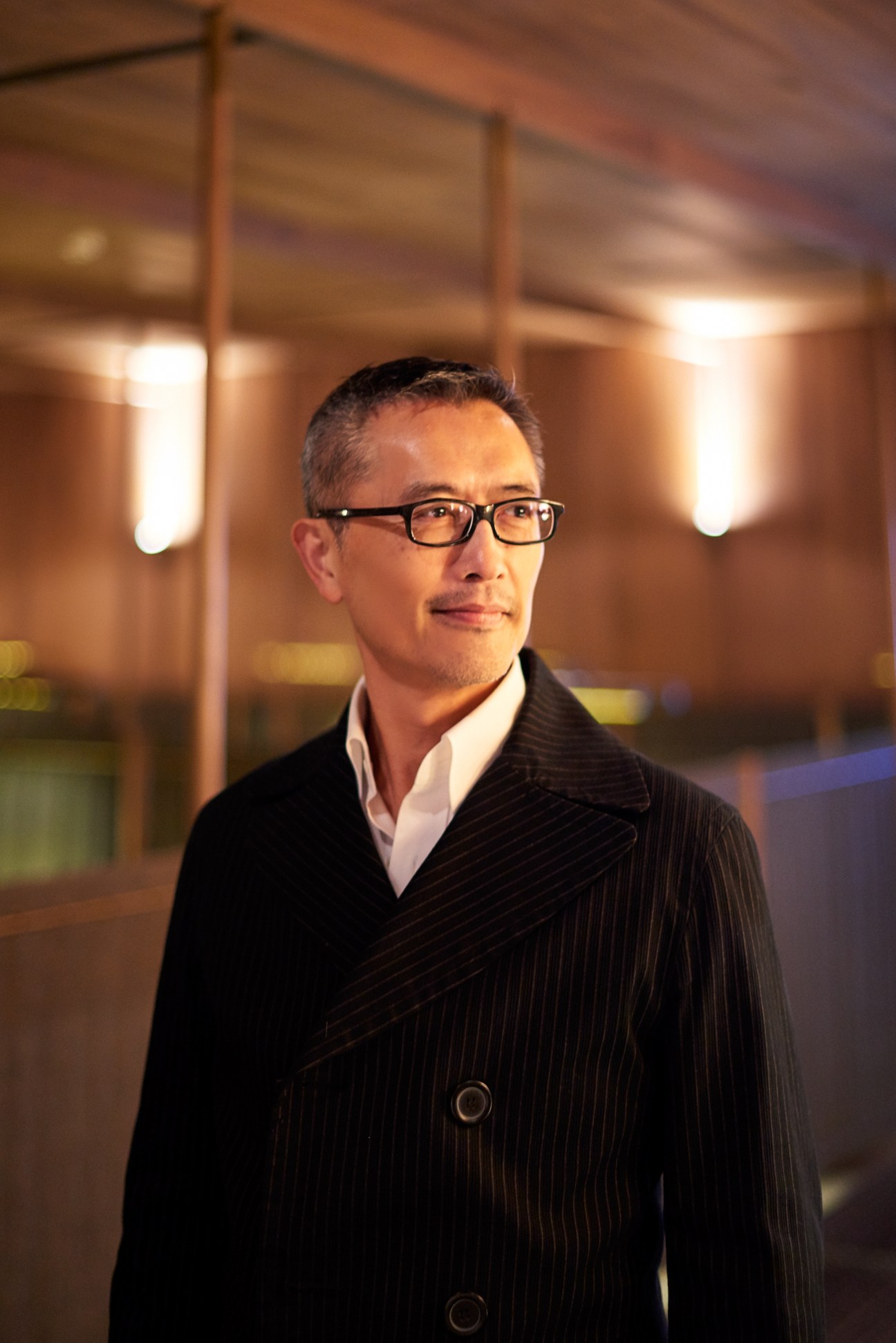
In a region where Japan leads the way creatively and Chinese consumer appetite for retail shows few signs of slowing, an unlikely Asian island nation is driving a new direction for retail design. While Taiwan may be better known as a hub for mass-product manufacturing, its geographical position and historical ties with China and Japan have allowed it to establish itself as an incubator where a unique aesthetic and creativity is found.
At the forefront of this change is architect Ray Chen, whose minimalist approach has come to represent a new contemporary-design identity for Taiwan. By bringing together a Japanese sense of style and his interpretation of Taiwanese culture, Chen’s works have gone on to set a global benchmark.
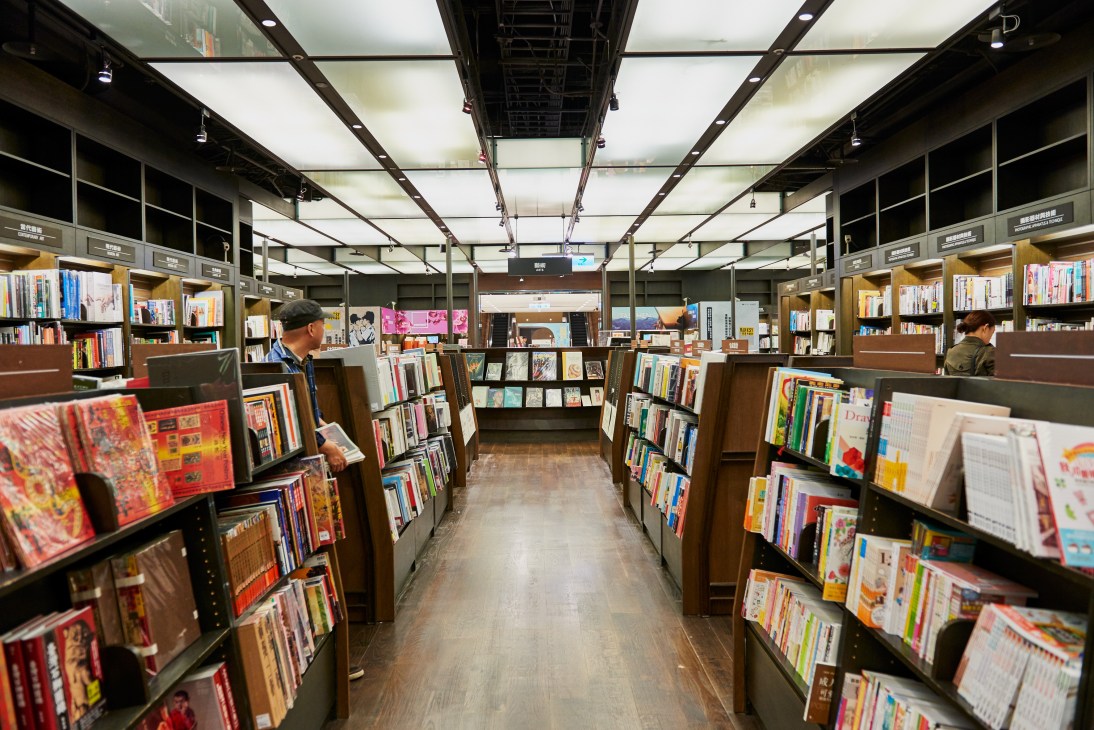
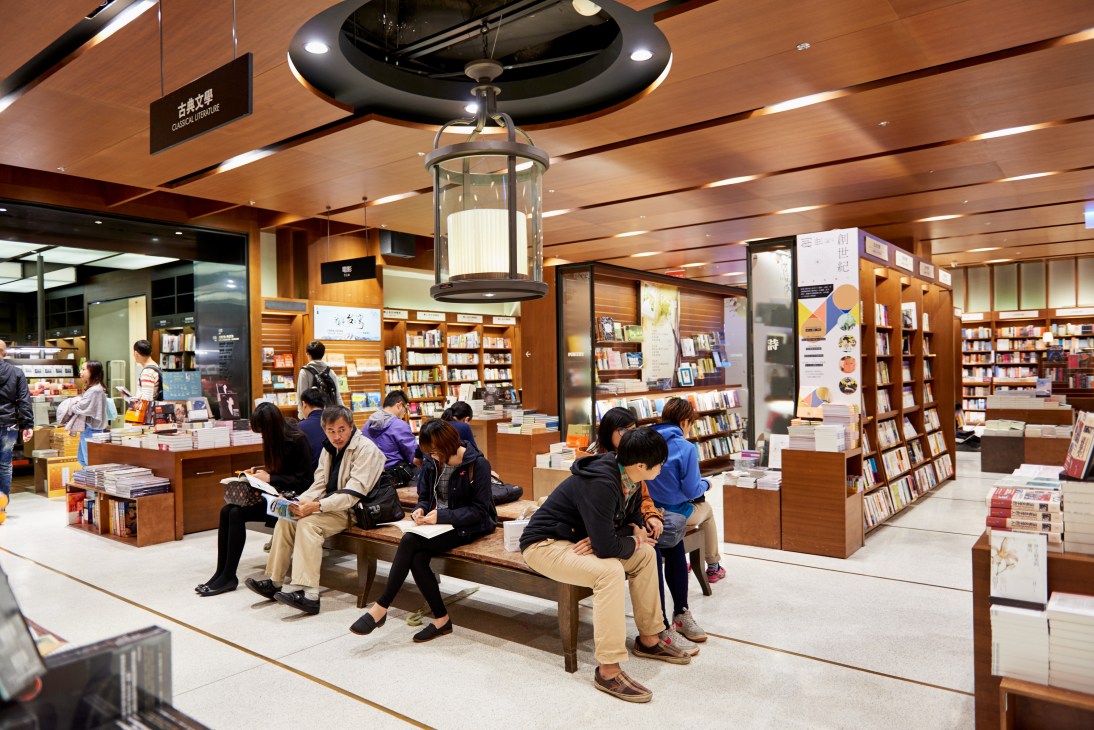
Chen has worked on more than 40 branches of Taiwanese bookshop-and-lifestyle conglomerate Eslite, shops for clothing label Pye and many department stores. He has designed restrained, simple spaces that upon closer examination reveal intricate details such as the use of persimmon wood from trees widely grown in Taiwan. “It is important to create spaces that speak to the brand’s personality while offering customers an authentic experience,” says Chen.
It just takes stepping into Eslite’s Xinyi flagship shop in Taipei to understand what Chen means. It is a giant space but Chen has divided the floorplan into independent sections to reflect the genre of books that sit inside. “For art and architecture I chose black and white, while for history and literature I used wood to reflect the character of libraries. This creates pockets of interest for customers and they’ll be more inclined to explore other parts.”
Over the course of 2015, Chen will continue to work on a full-scale rebrand for China Airlines: a chance to showcase his direction for design on a global platform. This is unchartered territory for Chen but he doesn’t seem to be fazed. “I’m nearly finished with the design for Airbus a350 but there are uniforms, lounges and much more to do. It’s all about marrying the Taiwanese lifestyle with an experience but this time in the air.”

4.
Stattmann Neue Moebel
Westphalia
Mass furniture production may still linger on cheaper shores but for Europe’s artisan workshops, signs point to a positive year of growth. The most innovative craftsmen are standing up for themselves, repositioning their workflow and – most importantly – placing artistry and quality first. At the forefront of this is a German company that has turned its century-old business model on its head.
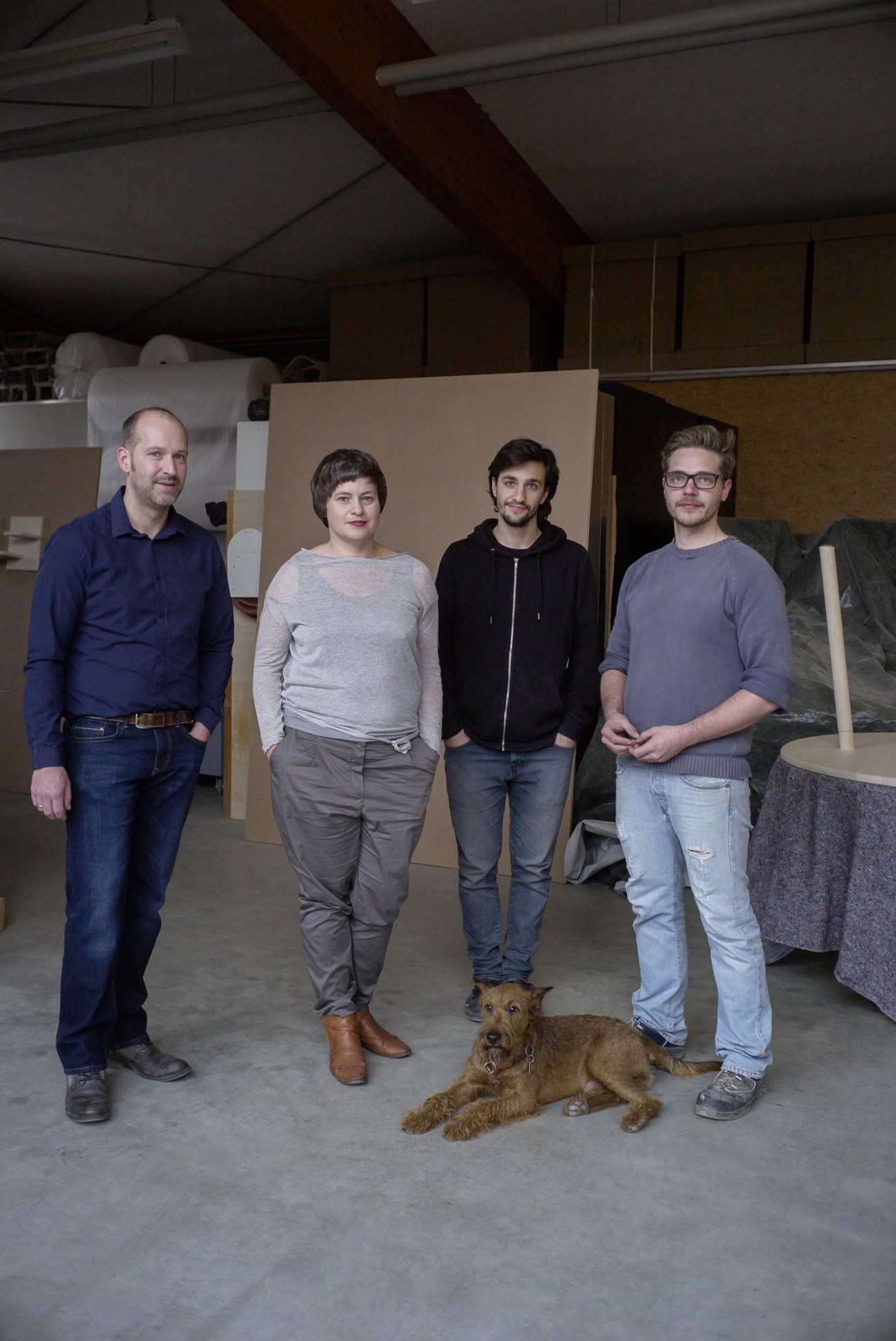
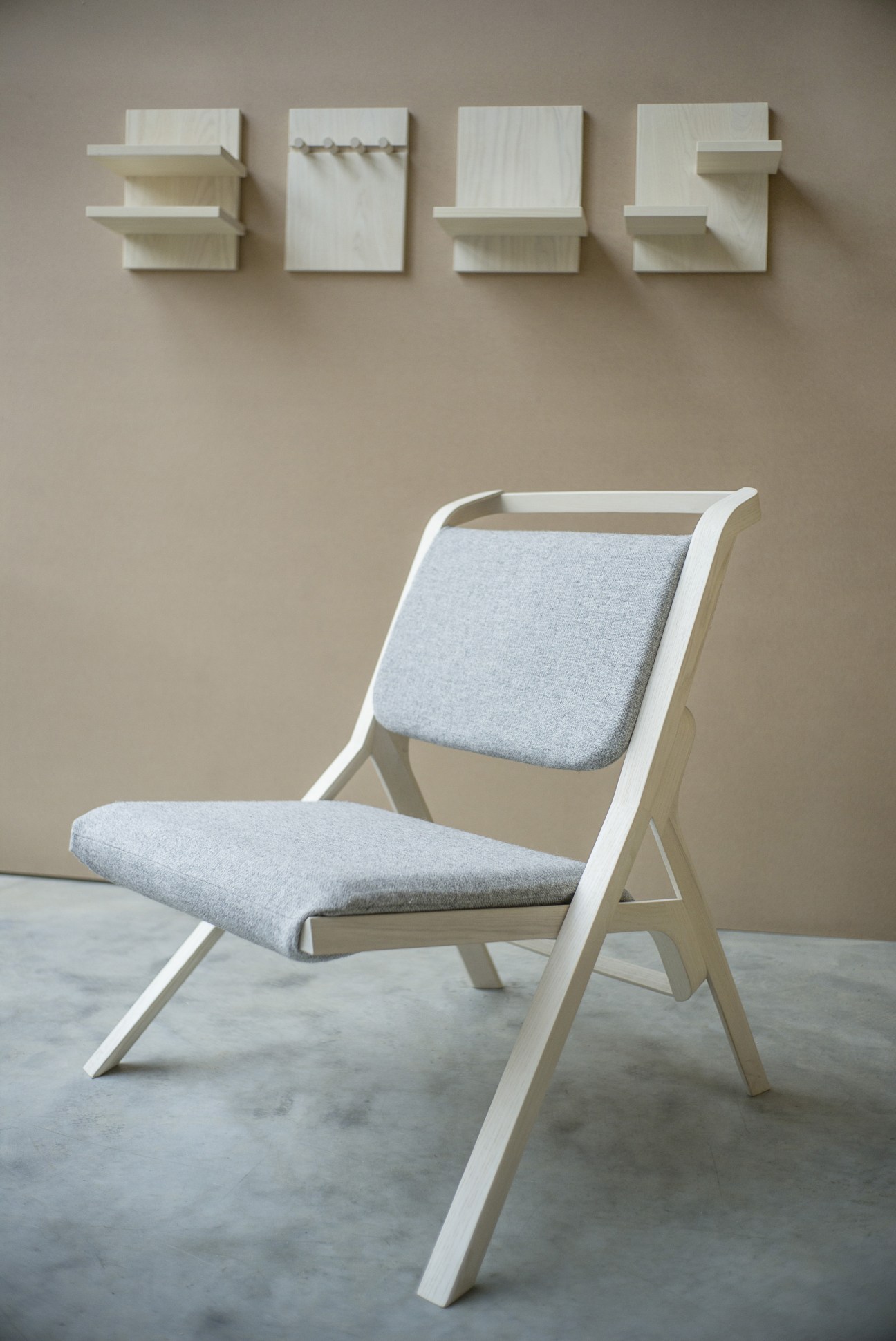
Set among the trees in rural Westphalia in Germany, carpenter Stattmann Moebel had produced beautiful pared-down chairs, tables, shelves and trays for private clients since 1896. So far so good but when fourth-generation owners Oliver and Nicola Stattmann took over in 2012 they decided to ditch the tradition of creating for other firms in favour of producing their trademark pieces under their own label.
Operating under a mantra of “good design for normal people”, the newly monikered Stattmann Neue Moebel has been able to upscale and prosper through greater exposure to the market. The craftsmanship remains, as does the importance placed on longevity, sustainability and a love of oak and ash. But extra precision – helped by the introduction of cutting-edge milling machines – has given traditional carpentry a contemporary edge that is central to the label’s output.
“We’ve established a new geometry of putting wooden products together,” says Nicola, whose product-design background complements Oliver’s carpentry expertise. “You can assemble our pieces as many times as you want due to the quality of the wood and precise production methods, which includes checking the direction of fibres in the wood to prevent warping.”
With product development and brand distinction high on the agenda, Stattmann recognises two extremes in today’s consumer. “Some want furniture that is as cheap and trendy as possible while others are more conscious of craftsmanship and where the product comes from; it is these people that we want to please.”
5.
Techné Architecture + Interior Design
Melbourne
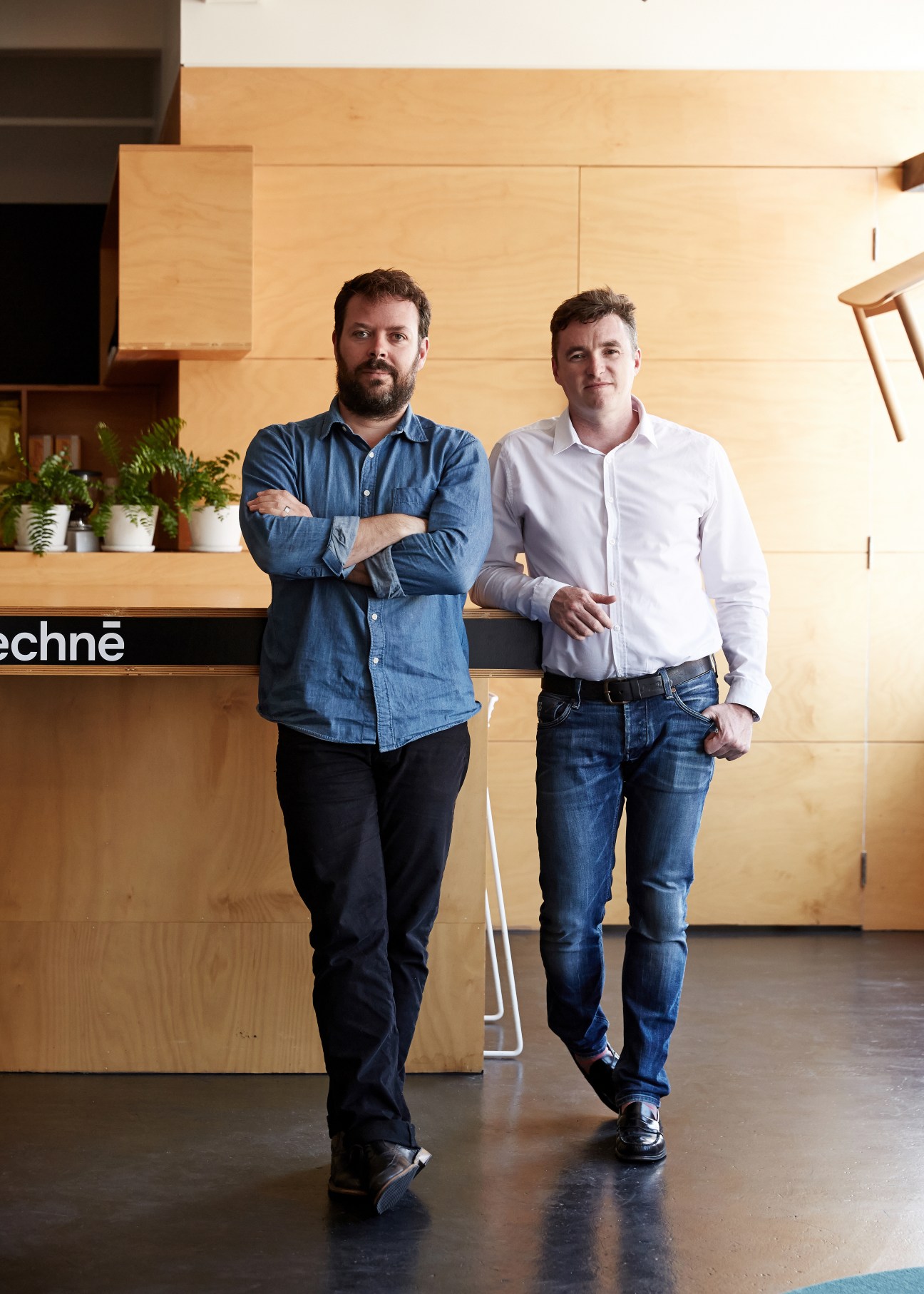
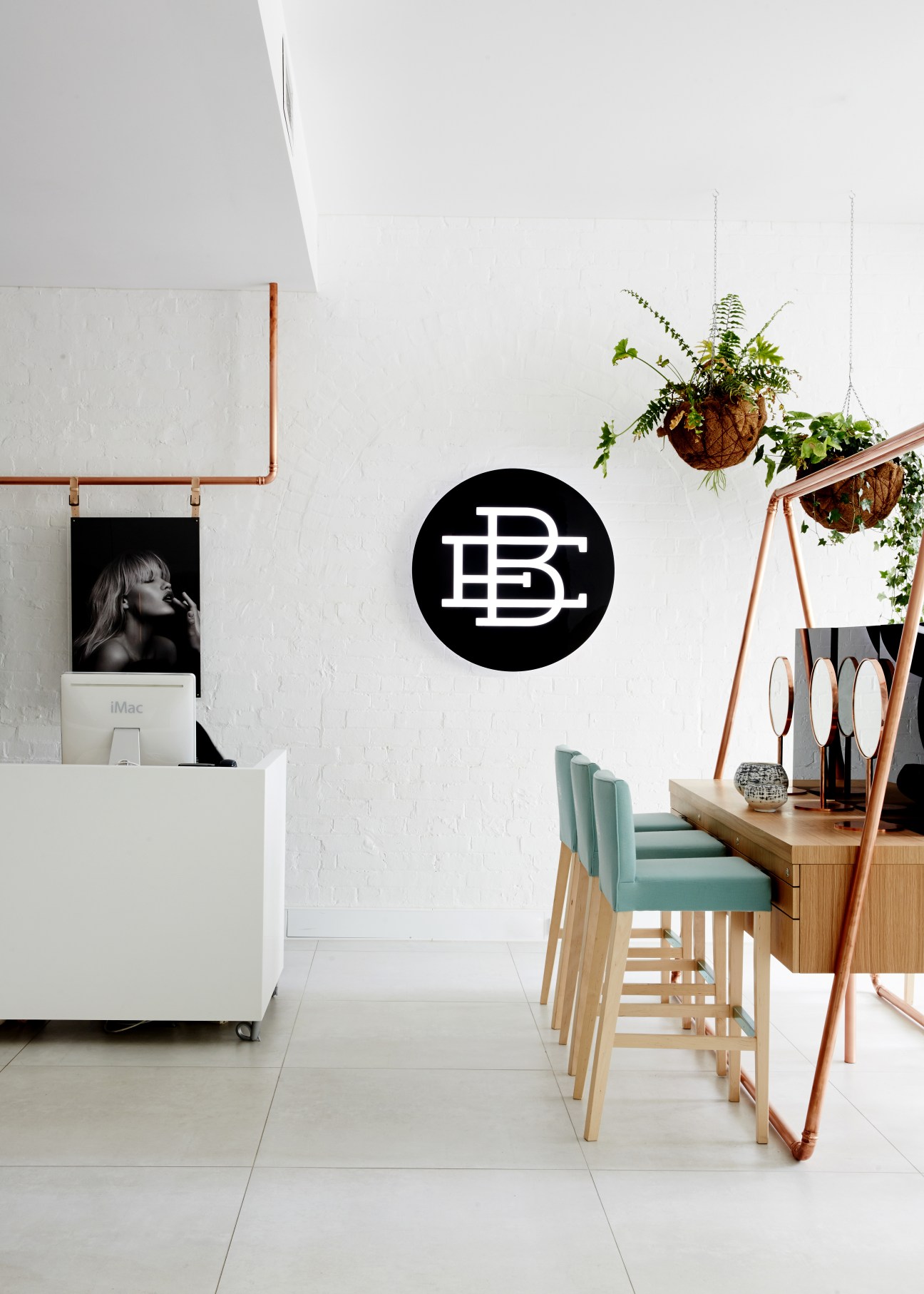
High-scale commercial architecture and interior design and honest, simple craft rarely go hand in hand. All too often, fit-outs are designed with contract furniture and off-the-shelf finishes, built to last but doing little to contribute to the community that will use them. One studio in Melbourne is hoping to dispel this divide. Techné Architecture + Interior Design is committed to bringing the skills of local craftsmen into commercial and hospitality spaces.
“Techné is Greek and means ‘to make poetically’,” says Techné co-founder Nicholas Travers. “We wanted our name to reflect the act of making architecture, not merely putting up buildings.”
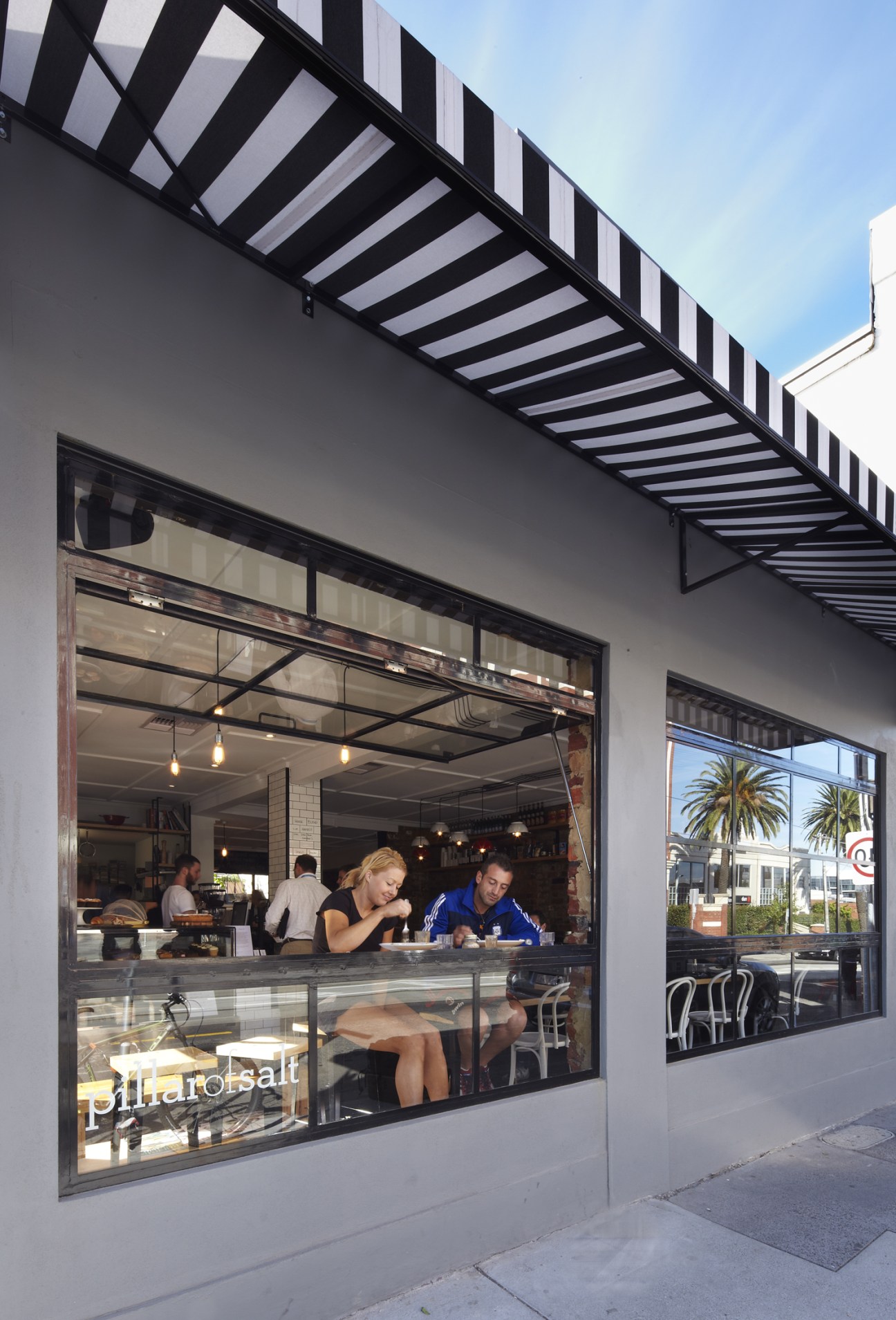
The firm was established in 2002 and now employs 27 design specialists. Most projects are in hospitality, including Pillar of Salt in Melbourne’s Richmond. The practice has extended into retail and education, including a beauty institute and work for the University of Tasmania. Larger-style commercial projects run to luxury car showrooms, with Techné appointed national architect for Porsche Cars Australia.
Despite the scale of some projects, craft is key and every design begins on paper. “I think most designers and architects have come to their craft through a love of drawing and we are no different,” says Travers. His appreciation of classic application extends to furniture, fixtures and lighting design. Local specialist craftspeople are commissioned on most jobs to create individual fittings and finishes; carpenters, blacksmiths, upholsters and stonemasons create one-of-a-kind designs. It is a dedication not often found in commercial spaces at such a premium level.
“Everything we commission is individual, from handcrafted benchtops to light fittings using repurposed materials; everything has to have longevity and purpose,” says Travers. It is a new step for his profession and sets a bold example that others should follow. “Practitioners are being bold conceptually and working hard to achieve local relevance through materials and cultural references in their work.”
Reportage 1. A tale of two cities: Kazakhstan
Winter has arrived in Astana and it is unlikely to leave for another four months. The temperature has dropped to minus 12c and the snow, freshly fallen the night before, comes up to the shins. Men in warm coats and fur hats tackle it with shovels; sparkling suvs slowly glide past along the newly cleared roads. The low sun, weak and pale in a clear blue sky, provides little warmth. It is only sensible to keep your head down but Astana is a city that demands you look up, if only to work out what on Earth is casting that bizarre shadow.
Astana is someone’s idea of what the future will look like, the same someone who gave us the architectural beauties that are Dubai, Abu Dhabi, Doha and Baku. It is a city where architects have been given plots of land, no planning rules, no price limit and no need to consider a city’s soul.
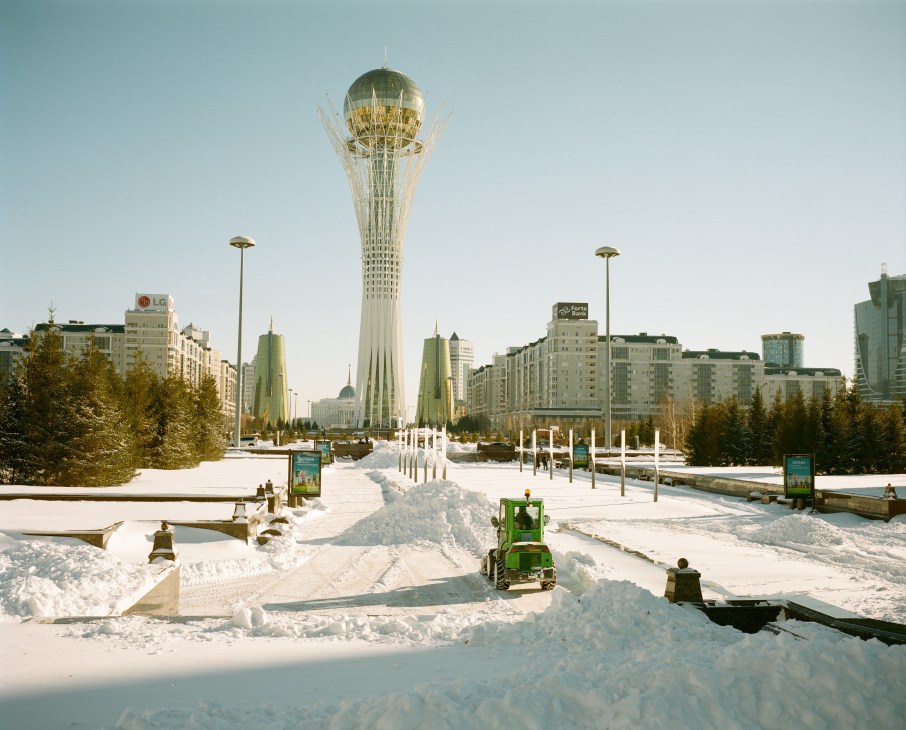
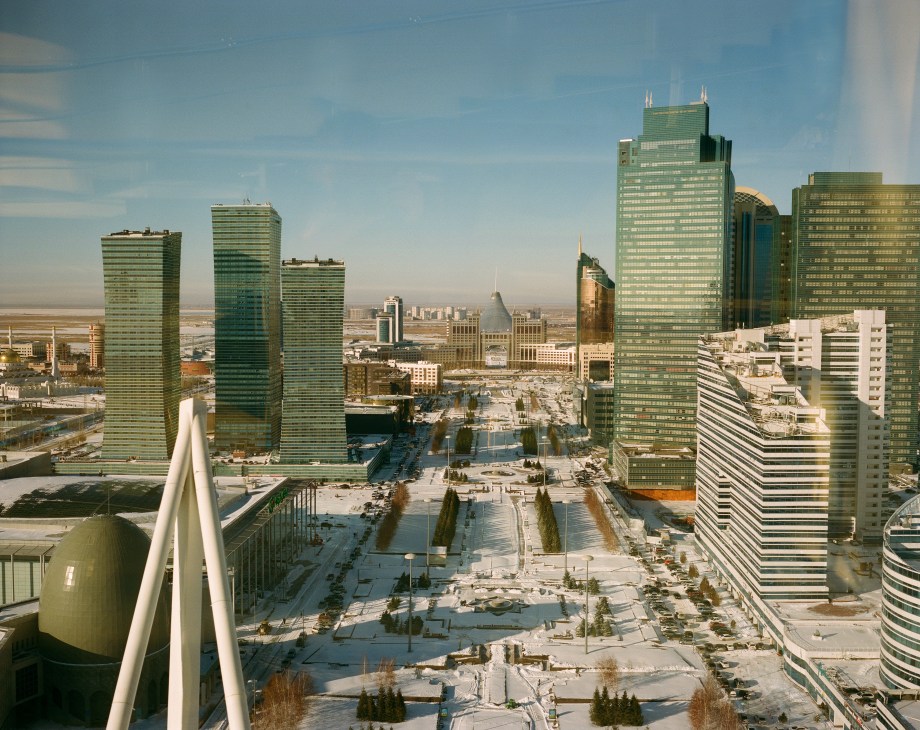
The result can best be seen at the top of the Bayterek, a 105-metre-high tower that resembles an oversized trophy for a second-rate regional football tournament. The viewing platform attracts a smattering of visitors: a Chinese migrant from Urumqi pointing out the expensive Chinese hotel he used to work at and four women in their eighties wearing fur coats and headscarves. Each takes their turn to place their hand in the gold-plated handprint of President Nazarbayev that rests on a plinth in the centre. (This handprint is something of a Nazarbayev hallmark: it’s on every banknote, too. In Kazakhstan the president always has his hand on your money.)
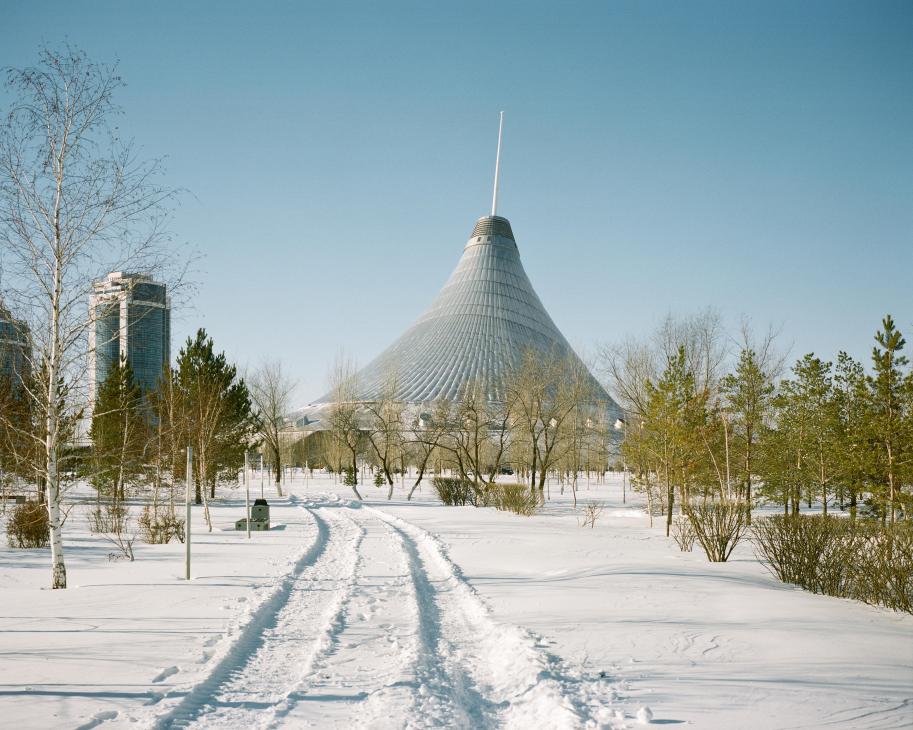
Bayterek is in the heart of the new Astana, right in the centre of the wide Nurzhol Boulevard. To the east of the tower, down the long road, stands the presidential palace, a beige-and-light-blue version of the White House. To the west, at the opposite end of the street, there appears to be a poor replica of a spaceship; it is in fact the Khan Shatyr Entertainment Center.
What does this say about the modern Astana? The presidential palace and the shopping mall, both designed by Foster + Partners, staring each other down from two ends of the same road. And between these modern-day palaces are yet more architectural oddities. Two squat shining gold towers dubbed the “beer cans” stand on either side of the road. There is a pyramid of peace; further off to the southeast, a concert hall that resembles a series of waves crashing against the hull of a ship.
Beyond the gleaming centre lies the old city. Most of those who work here – the lift operator, the waiter at the Chinese hotel, the taxi drivers milling outside the Khan Shatyr – live across the snow-covered river. The tower blocks there are Soviet, not Foster. In the distance the industrial chimneys of a power plant belch out white smoke.
We walk on to the mall, a building that looks even more surreal up close. Inside it is like every other mall in every other town in the world: the same brands, the same music pumped over the public-address system, the same lifeless, uninspiring food court on the top floor. At least the food court is popular: all the tables at Burger King are taken. Downstairs, the shops are empty. A handful of families wander past, window shopping, and a couple of young women poke their head into Mango but that’s pretty much it. Granted, a Tuesday lunchtime on the first cold day of the season isn’t going to be the busiest period but this is the biggest shopping mall in the capital city and it’s all but deserted.
Beyond the shopping centre, new developments are being built. The computer-generated image on the side of the site shows shiny luxury towers in the glimmering sun. More blocks are nearer completion further out – this is the social housing, apparently. Afghan veterans and pensioners will be given free homes – at least, that’s what we’re told.
We drive out of town, north. The towers and construction sites disappear, replaced by little but a flat expanse of land covered in thick snow, through which a muddy grey streak of a single-lane highway slices. After 30km, a series of outhouses appear on the right and, next to them, dozens of horses trying to graze, noses buried in the snow. The stables hold 150 of them in total but these are not for riding. “For meat,” says Sabir Hasanov with a grin. Originally from Uzbekistan, Hasanov has travelled through the periphery in search of work. His last job was in eastern Ukraine, trading dried fruit. Then came the war: “I fled,” he says, smiling again and shrugging. He’s been in Kazakhstan a month. He’ll stay as long as he has a job then, who knows, maybe back to Uzbekistan. One of the five others working at the stables is Uzbek too; the others are local. The work is work: 10 hours a day, all the hours of daylight. Hasanov doesn’t go into detail but the abattoir is on site, too. As we leave we step over a severed goat’s head lying in the snow. The farm’s dog, a dirty white malamute, begins to gnaw at it.
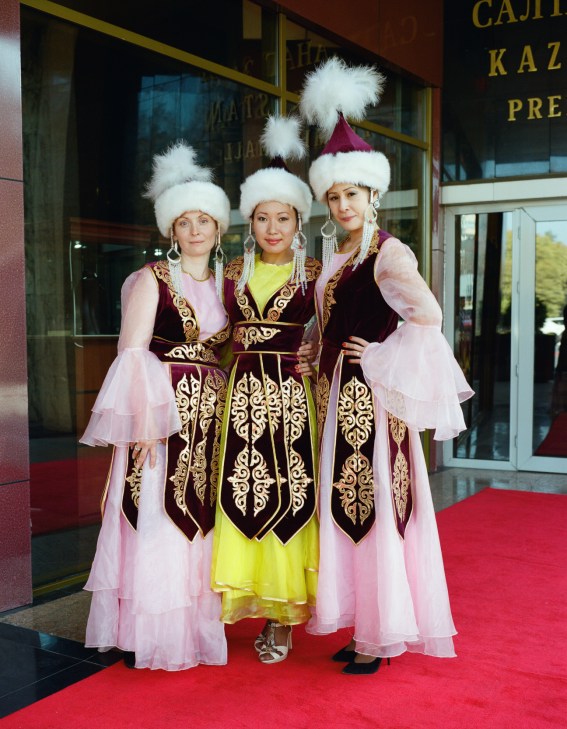
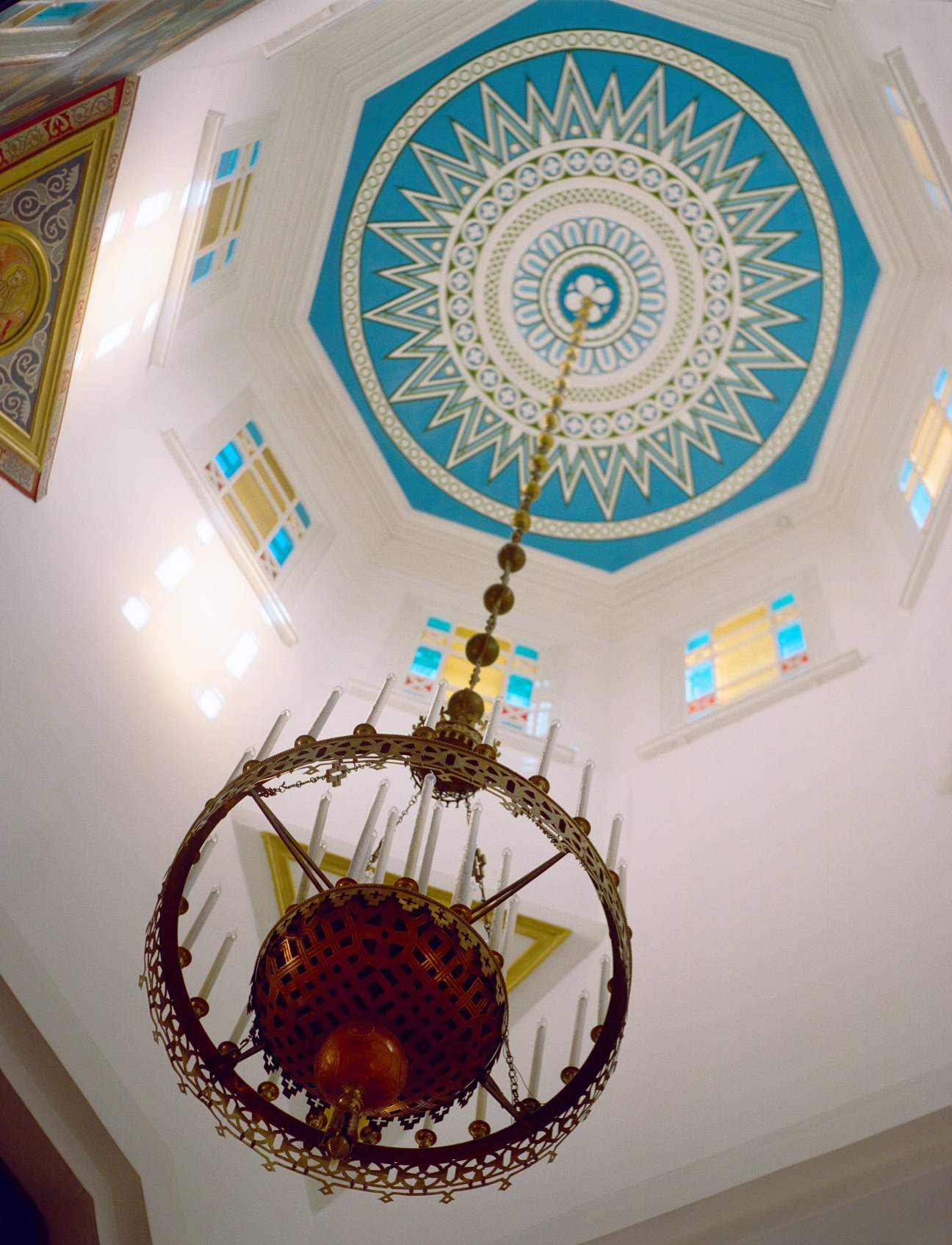
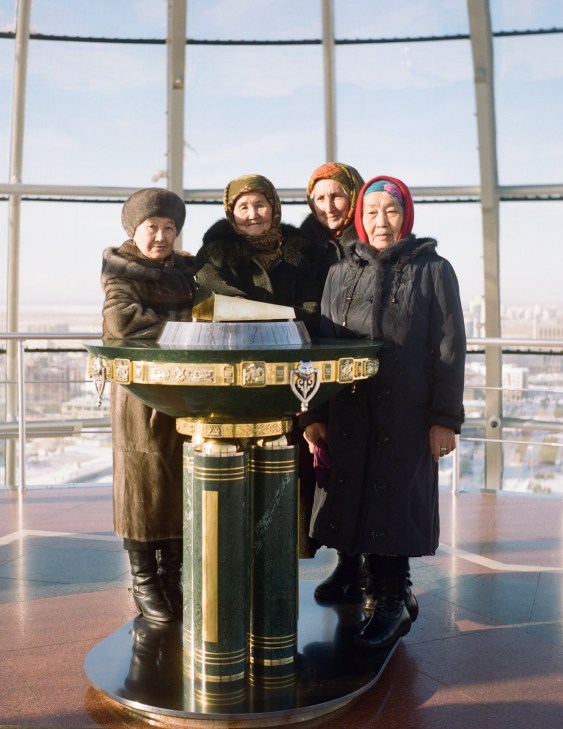
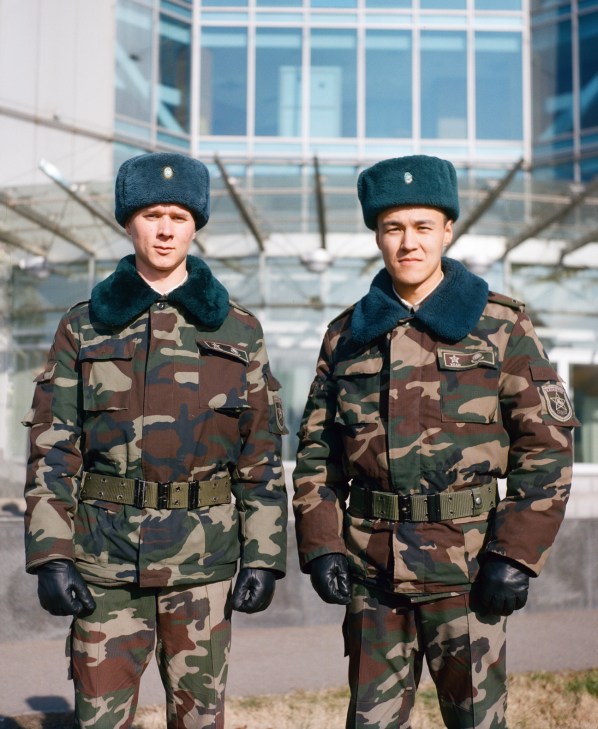
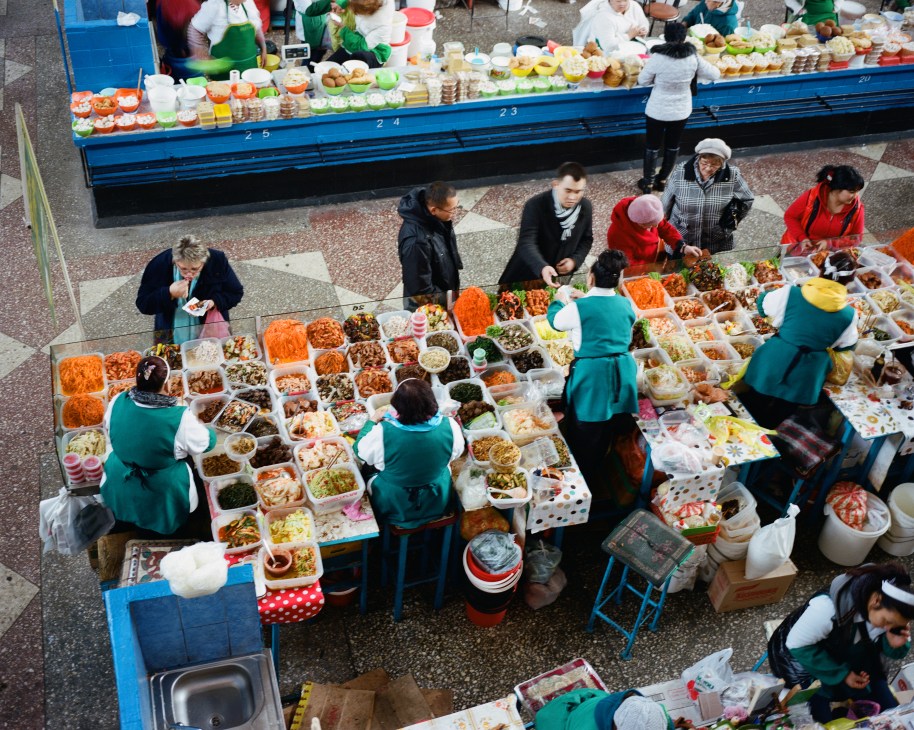
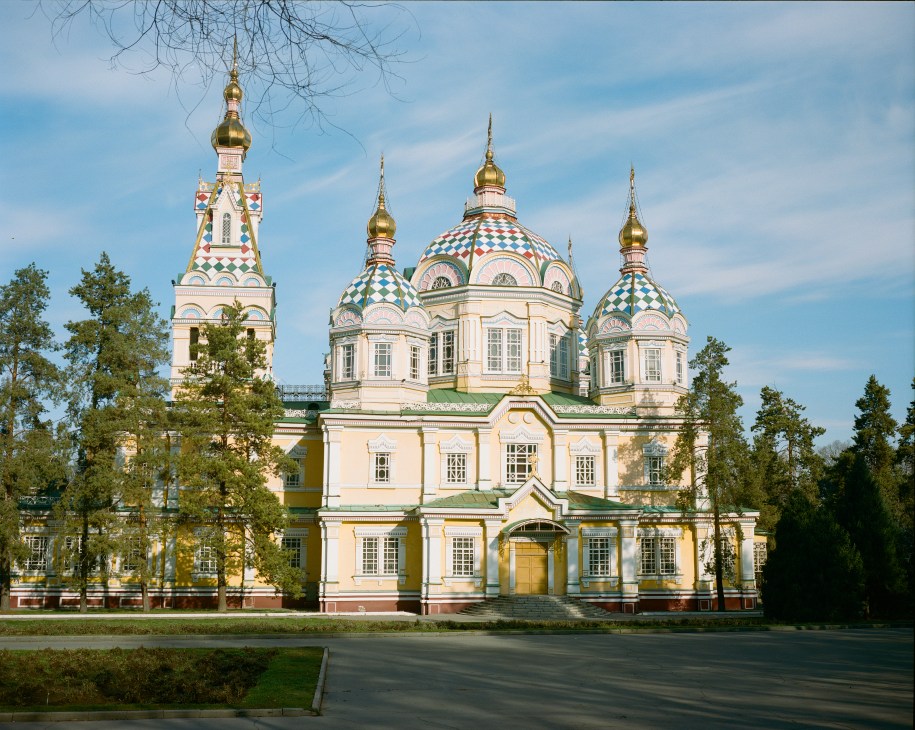
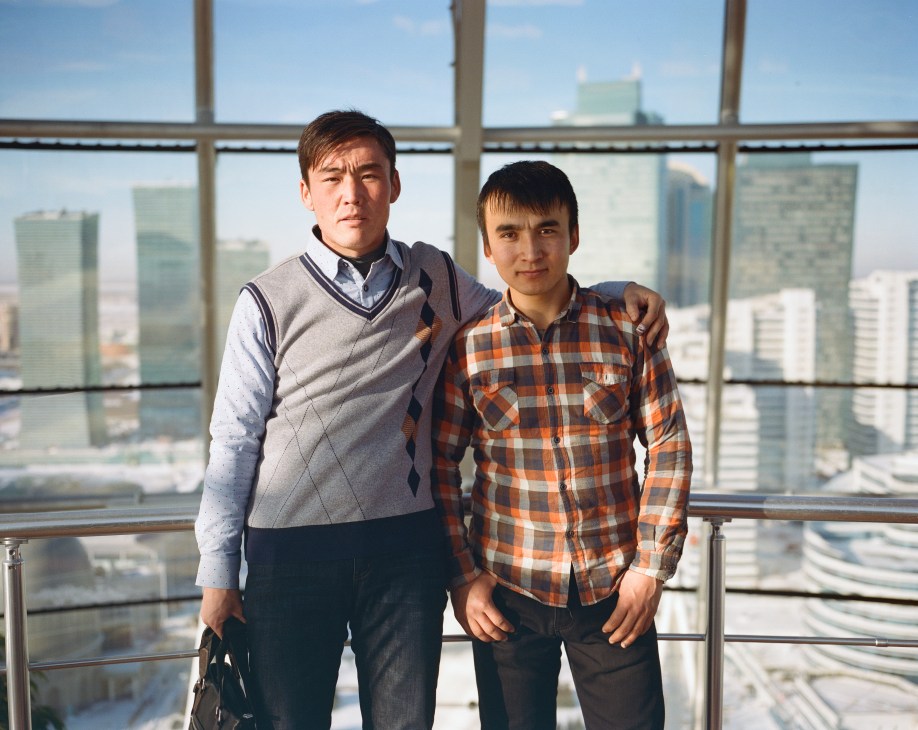
In the last days of summer – with Crimea once more part of Russia, Kremlin-backed separatists tearing apart eastern Ukraine and every comment from Moscow being analysed for evidence of president Vladimir Putin’s intentions – the Russian leader turned up at a youth forum to answer a series of pre-approved, probably Kremlin-written questions. One questioner pointed out that every mention of Putin during the preceding two-day conference had been positive. What did he think of that? (Putin was happy.) Then a woman called Anna Sazonova from the Peoples’ Friendship University of Russia took to the floor.
“Everybody is talking about nationalism in Ukraine nowadays,” she said. “However, we are concerned about a different situation, namely the growth of nationalistic sentiments in Kazakhstan, in the south of that country in particular. In our view the president, Mr Nazarbayev, is the main restraining factor here. Our question is should we expect developments in Kazakhstan to follow the Ukrainian scenario should Mr Nazarbayev leave his post? Is there any strategy designed to prevent this?”
Ms Sazonova then complimented Putin on his cardigan and handed back the microphone. Putin smiled, thanked her for the kind words about the cardy, then proceeded to politely undermine Kazakhstan’s very existence. Nazarbayev, he said, “has performed a unique feat: he has created a state on a territory where there has never been a state. The Kazakhs never had a state of their own and he created it.” As if that wasn’t enough, Putin claimed that the “vast majority of the citizens of Kazakhstan favour stronger ties with Russia” and Nazarbayev “would never go against the will of his people”. In Astana there was quiet fury.
Kazakhstan, a vast expanse of land five times the size of France with, at 17 million, a quarter of its population, stretches across central Asia, sharing two long borders with Russia and China. It may trade equally with both powers (China is the biggest export destination; Russia is where the most imports come from) but Kazakhstan’s links to Moscow are far stronger. The departures board at Almaty Airport tells its own story. A dozen flights to other parts of the former Soviet Union, plus three more to Delhi, Istanbul and Dubai; none to China.
Those economic ties to Russia should become stronger in 2015. Putin’s grand project, the Eurasian Economic Union, officially begins in January and Kazakhstan will be a founding member. Given the events in Ukraine, plus the fact that one fifth of Kazakhs are ethnic Russians, it is no wonder that Kazakh leaders are approaching the union with caution. Putin is not the only one who wonders whether Kazakhstan will remain as it is when the 74-year-old Nazarbayev, the man who through his own cult of personality embodies the idea of Kazakh national identity, finally leaves power – however and whenever that may be. It certainly won’t be via the ballot box. At the last election in 2011, Nazarbayev won 95 per cent of the vote; something he achieved, according to the claims of the osce, thanks to ballot-box stuffing and voter intimidation.
On paper, Kazakhstan has everything a nation could need: its own flag, national anthem and currency (the tenge); a government and a capital city; internationally recognised borders, armed forces; and UN membership. But Kazakhstan has no heroic founding story. It didn’t fight off occupation or rebel against a coloniser. Independence was handed to it. As the Soviet Union broke up, Kazakhstan found itself alone for the first time in its history.
Nor was there a new generation of politicians to replace the Soviet-backed leaders. Nazarbayev had spent the past 30 years climbing the Communist party ladder, culminating in his appointment by Mikhail Gorbachev as first secretary of the Communist party of the Kazakh Socialist Soviet Republic in 1989. In that time he had displayed little appetite for Kazakh nationalism. In 1986 there were four days of protests against the appointment of an ethnic Russian as first secretary. Thousands were arrested, hundreds tortured and an unknown number were killed. Nazarbayev’s role in the crackdown has never been explained and while the events are officially commemorated, they receive little publicity.
Now though, Nazarbayev is happy to talk about national identity; it is the way he tries to bind his country together. Astana, the strange new capital in the middle of the desert, is part of that national rebrand. So too is the airline, Air Astana, with a young fleet of 30 Airbuses and Boeings. The name, though. Kazakhstan. Easy for some to mistake it for Kurdistan. Or Kyrgyzstan. The president’s not a fan either. In February 2014 he proposed changing it to Kazakh Yeli (Land of the Kazakhs). The suffix “stan” was, he claimed, turning off tourists. (Having spent a bit of time here we can think of one or two other things that might prevent tourists choosing to holiday in Almaty or Astana.)
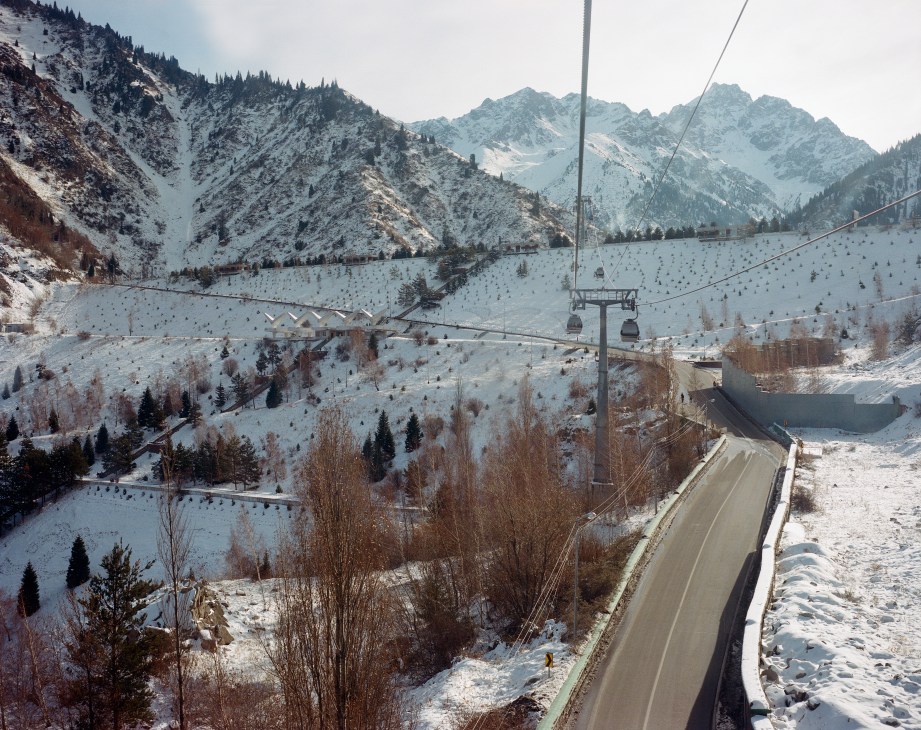
Nzarbayev indirectly responded to Putin in mid-November. The last portion of his state of the union speech was devoted to the idea of Kazakh identity, tying together the ethnic Russians as well as the Uzbeks, Uighurs and more than a dozen different ethnic groups that live inside the borders. “We must safeguard our unity and our interethnic harmony. No outsider can come and do this for us,” he said. Judging by the teenagers outside the Mega Mall in Almaty, Nazarbayev won’t have much trouble convincing those born after the fall of the Soviet Union to take pride in their Kazakh nationality. Where Astana, or parts of it, glisten in the sun, there is little in Almaty to excite an architecture student or an urban planner. Almaty was the original capital and while it has been starved of the money and attention lavished on Astana in the past two decades, it has a few advantages that Kazakh tenges can’t buy.
Close to the eastern border with China, it has a far better climate, more beautiful scenery and a larger, more educated population. The south side of the city is flanked by a glorious snow-covered mountain range; inside the city, the mountains always seem to be just at the end of the road even though you never quite reach them. On the highways there are suvs and brand new BMWs; there is also the occasional donkey cart and tractor to be seen.
Hanging outside the mall, as Adele is pumped out over the public-address system, four teenage girls talk about their Kazakh identity with far more pride than anyone else we meet. “If you dig deep into our history you will see we have achieved everything ourselves,” says Aigerim Adilkhanova, the most thoughtful of the four. “There are not a lot of countries in the former Soviet Union as determined as Kazakhstan.” All four want to study abroad – the US, says Saya Sagybdyk; Dubai says Arai Ersain – but they are equally clear that they want to return. “We will be more professional and developed,” says Adilkhanova.
Later that afternoon, in a park filled with Soviet-era war memorials, we meet a 35-year-old mother, Maral, with her one-year-old daughter. “Much has changed,” she says, comparing life now to when she grew up. “Now it’s a market economy.” For her, an accountant, there is no comparison. “I hope for a bright future. The main thing is peace – all other problems will be overcome.” I ask about politics. She smiles, says nothing, then as we leave decides not to give her last name.
This is a common response. Conversations quickly peter out once the topic of politics is raised. Silent smiles greet questions about democracy or relations with Russia. One self-titled “old man” is willing to criticise Nazarbayev. “He needs to go – he’s even older than me. What can he do now?” The issue of succession is whispered among diplomats. His daughters’ husbands have been touted in the past but none appear to be in favour now. Eight prime ministers have come and gone in 23 years; none have made a lasting impression.
Kazakhstan’s geography may suggest its most important relationships are with Moscow and Beijing but the country is increasingly turning to the West. A new privatisation programme is an attempt to bring in more western investment. In 2013, British prime minister David Cameron led a delegation of 30 British businesses to Kazakhstan to try to win a slice. He dismissed human-rights concerns, instead praising Kazakhstan as “one of the most rapidly emerging countries in the world”. If support for Nazarbayev makes life more difficult for Putin then many western leaders will be only too happy to help.
Nazarbayev’s western defenders point out that Kazakhstan is still a young nation. This is true. Life is better for most than it was under Soviet rule, they add. This is also true. Why any of this is an excuse for widescale repression, the jailing of opponents and the violent quelling of any peaceful protests is less clear.
There is something inherently depressing about all this. We have taken his money, gloried in his Potemkin capital, promoted him as a world leader. What of our principles? Of free speech? Of human rights?
Nazarbayev wants to be recognised as a global statesman. He wants Astana to be admired across the world. He wants Kazakhstan to be economically strong and independent. Squeezed between Russia and China, in a part of the world where the vote has never been a right, perhaps he should consider another legacy, one that will ensure all those other aims come true: the man who brought democracy to Central Asia. That would be something worth celebrating. That would be something worth marking with a gleaming capital.
On our last day in Kazakhstan we spot an advertising hoarding beside a highway flicking back and forth between two adverts. The first is for a new Nissan suv, the other is for a new film. It’s The Hunger Games. As we leave this rich capital surrounded by poverty, we wonder who will watch it and what they will make of it.
Steve Bloomfield has written for Monocle since launch (allowing for an unfortunate sub editor on issue one who rendered him Steve “Broomfield”). After a stint as our Nairobi correspondent we lured him back to London where he has been our foreign editor since 2010, a role that sees him helping shape much of our Monocle24 output, too. Steve reports widely but seems to have become our de facto Arctic correspondent and has rather too many pictures with reindeer.
Reportage 2. Bean and gone: Tokyo cafés
There are many remarkable things about Ichiro Sekiguchi – among them his vivid recall of the 1923 earthquake that all but razed Tokyo – but perhaps the most remarkable is that at the age of 100 he runs Café de l’Ambre, one of the most admired coffee shops in Tokyo. He still travels to work on the back of his nephew’s scooter to oversee the establishment he opened in 1948. It’s an unassuming place on a Ginza back street with a sign announcing “coffee only”. Sekiguchi might not put in the hours standing behind the counter these days – “My legs aren’t up to it!” – but he still roasts the beans at the front of the café twice a week and credits his passion for his work, along with three sugarless demitasses a day, for his energy levels. “I’m not thinking of retiring,” he says. “I’m happy to see the customers – I’ve met so many interesting people over the years.”
People think of Japan as a tea-drinking country but it is also one of the biggest consumers of coffee in the world. The Japanese have been drinking the stuff since missionaries and traders arrived with it in the 17th century; the world’s first coffee chain, Paulista, started in Tokyo and Osaka in 1910. Today Japan is the world’s third-largest importer of coffee – more than 500,000 tonnes arrived in 2013 – and a country whose rarefied tastes and high production values have shaped the coffee industry.
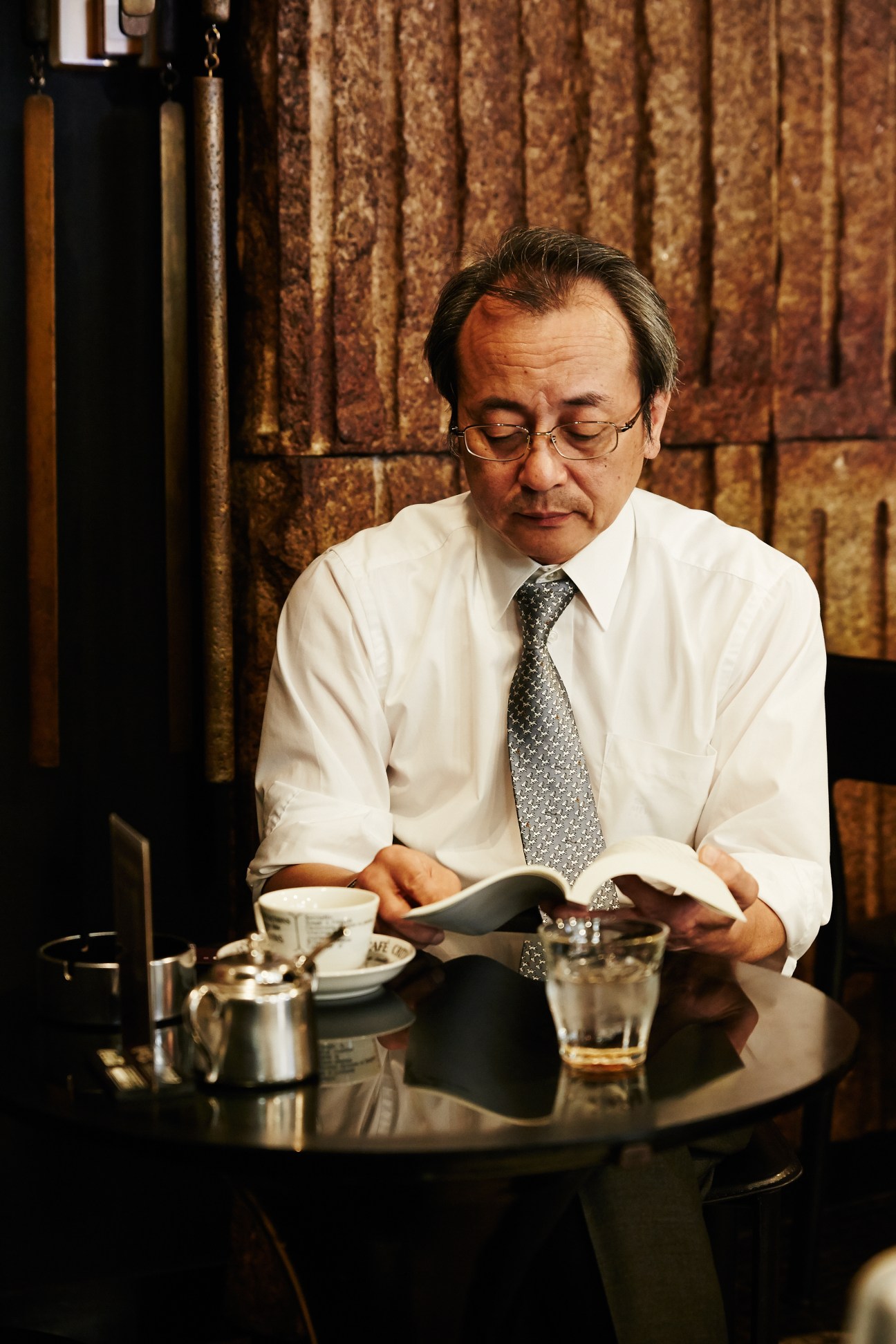
Central to this growth has been the kissaten, the coffee shop, which evolved as Japan started to urbanise at the end of the 19th century. There are about 70,000 of them in Japan – down from nearly 155,000 in 1985 – ranging from smoky station pit-stops to specialist affairs where the master precision-brews and hand-filters each cup. There are jazz kissa, literary bungaku kissa lined with books and meikyoku kissa: classical music cafés where listening to music is the purpose and talking is frowned upon. The kissaten has always offered a democratic space. People are there for different reasons: business, dates, filling out job applications, idling before a train. For some they are a refuge from the obligations of daily life. For others they offer company, conversation and community. This unique culture predates the global dominance of the big coffee chains.
Ichiro Sekiguchi, who was born in Asakusa in 1914, is the don of Tokyo’s kissaten masters. When he opened his coffee shop, Tokyo was still suffering the aftereffects of the war. Ginza, now glamorous and gilded, was then, he recalls, “nothing but bombsites and fields”. Coffee was in short supply and what was available was snapped up by the occupying US military. “Camp coffee was everywhere – and it was terrible, weak, I didn’t drink it,” he says. Sekiguchi, whose first taste of coffee was in Tokyo’s old milk halls where “coffee milk” was served, sourced a cache of decent coffee beans from Indonesia on the black market; they had been destined for Germany but got stuck in Japan. Word spread that Sekiguchi was serving good coffee and his future was set.
The original café burned down and Sekiguchi moved to his current location in about 1970. Like all the best kissaten Café de l’Ambre is a comforting, unpretentious place, where regulars (a couple of whom have been coming for 60 years) are welcomed as friends. Music hums in the background and photographs of Sekiguchi’s sisters sit on the till. He has four members of staff including his niece and her husband, who has already put in 35 years at the café.
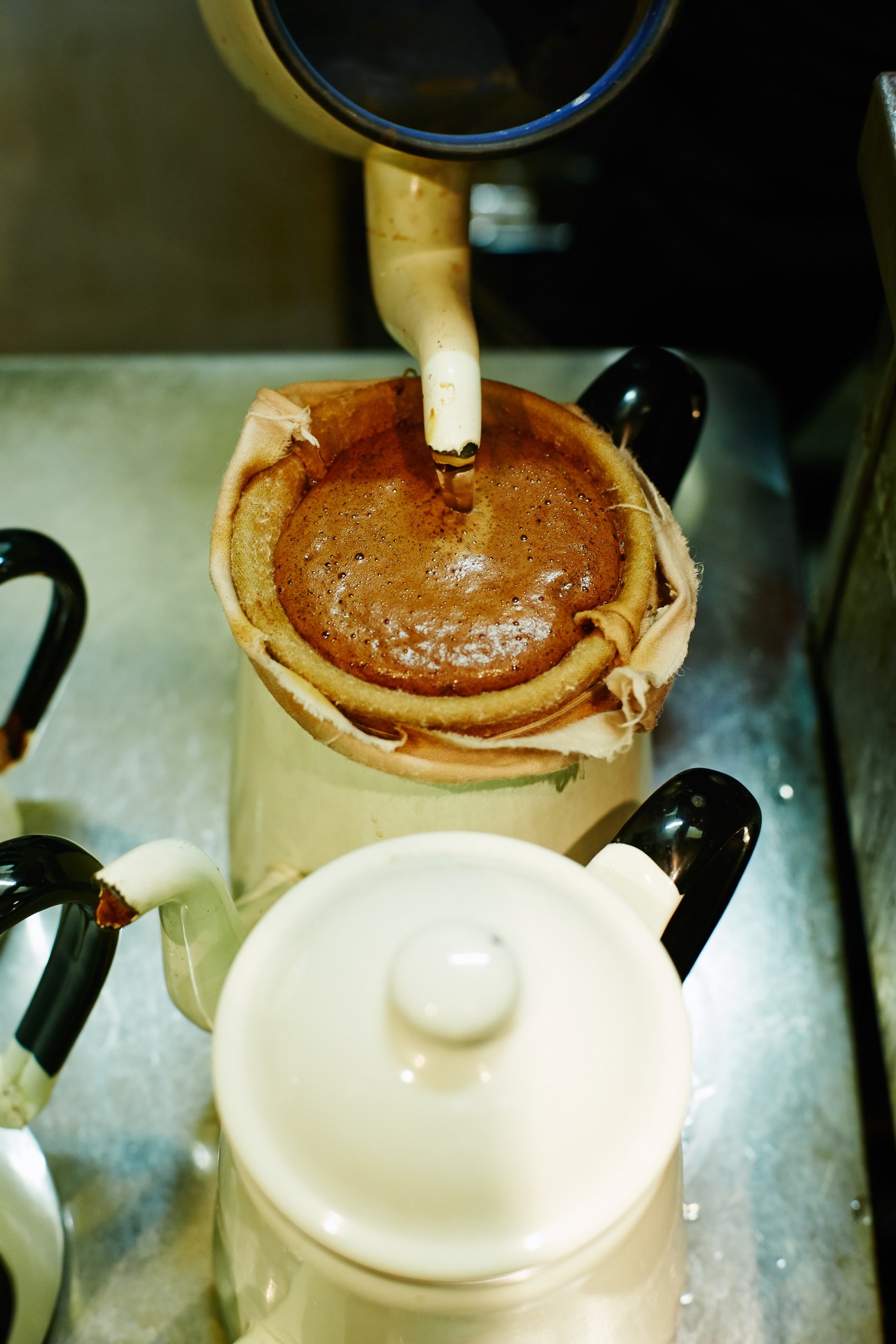
Sekiguchi’s coffee-making style has brought many pilgrims and coffee maniacs – as the Japanese call them – to his door. Like many kissaten owners, he eschews espresso machines and complicated siphons in favour of a cloth “nel” (short for “flannel”) filter and a pot of hot water. “There’s so much equipment available but this [hand-drip] is the best way to serve coffee,” he says. Beans are roasted and ground for each cup of coffee ordered. One of the staff weighs out 18g on the scales and grinds them; there follows a dance with filters, jugs and boiling water. It’s all done with humour and conversation.
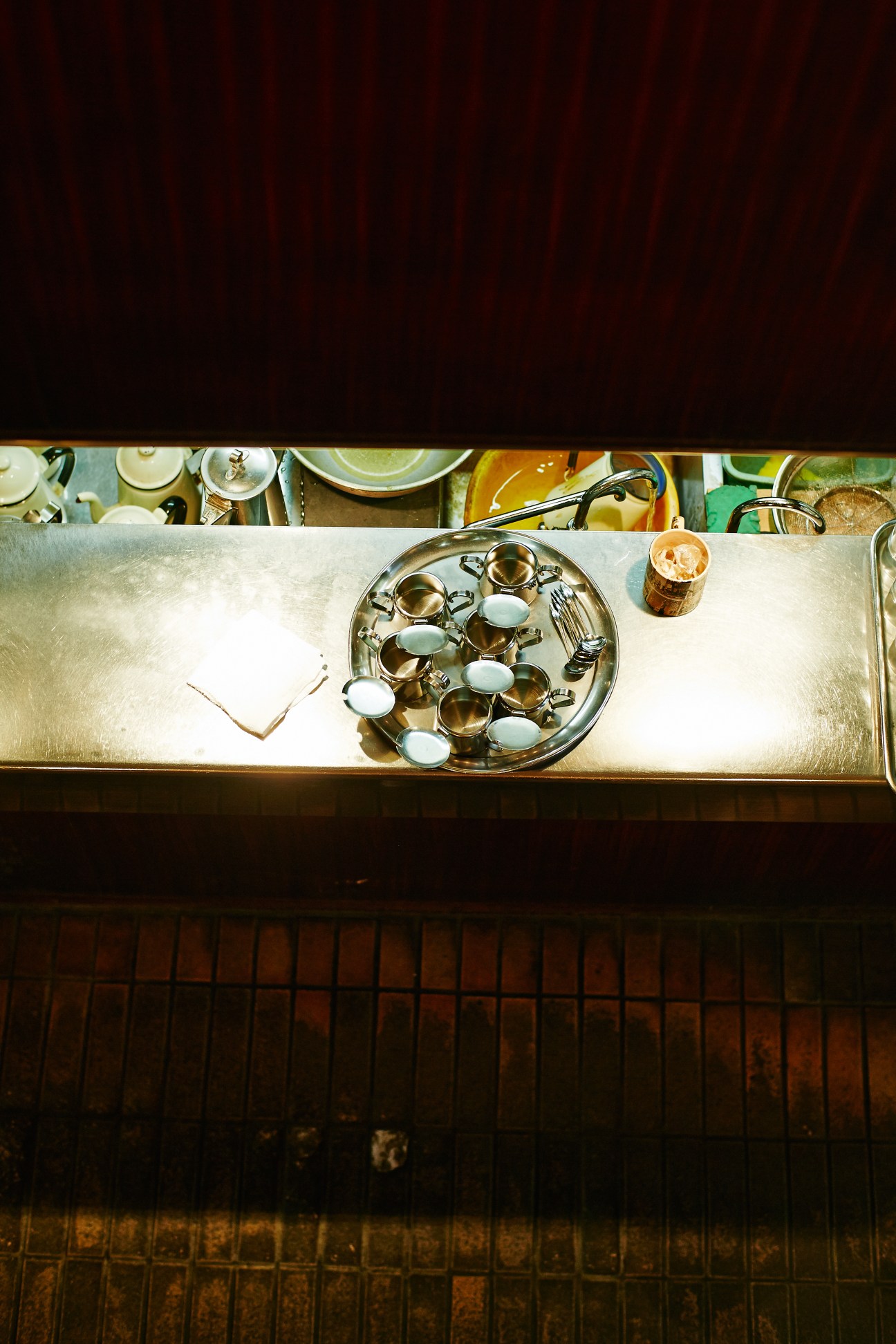
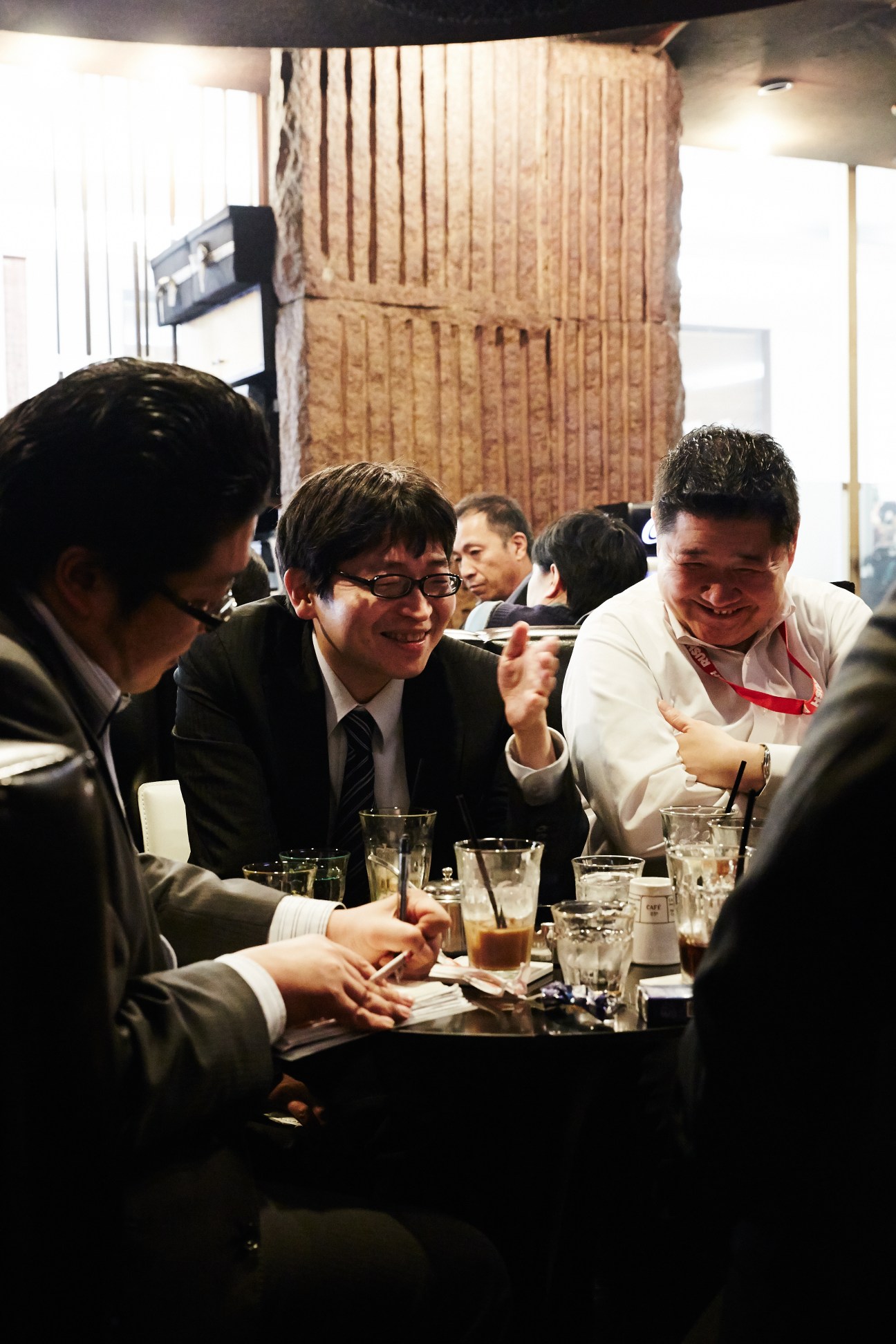
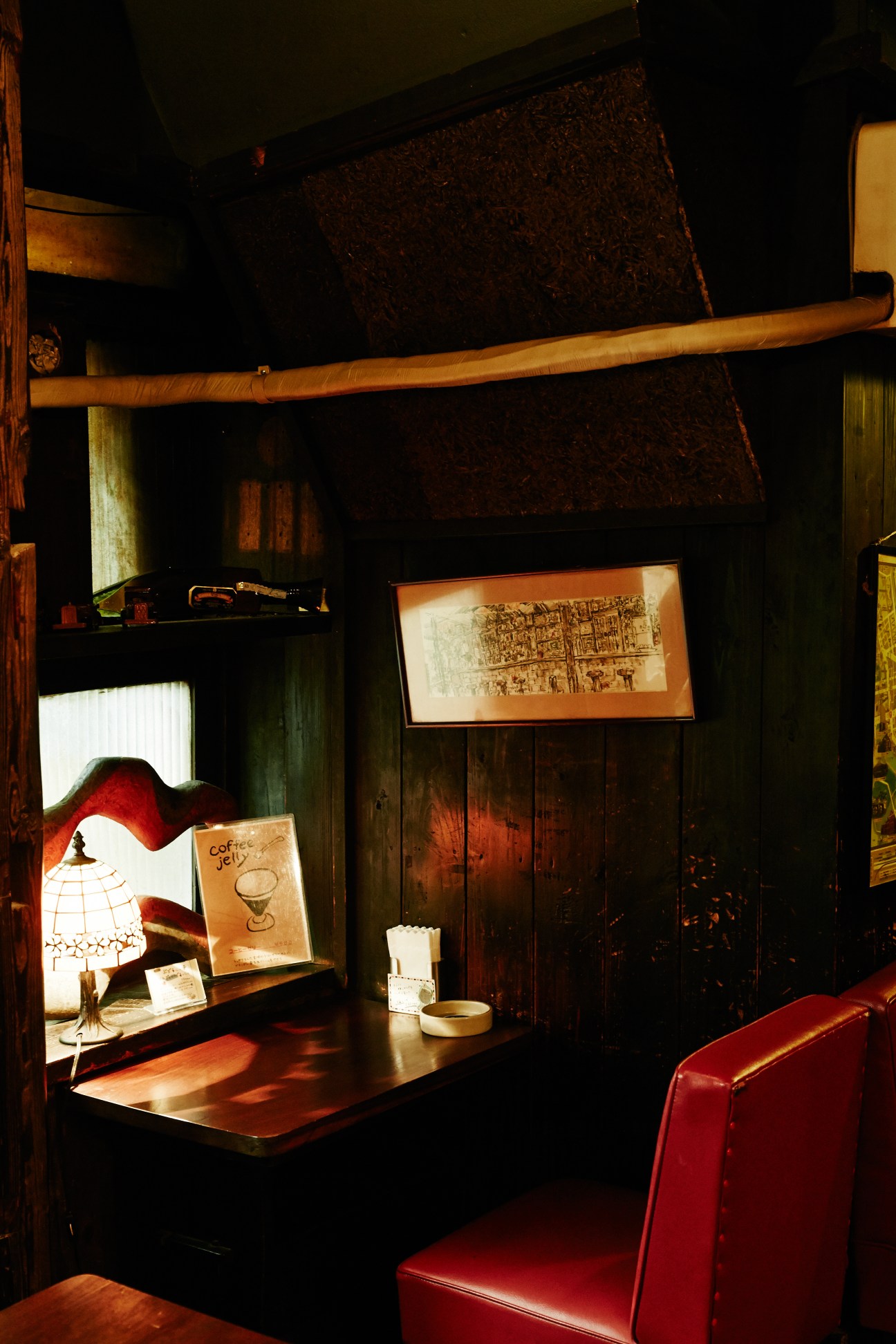


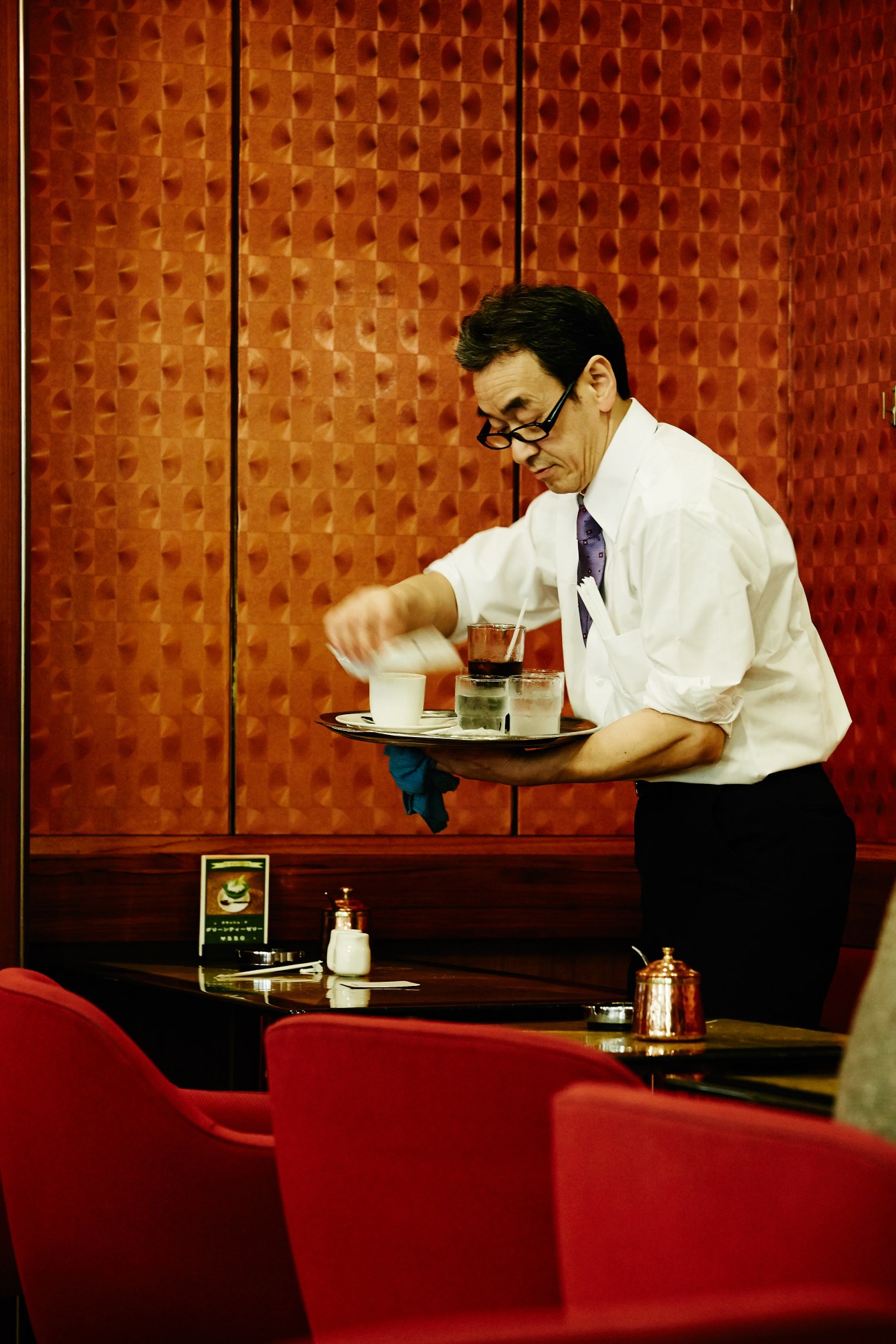
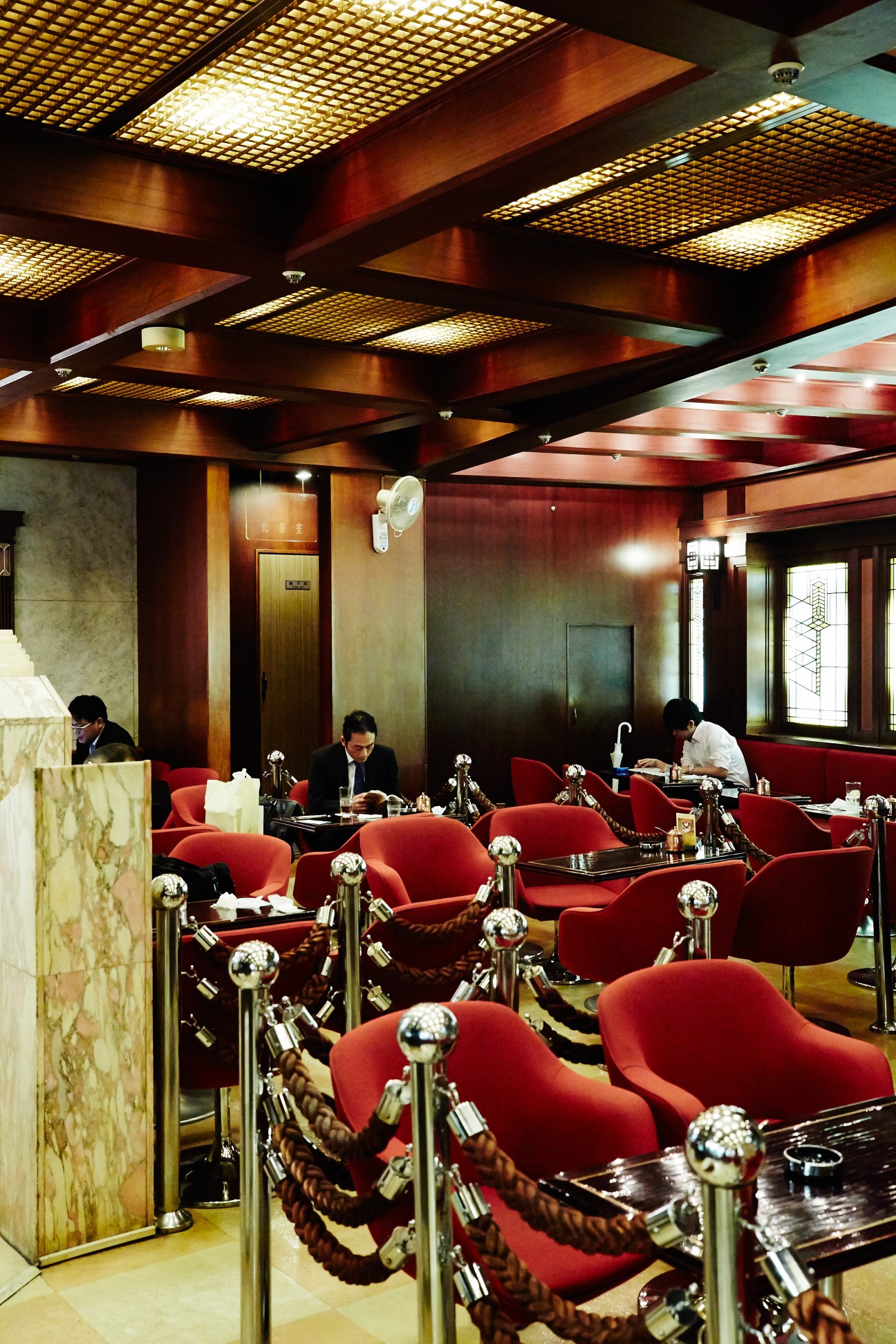
The Café de l’Ambre (amber being the colour of coffee) menu is filled with café classics that won’t be in Starbucks anytime soon. The sweet Blanc et Noir is made with hot coffee that is chilled by rolling it in a metal shaker on a block of ice kept inside an ice box, a common sight before fridges became widespread.
There are anywhere from 20 to 30 types of bean on offer from all over the world, as well as a mellow house blend. “People have different palates – you have to listen to what they want. Maybe something short and bitter after a meal, or sweet if tired,” says Fujihiko Hayashi, Sekiguchi’s nephew. Like a skilled wine maker, Sekiguchi judges that some beans would suit ageing and sets them aside. The oldest is a Cuban bean from 1950. Sekiguchi thought about travelling to Europe until he was told repeatedly by foreign customers that his coffee was better than much of what is being served abroad.
Unusually, Café de l’Ambre doesn’t do food. The traditional kissaten menu has older Japanese swooning with nostalgia, a specific mix of western dishes that like coffee, Japan has made its own. The staples are sandwiches, particularly egg sandwiches – tamago-sando – and thick white toast, usually part of the “morning set” breakfast menu. Some also offer an old-school “Napolitan” tomato spaghetti or an omuraisu (rice-filled omelette). The drinks menu likely features a milkshake (nothing like the western milkshake, the classic kissaten version is a whisked mix of raw egg, milk and sugar) and a melon float, which is a scoop of ice cream atop a green fizzy drink. There might even be a highball, since whisky is another feature of many kissaten menus.
At Coffee Lawn in Yotsuya, owner Hiroaki Ogura turns out a first-rate egg sandwich, made with freshly cooked omelettes layered between slices of crustless white bread. Ogura’s father started the shop in 1954, moved into a new building across the road in 1968 and Coffee Lawn (whose old shop had a small garden) has been there ever since. Ogura started working alongside his father in 1970 and today he runs the place with his wife Chizuko, working from 07.30 to 20.00.
There can be a handcrafted, specialised aspect to some kissaten but in many the appeal is the celebration of the familiar and everyday. The coffee menu at Coffee Lawn is refreshingly short. “I serve ordinary coffee [futsu no kohee],” says Ogura. He pours his coffee through a nel filter and his café au lait is done kissaten-style: stirred over heat in a saucepan, half milk, half coffee. An “American” coffee is listed as “weak coffee”. “My policy is to preserve the same method and taste that this place had 60 years ago,” says Ogura. “I’m not going to change it now.” There’s an element of modesty of course, since he takes pride in his coffee and uses only nel filters made by his daughter, saying that paper filters wouldn’t give the same depth to the flavour.
When the earthquake struck in March 2011, Ogura stayed open until 03.00, offering shelter to people who couldn’t get home that night. “A kissaten is for the community,” he says. “The shop manager in a coffee chain doesn’t have the authority to do something like that but we run our own business.” He laughs as he recalls offering young people use of his telephone, one of the old pink payphones, which were once a feature of every bar and restaurant in Japan. Many didn’t realise what this antiquated piece of equipment was even for.
Regulars still make up half his clientele but recently he has noticed a new audience that enjoys the café’s authentic retro interior, which hasn’t changed in 45 years. Young customers find the vintage styling of the kissaten a revelation after the sameness of the chains.
Another café celebrated for its architecture is Stone, which sits inside the Yurakucho Building, a 1960s block in a busy business district. Stone is run by Masayo Okumura, whose grandmother started the café in 1966 when she was widowed with a family to support. Her family ran a stone business, hence the stone floor of the interior that is often used as a backdrop for fashion shoots. Okumura’s father also ran the place but she is now in sole charge with staff who have been working at Stone for years.
Okumura is aware that she has inherited an architectural gem. Aside from replacing the much-loved chairs, she hasn’t renovated. “My customers ask me not to change anything,” she says. “But it can be a hard balance.” Demolition is always in the air for buildings of this vintage in Tokyo, and Okumura is quick to remind her landlord, Mitsubishi Estate, how popular the café is. Her chef – one of those loyal staff members – suggested reintroducing the classic fruits-sando, a sandwich made with white bread, cream, pineapple and banana. It’s a hit with young customers seeking a taste of retro Tokyo, but regulars still form the backbone at Stone though. Many sip their regular coffee in their usual seat and leave the money on the table.
Kissaten owners know they can’t compete with chains, and now even cheaper conbini convenience-store coffee, on price. They don’t want to be compared, preferring to take pride in what they do and providing a different service, complete with wet hand towels and refills of iced water. “Customers use the kissaten in a different way from the chains,” says Okumura. Stone is regularly used for business meetings and job interviews. She thinks about her customers, even going to a Ginza music shop to find just the right jazz soundtrack.
Numbers of kissaten are down and the future is uncertain. The prized central locations leave owners open to unmanageable rent hikes and inheritance tax can make handing on the business costly. The Tokyo chapter of the Kissaten Association has 200 members (where it used to have 2,000) and there is an annual shindig where kissaten owners from around Japan get together. Their big fear is that smoking, a feature of most kissaten, will be banned. “It’s unthinkable that Stone wouldn’t allow smoking at all,” says Okumura, who has nonetheless introduced a small no-smoking section. Everyone says the chain-coffee boom in Japan has peaked but there are still 275 Starbucks and 385 branches of Doutor in Tokyo alone. The new third-wave coffee scene has brought a whole other café style to Tokyo which, as ever, is receptive to novelty.
The kissaten has always been about more than the coffee; even Sekiguchi, of the aged beans, agrees. “You don’t just serve coffee,” he says. “There’s something else. A comfortable ambience, staff who enjoy their work, conversation, magazines and newspapers, music – each one has its own style.” The owners show a level of dedication that is classic Japanese kodawari: pursuit of perfection. They are guardians of an unheralded culture that could disappear if coffee globalisation continues unchecked. As Sekiguchi says, “I can’t imagine kissaten existing anywhere else.”
Enduring appeal
With imports reaching record levels in 2013 – almost 505,000 tonnes – Japan shows no sign of reducing its coffee consumption. Canned coffee from vending machines and cheap conbini convenience store coffee have their place but they can’t replace the café experience. Kissaten numbers have dwindled but there is still an older clientele who appreciate what an independent coffee shop can offer and a younger audience keen to learn. Even the big chains are having to respond to the demand for more individuality. The coffee shop has a long history in Japan and it might yet surprise us.
Fiona Wilson has been Monocle’s burea cheif in Tokyo since launch, when our operation in the city consisted of… her. (Today we have four full-time staff on the magazine, plus the retail team and our sister team from Wink.) Wilson or “Wilo” to those who dare, went to Japan a decade ago “for a few weeks” and has never left (there’s a facility in London that still houses her “temporarily” stored possessions – let her know if you need any retro outfits). She is that rarest of journalists: someone who is as good at quizzing a foreign policy wonk as hunting down the best katsu curry.
Hidden charm
In Kyoto, a city that scrupulously protects its historic temples, gardens and craftspeople, there can be a maddening carelessness when it comes to everyday architecture. With high-class heritage and priceless treasures to spare, the city hasn’t always done its best by its more humble machiya, the traditional wooden townhouses that once filled the city. Now a new generation has decided to defy the convention of scrap-and-build housing, arguing that real modernity lies in making the best of what already exists.
Among that group is Rena Yoshida, a young architect from Shiga who moved to Kyoto to study architecture and quickly identified the exceptional nature of these overlooked masterpieces. “A machiya is like a shichu no sankyo: an expression used in the tea world to describe a house that feels like it’s in the mountains even though it’s in the middle of town,” she says. “[They] are made with natural materials and come with a garden, no matter how small. You can live alongside nature but have all the convenience of the city. I can’t think of another house as ideal as this.”
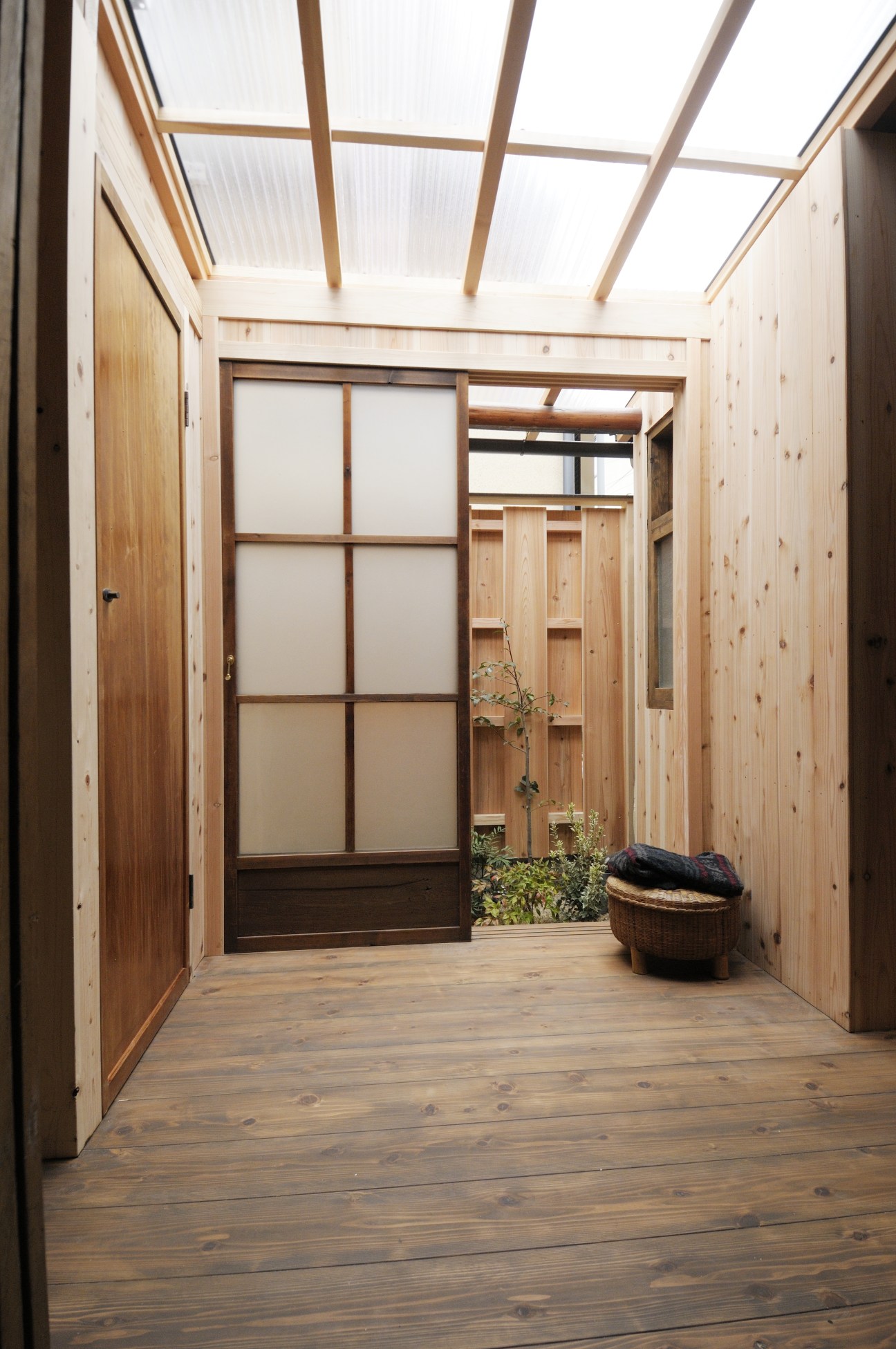
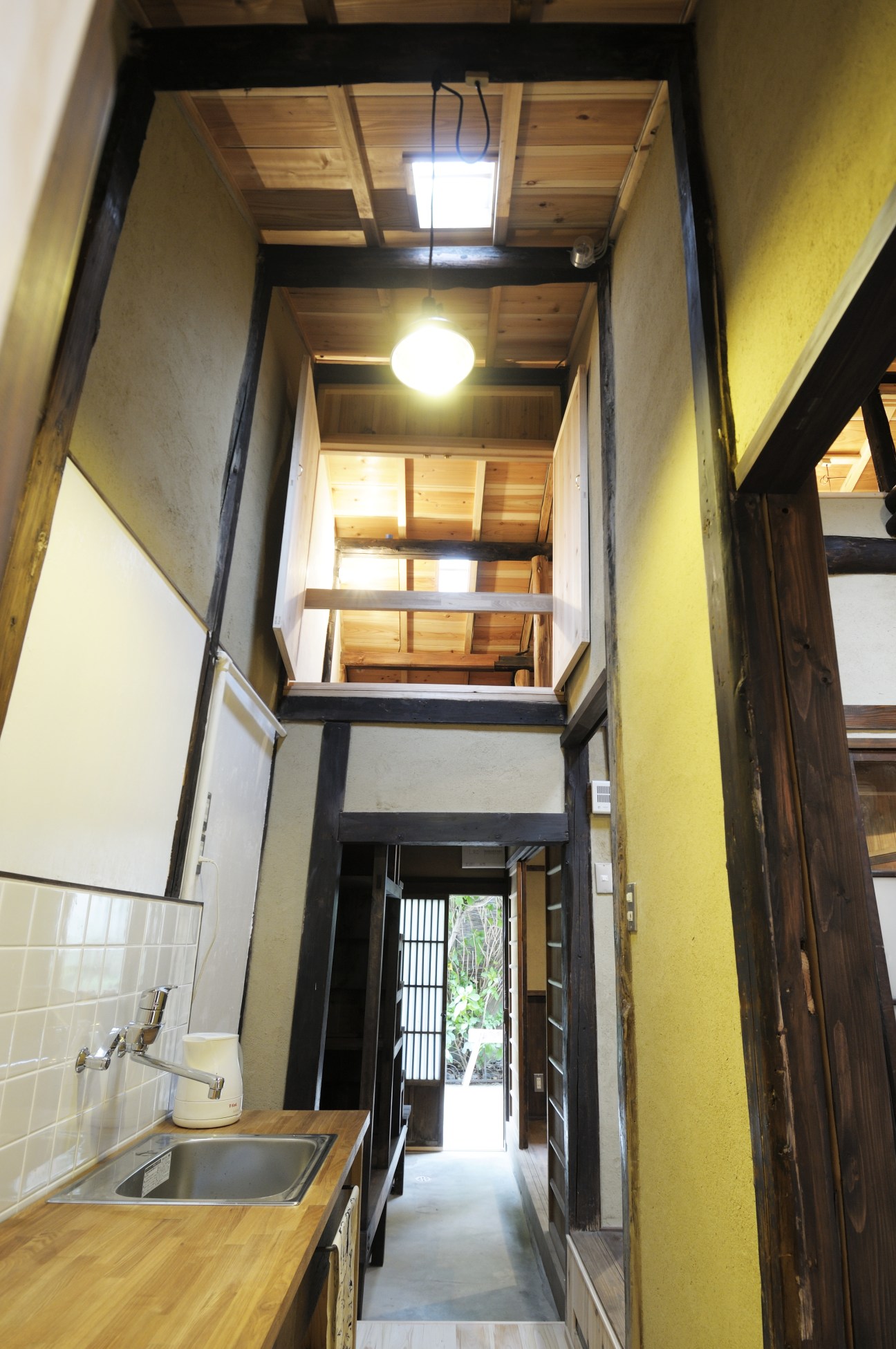
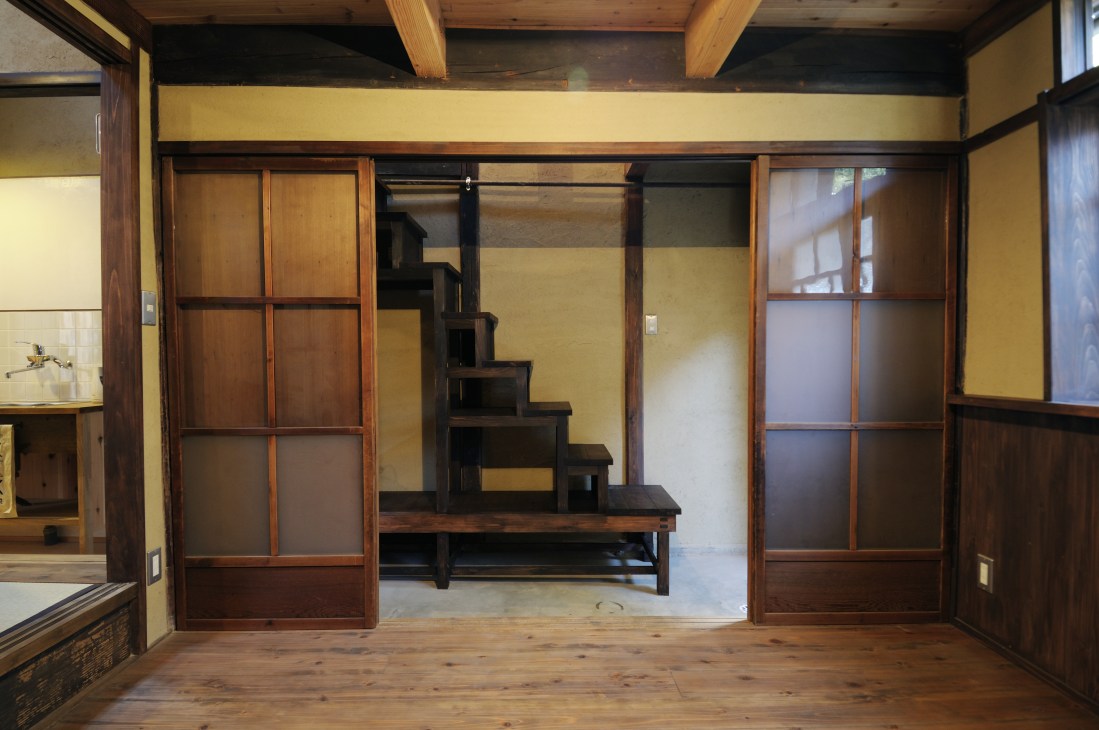
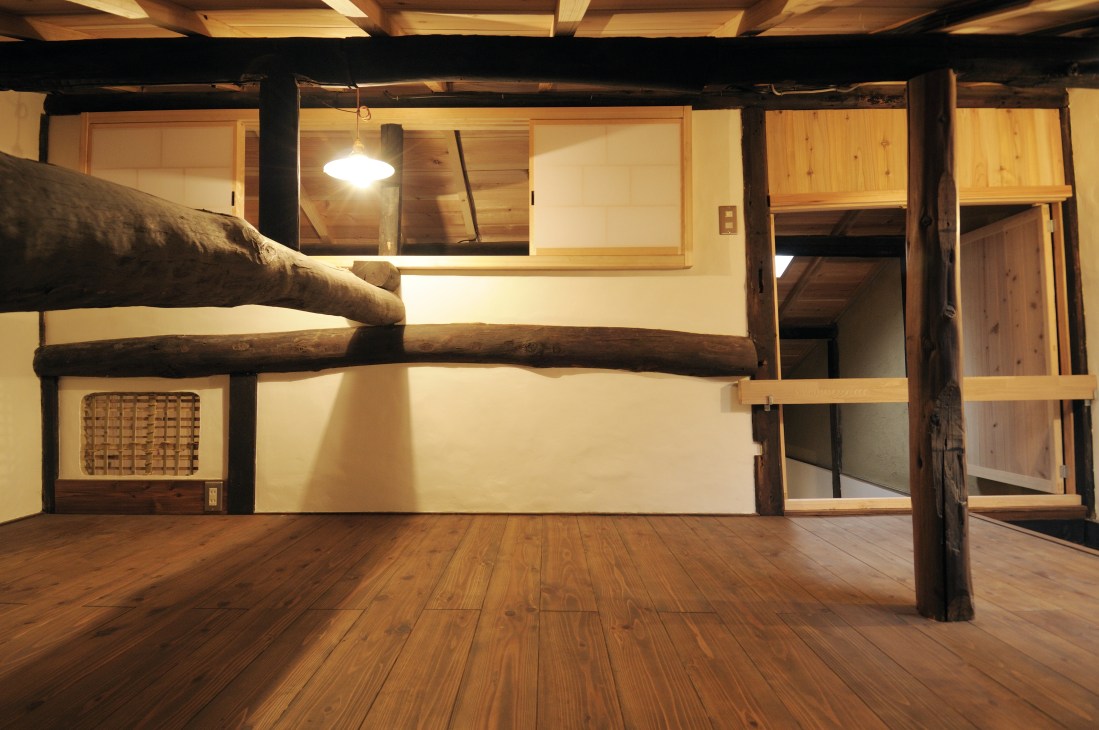
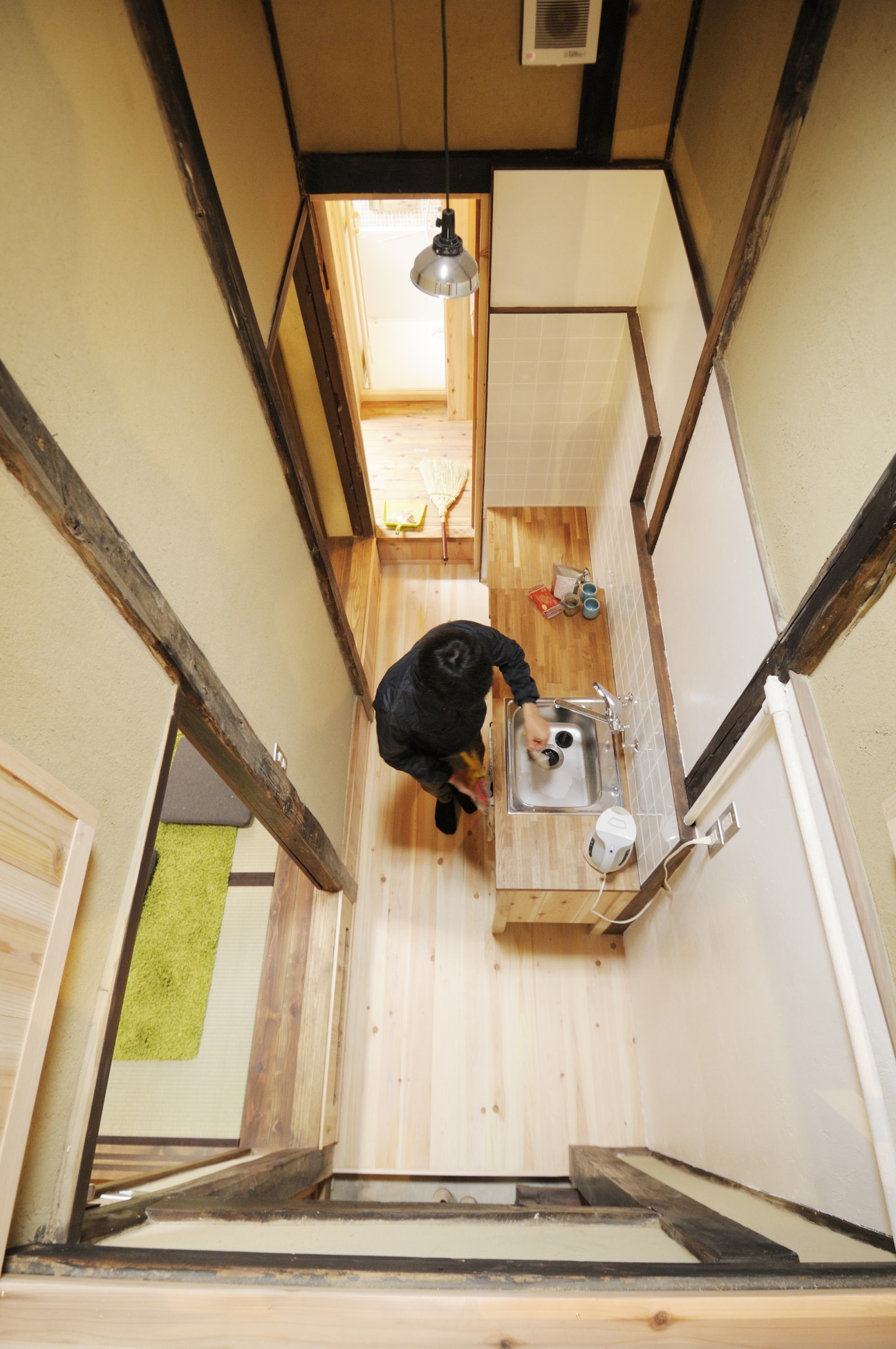
Unfortunately, local residents haven’t always seen the point in looking after them. “People who have lived in Kyoto for a long time don’t realise that their machiya is something of value. Lifestyles have changed; people want to move out of dim, cold places to somewhere bright and warm, like an apartment block,” says Yoshida.
Determined to show that machiya could be transformed into comfortable homes, Yoshida set up her design company, Higurashi Tettaisha, and then joined up with carpenter Yutaka Tada. As well as helping machiya owners who want to do their own renovations, they have worked on 20 machiya projects, including this one in the neighbourhood of Mibuaiai-cho.
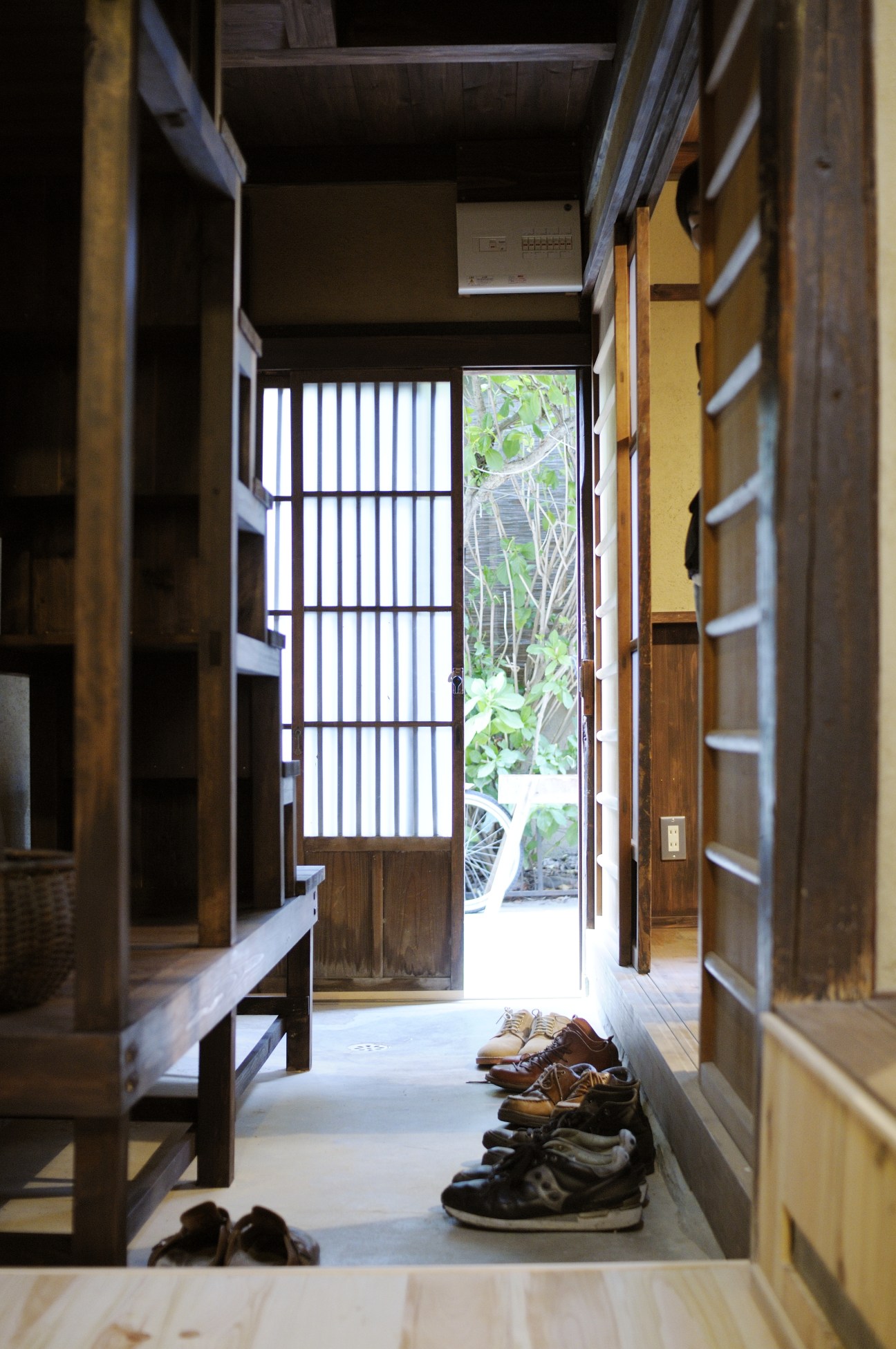
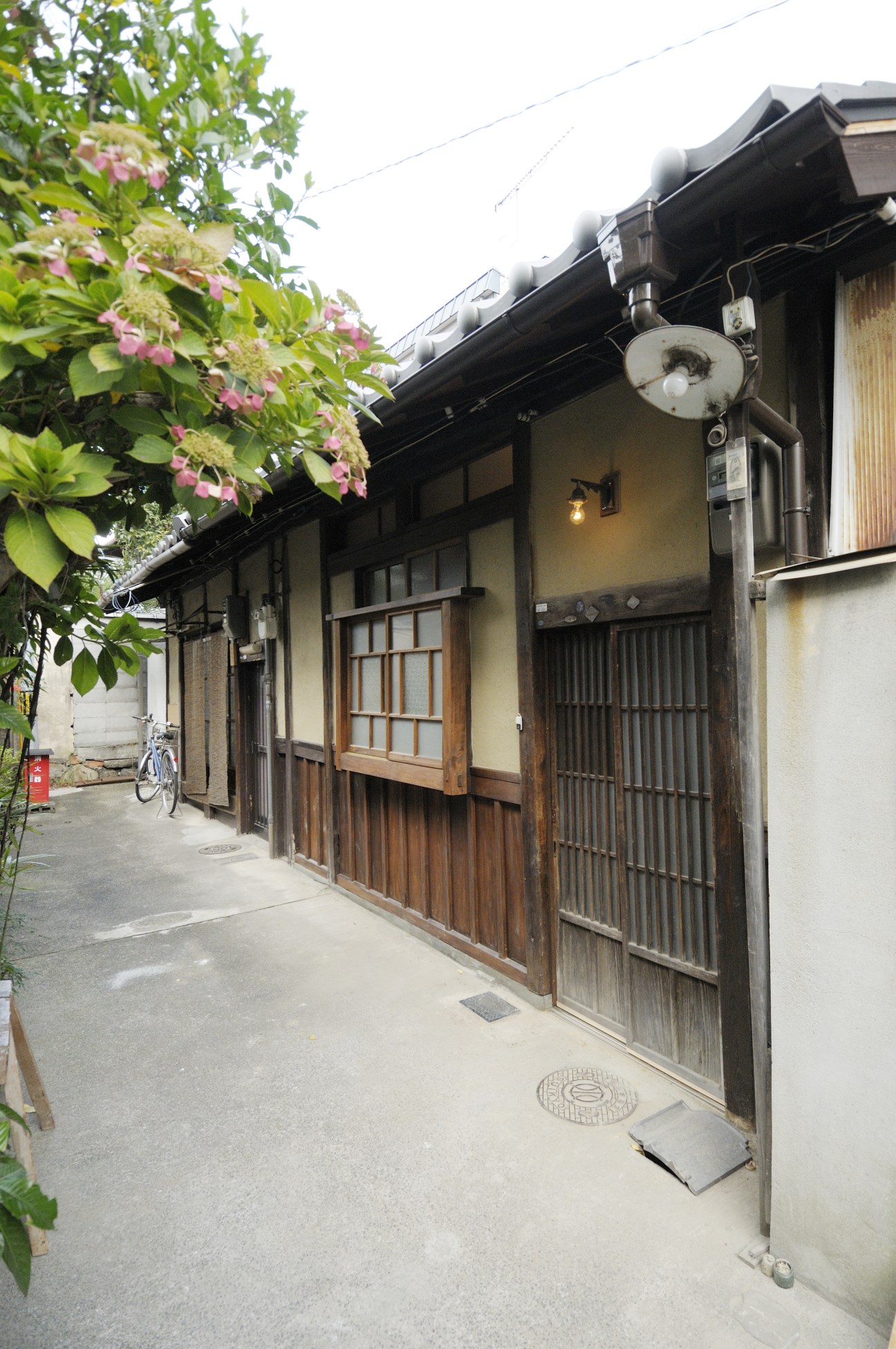
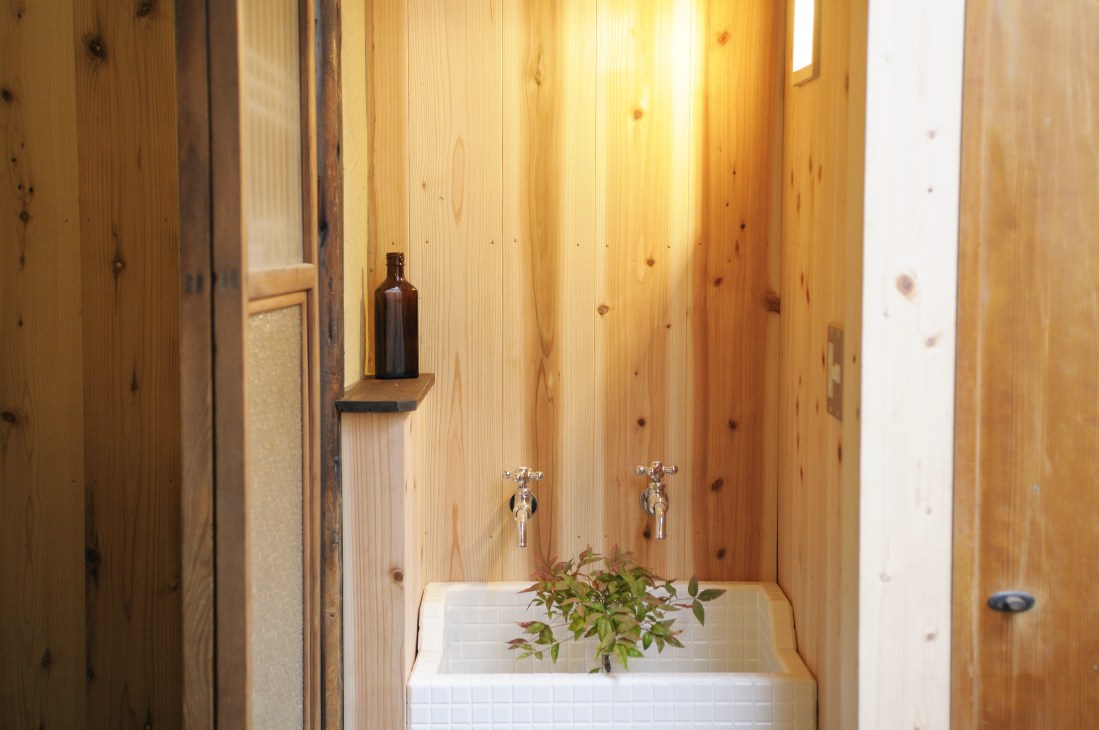
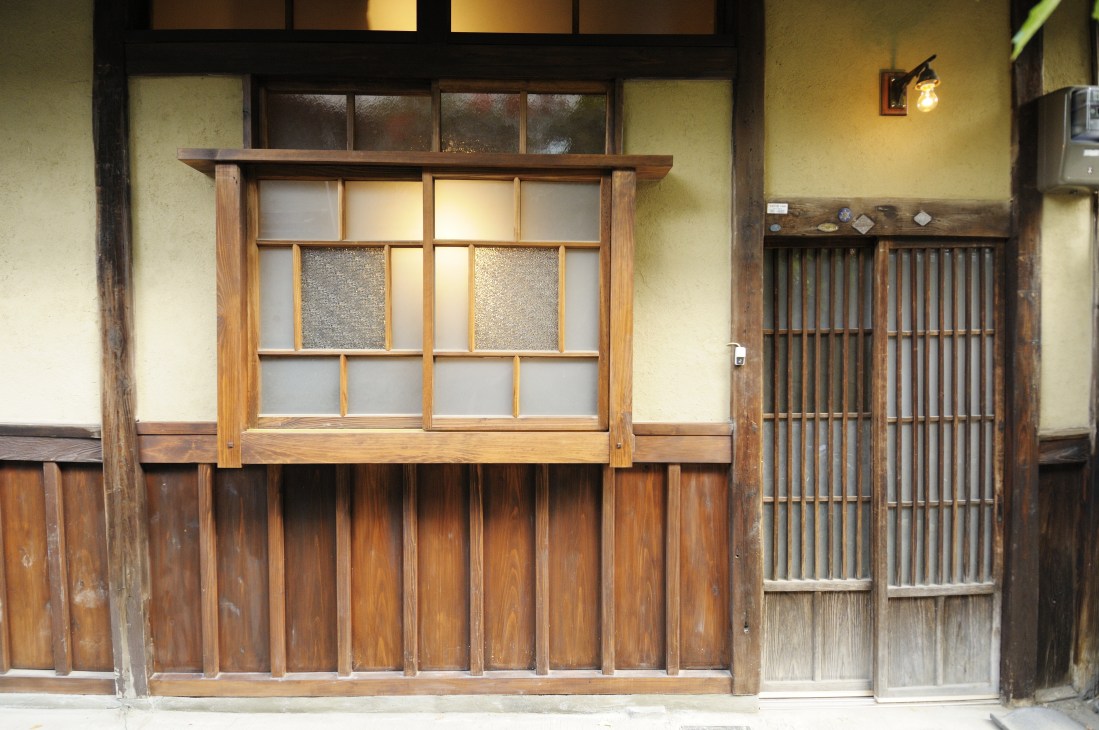
The 80-year-old house was in poor shape, with a leaking roof, structural damage and a dark, cold interior. Yoshida devised a plan to raise the ceiling and add a skylight and windows. Craftsmen used traditional woven bamboo and mud walls and vintage decorative tategu screens to bring the place back to life. Yoshida and Tada only made changes where they were needed, replacing rotten wood, refreshing old plaster and installing a simple new bathroom and kitchen. It’s a gentle approach that, from the street, looks much the same as before, only properly looked after.
Yoshida compares their work to that of a doctor. She and Tada examine the building – likely to be old and in poor health – and identify the best course of treatment. Their collaborative approach is one that used to be common. They bring in plasterers, electricians, plumbers and tatami makers as well as craftsmen who excel at traditional techniques such as tategu wooden screen and door-making or kawara roof tiling. “There aren’t many opportunities for them to use the skills they have to offer,” she says. “It’s part of our job to give them those opportunities.”
It used to be that people thought buying a complete house from a catalogue was the height of modernity but times have changed and identikit homes now look decidedly out of step with this fresh architectural mood that favours local over global. Yoshida hopes that her projects will encourage other machiya owners not to demolish. “Many people in Kyoto have never lived anywhere else,” she says. “It’s usually people who leave and come back who appreciate how beautiful the cityscape is. They realise there are things in Kyoto that have disappeared from other cities.”
Flush with pride
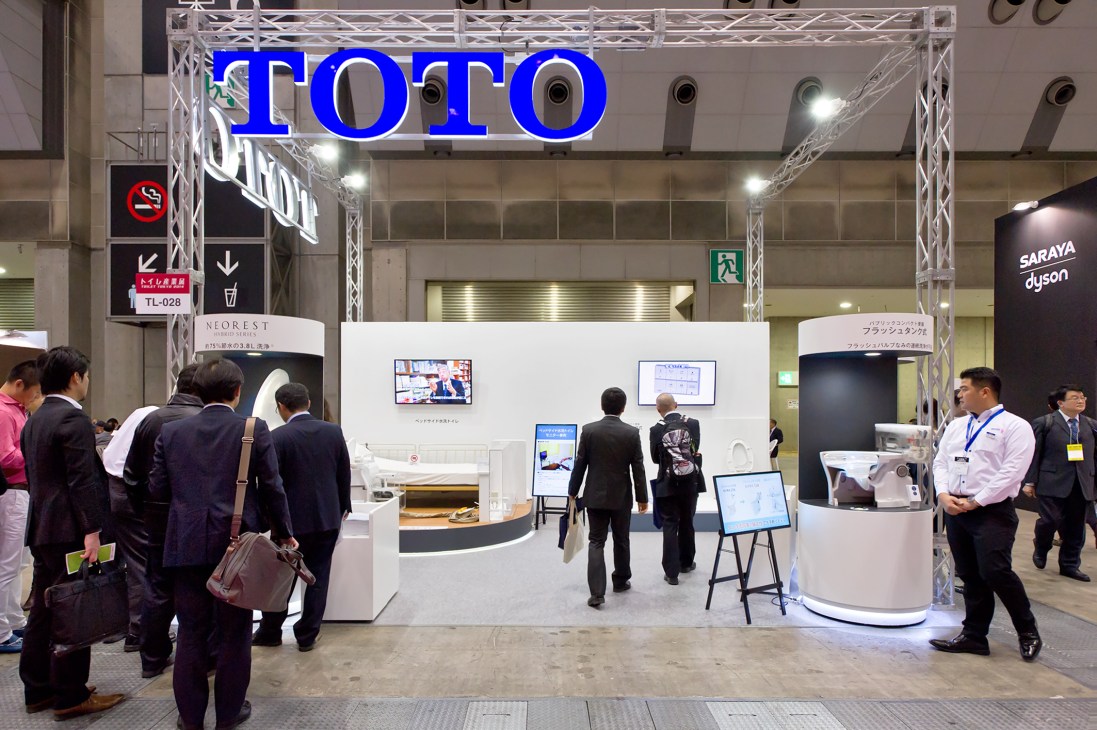
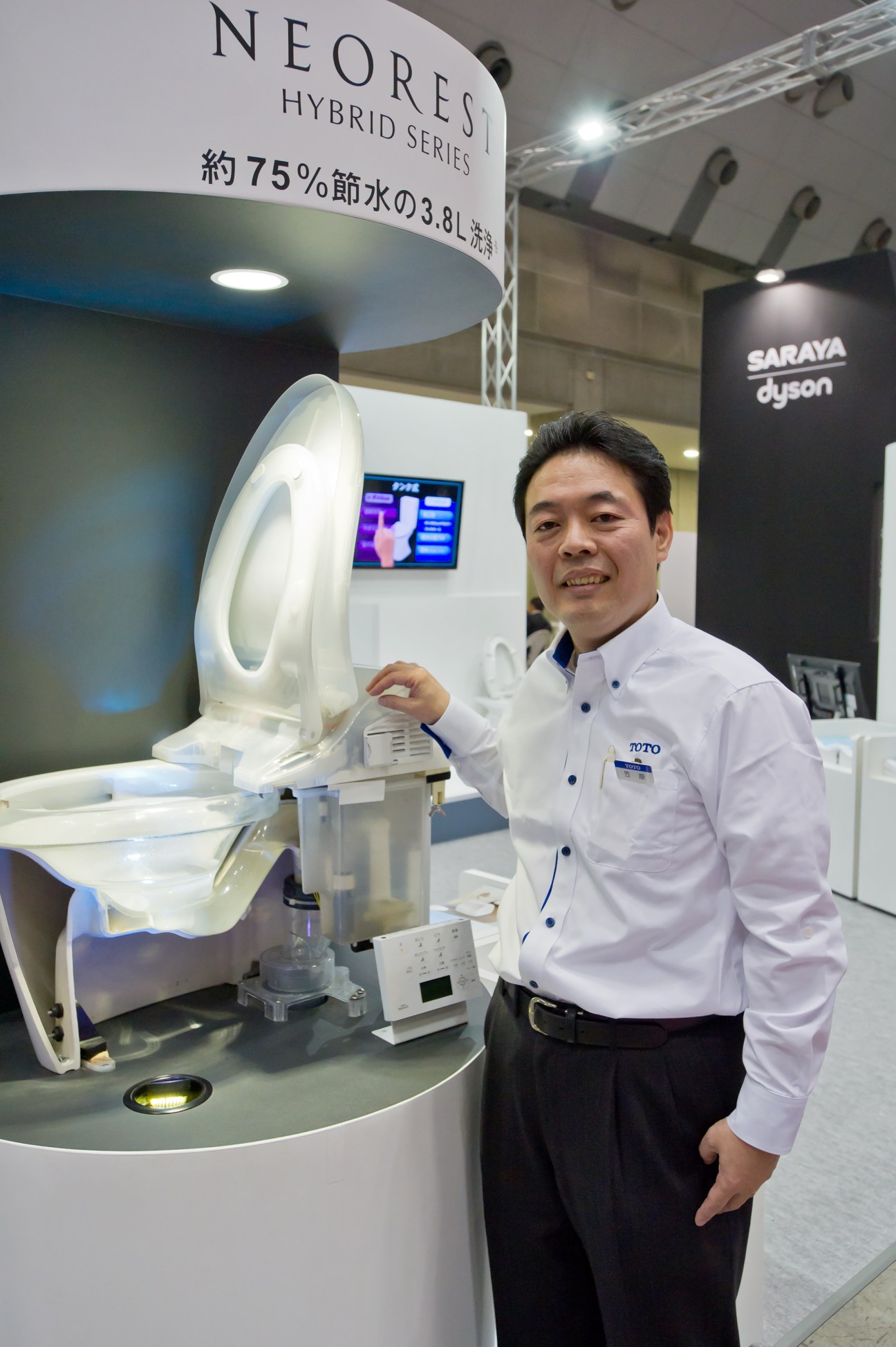
Wondering how Japan could possibly top its own hi-tech toilets? On an autumn day at the Toilet Tokyo convention, Takashi Okada is giving a rundown of what he considers a leap forward for the sector. As he presses on a toilet seat, a hidden nozzle sprays a fine mist into the bowl. “Electrolysed water,” he says. In a matter of seconds, the toilet has just converted ordinary water into a disinfectant that it is now using to clean itself. “It’s only enough to fill a small teacup – about 20ml – but that should kill any bacteria in the bowl,” he adds.
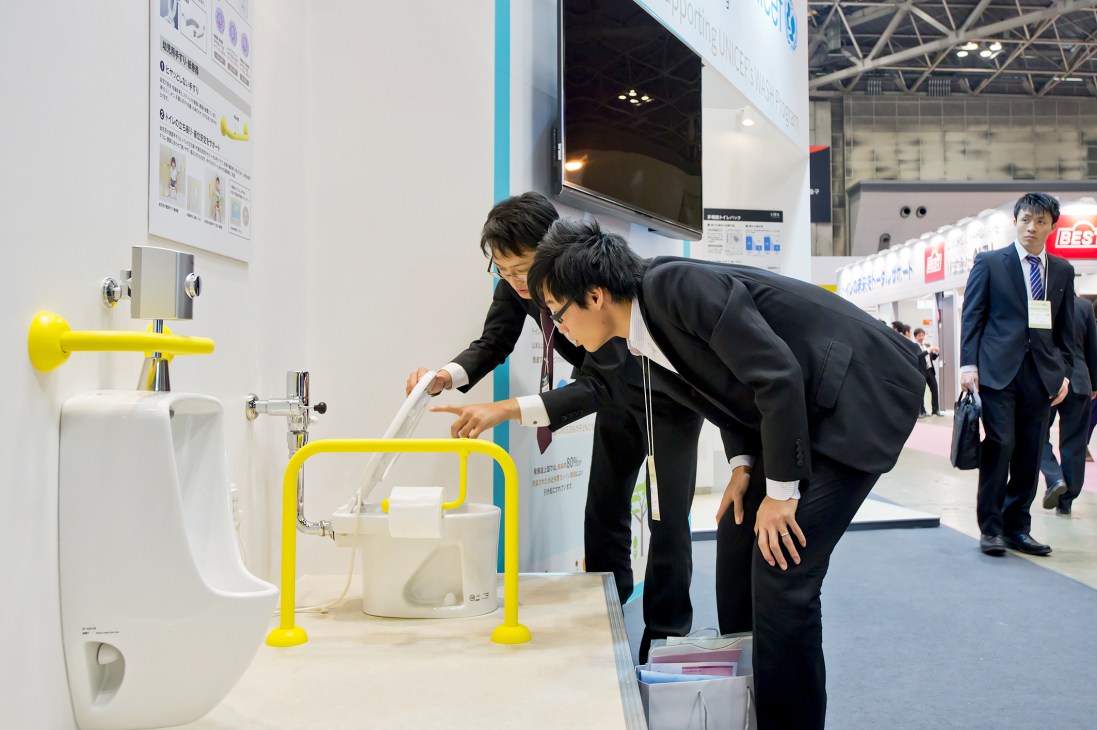
It is the sort of thing that Okada’s company, toilet-maker Toto, has earned a reputation for doing so well: small innovations that add up to big improvements. Across from Toto’s booth is the company’s domestic rival Lixil, which owns bathroom and kitchen-fixtures brands Inax, American Standard and Grohe AG. Over the past year it has built no-flush compost toilets for Kenyan schools and set up programmes to teach children in Nairobi slums (and parts of China, Vietnam and the Philippines) the importance of proper sanitation. “Educating children about proper hygiene is just as important as providing them with toilets,” says Lixil’s Tadashi Matsuoka. “Our goal is to reach 2.1 million children by 2018.”
Two companies, two seemingly conflicting ideas for the future of toilets. One is playing up its cutting-edge technology to curb water use and do away with the discomfort of dirty bathrooms; the other is looking to build basic toilets for people who lack any at all. But both share a common mission: to make answering the call of nature a cleaner, more pleasant experience.




“A toilet should also provide privacy and safety,” says Federico Properzi. As the chief technical adviser of UN-Water, the United Nations agency overseeing water issues, he spends a lot of time pressing governments to make sanitation a top priority. He is proud of having chipped away at the taboo of bringing up toilets in polite company. “Ten years ago we didn’t talk about sanitation. Today we can talk openly about defecation and hygiene,” he says.
The UN estimates that 2.5 billion people are without a proper toilet. The shortage forces children to miss school, leaves women vulnerable to sexual harassment and violence and is blamed for 700,000 deaths every year. The World Bank calculates the economic cost at €200bn annually. “Unless we improve sanitation the cycle of poverty will perpetuate,” says Properzi.
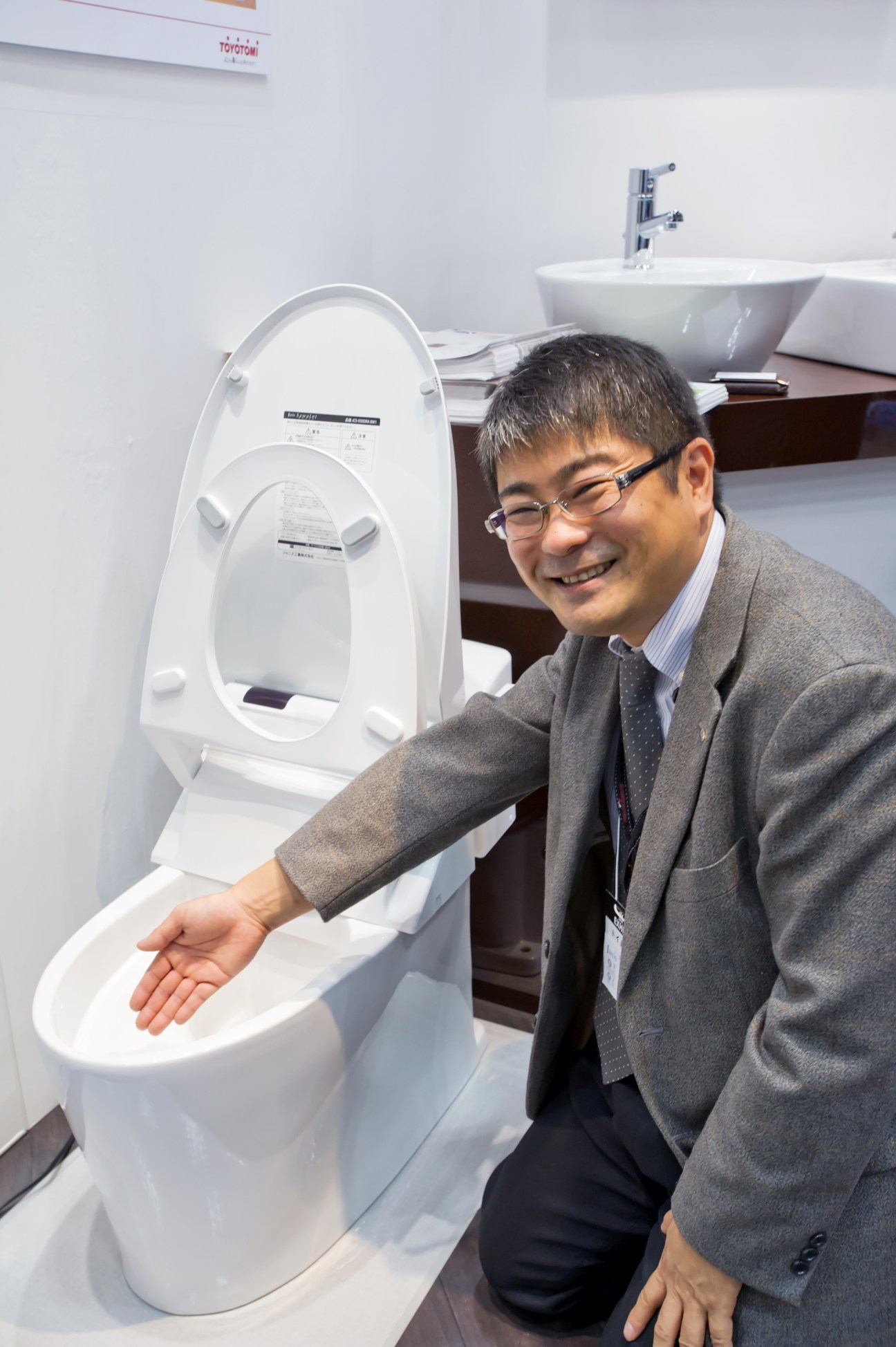
Such concerns seem far away at the Toilet Tokyo convention. Manning the stand for Aichi-based toilet-and-sink manufacturer Janis is Akira Imada. He can barely contain his excitement as he lifts the lid of the Mighty Clean 950 and runs his fingers along the front rim of the bowl, which is no thicker than a coffee mug’s. “We made it that thin so it’d be easy to clean,” he says.
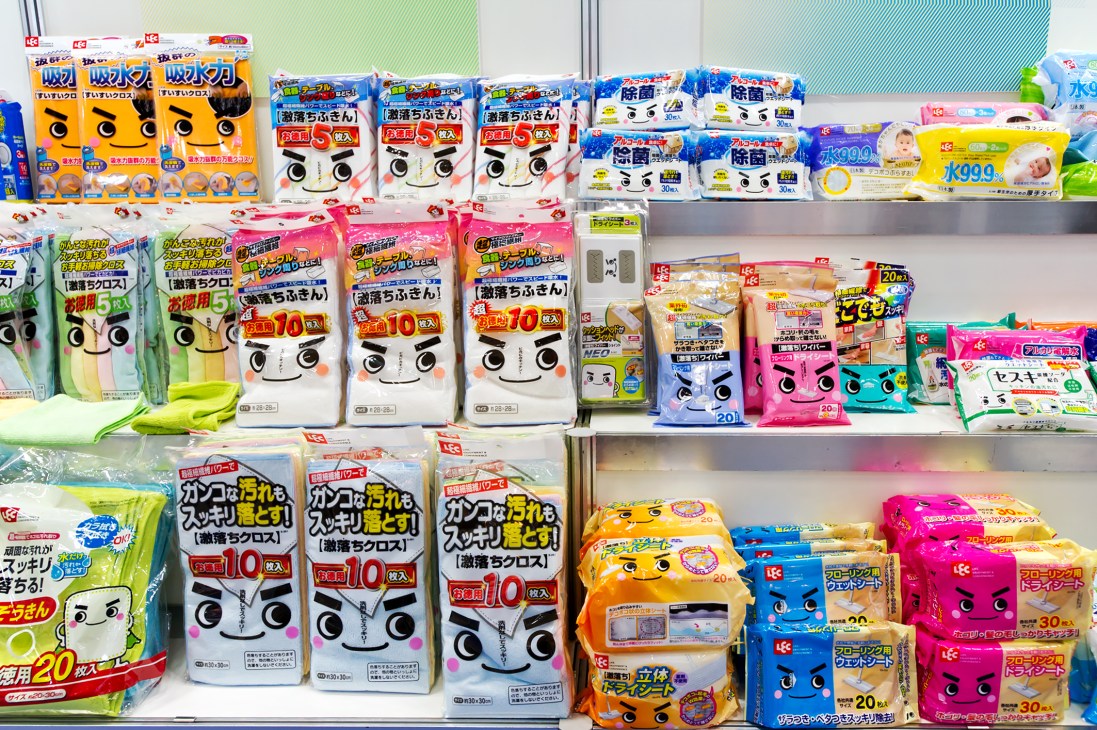
In small booths nearby there are wooden chairs that double as portable toilets for nursing homes, compost toilets with heaters and mixer that don’t need emptying for six months. A prototype prefabricated bathroom shelter with decorative dandelion patterns is supposedly for female construction workers.
But in Japan the hi-tech flush toilet is still king and Toto’s top-of-the-line Neorest is the big draw. At ¥540,000 (€3,700) it’s not cheap but it packs in three decades of tinkering since the Washlet seat first appeared on the market.
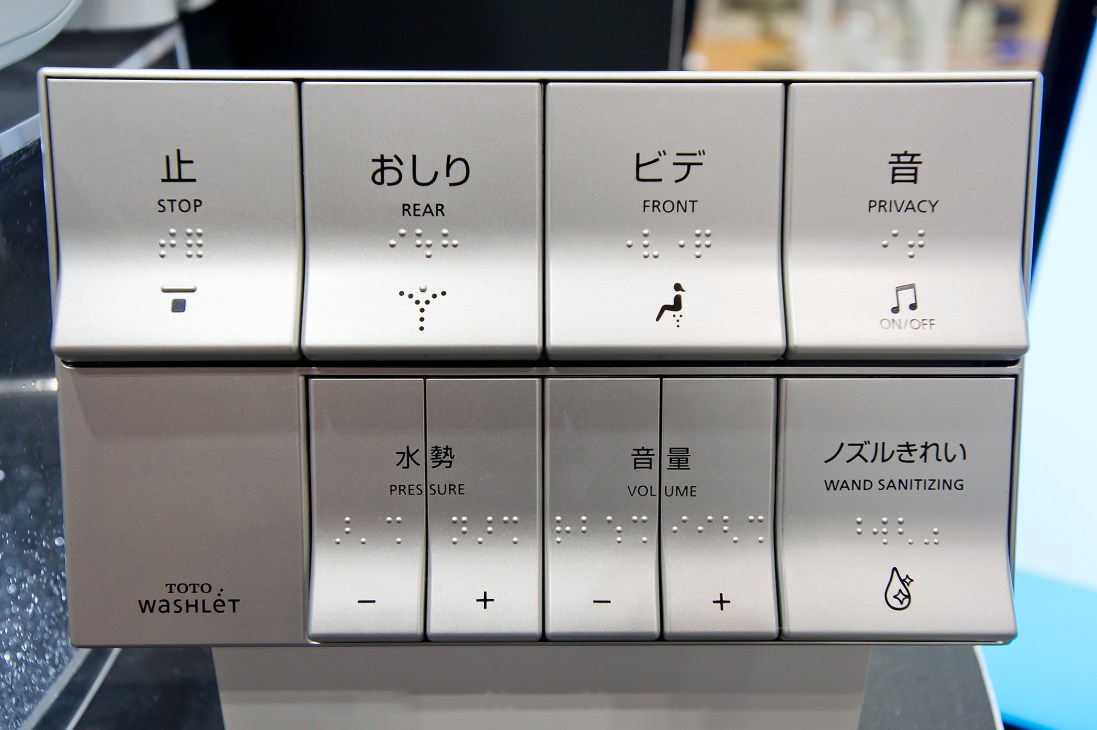
There is the familiar retractable nozzle that squirts you in the rear or the front and sterilises itself afterwards, plus a built-in deodoriser that neutralises bad smells. The lid opens and shuts automatically, while a “privacy” button triggers a flushing sound to drown out your own noise. The “tornado flush” is quiet and cleanses the entire bowl with only 4.8 litres of water – less than half the amount used by toilets just a few years ago. Toto has just unveiled a durable, less pricey version for public lavatories.
It is unclear whether the Neorest will ever become an object of desire in the rest of the world. Not every country has the infrastructure, nor is everyone comfortable plugging a toilet into an electric socket (perhaps fearing an embarrassing electrocution episode) or paying a premium for a deodoriser. Even in Japan the technology is not standard in public toilets. But Toto’s Okada is undeterred. “We want to make toilets so clean and comfortable that nobody will ever be reluctant to use the bathroom,” he says. “And we have a long way to go before we are satisfied.”
The new brigade
1.
Ahmed Aboutaleb
The Muslim mayor of Rotterdam who is uniquely placed to speak on migration.
The Atlantic Dialogues, organised by the German Marshall Fund, is where people gather to discuss the issues confronting the nations of the Atlantic basin. We are sitting in a corridor at the Palais de Congres in Marrakech as global dignitaries and lost think-tank types cruise by looking for their next session, lanyards all a-rustle over business suits or national dress. The mayor of Rotterdam is fresh from an on-stage debate about creating equitable cities, during which he has subtly provoked an audience that is very much part of the global liberal elite (you’re no one here unless you worked to help some nation back to democracy or did a stint with President Obama). He brushes a light dew of moisture from his brow.
The mayor is a jolly type; a smile regularly jumps back and forth across his face like a budgerigar in a cage. But get him going and he can be enjoyably sparky. The budgie might peck. Today he has just told his audience that if a migrant in the Netherlands has any sympathies with Isis they should hand back their Dutch passport and leave the country. Indeed, he’s not that keen on migrants who fail to learn not just the language but the history and culture of their new home nation (and are then able to defend it). But the mayor didn’t get booed for these views. Everyone listened carefully even if their stomachs may have got the PC jitters every now and then. And perhaps that’s because the mayor’s name is Ahmed Aboutaleb and he’s the first Muslim mayor of a major Dutch city. It’s a role he has held since 2009.
While mayor Aboutaleb (pictured, below, second left) is a member of the left-of-centre PvdA (Labour) party, the right-wing Livable Rotterdam party – an offspring of the late Pim Fortuyn’s List party – has also lent him its support for a second term (in Rotterdam mayors are appointed, not elected) that runs from January 2015 to 2021. It’s an unusual line-up of supporters.
Europe is having a tricky cultural moment. Growing numbers of its citizenry are opposed to fresh migration that they often see in rudimentary terms of people coming to take their jobs. As a result they are voting for populist, anti-immigration parties that vary in tone from merely aggrieved to openly violent. And they are forcing politicians of every hue to at least try and articulate their views on this tensest of topics.
Mayor Aboutaleb’s family moved from a village in Morocco’s Rif mountains to the Netherlands in 1976 when he was a teenager. The lessons of his life (his family were keen for their children to go Dutch) and his years in politics have left him able to tackle the immigration debate without requiring any fancy footwork. He can talk to both sides. He’s hard to pigeonhole. He sees a thorny issue and comes out with a view that is about protecting both Dutch identity and the new arrivals keen to pitch in.
He may be the kind of politician we need to clone if the migration question is to get a well-deserved answer and not sink into a racist debate. Let’s allow Aboutaleb to explain: “A lot of politicians tend to think that a focus on the economic issues is what’s important to win elections. But a lot of people are scared of losing their identity. It’s not only a socio-economic approach that’s needed: it’s a socio-cultural approach.”
“So why did citizens in the Netherlands reject the EU agreement a few years ago [the Dutch voted against a draft EU constitution in 2005]? Not because they were thinking the Common Market was a bad thing but the question was the extension of Europe: what is my identity in a big area with more cultures, more languages?”
Aboutaleb doesn’t seem to follow a party script. Again this marks him out as the kind of politician who should increasingly dominate City Hall politics. Yes, he can deal with some gritty local flare-up but then he will head off around the world to represent his patch.
It’s a fittingly two-pronged approach for a city of two halves. Of Rotterdam’s 600,000 residents, only 50 per cent are Dutch; the rest are mostly from Suriname, Turkey, Morocco and the former Yugoslavia. It’s a city, says Aboutaleb, that “you cannot describe in one direction. It’s a city of hardworking, ordinary people who came to work in the port. But it’s also the city of Erasmus, the writer, the thinker.”
And it is his holding together of what could be a divided community that again marks Aboutaleb out for the future. “Cities need migration; fresh blood. But when migrants come in, unless you are a Harvard professor, you start from zero and then you have to climb step by step. So there are two parties you need to consider. First, what is the willingness of the migrant themselves to be part of this new society? It’s a mental switch. Once you decide that you will invest in your own position you will stand on firmer ground. But on the other side of the story it is not fair to ask migrants to burn all their vessels behind them. It is not ethical to do so.”
And if any migrant, or any Dutch citizen for that matter, hears this argument and wonders about its authenticity or value, they only have to look into the eyes of the man standing in front of them – the man who walked down the mountain and into City Hall. Whether expressed in Arabic, Dutch or English, he has a lesson for us all.

2.
Simon Williams
Number cruncher QuantumBlack is out to make data beautiful but leave people in control.
Big data. Unless you have been living in a temple in Bhutan wearing ear muffs at all times you will, by now, have heard someone bandying this term around. It’s usually used in phrases such as: “We are mining our big data.” There’s a lot of mining involved with big data. For business owners looking for the competitive edge it is now the ingredient du jour; served up by every corporate keenster hoping to show the way ahead.
In brief, this is how we got here: people realised that they were storing ever-growing quantities of data and that, with help, they could discern useful patterns and new truths in their numbers. At this point they called in the miners, engineers who dig through the numbers and pop up with nuggets of gold. The trouble is that, until now, many of those miners have been rough old souls who didn’t know how to work that gold into something beautiful; something CEOs would behold with wonder.
And this is where QuantumBlack comes in, a company for the future in every sense. Let’s visit. Head to London’s Clerkenwell, an area that handily abuts the City; it’s next to the UK’s financial heart but also home to Smithfield meat market and myriad hip bars. Enter 12 Carthusian Street and take the lift to a beautiful office where people sit at clean desks and occasionally eddy into mini meetings. It looks a size too big for the number of people here; this is a company that is intending to grow quickly. And here comes Simon Williams, chief executive and co-founder of QuantumBlack.
Williams dresses well: not too corporate, a flash of bright sock, a pair of heavy-rimmed glasses. He explains what the company does from his glass-boxed office (so pristine that I feel a tinge of anxiety as a droplet of coffee runs down the side of my white coffee cup onto the white table). “Five years ago the term ‘big data’ didn’t really exist,” he says. “But we come from backgrounds in sport and finance, places where data has always been used to your advantage. Then McKinsey published a report on big data and it got a lexicon that everybody could understand. Today there are two classes of people in this big-data world. The first says: ‘Give us all your data and we’ll tell you something interesting.’ We tend to be: ‘Tell us what your problem is and we’ll find the data to resolve that problem.’”
Williams’ move from the sports world followed a trail of burnt rubber as he, like many of the people here, cut his teeth in Formula One. Before QuantumBlack he had a software business that developed from work he did for McLaren. So why is that F1 grounding helpful? “A Formula One team runs out many scenarios of what could happen in a race,” he says. “They trade off risk and return. They say, ‘This is what we know, this is what we expect and this is what we want to achieve.’ They play off a strategy that is risky but could win against a safer one where they might come second or third. In sport the team that has the advantage will win. Formula One has always used big data.”
Williams says that they looked at the business realm and saw that the lessons of Formula One could be applied here, too. And analysing a simple company would be easy compared to F1, where a single car might have 1,800 data streams.
By now those references to McKinsey and the desire to be the big winner may have you thinking this is all about “efficiencies”. And while Williams is keen to point out that his approach can save money, he does not wear red braces or have a McKinseyian view of people. It’s not about sacking staff.
Indeed, there’s a higher notion to consider: beauty. The CEO who has to wade through a confusion of numbers every day has, in their personal life, got used to handsome apps on their phone conveying all sorts of facts with grace. Why, the CEO wonders, can’t their company’s stats come over in the same way? Williams wants to supply the answer: to be able to turn numbers into something people want to look at.
Williams explains how his team’s special mix helps them meet this challenge. “Thirty per cent of our staff have PhDs in maths, stats, computational biology and robotics, and they are then sitting right next to people with graphic design and informational architecture backgrounds.” It makes a good marriage of data and beauty. The merging of the quantum-sciencey bit with the black arts: the magical element.
The list of clients who have called in QuantumBlack is eclectic. They have worked for an English Premier League football club, sifting data to predict when a player is most at risk of a hamstring injury. They have continued to assist in the world of Formula One and have worked for Rolls-Royce and Boeing.
Another client is doing some real mining: digging a tunnel for a new railway under London called Crossrail. Indeed, it burrows right under QuantumBlack’s offices. The company has taken the data collected from 280,000 censors that monitor movement in the soil and on buildings to predict the risk of slumping. And it has turned all those readings into a simple map that can be scanned in seconds.
Sam Bourton, chief engineer and a Quantumblack co-founder, and Yves Boussemart, the chief design officer, show me their handiwork. Bourton, who also came from F1, says: “The sensors upload a new reading every 30 minutes. The engineers can see what’s been taking place in the last 48 hours or what is happening now. They can drill into the data and see what is occuring as they go under a church or school. We can help them predict what will happen.”
Boussemart sees QuantumBlack in a nice spot as people struggle to make sense of the hippopotamus of data they find themselves perched atop. “People understand the gritty numbers but they cannot deal with the sheer scale that gets pumped through,” he says.
Boussemart also believes that it’s only by presenting data in an attractive way that you will get people to act; that they will be able to make their businesses robust for the race – or at least won’t be left on the grid when the chequered flag comes down.

3.
Dr Katherine Quesenberry
The exotic-pet specialist at the forefront of our changing relationship with animals.
In the waiting room of the Animal Medical Center in New York, Ally paces back and forth on her perch. The drive here was long and the 23-year-old blue-fronted Amazon parrot – her cage bundled up in a sweater and anchored to her owner’s lap – is agitated. Ally had a stroke a few years ago. Though she recovered from it, she’s now showing new signs of illness and was referred to the centre by a veterinarian for a second opinion. Minutes later, in the examination room, Dr Katherine Quesenberry, the centre’s director of the avian and exotics service, delicately inspects Ally as she flutters her wings and caws.
Today is a bird day. Dr Quesenberry, an elegant and serene woman whose soft-spoken accent reveals a slight southern twang, has already seen a sad little parakeet earlier this morning. His owner explained the bird couldn’t hop on to and play its favourite musical instrument because of a lame leg. In the afternoon another 23-year-old parrot, Pancho, is scheduled for a CT scan.
Dr Quesenberry practises exotic pet medicine, meaning she sees anything other than cats and dogs, be it tarantulas, rats, birds, gerbils, guinea pigs or monkeys. It’s a field that has changed tremendously since she started working here in 1984. Birds, her true passion, have always been popular patients but she used to see a lot more monkeys and ferrets. Those pets have largely been replaced by rabbits (she saw one this morning for its first check-up) as well as smaller furry animals and reptiles. Red-eared sliders are also common, she says, because people see them for sale in Chinatown and want to rescue them.
According to the American Veterinary Medical Association, approximately one in 10 American households owns an exotic pet. These animals, Dr Quesenberry explains, need special attention, especially when it comes to diet. “You can’t get bearded-dragon food at the grocery store for example,” she says. “You have to do a little more research into what’s proper. Same thing with turtles and tortoises.”
Yes, bearded dragons. The small lizards are very popular in New York – and, indeed, the rest of the country – because, contrary to what their name suggests, they’re docile, gentle pets. One of them, Tangerine, currently resides on the third floor of the Animal Medical Center in New York, which houses the exotics department. That’s where Dr Quesenberry preps her next patient, Pancho, the red-crowned Amazon parrot, for his scan: a routine examination that would never have been carried out on a bird just five years ago. That’s partly because of technological and scientific advancements but it’s also because our attitude to pets is changing.
In western societies, pets now enjoy an elevated status. In 2013, Americans spent nearly $56bn (€45bn) on their animal, according to the American Pet Products Association. In 2014 it’s estimated that the number will reach $58.5bn (€47bn), including more than $15bn (€12bn) on vet care. Pets that would, in the past, have been put down are now having their lives saved at huge expense. In late 2014, a vet in Melbourne performed the world’s first operation to remove a brain tumour from a goldfish.
It’s a trend that Dr Quesenberry is noticing, too. “I had a man yesterday come in with a hamster,” she says. “This person looked like he worked on Wall Street, I mean he had beautiful clothes on, a young guy in his thirties, and he brought this tiny little hamster.”
A procedure on a hamster can cost between $150 and $300 (€120 and €240). But when money is brought up, Dr Quesenberry says a lot of clients don’t care what it costs. Their priorities tend to lie on what they can do and if the animal is suffering – up to a certain point. “There’s usually a limit at $5,000 or $10,000 [€4,000 or €8,000]. But some people will absolutely put it on a payment plan,” she says.
How did it come to this and what does it say about us? Low fertility rates could explain why we, as a society, are spending much more time and money on pets than ever before. Whether couples choose to have fewer children or none at all, “the drive to nurture hasn’t gone away”, says Margo DeMello, director of the human-animal studies programme at the Animals and Society Institute, adding that each of her dogs, cats and rabbits bring her something different. The fact that rabbits were domesticated much later by man, for example, means they have retained more of their wild characteristics, just like guinea pigs. Birds such as Ally and Pancho, on the other hand, can be great companions for older adults and don’t need much day-to-day care.
“We tend to define pets as family members,” says Clinton R Sanders, a sociologist and the author of Understanding Dogs: Living and Working with Canine Companions. “Animal companions, be they dogs or iguanas, are socially available, seem to enjoy being with us, are non-judgmental, provide an outlet for nurturing, help to fill time and are the focus of love. What it says about us is that we need these elements in our lives and that some of the traditional sources can be more problematic or a mixed blessing than our interactions and relationships with non-human animals.”
In 1997, during the first-ever rabbits-only (as in topic, not attendees; we have not gone that far yet) veterinary conference organised by the House Rabbit Society, veterinarians spoke of a time when they were taught rabbits had no feelings. Today, Dr Quesenberry and her staff can talk about success stories such as Daisy’s, a three-year-old guinea pig who regained a taste for life after she had surgery to remove an infected toe. Science is developing in parallel to mentalities. “I can’t tell you how many people talk to me about making provisions for their birds in their will,” says Dr Quesenberry.
One of the things she’s most excited about in her field are the advancements made in diagnostic imaging. The Animal Medical Center is already a leader thanks to its radiology equipment but it’s also the first veterinary facility in the world to implement a complete interventional service that includes radiology and endoscopy (used for humans until now). It’s important to her because unlike the cardiologists, ophthalmologists and other specialists who work at the centre, Dr Quesenberry sees the whole gamut of health problems when it comes to exotics. From a hamster with heart disease to a parrot with cataracts or a rabbit with a broken leg, improving imaging will help professionals like her understand the anatomy of animals better and how disease affects them.
Up on the seventh floor, she and her staff meticulously strap Pancho, now sedated, to the CT scanner. As they close the door for the X-ray to start, Quesenberry stands behind the monitor. Radiographs indicating a serious condition, perhaps cancer, appear on the screen. After a thorough scan, she walks downstairs to meet privately with the bird’s owner. The department does surgery on birds but procedures are delicate and anaesthesia can be complicated. Still, Pancho’s owner, a young woman from New York, says she wants to try something. She just can’t put Pancho to sleep yet.
4.
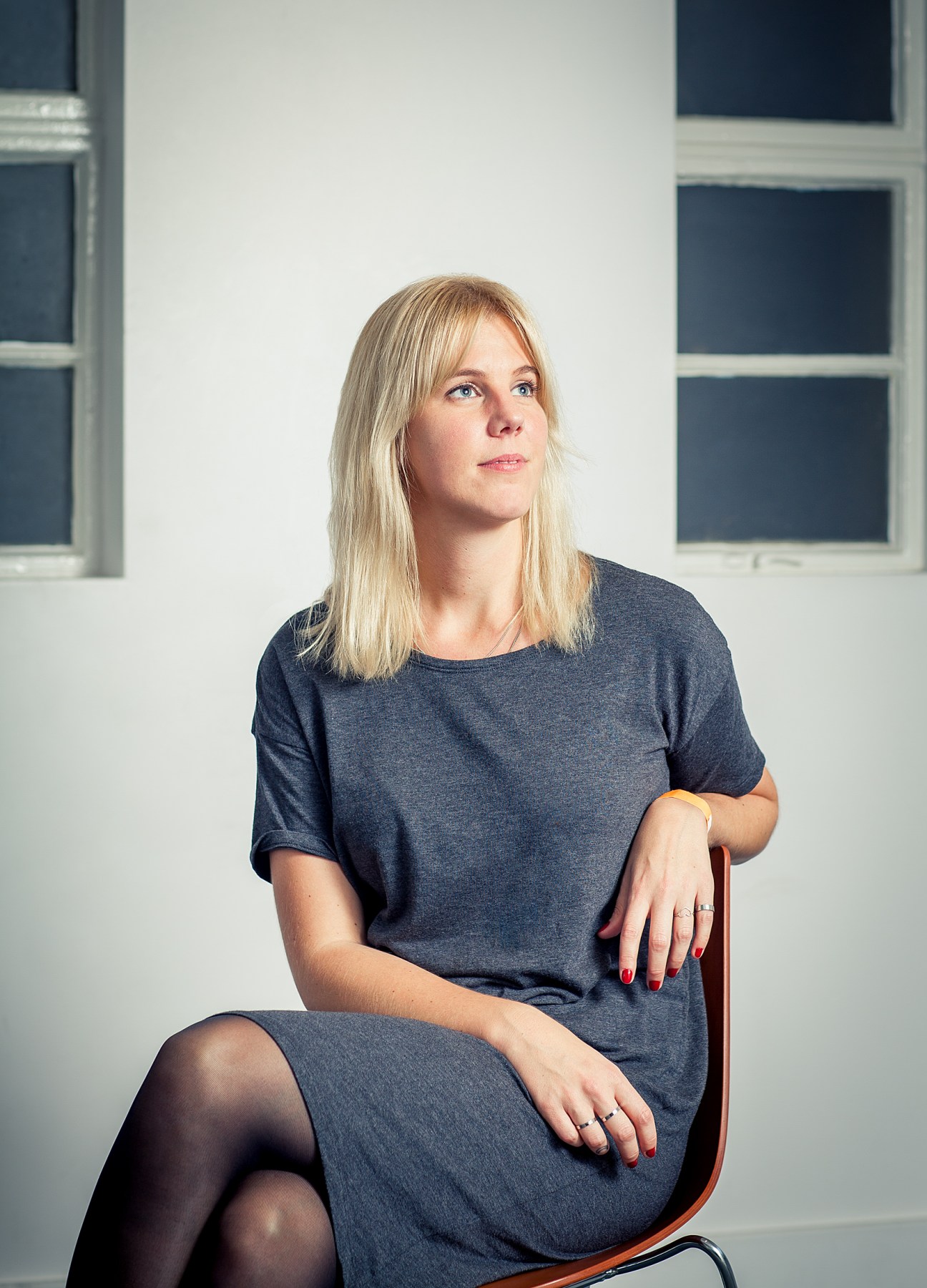
Nina Finnerud
The global nightclub hipster is also an official Norwegian ambassador.
As a rising Scandi-pop beat drowns the chatter of the early birds at Ja Ja Ja Festival, the event’s project manager Nina Finnerud watches the afternoon she curated unfold from the balcony overlooking the venue’s foyer. People crowd to the bar to order one of the bespoke Nordic cocktails – a Helsinki Hooligan or a Stockholm Syndrome – before heading towards the stage at the 1930s Queen Mary’s Great Hall. “Ja Ja Ja started as a Nordic club night five years ago; we were selling out so last year we decided to do a festival,” says Finnerud.
But 33-year-old Finnerud, originally from Oslo, is not just a pop promoter: she’s an ambassador. She works for Music Norway, a government-funded body set up to promote the country’s music abroad. Ja Ja Ja is a slice of Nordic soft power; a publicly financed attempt to influence the country’s image abroad.
That’s Nordic, rather than purely Norwegian, soft power: the second edition of the festival Finnerud has pulled together not just acts but also funding from Denmark, Finland and Iceland, as well as Oslo. Besides input from individual embassies there were also contributions from the Nordic Culture Fund, a pan-regional resource dependent on the inter-governmental Nordic Council of Ministers, which wields a hefty budget of DKK29m (€3.9m) to spend on around 250 cultural projects a year.
“We work really closely with the embassies,” says Finnerud. “They’re very supportive of all types of art; Norway in particular is very lucky.”
With an oil fund worth over NOK5.6trn (€660bn), Norway has the cash for artistic patronage that other countries would never consider, but this philanthropy isn’t just a generous gift for the good of culture. With a total annual export revenue of NOK247m (€29m), Norway’s music industry is worth investment.
“Our aim is to create an export out of it so that the money comes back but for the embassies it’s also about promoting Norway and having the country seen in a positive way,” she says. An innovative cultural profile could do wonders to cement the influence of what, despite a renaissance in mainstream Scandinavian pop over the last few years, remains underdeveloped.
“Nordic culture has established itself in the last few years,” says Finnerud. “Obviously this helps us but Norway also has a really interesting music scene of its own, with a lot of unique acts.” Sweden has historically had the upper hand when it came to pop success but Oslo-based duo Nico & Vinz recently topped the charts in the UK – something unseen since the days of A-ha – and acts such as Highasakite, picked for Finnerud’s line-up, are fast gathering speed. “They are fantastic, they’ve had a great year – selling out the whole tour.”
At 22, Finnerud left Oslo for Canterbury – where she studied fine art and art history – and eventually London. There she started working for independent record labels before landing a job at the Norwegian Embassy and moving on to the Music Norway Project two-and-a-half years ago. “A lot of my job consists of building a network and knowing the UK as a market; being ahead of what’s going to happen,” she says. “The UK is one of the most important markets because most of the key players for the major labels are here. It’s a tough market but Nordic music works well because it has such a different sound.”
Music Norway runs similar events in Berlin and has begun to work with other international festivals including South by Southwest. But Finnerud’s efforts are also centred on fostering an internal, lasting music industry that propagates future talent. That’s how Sweden did it, she explains: keeping the knowledge within the country rather than letting its best musicians emigrate elsewhere. With the help of its own talent and a few krone spent in the right places, Norway is on the right track to follow their lead.
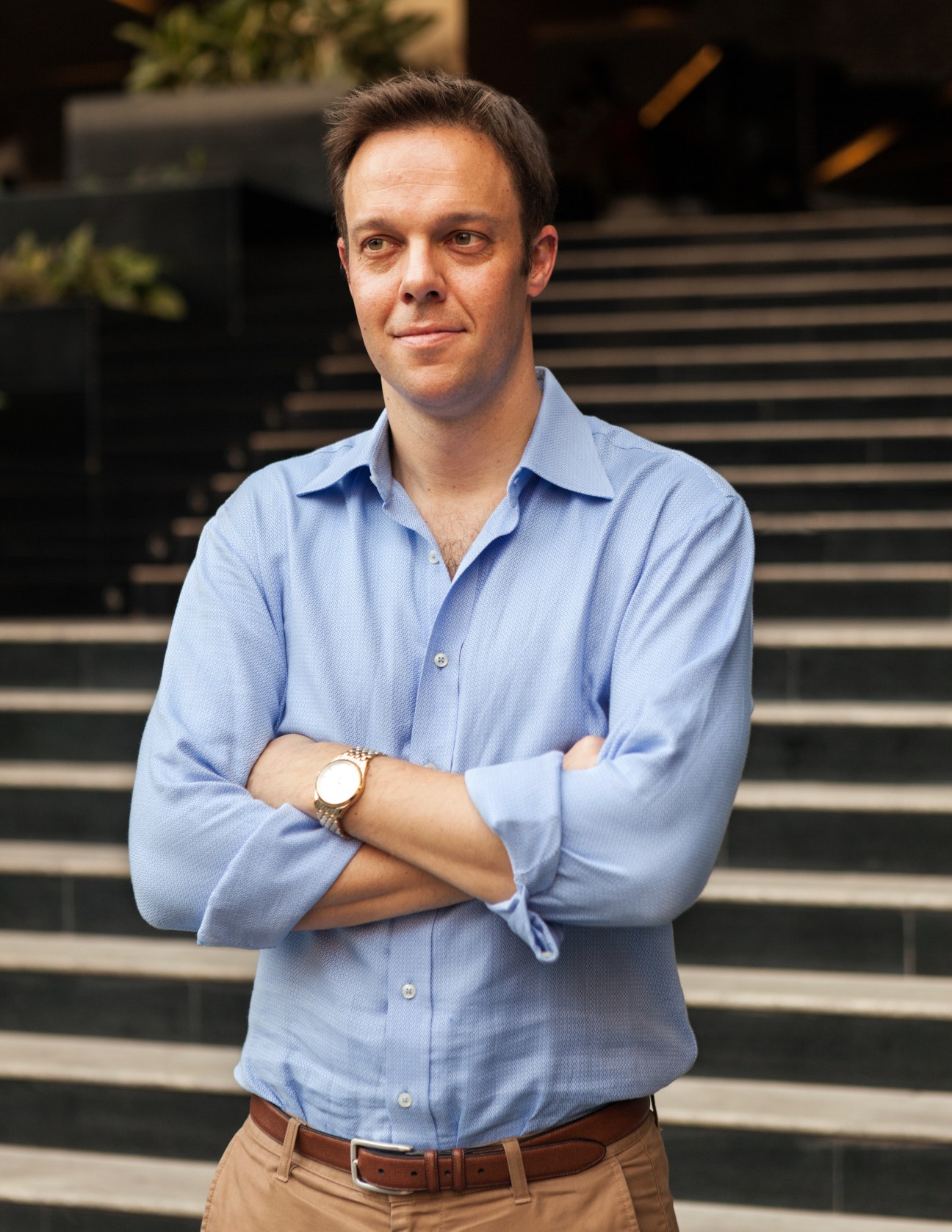
5.
Blair Glencorse
The visionary head of the Accountability Lab – an NGO fixing on the cheap.
Most NGOs begin in the same way. A westerner visits the developing world, is shocked by what they see and decide they must do something. In that way, the Accountability Lab is no different. British-born Blair Glencorse (pictured) worked at the World Bank, then as an adviser to the Afghan politician Ashraf Ghani, who is now the country’s president. In that time he saw the problems caused by corruption and a lack of transparency. “I came to the conclusion that accountability is at the heart of everything,” he says. “Unless we get that right we’re not going to get to the root of problems.” He had found his issue: the Accountability Lab was established two and a half years ago.
But here’s where Glencorse’s story changes. In an industry where the most influential agencies have become multimillion dollar organisations that show little flexibility or innovation, the Accountability Lab proves that small organisations that are careful with their money and work closely with local partners can achieve big results.
The Accountability Lab’s most intriguing project is a television show. Integrity Idol is an X Factor for honest civil servants in Nepal, a country where government corruption is endemic. More than 300 government employees have been nominated by members of the public for their “clean hands” approach to their jobs. A panel will whittle that number down to five, then each will be filmed carrying out their duties. TV viewers will then vote for their favourite. While most anti-corruption drives focus on highlighting those who commit it, this one aims to celebrate those who don’t.
Equally fascinating is the cost. Glencorse reckons his Washington-based organisation has spent less than $5,000 (€4,000) on the project. “You can get a lot done if you do the right thing in the right way,” he says. “Money isn’t the most valuable resource.”
When it comes to transparency and accountability, Glencorse practises what he preaches. Anyone can find out how much the Accountability Lab is spending, and on what. All expenses are detailed online, updated every day. In October, for example, they spent $70.02 (€56) on “miscellaneous travel expenses” and $1,273.56 (€1,020) on “office space and supplies”.
Aid used to be something that any right-minded liberal could support; “we” should help “them”. But that has begun to change. When aid is spent in the wrong way it can prop up dictatorships, undercut local businesses or create a culture of dependency where local governments know that someone else will step in to pick up the bill. Even when it’s spent in the right way, the method by which the money is raised can have negative consequences. Witness the backlash to the latest incarnation of Bob Geldof’s Band Aid single “Do They Know it’s Christmas?” The project has been criticised for a patronising paternalistic attitude that puts Africa in a box marked “helpless”.
Put simply, good intentions are not enough. “The aid industrial complex is dysfunctional and really hasn’t worked,” says Glencorse. “There have been 60 years of international aid and the incentives within the system are not in place to create sustainable positive change. There are lots of very good people within these organisations but they don’t function very well. There are whole big chunks of the aid system that don’t work very well. If we can set some standards and show the way we can perhaps begin to shift the system more broadly.”
6.
Paul Michel
The tongue-in-cheek illustrator adding edge to the way we send greetings.
“I feel so awful for calling you a dick the other day. You definitely were being more of a douche bag.” “I heard from everyone that your baby’s a fat little idiot”. “If you ever murdered someone you could lay low in my basement for as long as you needed.” They’re not what you’d call run-of-the-mill greetings cards.
Under the name Mountain vs Plains, Paul Michel is the artist who needs his mouth washing out with soap while being patted on the back and bought a drink. The 32-year-old illustrator hit upon the idea of making his own range of potty-mouthed, off-colour cards while paying the rent as “the only straight young guy in the world who worked in a women’s boutique” that sold scent and candles in his hometown of Denver, Colorado.
“I was pretty confused about what I wanted to do with my life until I saw the shop was always full of people buying cards,” he says. “I thought maybe they were thirsting for something a little funnier and edgier.” Just how funny and edgy? “Well, it’s a pretty funky, liberal neighbourhood but I don’t print the first card I come up with,” says Michel on the phone from his home office. “With that one I was just thinking, ‘What’s the most fucked-up card you could send?’” And he has the right to fret a teeny bit over that one. “You fucked me. I trusted you and you fucked me” is a bit saucy, after all. Or just quite dark.
Michel’s work is a good, healthy mouthful of fresh ordure in the deodorised world of the greetings card where the saccharine rules with an orb of wan sentiment and a sceptre of pressed-flower pansyishness. The US is especially in thrall to a strange sort of brutal softness defined by the heavy-handed simpering of the Hallmark empire and its rhyming self-help rubric; those stanzas that shiver – bug-eyed – like shaved chihuahuas inside their padded, pastel cards. Cards, too, which are lunatic asylums for the terminally twee, the impersonally polite, the negatively positive, the downwardly “up”, the darkly bright. Stepford cards for Stepford Wives.
Michel has landed a decent blow on a cherished pop-culture punchbag: “Dear Canada: thanks for Nickelback, you dicks”. He has told it like it is when friends meet up in the absence of others: “We should get coffee soon and talk a bunch of shit about Kelly”. He’s even opened a Pandora’s box of creepiness: “I know we haven’t seen each other much but I’ve been touching myself to pictures of you a lot.” Any subjects he won’t touch? “Well, I was raised a strict Roman Catholic and I want my stuff to stay acceptable but be kind of taboo.” Interesting religious entanglement aside, Michel also says that he’s dealt with his own depression and that his cards come from both his “youngest brother, ever-the-entertainer public persona” and the serious self that is also a fine artist, working alone for much of the day.
How does this artist, raised Roman Catholic, deal with Christmas, then? With the “Negativity Scene” card featuring the Magi who hates carrying his staff everywhere, an angel Gabriel who’s sick of flying, a baby Jesus bitching about how uncomfortable the manger is and an attendant sheep complaining of the heat in Bethlehem. Light, but good. A bigger “C” than Christmas is tackled with what might euphemistically be described as brisk candour. On seeing the card in question, one sufferer – a mother of a friend of Michel – commissioned 10 more unflinching designs on the disease, so you have some sort of permission to laugh with impunity at, “I heard you have cancer. Do you remember that time I sprained my ankle really badly playing Frisbee?”
mountainvsplains.com

7.
The ‘Sonne’
The cutting-edge research vessel that’s flying the flag for Germany via the world’s seas.
In a chilly port in northern Germany, a brand new research vessel is preparing to set forth to travel the oceans of the world in the name of scientific exploration. The Sonne (pictured), proudly bedecked in the colours of the German flag, is the most state-of-the-art vessel of its kind in the world and the envy of many an international oceanographic institute. Today, in its pristine and polished condition, the ship lives up to its name (meaning “sun”) and seems almost incongruous on such a drab, overcast day.
Walking across the deck as it waits quietly in the harbour, it’s not difficult to imagine what a hive of activity the Sonne will be when it eventually sets sail on scientific expeditions. There is space onboard for up to 40 researchers alongside a crew of 35, with enough fuel for 52 days of exploration at a time. Besides the normal engine rooms, mess and bridge there are labs, data centres and cold storage units.
Part of what makes the vessel unique, however, is its versatility: it will be able to carry a variety of devices, drills and measuring equipment that scientists can use to study everything from underwater currents to rock formations 200 metres below the seabed. It is also the country’s first ever deep-sea research ship: 12,000 metres of onboard cables allow scientists to lower these devices down to some of the darkest depths of the Pacific Ocean, such as the Mariana and Tonga trenches. And that’s exactly where the Sonne is eventually heading.
The ship will be spending all of 2015 in far warmer climes than her birthplace in Papenburg, where she was constructed by shipyard Meyer Werft. “We’ll be loading in Kiel and heading to Las Palmas in December, before docking in Santa Domingo and travelling through the Panama Canal,” says the ship’s corpulent captain Oliver Meyer, standing on the bridge and looking out over the ship’s enormous, gleaming bow. “We’ll be in the Pacific close to America all of 2015 and then moving on to New Zealand in early 2016. She won’t be returning to Germany until at least 2018 or 2019.” Before then, the ship will cover most of the world’s largest seas.
The Sonne, represents a huge investment (€124m to be precise) by the federal government and northern states of Germany in the furthering of scientific knowledge. It was commissioned to replace an older model (also called Sonne), a fishing trawler that was converted into a research vessel in the 1970s and that was a particular favourite among crew members and scientists alike. In 2015 the old ship will be sold to Argentina and will set sail for South America from its last port of call in Colombo, Sri Lanka. In its place, the new Sonne will be travelling the globe, representing Brand Germany and the hi-tech credentials of its home country.
For German oceanographers and climatologists, the investment made by the government in such a supreme vessel is a harbinger of a bright future for science. “Germany has always been one of the top countries in the world for ocean research,” says Dr Gabriele Uenzelmann-Neben, a geophysicist at the Alfred-Wegener Institute in Bremerhaven, barely able to contain her excitement as she inspects one of the ship’s eight on-board laboratories. “But the Sonne will definitely bring researchers to Germany and entice other institutes to collaborate with us. It’s a great thing for the country’s soft power.”
The Sonne effectively means Germany’s research fleet overtakes those of Japan and the US in its modernity and versatility. But as well as scientific research, there is also a commercial element: the Sonne’s jam-packed schedule will likely include exploration into potential undersea mining opportunities. The Federal Institute for Geosciences and Natural Resources is showing great interest in using the vessel to study manganese nodules, deep-sea silos of minerals and metals in the Indian and Pacific oceans. Over the past decade, the German government has bought rights to vast swathes of international waters precisely for this purpose.
It seems, then, that the Sonne will not merely cement Germany’s reputation as a pioneering scientific nation long into the future but could also help to boost its economic might. A soft-power winner and a long-term financial investment, suddenly that €124m is starting to look like a bargain.
8.
Ikuo Ogihara
The former downhill skiier who’s building a fitness empire out of humble sports tape.
Last April, Ikuo Ogihara was handing out free samples of colourful athletic tape before the start of the Ultra-Trail Mount Fuji race when the editor-in-chief of irunfar.com, Bryon Powell, dropped by. The race, a gruelling 168km of winding mountain trails, takes nearly two days to complete and runners endure freezing temperatures, strong winds, snow and occasional bear encounters.
Powell, a seasoned ultramarathoner, had flown from Moab, Utah, to cover the race but he was in pain: an unexpected flare-up of plantar fasciitis, also known as jogger’s heel. A trainer in Ogihara’s tent helped Powell cover the soles of his feet with a piece of stretchy tape that was the shape and size of a small hand. It was Powell’s first encounter with Gontex. “I’m a naturally sceptical person and had a healthy dose when trying Kinesio tape for the first time,” Powell says. “But using Gontex tape immediately reduced my discomfort and helped me to resolve the issue in two weeks.”
On a recent morning at his office in Tokyo, Ogihara wasn’t surprised by Powell’s initial doubts. “Gontex is the kind of product that you have to let people try out before they will buy it for themselves. That’s why we have spent so much time handing out samples at sporting events around the country.”
Ogihara’s company, Gon, launched Gontex five years ago at the Honolulu Marathon. It seemed to hold promise as a game-changer: Gontex was a stretchier, more colourful version of a family of elastic adhesive wraps called Kinesio tape. Developed in the 1980s by Japanese chiropractor Kenzo Kase, K-tape was said to give extra support to strained muscles and sprained joints, relieving pain and improving the flow of blood and lymphatic fluids. (Japan’s history of odd sports treatment trends includes the Phiten necklace, which is coated in titanium and thought to help improve circulation and reduce muscle stress.)
There is no scientific evidence to back such claims. Yet K-tape has become the latest must-have sports accessory, with Olympic athletes, ultramarathoners, professional footballers and American basketball stars endorsing the benefits of its use. Because it supports joints and muscles without restricting motion, K-tape has won a following among trainers and rehabilitation specialists. You’ll even find people at the beach or gym sporting K-tape strips.
When Gontex debuted, Japan was in the midst of a jogging craze. Unlike the standard beige athletic tape, Gontex’s line-up featured an array of colours: blue, orange, yellow, pink and black, and later purple and camouflage. Multicoloured tape that could help people with bad shoulders, knees and backs and also match their outfits was an easy idea to sell to a new generation of runners that wanted to look fashionable while getting fit.
As a former downhill skier for Japan’s national team Ogihara, 60, understands the mindset of competitive athletes. He has the stiff shuffle of a man who spent the first half of his life hurtling down ski slopes, getting injured and getting right back onto his skis. “I broke both ankles, dislocated my shoulders and wore down the cartilage in my knees,” he says. “My lower back hurts and I have to tape up my knees and the soles of my feet now every time I cycle, play golf or ski.”
Ogihara fell into the taping business while searching for something to do after retiring as the head of a mid-sized Japanese pharmaceutical firm. He has ramped up Gon to a six-person operation with annual revenues of around ¥10m (€70,000).
His office is little more than a room on the ninth floor of a nondescript office building in central Tokyo. Stacks of boxes filled with Gontex tape rolls from the factory in South Korea compete for space with cubicles and shelves that are cluttered with rolls from rival companies. Scattered about are vitamin supplements, icing pads and other products that Ogihara is considering for the future. On a table near the entrance is a pile of schematic drawings for a line of pre-cut tape for ankles, knees, and the arch of the foot that anyone can apply without the help of a trainer and that the company began selling in 2011. “The biggest obstacle to selling more of our product was that people don’t know how to tape up their own injuries. They needed a trainer to do it. Pre-cut tape solves that,” said Ogihara.
Gon has no hi-tech lab or research team. New products are developed through trial and error, led by Ogihara and his sales promotion manager Moowan Jang. They spent two years refining the design of the tape for the sole of the foot. “I ask friends who are former professional athletes, sports trainers and academics to test and critique our early prototypes and we get lots of feedback from actual users at running and trekking events,” says Ogihara.
To succeed, Ogihara’s team has to demonstrate to enough road and trail runners, footballers and mountain trekkers that a bit of Gontex in the right place can help tired limbs and possibly prevent injuries. So far he’s making progress, with 110 shops around Japan now selling Gontex products and several regional rehabilitation and chiropractic industry groups promoting the company’s tape. Turning a profit, however, could take another couple of years. “We don’t have a dream of making millions,” said Ogihara. “For me it’s more about helping to reduce the number of sports-related injuries.”
Small but perfectly formed
The Lucky Penny is bustling with flavour: fresh produce on the pavement stand, aromatic coffee pots on the counter in the back amid trays of chocolate-chip cookies and slices of banana bread. Opened less than a year ago on the corner of Shaw Street and Lobb Avenue in Toronto’s Trinity Bellwoods, the snug grocer is now a favourite one-stop-shop for neighbourhood residents and passing visitors. Offering groceries, sandwiches, skincare and even comic books, the café-cum-general store sources most of its products from local suppliers such as Blackbird Baking, Sanagan’s Meat Locker and Crawford Street cosmetics.
“I’ve been in the neighbourhood for many years and watched various enterprises come and go,” says owner Debbie Rix, a marketing professional by trade and a first-time entrepreneur. “When the property became available I decided to make a move and create a space that would serve the community and become a hub for the neighbourhood.” Now the early afternoons are packed with parents buying last-minute dinner ingredients before picking up their children from the school across the street; on sunny weekends regulars eat croque-monsieurs or sip macchiatos on the patio.
This handy neighbourhood market echoes what’s happening at another venture on the opposite side of the country. Set in Vancouver’s residential Cambie area, The Mighty Oak was opened in 2012 by John McClelland and his wife Heidi, occupying a lot attached to their house. “The corner had tremendous potential to become a small grocery store serving the community,” says John of the venue, which carries a well-balanced mix of local quality goods and imported healthy foods: produce and dairy from British Columbia, homeware by Abeego, a Mighty Oak-branded line of nuts and spices, and fresh pastries from the nearby Monte Cristo Bakery.
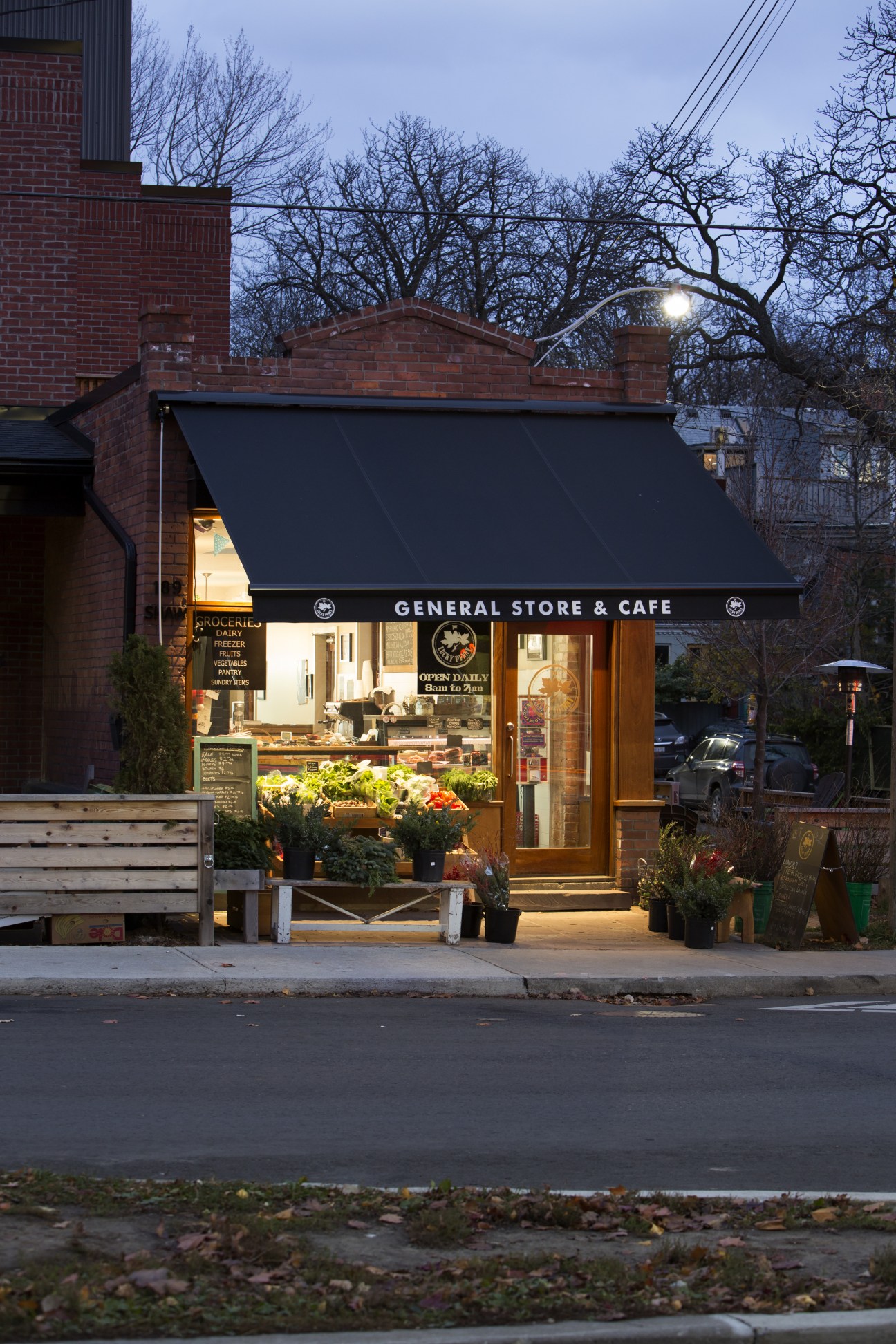
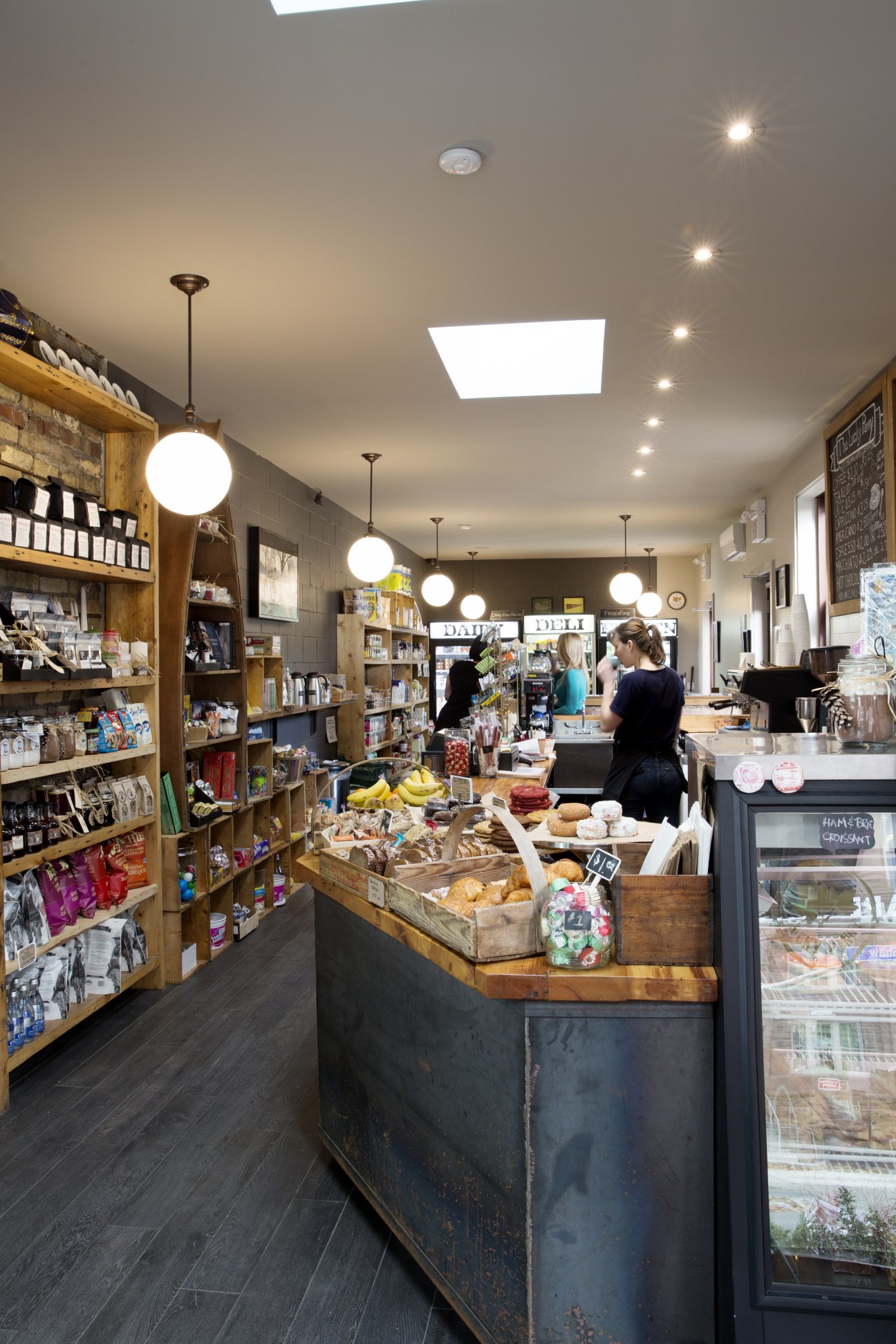


Both The Lucky Penny and The Mighty Oak cater to a new breed of food and health-conscious urban dwellers who pop in several times a week just like shoppers do in Europe. That is in marked contrast to the typical big-haul, once-a-week shopping routine – so popular in car-heavy midwest US or the vastness of northwest Canada. These independent corner shops trace a new trend in quick-stop shopping: a standout against the impersonal experience of browsing through the aisles of North America’s megamarts. “Less than a decade ago people started moving back to the urban centres and, consequently, retailers are now responding to their needs,” says Phil Bloodworth, PwC advisory principal. “The surge of the downsized neighbourhood shop is particularly noticeable in major metropolitan hubs where everything is built around foot traffic and the customers don’t have a lot of time to shop, nor drive to a larger grocer.” Plenty of big-name chains, such as Walmart and Canada’s Loblaws, are also jumping on the small-shop format as a reaction to the independent-convenience store trend – especially in densely populated urban areas.
“A few years back, the average size of a grocery store was between 4,200 and 5,500 sq m,” says Lisa Sedlar, founder of Portland’s healthy Green Zebra Grocery. “Today, a smaller 460 sq m shop looks more like the traditional general store a lot of Americans still remember.” According to Sedlar, the new corner-shop set-up is evolving around the 20-minute-neighbourhood concept, an idea whereby city dwellers should live within a 20-minute walk or bike ride of everything they need: banks, schools, parks and healthy food.
Dubbed “7-Eleven meets Whole Foods”, the first Green Zebra shop opened in the residential Kenton neighbourhood in late 2013. The second instalment is planned in Richmond this summer with 18 more to follow by 2020, expanding to Northern California and Washington State.
It’s fair to say that the goods at these new corner shops aren’t necessarily as cheap as at the megastores. Still, because the prices remain decent and because they are known for a focus on independent brands with better quality, these retailers are considered solid value among the core neighbourhood shoppers. The icing on the cake is the service. “The cashier at your neighbourhood grocer is a friendly face behind the counter who says hello when you walk in,” says The Lucky Penny’s Rix. “We know the coffee preferences of most of our early-bird customers. This not only speeds things up on busy mornings but also brings a smile to their faces.”
While, according to Bloodworth, megastores are not going anywhere “as there will always be people who crave product exuberance and discount deals of the megachains”, he believes the reinvention of the corner shop will continue. “Grocers have led the quick-one-stop trend and I see hardware stores and electronics retailers following.”