The Forecast
Sound and vision
Morten Strunge is, by his own admission, a late adopter. It wasn’t until 2018 that the Dane, a rock of a man who towers over everybody else, first sat down with his wife to listen to a podcast. He chose one of the most popular genres, true crime, and was immediately hooked. The experience opened his eyes to the possibilities of the format, yet there were things that left him baffled. Why, for example, did it take several clicks to get through to the next episode on the platform he was listening on? “And there weren’t any recommendations after we’d just spent four or five hours consuming this content,” he says.
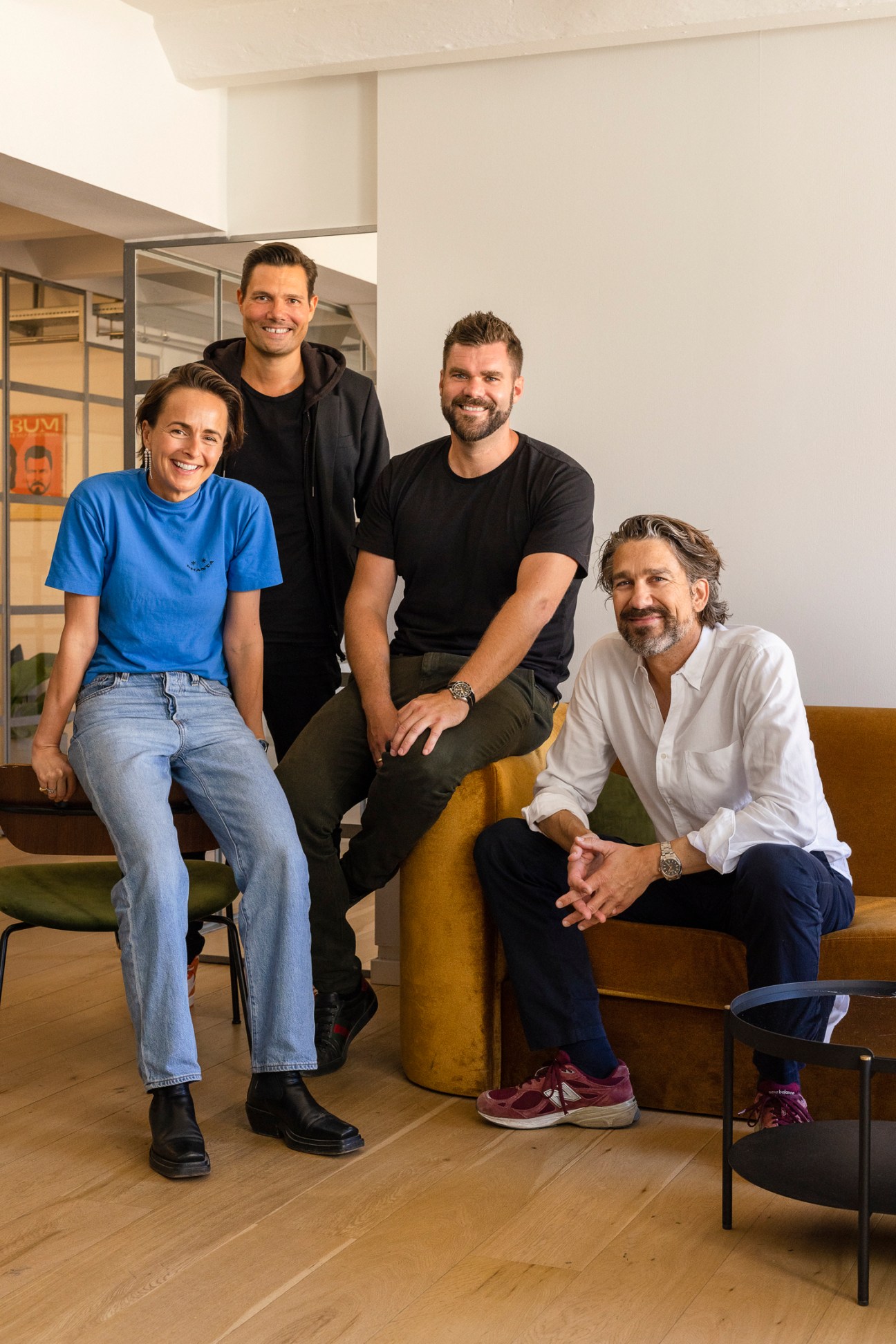
Strunge, a serial entrepreneur with start-ups spanning a telecoms provider to an e-book service to his name, sensed an opportunity for a new type of podcast platform and he didn’t see any reason why it couldn’t also make its own shows. While many technology giants have entered the podcast market (Apple, Spotify and Audible among them), a single winner hasn’t emerged. Despite a deluge of raw material to fill the airwaves, the struggle for many companies working to harness the audio boom has been how to make podcasts pay. Strunge believed that he had an answer with a more user-friendly, engaging offer and set about putting together a team in his native Copenhagen. In 2019 audio distribution and production company Podimo was born, with him as its CEO.

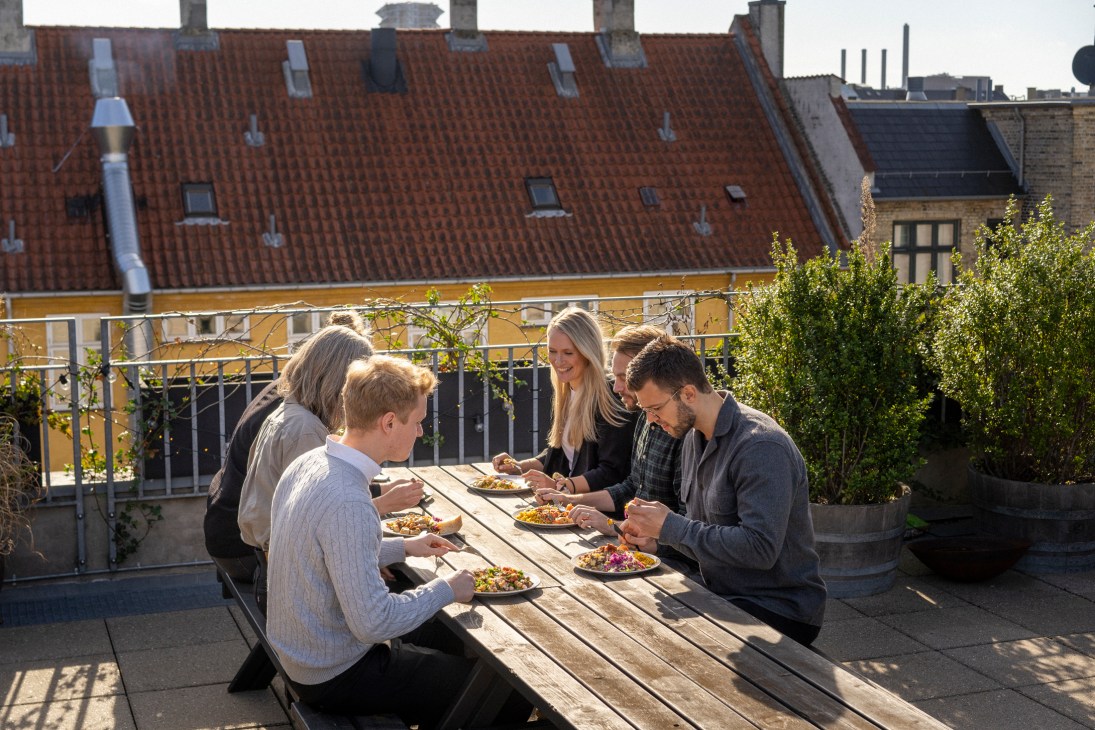
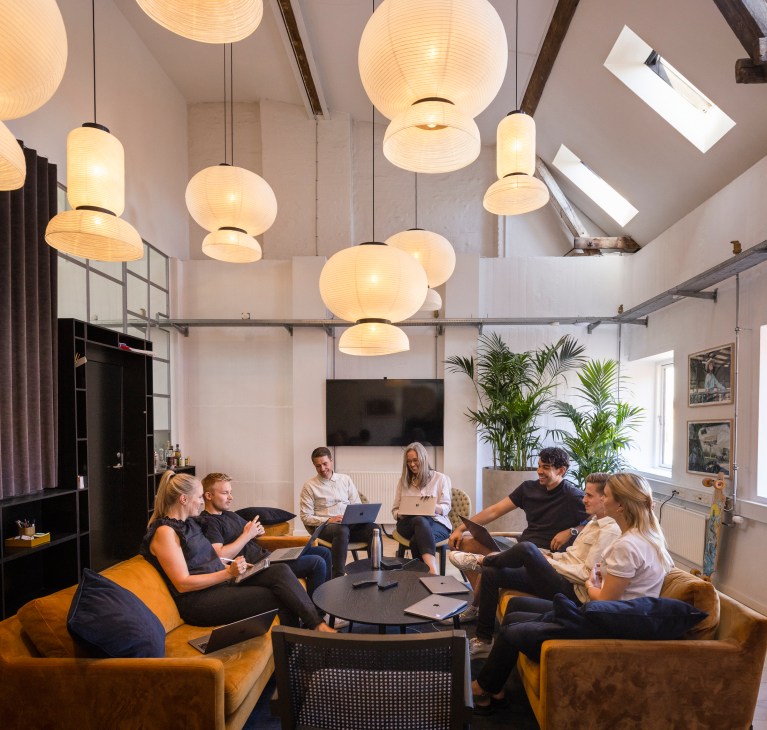
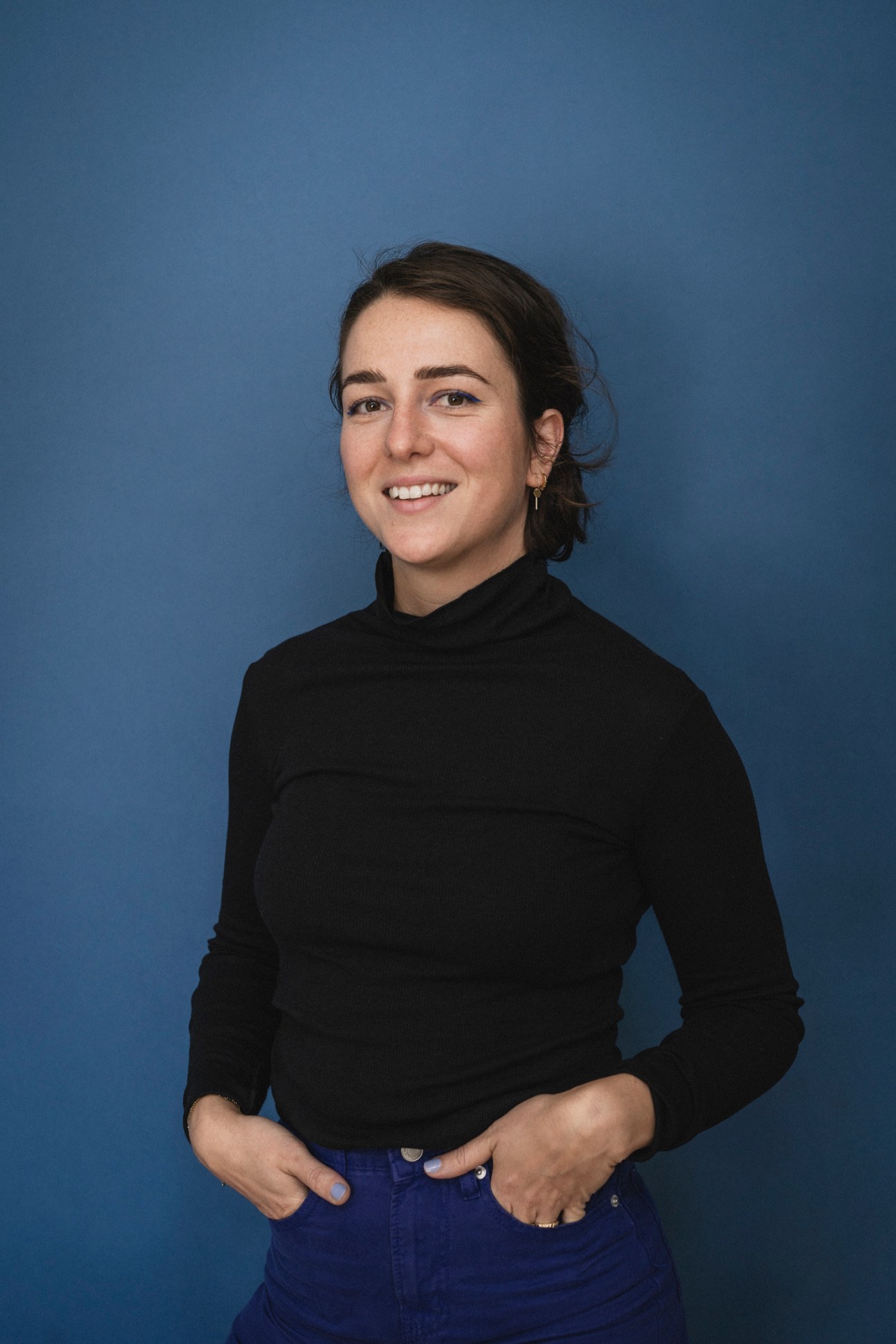
Podimo’s plant-filled, open-plan office for some 90 employees (none of whom seem to be over about 45) occupies the top two floors of an unassuming building in the Danish capital. There’s a ping-pong table at the entrance, employees have access to online counselling and lunch is laid on every day (when we visit, it’s chickpea salad and quinoa tabbouleh). In a meeting room dominated by two camel-brown sofas and a small drinks bar in the corner, Strunge and chief expansion officer Andreas Sachse are sitting opposite other co-founders Eva Laegdsgaard and Nikolaj Koppel.
Podimo operates in its full form in Finland, Norway, Denmark, the Netherlands, Spain and Germany (as well as being available across Latin America as a listening app, rather than hosting exclusive content). The team is guarded about precise listener figures but says that there has been a fivefold increase in the past year. With an expansion to Mexico on the way, Podimo is intent on becoming the next big thing in audio but the US will be the toughest test. “We still need to conquer Europe,” says Sachse with a grin. The company has certainly started on the right foot when it comes to funding: to date it has raised €162m for its expansion, based on a subscription model rather than advertiser revenue. Currently an entry-level subscription starts at just €3.99 a month, depending on the country.
Podimo believes that it’s different to all the other start-ups treading on similar ground thanks to what Laegdsgaard, Podimo’s chief people officer, calls a “hyper-local approach”. Each of the countries where Podimo is fully operational has its own office, producing original audio either in the company’s recording studios or inside partner spaces. The programming is also tailored to each market and in its language. “We’re not just a global player coming in with a global concept because we saw that 90-plus per cent of consumption is in local-language audio,” says Laegdsgaard. “We always have boots on the ground.”
Another differentiator is the way that the company deals with creators – an issue that has been a sore point for the likes of Spotify. The Swedish music-streaming app has come under fire for not paying enough dividends to the artists whose music it hosts or not involving them much in the process. Laegdsgaard, who spent a decade working in audio – first at Last.fm, then at Spotify – says that the latter didn’t always get it right when it came to engaging directly with the artists, rather than heading to the record labels. “Where we failed was in explaining the model and getting the creatives on side,” she says.
Given that the podcast industry doesn’t have the same sort of all-powerful middle men and women in its ecosystem, there’s a chance to take a different approach and work directly with creators rather than focusing purely on licensing and hosting. “We’re not just offering creators a log-in to a website where they can upload an audio file; we’re actually participating in the ideation of the content,” says Strunge, adding that Podimo gets involved in the entire production process, from editing to marketing. Crucially, 50 per cent of the subscription fee can be split between all the non-affiliated podcasts that each user listens to – a model that the team doesn’t think has been replicated elsewhere.
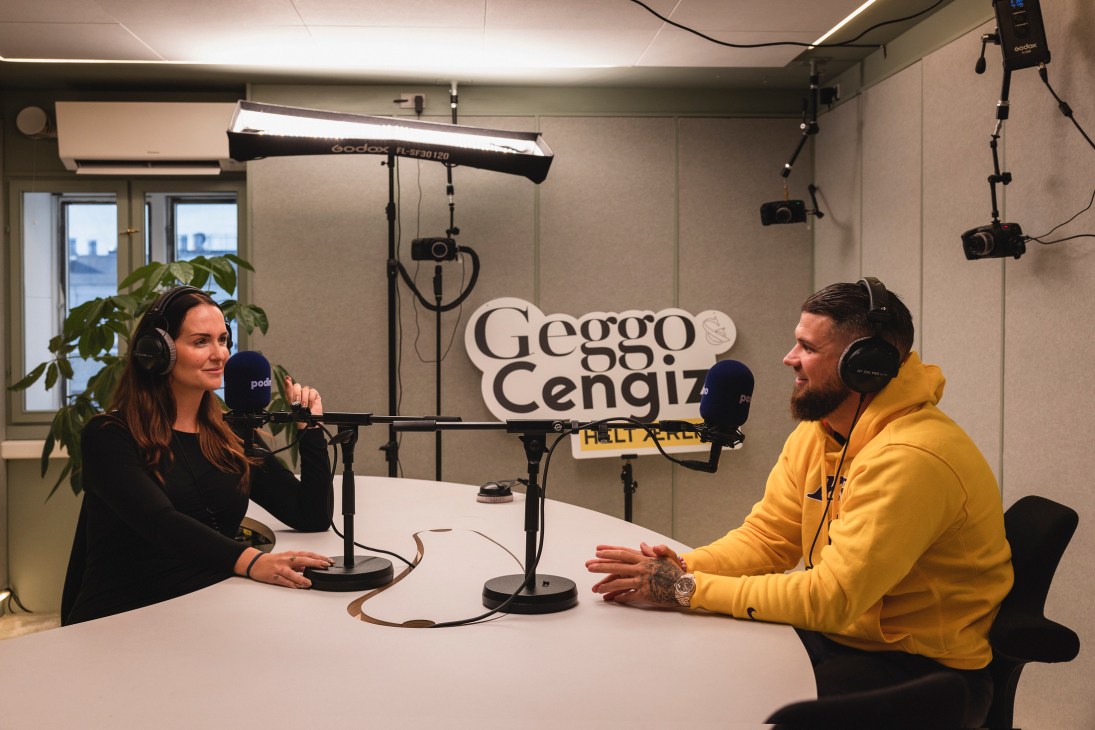
Podimo currently creates about 60 per cent of its own content and works with partners such as US-based media companies iHeartMedia and Disney. Inside the Copenhagen office’s studio – an ample space decked out with deep carpeting and padded walls for soundproofing – star Danish duo Hav Shennabaz and Kamal Hassan are recording their weekly podcast, Hav & Kamal, which goes out every Tuesday. The friends, who are in their mid-twenties, have known each other their whole lives. Their talk show, which is peppered with slang, is down to earth and at times raw, tackling everything from men’s feelings to relationships. For this edition they’re having a laugh at political slogans ahead of the Danish elections. But despite the on-mic bravado, there’s also a serious message: the importance of getting out to vote in a country where plenty of first- and second-generation immigrants don’t have that right.
Away from the studio, and next to a couple of bottles of bubbly to celebrate a recent national podcast nomination, Hassan says that the friends used to have a radio show with the Danish national broadcaster, DR, but decided to migrate to Podimo. He’s frank enough to admit that it was partly to do with being paid what they thought they were worth but he also says that the processes are much faster and easier at their new employer. “Podimo grew so quickly,” he says. “It was inevitable that we would join.”
Many of the shows being produced by the Danish team fall loosely into categories such as entertainment, talk shows, relationship advice and popular culture. The same is true when we check in on the Madrid team during a visit to Spain. At one of the recording studios that Podimo uses for its shows, country director Juan Galiardo, a former CEO at Uber Spain, talks through some of his region’s hit shows. The podcast of the moment is La Vida y Tal, featuring actress Ana Milán in a sort of agony-aunt improv performance that is recorded live.
Podimo recognises that some of the leading shows are designed to appeal to the largest number of people possible, which is useful when you’re trying to establish new audiences and scale up. An ambition to reach a large, young demographic hooked on social media is probably also behind the company’s choice to film La Vida y Tal and Hav & Kamal (though subscribers can opt for an audio-only option). “The lines between audio and video are becoming increasingly blurred,” says Galiardo.
Back in the Denmark office, head of Danish content Nikolaj Koppel, a former head of channel and executive producer at the Danish National Broadcasting Corporation, argues that new generations want video and “like the companionship” of it. Even if a podcast isn’t filmed, video teasers are used to hook listeners and help create a marketable brand around a show. Audio purists might decry the arrival of the moving image, but the approach seems to be working, even though Koppel is quick to point out that it doesn’t suit all genres.
Koppel also believes that there’s no point in thinking in terms of highbrow versus lowbrow. “You need to get important stories out there and you need to tell them in a compelling way,” says the co-founder. Denmark was the first country to turn a profit so Podimo has now begun diving into tougher topics here, such as a piece on the healthcare system, which Koppel says is in some ways disguised as a true-crime show. More investigative journalism pieces are in the works.
Podimo’s ambitions are certainly big. “Our goal is to become the Netflix of audio,” says Sachin Doshi, speaking over the phone from New York, where he lives when he is not in Copenhagen. He previously helped to launch Spotify in the US and has been hired as Podimo’s chief content officer to work on coherent global processes, despite the company’s local approach.
With more than 220 staff around the world and counting, Podimo expects further expansion in Europe and Latin America in the near future. Its audio utopia envisions a world where categories such as podcast or audiobook (also on the platform) no longer exist and everything is simply embraced as content. While pursuing its goal, it’s also hoping that as many people as possible will subscribe; whether that’s market capitalism or Scandinavian egalitarianism depends on your point of view.
“What’s really important for me is that we remain a mass-market service,” says Strunge. “That we are creating content that makes a difference.”
podimo.com

Lots in translation
Podimo owns more than 1,250 podcasts and exclusive shows. While it mostly creates regional content, it also sees translation as a big part of its offer. Forgotten: Women of Juárez, about femicides in Mexico, was translated into other languages, including Spanish; Danish show Murder in the North has been translated for the Dutch, German and Norwegian markets. “There are plenty of stories that are as interesting in Denmark as in Germany and Spain,” says Nikolaj Koppel. But some things don’t work. A popular Danish erotic stories podcast was sent to the German team, which reported that it was far too explicit.
Top shows
1.
‘The Missing’, UK: Missing-people cases – and how they could be solved.
2.
‘La Vida y Tal’, Spain: Agony aunts respond to the audience’s calls for help.
3.
‘Her går det godt’, Denmark: Political analysis with a spirited twist.
4.
‘Moordcast’, Netherlands: True-crime stories hosted by a brother-and-sister duo.
5.
‘G-Punktet’, Norway: Sexuality, desire and how to have “the chat” with your children.
Future projections
Film slates, publishing schedules and release calendars might only disclose what’s in the pipeline a couple of months ahead but behind the scenes the cogs of their respective industries are always whirring, shaping everything that will hit screens, cinemas and bookshelves in the year to come. We catch up with the people who are in charge of deciding what gets the green light.
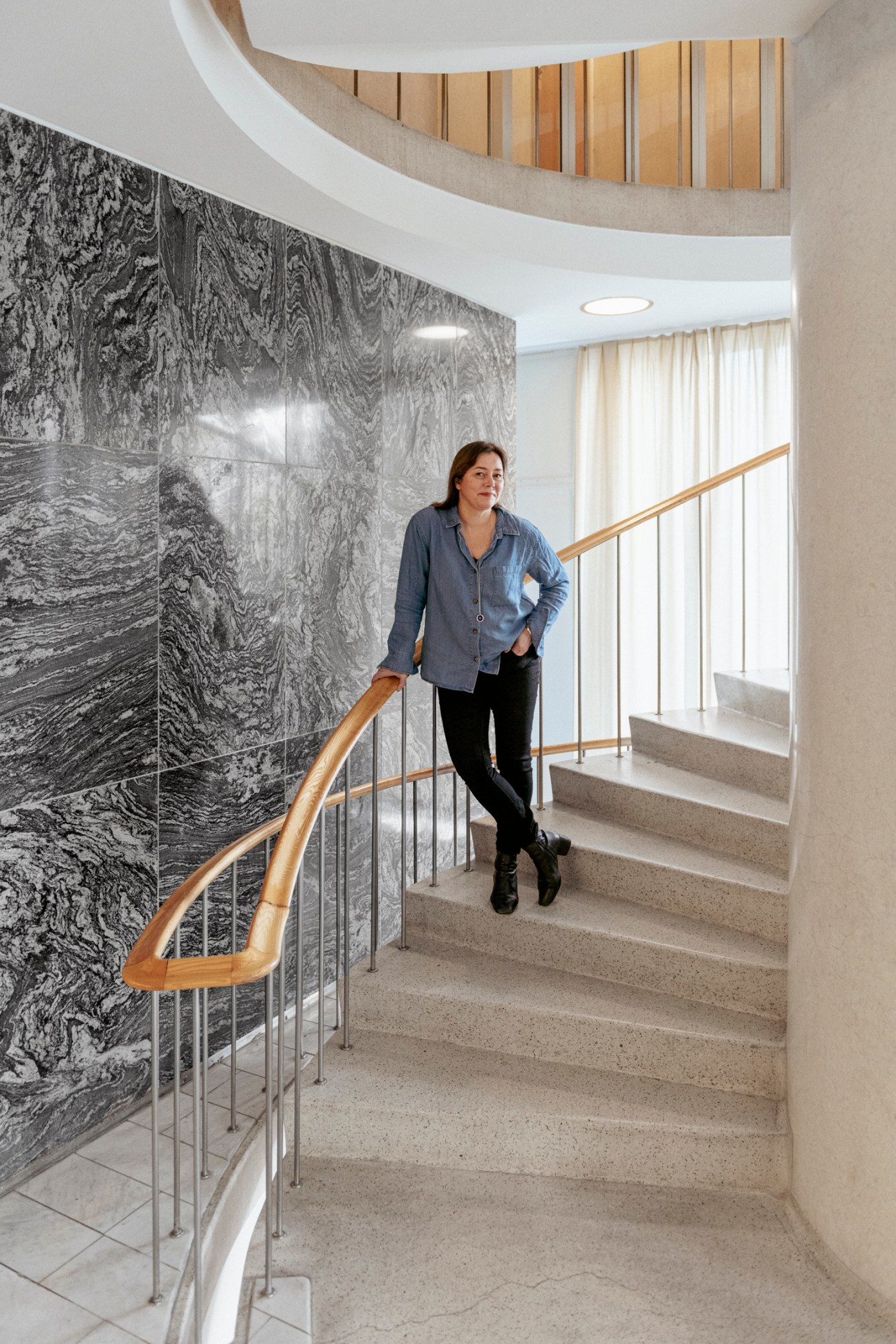
Marianne Furevold-Boland
Head of Drama, NRK
Oslo
Recently appointed as NRK’s head of drama, Marianne Furevold-Boland was an executive producer responsible for some of Norwegian TV’s biggest global successes including Exit, a drama about the antics of Oslo’s finance professionals, and Skam, a series about teenagers in search of love and direction that has been remade in eight international markets. Before becoming a producer, Furevold-Boland also worked as a journalist and presenter. Here, she talks about the future of the small screen.
What has changed in your profession since you first started?
Eight years ago at NRK, we might have had just three or four drama series being broadcasted. Now we have 20. We have evolved with the streaming platforms.
Does being a regional broadcaster allow you to be more experimental?
Our main purpose is telling stories about Norway, mirroring the country and the people who live in it. We do not answer to a corporation outside Norway so we can be much more truthful. People looking at Nordic countries can see that we take risks in a much bolder way than the US.
Looking ahead to 2023, what does the future of the industry hold?
As content creators, we have to be more on top of our game because there is such huge competition. The quality has to be so high. But if you have a story and ambition then the audience still wants to see it.
What are you excited to have commissioned for 2023?
We have a show called Power Play. It is about how humans sabotage themselves and others in their eagerness to get power, which is very relevant today. It’s based on the Norwegian Labour Party’s story and our first female prime minister. It is co-written by Johan Fasting who made Heimebane [about a female football manager] and directed by, among others, Yngvild Sve Flikke, who also made the film Ninja Baby, which won a lot of awards last year. They have a very smart approach, trying to tell historical political drama in a very fresh way.
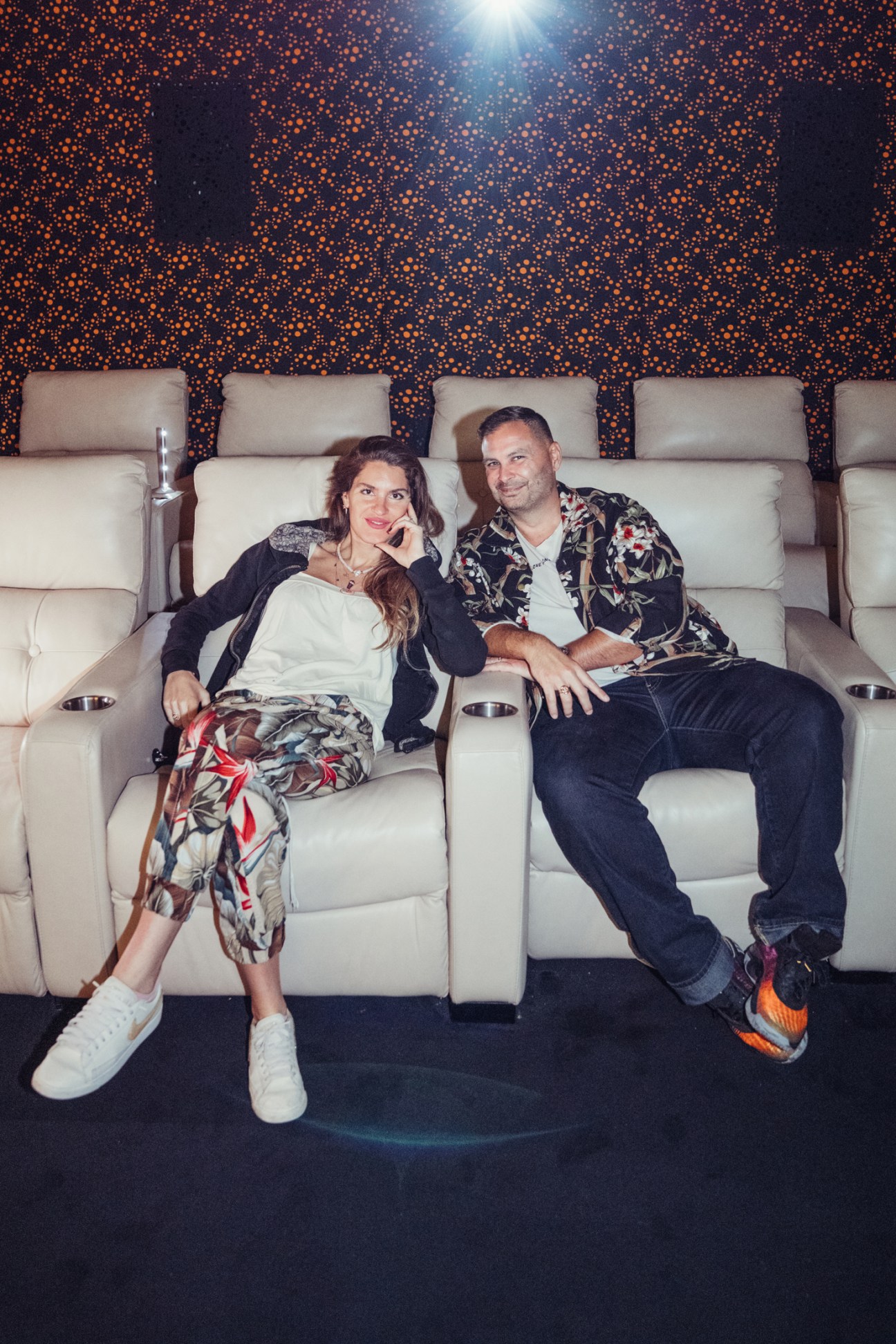
Hassiba and Kenton Freiha-Oxley
Film producers
Abu Dhabi
Husband-and-wife duo Hassiba and Kenton Freiha-Oxley have had a stellar year. The couple’s feature film Farah [meaning “joy”], which was shot in Lebanon in 2019 but only released in 2022, is reaping rewards. The film explores hidden family histories through its subjects’ mental health struggles and was picked up by Mad Productions for distribution in the Middle East and Africa. In the past few months they have won the jury prize at the Chelsea Film Festival, audience favourite at the Montréal Film Festival and best Arab film at the Alexandria Mediterranean Film Festival. Now the pair are raring to go with more creative projects.
How has this year been for you?
Kenton Freiha-Oxley: The past three years have been difficult with film festivals and screenings falling through. We were wondering what value there was in keeping going while things were so financially and creatively challenging. And then everything turned around. My favourite place to work is Lebanon. The primary reason that I am a film-maker is that I am interested in how you get everybody to work together and Lebanon is the place where people show the most love and revel in the art of making something beautiful. Hope is such a limited commodity in Lebanon right now – and what Farah is ultimately all about is hope.
What do you have in the works?
KFO: We have a film being shot in the UK in early 2023. It is a segue from Farah. The story sees a woman doing awesome things and breaking barriers while also living with mental-health issues. Making films has often been about exploring dark and difficult subject matters.
What trends and developments do you see emerging in the industry
hassiba Freiha-Oxley: There are starting to be so many more voices from all over the world; voices that haven’t been able to express themselves before. For one thing, the stigma against subtitles is gone. I am seeing so many more women involved in film-making too. There is definitely a push for women to lead their craft. It surprises people that there is a 50/50 split of women and men in film production in the Middle East. It’s because, culturally, women are considered creative. And it means that they go on to gain senior roles in the industry. They’re feeling empowered.
KFO: There is a real opportunity at the moment for profound, personal, well-constructed storytelling. Cinema is still the best way to see a film; watching TV at home just doesn’t compare. But that said, home screening services are seeing that big blockbusters aren’t the best genre for the small screen and that will drive them more towards the small personal films and the really well-told TV series. That’s a really big opportunity that wasn’t there before.
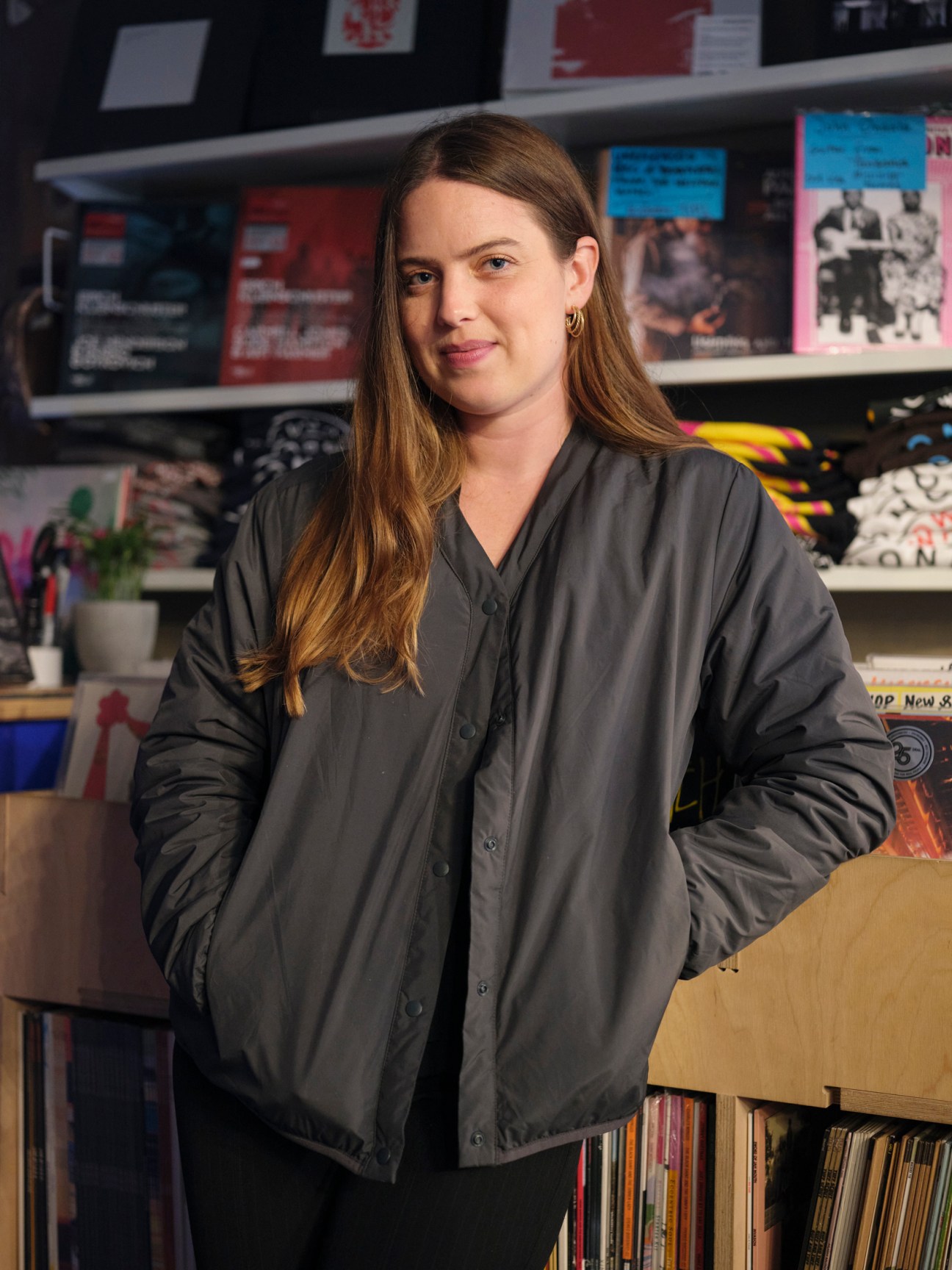
Louise Paley
Co-founder, Pace
London
Louise Paley is a prominent industry figurehead in the UK’s genre-bending jazz scene. When it comes to supporting London’s emerging talent, few have made a greater impact than Paley, whether that be through her Women In Jazz organisation or as an artist manager. Now she is continuing that work with the launch of her new record label Pace. Set to debut next year, the imprint will begin with two signings: musician JGrrey and singer-songwriter Chloé Bodur. We meet Paley in her favourite vinyl retailer, Honest Jon’s Records in London’s Kings Cross, to find out more about her forthcoming venture.
What’s the story behind Pace?
Former Sony vice-president of strategy Fred Bolza has been instrumental in developing my career, as both a mentor and a business partner. Together we are launching Pace, a new label imprint that sits within London’s independent Marathon Music Group. The aim is simple: to provide knowledge and resources to help artists get to the next stage of their careers.
Will Pace be a jazz label?
The first two artists that I’ve signed, JGrrey and Chloé Bodur, are huge inspirations to me. They both grew up listening to Nina Simone and Aretha Franklin among others, but they wouldn’t describe themselves as jazz artists.
What can we expect from Pace when it launches?
We will start releasing records in 2023. I want Pace to be the go-to label for building deals that are specific to each artist’s needs and developing long-term sustainable careers for artists.
Why are new artists increasingly looking to sign with independent labels?
With an indie label, artists can make their own decisions – who they want to produce or collaborate with – and they can spearhead artistic direction. They are not locked into a structure that doesn’t work for them creatively.
What will the music industry look like in 2023?
According to statistics from Album Equivalent Streams, streaming accounts for 83 per cent of the recorded music market in unit terms – that is huge. It means that more artists than ever are making music and are feeling empowered to build new audiences across the world.
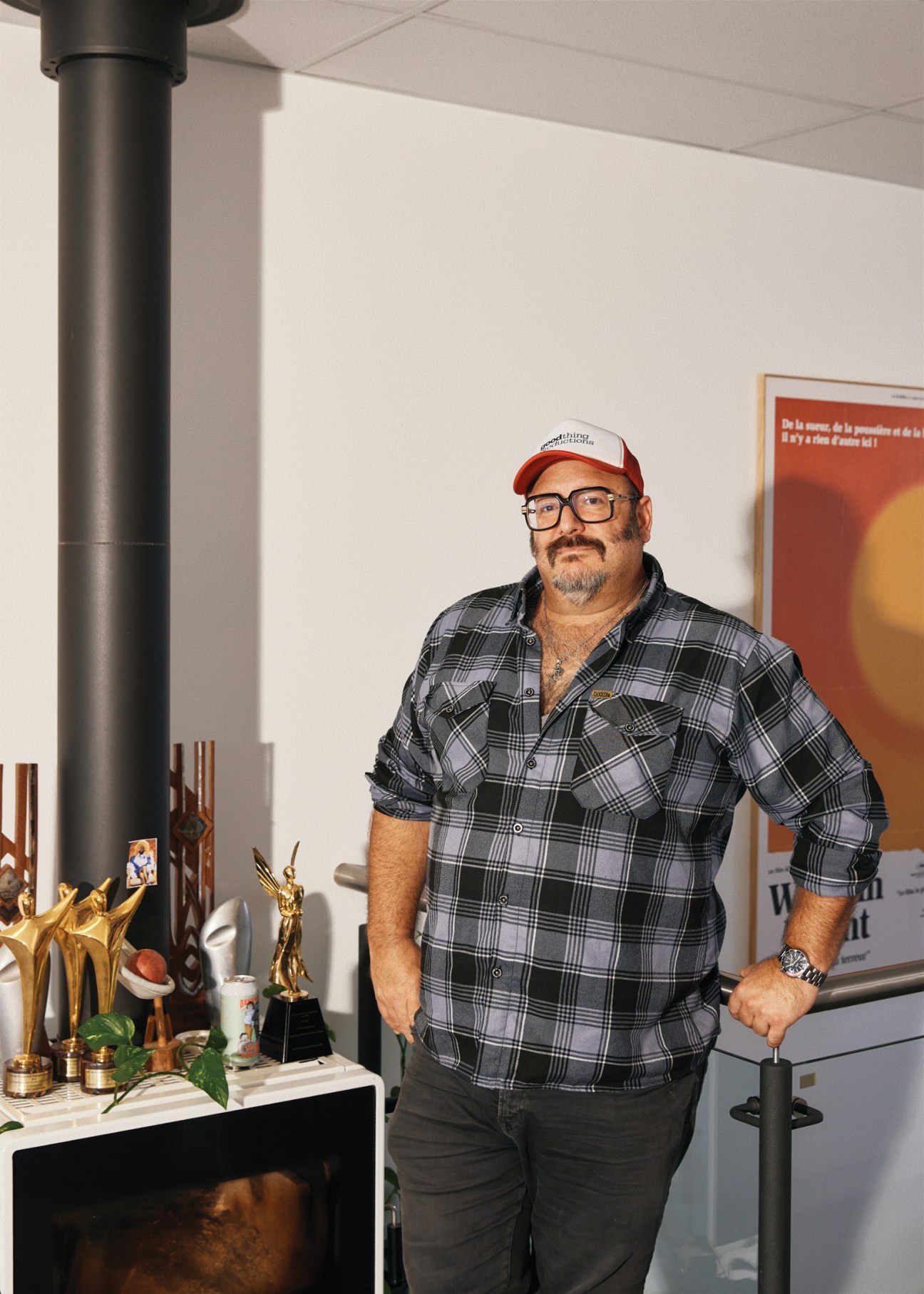
Nick Batzias
Founder, Goodthing Productions
Melbourne
Nick Batzias has been working with national and international talent for almost 20 years, first via the distributor Madman Entertainment and later with his own company Goodthing Productions. With more than 500 films under his belt, Batzias has found success with the likes of Damon Gameau’s That Sugar Film and award-winning psychological drama Nitram. He tells us about what’s ahead for the industry, his future projects and why the cinema experience is here to stay.
How has the role of producer changed during your career?
There seems to be greater diversity on screens and in production and, given the rise of streaming services, we have an audience that is more film-literate than ever. The pandemic hit the cash flow and forced higher levels of supervision and planning. This has sharpened the focus on what projects we engage with.
Streaming services are accelerating the demand for small-screen content. Do you see a time when the cinema experience could be replaced?
No. Beyond the “event” aspect of going out to see a film – the smell of popcorn, the size of the screen and the booming sound – there is nothing like sitting in a dark room full of friends and strangers for a shared experience. This communal act can’t be replaced or replicated at home. The return of jump scare horror films is a great example of this.
Do public opinion and social media have greater power in influencing the way the industry works? Can a movie today just be entertaining or does it need to have social responsibility too?
Things have shifted so much with social media and – for better or worse – public opinion has a voice like never before. We are an industry that has business and creative values at its core, bringing art and commerce together in a way that few other sectors do. Art is always reflecting or forecasting societal change and works in tandem with progressive thought. That said, not every film needs to have an element of social responsibility. Sometimes we all need a bit of escapism.
What shall we look forward to in 2023?
The intersection of art and activism is a fascinating space for storytelling. In early 2023 the documentary You Can Go Now will look at First Nations activism in Australia through the lens of artist Richard Bell. We also have two adaptations: And the Ass Saw the Angel [based on Nick Cave’s first novel] will be directed by Justin Kurzel and The Museum of Modern Love is based on Heather Rose’s novel of the same name. It is set in New York with Marina Abramovic’s Moma show The Artist is Present as its backdrop.
Barbara Epler
President, New Directions
New York
New Directions is a fiercely independent publishing house that launched in 1936 and has released pioneering works by everyone from Patti Smith to Franz Kafka. Barbara Epler joined as an editorial assistant in 1984 and became editor-in-chief just over a decade later. From her 19th-floor office in downtown Manhattan, she tells us what’s in the pipeline.
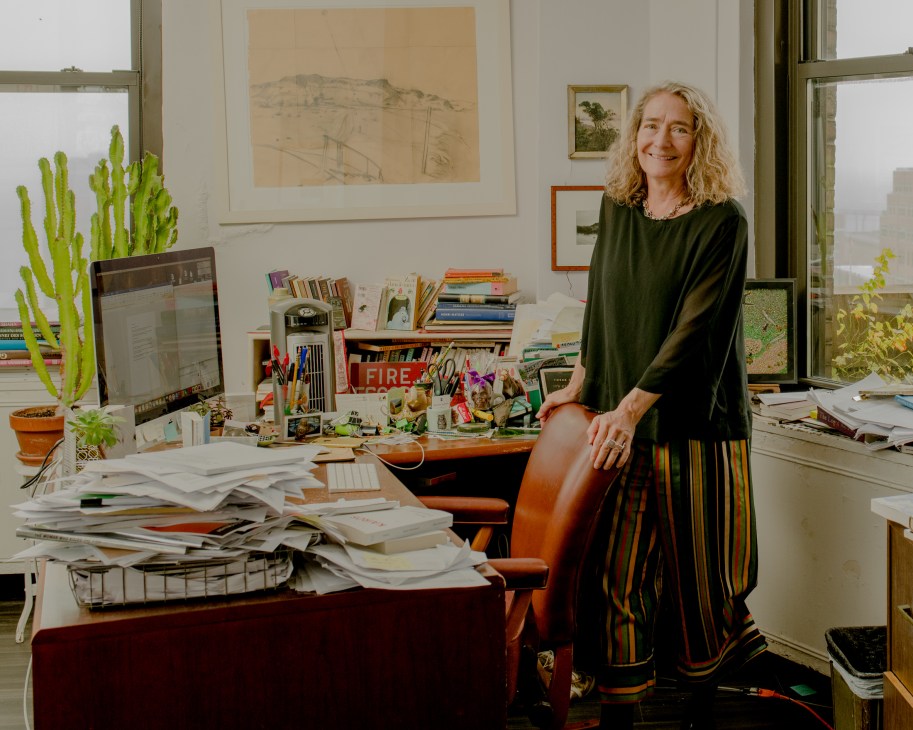
New Directions has a lot of South American books coming up. Are there a lot of interesting writers emerging from that part of the world?
It is thriving. Also, Spanish is America’s second language, so it makes sense. We have Mexican writer Fernanda Melchor’s new book coming out next year and a book by Argentinian writer César Aira. His Fulgentius is a work of historical fiction about the Roman army.
Which other upcoming books are you excited about?
We’ve got a book by Japanese writer Mieko Kanai coming up. It’s called Mild Vertigo and it’s incredible. Jenny Erpenbeck’s new book, Kairos, is also really exciting. It is the first of her titles to be translated for us by Michael Hofmann. He told me that this is the book about Germany’s reunification that everyone has been waiting for.
How is the publishing industry changing?
Audiobooks are really going up, I’m a big lover of them. And big publishing houses keep merging. It doesn’t help because they say they’re not going to fire editors when mergers happen but they do. But there are still all of these fantastic small presses that keep emerging, such as Dorothy Project and Archipelago Books. They are all run by people who are really passionate. They can make decisions really quickly and, unlike the corporate giants, there are no marketing departments telling them what they can and can’t sell.
New Directions recently launched a series called Storybook ND. What is the idea behind that?
Storybook ND was conceived by my great friend, the translator Gini Alhadeff. It is a series of short fiction books designed to be consumed in one sitting. A novella is a dive into the most perfect little pool.
Ten more international creatives in the film, TV and publishing industries reveal their most hotly anticipated projects.
1.
Books — Australia
Hayley Tomlinson
Rights and contracts manager, University of Queensland Press
“One of our First Nations authors, Melissa Lucashenko, who wrote Too Much Lip, is writing a book called Edenglassie and we are champing at the bit to get it out. It is written from the perspective of two indigenous characters. Edenglassie was the initial name of the colony that is now Brisbane. It’s a historical- fiction page-turner.”
2.
TV — Indonesia
Shanty Harmayn Hofman
Chief executive, Base Entertainment
“Gadis Kretek will be a rich love story told against the backdrop of the clove cigarette industry in Indonesia. Adapted from Ratih Kumala’s novel, this riveting TV series tells a part of our history that has not really been told before. Gadis Kretek presented an opportunity for Kamila Andini and Ifa Isfansyah to work together as co-directors. Both are great at handling female characters.”
3.
Film — UK
Tom Hawkins
Producing partner, Joi Productions
“We have three films looking to go into production. First up is Joy Gharoro-Akpojotor’s debut feature as writer-director, The Dreamers, a thrilling escape movie set in an immigration detention centre. Next is a kids’ adventure, Back to the Endz – imagine The Goonies set on an estate in [London’s] Hackney. And horror film The Manikin, about a young Chinese bride who uncovers her new husband’s family’s frightening secret. All three bring fresh perspectives to established genres by making the protagonist someone that typically isn’t in these types of films.”
4.
TV — Japan
Genki Kawamura
Founder and producer, Story Inc
“We offered The Makanai: Cooking for the Maiko House to director and Palme d’Or winner Hirokazu Kore-eda since he loves food and had an interest in the world of geiko (geishas). The protagonist becomes a makanai, someone who cooks meals at a house where apprentice geishas live. The Maiko House is a rare case of communal living in Japan. The girls who live there, and the people around them, form bonds similar to a family. These bonds are growing weaker in modern society.”
5.
Books — Canada
Tania Massault
Executive director, Éditions Alto
“We received a novel from Éric Charcour called What I Know About You. We didn’t know anything about this author and received his manuscript by email. The reading committee finished it and thought: this can’t be his first novel. There is a maturity and dexterity in how he uses language. It’s about a man who becomes a doctor and gets married to make his family happy but he falls in love with his male assistant.”
6.
Film — Hungary/UK
Balint Revesz
Director, Gallivant Film
“We are just finishing a film that we started 12 years ago. It’s a complicated project, a sort of Hungarian Boyhood: an attempt to follow someone through their coming-of-age journey. We started filming a boy when he was seven and he is 19 now. The story raises questions about what has the most impact in your life. We’re aiming for a festival release in 2023 and then it’s going to be on HBO.”
7.
Film — Singapore
Angelin Ong
General manager, mm2 Asia
“Set in Singapore’s infamous red-light district, Geylang connects five seemingly unconnected stories surrounding crime, sex and guilt – all unfolding in one action-packed night. Director Boi Kwong has produced some of Singapore’s biggest hits, such as We Not Naughty and Number 1. This neo-noir action-thriller is a passion project for Boi, exploring the hidden underbelly of Singapore society.”
8.
Books — Germany
Patrick Sielemann
Editor, German literature Kein & Aber
“We acquired a novel by Irina Killinmick. She was born in Ukraine and came over to Germany when she was 15 years old. It’s a family novel set in Odessa in 2014, when issues with Russia began. It’s funny with a lot of depth. The novel is centred around a family of only women with the exception of a grandfather who is like the king of the family.”
9.
Film — Colombia
Dago García
Founder, Dago García Productions
“Next year, I’m launching two films: Gospel and Perder es Ganar un Poco. The first is a musical comedy based on theatre. It explores the conflict between choir members who eventually find a sense of belonging. The second is a story about a young man from a poor neighbourhood who becomes a prosperous businessman but, due to extreme circumstances, he ends up in jail. When he’s released, he discovers that not everything in life comes down to desperately chasing success.”
10.
Film— Philippines
Daphne O Chiu
President and COO, TBA Studios
“We are looking forward to releasing some films that have been in the can since the outbreak. One is Grace. It’s a psychological thriller that exposes society’s ills: violence, corruption, economic disparity and the elitism and arrogance of people in power. The film is created with an international audience in mind. The story is very Filipino but the theme, treatment and language can be appreciated by foreign viewers as well.”
Desert Dwellers
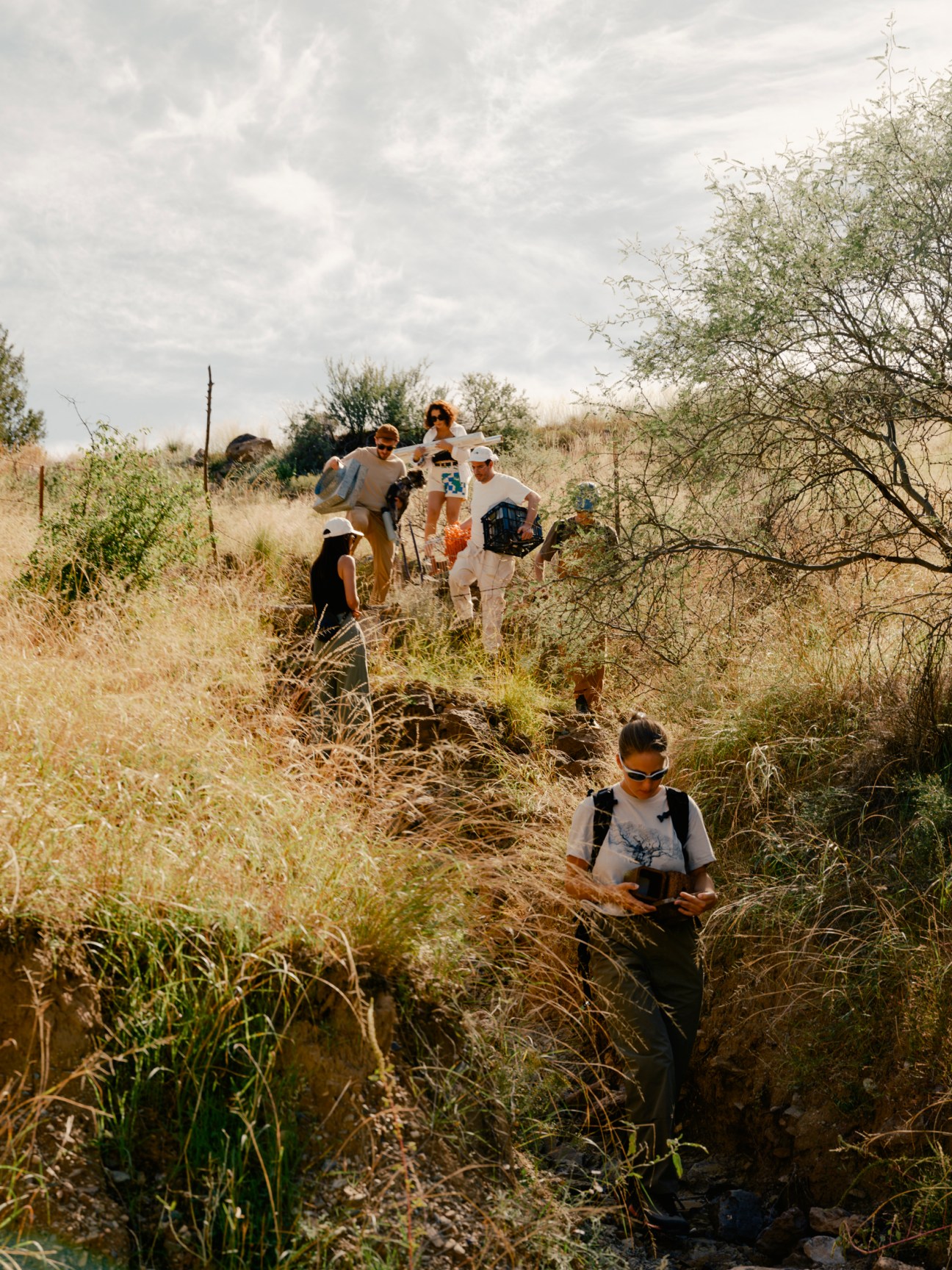
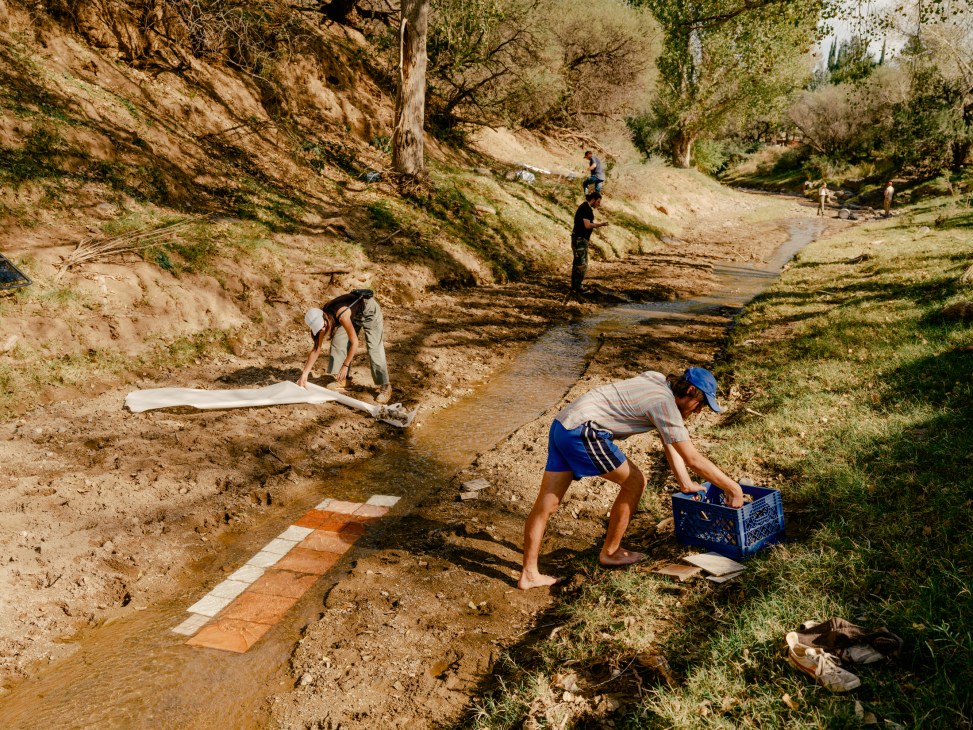
Field workshops on the campus of The School of Architecture’s in remote central Arizona can be barefoot affairs. When Monocle arrives at the Agua Fria river, after dodging a rattlesnake and getting nipped by fire ants, six students with rolled-up trouser legs are wrestling midstream with tiles, car windows and culverts under the shade of mesquite and cottonwood trees.

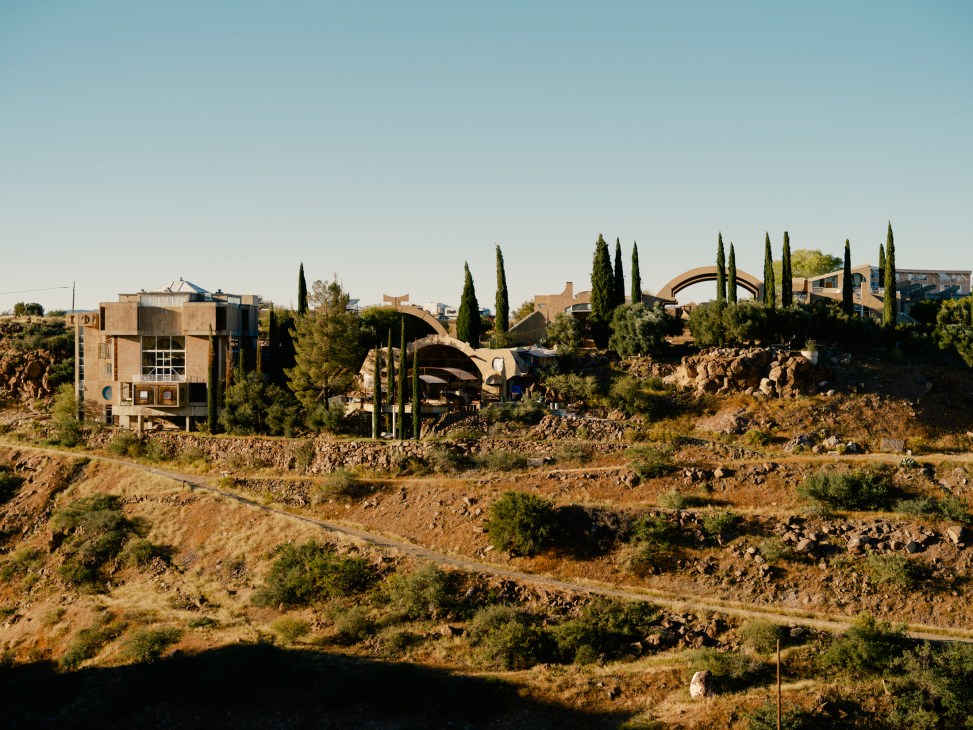
On this hot October day, French artist Théodora Barat is leading a workshop. She is passing through The School of Architecture (TSOA), an institution with roots tracing back to modernist Frank Lloyd Wright in the early 20th century, whose non-traditional, counter-intuitive style could point to the future of design education. The students,all studying for a masters in architecture, are prompted to make temporary sculptures that either suppress, change or highlight a feature in the river. These materials were salvaged from the “boneyard”, a collection of building supplies that serves the 80-odd inhabitants of Arcosanti, an experimental residential community founded by Italian architect Paolo Soleri in the 1970s where the school’s current campus is located.
Standing barefoot in a high desert stream playing with what charitably could be described as junk stands in contrast to the computer-aided design that dominates contemporary architecture education. But for aspiring designers craving an alternative method that could set them apart from their peers in the job market, TSOA’s embrace of the tangible has a promising future.
“This programme is based on making stuff and not just sitting at a computer, so that’s why I ended up here,” says Dylan Adams, 32, as he adjusts mylar sheets to better capture the desert light.
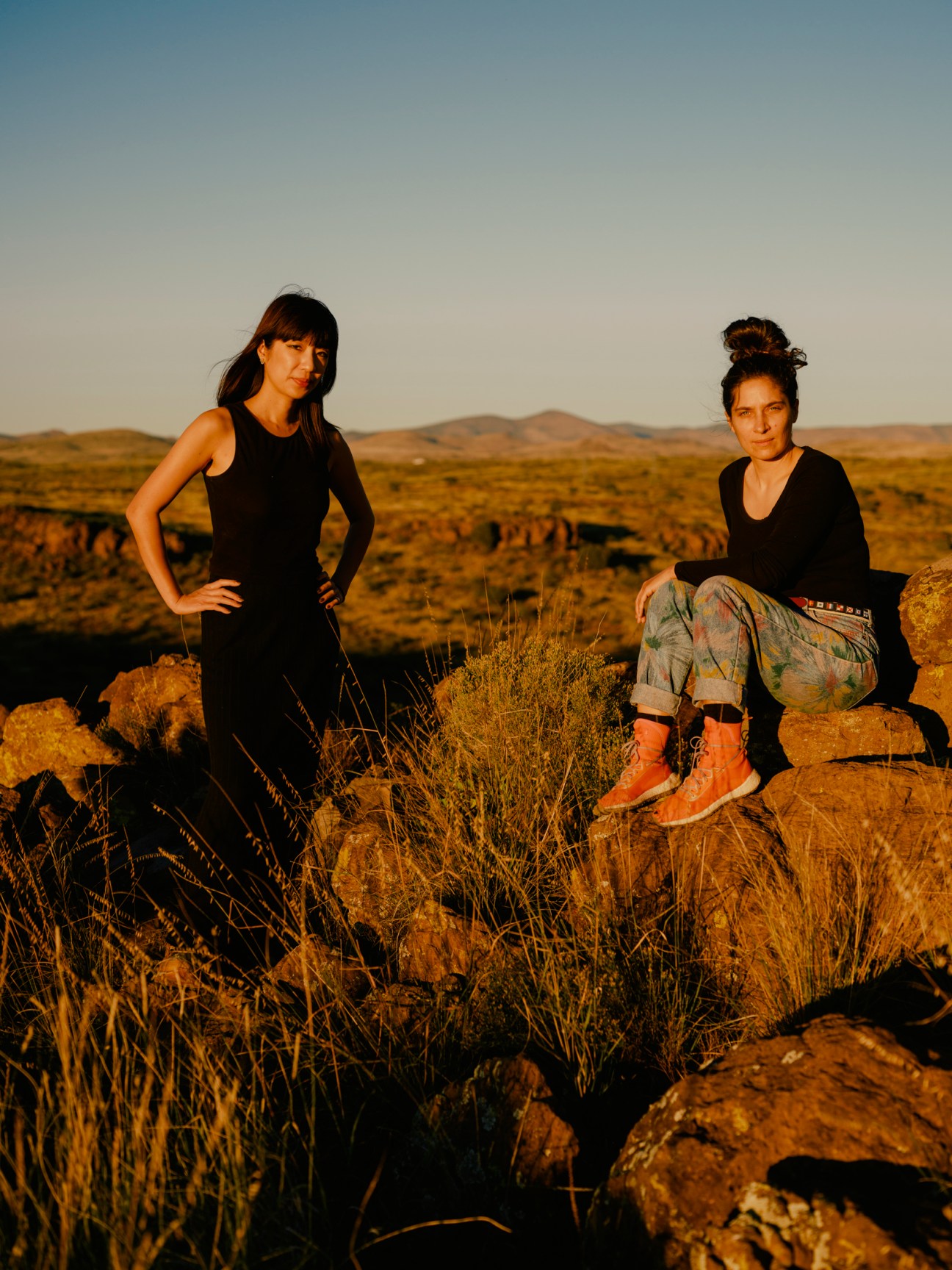
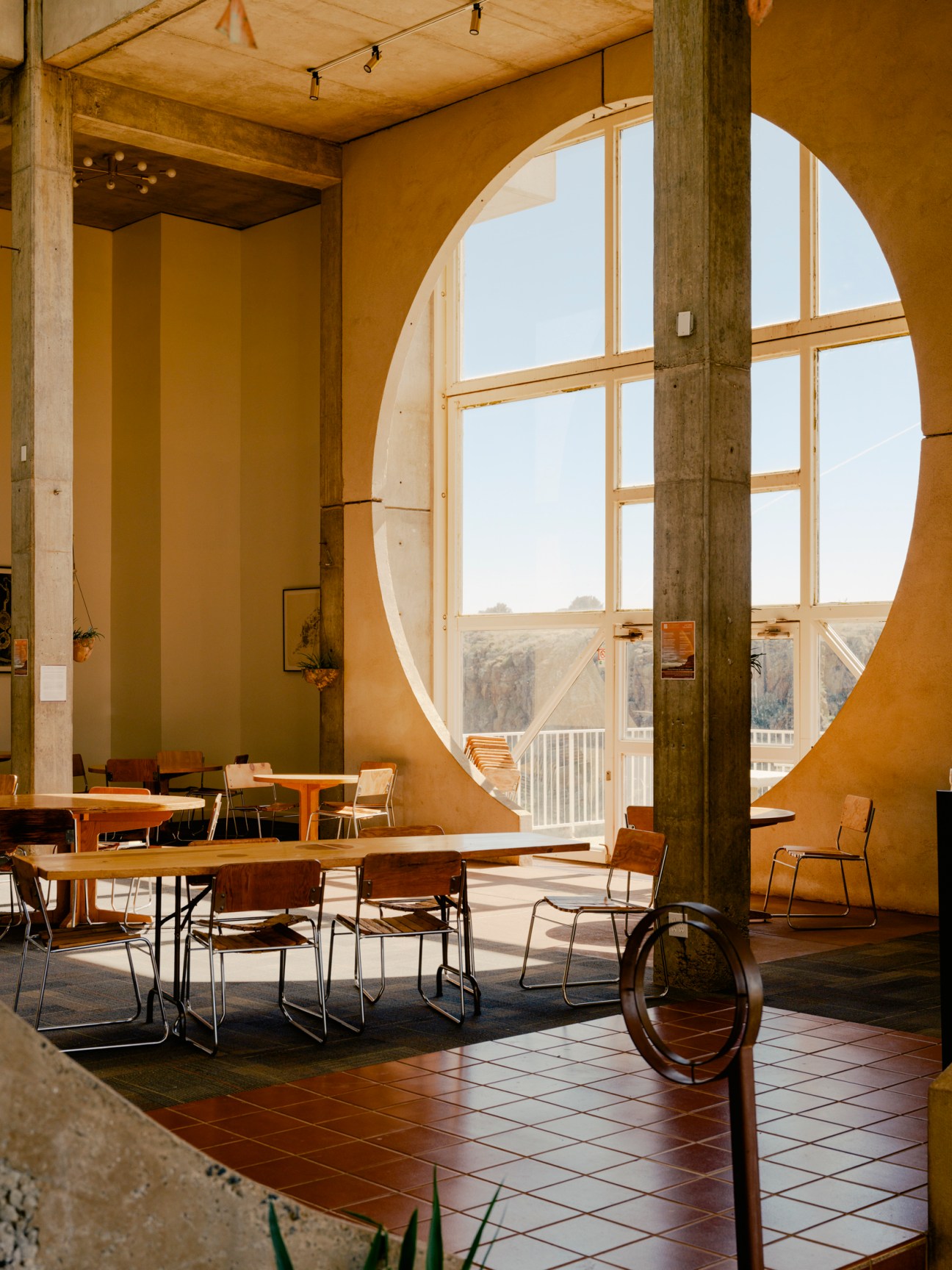
As the afternoon heat abates, the students dislodge their sculptures from the river and pack up. We help visiting adjunct faculty Daniel Ayat hoist a milk crate heaving with tiles up a steep embankment, then load it into a red Toyota Camry piloted by the school’s dean, Stephanie Lin. On the short walk back to the concrete apses that are characteristic of Arcosanti’s distinctive and peculiar architecture, we pass a basalt mesa on which perch shelters renovated by recent graduates. The students scatter to their dorm rooms on the campus for some downtime before cocktail hour and dinner with Barat and faculty.
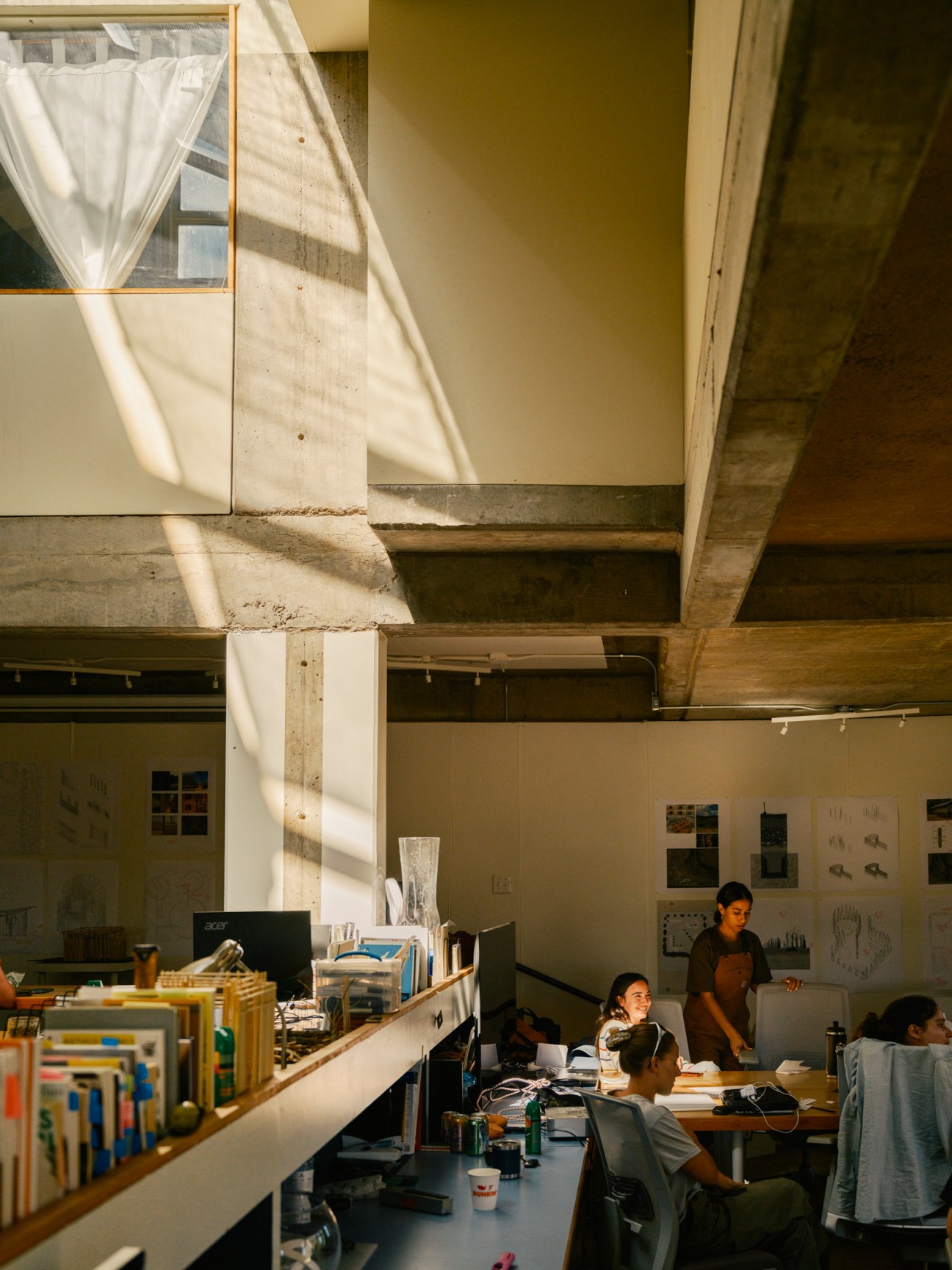
The day encapsulates the school’s three core values: learning by doing, material experimentation and immersive learning. Back in the studio – despite the open-air workshop, TSOA does have a traditional studio with walls to pin drawings, student workstations and reference books – Lin explains the benefits of this model. “Teaching never stops,” she says.
In more traditional settings, a student must book an appointment to receive feedback from a professor. At TSOA, students and faculty, who both live on campus, are next-door neighbours who share communal facilities. “It’s extremely frequent that we’re eating together or running into each other in the kitchen,” she says. “That informal interface is what allows us to interact within different settings.”
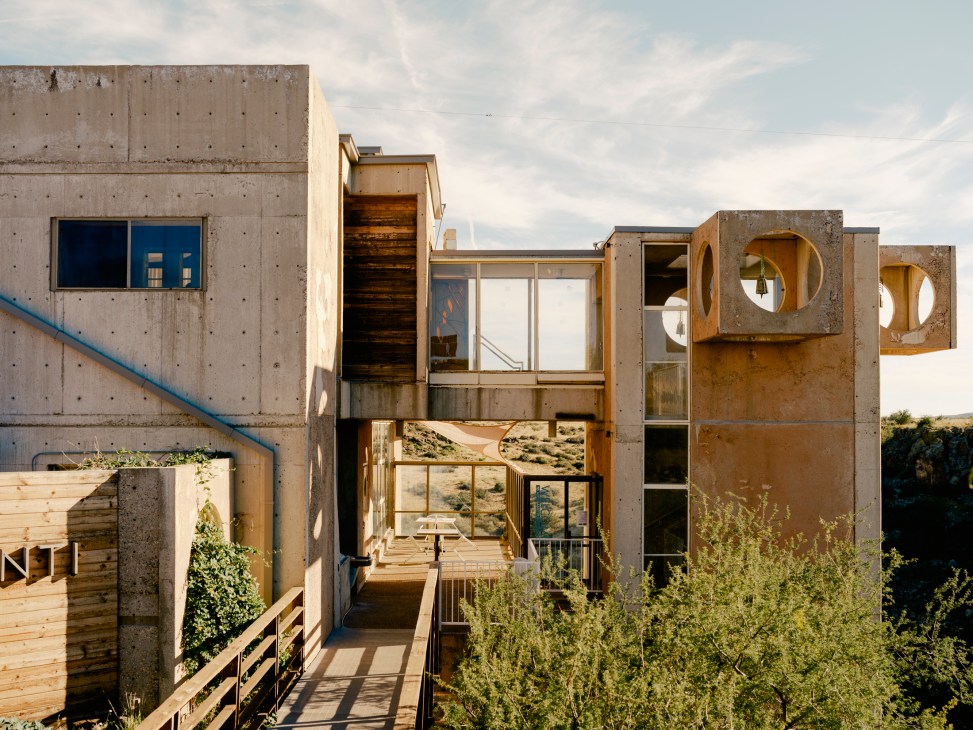
Though TSOA settled in to the Arcosanti campus in 2020, its pedigree and pedagogy stretch back 90 years. In 1932, Wright started the Taliesin Fellowship, an apprenticeship programme split between the famed US architect’s Wisconsin estate and Taliesin West, his winter home in Arizona. Hands-on design and learning by doing were core tenets of the fellowship, with apprentices living on site and working on such Wright masterworks as Fallingwater and the Guggenheim Museum. Despite Wright’s antipathy to formal architectural education – “Beware of architectural schools except as the exponent of engineering,” he once wrote – the programme became accredited in 1987 in response to licence requirements and changed its name to the Frank Lloyd Wright School of Architecture.
Since then, however, the school has endured a series of crises that might only now be abating. In 2014 the institutional accreditor responsible for Arizona flagged the school’s affiliation with the Frank Lloyd Wright Foundation as a violation of new regulations; it formally separated from the foundation and was renamed again, this time as The School of Architecture at Taliesin. For a while it continued to operate as a tenant on the Taliesin East and West campuses but, as its first lease neared expiration, the school and the foundation could not come to a renewal agreement on the lease. The foundation claimed that the school was a financial drain that could not sustain itself fiscally and abruptly, in January 2020, the school’s governing board announced that it was ceasing operations.
The result was an outcry from both students and graduates, with a petition to save it garnering 30,000 signatures. Meanwhile, alumni published open letters crying shame on the Frank Lloyd Wright Foundation for valuing sales of Wright-branded home decor to tourists over the architect’s legacy in experimental education. In response, the board made a stunning reversal of its closure decision in March 2020. Later that year The School of Architecture, as it is now known, landed at Arcosanti. The school is currently renovating Soleri’s other Arizona project, Cosanti, for a future campus.
The new choice of home is rich in irony. Long before founding Arcosanti, Paolo Soleri was an apprentice in the Taliesin Fellowship but Wright expelled him in 1949, allegedly because Soleri was planning to start his own school in the Taliesin mould in his native Italy. “Being at Arcosanti has given us more intellectual freedom,” says Lin.
If operating under Wright’s shadow influenced the school’s previous iterations, then life at Arcosanti sets a different tone. While apprentices at Taliesin West once hosted black-tie dinners for visiting design dignitaries and sang in a house choir, TSOA has ditched tuxedos in the desert for a more relaxed sartorial style and a low-key environment of weekly communal dinners. TSOA students are also less like zoo animals than they were at Taliesin West, where a steady stream of tourists visited the campus, a Unesco World Heritage Site.
Taliesin West’s polished desert modernism also contrasts with Arcosanti’s scrappy vision. Soleri’s earth-casting method of poured concrete was innovative for its day. As an early adopter of passive solar design, his structure’s orientation towards the horizon warms spaces in winter and keeps them shaded in summer. But the wider pioneering experiment in sustainable architecture remains an elusive dream. Though some 8,000 volunteers have pitched in since the 1970s, Soleri’s urban laboratory remains only 5 per cent built and construction halted in 2008.
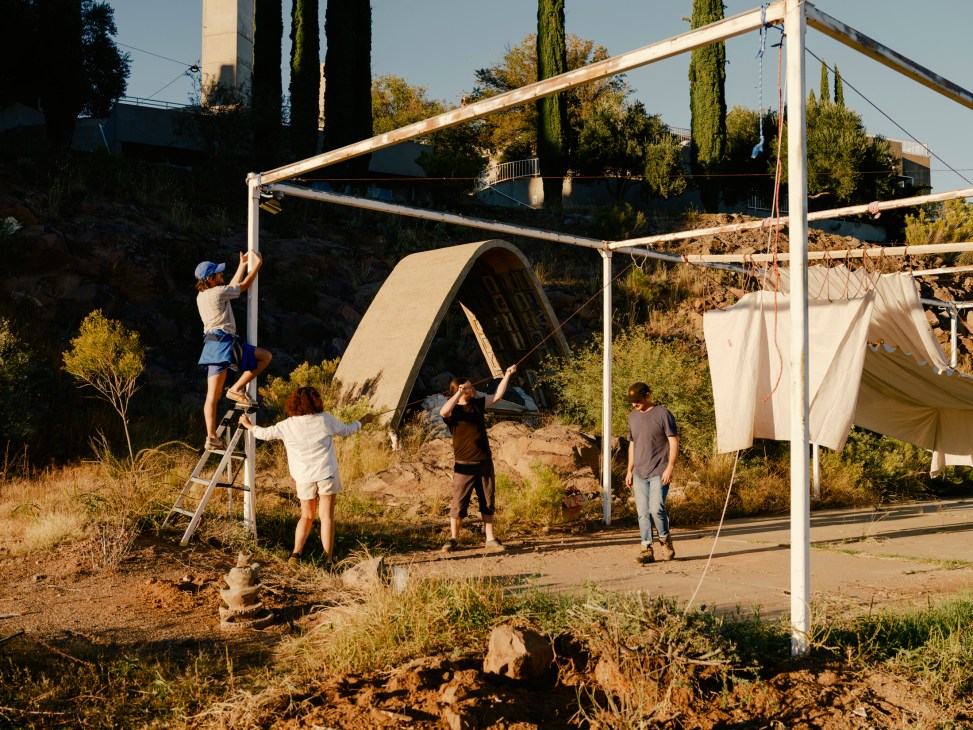
In that vein, Arcosanti fits the US southwest’s legacy of visionary architectural experiments with an ecological bent, from the Michael Reynolds-designed Earthships of Taos, New Mexico, to Peter Jon Pearce’s Biosphere 2 in the Sonoran Desert. They continue to inspire 50 years later. First-year student Nick Gulick, 26, studied environmental technology for his bachelor of architecture at the UK’s Sheffield Hallam University and will now spend the next three years living in a community predicated, in part, on those principles. While Arcosanti is imperfect, he says, it functions as a living laboratory that provokes questions. “Ask yourself why these failures [at places like Arcosanti] happened and what to do about them,” he says.
Soleri’s philosophy of “arcology”, or architecture and ecology, is a variation of Wright’s call for “organic architecture”. Perhaps more than Wright, however, Soleri embraced a free-thinking style that is embodied by the bold architecture of Arcosanti. That too is a useful teaching tool. “The ethos of experimentation is important to create good design that challenges the status quo,” says Ayat, who teaches architectural history and theory.
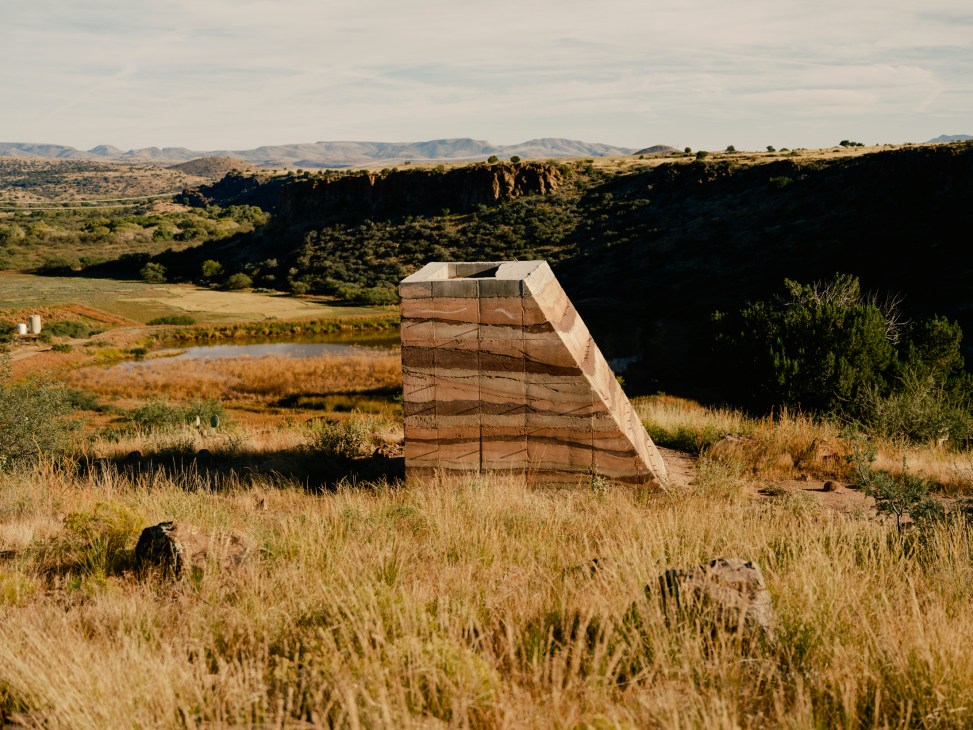
Nowhere is that ethos more apparent than in the school’s shelter programme. At Taliesin West, students slept in shelters that they or their predecessors designed, several of which are now icons of desert architecture, including works by John Lautner and Victor Sidy. At Arcosanti, the shelter programme has evolved beyond single-use residential dwellings and now includes prototypes, temporary structures and communal buildings. Some, like current student Jessica Martin’s rammed-earth trapezoid “Cinders”, channel the traditional shelter spirit in a simple dwelling with unimpeded views across the landscape. TSOA’s emphasis on design and build is key to its graduates’ competitive advantage and, despite being inspired by the tradition of Wright and Soleri, could be an influence on design education more broadly in the coming years. “Employers appreciate that students have already been through the process of getting a project built,” says director of admissions and recent graduate Shelby Hamet. “They understand the build project from concept through construction.”
The school’s flexible curriculum, meanwhile, fashions independent-minded, well-organised architects. “Students learn the skills of project management before they even get jobs,” says Lin. “They are really good problem solvers. Here they self‑initiate and are very outspoken.”
Despite the school’s remote desert location, it remains well connected in the global architecture scene, due to both its pedigree and the rotating cast of faculty with strong industry connections, starting with Lin herself, who is principal of New York-based studio Present Forms. That skill set, in turn, has proven attractive to firms including Herzog & de Meuron, Sauerbruch Hutton, Olson Kundig, Studio Shamshiri and Morphosis Architects, all of which have hired recent graduates.
TSOA also attracts students who plan to go it alone. Mariah Hoffman, 31, is a self-taught builder who bootstrapped her prior education in woodworking, laser-cutting, fabrication and welding. She built her own small house and parlayed that experience into a job with a design-and-build firm. Eventually she would like to expand into residential design, for which she needs to study at an accredited school and earn a licence.
Hoffman tells her story on an open patio overlooking the desert night, pausing for Hamet to smash a scorpion with her boot. The harsh environment, for all its dangers, breeds confidence. “I’m part of this growing cohort of progressive young leaders in the industry,” she says.
Making the cut
Part & Whole
Canada
Making repairable furniture
“A sofa is this large piece of furniture that you typically only buy a couple of times in your life. It’s almost more in line with buying a car,” says Guy Ferguson, brand director of Canadian furniture company Part & Whole. It was this realisation that led Ferguson, who co-founded the Victoria, British Columbia-based firm in 2018, to try to solve the more cumbersome conundrums that can be associated with the mass-manufacture of sofas.
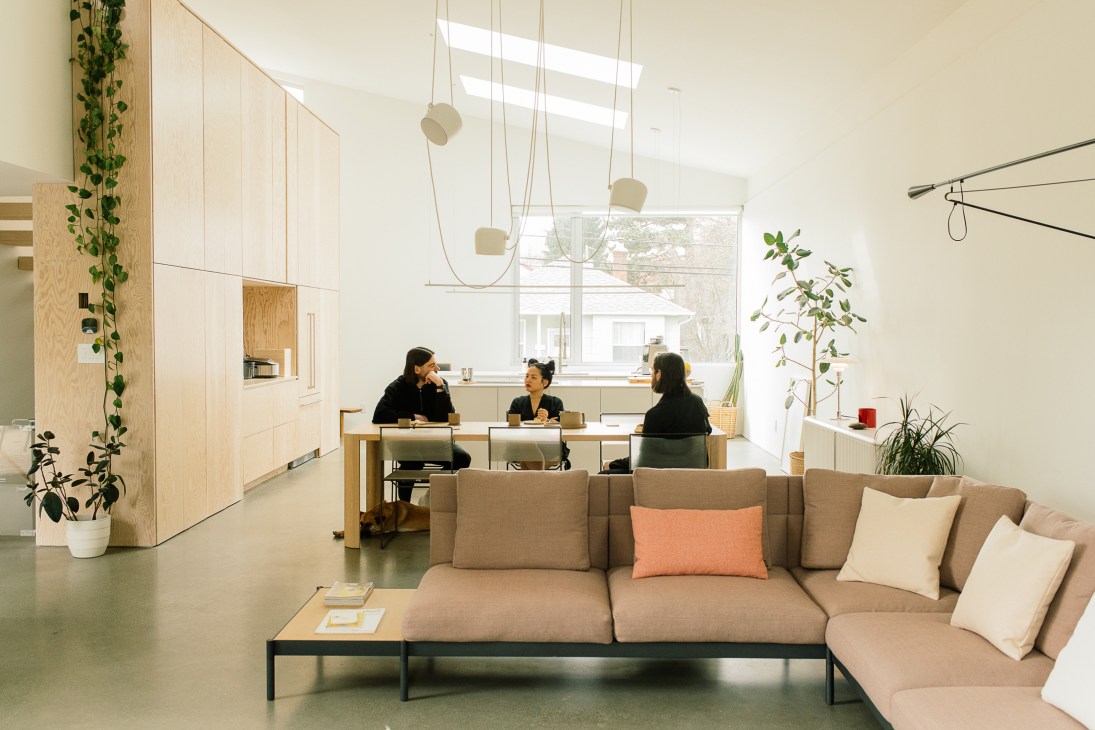
“A typical sofa is massive and bulky, and one of the main failure points on a piece of furniture like this is suspension,” he says. “Eventually, with use, that suspension – either springs or woven – will begin to fail, and then that entire product is likely to end up in the garbage or be very costly to rebuild.”
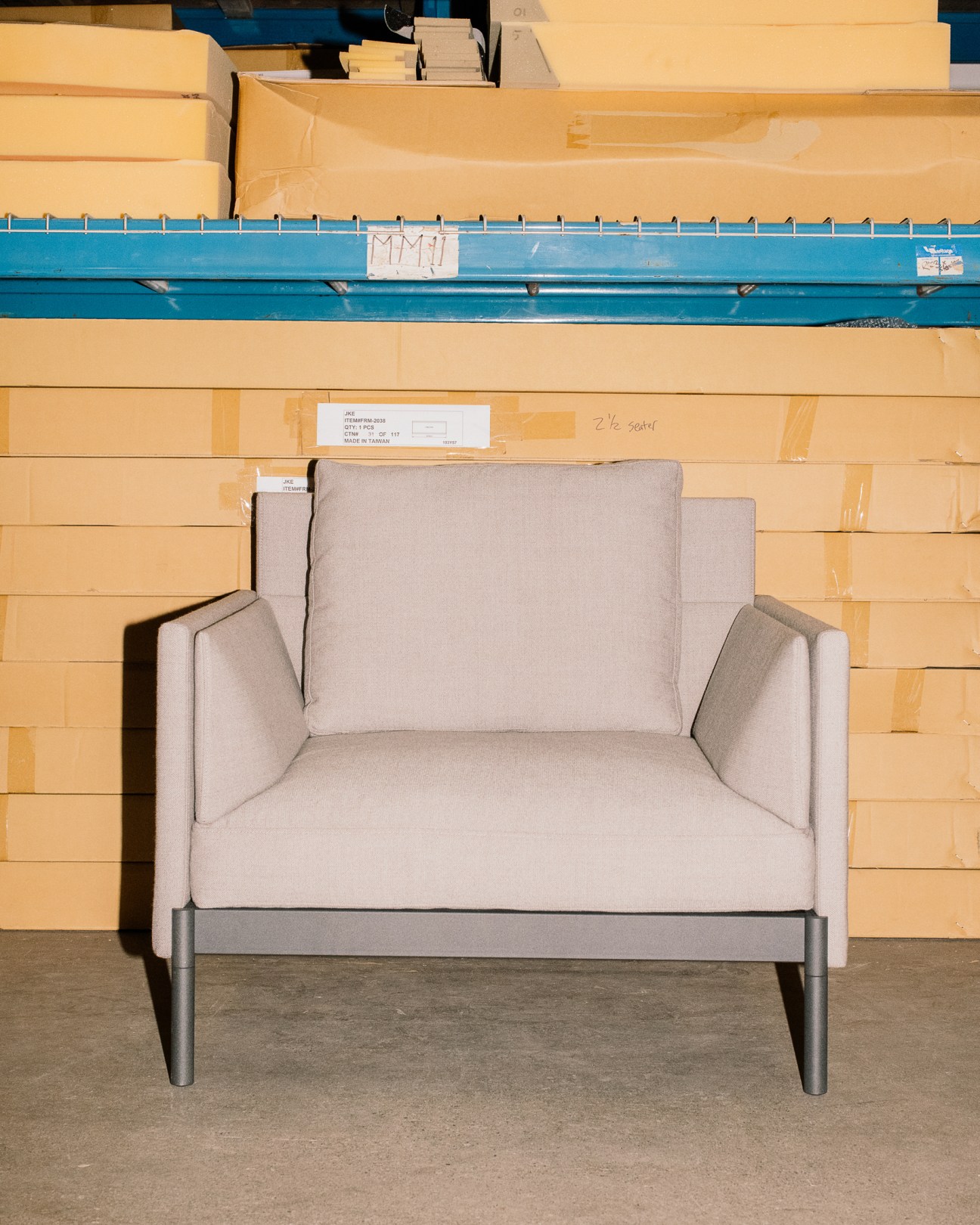
Responding to this challenge, Part & Whole has designed modular sofas (its first piece, named Total, was made available in 2021 after a four-year development process) that can be broken down into component parts, including its laser-welded steel frames, down cushions and wool upholstery. “Every part can be replaced; everything can be serviced or disposed of in the correct way,” he adds. “This is all with the intention of creating objects that can be kept in use, to principles of circular design and manufacturing.”
Not only can you expect Part & Whole to continue with this philosophy (its newest work, Chord, riffs on the colourful, rippling surfaces of 1970s sofa designs) but for boutique furniture-making to follow suit. “It’s a sector that makes objects that need a lot of specialised expertise. As a result, it hasn’t been able to move at the pace of other industries in terms of circularity and repairs,” says Ferguson. “But it’s going to start changing quite quickly.”
partandwhole.com
Mabeo Furniture
Botswana
The designer as the middleman
Gaborone-based designer Peter Mabeo is known for creating furniture inspired by Botswana’s rich craft tradition. But his approach hasn’t always been so rooted in his homeland’s culture. “Back when we started in the early 1990s, there was no historical reference to craft within the local commercial context,” says Mabeo. “My early work was about trying to meet someone’s expectations on boring, commercial projects.”
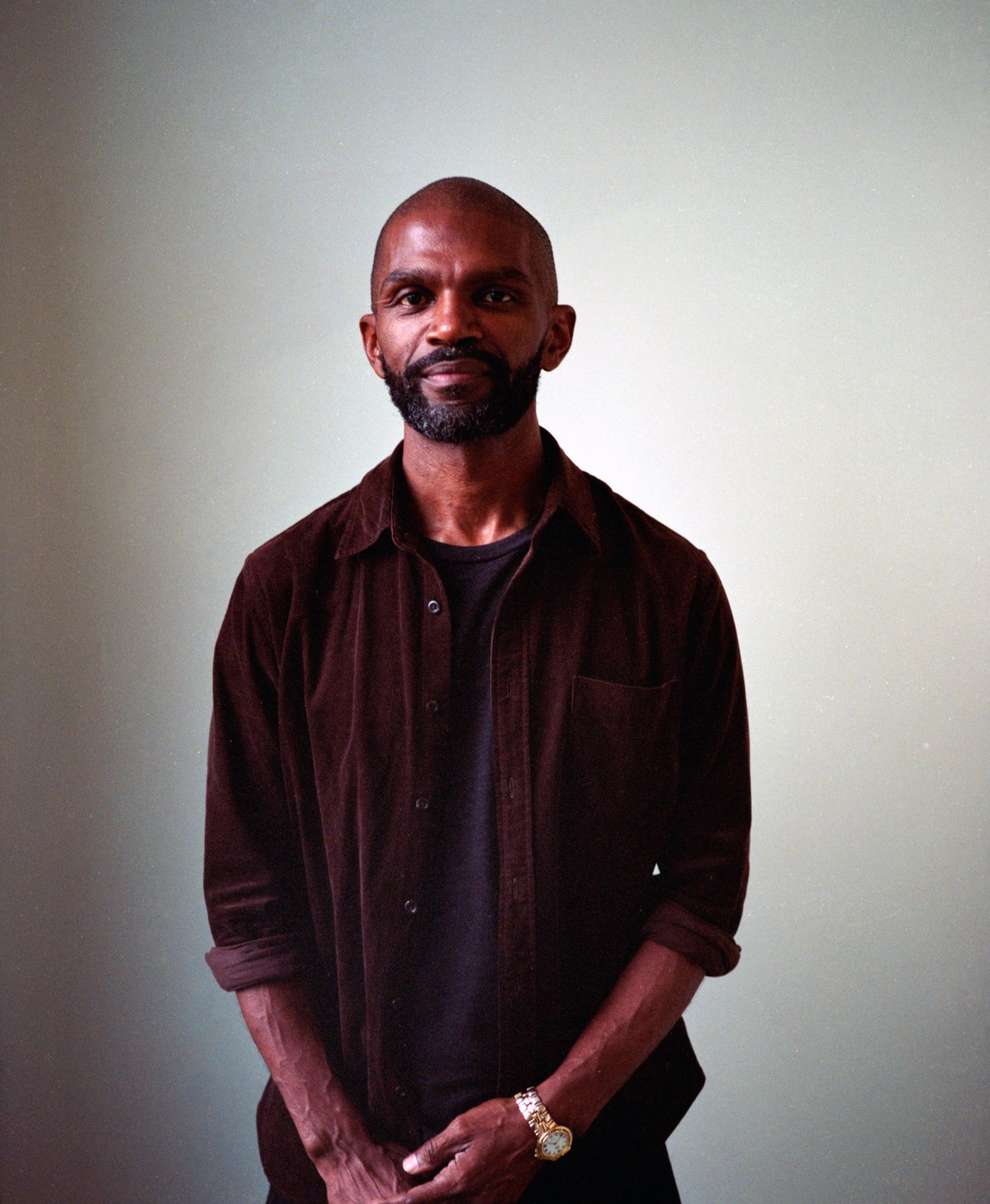
Convinced that there was a more inspiring way to practice in the southern African country, Mabeo (pictured) set a new agenda for his studio. “I decided to forget about that commercial way of working entirely and do something that felt more aligned with Botswana’s culture and the way we work.”
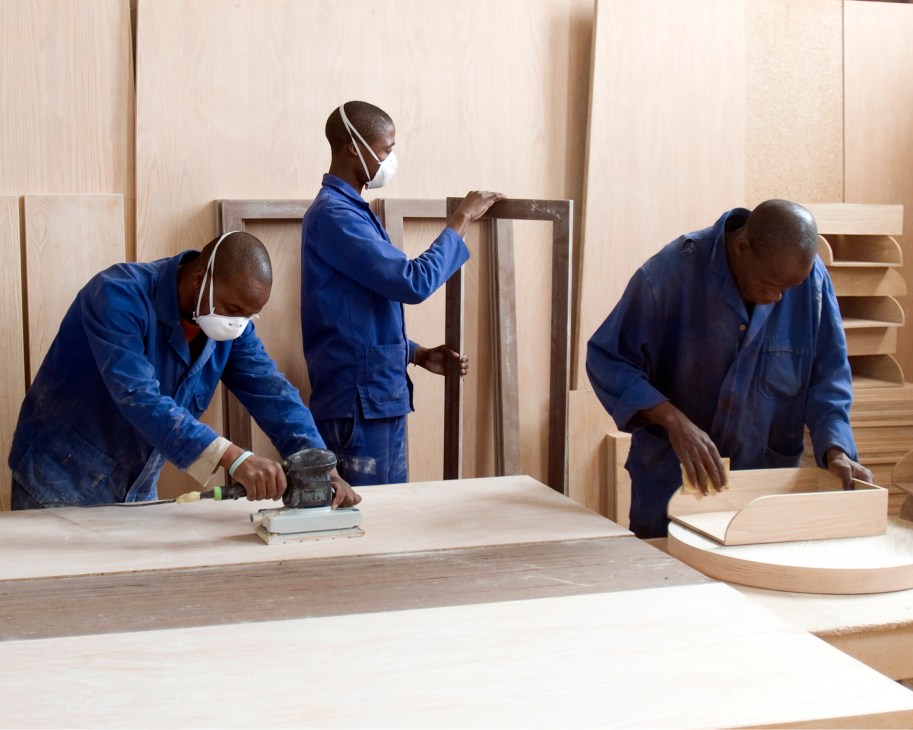
The result? A business model that has seen him act as a middleman of sorts, pairing his knowledge of local craftspeople’s skills with client briefs. And while Mabeo knows that this is good for the region’s creative industry, he stresses that it is financially savvy too. Today, Mabeo Furniture is a multidisciplinary company collaborating with the likes of Fendi and exporting southern African design globally. “The idea is not to help from the superior position that is often associated with design but to collaborate using design as a tool for mediation,” he says.
It is a reminder that furniture-makers don’t need to look to established business models. Instead, forging connections between local craft and clients can be a profitable way forwards too.
mabeofurniture.com
Reframed
Denmark
Flatpacking the future
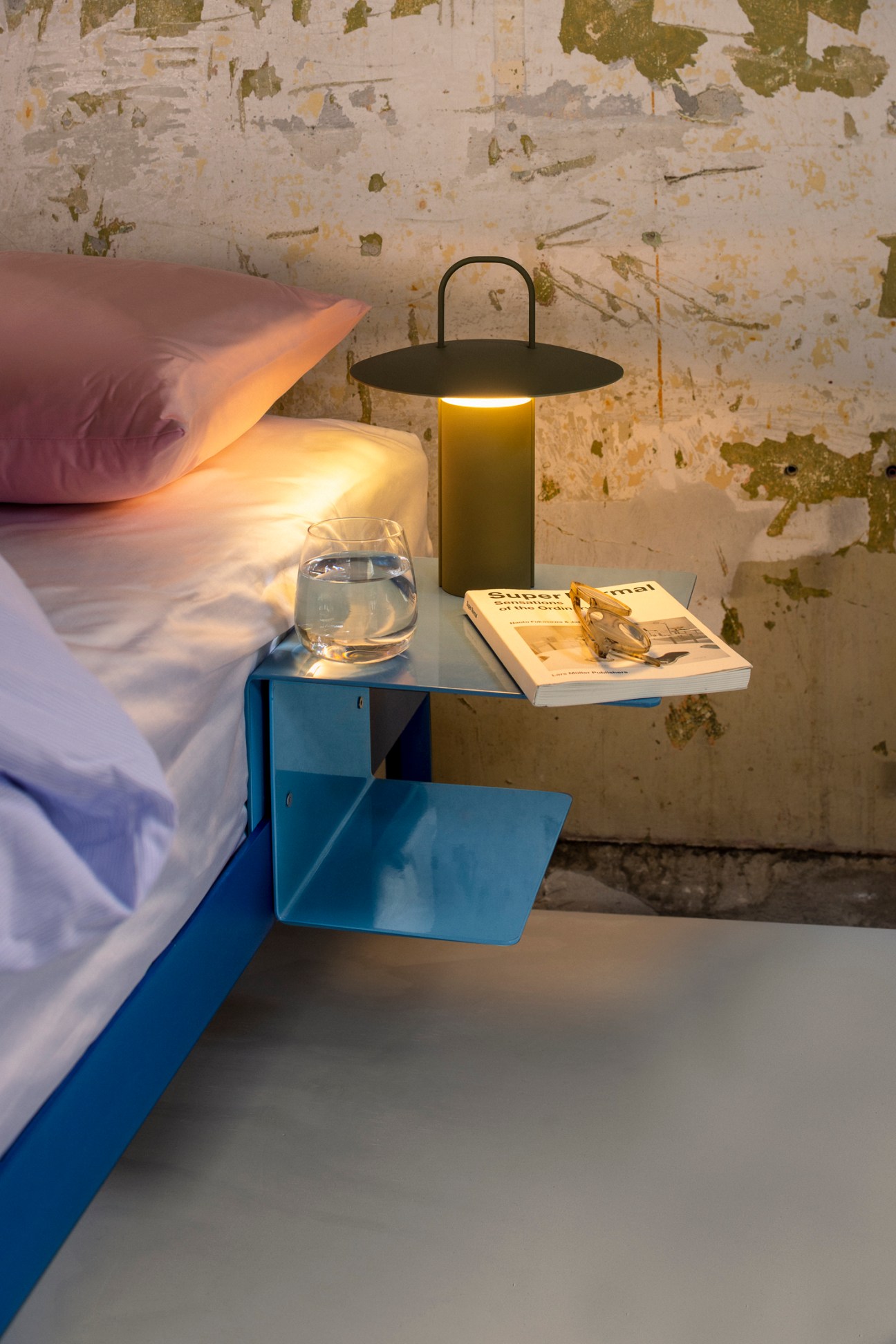
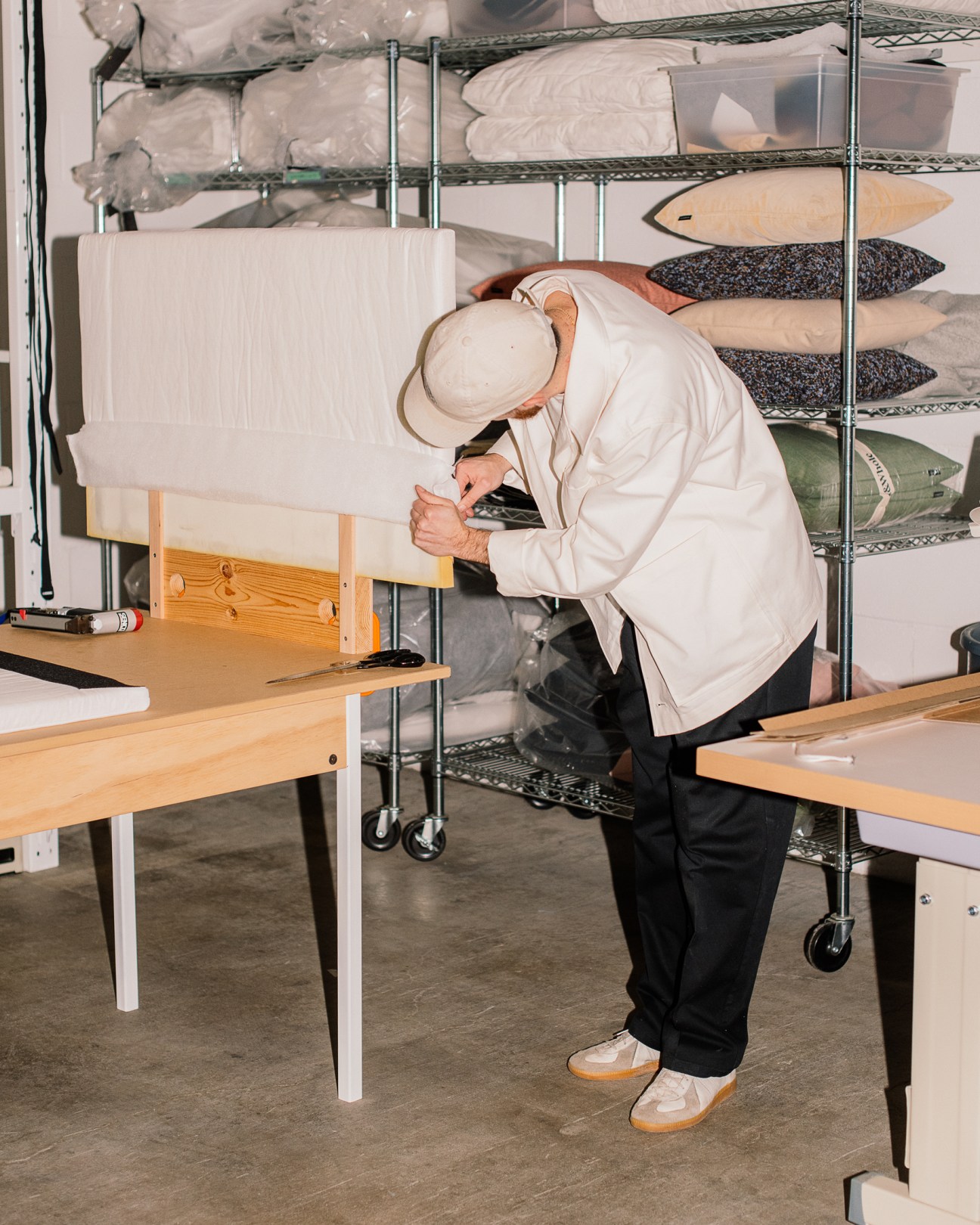
“I’m trying to make good design accessible because I believe that people’s lives are better when they’re surrounded by good interiors,” says Kasper Simonsen, founder of Copenhagen-based bed-maker Reframed. The firm has been working to spice things up in the bedroom since its foundation in 2021, offering smartly designed furniture at an accessible price point.
“I was living in London and my friends were buying flatpack furniture that wasn’t made on the continent, meaning that it would spend 40 weeks on a boat before coming to Europe,” says Simonsen. “Or if they were buying high-end designs, they would have to go to the retailers and wait eight weeks for delivery.” Reframed’s business model, Simonsen says, fights these inefficiencies.
Its bed frames are made from aluminium extrusions produced by Norsk Hydro in Sweden, whose clients include Rolls-Royce and which uses 82 per cent post-consumer recycled aluminium. They are then machined and powder-coated in Denmark. The lightweight frames are flatpacked and shipped to customers in less than a week; tension locks built into the frame ensure that the bed can be assembled in minutes, without screws.
Reframed focuses on connecting with customers and ensuring that its designs are simple. “A customer called me and said that he was putting together his bedroom but couldn’t find the bed’s screws,” says Simonsen. “I told him that was the point: no screws, just the locks. He called back and when I asked how it went, he said ‘Great – until we had to assemble an Ikea chest of drawers.’”
reframedbrand.com
One For Hundred
Austria
Replenishing raw materials
In 2015, Anna and Karl Philip Prinzhorn swapped their flat in central Berlin for a house in the middle of an Austrian forest in Weinviertel, one hour from Vienna. “It’s so remote: there is no phone signal,” says Anna, a Vienna-born industrial designer who returned to the country with her husband and two daughters after 10 years abroad.
Karl Philip’s family has owned the forest for about two centuries; it is a dense thicket of white oak, larch, spruce, ash, maple and walnut trees that sprawls across 900 hectares. “When we arrived here I decided that it was time for me to launch my own project,” says Anna. “And it would have been stupid not to work with wood, because it was all around me.”
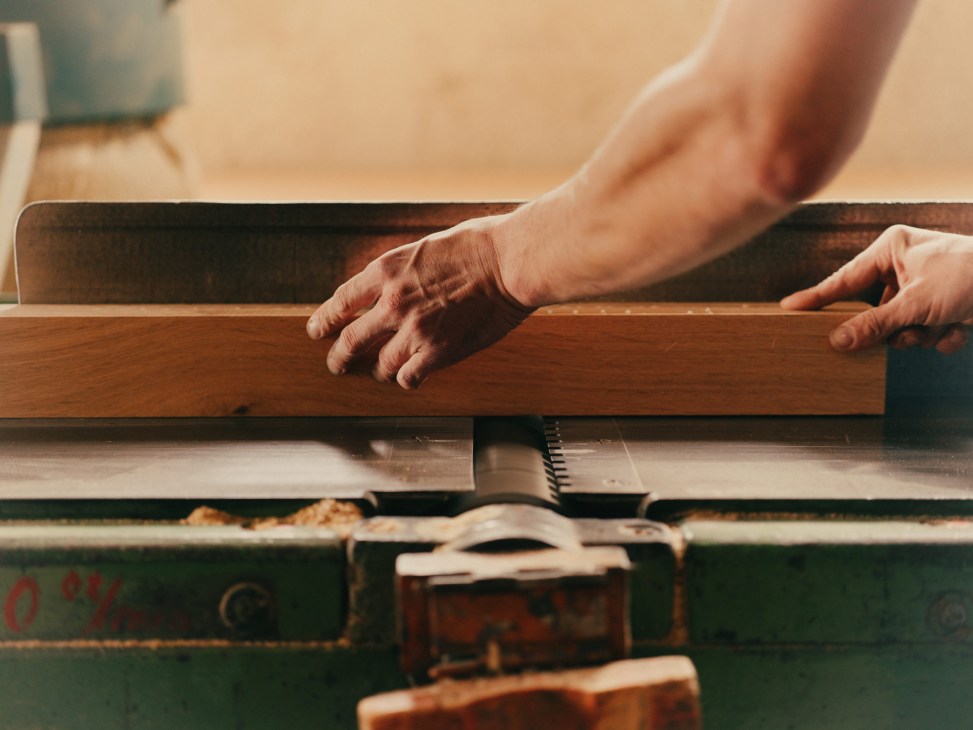
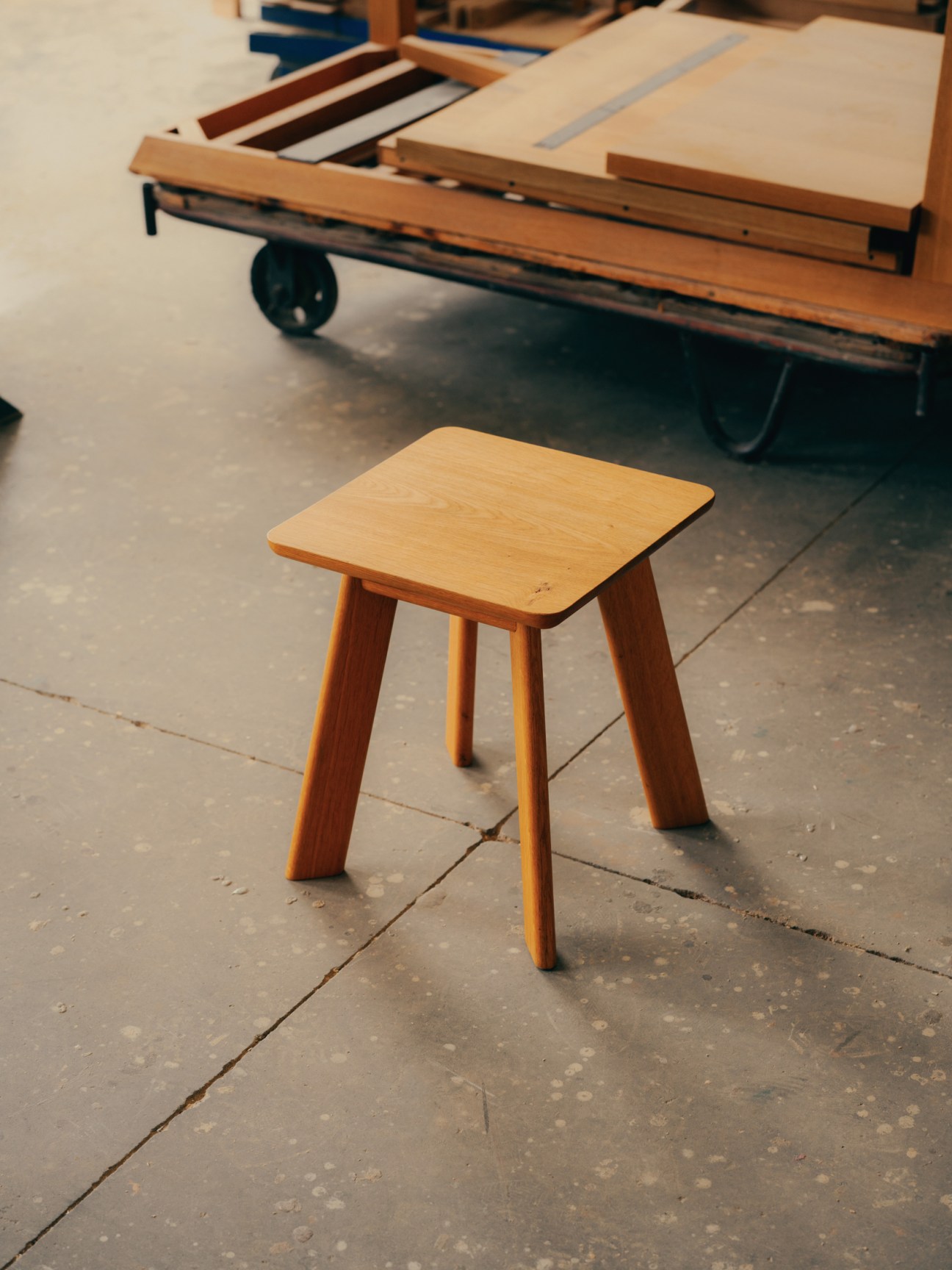
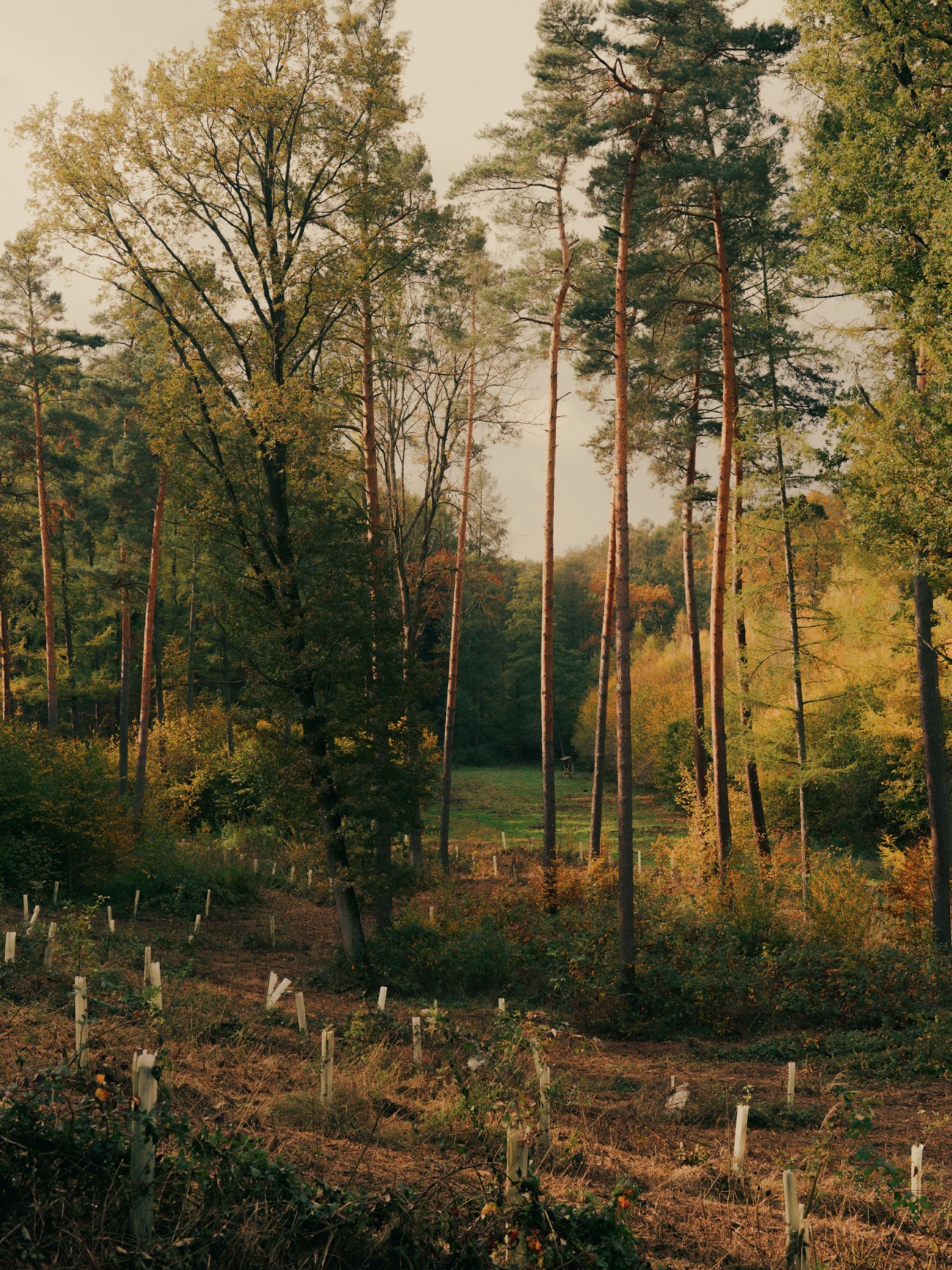
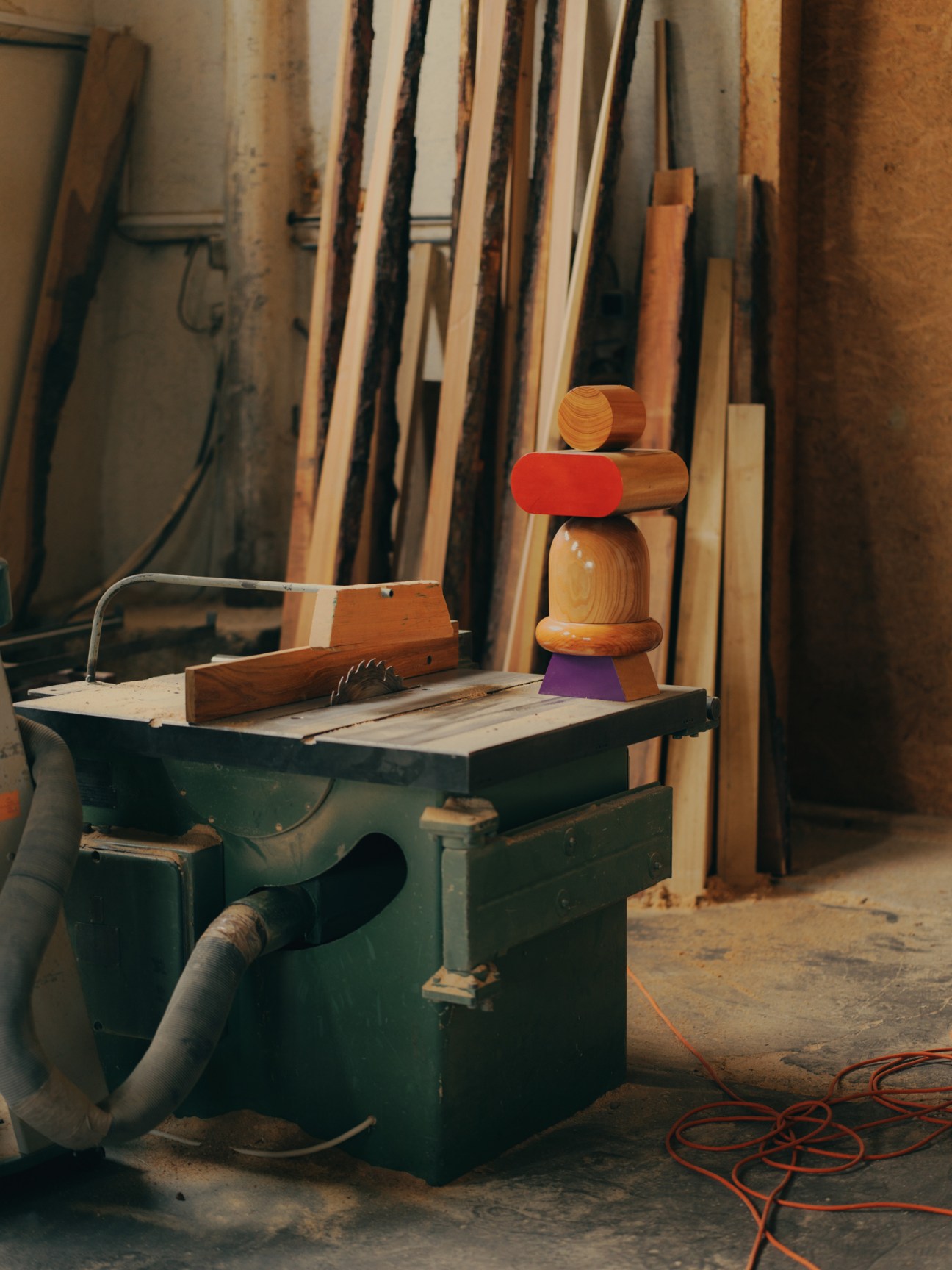
The result is One For Hundred, a furniture brand that uses wood felled in the forest to create a range of made-to-measure tables, sideboards, benches and shelving. But the brand is notable for more than just its commitment to sourcing timber from nearby; for each product purchased, the Prinzhorns plant 100 trees. “It wasn’t enough for me to just work with a sustainable resource,” Anna says. “I want to build up the resources I’m using. As designers, we can’t go on just producing new stuff. We want to be disruptive and come up with innovative concepts. And customers want transparency and honesty.”
Before moving to Berlin, the couple lived in New York, where Anna worked for designer Stephen Burks. “His way of thinking had a real effect on me,” she says. “He was always pushing the envelope and trying to change the industry.” While her time spent working with Burks helped shape One For Hundred’s pioneering ethos, Anna learnt to work with wood in Berlin. There she teamed up with two architect friends to launch Bullenberg, a brand selling custom oak tables. They ran the firm for three years before Anna left and launched One For Hundred with Karl Philip. “There was a lot to learn from him,” she says. “You need about two years after felling the tree until the wood is ready to use. The trunks are cut into planks in the winter dormant period and then they are stored. And you have to make sure that there are no worms or fungi that will damage it during this process.”
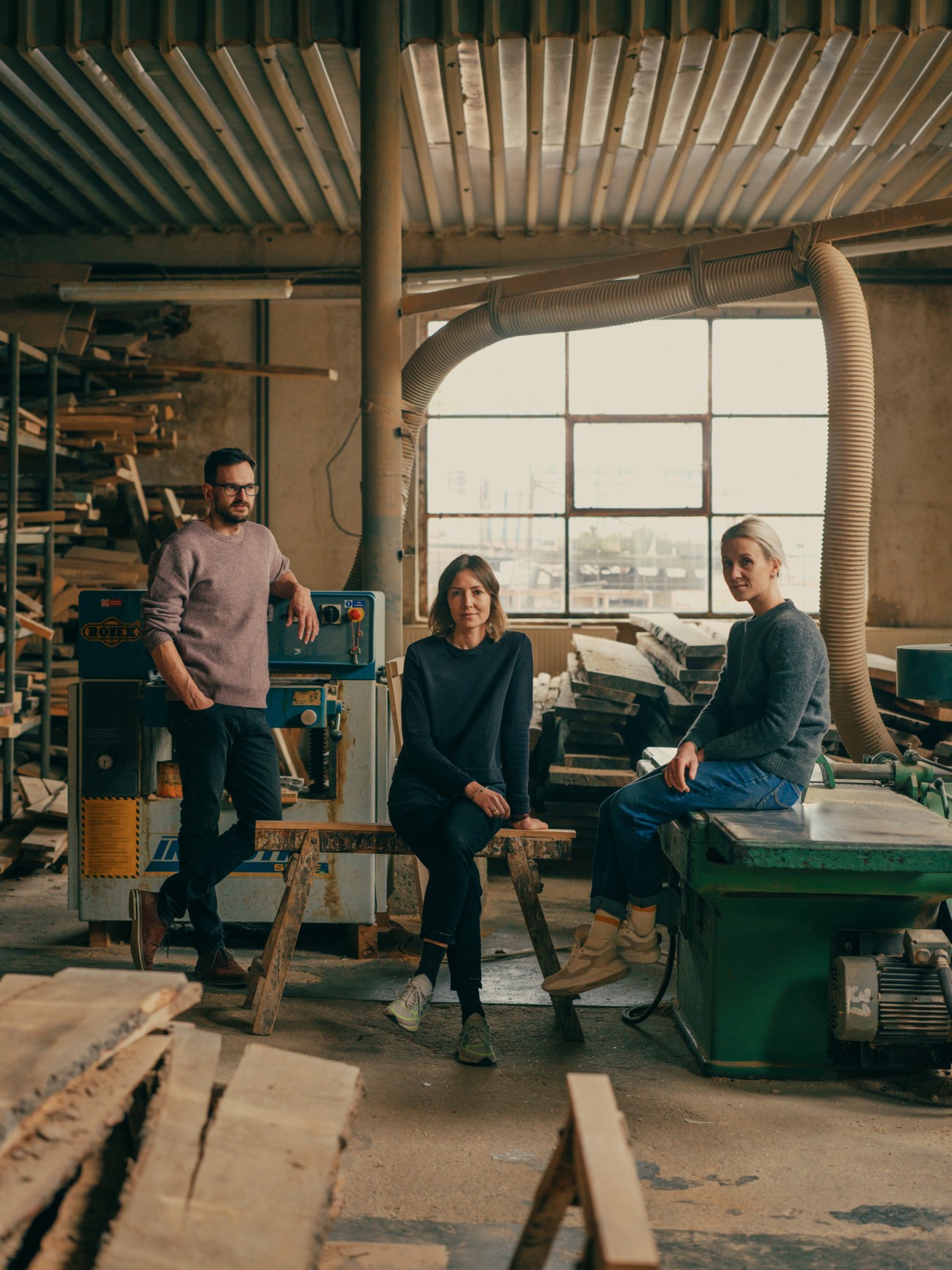
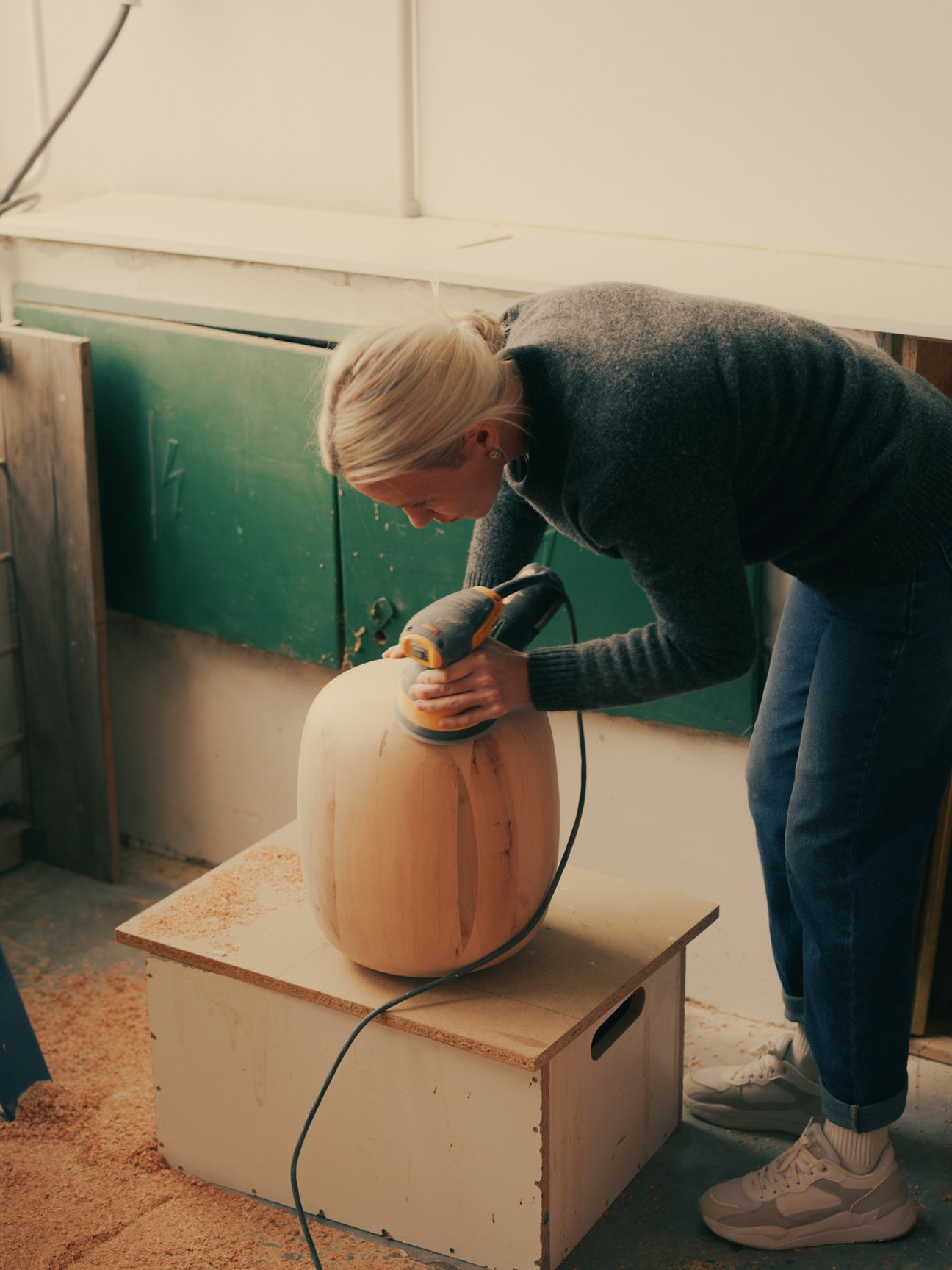
Once drying is complete, One For Hundred’s wood is taken on a 90-minute drive into the Czech Republic, where a carpenter realises the designs. “I’ve been working with her from the beginning. She is a third-generation carpenter who is super-skilled with solid wood,” says Anna, adding that One For Hundred’s designs place an emphasis on timelessness and minimalism. If there is a shortage of dry wood from the forest, the brand buys it from the regional dealer that it sells its own wood to, ensuring that it has control over the quality and origin of the material that’s being used for its pieces. “I never wanted to reinvent the wheel. I’m all about removing the ego from design and creating objects that last for generations. What is trendy in 2022 probably isn’t going to be cool in 2030.”
oneforhundred.com

Light Cognitive
Finland
Enhancing our wellbeing through good lighting
When Sami Salomaa returned to his native Finland after decades overseas, he noticed the powerful effect that light – or the lack of it – can have on people; the long summer with its white nights made Finns happy but in the winter, with only a few hours of sunlight, people appeared gloomier. Salomaa (pictured, on left, with colleagues) also observed that there had been little innovation when it came to led lighting design. A physicist and mathematician by training, he studied and experimented with artificial light, looking at how it could resemble mood-boosting natural light.
The fruits of Salomaa’s research are apparent in Light Cognitive, the company he launched in 2014. Its panels, using led technology, produce a light whose quality and feel are similar to natural light. This has many benefits. “People feel better, colours look the way they are supposed to look and indoor spaces feel more natural,” says Salomaa, listing just some of the reasons why the likes of Zara, Fendi and Hôpital de la Tour in Meyrin, Switzerland, have opted for his brand’s creations.
To achieve the desired effect, the company’s innovative lighting panels have been designed to replicate nature’s circadian rhythm and improve behaviours such as alertness, cognitive performance and sleep. “I’d like to think that people don’t feel like they are looking at a light, but instead get the same feeling as when gazing at the horizon on the beach,” says Salomaa.
With this in mind, perhaps it’s time for designers and architects to think about the holistic way in which lighting affects humans. Embracing Light Cognitive’s work is a good place to start.
lightcognitive.com
Images: OMO Creates, Illustrative Options, Ruan Van Jaarsveldt
Material effect
When Daniel Grieder became Hugo Boss’s CEO last summer, the German fashion giant’s signature suits had started gathering dust in a world where office work and business dress codes were being questioned. Still, Grieder saw “immense potential” in bringing the brand’s tailoring into the future and reintroducing it to the global fashion market from a new perspective – one that takes into account post-pandemic notions of office wear, the new rules of branding and responsible manufacturing.
His formula includes refreshed logos and retail concepts, high-profile marketing campaigns and deep investments in materials that promise to transform the industry. “The vision is to become the next big global name,” says Grieder, a veteran who spent more than 23 years at Tommy Hilfiger and its parent company. “I see Hugo Boss as a premium, tech-driven platform that will change fashion.”
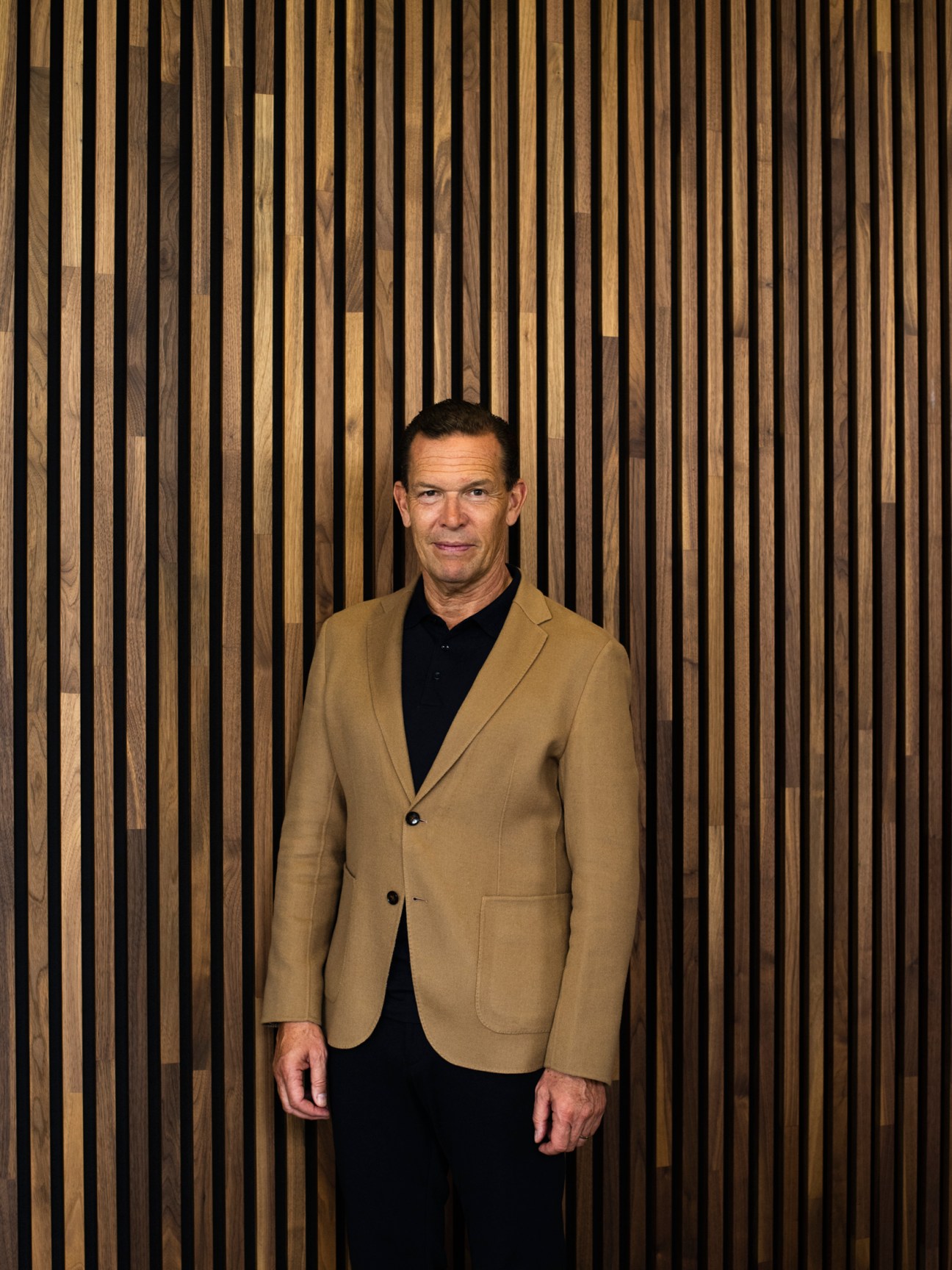
His all-encompassing strategy offers a framework for how heritage brands can stay up to date in the modern fashion landscape and is putting Hugo Boss on track to achieve its target of doubling its revenues and reaching $4bn (€4.1bn) in sales by 2025. Speaking to the new generation and broadening the brand’s range to a full “lifestyle offer” is one part of his revamp plan. But tailoring will remain an integral part of both the Hugo Boss business and people’s wardrobes, as far as Grieder is concerned.
It’s why the brand’s most recent collection, shown at Milan Fashion Week – a large-scale production held at the Velodromo Vigorelli stadium – was brimming with monochromatic grey and black suits with subtle updates such as crease-free fabrics, looser silhouettes and untucked shirts.
Grieder spoke to Monocle about how Hugo Boss is helping to define the “suits of the future” and how he plans to execute the brand’s ambitious strategy over the coming year to keep the fashion house at the top of shoppers’ minds.
What are some of the most important changes you are working towards for 2023?
The world is changing, of course, so we have been working to rebalance our different retail channels and to renew both the product and the way in which it is marketed. We want to continue to be the best when it comes to tailoring but we also want to add sportswear and casual clothing to our offer so that we can build a 24/7 lifestyle brand. We are putting a lot of effort into our different product groups, which include outerwear, shirts and knitwear, while also focusing on getting the best experts to work on each of these categories.
How are you adapting your approach to tailoring to suit modern lifestyles?
Tailoring continues to be our dna. The difference is that now it’s as important in men’s wardrobes as it is in women’s. Tailoring should become more performance-driven: we are redesigning our suits for the future with stretchy, breathable and wrinkle-free fabrics. I wanted to create a suit that feels the same as an Adidas tracksuit but looks more polished. If any brand can offer this vision of dressing for the office, it has to be Hugo Boss.
You chose to create a distinction between the Boss brand, which is more premium, and Hugo, which targets a younger demographic. Is there a risk of alienating existing customers with this younger approach?
We want to keep our loyal customers but at the same time if, as a brand, you don’t welcome new audiences you’ll just grow old. We’ve seen it with businesses such as Gap and Esprit. My aim is for Hugo Boss to stay relevant for younger audiences without completely losing older ones. We will have different shops for different purposes, including several premium locations, like the one on London’s Bond Street, that carry Boss Camel – our top range, which is now in line with brands such as Eleventy and Brunello Cucinelli.
Have you had to rethink manufacturing to reach your financial targets?
There has been a complete industry shift when it comes to manufacturing. In the past, brands would just produce in the Far East but that’s changing. Everything sold in the US should be produced in the US, everything sold in Europe should be produced in Europe and so forth – that’s our vision moving forward. The industry needs a new strategy and I believe that doing it by region is the name of the game. We already have our own factory in Izmir, Turkey, and about 300 people in our headquarters in Metzingen handcrafting products. It’s an expensive part of the business to maintain but “Made in Germany”, just like “Made in Italy”, counts for a lot.
How are you staying ahead when it comes to environmental responsibility?
There are basic action points, such as using more green energy and less water. But to me that’s just box-ticking; the industry should go further. Fashion is producing too much waste because there’s not enough planning, so we are building a team of people in Porto dedicated to gathering, analysing and implementing business and sales data so that it can forecast its volumes and plan its production more efficiently. We’ve also invested in HeiQ AeoniQ, a material-innovation lab in Switzerland, because we think they have found the alternative to polyester. We’re working on a capsule collection with them in early 2023; if we can prove that their fibre can replace oil-based materials such as nylon and polyester, we can change the industry.
What’s your vision for Hugo Boss’s shops?
Retail needs to be entertaining. You need to convince people to come in and spend half an hour in your shop. The times of people waltzing in and you just asking, ‘How can I help you?’ are over. We are opening new shops and want to be present in all key cities in Europe, Asia and the US. But destination shopping is becoming more and more important, so we want to be in holiday resorts from St Tropez to St Moritz. I’ve heard that physical retail is over many times but it’s far from the case. Younger customers, looking for a reason to come into town and hang out, want physical shops – even digital pure-plays like Alibaba in Asia are looking to establish a physical presence.
You have chosen not to bring in a big-name designer to lead the creative teams. Is this a healthier design approach for brands?
I don’t believe in a big designer coming in and changing everything; the brand’s direction shouldn’t be in a single person’s hands. We have specialists leading different parts of the business and that creates more balance. We are a team.
Talking shop
Hong Kong retail has been on a wild ride since the anti-government protests began in 2019 and the coronavirus pandemic sealed off the city for more than two years. Russell Street in Causeway Bay, home to one of Lane Crawford’s three main department stores in Hong Kong, went from being the world’s most expensive shopping street to a rag bag of make-do brands, pulled-down metal shutters and gloomy shopfronts. But now that Hong Kong’s borders have finally reopened, Asian retailers are ready to resume their seats at European fashion shows and reclaim their status as some of the industry’s most influential luxury buyers.
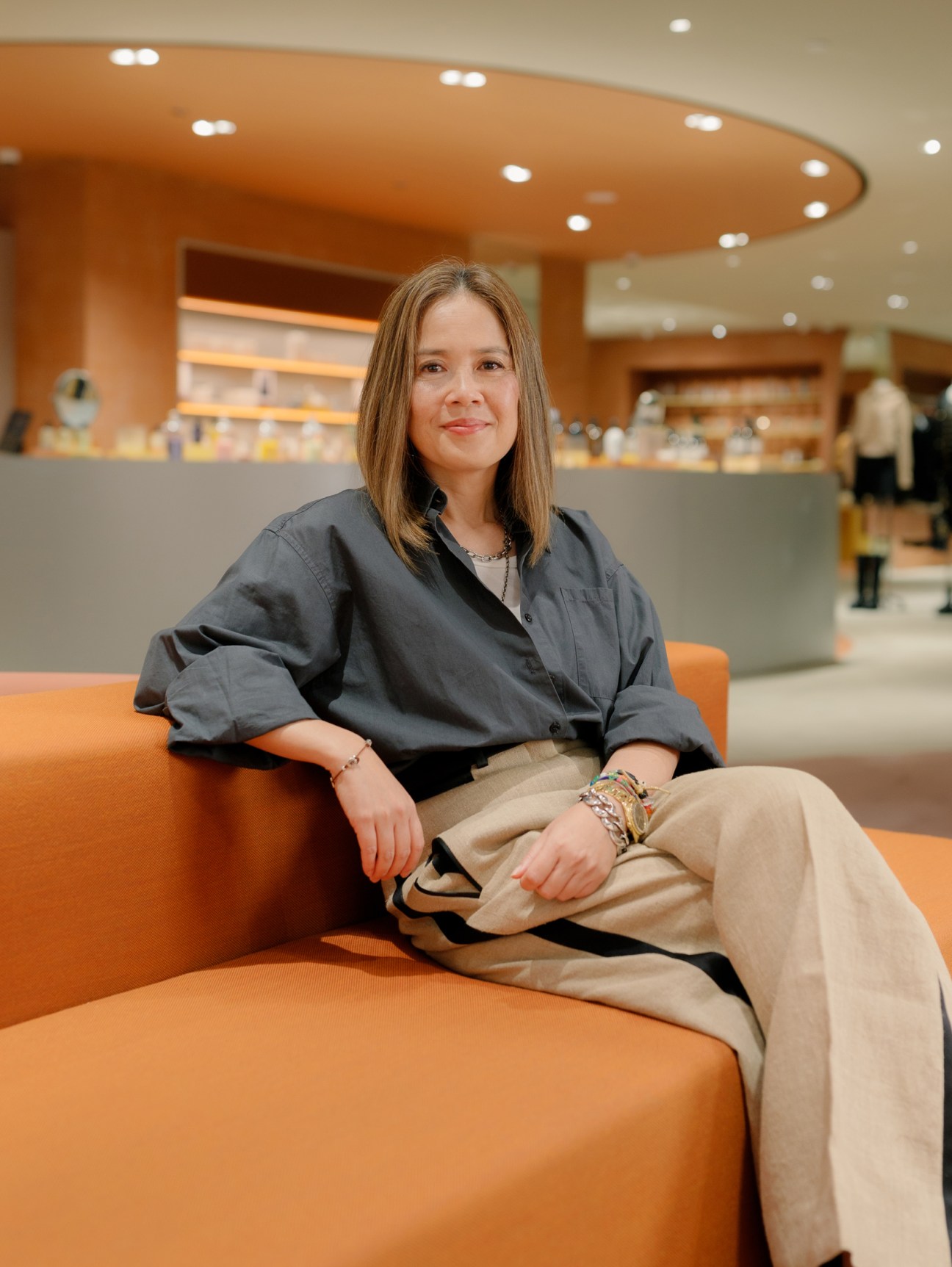
Leading the pack is the Lane Crawford and Joyce Group, owned by one of Hong Kong’s wealthiest property developers and operating 10 stores in Hong Kong and mainland China, alongside several outlets. Lane Crawford is the crown jewel in China’s retail scene. Dating back to 1850, the department store enjoys a similar standing in its home city as the Selfridges Group does in the UK, combining history with cutting-edge fashion. With a new president on board, Blondie Tsang, the retail business is confident that it can revive the excitement around physical shopping across the region.
A Hong Kong native, Tsang began her fashion career at Lane Crawford, spending 21 years in buying and merchandising before taking up a regional position at the lvmh-owned Celine in 2013. She returned in 2021 to steer Lane Crawford and sister retailer Joyce through the pandemic. “This year was a bit unpredictable,” says Tsang of the company’s most recent financial results, though she is optimistic as she looks to the new year. The Chinese market might continue facing challenges, while luxury brands are limiting their distribution in Hong Kong, but Lane Crawford has the resources to bounce back by investing in new designers, refreshing its shop floors and doubling down on premium luxury.
The rejuvenation of the group’s luxury fashion shop Joyce is a key part in the firm’s post-pandemic comeback. Since taking the helm, Tsang has given Joyce a fresh licence to be daring and taken the bold decision to close its tired three-storey flagship on Hong Kong’s main shopping street, moving it to a more “intimate” setting inside the upmarket shopping mall Pacific Place. Sitting in her office in Wong Chuk Hang, a former industrial area of the city where the company’s headquarters are based, she talks to Monocle about her vision for the new Joyce and her plans for the future, including a fourth Lane Crawford in China.
How is the market for luxury retail changing in Hong Kong?
A lot of the brands have lost a bit of faith in Hong Kong. Regional offices have relocated to China or Singapore, some shops have closed down and wholesale partners have been cut, which has reduced the distribution in our market. But we see this as an opportunity. We are very ready to invest in new products and bring in new brands that we were not able to carry before the pandemic. That’s why our multi-brand, wholesale model is interesting. We own the product, determine what we bring in and decide how we launch the season.
Has your decision to move the Joyce flagship been influenced by these changes?
There was an obsession in Hong Kong with the top retailers having a presence on the street. That’s all we talked about when I was at lvmh: building the shop’s façade and owning the space. But given the recent market changes, a lot of people are rationalising their locations and thinking about how a brand can show that it’s special in new ways.
What is your vision for the new boutique?
I grew up when Joyce was a temple of style and luxury but in the past few years it lost a little bit of that. So it was a question of revisiting the business model and shaking up our buy. We need to be ahead of the curve. When you enter the shop, we will still have Prada, Celine or Balenciaga but we are now developing newer names including Ulyana Sergeenko, a Russian designer, and young British brand Chopova Lowena. No one else is offering that kind of novelty in our market.
What role will mainland China play in the broader business?
Mainland China will remain really important. It’s where we keep growing our top-tier customer base – the kind who spend millions with you and keep coming back because they might have three homes and need to buy everything three times. That segment of the market is still very solid, so we tripled our investment in higher-end designer fashion, as well as home and lifestyle. We recently offered a made-to-order service for our top Italian furniture brands. It’s a successful way to engage top customers, who look for tailor-made pieces.
Any other plans to capitalise on the mainland China opportunity in 2023?
We need to build up better brand recognition across the country and represent more Chinese design talent. We have three mainland stores right now but a lot of our customers don’t live in Shanghai, Beijing or Chengdu. They are travelling to our sites from second-tier cities, so we see an opportunity in opening a new location in the next 18 months or reaching out with pop-ups. We could create shopping experiences in hotel suites that would be private and personalised.
How do you view the year ahead?
Christmas [2022] will be a turning point: people are ready to celebrate, get dressed up and buy presents. We’ve all been affected by the coronavirus situation but we should be responsible for bringing the traffic back into our stores. We’re upgrading some and we’ve put a programme in place to boost the team’s energy. Everyone works together to generate a lot of business out of a single item. The sales team pushes it, marketing comes up with a creative campaign and the buyers challenge themselves to find the next best thing. Next year they will be exploring South Korea.
Do you predict that Korean fashion will become more influential?
There’s street fashion and K-culture but also a lot of brands built on an elegant, very minimalistic style. We see opportunities in both; our customers will be seeing new Korean brands next spring.
Does the department store have a future?
Absolutely, otherwise I’d find another job. It’s not as straightforward as buying clothes and placing them on a rack. The model now is great curation of products in an environment that inspires creativity and provides a joyful experience – a bit like watching a movie or having a nice meal.
From indie perfumer to global player, Byredo plots its next chapter with Puig
Ben Gorham had no intention of building a $1bn fragrance business. When his basketball career was ending 20 years ago, a chance encounter with a perfumer sparked his curiosity. “I became interested in the connection between smell and memory,” says Gorham. “I worked with this perfumer to translate some of my memories into smell.”
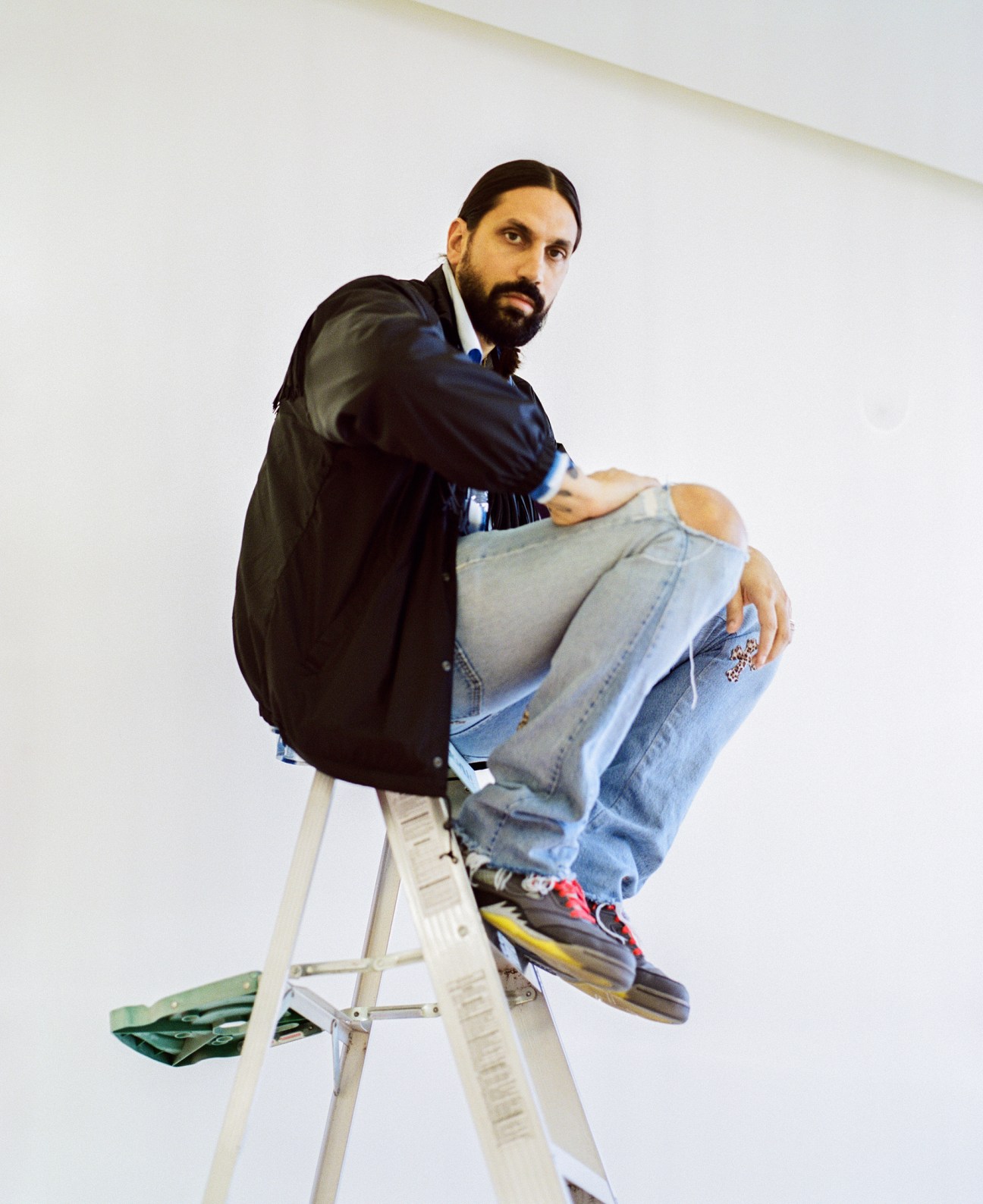
This highly personal approach to creating scent became the starting point for Byredo and helped rewrite the rules of modern fragrance. “There’s been a move away from this notion of inclusion, where people wanted to buy CK One and smell like everyone else,” says Gorham, who was born and raised in Stockholm and has Indian heritage.
Byredo has gone on to expand its footprint in more than 50 countries and entered a new partnership with Barcelona-based luxury group Puig this May. But even as it turns from indie label to household name, the brand wants to continue breaking rules and helping to shape the future of the fragrance business – one where there’s more room for creativity and experimentation in a space often reduced to a mere cash generator for luxury brands.
As far as Gorham is concerned, the fragrance brands of the future should offer scents with more intimate stories to tell and look beyond their core category. Hence, Byredo’s ventures into leather goods and make-up, or its Byproduct programme where every month Gorham joins forces with artisans on limited-edition objects, ranging from room diffusers to chairs and handcrafted jackets. He talks to Monocle about his vision for Byredo’s new chapter with Puig and the power of taking it slow.
How is the fragrance business evolving?
The industry was very commercial and controlled by a number of really big conglomerates – so it wasn’t immensely creative. I’d go to an airport and I felt like everything smelled the same because everyone was doing the same focus groups and trying to get a high score. But there’s a big shift with people now using scent to express their individuality. It created an opportunity in the market to create unique scents and narratives around them that people can relate to in more authentic, human ways.
With this shift in mind, how do you go about creating fragrances now?
My personal life and my memories remain a great source of inspiration, as does travel. But lately, there’s also a bigger tendency to express emotions through scent and other abstract notions. During the pandemic I launched a fragrance called Mixed Emotions about the idea of being OK but not OK. The idea was capturing this duality of comfort and discomfort in a scent.
How do you decide which are the right categories to venture into next?
I noticed that all the big groups were only making money from perfume and accessories, so I thought I’d start with the products that generate revenues and then grow into more expressive objects, which are not necessarily commercially confined. We did it backwards but that just made sense to me – it still does. People tried to tell me, ‘That’s not how you do it.’ But we’ve proven that you can do things in different ways. I don’t want to jeopardise our bread and butter and what we’re known for, so I go about it by creating small satellites, which then grow into their own substantial businesses.
What role does the Byproduct programme play in the brand’s ecosystem?
It’s honestly one of the best parts of my job because I get to work with people who are way more talented than me. Byproduct is like our cabinet of curiosities, the most free space of the business: it has its own cadence and it’s very much about discovery and craft. For me, it’s like taking evening classes at university for me. We’ve recently created a fragrance diffuser, Olfactive Stéréophonique, with Ojas, who make speakers; linen and cotton jackets with Le Laboureur, one of France’s oldest manufacturers of traditional workwear; and sculptural glass vases with Copenhagen-based artist Nina Nørgaard.
Why was Puig the right partner to bring on board as you think of Byredo’s next chapter?
We’re entering a new phase of expansion and need some muscle and resources to get through. Puig has incredible knowledge around making quality products and it’s a family-owned company; with them I felt that I could avoid some of the corporate bureaucracy you might find with other groups. They support the idea of building in new ways and with more integrity.
How do you go about achieving healthy growth in the current market?
In a world of social media, influencers and hyper-growth, we’ve seen a lot of direct-to-consumer brands and a lot of opportunity in the beauty segment. But there hasn’t been a lot of sustainability in terms of how people build brands in the longer term.The future will be more about being able to evolve gradually and maintain a relevance to people, society and culture. This comes from curiosity and a belief that your long-term vision should be prioritised over short-term gains. But that takes discipline and, in all honesty, I’ve questioned this path along the way, seeing the speed of social media and populism. There’s this idea, which pertains to celebrity culture, that as a founder you need to broadcast your life. But I’ve had to trust myself and the idea that the products we were making were meaningful – and establishing longevity for those products is more important.
What does your retail strategy for 2023 look like?
We have to put the customer at the centre and build all the different services and channels around them. Some people want to shop online, while others prefer to do so at small perfumeries, so we will build our ecosystem around that. But retail is increasingly important because we can control the whole experience from the light to the shop windows and the temperature of the interiors. We are finding that a lot more customers are gravitating towards our shops.
What other projects are you working on?
We are looking into ready-to-wear but done our way. It would be more about creating archetypes of garments than full collections and less about fashion. Fashion, as an industry, is plagued by the idea of rhythm. In contrast, we can take up to three years to engineer a product for Byredo.
Do you think that the future of both fashion and beauty brands should be less centred around the founder’s story?
Byredo has always been about acknowledging creative people who are the best at what they do. Having read about artistic collectives in the 1960s, I always envisioned an open-source platform where people could contribute. A future-facing brand should be less about the founder and more about the amazing people joining forces, from photographers to stylists and make-up artists. That’s why I called it Byredo, not Ben Gorham.
Images: Byredo
What’s on the horizon?
1.
Topi Manner
CEO of Finnair
Finnair is Finland’s flag carrying airline. It is targeting a 50 per cent reduction in aviation emissions from 2019 levels by 2025.
“Since travel restrictions were dismantled, demand has come roaring back, first with leisure and after the summer with corporate travel. If there was a discussion during the pandemic over whether people will want to travel again or companies will want to meet face to face, we can now put that discussion to rest.
Going into 2023, Russia’s air space closure is affecting our airline significantly in terms of Asian traffic. There’s the high cost of energy: jet fuel prices are at historically high levels and so air fares have been increasing. This past summer, demand for air travel actually came back faster than supply so many European airlines have had capacity constrained. At least 100,000 jobs vanished during the pandemic but 88 per cent of Europe’s capacity has come back. Those demand levels will hold up pretty well because people want to travel, even though there is likely to be a recession in 2023. We’re targeting carbon neutrality; we want to reduce our carbon footprint by 50 per cent by the end of 2025. So sustainable aviation fuels and biofuels will be very important. On some short-distance domestic routes, we’re replacing flights with bus services. In the medium term, we will look into innovative engine technology and new types of fuel-efficient and carbon-efficient aircraft.”
2.
Srettha Thavisin
CEO of Sansiri Group
Sansiri Group is one of Thailand’s largest property developers and investors in the parent company of The Standard Hotels (and Monocle shareholders). Thavisin is in the running to be a future prime ministerial candidate.
“I foresee that 2023 will be the year when hope and inspiration will flourish among Thai people. Though the global economic outlook still pose serious challenges, Thailand’s general election, due in 2023, will be a significant turning point for the country. A demographic shift is also a factor that will shape the future of Thailand. An aged society is looming fast. We need to motivate, inspire and convince the younger generation that they are the major force leading the country into the future.”
3.
Maria Porro
President of Salone del Mobile
Salone del Mobile is the world’s largest furniture fair. Porro is head of marketing and communication at her eponymous brand.
“Things are changing in our industry. One of the biggest challenges is the supply chain. At the moment there are huge problems in the availability of raw materials. Materials we always thought we could count on – particle board, aluminium and glass – are now difficult to source. But it’s a problem that’s pushing new ideas. At Porro, for instance, we now source virgin, certified wood that is a byproduct of the paper industry. It’s a top-quality material that we’re using in a circular way. Now, when a designer approaches a new product, they’re thinking deeply about the materials and the processes involved in making them.”
4.
Mads Nipper
CEO of Ørsted
Ørsted is Denmark’s largest energy company. The firm produces 90 per cent of its energy from renewable sources.
“At Ørsted we expect that Europe has sufficient volumes of gas and power for the coming winter. However, to bring down energy prices, we all need to save energy. We also believe that companies that have made significant unplanned windfall profits from the high energy prices should contribute financially by returning some of these profits to consumers, as it is socially unacceptable that many families have to choose between staying warm and eating.Considering the extraordinary circumstances, this seems fair and should be part of a short-term response to the energy crisis.
Since Russia’s invasion of Ukraine and the curtailment of Russian gas supplies to western Europe, we’ve seen European governments increase targets for using renewables. However, governments also need to speed up the allocation of land and seabed for wind farms, as well as permits, which often take much longer than building the actual wind farm. These high ambitions need to be followed by real political initiatives to speed things up, otherwise they will stay ambitions only.
In terms of the shift away from fossil fuels, I expect 2023 to be a year when some countries will truly accelerate while others will stall. The successful ones will dramatically reduce permit times, make significant land and seabed available to developers, choose projects based on financially and environmentally sustainable criteria rather than maximising short-term payments, and allow developers and their supply chain to take greater responsibility.
We at Ørsted have already increased our ambitions and are ready to continue to lead the way in our industry in 2023. Europe needs to accelerate – now.”
5.
Bjørn Højgaard
CEO of Anglo-Eastern
Anglo-Eastern is one of the world’s largest ship-management firms, headquartered in Hong Kong.
“With war in Europe, inflation rampant in many parts of the world and geopolitical tensions rising, it’s easy to be fearful. But shipping is the enabler of global trade and we must continue to tackle the battles in our industry: digitalisation and decarbonisation, underpinned by better and safer working conditions for the world’s seafarers. Next year will see the rapid roll out of low-Earth orbiting communication satellites that will profoundly change connectivity at sea and with that comes an opportunity to redesign how we work and improve mental health and social relations between people on board and their families and friends at home. We have much to do; it’s an exciting time.”
6.
Lucien Law
CEO and founder of Savor Group
Savor Group is one of New Zealand’s largest hospitality groups.
“It has been invigorating to see people’s desire to get back to restaurants. At their best, restaurants serve a higher purpose than just putting food on tables. We help fill a need for basic human connection. However, our industry will face challenges in 2023, with a tight labour market and the rising cost of living. That said, with challenges come opportunities: for new food ideas, new locations and up-and-coming chefs to make their mark. I believe that 2023 will see new hospitality concepts that will challenge conventional wisdom.”
7.
Catherine Rénier
CEO of Jaeger-LeCoultre
Rénier is the first woman to lead the Swiss luxury watch-maker and is the first female CEO of a major luxury watch company.
“I believe that the watch industry will continue to succeed by maintaining a dual focus on innovation as well as the timelessness of our products. Jaeger-LeCoultre also wants to focus on experiences and opening up the secrets of watch-making to the public in the coming year, with exhibitions and workshops as part of our Atelier d’Antoine initiative. This lets our customers and members of the public have hands-on experience of watch-making. Artistic collaborations will remain key as they allow us to express ourselves through new mediums, engage customers and create a broader cultural dialogue around horology. In the past year, we’ve already pursued tie-ins with pastry chef Nina Metayer and mixologist Matthias Giroud.
Through a new artistic programme, Made of Makers, we will be seeking more perspectives on how the practices of watch-making, art and other creative disciplines can come together. These experiences highlight our artisans’ know-how, which we would like to keep sharing. Europe will remain an important historical market for the house but we will be looking to expand our presence in the US, Middle East and Asia by opening new boutiques and bringing these artistic experiences to clients in these markets.”
Sole survivors: Inside Alicante’s booming factories for shoes, bags and leather goods
A 30-minute drive inland from the high-rise hotels and beach bars of the Spanish port city of Alicante, you’ll find Elche, a small, industrial town with a very different feel to its hedonistic coastal neighbour. Filled with vast, sun-bleached industrial parks, Elche has made a name for itself by producing more than half of the country’s footwear. Between Elche and the smaller towns in the adjoining Vinalopó valley, this pocket of southern Spain is home to more than 2,500 shoe-making companies that employ some 17,000 people.
Lately, more and more international brands have been turning to the region, whose workshops and factories have unparalleled expertise in crafting elegant leather sandals, loafers and fabric footwear. Their know-how stems from the region’s manufacturing industry’s history, dating back to the late 19th century, when the area was a centre for growing natural fibres such as jute and hemp. These were used by craftspeople to weave traditional shoes similar to espadrilles. When making money through agriculture became increasingly difficult, families turned to producing shoes. Hundreds of workshops and factories sprung up and the region surrounding Alicante established itself as a centre for quality manufacturing. The industry has continued to grow and today brands from around the world compete to have their designs made here.
One of the most in-demand manufacturers is Crunat, which opened in Elche eight years ago. Owner Oscar Navarro Criado spent almost a decade working as an architect in Madrid before starting a factory with partner Florencia De la Cruz. “It was easier than you’d think to switch from architecture to manufacturing,” says Navarro Criado. “The process of developing and building is similar: it’s all about ordering components.” The factory started producing shoes created by De la Cruz, a fashion designer by trade, before switching focus to manufacturing solely for outside clients. “We realised that we liked making shoes more than selling them,” says Navarro Criado.
Shoes made in Alicante
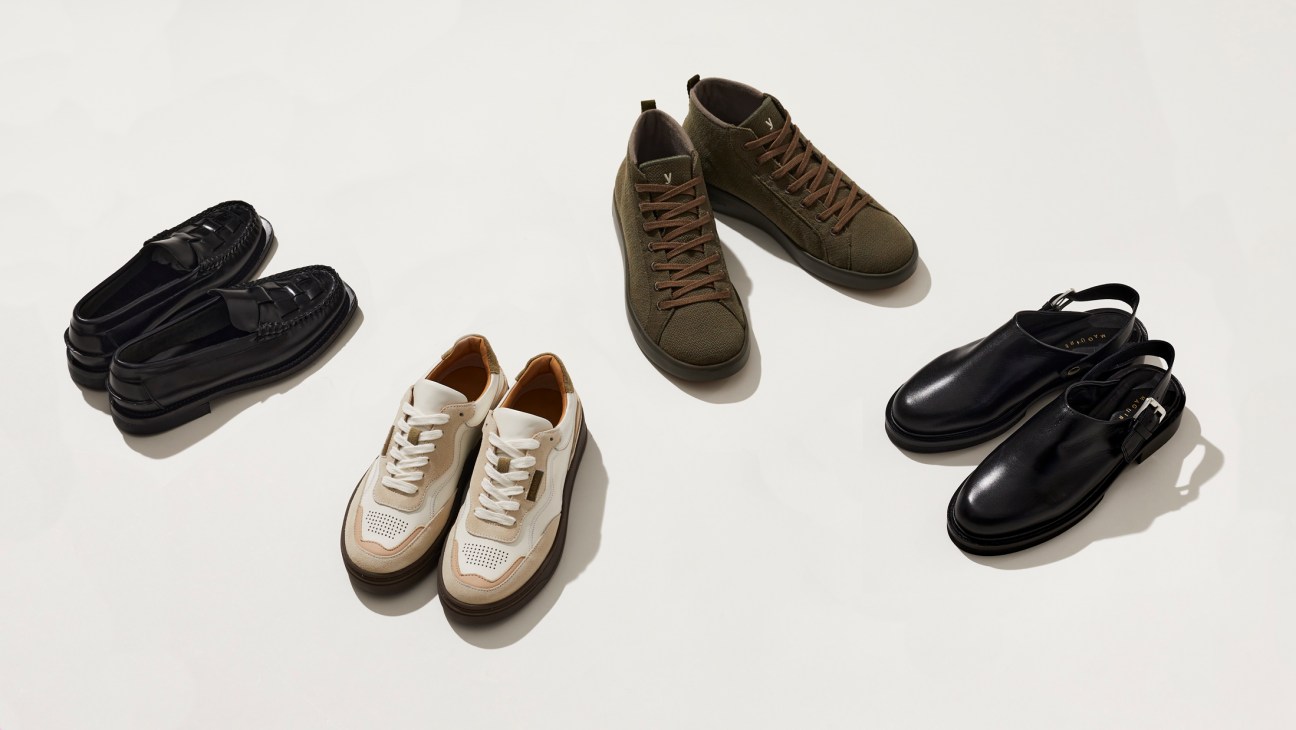
Today they oversee a team of some 20 workers who buff, stitch, mould and glue designs with swift, mechanical precision. “Every job is a speciality,” says Navarro Criado. “So finding someone for each position who knows how to do it well is complex. That’s why in the factories you have to take care of your staff; you have to pay them well.”
And it’s not just shoes that Elche’s factories are producing. Bags, belts and all manner of leather goods are a big part of the region’s exports. Crunat has a factory in Petrer in the Vinalopó valley, where the team has just finished creating a range of bags for Montréal-based footwear and accessories firm Maguire. For co-founder Myriam Maguire, who spent five years working for Canadian footwear giant Aldo before launching the brand with her sister Romy in 2016, Alicante’s manufacturers have become one of the industry’s best-kept secrets. “The footwear world is a very small and international community,” she says. “A lot of the factories don’t go to fairs. Their names are just passed around. That’s how I got in touch with the companies we work with.”
But just knowing the name of a good factory isn’t always enough. Spanish manufacturers are in such high demand that getting them to take on a commission can be a competitive process. “A lot of big brands who used to manufacture in China are now switching to Europe,” says Maguire. “Factories here are extremely booked up as a result, which means that they can be really picky with customers.”
Producing in Spain can be more competitively priced than in its European neighbours. “The quality is at a similar level to Portugal and Italy,” says Maguire. “But the prices are slightly lower because Spanish manufacturers are taxed less and their gas prices are lower.” Within the industry, the region is also growing a reputation for its expertise in producing some of the best leather sandals and summer shoes. “It’s really strong in fabric footwear too, because all the good fabric suppliers are based close to Alicante,” says Maguire.
One new player in the fabric-footwear game is Mallorca-based brand Yuccs, which produces its signature trainers from natural, breathable merino wool and bamboo fabric. The footwear is manufactured in the southern Spanish city of Albacete as well as Elche, where the brand announced earlier this year that it would be doubling its 150-strong workforce.
“Elche is a place that has always been famous for its shoemaking tradition,” says CEO Pablo Mas, who founded Yuccs in 2018. “It has great professionals and artisans. We were looking for the best place to make our shoes and this was it.” For Mas, there are also plenty of other benefits to not sending manufacturing abroad. “Making our shoes in Spain means that we can control all processes, with the guarantee that they respect the environment and people,” he says. “For us, the workers behind every pair of our shoes are very important and here we can guarantee proper labour conditions for them.”
Another Spanish brand that is choosing to manufacture its designs in the region is Barcelona’s Hereu. It was founded in 2014 by José Bartolomé and Albert Escribano, who met working in the footwear and accessories department of Zara’s parent company, Inditex. Hereu is known for its chunky loafers and woven leather handbags, and has collaborated on shoe collections with Studio Nicholson and Cecilie Bahnsen.
“Our first styles were reinterpretations of traditional footwear from the Balearic islands and everything evolved from there,” says Bartolomé. When it comes to creating new designs, it’s often a collaborative process with the factory that’s producing them. “We don’t just come up with a new design from thin air,” says Bartolomé. “We search for factories specialising in a particular craft or technique.” This way of working, claims Escribano, can also be rewarding for the factories. “We help them push the boundaries a bit and create something more contemporary,” he adds.
A short drive up the Vinalopó valley from Elche, through rugged landscapes that could be mistaken for Nevada if it weren’t for a smattering of ancient Moorish castles, is the small town of Sax. It’s here that Hereu’s accessories are manufactured by hand, at a small factory called Luxury Bag. Running the company is Juan Manuel González Chico, whose father founded leather goods company Luboslax, now under the Luxury Bag umbrella, in the mid-1990s. “We have eight different clients, from Europe and Asia,” he says. “Hereu is our main client and we’ve been by their side for the past three years.”
A team of about 55 artisans, mostly women, clad in blue overalls, are carefully assembling Hereu’s new winter collection. Components are cut with care from large swathes of soft brown leather at the far end of the workshop before being passed down from bench to bench for all necessary stitching, weaving and finishing. “Our speciality is edge painting,” says González Chico, motioning proudly to a woman with a thin brush delicately applying paint to conceal the join of two leather strips. “We’re a pioneer in this finishing technique.”
While the demand from clients from around the world continues to grow, González Chico says that the economy of the region will only remain robust if the new generation commits to learning the art of shoe-making – and public organisations need to step in and help. “Every day there are fewer qualified craftsmen in the footwear and leather goods sector,” he says. “We need to educate a new generation of workers in the necessary crafting skills. Otherwise, in 15 to 20 years, I believe that all these professions will have been lost in Spain.”
Still life: Tony Hay
Village green
On the windswept edge of Copenhagen, beneath the tower cranes and a lowering autumnal sky, men in hard hats hammer, shout and wield power tools. It looks and sounds like a conventional building site, one of several here in Ørestad, the rapidly growing district beside the Amager Faelled nature reserve south of the city centre. But this is a rather radical project. Nordic Real Estate Partners’ (NREP) un17 Village – a €150m, five-building residential complex intended to integrate all 17 of the UN’s sustainable development goals (SDGS) – might be a sign of things to come for the world of construction.
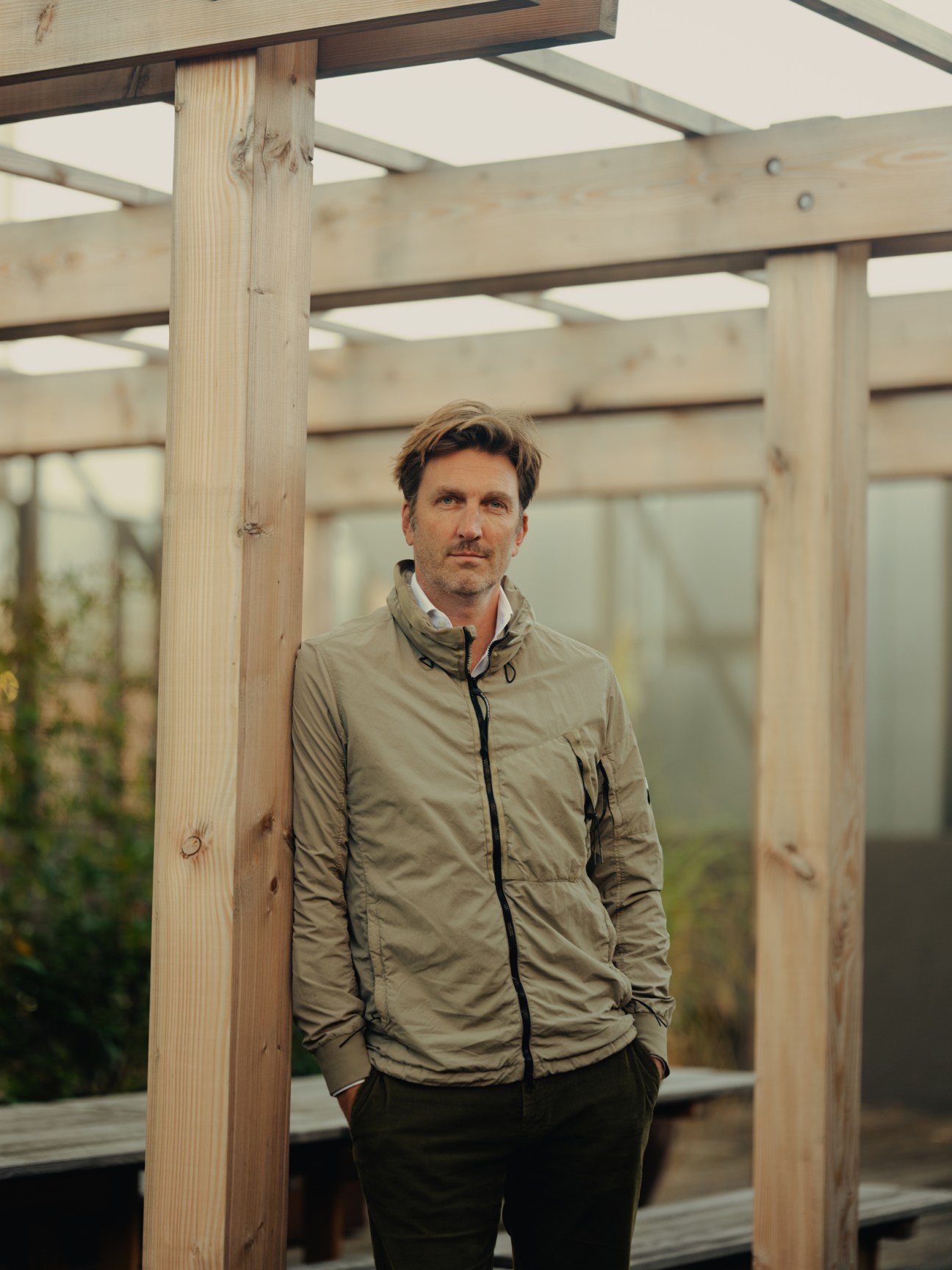
As the billboards outside proclaim, this will be “Denmark’s Healthiest Housing” when completed in 2024. un17 Village is also the flagship project in NREP’s progress towards achieving carbon neutrality by 2028, even as the property and construction company rapidly expands from its Nordic base into northern Europe. The construction and operation of buildings is responsible for more than 40 per cent of the world’s carbon emissions; cement alone accounts for about 8 per cent. Reducing those figures is clearly an urgent priority in the global construction sector, as well as an opportunity worth untold amounts of money for those companies that can erect truly sustainable buildings. NREP claims that un17 Village will produce 30 per cent less emissions than the average newbuild.
“It’s our watershed building,” says NREP’s CEO, Claus Mathisen. “When we started it five years ago, many of the solutions that we now have weren’t around.” un17 Village, designed by architects Sweco and the Lendager Group, will offer 35,000 sq m of affordable rental accommodation to young professionals, families, and elderly and disabled people. “It’s an attempt to generate insight and learning for what we could migrate to our wider portfolio.”

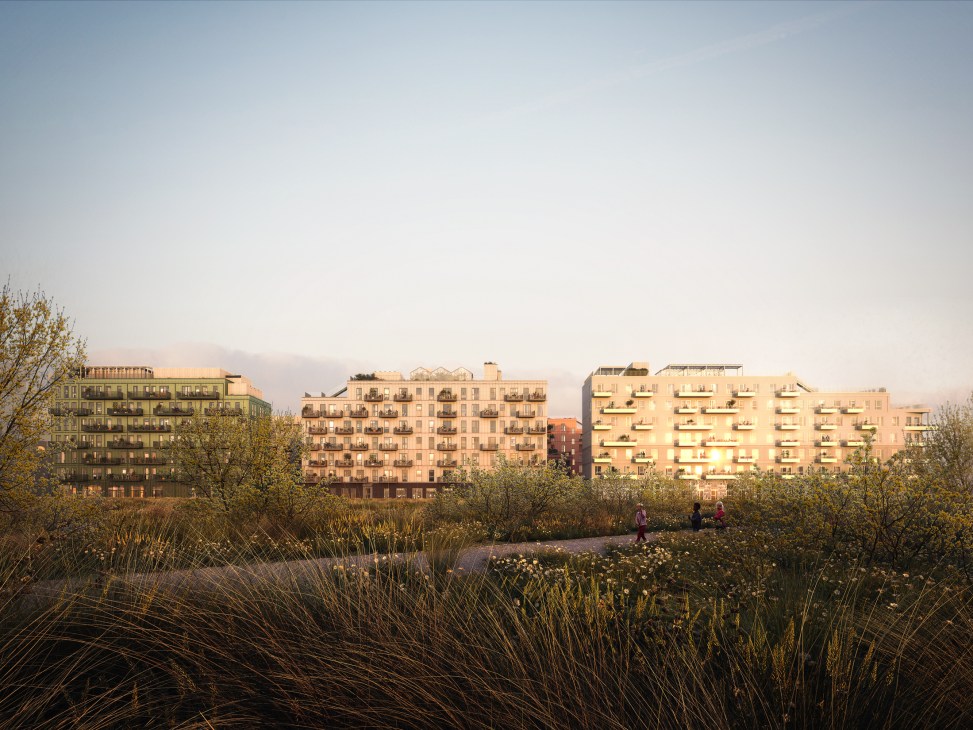

During the planning of un17, NREP came up with 300 solutions based on the SDGS, reducing the list to the eight or so that were most viable. The project innovates in everything from creating communal areas to helping residents to mingle (it will be the city’s largest co-living community), as well other aspects such as acoustics, biodiversity and indoor air quality – all intended to improve the mental and physical well-being of residents and foster a sense of community.
Artificial intelligence has been used to optimise the light in the apartments and, throughout the complex, attempts will be made to nudge residents to make healthier choices – taking the stairs instead of using lifts, for instance, and using the outdoor sports and play areas.
“Our previous research into co-living concepts showed that young families love to have elderly neighbours and the elderly love to have children around the place,” says NREP’s head of communications, Jon Black Andersen, as he shows Monocle around the un17 site. “People want diversity.” The housing here will be for middle-income groups, he adds: monthly rents will be about dkk14,000 to dkk15,000 (€1,900 to €2,000) for an average family apartment. “No luxury penthouses; that’s not what NREP does. And, actually, more units at an average rent is better for us in terms of our timescale.” NREP has no immediate plans to sell un17 Village; it will hold on to the site for at least another five years. It turns out that, from a design perspective, some of the SDGS were mutually exclusive. “In Denmark we like open kitchens, which is great for the social side and reduces the amount of materials for walls but it creates particle pollution for the rest of the apartment,” says Mathisen.
NREP’s 2028 carbon-neutral goal is well ahead of the Paris Agreement’s 2050 target, not to mention most of its rivals. Does it make economic sense to move so quickly? “As an investment company, we find problems to solve in order to create value,” says Mathisen. “And right now the emission of carbon is one of the biggest issues of our generation. The solutions are already there. You can actually build co2-neutral today: it’s just that the supply chain is still fragmented. What we want to do is demand more from our suppliers. And, honestly, we want to poke our peers. Our industry is a laggard on some of these topics.”
NREP already has extensive experience with upcycling building materials, such as using recycled aluminium beer cans for façades. There will be more of that on display at un17 Village. The complex will also run on sustainable energy, in part supplied from rooftop solar panels. It is being built with low-emissions materials – lots of wood, bio-cement and potentially Hempcrete (insulation made from hemp). Overall, in un17 the embedded co2 will be reduced by 28 to 34 per cent, depending on the building.
“Cement is the big evil,” says Mathisen, whose father built cement factories. “I have a generational debt. But it’s possible to create very low-emission cement using microorganisms to bind the components.”
Living in Denmark, one can become cynical about greenwashing, particularly when it comes to the construction industry. In August, for instance, the city of Copenhagen dropped its much-vaunted 2025 co2 neutrality goal when it realised that its far-fetched plan to capture carbon from the chimney of its landmark waste-processing plant Amager Bakke (the one with the ski slope on the roof), was simply not possible; a literal pipe dream. What about NREP’s co2-neutral claims? How about its Scope Three emissions, for instance – the “embedded” emissions associated with the extraction, transport, manufacture and end of life of the materials used in buildings? And how much of their reductions will come from offsetting, an often-dismissed carbon fudge? “We are very much a Scope Three-focused operator,” says Mathisen. By next year he says that the company aims to reduce embodied carbon on new developments by a third from 2020 levels and will do so “surprisingly easily”. “Our 2028 ambition is to do it without offsetting,” he says. “If not, we will have failed but it won’t be for lack of trying. I’m not saying that our 2028 plan is not ambitious. The solutions need to scale up. NREP is large in a Danish context – and we want to demonstrate that this is economically viable here – but we are still a tiny part of the built environment. We want others to pick up our ideas, which we share, so that there will be leadership in the industry.”
And, of course, there is also a need for political leadership. “I wish that politicians would create a more ambitious framework and vision for us,” says Mathisen. “We want much more aggressive co2 taxes. It’s not just a question of doing the right thing; there is a risk to humanity if we don’t but also a massive business opportunity to reduce consumption of materials and use the world’s resources better.”
NREP in numbers:
NREP’s construction, development and operational portfolio encompasses everything from gigantic logistics hubs to co-living residential projects and retail, in Sweden, Denmark, and Norway, as well as in Poland and Germany. The company is majority-owned by its partners, and backed by Novo Holdings, which is owned by the Novo Nordisk Foundation – one of the world’s largest charitable foundations.
It oversees 7 million sq m of property in total.
It was founded in 2005 and currently has more than 600 employees and €18bn of assets under management.
un17 Village will consist of five buildings, 535 housing units and be home to 1,100 tenants.
The roof will accommodate 1,700 sq m of solar panels.
The building will collect more than 1 million litres of rainwater a year for recycling.
Images: NREP