The Forecast
Stitch in time
A new year often calls for a wardrobe refresh. To that end, Monocle has been scouring the most prominent fashion markets around the world to discover which new designers are worth investing in, where the most inviting shopping destinations are located and which material innovations should be on your radar when updating your repertoire for 2023 and beyond.
Some of the fashion world’s most intriguing designers are suggesting that we swap our trainers for dress shoes, while staying comfortable will involve wearing looser silhouettes or investing in suits made with a new generation of performance-inspired, crease-free fabrics.
But perhaps the most important idea to take into the new year when it comes to the way we dress is that timeless products and personal style should take priority. Logos are becoming more discreet, seasonal trends are losing much of their relevance and the brands leading the way are those that are investing in durable craftsmanship and responsibly made products.
1.
Look to South Korea
Hallyu – the Korean wave – has left its mark on technology, music and beauty worldwide but next year will be the turn of South Korea’s fashion designers. The country’s clothing labels have already found local success by leveraging South Korea’s sophisticated manufacturing sector, which makes up almost 30 per cent of its GDP, and in 2023 their efforts to gain international attention are poised to pay off. Expect to see more South Korean names in shops, from Lane Crawford in Hong Kong (see page 114) to Selfridges in London. We have our eye on Lvir, known for adding a polished twist on denim, and Le 17 Septembre’s laid-back tailoring.
le17septembre.com; lvirdtla.com

2.
Embrace fashion’s quiet power
Logos are shrinking and brands favouring a more classic approach to style, from Paris-based Officine Générale to Japanese favourite Neighbourhood, are now topping bestseller lists. “We have seen a general shift in brands doing more discreet logos,” says Tiffany Hsu, vice-president of fashion buying at luxury e-commerce site Mytheresa. “This is a more timeless approach to dressing.” So rather than trying to fit in by buying into logos, invest in styles that can withstand the test of time. Trench coats featuring raglan shoulders by Kaptain Sunshine and chunky knits by Antwerp-based Howlin’ are on our wish lists.
howlinknitwear.com; kaptainsunshine.com

3.
Discover new shopping destinations
The leafy street of Mateus Grou in São Paulo’s Pinheiros district is fast becoming the Brazilian city’s new shopping hub. This is the street to explore in 2023 if you’re visiting São Paulo and looking to discover new fashion names, alongside local art, good wine and some unexpected retail concepts – outlets such as My Boo, a newsstand specialising in dog fashion and magazines.
This is a street that keeps adding exciting new shops, such as the flagship of homegrown label Misci, designed by Airon Martin and selling a mix of smart tailoring, furniture items and custom scented sprays for the home. After shopping, visitors can enjoy a cocktail at Varal, a bar in the shop’s courtyard.
Bahian designer Isaac Silva, known since his debut collection in 2015 for his brightly coloured patterns, has also set up shop on the street. Meanwhile, a little further down, the new gallery and ethical retail space Feira na Rosenbaum showcases the work of regional designers and artisans, from homewares to scents and clothing.
misci.co; feiranarosenbaum.com.br

4.
Set new standards
The brands that will hold onto their relevance in 2023 will be those setting honest goals in environmental responsibility. Stockholm-based Asket is bound to see its influence expand as a result of its well thought-out sustainability strategy. The brand, known for its quality basics, is starting 2023 with a new labelling system disclosing manufacturing costs and impact, such as figures for co2 emissions.
Sportswear giant Adidas is phasing out virgin plastic and continues its partnership with environmental organisation Parley for the Oceans, using recycled marine waste. “The brands of the future are taking responsibility and pioneering new ways of doing things,” says Parley CEO Cyrill Gutsch.”
asket.com; adidas.com; parley.TV

5.
No more trainers
Demand for dress shoes is set to surpass that of trainers in 2023 for the first time in years. The shift is already in motion: according to market-research company npd, trainer sales fell by 11 per cent in 2022, just as sales of dress shoes rose 8 per cent. Loafers in particular are becoming the go-to for both office and days off. An array of new designs for 2023, from Gucci’s horse-bit styles to chunky-sole loafers by Prada, are the result. Even sporty Milan-based Off-White has joined forces with Church’s to reimagine the classic derby silhouette. Come January, it may be time to get smart – and something by Paraboot or GH Bass should do the trick.
paraboot.com; ghbass-EU.com

6.
Pack a suit
In-person meetings and business travel returned in full force in 2022 and won’t be slowing down in 2023. It’s why tailoring brands have been investing in making office wear as functional as possible. Menswear stalwarts, from Valstar to Herno and Dunhill, have all been developing new performance-based materials – a combination of stretch nylon and the finest of wool and cashmere weaves – to create suits that can be neatly folded into minuscule pouches and still emerge from your suitcase crease-free.
Make an eminently packable suit part of your wardrobe in the new year to achieve a sharp look while draped in tailoring that feels as comfortable as wearing a tracksuit.
herno.it

7.
Heritage name reinvented
Expect to hear the Ferragamo name much more in the new year, as the Florentine heritage brand enters a new chapter under creative director Maximilian Davis, a young British designer who founded his own label in 2020 and quickly built a reputation as a master tailor. Davis is working with CEO Marco Gobetti – another new hire, joining the brand from Burberry – to breathe fresh life into the storied label, with a revamped logo, redesigned shops and a new collection dropping in shops in January 2023.
Davis’s debut designs, which include elegantly draped jackets and sleek suits, will play a big part in helping the brand regain its spark in the new year.
ferragamo.com

8.
Support an up-and-coming designer
A new crop of young designers is revitalising the fashion scene. One up-and-coming name to know is Sunflower, a Copenhagen-based label that was founded by Ulrik Pedersen. Sunflower is known for reworking a range of wardrobe staples – think fisherman’s jumpers and workwear jackets – using top-quality fabrics, such as Japanese jacquard. Its minimalist design ethos is coupled with a staunch commitment to artisanal quality that has struck a chord with fashion buyers around the world, so expect to see more of the brand in the new year. We recommend becoming an early adopter.
hellosunflower.com

9.
Book a private appointment
As demand for one-of-a-kind products surges, tailoring brands are doubling down on bespoke services and retailers are offering more intimate, by-appointment shopping. The Italian Heritage shop in Prato, north of Florence, has already embraced this new approach, reflecting a broader movement to uphold craft and reclaim the value of fashion that endures. While the brand sells a selection of its workwear online, its Prato shop is open only by appointment so that clients receive one-on-one attention and an introduction to “how products are made, the fabrics and details like the stitching used,” says co-founder Gianpaolo Infante. “We have to distance ourselves from fast fashion.”
theitalianheritage.com

10.
Loosen up
When it comes to denim, designers have been loosening up and steering away from skinny fits. In the coming seasons, shop floors will be filled with baggier styles, inspired by the designs seen on luxury runways around the world, from Loewe to Bottega Veneta and Swedish favourite Acne Studios.
Loro Piana’s new styles, cut loose and crafted from a denim and cashmere weave, will keep you warm during the colder months ahead.
loropiana.com

Winds of change
At the end of the lane lined with whitewashed houses, the Atlantic is lapping at the Iberian coast. A short walk brings us to the paseo marítimo, a paved seaside walkway in the Andalusian town of Tarifa. Ambling down the beach toward the city’s port brings a panorama into view that includes the Rif mountains of northern Morocco rising above the Strait of Gibraltar. As continental Europe’s southernmost city, Tarifa lies a mere 13km from Morocco and is further south even than the African capital cities of Algiers and Tunis across the water. It is possible to cross the strait via hydrofoil and arrive in Tangier in an hour. Despite Tarifa’s relative isolation, this sunny city has proved a pull to many after a choppy few years of lockdowns, remote working and new beginnings.
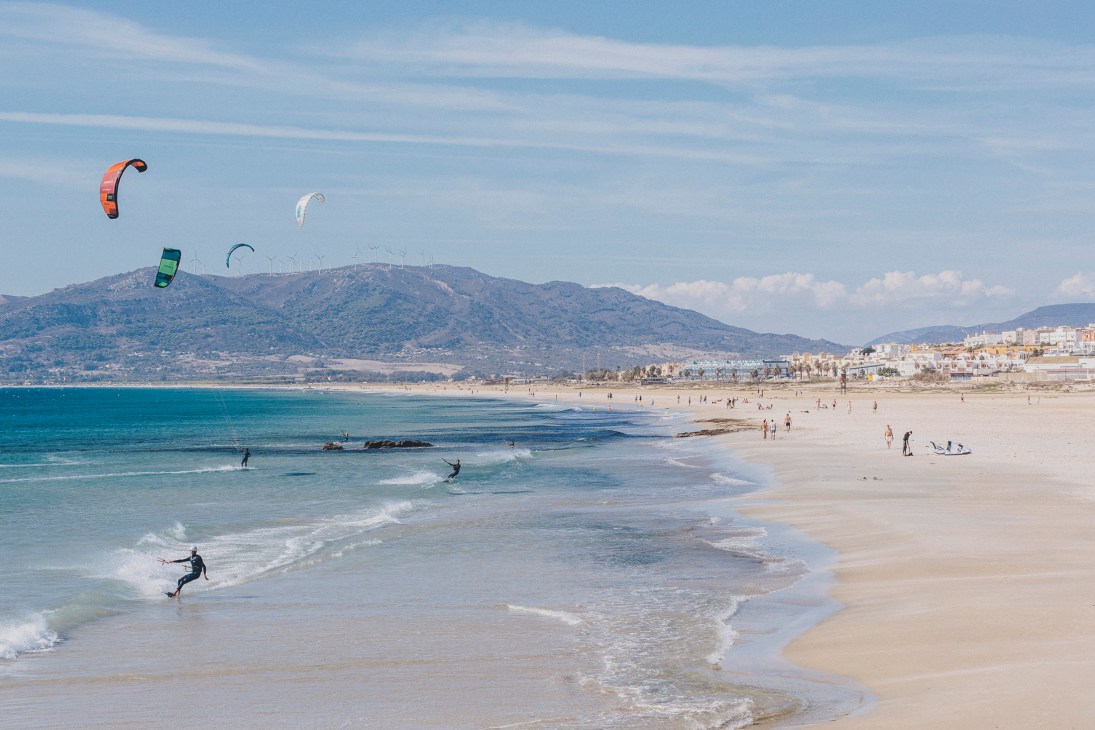
Tarifa – population 18,500 – takes its name from Tarif ibn Malik, a military commander who first arrived here in the early 8th century. He soon realised the potential of a remote and largely undefended position from which to expand the Islamic conquest of the peninsula. Today, Tarifa’s status as a far-flung port city continues to be a source of intrigue for many who are looking to escape the daily grind, live more simply and get closer to nature.
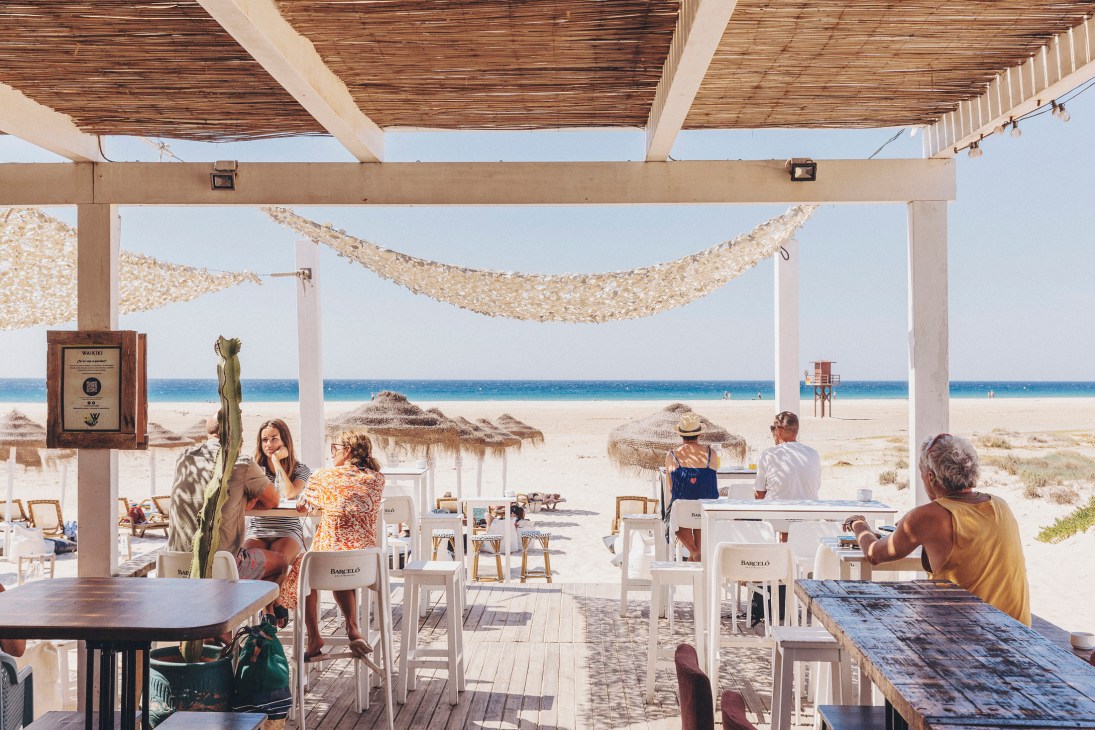

Along the Playa de Los Lances, many locals begin their day in motion; skaters and cyclists whizz past while kite surfers propel themselves across the edge of the sea. “It feels a bit like the Caribbean,” says Eszter Felkai, the founder and head of a fashion PR agency who divides her time between her native Hungary and Tarifa, where she has lived for several years. Felkai basks in the sun’s warmth on the roof terrace of her duplex in the heart of the old town.
“It took me five years to find this place,” she says. “In Tarifa, it is not so much a matter of finding a home with a certain amount of square metres; it is about the location, the light.”
While the golden sands make Tarifa popular with tourists in the high season of July and August, the city’s population of transplants from across Europe have added to its year-round charms. “This place traps people looking for something,” says David Thomson, a personal trainer who moved here from London.

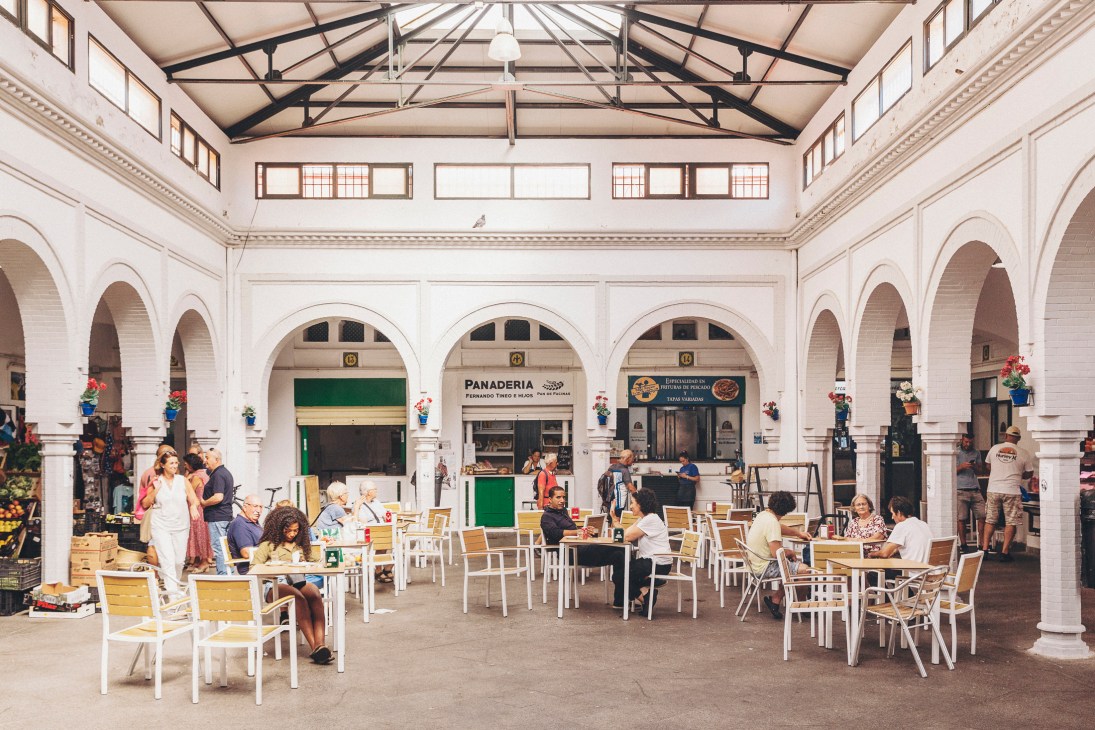
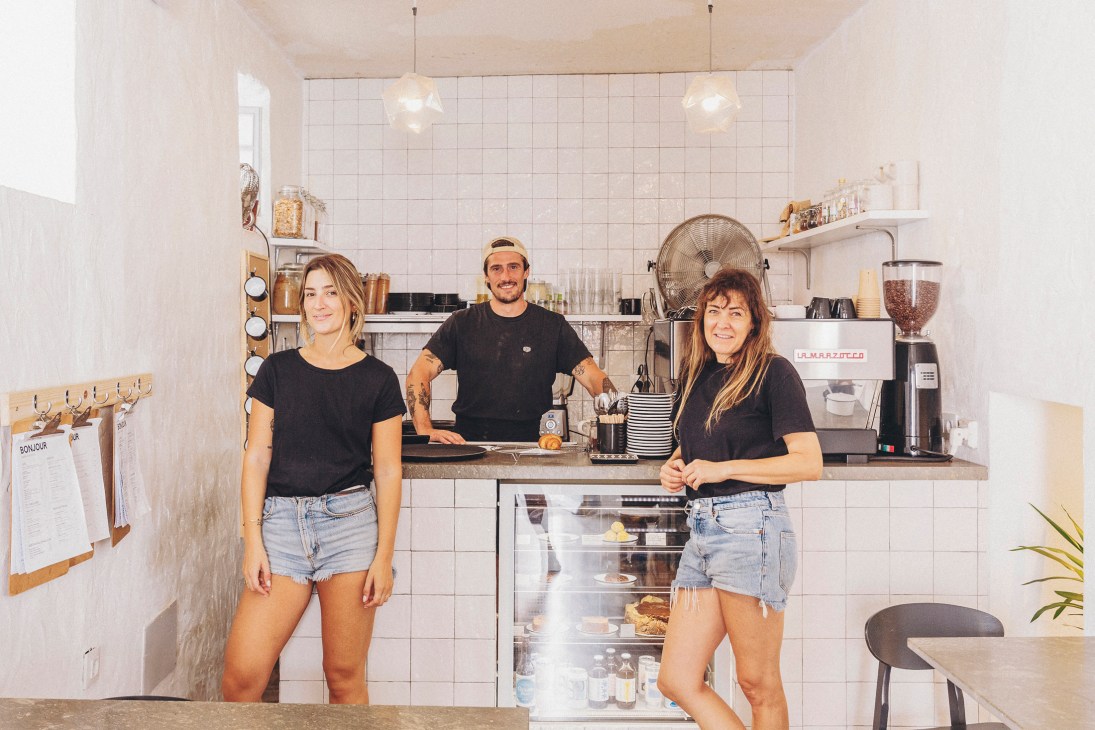
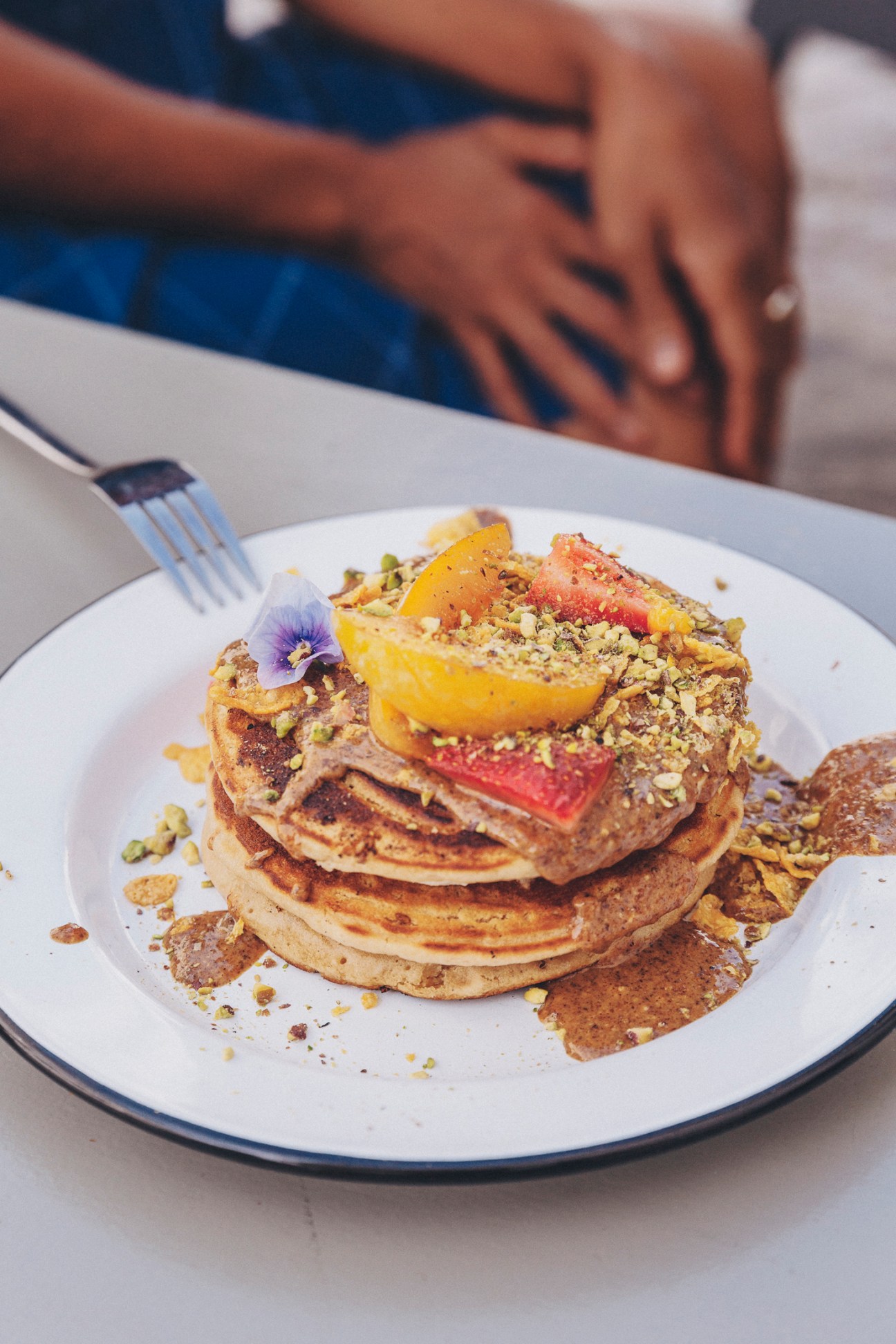
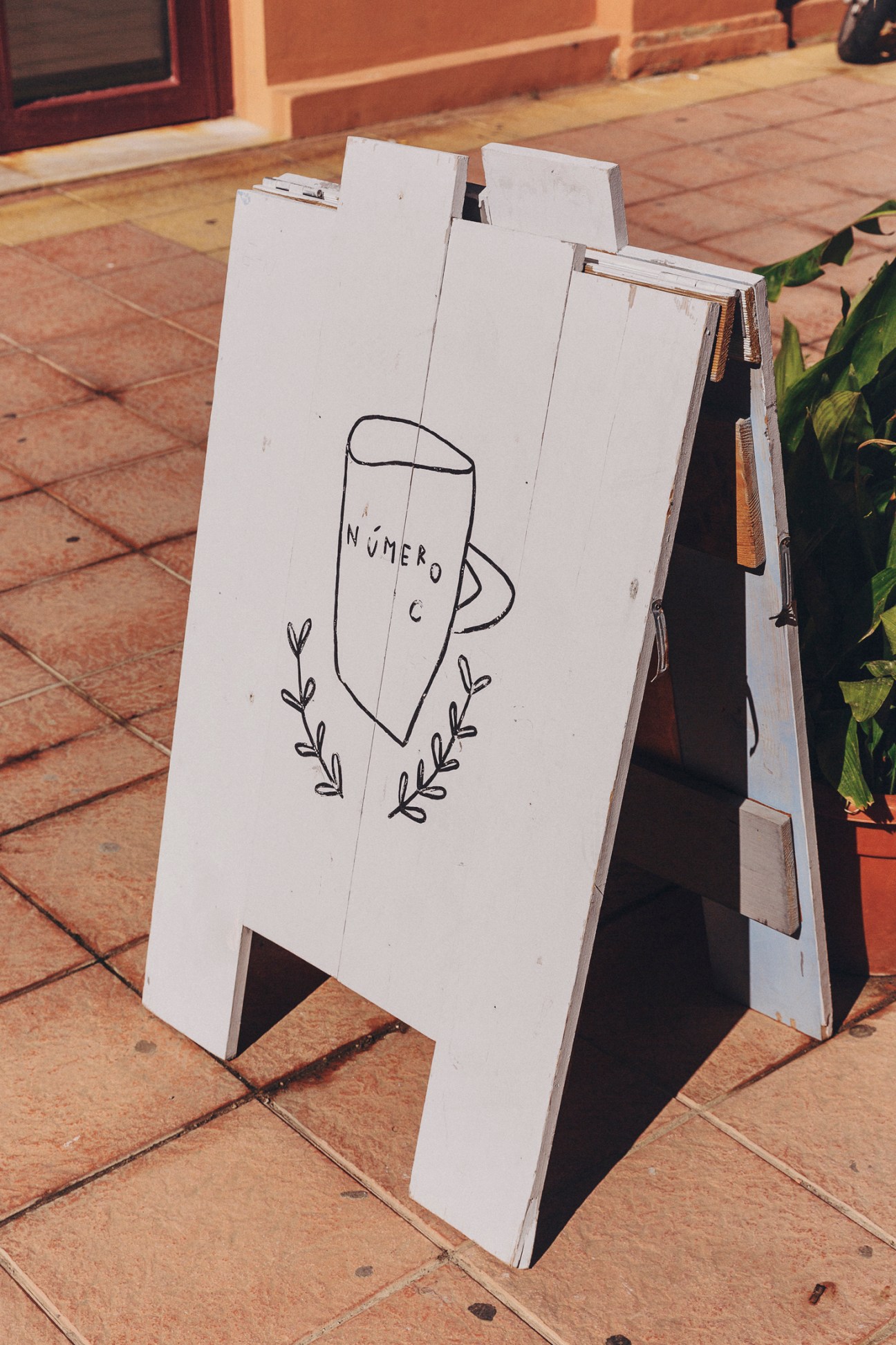
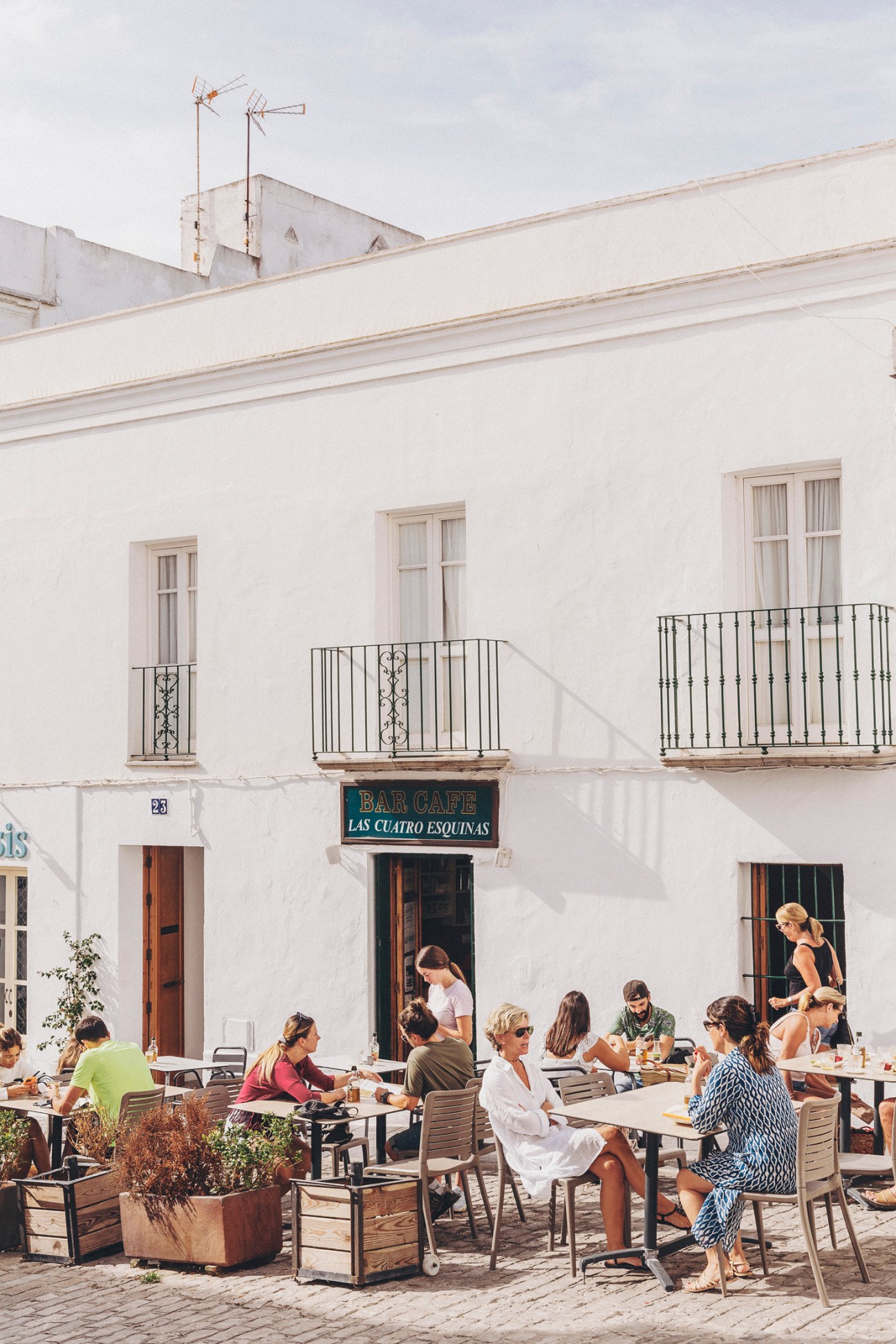
We meet Thomson as he enjoys a morning brew at the popular café Número C. Framed stills of films such as Jim Jarmusch’s The Limits of Control (much of which was shot in Andalusia) adorn the café walls inside. The aim of Número C’s founder, Balazs Kiss, was to recreate the laidback café culture that he had enjoyed in London and Budapest before relocating to Tarifa. “I didn’t set out to open a café,” he says, explaining that the business was a response to both a gap in the market and a growing desire from blow-ins to have a place to meet. “I lived in a van for the first year so that I could make all of this happen.”
Tarifa’s prevailing winds are a matter of folklore as well as economics. The consistent gusts earned the municipality the moniker the City of Wind. The Poniente blows cool air off the Atlantic, while the Levante, a favourite of kite surfers, brings warm air across the Mediterranean from Africa. Many kite surfers, including former world champion Liam Whaley, are based in Tarifa. Whaley recently opened a kiting centre on Valdevaqueros Beach, a stretch of coast about 6km north of Tarifa with its own sand dune. “Kite surfing is a great sport for beginners,” says Whaley, facing the sun as the zephyr tousles his hair. “People tend to improve a lot in a short amount of time.”
The Valdevaqueros area is also a great place to enjoy the laidback chiringuitos – beach shacks serving fresh seafood and cocktails. With palm trees and nooks for lounging, the restaurant and shop Casa Explora is coastal Spain at its best and brightest. Yet there is more than meets the eye here as founders Javier Munduate and Carlota Tellechea are also using the space to support sustainable fashion start-up Melou Clothing. Oihan Amurrio, along with co-founder Mikel Agirrebengoa, creates prototypes in a camper van behind Casa Explora. Restaurateurs Munduate and Tellechea have supported the Melou team in their venture by providing space for creating and promoting the label. There is a competitive spirit here but it is more about prioritising quality of life and a sense of freedom.
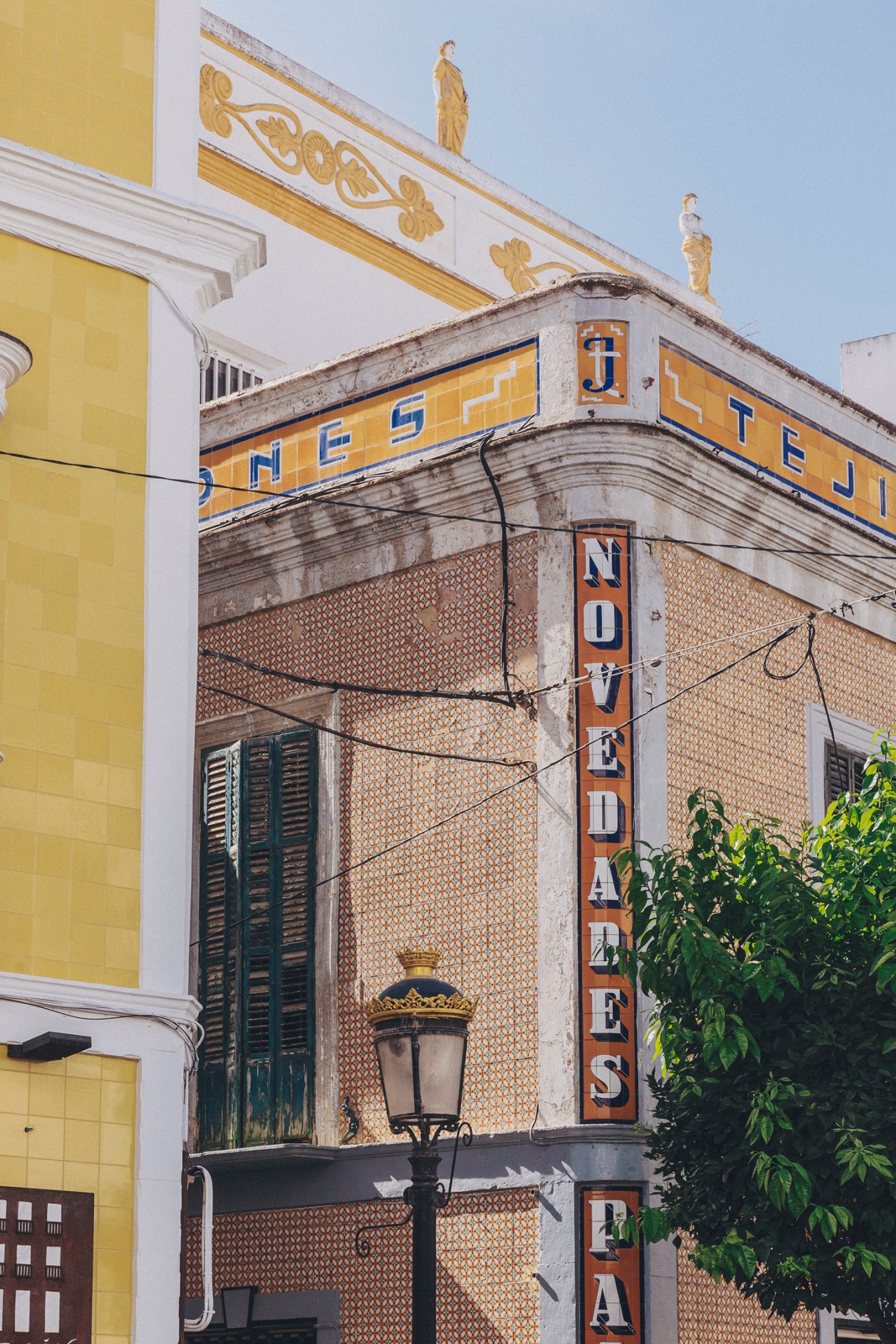
Should you wish to escape the buffeting winds, parts of the historic centre remain behind medieval fortifications. Wander through the horseshoe archway of the last remaining Moorish city gate, the Puerta de Jerez, and Tarifa’s snug walkways will bring to mind the medinas of North Africa. The open front doors of the white-washed townhouses also reveal glimpses of tiled courtyards that would not look out of place in a Moroccan riad.
Tucked away down one of those tight lanes is Zero Gravity. This fashionable clothing boutique is located in one of the city centre’s 300-year-old buildings, complete with exposed stonework and windows that look onto the fountain-fed patio next door. The shop is home to a refreshing mix of streetwear and higher-end brands as co-founder Sascha Pascal Oberrecht takes pride in selecting pieces from a diverse range of labels including A Kind of Guise, Isabel Marant and Stüssy. “I work with a sales rep who complains that I like to ‘cherry pick’ instead of just going for his bestsellers,” says Oberrecht, arching his eyebrow. “He says that as though it’s a bad thing.”

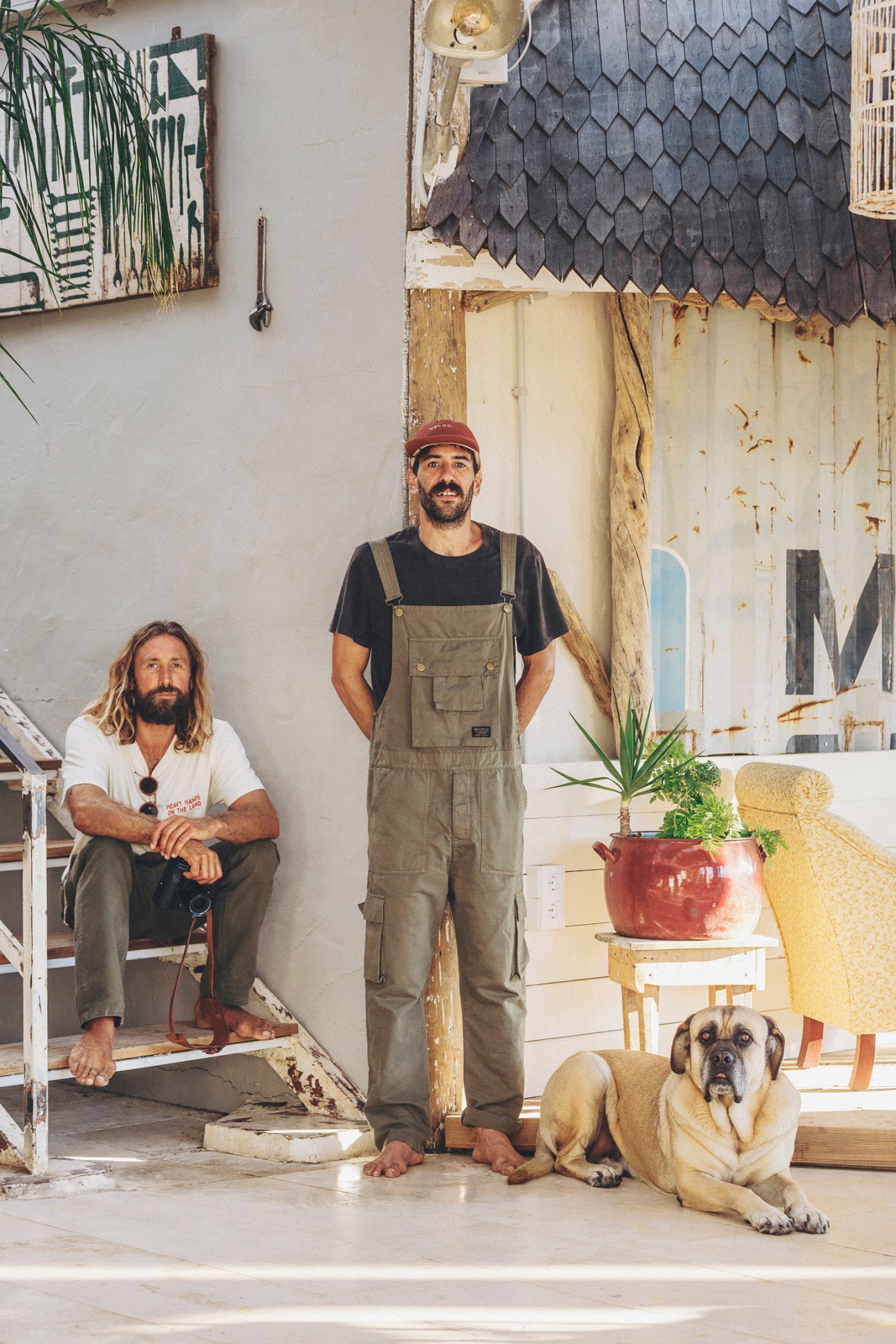
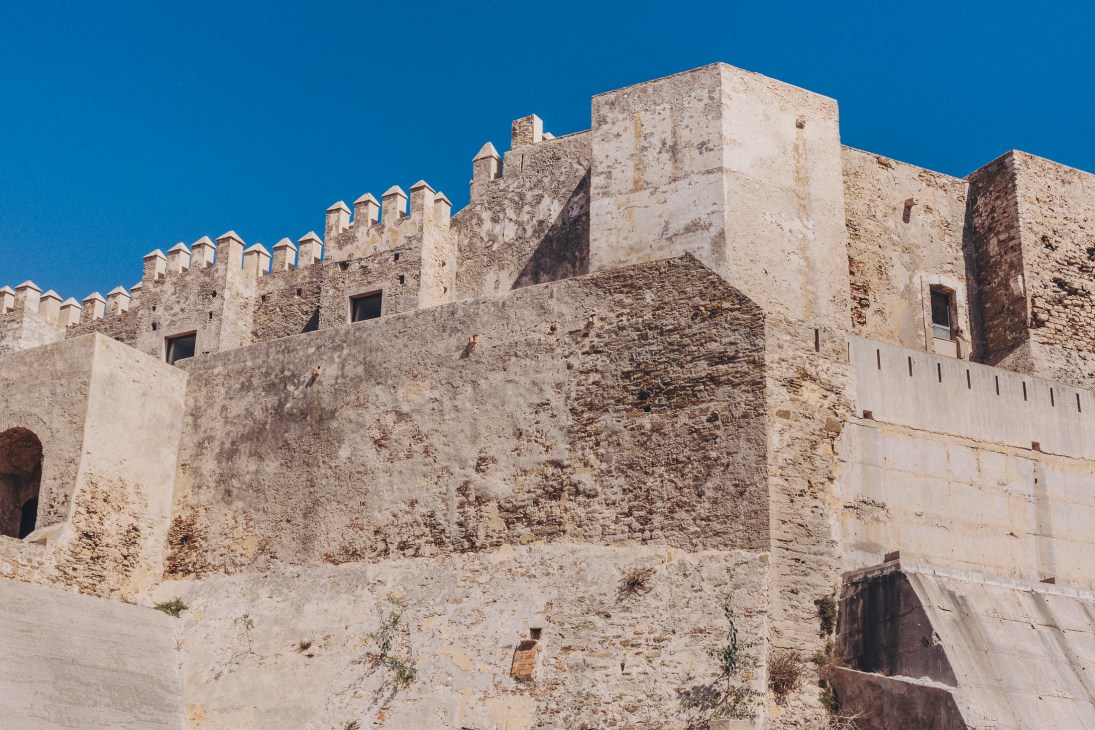
Marie Enochova and Kris Frison, who run a nearby vintage shop and design workshop, invite Monocle to visit their largely hand-built house that seems to sum up something about the “do-it-yourself, anything is possible” attitude of those who have chosen to settle here.
The couple’s home is found in a leafy valley that is a brisk eight-minute drive from the old city. Tarifa is surrounded by national parks and the greenery is well protected so finding a spot to build a home took time but it was worth the wait, according to Enochova and Frison. They have used found materials, antiques and plants to assemble a living space that mirrors the natural beauty of its surroundings. The house’s central space is almost entirely open to the surrounding garden but Frison has plans to change this. “I dream of enclosing it so that we can host cocktail parties in the winter,” he says.
Should the couple opt to make such an adjustment, they will keep the outdoor shower from which to observe the surrounding greenery. Away from any expectations of how a conventional home should be, this couple have created something daringly different. Like General Tarif ibn Malik a thousand years before them, these new arrivals signal the winds of change in this remote Atlantic outpost.
Putting down roots
The most desirable residential properties in and around Tarifa are either situated in the historic centre, overlooking the Playa de Los Lances or in the countryside to the north and east of the city. With most buildings in the centre dating from the early 18th century, purchases frequently require renovation, which may be restricted according to each property’s listed status. Entire townhouses (about 300 sq m) with interior patios come onto the market more frequently than apartments but could always be converted into multiple flats. Parking is extremely limited so factor in the additional cost of a private parking space (a one-off purchase of about €40,000). Properties beyond the historic centre often have their own pools (or shared ones) plus private parking. There are very few plots of land available for new builds as much of the natural area surrounding Tarifa is within the protected confines of national parks. That said, you can find them if you look.
Typical costs in the historic centre
Two-bedroom apartment:
€200,000 to €400,000
Three- to four-bedroom house:
€700,000 to €1,000,000
Typical cost in Playa de Los Lances
Four-bedroom terraced house:
€600,000 to €750,000
Typical cost in the surrounding countryside
Three-to five-bedroom house:
€750,000 to €2,000,000
Estate Agent
Ingrid Mora, Engel & Völkers Tarifa
134 6 2130 0569
134 9 5610 0325
engelvoelkers.com
Tarifa Address Book
Stay
Kook Hotel Tarifa
A modern take on an Andalusian palacete with a lush vertical garden. Take in views over the old town from its rooftop terrace, out towards the Strait of Gibraltar and Morocco beyond.
kookhoteltarifa.com
Eat & drink
Número C
Good coffee takes time. With beans roasted on site, they don’t have far to travel at this popular central café.
Calle Juan Trejo, 7
Bar El Frances
It can be a challenge to get a table at this popular local haunt, partly because it doesn’t take reservations. Arrive early to sample its tasty dishes under the bougainvillea vines of the terraza.
Calle Sancho IV el Bravo, 21a
Bonjour
Treats are prepared by an expert pastry chef at this charming vegan-friendly café. Fresh fruit and vegetables travel a short distance to your table from the Mercado Publico opposite.
Calle Colón, 8
Shop
Zero Gravity
Carefully selected clothing and accessories for men and women that strike a balance between sporty, street and smart.
zerogravitytarifa.com
Azogue Art & Vintage
A haven for quirky secondhand wares: a rare find in Spain. Be sure to ask about the bespoke fashion and furniture designs that are handmade in an on-site workshop.
azoguetarifa.com
Unpeeling success
“This is the perfect climate for growing yuzu,” says Niels Rodin, gesturing at the trees laden with the waxy yellow fruit. A staple of Japanese cuisine, the lemon-like citrus is increasingly found on Western tables. We’re in Switzerland, between Lake Geneva and the Jura mountains, whose peaks can be seen on the horizon. “The climate here is similar to that of Kôchi prefecture, where much of Japan’s yuzu is grown,” says Rodin, as he shows Monocle around his farm in the canton of Vaud. “That’s what made me want to grow it here.” He sells the fruit to restaurateurs without the carbon footprint of flying it in from afar.


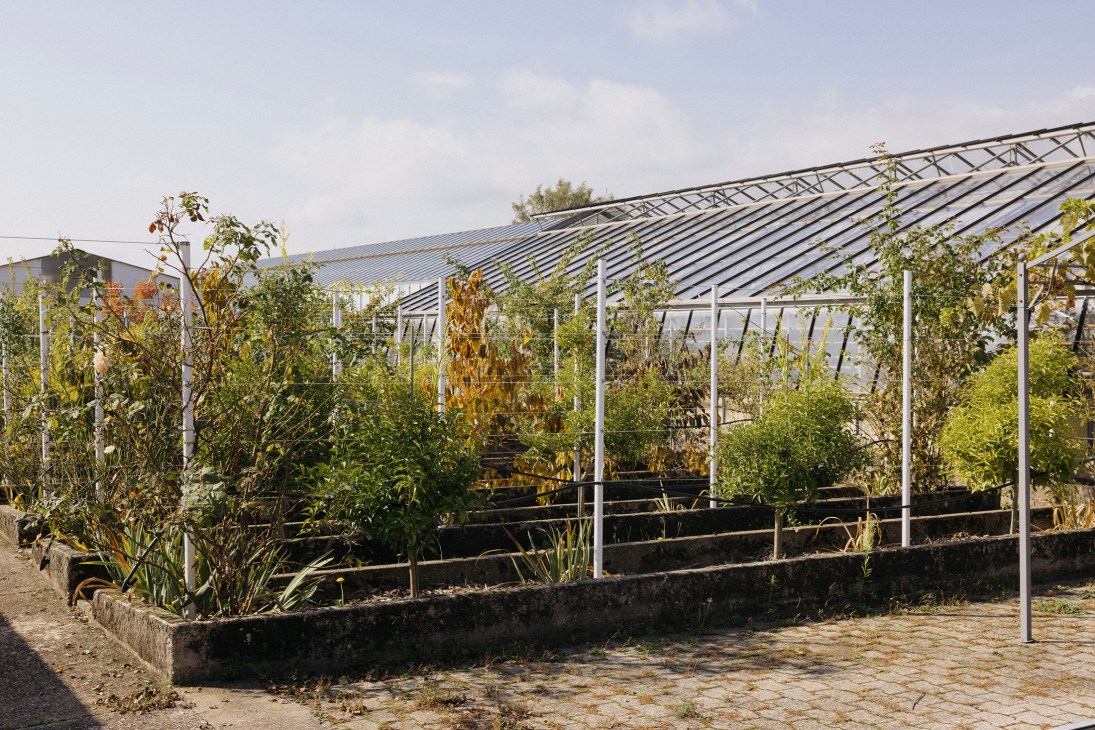
Rodin spent 17 years in banking before becoming a farmer in 2016. Today he has 3,600 sq m of greenhouse space that is packed with citrus fruit of every shape and size – pink lemon, makrut lime, the Buddha’s hand fruit with its finger-like protrusions – and other crops such as ginger and turmeric. Rodin also sells a range of spirits, including a bright-yellow yuzu liquor, and lets space for corporate events and weddings. In 2022 he installed solar panels on the roof, which now help to power the farm and the shop.
“My goal isn’t to create a botanical garden,” says Rodin. “I’m always thinking about the economic dimension.” He sells his organic produce to chefs in Switzerland, as well as directly to consumers. As we speak, a member of staff walks by with a crate of caviar limes, which are hard to grow and sell for many times more than most citrus fruit. They are destined for a restaurant in Geneva. Originally from Australia, these limes are prized for their caviar-like flesh, which Rodin recommends using to garnish fish tartare or carpaccio, or to give glasses of champagne a tart touch.
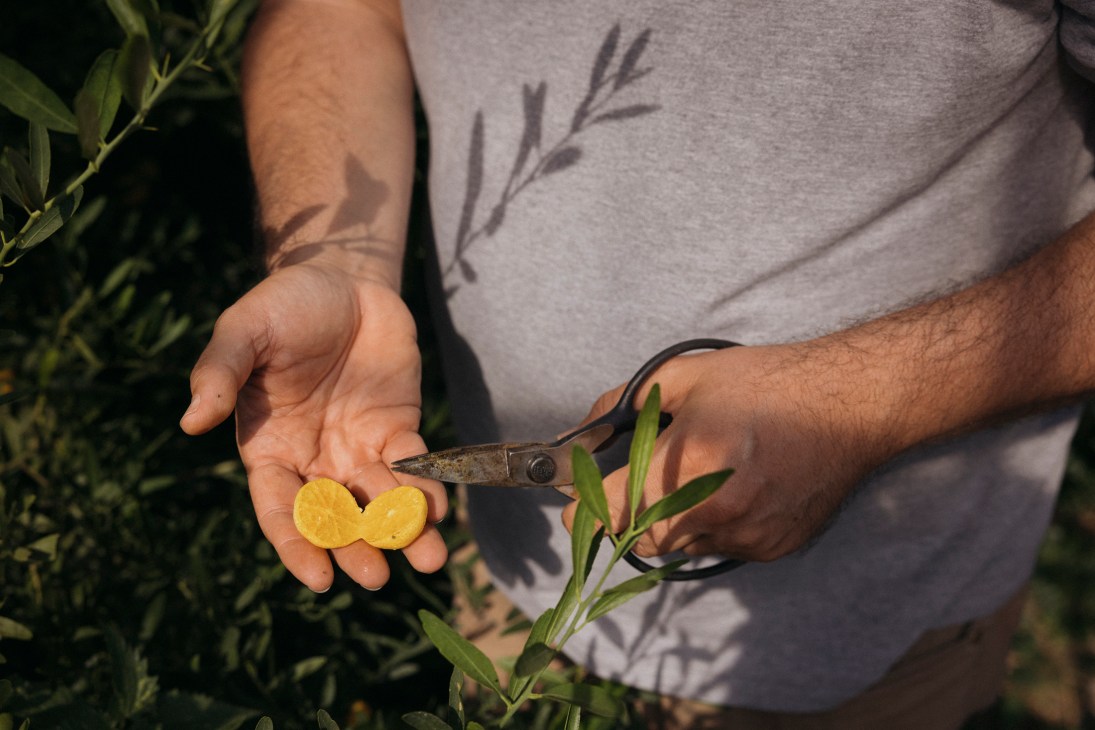

“This is a centre of research and development, always guided by taste,” says Rodin. “First, I test whether something can be grown here but I also assess the interest from restaurants.” This involves planting various species outside to check whether they can thrive despite Switzerland’s cold winter nights. The successes have been many, from pomegranates to frost-hardy oranges developed in Russia. “What I grow has to be ecologically responsible and practical to grow, and taste good.”
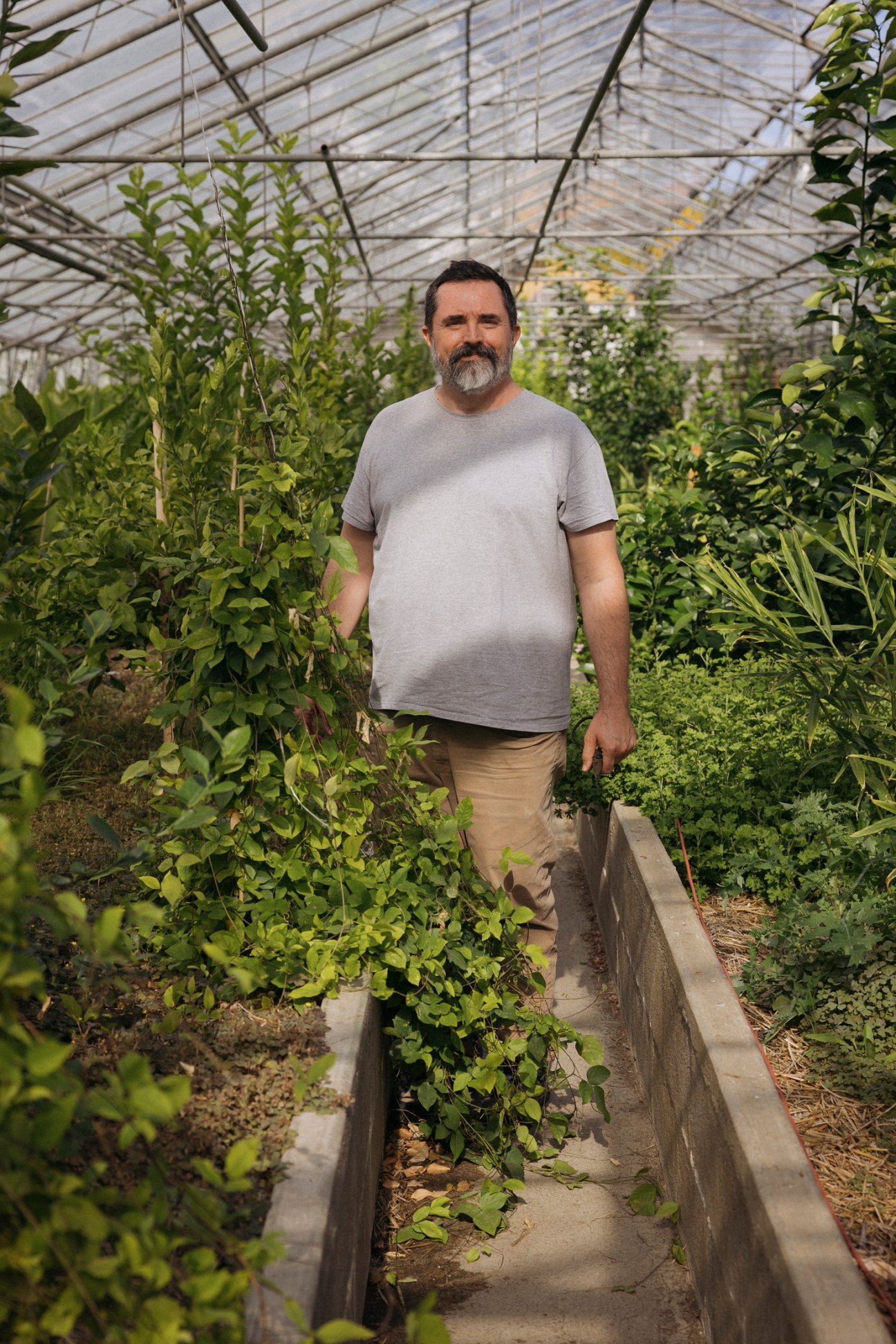
With the future in mind, Rodin is sharing his passion and know-how with local partners, such as the Geneva Botanical Garden. He has several commercial projects on the go, including plans for larger-scale Swiss yuzu production. “We have variety but our problem is quantity,” he says, referring to the farm’s limited production capacity and small team of six. “I want to give entrepreneurs the tools to develop this crop in Switzerland, along with the economic opportunities that come with it.”
For those considering entering the farming sector, Rodin’s advice is to think outside the box. “Rather than copying what others are doing, look further ahead,” he says. “What product is attractive today and will it be attractive tomorrow?”
nielsrodin.com
Unlikely food producers
1.
Quinoa in France
Quinoa d’Anjou in northwestern France is the country’s first producer of the protein-rich edible seed that’s indigenous to the Andes in South America. Today the Anjou region grows about a quarter of the quinoa consumed in France, with 4,000 tonnes harvested in 2020, a fifth of which was organic. Going against the grain can work after all.
quinoadanjou.fr
2.
Buffalo mozzarella in Sweden
Linda Elvingson makes buffalo mozzarella at the Ängsholmens Gårdsmejeri dairy near Uppsala, Sweden, using milk from its herd of water buffalo. Located more than 2,800km from Campania, the traditional home of buffalo mozzarella, the dairy uses Italian techniques such as immersing the cheese in salty whey baths.
angsholmensgardsmejeri.se
3.
Miso in the Black Forest
Based in Geisingen in southern Germany, Schwarzwald-Miso makes its organic pastes using soya beans grown near Lake Constance and other regional ingredients. Owner Peter Koch learnt the craft from his mother and further honed his method in Japan to create miso pastes and powders that range from mild to spicy.
schwarzwald-miso.de
What’s in store?
At the Callao location of the El Corte Inglés department store in Madrid, a tourist is trying and failing to get a security guard to point her in the right direction for hairdryers. Despite the English communication difficulties, there is little doubt about whether Spain’s gargantuan gran almacén will stock them. In fact, over nine floors, it is hard to think of a product it doesn’t sell. On display is everything from clothing to bathroom fixtures to gardening tools. There is a floor dedicated to a supermarket and a top-floor “gourmet experience” serving pad thai and tacos. Washing machines line one floor, while another is stacked with children’s toys. You can shop for insurance, go to the dentist, visit the post office and buy a pack of cigarettes all under one roof.

With its curly green logo, El Corte Inglés is a Spanish institution. Walk around any urban centre in the country and it will not be long before you spot someone carrying one of its bags. At the end of 2021 the company had 81 department stores on the Iberian peninsula, including two in Portugal. Advertising campaigns that tell customers that it is time to head back to school with El Corte Inglés or that spring fashions have arrived are ingrained in the popular imagination, while families flock to “Cortylandia” during the festive season to see Father Christmas. “Spanish people look at El Corte Inglés and think a little bit of that is mine,” says former president Dimas Gimeno from his office on Madrid’s Gran Vía. Indeed, as the world continues to ponder the future of retail – and the place of physical space within it – El Corte Inglés holds plenty of potential answers.


Alongside the department store, the group has a dizzying portfolio of additional brands covering telecommunications, security, travel, financial services and more. Its high-end Club del Gourmet food label is exported to countries from Mexico to South Korea; it has fashion lines sold through third parties from Germany to Paraguay; and it operates stand-alone fashion shops in Spain under the Sfera name, as well as the Hipercor hypermarkets. And yet, despite the huge physical and cultural footprint (or perhaps because of it), El Corte Inglés’s recent history has been complex.
“The arrival of competitors, the so-called ‘category killers’, was something that caused its position to deteriorate,” says Santiago Páramo, a retail lecturer at Madrid’s Francisco Marroquín University. “Then there was the brutal development of the fast-fashion business.” The likes of Ikea, Zara, H&M and French home-and-garden store Leroy Merlin may have challenged the unique position that El Corte Inglés had carved out in Spain – it became the country’s sole department store chain after it bought its last remaining rival Galerías Preciados in 1995 – but it was Amazon’s arrival that really upended its one-stop-shop model.

The coronavirus pandemic, while not good for any high-street retailer, also exposed the slow pace of the El Corte Inglés’s digital adoption. In February 2021 the group posted historic losses of €2.9bn after turning a profit of €310m in the previous financial year. Those figures seem to have jolted El Corte Inglés into action, proving that there might be life in the department store model yet. According to Sagra Maceira de Rosen, a London-based luxury specialist and managing director at SIO Global, the Spanish brand is going through a period of transition. “It has consolidated its business a little bit to bring the debt to acceptable levels,” she says. That has meant reaching a refinancing deal with 20 banks for its debt (currently standing at about €2.6bn) and a further deal with insurance giant Mutua Madrileña in May, which involved selling controlling stakes in the group’s two insurance companies and receiving €555m for 8 per cent of the brand’s shares. El Corte Inglés has said that it plans to reduce its debt by 60 per cent by 2026, by which time it also wants e-commerce to represent 30 per cent of turnover (compared with just over 12 per cent in 2021). On a more positive note, the company’s latest results (posted in February 2022) showed a return to profitability.
Founded in 1940 by Ramón Areces, El Corte Inglés took its name from the small tailor’s shop that the businessman had purchased a few years earlier in Madrid (it translates as “The English Cut”). Expanding rapidly across Spain during the 1960s, El Corte Inglés was the major Spanish success story for several decades. To this day, its nearly 80,000-strong workforce makes it one of the largest employers in the country. Yet alongside its market penetration and business acumen, Spaniards have also followed the company for the family feuds and C-suite reshuffles that have filled column inches in Spain’s business press.
The story of El Corte Inglés has been dominated by one man, Isidoro Álvarez, who was general director of the group from 1966 until his death in 2014. He named his favoured nephew, Dimas Gimeno, to succeed him while his daughters, Marta and Cristina, kept his stocks in the company. Gimeno’s tenure as president lasted until 2018 before the board tensions that originated with the sisters led him to agree to depart with €8.5m in severance. He calls his time at the brand “a hell of an experience” but is careful with his words. Marta Álvarez is now the group president.
Gimeno was one of several former senior executives prepared to speak with Monocle but arranging a direct interview with El Corte Inglés management was not possible. This policy of refusing interviews will have to change if, as has been widely reported, the group plans to go public before 2028. After several weeks of communication via email, Monocle was granted permission to shoot El Corte Inglés’ flagship Castellana store. It is dominated by a huge office tower, even easier to get lost in than Callao and popular with Asian tourists shopping for luxury fashion and eating at a raw-fish bar. El Corte Inglés also agrees to an informal press meeting around a huge meeting table where a generous breakfast is laid out. Spokespeople can’t be directly quoted and any information provided needs to be cited as “according to sources at El Corte Inglés”. Gimeno points to the fact that it is under no obligation to be more forthcoming. “As a private company, El Corte Inglés has been always that way: very internal-focused, not talking about itself and letting the results speak for themselves,” he says.
In a bid to let those numbers do the talking, El Corte Inglés has been using its vast size and capital to ensure that it stays relevant in the post-pandemic era. And while Maceira de Rosen says that the brand still isn’t the first destination for her or others in Spain when shopping online, the brand is bidding to change that. An app service launched in 2020 with 300,000 products that could be delivered within two hours (or a day depending on where you live in Spain). It has also been betting big on logistics, opening a subsidiary to not only focus on its own delivery but also help third parties as an additional revenue driver. “El Corte Inglés understands that e-commerce is mostly a logistics play,” says Nicolás Olivé, a former chief retail officer at Mango.
Yet there have also been missed opportunities, not least the vast amount of data that the group has had at its fingertips through its diverse businesses and failed to properly utilise. “El Corte Inglés knows customers in food, menswear, childrenswear, homeware; it knows everything,” says Borja de la Cierva, a former executive who was with the company between 2006 and 2016. “No other company has such incredible information but it wasn’t able to use it to increase sales.” Part of its treasure trove of user information comes through its store card – inspired by the US and the first of its kind in Spain – which still has a place in Spanish hearts for the way it allowed shoppers to buy on credit during a critical moment in the growth of the country’s middle class. Even today there are more than 11 million registered cardholders, a little under a quarter of the population of Spain.
Of course, larger businesses can often find it difficult to make quick changes when compared with the nimbleness of a start-up that has less red tape and fewer employees. Charo Silva, associate professor of strategy at IE University Business School in Madrid, recognises that companies need to bring in people with new capabilities, skills and knowledge if they are to adapt to the shifting retail landscape. Yet that should not automatically rule out the biggest players. “If you are a huge company, the adaption will be slow and more difficult,” she says from the 23rd floor of the university’s skyscraper in northern Madrid. “But we also need to consider that larger companies have more resources, which usually helps them to adapt: you can buy new start-ups and you can hire new people.”


El Corte Inglés has been keen to show that it is using its considerable muscle to good effect. Alongside paying down its debt, its travel arm, Viajes el Corte Inglés, has merged with another company to form a larger entity. It has gone after the high-end food market through the purchase of the Sanchez Romero supermarket chain last year. And the brand is seeking to divest from non-strategic buildings, closing 15 shops in the past two years. There has also been a management restructure, with long-time senior executive Victor del Pozo departing in March and José María Folache returning after time at Parfois and Carrefour to become a general director focusing on retail. Former Goldman Sachs banker Santiago Bau was hired as a second general director.
Spend any time around people from El Corte Inglés and “omnichannel” is a buzzword that you’re likely to hear often. The idea is that digital offerings must complement physical ones. But for Dimas Gimeno, back in the industry after a two-year non-compete clause post-El Corte Inglés, the only way for department stores to survive is by adopting another (more cumbersome) buzzword: “phygital”. In a boardroom decorated with high-end furniture, Gimeno explains that he thinks that the omnichannel approach is dead and the notion of adapting the digital to the physical doesn’t work. “The difference with phygital is that you do it the other way around,” he says. “You understand that digital is the ruler.”
Gimeno has tried to do just that with his new retail concept, Wow, which is less than a year old and has recently opened at a second location. This high-end department store, filled with eye-catching artwork and colourful rooms, is located on Gran Vía, Madrid’s principal thoroughfare (another is slated to open on the Serrano shopping street). The difference? Everything was developed around the online experience. Head to a Wow shop and your phone might start receiving push notifications about where products are located. Changing-room screens, meanwhile, might suggest other items to try on. The personalised approach clearly serves an emerging retail demographic but when Monocle visits it is still glitchy: a giant searchable screen stubbornly refuses to load and the automatic scanning feature on the smart changing-room mirrors is in need of a tweak. While the tech may appeal to younger generations, it won’t be for everyone. And it is clearly not designed to replace El Corte Inglés.
While the difficulties that physical retail has faced are real – including the well- documented financial woes of legacy department stores such as JCPenney and Debenhams – El Corte Inglés still has a couple of aces up its sleeve. Former senior executive De la Cierva says that the brand needs to shed half of its shops, notably in peripheral areas, but its property portfolio (including office space) is valued at about €16bn. For Iria Gestal, editor of Spanish online business-of-fashion platform Modaes, which publishes a quarterly magazine for subscribers, having assets is never a problem because you can do something with them. But she says that there is another element to El Corte Inglés: the brand’s reputation for trust and customer service built over decades. “There is confidence in something that has been there for so long,” she says, even if she thinks that has declined in recent years.
While big challenges remain, including a painful decision about property divestment, writing the obituary of the Spanish department store would be premature. El Corte Inglés is continuing to evolve. Despite the shops’ utilitarian aesthetic, it is pivoting towards a future with a greater focus on luxury clothing and food – concepts that have proved resilient to market fluctuations. Even those who have been critical of its decisions, including former head of customer strategy Mar Areosa, recognise that brand power is half the battle. “Every single Spaniard feels like El Corte Inglés is part of the family,” she says. Whether it wants to be the cuddly grandma or the on-point teenager will be fascinating to watch. As ever, Spaniards will be gripped.
On the case
As you prepare to stock up your cellar for the year ahead, we’ve set out like sleuths to track down the best bottles and the top cellars. Below is a small bucket list that will whisk you from the fruits of ancient Burgundy’s storied terroir to modern Tuscan takes on the art of viticulture. We’ve also thought through the occasions on which you might consider serving them and suggested 12 wines, from reds to whites, bubbles and some surprises too.
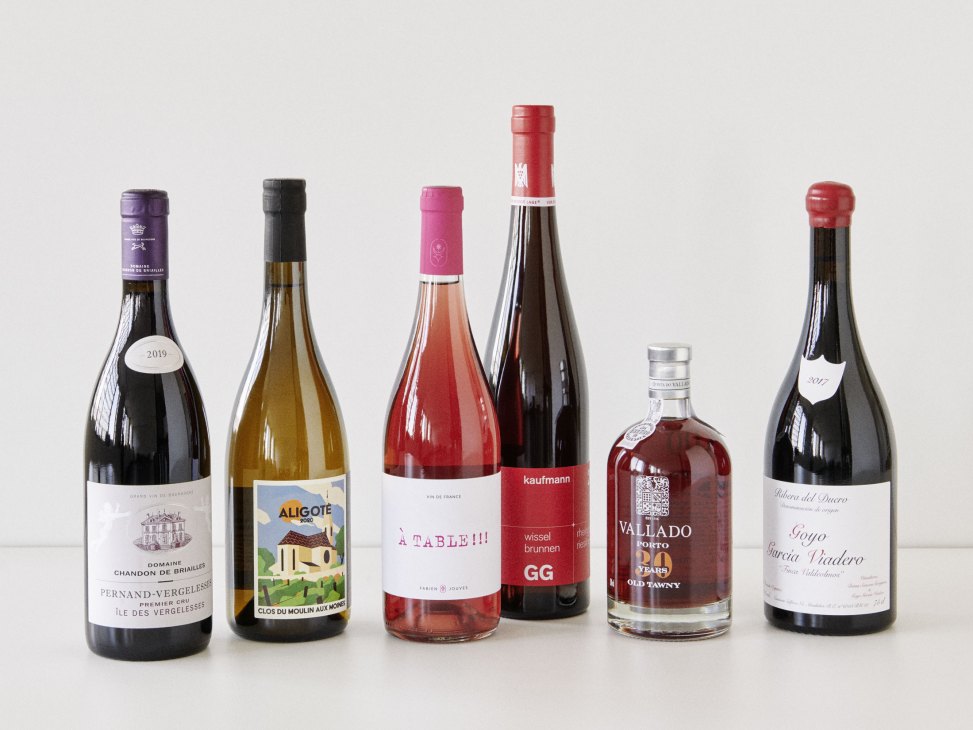
From left to right
Pernand-Vergelesses 2019, Premier Cru
Domaine Chandon de Briailles
Burgundy is à la mode, de rigueur and drinking well. Prices and demand are rising steeply but, as a result of climate change, those time-tested aromatics are subtly shifting too. This biodynamic estate is a jewel and its wines are hearty expressions of this ancient soil.
chandondebriailles.com
Bourgogne Aligoté Sans Soufre 2020
Clos du Moulin aux Moines
The vineyards of Auxey-Duresses were planted by monks more than 1,000 years ago and there is still something divine about the place today. This charming Aligoté was biodynamically vinified without extra sulphur, an additive sometimes used in small quantities to prevent oxidation and spoilage. It makes for a refreshing white with a creamy undertone and notes of white peach, honey and lime.
moulinauxmoines.com
Rosé À Table 2021
Fabien Jouve, Mas del Périe
A biodynamic malbec rosé from the Sud-Ouest: what more could you want? It has a slightly harsh aromatic paired with sweet, fruity notes that offer a kick. The upshot is an electrifying wine that is ideal for thirsty moments and warmer climes; a wild rosé that celebrates an artistic tradition of eschewing subtlety for impact. One to be enjoyed, even on the rocks.
olmsteadwine.com
Wisselbrunnen Riesling 2020
Weingut Kaufmann
Every palate – or occasion – can benefit from the refreshment that can only be achieved with a German riesling. Swiss-born Urban Kaufmann and German Eva Raps started making this white only a few years ago and have quickly gained a stellar reputation. A naturally made riesling. this is a celebration of the aromatic purity of this fruity and fair grape.
kaufmann-weingut.de
Old Tawny Porto 30 Years
Quinta do Vallado
A time machine in a bottle that makes the case for how good an aged port wine can be. The Quinta do Vallado vineyard is a gem worth visiting amid the stepped terraces of Portugal’s historic Douro valley. Now run by the sixth generation of the Ferreira family, this fortified wine has notes of candied almonds, honey, hazelnuts and figs.
quintadovallado.com/en
Finca Valdeolmos 2017
Goyo Garcia Viadero, Ribera del Duero
Spain’s high-altitude wines are not to be sniffed at and this organic masterpiece comes courtesy of ancient vines in the Ribera del Duero. Goyo Garcia Viadero farms without adding chemicals and he is inspired by the philosophy and history of the hardy mountain wine-makers in the Jura region of France. This red isn’t polished in the conventional sense; instead it is a rather untamed, wild and wonderful experience.
josepastorselections.com
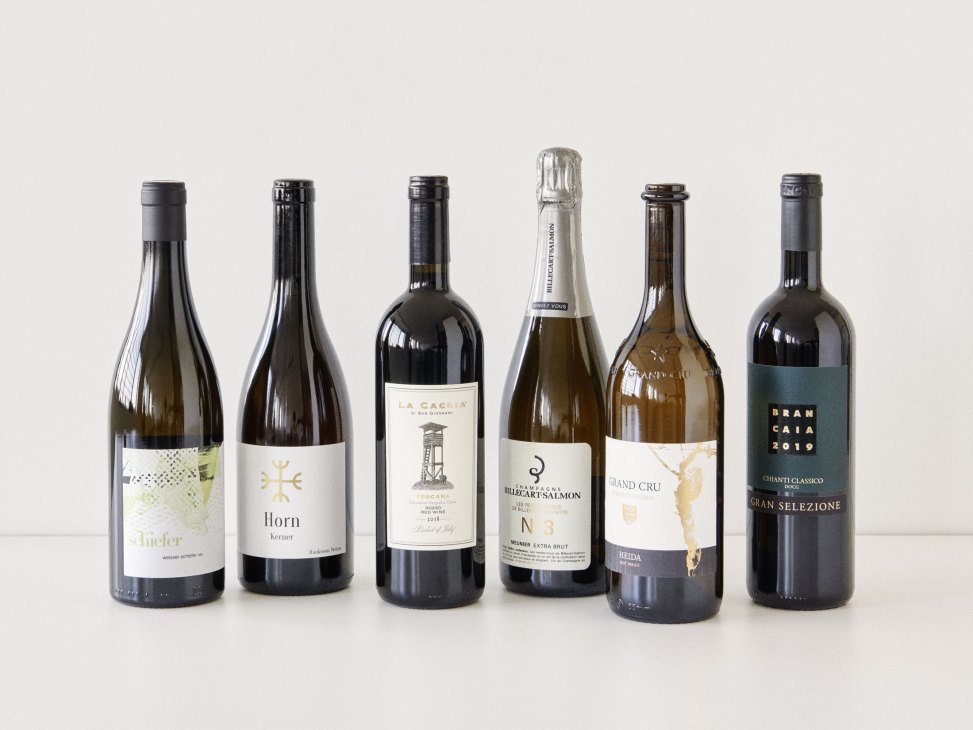
From left to right
Weisser Schiefer S 2018
Uwe Schiefer
Austria is a great place for hugely impressive white wines such as this seemly blend of welschriesling and weissburgunder. The secret? That it is only produced in very good years and with the oldest vines here (at about 60 years of age). It is a funky number that is dry and rich in nuance. A sniff alone will paint a picture and tell a tale.
weinbau-schiefer.at
Kerner Horn 2020
Hauksson Weine, AOC Aargau
Icelandic-born wine-maker Hoss Hauksson fell in love with the vineyards in Aargau, Switzerland (can you blame him?) and makes this wine from the old grape variety kerner. It is fermented with the skins of the berries and is therefore classified as “orange wine” but it is a million miles from the cidery sludge to which the name is sometimes applied. Decant the wine 30 minutes in advance to give it some air and enjoy its complexity.
haukssonwine.com
Toscana Rosso 2018
La Caccia di San Giovanni
The second vintage of an ambitious intercontinental project, this red is produced in partnership between this Tuscan treasure and Gagnon-Kennedy Vineyards in California’s Napa Valley. The result? A vibrant, powerful and yet elegant blend of cabernet sauvignon, sangiovese and petit verdot, as the New World meets the Old World.
lacacciavino.com
No 3 Meunier Extra Brut
Champagne Billecart-Salmon
A wonderful new project from the family-owned Champagne house, this just-released bottle is for champagne aficionados seeking something sparkling and new in a field full of old names. It is a pure pinot meunier from historic soils that was aged for 64 months on the lees; an exuberant, effervescent surprise for celebrations.
champagne-billecart.fr
Grand Cru Heida Visperterminen 2020
St Jodern Kellerei
From Europe’s highest vineyard in Visperterminen comes its highest achievement. The heida grapes come from the best plots and offer an aromatic expression of alpine viticulture. This white is stored for two to six years before it’s release. It is one for admirers of the subtleties and charms of lesser-known grape varieties.
jodernkellerei.ch
Chianti Classico Gran Selezione 2019
Brancaia
The first vintage of a new wine from this Swiss-owned Tuscan winery, this is a pure sangiovese red aged for 12 months in barrels. It is organic and powerful, yet still full of freshness, aromatic grit and silky tannins.
brancaia.com
Call to arms
Two trends within the world of warfare will continue into 2023 and throw light on how to win or lose wars. They are the impact of the conflict in Ukraine and increasing global instability. As a result of Vladimir Putin’s disastrous war failing in almost every respect, 2023 will be a brilliant year for the world’s military-industrial complexes.
Arms industries and the military in China and India will also benefit as they learn from Nato’s role in the war, especially the new multiple rocket launch systems, anti-aircraft and anti-missile defences, and the integrating of multiple sources of intelligence into a coherent whole. Within Nato, especially, it will be big-bonus time for the ceos and higher military ranks as well as good livings for the workforces in general. “Now thrive the armourers” will be the message, with most major Nato states increasing their military budgets, even though their existing systems have already proved superior to Russia’s.
The bonanza for the arms industry will be paralleled by a collective sigh of relief within Nato as the alliance moves on from the manifest failures of the past two decades. Afghanistan, Iraq and Libya can finally be consigned to the dustbin of history as Nato enjoys its progress against a traditional enemy.
Conventional wars will be affected by 2022’s experience. Ukraine and potential hot spots such as the Persian Gulf will see new weaponry. That doesn’t mean that wars will be more easily won, as hybrid conflict becomes the order of the day. Those states equipped with the most modern weapons will find their critical infrastructure more open to damage, with perpetrators difficult to identify, as happened with October’s attack on the Crimean Bridge. The supply of “game-changing” weapons to Ukraine has been carefully calibrated by Washington to avoid nuclear escalation by Putin. If 2023 sees wars involving nuclear states, or would-be nuclear states, this extra complication makes it less likely that wars will be easily won.

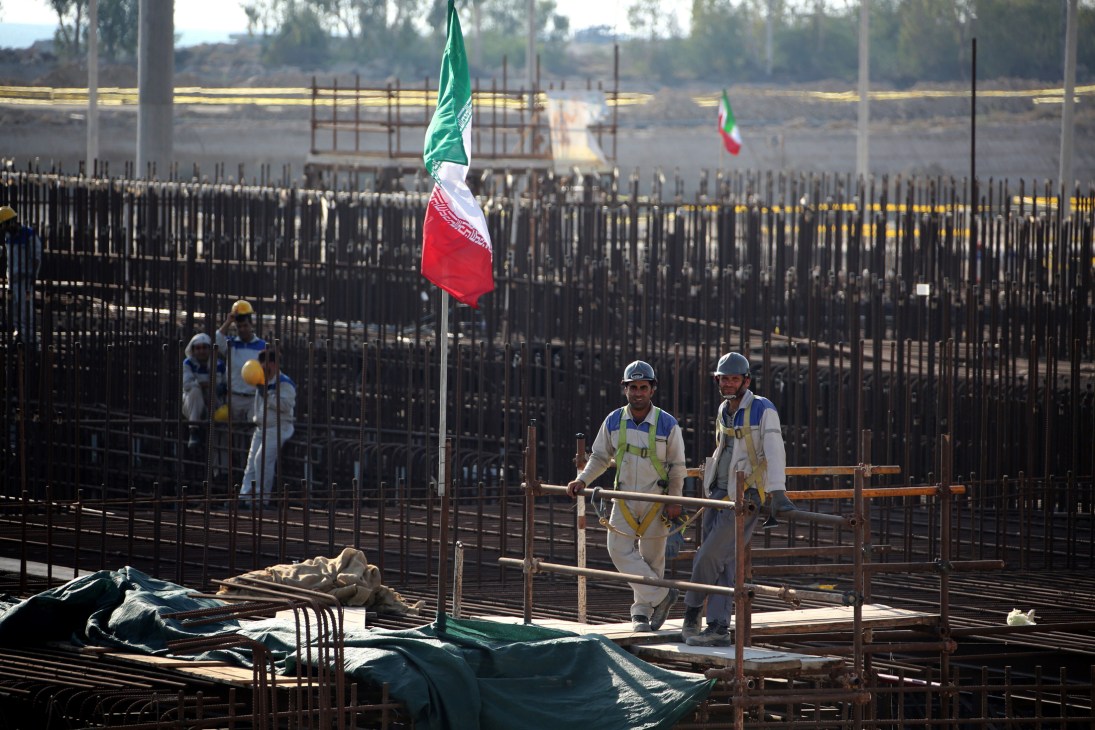
The second trend, increasing global instability, combines three drivers – all conspiring to make wars more likely. The first is the increasing marginalisation of the majority of the world’s population in an era of runaway wealth. Spectacular levels of wealth are accumulating in the hands of a few hundred thousand people worldwide, including many oligarchical and autocratic leaders of poorer states. The second driver for those billions on the margins is that far more people are aware of their own marginalisation and deeply resentful of it. This is leading to violent anti-elite movements, such as those seen in many parts of Africa. The third driver is climate change and breakdown, leading to food shortages and massive increases in migration. The inevitable elite response will be strenuous efforts to suppress violence and contain the dissent, which is where Afghanistan and the recent Taliban victory is a useful guide to future wars. It took 20 years but the Taliban succeeded against the world’s best trained and equipped armed forces.

At root, we have a recipe for a dangerously unstable socio-economic system that risks breaking out into connected and perhaps even co-ordinated revolts across regions. Where and how this happens cannot be predicted with certainty but 2023 may be the year that it really gets going, with the Afghan experience telling us not to assume that victory is inevitable.
So what are the best ways to win a war? Perhaps better not to start one in the first place. The pacifist saying – “if war is the answer, it’s a very stupid question” – may well have increasing pertinence.
About the writer:
Rogers is emeritus professor of Peace Studies at the University of Bradford and the author of Losing Control: Global Security in the Twenty-First Century.
Areas of concern:
The Sahel and the Swahili Coast
Across the Sahel from Mauritania in the west to Chad in the east, and from Somalia down the East African coast to Mozambique, Islamist paramilitary movements continue to expand, despite the efforts of the US, UK, France, the UN and individual governments to contain them. Some countries are worse affected than others, notably Burkina Faso, Mali, Nigeria and Somalia, while others such as Uganda and Tanzania are less so, at least for now.
The movements may be local or loosely aligned to al-Qaeda or Islamic State, and may have specific circumstances such as ethnic factors and endemic corruption, but all combine an extreme version of Islam with the ability to recruit from large numbers of young men with very limited career options. Other factors may add to this, such as Mozambique’s oil and gas reserves, and embedded corruption, especially in Mali, Burkina Faso and northern Nigeria. Overall, violence has been building for more than a decade and the region is now replacing the Middle East as the focus for new paramilitary conflict. Expect this to accelerate in 2023.
Iran
In East Asia, North Korea takes a leaf out of the Kremlin’s book and stages missile tests to simulate a nuclear strike on South Korea: an indication of how new nuclear powers may see the value in such threats for their own security. That might lead to a crisis, with Japan, the US and even China looking on nervously, but it is the Persian Gulf that should be getting more attention.
With the Joint Comprehensive Plan of Action nuclear agreement ditched by Donald Trump in 2018, the Iranians have felt free to take their nuclear developments a long way without departing too far from the agreement. Joe Biden is using his influence to get the treaty back on track but Iran is not keen to play ball, preferring to get closer to being able to assemble nuclear weapons in an emergency. That is unacceptable, not just to the US and Israel but also to Saudi Arabia. So far, Washington is sticking with diplomacy but its deteriorating relations with the Saudis means that Riyadh may look to their newfound friend, Israel, to make the move. If a serious crisis does arise, look out for the unexpected in 2023.
Ukraine and Russia
Whatever ensues in Ukraine, Putin’s decision to invade will have consequences for Europe and the world that will continue long into the future. At the very least there will be major tensions between a renewed and well-armed Nato in Europe and a Russia that is bitter at the failure of its war aims. In the absence of skilled diplomacy and a willingness to compromise, expect numerous moves into the hybrid warfare arena, with sabotage of undersea systems in the Baltic an early example. It will frequently be impossible to pin blame, leading to unplanned crises. Remember the acronym Aim: accidents, incidents and mavericks. These are the three factors that can inadvertently turn a crisis into a war.
Images: Getty Images
Life during wartime
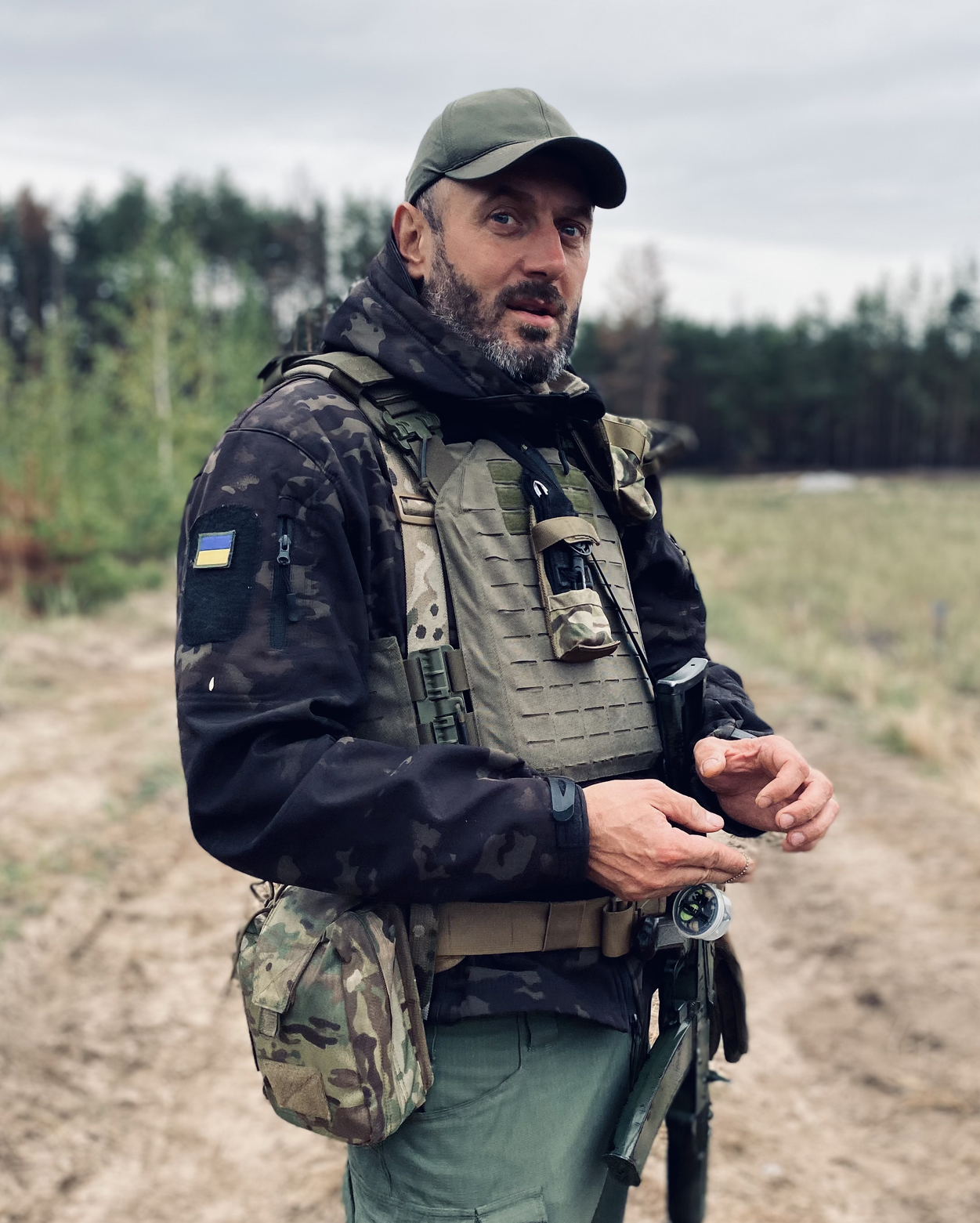
Documents, ammunition kit, AirPods. These are the contents of my backpack. I am stationed near the border with Belarus, and over there, across the Uzh river, are units of Ukrainian intelligence and border guards. I patrol this area at night, hiding with a thermal imager in thickets of maple or young birch. We are in close contact with the border detachments, we share food and cigarettes, news and information.
My subordinates – and there are seven of them – dream of returning home, to business, families and the affairs of their lives. There’s a used-car dealer, a father of three children. A karate coach, a 24-year-old boy who loves children and hates adults. A 50-year-old former punk who has visited all the drinking establishments of Kyiv. A lover of Russian rock, who justly suffers from our ridicule; because of his poor health he works in the mess kitchen. A young man with criminal tendencies who constantly gets into trouble and provokes the command to impose punitive sanctions. And all seven are commanded by me, a writer with depression and anxiety.
Though our unit no longer participates in battles, we are also a part of this big puzzle working for victory. We are tired, the vice of monotony squeezes us, depresses us, makes us constantly think about the expediency of our stay in these forests. At least we have regular time off to remember who we were in a past life. And so, I’m often driving back along the empty road to Kyiv, the suburbs of which meet me with abandoned trenches and roadblocks. Once you get past these, it turns out that the capital has been living its usual pre-war life. Traffic jams, crowds of people, restaurants, coffee shops – everything works as before. New shops are opening; cultural events are being held; new films are playing in cinemas. What reminds me of war? Concrete blocks and metal anti-tank “hedgehogs” on the roadsides, military patrols and windows taped crosswise – just in case. Air-raid sirens sound almost every day but, until recently, no one paid much attention to them. Now they run for cover.
President Zelensky is adamant and categorical. His firm position on negotiations with the Russian Federation is well suited to public demands. No compromises with the aggressor as long as Putin remains president. Of course, this strategy is directly correlated with Western military and financial aid, and the successes of Ukrainians at the front. But such a plan gives confidence to all of us and faith in victory. I didn’t support Zelensky in the 2019 election and I am unlikely to vote for him in the next. For me, he is an artist whose place is on the stage, not at the helm of the biggest country in Europe, waging the continent’s largest war in 70 years. But his public behaviour during this war is mostly satisfactory to me and to many of his harshest critics.





Despite the president’s patriotic and fearless rhetoric, it seems that most Ukrainians are aware that the war won’t end in the coming months. The winter is ahead. According to forecasts it will be difficult and bloody. And, most likely, Ukraine will also spend 2023 in a state of war. I don’t have any firm predictions. Yes, there are various possible scenarios but as to how this war will end or indeed whether it will end at all, at the moment I have no idea.
Regarding the mood of people around me, I see many signs of an acceptance stage, not only of this war but the realisation that nothing will ever be the same again. No one doubts Ukraine’s victory and many plans are being formed in the “after victory” category. And yet there is a clear feeling that such a result will not be final: the geographical location of our country will never allow us to feel relaxed. Most likely we need to prepare for the Israeli scenario and tirelessly build our country’s defence systems. The thought of this no longer seems unbearably gloomy. Ukrainians have adapted to the war, millions of displaced persons have already returned home and even a new wave of shelling of large cities, in particular the capital, does not seem to have forced them to change their decision. With our fear receding, daily work on ourselves and the security of our country will come. Of course, the tragic deaths of innocent people, on whose houses Russian missiles and Iranian drones fall, do not add to optimism. We mourn our compatriots every day. But it is all the more important to bring the matter to an end, for the sake of the memory of the dead.
I cannot say that people are not frightened by the thought that Vladimir Putin is also going to fight to the end. The possibility of him using nuclear weapons seems quite real. We believe less and less that in the event of such a blow, our allies will be able to put him in his place hard and fast. How many red lines were crossed? And the West still hesitates about whether to permanently spoil relations with Russia. So despite all the gratitude to the allies, Ukrainians still feel alone in the battle. This forces us to make plans: almost everyone I know is preparing for possible nuclear attacks. Even my 12-year-old son, like all Ukrainian children, knows what actions he will take in the event that the impact is close but not so close that those actions won’t make sense.
With all these thoughts in mind, we approach the end of 2022. Do I expect a Christmas miracle? I’m too old for that. I only know that I will meet the new year in the army. I dream that the next one will be at home. I am also planning for “after victory” times and hope that these will come in 2023. What will they bring? Regime change in Russia? Victory at the front? Peace? I don’t know. All I want is to return home and continue writing, travelling, growing cucumbers and tomatoes, and making homemade wine.
Small Fortune
It’s remarkable how our relationship with cosy conurbations has changed since Monocle launched its first Small Cities Index four years ago. At the outset the focus was on finding mini-metropolises that offered more space, comfort and strong community bonds but the pandemic soon made living in a self-contained city with a speedy internet connection appealing too. However, with air travel roaring back to life, borders opened and coronavirus restrictions largely gone, why move to a city of fewer than 250,000 residents now? The main draw remains a more relaxed pace of life but in 2023 this needs to be paired with an economy that prioritises business and has a strong creative sector. A pleasant climate, proximity to nature and good connections to other regional cities are important too.
With energy costs rising and supply chains strained, this year’s survey also considers a city’s ambitions when it comes to having a more circular economy and doing its bit for sustainability.
Here, Monocle picks the 25 small cities that we would most like to call home in 2023. Over the following pages we consider turning our commute into a cycle through the Pyrenees in our winning city, sip espresso on the beach in Australia and more. Are you ready for a change of scene?
1.
Girona, Spain
Photographer Mariano Herrera
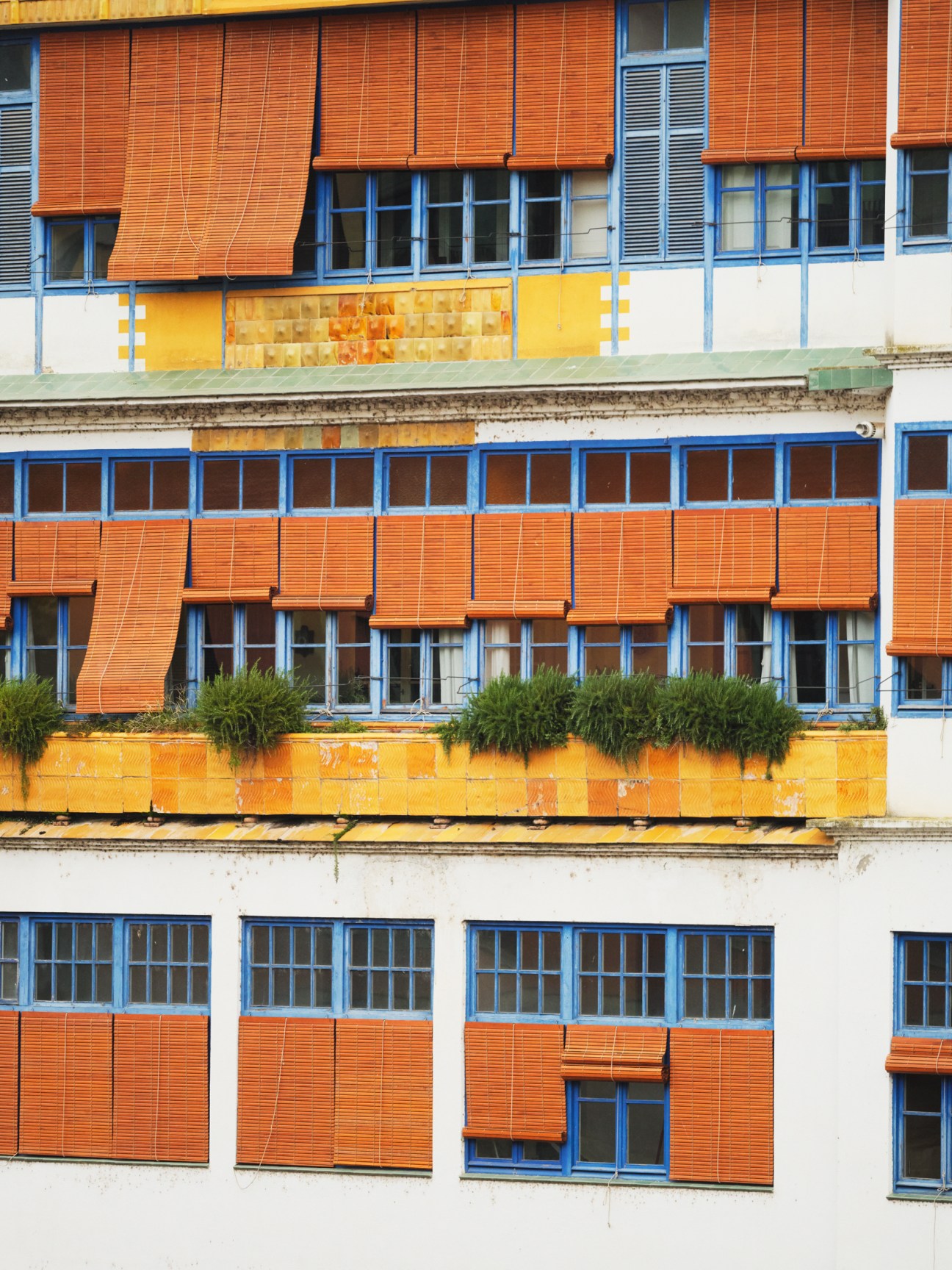
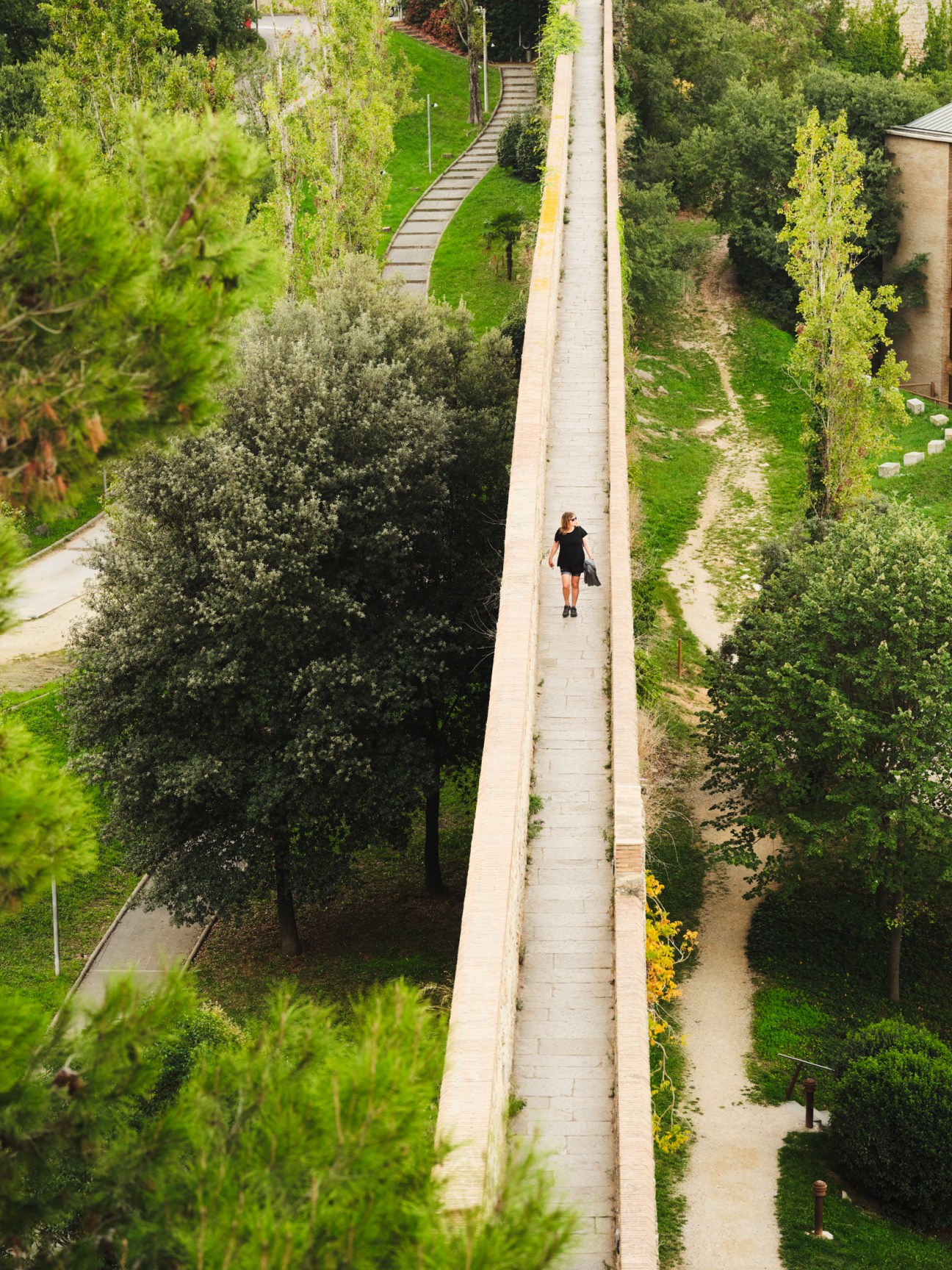
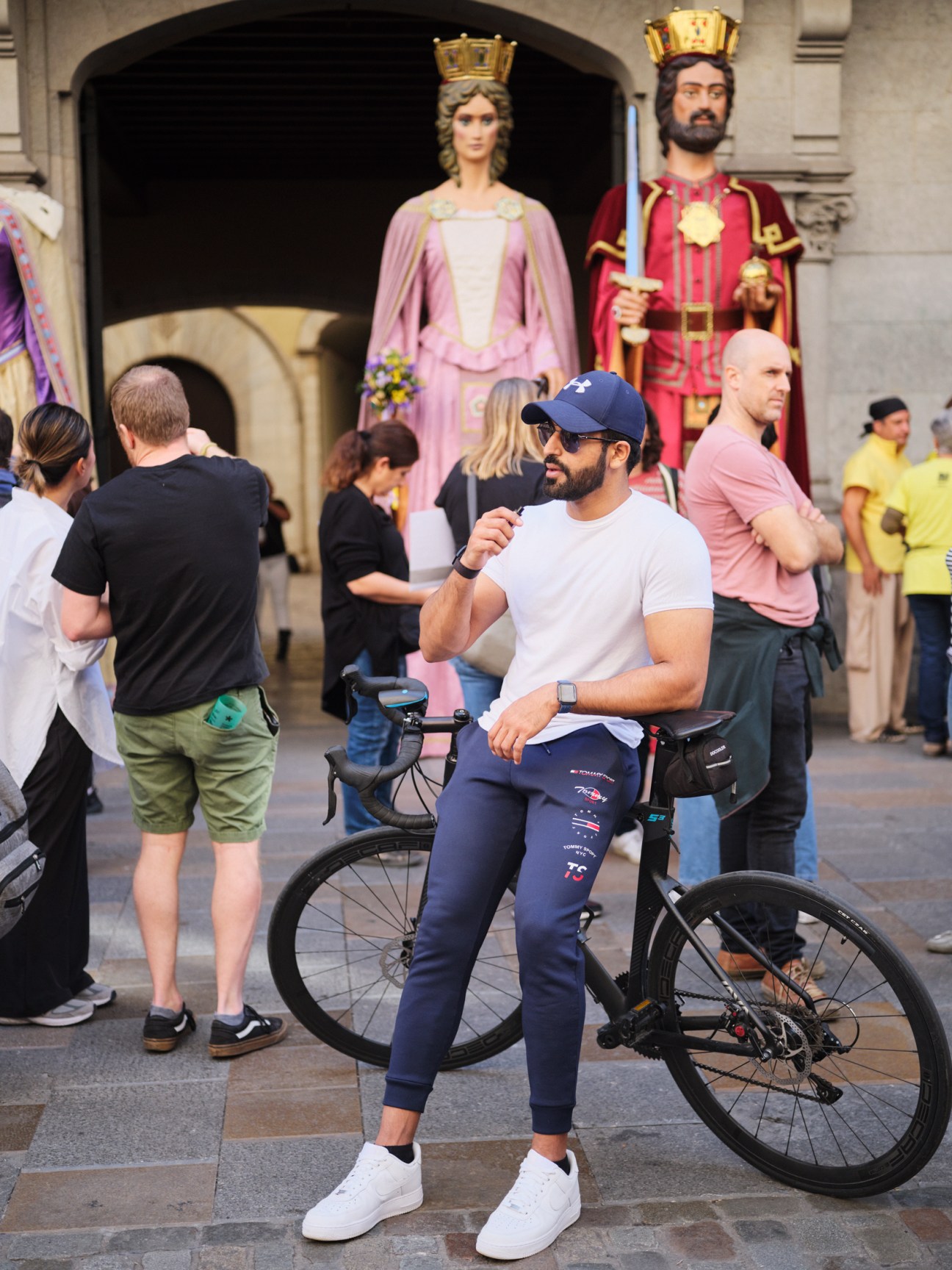
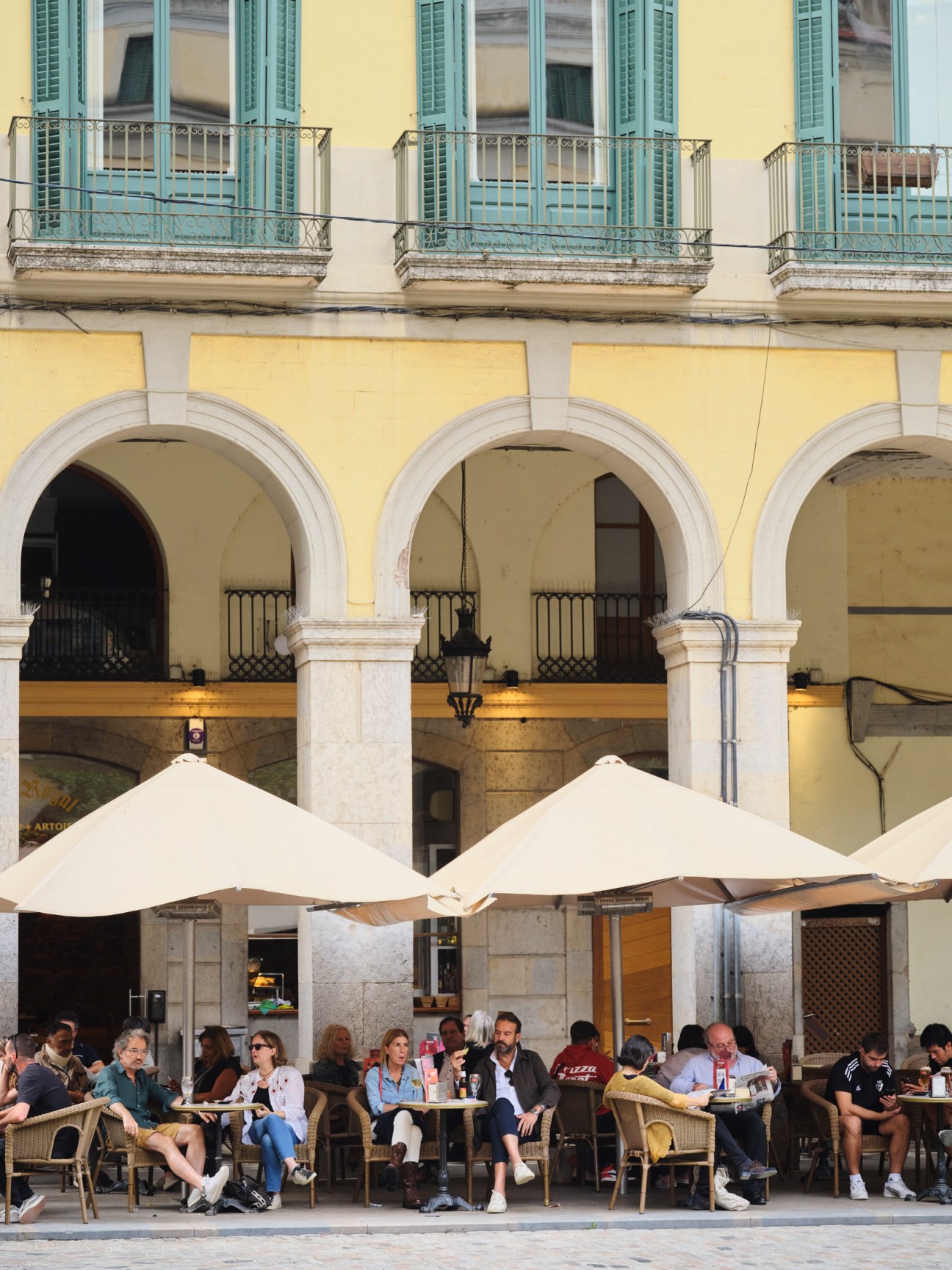
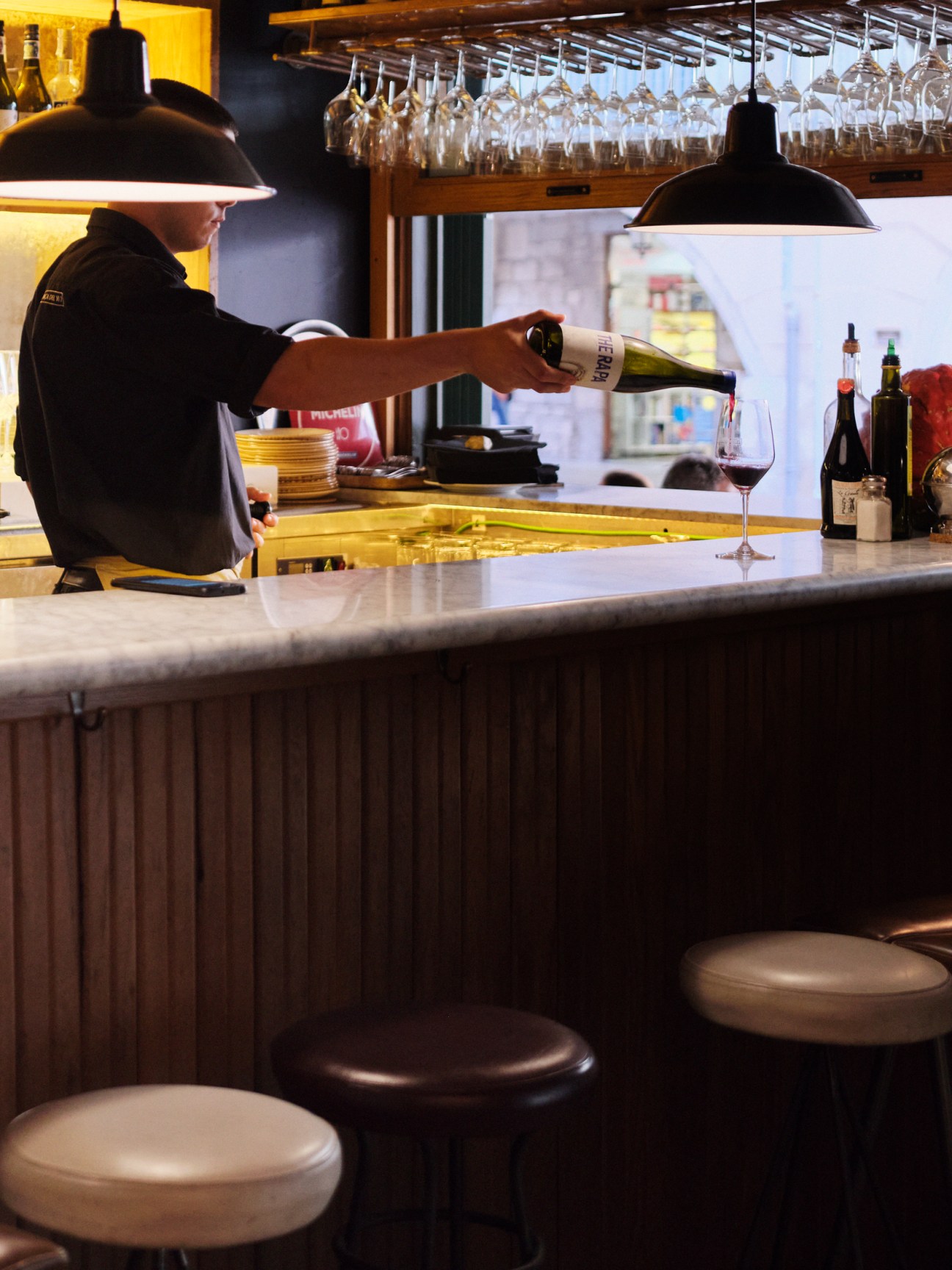
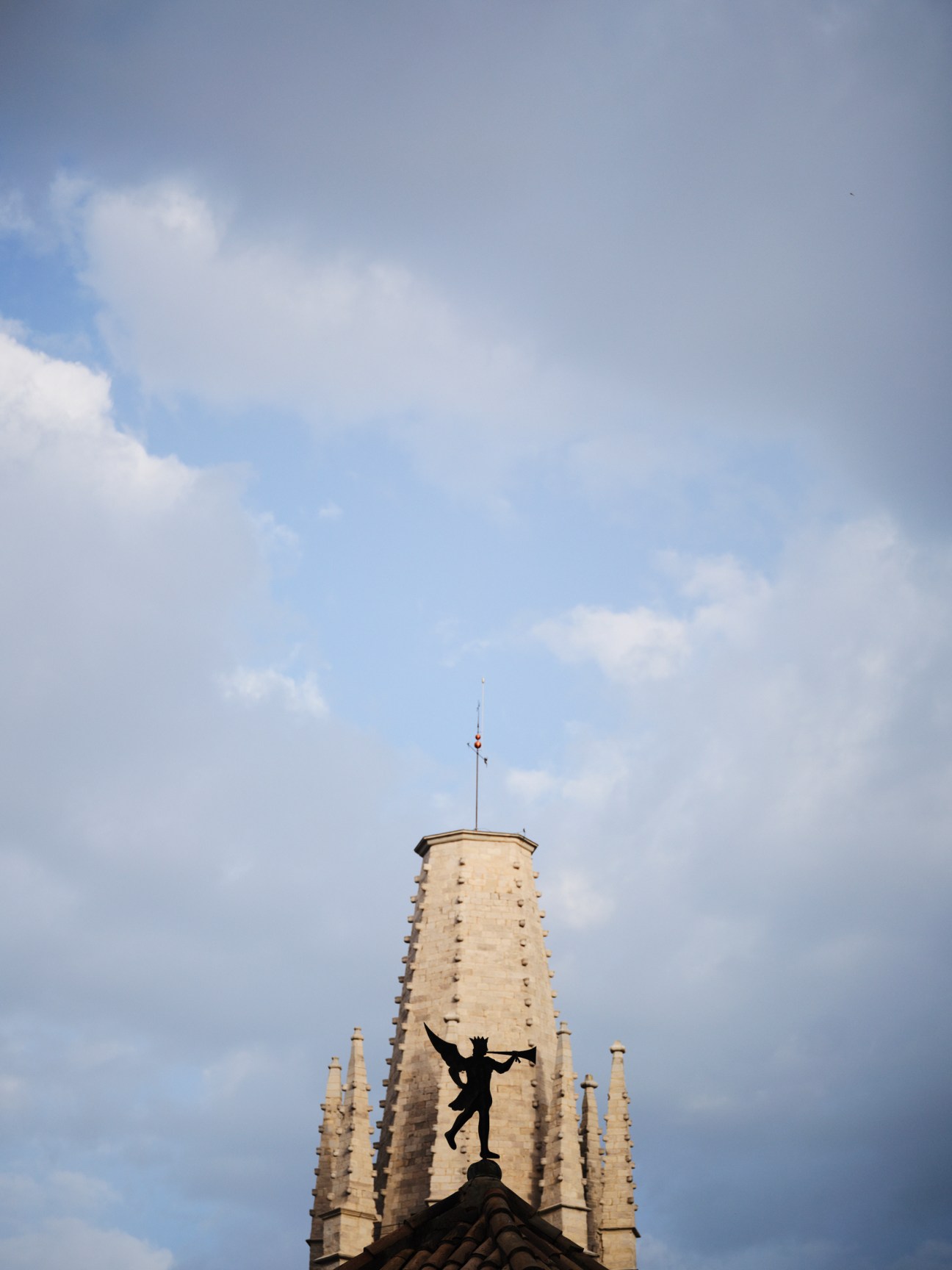
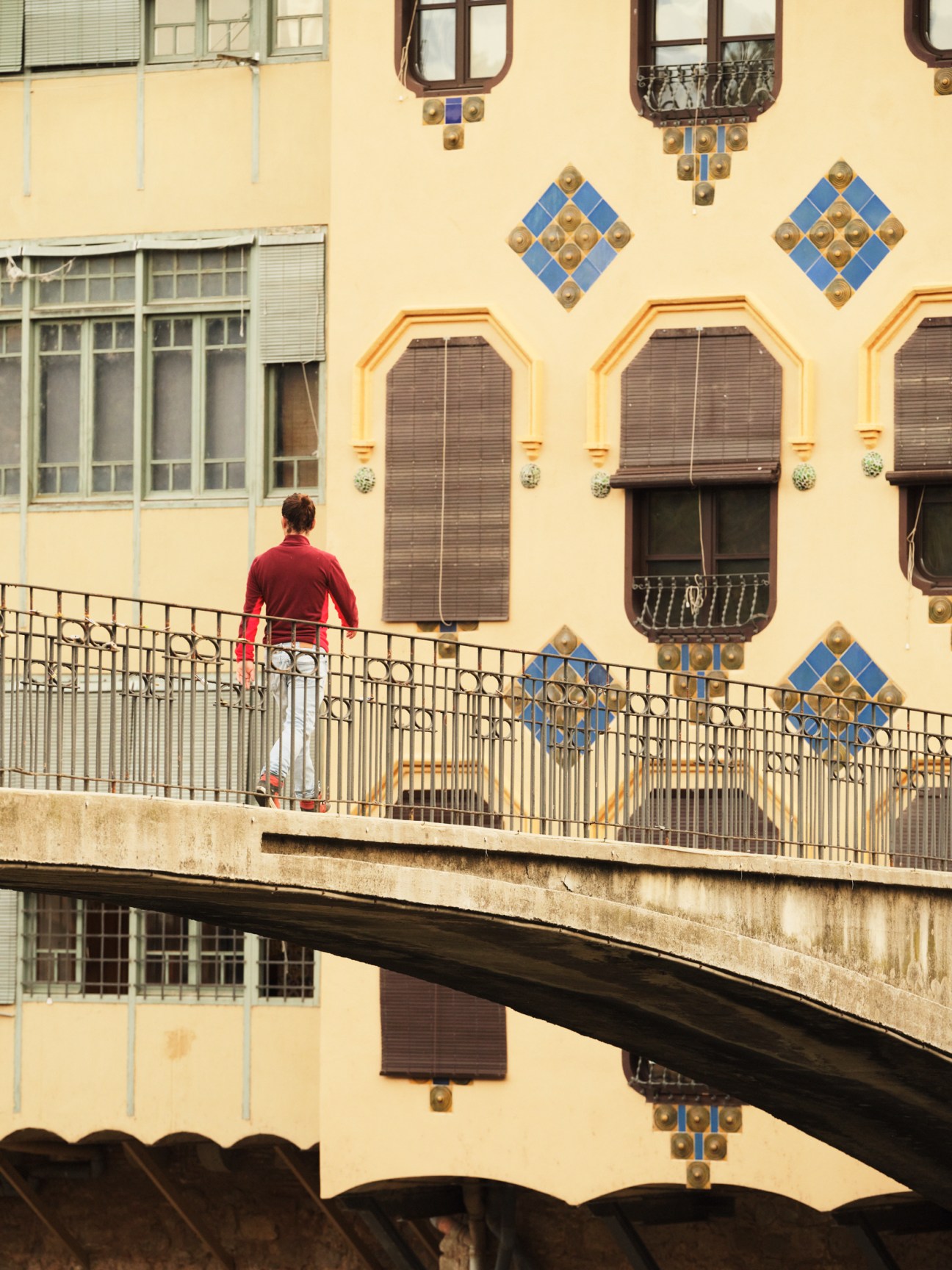
The lifestyle in Girona is decidedly relaxed. When Monocle visits on a weekday morning, three women are chatting over coffee in the Old Town, while others flick through newspapers at a kiosk. Near the cathedral, passers-by pause to watch a team of archaeologists digging for Roman ruins.
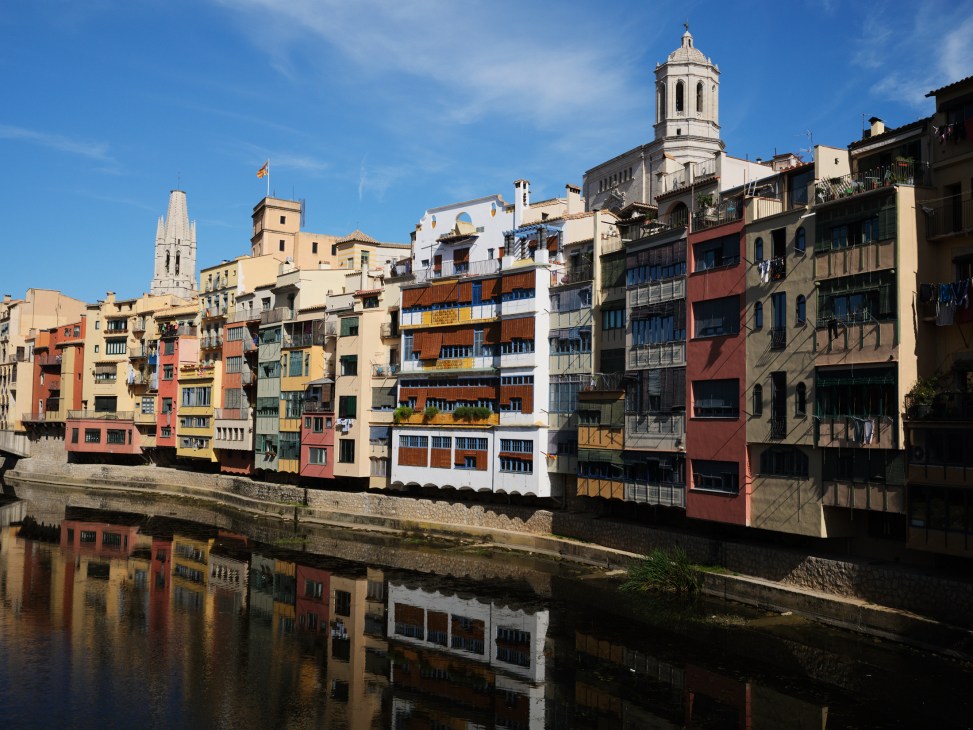
Colombia-born café owner Andrea Gaitan lived here with her parents when she was younger but spent many years in Buenos Aires. It was the Catalonian city’s slower pace of life that brought her back. “Everything I hated about Girona when I was a teenager is what I like about it now,” she says. “It’s peaceful, it’s clean, it feels safe and you never spend hours commuting.”
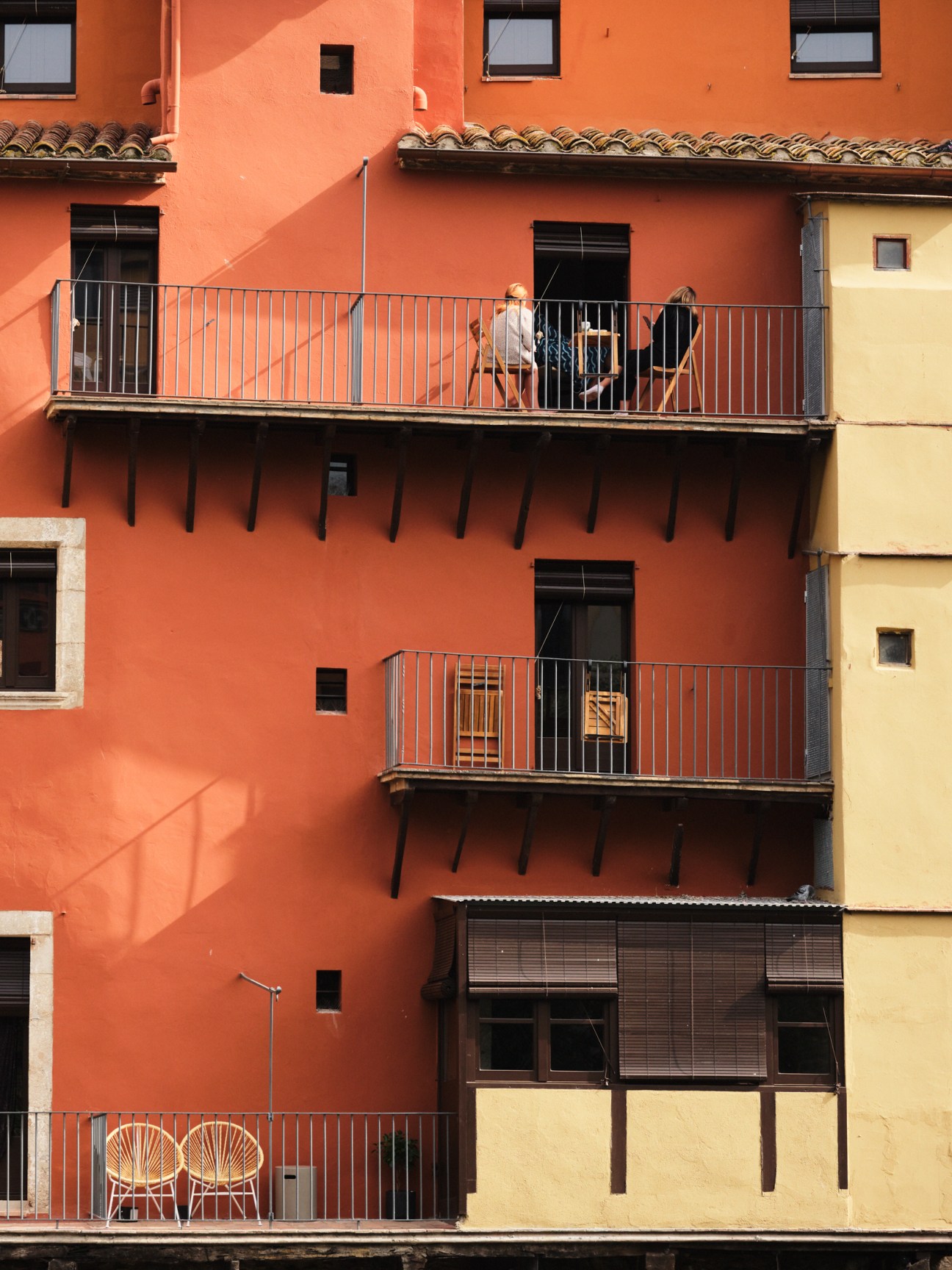
She isn’t the only one to have made such a move. For those seeking to put down roots in a sunny European city, Girona is an increasingly enticing alternative to Barcelona. Known for its cycling routes through the Pyrenees and proximity to Costa Brava, the city of 100,000 has long been attractive to visitors. But recently more people have chosen to stay. In the past three years the proportion of migrants here has grown from 12 per cent to 16 per cent. The city is experiencing an influx of foreign entrepreneurs and hospitality operations, such as the Estudio Além-designed Hotel in Girona, are launching to meet the demand.
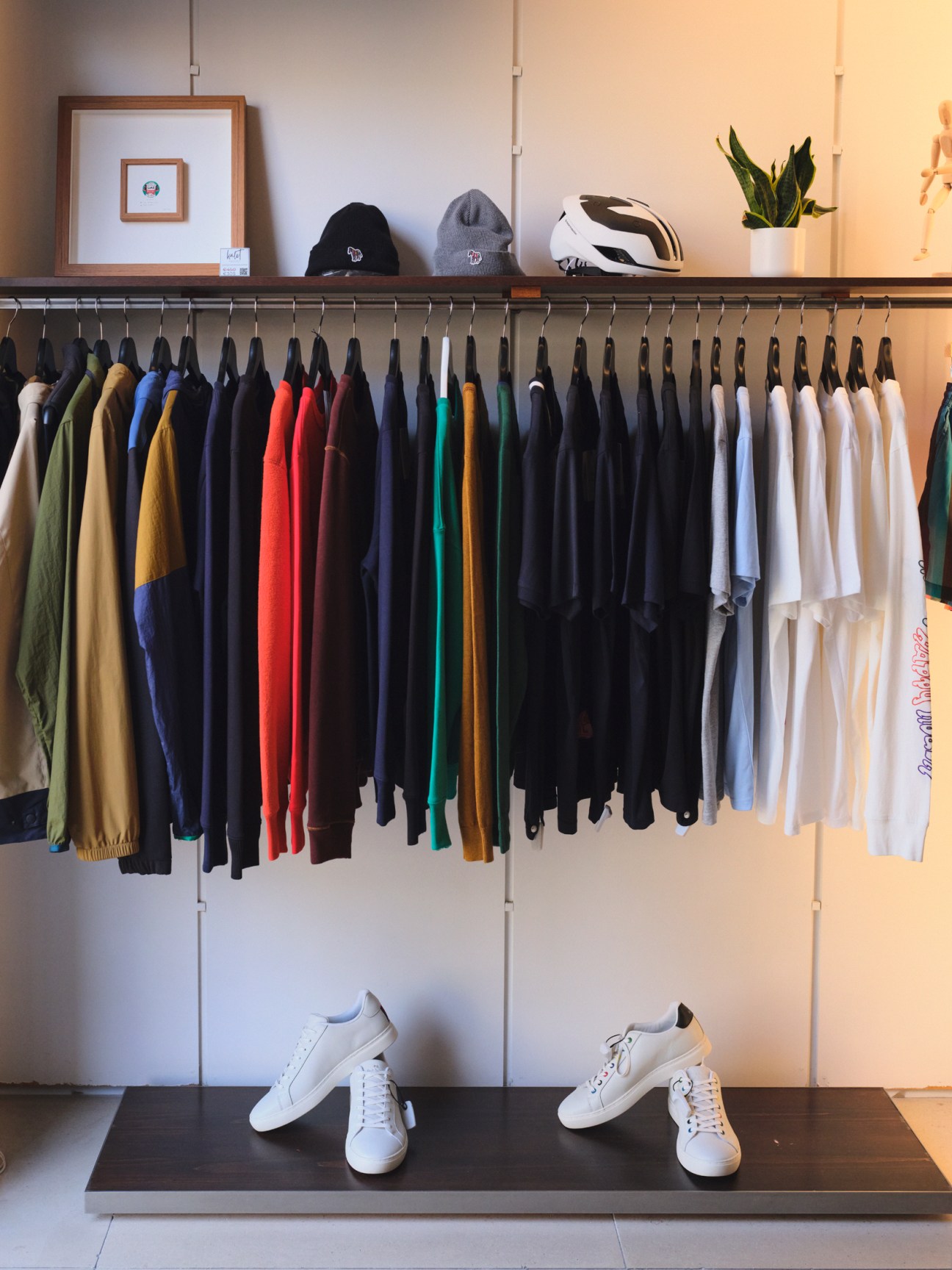
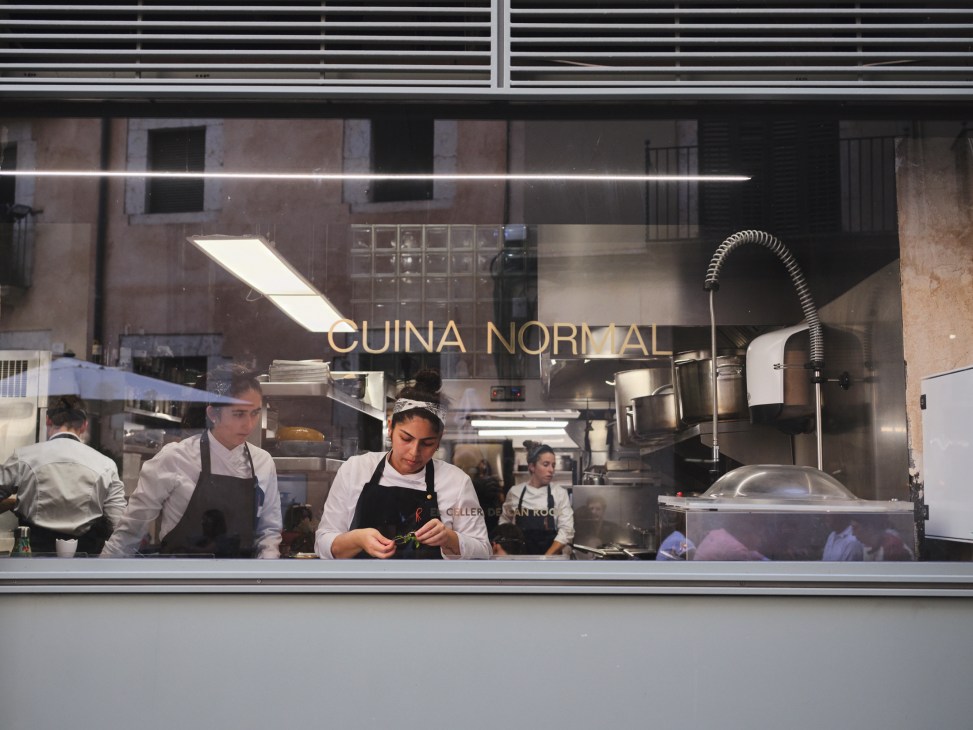
Meanwhile, the city’s textile, paper and food industries continue to thrive and storied businesses such as El Celler de Can Roca restaurant are building on their legacies. Menswear shop Pujadas has been selling high-quality Italian brands since 1871. “I’m the fifth generation of my family to run it,” says owner Xavier Pujadas. While he believes that respecting tradition is crucial, he also embraces change, recently overseeing a refit of his shop.
Girona as a whole isn’t afraid of progress, with city hall sponsoring new cycling schemes and freshly opened sourdough bakeries and wine bars a common sight. It strikes the ideal balance between the old and new. When friends Júlia Bamala and Marta Pujol decided to set up ceramics shop Cucut Oliva, they knew that Girona would be the right place to start. “It’s a city,” says Bamala, “but it has the heart of a small town.”
Good news
As well as being a hot spot for entrepreneurs, Girona’s seven major museums offer an ever-evolving mix of art, from antiquity to the contemporary.






2.
Toulon, France
Photographer Alex Crétey Systermans
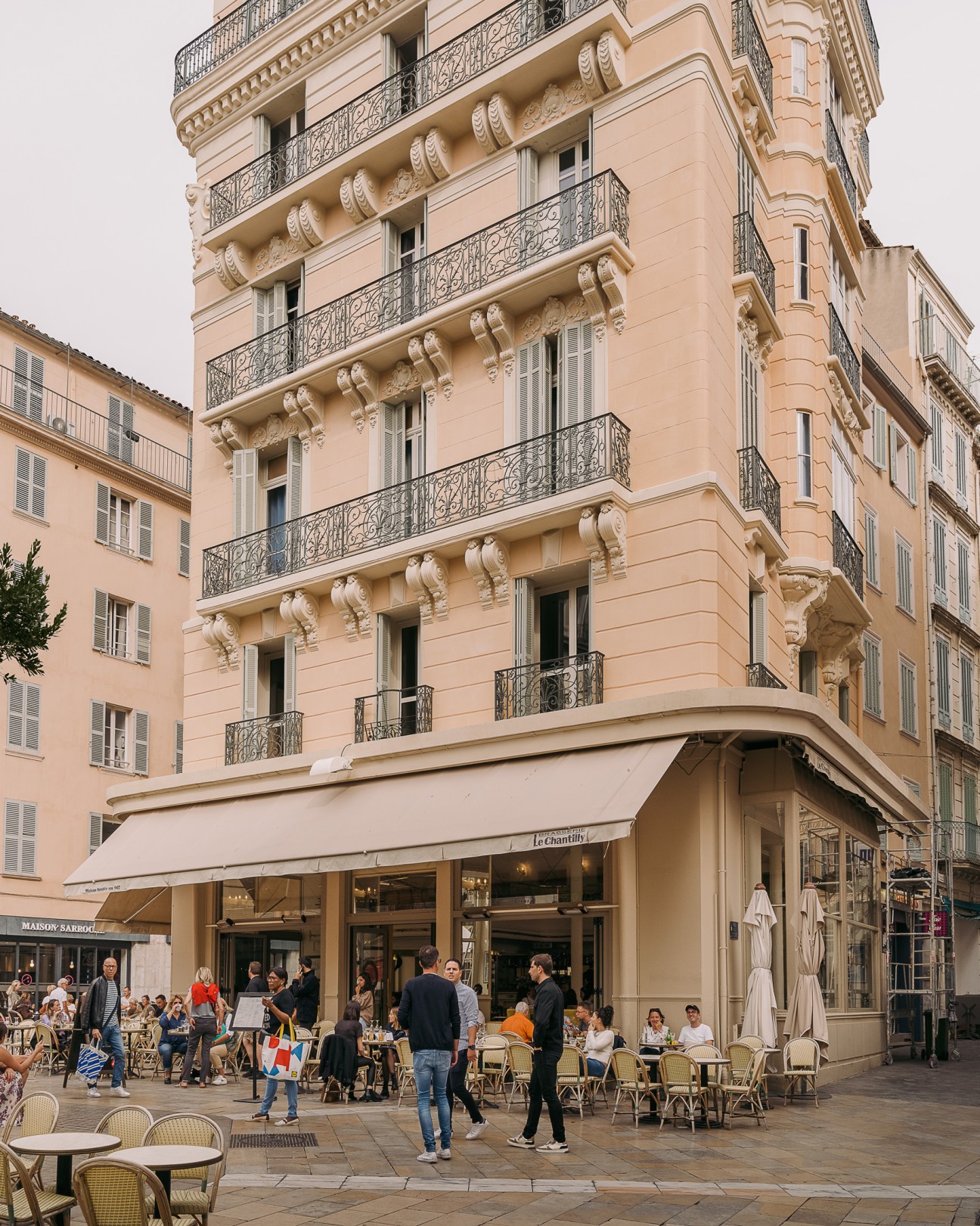
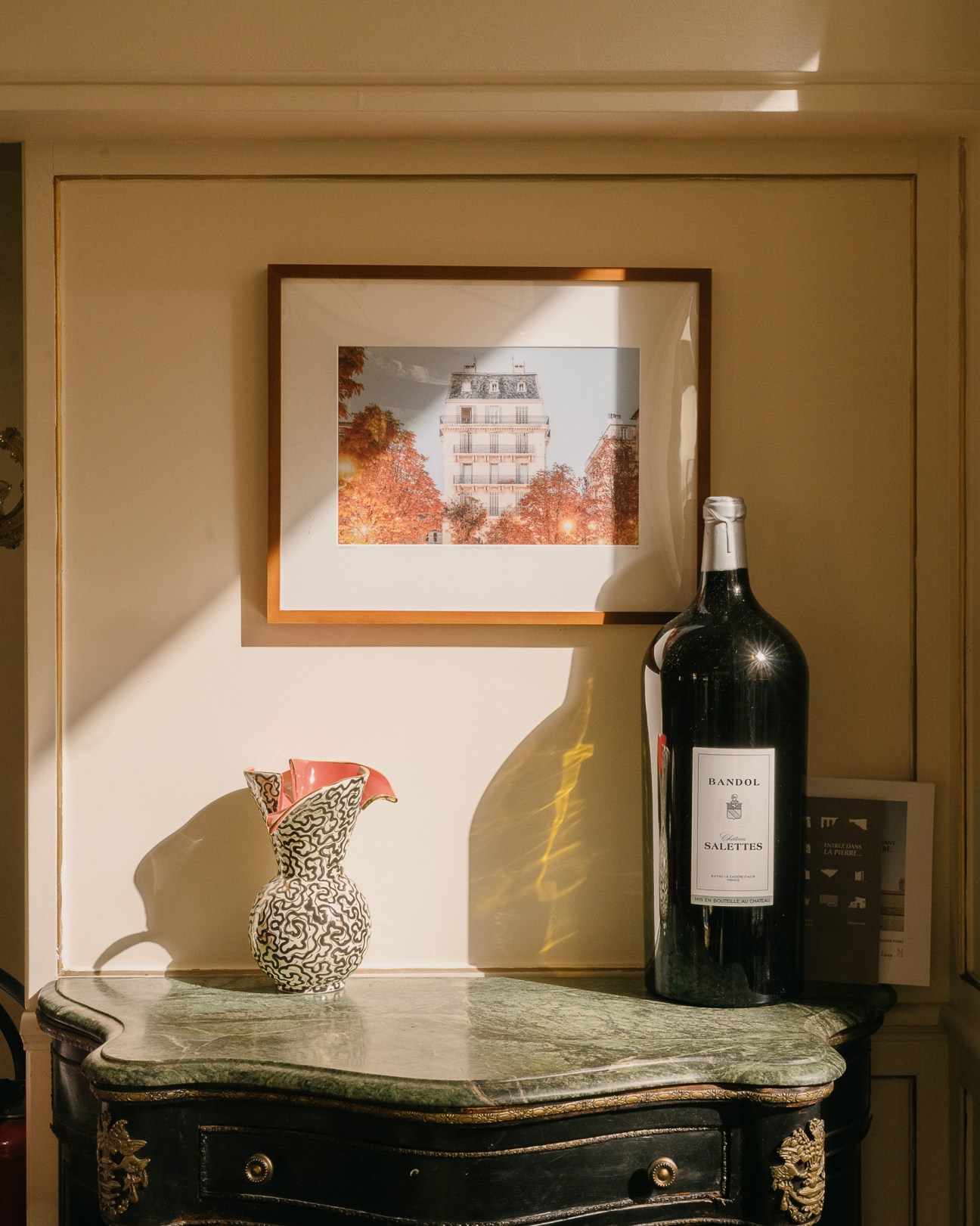
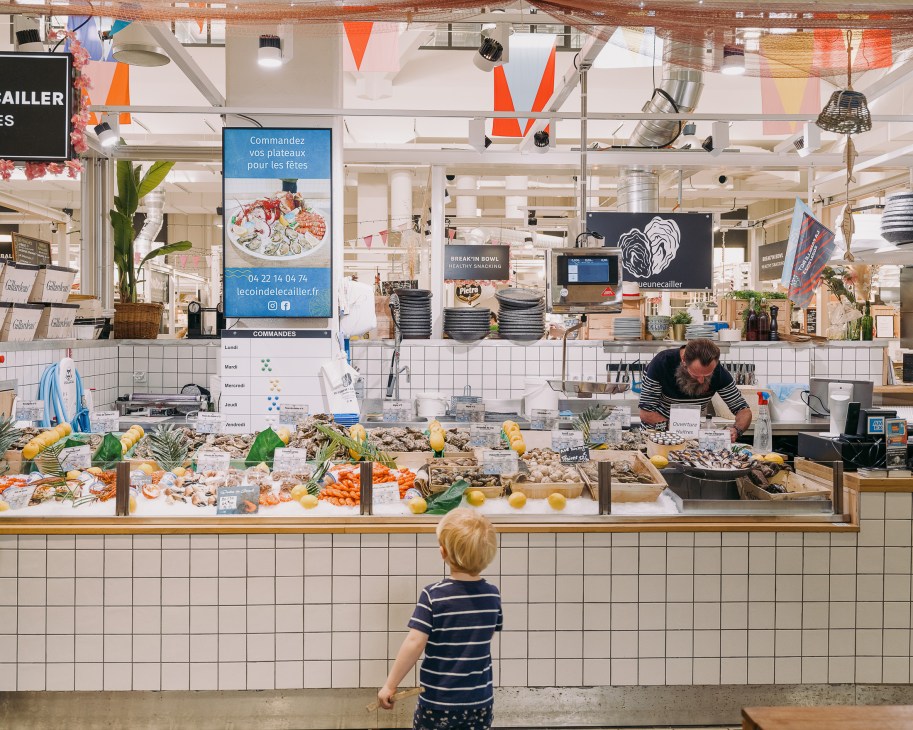
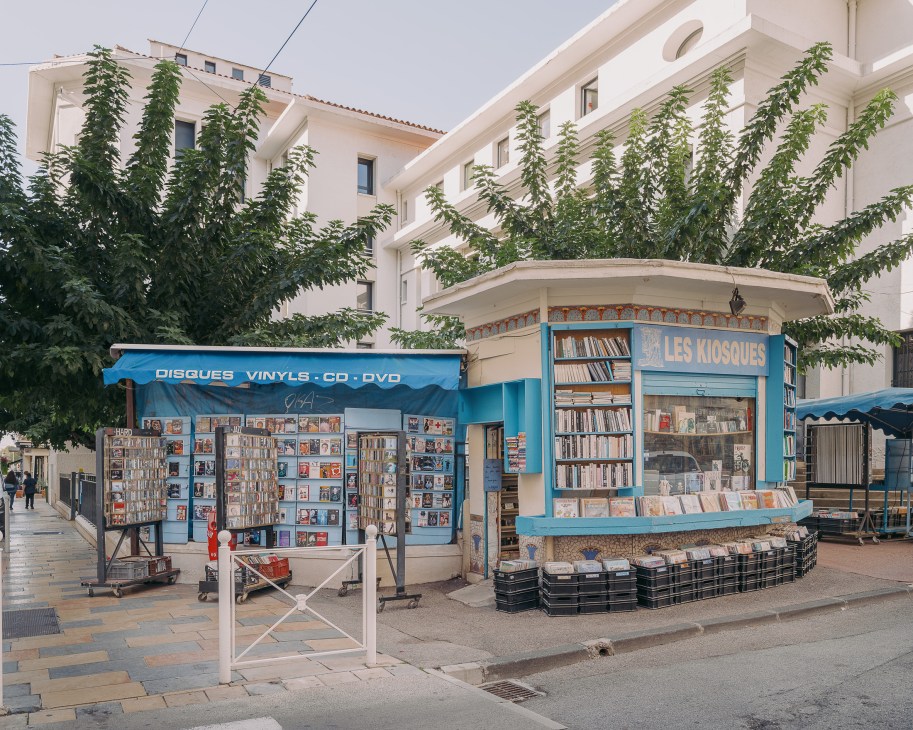
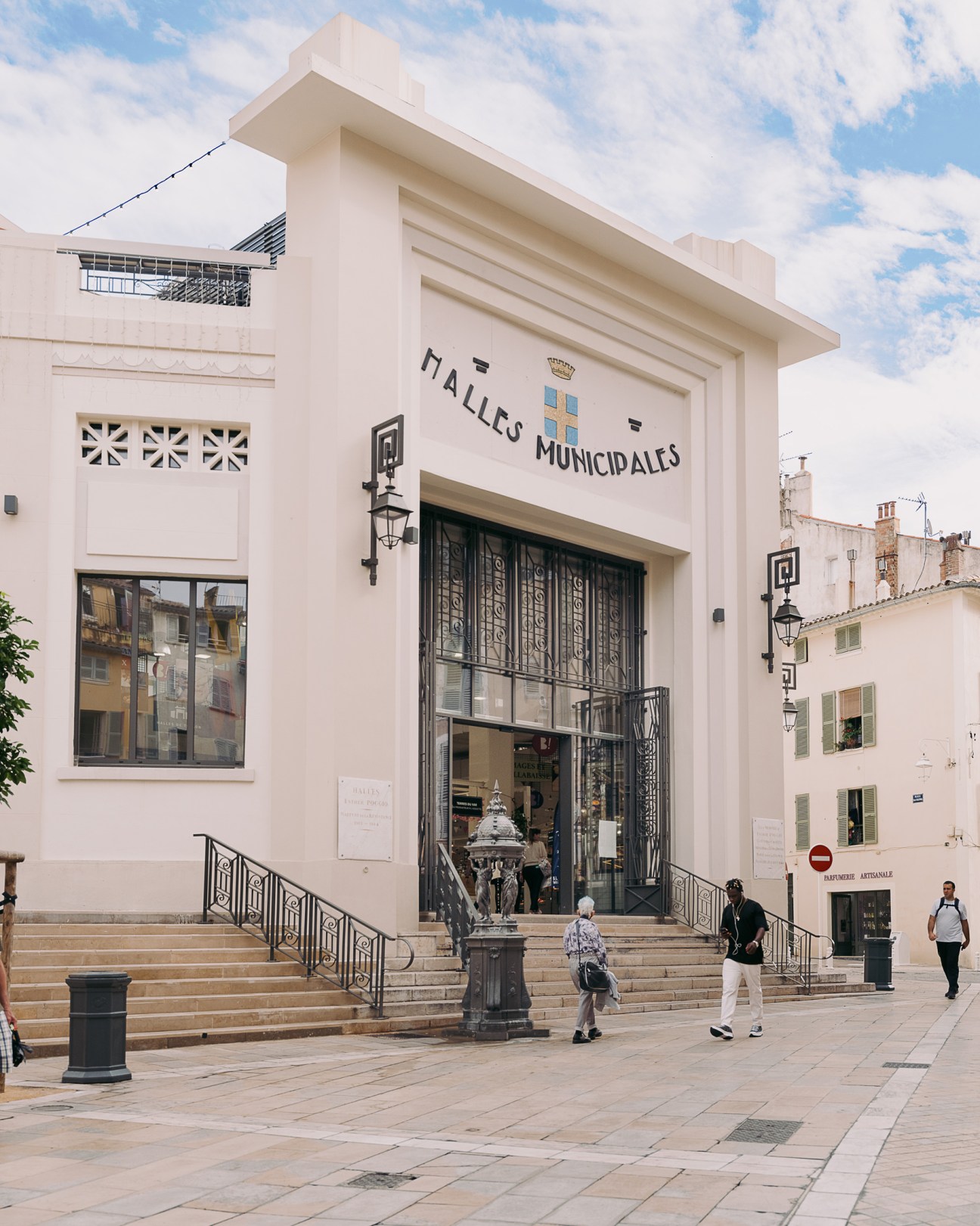
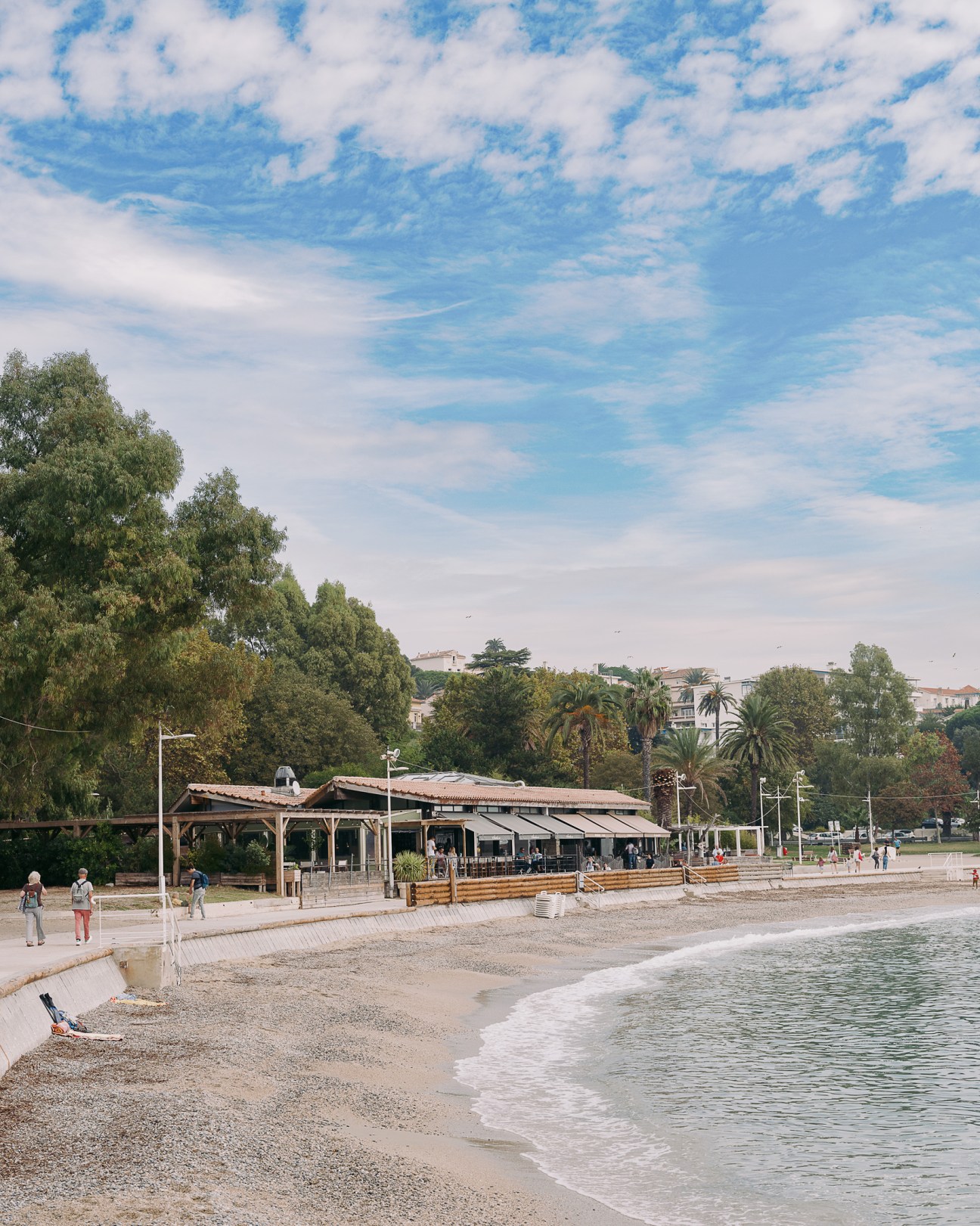
As the morning fog lifts, residents of Toulon wander past vats full of olives and wooden crates of mushrooms and pumpkins at the city’s market. Families stroll by, exchanging greetings – a marked shift from the bleak scenes once associated with this port city. Hubert Falco has been its mayor since 2001; he has cleaned up the town centre, which was once overrun by drunken sailors from the naval base. Falco’s ambitious plans to make Toulon (population 180,000) a design destination are taking form.
“Toulon has always been beautiful, with its labyrinth of streets” says Jean-Pierre Blanc, director of the Villa Noailles in nearby Hyères. Blanc founded interiors festival Design Parade Toulon and helped to set up Paris-based architecture school L’École Camondo’s campus in the city. “People are worried that Toulon might become too touristy, elitist or stuck on design but we’re starting from nothing,” says Grégori Viale, curator at L’Hôtel des Arts, a museum that shows works in association with the Centre Pompidou. “There’s some way to go. Growing up here, I never thought that I could live in the town centre with my daughter and feel safe.”
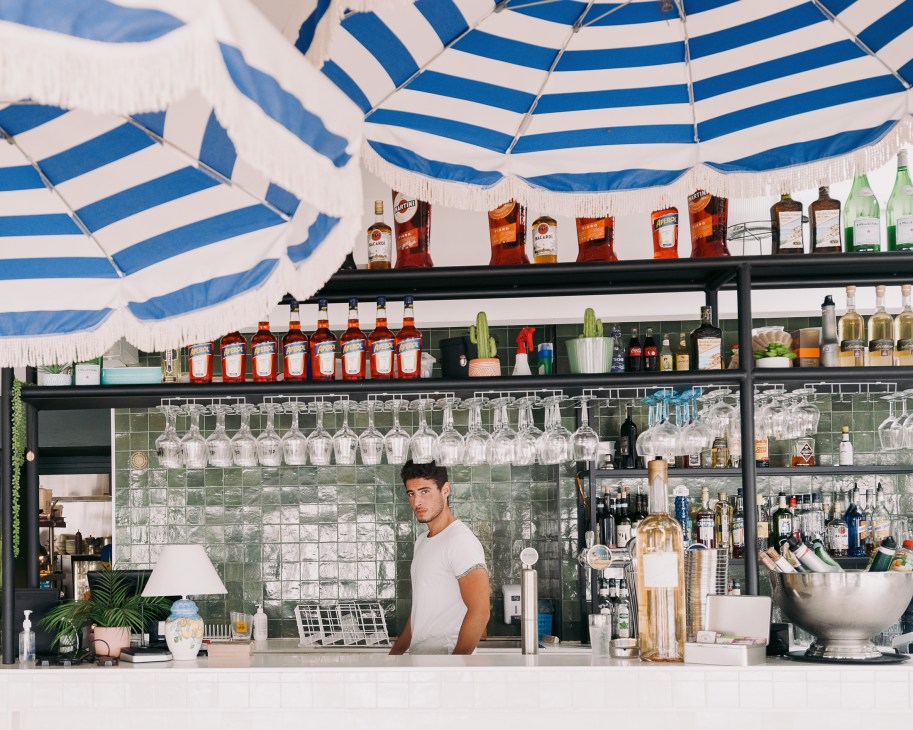
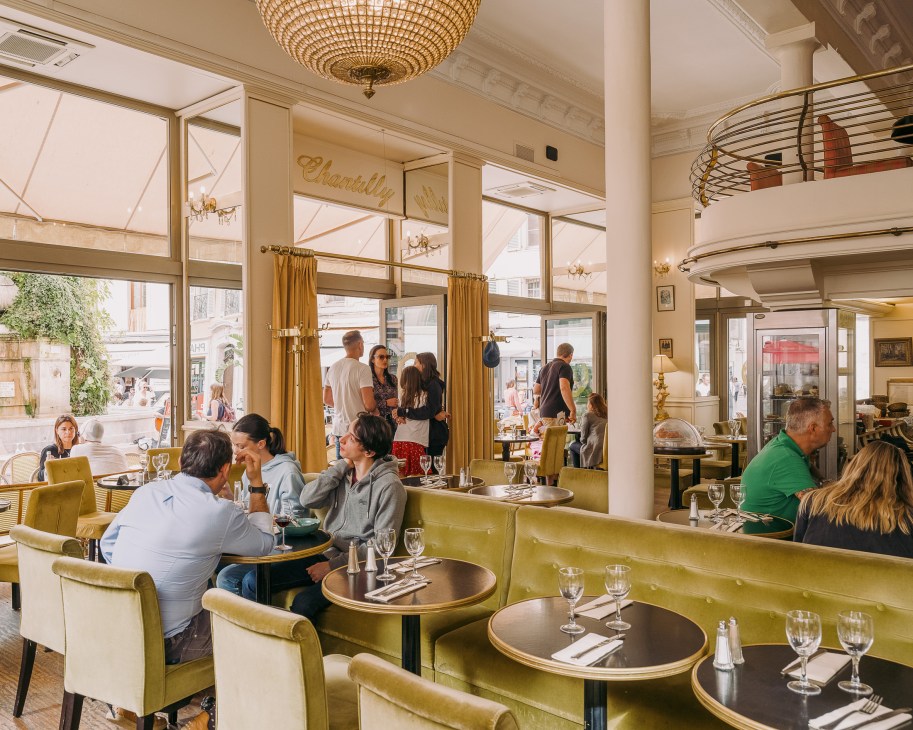
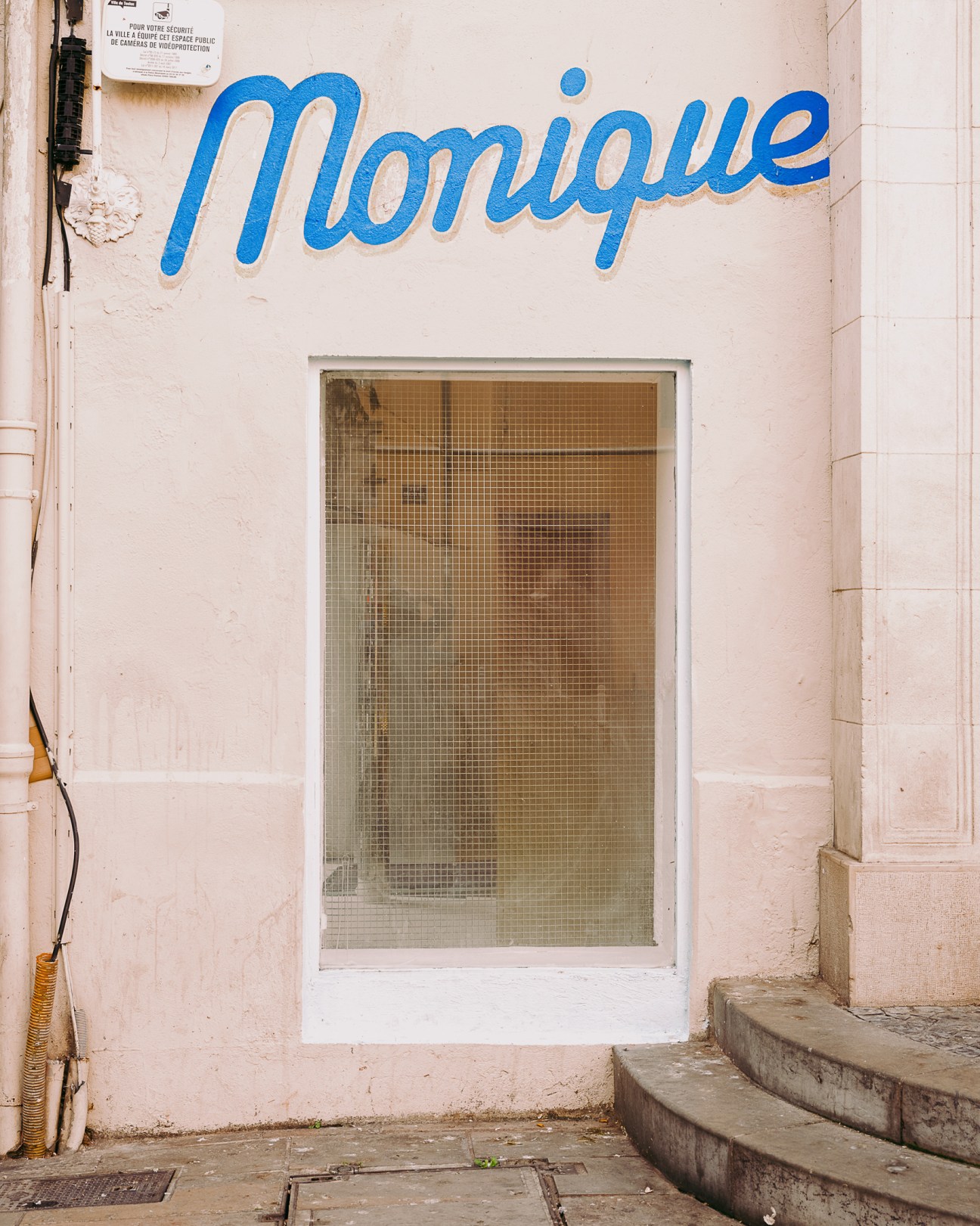
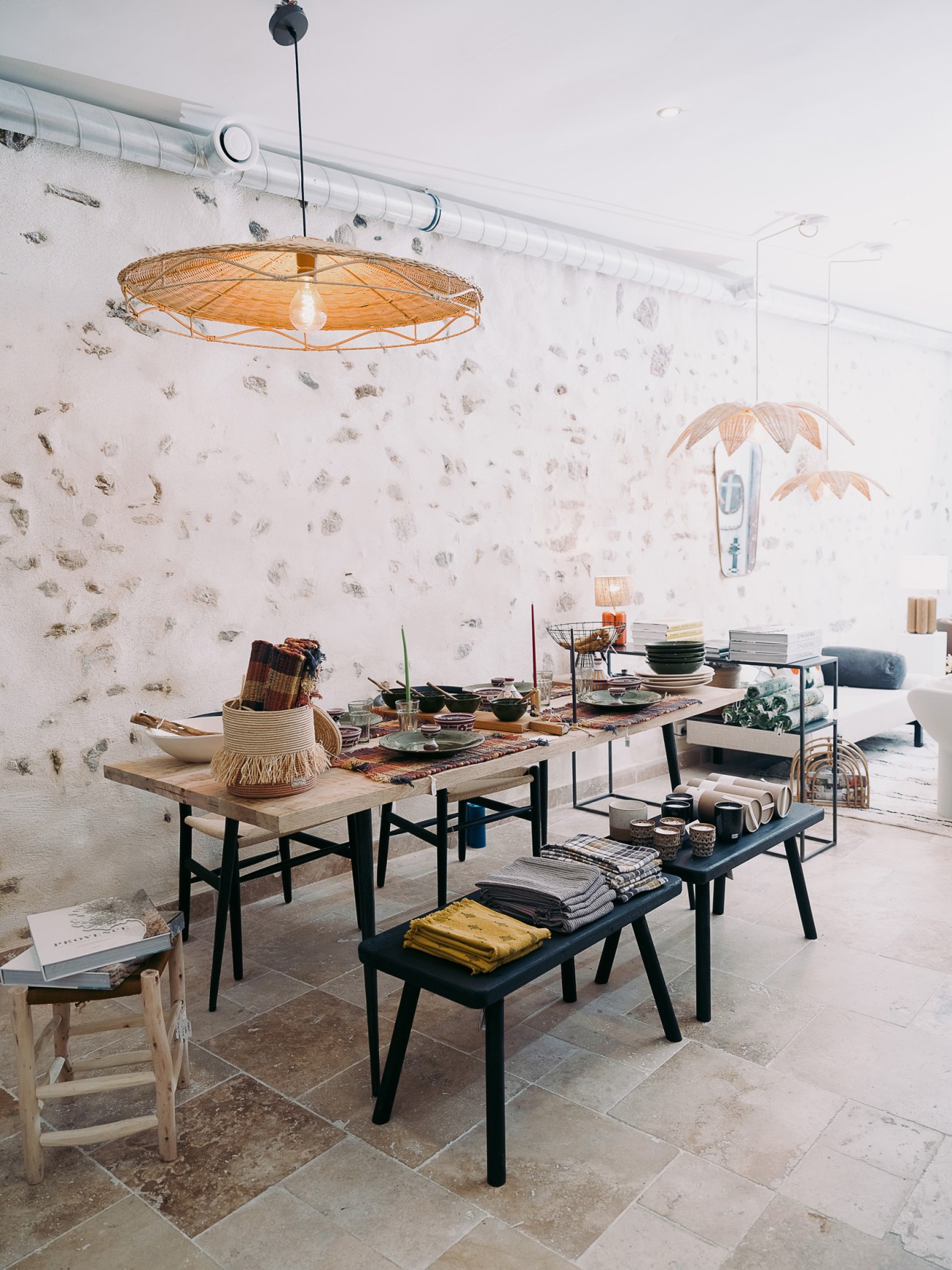
As more creatives trickle south from Paris and France’s other cultural centres, new restaurants such as award-winning chef Arnaud Taberac’s Beam and shops like Casa Joseph by Céline Rocheteau are opening. “Toulon faces two directions: south to the sea and Algeria, and north to the mountains,” says Patrick Jouffret, founder of design studio Atelier 360 and professor of design at Camondo. “But we’re also facing our future and our past.”
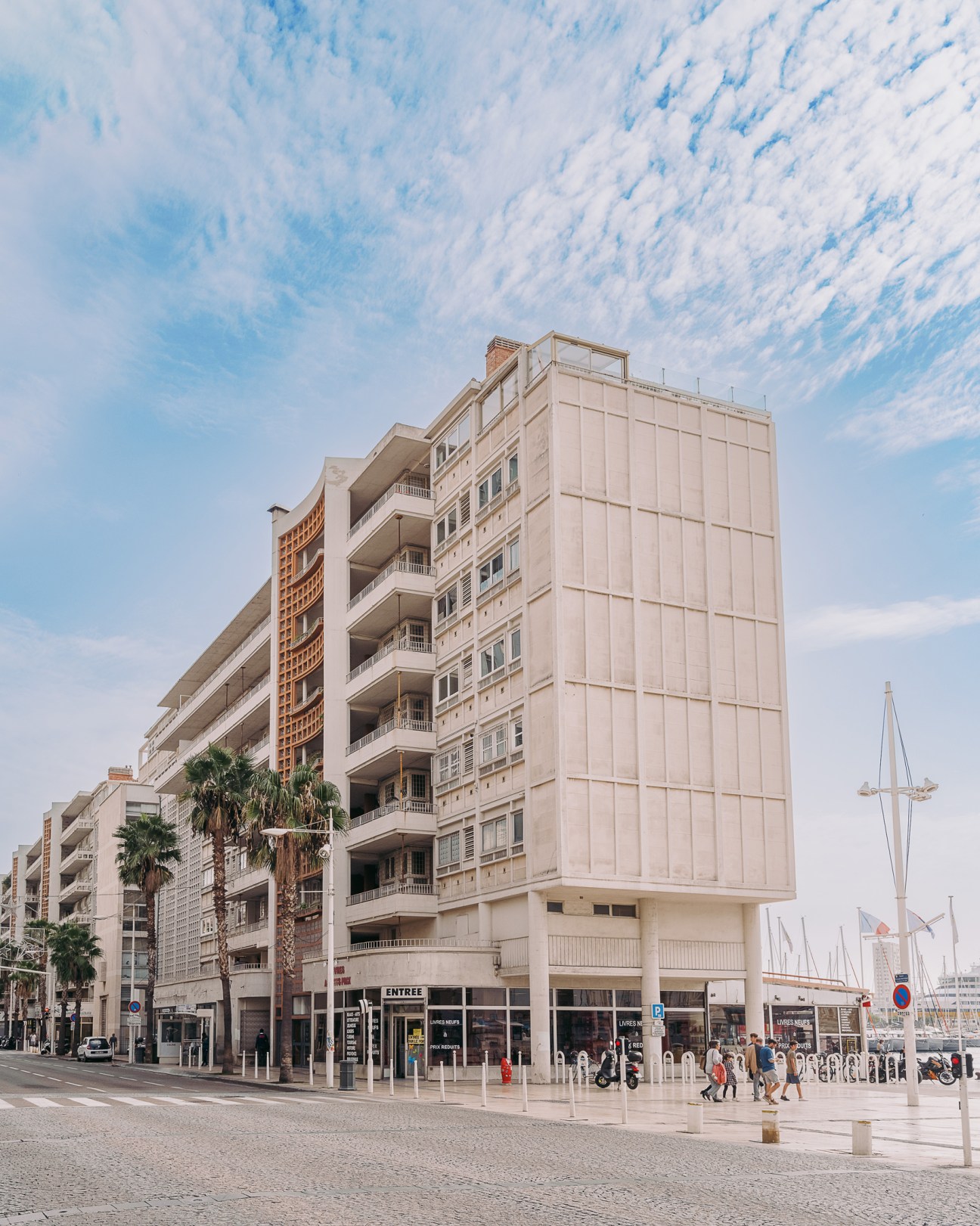
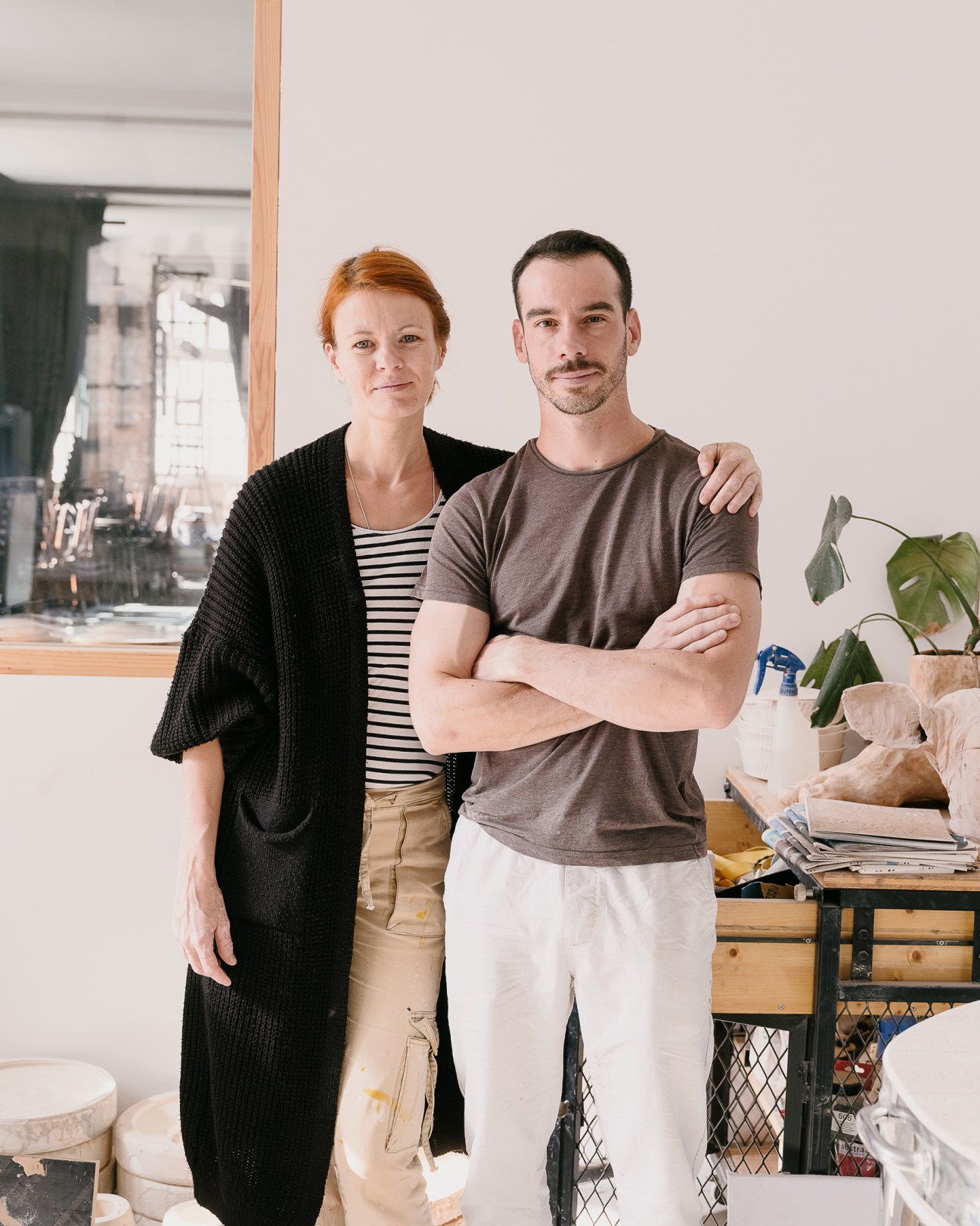
The sun is setting when Monocle meets Jouffret and photographer Julien Oppenheim for an apéritif at Atelier 360’s office in architect Jean de Mailly’s mid-century building complex that overlooks the port. “Toulon is overcoming both material and cultural poverty,” says Oppenheim. Below him, speedboats are docking and cruise ships and ferries float beside imposing military vessels. “You can be happy here if you accept a slower pace,” says Jouffret. “If you told me five years ago that a festival such as Design Parade would happen here, I wouldn’t have believed you. We have a saying that goes, ‘Whoever leaves Toulon loses their mind.’”
Good news
The city’s economy is varied and full of opportunities. Fishing, wine-making, naval construction and the manufacture of aeronautical equipment all take place here.




3.
Bozeman, USA
Photographer Leah Nash
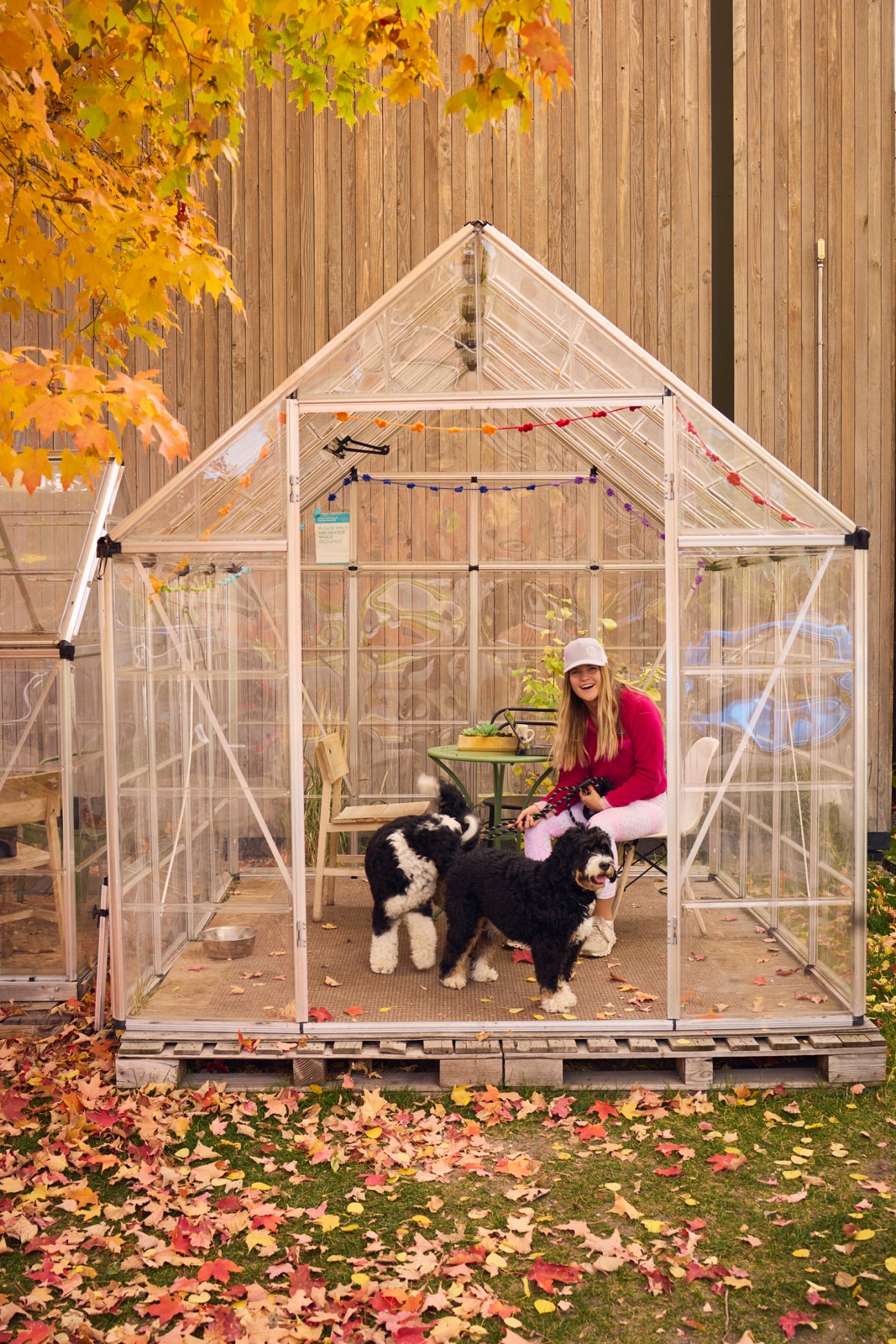
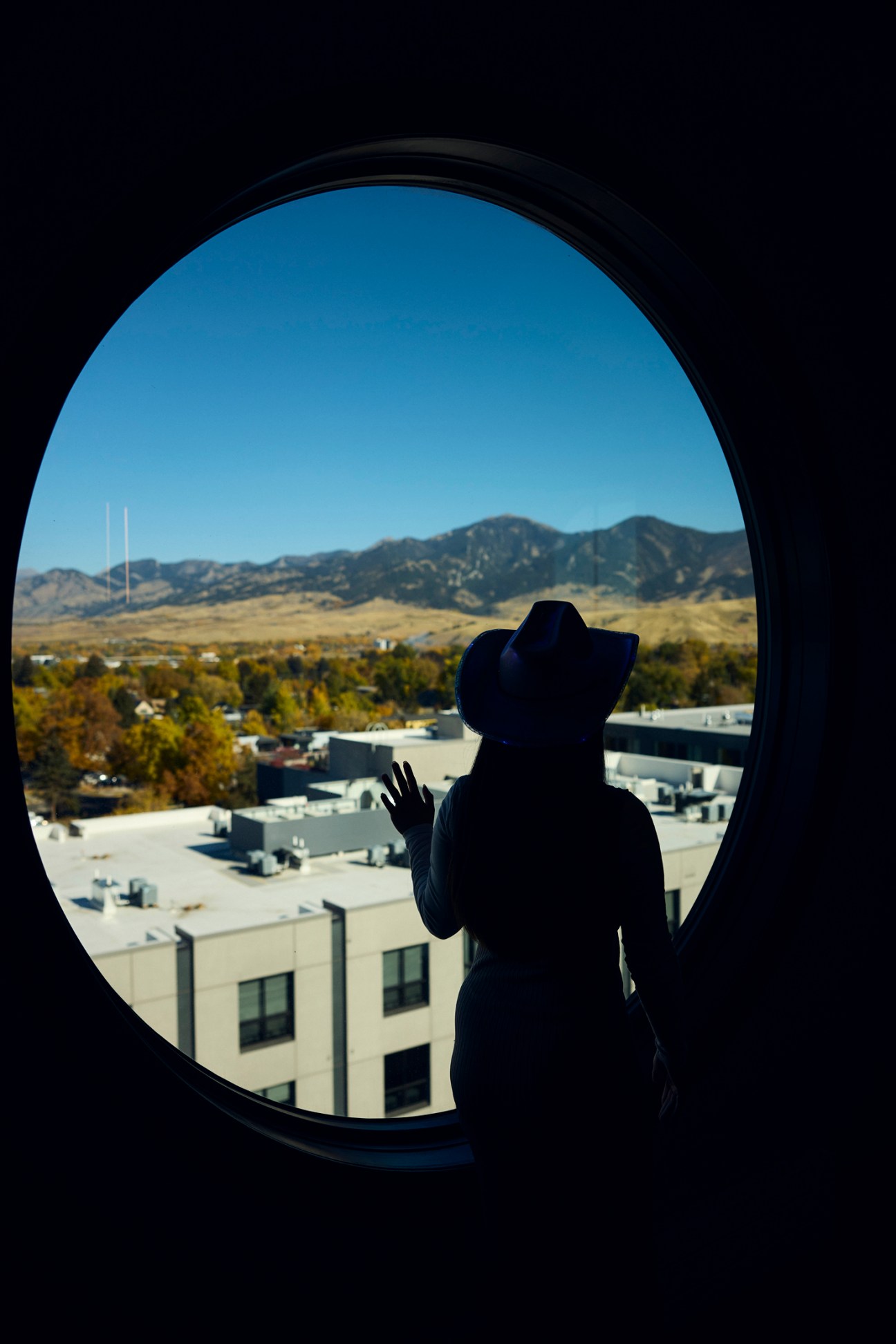
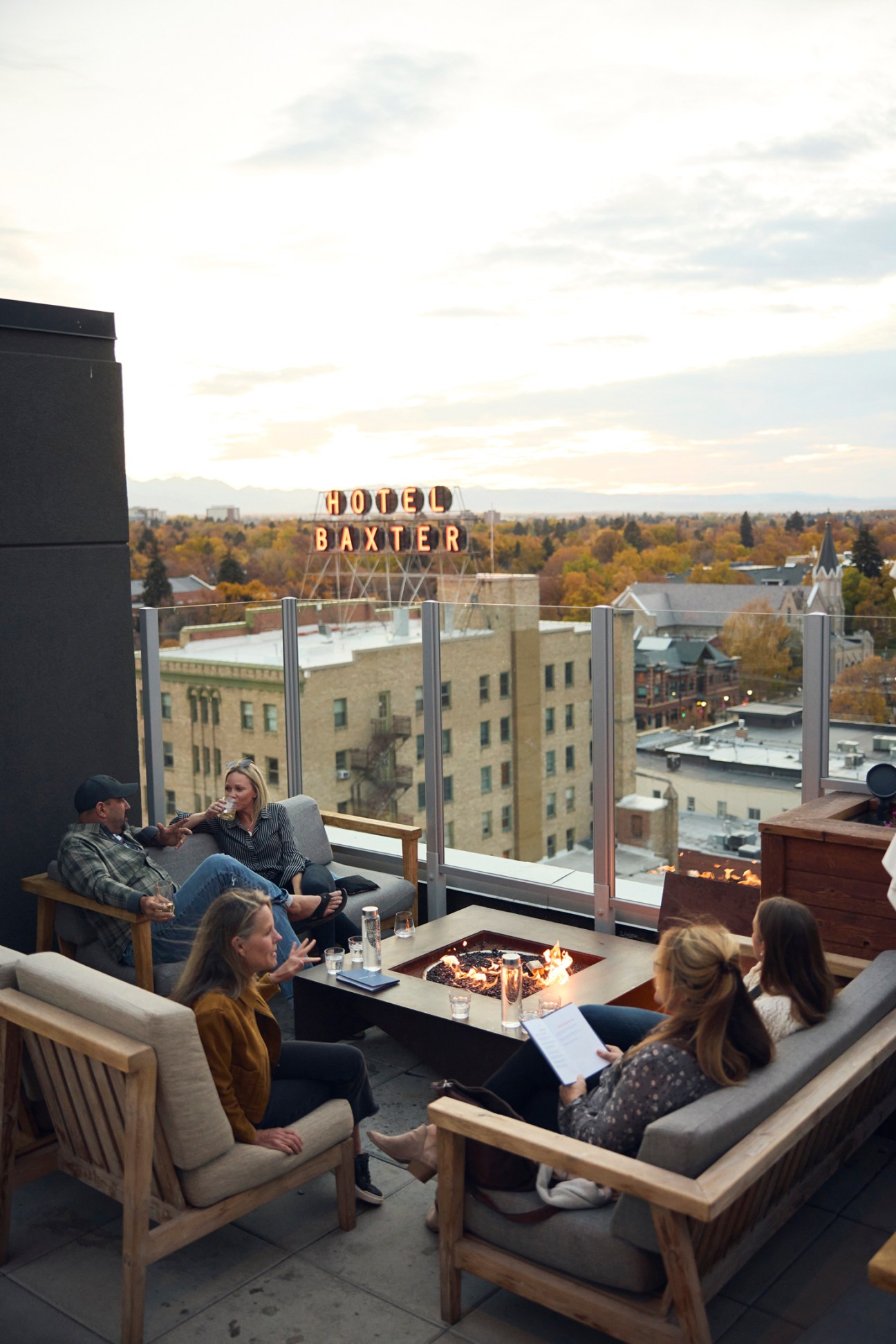
Flying into Bozeman, passengers are greeted by the striking sight of mountain ranges. “The landscapes are the main draw,” says architect Doug Minarik, who established his practice in this Montanan city with a metropolitan population of 118,960 in the mid-1990s. As well as mountain views, Bozeman offers ski slopes, acres of national forest and miles of hiking trails; Yellowstone National Park is only a few hours’ drive away. This proximity to nature has drawn thousands of new residents to the city over the past decade, making it one of the fastest-growing urban centres of its size in the US.
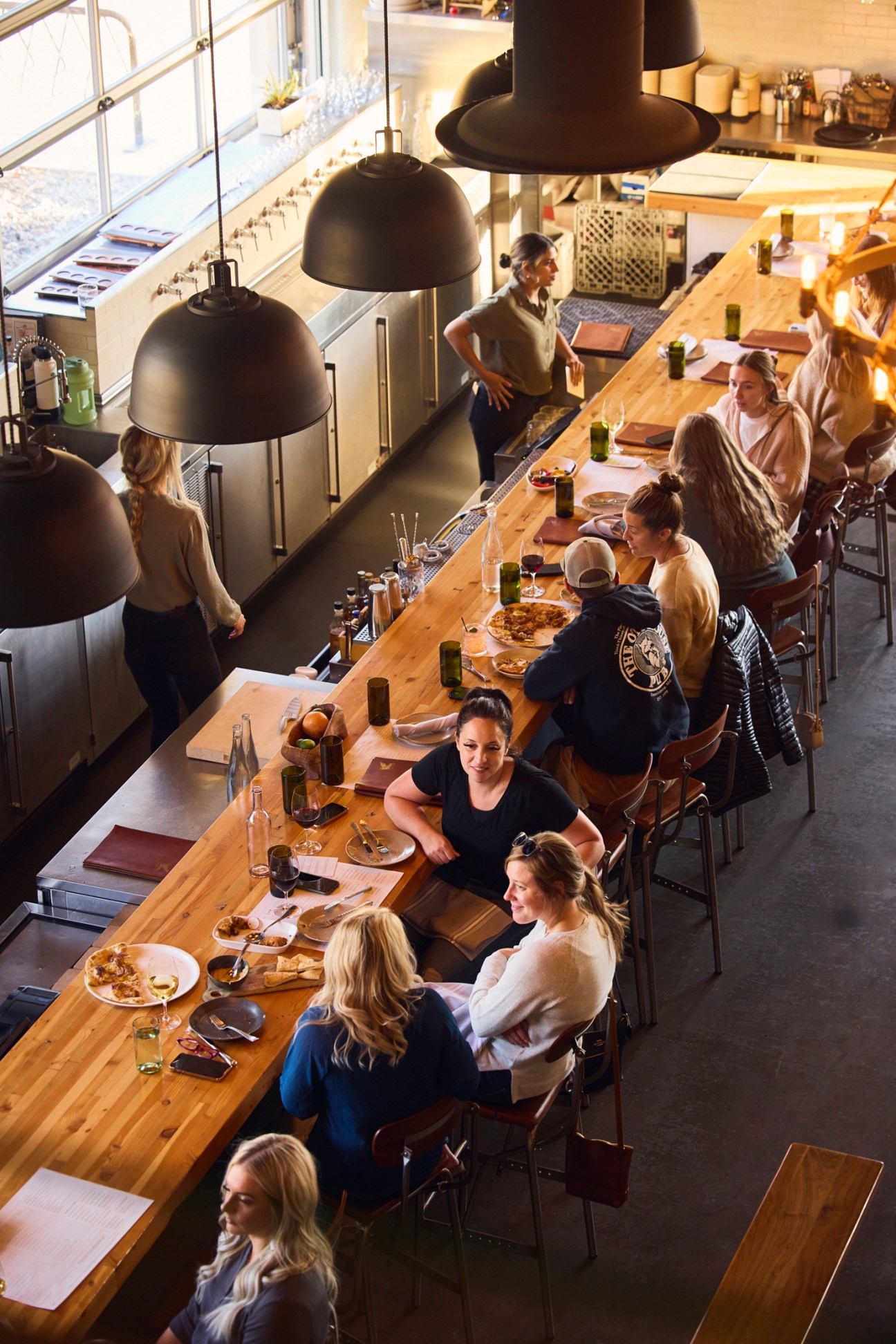
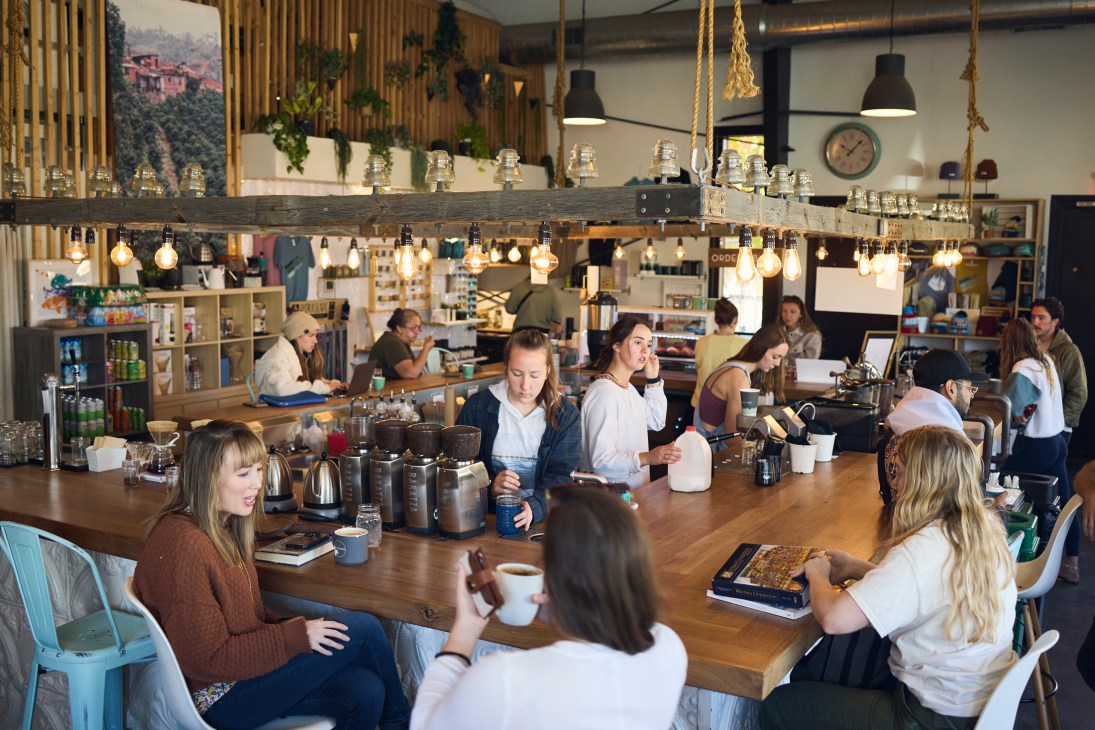
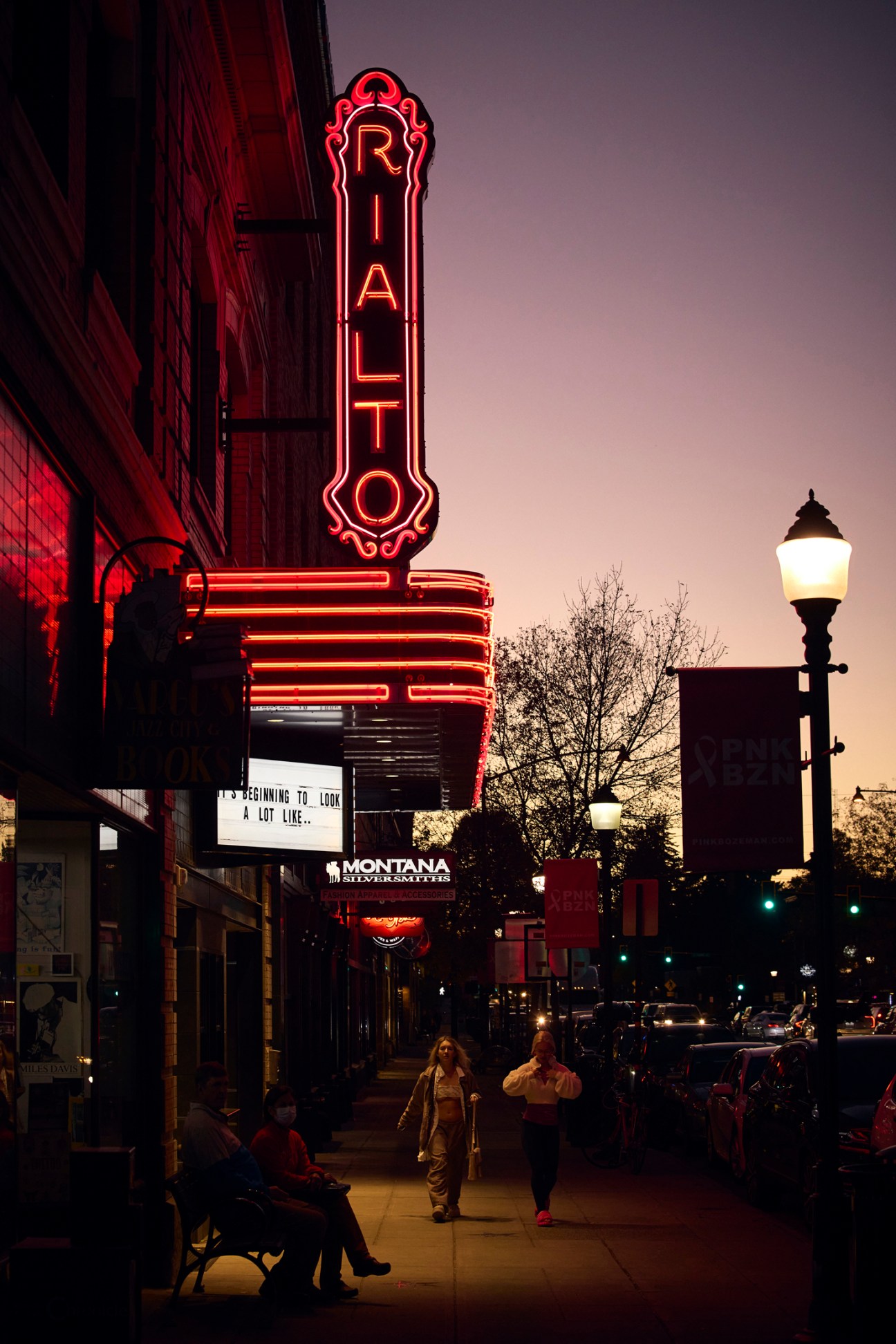
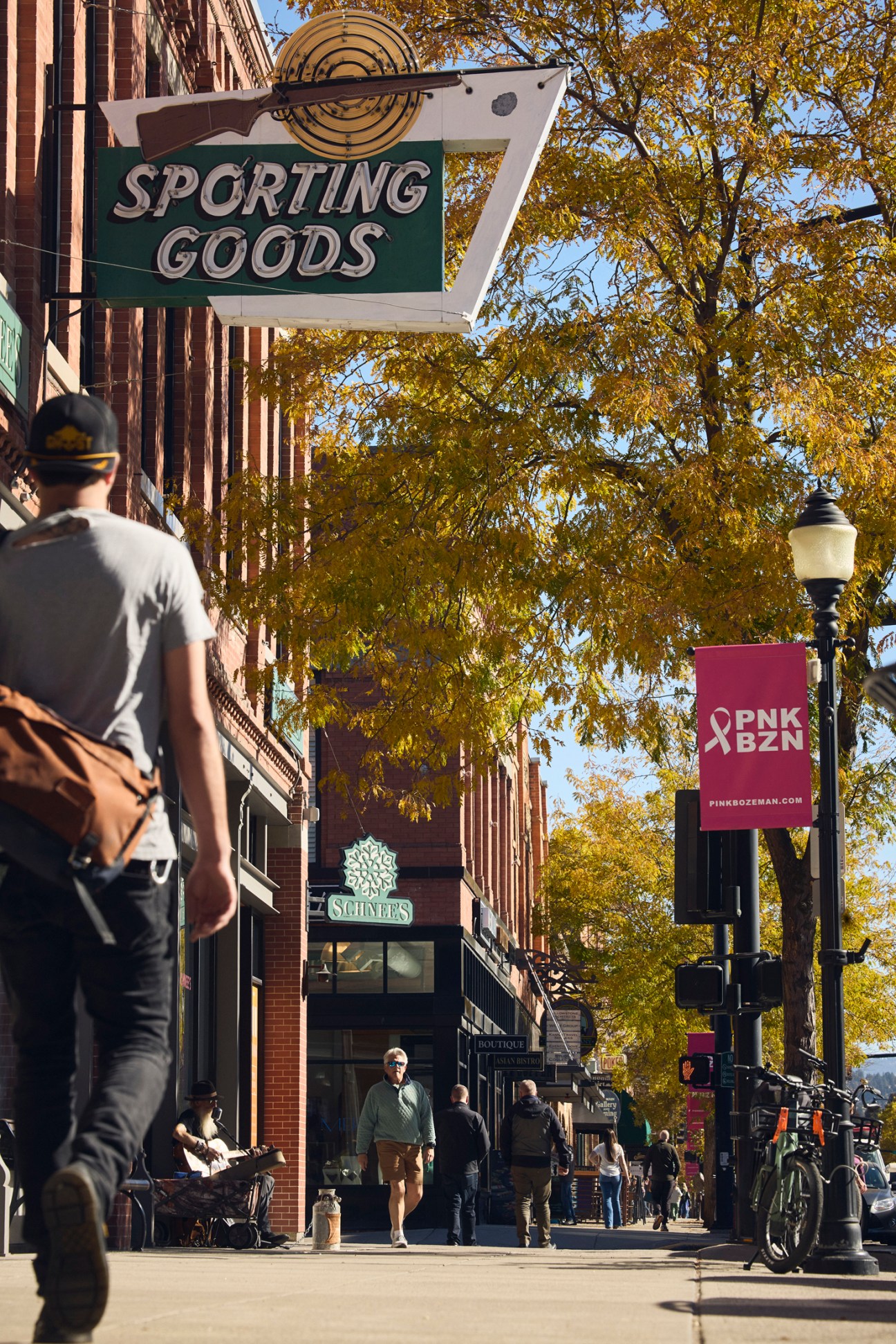
But Bozeman has more than just a breathtaking setting. The city’s crime and unemployment rates are well below national averages; because of its flatness and well-maintained streets, it’s also more cycleable and walkable than many larger US cities. “The quality of life here is wonderful,” says Josh Gibson, whose pizza restaurant, Blackbird, opened on Main Street in 2009. “It’s a reasonably affluent place with worldly people living here.”

Agriculture, tourism and hospitality have long been central to Bozeman’s economy but the city is diversifying, with thriving technology and research sectors. “One of the great things about a growing community is that people with new ideas are coming here,” says the city’s mayor, Cyndy Andrus, who previously worked as a park ranger at Yellowstone. “It’s becoming a bit more of a melting pot, which creates a lot of opportunity.”
There are welcome signs that as it grows, the city is attempting to counter suburban sprawl with well-designed infill developments, such as Minarik’s Block 106 mixed-use development. “We’re progressive in that area,” says Andrus. “We’re creating walkable neighbourhoods where people can get to know each other and be a part of the community.”
Residents tend to agree. “Bozeman has done a great job of retaining its character,” says Mark Dobie, publisher of the Bozeman Daily Chronicle, which was founded in 1883 and has a subscriber base of 9,000 residents. “It’s a friendly community that’s open and close-knit at the same time.”
Good news
In a bid to lower residents’ reliance on cars, Bozeman’s eye-catching yellow buses – part of the federally funded Streamline initiative – are free to use.








4.
Trieste, Italy
Photographer Luigi Fiano
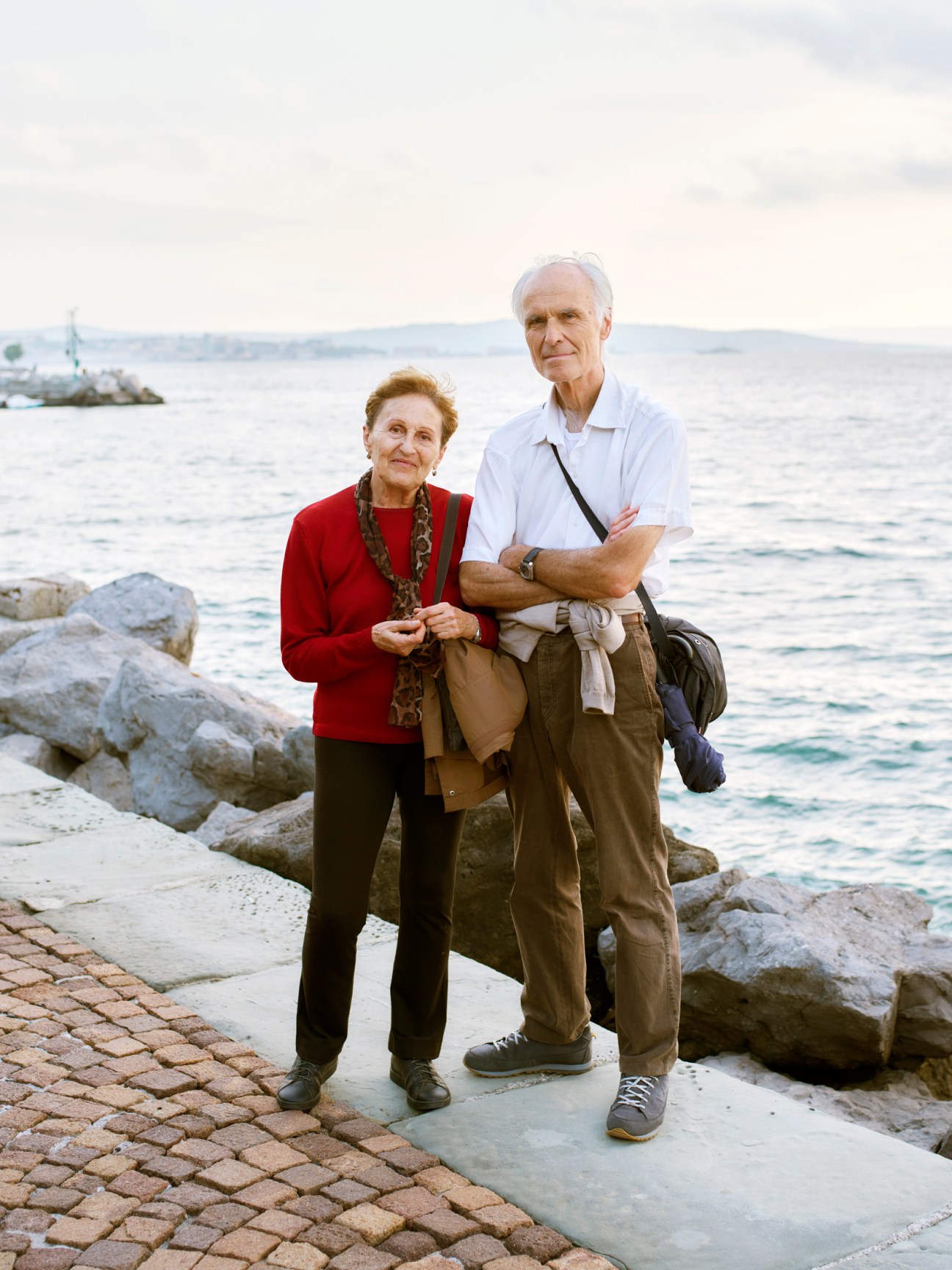
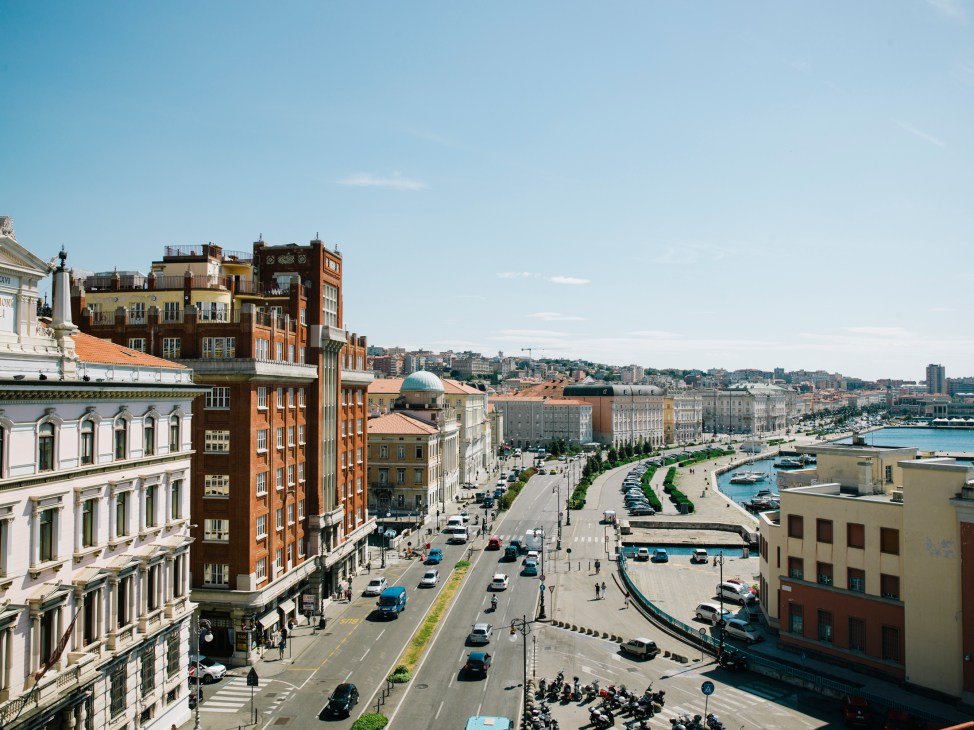
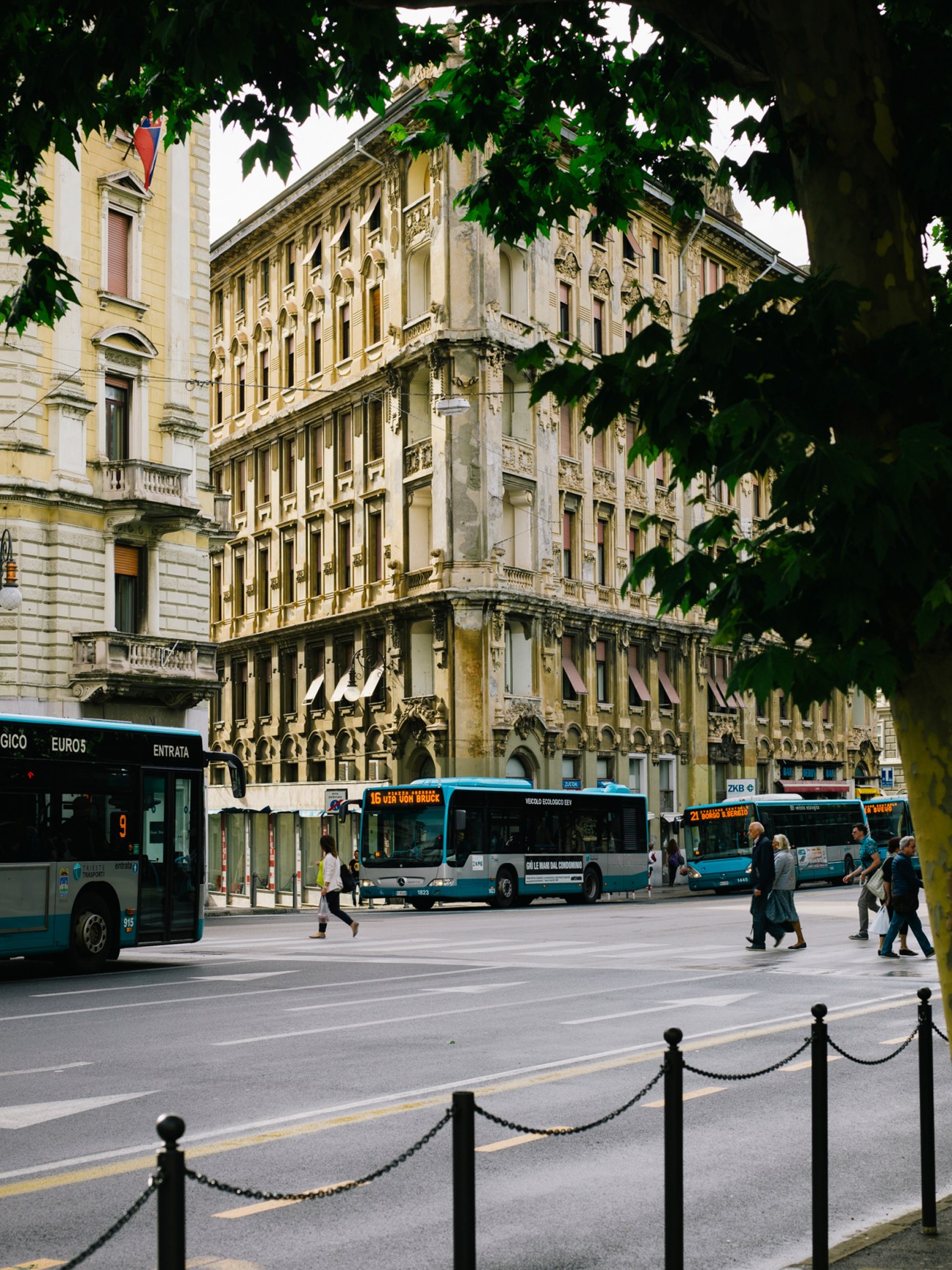
“When I first came to Trieste in 1993 it felt rather sad,” says Algerian-born Abdelkrim Aoudia, senior research scientist at the International Centre for Theoretical Physics (ICTP). Indeed, this port city that was once the gateway to the Austro-Hungarian empire must have felt very different 30 years ago. Close to the Slovenian and Croatian borders, almost cut off from the rest of Italy, it had long had a certain air of faded grandeur that writer Jan Morris described in her travelogue Trieste and the Meaning of Nowhere. But now, as he sits at an outside table of a lively canal-side bar, Aoudia takes stock of the vibrant city that he still calls home.
“Trieste and the port are the same thing,” says Zeno D’Agostino, the latter’s president since 2015. “You can’t talk about one without the other.” Trieste’s new dynamism can be attributed not only to the ictp and the 30 or so other research institutions based here but also to the successes of the port under D’Agostino. Its rail infrastructure, which dates back to Austro-Hungarian rule, has been updated, making it Italy’s largest rail-to-shipping port.
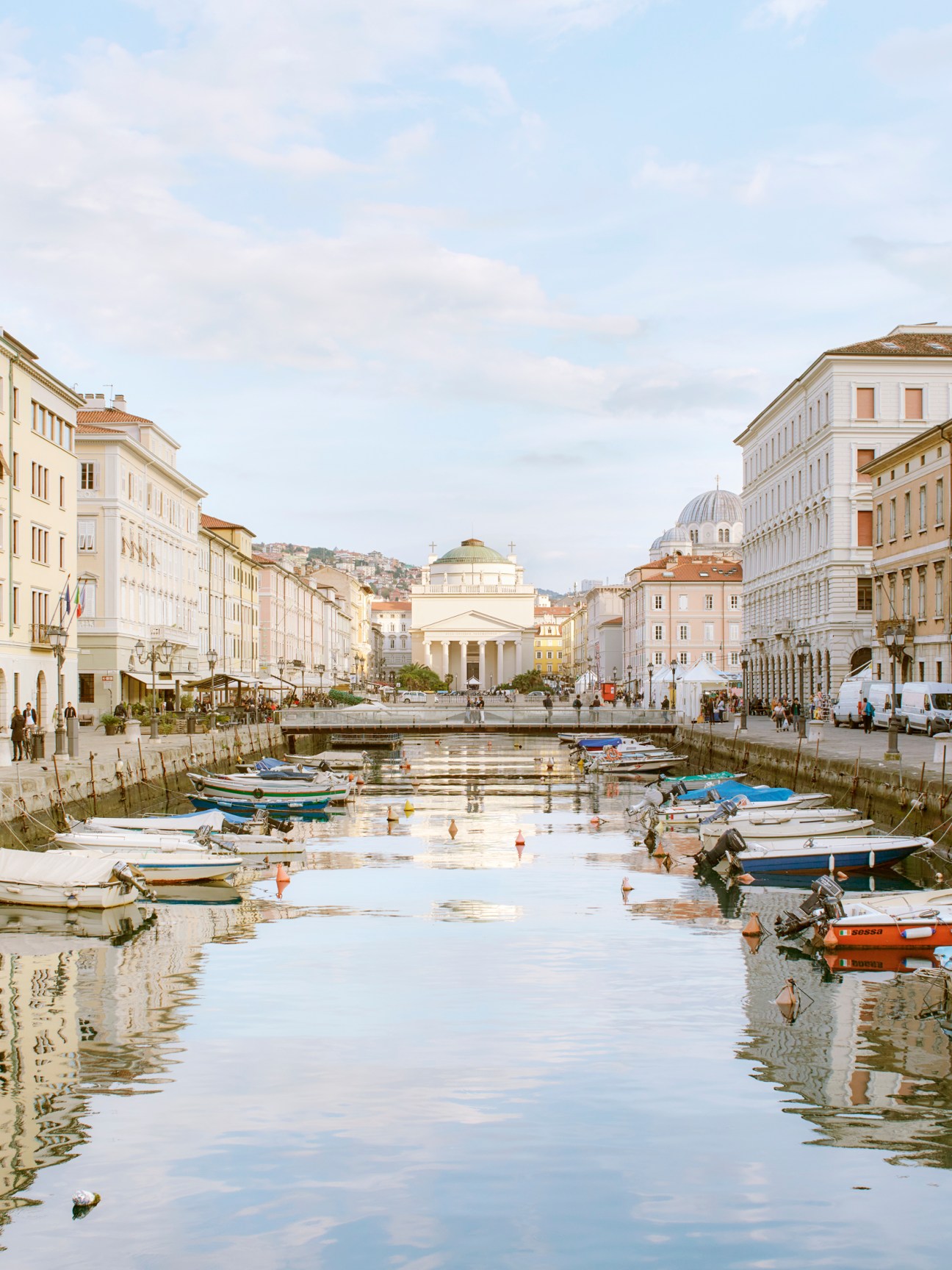
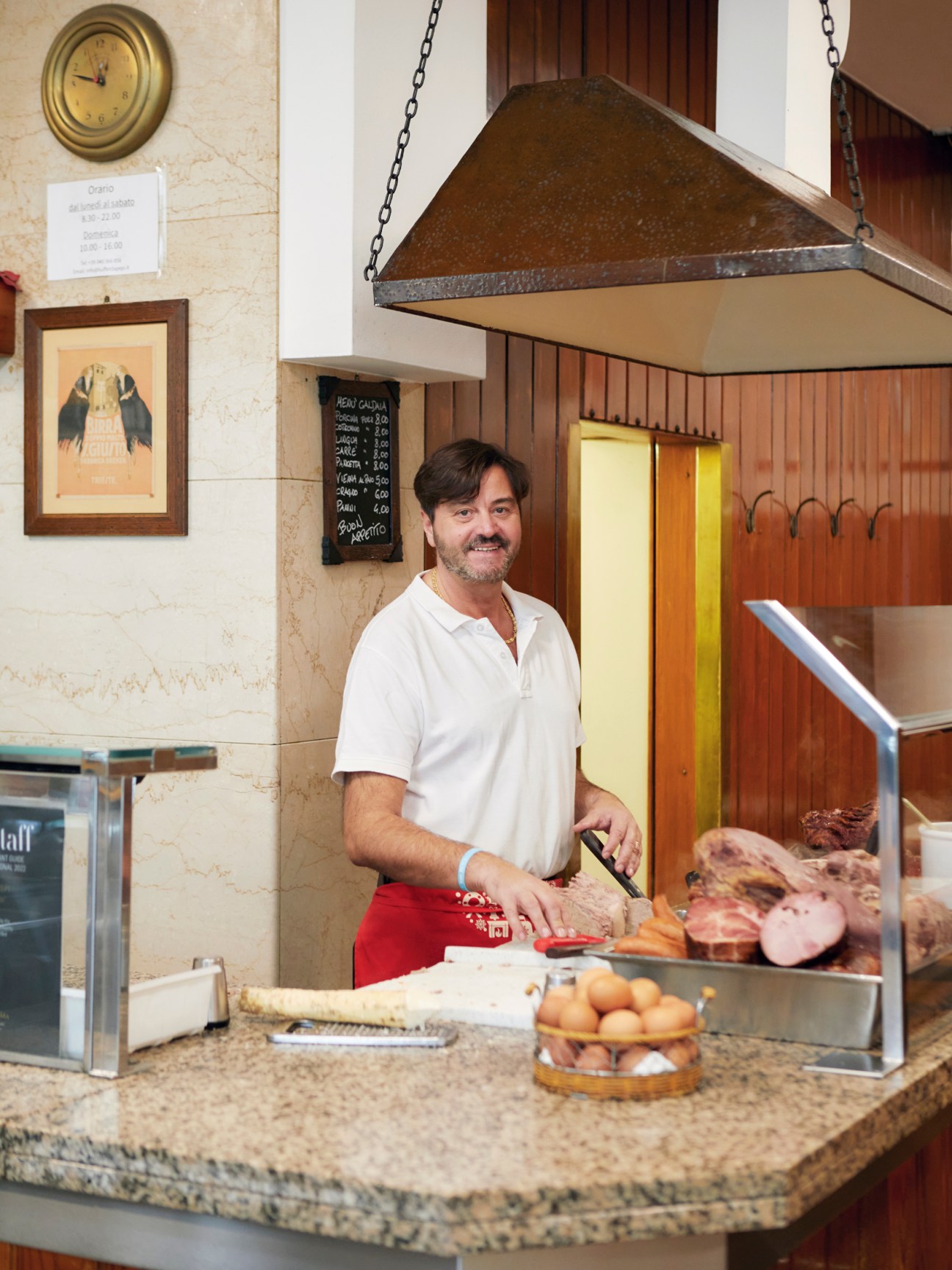
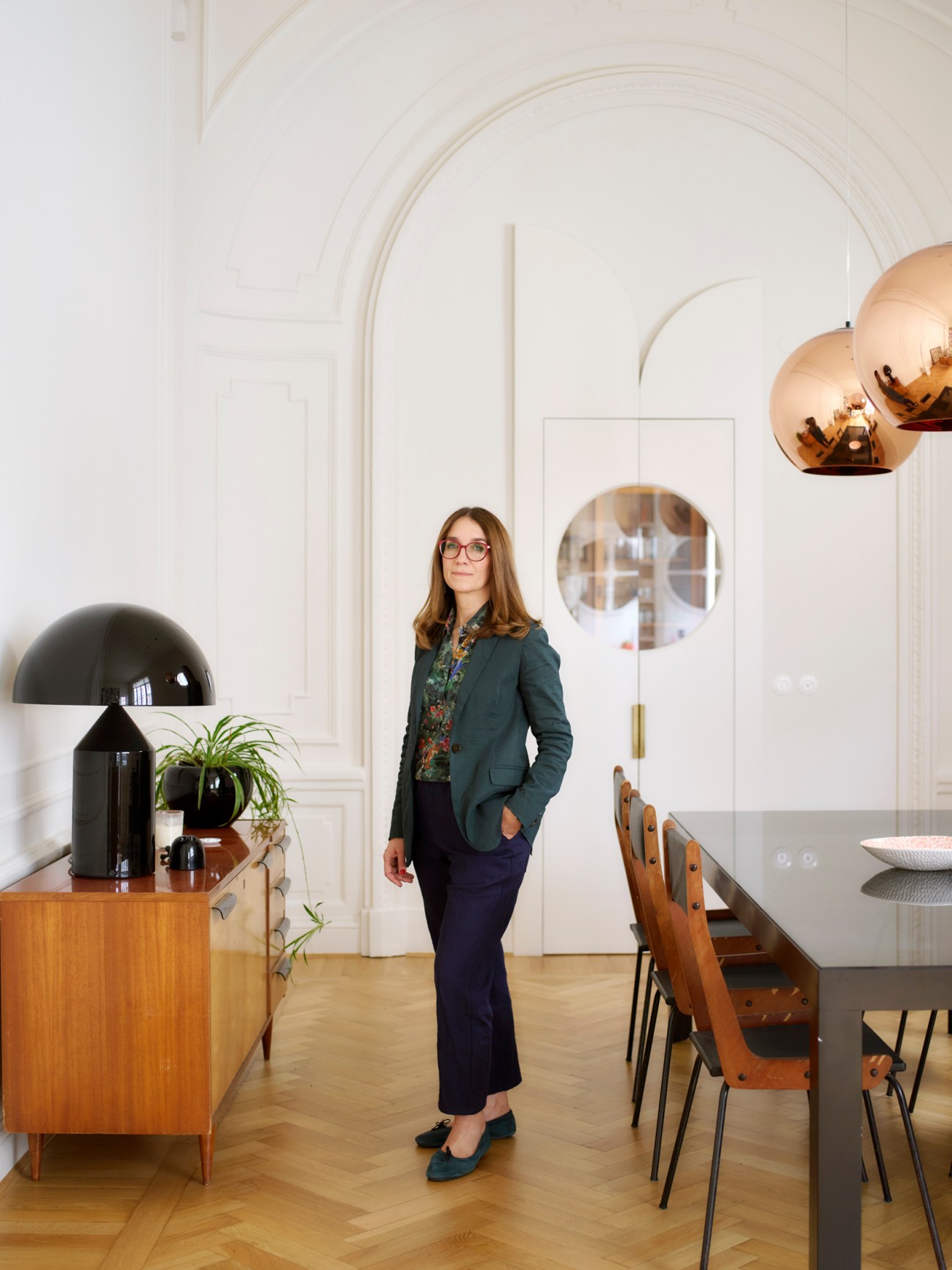
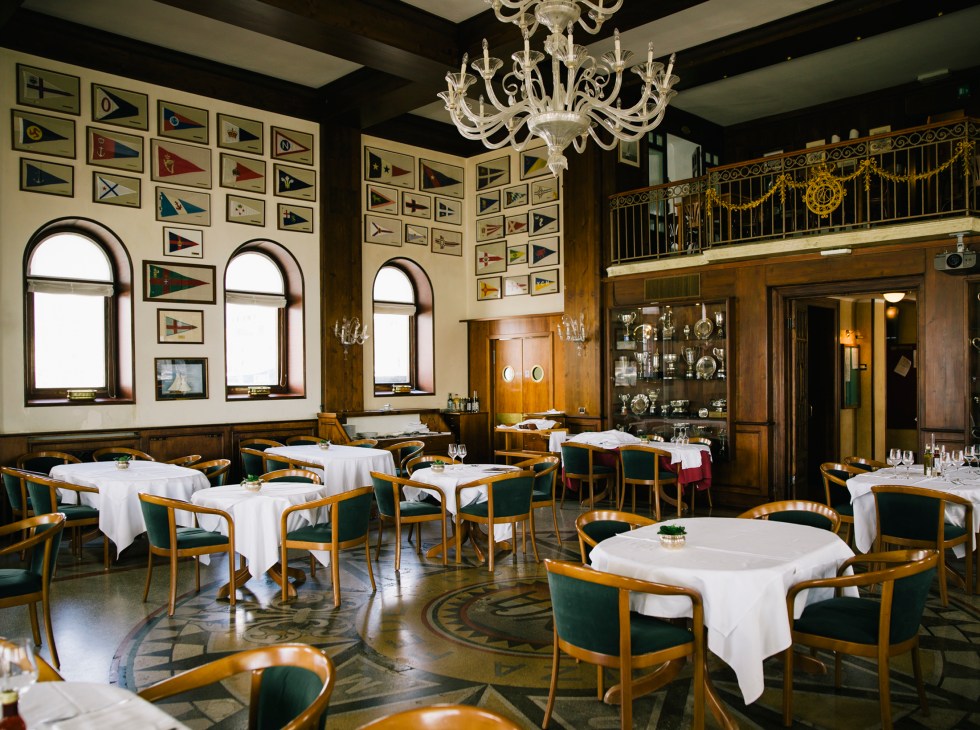
Trieste might have a thriving r&d sector – a big draw for technology-minded start-ups – and a major port but it certainly isn’t all work and no play here. “Triestini take their free time very seriously,” says art communications professional Max Schiozza at the exhibition space that he runs in the once run-down Cavana district. Maritime pursuits are popular (the city’s annual Barcolana is the world’s largest regatta), while the forested Carso plateau provides city dwellers with an abundance of green space. Trieste is also home to dozens of museums and galleries, as well as a respected film festival. So it’s little surprise that financial daily Il Sole 24 Ore ranked the city first in Italy for lifestyle.
Aoudia, who has a farmhouse in the Carso where he rears horses in his spare time, agrees. He has met Morris and showed her around; he wonders what the writer would make of the city now that it’s so vibrant again. “She might miss the melancholic charm that was once here,” says Aoudia. “But she would love all of the human activity. There’s real energy now.”
Good news
Coffee lovers will find plenty to discover here. Despite being home to Illy, a behemoth of the sector, there are many quality operators and a buzzing annual coffee festival.


5.
Geelong, Australia
Photographer John Laurie
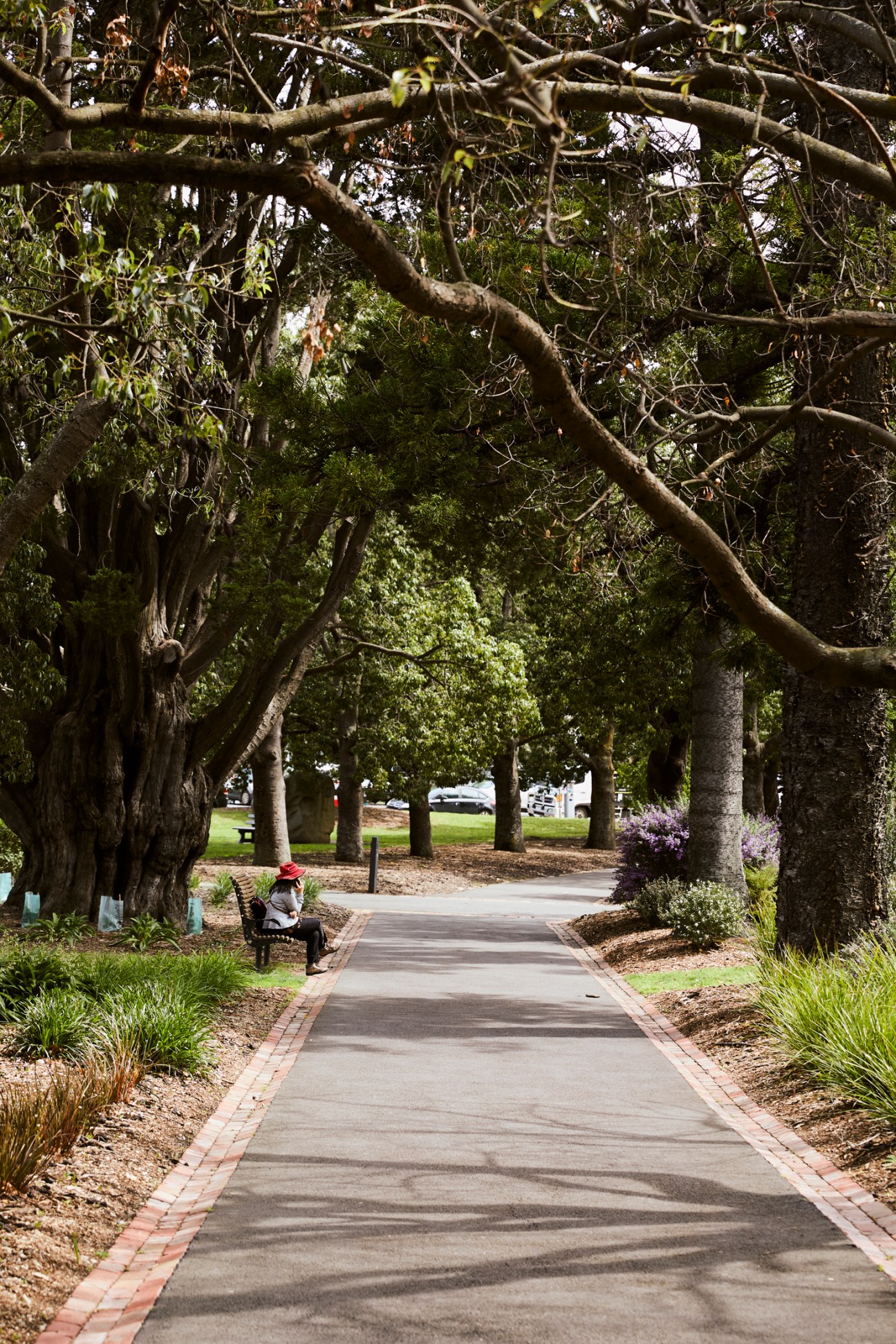
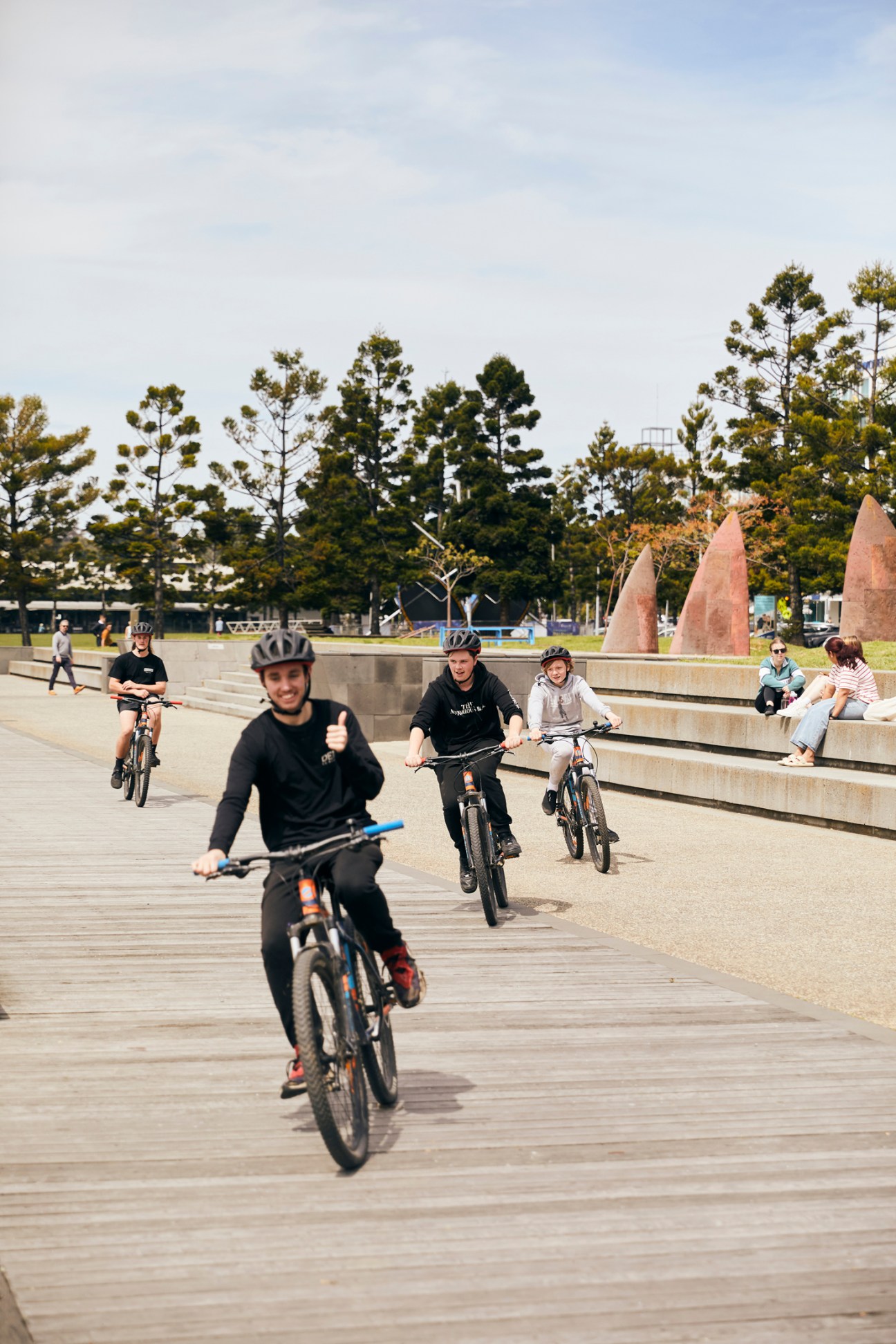
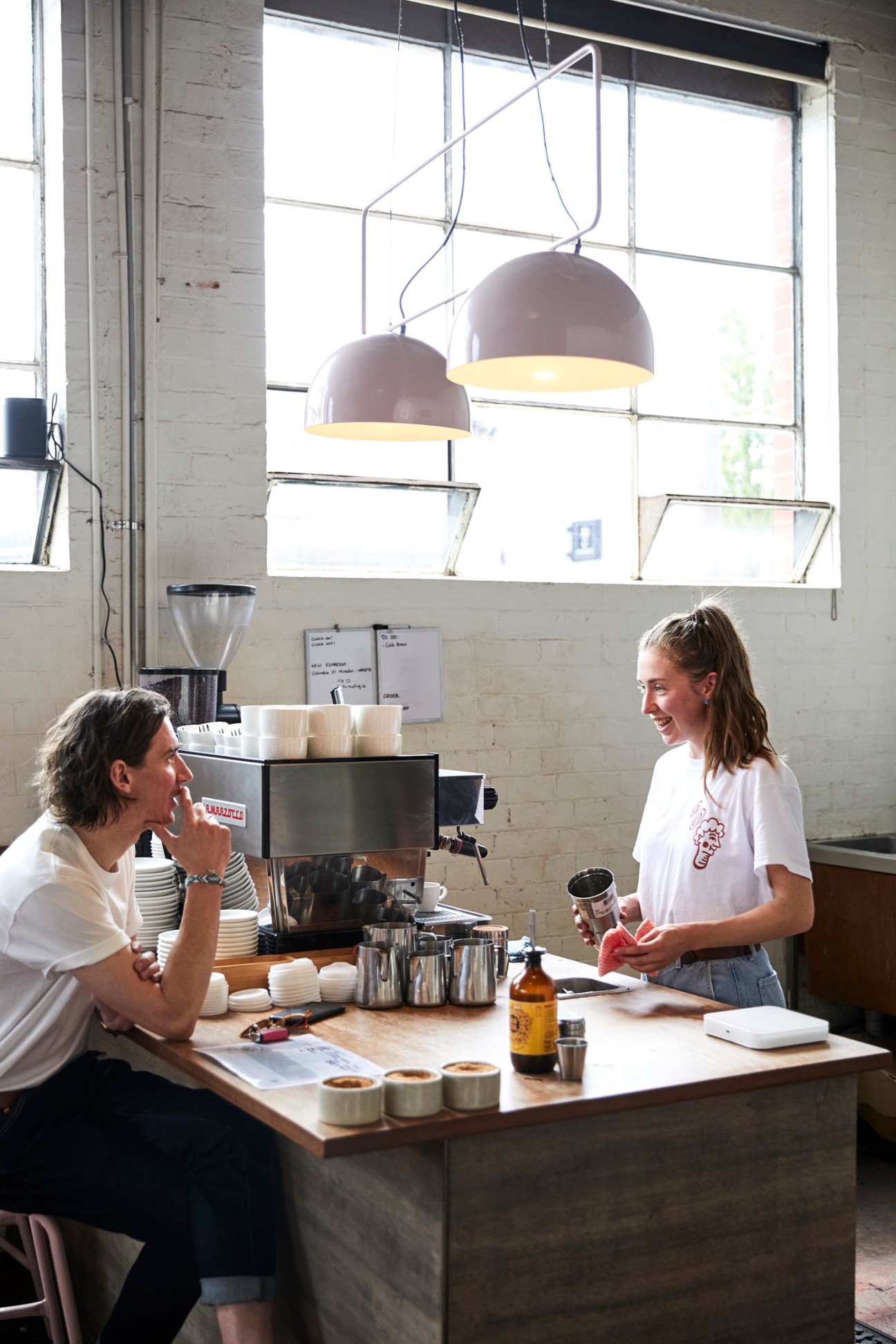
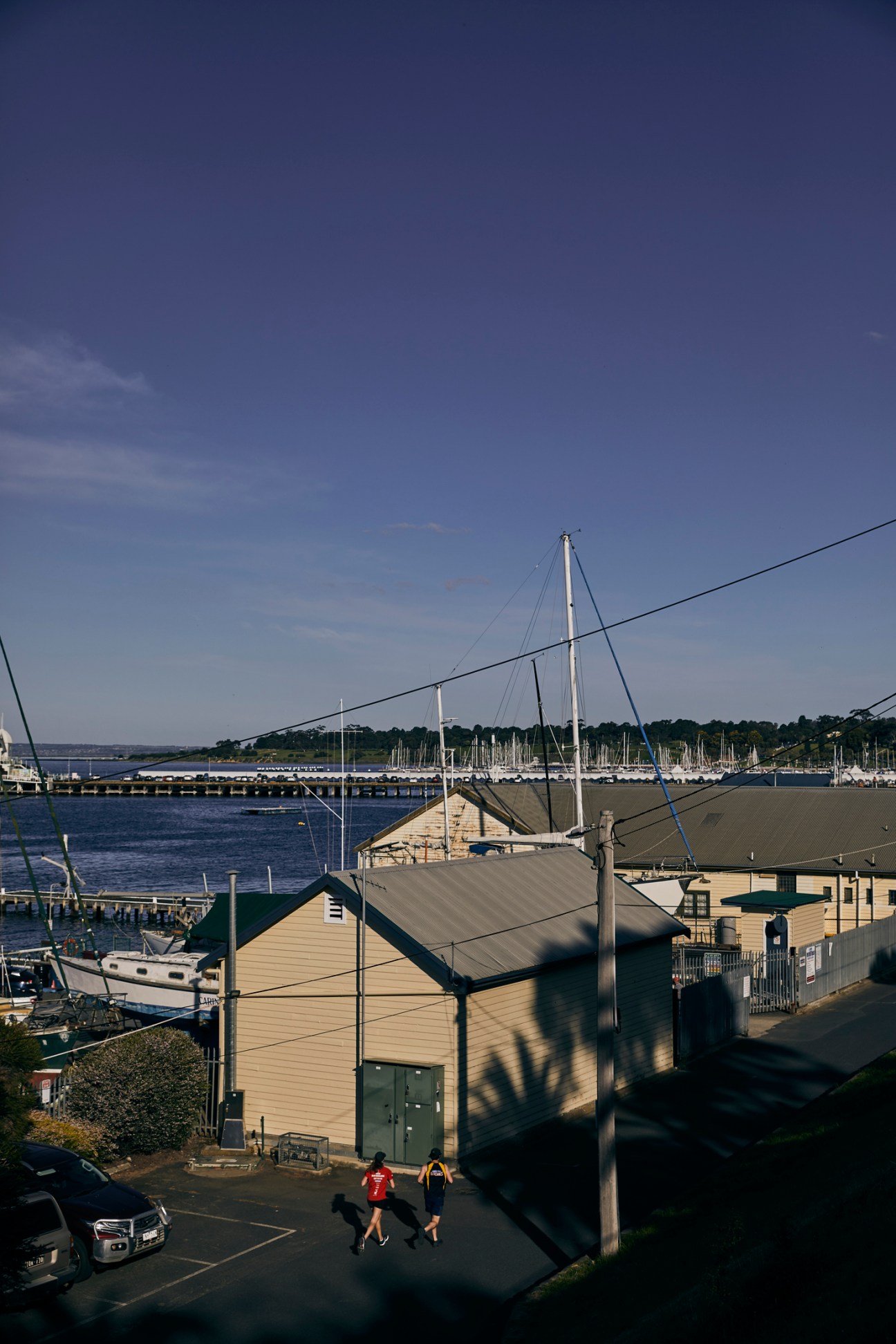
For anyone with ambition growing up in Victoria, a relocation to Melbourne was once a foregone conclusion. But the pandemic has dented the state capital’s standing as the region’s nexus of personal and professional opportunity. In Geelong, just an hour away by train, there’s a feeling of excitement. “The trade-off of working in Melbourne and living here used to be losing leisure time,” says Geelong resident José Rodriguez, director of Plot Architecture & Urbanism. “But with flexible work, this city has become increasingly attractive. You can live somewhere that you’d want to spend your weekends in.”
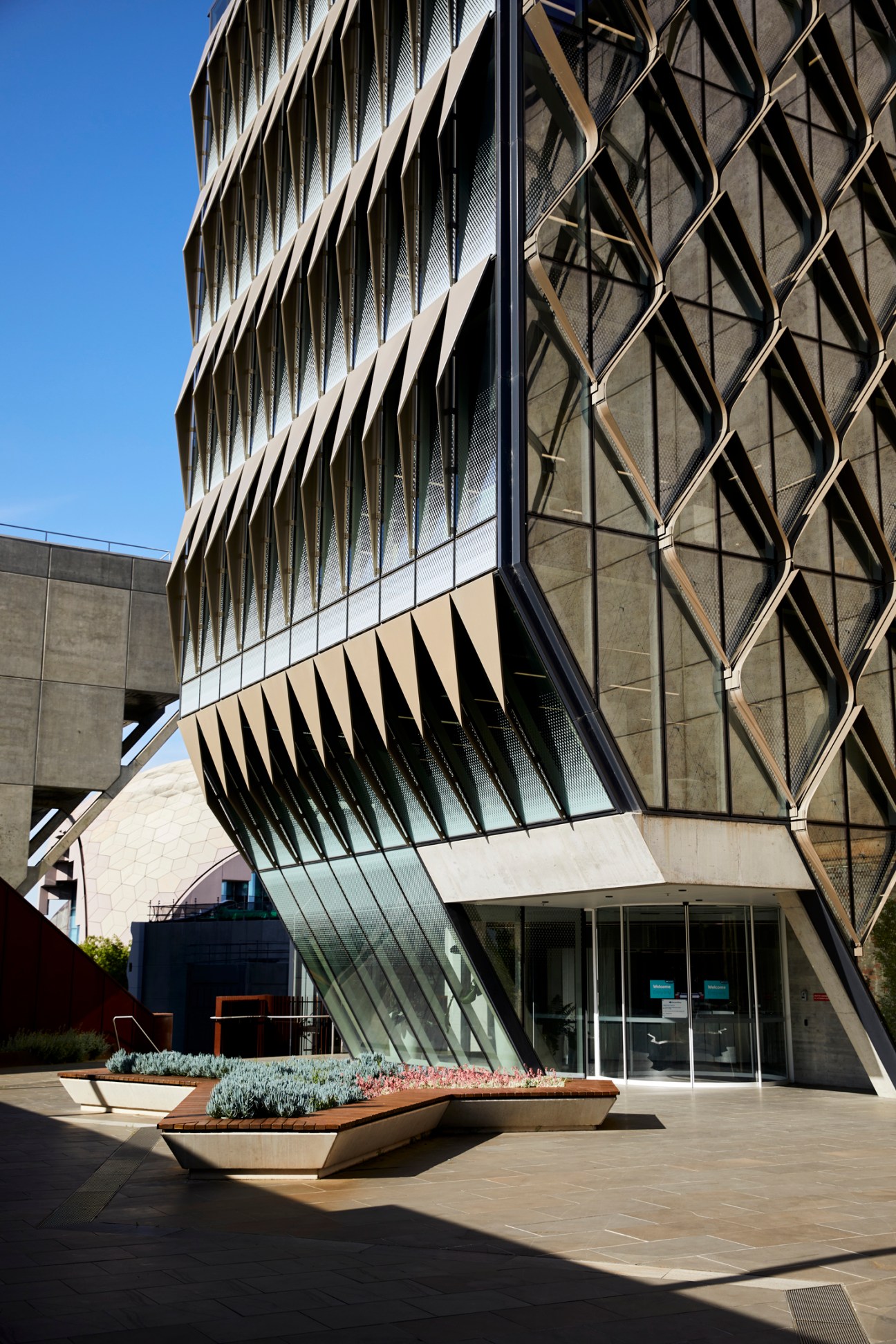
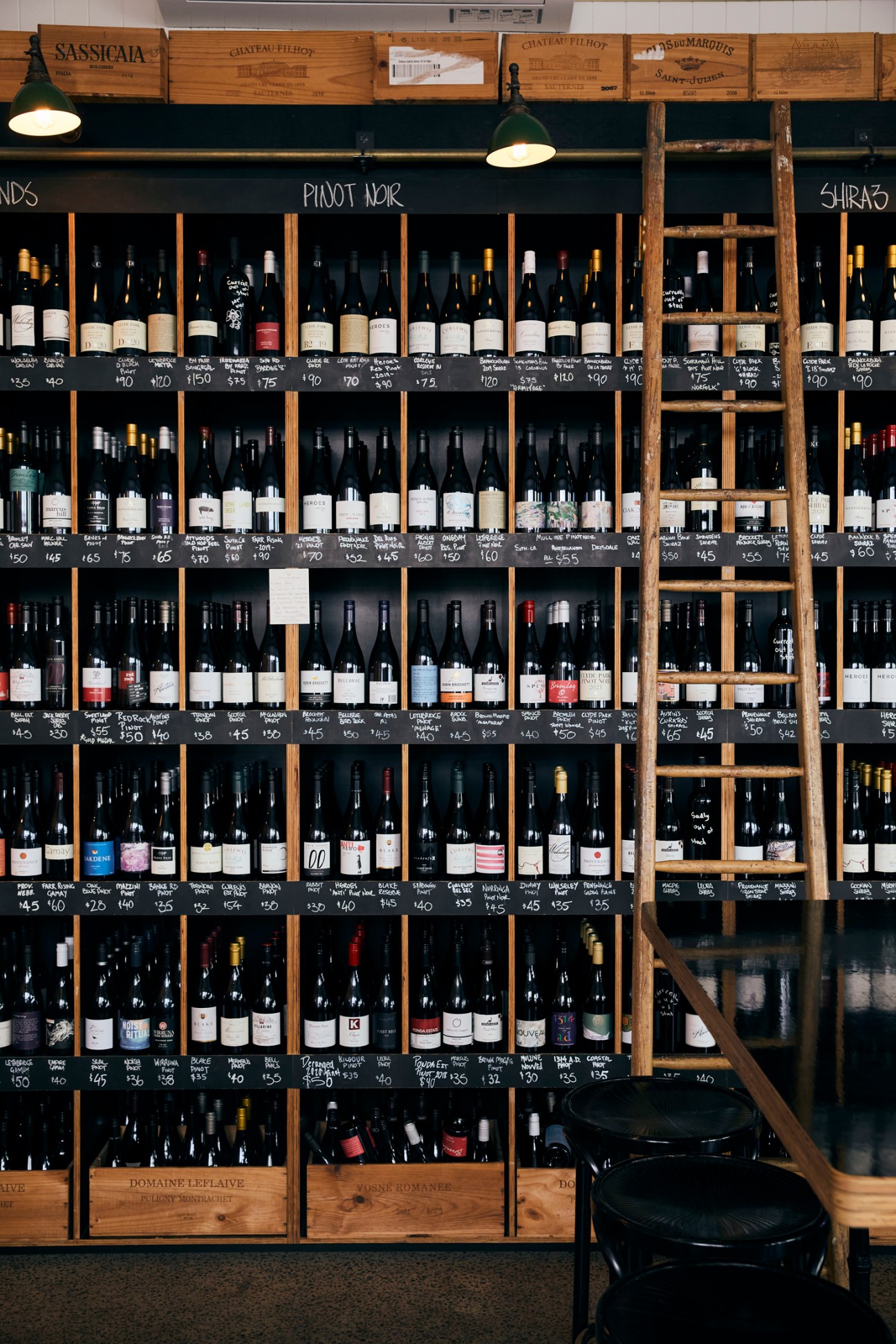
Playing a part in this shift are new commercial developments such as the Pivot City Innovation District, a project redeveloping parts of Geelong’s waterfront. Along with incubator-accelerator Runway Geelong, it is burnishing the city’s reputation as an alternative to Melbourne. Meanwhile, the wineries and spas of the Bellarine peninsula are a 20-minute drive away, as are some of Australia’s most famous beaches along the Surf Coast.
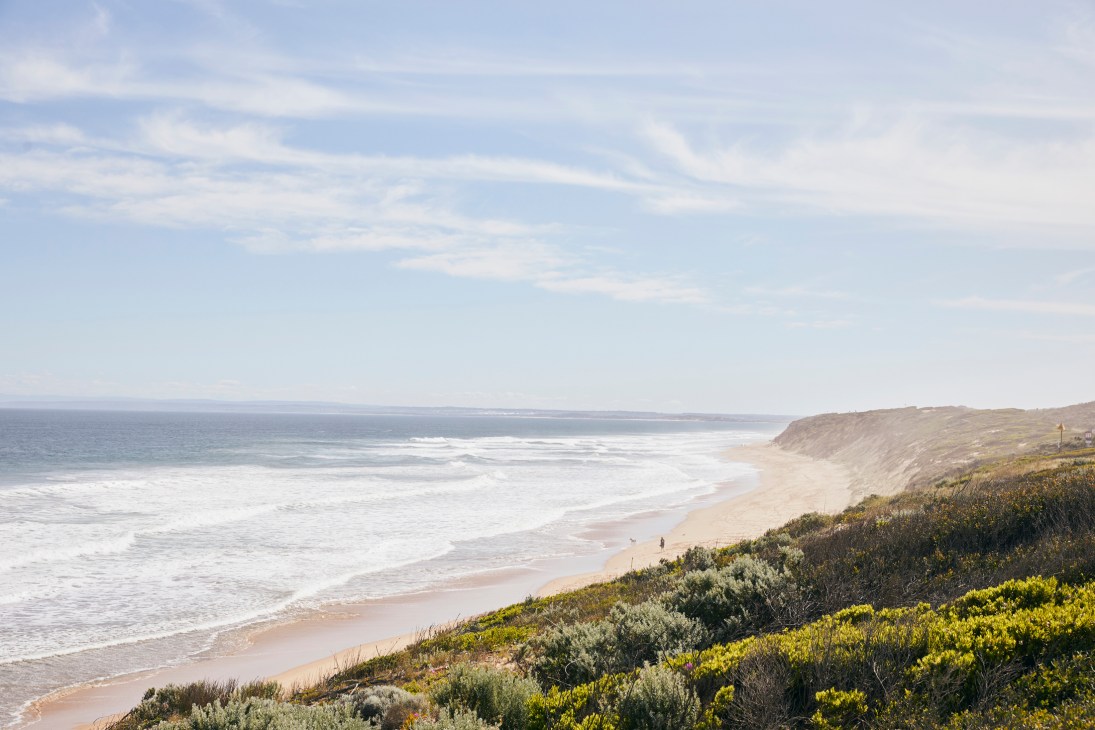
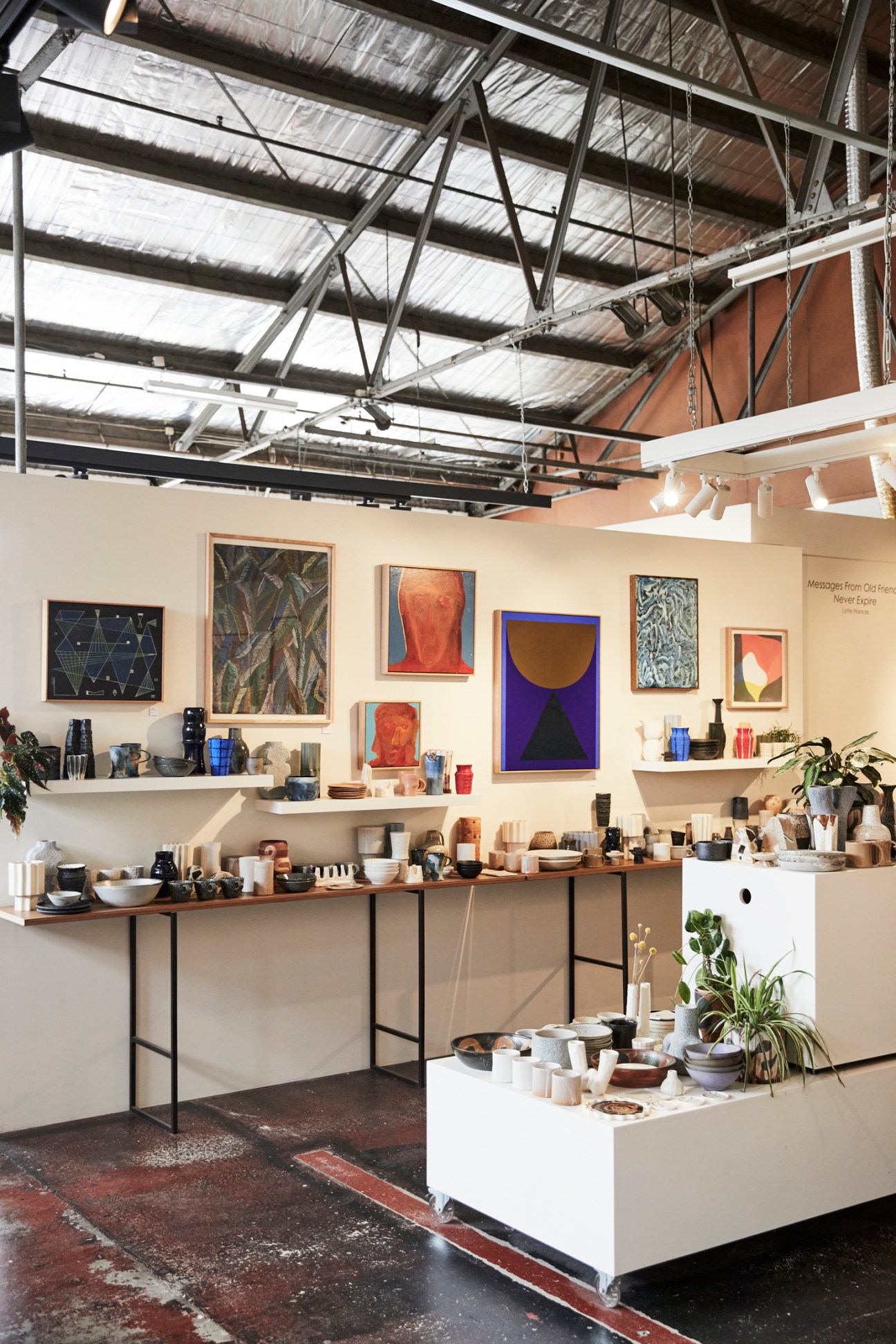
Geelong is the nation’s fastest-growing residential property market. Though housing competition is high, population growth has brought about improvements to Geelong’s amenities and a rise in its cultural cachet. The metropolis is Australia’s only Unesco City of Design; thanks to the Geelong Gallery’s ambitious redevelopment plan and a robust line-up of independents such as the Boom Gallery, the arts scene is also in good hands.
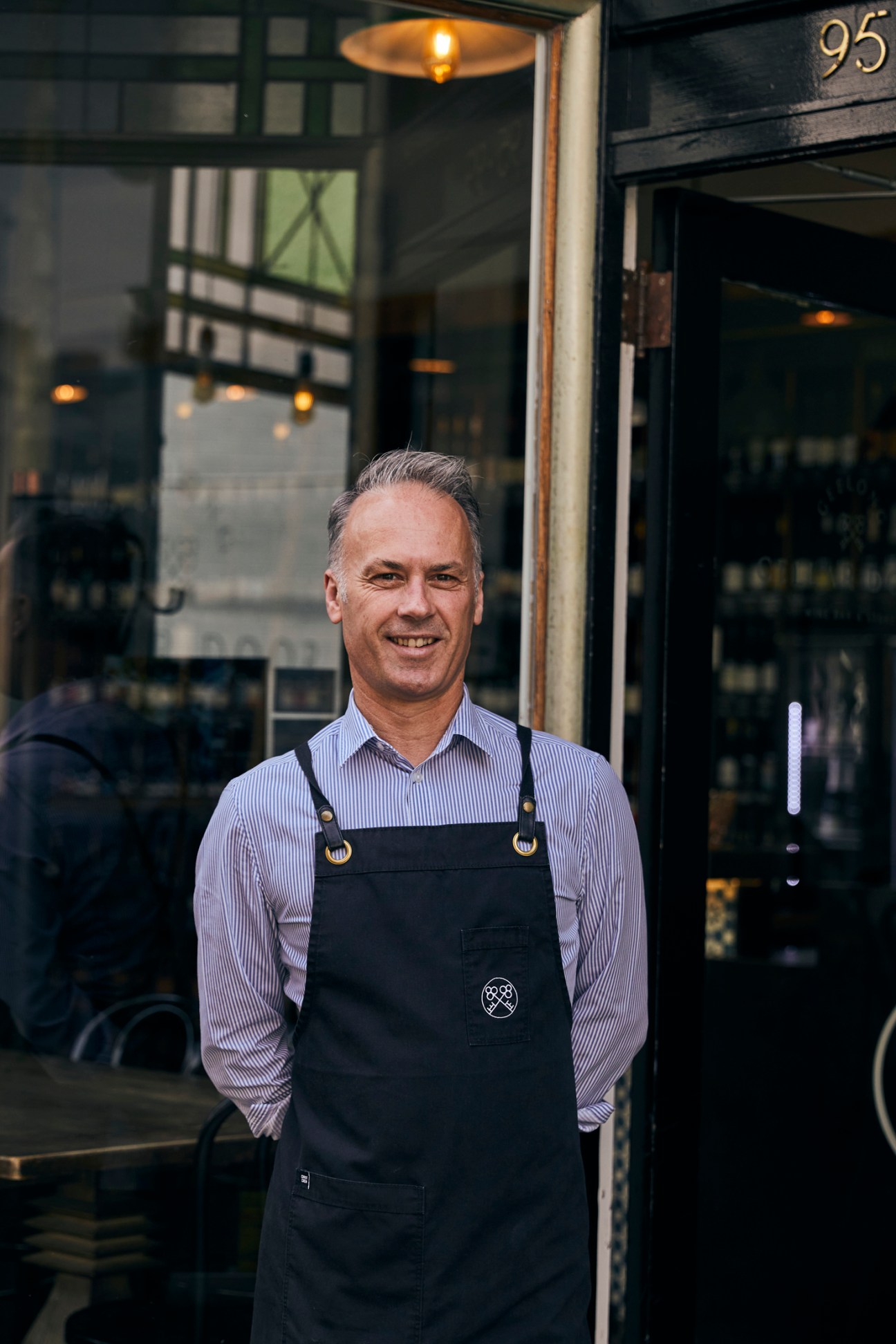
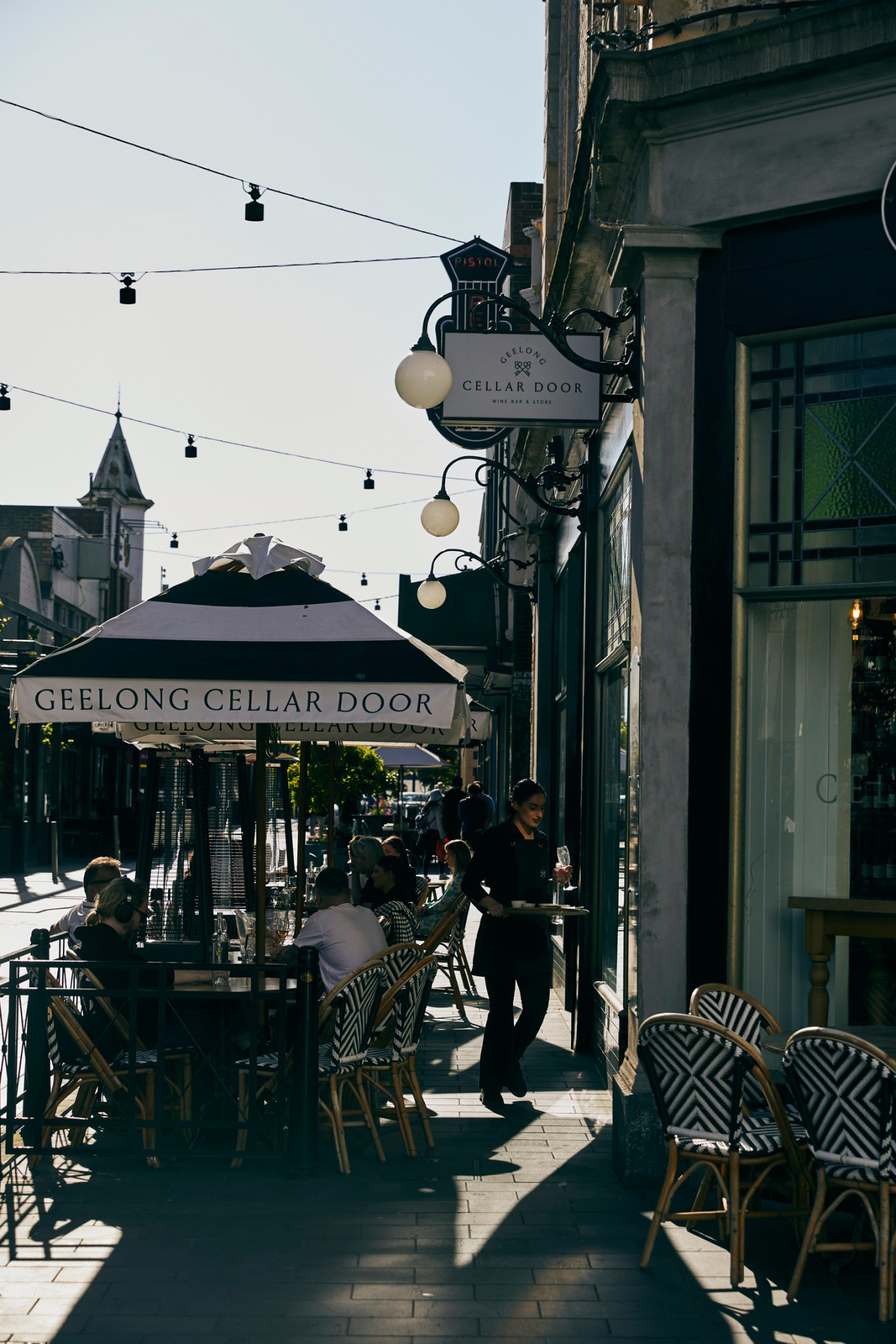
Little Malop Street is always busy and offers a wide range of drinking and dining options. “In Geelong today, you get both the benefits of beautiful natural landscapes and everything you need in terms of lifestyle,” says Chlöe Antonio, architect and co-owner of homeware shop Bleu Design Store. “If you’re a creative and want to do something, there’s opportunity for that here.”
“A large percentage of the people who went to Melbourne and found a job there are returning to work and live where they grew up – and that trend is only increasing,” says Peter Murrihy, the mayor of Geelong. “People just love it here.”
Good news
In 2022 the new Spirit of Tasmania service, which runs the sole ferry between Tasmania and the Australian mainland, moved its terminal from Melbourne to Geelong. Quite the coup for this small city.






6.
Onomichi, Japan
Onomichi is hard to beat when it comes to a laid-back life and untapped opportunities in Japan. Located on the Seto Inland Sea, the port city of about 130,000 people in Hiroshima prefecture has a thriving hospitality industry and is home to plenty of small businesses. Since 2014, Tsuneishi Shipbuilding has led a redevelopment of the waterfront, which includes a new floating hotel. The city enjoys a steady flow of visitors, with young architects, makers and writers moving in too. Onomichi residents have a well-justified reputation for helping newcomers to find homes and settle in. The climate is mild and the ocean waters are mostly calm.
Good news
Over the past year, Onomichi’s close-knit community has thrived and its business community has grown, with new operations joining established players.
7.
San Sebastián, Spain
Nestled on Spain’s North Atlantic coast, San Sebastián offers its residents easy access to both golden beaches and verdant hillsides. The Basque city of 180,000 people is best known for its bustling cultural scene and plentiful culinary delights: not only is it home to a major international film festival but it also has the highest number of Michelin-starred restaurants per capita, including several with three stars. Beyond culture and hospitality, a dynamic network of science and innovation businesses is now setting up shop here too. The result is a city that strikes a good balance between the arts and technological innovation.
Good news
While San Sebastián boasts 77km of bike lanes in its city limits, it’s also part of a 240km regional network with cycle-friendly routes to Bayonne in France and mountainous Pamplona.
8.
Guimarães, Portugal
Guimarães has long been a popular destination for day-trippers from Porto and is considered to be the birthplace of the Portuguese nation; indeed, its historic centre is a Unesco World Heritage Site. But the city’s position at the heart of the country’s globally significant fashion-manufacturing region has refreshed its image. The strong local economy makes Guimarães an appealing place to set up shop for designers and creatives seeking to partner with outstanding local textile-makers. There’s also a growing number of inspiring retailers and you’ll find squares packed with diners and an abundance of leafy parks. A perfect slice of the Iberian lifestyle.
Good news
In a bid to support its creative industries, Guimarães offers grants to artists and makers, and played host to contemporary textile-art biennial Contextile in 2022.
9.
Seogwipo, South Korea
Seogwipo on Jeju Island enjoys a subtropical coastal climate with mild winters, warm summers and ideal water conditions for scuba divers and surfers. The city’s residents have pristine beaches and volcanic mountain hikes on their doorstep without sacrificing connectivity; Seoul is just an hour away by plane, while a flight to Osaka in Japan takes an hour and 40 minutes. They can also reap all of the island’s benefits while avoiding the downsides of living in the crowded provincial capital, Jeju City, which is more expensive and congested. The self-governing island is keen to develop renewable energy and wellness tourism, two industries with ample opportunity for business.
Good news
Seogwipo is a handy base for day excursions and weekend trips across Jeju. The island is home to many spas and hot springs.
10.
Lausanne, Switzerland
Lausanne is perhaps as bohemian and laid-back as a Swiss city can be, even if it retains the Helvetian obsession with cleanliness and punctuality. Often described as Geneva’s edgier sibling, it is home to numerous universities; students give the nightlife a welcome buzz and offer talent to businesses too. A recent addition to the cultural scene is Plateforme 10, a campus that houses three cantonal museums, two arts foundations, bookshops and restaurants near the city’s main train station. As temperatures climb in the summer, residents can cool off with a dip in Lake Geneva, followed by a crisp rosé from the nearby Lavaux vineyards; in the winter, they can warm themselves with mulled wine and fondue at one of the city’s idyllic Christmas markets.
Good news
Quality local produce ensures a rich culinary scene with plenty of fresh truffles and fish on the menu.
11.
Taitung, Taiwan
Taitung, on Taiwan’s quieter eastern coast, is known for its dramatic cliffs and beautiful beaches. Because of the country’s efficient network of high-speed trains, Taipei is just an hour away. As well as museums, markets and temples, Taitung’s residents have easy access to nature and the cultural diversity that comes from the region’s communities of indigenous Taiwanese. Tourism is one of its main industries; the city is a popular jumping-off point en route to scenic islets such as Orchid Island and Green Island, as well as a key stop for cross-country cyclists. Agriculture is important too. Crops such as rice and tea drive the economy and blanket the surrounding countryside with green fields.
Good news
The Southern Cross-Island Highway reopened in 2022 after typhoon damage caused a 13-year closure. It winds through countryside, lakes, forests and Taiwan’s tallest peaks.
12.
Besançon, France
The historic city of Besançon in eastern France is often described as a hidden gem. It has a relatively low profile among tourists despite being home to a Unesco-listed citadel and the Musée des Beaux Arts, one of the country’s oldest, most highly regarded provincial art galleries. Look closer and you’ll find that this pretty university city nestled in a loop of the river Doubs is also France’s watch-making capital; it is close to the Swiss border and the nearby Jura mountains, providing ample opportunities for hiking and skiing. Paris can be reached in a little over two hours via the high-speed TGV service and there are direct rail links to Basel and Frankfurt.
Good news
In 2022, Besançon introduced a contactless payment system across its network of buses and trams, making movement across the city even easier than ever.
13.
Aalborg, Denmark
Studies by the European Commission have named Aalborg the continent’s happiest city on several occasions and it’s easy to see why. Aalborg offers everything that makes Copenhagen so attractive – from excellent infrastructure and a buzzy cultural scene to proximity to nature – but on a smaller, more manageable scale. In recent years, Aalborg’s technology, energy and logistics industries have boomed. The city is home to one of the country’s top-ranking universities, so employers have a plentiful talent pool of young, well-educated graduates to draw on. Aalborg also boasts picturesque waterfronts along the Limfjord that are lined with public bathing areas where you’ll spot swimmers all year round.
Good news
Aalborg’s small but perfectly formed airport was named the best in the country at the 2022 Danish Travel Awards.
14.
Burlington, USA
On the verdant forested shores of Vermont’s Lake Champlain, this state capital is known for its year-round outdoor activities, which range from sailing in summer to mountain skiing in winter. Home to some of the most beautiful New England architecture, Burlington also has a thriving arts scene. Some of the region’s biggest employers are located here too, such as Burton Snowboards and Ben & Jerry’s ice cream; meanwhile, the University of Vermont provides a steady stream of graduates for local businesses. And should you need a change of scenery, New York is an hour’s flight away and a two-hour drive will take you to Montréal.
Good news
Burlington sources 100 per cent of its grid electricity from renewable sources. Not only is this clean and forward-thinking but it’s affordable too: energy rates haven’t been raised in eight years.
15.
Bolzano, Italy
In northern Italy, the autonomous province of South Tyrol is synonymous with its mountain peaks and ski slopes. Its multilingual capital, Bolzano, where German, Italian and Ladin are official languages, has long been known as a meeting place; its history as a centre of trade dates back to the 11th century. Today’s entrepreneurs can draw on the city’s start-up incubators and grants for new ventures. It’s a place of many charms, from 600-year-old wineries and hiking trails in the forests nearby to a museum that houses more than 4,500 artworks. Its efficient rail and road systems also keep it connected to major hubs such as Milan and Zürich.
Good news
The city has an eclectic mix of architectural styles, combining modernism with the more elaborate regional aesthetic. It’s the perfect inspiration for emerging studios such as Network of Architecture.
16.
Eindhoven, Netherlands
Eindhoven is known as the design capital of the Netherlands and is often touted as the Dutch Silicon Valley. It is home to the celebrated Design Academy Eindhoven but other universities in the city have also helped to create world-leading research and development through partnerships with established firms such as electronics giant Philips, as well as emerging players. The outcome is a city that is bustling with creative energy and entrepreneurial ambition. Eindhoven has good places to eat and cycle-friendly streets, and it is well connected to cities such as Antwerp, Rotterdam and Düsseldorf. It’s an appealing place to set up shop for both business and pleasure.
Good news
Eindhoven city hall’s most recent budget includes a provision to help residents and small businesses to offset rising energy prices.
17.
George Town, Malaysia
Though George Town’s street food and wealth of heritage architecture still play a big part in its appeal, the city has evolved beyond them to become a burgeoning hub for creatives and entrepreneurs, luring residents of Singapore and Kuala Lumpur to its sandy shores with its high quality of life and low cost of living. Technology incubators and government incentives have encouraged start-ups to flock here, while graphic-design firms and artist studios are setting up shop in refurbished shops and industrial buildings. The George Town Literary Festival brings in global talent and art collectives such as Hin Bus Depot are helping Malaysian artists to thrive.
Good news
Penang Hill and Penang National Park provide quick escapes into nature, while some of Southeast Asia’s best beaches are are no more than two hours away by plane.
18.
Patras, Greece
A three-hour drive west of Athens, Patras is Greece’s bustling third city where history and contemporary culture meet. It is home to intricately restored neoclassical buildings and the contemporary International Sculpture Symposium, which held its first edition in 2022. The strategically positioned port, dubbed Greece’s “Gateway to the West”, has long functioned as a hub of commerce and trade with Italy and western Europe. In recent years its enterprising local government has sought to reposition Patras as a start-up base, offering funding opportunities to new companies, particularly in the technology and clean-energy sectors.
Good news
Patras is blessed with more than 3,150 hours of sunshine a year, which means that alfresco dining at one of its many seaside restaurants is always an option.
19.
Aachen, Germany
With its cobbled streets, medieval churches and cosy beer halls, Aachen has everything that you would expect of a small German city but it’s not just easy on the eye. It is cosmopolitan and punches well above its weight in terms of world-class galleries and museums, with the Ludwig Forum for International Art and Kunsthaus nrw. Germany’s westernmost city, Aachen sits next to the borders with Belgium and the Netherlands. It is served by a high-speed train line that can whisk passengers to Brussels in an hour and to Köln in 30 minutes. The dense Aachen forest stretches along these borders and is crisscrossed with scenic hiking trails that are popular with those who want to escape the city at the weekends.
Good news
In 2022, Maastricht Aachen Airport and Royal Schiphol Group formed a partnership involving a €4.2m investment in the airport.
20.
Loja, Ecuador
One of South America’s most alluring small cities, Loja is a one-hour flight from Ecuador’s capital, Quito. This high-altitude mini-metropolis is characterised by its colourful architecture, grand plazas, plentiful green spaces and strong music scene. Considered Ecuador’s cultural capital, it is home to many museums and hosts festivals and religious pilgrimages through the Andes. But Loja is striving to be known for more than just the arts and is now making the most of its fertile volcanic soils, which are perfect for agriculture. Partnering with Unesco, its city hall has set up “seed schools” to offer training for entrepreneurs in the sector.
Good news
To reduce pollution and make Loja more pedestrian-friendly, the city government is investing in cycling infrastructure and introducing electric taxis in the urban centre.
What makes cities tick?
Ensuring that our urban centres are robust, resilient and lively has never been more important. Andrew Tuck asks the brightest and best in architecture, planning and government to reveal the secrets of their successes.
‘The Urbanist’ airs at 20.00 London time every Thursday on Monocle 24. Listen live at Monocle.com/radio or download as a podcast.
Honourable mentions:
Five more small cities that are on our radar, from an internationally friendly European business outpost to a hub in South Africa’s wine country.
21.
Cádiz, Spain:
Hop on a train in Seville and a scenic 1.5-hour ride will take you to this friendly and sunny Spanish city at the meeting point of the Atlantic and Mediterranean. It scores exceptionally well in terms of lifestyle, with a compact and easily walkable Old Town and plenty of Andalucían wineries in the surrounding areas.
22.
Helsingborg, Sweden:
A finalist for the 2023 European Green Capital Award, this multicultural coastal city is a short ferry ride from Denmark and offers easy access to both Copenhagen and Malmö.
23.
Tartu, Estonia:
Estonia’s Major Investor Scheme allows non-Europeans to put €1m into an established business in order to secure Estonian residency – and therefore entry into the EU. Among the liveliest cities in this start-up-rich nation is Tartu, which is home to a prestigious 17th-century university. The city’s drinking and dining scene is also outstanding.
24.
Bentonville, USA:
This small city in Arkansas offers southern charm near the Ozarks, with plenty of breathtaking mountain-biking trails to choose from. It has an impressive range of things to do, thanks in part to the Crystal Bridges Museum of American Art and contemporary art space The Momentary.
25.
Stellenbosch, South Africa:
Those who are thinking about setting up an African outpost would do well to consider Stellenbosch. Near some of South Africa’s most outstanding vineyards and wineries, this university town has plenty of excellent art galleries and restaurants just a short drive away from mountain landscapes.
Ready for the reawakening
While smaller US cities from Bozeman to Boulder and Nashville to Asheville are booming and vibrant, the country’s major metropolises are in trouble. Crime rates are up, the homelessness crisis is unchecked, the working-from-home movement has left public transport underfunded and civic leaders are struggling to turn the tide. So who can fix the great American city? In New York, we meet the people determined to have a go.
Crime
In January, a Deloitte consultant died after being pushed in front of a train at Times Square-42nd Street subway station. Then in April, Frank James opened fire on commuters in Brooklyn, hitting 10 people (though killing no one). A month later, a Goldman Sachs employee was shot and killed while taking the train to brunch. In the year to July 2022, overall crime in New York was up 31 per cent, including a 34 per cent spike in murders, a 13 per cent increase in shootings and a 37 per cent jump in robberies. Petty theft and “nuisance” offences, such as dodging subway fares, have always been a staple of city life, but the particularly violent and starkly high-profile nature of these stories have once again made crime a hot topic among New Yorkers.
Though it’s of little help to the victims, supporters of New York point out that today’s violent crime rates are nowhere near the peaks of the 1980s and 1990s. “New York is still the safest large metropolitan area [cities with populations over 1.5 million] in the entire country,” Elizabeth Glazer, a former prosecutor who led the Mayor’s Office of Criminal Justice before founding the new safety-focused think-tank Vital City. Perhaps, but if you didn’t live through those years and your news feed is dominated by crime reports, then you will both see New York as dangerous and demand change (or wonder whether life in Nashville or Boulder would be more to your liking).
But why have the numbers risen at all? Deciphering crime statistics in real time is difficult but there are some clues. For example, the pandemic saw a huge increase in homelessness, particularly among the mentally ill. Municipal mental-health facilities were closed to stop the spread of coronavirus, with many patients being cast onto the street or housed in empty hotels (many of which were in residential districts, placing the formerly institutionalised directly alongside families and raising crime fears). Since then, mentally ill people have been linked to some of the city’s most high-profile murders, such as the killing of Michelle Go in early 2022 by Martial Simon, a man with a well-documented history of mental illness.


New York state has seen a significant reduction in psychiatric hospital beds since 2014, a problem compounded by the municipal decision to expel in-patients in 2020. Responding to public anger, new state governor Kathy Hochul, who replaced the disgraced Andrew Cuomo in 2021, announced a more than $800m (€803m) infusion of funds into the state Office of Mental Health, bringing its total budget to $4.7bn (€4.7bn). This includes $10m (€10m) towards addressing staffing shortages at psychiatric institutes. It’s a good start, and Hochul seems more attuned to the issue than Cuomo, whose catastrophic Transformation Plan ushered in many of the budget cuts that have left services depleted, but funding must continue to rise if the city is to provide help for its mentally ill residents and get a grip on rising crime.
Then there is policing. Under former mayor Michael Bloomberg, stop-and-search was used to target even low-level offenders. Many believe it worked in keeping the city safe and there are calls in some quarters for its return. But the policy was also seen to overly target people of colour and, in the wake of Black Lives Matter, few politicians risked championing the move, particularly former mayor Bill de Blasio, who has a black wife and children, and initially campaigned on ending the policy in 2013.
But then came current mayor Eric Adams, who took office in January 2022 with high hopes, releasing a plan to end gun violence during the first weeks of his administration. Adams, who is black and spent more than 20 years in the nypd, has taken a far-less-restrained stance when it comes to crime. Embracing a tone that no white politician would dare, he has repeatedly (and rightly) called on New Yorkers of colour to demand an end to the violence coursing through their communities.
While there are signs that violent crimes are starting to fall, thanks to progressive criminal-reform laws enacted just before the pandemic, there are more violent offenders on New York’s streets than ever. Pushed through by heavily Democratic state and city leaders, the reforms are now being challenged by more moderate Democrats who came into office earlier this year, including Mayor Adams. In a state that is so heavily Democrat, getting the more centrist and extreme wings of the party unified around a crime-reduction plan will be an essential component of any long-term solution.
But while Adams might rightly believe that the issue is being exaggerated by the media, he has also responded by embracing more aggressive policing, such as cracking down on public drinking and urination, a move that could be seen as delivering a version of stop-and-search that may placate his increasingly anxious constituents.
Yet even with the perception-vs-reality caveat, nobody wants to live with this level of crime. So what can be done? Rather than a return to heavy-handedness, Elizabeth Glazer recommends policies that increase safety without the need for major intervention. A recent pilot study that boosted street lighting in 40 New York housing projects, for instance, resulted in “sizeable reductions in night-time outdoor crimes [of serious theft or violence]”. “Very simply, there is far more chance that criminals will be identified when the lights are on,” says Glazer. Meanwhile, a Philadelphia experiment involving the “greening over” of vacant lots saw a reduction in shootings of almost 10 per cent in nearby communities. Additional efforts, such as increasing summer youth-employment programmes or even boosting algebra instruction for high schoolers, she adds, have proven to directly reduce the potential for long-term criminality in high-poverty communities. “We need to focus on the handful of neighbourhoods that are driving these increases,” says Glazer. With most of these crimes taking place in African-American and Hispanic communities, targeted interventions have never been more urgent.
But these are slow-burn policies and, even if the media is partly to blame for stoking fears, many New Yorkers believe that their city is dangerous and have the stories to back it up. Unless that changes, the city will continue to lose talent and the wealth that brings in its wake. So is there a crime crisis? Yes – if the city’s residents believe there is.
Transport
“The subway is the lifeblood of New York,” says Sarah M Kaufman, interim executive director of New York University’s Rudin Center for Transportation and an adjunct associate professor of urban planning. Nearly three years after the arrival of coronavirus, subway ridership rates hover in the 70 per cent range compared with pre-pandemic levels and below the figure that Kaufman says is needed to ensure the service’s long-term viability. The most obvious people missing are office workers: barely 50 per cent have returned to their desks in some form and fewer than 10 per cent are back full-time.
Fewer riders means less funding for a network that was already contending with a $510m (€512m) deficit before the pandemic – a number which has now ballooned to a projected $2.5bn (€2.5bn) by 2025. Crucial funding is “ridership-based”, says Kaufman. “We risk losing much-needed federal funding if we don’t make up those metrics.” Amid the cost crunch, Kaufman says that the Metropolitan Transportation Authority (MTA), which runs the city’s trains and buses, must figure out how to boost frequency to help restore confidence. Even though ridership numbers are low, you wouldn’t know it standing on the platform at Canal Street during rush hour. Due to low frequencies, train after packed train rolls past with little space to board. In September, transport-advocacy group Riders Alliance launched the new #6MinuteService scheme that advocates for buses and trains to arrive every six minutes – rather than the 15-minute waits now common. More trains and buses, the alliance contends, would help to entice riders back. While an increase in transport police, Kaufman adds, would counter the rise in subway-related crimes, which also puts riders off returning.


Danny Harris, executive director of the non-profit Transportation Alternatives (TA), says the real solution to New York’s transport woes lies as much with cars as trains. “New York has the lowest car-ownership rates of any US city,” he says, yet some 76 per cent of pavements and streets have been handed over to automobiles. Led by Harris and TA, a broad coalition of more than 200 citywide public and private-sector groups launched nyc 25×25 last year, which seeks to transform 25 per cent of overall “street spaces” to better use by 2025. The plan, which includes 800km of secure bike paths and 800km of dedicated bike lanes, takes its cues from the car-free months of the early pandemic, when air pollution and traffic hit record lows.
Reclaiming public space, Harris says, can literally make the city happier and healthier. “We have some of the slowest buses in the nation, which means longer commute times and effects people’s incomes and their ability to move out of poverty,” he adds. It is a noble sentiment but car owners (whose number rose during the pandemic) must be brought along for the ride to help put a stop to often-gridlocked roads and bridges. The most obvious way to do this is by improving efficiency and safety on public transport. But Harris insists that it’s also about communication. “People need to understand that it’s all connected,” he says. “For too long the city has made us compete for crumbs. But these are all shared assets and those seeking better bike lanes or buses must stop fighting each other.”
Housing
It’s hard to believe that barely two years ago, New York’s landlords were practically begging tenants to renew their leases. More than 10 per cent of apartments were empty at pandemic’s height in Manhattan, the borough that saw the largest exodus. With sales in places such as Manhattan falling by more than 50 per cent, New York’s housing market felt as though it was primed for lasting change. But that was not the case. Just as quickly as folks left, they began to return and in August the median monthly rent in Manhattan hit an all-time high of $5,246 (€5,268), up 28 per cent from the same period in 2021. There is a shortage of affordable homes for low and middle-income earners.
“We are simply not building enough,” says Pierina Ana Sanchez, a member of New York City Council’s Committee on Public Housing. According to her, the city produced far fewer houses over the past decade than in the decade before. Today, New York’s housing deficit is so deep that new builds would have to double in order for supply to keep up with demand. “Sadly, this is not the direction we are heading in,” says Sanchez. So what can increase housing options, particularly those that are affordable? Political will for one thing, which appears to have arrived with the new mayor, who has relaxed planning laws, and council members, who have approved a number of new developments. Newcomer Tiffany Cabán, for example, voted in September to approve a 1,400-unit development in her Queens district, of which 45 per cent is earmarked as “affordable”. These units will certainly be welcome but making housing truly “affordable” will only happen when below-market rate units are built in the hundreds of thousands, rather than merely thousands.


While those such as Sanchez and Cabán welcome new developments, grassroots advocates including Arif Ullah, executive director of South Bronx Unite, are touting even more radical schemes. For Ullah, the goal is “deep and permanent” affordable housing. And to get there, he’s focused on non-profit Community Land Trust (CLT) schemes, which own land on behalf of communities to keep new and existing housing as equitable and affordable as possible. The trusts typically own land that they provide to tenants via 99-year leases. Though still relatively unknown, New York’s 15 clt groups received about $1.5m (€1.5m) in city funding last year – and have asked for twice that amount next year. Ullah says that activists are working on legislation that would require city agencies to offer trusts first right of refusal when city-owned land hits the market. “clts have different motivators and objectives than traditional developers,” says Ullah. “They want to create housing that’s sustainable and affordable, and not simply maximise profit.”
Both necessary and ambitious, clts would help to solve the housing challenges of New York’s lowest earners. As for everyone else, doubling down on existing rent-control and rent-stabilisation policies would probably make the most immediate (and long-lasting) impact. With regulated and controlled apartments slated for an increase in 2023, this could become a key political battle. In the meantime, spurred by the new administration’s more development-friendly approach, New York might finally begin approving projects large enough to make a dent in the housing deficit. Post-industrial areas in places such as the South Bronx could and should be the beneficiaries.
Culture
Few industries were hit harder by coronavirus than culture. In the first 15 months of the pandemic, New York saw half of its culture-related jobs disappear and nearly $1bn (€1bn) in culture-sector income lost. Unemployment claims by artists skyrocketed by more than 1,200 per cent in 2020, almost twice the citywide average. Today, some 20,000 arts-related jobs have yet to return, according to the New York City Comptroller’s Office – more than in finance, education and manufacturing.
But there is good news. While a handful of smaller museums – such as the Met Breuer and 9/11 Tribute Museum – were forced to permanently shut, most cultural institutions are still standing, and many are actually expanding even as the tourists needed to fill them have yet to fully return. In 2019 nearly 67 million tourists visited New York; that figure plummeted to 33 million in 2021 and 22 million in 2020, with 56 million expected to arrive in 2022 as the sector partially recovers. These tourists are the engine for nearly every element of New York’s cultural offering, from museums and Broadway shows to comedy clubs, that makes the city the centre for artistic movements worldwide.


“Lack of tourism put a lot of pressure on smaller institutions,” says Nancy Yao Maasbach, the president of the Museum of Chinese in America (MOCA). But with more modest budgets, sizes and staff, museums such as moca were able to pivot over the lockdown. During the recent spike in anti-Asian crime, the museum developed an oral-history programme to record the experiences of hundreds of Asian-Americans who had endured instances of hate. “We created a mechanism to empower people through their own experiences,” says Maasbach. Its importance to New York’s 800,000-strong Chinese-American community was rewarded with a new building designed by the architect Maya Lin. Once completed, it will expand moca’s footprint from 11,500 sq m to 68,000 sq m at a cost of $118m (€118m) and lure an anticipated 300,000 visitors a year.
Culture as community-builder: this is the way forward for struggling arts institutions in New York to have a lasting impact on visitors from near and far. In the Meatpacking District, a new “pedestrian oasis” scheme, which prioritises foot traffic and public transport, has helped to complete the area’s transformation from gritty to glam (without feeling exclusionary) and opened up its many art galleries to more visitors. “The pandemic really laid bare the struggles of the city,” says Jeffrey LeFrancois, executive director of the Meatpacking District. Its Business Improvement District was one of the first neighbourhoods to reintroduce comprehensive cultural programming during the pandemic. “But we’ve come a long way toward making the city safe, comfortable and how New Yorkers want it to be.”
Work
Even the most casual observer feels their absence. “They” are the office workers, the cornerstone of New York’s economy, many of whom remain at home, leaving skyscrapers empty and the small businesses who rely on their occupants struggling to remain solvent. According to the New York City Comptroller’s Office, some 21 per cent of offices here remain vacant – almost double the pre-pandemic levels. Those vacancies could translate into a nearly $45bn (€45.2bn) loss in the long-term value of the city’s office space, further imperilling businesses. While the US as a whole has finally regained all of the jobs that it lost during the pandemic, New York remains nearly 20 per cent below early 2020 levels.


“The biggest challenge here is one of job growth,” says Jason Myles Clark, executive director of Tech:nyc. The advocacy group, which includes members such as Facebook, Google and Bloomberg, works to promote growth in the city’s technology sector. Clark says that cultivating a “robust pipeline of tech jobs” is one of the keys to creating that growth. Indeed, technology is credited with helping to sustain the city through the pandemic downturn, with jobs in the industry here having grown by 30 per cent over the past five years, according to the New York State Comptroller’s Office. While total private sector employment fell by 12.6 per cent during the pandemic, tech-worker numbers actually grew. There are now nearly 173,000 in New York, a figure second only to Silicon Valley. And their average salaries – at nearly $229,000 (€230,000), about double those of other private-sector workers – will be integral in helping plug the deficit left by the 300,000 people who have packed up and left the city since 2020, and collectively contributed about $21bn (€21bn) in tax revenue. “We have seen very clearly how the technology sector has helped to keep New York afloat,” says Clark.
Although technology companies remain major players in commercial-property leasing, sector giants such as Meta and Amazon have begun pulling back on prime office space as threats of recession loom. Meta, for instance, ended a 185,800 sq m lease on Park Avenue in October 2022; Amazon announced a hiring freeze in its retail business. Put together, the sector might be key to job growth but it won’t necessarily grow jobs that fill empty offices. In the meantime, analysts have suggested everything from new hotels to housing replacing (or repurposing) moribund commercial space. Close to Wall Street, the glass-and-steel 55 Wall Street tower – currently one-third unoccupied – will be converted into 571 apartments. It is the first of many potential conversions as both Mayor Adams and the New York Senate move to introduce legislation that will spur office-to-housing projects, particularly those that prioritise affordable housing.
Still, even the most innovative redevelopment schemes won’t bring back workers who don’t want to be back. But as the economy contracts and recruitment freezes, back-to-work might suddenly become popular if it’s the only way for folks to keep their jobs. There’s a type of catalytic creativity that only takes place when people interact face-to-face. Workers past Gen-Z age have benefitted from it for decades; the trick will be convincing the workplace’s newest arrivals, who have never experienced it before. Forcing workers into offices is already becoming an inevitable start in this process – penalising those who resist could become an equally inevitable alternative.
Monocle comment
New York remains scarred by a pandemic that substantially reduced its tax base and displaced hundreds of thousands of residents. The city’s public spaces can feel less safe than they did, which is as bad for the morale of its residents as it is for long-term investment. Worst of all, grimy street scenes keep folks hiding high above in glassy towers, which further erodes one of the aspects of New York that has made it great: its rich street life.
Extraordinary times call for extraordinary leadership, and though he is beginning to make the right noises, Mayor Adams has yet to prove himself as special as the city he is tasked with saving. Constantly photographed at private clubs and posh restaurants, he has managed to cultivate something of an out-of-touch aura. No one wants him to stay cooped up at his official residence, Gracie Mansion, but if he wants to remain in office longer than New York’s first black mayor, the one-term David Dinkins, he could do without another paparazzi shot alongside Anna Wintour.
About the writer:
Kaufman is a New York-based writer and editor who regularly contributes to The New York Times, The Financial Times and the New York Post. San Francisco-born and bred, he is happiest hanging out with his six-year-old twins.
Watch this space
Leap
Streets ahead
USA
For any small business, the shift from online to bricks and mortar can be daunting; it requires cash and a stomach for risk. Leap, a US retail platform, bears some of that burden, leasing shops in up-and-coming streets and offering new brands a space. It also hires staff, helps with the fit-out and supplies checkout software, all with a flexible exit date.
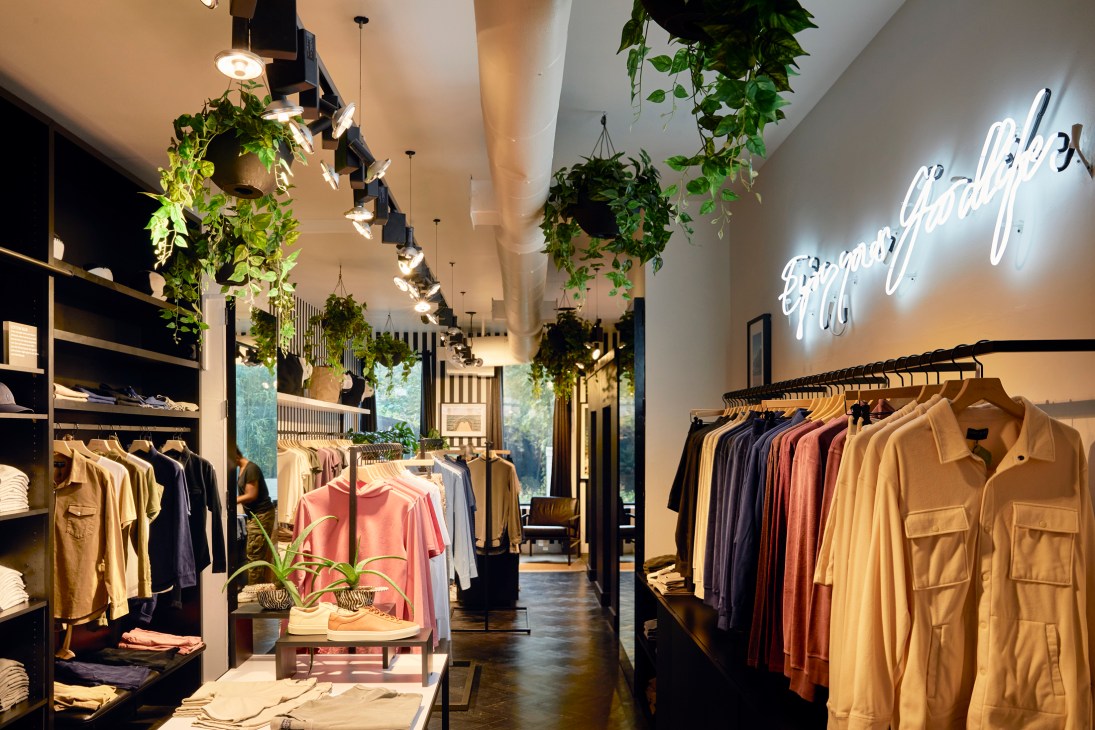
The deal? Leap takes 10 per cent of sales while its chosen brands cover rent and running costs. To decide which to work with, the platform’s team studies analytics to see what’s selling in its shops, what works and what doesn’t. Leap now has 55 brands in its stable across 11 US cities, selling everything from jewellery to cashmere jumpers. Many started as direct-to-consumer businesses, which Amish Tolia, Leap’s co-founder, says often look to bricks and mortar to scale up. “But the idea of building infrastructure themselves doesn’t always match up,” he says.
The first Leap-run shop opened in 2019 on New York’s Bleecker Street, a leafy thoroughfare that curves through Greenwich Village. Simon and Garfunkel once sung, “$30 pays your rent on Bleecker Street,” but today a healthy mix of high-end clothing brands and independent boutiques line its pavements. The street looked bereft in 2017 after designer labels that had flocked there decamped to malls.
“Almost half of the street’s shops were left vacant,” says Jon Levy, Leap’s senior vice-president of brand management, sitting on a bench outside an outpost of New York-based essentials brand Goodlife, which Leap helped break into Bleecker in 2021. “Great brands beget great brands,” he adds, pointing to the street’s healthy mix of small-scale retailers.
Not every opening works out: Hanky Panky, across the road, sells “the world’s most comfortable thong” but a few months ago the space was occupied by a luxury-watch boutique. With so much investor capital riding on Leap, there is no time for sentimentality, so decision-making is data-driven. Citing the example of e-commerce platform Shopify, which streamlined the process of setting up an online shop, Levy says “that can be our vision too for bricks and mortar”. “Some of these brands, by next year, are going to have 20 shops.”
Spiel
Dicey business
Germany
Imagine if, instead of studio executives repackaging the last blockbuster, fans had the power to turn entertainment empires on their heads and champion fresh talent. That scenario sounds unlikely but it describes the grassroots makeover flipping the board games industry. Business is booming and makers are bringing in more than Monopoly money. Take Exploding Kittens, for example. When its creators tried to win €10,000 in crowdfunding for their card game, in which players try to avoid picking up a detonating feline, their Kickstarter page received €8.7m, becoming the website’s most-backed project.

There’s no better place to enjoy this upstart economy than the Spiel trade fair – the world’s tabletop-games mecca, where publishers, suppliers and gamers mingle in a convention centre in western Germany. Every October some 100,000 aficionados arrive from all over the world swelling Essen’s population and turning it from Germany’s ninth-largest city to its sixth. Aca Milosevic, a bearded mathematician from Serbia, arrives by train. On the journey, he spots fellow attendees. “Pirate beard over there, see?” he says. “Fangirl haircut across the aisle. Couple with matching dice earrings.” The big giveaway is the number of passengers en route to Essen with seemingly weightless luggage. “Empty suitcases,” says the Spiel veteran. “They will drag them home filled with games.”
Spiel makes a lot of sense in Germany, where citizens are thought to buy more games per capita than in any other nation. The German media reviews games alongside literature and films, and popular games spawn spin-off deals. It’s the same in North America: industry specialist icv2 tracked a 23 per cent rise in tabletop sales last year, which reached €2.7bn, a figure set to be topped in 2022. Publishing houses and production studios are spoilt for choice; the latest gathering launched a record 1,800 games, making independent board games Kickstarter’s largest revenue source.
Spiel gives Essen’s convention halls the feel of a medieval market: artisans crafting handmade dice, miniatures and wooden gaming tables. Milosevic’s Heraldica, a game involving competing family crests, is among the debutantes. He has strong competition: in Cat in the Box, a Japanese hit inspired by Austrian physicist Erwin Schrödinger’s theory, players are only certain of their card when it’s played. In Pessoa, meanwhile, players must navigate the many aliases of Portuguese author Fernando Pessoa and construct poems to win the game.
The industry has a rich history of humble beginnings. Dungeons & Dragons, for example, was invented in 1974 by a newly jobless Wisconsin underwriter and has spawned a lucrative ecosystem of spin-off media and companion games. Even now, with the rampant popularity of electronic gaming, the numbers show that there is no replacing the tactility of cards, dice and friends gathered around a table.
Jakarta library
Century of the shelf
Indonesia
Jakarta’s main public library reopened in the summer of 2022 with the buzz of a K-Pop concert (writes James Chambers). When I visited, throngs of youngsters were bounding down the concrete entrance steps, bursting with conversation as the building behind them, designed by Indonesia’s leading architect Andra Matin, gleamed in the late-afternoon sunlight.
I haven’t had a library card in my wallet since my university days so I was keen to find out what whizzy technological innovations could be causing all of this excitement. Virtually nothing, it turns out, besides actual books – and plenty of them – being sensibly arranged on accessible bookshelves built to a human scale.


The future of libraries has been up for debate for well over a decade. We were all meant to be reading everything online by now and yet here we are, print and people everywhere, and not a computer in sight. When almost everyone has access to smartphones, reading in print has become an even more sought-after luxury and the public library model – a sustainable, inclusive and sharing economy – seems remarkably future-proof for an idea that is at least a few hundred years old. The fact that new central libraries in wealthy European cities such as Helsinki have caused similar scenes also suggests that the concept of borrowing books free of charge resonates with readers irrespective of budget.
Local libraries are not doing too badly either, all things considered. According to Library Connected, a UK charity, there are about 4,000 public libraries across the country, far more than there are branches of McDonalds. If these libraries do become havens from soaring energy prices over the winter, as expected, then hard-pressed communities will surely be the richer for it.
Not long after I was in Jakarta, I was able to visit my childhood library in the UK and the cosy environment remained largely as I remembered it (only the librarians had become noticeably younger). The high street’s post office might have disappeared and the bank is now a wine bar but the library continues to be an essential public service that cannot be replicated online – wherever you are.
Slow food
Tend your garden
Global
In 2022, pandemic-related supply issues, intensifying climate change and the war in Ukraine rang alarm bells about food security. That’s why Slow Food’s Edward Mukiibi believes that food sovereignty – despite being an old idea often pushed by populist and nationalist governments – will hold more mainstream appeal in the year ahead.
The trained agronomist and farmer from Uganda is the new president of the 33-year-old movement that has spawned a global network supporting local food cultures. He considers the UN’s policy on food security, of hitting quotas regardless of origin, to be an idea that has had its day, while food sovereignty prioritises local or regional produce. “It means making communities more resilient, both to tackle climate change and to reduce their dependence on outside suppliers,” he says.
A programme that he helped create, Gardens in Africa, is changing farming attitudes and now has more than 3,500 projects across the continent promoting organic fertilisers, while also creating a seed bank. The programme’s farmers favour vegetables including east African sukuma (a type of collard greens) and have reintroduced ingredients such as dried nettles from the Rift Valley. “These gardens give power back to communities instead of reacting to outside pressures,” says Mukiibi. Further afield, he points to India’s Andhra Pradesh, which is aiming for chemical-free agriculture by 2024. As the world grapples with less reliable trade, governments may find inspiration in their own back gardens.
National toilet symposium
Bucking the cistern
Japan

There was no room for coyness at Japan’s National Toilet Symposium, held in late October in Tokyo as part of the country’s Home and Building Show. Japan has long been a world leader in bathroom innovation so the trade fair’s offerings might soon end up in a Ladies or Gents near you. This year’s exhibition was flush with talk of sustainable toilets and new-generation portable loos.
Some 80 per cent of Japanese homes already have a version of Toto’s wash-and-blow-dry Washlet but Panasonic’s A La Uno V could offer competition for ecologically minded users. The new model uses just a third of the water needed by Panasonic’s original 1990 version. One could also try Wota’s mobile sink, Wosh, which recycles 98 per cent of the water it uses and is housed in an upcycled oil drum. Wota’s shower version could certainly transform music festivals into altogether more fragrant experiences.
Elsewhere, Japan’s susceptibility to earthquakes and floods (and the sanitation issues that they bring) was a big talking point. Tokyo company Excelsior was showing its “disaster toilet”, a bag with biodegradable slaked-lime tablets that absorb and deodorise. Further up the pricing scale, Toyota displayed its towable, fully accessible mobile toilet. When it is launched in 2023, it will cost ¥7m (€48,000). “We come at toilets from a different angle,” says Haruka Uchiyamada, representing Toyota’s social inclusion department. “Our goal is to improve the lives of wheelchair users.”
The founder of the Tokyo Toilet Project, Koji Yanai, provided the conference’s keynote speech. His initiative has established public toilets across Tokyo’s Shibuya ward, all designed by some of Japan’s finest architects. While public toilets across the West often leave much to be desired, the initiative has received global coverage and reminds us of the soft power of Japan’s bathroom industry. This is a country that takes stylish sanitation seriously – and that’s something we can all get behind.
Wildsam
Outward bound
USA
In an age when travel brands are increasingly shifting online to guide their intrepid customers, business at US guidebook publisher Wildsam is booming. Having recently launched its 50th travel title (this one about the Big Sur coastline), the company is ramping up its output and plans to print more of its artfully styled handbooks.
Unlike the dog-eared, semi-current recommendations of its competitors, Wildsam gives its readers a timeless guide to US destinations. In doing so, it avoids flash-in-the-pan restaurants and passing-fad activities, instead digging deeper and aiming at quality over quantity. “We’re not for the traveller who wants to plan every hour,” says Taylor Bruce, the Austin-based founder and editor-in-chief. “There’s flexibility; have a surprise. Let the place come to you.”
Over the past decade, Wildsam has sold more than 400,000 books on everything from Montana’s secret fly-fishing patches to Southern California’s best surfing spots. Its next launch is a partnership with campervan and RV giant Camping World, whose loyalty programme has attracted more than 2.5 million members. If the result is anything like the publisher’s past collaborations – custom guides for J Crew and flask-maker Yeti – the Camping World tie-up should mean more readers and more revenue.
Travellers with smartphones may be able to access unlimited information but Wildsam’s success shows that there is still a profitable place in the market for thoughtful analogue guides.
“When you are in the digital world, you have research mode on,” says Bruce. “When you are in the printed world, then you’re more of a reader. That is a different wavelength and it resonates in terms of how people travel.”
Dattalion
Straight shooters
Ukraine
When Russia invaded Ukraine earlier this year, news organisations worldwide scrambled to get their correspondents to the front line. Every second counted but the time that it was taking to ship reporters into the warzone meant that the early days of the conflict could not be tracked thoroughly by the international press.
“On the day the war began, our founder Nataliya Mykolska took a call from a colleague who was living abroad to say that a major US news channel was broadcasting videos that didn’t look real,” says Olha Lykova. She’s one of 16 Ukrainian women running Dattalion, the largest free and independent database of photo and video footage from the war.

The call prompted Mykolska, to contact friends in the media around the world. Together, they brainstormed ways in which verifiable information could be efficiently disseminated around the world. She enlisted the help of various other women who were equally fed up with watching from the sidelines as their male counterparts were being called up to fight.
They set about combing the Ukrainian press and various social-media platforms in order to aggregate information to create a database that now comprises more than 4,000 videos and almost 200,000 pictures. “In Ukraine you have a lot of Telegram chats and channels where thousands of pictures are posted every day,” says Lesia Donets, another member of Dattalion’s core team. “From outside Ukraine, it is hard to see the full picture even if you have a reporter inside the country.”
As keyboard warriors and the spread of disinformation become fixtures of modern warfare, the importance of initiatives such as Dattalion should not be underestimated. The organisation has harnessed the technological savvy of a generation of digital natives to build a small army of volunteers who work in shifts around the clock. They log data for the site, which is then used by journalists and researchers as a reliable bank of consolidated information.
As well as recently investing in an updated interface that is easier to navigate, the team is growing a new arm of its operations that is designed to collect the names and stories of witnesses who are willing to talk about their experiences of the war and occupation. “I found two men who had managed to escape from Russian filtration camps and who wanted to speak out really loudly because they didn’t think that things like that should be happening in this day and age,” says Donets. “These are stories that go right to your heart.”
Rolex mentor & protégé arts initiative
Guiding lights
Geneva
How do you pass on knowledge? This simple question lies at the heart of the Rolex Mentor and Protégé Arts Initiative that began life in 2002. The answer has mostly appeared, from the outside at least, to be relatively straightforward. First, match leading figures from disciplines including literature, film, music and theatre with rising talents and then, through direct contact and time spent together (a minimum of six weeks over two years), support the protégé to create new work.

That’s all well and good until there’s a pandemic. How do you help a young theatre director produce new work, for example, when around the world theatres are dark? The conclusion of the disrupted 2020-to-2022 programme was celebrated last September in New York at the Brooklyn Academy of Music with the unveiling and premiering of artwork, films and a theatre production, all born from some incredible pairings: Spike Lee with Native American film-maker Kyle Bell; Phyllida Lloyd with theatre director Whitney White; Carrie Mae Weems with her Colombian protégé Camila Rodríguez Triana in the visual arts category; and Lin-Manuel Miranda and Agustina San Martín in an open category (Miranda, creator of hit theatre show Hamilton, was moving into film and so two movie pairings were created). Rebecca Irvin, the head of Rolex’s mentoring programme, says that video calls came to the rescue in the depths of the lockdowns. And all of the programme’s mentors and protégés joined the same sessions, making the process even more enriching. But why does Rolex go to such effort to support people long after their pairings have ended (it gave out some small coronavirus-relief grants to past protégés)? “It expresses our values,” says Irvin. “It’s also an investment in the future of culture.”
While the programme was founded to promote the top-down transmission of knowledge and underline the role of individual excellence, it’s also fascinating to witness something more complex occurring: the mentors themselves using the experience to learn and stretch themselves. That helps friendships to form – Lee and Bell acted like old buddies.
That’s no accident: the pairings are shaped by distinguished nominating panels who identify aspiring talents and present three-person shortlists to mentors, who might have specific requests (Lee wanted to work with someone who was Native American). That process also helps to create pairings that are confidently global and diverse: the new cycle pairs Bernardine Evaristo, the first black British woman to win the Booker Prize, with Senegal-based Ghanaian writer Ayesha Harruna Attah, and Chinese film-maker Jia Khang-Ke with Filipino Rafael Manuel.
When it comes to the question of how to pass on knowledge, it seems that the answer is first to bring process and structure and then trust human nature by standing back to let some magic happen.
Workplace design
An office you can’t refuse
Global
“The future of the office? It’s alive – I think companies and employees need to physically stay together, to share ideas and to work better,” says Carlo Molteni, managing director of Italian office furniture specialists Unifor. That sentiment is widely shared in the furniture and design industry. There might have been a temptation for brands like Unifor to double-down on domestic solutions for work-from-homers but the firm is, along with others, investing in wares for company headquarters and office spaces. “Of course, the way we work has and will change in these environments,” he adds.
That change will, as Molteni hints, see a greater focus and investment in collaborative zones within the office. The logic is simple: the biggest appeal of returning to a place of work, and not settling for Zoom calls and digital avatars (thanks Mark Zuckerberg, but we’ll pass), is the fact that business is done more clearly and efficiently when face to face. In person, you can pick up on unspoken cues and read a room – plus, there’s something satisfying about sealing a deal in a boardroom.
To assist this, furniture firms such as Unifor and Citterio from Italy, and Kettal from Spain, are investing in furniture and micro-architecture (think sleek partitions and modules that can be used to define zones within an office, to allow moments of privacy for confidential conversations and create grand meeting areas). Such pieces and infrastructure are allowing architects to get to work and deliver a variety of different collaborative spaces.
“We want to provide different modes of meeting, sharing, working and being together,” says Amale Andraos, co-founder of the New York-based workac, an architecture firm known for its pioneering designs for the office environment. “That’s the most important thing in the workspace now – and I think we’re only going to see more of an acceleration of that.”
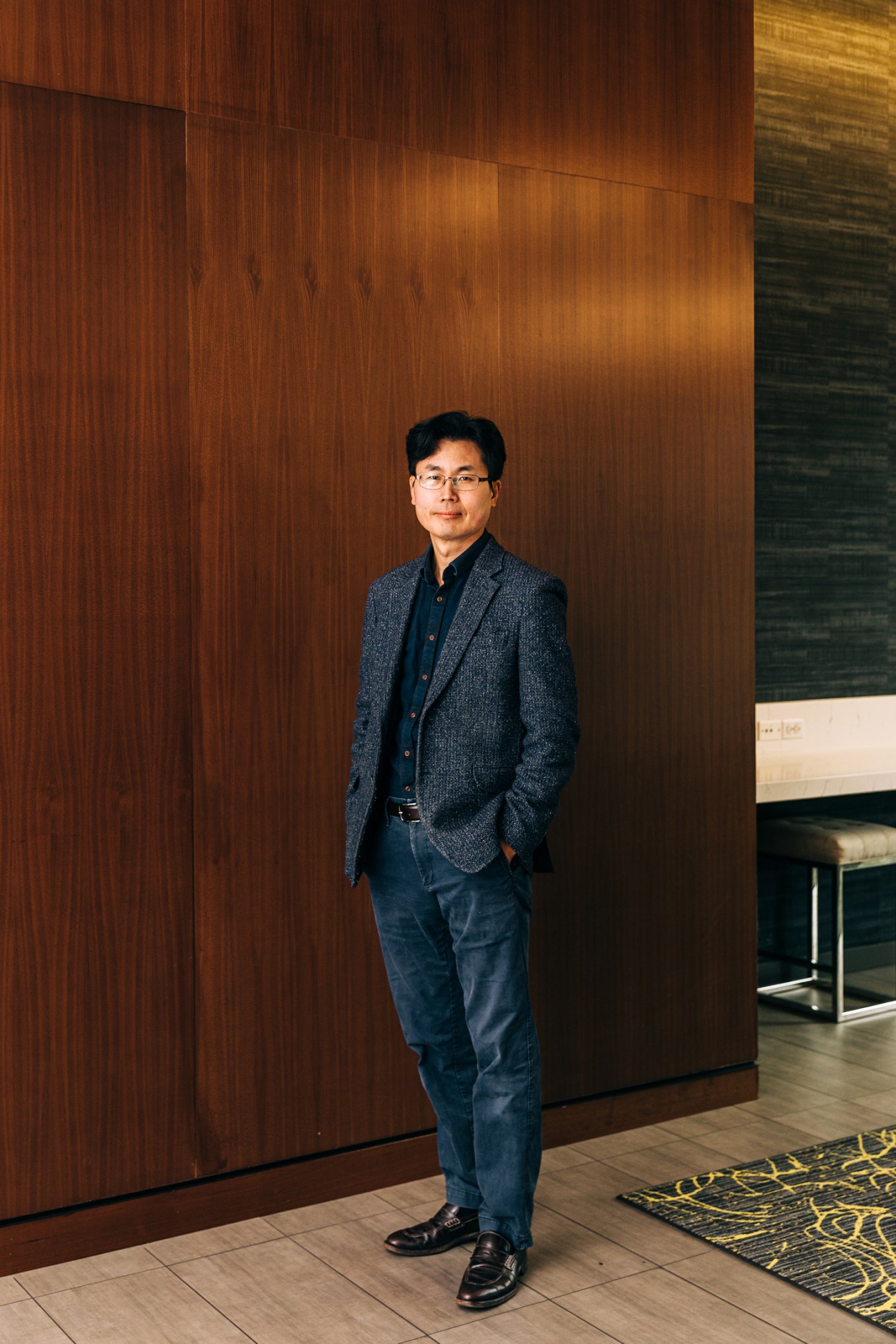
Diaspora exports
Home advantage
USA
When avian flu decimated South Korea’s egg supply in 2016, Sam Cho snapped into action. A second-generation Korean-American in Seattle, Cho started an export business that sold more than 1,000 metric tonnes of eggs to South Korea, raking in $1.8m (€1.8m) in revenue the first year. “I follow Korean news,” he says. “It helps in identifying opportunities.” As an elected port commissioner, it is now his job to ensure that other Korean immigrants can follow in his footsteps.
Against a backdrop of waning multilateralism and rising trade friction, entrepreneurs such as Cho are the US government’s secret weapon in its efforts to grow international commerce this year. The US Small Business Administration has launched a programme designed to kick-start small-business exports from the nation’s wealth of diaspora communities, starting in September 2022 with a Korean-American export trade fair in Seattle.
Diaspora communities “are predisposed to export back to their countries of origin,” says Office of International Trade associate administrator Gabriel Esparza. “That’s not just a hunch, it’s rooted in the data.” A study from 2021 found that first-generation immigrants represent a fifth of all US business owners, despite comprising just 13 per cent of the population. As part of his job, Esparza traverses the US pitching the Small Business Administration’s grants and incentives to inculcate more diaspora deals, from Colombians in Miami to West Africans in New York. At the Seattle stop of the roadshow, we meet John S Lee, whose 20-year career includes working for the South Korean smes and start-ups agency and a stint bringing products from the country to German retailer Edeka. Having relocated to Seattle, Lee started Unilab Hub as a beachhead for South Korean firms to grow in the US market. He is also trying to find American companies who will send their goods the other way, leaning on his fluency in the Asian nation’s business culture and regulations.
Lee’s advantage is one that Cho understands well. “There is a level of kinship because we’re fellow Koreans,” he says. “That is a huge head start because business relationships are based on trust.”
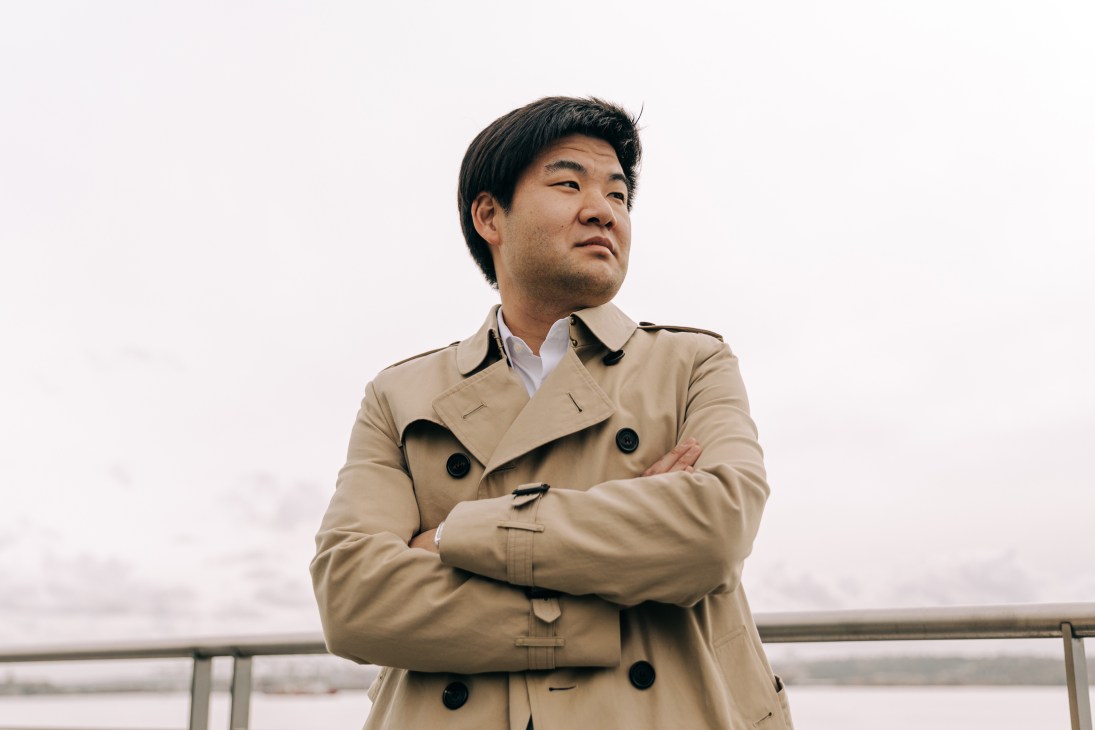

Hong Kong development
Under construction
China
Hong Kong’s famous skyline has barely changed this century. Remember the skyscraper that Batman jumps off at the beginning of The Dark Knight? The International Finance Centre (IFC) was completed in 2003 and the César Pelli-designed tower was one of the last significant additions to the city’s cbd, most of which went up in the 1980s and 1990s.
While a shortage of development sites has boosted alternative commercial districts, such as Quarry Bay and Wong Chuk Hang, Central is finally poised to make a comeback – in construction terms, at least. Two of the city’s richest families are currently building a pair of skyscrapers; the sight of so much bamboo scaffolding is both rare and a show of confidence in Hong Kong’s future. While the Cheung Kong Center II is taller and commands harbour views, it’s The Henderson that is making a statement not seen since the ifc.
For The Henderson, which is due to be completed next year, Patrick Schumacher of Zaha Hadid Architects was asked to design a new architectural icon for Hong Kong. The building’s curved-glass exterior (meant to resemble a flower bud but looking more like a pint glass) will bring some smoother lines to a sharp-elbowed neighbourhood that contains IM Pei’s jagged Bank of China Tower and Norman Foster’s hi-tech hsbc building.
“It is a breakthrough in technical terms,” says Kevin Ng, senior deputy general manager for developer Henderson Land, during a tour of the construction site. Ng takes us to the highest floor so far, where several workers are attached to steel pillars. Welding one second and checking their smartphones the next, they are oblivious to the unobstructed views.
But will these huge new-builds such as The Henderson really offer the pick-me-up that Hong Kong clearly needs? The ifc’s arrival in 2003 was credited with helping the city recover after the Sars epidemic. Since then, a slew of multinational companies have shifted headquarters to Singapore or Dubai and residents are leaving in droves after a political crackdown in 2020 and two years of self-imposed isolation. Those factors point to the big difference this time around: a stark lack of international goodwill towards Hong Kong.
Few companies will rush to return and take advantage of cheaper rent. Auctioneer Christie’s and investment firm Carlyle were The Henderson’s first tenants to be announced but both have relocated from nearby. Yet property development is based on long-term views, which indicates that Henderson Land must see something in Hong Kong. After paying a record sum for the site, it forked out a further €6.7bn at the height of the pandemic just for the rights to build a mixed-use behemoth on a harbourfront site near the ifc. When its “groundscraper” is ready in a decade, Hong Kong’s skyline will look radically different. But then, so might its appeal.
Images: Rofa Pratama, Wildsam