The Forecast
Despite the challenges, there is cause for optimism in 2023
It’s that moment in the year at Monocle when we climb the hill to see what’s on the horizon – and offer some ideas about how to make the most of whatever is coming our way. Post-pandemic, perhaps we had all hoped that this would be a time of unabashed celebration, of the global economy moving with greased ease and speed again but also with society holding on to the sense of togetherness that many had experienced during the era of lockdowns. Were we not promised a modern version of the Roaring Twenties by now – a time of hedonism, champagne and easy money? Well, things have turned out a little differently and, yes, there are some threatening clouds stubbornly perched on that horizon.
And yet there is opportunity, hope and ambition even now – much of it generated by the very frustrations and tensions that make people, nations and markets jittery on some days. The push towards renewable fuels; the willingness of businesses to raise their environmental game; the determination of pioneering urbanists to remake challenged cities; the architects creating buildings that genuinely respond to our needs; even the defence players out to ensure that there is nothing similar to Russia’s invasion of Ukraine on the horizon – all have been given additional momentum by the times we live in. That’s why, as we read the final proofs for this issue, I was struck by just how many people are looking ahead with confidence, ready to tackle whatever comes their way. This roll call of the ambitious, who you’ll meet over the coming pages, includes journalists fighting misinformation, leaders of a library renaissance in Jakarta, publishers of hyperlocal travel guides, farmers rethinking their trade and designers pushing boundaries. There really is a lot of good news out there.
For the past four years, The Forecast has also been the home of Monocle’s Small Cities Index, which names 25 modestly proportioned places where you could have a good quality of life and run a business with ease; places with smooth transport links, cultural offerings and fun on offer after 18.00. The fortunes and reputations of smaller cities were also boosted by the pandemic as people sought out places where they could live an easier life. It’s one of the reasons why New York and other big US cities have been forced to reflect on their futures (see here). But the rise of the small city is a trend that shows few signs of abating. We like the security that compact urban outposts offer, want to live in places where you feel that everything you need is within easy reach and where you have the potential to make a difference – and if it comes with a walkable morning commute through an attractive park and a glass of wine in a sunny piazza at the end of the day, then all the better. You can discover this year’s winning Small Cities here.
And another positive story? Monocle. Thanks to our loyal readers and listeners, we are also looking forward to 2023 and beyond, and planning a host of new projects, books, conferences, reporting missions and ventures. So thank you for all of your backing. We would also like to take this time to wish you an exciting and rewarding 2023 – and if you need a good wine to toast the day, we have even supplied a few recommendations (see here). Cheers!
Next big thing
Many people still think of creative agencies as massive entities with sprawling sites where smart-looking, bespectacled creatives churn out fantastic ideas for corporate clients. But the model is changing. Whether it’s a major project for a fashion behemoth such as Loewe or a brand refresh for a top-tier cultural institution, smaller companies are increasingly winning work over big, global agencies.
There are many reasons for this, from an increase in freelance talent with whom small firms can collaborate to the appeal for a client of having a more personal relationship with those who they commission. We weigh up these factors and look at three small graphic-design and creative-direction agencies producing world-class work. They’re heralding a new, more collaborative and dynamic era for their industry.
Herburg Weiland
Munich
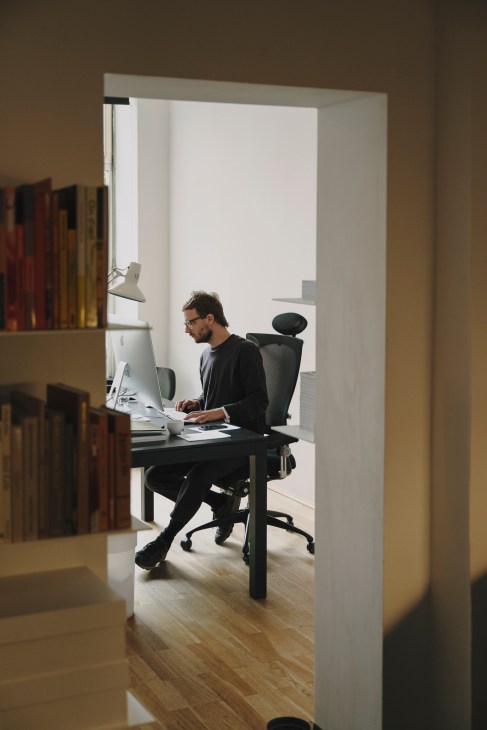
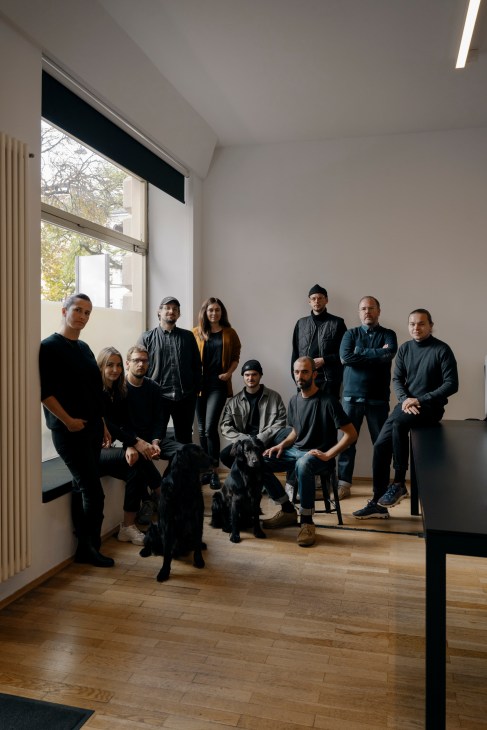
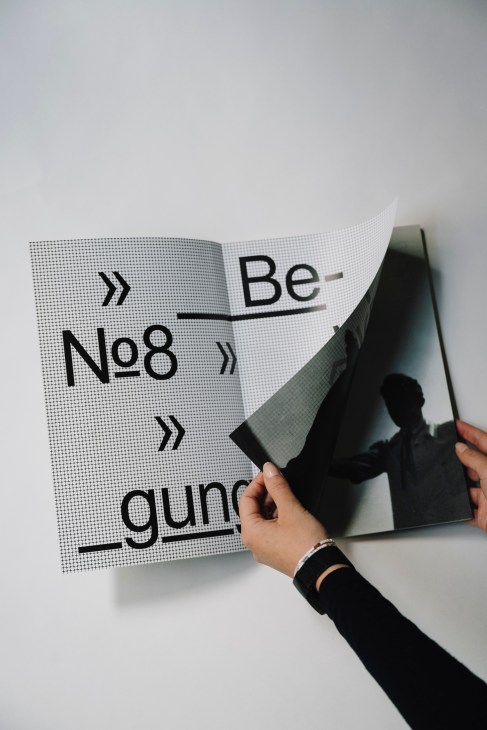
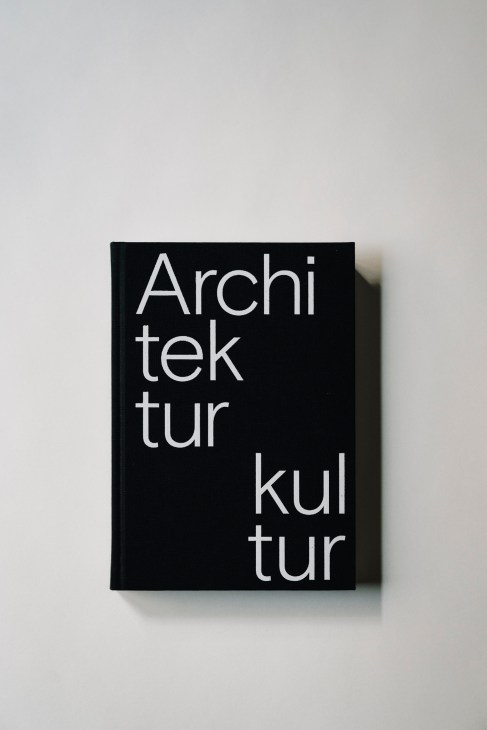
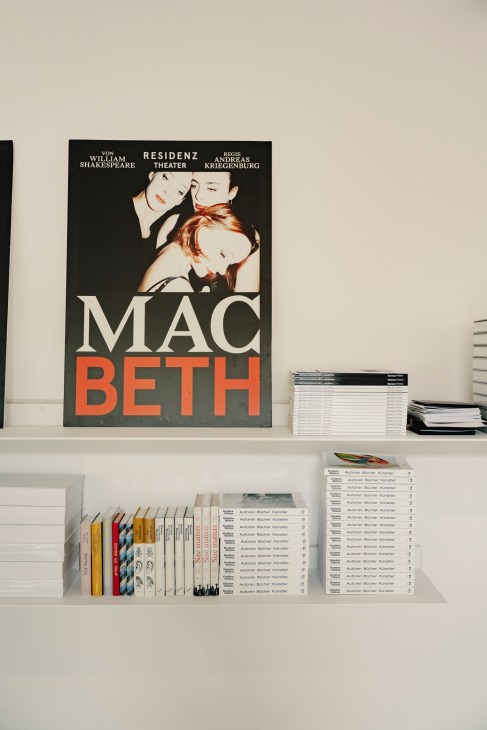
“I’m totally happy with our situation,” says Tom Ising, who co-founded Munich-based creative agency Herburg Weiland with two friends in 2001. “We’re a team of 10 staff and I would never trade this to run a studio of 200 people.” Surrounded by Herburg Weiland-designed architecture books with typographically bold covers, posters created for some of Germany’s top cultural institutions and a polite, all-black-clad team of junior creatives, Ising has laboured for 20 years to form his ideal set-up.
“The work we do tends to shift to match the skills of our people,” says Ising, who today heads up the studio with Yvonne Bauer and Stephanie Ising (also his wife). “For instance, if someone starts here who is good at 3D animation then we weave this into our process and come up with client solutions involving more of this. The skills of the people who join us transform the course of our agency. When you’re a team of just 10 people, the abilities of one person can really change things.”
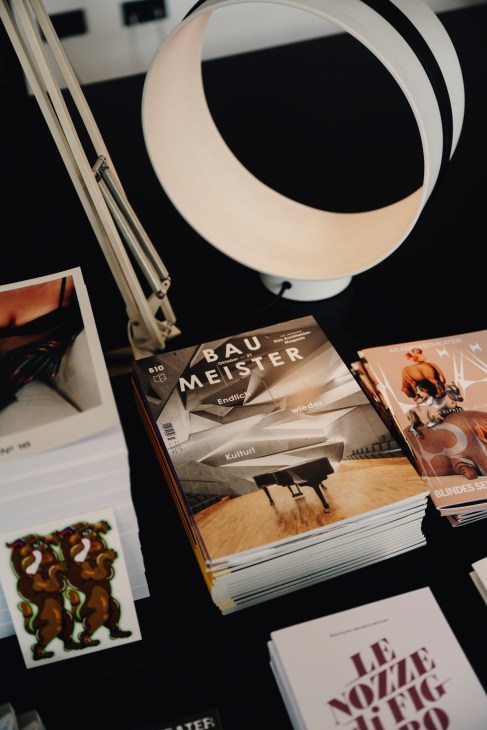
Right now the format of the firm’s work drifts from motion graphics to beautifully bound books. One recent highlight is a series of outdoor display videos featuring gigantic goldfish floating through a sea of trees to promote composer Peter Eötvös’s Sleepless at the Berlin State Opera. Another is an illustration-laden special edition of German architecture magazine Baumeister that was co-created with Norwegian architecture giant Snøhetta.
Unlike larger agencies, which often present multiple options or “routes” in their pitches to clients, Herburg Weiland likes to work hard on one great idea, which a potential client can take or leave. This singular approach often creates results that the team at Herburg Weiland are all keen to support and on which they want to work passionately and collaboratively. “It doesn’t matter if the client is the Bauhaus in Dessau or a Swiss dentist,” says Ising. “We treat every job the same way, trying to find a result that is perfect for both the moment in time when we deliver it and for the larger purpose of the institution.” He adds that his firm strives to avoid following trends or developing its own “signature” style.
This confident approach is mirrored in the firm’s output, with clever typographical treatments tending to win out over lush photography-aided works. As an example, billboards designed for Schauspiel Köln (and now frequently photographed by city residents) simply sport a text call-to-action, “Kiss Me! Touch Me! Feel Me! Now!”, executed with vibrancy.
For Ising, the firm’s best work delivers a big punch with a small footprint. “With the Bauhaus Dessau Foundation we made the whole design system using the Arial typeface, which in our industry should be a no-go,” he says. “But because it was Arial it became a totally universal piece of work. It seemed simple but it encapsulated the whole spirit of the Bauhaus: design that could be used and understood by everyone.”
herburg-weiland.de
Studio FNT
Seoul
After establishing graphic design outfit Studio fnt as a sole practice in 2006, founder Jaemin Lee has taken to the task of scaling up at a deliberately slow pace. “We’ve maintained an attitude to keep it on a small scale,” says Lee, who brought in partner Heesun Kim a few years after launching the business and today runs an office of nine full-time staff. Both Lee and Kim have seen the pitfalls of moving too quickly; previously they were colleagues at a web agency during the dot-com boom (and its subsequent burst) at the end of the 20th century.
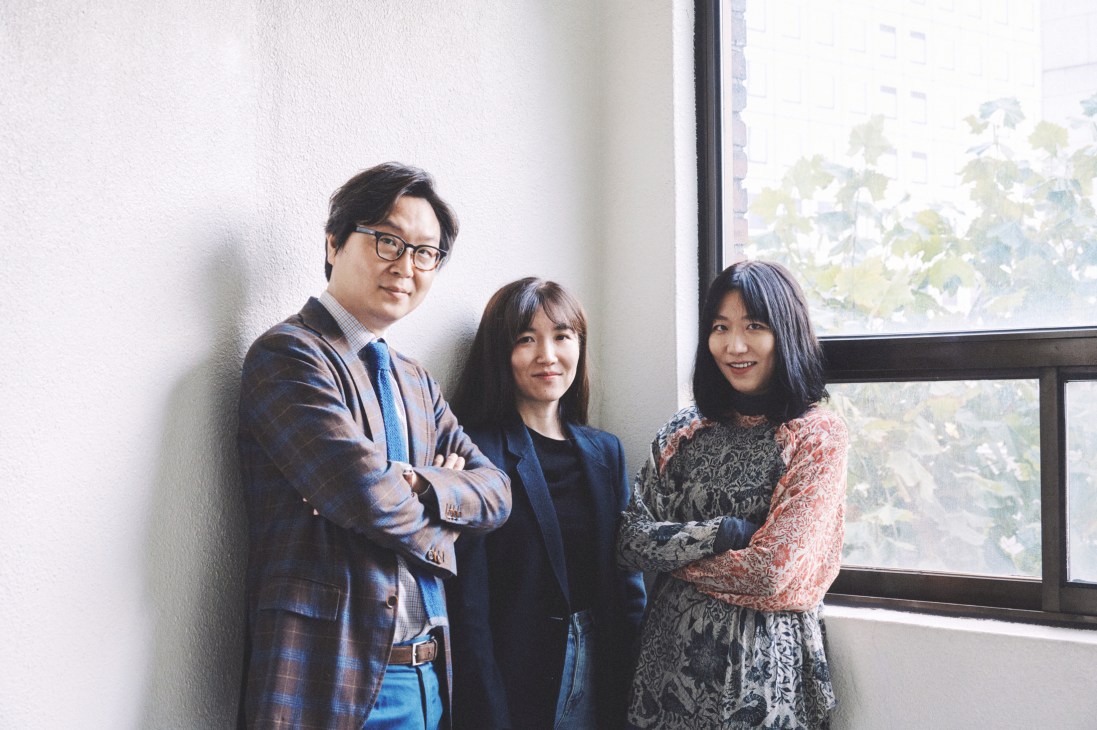
The partners’ past career experiences also pushed them to work with traditional media. “We wanted to create something more relevant to our lives than an interface for electronic products,” says Lee. Over the years, Studio fnt has updated the brand identity of the Hyundai Department Store chain and designed colourful staccato-patterned packaging for Seoul-based Felt Coffee. The firm has revamped the logo of South Korea’s leading animal-rights group Kara in sharp, bold typography, and produced a series of hanji, traditional Korean handmade paper, for the Korea Craft & Design Foundation, a government-run organisation promoting cultural heritage.
The Korea Craft & Design Foundation project, Lee says, is the sort of work of which his studio strives to do more, with cultural projects becoming the firm’s calling card. Studio fnt has long designed the promotional campaign material for the Seoul Record Fair; in 2020, Lee and his team worked on an exhibition about the possibilities of vinyl records at the Culture Station Seoul 284, flexing their creative muscles by forming a beautiful hoarding that wrapped around the event’s main building. A huge representation of a vinyl record served as both the door and as a piece of advertising.
The firm has worked hard to enjoy the luxury of being selective with clients. The recipe to this success? One key ingredient seems to be a relaxed office culture, where everyone does a bit of everything. “It’s both challenging and enjoyable that we don’t have a fixed daily routine,” says Lee. He adds that, on any given day, one or more staff members might be holding meetings while others could be giving lectures at nearby schools or photographing completed projects at the in-house studio. “More than meeting more new clients, we value the experience of getting to know one client more deeply,” he says. “We work with customers whose purpose we can agree with.”
studiofnt.com
N-E
Madrid
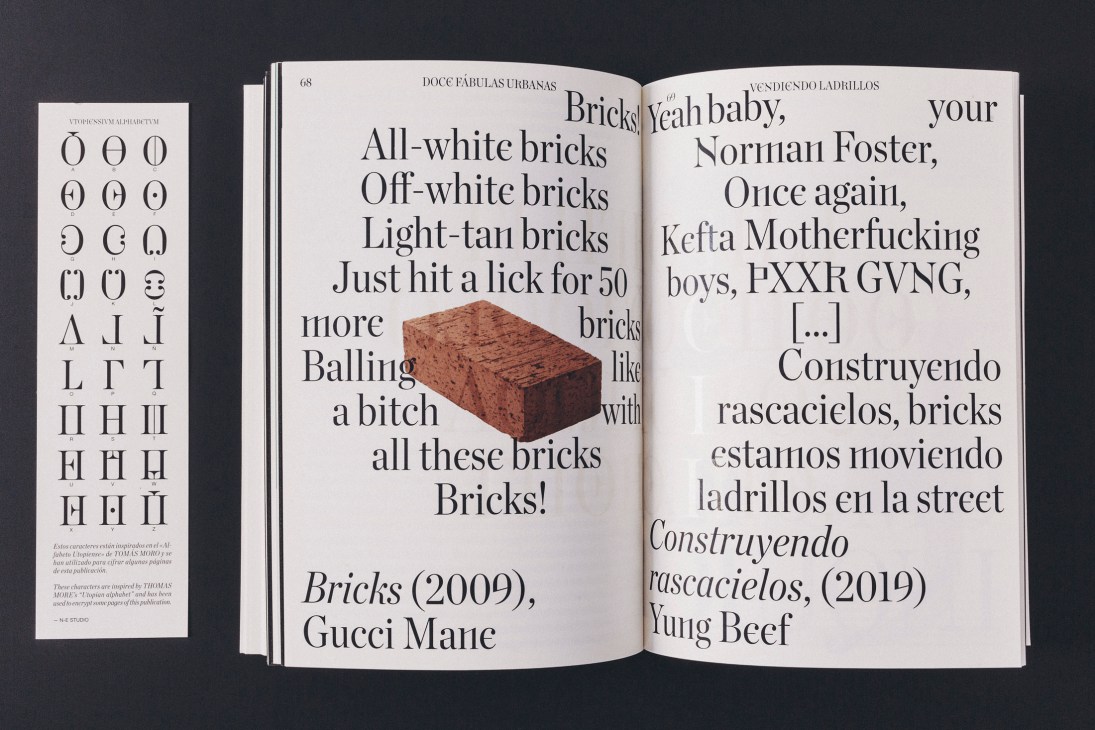
Madrid is the ideal place to start a business that is built on communication. Madrileños love to talk. “Madrid is a city that welcomes all kinds of people and is always full of life,” says Anna Ponsa, studio manager and creative at N-E. “Opportunities are constantly popping up; it is the ideal setting to meet new people and generate new work.” Founded as a graphic design studio in 2014, N-E has since evolved into a creative agency that works on branding, editorial, art direction and experiences for clients primarily in fashion and culture.
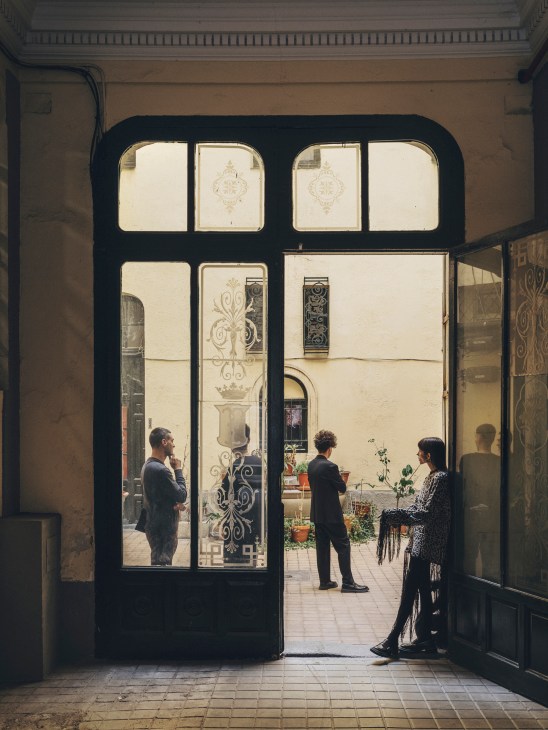
The firm’s office in a 19th-century palace at the heart of the Malasaña neighbourhood is bright with a high ceiling. Its original fixtures include double-height windows and a fireplace that add a sense of historical weight to the cutting-edge content that it produces. “Historically, Malasaña was the cradle of Madrid’s contemporary movements,” says Ponsa. “It’s where creativity emerged. Our space is a place where classic and modern coexist in harmony.”
And clients, such as Loewe, Hermès, the Madrid city council and various leading cultural entities, choose to work with N-E for its unique, intellectual approach and affinity with the local scene. “When we start a project, we try to understand the client’s needs as if they were our own,” says co-founder Miguel Naranjo. “We always undertake a written exercise that serves as a guide to identify those needs. We work with ideas, regardless of the medium.”
The studio’s methodology is based on collaboration. A small permanent team of creatives collaborates with multidisciplinary partners to come up with ideas for their clients. The result is considered design, including thought-provoking visuals that emerge from deep research and the intense focus of its team of graphic designers.
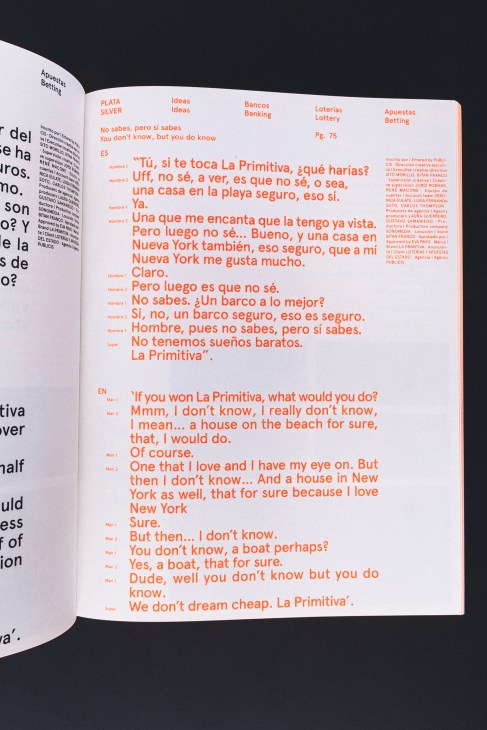
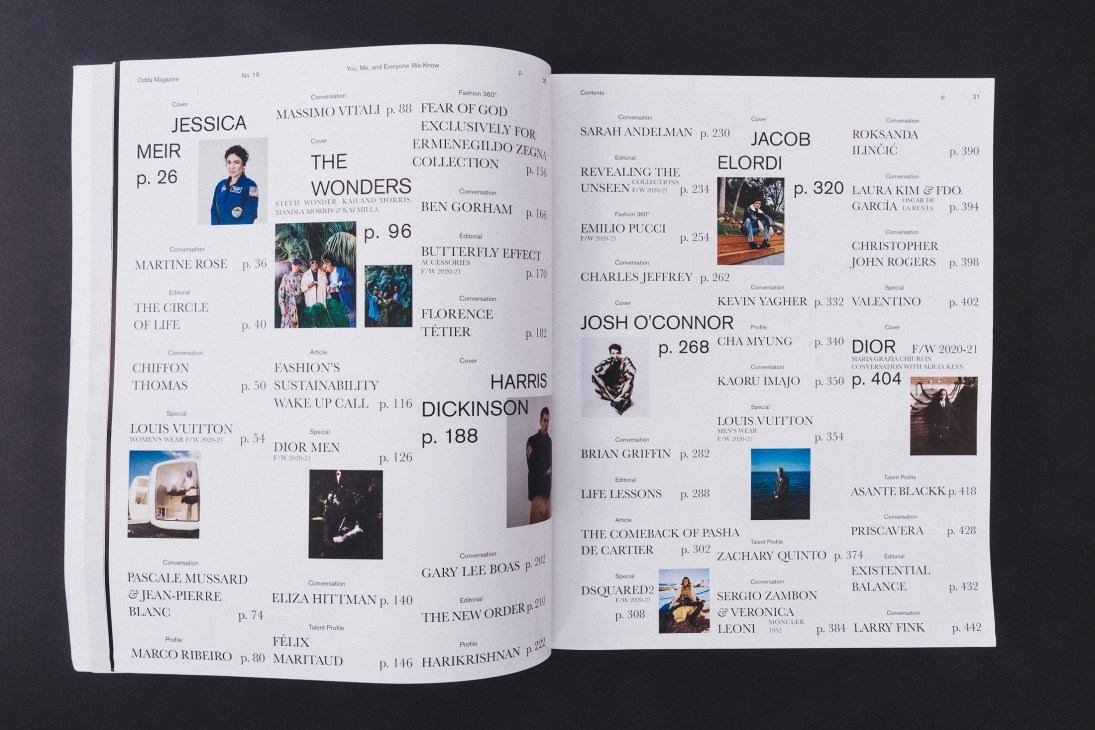
Recent work ranges from Odda, a sumptuous, chunky biannual fashion and art magazine edited in New York, to a complete identity for Mexican fashion brand Dancassab.
N-E’s agility, size – currently it has just five full-time team members – and ability to communicate well internally keeps its work dynamic. The agency is hesitant to grow. “We don’t set ourselves any limits,” says Naranjo. “But we never want to stop being N-E. It is important to us to find that balance where we can remain faithful to what defines us but also explore new horizons.”
naranjoetxeberria.com
What lies ahead
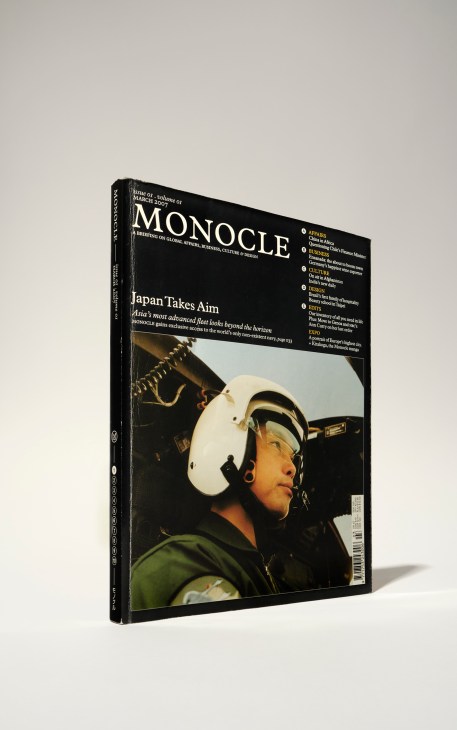
Monocle is 15 years old in 2022. We launched with our March issue back in 2007 with the now-celebrated cover featuring a pilot in Japan’s Self-Defense Forces (we hope you have your copy of Issue 01 somewhere safe). It has been an incredible journey for an independent media company as we have added radio, podcasts, books, retail and more. In 2022 we will be remaining as nimble as ever, of course, as we open a new bureau (we have our eye on a spot in Lisbon), deliver an epic book celebrating the photographers who have worked with us since launch, bring you a stellar – and truly global – line-up of events (our Quality of Life Conference is heading to Paris), and continue to deepen our radio output. So what’s our own forecast? Sunny days and with an uplifting breeze. Here’s to 2022.
World of difference
USA
Mission statement
UAE’s new diplomatic presence
In Manhattan’s Turtle Bay are streets on which cars with blue diplomatic number plates outnumber the Empire State’s black-and-yellow ones. The heart of this neighbourhood is the headquarters of the UN, around which an arterial network of diplomatic activity has evolved. Three blocks from the General Assembly building is the latest architectural addition to this network: the new home of the Permanent Mission of the United Arab Emirates to the UN.
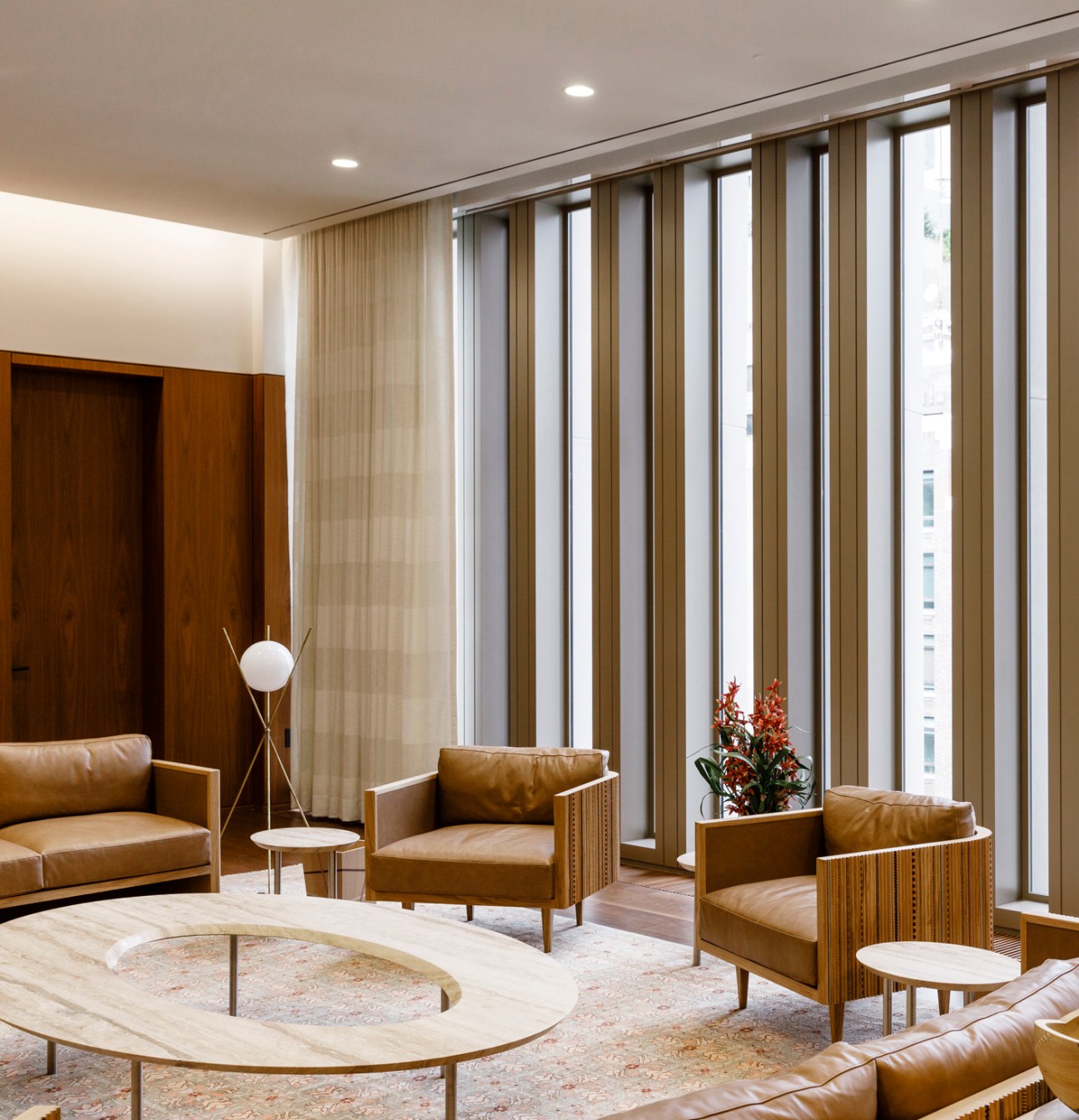
Speaking to The Forecast, Chris Cooper, a partner at architecture firm som, which designed the building, sums up the central challenge to the commission. “How do you design a building that’s culturally appropriate to the uae but isn’t foreign to the city that’s hosting it?” he says. For the answer, look to the structure’s façade: it’s grounded in place through the use of Indiana limestone, the same material used in the city’s Empire State and Rockefeller buildings but is adorned with Emirati symbolism through piers sculpted to evoke the curves of a palm frond.
That’s not the only symbolism to be found in the structure. The new Permanent Mission building is emblematic of the uae’s sustained investment in diplomacy since the country was founded in 1971. Its efforts have turned the small nation into a leader when it comes to foreign policy. In 2020 it became the first Persian Gulf state to normalise diplomatic relations with Israel, while on 1 January 2022 the uae will commence a two-year term on the UN Security Council.
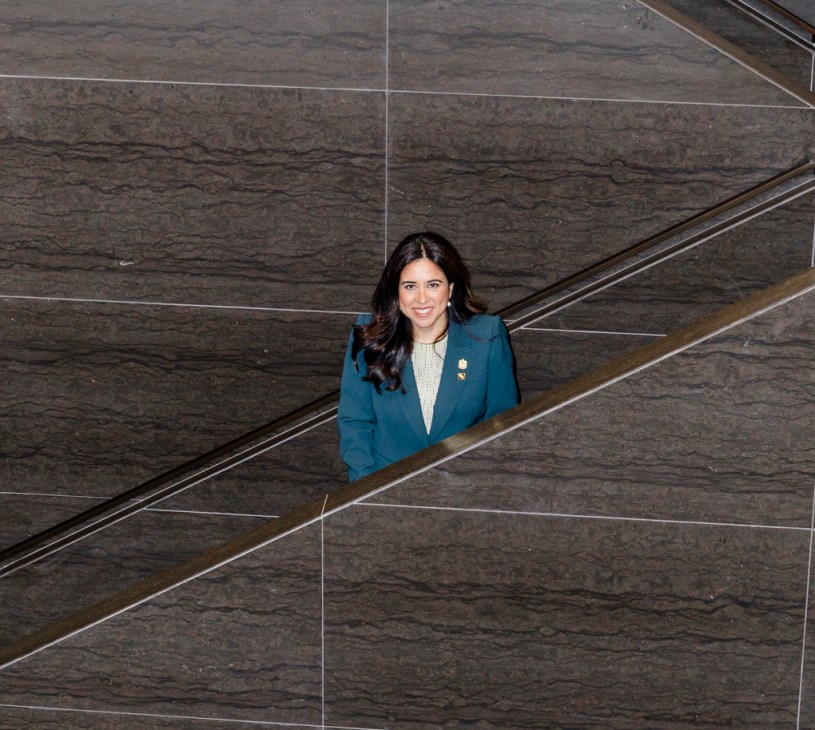
Heading up the Permanent Mission of the uae to the UN is ambassador Lana Nusseibeh. The new mission building enhances her work both practically and symbolically, often at the same time. “On the eighth floor, instead of a series of C-suite offices, we have meeting rooms modelled after the majlis,” says Nusseibeh, referring to the traditional “sitting places” where Emirati communities gather for meetings. “The concept of the majalis is part and parcel of our political identity. It’s where consultation happens between leadership and people. So it’s a very significant and reflective space where high-level delegations from the uae can meet their counterparts.”

In recent years, legacy international organisations have come under scrutiny. Bodies such as the UN are said to be based on a defunct idea of the world order, unable to respond effectively to this century’s problems. Nusseibeh acknowledges that global challenges today are very different from when the UN Charter was drawn up. “We don’t have interstate wars in the same way,” she says. “We have ethnic, religious and other types of identity conflicts; a massive expansion of terrorist networks around the world; and more complex economic issues. And, of course, pandemics.”
But far from providing reasons to abandon the UN, Nusseibeh says that these factors make it more vital. “When you have this increasingly complex global environment, having an organisation that belongs to countries but is also seen as above the geopolitical fray is more essential than ever,” she says.

South Korea
Shooting for the moon
Space race accelerates
South Korea has long been in the space race. The Korea Aerospace Research Institute was founded in 1989, while the country’s first carrier rocket, a modified Russian design called Naro-1, blasted off in 2009. But, significantly, the country launched its first self-built carrier rocket, Nuri, in October 2021, signalling an expansion of its space ambitions. Its government is now seeking a 2022 space budget of 640bn won (€470bn), a chunk of which will go towards the lunar orbiter, Pathfinder, due for launch in August.
“South Korea aspires to play a dominant role in technology for lunar resource development,” says Namrata Goswami, a strategic analyst in space policy. “As a signatory to the US-led Artemis Lunar Accords, proving lunar capacity builds its credibility as a partner.”
There is also a military imperative. South Korea has recently been given a freer hand with rocketry: in May, the US lifted a 42-year restriction on South Korea’s development of missiles. “As concerns over China’s anti-satellite weapons and North Korean missile development grow, the need increases for South Korea to develop military space capacities,” says Goswami.
The Asian country is not alone in this line of thinking: the US itself has inaugurated a new branch of its military, Space Force. The spectre thus raised is the ominous one of a full-blown, elbows-out sprint for the stars.
“This might end in two ways,” says Goswami. “One is where we develop regulatory mechanisms, signed by a majority of countries. The alternative will be determined by first come, first served. Take a scenario where a Chinese base on the lunar south pole has a ‘non-interference’ zone, so anyone else requires permission to land. This will result in a scramble for first-mover advantage.” And South Korea, it seems, wants to be part of that scramble.
UK
Take a bough
Maintaining the lungs of London
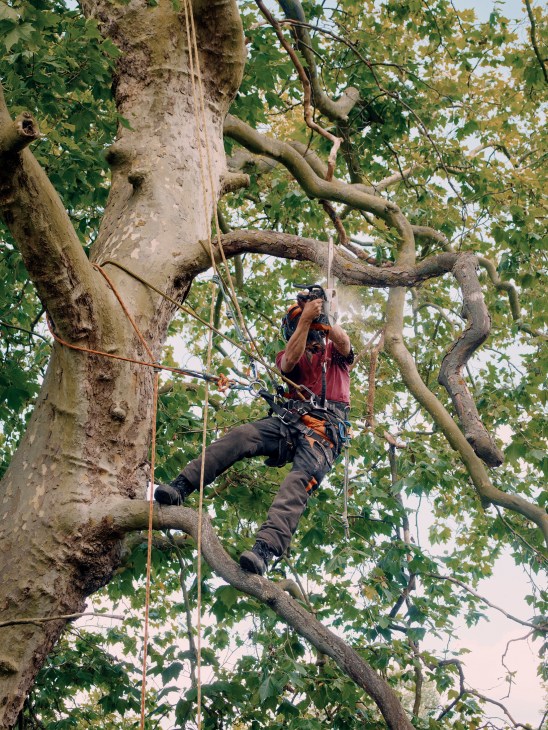
The rotary blade ceases its infernal roar, to be replaced by the sound of creaking. I take a few steps back. The severed branch, loosening its tendrils, braces for descent. It hits the ground with a dull thud, bounces, pirouettes and crashes into the driver’s door of a large white truck. “That’s going in the damage report,” yells James Hedges, the aptly surnamed arboricultural manager for the London borough of Greenwich.
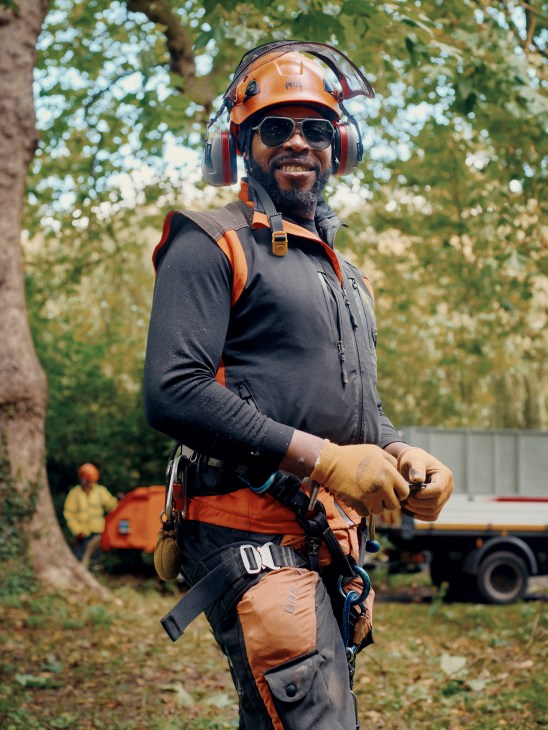
Hedges and his small team are responsible for tending 117 parks and open spaces throughout the borough. Theirs is an expansive beat and a burgeoning trade. Arbory (often called tree surgery) has its roots in logging and other manual work carried out under the umbrella term of forestry. But as awareness grows around the importance of plant life, the arborist’s remit is becoming increasingly conservational.
Still, the popular perception of tree surgery remains that of gnarled men swinging from mighty oaks, chainsaw in one hand, roll-up cigarette in the other. The reality, from where I’m standing, doesn’t seem far removed, even if Greenwich arborists Danny and Dave wear specialist climbing harnesses, helmets, goggles and ear protection – and smoke only as a post-op indulgence.
The pair are working the Tarn, a small park that’s one of many fronts in the battle against a deadly scourge. Ash dieback is an aggressive fungal disease that’s endemic among European ash trees. The arborists’ job involves identifying stricken plants, then treating, pruning or, as a last resort, amputating their limbs. Just as harmful are menaces such as sweet-chestnut blight and oak processionary moths, which bear hairy offspring that devour leaves.
The Greenwich team has an impressive arsenal to use against these bio-insurgents. “We’ve got everything from hedge-cutters, trimmers and blowers to chainsaws and ride-on mowers,” says Hedges. But despite the kit, the arborist’s role is mostly pastoral.
“What you hear is the chainsaw,” says Hedges. “But a large part of my job is conservation: we plant more trees than we fell.” He is in as good a position to know this as anyone. “My grandad started a plant nursery when he was in the fire brigade,” he says. “After the war he moved into grounds maintenance, which eventually became tree surgery.” Though he initially resisted the call of the saw, Hedges eventually made his way back to the family trade in Greenwich.

Greenwich is home to more than 50,000 trees, a vast number for an inner-city district. They absorb London’s harmful fumes, converting them into oxygen. Without proper care, these pockets of urban wilderness would wither and die. Hedges and his team ensure Londoners can breathe easy.

UK
Weather beaten
How AI is improving the forecast
In the UK, as the novelist Martin Amis once said, you have to fight the weather. Most of the time it’s a pretty one-sided contest. No matter how diligently you prepare, the weather still possesses that all-important element of surprise.
Due to a number of convergent geographical factors – the Gulf Stream, its location at the end of the Atlantic storm corridor, excessive moisture in the air – the UK’s weather is unpredictable. Some have posited this as a contributing factor in its inhabitants’ preoccupation with the country’s climate. It’s certainly why there are so many meteorological researchers based here. The Met Office, the UK’s national weather service, occupies a semi-religious position in its citizens’ lives. For years it has been developing software to better inform its prophecies. These predictions feed into the apps and websites that Britons check obsessively, looking for clues as to what the weekend might bring, as well as something to talk about – research conducted in 2010 found that nine in 10 Brits had discussed the weather in the previous six hours.
But thanks to artificial intelligence (AI), all this chat might soon dissipate quicker than another cloud leaving UK airspace. DeepMind, a London-based research laboratory owned by Google’s parent company Alphabet, has begun using AI to develop a form of short-term forecasting (“nowcasting”), called deep generative modelling (DGM).
Currently, large supercomputers conduct simulations of how the weather usually behaves using complex equations. Though these are effective for long-term forecasts, they have difficulty making accurate predictions within the first two hours of a simulation. This is where dgm comes in. “What you have today is good-quality data recording the amount of moisture in the atmosphere across the country,” says Shakir Mohamed, a senior DeepMind researcher working on the modelling. “What’s happened in the past few years is that the quality has improved – you get these figures almost in real time. So you have this need where existing methods don’t work, and then you have lots of data that’s available.”
The system generates a video, which is similar to those you see in TV forecasts, by using radar images showing moisture in the air. It then predicts what the next two-hour frame will look like. In a large study conducted by DeepMind, 89 per cent of expert forecasters judged dgm first among nowcasting models for accuracy and usefulness. But wouldn’t such technology render these forecasters obsolete? Well, not entirely. The truth is that accurate nowcasting is essential for keeping pace with ever more unpredictable weather caused by climate change. “It is focused on predicting those heavy and medium rain events that cause damage and require emergency services to make a decision to safeguard property and life,” says Mohamed.
The Met Office is now thinking about how to incorporate dgm in the near future. DeepMind’s research is open access, so it could be used by meteorological services in other countries. Might there be a point when its predictions inform Google’s search function? “That would be a great thing,” says Mohamed.
But what of British small talk. Will a nation of guarded interlocutors be forced to work harder in order to break the ice? “I don’t think so,” says Tom Fort, author of Under the Weather: Us and the Elements. “Most of the talk is not about what the weather is going to do, it’s about what the weather is or has been doing.” In a country where the weather is always doing something, people need not worry about conversation drying up.
Iceland
Clean-up operation
Capturing carbon
In September 2021, in a field outside Reykjavík, Swiss eco-tech company Climeworks opened Orca, the world’s first direct co2 capture and storage plant. Even though it is the world’s largest carbon-capture facility, Orca can only remove 4,000 tonnes of co2 a year – equivalent to the annual emissions of about 790 cars. This might seem like a drop in the ocean but luckily Climeworks is not the only player in the market. Los Angeles-based Carbon Capture Inc claims to seize carbon far more cheaply than the Swiss company.
For Climeworks though, just getting to this point has been an achievement. The business was founded in 2009 by Christoph Gebald and Jan Wurzbacher, two mechanical engineers who met while studying at eth Zürich. They observed the insidious effect of climate change first-hand, noticing Switzerland’s decreasing snowfall and declining glaciers.

Twelve years on, Orca was born. And there are already plans to significantly increase its capacity. Strong demand for its services and some high-profile partnerships has captured not only the world’s carbon but its imagination too.
Swiss Re, Shopify and Audi are all eager to become partners, while Microsoft has recently added Climeworks to its carbon-removal portfolio. These partnerships are giving the company the confidence to plan big. “We are prepared to rapidly ramp up our capacity over the next few years,” says Wurzbacher. “Orca has provided a scalable, flexible and replicable blueprint for success.”
Climeworks now operates 14 direct air-capture facilities around the world but it estimates that it would take about 750,000 Orcas to convert 1 per cent of global co2 emissions. “Achieving global net-zero emissions is still a long way off,” says Wurzbacher. “But with Orca we have taken one significant step closer to achieving that goal.”
Switzerland
Caffeine fix
Kooky’s reusable cup solution
If there was any doubt that Australians love coffee as well as the environment, look no further than the rise of Keepcup. The Melbourne-based brand kickstarted a global movement when it launched its namesake reusable coffee cup in 2009, introducing a receptacle that could be used again and again for caffeine hits, while also limiting the waste associated with disposable, single-use options. By 2020, Keepcups and their counterparts were commonplace in coffee shops across the globe.
However, the pandemic led many cafés to no longer accept reusable vessels, resulting in an increase of disposable cups, once under threat from their multi-use rivals. So what next?
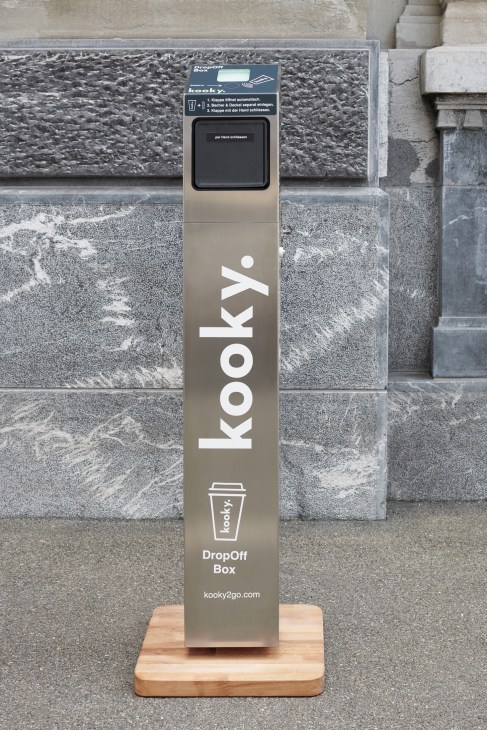
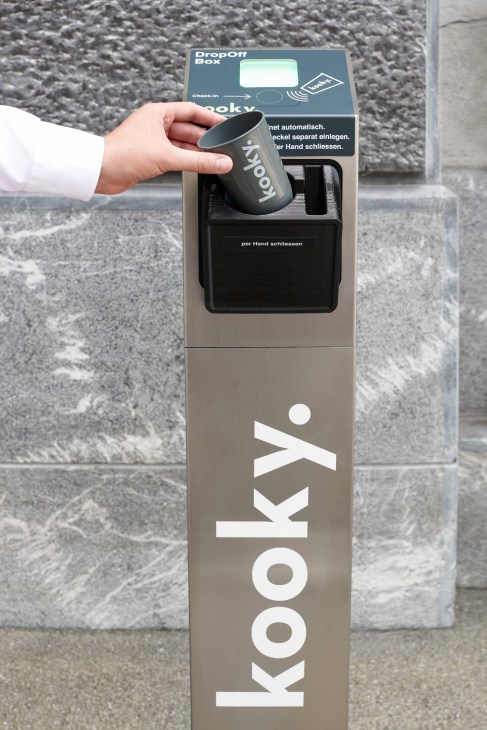
Well, if the Australians pioneered the first reusable wave, it’s the Swiss who are launching the second, thanks to Zürich-based start-up Kooky. Consumers can now pick up a coffee from selected cafes in a Kooky Cup that can be disposed of in dedicated Kooky Bins across the city. These are emptied by e-bike couriers who bring the cups to washing centres for cleaning, before they’re used again. The simple idea behind the model? To make the reusable disposable.
Germany
Read it and reap
Frankfurt Book Fair
The book-publishing industry has passed its biggest stress test. That was the view of many insiders at the Frankfurt Book Fair in October. “It is the best time since Gutenberg invented the printing press,” said Markus Dohle, CEO of Penguin Random House, at the event that attracted more than 2,000 companies from 80 countries. Over the past year the industry has found a business model that embraces digital and print while enjoying a growing audience, bolstered by rising literary rates and time spent at home. So what can we expect from the next chapter? Here are some predictions from the fair.
Popular genre: Political books will still sell well after the success of Obama’s A Promised Land and Reni Eddo-Lodge’s Why I’m no Longer Talking to White People About Race.
Poets taking off: Following Amanda Gorman’s rise, and the fact that stanzas are easy to promote online, poetry will be prominent.
Viva España: Spain will be “Country of Honour” at Frankfurt 2022. So prepare for more books by Spanish authors, such as Andrea Abreu.
AFRICA
Healthy pursuits
Medical tourism’s rise
Think of tourism in Africa and you’re likely to conjure up images of beach holidays in Tunisia or safaris in Kenya. Hospitals are unlikely to feature. However, according to a report by the London-based General Insurance Market Research Association, times are changing as several African economies eye the growing market for medical tourism. It’s a burgeoning sector that’s now worth some $274bn (€237bn) a year, with close to 14 million people from across the globe seeking treatments beyond their home countries before the pandemic hit.

The African nations seeking a larger share of this market tend to be the already well-established holiday destinations. South Africa, considered to have the best healthcare system on the continent, is a pioneer and, according to Southern African Development Community rankings, it leads Africa’s healthcare-tourism industry. Many patients travelling there for medical reasons come from other African countries, arriving not only for essential care but also affordable fertility treatments and cosmetic surgery.
It’s a similar story in Tunisia, which prior to 2020 was attracting about 580,000 health tourists every year, with its clinics often located close to the country’s most popular resorts. Key to the country’s success is thalassotherapy (the use of seawater to tackle a range of skin ailments), ranking second only to France for the treatment. Morocco’s tourism ministry, meanwhile, has put health and wellness at the heart of its plan to bolster visitor numbers from Europe.
Egypt is also keen to develop a medical component to its tourism industry, hoping to attract Africans who might otherwise travel to Jordan, Turkey or Europe for their treatment. Work is underway to build a sprawling “medicine city” on the outskirts of Cairo that will include more than a dozen clinics aimed at foreign visitors.
Although general healthcare across Africa remains underdeveloped, the hope is that revenue from medical tourism could help fund better treatments for all, which can only be a good thing.
Switzerland
University challenge
An extracurricular incentive
What does the future of a university education look like? If you were to ask professor Sarah Springman, rector of eth Zürich, it would resemble a free-for-all in a renovated 1930s factory. After all, she was recently involved in the inauguration of the university’s Student Project House in a heritage-listed, former district- heating building in central Zürich. “It’s a new study environment that goes beyond traditional learning,” says Springman.
Opened in October 2021, the Student Project House is comprised of workshops and studio spaces that can be utilised by university students who are working on extracurricular projects. Across its five floors, undergraduates and postgraduates from eth have been granted round-the-clock access to equipment – including 3D printers, laser cutters, sewing machines and drill presses – that they can use to prototype products and test business models in an environment that’s completely free of the constraints of the classroom.
“We want to encourage students to try new things by initiating and engaging in projects that explicitly don’t form part of their studies,” says Springman. “It’s about giving students the opportunity to extend their skills beyond their specific degree programme.”
These projects can range from the personal – perhaps you want to make some new dining chairs and need to use the bandsaw in the timber workshop? – to more ambitious and scalable business models. The latter can receive support from the university in the form of coaching, with the possibility of also being granted chf400 (€375) of funding every semester, which can go towards materials. This is complemented by a range of networking events for students in which they can share ideas, thus encouraging cross-pollination across the cohort.
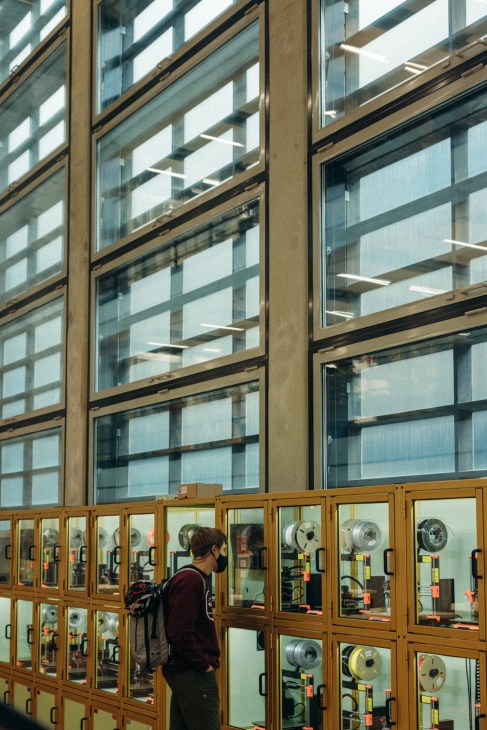
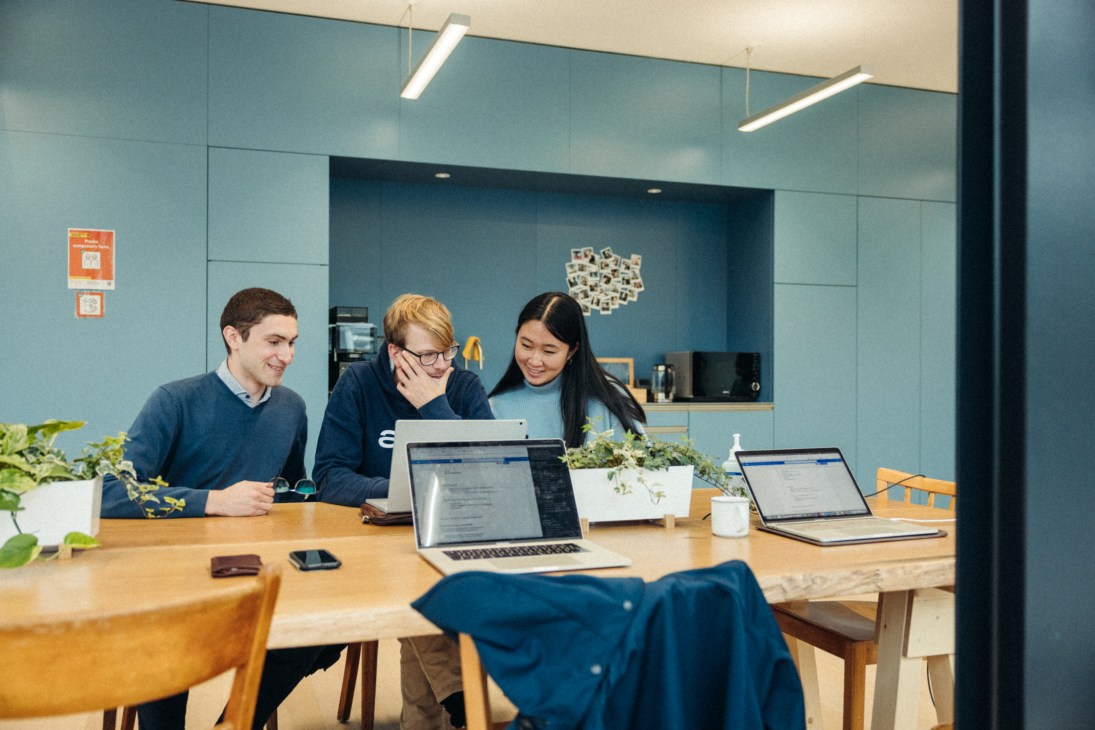
Although the factory space might be new, the overall model has been part of an ongoing trial run by eth since 2016, when a pilot Student Project House programme was launched at its Hönggerberg campus on the outskirts of the city. Here, successful projects have included Digitsoil, a device that farmers can use to easily analyse soil health, that received chf150,000 (€140,000) in additional funding.
“It has convinced us that the knowledge acquired in eth studies, when combined with the freedom of tinkering, can lead to great innovations,” says Springman. The Forecast expects that this will continue to be the case in the university’s newly renovated space.
Global
Name dropping
Rewriting the map
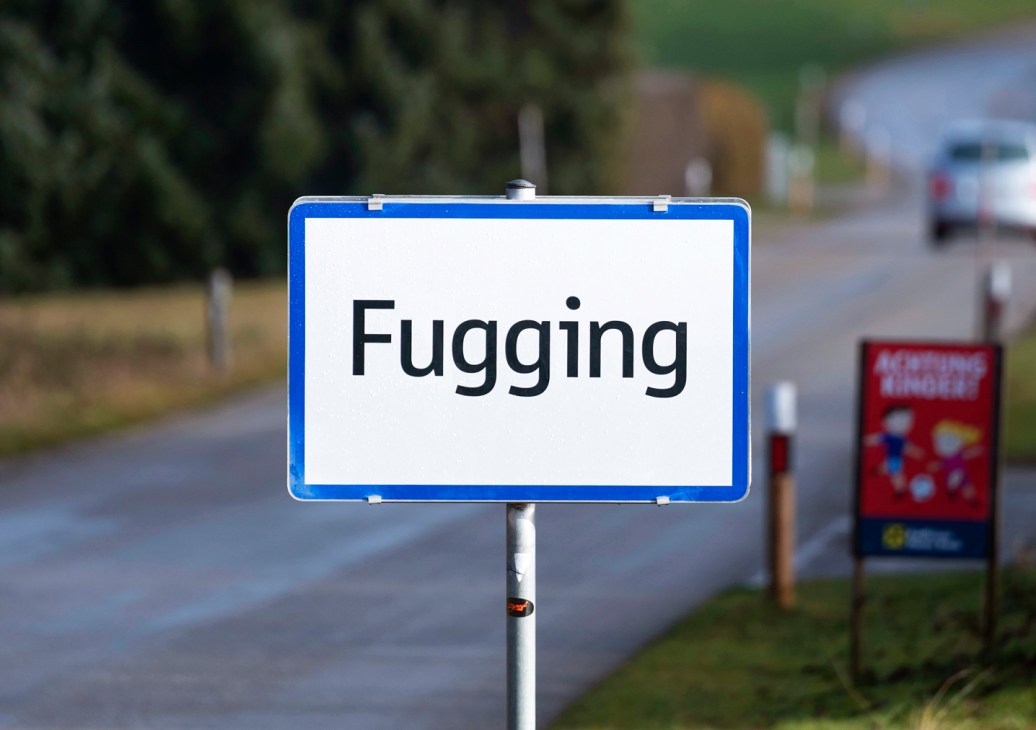
In 2021 the South African town of Port Elizabeth became Gqeberha – to reflect a confident local identity rather than an ossified colonial one. In Austria, the village of Fucking, wearied by centuries of mockery and theft of its road signs, became Fugging. In 2022 the world’s cartographers will again be applying their erasers. Some reformers have their sights on Durban, still named after a British administrator; perhaps more optimistic is the lobbying for Cape Town to adopt the Khoi name “//Hui !Gaeb”. But the most dramatic recaptioning could involve an entire country, New Zealand, where the Maori Party is petitioning to replace the current homage to a province of the Netherlands with something that has far more historical and local resonance: the indigenous name Aotearoa.
USA & Europe
Clearing the air
Boeing and Airbus compete to be the greenest
Finding ways to stay aloft without burning conventional jet fuel is an existential issue for the aviation industry. Stricter emissions regulations are en route – the EU, for example, has agreed to cut overall carbon emissions by 55 per cent by 2030 – and the co2 debate has become PR baggage. That’s why Airbus and Boeing, the world’s largest aircraft manufacturers, are engaged in a technological dog fight, in which the aim is greener, quieter and, perhaps, a bit slower.

Europe’s Airbus is taking a punt on unproven technologies, pursuing radically different airframe designs and declaring that it will put hydrogen-powered craft into service by the 2030s. Boeing’s approach is more conservative: to chip away at emissions through incremental improvements, such as subtle changes to reduce drag, coupled with growing use of sustainable aviation fuels (SAF).
SAF will help to cut emissions in the short to medium-term because the overall process to source and refine them produces at least 80 per cent less carbon than fossil fuels. However, they’re unlikely to be a long-term solution because aircraft using them are still burning fuel. Moreover, there’s no guarantee that these biofuels are sustainably sourced. And they are far more expensive than standard jet fuel.
Even though aviation accounts for only about 2.5 per cent of global co2 emissions, it is, of course, a good thing that manufacturers are pursuing ambitious designs. In October 2021, the International Air Transport Association called for net-zero carbon emissions across the industry by 2050. Whether that’s realistic will depend on Boeing and Airbus taking risks. If we want to fly as we do today, we must hope that this race is one that both runners win.
Images: Pascale Weber, Getty Images
Home soil
Despite its fertility, Lebanon has long relied on imported produce; some 80 per cent of it comes from abroad. Over time this abundance of foreign food has made local ingredients feel less relevant to many and the country’s rich culinary traditions and production practices have fallen into jeopardy. Before the advent of Lebanon’s current financial woes, the Taha family saw this gap in the market as a way of doing good.
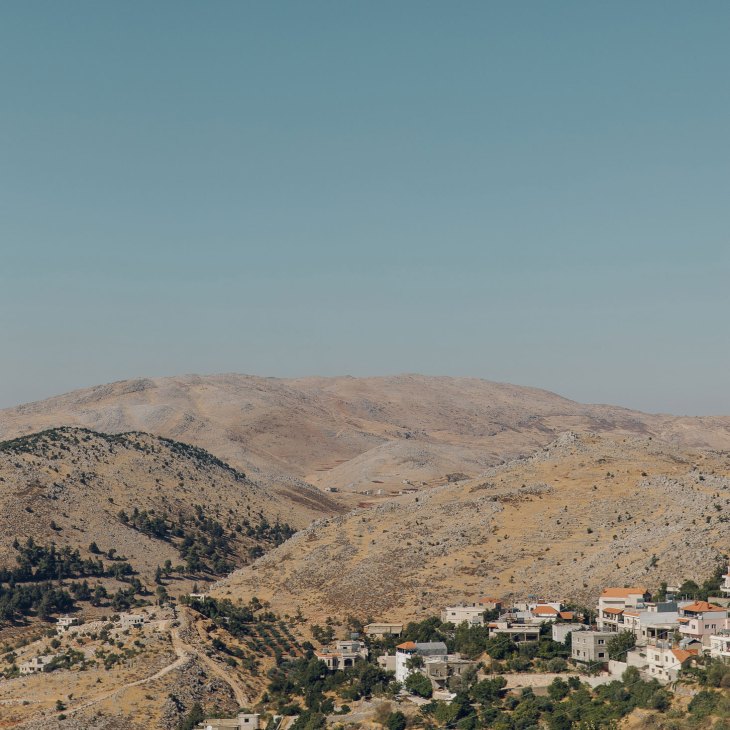
The mission became more urgent as the Lebanese pound went into freefall and unemployment rocketed. But, according to Kamel Taha, founder of Beirut food shop Feryal, there is a slither of a silver lining for the country. “Now people are looking local again, both because they can’t afford imported goods and as a way of making an income,” he says. “We’re seeing many more families and producers returning to these traditional methods of production.”
“Traditionally in Lebanon, every family has its own larder and local producers who they consider to be the best at making every item that goes into it,” says Taha. “So we thought, why not bring that to everyone?”
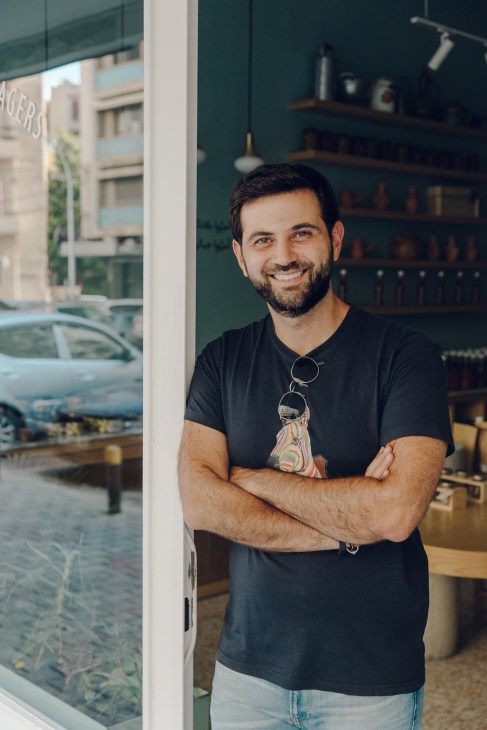
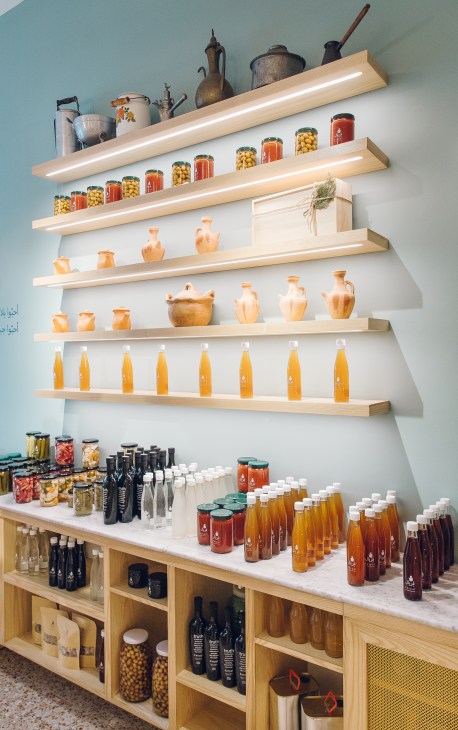
Taha and his parents Faleh and Feryal (who gave the shop her name) spent two years visiting the beaches, mountains and valleys of this small but diverse country to find what they believe to be the finest examples of various traditional ingredients. “We took recommendations too,” says Taha. “The person who provided our olive oil might have said, ‘I only use this particular spice from this particular village, it’s the best’, so we’d go and visit there too.”
The shop is in Beirut’s upmarket Ashrafieh neighbourhood. It is a softly lit, welcoming affair with pine shelving and pistachio-hued walls. Surrounding a thick stone table carved with a relief map of Lebanon are stacks of burgundy-bright sumac from the southern borderlands, scarlet spicy harr paste from the mountains to the north and the apricot blush of orange-blossom water from trees that overlook the waves of the Mediterranean. “Every product really tells the story of a village, a terroir,” says Taha. “It’s tens of hundreds of years of stories, of recipes, of know-how being passed down.”
Charbel Bteish is one such producer – and to say that he knows his apples is an understatement. He has tended his orchards in the breezy mountain town of Kfardebian for decades. The area is known for old stone houses and lush trees – and now for Bteish’s apples. What started as a modest copse has become almost 100 towering trees, their wide branches heavy with fruit; Royal Gala, American Scarlet, Lebanese Green. He pulls one from a tree; “Don’t wash it, you have to taste it fresh,” he says, tossing me an apple before biting through the ripe flesh of another. Glee spreads across his face and a drop of juice runs down his chin. Bteish has honed his knowledge of cultivation to the point where he can cross-breed apple species by intertwining their roots. He doesn’t allow artificial fertilisers or pesticides near his orchards and says that’s the secret to his crops’ flavour and durability. He produces a popular line of byproducts too: his apple molasses – a tarter alternative to the traditional pomegranate variety – grace Feryal’s shelves and groups arrive to collect boxes of his cloudy apple juice. Bteish makes the juice in a shed behind his house using a traditional steel press powered by hand with a motor and a weighted wooden beam.
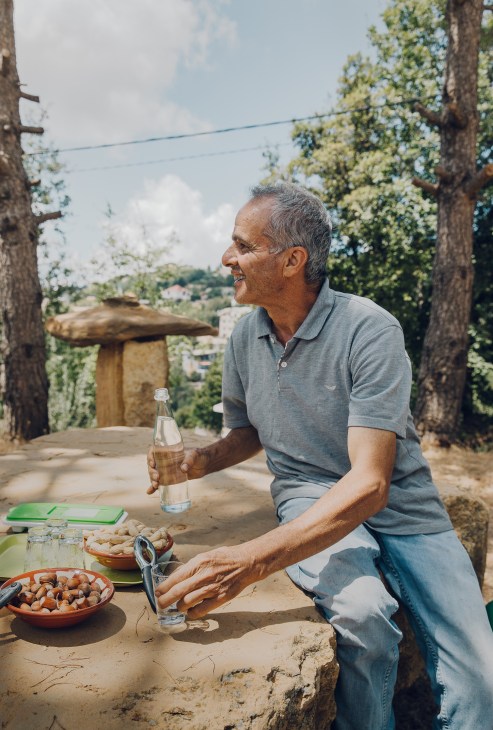
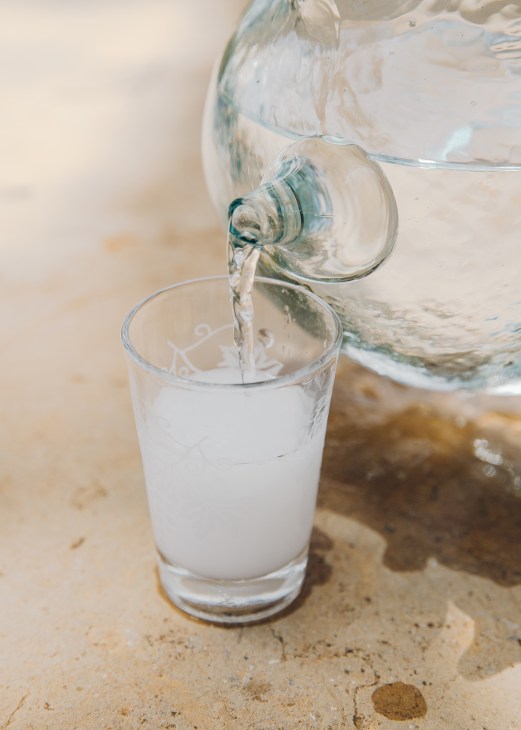
As we sit around a worn wooden table in the airy garden, with the tall trees providing shade from the midday sun, Bteish serves juice and cracks open nuts picked from his hazel trees. Then it’s time for arak – an aniseed spirit that is usually made from grapes but which Bteish, of course, makes from apples. “I’m so lucky to live this happy, calm life,” he says. “The land, the trees, my neighbours who I’ve known for years – that’s all I need.”
He sends us off with bags bursting with sweet, fresh fruit and a promise that we will soon return. We take rough mountain tracks from Mont Liban down towards the lush Bekaa valley. In the small village of Rashaya, perched on the Syrian border, we meet Elie and Maria Abou Marouf and their four-year-old daughter Maryam. As we drive up the hill and step out onto their wide balcony that overlooks the rolling hills of the valley, the sounds and smells of frying and chopping indicate that lunch is on the way.
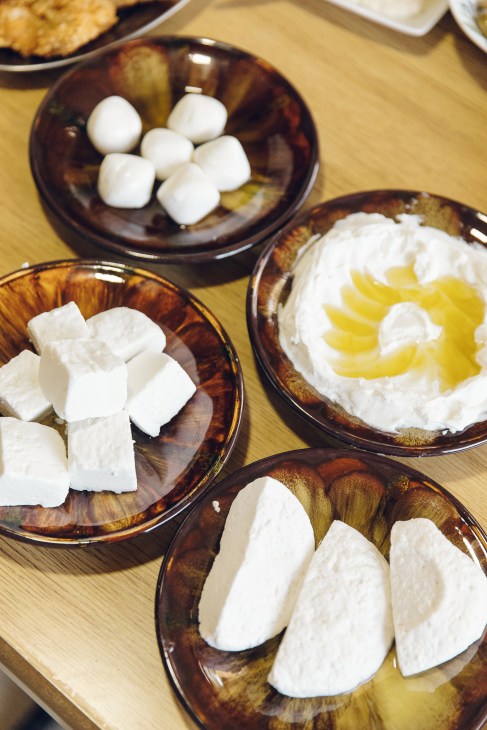
On a table overflowing with plates large and small, Maria serves a platter of rice, vegetables and beef accompanied by a lemony cabbage salad and a sour yoghurt and cucumber drink. Then the rest of the dairy products, for which the Abou Maroufs are famous, arrive.
Elie moved to the town when he was a boy. In search of a way to support her family of nearly a dozen, his mother, a single parent, turned to making goat-based dairy products. The produce she made quickly became popular: labneh yoghurt for local breakfasts, hard cheeses rolled in bread and served with cucumbers to soften the sourness; creamy areesheh cheese curd coated in honey, walnuts and raisins for desserts. This mountainous region is at the heart of Lebanon’s traditional grazing lands and goats do well here thanks to the rocky terrain. The sour milk that the animals produce gives Lebanese dairy produce its distinctive flavour.
Elie travelled to Damascus in 2017 to convince Maria to marry him and return to Lebanon to start a family. He arrived with armfuls of fresh labneh as a gift for her family. It was a taste of what to expect. Now Maria is the driving force behind their business: she is up at the crack of dawn to stir, heat, cool and cut their homemade dairy products for their growing list of customers, while Elie works his day job in the army and spends his mornings and evenings transporting orders. Maryam is only four but she has the hostess gene, pointing to plate after plate to ensure that we’ve tried everything. “Having inherited this knowledge, this local understanding, has saved us,” says Elie. “This business has kept us going and now we hope to expand even more.”
This hospitality culture and the food that gave birth to it make Lebanon an endless source of culinary discovery. As we prepare to leave, Elie brings extra treats to our car; jars of areesheh are balanced against figs fresh from the garden. Our car is laden with delights as we embark on our long journey south.
On a dusty road just off the Nabatieh highway is a row of old, wide garages. As we approach them we see a cloud of dust emerging from one. The sound of a buzzsaw slows and Ibrahim Traboulsi appears, his eyes shining through a face filmed with sawdust. The area is known for its fine handmade furniture but Traboulsi does more than that: he fits home interiors from scratch and has produced a line of delicate sliding wooden boxes that Feryal uses to present its products.
Traboulsi has been working with wood for nearly 40 years, since he was 15. Like most of the boys in his town, the best hope he had of finding work was to become an apprentice. Luckily for Traboulsi, his job became his life’s passion. Now he’s passing his trade on to the next generation; his workshop is abuzz with the sawing and scraping of the three young men he’s taken on to assist him. The youngest of them is 16 and his eyes light up as he watches Traboulsi at work.
With Traboulsi’s team, there’s no time for lunch. Instead, thick, hot, black cardamom coffee is downed hurriedly under the overhanging garage door. As craftsmen like these have done for centuries, they’ll have a big meal with their families when they get home at the end of the day.“In my line of work, we say you’re either an artisan or a lumberjack,” says Traboulsi. He is the former, of course. Rather than destroying wood, he shows his respect for it by using it artfully for new purposes.
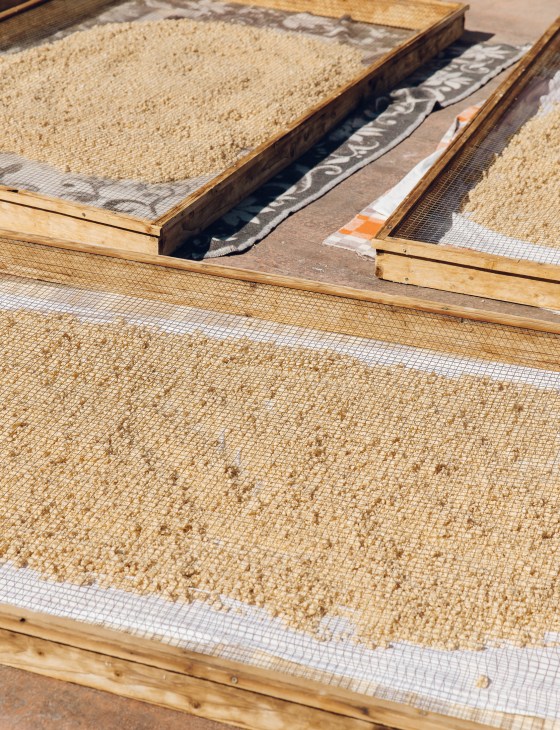
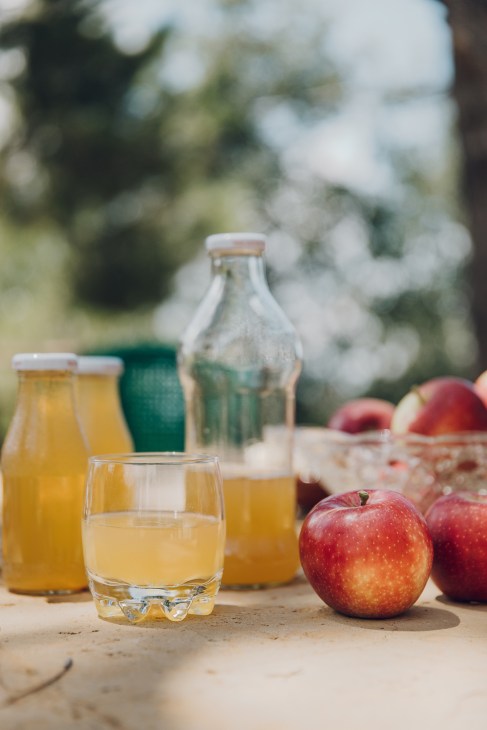
In some sense that’s also Feryal’s philosophy: to work between producer and customer, respecting both in finding and supplying the best product. “Our main vision is to protect those who are producing locally and protect the culinary heritage but also empower people to prosper in their own land to ensure their survival.”
At the end of our extraordinary journey we return to Feryal. Taha, the shop’s founder, explains that he hopes his family business can be a counterpoint to the faceless scrum of modern consumer culture. “Storytelling is at the heart of our business: explaining why this producer is the best person to provide this product,” he says. “When you can put a face and a story to the food that you hold in your hands, you will enjoy it more.” His mother sprinkles a healthy serving of her homemade za’atar spice mix over warm bread, coats it with silky, golden, hand-pressed olive oil and starts cajoling me into yet another mouthful. As she does so, she tells tales of her childhood lunches. It is hard to argue with Taha’s logic.
Recipe: Charbel Bteish’s Sfoof
(Apple molasses cake)
Ingredients
- 500g semolina
- 250g wholewheat flour
- 2 tsps baking powder
- 125ml olive oil
- 250ml apple molasses
- 250ml water
- Butter or tahini, to grease
Optional
- Mahleb (cherry seed spice)
- Orange blossom water and rose water (to taste)
Method
1.
Mix the dry ingredients thoroughly, then incorporate the wet ingredients to make a smooth dough. Leave to rest at room temperature for an hour.
2.
Heat oven to 180c.
3.
Grease 30cm cake tin or a large baking tray with tahini or butter, then pour in the dough.
4.
Bake for 25 minutes.
5.
Leave to cool. Cut into squares to serve.
Volcanic activity
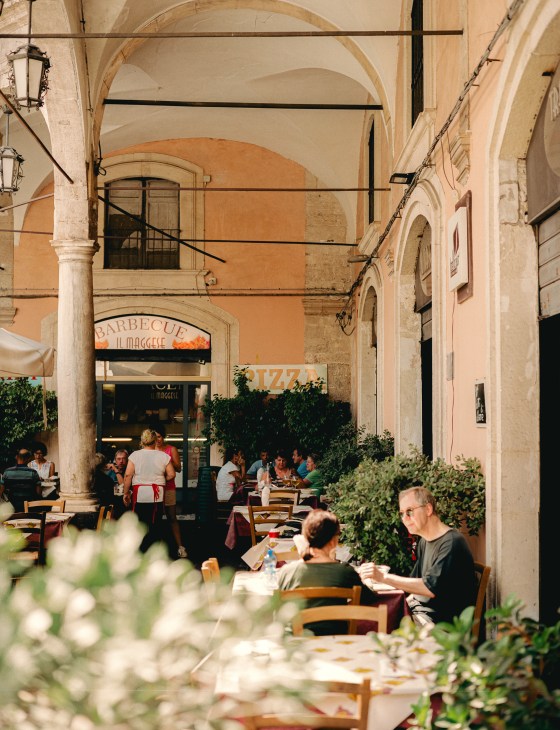
A city splayed between the bright expanse of the Mediterranean and the fiery peak of Europe’s most active volcano, Catania’s natural beauty has much to offer. Its built environment is no less beautiful, though, as ash-coloured buildings made from Mount Etna’s tuff stone have been embellished by centuries of decoration, from curlicues to gargoyles. Although organised crime haunted Catania for decades, things have now vastly improved, says Marianna Nociforo, an architect who founded Scandinavian-inspired Habitat Hotel with her husband. Politicians have stamped down on crime, renovated piazzas and added many more streetlights.
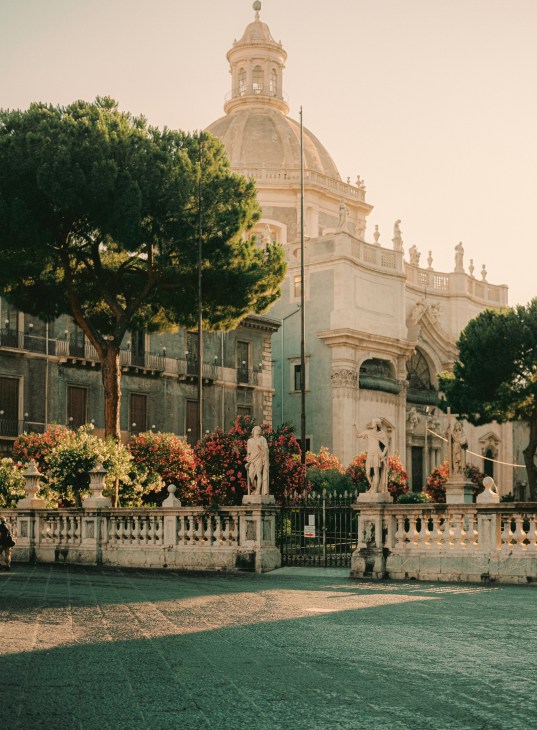
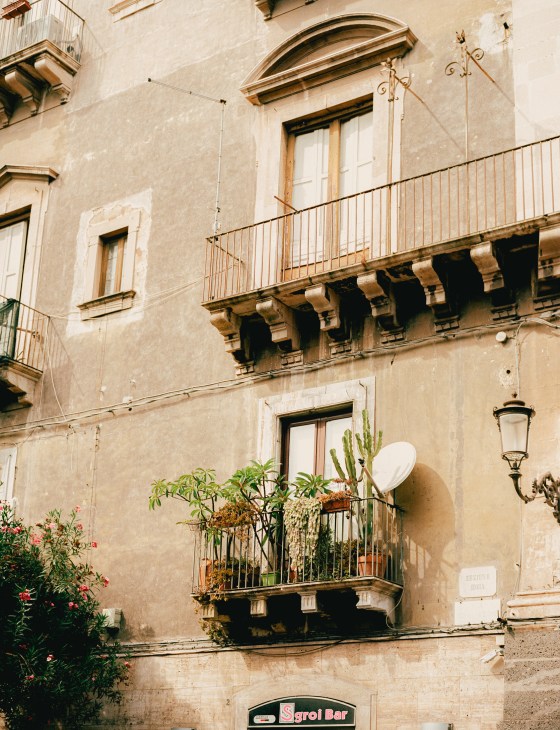
Sicily’s second city is home to the island’s oldest university, dating back to 1434, and education still influences the rhythms of life here. The population of 300,000 swells by a further 40,000 in term time and means that nights out have a tendency to be rather spirited too. While it was once a stopover on the way to Taormina and Syracuse, Catania has increasingly become a destination in its own right.
“After years in the dark, Catania is alive again, and the nights here have been repopulated,” says Nociforo. Her 17-room Habitat Hotel sits along an avenue near the 19th-century Teatro Massimo Bellini. A wide pedestrian walkway now winds through the area, after a revamp 15 years ago that came complete with benches and potted trees: this project – and others like it – symbolise a growing pride and investment in the city, though talk to any local and you’ll hear that more could be done about rubbish collection and flood protection.
This December, Habitat is launching a new restaurant in its neighbouring 19th-century residence, with chef Bianca Celano in the kitchen and a menu of Sicilian ingredients, long-lost recipes and homemade fare. “After this lockdown period, we wanted to work on a project oriented towards the human experience,” says Nociforo.
And that joyful interaction is back in full swing in Catania, where formerly shuttered streets – via Gemmellaro, via Santa Filomena, via Penninello – have a carnival feel on weekends. The Uzeta Bistrò Siciliano, which opened in 2016, is headed by Francesco Distefano, a self-trained chef who had travelled the world teaching his island’s cuisine. He returned home to help others to “appreciate a Sicilian kitchen but seen from a younger point of view”.
New shops have also been opening with a similar mission to both honour and update Sicilian culture. Antica Libreria stocks rare volumes dating as far back as the first printing presses and specialises in first editions from Sicilian authors, antique books about the island and old maps. There is a craft revival too.
At Bottega Frigeri, which opened recently in an art nouveau palazzo, traditional ceramic vases are handmade in contemporary colours. “Young people today don’t want to just work in their family’s businesses any more, they want to realise their own ideas,” says 21-year-old Giuseppe Amore, one of the shop’s founders.
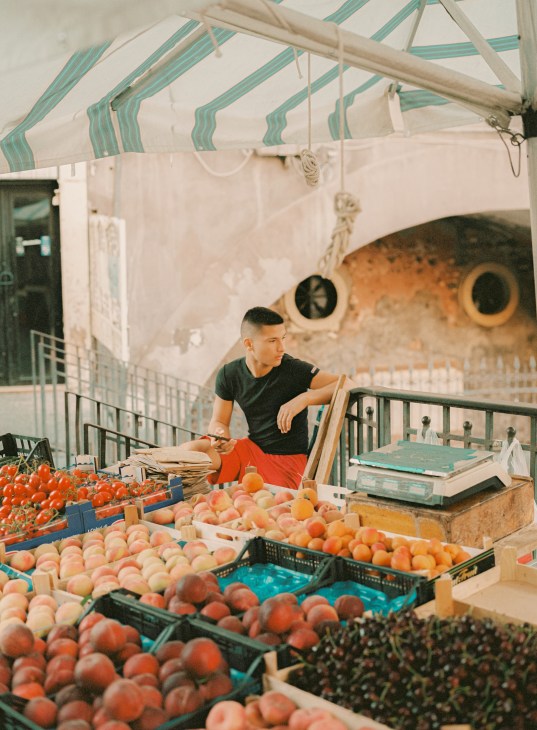
“So many beautiful projects have been born here in recent years,” says Diego Vespa, a nightclub impresario who opened Rix in 2016 with natural wine from nearby Etna and small plates for sharing. He tells us that he plans to transform the restaurant’s neighbouring workshop into an art gallery next year. The city and its culture have been reinvigorated not just by visitors, he insists, but also by a large tide of young people returning home. This is obvious when you walk along the alleyways of the Pescheria, a once scruffy market that’s now home to smart restaurant stalls such as the Anguilla Food Club and Vuciata.
The Asmundo di Gisira Hotel, which also lies on the Pescheria’s narrow streets, is a perfect example of how things have changed. Dentist Umberto Gulisano bought the tumbledown 17th-century palazzo in 2004 and spent 13 painstaking years rebuilding it with modern interiors, balconied bedrooms filled with artworks and a spa. “It’s not a hotel really; it’s a gallery with room and board,” he says.
From the Asmundo di Gisira’s top-floor terrace, there are views over Catania’s terracotta rooftops that reach over the glassy sea and towards Mount Etna smoking in the distance. “There was so much desire to do something with our beautiful city after we had emerged from a period of delinquency,” says Gulisano. “Today every one of us is like a single drop of rain – but together we can form a river.”
Little wonder
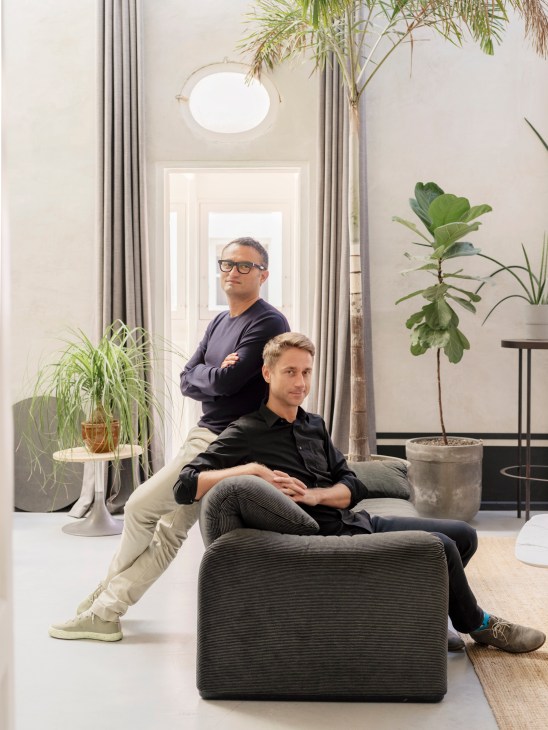
On his rooftop terrace overlooking Valletta’s seafront, Maltese architect Chris Briffa is enjoying a post-work g&t as the autumn sun sets. From this vantage point, the capital of this pocket-sized nation of 500,000 looks well placed to attract outsiders seeking a fresh start in 2022.
Given the archipelago’s enviable climate, resilient economy (unemployment is below 4 per cent) and favourable taxes for individuals and businesses, it’s unsurprising that enterprising types are putting down roots here. “You’re part of the EU, the euro is the currency, people speak English and in October it’s still pleasant for a swim – what’s not to like?” says Briffa.
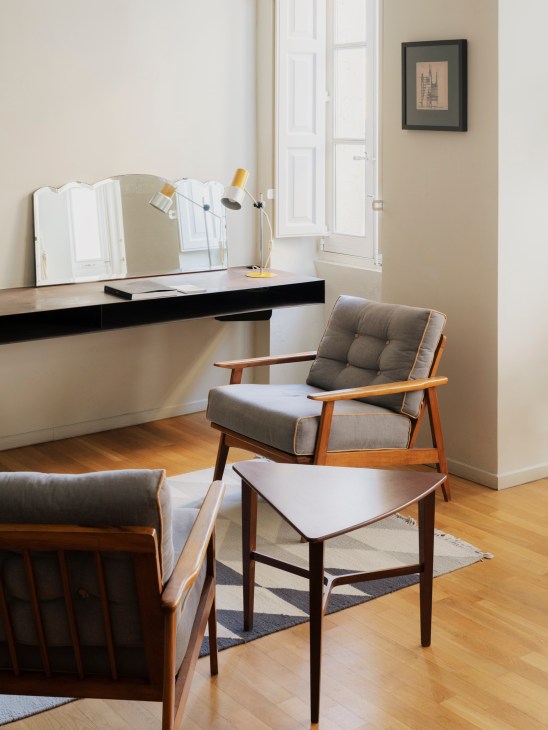
There is also an allure in the mixture of cultures here (the Maltese dialect has Arabic intonations and hints of Italian, English and French), the colour of the sea, the coves and bays, and the golden hue of the local limestone. Valletta’s rich history includes a time when it was the key stronghold of the Knights Hospitaller in the 16th century.
Malta’s appeal has helped Briffa’s architectural practice. After seven years in Japan, including time at Kengo Kuma and Associates, his fellow architect Leroy Merks was eager for a change. “I was ready for a break from bustling Tokyo,” says Merks. “I wanted a warm climate, somewhere small with work opportunities and a great lifestyle. Valletta has a village charm with the amenities of bigger cities.”
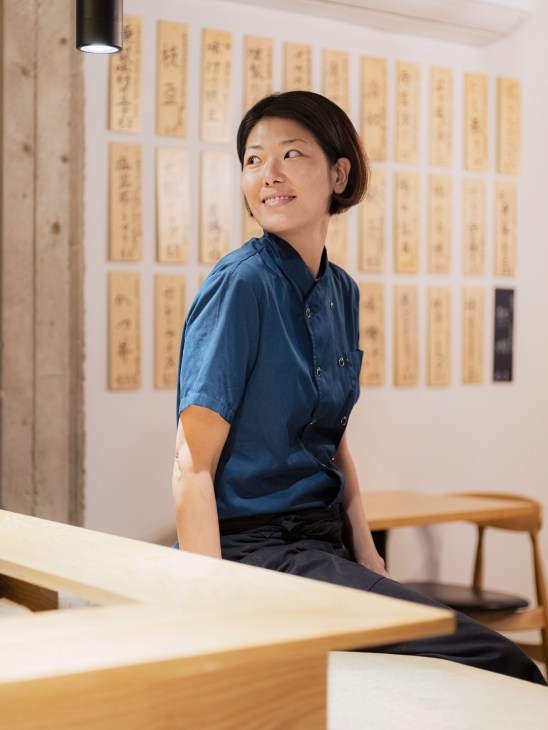
If Merks feels nostalgic for Japan, he can visit N Japanese Bistrot, an izakaya-style restaurant opened in 2018 by chef Miyuki Vinet, a native of Kagoshima, that serves octopus salad, pork cutlets and sashimi. “Here we enjoy fresh fish like the wild tuna that is in high demand in Tokyo,” says Vinet.
Another advantage of Malta’s minute capital is the easy commute. “Things are close so I can walk to work or go out for the evening without worrying about parking,” says Merks. Valletta encompasses less than 1 sq km, but downtown is dense and full of cafés including No43, a salad-and-sandwich bar run by Hayley Todd from Melbourne. “The locals here are friendly, the vibe is easy-going and it’s safe,” says Todd. When four wheels are required, there is often traffic to contend with but a free bus service has recently been launched.
Valletta comprises two natural harbours and a promontory. A ferry brings passengers to the nearby neighbourhood of Birgu in 10 minutes, providing residents with a picturesque journey to work or to run errands (you can take a traditional dghajsa water taxi if you prefer). “It’s a very desirable place to live, with this great historical energy and wonderful scenery,” says Claude Zammit Trevisan, owner of Birgu Blue, a shop and leather goods atelier that opened in 2019.
After time in London, Paris and Rome working for the Maltese Tourism Authority, Trevisan returned and started this venture. He brought in Taiwanese designer Ozzy Chien to create a collection of bags and accessories that Trevisan sells alongside local wine and jam made from island fruit. His business also includes a trio of guest rooms. “There’s less competition here than in bigger cities, and space to grow if you bring some creativity to the table,” he says.
“We’re well connected, with direct flights to major cities, and there’s a fast car-ferry service to Sicily that takes 90 minutes,” he says. Another plus is the recent conversion of many of the city’s abundant rooftop spaces for entertaining and barbecues.
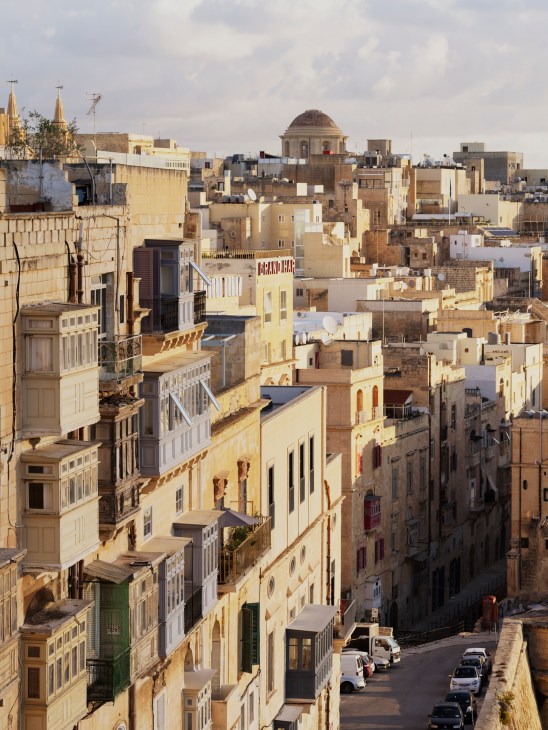
There is plenty of work for architects and interior designers. Dozens of cranes indicate the boom in construction, as do older palazzos covered in scaffolding. It’s what attracted Tunisian architect and illustrator Noura Abdelhafidh, who was drawn to the beauty of the city’s urban townhouses and their gallariji (distinctive covered balconies of wood, typically painted in contrasting colours) that jut out from their façades. “Malta still feels like a land of possibilities,” she says. “There’s space to innovate and experiment.”
Where to stay:
Valletta Vintage
Smart city-centre apartments.
vallettavintage.com
Casa Ellul
Nine-suite boutique hotel in an early 19th-century townhouse.
casaellul.com
Xara Palace
Converted 17th-century palazzo in Mdina.
xarapalace.com.mt
Changing tides
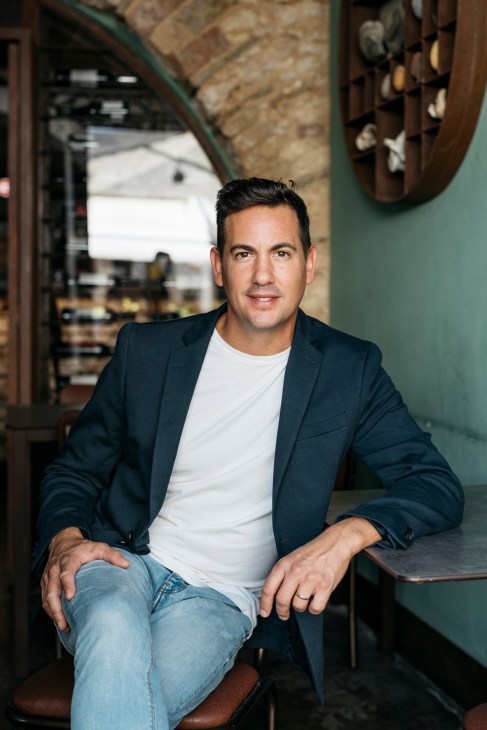
Thousands of Portuguese fled António de Oliveira Salazar’s dictatorship and emigrated to Paris in the 1960s, seeking a better life. In 2018, Christophe de Oliveira surprised himself by making the journey that his parents had made in reverse: he and his wife, Angelique, left the French capital with their two children, Victor and Eduard, to live and work in southern Portugal. “We initially just planned to come for a year,” says de Oliveira. “Then we decided to stay.”
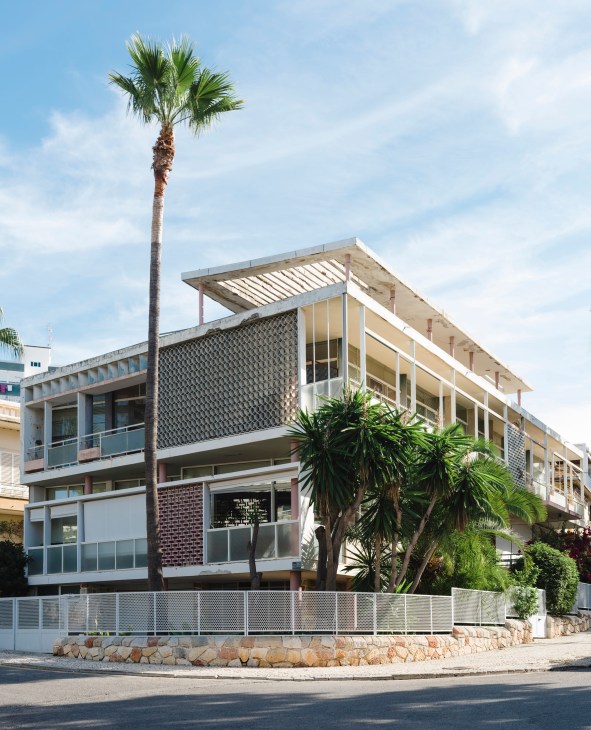
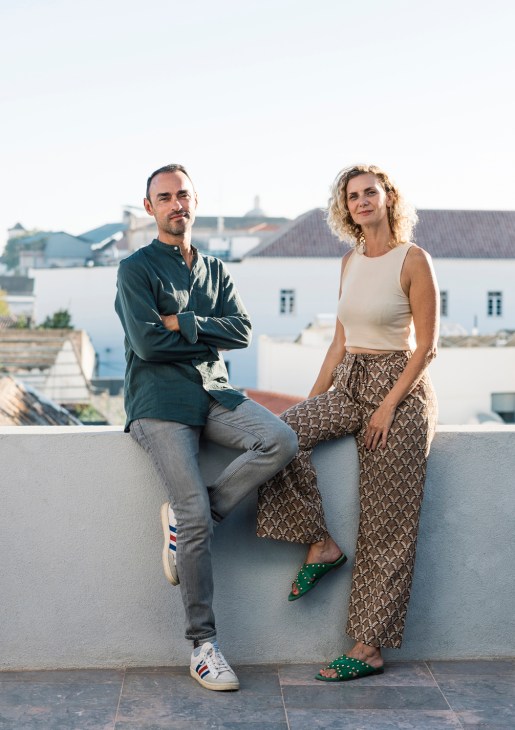
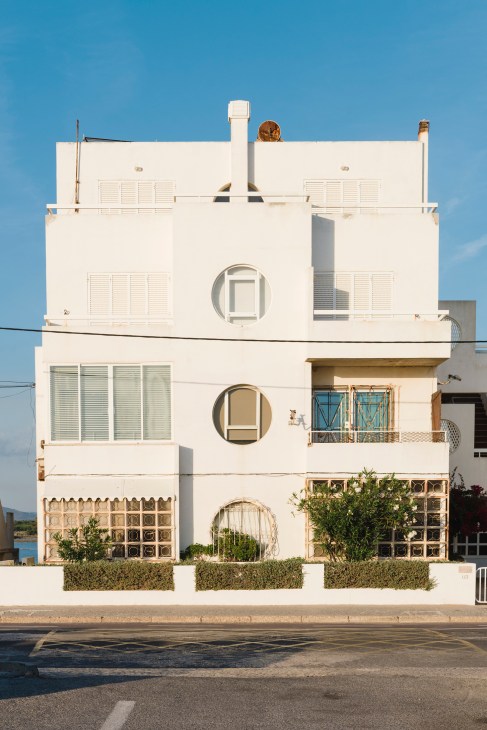
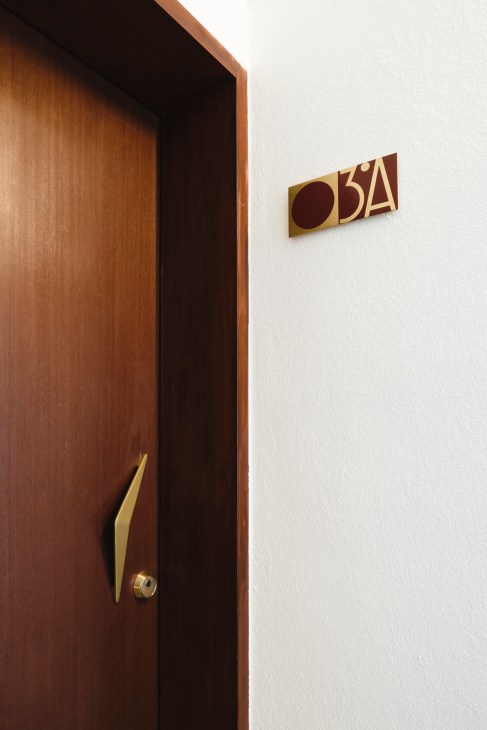
Among their first projects was the renovation of a neglected 1970s building in Faro’s city centre. “People used to say that it was the ugliest building in the city,” says Angelique. After three years of painstaking work (“You have to be patient and adjust to the local rhythm,” she says), it opened for guests in 2021 as The Modernist, a striking six-suite hotel. “For us, Faro is a sleeping beauty,” says Angelique, referring to the city’s beautiful yet long-overlooked building stock.
Architect Gonçalo Vargas has diligently catalogued many of the 500 modernist buildings in this coastal city of just 59,000 inhabitants. He draws our attention to Casa Gago, which was designed by the influential modernist architect Manuel Gomes da Costa in the early 1950s for a Portuguese client. “It’s very impressive how Gomes da Costa produced such contemporary work in this remote area of the country,” says Vargas.
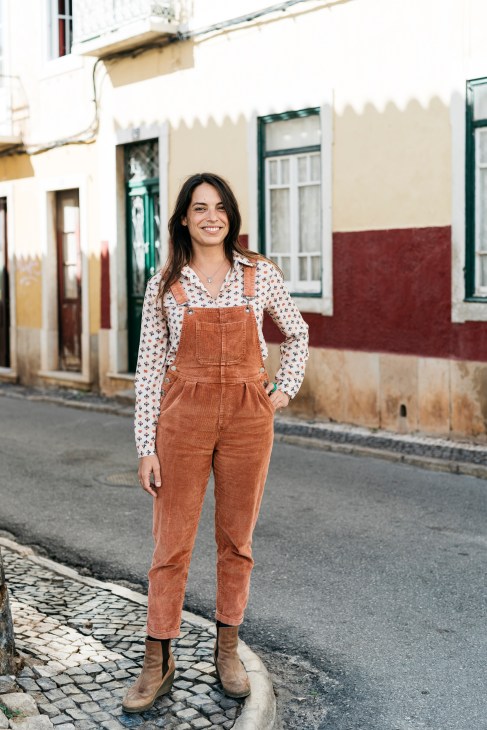
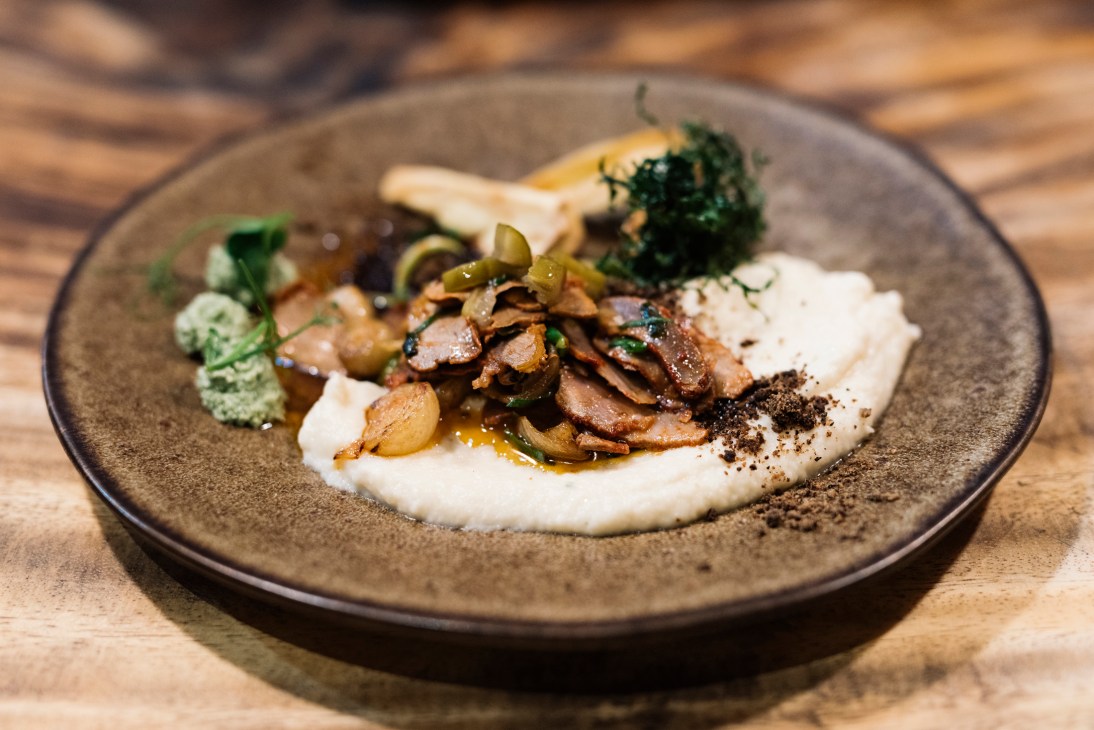
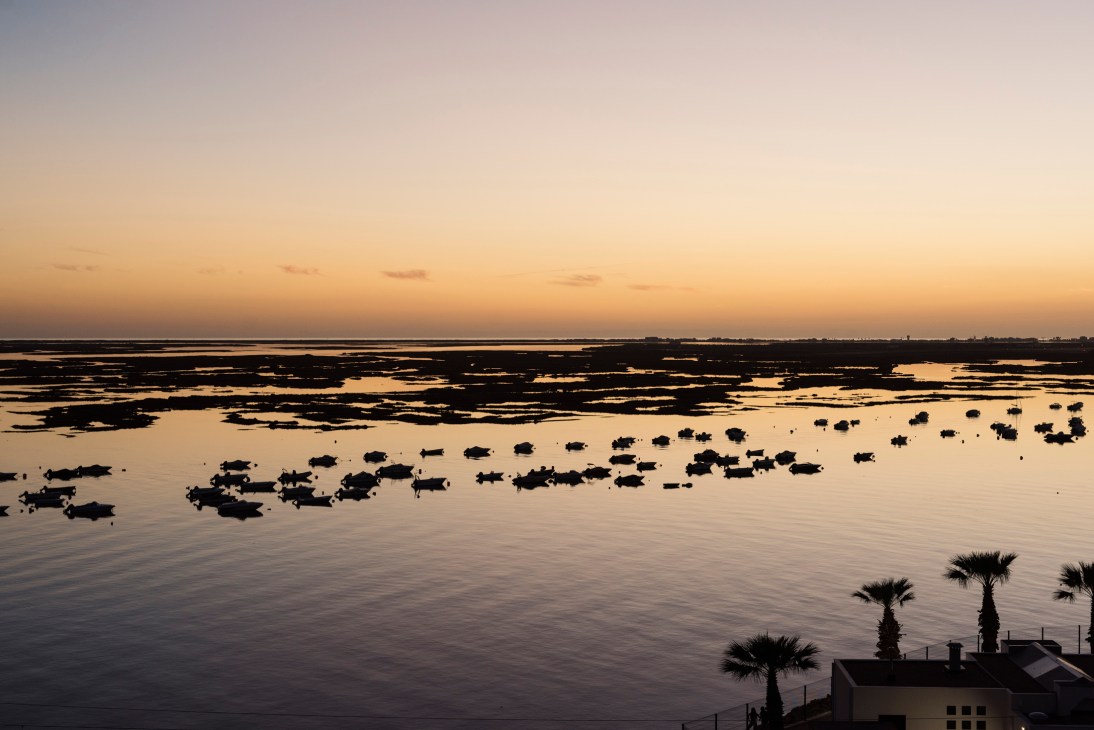
Despite being the capital of the Algarve, Faro has never been the region’s main attraction – but things are slowly changing. Today the city is pushing a new narrative about itself as a place to stay, rather than somewhere to travel through; it is drawing attention to its relaxed pace of life, rich history and recent influx of start-ups. Both Christophe and Angelique de Oliveira volunteer at the Algarve Tech Hub and believe that attracting the right talent and investment could transform Faro into a “mini Silicon Valley”. That’s a big ambition but they’re not alone in seeing some signs of progress. The pandemic has forced many people to reconsider their quality of life and ask whether their work and leisure times could be spent somewhere quieter, sunnier and more affordable – somewhere like Faro.
In 2017, innovation consultant Raquel Ponte, a former journalist, decided to make a career move of her own. She started working for the Faro delegation of Berlin-based digital media company Turbine Kreuzberg, where she met her partner, Austrian-Iranian programmer Rozbeh Sharahi. In early 2021 she started acting as a consultant for entrepreneurs who wanted to set up new projects and break away from the “monoculture of tourism” that dominated the conversation in the Algarve. “There are many opportunities for those willing to take risks and do things differently,” says Ponte.
But it’s not just the technology industry that is inspiring people. João Currito was in Australia the first time he saw a chocolate-like sweet made from the pods of the carob tree. Currito had grown up surrounded by the trees but their fruit had been used only “to feed pigs and the poor”, he says. When he found out that they could be used as a substitute for cocoa, he saw an opportunity. In 2015, after 20 years as a globetrotting project manager, he decided to turn this “highly neglected” raw material into a business. Working with the food engineering and entrepreneurship divisions of the University of Algarve, he and his partner, Ana Paula Appel, launched Carob World in 2019, a line of snacks and spreads that are now sold across Europe, Asia and the Middle East.
Many of the new businesses in Faro date from just before the coronavirus pandemic, a time of great optimism in the region. Now that most people feel that the worst has passed – Portugal has one of the world’s highest vaccination rates – you can once again hear the words “new project” on the lips of its inhabitants.
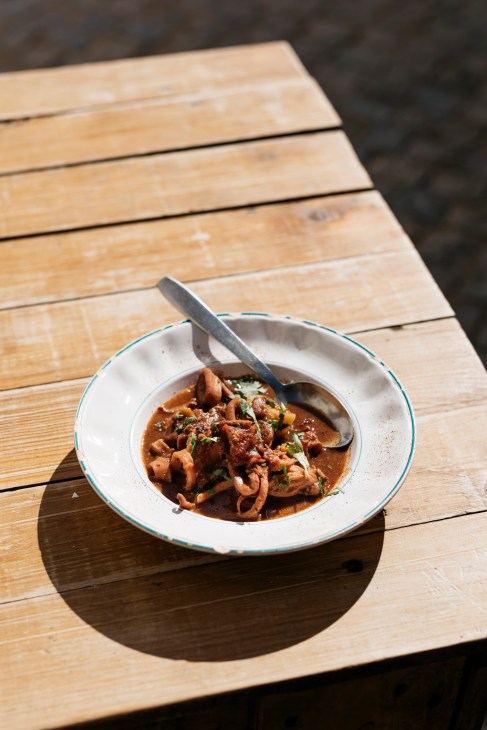
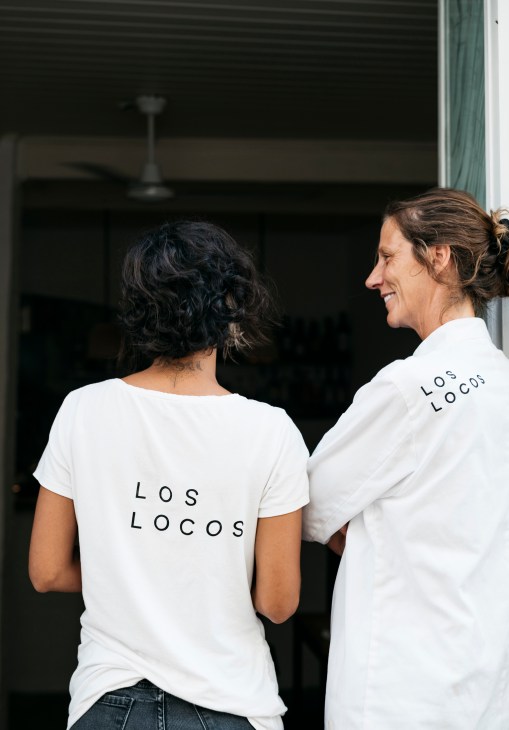
While the pandemic has slowed the influx of people, there is still plenty of positivity here. For entrepreneurs seeking to live well in their free time, there is a wide range of excellent restaurants, from the homely (A Venda) to the refined (Los Locos), alongside more traditional options, such as Lodo. The last of these is run by the Gião brothers, who have added three restaurants to the city in the past five years and are about to open a fourth. While the gallery and museum scene has some way to go, the city’s application to become the European Capital of Culture in 2027 has had an energising effect.
“It’s always hard when you’re trying to create something new,” says sound designer Miguel Neto, who previously lived in Barcelona for nine years. “But that’s what made me stay here. There’s still so much to do.” His wife, Lithuanian Toma Svazaite, says that Faro’s peaceful way of life, its proximity to the beach and its tight creative communities are big draws too. She also mentions projects such as Open Studios Faro, an annual event that she co-founded in which creatives open their ateliers to curious visitors. “Even I was surprised by the high number of creative people in such a small city,” says Svazaite, who launched the Gama Rama Gallery in 2020. “It’s a really nice city,” she says. “And here you have time to enjoy life.”
What to see and do:
Eat
A Venda
Time-tested recipes with an experimental twist, made using regional ingredients. The menu changes regularly. Try the lamb with caramelised pears.
60 Rua do Compromisso
Los Locos
Chef Josefina Cardeza brings together more than 20 years of travels between Argentina, Thailand and Portugal into dishes such as the tom yum of the Ria Formosa and farinheira-sausage gyoza with hot pomegranate sauce. It works too.
6 Travessa das Cocheiras
Lodo
You’ll find the delicious oysters and shellfish in this respectfully renovated 200-year-old building. The house sparkling wine is an excellent surprise.
53 Rua Conselheiro Bívar
To do
Tertúlia Algarvia
Learn how to use the traditional cataplana pan, fix up a tiborna sandwich or make bread, among other culinary experiences.
tertulia-algarvia.pt
Faro Modernist Axis
Treat yourself to an amble between Praceta Coronel Pires Viegas and Praceta Engenheiro Duarte Pacheco and take in this group of modernist buildings, which includes the impressive Casa Gago. It’s the best area to visit to get a sense of Faro’s modernist pedigree.
faro2027.EU
Shop
Gama Rama Gallery
Set in a former 17th-century palace, this cool and welcoming space offers a range of works by Portuguese painters, illustrators and jewellers.
13 Rua do Prior
Wine to buy now
Apéritif
Perlwein Fritz Müller, Müller-Thurgau, Trocken
Rheinhessen, Germany
You might find that this lightly sparkling number becomes your best friend. It revives the palate like spring water with an added hit of fresh fruit. Very refreshing indeed.
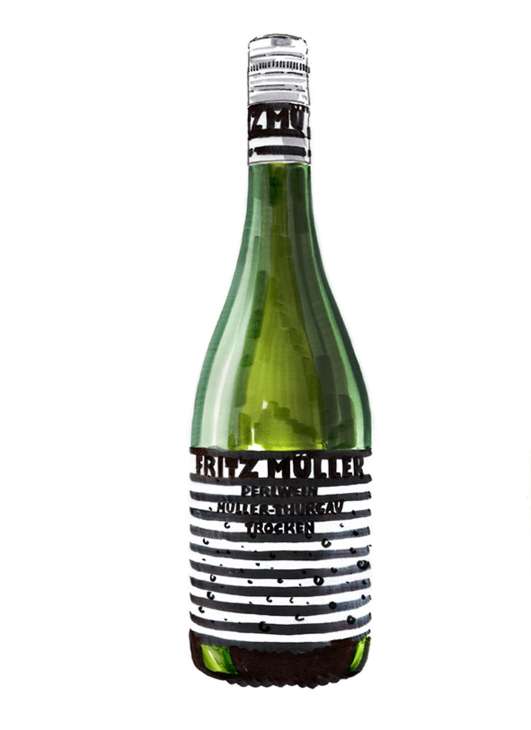
Costs: €8
Apéritif
Blanc de Noir 2016, Extra Brut, Tom Litwan
Aargau, Switzerland
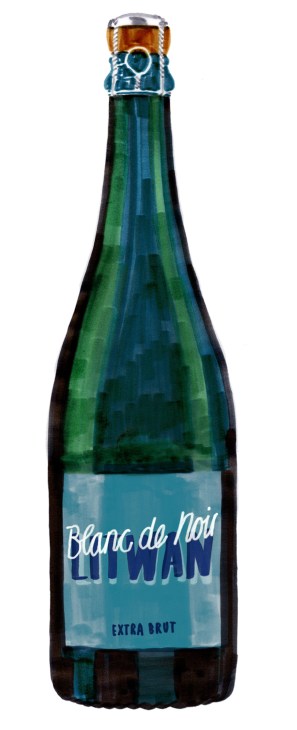
Swiss biodynamic fizz-maker and wine-maker Tom Litwan creates oenological highlights that are well worth discovering. This is a precise and delicate pinot noir.
Costs: €35
White
Riesling 2018, Tenuta San Leonardo
Trentino, Italy
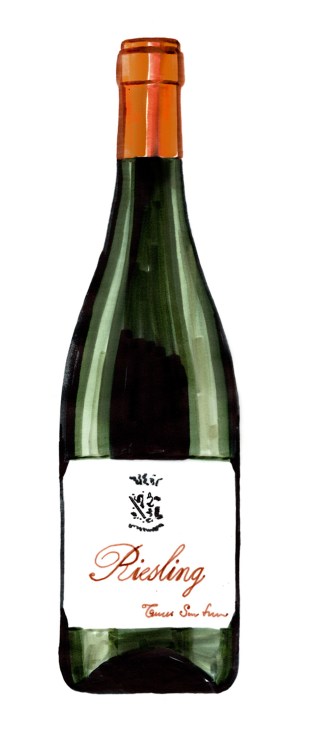
The Guerrieri Gonzaga family launched this charismatic riesling a few years ago. A noble, elegant alpine white with minerality, freshness and citrus notes.
Costs: €35
White
Zieregg 2015, Ried, Weingut Tement
Südsteiermark, Austria
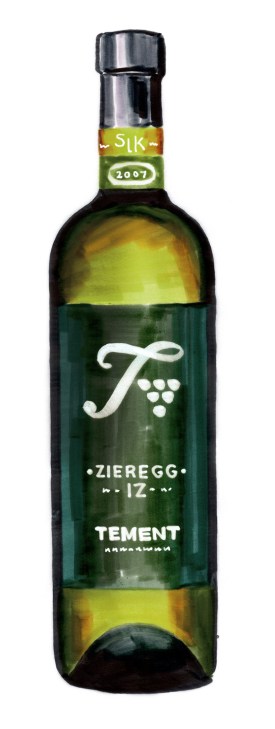
Spontaneously fermented and aged for up to 24 months in burgundy barrels, this Weisser Burgunder is pure pleasure. One of Austria’s great whites, it can be kept and aged for years.
Costs: €55
White
Sauvignon Blanc 2018, Accendo Cellars
Napa Valley, California
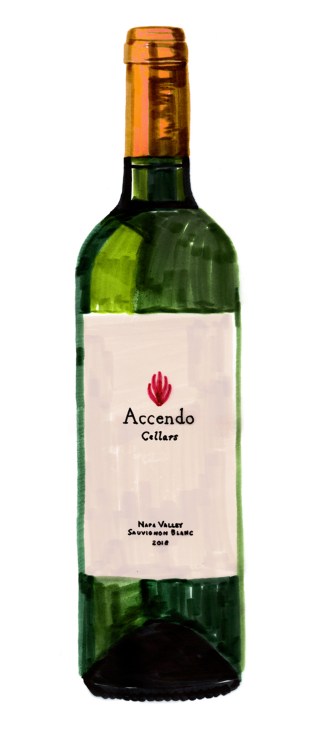
A collector’s item. Biodynamic with hints of jasmine, honeysuckle and green apple. The best sauvignon blanc from the former owners of California’s Araujo winery.
Costs: €55
White
Dézaley Grand Cru 2020, Récolte Choisie, Patrick Fonjallaz
Lavaux, Switzerland
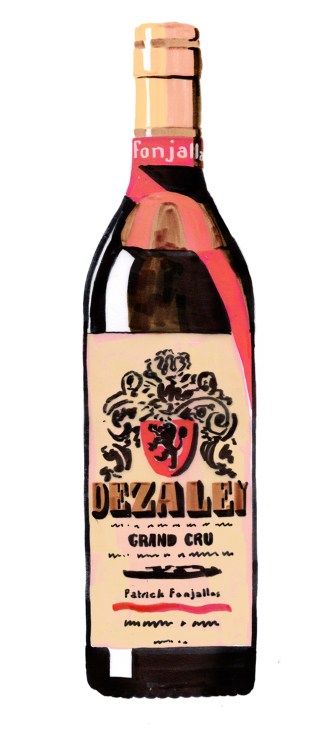
Pure, mineral, rich chasselas from the Unesco-protected Lavaux region. Keeps for decades and spoils the palate (well) with notes of candied apricots and honey.
Costs: €40
White
Piemme 2018, Fattoria Le Pupille
Tuscany, Italy
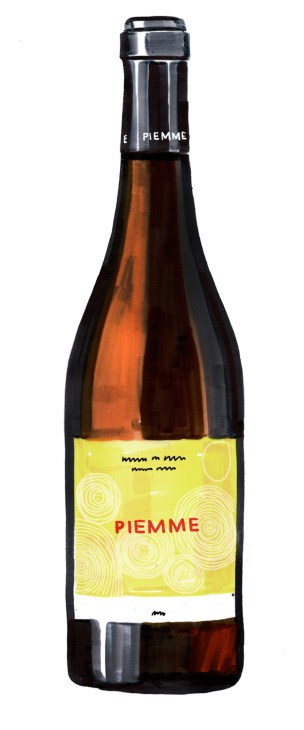
Elisabetta Geppetti’s new limited-edition bottle. Pure petit manseng with notes of chamomile, white flowers and alpine herbs. A rich finish. Decant and serve in big glasses.
Costs: €89
White
Cadran 2020, Château Monestier La Tour
Bergerac, France
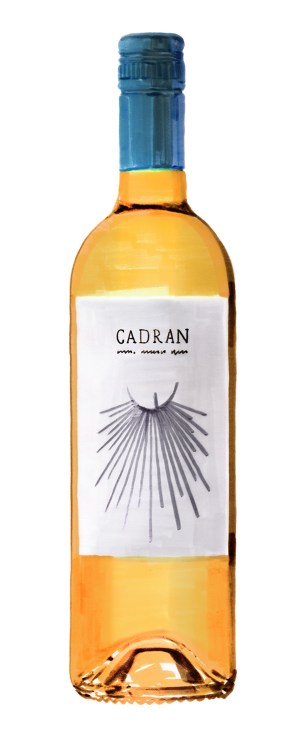
This blend of sauvignon blanc, sémillon and muscadelle is a pure vin de soif (easy drinker). Serve very well chilled. You’ll find that a case empties in no time.
Costs: €12
White
Bacchus 2019, Kit’s Coty, Chapel Down
Kent, England
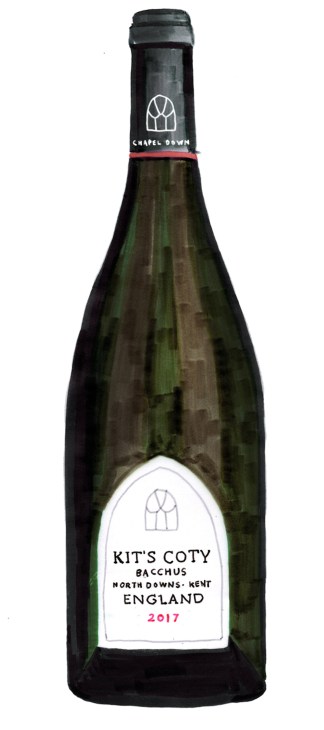
I always surprise my guests with this tropical white from the UK. Very aromatic with lychee and peach aromatics. Named after the Roman god of hedonism and wine.
Costs: €30
White
Skerpioen 2020, Eben Sadie
Swartland, South Africa
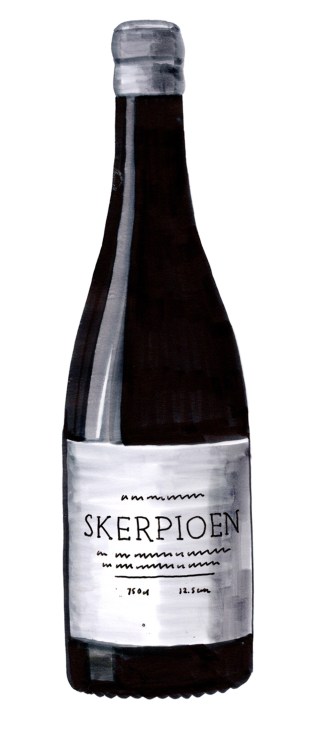
Eben Sadie is a visionary wine-maker. He creates South African wines with unique profiles and characteristics. This blend of chenin blanc and palomino is vigorous with a salty, dry touch.
Costs: €45
Red
Ipsus 2016, Caggio, Chianti Classico Gran Selezione
Tuscany, Italy
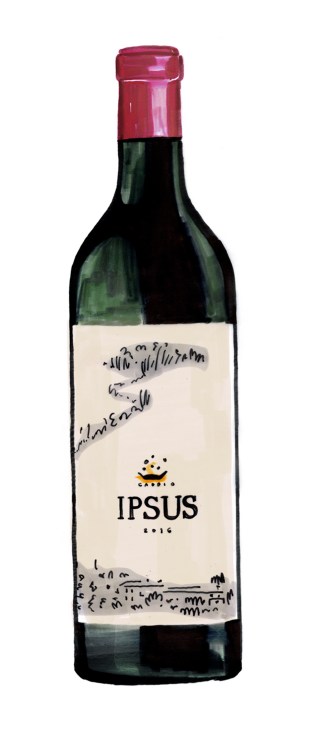
The second vintage of the new Tuscan star of the Mazzei family. Worth the vertiginous price tag. Full-bodied and of great intensity, it’s rare, limited in production and as good as it gets.
Costs: €300
Red
La Quinta 2019, Podere Giodo, IGT
Tuscany, Italy
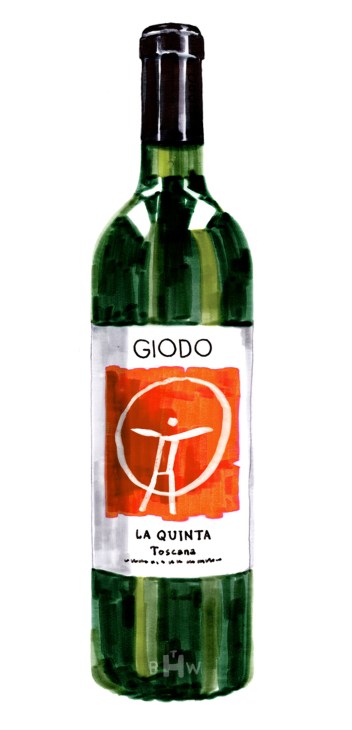
Top oenologist Carlo Ferrini creates lesser-known Tuscan gems. This pure sangiovese red is fragrant, fruity and charismatic.
Costs: €40
Red
Colledilà 2018, Barone Ricasoli, Chianti Classico Gran Selezione
Tuscany, Italy
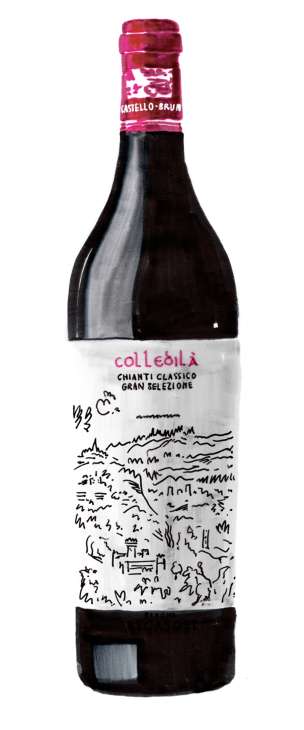
This new Tuscan brings out all the complexity of the sangiovese grape: you’ll taste gooseberries and black cherries.
Costs: €50
Red
Jiménez-Landi 2019, El Corralón
Sierra de Gredos, Spain
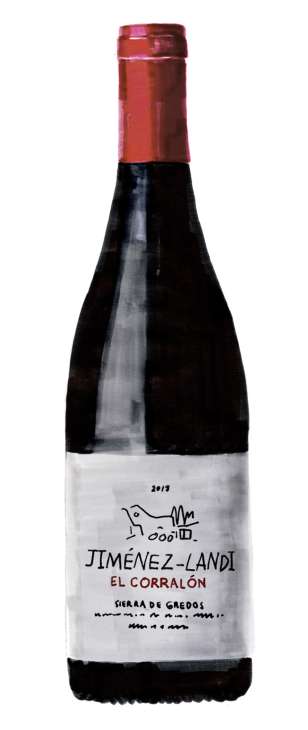
Blueberry and blackberry notes. A biodynamic blend of grenache and syrah from vines between 15 and 70 years old and about 650m above sea level.
Costs: €14
Red
Sancerre 2018, Charlouise, Vincent Pinard
Sancerre, France
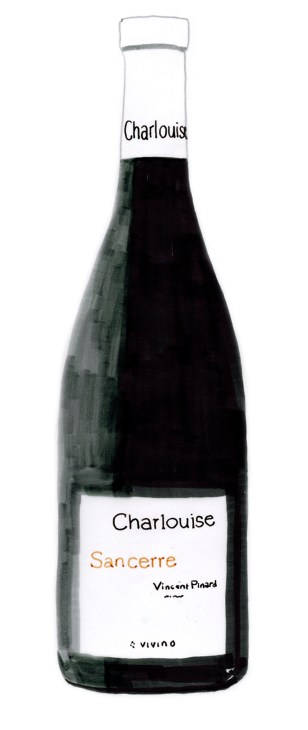
This pinot noir might even convert devoted lovers of burgundy to the delights of the Sancerre region. The wine is powerful, with notes of cherries, black tea, cloves and pepper.
Costs: €42
Red
Kistler 2018, Pinot Noir
Sonoma Coast, California
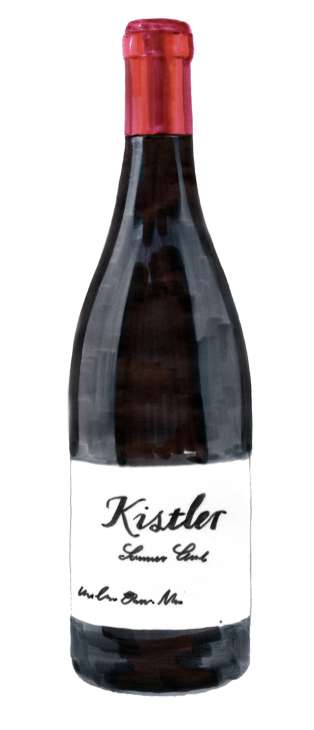
This is one of my favourite pinot noirs from California. It sings with understatement, finesse and fruitiness. For those who know it, this is California’s answer to Chambolle-Musigny.
Costs: €89
Red
Trousseau 2019, En Treize Vent, Château d’Arlay
Jura, France
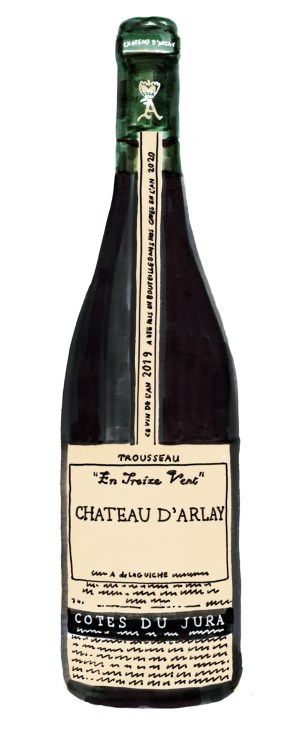
If you like barolo, cabernet franc or gamay, then it’s worth trying a trousseau. Decant and enjoy the floral and spicy bouquet. This historic estate is well worth a visit too.
Costs: €16
Red
Pinot Noir F 2015, Domaine Paul Blanck
Alsace, France
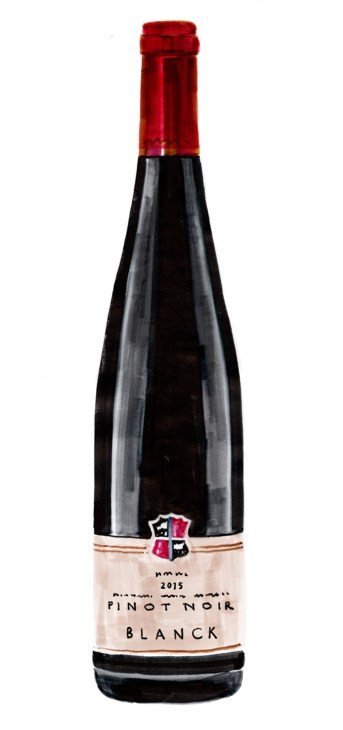
Elegant, dense with aromas of red cherries and chocolate. From the Fürstentum Grand Cru terroir, this is a good red to accompany poultry dishes or terrines.
Costs: €26
Red
Blaufränkisch 2019, Rosi Schuster
Burgenland, Austria
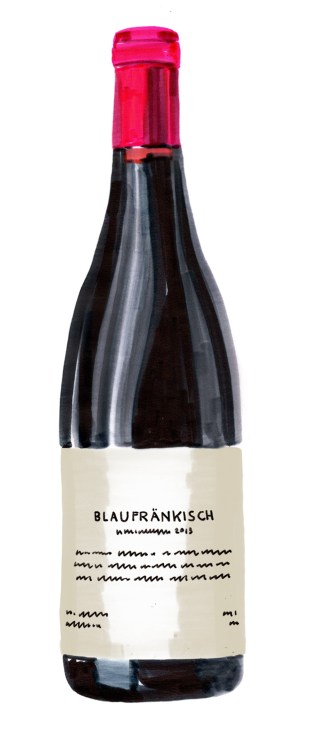
New-generation wine-maker Hannes Schuster created this ravishing, energetic red. Deep, spicy, ripe blackberries and juniper. Spontaneously fermented. My new house wine.
Costs: €14
Red
Rodríguez & Sanzo 2018, Whisba
Castilla y León, Spain
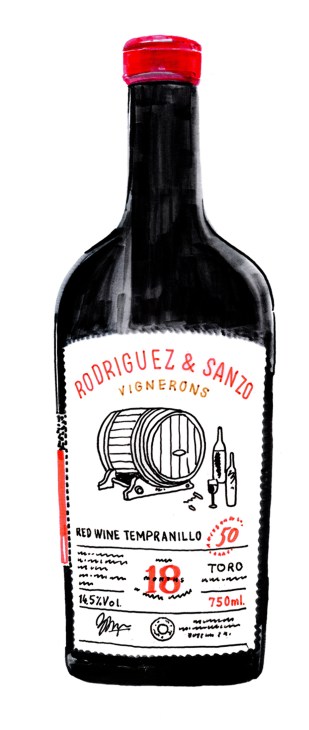
A wine for whisky lovers – the grapes are aged for 18 months in whisky barrels. A flashy, extroverted treat with a concentrated fruity punch. Good for strong palates.
Costs: €25
Red
Abouriou 2018, Domaine du Haut-Planty
Loire, France
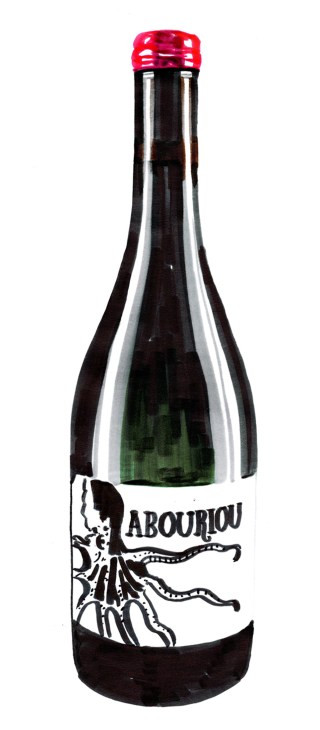
The result of 24-month oak ageing, this is a punchy, volcanic red with notes of sour cherries, raspberries, wild herbs and mint chocolate. An oenological outsider but many will adore it.
Costs: €21
Dessert wine
Ruby Port, Niepoort
Porto, Portugal
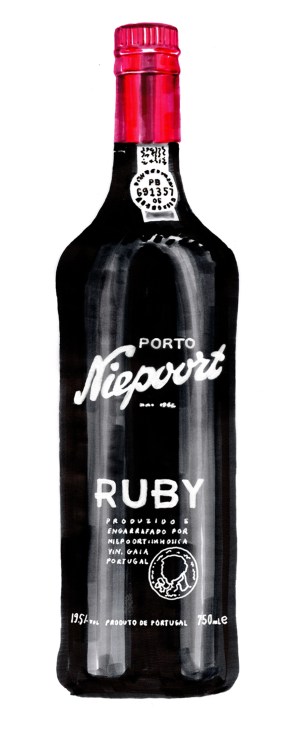
This fresh, young and expressive port is superbly quaffable and is a pleasure for long winter nights, and never becomes too sweet or cloying.
Costs: €10
Dessert wine
Adorado de Menade, Solera
Castilla y Léon, Spain
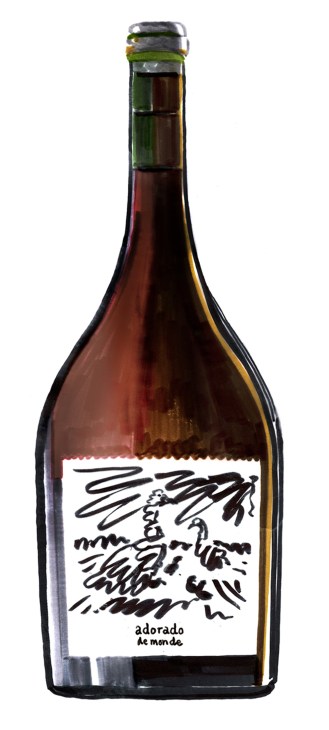
An unusual sherry-style fortified white. Funky, complex and spicy with a saline finish. A blend of palomino and verdejo that’s perfect if the nights are cold and long.
Costs: €50
Good times
1.
Château Voltaire
In the former headquarters of entrepreneur Thierry Gillier’s fashion brand Zadig & Voltaire is his new venture, one of the French capital’s best new hotels. The 32-key building on Rue Saint-Roch is the work of French interior design company Festen and art director Franck Durand. And it’s a real treat. The mood of the restaurant Brasserie Emil feels like a lively scene from a Claude Sautet movie, complete with French fries served on monogrammed silver platters. Yum. Despite the classic feel, art deco lamps and dark marble finishes – touches of orange and the odd cork flourish – the hotel feels altogether new and exciting. “It is a contemporary place for the people of today,” says Gillier.
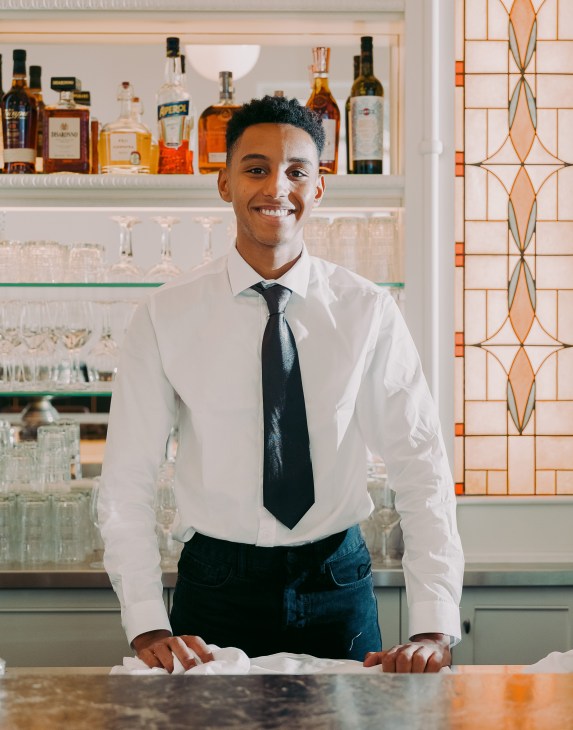
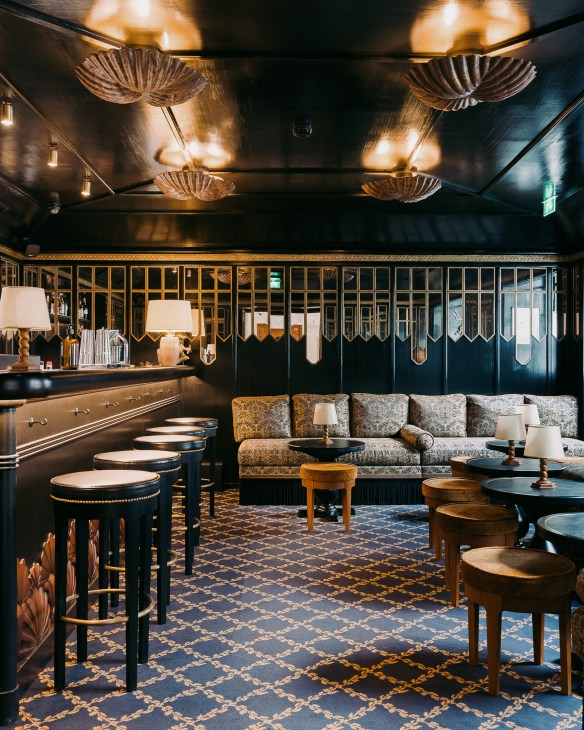
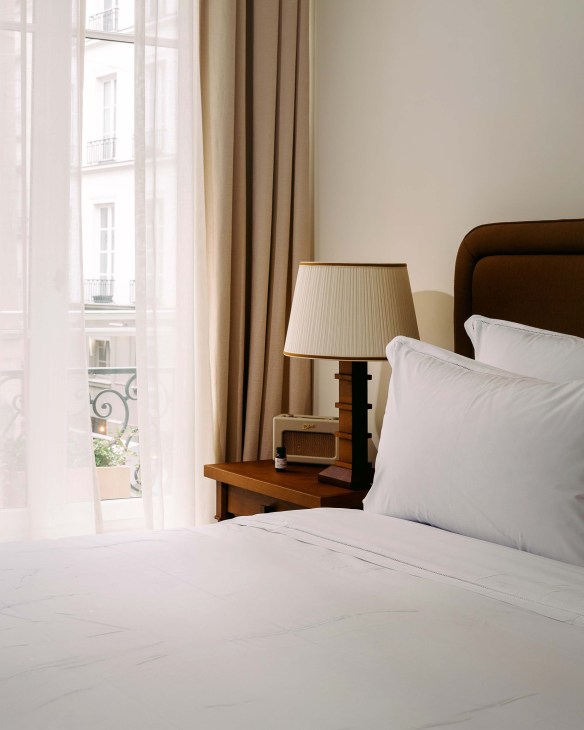
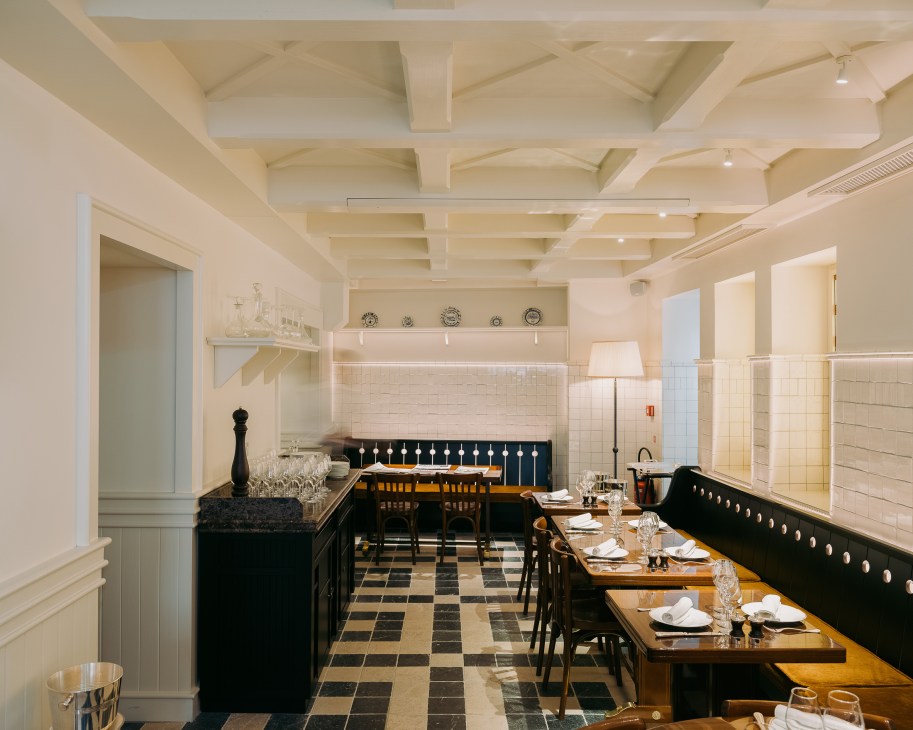
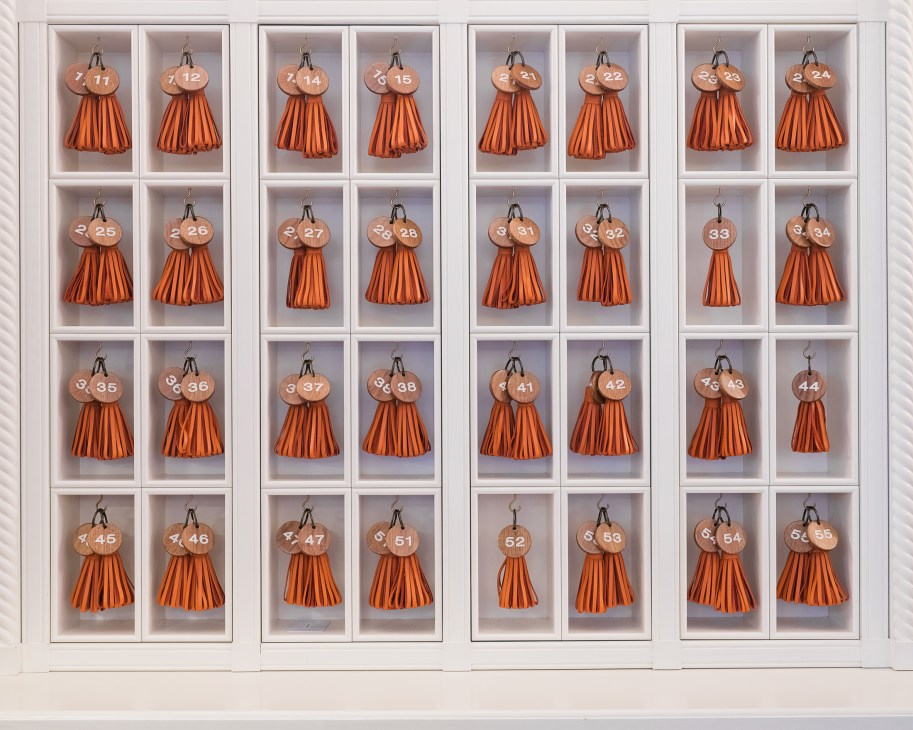
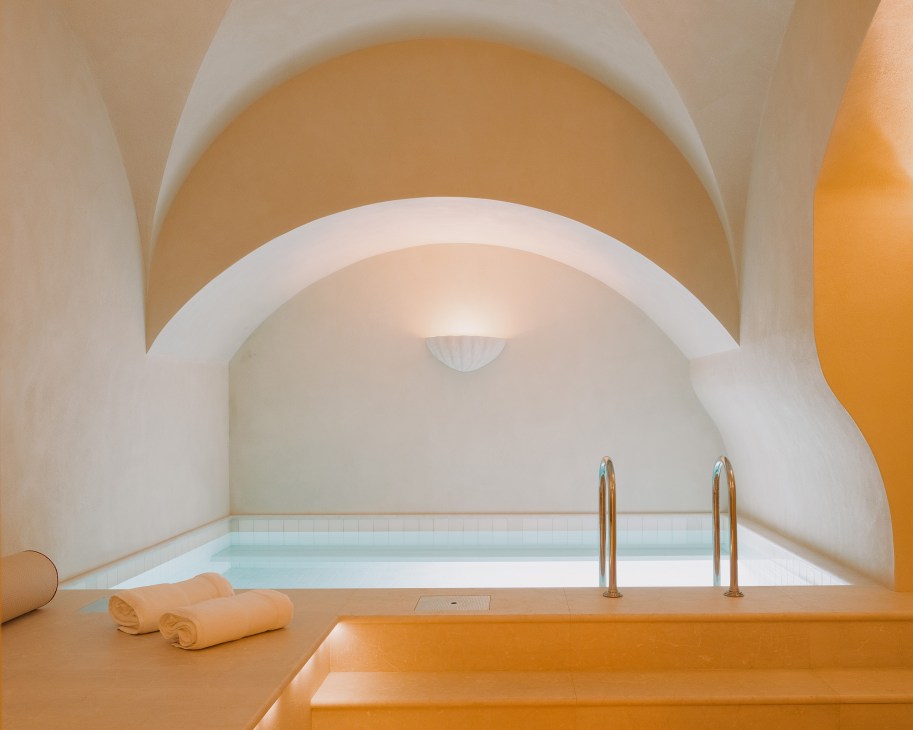
It’s this weaving together of past and present, the Paris of the silver screen and the city as it is now, that works so well here. “Château Voltaire expresses our idea of what luxury is today,” says Charlotte de Tonnac, who runs Festen with partner Hugo Sauzay and with whom she carefully considered the materials to use. Cocktail bar La Coquille d’Or has shades of the Chateau Marmont in Los Angeles and the spa and small pool are great but the most desirable part of the hotel is on the top floor. There you’ll find a self-contained apartment, which unfolds around a dining room and terrace with a winter garden that’s been given form by landscape architect Louis Benech. This is one to reserve for parties and, looking around, there’s plenty to celebrate.
chateauvoltaire.com
2.
Soho House Paris
High up near Montmartre hill and 26 years after the opening of his first Soho House, Nick Jones has finally touched down in France. This 36-key hotel, restaurant and members’ club is in the former red-light district of Pigalle. It took Jones and his team five years of searching to find this spacious, 19th-century apartment building, which was once home to film-maker Jean Cocteau. The quiet Rue La Bruyère doesn’t offer many clues about what’s behind those heavy green doors, which guard a beautiful courtyard, a cabaret space, a gym and a pool.
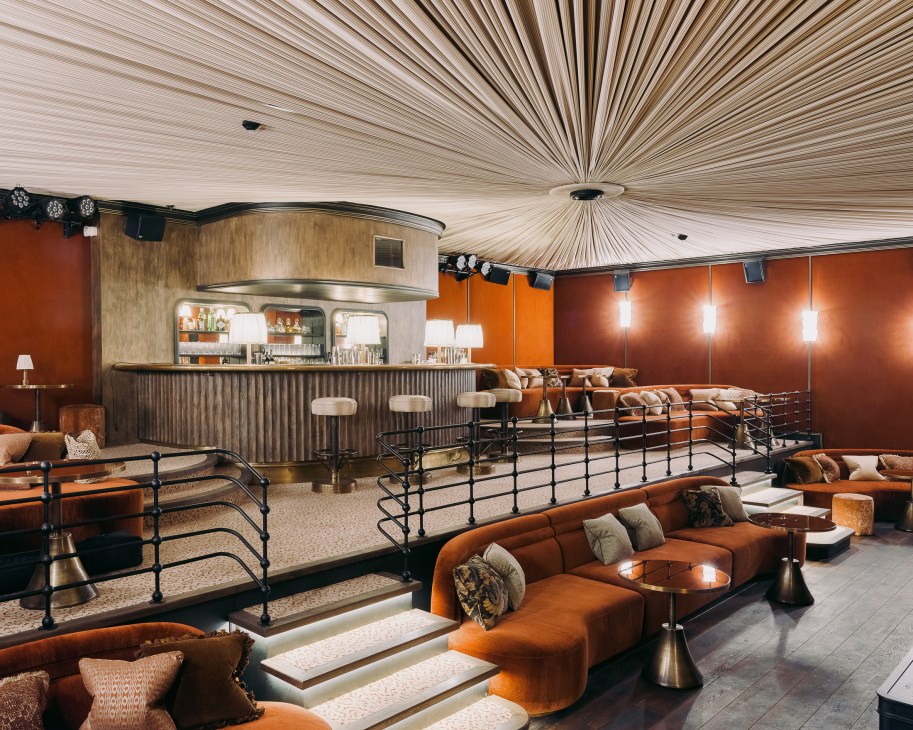
“We always try to stick to the local spirit and the dna of a place, while bringing our own touch,” says Jones. “We wanted to respect the history of the building.” To do this, they tapped several French designers and upholsterers to create elements that were “glamorous without being too flashy”, says Jones. The site is spread across three buildings from different periods: the 19th-century hub, a 1940s annex and a contemporary extension. Materials include plenty of rattan, wrought-iron garden furniture and benches upholstered in Pierre Frey prints. The cabaret room (pictured) has velvet walls and a marble pool for when the weather turns warm.
Under the restaurant’s glass roof members can enjoy escargots de Bourgogne or a baba au rhum with a decent glass of wine. The first and second floors have something of Versailles about them: think four-poster beds, herringbone parquet floors and Louis XV furniture. On the third level are Provençal floor tiles and hanging lamps sourced from markets in France. It feels French but with a refined touch – even the staff are friendly (not an intrinsically Parisian quality).
sohohouse.com
3.
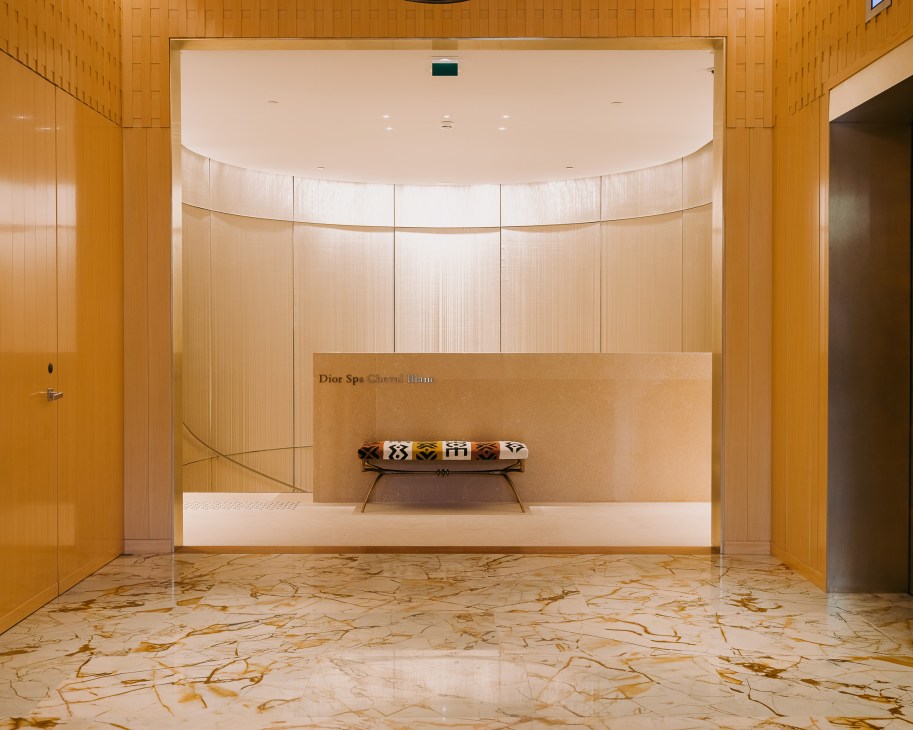
Le Cheval Blanc
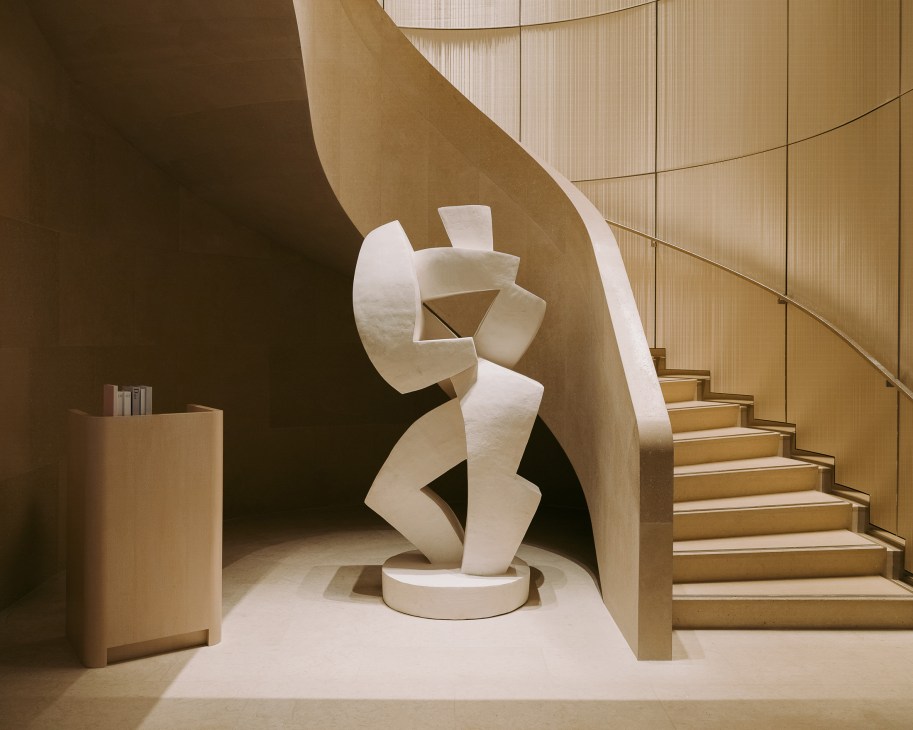
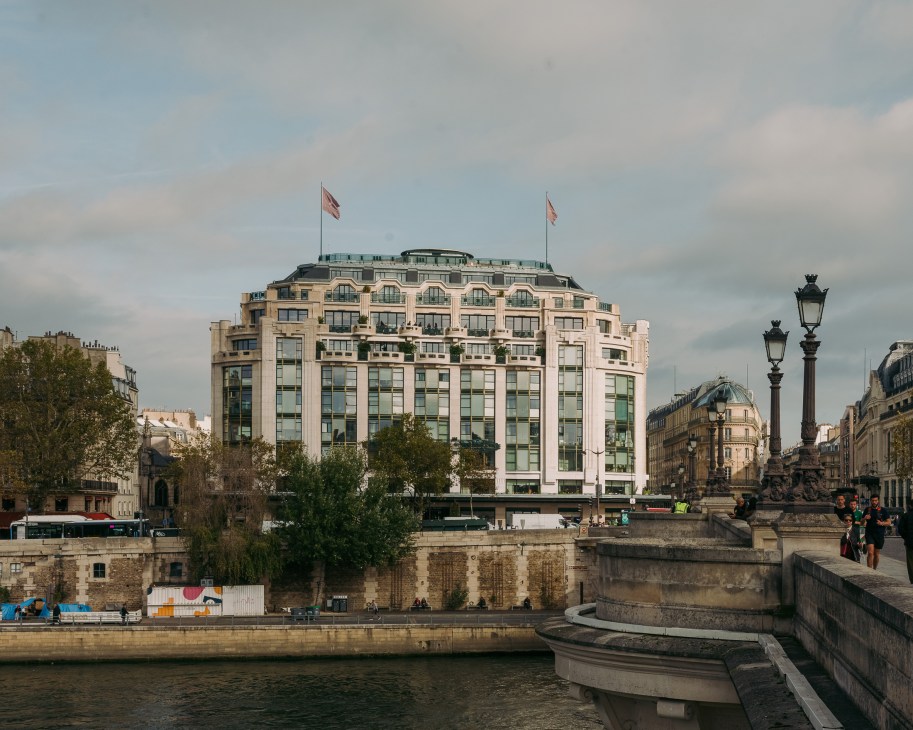
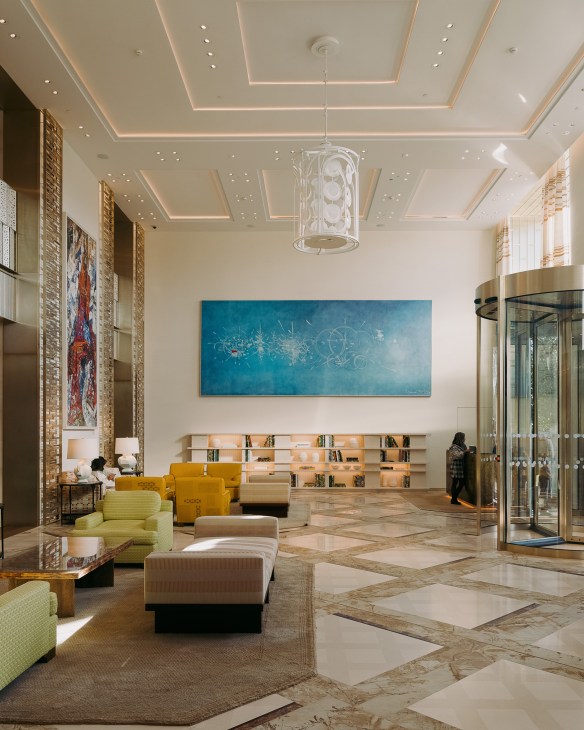
Above lvmh’s recently revamped La Samaritaine department store is the Cheval Blanc, Bernard Arnault’s first hotel in the French capital. We visited on a recent Sunday and the mood was upbeat as crowds swarmed around the shop windows and filled the surrounding lanes. Arnault wanted the best for his palatial project and the location doesn’t fall short. “The real heart of Paris is neither east, nor west,” says Nastasia Morin, head of communication and marketing at Le Cheval Blanc. “We’re right in the middle of Saint-Germain on the Rive Gauche and the Louvre and the Marais on the Rive Droite – right in the Paris of the Parisians.”
Located in the heart of the vast art deco building, the hotel has 72 rooms and suites decorated by New York architect Peter Marino and mostly overlooking the Seine. While much has been restored, from the art nouveau façades to the iron signage and glass atrium, Marino hasn’t held back when it comes to updates, not least with the addition of museum-grade artwork. There’s a painting by James Siena, a William Byl sculpture, lithographs by Sonia Delaunay and an immense blue canvas by painter Georges Mathieu. Oh, and did we mention the bronze staircase handrail commissioned by sculptor Claude Lalanne? There’s also some laughable luxury in the form of a pillow menu (Buckwheat? Bamboo? Spelt? Virgin wool or millet and lavender?). Even the soaps are moulded to represent the façade of the hotel and the shower gel was made by François Demachy, the nose from Dior.
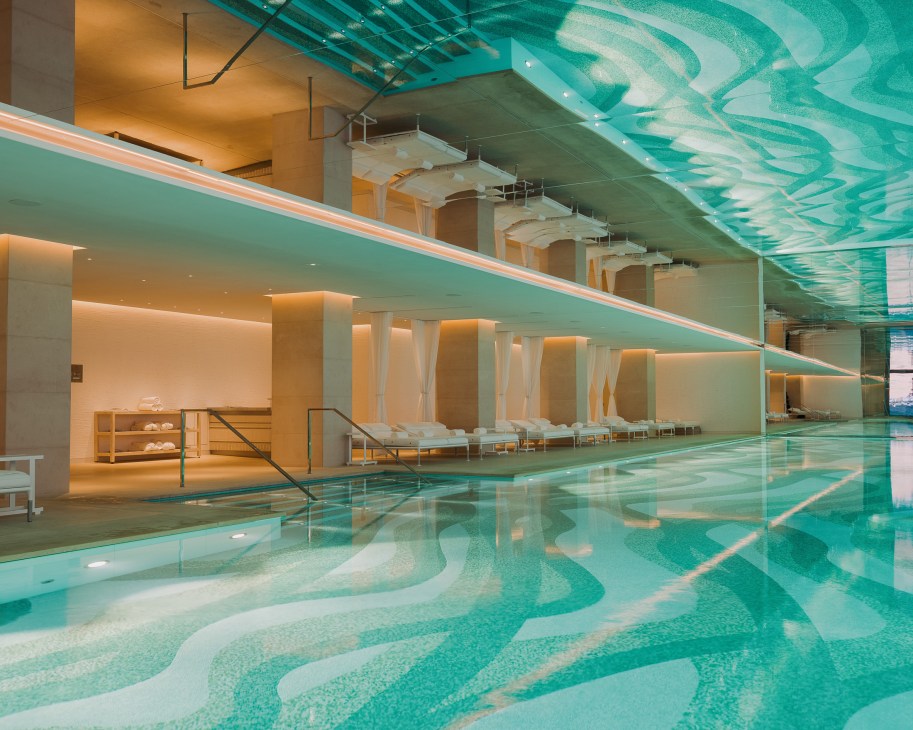
Beyond the plush rooms, there are four restaurants to choose from. The Limbar is on the ground floor; don’t miss Le Croissant du Pont-Neuf, made with jambon de Paris, comté and lettuce. Le Tout-Paris on the top floor is a buzzy brasserie, Langosteria does Italian seafood and Plénitude is fancier. The best place to soak up the mood? The 30-metre pool in the Dior spa illuminated by the Oyoram digital artwork depicting views across Paris. This is the way to see the city.
chevalblanc.com