The Forecast
Thoughts that count
1.
Clarissa Wei on …
Cooking up a storm as life goes on. Although international news outlets depict a country in constant struggle, Taiwan’s people tell a rather different story – one of food, family and simple daily pleasures.
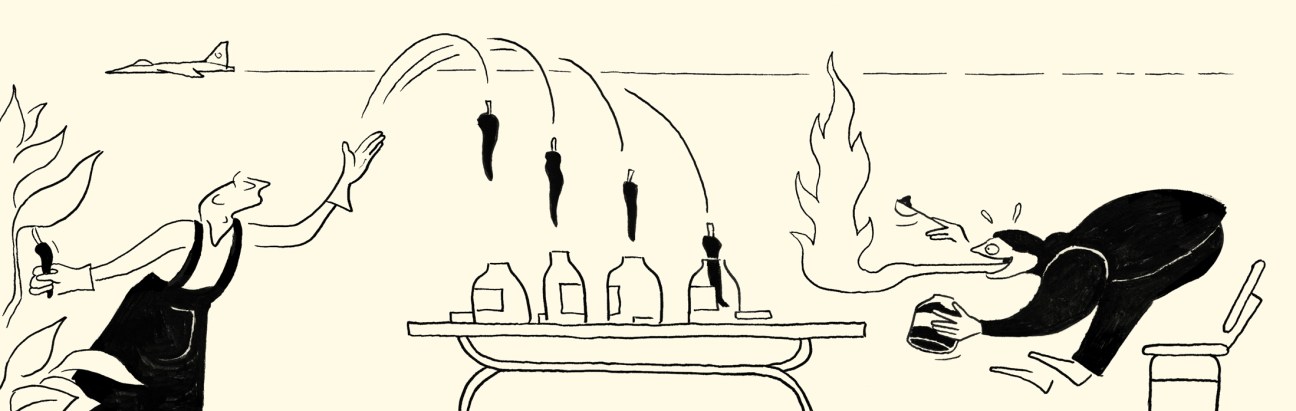
At least once a week, weather-permitting, my husband and I will drive to our small plot of land in the mountains, not far from our apartment in Taipei, where we’re growing a subtropical garden. It’s chilli and hibiscus season right now, so my husband has been fermenting ghost peppers into hot sauce and packing jars full of hibiscus jam. I split my time between weeding and cooking with whatever we can harvest.
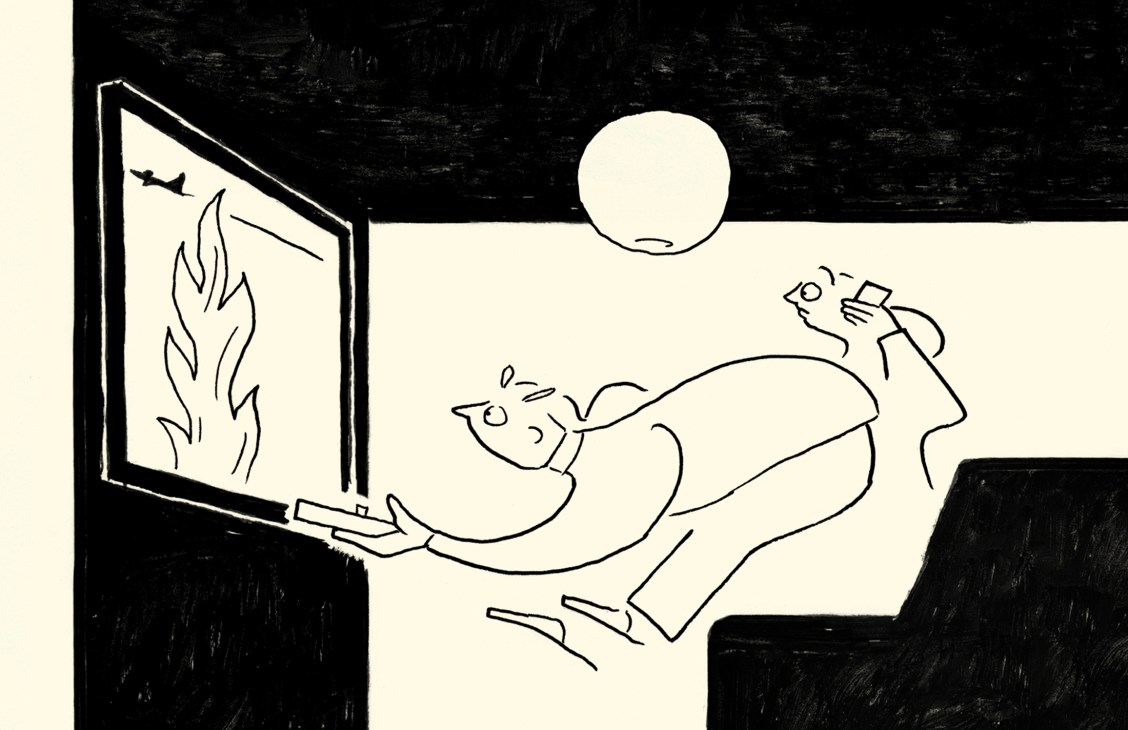
Even when we get back to the city, we live rather simple lives, staying home most nights and cooking. Our dose of high-octane drama comes every now and then, when I glance at the international headlines. On foreign television, Taiwan looks like a strange, alternative reality in which Chinese warplanes buzz overhead in record numbers and the People’s Liberation Army are champing at the bit to invade our island idyll.
Apparently tensions between Taiwan and China are at a historic high. But there’s a gaping disconnect between real life on this island and the perception from afar. While we are conscious of the news and the facts on the ground, it doesn’t worry us as much as it does our loved ones in the US and Europe, who send messages of genuine concern for our safety. To them, we are standing on the precipice of a third world war with thousands of missiles pointing at our heads. They don’t picture us kneeling down with our hands in the soil, tending crops.
A recent survey by the Brookings Institution found that although people in Taiwan are aware of the threat of war and worried about the possibility of it, “the majority do not think it’s time to panic” and “few Taiwanese people believe [that conflict] is imminent or inevitable”.
In fact, life has gone on as normal. If anything there has been a buzz of excitement lately as the coronavirus clouds clear and outside temperatures become better suited to long walks along the river or dips at the beach after a long summer in confinement. The thing people forget about the Taiwanese is that we’re a resilient bunch who have faced down a long history of threats, tensions and regime change. My great-grandparents were born during the Japanese colonial period and witnessed bombs being dropped on their town by US-allied forces. My grandmother was a young single mother of five when the exiled commander of the Chinese Nationalist Party, Chiang Kai-shek, arrived on Taiwanese shores with hundreds of thousands of troops and carried out waves of mass violence against the native population. And my parents grew up in a period of strict martial law and witnessed Taiwan’s shaky transition into a democracy.
But if you ask any of them about their lives, they’ll bombard you with fond memories of friends, family and their favourite restaurants as children. There’s a selective amnesia when it comes to Taiwan’s recent history and, for the first time in my life, I understand why. For me, for us, for our generation, the political drama between China and Taiwan is a perennial side effect of living in Taiwan and we’ve just become accustomed to tuning it out. For better or worse, most people here just don’t think about the looming threat of war on a regular basis, if at all.
The other month, while we were making steamed rice dumplings bundled up in bright, green bamboo leaves, I asked my grandmother what it was like when martial law was enacted here in 1949. “I don’t know or remember,” she said, without glancing up. “I was too busy living my life.” Things could well be heating up in Taiwan but in our household that will mostly be thanks to the homemade hot sauce.
About the writer:
Taipei-based Wei is an American-Taiwanese writer who contributes to Monocle and Monocle 24. She is writing a cookbook about Taiwanese food called Made in Taiwan, to be published by Simon Element. Her favourite ingredient is white sesame oil.
2.
Annabelle Chapman on …
A big year for France. As the country takes its place at the head of the EU Council, President Macron is being tested both by overseas allies and the internal electorate. But there is cause for optimism if he rises to the challenge.
During a recent visit to Les Philosophes restaurant in Paris’s Le Marais neighbourhood, I dined beside a couple from Ireland who were celebrating their first trip to the French capital, just like generations of lovers before them. Café terraces are buzzing again as friends clink glasses, colleagues catch up with one another and tourists navigate the wine list. Cultural life is back in style, be it Paris Fashion Week or theatre performances, while cycling is more popular than ever: streets are peppered with smart blue electric bikes that residents can hire from the city transport authority.
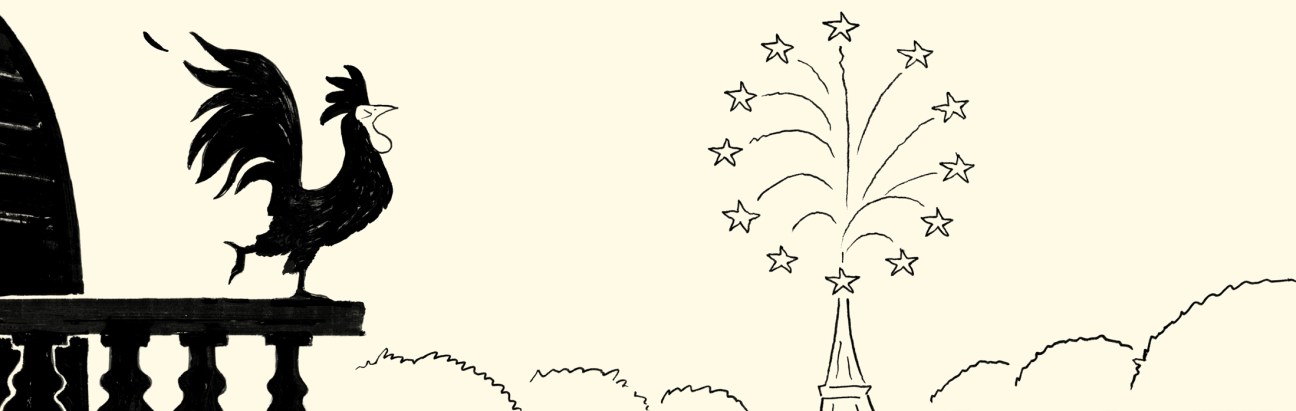
But food and frivolity aside, the year ahead is a big one for France. At home and internationally, 2022 will set the tone for years to come. First up is the presidency of the Council of the European Union, which France takes over on 1 January. The six-month presidency, which rotates between the bloc’s 27 member states, is an opportunity to shape Europe according to a given country’s vision. Paris has picked “recovery, power, belonging” as its keywords – a nod to the situation after the pandemic and to France’s own ambitions.
Change is afoot in Europe because of Brexit and the departure of Angela Merkel after 16 years as chancellor of Germany. Over the years, she and Macron – frequently photographed in tête-à-tête conversation – became the symbol of the Franco-German tandem at the very heart of the EU, with her maternal image contrasting with his modern edge. While the new government in Berlin finds its feet, Macron, leader of the EU’s second-largest economy after Germany, has the opportunity to step into the space left by Merkel on the European stage, at least temporarily.
Gallic calls for the EU’s “strategic autonomy” – the ability to use its military assets independently from other powers – are likely to grow louder. Macron champions this policy and France’s pride is still wounded by Australia’s decision to pull out of a €57bn submarine deal this autumn in favour of the so-called “Aukus alliance” with the US and UK. The government was furious that two of its closest allies had been negotiating behind its back and foreign minister Jean-Yves le Drian had harsh words for the Biden administration.
However, Macron’s biggest personal challenge of 2022 will be at home as he seeks re-election for a second five-year term in April. In 2017 he swept to power at the age of 39 at the head of the centrist En Marche! party, beating more established candidates. Despite the pandemic’s economic impact, he remains relatively popular: 38 per cent of French people were satisfied with him in September 2021, a better rating than his predecessors François Hollande and Nicolas Sarkozy enjoyed at the same point of their respective presidencies. Polls suggest that the election could be settled in a second-round runoff between Macron and nationalist leader Marine Le Pen, in a repeat of 2017. There are wild cards, however, such as far-right TV pundit Eric Zemmour, whose eerie-looking posters are dotted about town and who is polling close behind Le Pen.
Although the presidential race dominates the news, France is looking further ahead. Next up is the 2024 Olympic Games in Paris, which will be the biggest event ever organised in France. In addition to hosting the world’s best athletes, the government has pledged to build 5,000 new sports facilities around the country. Longer-term, the newly announced €30bn “France 2030” investment plan aims to bolster the country’s industrial competitiveness and technological prowess in areas from energy to aviation. Its objectives include decarbonising industry, producing the country’s first low-carbon plane, investing in sustainable and traceable food, and developing biomedicine for treating cancer and chronic illnesses – as well as restoring France’s position as a leading creator of cultural content. “We must rebuild the framework for productive independence for France and Europe,” said Macron, presenting the plan in October.
This might seem as though France has a lot on its plate but La République is hardly a country to downplay ambition and its young leader still has a very hearty appetite.
About the writer:
Luxembourg-born writer Chapman started her career as Poland correspondent for Monocle and The Economist. Since then, she has pivoted back to her Francophone roots and will be spending a lot more time in Paris in 2022.
3.
Hamish Anderson on …
Oops, they did it again. The fashion industry’s nostalgia for early-2000s style was all-too prevalent at recent runway shows. Thankfully there were enough labels displaying bright ideas to provide a little forward momentum.
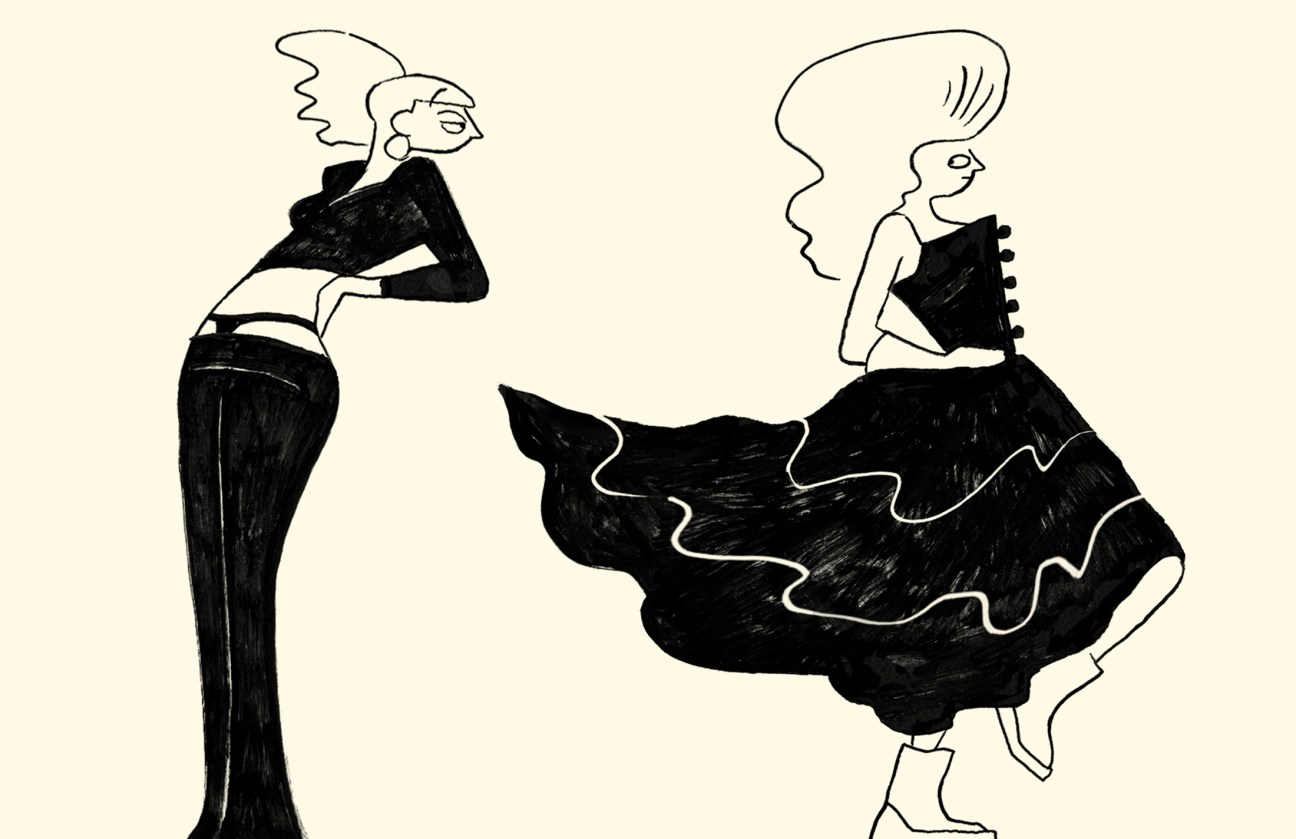
In early autumn 2021, the US legal system and the international fashion industry shared an unusual fixation: Britney Spears. After years of wrangling, a Los Angeles judge suspended the financial control that Spears’s father had over her, effectively enabling the singer to move on from her past. Meanwhile, numerous fashion designers were asking the public to relive her past – well, at least her looks. Welcome to the future of fashion. It might seem familiar.
In New York, London, Paris and especially Milan, versions of the early-2000s style of dress, popularised by the likes of Spears and Christina Aguilera, were on many of the spring 2022 runways. The first of the fashion months to be mostly attended in-person since the pandemic began turned out to be intimate in all kinds of ways: there were low-rise trousers, high-rise underwear, bra tops, cutouts, cropped jackets, micro hemlines and lots of flesh on show. Some approaches to the trend were original – Miu Miu showed shrunken “office wear” that was mostly nsfw – while others were remarkably literal: the Blumarine collection looked as though it was borrowed from the wardrobe department of early-2000s reality show The Simple Life. The fact that the fashion business has weathered a global pandemic only to anoint Paris Hilton as a style icon should make consumers question whether they want to buy into the industry’s ideas next spring.
In general, those ideas stem from 18 months of pent-up desire but this is hardly the first time that sex has been a big theme in fashion. The shocking thing wasn’t the amount of skin on display but the way that so much of it was shown through the prism of well-worn ideas: y2k; the Regency period (Bridgerton-inspired corsets and bustiers); and the bygone days of last summer, specifically the crop tops that were popular in many US cities once the mercury rose.
To put it all into perspective, an exhibition of French designer Thierry Mugler’s work opened during Paris Fashion Week. People still talk about his 1980s clothes and those of Tunisian Azzedine Alaïa not because they were sexy, which they were, but because they were original. Whether the recent round of body-conscious collections will live on in the memory like that of these designers remains to be seen.
It’s worth asking why the collections weren’t more exciting. Part of it seems to be young designers suffering from early-onset nostalgia: several said that they had been inspired by their teens. Others might have been thinking more about shows than clothes: while many collections lacked new ideas, there were numerous reimaginings of how to present them, from entertaining pseudo TV programmes (Telfar) and awards shows (Balenciaga) to the simple yet radical idea of showing high fashion on the high street: Valentino used Rue Depetit-Thouars as its runway; Chloé staged its show by the Seine.
Those public events reflected how hungry people are to be out. They also want to stand out, and some of the season’s best clothes addressed that need through print and colour. Marni mixed stripes with floral prints in a way that felt modern. High-wattage pinks, yellows, greens and oranges were everywhere from Marques’ Almeida to Dior and Chloé, in flowing maxi dresses, mod-flavoured minis, trench coats and more; pieces that are optimistic and forward-thinking. If we see more of them on the streets next spring and fewer y2k throwbacks, then this decade might yet avoid becoming the Boring Twenties.
About the writer:
New York-based Anderson is a regular contributor to Monocle and has written for titles as varied as Elle and Kerrang!. Also an experienced creative director, he has led multi-platform campaigns for several premium fashion and lifestyle brands.
4.
Richard Heydarian on …
Life after Duterte. As the tenure of the Philippines’ controversial president comes to an end, all eyes are on his potential successors. But will the public choose retribution, level-headed pragmatism or business as usual?
Filipino president Rodrigo Duterte has run Asia’s oldest democracy like a personal fiefdom. But by all indications, this tragic chapter might soon draw to a close. The current constitution, drafted after the collapse of the Ferdinand Marcos dictatorship, only allows presidents a single, six-year term in office.
As voters prepare to choose from Duterte’s potential successors in next May’s presidential elections, the leading candidates are advocating either for continuity, centrism or a crusade against authoritarianism. The outcome of this circus-like race will determine the fate of Filipino democracy as well as the country’s relationship with the world.
An early favourite is no less than the scion of the former Marcos dictatorship, Ferdinand “Bongbong” Marcos Jr. The soft-spoken Marcos has presented himself as the candidate of continuity: a Duterte ally who will pursue the incumbent’s key policies, albeit in a more coherent fashion. Leveraging massive resources, nationwide networks and growing authoritarian nostalgia, Marcos is pushing for a unified ticket, with Sara Duterte as a potential vice-presidential candidate. Amid spats with her father, who pushed for a longtime aide to succeed him, she missed the initial deadline to file for candidacy for the top office. Still, she has the option of joining the race as a “substitute” candidate either as president or vice-president. Should the houses of Marcos and Duterte join forces, they will be formidable. As well as shielding the incumbent from potential prosecution by the International Criminal Court over his widespread human-rights violations, they will also hope to maintain relations with China.
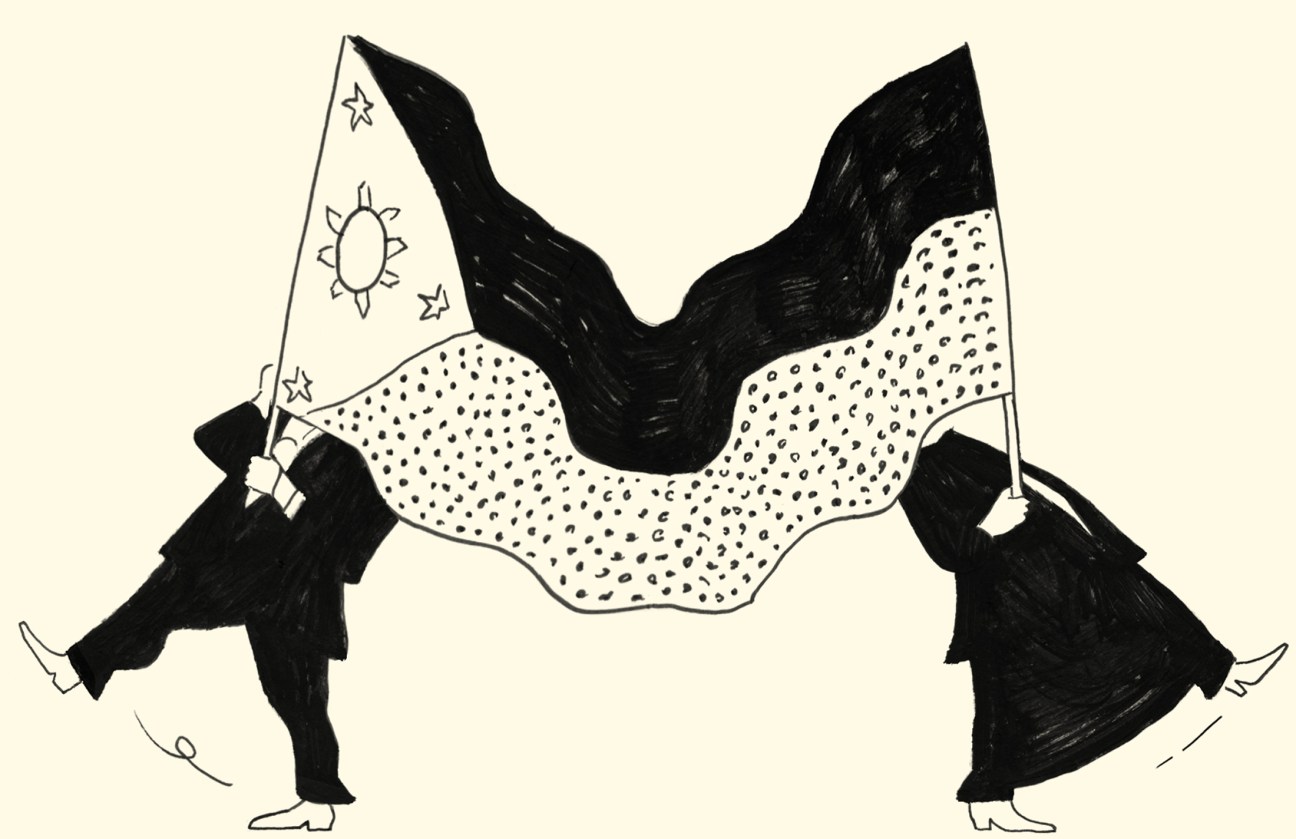
Meanwhile, the youthful and charismatic mayor of Manila, Francisco “Isko” Moreno Domagoso, has presented himself as a Macron-style centrist, who aims to end political polarisation in favour of competent solutions-based governance. Moreno has signalled a pragmatic approach to foreign policy.
Current vice-president Leni Robredo, the de facto leader of the opposition, represents the crusader candidate, who has vowed to end “old, rotten politics” by holding both Marcoses and Dutertes accountable. Although she has trailed in recent polls, Robredo is entering the 2022 elections in a far better position than in 2016, when she pulled off a surprise victory against the embittered Bongbong Marcos for the second-highest office in the land. Should Robredo repeat her electoral coup, she is likely to oversee a more strident policy against China in favour of revitalised strategic and defence ties with the West, especially the US.
As for former boxer-turned-senator Emmanuel “Manny” Pacquiao, he is the ultimate dark horse in this race. In recent months, the former staunch Duterte ally has turned into one of the fiercest critics of the incumbent. He is combining an anti-corruption stance with a more centrist focus on poverty alleviation, economic recovery and the pursuit of stable ties with both the US and China.
For now, Marcos seems to be the candidate to beat, so opposition forces will have to rally behind the most formidable alternative challenger. But whoever becomes Duterte’s successor will inherit a slew of crises. In the latest Nikkei Asia Covid-19 Recovery Index, the Philippines ended up at the bottom in rankings for vaccination rollout, coronavirus infection containment and overall socioeconomic mobility amid successive lockdowns, which triggered one of the world’s deepest recessions.
Above all else, the winning candidate, be they continuity, centrist or crusader, will have to unify a deeply polarised nation. That might be the toughest challenge of them all.
About the writer:
Academic and writer Heydarian is currently an associate professor of politics at the Polytechnic University of the Philippines. He is author of, among other titles, The Rise of Duterte: A Populist Revolt Against Elite Democracy (Palgrave, 2017).
5.
Christopher Lord on …
The power of the studio. In the thick of the pandemic, news programmes across the world have had to rely on guests to dial in from home. But the age of grainy webcam feeds has passed. It’s time to get back on set.
As our cities speed ahead, a lot of the news being produced by our global broadcasters still looks to be stuck in lockdown: blocky, badly lit and staring up the nostrils of an important commentator, who is sat at home talking all-too casually into a laptop. Media brands need to ditch the blurry backgrounds in 2022 and get guests, as well as staff, back in the studio. It might take some cajoling but there are tried and trusted reasons for doing so.
Having worked for a news network, I know that getting an interview “in quality” can be tricky. A reluctant guest is usually more amenable to being interrogated in their spare room than having to dash across town and into the glare of the studio. Yet the art of the interview requires this bit of drama. It needs people physically coming together in a room to talk. In the context of a studio, we the viewers are reassured that our expert guests have brought their best selves.
The same is true for radio, that most intimate of mediums. Nothing scuppers flow like a technical hitch, such as when lines are cut, start pinging and bonging or, even worse, make that frightful whooshing sound as a Facetime call blasts the voice at the other end of a dodgy internet connection into a vacuum of dead air.
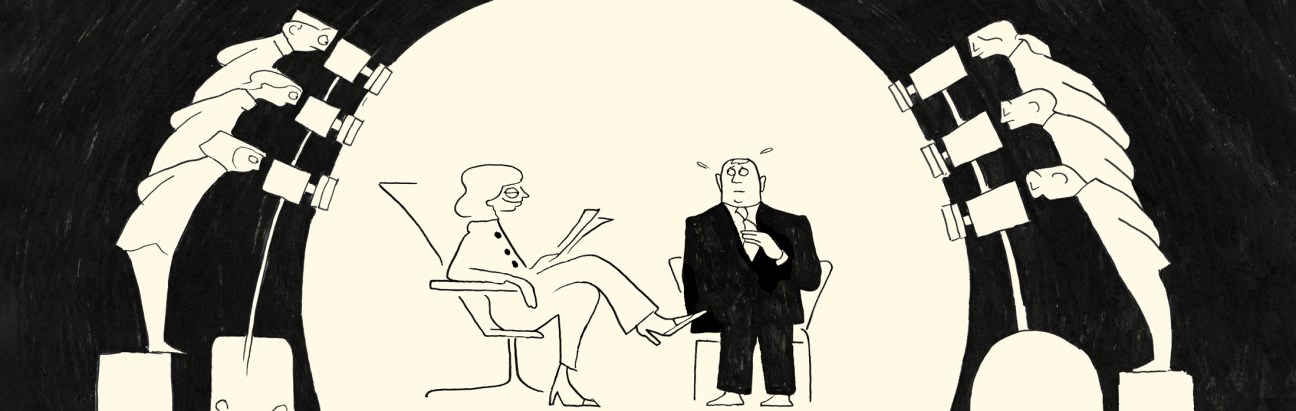
Outside the Anglosphere, there can still be found a slightly awkward but reverent formality to the dissemination of news. After a recent trip to the Gulf, a colleague remarked at the refreshing difference in presentation on the likes of Dubai’s Al Arabiya, on which everyone gets their time under the lights, however brief. News in that part of the world is no stranger to a fiery on-air row; it’s just that everyone gets dressed up for the occasion.
Broadcast editors, wherever they are, say that on-air debate should offer the audience more light than heat. But where there is cause for an almighty ding-dong, all the better that it happens in person, where a good anchor is on hand to keep things civil between sparring guests who know each other’s names and can see the whites of each other’s eyes.
Naturally there will always be exceptions for breaking news stories. In pursuit of the “good get”, the message always wins out over the medium. But, where it can, broadcast should live up to its founding principle of bringing people together.
There are few moments as stirring as being in a studio in those final seconds before a live broadcast: when the gallery of editors and technicians falls silent, when the anchors brace for the hourly pips and the guests in the green room steel themselves for their moment at the microphone. When everyone, together, takes a deep breath.
About the writer:
Lord is Monocle’s incoming Americas editor and former Istanbul bureau chief. Before returning to head up the Los Angeles bureau, Lord produced and edited daily news shows at the BBC, including the flagship Today programme on BBC Radio 4.
Southern Promise
Vincenzo Belpiede is glad to be home. Sitting in his grandfather’s library in an 18th-century palazzo in Cerignola, a small town that rises above the wheatfields of northern Puglia, he is explaining why he chose to leave a life in Silicon Valley to return to his birthplace. “Honestly, what I can do here is not so different from what I could do in California,” he says. “My clients are international, so I would be speaking to them remotely wherever I was.”
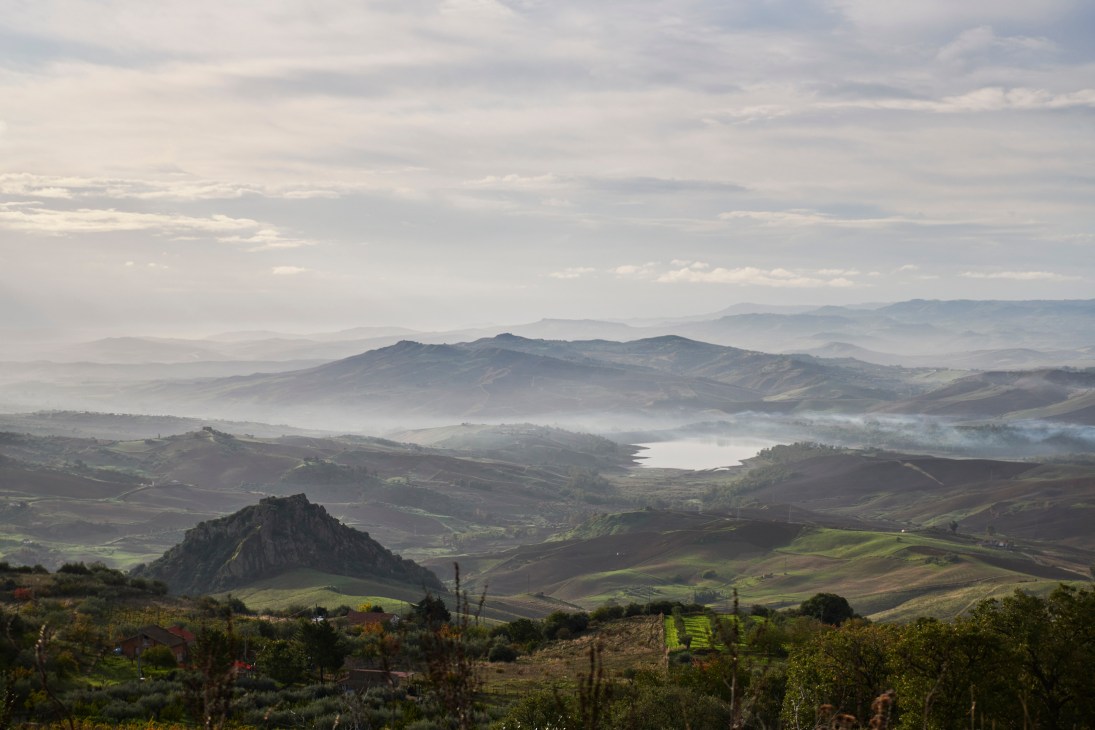
Living in Italy, especially its baroque, sun-baked south, becomes a dream for many visitors from the moment they set foot on its shores. But such fantasies often remain just that when they meet hard economic realities. For natives, the beauty of their homeland and its way of life assumes a tragic tint once they’re forced to leave to pursue success.
However, ambitious young southerners such as Belpiede are coming home with increasing frequency. Since 2019, he has launched several digital businesses, including the successful calendar-sharing app Calendbook, from his grandfather’s 18th-century palazzo. Surrounded by family, he spends his days enjoying those perennial southern conveniences: great food, daily swimming and affordable childcare.
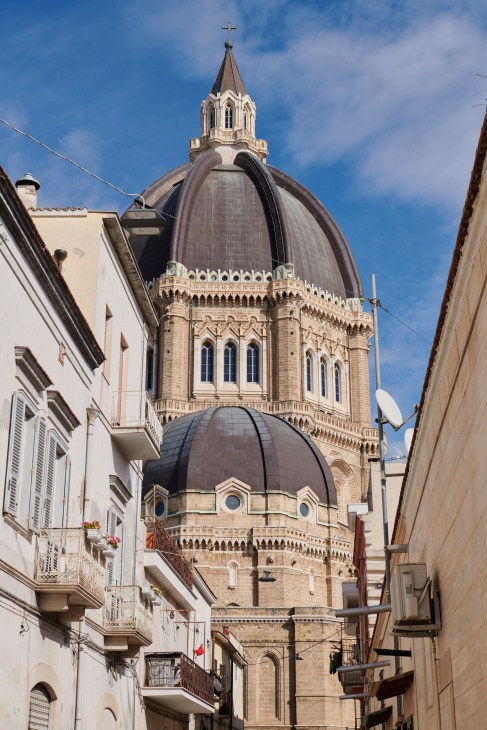
Belpiede is part of a reverse brain drain that is happening across southern Italy. This reinfusion is helping to fuel an explosion of innovative entrepreneurship across the regions derisively known as the Mezzogiorno (a name intended to conjure images of the extreme midday heat and its attendant lassitude). Hastened by digitalisation and accelerated by the pandemic, a generation of young southerners is throwing off the weight of the past and turning old stereotypes on their heads. Before the unification of Italy, towns such as Cerignola were prosperous regional hubs of the Kingdom of the Two Sicilies. Despite foreign rule, it matched northern Italy in terms of affluence.
But after the Risorgimento in 1861, the south was effectively annexed by the north, with political and economic power shifting to industrial cities including Milan and Turin. Robbed of revenue and influence, the south languished in neglect. Today, unemployment is almost twice that of the north; GDP per capita is half. Between 2002 and 2017 more than 1.7 million southerners migrated to northern cities.
However, in recent years, this exodus has slowed. When coronavirus tore through northern Italy, hundreds of thousands of southerners returned to their families. In 2020, net migration to the north was almost half that of the previous year. The cause was tragic but the virus achieved what years of public policy could not: enticing talented young people back to their depopulated hometowns.
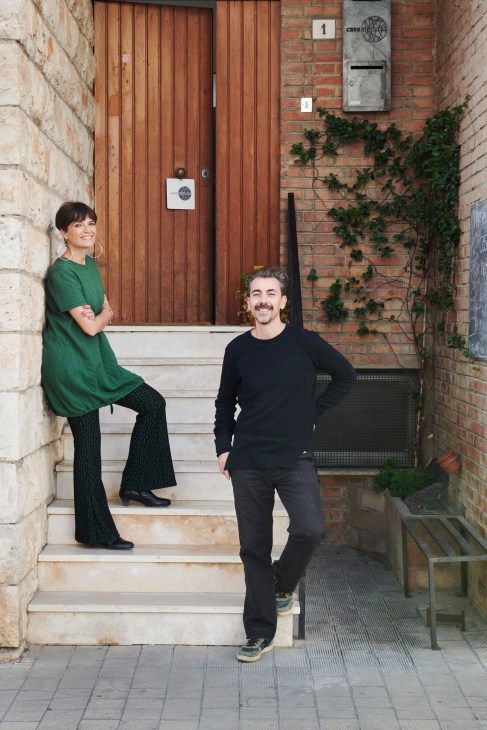
Elena Militello was living in Luxembourg when coronavirus emerged. It took her three days of travelling by land and sea to return home to Sicily. It took her another three of remote working to realise that she didn’t want to leave again.
She came up with the idea for an organisation, South Working, to entice more people to head south – and stay there. One of the main things that they need, she says, is “good internet connections”. In this regard, the region has improved hugely. In 2015, then-prime minister Matteo Renzi pledged €6bn to roll out superfast fibre-optic broadband in the south. The current government has vowed that the entire country will be covered by 2026.
South Working has built a network of co-working spaces through which it pushes for improved wi-fi infrastructure. Militello hopes that the two will engender digital innovation where infrastructure has historically been lacking, though this too is improving.
Just outside Naples, the region’s largest city, a giant splinter of trapezoidal steel towers above the tomato fields. Designed to serve as the gateway to the south, Zaha Hadid’s Afragola station was posthumously completed in 2017. But, apart from a trickle of regional trains, it remains largely unused. The station awaits the Napoli-Bari Treno Alta Velocità (TAV), a high-speed railway slated to open in 2022.
Campania’s regional government has already invested more than €1bn in digital innovation since 2014, perhaps a factor in Naples’ Federico II University attracting the first Apple Developer Academy in Europe the same year. These efforts are beginning to bear fruit: Naples is now ranked third in terms of the number of technology start-ups in Italy, behind only Milan and Rome. Across the wider region, there are 20 per cent more start-ups than in 2019 and four times as many as in 2016.
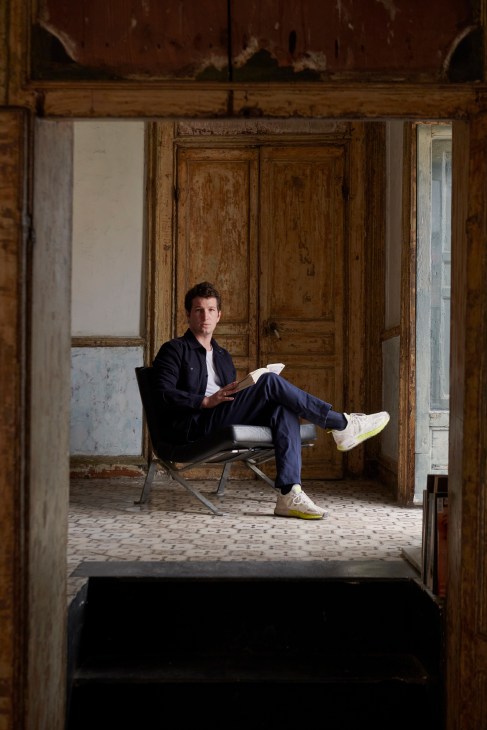
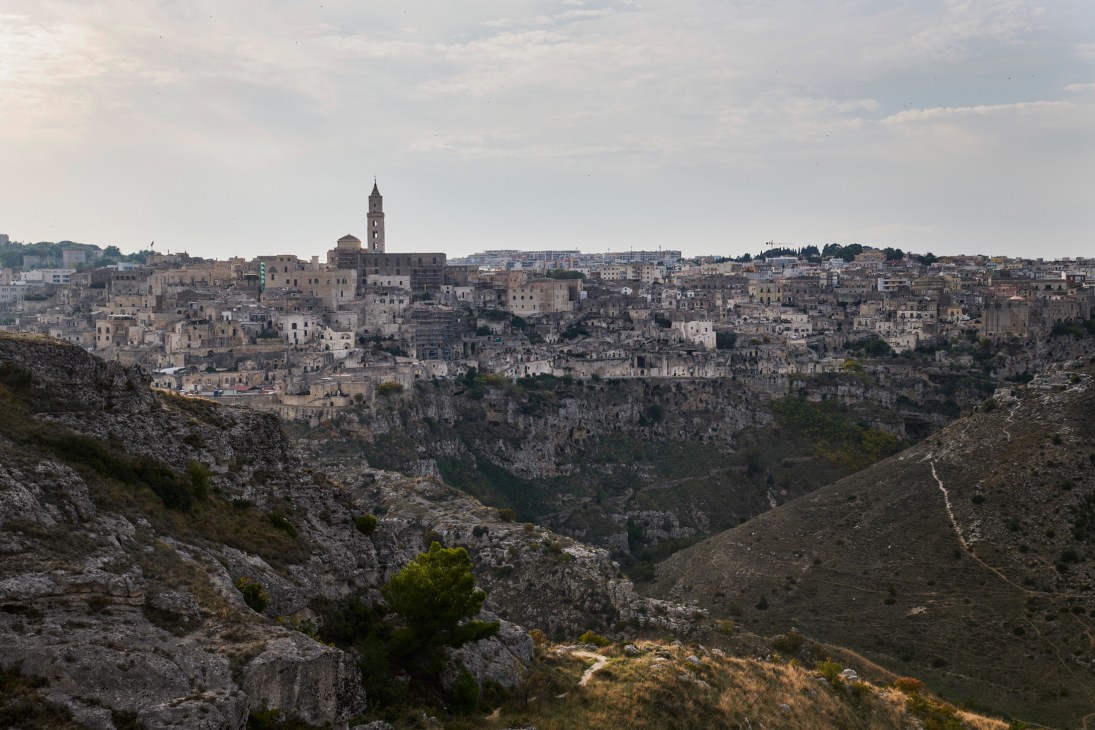
Even the isolated, mountainous region of Basilicata is getting in on the act. “There is opportunity everywhere here, because there is everything to do,” says architect Andrea Paoletti, from a terrace overlooking Matera, the region’s famous cave city. For many years, Matera’s underground dwellings (known as sassi) were seen as squalid symbols of southern poverty. In 1993 they received Unesco World Heritage status; in 2019 it was a European Capital of Culture.
That same year, Paoletti began renovating houses in the nearby town of Grottole, which had more than 600 abandoned houses in its historic centre and only 300 inhabitants. Under a shared initiative with Airbnb, the town now draws flocks of tourists who come to learn how to make the succulent local caciocavallo cheese.
Basilicata’s neighbour to the west, Calabria (the toe of Italy’s boot) is the poorest and perhaps most denigrated of southern regions. The road there from Matera is slow, winding through deep, isolated valleys. Sergio Leone shot his spaghetti westerns here due to its resemblance to places such as Arizona and New Mexico.
In Belmonte Calabro, a hilltop town overlooking the crystalline Tyrrhenian Sea, a group of phd students have founded a commune-style hive of learning and activity that hosts workshops, lectures and events throughout the year. “The isolation of the town gives us the space for experimentation: from renovation to education and marketing, we learn by doing,” says BelMondo Project co-founder Rita Adamo. Designers, artists and entrepreneurs have come from as far afield as Libano and Canada to join her.
The hinterlands of Basilicata and Calabria are the quintessence of underdevelopment in the Mezzogiorno. Italy will receive €192bn of the EU’s coronavirus recovery fund, the largest amount going to any member state. Forty per cent has been pledged to the southern regions, despite their having less than a third of the overall population. It will help to revitalise public services and infrastructure but the work of those like Paoletti and Adamo are already laying the foundations for change.
But to characterise this southern renaissance in purely rural terms would be to ignore the thriving cities, especially in Sicily. That capricious giant, Mount Etna, greets newcomers crossing the Strait of Messina from the mainland. At its foot is Catania, the island’s second-largest city (see page 188). Benefiting from high-speed fibre-optics and 5G, a concentration of research and telecommunications firms has earned the area the sobriquet Etna Valley.
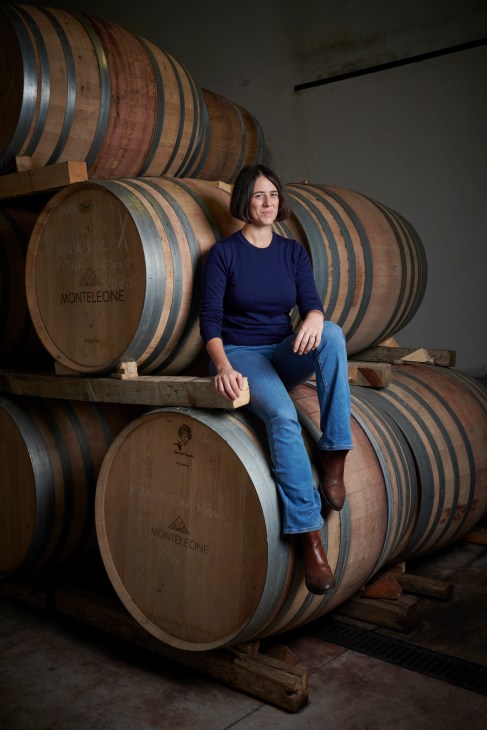
The rich volcanic soil also supports more traditional pursuits. Young Catanian wine-makers are using the proximity of digital innovators to reinvigorate the city’s viticulture. Through e-commerce and social media, wine-makers such as Monteleone are blending a distinctly Sicilian product that’s winning fans in Japan and the US.
Across the island, Palermo sits in a basin between the mountains and sea. Long beset by crime and crumbling infrastructure, the Sicilian capital is enjoying an entrepreneur- driven revival. Tempted by the grand palazzos, vivacity and rich traditions, incomers have formed new associations, such as Palermo Mediterranea, a community of young business owners, and bolstered older ones such as Addiopizzo (which translates as “goodbye extortion”), a group of local proprietors who refuse to pay the mafia protection money.
A key figure in this nascent scene is Dario Nepoti, director of Palermo Mediterranea, who returned to his hometown four years ago after studying in Milan. “Palermo is no longer the closed city of the 1980s and 1990s,” he tells me, referring to the brutal mafia insurgency that kept tourists and investors well away. “A dynamic ecosystem of entrepreneurs has formed here; it’s creating an urban renaissance.”
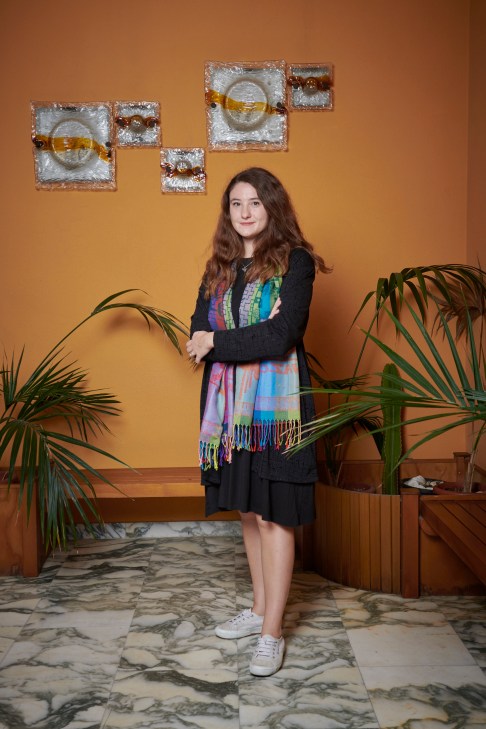
Like Nepoti, Ugo Parodi Giusino was just a child when organised criminals effectively declared war on the Italian state. “Our heritage is hard to shake,” he says. Since 2018, Giusino has been busy trying to change perceptions of the city (and reduce the allure of the mafia money men) by investing his cash into burgeoning start-ups. “If everyone accepts the way things are, then no one will change,” he says.
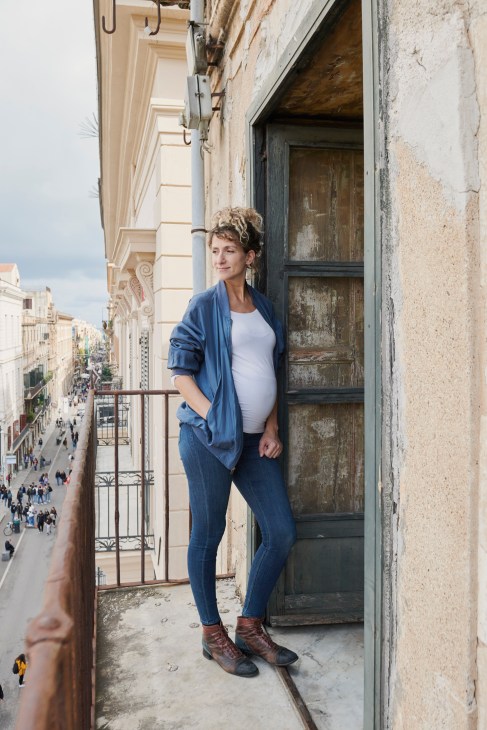
Roberta Pellegrino, co-founder of Ludwig, a successful online translation platform, is more pragmatic about the city’s future. But for her, advantages such as lower costs, an improved work-life balance and the role of family outweigh the negatives. “Palermo is a city of great personality,” she says. “This makes us stand out.” In a month’s time, Pellegrino will give birth for the first time. She is hopeful that her child will reap the rewards of her efforts, and those of other young Palermitanos.
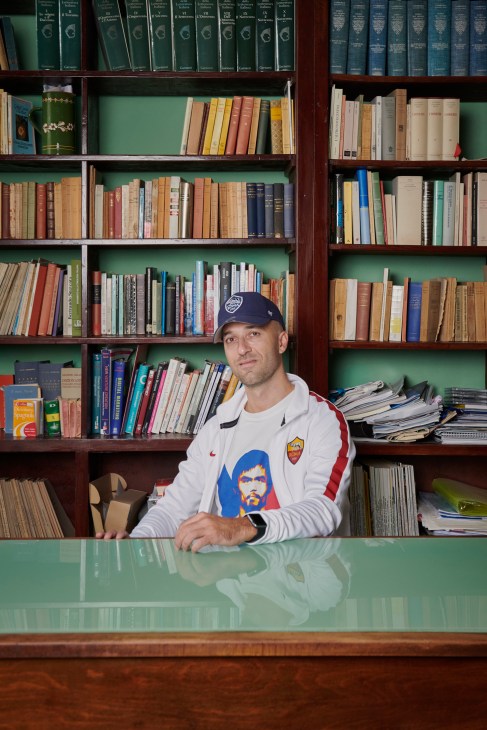
In Belpiede’s library in Puglia, one book catches my eye: Giuseppe di Lampedusa’s The Leopard is a peerless evocation of southern Italy as it was propelled violently into the modern world. “For over 25 centuries,” Lampedusa wrote, “Sicily has been bearing the weight of superb and heterogeneous civilisations, all from outside, none made by ourselves, none that we could call our own.”
Were he alive today, he might observe that Palermo, and the rest of the Mezzogiorno, is slowly waking to the superb and heterogeneous jewels it possesses: the alluring beauty of its cities, the sea, the climate and, of course, the intelligence and ambition of its people.
Comment
Time to take your Meds
by Mary Fitzgerald
It’s hard to think of a more storied body of water than the Mediterranean. Since ancient times, empires and civilisations have risen and fallen around this shimmering sea that links Europe, Africa and the Middle East. People, goods and ideas have traversed it for millennia. In modern times, the notion of a Mediterranean lifestyle fires the world’s imagination, inspiring writers, film-makers and healthy-eating regimes.
Now various factors signal a new era for the Med. It is becoming a more acutely geopolitical space, with Russia taking advantage of wars in Syria and Libya to embed itself just south of Europe, China eyeing opportunities in ports such as Piraeus, and Turkey flexing its military muscle. Against this backdrop, initiatives such as the EU Med group, an alliance of member states in the area, which welcomed Croatia and Slovenia in 2021, are gaining momentum.
Then there’s the emergence of forward-thinking mayors in cities such as Athens, Marseille and Palermo, who view co-operation with their regional counterparts as key to tackling shared challenges, from climate change to migration. And while Europe’s southern belt was knocked sideways early on by coronavirus, it is now catching the attention of those seeking a sunnier perch after the life changes made possible by pandemic-induced remote working.
Many Parisians are moving to Marseille, lured by its low rents and creative energy, the same elements that have drawn newcomers to Athens and Palermo. Some talk of the region’s potential in a more interconnected world, particularly given its proximity to Africa. Others appreciate a way of life with more intergenerational mixing and a sense of community often missing elsewhere.
It’s easy to romanticise the Mediterranean lifestyle but the region is being tested by a multitude of challenges, ranging from soaring temperatures and wildfires to migrant flows from the south. That’s not likely to change any time soon. To overcome them, it’ll have to tap its historically rich human resources.
Mary Fitzgerald is a writer based in Marseille.
Future in stores
Thailand’s largest retailer, Central Group, opened its first department store in Bangkok 65 years ago. Today it owns some 60 department stores and builds shopping malls, offices, homes and hotels all over the country. The family-run business has also been buying high-end European department stores and returning them to their former glory.
Tos Chirathivat, CEO and grandson of Central’s founder, took the company into Europe in 2011 with the acquisition of La Rinascente in Italy. The past decade has seen Denmark’s Illum added to its portfolio, along with majority stakes in Germany’s Kaufhaus des Westens (KaDeWe) and Switzerland’s Globus. All are luxury retailers that are more than 100 years old and in need of significant investment.
With Asia beginning to open up, Chirathivat is planning a European tour, starting with oma’s transformation of KaDeWe in Berlin. It could turn into a shopping trip as well. Central’s headline-grabbing acquisitions have been on hold over the past 18 months but Chirathivat has deep pockets. The group listed its retail arm on the Bangkok stock exchange just before the pandemic and the proceeds remain largely unspent. Will London’s Selfridges be next after its owners put it up for sale for a rumoured £4bn (€4.7bn)? Chirathivat is tight-lipped but a bid wouldn’t surprise anyone in the industry.
Why do department stores have a future?
It goes back to the old days when the department store played an important role as a social place. But it doesn’t work if you have 10 of them in one place. A city only needs one or two.
Why has it fallen to you to save the department store in Europe?
Because it’s not easy and no one wants to do it. People are more into investing; they just want to buy and sell, make money and go. But we are still traditional. We want to buy a shop and create something unique for a city. We’ll be there long-term and we almost never sell anything [in our portfolio]. It can take years to finish one project, especially in Europe. In the case of Rome, it took almost 10 years. Then, after that, you need to operate on a daily basis. I don’t see many people or many companies who are willing to do that any more.
How would you rate your decade in Europe?
The Italian business is excellent; we’re very pleased. Germany is the second big project. We’ve been there for five years now but we’re not finished with our redevelopment. KaDeWe in Berlin will be completed by the end of this year or early next. It’s one of the largest stores in Europe, comparable to Harrods, so that’s a major step and our brand partners are very happy. But Germany will take us another two years. We are starting anew in Switzerland. So far, so good.
Why the focus on Europe?
Retail is not fun to operate; it’s very hard work, day in, day out, and you need to be close to your community. Very few retail companies are successfully operating across many countries. It’s almost impossible to manage if you are spread out everywhere in the world. So we picked Italy; the other countries just followed. Our focus remains in Europe because there’s no way we can go to the US or to Japan to do the same thing. Thailand, Vietnam and Europe – that’s enough.
Do the European luxury brands still want to be in a department store?
When we went into Europe, the brands questioned our ability but we’ve proven that we know how to do this. The brands need to trust that you are able to deliver the space, the ambience and the environment they want to be in. And you need to be able to maintain it and run it properly. Not many people can do that so there are not many people whom the brands trust. You need to really work with them.
What effect has the coronavirus pandemic had on these relationships?
Many of our stores [in Europe] have been closed for almost a year but inside the renovation went on. Our partners, our brands, they continued to invest and so it’s really exciting now that all our locations are open. The stores are brand new and fresh, and all the brands are there. We did not stop in the past one-and-a-half years and you’ll see the difference, like in [KaDeWe] Berlin – a new floor and millions in investment by us and by our partners.
Does fashion have a place in department stores or is the future in food and drink?
Definitely. We believe in the future of luxury retail because that’s human nature. People aspire to have nice products. At the same time, luxury brands are doing a great job in making their products more accessible. That’s where we come in and we join with the brands. Consumers can either go to their store or they come to our store, where all the brands are together and it’s more accessible. There’s no security on the door; you can just come in for a look and then buy a cup of coffee.
Where does e-commerce fit in?
We have a fantastic physical platform and we are now building the digital platform. Connecting the two will make it really meaningful and it’s already proven quite successful for us in Thailand. We have 18 million members in our loyalty programme and 70,000 employees working in our stores, so we are designing tools for them to interact with each other. Consumers love to have a connection with staff and our top customers today have their own personal shopper who they can contact in their local store; they know the staff, they know the managers.
What’s next? KaDeWe Asia?
No, we don’t want to take any project international. You have to connect with local people and the local food, local arts, local culture. No one wants to go and see the same thing everywhere in the world, right? You want to see what’s different.
Are you ready for the Thai borders to reopen?
We’ve been waiting for this. Thailand is a country that depends on tourism quite a lot – as a percentage of the economy it may be one of the highest in the world. It’s crucial that tourism is coming back.
How much does Central depend on tourism?
Our domestic demand is about 80 per cent of what it used to be, so we’re 20 per cent down from before the pandemic. Tourists directly contribute about 10 per cent to our business in Thailand and the other 10 per cent comes from domestic consumers who depend on tourism. That should pick up when the situation improves and it’s getting better every day. In our stores in Europe, domestic demand is now the same or exceeding pre-coronavirus levels.
Will you reach pre-pandemic levels in 2022?
Frankly, no. But, again, it all depends on the tourism number. Will Thailand get 50 per cent of the normal tourism arrivals that we used to get next year? I don’t think so. But hopefully we should be there in about two or three years.
Do you think Asia will open again in 2022?
A lot depends on the decisions of China and Japan, and how they want to deal with it. Asians are much more cautious and conservative than our Western counterparts so the return will be slow.
Do you have a favourite department store?
Rinascente in Milan and the one in Rome. Of all our stores, I love those the most. But Le Bon Marché in Paris is really beautiful. And Selfridges has done a very good job with its energy and excitement.
What can we expect to see happening in Asia as borders reopen? We ask the market leaders.
1.
Furniture
Japan
Who: Hiroshi Yamanaka
Role: President
Company: Maruni Wood Industry Inc
“Coronavirus has had a huge effect on our lives. Although the boundaries between office furniture and high-quality home furniture have been blurry for some years, we have become far more aware of them. Maruni is looking forward to returning to Salone del Mobile in 2022 and showcasing our new products and concepts to people from all over the world. We are also thinking about how to address new challenges in terms of product development and sustainability ahead of our centennial in 2028.”
2.
Transport & logistics
Indonesia
Who: Noni Purnomo
Role: President
Company: Bluebird
“Indonesia’s economy is forecast to grow by at least 4.5 per cent in 2022 and this will be fuelled by a mix of infrastructure investment and recovery from the pandemic. With vaccination rates already above 60 per cent in major cities, we will have the confidence to reopen our borders, so tourism-related industries will start to recover. We believe that 2022 will be much better than 2021. We are hiring more taxi drivers and doing our bit to reduce unemployment in Indonesia. On the logistics side, delivery costs in Indonesia are still very high compared to neighbouring countries such as Malaysia, Singapore and Japan, so this offers plenty of opportunities.”
3.
Property development
The Philippines
Who: Fernando Zóbel de Ayala
Role: CEO
Company: Ayala Corporation
“The pandemic triggered a profound realisation that our ecosystems are fragile and that collective action can help to solve complex problems. Accelerating digital technologies brought greater connectivity, with several fintech and healthtech solutions empowering people to address previously underserved needs. We will be moving aggressively into both. Also, there are unprecedented levels of public-private co-operation to tackle climate change and inequality. Heading into 2022, I believe that Asia will join other parts of the world in its economic recovery.”
4.
Food & drink
Singapore
Who: Wee Teng Wen
Role: Managing partner
Company: The Lo & Behold Group
“Businesses and guests are eager to ring in 2022 after a very challenging and unexpected 2021 that saw Singapore tightening restrictions. At The Lo & Behold Group, we’ve made observations that have shaped our plans for our venues. People have reconnected with their roots and local cultures in new ways after spending so much time being tourists in their own city. I expect to see a stronger activation of the suburbs born of the decentralisation of work. And since people have spent so much time at home, conventional rhythms have blurred – perhaps tastes for dining at odd hours and daytime drinking are here to stay. But more than anything, we’ve seen the power of hospitality venues to lift people’s spirits and bring them together.”
5.
Fashion
Japan
Who: Gen Yakasaki
Role: Senior operating officer
Company: Beams
“We expect 2022 to be a big year for us in the global market. We’ll be returning to Paris in January; we plan to showcase six of our in-house brands including Beams Boy, Beams Japan and Beams F in addition to Beams Plus, which has always been the main draw. In Asia we’re looking at increasing our retail presence in Taiwan and also opening permanent shops in China, where we have had more than 10 pop-ups. We are looking for strong growth outside Japan.”
6.
Hospitality
Indonesia
Who: Ronald Akili
Role: CEO and co-founder
Company: Potato Head Family
“Bali has begun its long-awaited reopening to foreigners and I believe that ‘regenerative hospitality’ is the only way forward for the next generation of adventure-seekers. It’s not a fad; it’s a new kind of tourism – a way of being in and experiencing a destination that deeply enriches both it and the visitor. It’s a commitment to inspire and model change for the entire hospitality industry. After a decade of hard work we’ve realised that hospitality and tourism can be done in a better way. There is virtually no waste at Potato Head; just 3 per cent ends up in landfill, with the goal of zero by 2022. For the future, I have three things to focus on: helping the people in Bali; our philosophy that sustainability can be beautiful; and driving this new standard for hospitality. We have a chance to make a clean start and do it the right way.”
7.
Cosmetics
South Korea
Who: Suh Kyung-bae
Role: Chairman
Company: Amore Pacific
“As South Korea’s leading cosmetics company, we are always attentive to the fast changes taking place in our industry. We expect to see robust competition between cosmetics brands in Asia’s beauty market as we enter a new era in 2022, driven by a burgeoning number of digital channels, increased consumer demand for skincare products and services, expansion of the young luxury market and the rapid growth of the beauty market in China. South Korea’s cosmetic industry is well positioned to take on a new leadership role in the global beauty marketplace. It’s brimming with innovative products and top-tier research and production facilities, and has demonstrated solid growth of a diverse range of new brands. Following France and the US, South Korea’s industry recorded more than €5.8bn in exports last year alone.”
8.
Events
China
Who: Zhuo Tan
Role: Event director
Company: Design Shanghai
“We have reasons to be optimistic, both about the economy and the show industry. China still has a zero-coronavirus policy but there’s speculation that this might be relaxed a bit next year. By then the inoculation rate will have reached 80 per cent and major events will have taken place. The design industry in China has taken 2021 as an opportunity to reflect on the role of living spaces and the connection between people and nature. Sustainable design was a feature of the Beijing show this year and it will remain the key theme. We have three shows in the pipeline for 2022, in Shanghai, Beijing and Shenzhen. Next year won’t be easy but it should be better than this year.”
9.
Travel
Hong Kong
Who: Toby Smith
Role: Deputy chairman
Company: Swire Hotels
“We’re looking forward to a more positive 2022 and 2023. There’s undoubtedly pent-up demand for business and leisure travel. How quickly it returns will depend on how and when the frictions around flying can be removed. Hotels on the Chinese mainland are benefitting from the large domestic market but hotels in Hong Kong will continue to suffer until quarantine-free travel resumes. Our main focus will be on the expansion of our two brands in Asia-Pacific. With five new hotels in the pipeline, much of my time will be spent travelling in the region meeting developers and looking at site opportunities.”
10.
Retail
Vietnam
Who: Tran Thi Hoai Anh
Role: Founder and CEO
Company: GlobalLink Co
“While many businesses in Vietnam may still be in doubt, luxury fashion is doing relatively well. Many wealthy shoppers were not able to consume much during four months of lockdown. Now that they are out, I expect that they will start spending again. Clients here always prefer daily wear to evening wear and go for smart, elegant and creative styles from well-established brands. I see them focusing more on quality and beauty in the future, especially when it comes to their home, health and hobbies. In 2022 we will build a new Runway flagship shop in the best location in town and two new monobrand stores. I don’t think we will be able to travel to Europe for the fashion shows before autumn/winter 2022, so the keys to success for luxury retailers in Vietnam will be the experience of their buyers and strong customer relationships.”
Andrew Tuck on how to make 2022 better and brighter
It has been a tricky couple of years predicting what will happen next. We have all had to get used to living with increased levels of uncertainty. Dates have been added to calendars with the only certainty being that, well, they almost certainly would shift. When we put together the previous issue of The Forecast a year ago, I don’t think many of us thought that whole parts of the globe would still be sequestered away like secret kingdoms some 12 months later.
Somehow, however, we have learned to roll with the challenges, get around the barriers on our paths and, finally, as we prepare for 2022, things do seem a little clearer. Sure, the pandemic is not over but the social anxiety that it triggered has abated. And some of the crazier predictions about what would happen to the world and the ways that we would work and live are at last being revealed as nonsense.
But one thing that has stuck is the discussion around where, and how, people want to live. Look, we’re not buying into the story that our big cities will go into a tailspin of terminal decline because of homeworking but what we do believe is that people want to be in cities that sustain them.
We’re not buying into the story that our big cities will go into a tailspin of terminal decline because of homeworking but what we do believe is that people want to be in cities that sustain them
Another noteworthy piece of rewiring that’s happened because of the pandemic is that money is being made available to kick-start economies and some of these schemes are supercharging the redevelopment of previously neglected regions. That’s certainly the case in Italy, where the south of the country will benefit from EU largesse as well as from the creation of high-speed rail links. That’s why we headed to Puglia, Campania and Sicily to meet a new generation of entrepreneurs who are making their fortunes and discovering a sunny quality of life there.
As Asia finally plans to open to the world in 2022, we look at which of its economies will be the key winners and investigate why many media companies are moving their operations to South Korea. Also, our correspondent in Taiwan explains why China’s angry rhetoric against the government in Taipei is unlikely to lead to war in 2022.
There are softer sides to our predictions too. In Paris we meet the hoteliers who are keen to shake up the city’s hospitality sector. And for a story that’s very soft indeed, we head to Scotland to see how once-sleepy cashmere brands are now plying their trade as never before.
Our aim, as always at Monocle, is to warn you about potential hazards ahead but, just as importantly, to show you business ideas to adopt, people out to change the world for the better and some corners of the globe that can at last be added to your travel agenda (we also hope that one of our conferences, events or parties makes it on to that agenda). But, for now, here wishing you a very happy, successful and always interesting 2022 from everyone at Monocle.
Go north
Quality and longevity are embedded in Nordic culture and its fashion brands have often veered away from the fickle, trend-led aspects of the industry. In 2021, as international players look for better ideas in trying times, many eyes will be cast north, where brands emphasising good looks, sustainability and social intelligence in their business models are enjoying success.
Manufacturing
Lindberg, Denmark
Known for its craft culture and celebrated for function-first furniture, Danish design has long been associated with quality. While in the fashion world this tag is slightly less revered, Aarhus-based eyewear brand Lindberg has commanded global respect for decades.
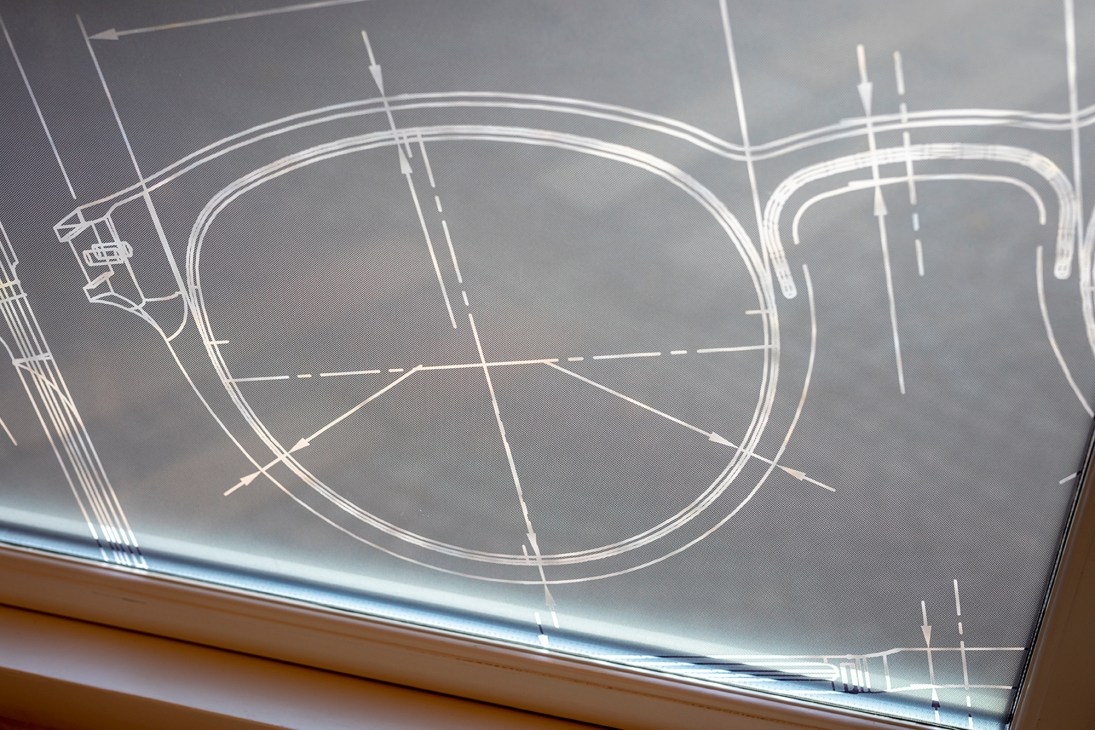
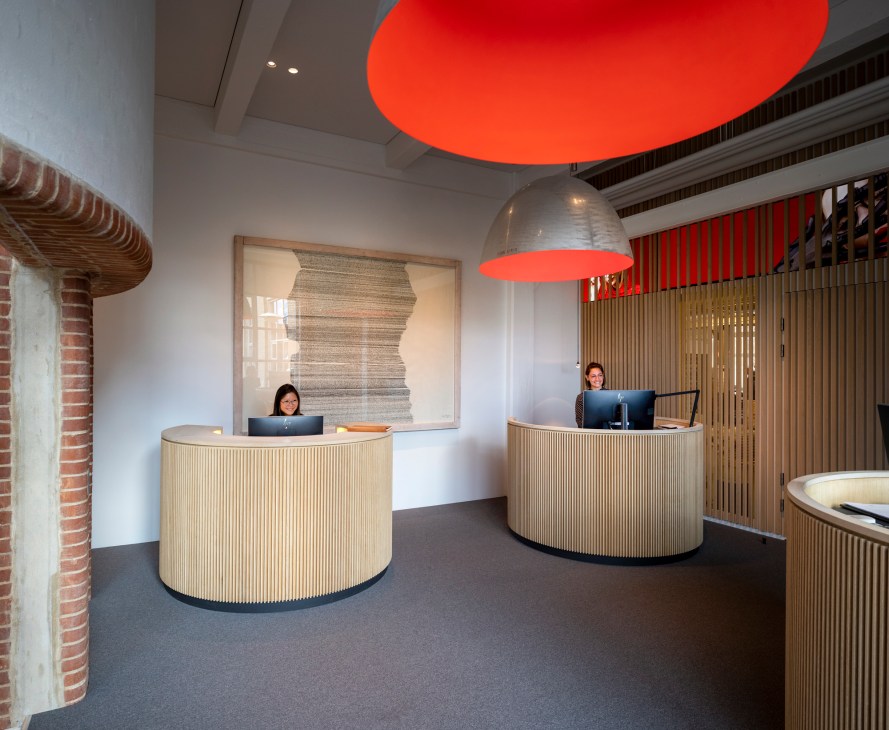
Growing from within, and maintaining creative control as it tackled international expansion, has helped the brand gain success. In the process, Lindberg has found a global audience, enjoying popularity everywhere from the streets of Seoul in South Korea to high-end fashion circles in northern Italy, all drawn to the unique “screwless” construction of its titanium shades and spectacles. Comfortable, practical and classic in style, they offer real value for money, even with a premium price tag. The reason, as owner and CEO Henrik Lindberg says, is that they are a touch too well constructed.
“Our problem is that our products last too long,” says Lindberg, whose company continued to motor ahead during a hairy 2020 for the wider industry. “It’s not our business to make frames that wear out after two years and need replacing.” With shoppers increasingly looking at the provenance of products and their durability, Lindberg has been able to flex the brand’s credentials internationally and grow its market share.
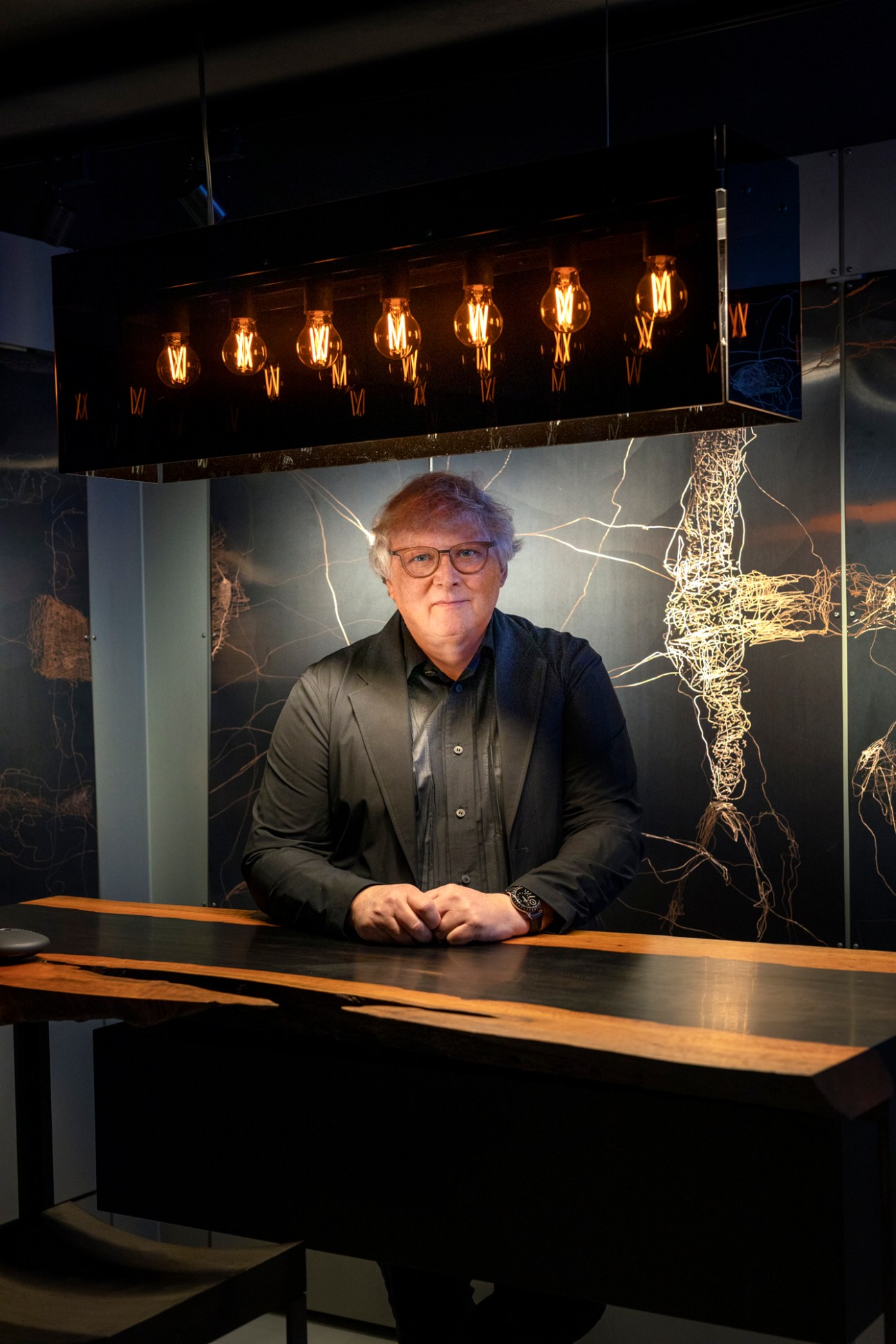
The business was founded by Lindberg’s father Poul-Jørn in 1969. But it wasn’t until 1983, when the company collaborated with architecture firm Dissing 1 Weitling, that it hit its stride by making glasses with an ultra-tough (but still pliable) titanium wire. Lindberg (who stepped up as CEO at this point) explains that the glasses’ anti-allergenic hinges, constructed without screws, are formed using a special industrial manufacturing technique that ensures consistent quality.
“You’re born into a different kind of design tradition here,” he says, when questioned on this detail-oriented company culture. The company’s huge factory buildings, originally built for industrial metal-lathe production, contain neat assembly lines. “My generation’s parents bought designs from the greats – Arne Jacobsen, Finn Juhl and Hans Wegner – in the way people today buy from Ikea,” says Lindberg. “Those architects made everything back then: they’d design whole buildings, from the architecture to the furniture. When I trained as an architect I would look at what they were doing for inspiration – keeping things clean and thinking holistically.”
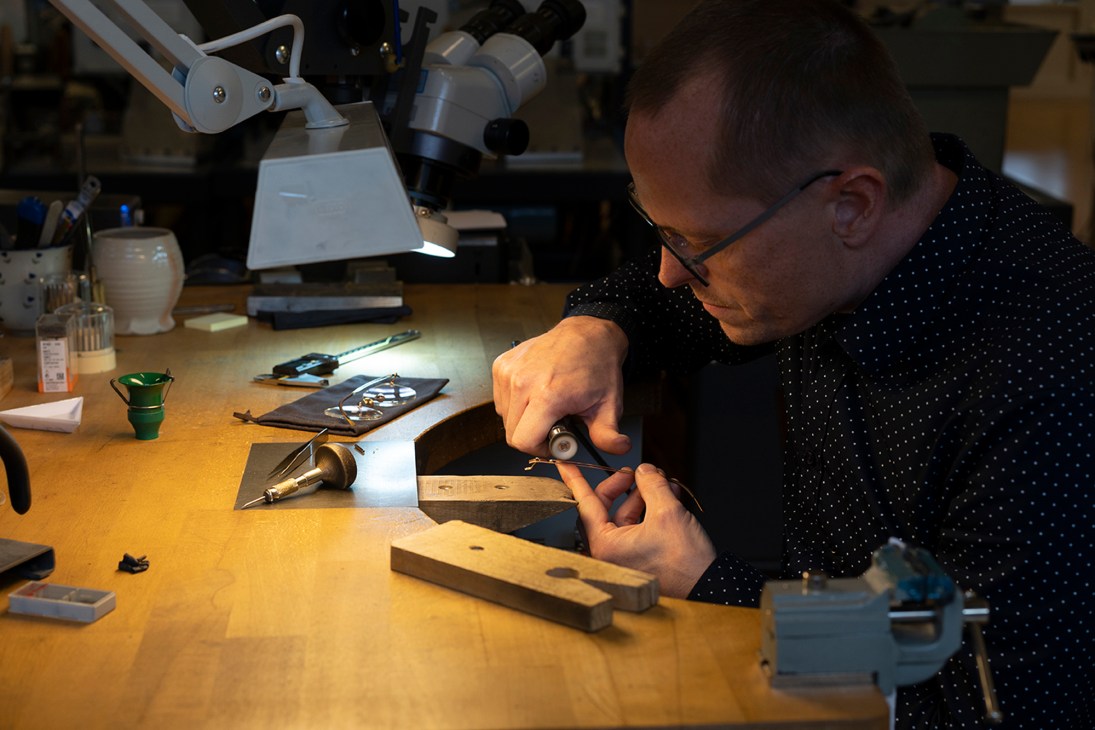
Master architect Arne Jacobsen, whose town hall masterpiece is just around the corner from Lindberg’s base, laboured as intensely on the clock tower as he did on the small clocks on the building’s walls – and Lindberg mirrors this mentality. The company has gone to incredible lengths to keep creative control under its HQ’s roof; it recently acquired a Danish cabinet-maker to make sure that the eyewear cabinets it creates for its merchandise are the best they can be.
Challenges remain, however. “When it comes to quality eyewear, you can never replicate the buying process online and customers often settle for something that they’re not that happy with,” says Lindberg. “It’s up to us to ensure that people are excited about the product.” With this kind of heritage and commitment to quality, Lindberg has a pretty good shot.
lindberg.com
Sustainability
Marimekko, Finland
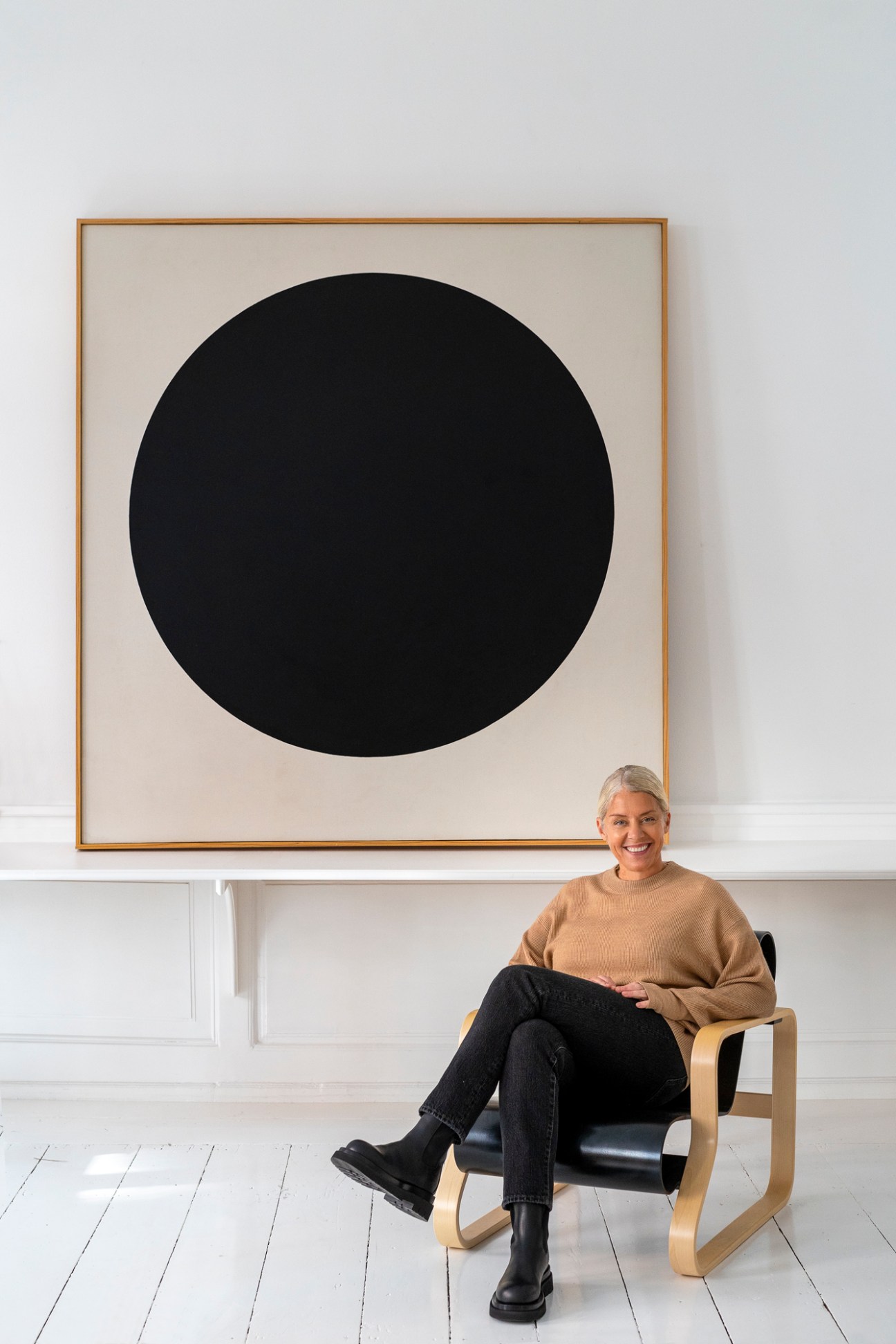
Developing her career with fast-fashion brands Gap and Uniqlo, Rebekka Bay has brought big business experience to Finnish heritage label Marimekko in her time as creative director. She joined the company, which is beloved for its bold prints, in September, at a time when fashion brands were (and still are) rethinking their supply chains and addressing issues around social responsibility and ethics.
Bay is not entirely new to Marimekko: the Dane previously served on its board of directors. But Marimekko sees value in Bay’s international experience – in particular her work in the Asian market (her previous job was as creative director of the Uniqlo Global Innovation Center) in its efforts to expand globally. Bay talks about her new role and her vision for the 70-year-old Finnish brand.
How is Marimekko navigating these turbulent times?
The pandemic has reinforced a trend that already existed. More than ever, consumers look for authenticity and integrity. They look for brands that are timeless and that have a sense of purpose. With our focus on sustainability, equality and high quality, Marimekko is well-placed to meet these demands. On a practical level, the industry has had to adapt to a new way of working. This has given us more time to reflect, to think deeper. This has been a very positive development. We have travelled less and our meetings have been more focused. In a way, we have had fewer disruptions than before.
Let’s talk about sustainability. What does it mean for Marimekko?
It really goes to the heart of what we do. It has been that way since Marimekko launched in the 1950s but back then it was seen as something revolutionary. First of all, we aim to create lasting and high-quality items. This means that people live with our items longer and consume less. We aim for a style that is passed on from one generation to the next, a timeless aesthetic. That’s on the brand level. On a practical level, sustainability means that we always look for new, more sustainable fabrics and dyes, and to produce as little waste as possible.
To name just a few examples, we have recently started working with the Finnish fibre-tech company Spinnova, which produces wood-based fibres that are both recyclable and sustainable. We have also partnered with a new Finnish natural dye manufacturer, Natural Indigo Finland.
Is Marimekko a trailblazer in cleaning up the fashion industry?
We don’t see ourselves as a trailblazer because sustainability is simply in our brand DNA. It’s built into our culture and the way that we work. We feel like the world around us has changed and there is a renewed focus on sustainability. Of course, it’s great if we can inspire others, as the industry could focus less on fast fashion and fast trends.
As a Dane, you look at Marimekko both from the inside and the outside. How does it reflect Finnish values in your view?
What is most Finnish about Marimekko is how inclusive and democratic its creative community is. Finland is one of the most equal countries in the world and I sense this culture in the way that Marimekko does things. It’s never about one person’s vision, it’s about community, interaction and dialogue.
As the new creative director, how do you see your role and what is your vision for Marimekko?
I see myself as the conductor of an orchestra. At Marimekko we have quite a unique creative set-up that consists of an in-house design team, a large archive of prints and patterns, and many talented freelance designers who we work with. My job is to ensure that everyone has an outlet for their creativity and that everyone feels involved.
We have various different touchpoints, such as clothes and home furnishings, and it is important for the brand to come across in a similar way across all of them. My job is also to simplify things and to make sure that there is one cohesive message as a brand. In all of my past roles I have helped to build strong creative organisations and mentored design talent.
Putting that managerial role aside for just a moment, what will you bring to Marimekko from a design standpoint?
I will continue the work that has already gone into modernising the Marimekko brand, the collections and the individual product. I would like for us to both exaggerate and edit; to make ideas, concepts and storytelling more important, more playful, bolder and more confident, while still delivering timeless, wearable and combinable collections. I would like for us to continue to develop the Marimekko colour DNA and explore new colour harmonies and compositions. I am also very intrigued by the opportunity to clearly identify Marimekko by colour.
We will continue to utilise the expansive print archive as well. I look forward to playing with scale, techniques, applications and innovation and to celebrating our important heritage within the art of print-making. We are also in the process of building consistency in fits and fabrication. The intent is to build a collection, over time, of iconic Marimekko silhouettes, addressing the need for slim, relaxed and oversized silhouettes, the need for both fluidity and structure, the need for newness and consistency. But, most importantly, we aim to develop archetypes as perfect canvasses for a range of Marimekko prints.
marimekko.com
Retail
Atelier Saman Amel, Sweden
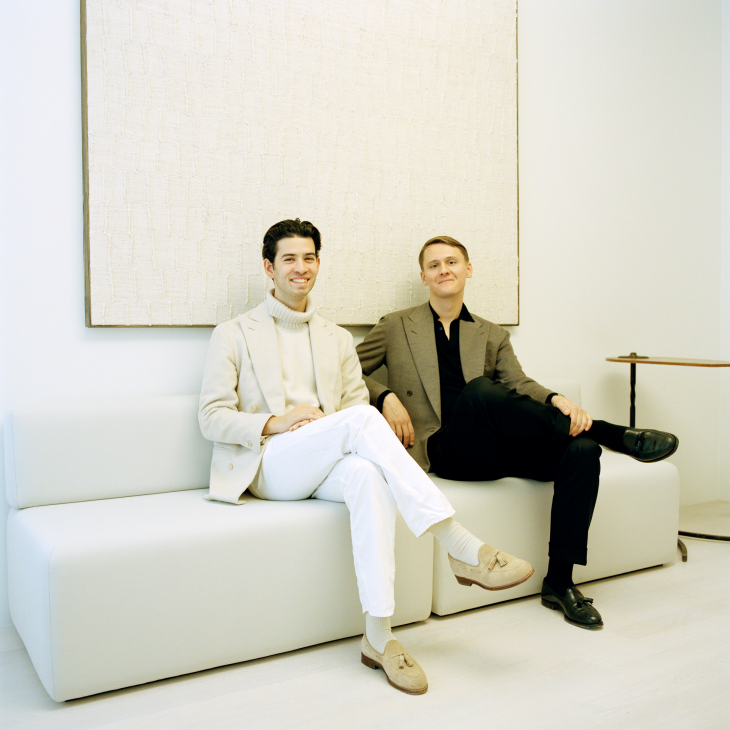
Tailoring can conjure images of stuffiness, tradition and older gents in three-piece suits. Saman Amel and Dag Granath (pictured, on right, with Amel), the two twentysomethings behind Atelier Saman Amel, are none of those things. “Tailoring is no longer about expressing a level of formality or reflecting your social or work position,” says Granath. “It’s a matter of finding clothes that you can cherish for a long time and that make you feel comfortable in your body. “It’s about feeling sexy, elegant and cool.”
For the past decade the Stockholm-based childhood friends have brought a refreshingly youthful edge to tuxedos, suits and blazers as well as knitwear and five-pocket jeans, all made to order. And now they have an impressive new space in which to welcome customers: a “futuristic Savile Row”, as Granath puts it. Located in Ostermalm, an upmarket district in central Stockholm, the shop-cum-showroom- cum-atelier has been a long time coming: Amel and Granath started talking about opening a place like this four years ago. “We are still the only owners of the company; we want to do it independently,” says Amel. “Taking that path [means that] you have to save up for investments like this.”
Designed in collaboration with fêted Swedish architects Christian and Ruxandra Halleroed (who are behind the retail designs for other top Swedish brands including Acne Studios and Totême), it offers a convincing blueprint for the future of high-end retail. For starters, the shop is by-appointment only, which was always the plan but now seems prescient given that the coronavirus pandemic has forced premium retail to embrace more personalised experiences.
“If you want to create strong design, you need to have a very good understanding about who you are designing for – and we get that understanding when we meet clients,” says Granath. “Our ambition has never been to have 100,000 clients but to have 1,000 really good clients who we can work with for a longer time.”
Eager to ensure a special experience for those customers, they sought the expertise of Björn Frantzén, a friend and client, and the chef behind Frantzén, the three-Michelin-starred Stockholm restaurant. They considered how to shape a “three-starred atelier”, says Amel, in terms of serving peerless product in an environment that ignites patrons’ senses.
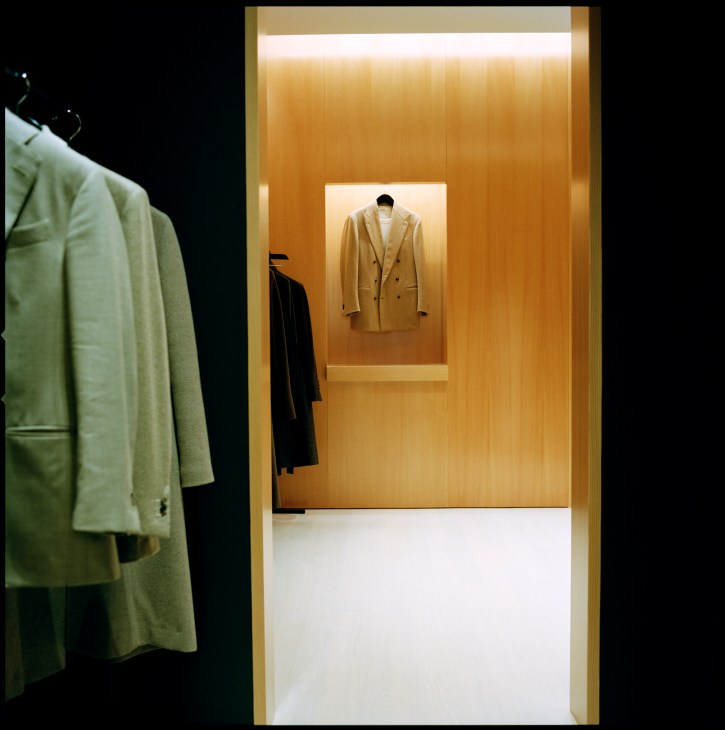
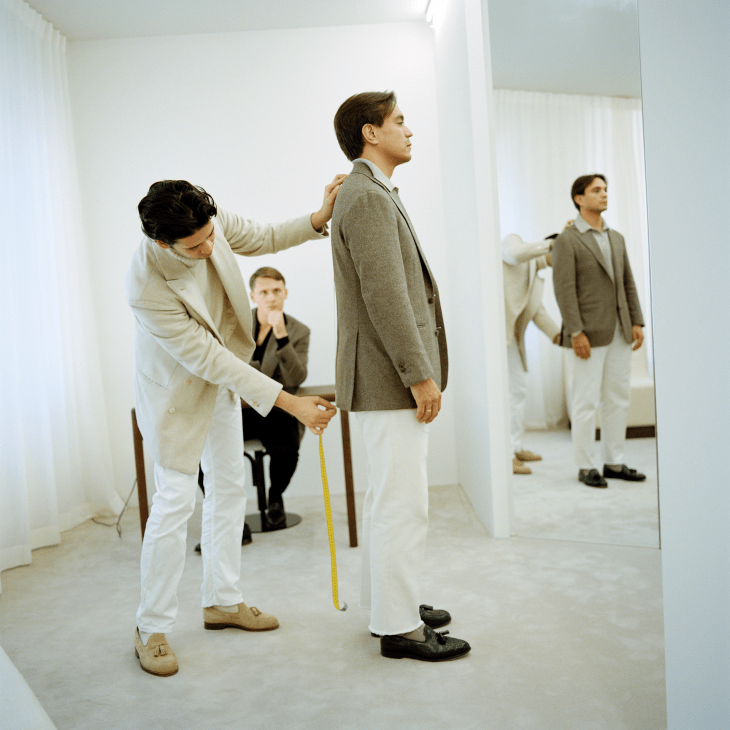
Although unassuming from the street – it is marked only by a small sign – considerable thought has gone into the flow of the space, which is divided into a series of rooms, each with a distinct feel and purpose. Customers first enter a room that has a residential vibe and is devoid of clothes; over coffee, Amel, a trained tailor, and Granath, who focuses on brand development, find out about their tastes.
They then pass through a striking black-walled corridor before entering a wood-panelled suite where they’re presented with the full range of options – from caramel-coloured corduroy suits and double-breasted lambs-wool blazers to ribbed merino rollnecks – and informed about what they are paying for: everything is made in Italy using Italian and UK textiles. Measurements are taken in adjoining rooms and a “wardrobe plan” is drawn up. Because everything is made to order, it’s an extremely lean business model with almost no waste or excess inventory.
In this pocket of Stockholm, Amel and Granath have created their own world, one coloured by honey-hued Swedish-oak floorboards, understated furniture designed in-house and an assortment of Swedish artworks. “We wanted something that extended Atelier Saman Amel as a brand,” says Amel, citing Ralph Lauren as a master of creating a brand-universe. “[Our] world should be about the Scandinavian lifestyle, about getting a deeper relationship with clients and about craft.”
But there’s something else too. Beyond the impeccable jackets on show in the new Stockholm shop, the atelier’s appeal stems from the vibrancy of its young founders, who bounce off each other, speak thoughtfully about clothes and wear their own designs well. At a time when shoppers are yearning for a personal connection with brands, this one seems particularly seductive.
samanamel.se
Outside the box
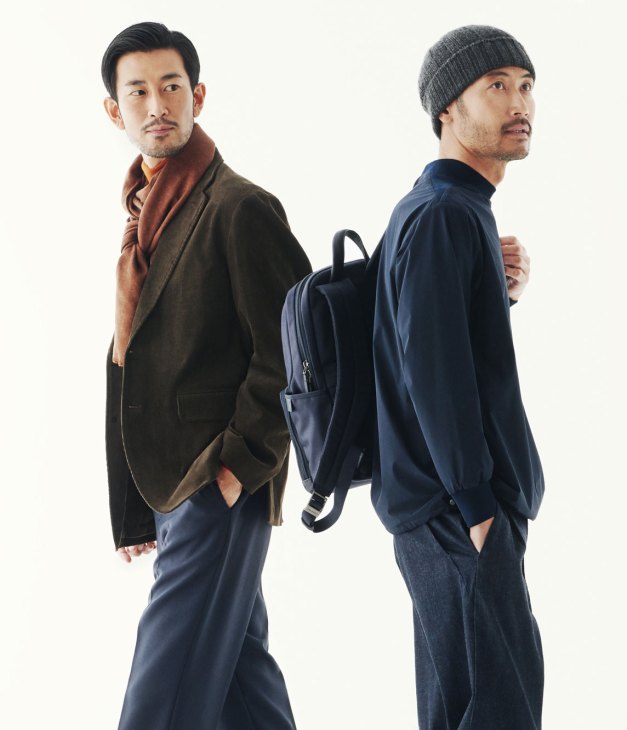
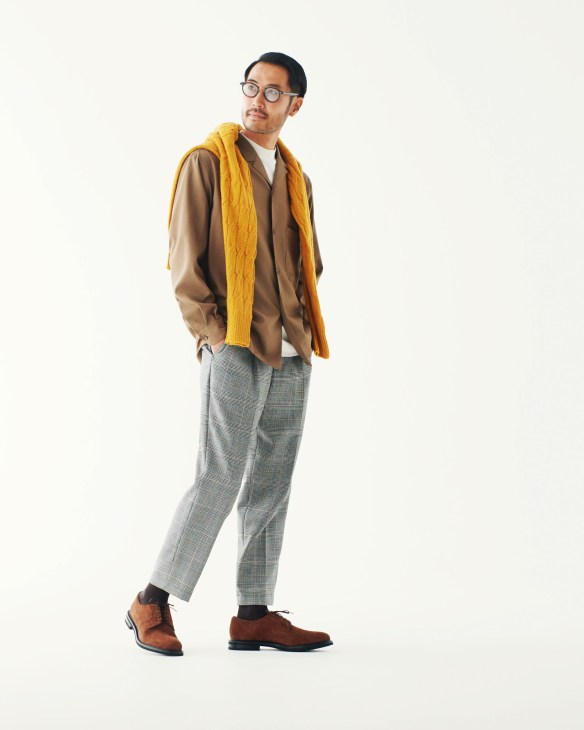
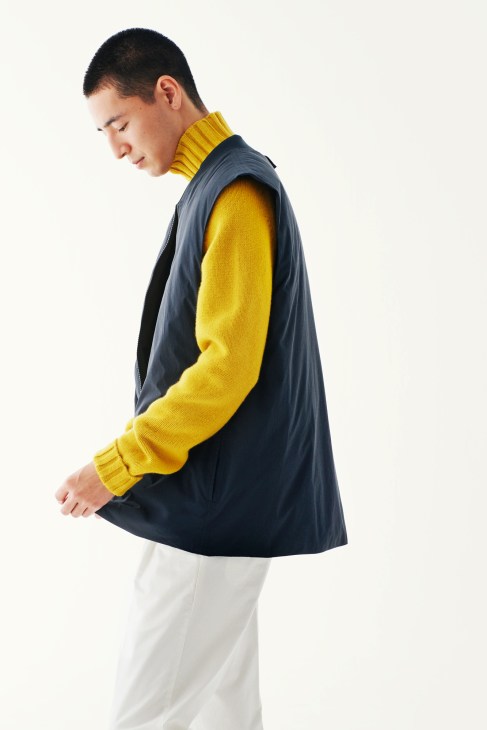
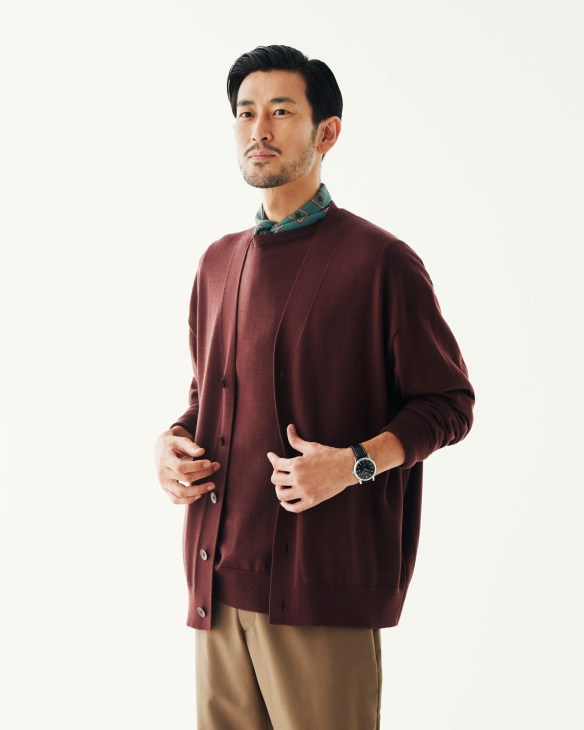
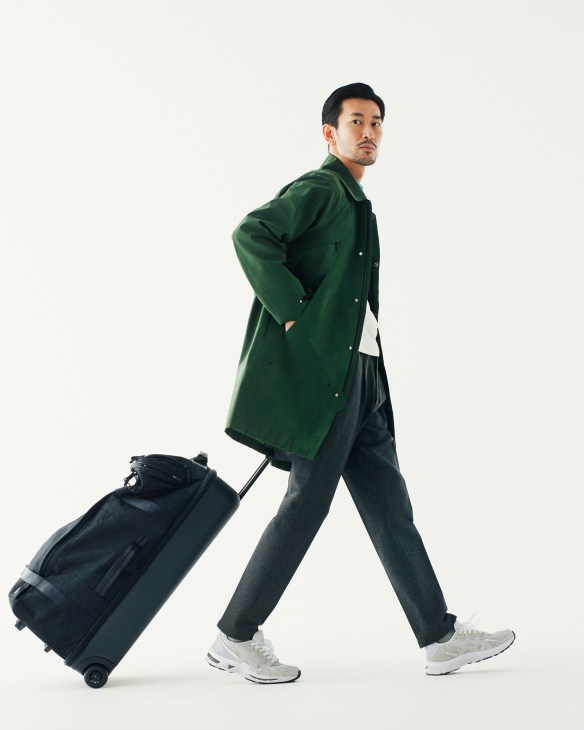
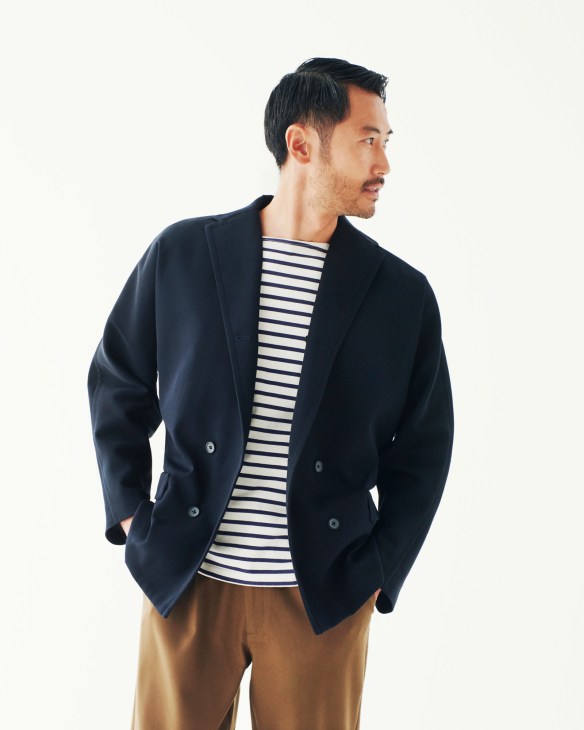
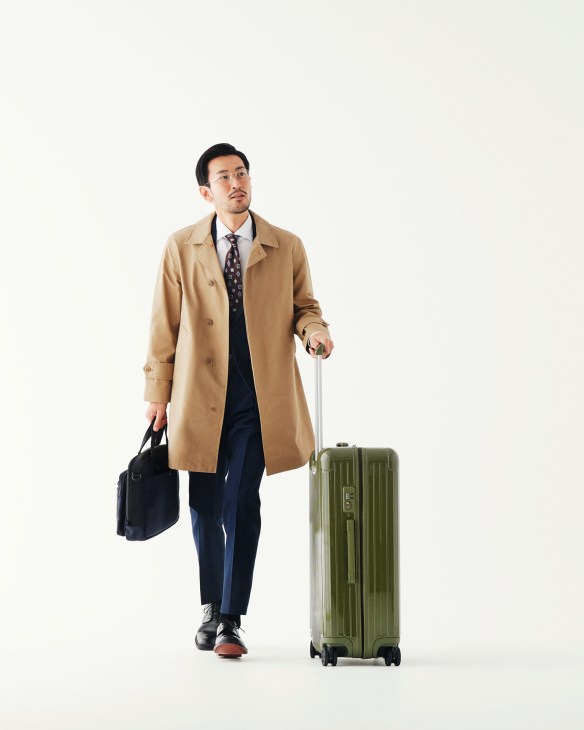
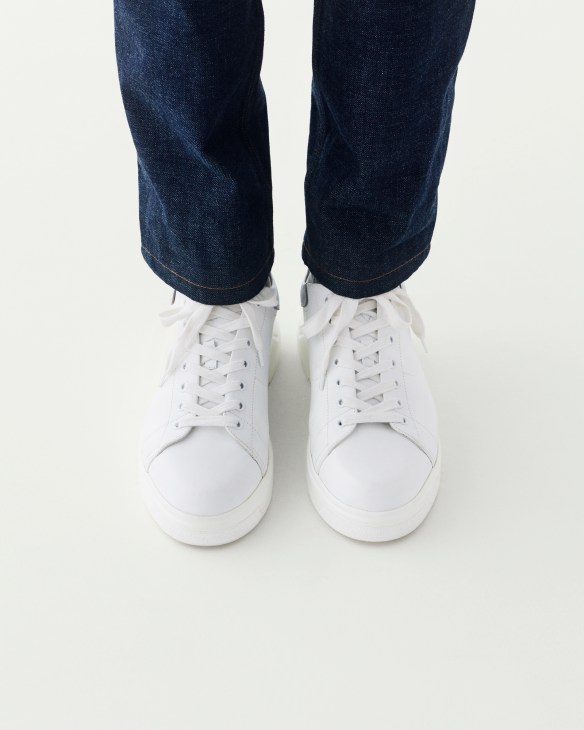
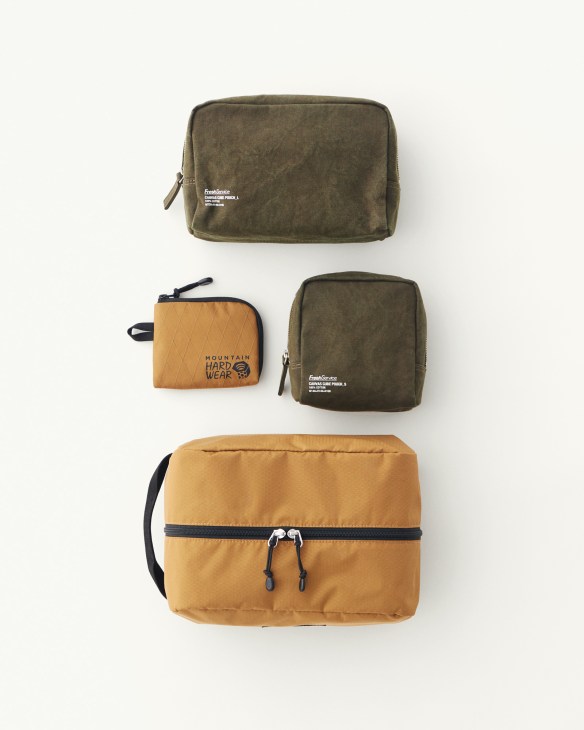
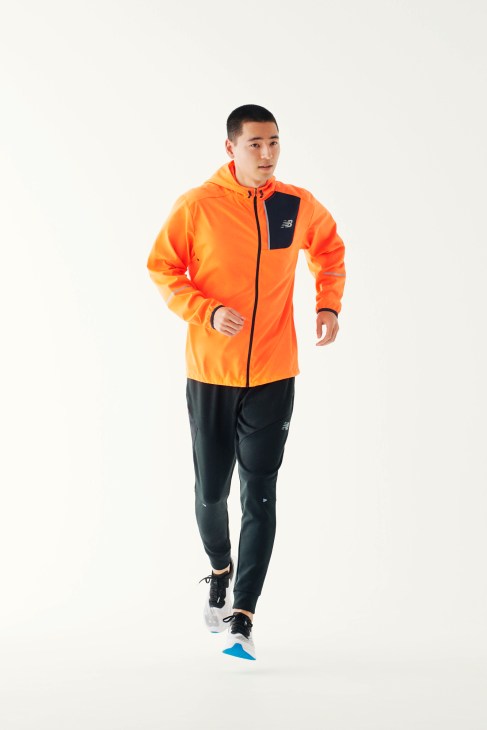
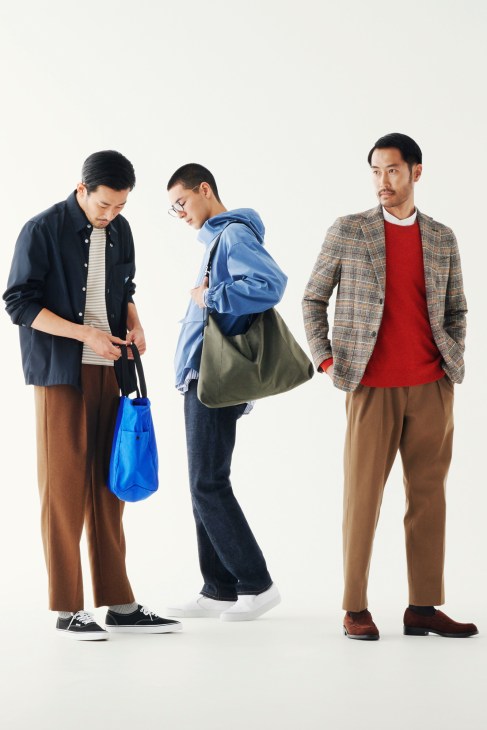
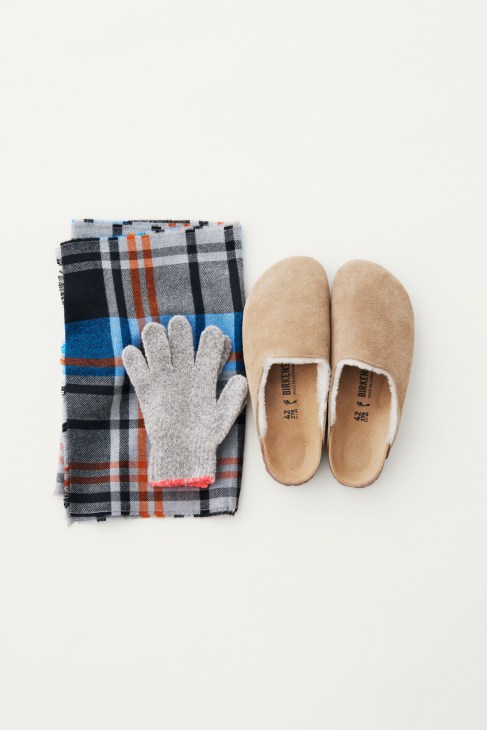
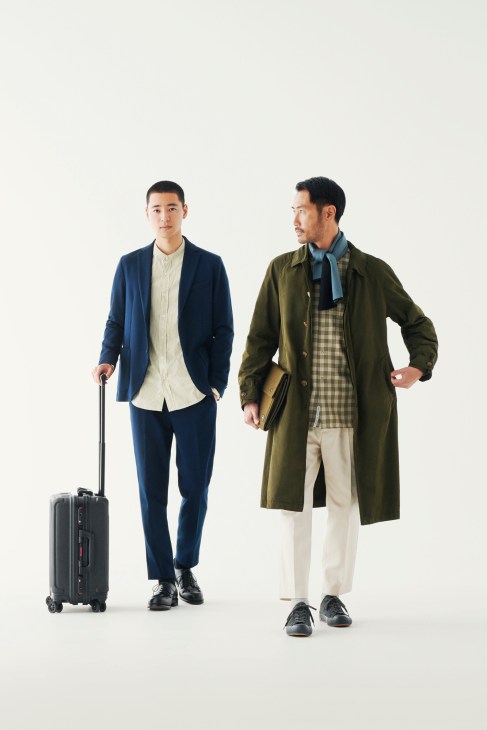
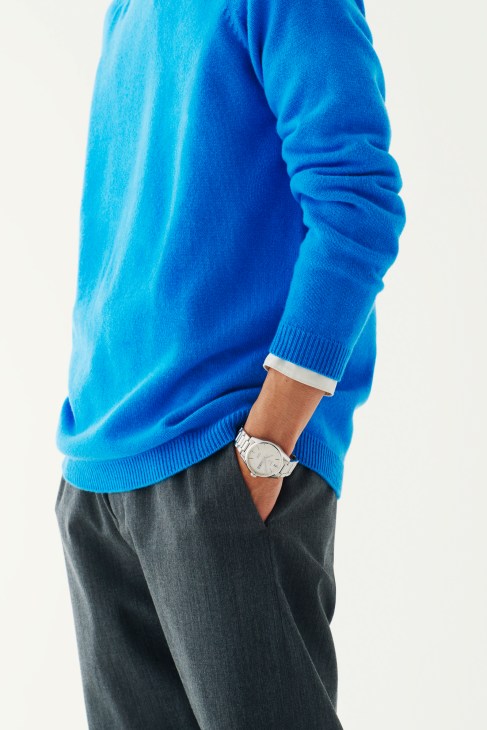
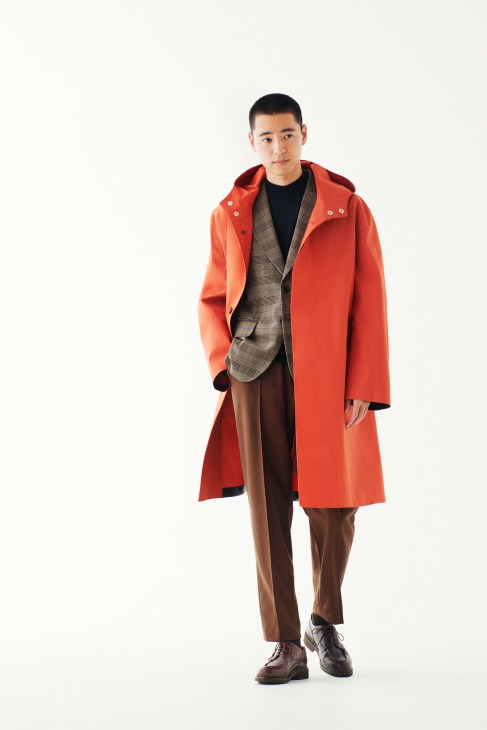
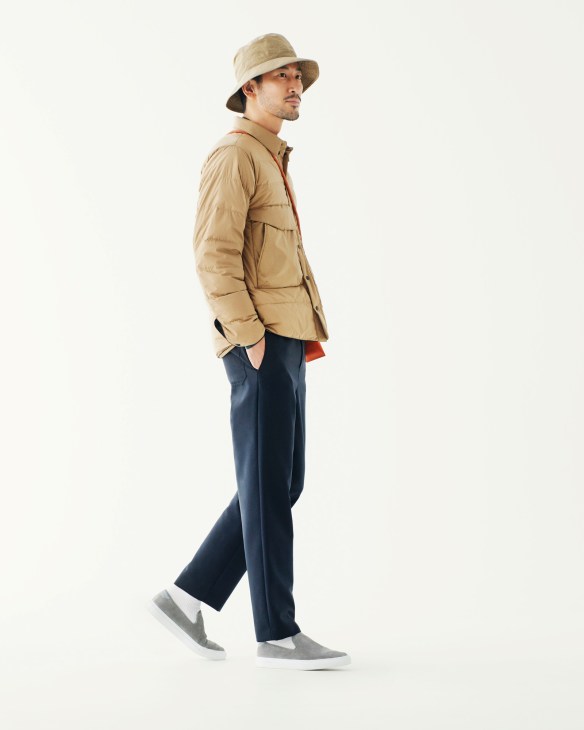
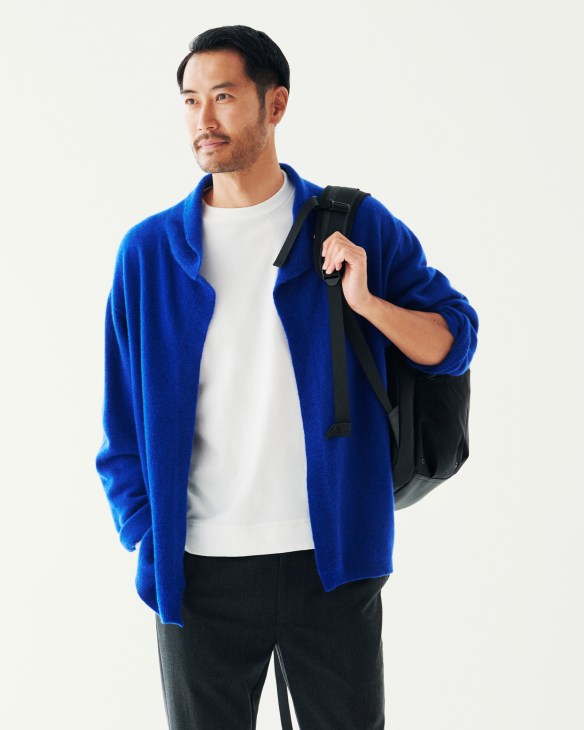
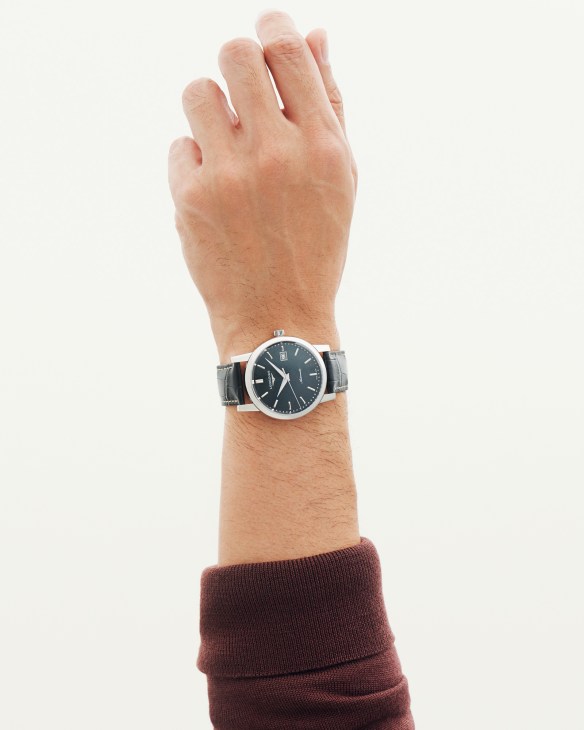
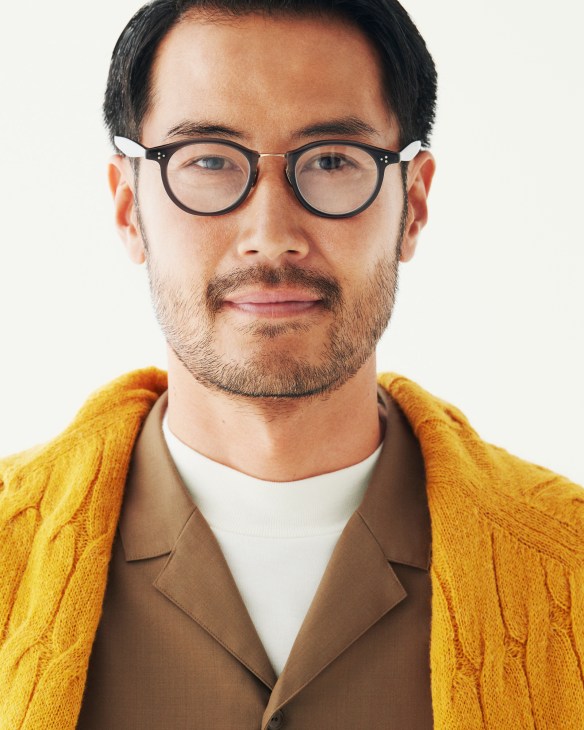
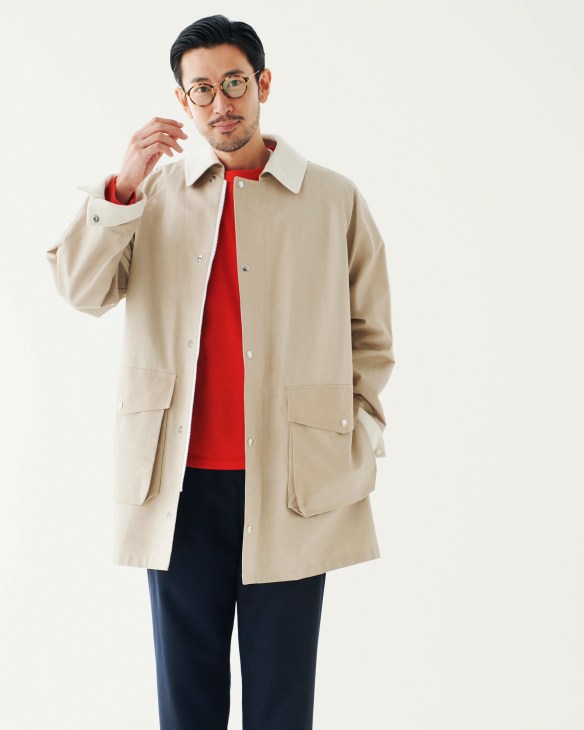
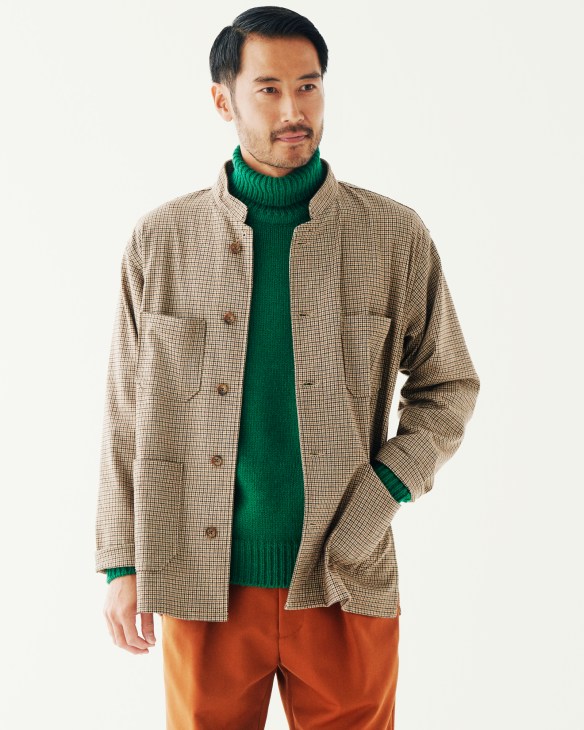
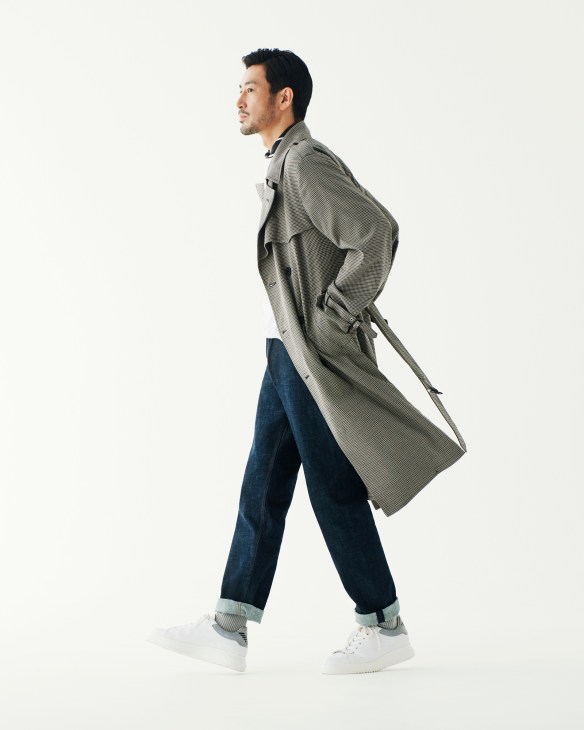
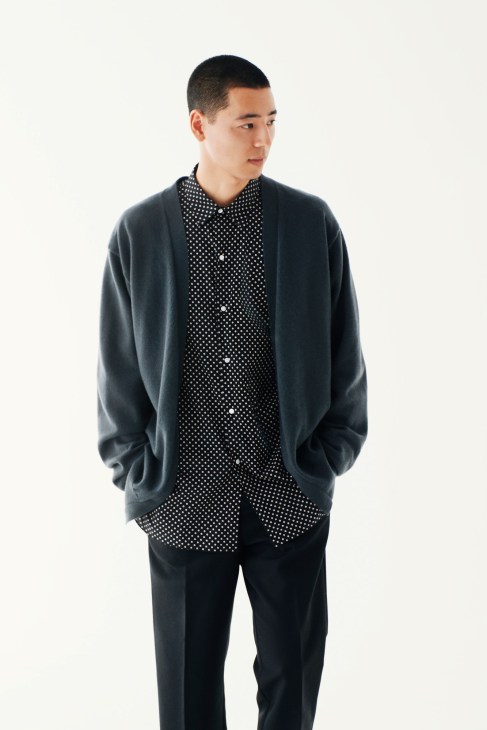
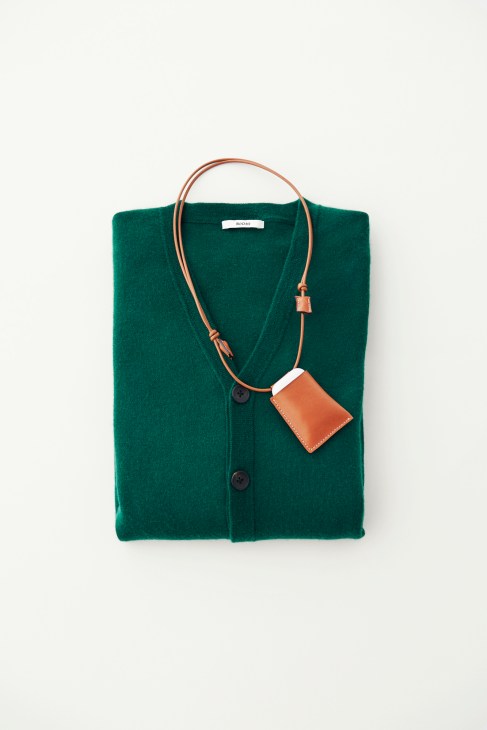
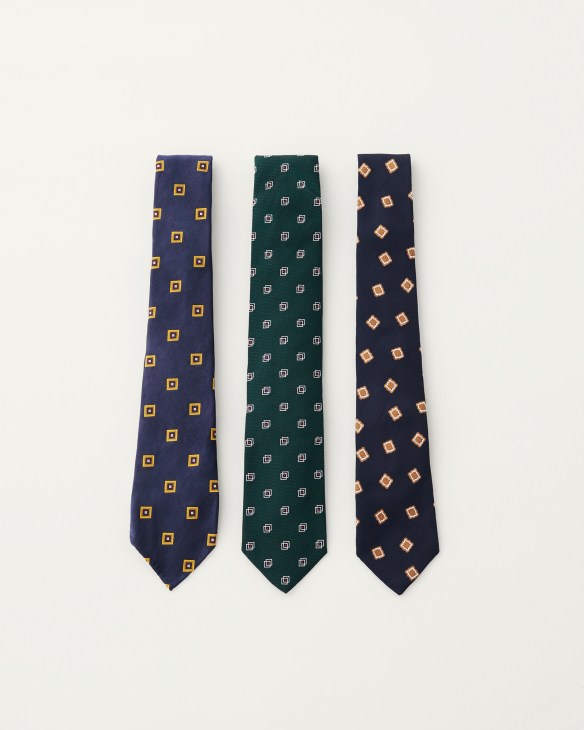
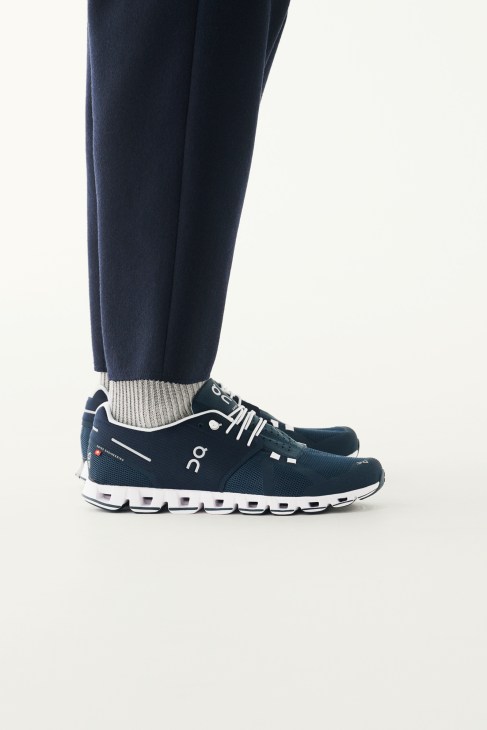
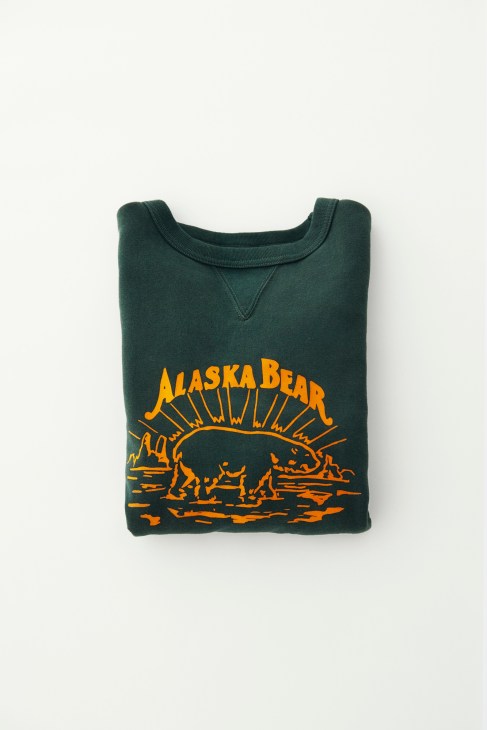
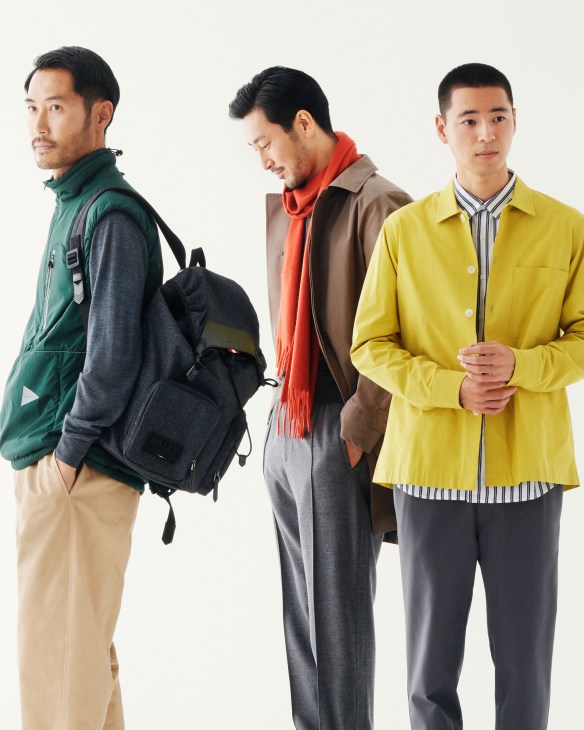
Stylist: Shun Katakai
Models: Takeshi Watanabe, Ken & Kou.
Grooming: Amano
The Monocle Shop
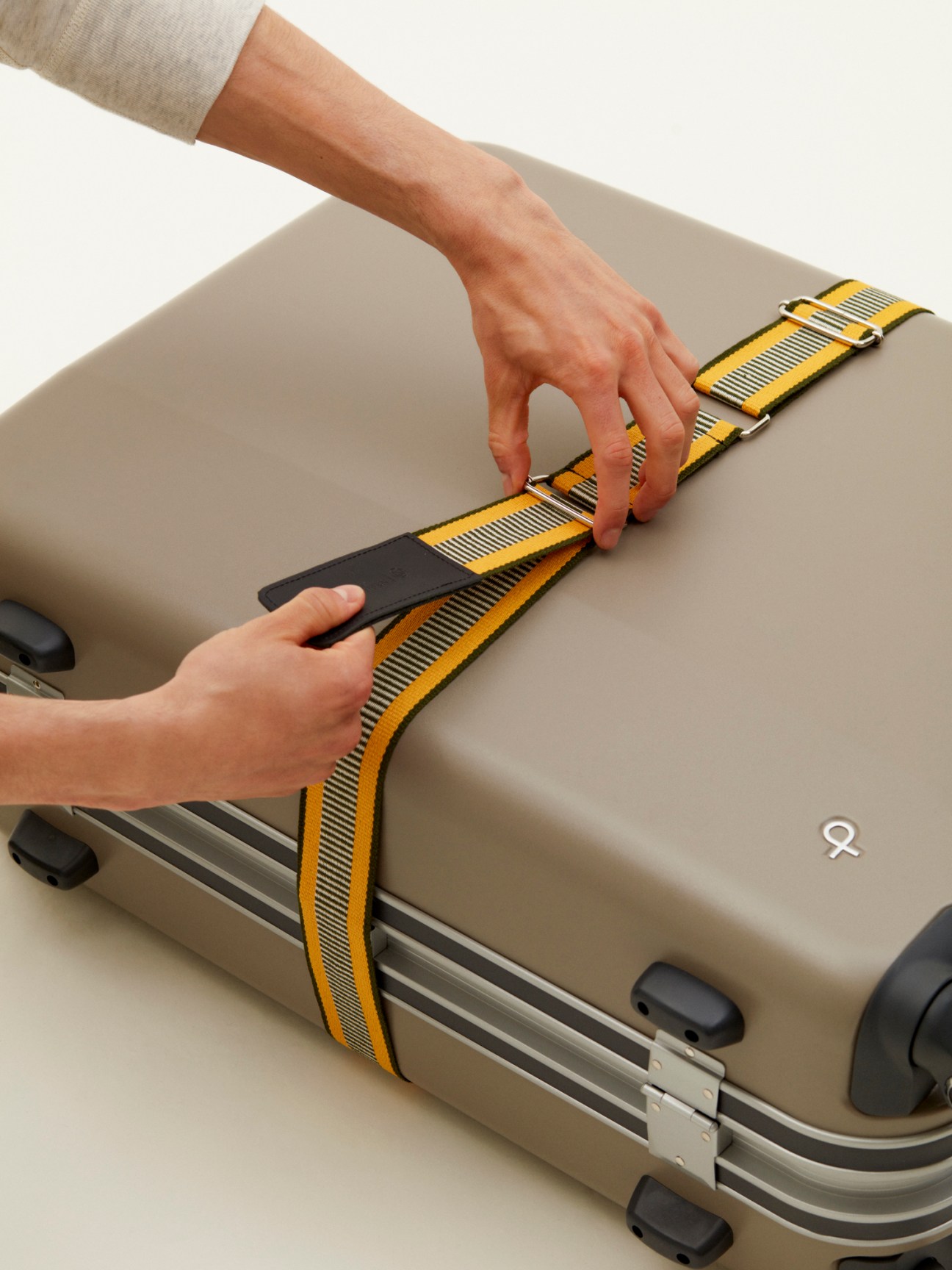
Our bags and accessories are designed to be used together and ensure a smooth journey, wherever your destination.
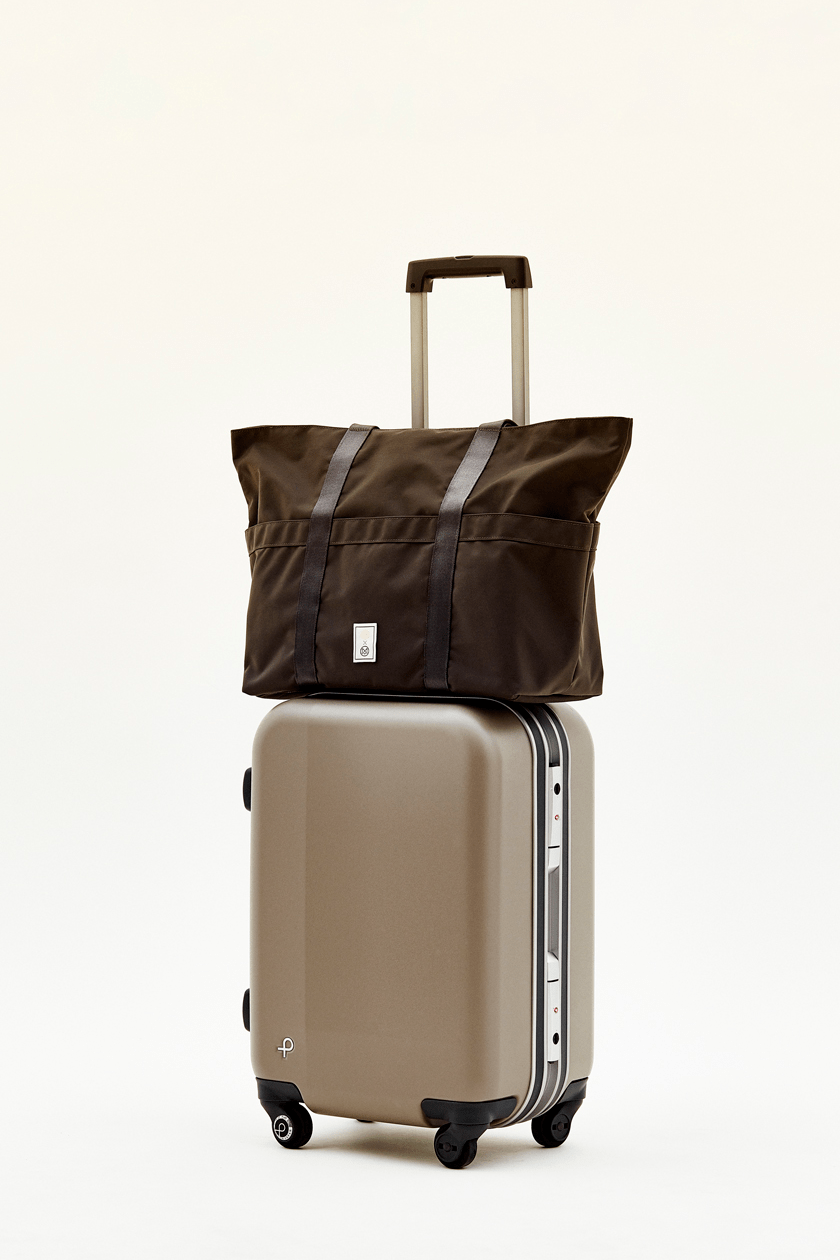
equinox light u carry-on suitcase 34l by Proteca x Monocle, €650
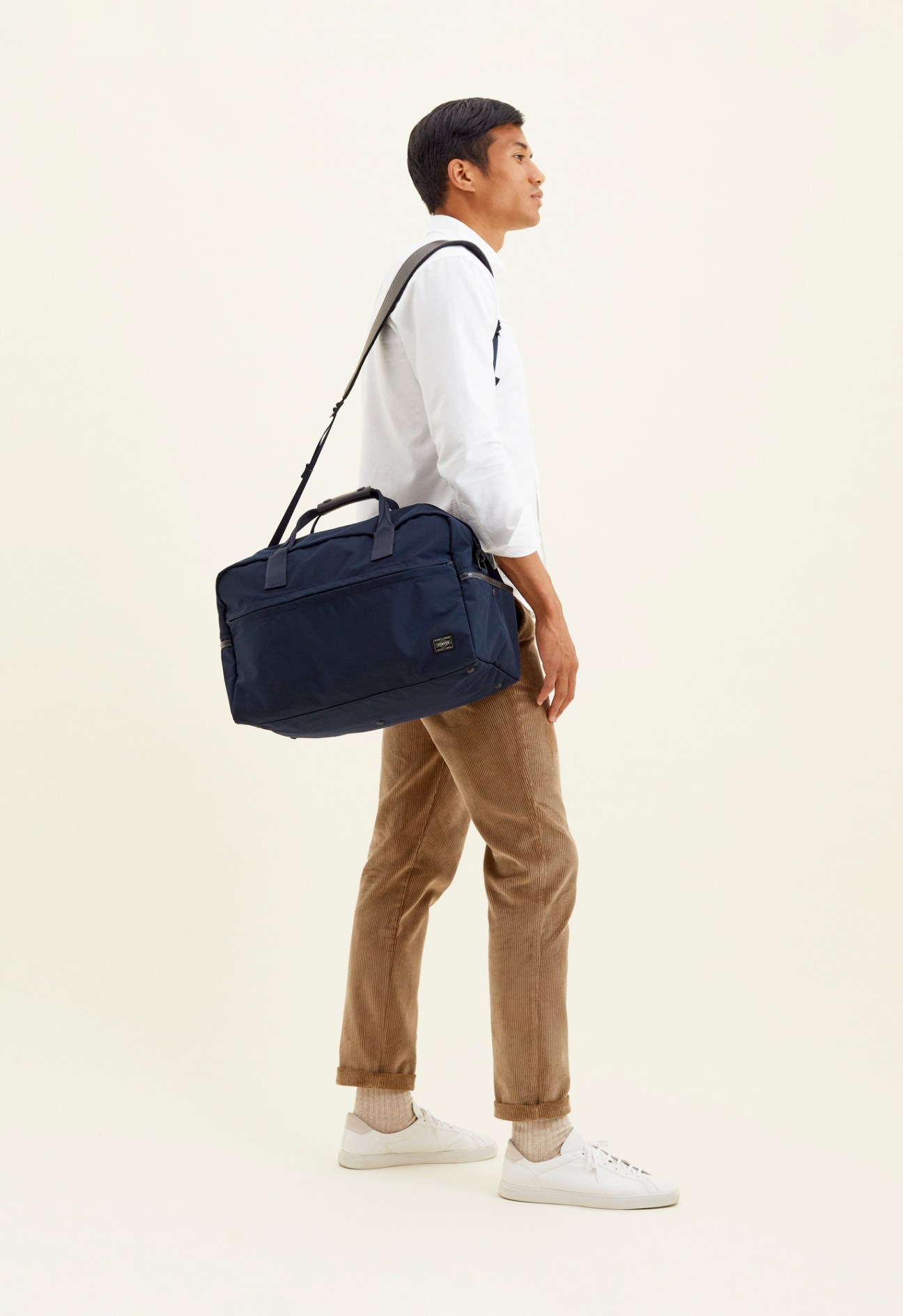
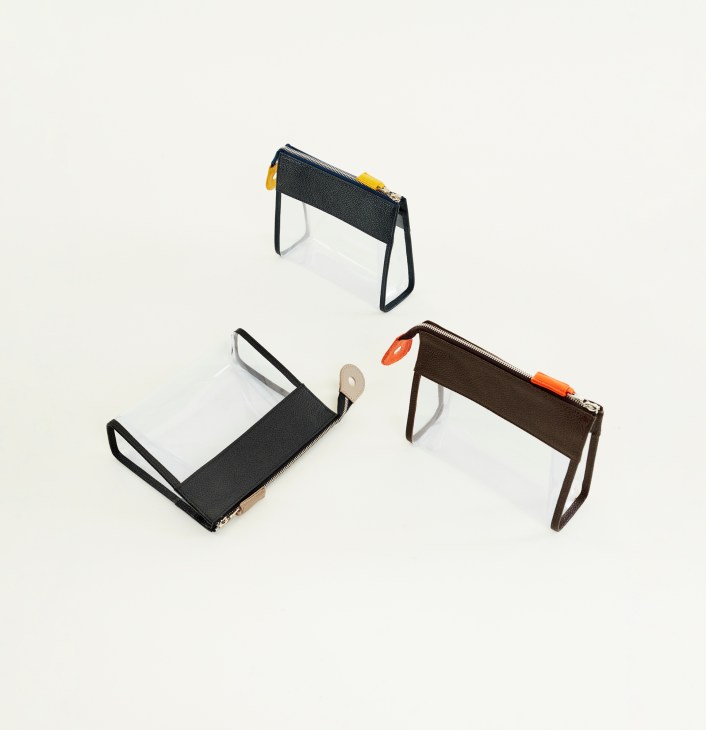
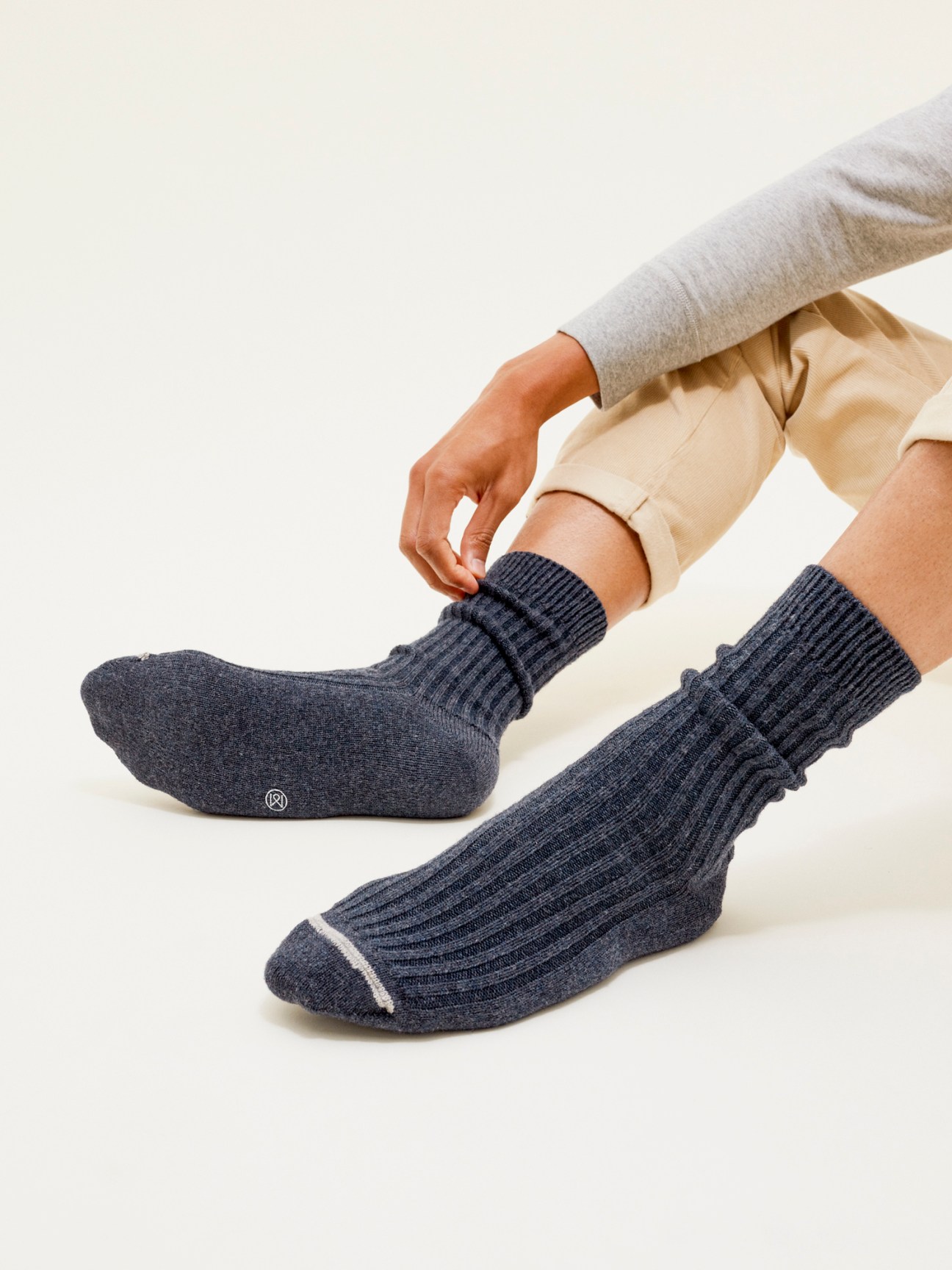
Choose versatile pieces that are both smart and practical. Our clothing is designed to carry you through any environment.
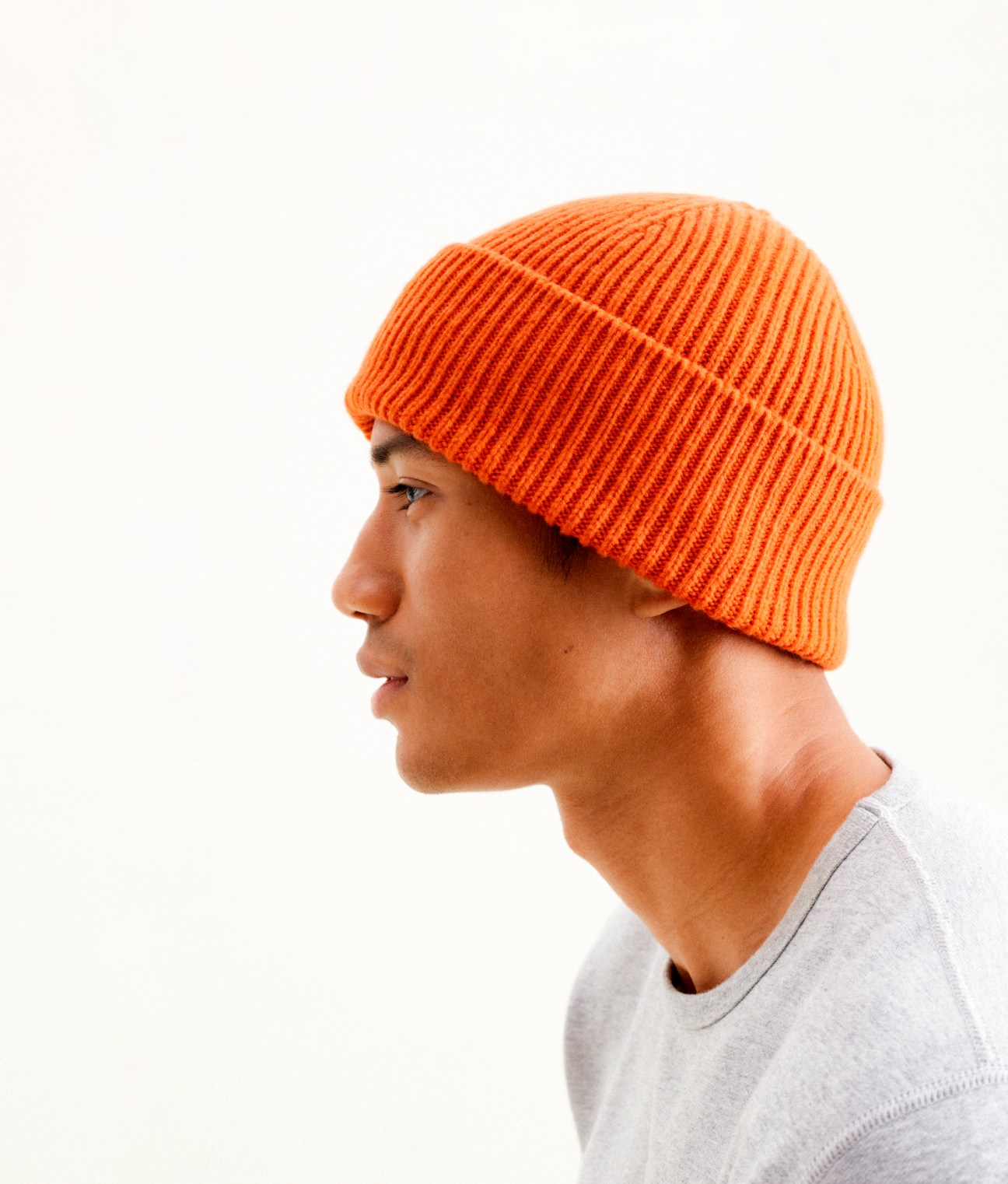
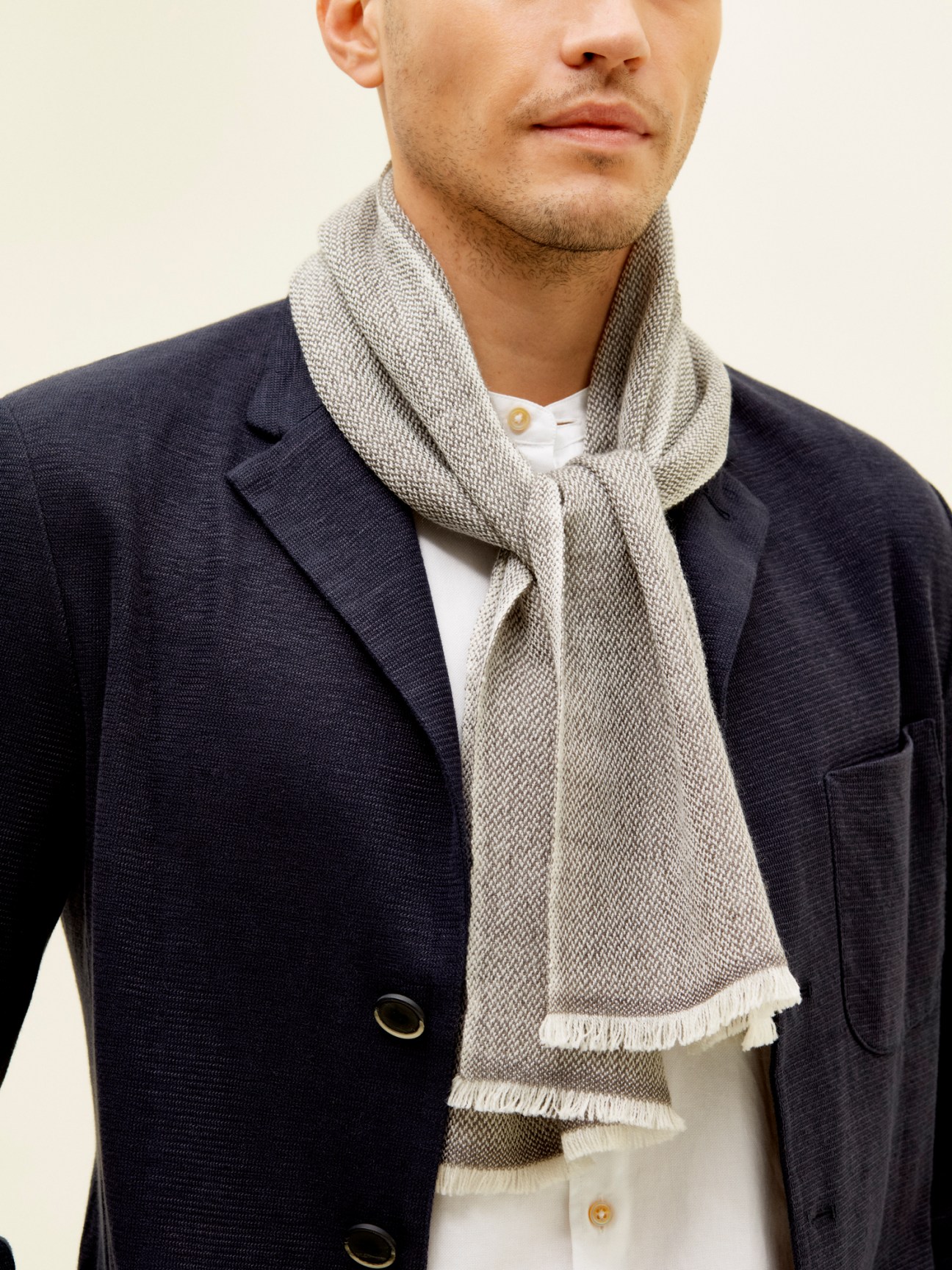
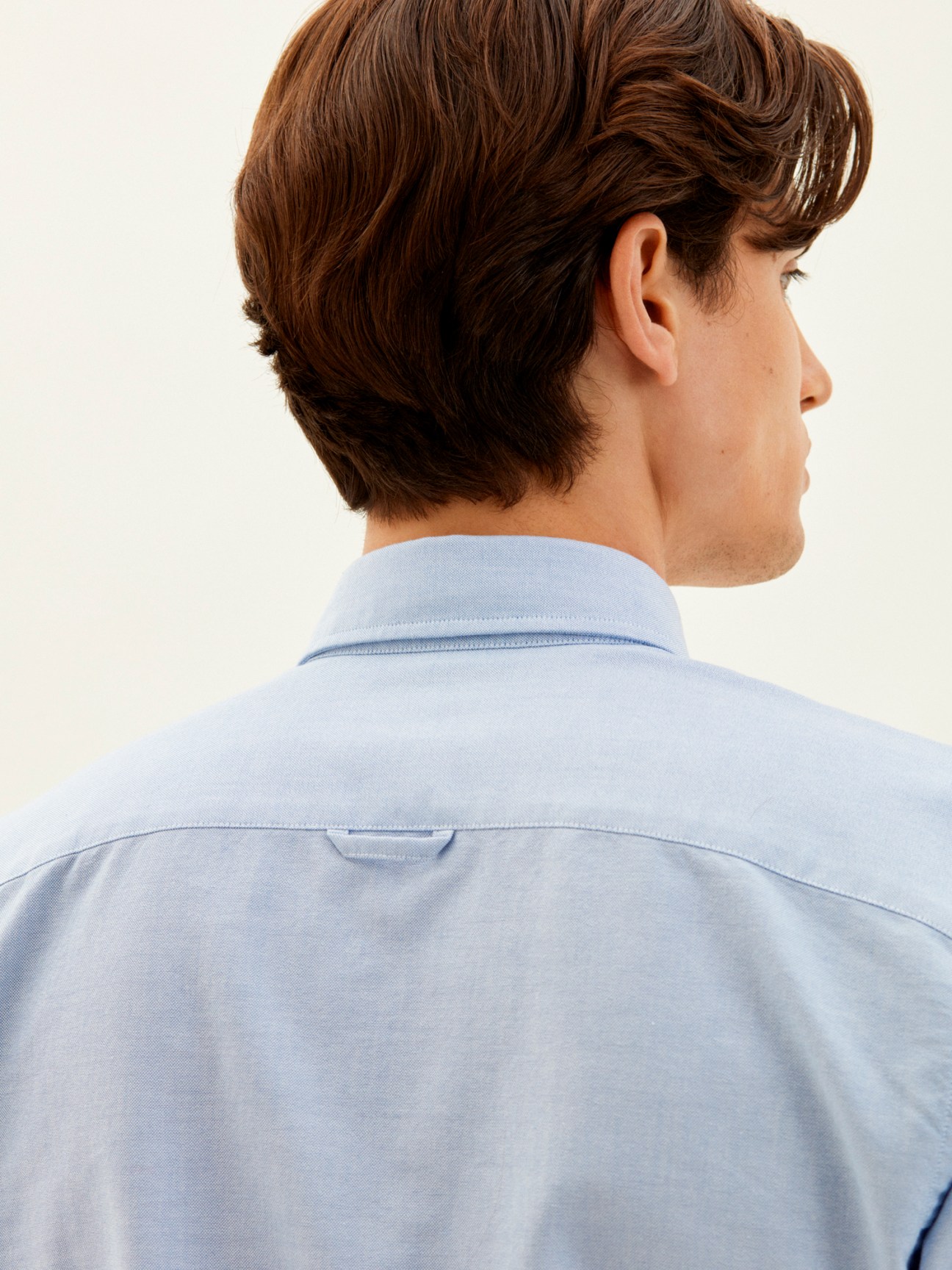
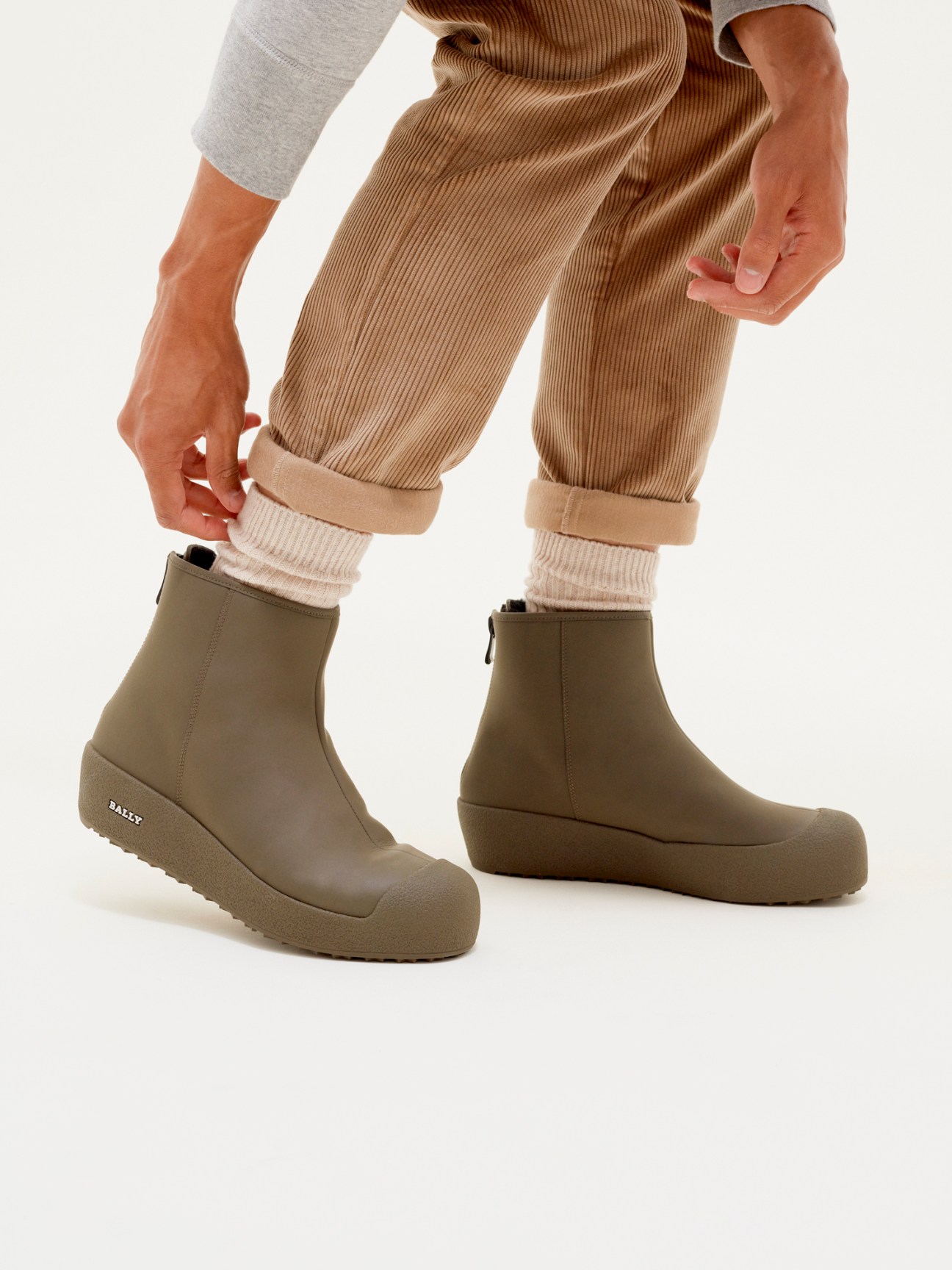
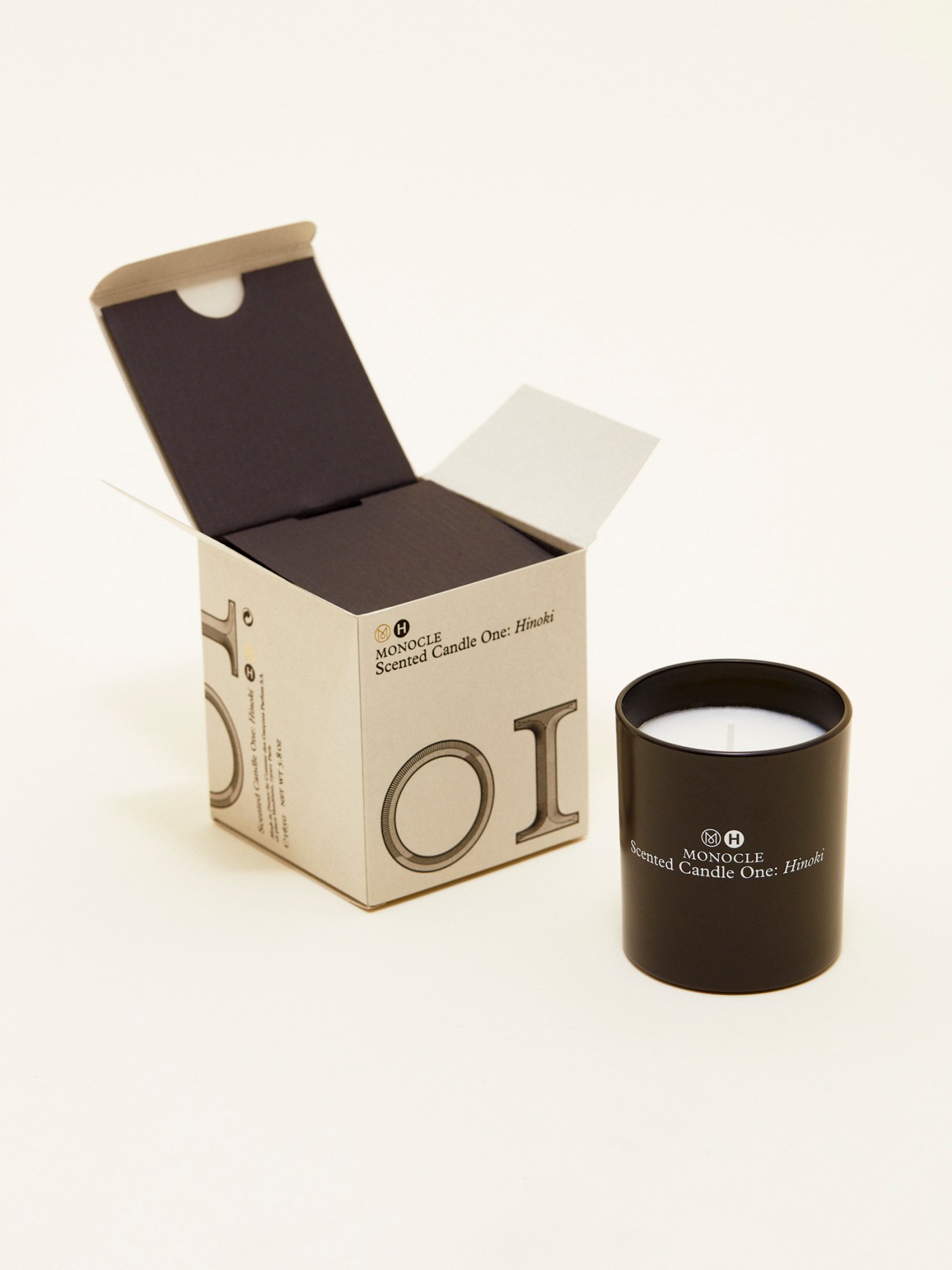
Make an impression with products that are well-suited for the home or office.
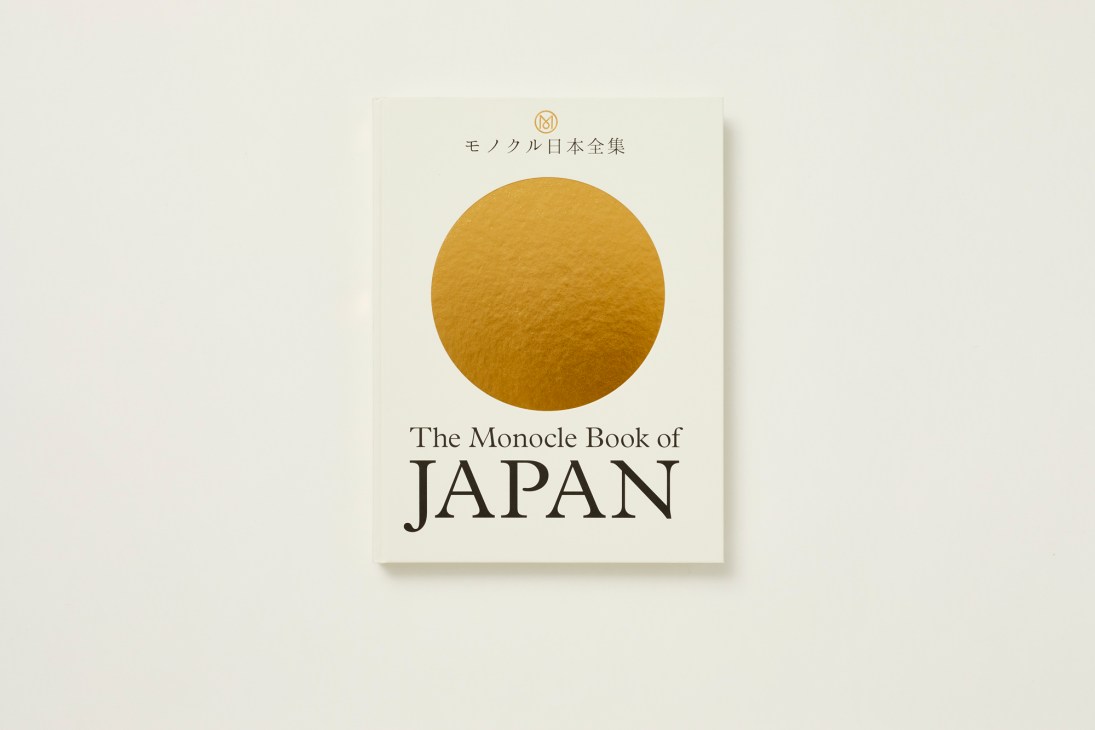
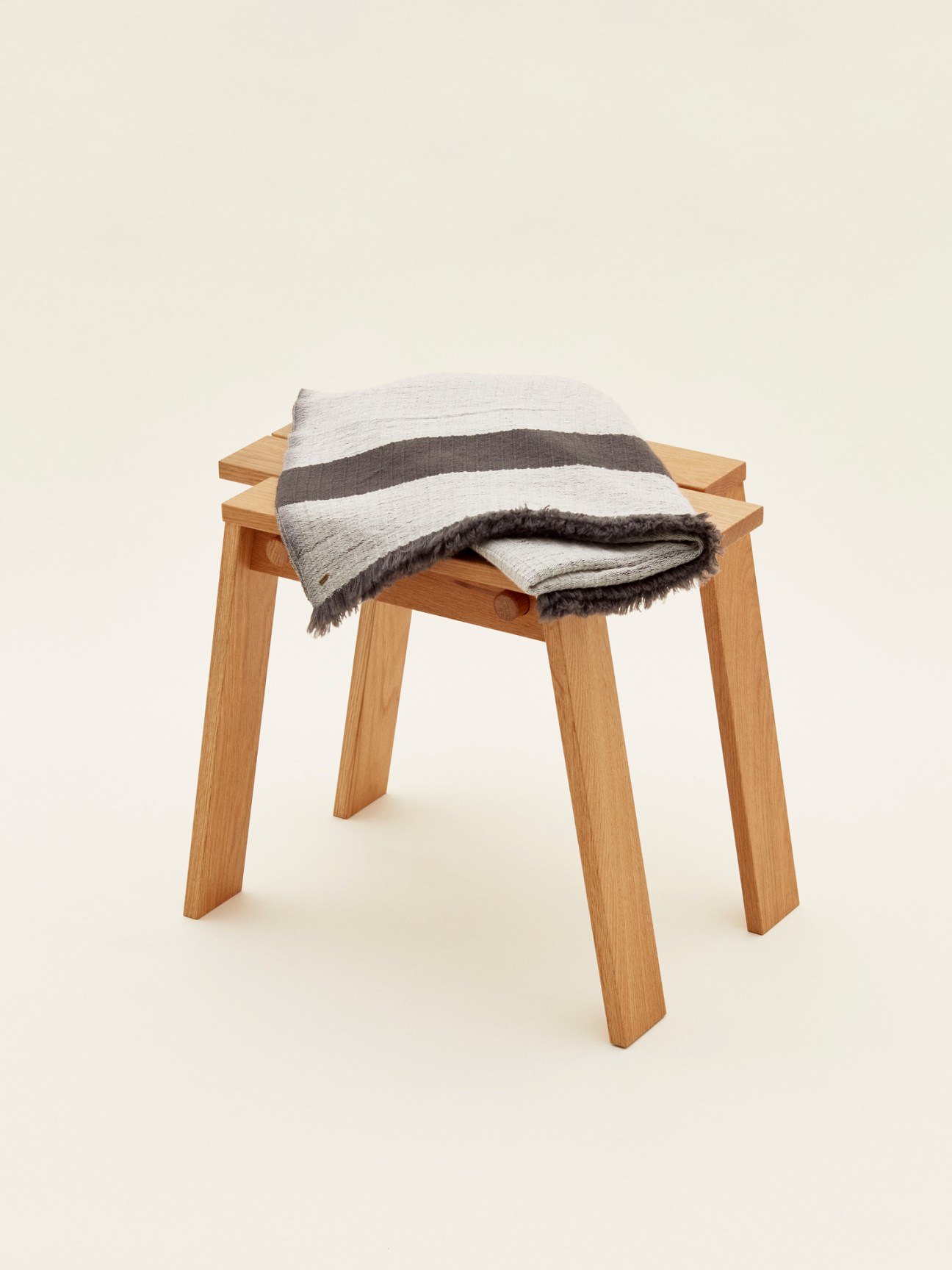
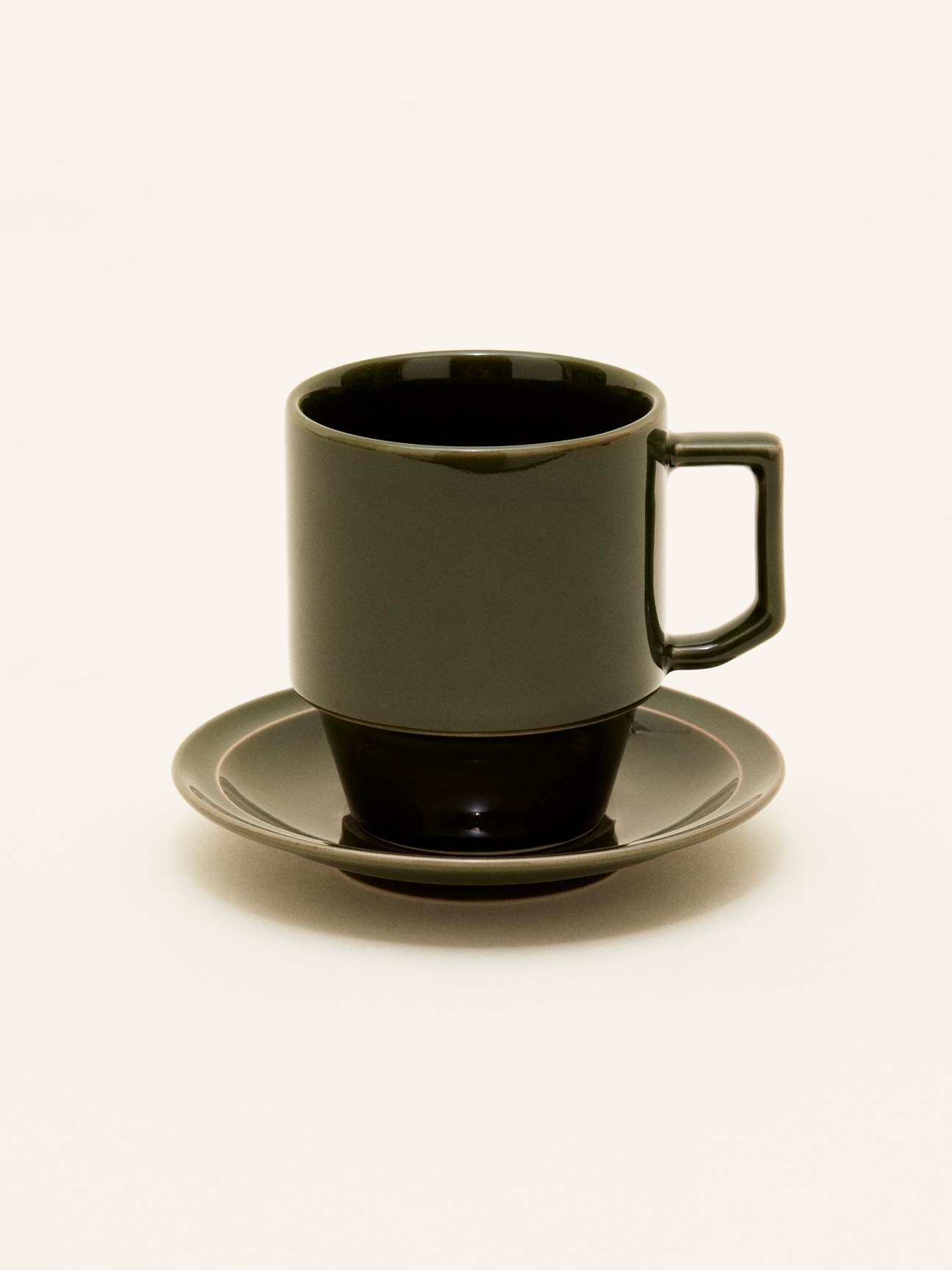
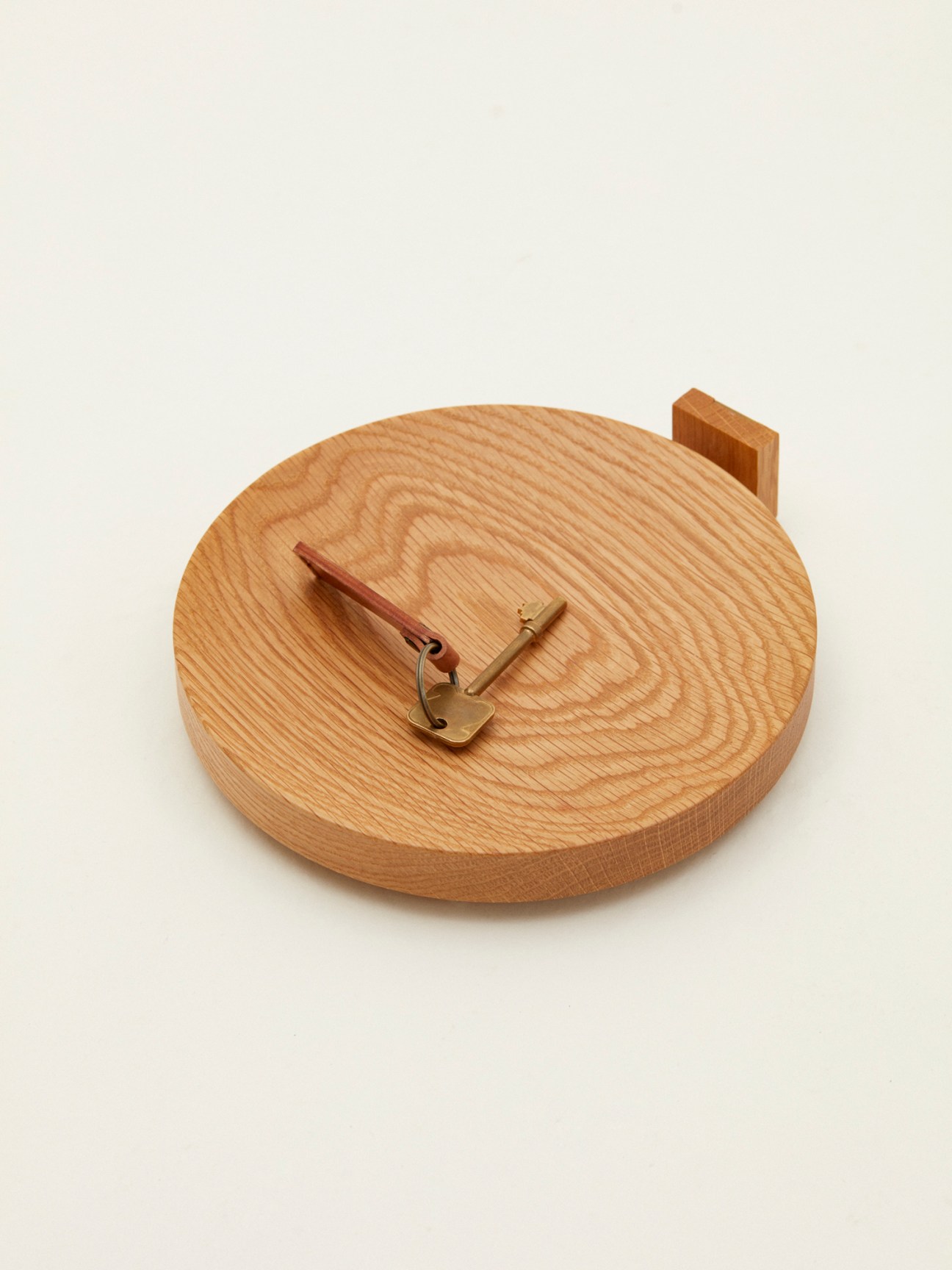
Planning and staying organised can help keep you facing forward and on course.
Home comforts
1.
D’une île
Rémalard, France
Founded: 2018
Bedrooms: 10
What’s for breakfast: Warm brioche, granola with yoghurt, and eggs.
Best room: A 25 sq m double standard with garden views.
Best part of the job: “Day-to-day tasks, from picking flowers for the dining room to meeting producers.”
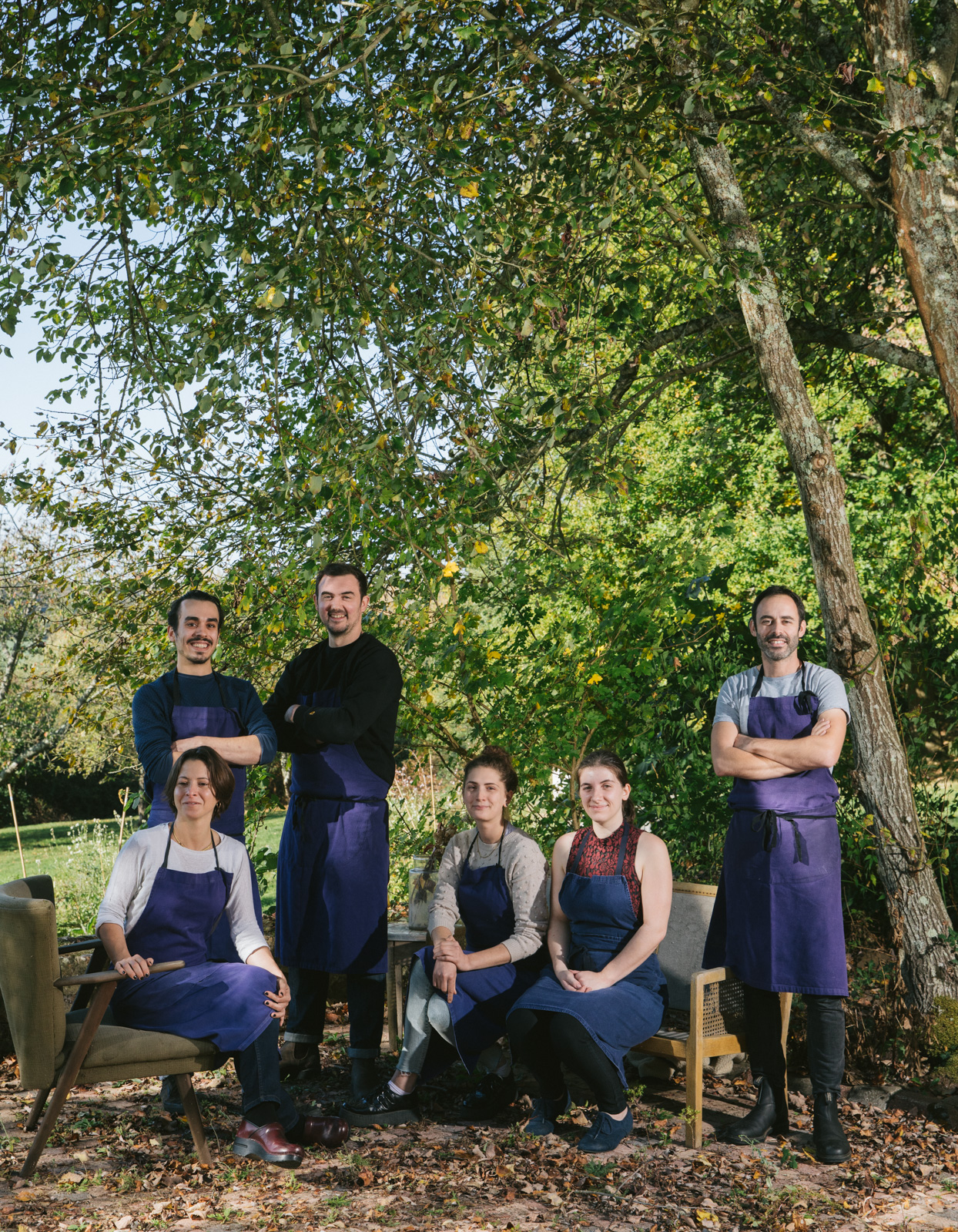
If there’s a time of day that best encapsulates the spirit of D’une île, it’s the morning. Come 08.30, the half dozen or so tables at the inn’s communal kitchen are laid out with pots of homemade jam and butter, while the aroma of coffee wafts through the air. As the first guests trickle in for breakfast, staff in linen aprons pull out loaves of golden brioche from the oven, which they serve alongside eggs from a neighbouring farm.
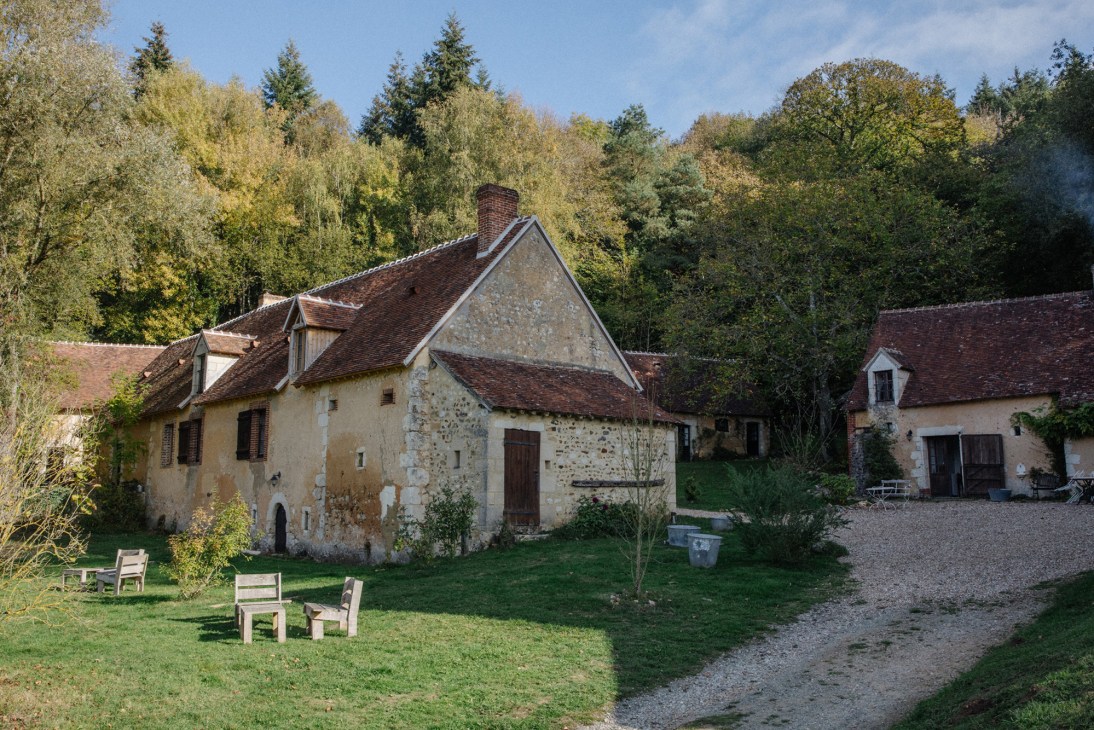
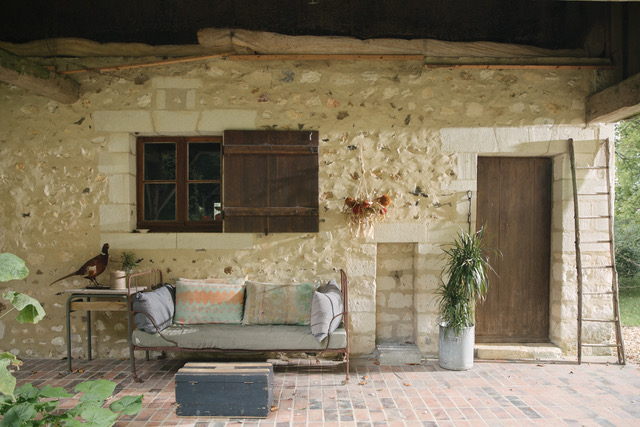
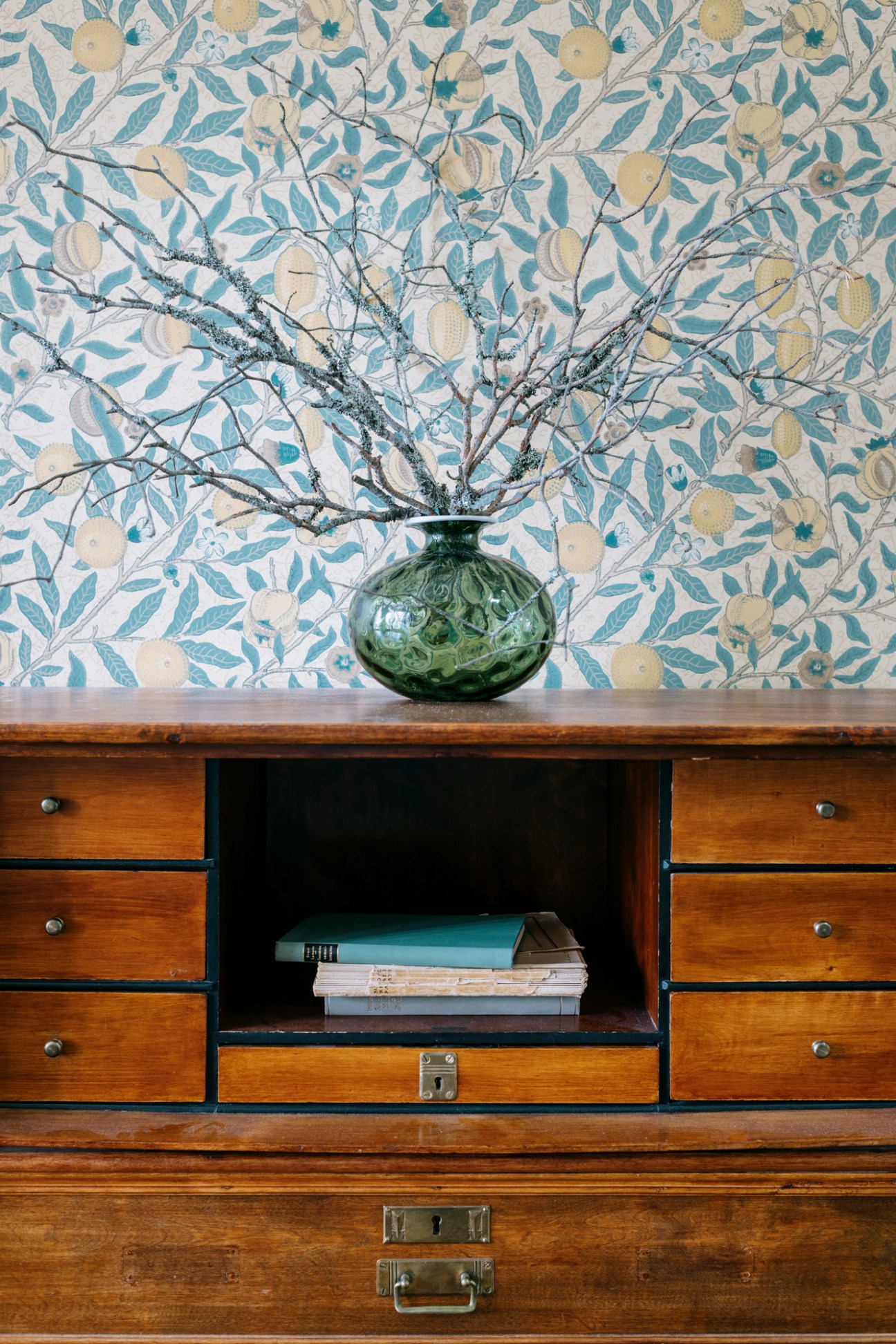
“We have borrowed from the codes of classic hospitality,” says owner Théophile Pourriat. “But our vision is more relaxed: we simply host the way we like to be hosted ourselves.” While a lot of care is put into offering a personalised service, D’une île is doing away with many amenities traditionally associated with hotel stays, such as a luggage porter or zippy wi-fi; even mobile phone coverage is unavailable. True to the inn’s rural setting – in the Perche National Park, a couple of hours west of Paris – the 10 guest rooms feature the type of rustic decor that reflects with an urban sensibility without clashing with the historical facets of the former 17th-century farmhouse. “We like to describe D’une île not as a hotel but as our maison de campagne,” says Pourriat.
Together with his business partner Bertrand Grébaut, Pourriat is perhaps better known in hospitality circles as the co-founder of Septime, a Michelin-starred restaurant in Paris’s Rue Charonne and one of the forerunners of the “bistronomie” movement. Branching out from drinking and dining wasn’t something that the duo had previously given much thought to. But after staying at D’une île for a number of weekend breaks, they took over the venture in 2018. “This was a completely new playground, where we could prepare meals from breakfast through to lunch, goûter and dinner, and connect with our guests for longer,” says Pourriat. Whereas in Paris they are used to a daily changing clientele, here they have more time to finesse the guest experience, taking on board feedback or sharing tips on nearby activities.
Food, of course, is central to D’une île. More a restaurant with rooms than rooms with a restaurant, Pourriat and Grébaut put a lot of care into distilling the region into their cooking. Running a countryside inn has offered the duo the possibility to anchor themselves in the community, and forge closer relationships with producers than in Paris, where they relied on a network that stratches the length and breadth of France.
All ingredients on the vegetable-centric menu at D’une île are sourced from Normandy, with a large part of the fruit and vegetables grown in the on-site garden, and fish coming from the Chausey Islands. Kitchen staples such as olive oil and lemons are replaced by Perche rapeseed oil and vinegar, and bread is baked fresh daily. “Whether this is the future of hospitality is unsure, as I think there will always be space for palace hotels where everything is available at all times,” says Pourriat. “But for us, this close-to-nature approach represents who we are as restaurateurs.”
2.
Hotelli Punkaharju
Punkaharju, Finland
Founded: 1845
Bedrooms: 20
What’s for breakfast: Bread and granola made on site, a selection of Finnish cheeses, lamb, local fish, Karelian pies, mushroom salad and berries, apple juice from a farm next door.
Best room: Suite named after a family who stayed at the hotel for over a year in the 20th century. It has a private outdoor terrace and a view of the Lake Pihlajavesi.
Best part of the job: “Spending time with people, and offering amazing experiences.”
Some people sniffed when Saimi Hoyer took over the Hotelli Punkaharju, far away from the city lights and temptations of Helsinki. As one of Finland’s most successful fashion models and television presenters, Hoyer’s choice to move to the sleepy town of Punkaharju in eastern Finland (population: 3,700) wasn’t an obvious one.
Punkaharju was, in fact, a place that had been close to her heart since her childhood, thanks to the Finnish tradition of people having their own kesämökki, or “summer cottage”.
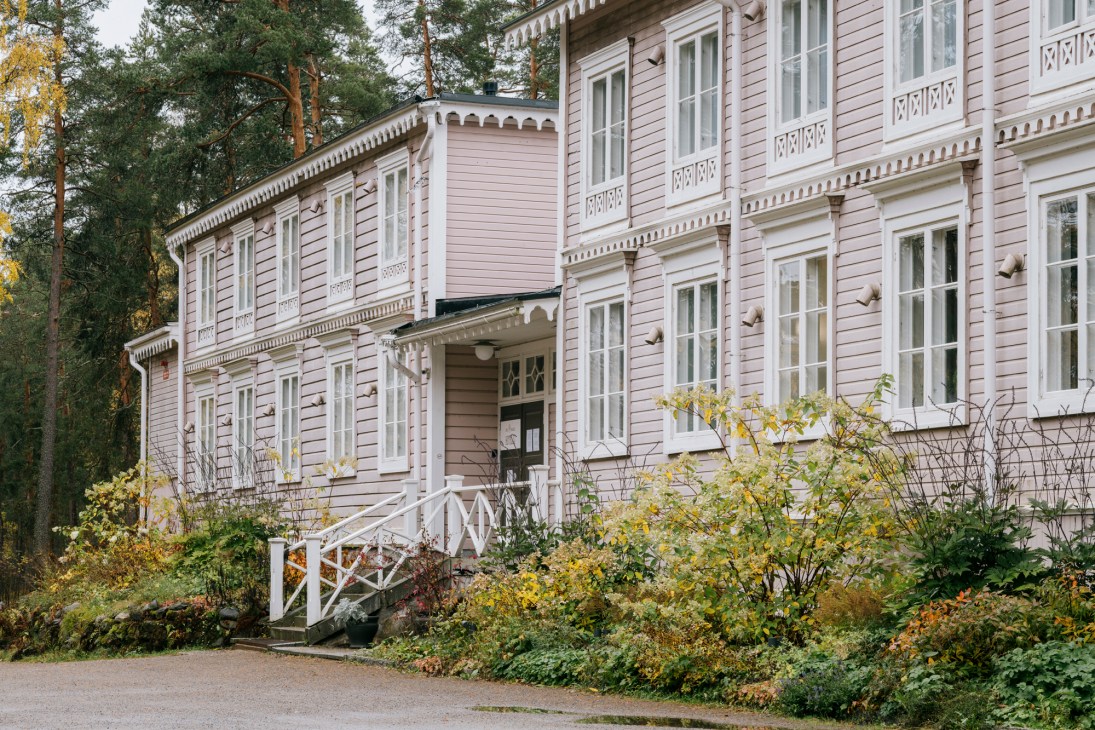
“This is where my relationship with Finnish nature was born,” says Hoyer. “This is where my father taught me to fish, and my mother and grandmother to pick mushrooms and berries. That will be the greatest legacy from them to me.”
When Hoyer acquired the hotel it was in desperate need of renovation. Now, four years and some extensive renovation work later, things are looking up. While hotels in Finland’s cities have been struggling, autumn 2020 at Hotelli Punkaharju was among the best so far. Although more Finns have stayed home this year, the reason for the success isn’t the pandemic alone, as Hoyer has updated the hotel’s 170-year-long history by adding art exhibitions, concerts and a menu of some of the best of the area’s produce.
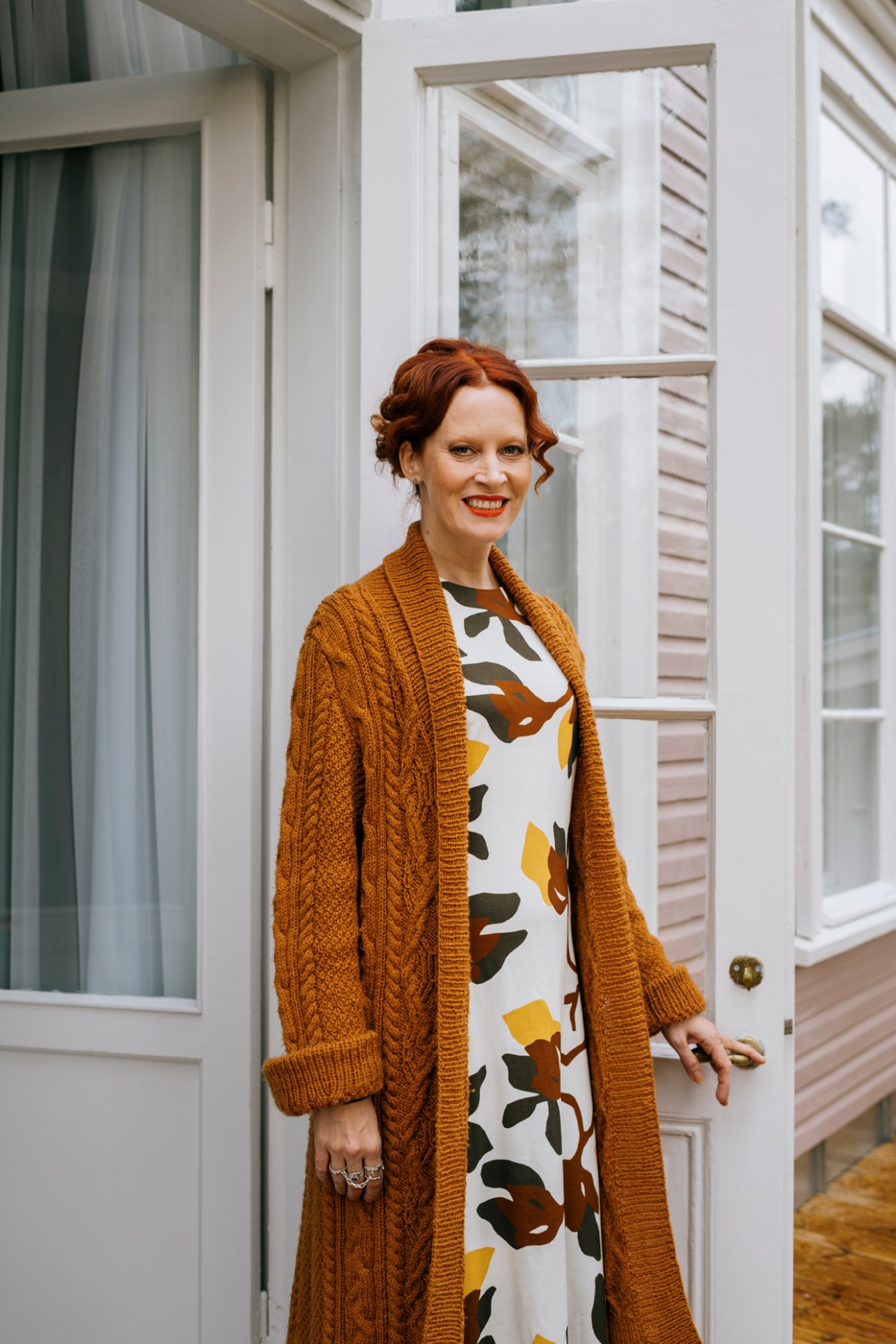
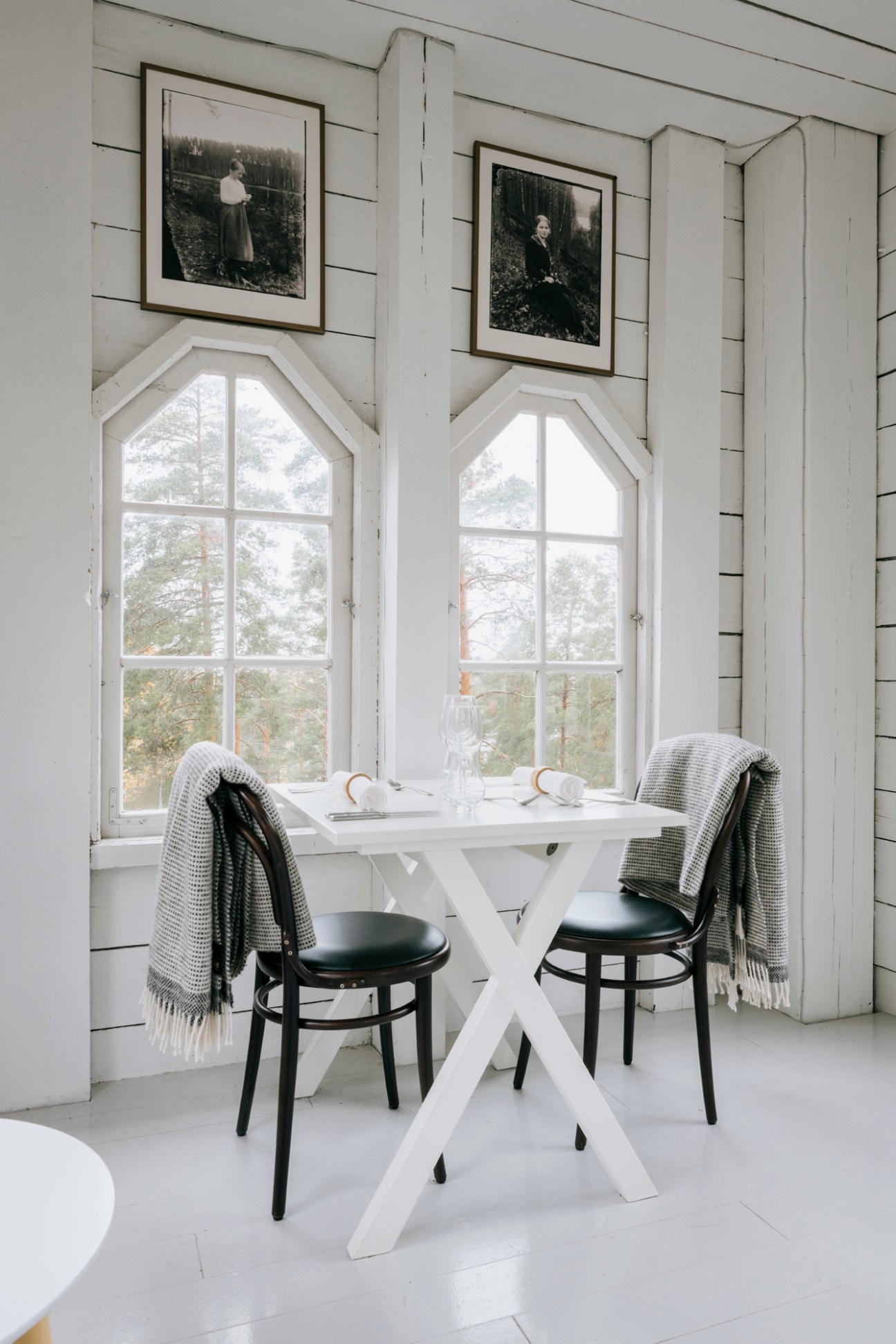
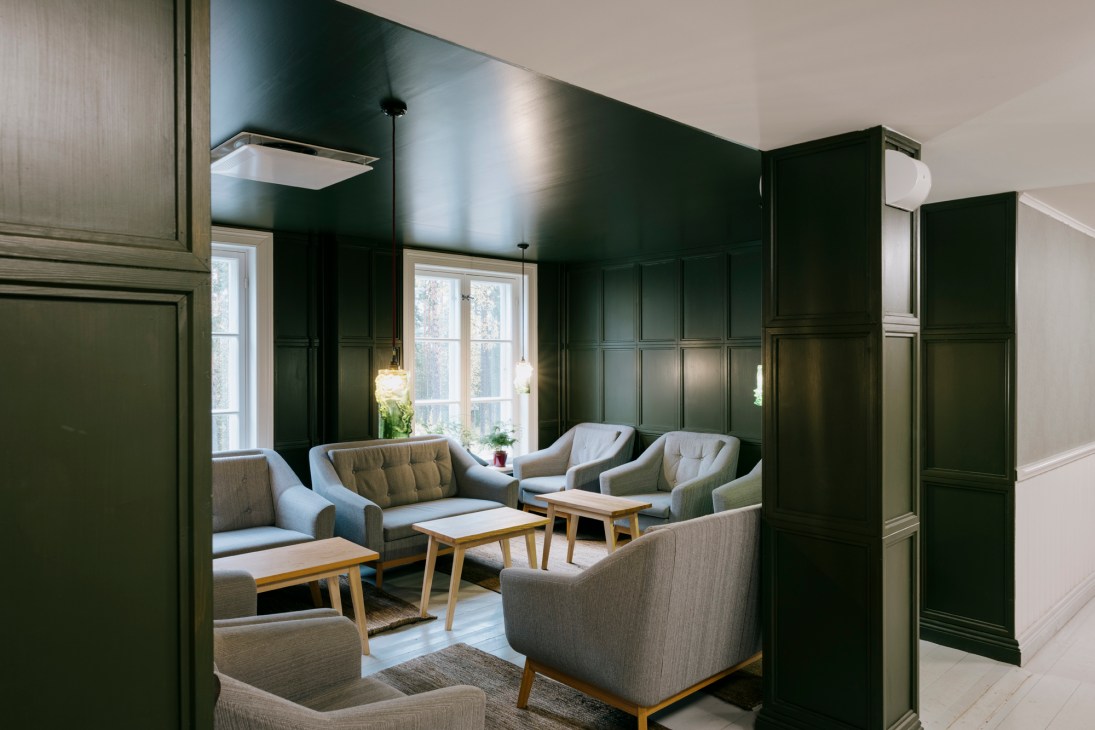
“The locals thought I was mad when they heard I was going to take over the hotel and told me to at least keep it shut over the winter months,” says Hoyer. “They actually said that no one is going to visit me as people only sleep and drink here in the winter. But now I have an incredible support network: volunteers help me with gardening, fishermen sell me their produce and we have a team of locals picking berries and mushrooms from the forest. I even got some bear meat recently from hunters; I think I saw that bear myself once when I was in the forest.”
Although Hoyer didn’t have experience working in the hospitality sector, her modelling background was beneficial. “After having travelled around the world for work for 10 years, I had stayed in enough hotels to know what I wanted and didn’t want,” she says. “Nature and a personal touch are the keys to understanding Hotelli Punkaharju. “What people want now is a place to catch a breath,” adds Hoyer. “I want our staff to act as individuals, offering service with character. As chaotic as the world might seem, it’s comforting to come here and see that the nature goes on its way, no matter what.”
3.
Beit Trad
Kfour, Lebanon
Founded: 2018
What’s for breakfast: Fresh cheese, homemade fig and mulberry preserves, fresh eggs with fresh wild zaatar and teas made from the garden’s herbs.
Best room: Every room has its own distinctive fabrics and decor.
Favourite thing about the job: “Sharing what I love. Seeing a client’s eyes shining when they leave, that’s really special.”
Sarah Trad doesn’t mete out her hospitality by measures. It’s a trait passed down from her mother. “She entertained a lot and was always very generous and welcoming,” says Trad. “The house was full of people and parties; it was so alive.” When her mother passed away in 2013, the grand old Lebanese mountain home that had been the family’s summer retreat since 1985 fell into disrepair. Trad felt that she had to save it. “Someone once told me that if a house isn’t a home to people, it dies. I could feel the energy disappearing.”


She decided to rebuild it as a guest house, an homage to her mother’s legacy as a hostess. Working with Maria Ousseimi, the designer behind Beirut institutions Liza and The Albergo rooftop, the mansion was remodelled and furnished with a mixture of pieces collected by her mother in the souks of Damascus and the flea markets of Paris, and updated fabrics and furniture from across the region. Each of the nine rooms has a unique character; one was once a chapel when the house was briefly used as a nunnery over a century ago. Trad learned from her mother that an eclectic touch puts people at ease. “Like in a Persian carpet, there always has to be one imperfection; seeking perfection can make people feel stiff,” she says. “I’ve learned that the magic of an evening has very little to do with the type of flowers you put on the table. It’s the mix of people, the interaction.”


Trad leads her guests by example: we arrive to find her draped over a lounge chair, relaxing in a woven abaya (kaftan) and leather sandals. She greets her guests with the warmth of a hostess welcoming old friends and makes effortless introductions. Within half an hour of arriving, we’re deep in a debate about the efficacy of international aid with one of Lebanon’s premier economists; over dinner a historian joins us. The feeling is one of being invited to a weekend house party of old; and that’s just what Trad wants. “This is a place where people mingle and meet, and truths are exchanged. That’s what people are looking for, they’re not just looking for a bed.”
While much of the hospitality industry suffered in 2020, Beit Trad’s fortunes have soared. The house runs on an all-inclusive basis, with sumptuous buffets of home-cooked Lebanese mountain dishes using products sourced nearby and an open bar of wine and free-flowing spirits. The idea is that, with no need to make choices or sign bills, guests will feel at home and relax. “The house mostly attracts people that look like it,” Trad says. “People who are open, who love life.”
4.
Blackberry Farm & Blackberry Mountain
Tennessee, USA
Founded: Blackberry Farm was founded in 1976. Blackberry Mountain was founded in 2019.
What’s for breakfast: Simple greens and farm eggs, shaved vegetables, herbs and pine nut vinaigrette.
Best room: At Blackberry Mountain, the Clingman’s Cottages for the bed – and the views.
Favourite thing about the job: “Connecting with people.”
Nestled in Tennessee’s Great Smoky Mountains, Blackberry Farm first made a name for itself when it opened 30 years ago. “The goal from the beginning was to build a place to welcome people to these farmlands,” says Mary Celeste Bealle, Blackberry’s current proprietor. “It all started with my in-laws inviting people into their own home in 1976.”
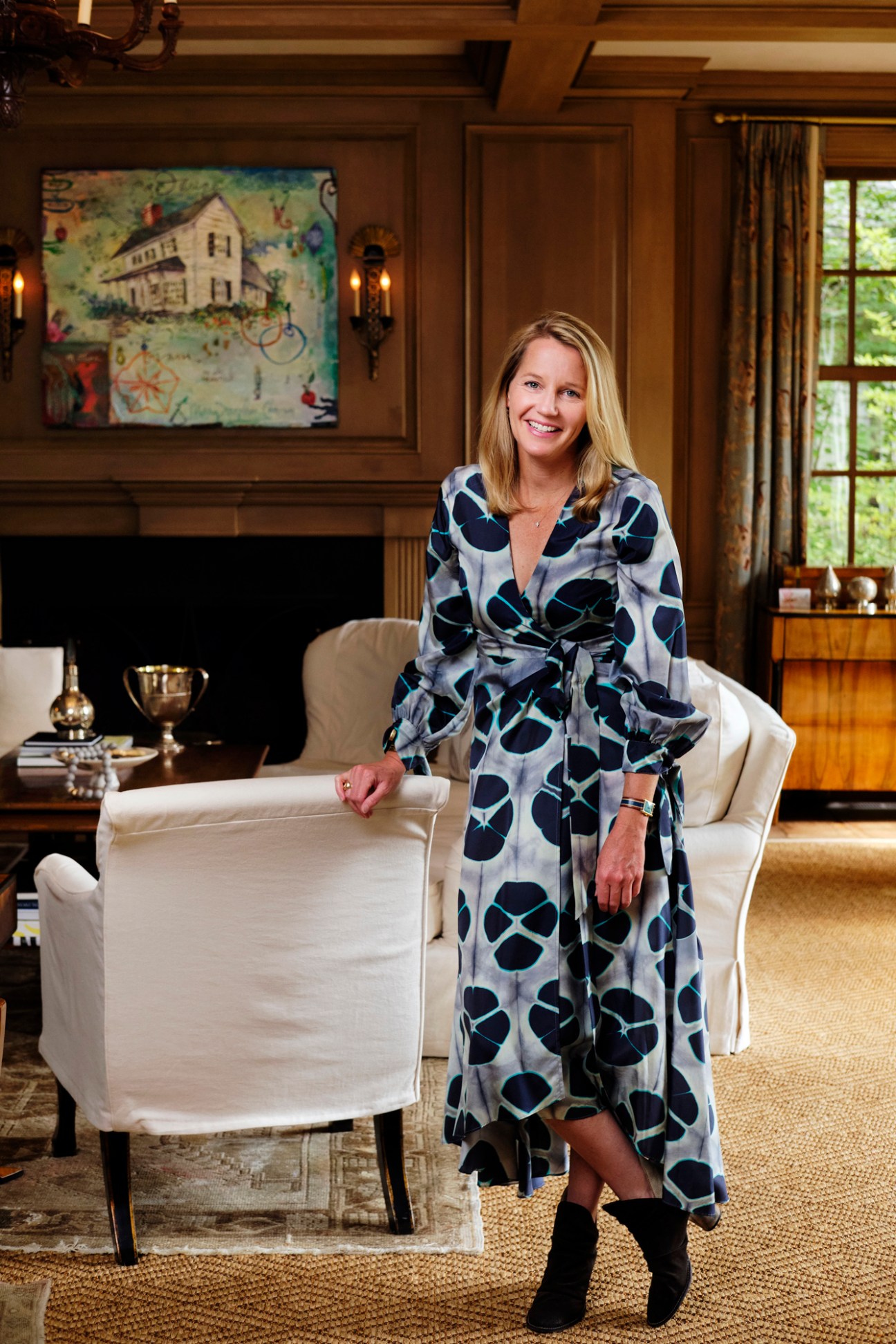
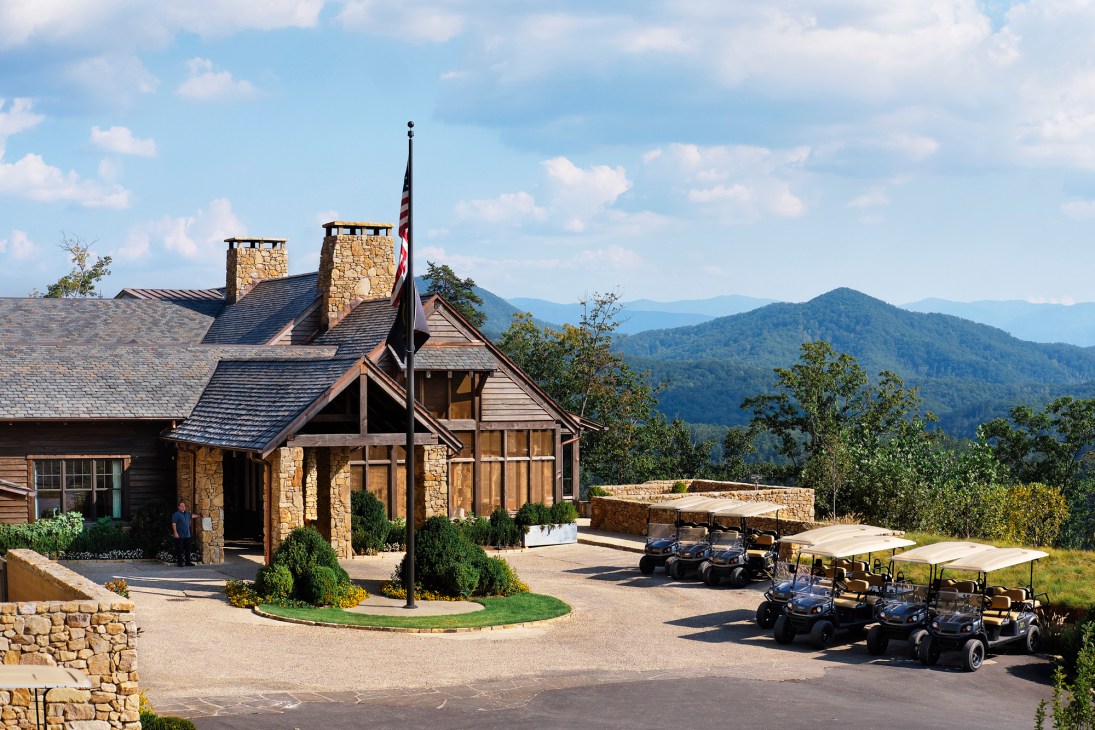
Years after her in-laws opened the original, Bealle married her late husband Sam and the couple moved to Tennessee to continue the legacy. Sam opened a butcher and brewery, and hired a master gardener and a farmer to grow food on the property. He then started a wine collection that now boasts more than 155,000 bottles from all over the world. “Sam was always asking himself, ‘How do I pay homage to this traditional, regional way of life and elevate it?’” says Bealle. “‘How do we bring the world’s wines and culinary traditions to the farm but also mix that with Tennessee?’”
Bealle planned to play a supporting role at the resort but when Sam passed away three years ago, she took the helm with the encouragement of her father-in-law – a decision that has shaped her life. “It was more of a family calling,” she says. “I knew it was possible because of the incredible team already in place. Losing my husband changed my life in so many ways it is hard to count. But being able to continue his vision by focusing on our family business, with the support of our talented team, has shown me how strong we can be when we stand together.”
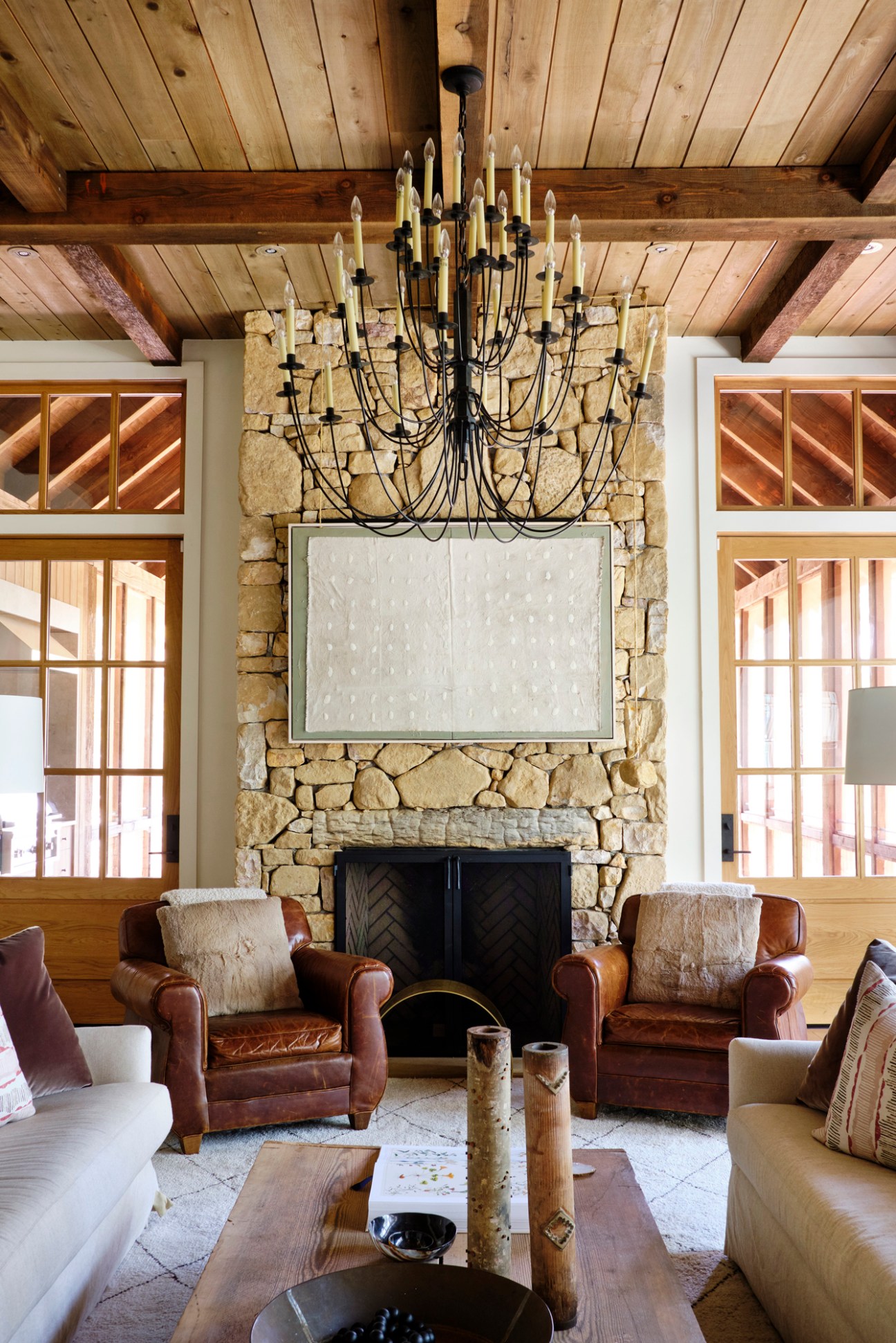
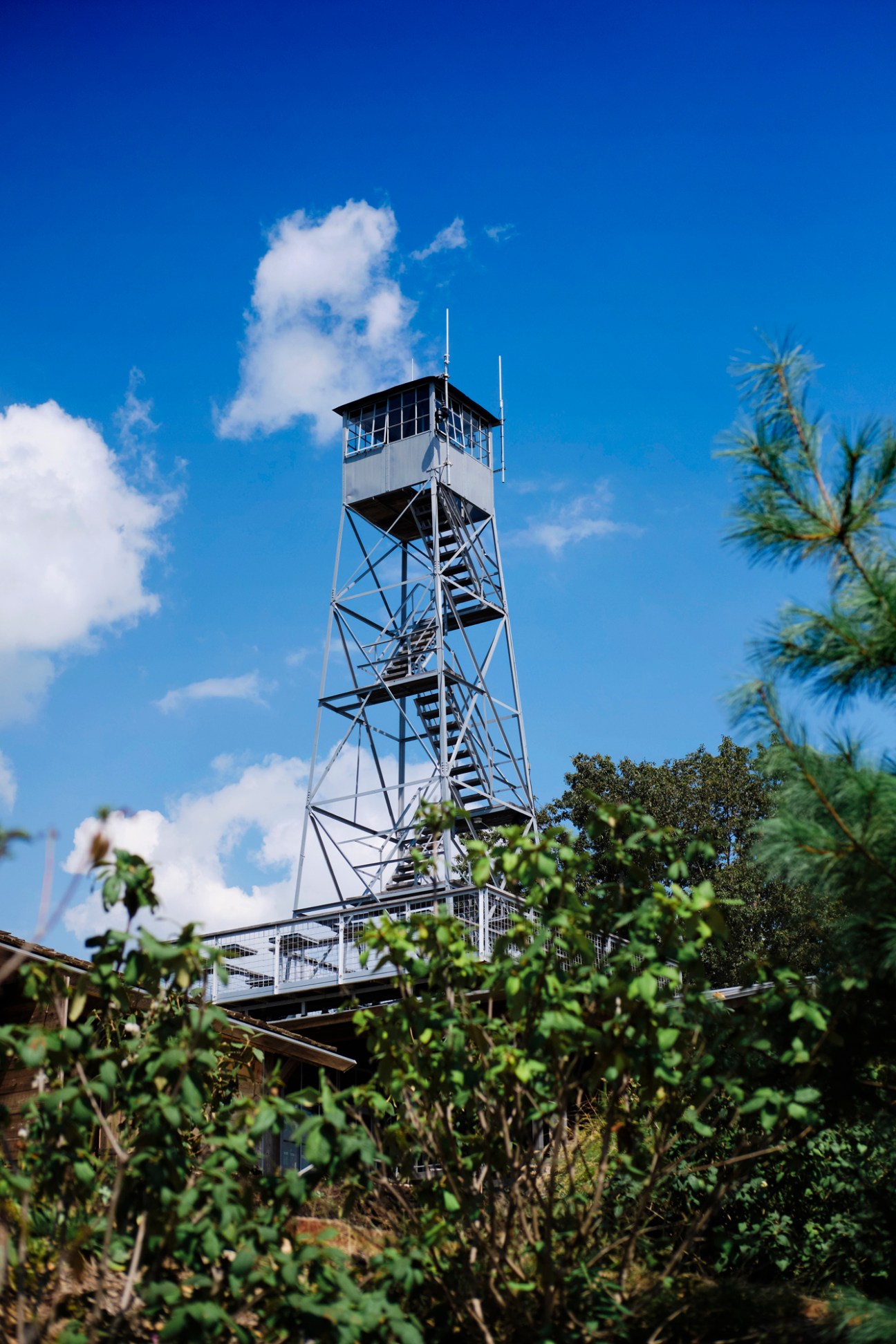
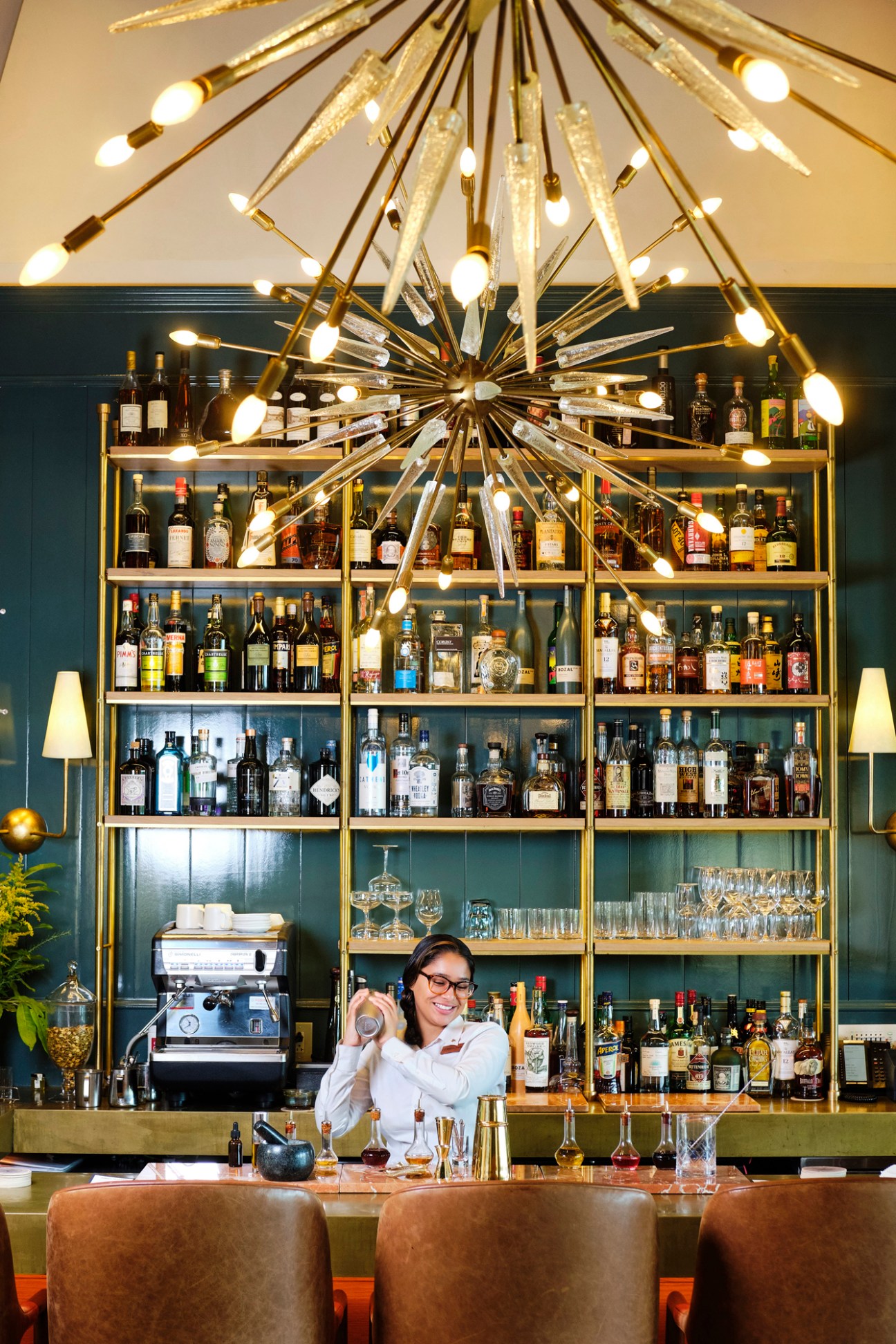
Sam had imagined creating a sister hotel for wilderness enthusiasts and the Bealle family realised this dream with Blackberry Mountain in 2019. Opening a new hotel has been challenging, though the property quickly gained attention and bookings. “What’s most important right now is what’s not changing,” says Beale. “We want to ensure that the heart of hospitality isn’t lost along the way. We have to make sure we’re delivering a warm welcome, anticipating guests’ needs and creating memorable experiences.”
The new inns are a series of stone cottages and wooden, hillside cabins – all with views of the Smokies, access to brooks, private terraces and outdoor stone-stacked fireplaces. The food is exceptional too, with award-winning chefs and knowledgeable sommeliers onsite. “A large part of our success today has been in delegating, trusting and believing in others along the way,” says Bealle. “We recognised our passion for bringing things from our travels and experiences to this place. I love that we’re part of something that’s going to continue for generations. At the end of the day, we just want to take care of people – that’s the true story of the Bealle family.”
Made in milan
Milan might not be Italy’s most beautiful city but it is certainly its most creative. While Italy’s economic hub had a tough 2020, its design studios continued to blossom, bolstered by an influx of international talent. Today, Valentina Ciuffi, founder of creative agency Studio Vedèt, leads us through an exhibition by fashion and design studio Older in Milan’s Castel Morrone area. The company was formed by Denmark’s Morten Thuesen and Italian Letizia Carami. They took their experience, acquired first at Alexander McQueen in London and then with their uniform brand (today operated in Milan), and applied it to making collectable design objects.
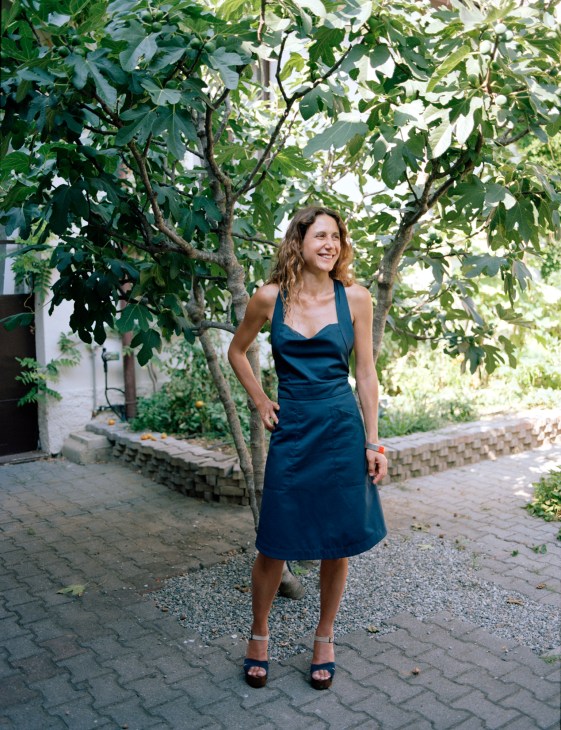
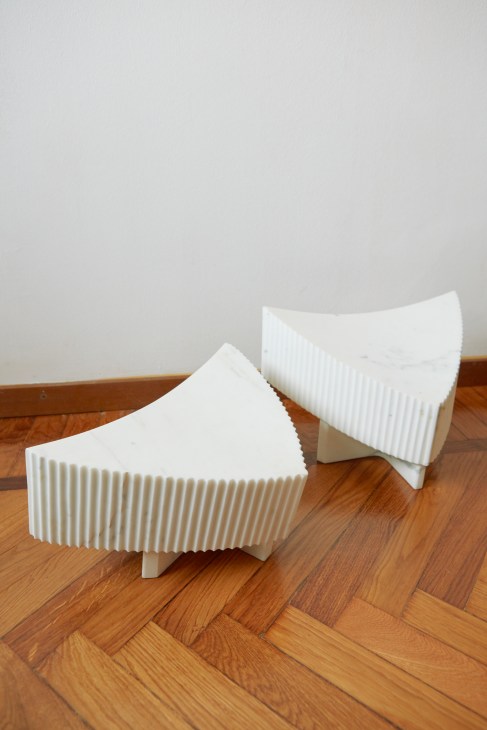
One key element of the limited-edition couches and lighting on show here is the fine technical Italian fabrics that the pair also use in their clothing. “You can be noisy and work, or you can be quiet and relax at home here,” says Thuesen of their spacious home-cum-gallery in a grand semi-inhabited building. But what’s most important for the couple, who recently relocated from Paris, is their proximity to some of the world’s best textile suppliers and furniture-makers. “This piece here is made in Meda, just outside Milan; those ones are made in nearby Carrara,” says Caramia, pointing out the various construction and finishing techniques behind the fine forms on display.
Part of Milan’s attractiveness for studio’s like Older is the fact that rents in Milan are more reasonable and there is more studio space on the city’s outskirts than in other larger metropolises. However, things were not easy in 2020. But its creative industries still managed to come out of the pandemic-dominated year on a high, with a miniature version of Salone del Mobile (the world’s biggest design week, typically held in April but cancelled in 2020) entitled Milano Design City, which took place in October. Showrooms and galleries came alive with exhibitions and furniture releases. With travel restrictions in place, it was a more local affair than Salone, yet the quality of what was on show did not dip – nor did the enthusiasm for it. “We believe that people want to meet, even if the meetings are more distant than usual,” says Ciuffi. “In Milan we really care about the live experience.”
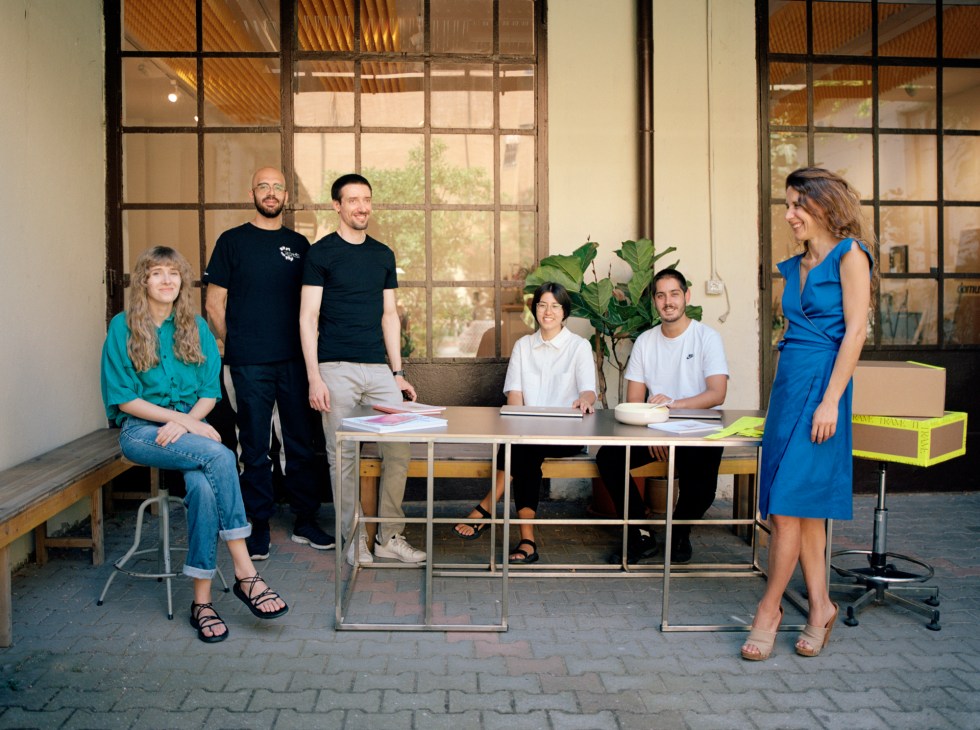
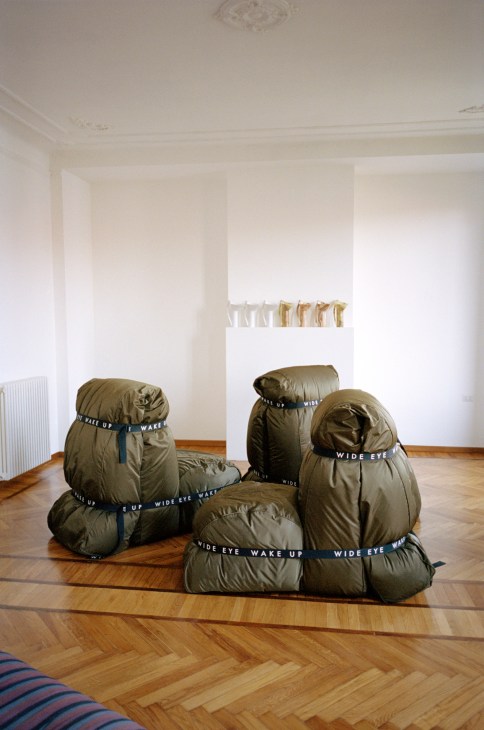
Ciuffi is a champion of the city’s new creative class and something of an unofficial curator of their output via her connections at Milan’s top design galleries. While more established industrial designers such as Patricia Urquiola and Piero Lissoni dominate creative direction roles in Milan’s global furniture brands (Cassina, Boffi De Padova and Living Divani, to name a few), the next wave of talent, which might soon step into their shoes, is blossoming. Ciuffi’s firm Studio Vedèt provides graphic design and branding work to many of the most notable new names, such as Joy Herro, Lebanon-born co-founder of experimental design platform The Great Design Disaster, and Canadian expat Nicolas Bellavance-Lecompte, gallerist and founder of collectable design fair Nomad. Yet Ciuffi’s relationship with these people goes far beyond business: she’s frequently introducing them to potential collaborators and new arrivals.
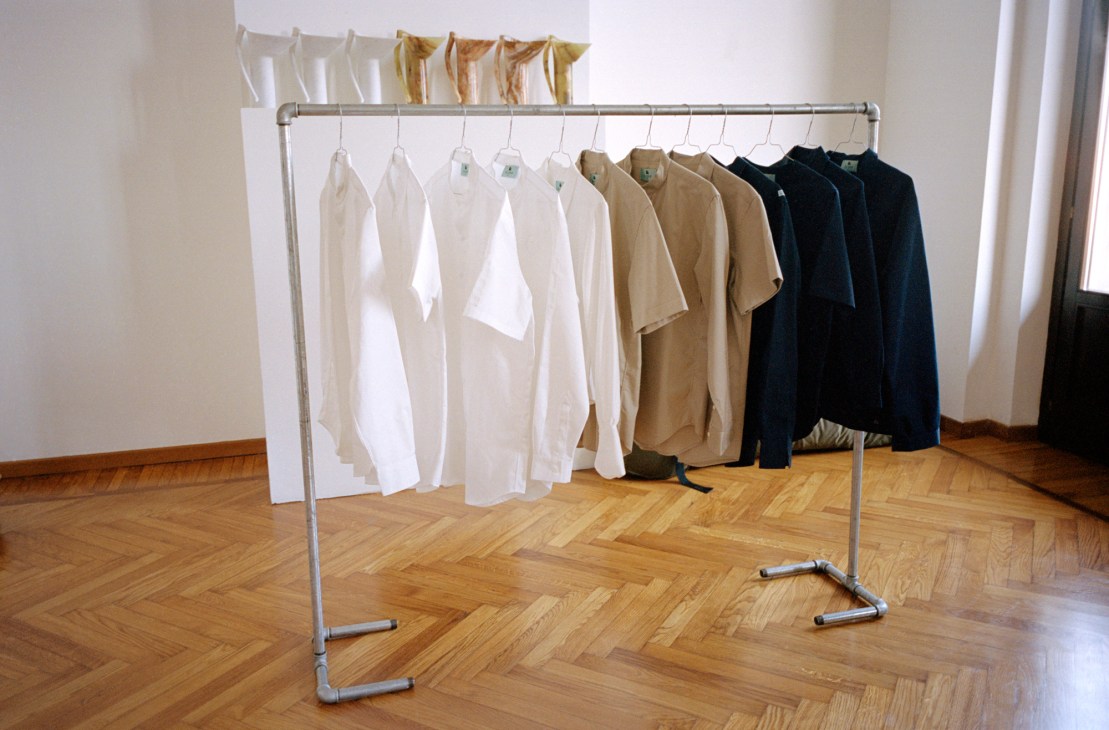
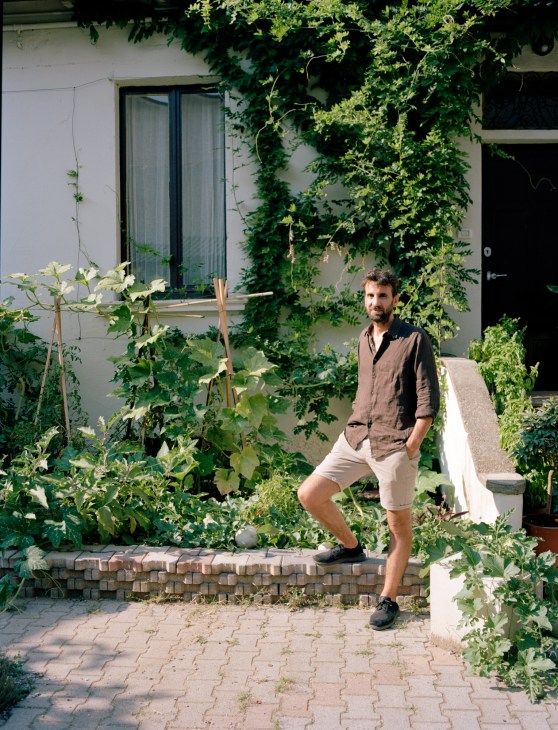
This all-in-it-together mentality is what makes the new Milan scene so special. “Part of my studio’s business is related to curation and part of it to visual identity, helping brands with a certain charm to find their identity and find their way in the design world,” says Ciuffi. “But here, rather than having quick business meetings, you really have the time to sit down with one another, talk and enjoy the experience – and you naturally end up being friends.”
It’s a nice way to work. The informal restaurant dinners that Ciuffi hosts are raucous and, due to the mix of nationalities, largely in English but they also spawn creative collaborations between attendants: Ciuffi has already commissioned uniforms from her client Older. And Bar Basso – made famous for being the April Salone hangout of industry veterans such as Jasper Morrison – is now a year-round meeting place for this smart young creative set. “It’s 10 minutes away for most people by bike,” says Ciuffi.
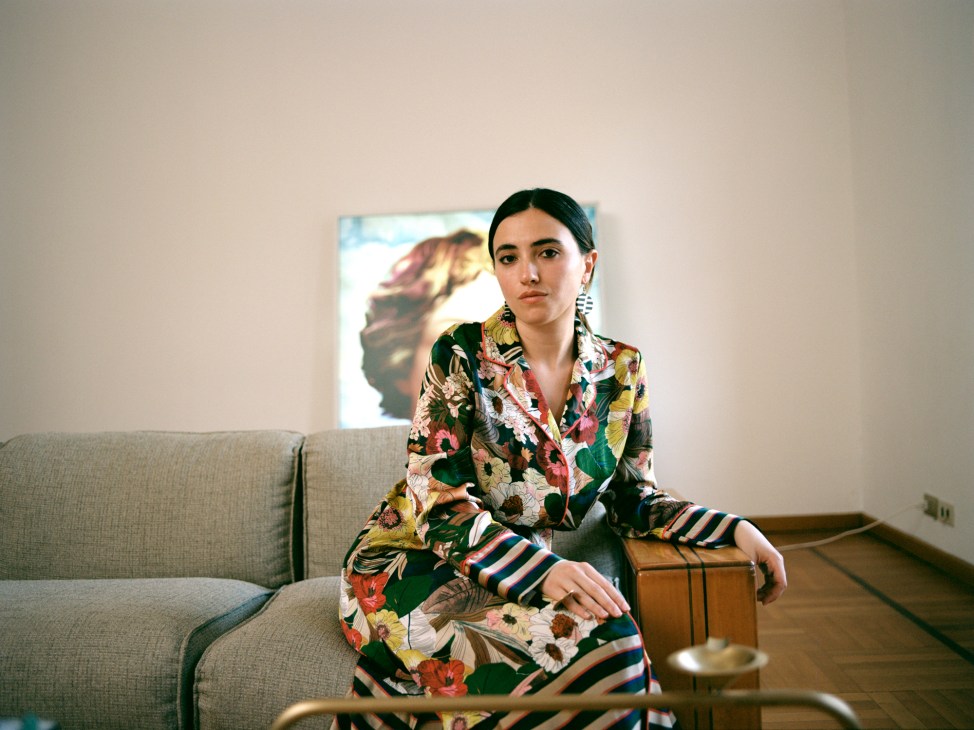
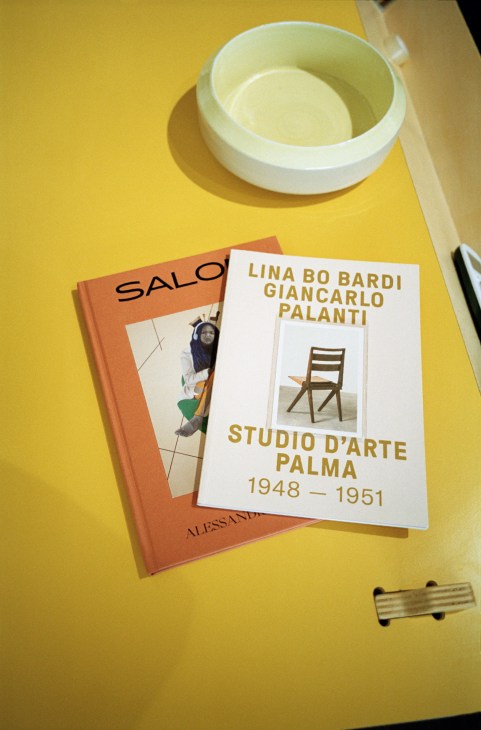
While the city grows in appeal as a permanent destination for creatives, it is the April Salone del Mobile, which the organisers are actively pushing ahead with for 2021, that remains a focal point for every design studio, Milanese or otherwise. Ciuffi is responsible for one of Salone’s most coveted events: Alcova, a programme she curates alongside Joseph Grima that highlights interesting, emerging and more experimental designers. It’s a perfect platform for small studios that don’t have the means to form the grand spectacles of the larger brands. “I’ve worked all over but I always return to Milan,” says Grima, a UK national, as he prepares a caprese salad with tomatoes freshly plucked from the garden of the workspace he shares with Ciuffi.
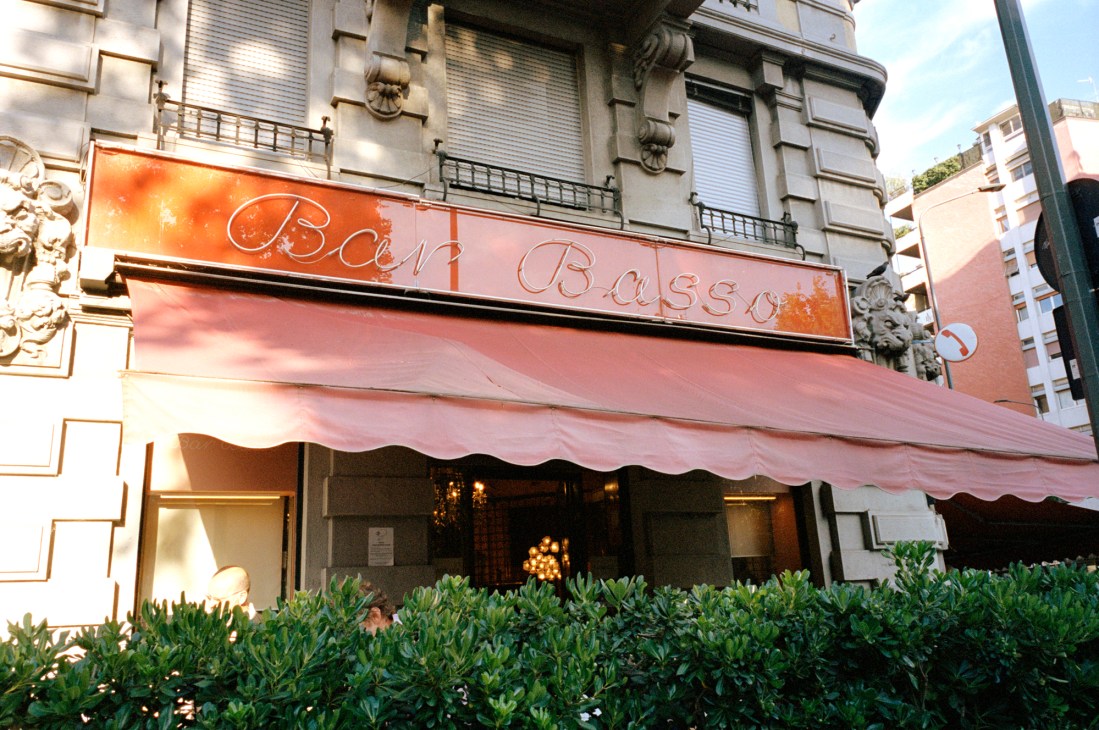
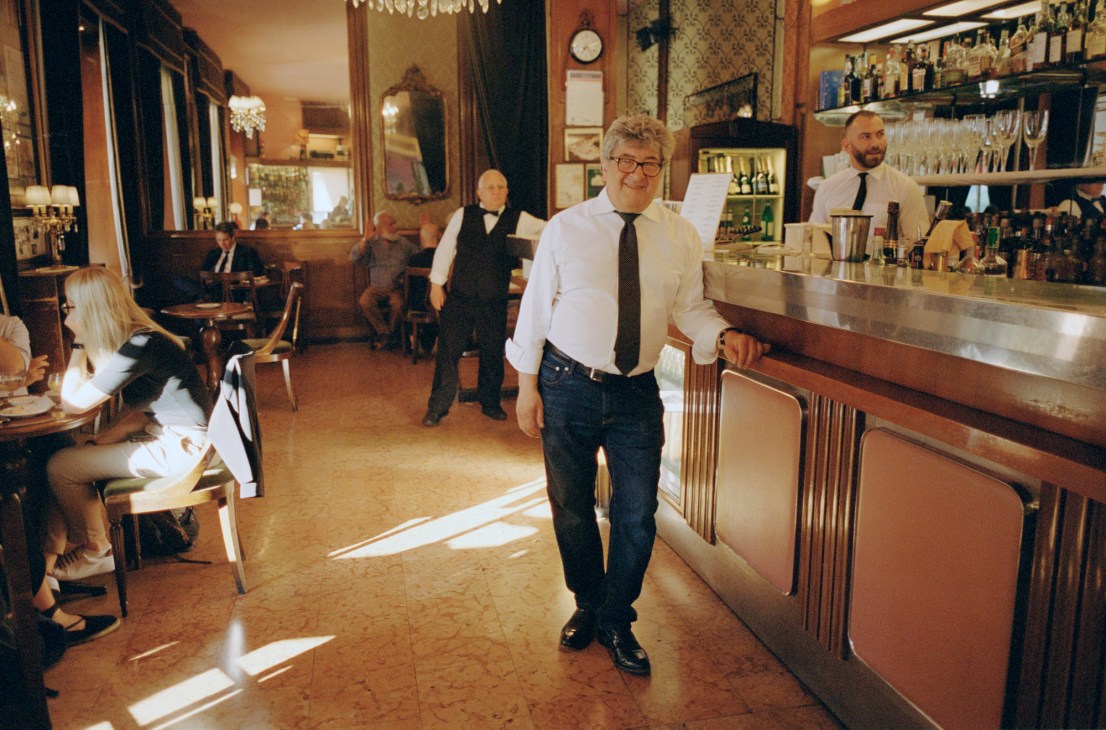
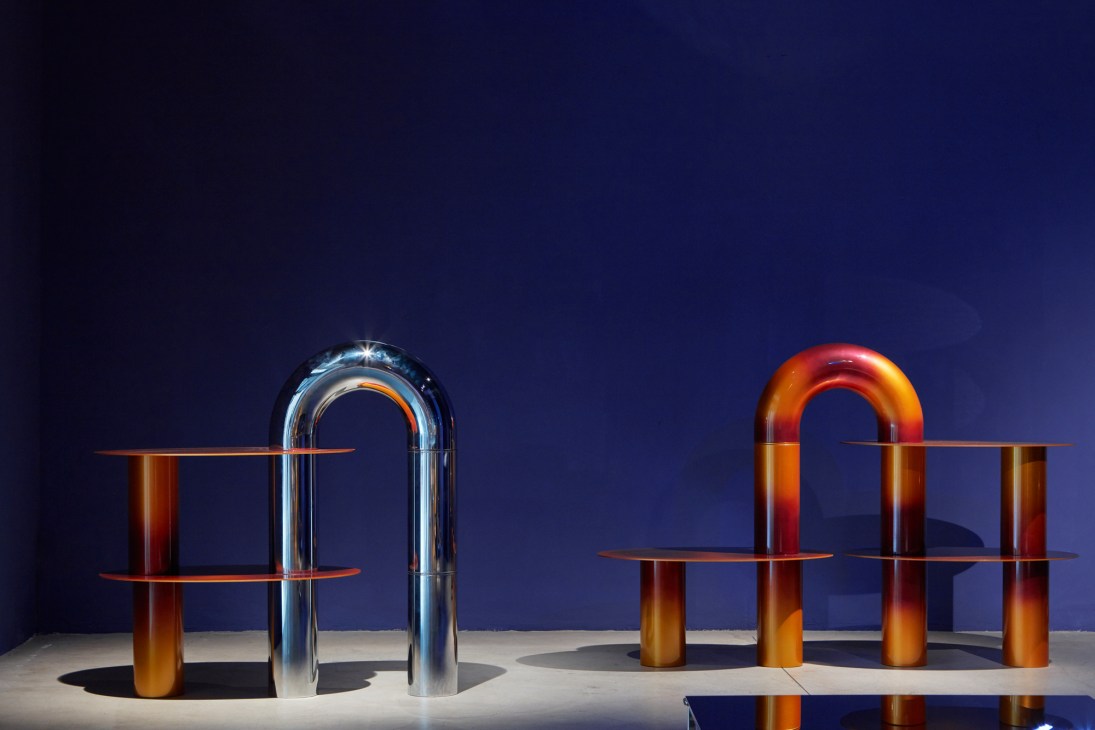
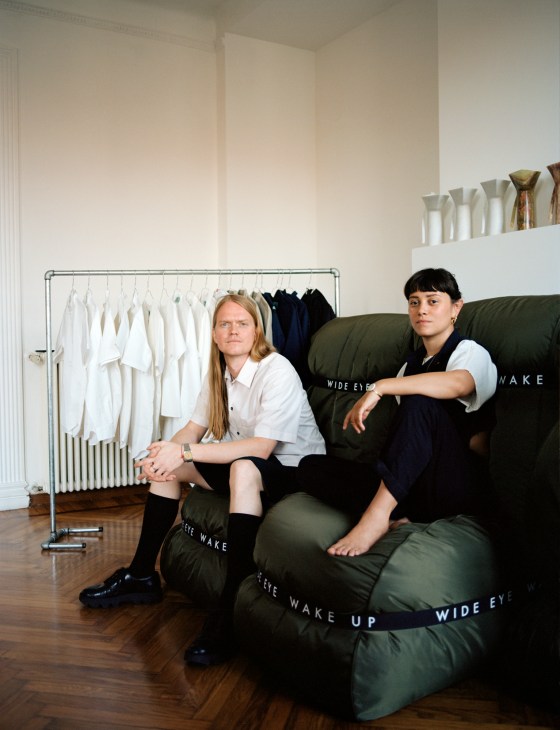
Grima, who operates design research studio Space Caviar and is creative director at the prestigious Design Eindhoven Academy, says that Milan’s renaissance has been long in the making. “A lot of seeds that were planted a while back have led to Milan exploding onto the European consciousness as an extremely international cosmopolitan environment,” he says. He credits the city’s pioneering architect Stefano Boeri, famous for the green-laden Bosca Verticale building and a number of other urban design successes, and the legacy of the Milan 2015 Expo as two factors. He’s also keen to point out the work of progressive mayor Giuseppe Sala as part of the revival. “Milan is proud of itself and confident of its own identity internationally now, not just within Italy.”
In years past, saying goodbye to Milan was always the hardest part for visiting creative practitioners. But lately for many of them, leaving is becoming less of a pressing reality. This is, at least, the conclusion you might reach at the end of Milanese sojourn as you crack open our second bottle of chilled wine and discuss what’s on the city’s agenda for 2021. Salute!
Work in progress
In the early 1970s a young Norman Foster designed a handful of UK office buildings and did some outlandish things. He created low-slung, glass-encased structures for the dockside base of London shipping company Olsen & Co as well as for ibm’s head office in Portsmouth and the Ipswich HQ of insurance firm Willis Faber & Dumas. Some of these buildings overlooked green spaces and all of them consumed low amounts of energy, their transparent skins harnessing the elements to warm and cool the buildings naturally as much as possible.
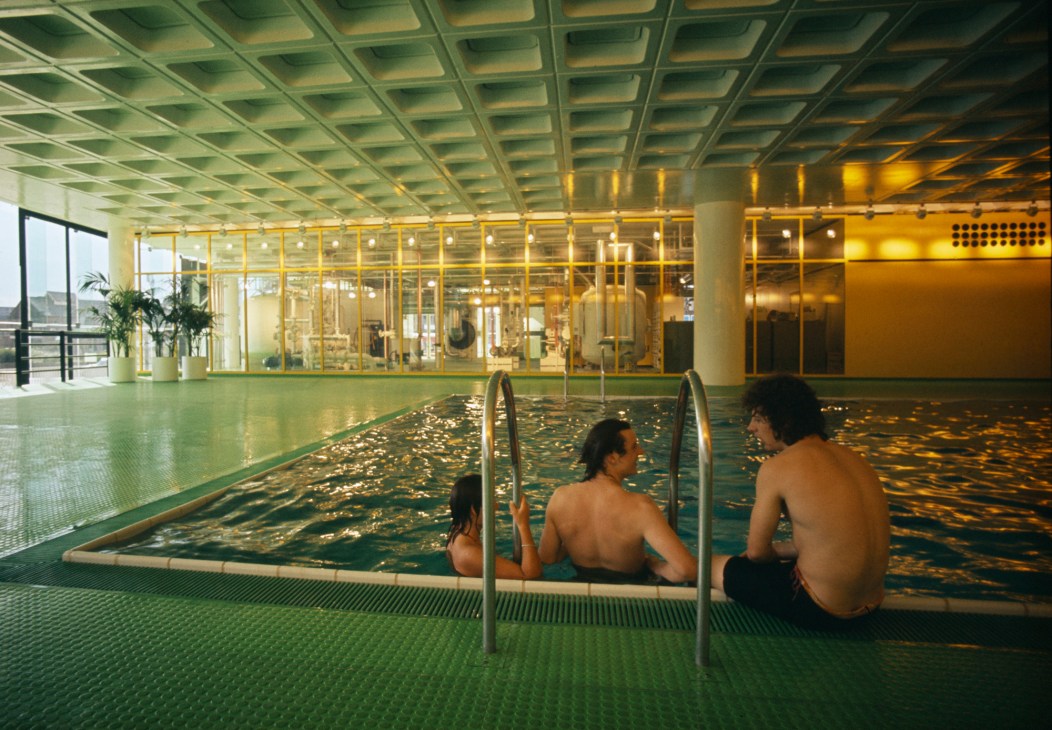
These were egalitarian spaces, fizzing with social chatter. Their horizontal, open-plan forms – dubbed “groundscrapers” – gathered workers in one space, rather than dividing them into floors stacked on top of one another. And instead of sequestering away workers into individual offices, senior staff worked alongside their subordinates. The Willis HQ’s restaurant, rooftop garden and pool were available to all, while Olsen had art-lined walls. All three of Foster’s workplace designs were flooded with daylight and boasted a convivial atmosphere in which employees would share ideas.
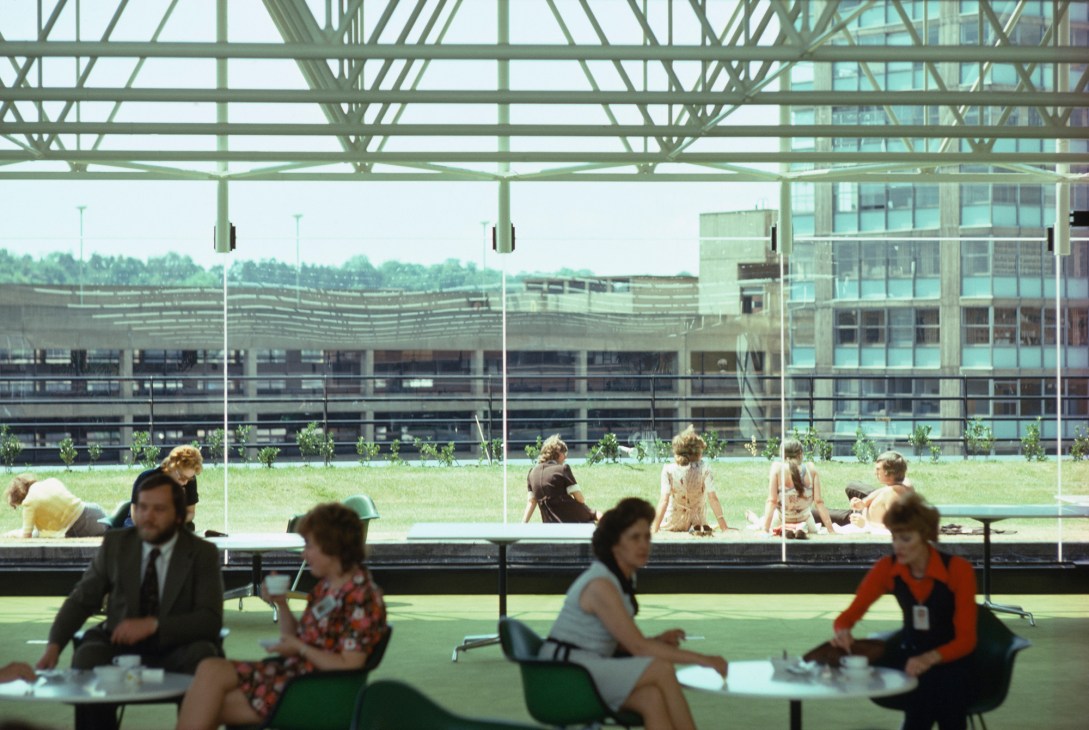
“The core premise was about social equality, which is about quality of life at the workplace,” says Foster, the Pritzker prize-winning architect and founder of Foster 1 Partners. The long, mostly single-storey spaces were “much better [than tall towers] for connectivity between individuals,” he says. “If tasks are creative then they benefit from interaction.”
These environments contrasted with the hushed atmosphere and segregated cubicles that dominated workplaces at the time. Yet they stand in alignment with the offices of today. Some 50 years on, once-radical ideas have become mainstream. Modern workplaces embrace greenery and green energy consumption. And sociability at work is now a primary concern, with in-person interaction accepted as vital to creative thinking and wellbeing. By forcing us to work remotely, the pandemic has only highlighted the value of face-to-face sparring.
Foster’s prescient works were remarkable yet they weren’t alone. Other agenda-setting projects from the 1970s – such as Arne Jacobsen’s National Bank in Copenhagen; Herman Hertzberger’s Centraal Beheer complex in the Dutch city of Apeldoorn; and Palmas 555, Juan Sordo Madaleno’s corporate tower in Mexico City – have stood the test of time. Whether it’s their celebration of raw materials, use of natural light or the way in which they complement their neighbourhoods, all have sentiments that chime with modern workspaces.
In fact, put any of them alongside today’s best new-builds, squint, and it’s hard to spot the difference. They share much with fêted contemporary designs, such as Foster 1 Partners’ Bloomberg HQ in London, with its sixth-floor “pantry”, a soaring space through which all employees must pass. Or Danish firm 3xn’s International Olympic Committee HQ in Lausanne, an elongated glass creation that’s filled with light and breakaway spaces for quick catch-ups.
The working world has changed immeasurably in recent decades due to smartphones, laptops and the “connected” culture that these things have enabled – which makes it all the more remarkable that some of the leading principles behind today’s workplaces are based on the ideas of great design minds half a century ago.
Yet the 1970s, in general, was not a brilliant time for workplace environments. The era had none of the largesse and corporate glamour of the 1980s. “Most offices in the 1970s were awful,” says Alexi Marmot, a professor at ucl’s Bartlett Real Estate Institute and the author of several books on office design. As she explains, there was typically a group area for typists but individual offices for almost everyone else. And you weren’t supposed to talk.

The designs by Foster and his fellow luminaries defied these norms. As Foster himself notes, these commissions only happened for companies run by “independently minded, slightly maverick” people, such as Fred Olsen or Willis chairman John Roscoe. “All of the individuals behind these buildings were prepared to take a risk and were open to a well-argued architectural equation,” says Foster. “They weren’t your normal bureaucrat; it certainly could never have happened out of a corporate or a bureaucratic mentality.”
The best spaces of this era used “honest”, unfussy materials and possessed an understated quality that resonates today, says Susan Jayne Carruth, an architect who is head of operations for gxn, a think-tank for Danish architecture firm 3xn. “The 1980s was more about the drama and grandeur; the 1970s had more of a human scale.”
Carruth cites two projects. First, Hertzberger’s development for insurance firm Centraal Beheer: a high-ceilinged space filled with raw-brick units that sit at different heights and provide a range of areas and vantage points for working and socialising. And Madaleno’s Palmas 555: a concrete tower that resembles a teetering stack of pizza boxes, offering workers views of the city, ample shaded areas and light-flooded communal space. “What these have in common, and where I see a further link to contemporary office design, is that they are shaped by a consideration of human needs,” says Carruth. “It’s not just form follows function but form follows behaviour.”
The decade’s best designs were flexible. Open spaces free of load-bearing walls were a feature of the International Style popular in 1970s and postwar architecture generally, says Peter Thule Kristensen, an architecture professor at the Royal Danish Academy of Fine Arts. This translated into office environments such as Foster’s ibm headquarters or Hertzberger’s Centraal Beheer, because they could be reconfigured to suit a company’s changing needs. This echoes with today’s companies, which like to be able to constantly rejig their interiors.
Of course, what’s on the outside can be just as important. Take any number of Arne Jacobsen’s designs. Although the Danish master was conventional when it came to office floorplans – big lobbies; long corridors; small, discrete offices – his structures were masterclasses in how to design a building with respect for its context, says Kristensen. The National Bank in Copenhagen is undeniably modernist, yet it acknowledges the 19th-century classicist architecture in the surrounding neighbourhood via its use of marble and bronze.
Given the pandemic, considerable thought is once again going into what we need from our workplaces. In future, many of us will have more flexible schedules and spend less time in the office than we used to. But, as Foster says, “the things that you do need to go into the office to do have become more precious”. To achieve those precious things you need a site- specific building with warm interiors and a layout that encourages lively conversation. In short, you need what those employees at Willis Faber & Dumas in Ipswich had all those years ago.
Frankfurter Allgemeine Zeitung
Alternatives to open-plan
The office of the centre-right Frankfurter Allgemeine Zeitung, one of Germany’s biggest newspapers, has always been a unique place to work. Editorial independence is held so sacred here that journalists and editors are in one building and the commercial team in another. The two are joined by a skywalk that’s dubbed “the bridge of sighs”. In 2022, however, all departments will move to a modern building complex in Frankfurt’s European quarter.
Designed by Berlin’s Eike Becker Architekten, the new 18-storey building will provide space for 1,000 employees and was originally configured with open-plan working in mind. But then came the pandemic and the surge in remote working, so the board decided to get rid of one floor due to the high number of reporters who won’t be based in the office. “The situation also shed a light on another issue: the fate of the single-person office,” says company COO Volker Breid. The significance of enclosed, independent spaces for staff is rooted in the newspaper’s history where the idea of “independent minds” remains prominent. The paper doesn’t have just one editor but four – all of whom have individual offices.
“Not everything that is fashionable has to be good,” says Breid of the growing business movement towards open-plan. After all, his journalists require a certain amount of peace and tranquillity to do their job.
It’s a view that’s in contrast to that of Axel Springer, publisher of Bild and Die Welt. For its new building, which opened in October, the firm decided to ditch single offices altogether. “Measuring one’s status by individual space is outdated,” CEO Mathias Döpfner told his employees, mentioning that he shares his own office with three fellow board members. But even though many companies highlight what they believe to be a sense of community and collaboration as a reason for the open-plan office, it’s primarily a means of saving money.
Studies have shown that when companies move to open-plan, the motivation and performance of staff declines, while working hours and sickness rates increase. Many German media companies seem to agree. Whereas other industries introduced open-plan Bürolandschaften (“office landscapes”), most publishers have remained advocates of individual offices. “We have never changed our office model because it works well for us,” says Philipp Wolff of Hubert Burda Media, publisher of titles including Elle.
Many German newspapers still reside in the Pressehäuser (press buildings) constructed after the Second World War. The weekly Die Zeit, for example, occupies the same Hamburg base in which it was founded in 1946. “In a world of information bombardment, the individual office is the last refuge of a person who wants to finish a thought,” the paper’s deputy editor Sabine Rückert recently wrote in Zeit Magazin.
A similar opinion is expressed by Gruner 1 Jahr, one of Europe’s biggest publishers. The firm resides in a huge ship-like building in Hamburg, comprised of smaller internal offices, but in the next few years it will be moving to new premises designed by UK architects Caruso St John. The design of this office for 2,200 employees is still to be confirmed but the company is keen on keeping the current work spirit alive. “We want a space that doesn’t hinder good ideas but promotes them,” says CEO Julia Jäkel.
In the end, Frankfurter Allgemeine chose a newsroom with open spaces, “but intellectually demanding content will be worked on in single rooms or dedicated spaces in the newsroom,” says Breid, initially a proponent of open-plan. “It was a learning process. But we took a careful look at our business model and asked: ‘Do the spaces that fit Google necessarily suit us as well?’ The answer is no.”
Images: Ken Kirkwood, Tim Street-Porter, Willem Diepraam, Andreas Trier Mørch, courtesy of The Royal Danish Academy of Fine Arts’ School of Architecture, Design and Conservation