Neighbourhoods
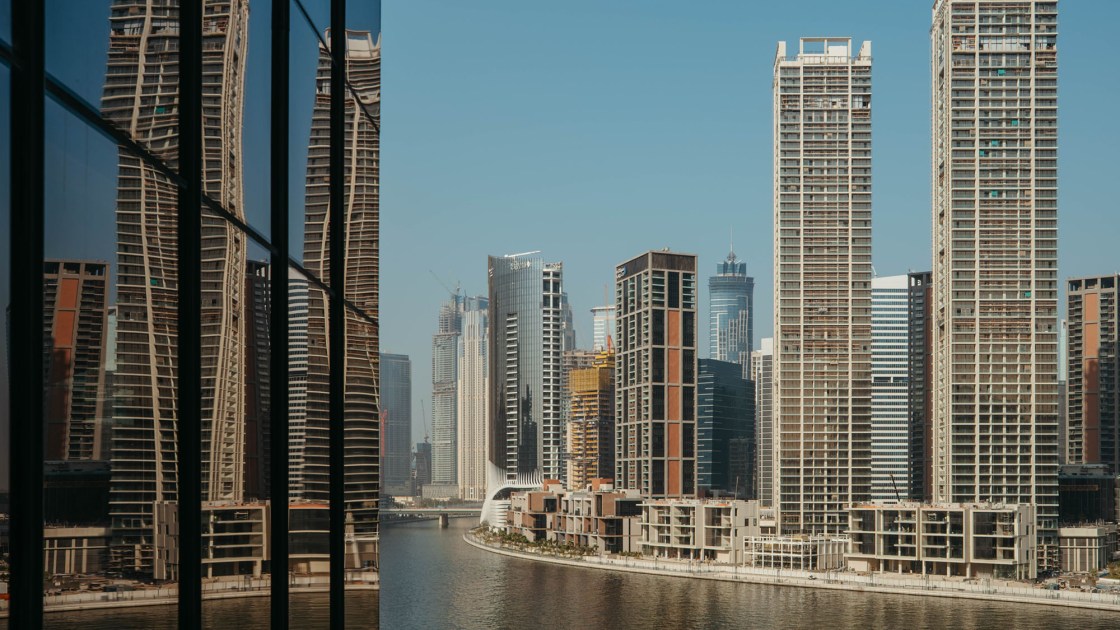
Al Quoz
Galleries, design studios and cafés have transformed an industrial zone into a creative engine
Once a landscape of warehouses and workshops, Al Quoz has evolved into Dubai’s most important creative district. Centred around Alserkal Avenue, the neighbourhood brings together galleries, performance spaces, design studios and bespoke retail, all set against an industrial backdrop. Start the day at Bkry, where pastry chefs work in full view, preparing the area’s finest croissants. From there, move between exhibitions at venues such as Carbon 12 and browse retailers including Indian leather-goods maker Nappa Dori, Lebanese brand Nada Debs and boutique Orient 499, known for its high-end sustainable fashion and elegant perfumes. Coffee stops – our favourites include Nala and Wild & The Moon – keep energy levels high, as does a snack at Piehaus, which offers a hearty wagyu-pastrami filo pie.

Cinema Akil is the main cultural pull: the picturehouse screens everything from new Arabic releases to European cult classics. Before leaving the neighbourhood, stop at Ganache Chocolatier, which features a first-of-its-kind chocolate factory. The shop offers more than 100 flavours but the cardamom chocolate, paired with an Arabic coffee, makes for a fitting final note.
Al Satwa (Jumeirah Garden City)
A compact, multicultural quarter where Dubai’s daily rhythms play out
This is Dubai at its most vibrant. The neighbourhood is shaped by the small, essential trades and daily activities that keep life here ticking: cooks flipping parathas at dawn, families shopping for groceries, tailors stitching late into the evening. The mix of Filipino, Iranian, South Asian and Arab communities gives the area a verve that feels increasingly rare in a city of master-planned districts.
Wander around Al Dhiyafah and 2nd December Street, dipping into fabric shops, bakeries and unfussy cafés such as Homebrew and Attibassi Coffee. Around the Block offers a reliable flat white and a brief pause from the hum, while independent salons and tailoring studios reinforce Satwa’s role as a service hub for the wider city. In the evenings, residents patiently queue for Miamix or Za Za Slice, and those in the know book ahead for Moonrise, an intimate rooftop restaurant serving a tasting menu by chef Solemann Haddad. No visit is complete without a meal at Ravi Restaurant, a long-standing Pakistani institution and a rite of passage for anyone who is serious about eating well in Dubai.
Al Fahidi
Dubai’s historic heart, where the city’s trading history still shapes daily life
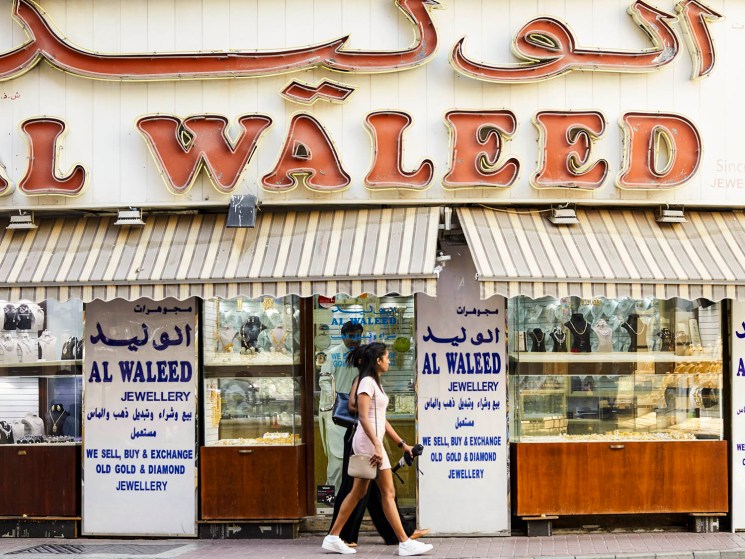
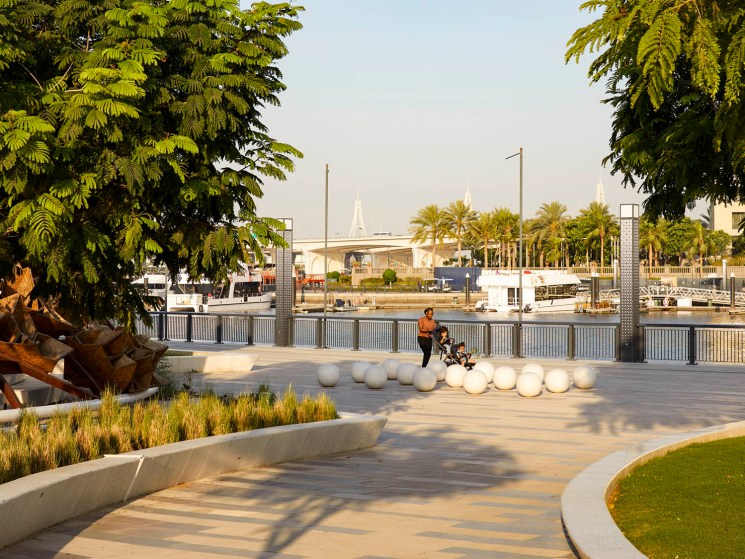
Al Fahidi remains Dubai’s most atmospheric enclave, offering a glimpse of the city before oil, aviation and ambition reshaped its skyline. Once known as a centre for merchants, pearl traders and craftsmen, this is an area that rewards curiosity and a willingness to linger. To fuel up for a day of wandering through narrow lanes lined with coral-stone houses, wind towers and shaded courtyards, start with Arabic coffee, breakfast and Creek views at Mazmi Casa.
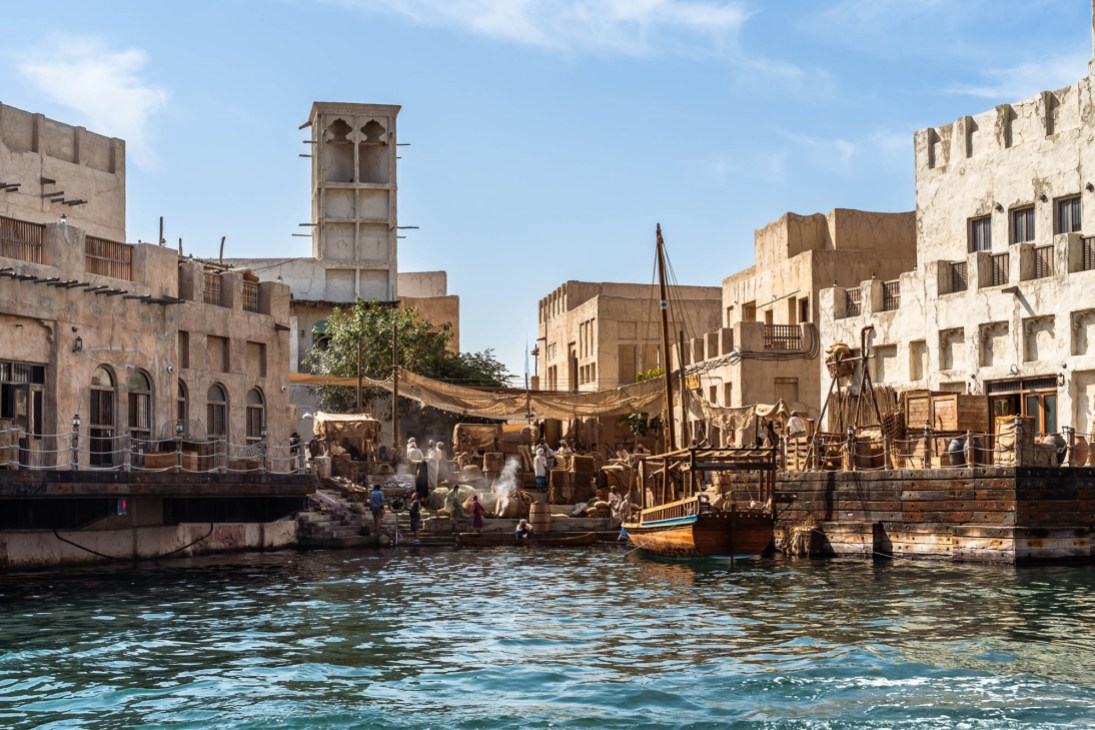
The neighbourhood’s cultural pillars are modest but meaningful: Al Shindagha Museum traces the nation’s social and trading history; XVA Art Hotel doubles as a gallery and meeting point for creatives; and the Coffee Museum offers an education in the routes that once connected Arabia, Africa and Asia. Textile shops and abras that ferry goods and people across the water keep Al Fahidi grounded in everyday commerce rather than nostalgia. Come early morning or late afternoon, when the light softens.