Culture
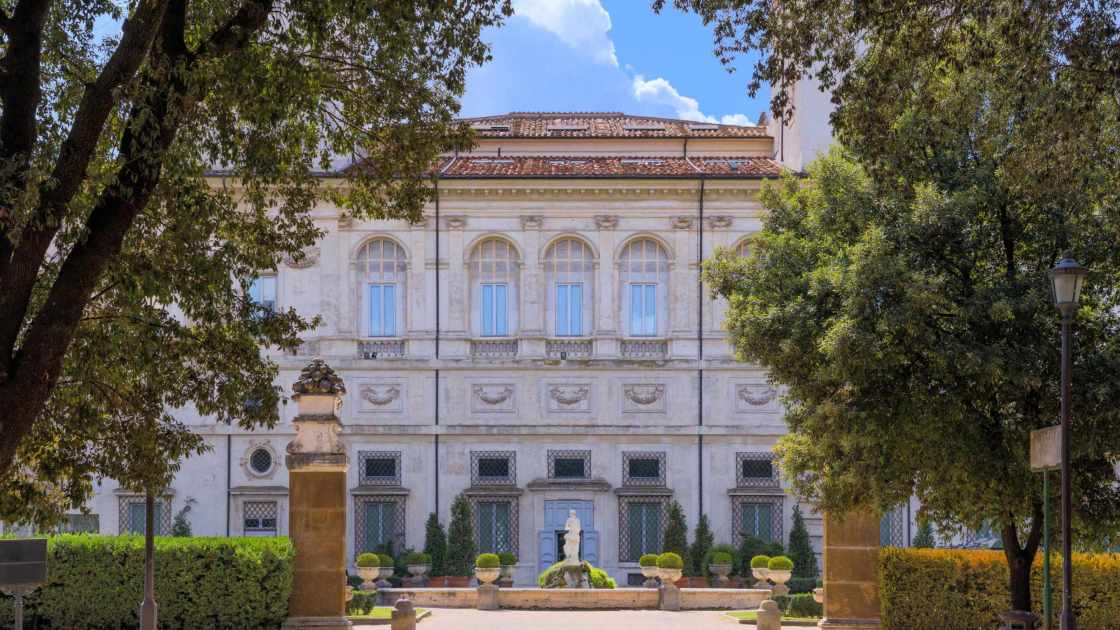
Galleria Borghese, Villa Borghese
“The Borghese is a museum of masterpieces,” says director Anna Coliva of a collection that includes works from Caravaggio, Bellini, Titian, Raphael, Bernini and Canova. The Villa Borghese Pinciana was built to house the personal treasures amassed by Cardinal Scipione Borghese (1579-1633), an affluent nephew of Pope Paul V and patron of Bernini. His “Il Ratto di Proserpina” (“The Abduction of Prosperina”) is a must-see, as is Canova’s “Venere Vincitrice” – better known as “Paolina Borghese”. The neoclassical marvel joined the collection in 1838. Only 360 people are allowed in at one time, so make sure to book ahead.
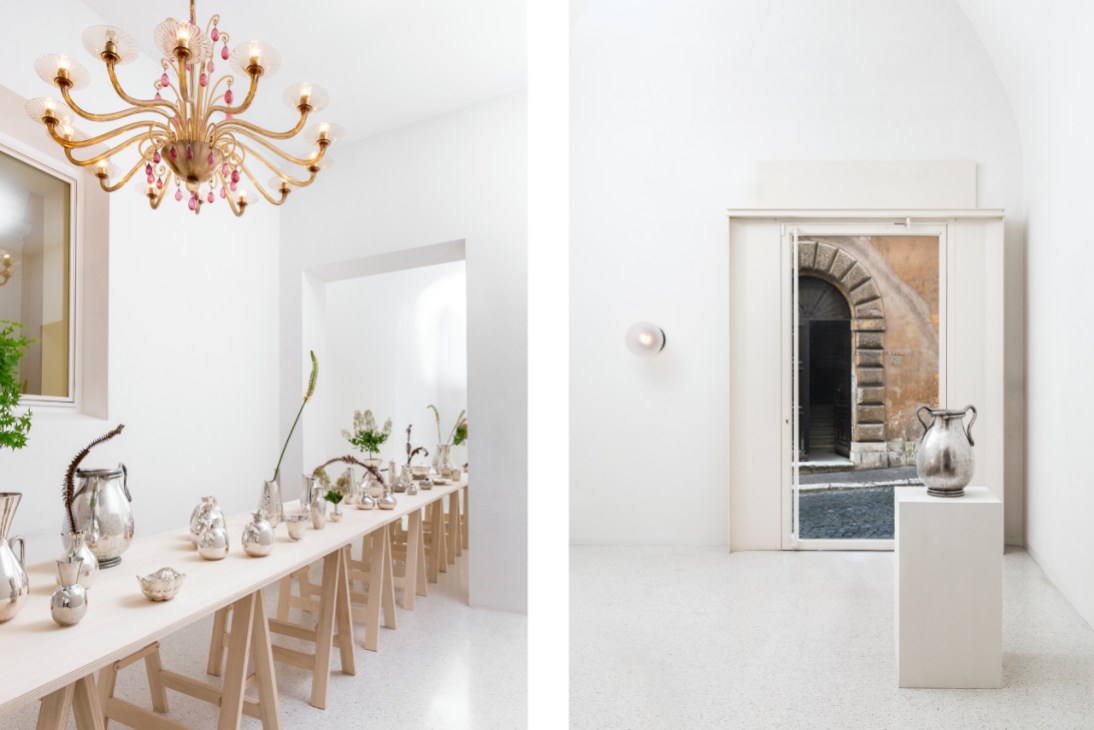
Giustini / Stagetti, Piazza di Spagna (Centro)
Creating a balance between collectable design, culturally significant pieces and innovative new collaborations is no mean feat. Giustini / Stagetti, located on the elegant Via Gregoriana, manages to maintain a good balance. The current site opened in 2022, resulting from a collaboration between late Milanese design maestro Umberto Riva and architect Emiliano Scarano. Impeccable material selection, such as the Carrara marble staircase and the white Venetian terrazzo, is rendered artfully throughout. From Enzo Mari’s venture into Japanese lacquerware to mid-century maestro Luigi Genazzi’s silverware, the exhibits are always high-quality, with the verve of a commercial gallery.
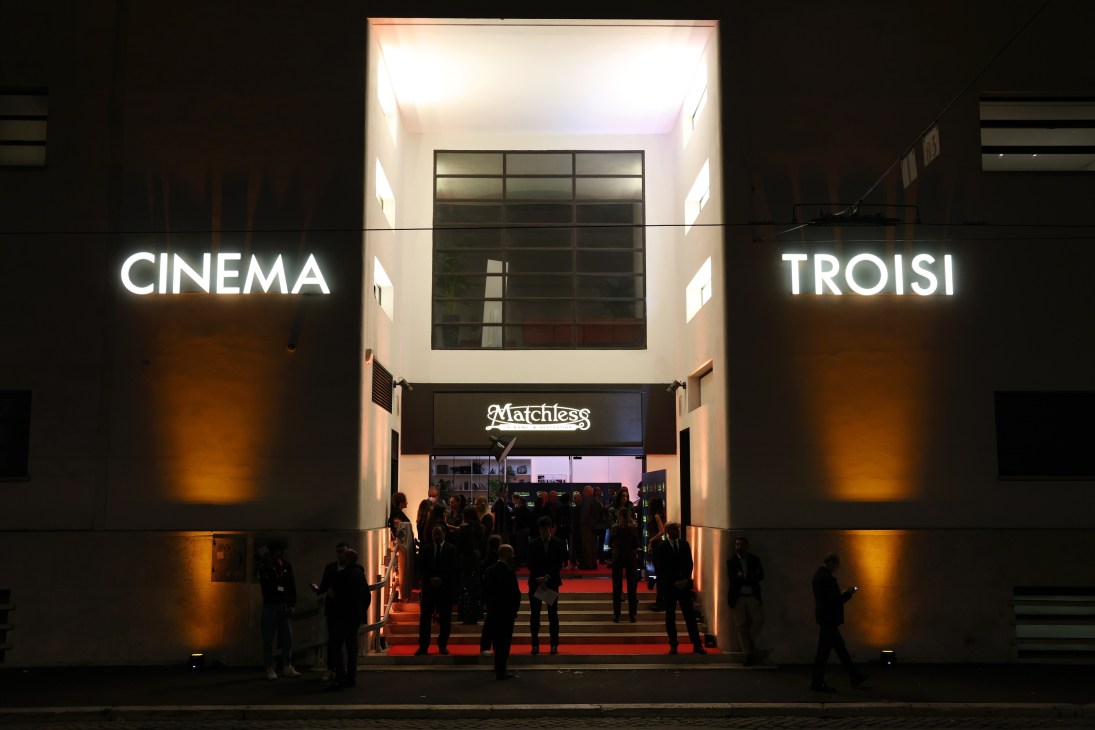
Cinema Troisi, Trastevere
With its 300-seat screening room, state-of-the-art Belgian-made Barco projector and a remarkable programme of the best of Italian and international cinema, Troisi has it all. Bricks, mortar and equipment form only part of the story: what we see today is the result of the gutsy activism by a group of twentysomethings who founded the Piccolo America Foundation in 2012. Named after the Cinema America, another local Trastevere landmark that was destined for demolition, the group occupied the site, eventually winning a preservation order that saved it. In the process, they not only gathered attention but also set up an outdoor cinema on the nearby Piazza di San Cosimato.
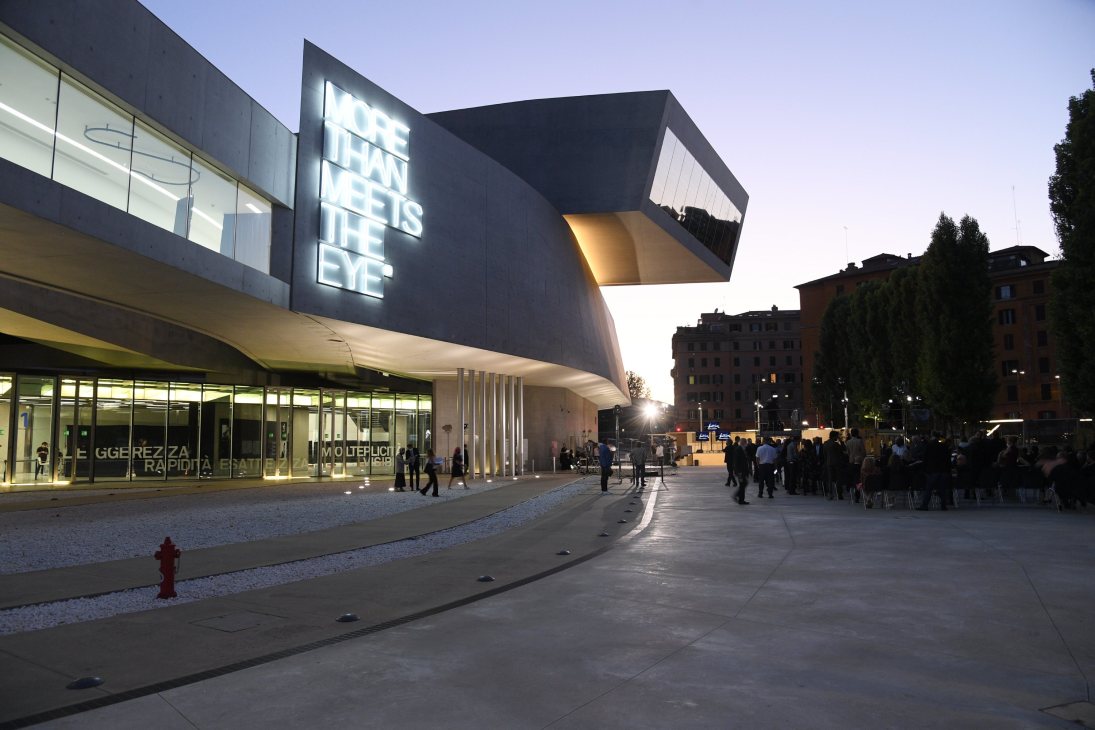
Maxxi, Flaminio
Architect Zaha Hadid created an impressive space of angles and curves that was meant to be a “campus” for art rather than a “container” but it took Guangzhou-born artistic director Hou Hanru to make Maxxi work. Hou, who joined the team in December 2013, calls Maxxi (the National Museum of Arts of the 21st Century) the “new Roman Forum”, envisioning an institution where art and architecture overlap and unheard voices can be heard. At its core is a stellar collection of architectural archives, including Carlo Scarpa’s annotated cigarette boxes, and artworks such as Alighiero Boetti’s “Mappa” and Mario Merz’s glass igloo.
Galleria Doria Pamphilj, Piazza Venezia (Centro)
Hidden in plain sight on traffic-choked Via del Corso, the Galleria Doria Pamphilj is an escape from Rome’s museum crowds. The treasure-filled gallery in the vast Palazzo Doria Pamphilj – still a private residence and one of the largest in Italy – has belonged to the same family since the 17th century. Highlights include the hall of mirrors and Velázquez’s searing portrait of Pope Innocent X, which was famously reinterpreted by Francis Bacon centuries later.