Three new pieces of military kit outsmarting drones and supply chain bottlenecks
The future of defence is unmanned and aerial. Here are three pieces of military technology that are changing the way that wars are fought – by either neutralising or harnessing drones.
1.
A $14 solution for defeating high-altitude drone threats
Dragonfire laser weapon
UK
Dragonfire can detect and silently shoot down an approaching drone, aircraft or missile in seconds. A laser directed-energy weapon (LDEW) developed by a consortium of UK companies led by MBDA for the Royal Navy, it is due to come into service in 2027. LDEWs have been developed as a low-cost way to tackle unmanned aerial vehicles (UAVs). When Iran sent drones to Israel in April 2024, they caused little material damage but the efforts to take them down cost an estimated $1bn (€846m).
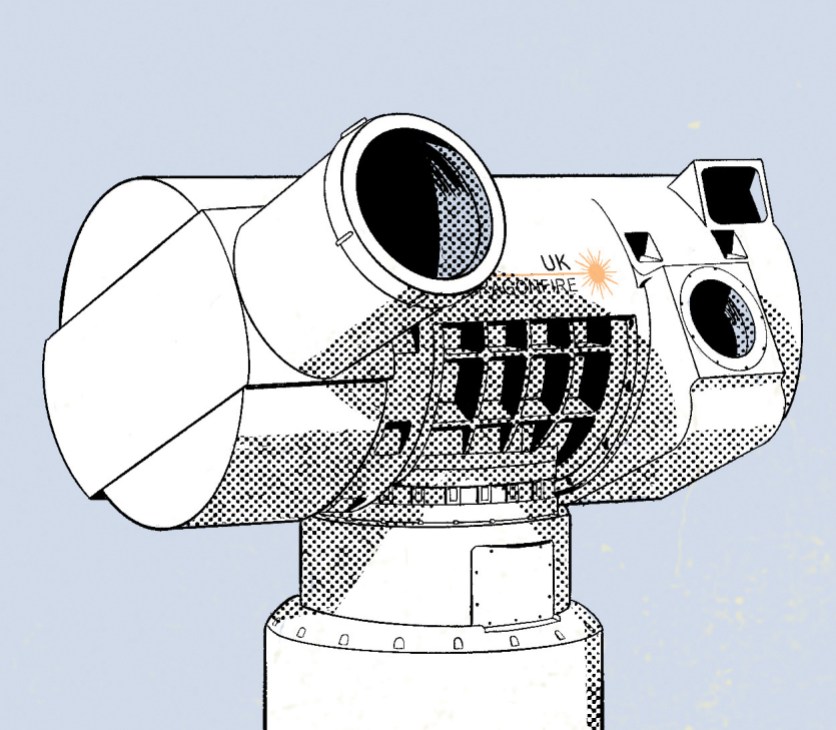
Dragonfire, by contrast, costs $14 (€12) per shot and can hit a coin from 1km away using a laser beam strong enough to cut through metal. Successful live-firing tests have been completed and it will be installed on the Royal Navy’s Type 45 warships, regularly deployed in hot spots such as the eastern Mediterranean and Gulf.
mbda-systems.com
2.
The Hellfire-armed 100km/h buggy
Tempest Vehicles
Virginia, USA
If there’s anything that the world’s militaries have learnt from the war in Ukraine, it’s the importance of finding ways to eliminate UAVs. Combating these inexpensive but effective machines has become a priority across the globe.

To this end, the Ukrainian armed forces are being assisted by US-made Tempest all-terrain vehicles, based on commercial off-the-shelf (COTS) platforms, equipped with AGM-114 Hellfire missiles. Unveiled in 2025, the Tempest is produced by Virginia-based manufacturers V2X and is designed for rapid response, with a lightweight, buggy-style 434 chassis that allows them to travel at speeds of up to 100km/h. The Tempest is fitted with a twin Longbow launcher that features a radar system capable of locating short-and medium-range drones come rain or shine.
The radar-and laser-guided AGM-114 Hellfire missiles have proved highly effective in taking out UAVs. They have a range of about 8km and carry a 9kg warhead – enough to deal with a drone while reducing the risk of collateral damage. Perhaps the Tempest’s most impressive characteristic, however, is its mobility. Designed as a “shoot-and-scoot” vehicle, after launching its missiles, it can rapidly redeploy before the enemy can fire back, while its radar type makes it difficult to be detected.
3.
Homegrown Ukrainian surveillance tech
Oko Camera
Ukraine
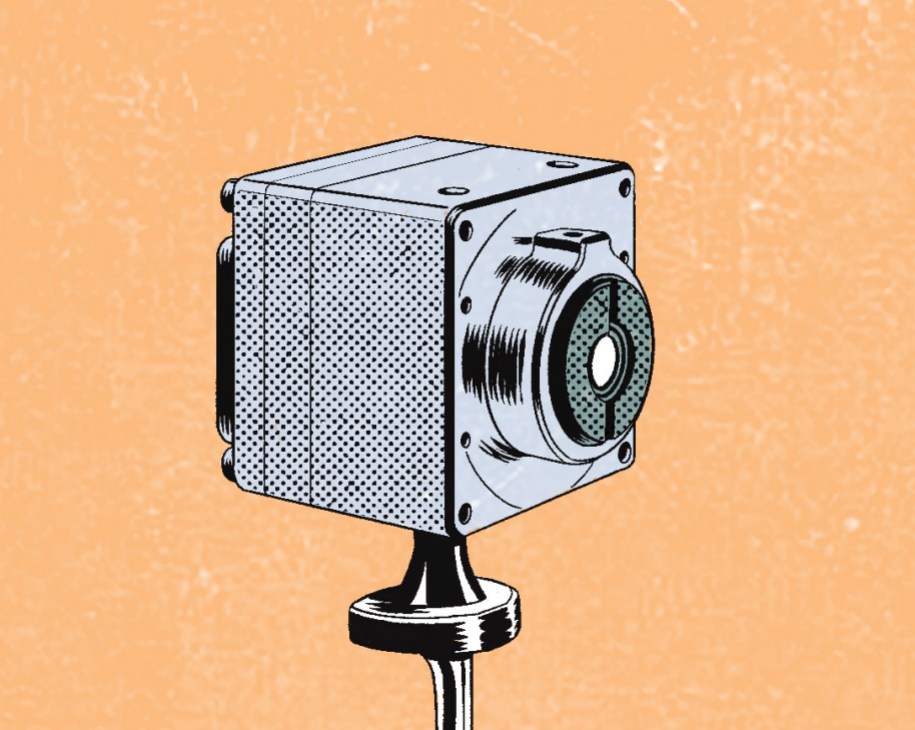
The West faces a supply-chain problem: how can it build the cameras essential for drone surveillance without sourcing parts from China? Ukrainian start-up Oko Camera offers a solution. “All of the key components of our serial production, including the chips, are produced in Europe,” says Denys Nikolayenko, its CEO. This year, Oko Camera is set to widen its product line with high-demand products for unmanned systems. “We have good feedback from units using them on the front line,” says Nikolayenko.
oko.camera
This article is from Monocle’s March issue, The Monocle 100, which features our editors’ favourite 100 figures, destinations, objects and ideas.
Read the rest of the issue here.
Read next:
How Europe’s airports must prepare for an increasingly drone-prone 2026