Why Canadian ambassador Gregory Galligan won’t give up on diplomacy with Syria
While the Canadian embassy in the Syrian capital has not yet reopened since its 2012 closure, its non-resident ambassador Gregory Galligan has kept the mission alive in effort to support peace efforts.
Gregory Galligan doesn’t like to take no for an answer. Six years ago he was serving as Canada’s executive co-ordinator for Syria, based in Beirut and unable to travel to Damascus after Ottawa shuttered its embassy in 2012 following the outbreak of civil war. After a stint as the ambassador to Iraq, he’s now, at time of writing, back in Beirut as Canada’s ambassador to both Lebanon and Syria. The Damascus embassy hasn’t reopened yet; security conditions will have to improve considerably for that to happen. However, Galligan and his team are doing everything they can to re-engage with the country.
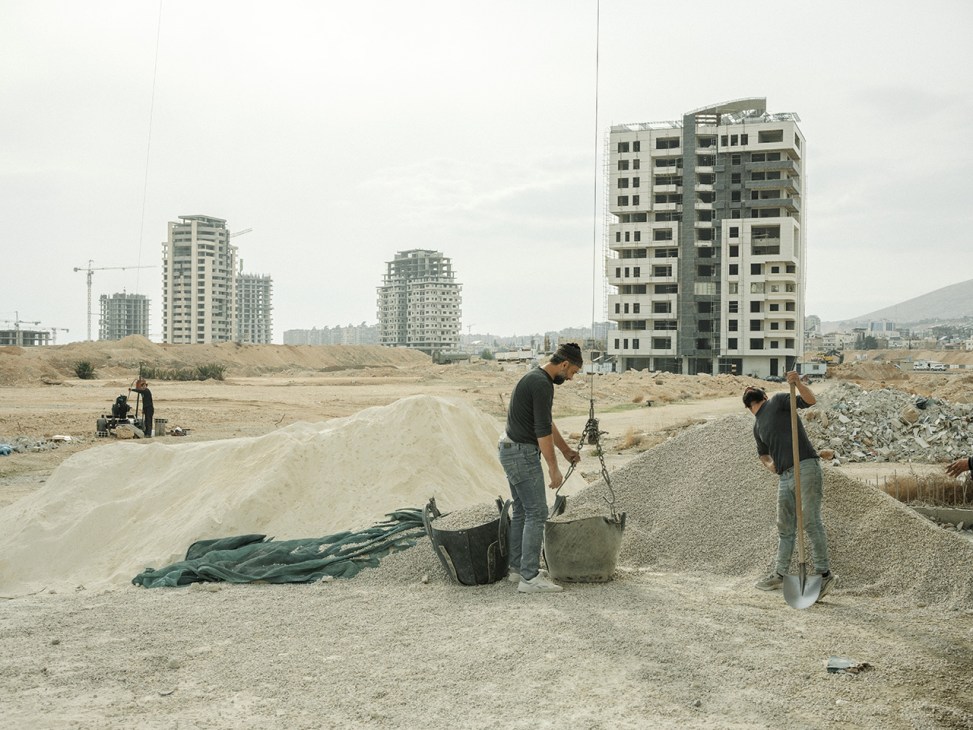
The Canadian was among the first Western ambassadors to travel to Syria to formally present his papers to the country’s new foreign minister following the fall of Bashar al-Assad in December 2024. His team now makes the two-hour drive to Damascus almost every week, meeting with members of the government and civil society. “We’re cautiously engaging,” says Galligan. “We want the transition to be a success and to see a more democratic, inclusive, human rights-based Syria.” So far, he says, the signs are positive. “The relationship is good. They listen to our concerns about representation, women and minorities.”
Canada resettled more than 100,000 Syrian refugees during the war and Galligan’s first meeting in Damascus was with a group of young Syrian Canadians who had just returned home. “It was a moving experience to see young Canadians going back to make a difference,” he says. It has also been a time of re-engagement with members of the shuttered embassy’s Syrian staff – many of whom lived in Damascus throughout the civil war – as well as building hope for new business and trade opportunities. “There used to be a fairly active Canadian business community here,” says Galligan. “Syria has a lot of potential in terms of petroleum, fossil fuels and natural resources.”
In February the ambassador’s team hosted a Ramadan iftar in Damascus to reforge connections and gather together those who want to do something positive for Syria. The event, says Galligan, was “a celebration of hope after darkness”. His conversations with the government have involved discussions around developing industry and investment opportunities. “For years it was hard to see what the future was for Syria,” he says. “Now, though it’s fragile, there’s a pathway as long as we keep travelling down this road and supporting them.”