As regional conflict takes its toll, Dubai’s hoteliers are responding strategically
Strategic closures from Dubai's most-booked hotels signal an optimistic return to form and bet on a post-crisis rebound
The mood in Dubai’s hotel lobbies has shifted. For much of the past three years, there has been little room to breathe. Occupancies were high, rates were higher and the city’s hospitality machine – one of the key engines of the emirate’s non-oil economy – appeared unstoppable. Then came weeks of regional conflict.
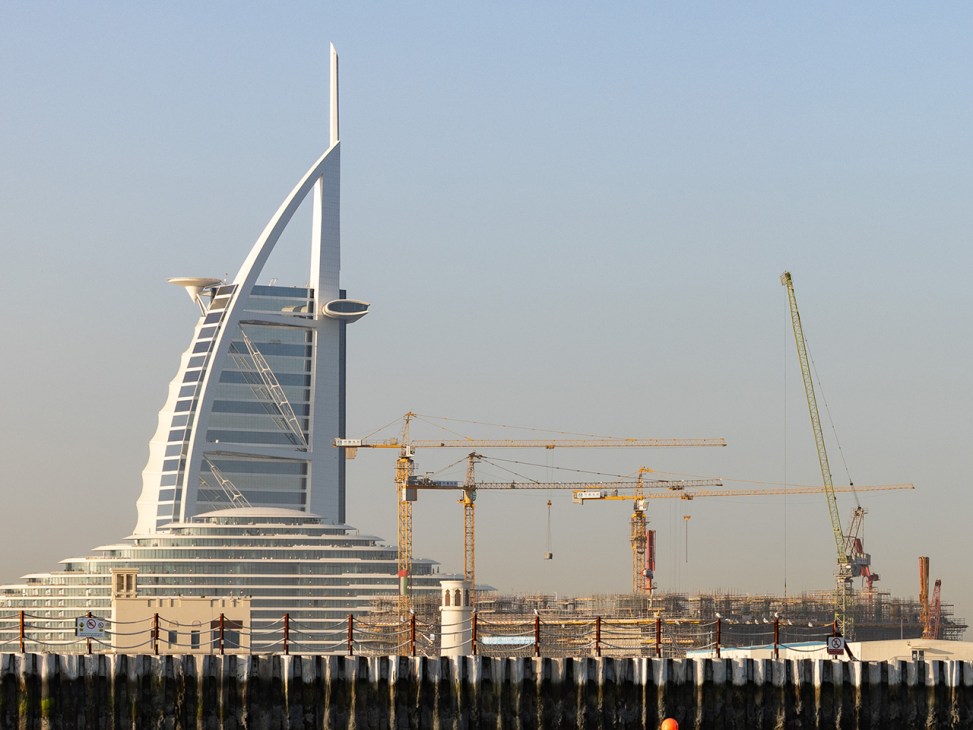
Now, some of Dubai’s most famous hotels are using the downturn to shut their doors, including the sail-shaped Burj Al Arab, which will close for 18 months for a major restoration. Its owner, the Jumeirah group, has brought forward plans that had long been in the works. (In February, authorities confirmed that debris from an intercepted drone caused a minor fire on the Burj Al Arab’s outer façade.) According to industry reports, nearly 2,000 hotel rooms across the city are set for refurbishments. Others are quietly accelerating renovation cycles, pausing operations over the summer and betting on a rebound by the fourth quarter.
The question is whether this is strategic opportunism or a sign of deeper anxiety. “It has been a slowdown, to say the least, in terms of travel patterns coming into the city,” the chief executive of Dubai’s Corporation for Tourism and Commerce, Issam Kazim, told Monocle Radio. Still, he insists that Dubai is already in recovery mode, not waiting for a “reset moment” but “aligning constantly with partners” and tracking demand in real time. “We’re always looking at it in a pragmatic but optimistic way.”
That optimism is a familiar Dubai reflex. During the 2008 financial crisis, the coronavirus pandemic and every regional shock since, the emirate has sold resilience as strategy. The playbook is well rehearsed: slash rates, stimulate staycations, pivot to regional markets and keep building. Hotels have revived the pandemic-era tactic of filling rooms at almost any price. “The old adage: bums in beds,” says Zacky Sajjad of property consultancy Cavendish Maxwell, which is headquartered in Dubai. “Let’s not worry too much about the revenue per room at the moment. Let’s just focus on the occupancy.”
That explains why some portfolios are still posting occupancy rates in the 80 and 90 per cent range, albeit at sharply discounted room rates. A full hotel at half price might keep the breakfast buffet running and the minibar stocked but it’s not the same as profitability. Dubai has a lot of beds to fill, with more than 155,000 hotel rooms and another 11,000 under construction. Roughly 180,000 rooms are expected by the end of the decade, according to Cavendish Maxwell. That target was made on assumptions of endless demand.
Will those assumptions still hold? Thomas Meier, the CEO of Jumeirah, frames the current slowdown as an opportunity. “We have fast-tracked all the projects we had for this year,” he told Monocle Radio from Jumeirah Marsa Al Arab. Rather than renovating 150 rooms a year over three years, some hotels are now tackling 300 in one go. “If we can accomplish that now, next summer… you already have the new rooms.” There is logic in that. Summer is traditionally soft in Dubai. Why not use the lull, exacerbated by geopolitical tensions, to refurbish ageing stock and emerge fresher for winter?
But there is another reading. Closing to renovate can also stem losses. Landmark hotels might have government or quasi-government backing and can weather months of downtime. Smaller, independent operators and restaurants might not be so lucky. Sajjad acknowledges that some F&B outlets simply “may not survive”. Then there is the question of labour. Hospitality in Dubai runs on vast workforces. Renovation periods might mean unpaid leave or reduced shifts. The impact is not immediately visible in the polished marble lobbies – but it’s real.
For international visitors, perception matters as much as reality. While life in Dubai might have remained largely functional, global headlines have been harsher. “What we’ve seen on the ground is very different to what is reported in certain places around the world,” says Sajjad. But tourism can be emotional. If travellers associate the Gulf with instability, discounts alone might not be enough. Kazim argues that Dubai is already segmenting its messaging market by market and targeting “resilient” audiences first. Real-time data, AI tools and search sentiment help the tourism authority gauge who is ready to return and who remains cautious. It’s sophisticated but marketing can only do so much.
Ultimately, Dubai’s tourism machine has always bounced back because it offers certainty: reliable sunshine, service and spectacle. This current wave of closures and refurbishments might prove a clever tactical move – using crisis to upgrade the product. If peace holds and winter bookings return, hoteliers will look prescient. But if instability lingers or if consumer sentiment shifts more permanently, the emirate might discover that resilience has limits. Dubai has spent decades selling itself as the city that never stops. For the first time in a long while, some of its hotels have decided that stopping (albeit briefly) might be the only way to keep going.
Inzamam Rashid is Monocle’s Gulf correspondent. For more opinion, analysis and insight, subscribe to Monocle today.