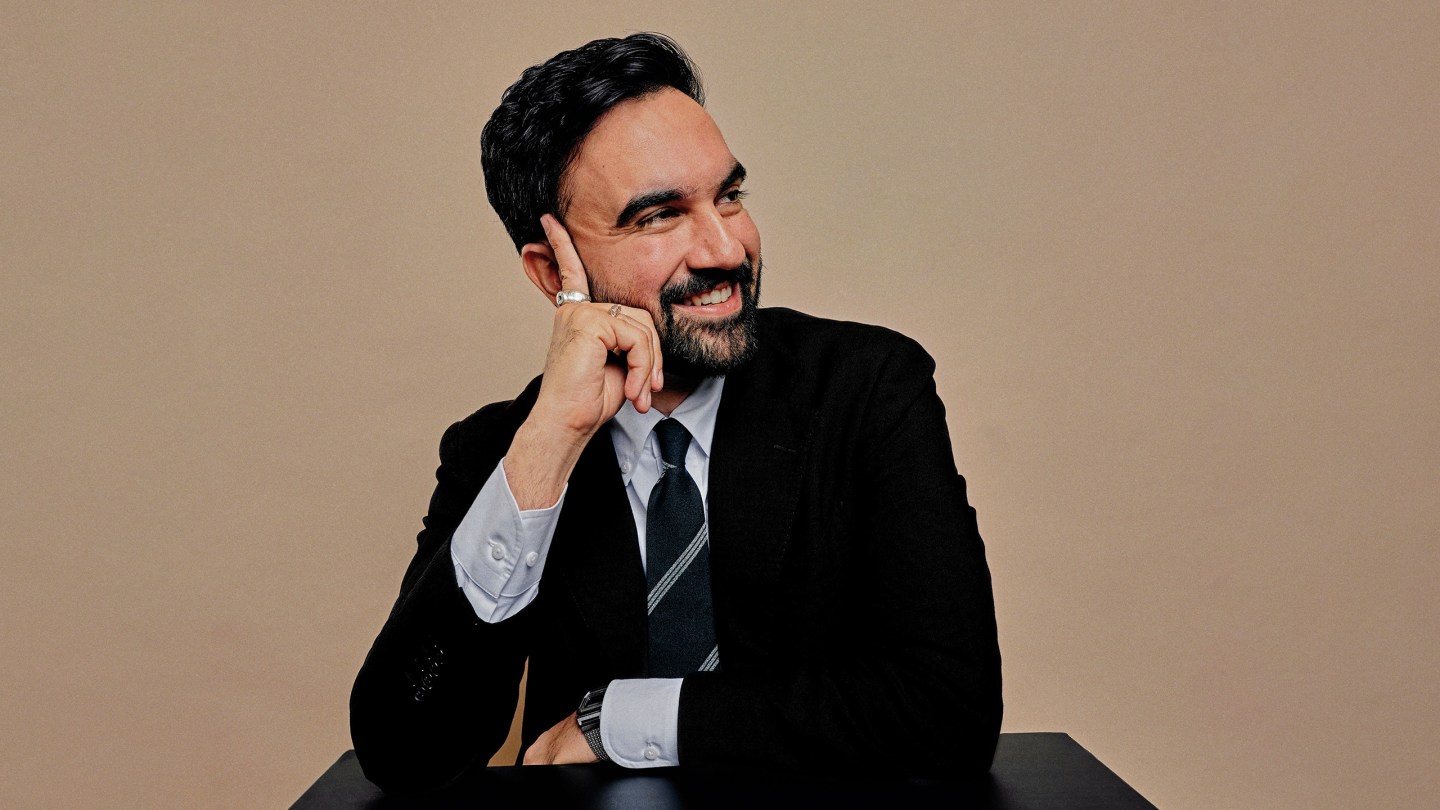
After 100 days of Zohran Mamdani’s New York, is the first-time mayor living up to the hype?
As the mayor settles into his first term at the helm of New York, we review his promises on housing, transport, small-business affordability and immigration.
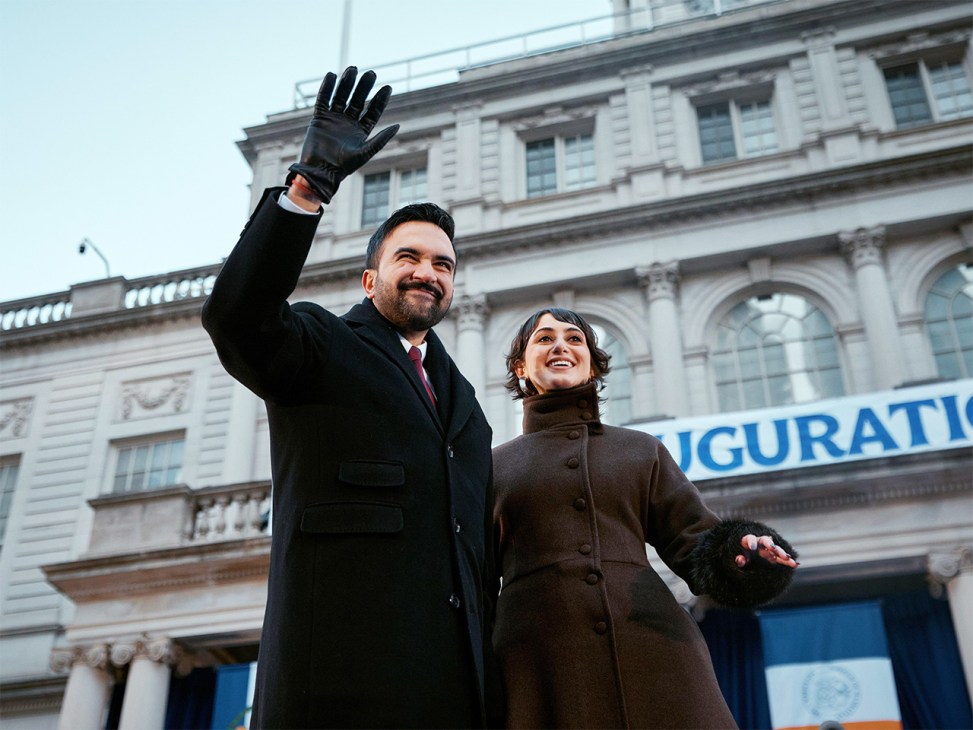
When Zohran Mamdani was sworn in as mayor of New York on 1 January this year, he came with several “firsts”. He is the first Muslim leader of the city, the first of South Asian descent, the first born in Africa and the youngest mayor in more than 100 years. But like many of his predecessors, the 34-year-old came into office facing rising housing costs, a troubled public-transport system, a growing divide between low-income and high-income families, and a high proportion of immigrant residents.
To win more than a million votes in the general election, the democratic socialist ran on several key campaign promises. Notably, he proposed a rent freeze, free childcare and a faster and cheaper bus system that overwhelmingly serves the city’s low-income residents.
Four months into his tenure, a poll conducted by the Marist Institute shows that just under 50 per cent of New Yorkers are supportive of the first-time mayor, though it is too early to judge the long-term success of his initiatives.
At the culmination of Mamdani’s first 100 days, Monocle reviews his promises on housing, free bus fares, small-business affordability and immigration.
Housing
Republicans and Democrats pander to US home owners for a simple reason: people who own their own homes tend to vote at higher rates than those who don’t. But during Mamdani’s mayoral campaign he flipped the script on its head, banking on a loud and direct appeal to the 69 per cent of New Yorkers who rent. The two main promises that he made were to build 200,000 new affordable homes over 10 years and to freeze rents for almost one million New York apartments. These policies won the support of many voters and played a major part in getting Mamdani into office.
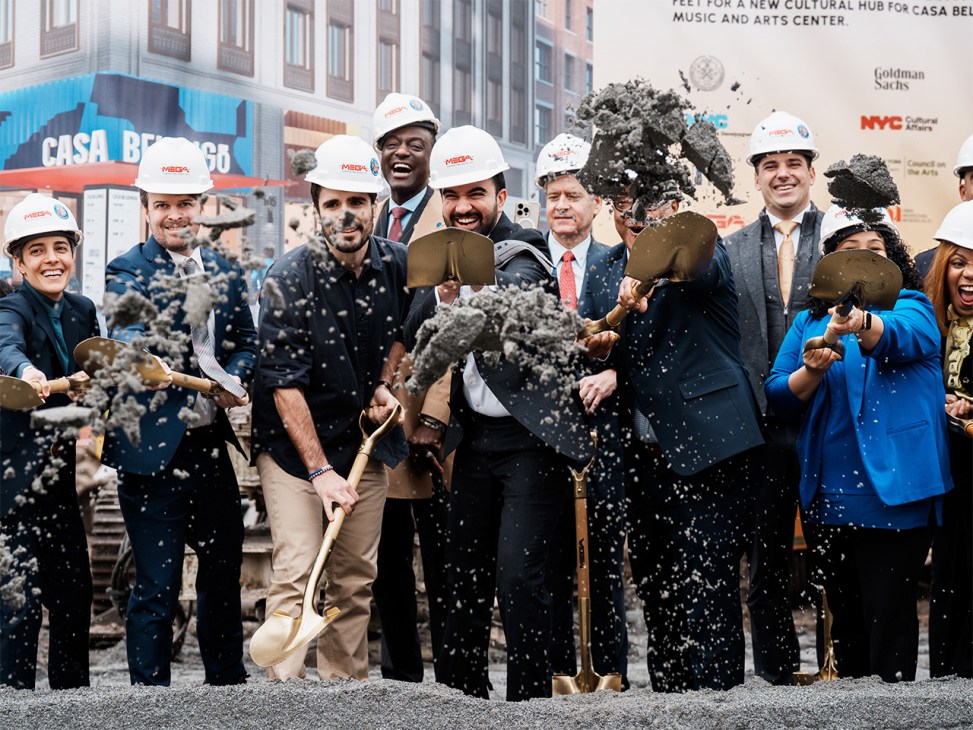
The cost of housing is by far the single biggest expense that most New Yorkers face. More than half of the city’s renters spend upwards of 30 per cent of their income on rent, and a third spend more than 50 per cent. The most significant step towards creating new homes in Mandani’s first 100 days came in late March with the announcement of the Neighbourhood Builders Fast Track policy, which makes it easier for affordable homes to be built on land owned by the city.
Mamdani’s ambition to build those units still faces massive challenges. To realise the plan, the city will need to borrow an additional $70bn (€60bn) over the next decade, and that’s on top of the roughly $25bn (€21.3bn) already committed to affordable housing in the existing capital plan. This would push the city well past its legal debt ceiling and require the approval of New York’s governor and state legislature in Albany, where at least some lawmakers are likely to balk given the additional debt service it would impose on an already strained budget.
The mayor’s commitment to freeze rents will only apply to the city’s one million rent-stabilised apartments, whose rental price is set annually by the New York City Rent Guidelines Board (RGB), a nine-member body appointed by the mayor. Although a freeze will come as a relief to renters, landlords who own the apartments worry that the measure could push them into insolvency. Since 2020, expenses for owners have risen while the price of rents hasn’t kept up and many owners claim that they are on the verge of foreclosure.
The RGB is scheduled to have a preliminary vote in May, with a final decision in June. Any changes would apply to leases taking effect later this year. The decision is likely to set the template for the city’s approach to rent-stabilised apartments for as long as Mamdani is in office. But this is not a story that ends with Mamdani or with New York. Renters across the US are dealing with wages that haven’t kept pace with housing costs, home ownership that feels permanently out of reach and a political class that has historically been more attentive to those who own than to those who rent. The successes and failures of Mamdani’s attempts to address these issues are certain to resonate beyond the five boroughs.
Transportation
Among the signature promises that Mamdani made during his campaign, free bus services might have been one of the boldest. The welfare state barely exists in the US and anything “free” seems unimaginable. In a city that’s facing a major affordability crisis, where transportation is the second-largest cost after housing – making up 14 per cent of household spending – a free bus ride could save people hundreds of dollars a year. Although it’s almost unprecedented in the US, there are cities, such as Kansas City and Boston, that have some fare-free routes. But they’re significantly smaller urban areas than New York and fare revenue makes up a smaller percentage of the budget.
For Mamdani, the route to free bus fares is anything but direct. The MTA, which runs the vast majority of buses in the city, is a state agency and not under the mayor’s control, so he has to get New York governor Kathy Hochul on board. Another challenge is cost. Bus fares generate about $600m (€512m) a year, money that the MTA relies on for drivers’ pay and maintenance costs. One hundred days into Mamdani’s first term and free buses are still more of a promise than a policy, with no clear funding strategy in sight.
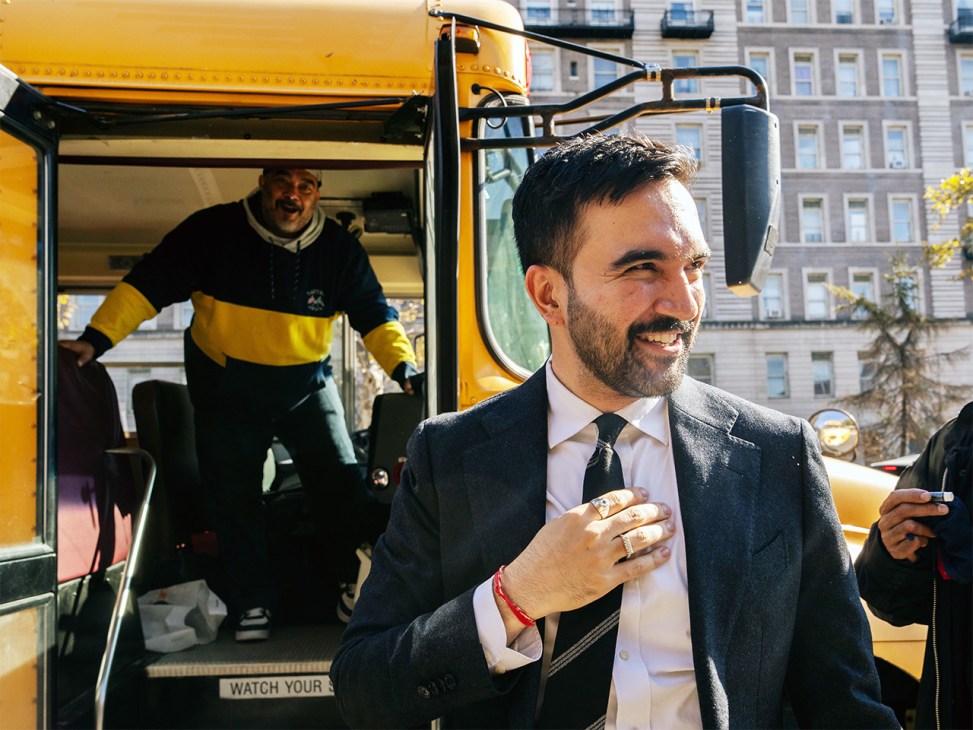
But he has made some headway: speeding up bus services, and extending and constructing bus lanes. He has other options that he can expand on too, such as building on an existing programme called Fair Fares to make fares more affordable. The discount programme grants riders a 50 per cent discount on standard fares but it has drawbacks – only about 35 per cent of those eligible have enrolled and the application process is onerous.
Spotlighting the bus is likely what the city needs. Although most people think of New York as a subway city, more New Yorkers ride the bus than the train. They’re mostly low-income or essential workers in sectors such as healthcare and education who rely heavily on an underfunded and neglected system. It’s important to acknowledge these issues because cutting fares, making buses speedier and hopefully, one day, free, will not only put money back in people’s pockets but restore their faith in local government too.
Small businesses
One part of Mamdani’s campaign was the promise to make it more affordable to establish small businesses in the city. The permitting process to create a business is complex. Many documents must be filed in person or over the phone, which prohibits many people from even beginning the process. Additionally, there are about 6,000 rules and regulations for small businesses in the city and fines for anyone who flouts the rules.
Mamdani proposed cutting fines by half, speeding up permitting and making sure that there were more online resources available. One step towards this was creating the role of a mom-and-pop czar, which will cut red tape and ensure that these policies are followed.
Earlier this week, Delia Awusi was appointed to the role. Most recently the women’s business director at the Business Outreach Center Network in Brooklyn, she focused on making sure women-led businesses had the same opportunities as anyone else trying to start a company. In her new role, Awusi will be in charge of helping “ultra-small” businesses navigate the system.
Another campaign promise was revamping the New York Future Fund loan programme, which is designed to expand access to affordable financing for anyone who wants to start a small business, with a specific focus on minority, immigrant and female founders. In its rollout of the programme, the administration announced that it would lower the minimum loan amounts from $100,000 to $25,000, reduce interest rates and make repayment terms more flexible.
These measures are ambitious but the administration appears to be putting accountability elements in place. Whether they help more small businesses succeed in the city is yet to be seen.
Immigration
Monocle’s editor in chief, Andrew Tuck, interviews Mazin Sidahmed, executive director and co-founder of Documented, a nonprofit newsroom that serves immigrant communities in New York.
Tell us about the response to Mamdani’s mayorship so far.
There are three major immigrant communities in New York: Spanish-speaking immigrants, Chinese immigrants and Caribbean immigrants, though there’s nuance across all of those different communities. Broadly, Mamdani enjoyed widespread support among all of them due to his focus on affordability. We saw a lot of our readers come out and support Donald Trump in the 2024 presidential election because they were [concerned by] inflation. People felt like the cost of living had spiralled out of control. Mamdani’s laser focus on that issue got widespread support, while the Democratic Party struggled and lost a lot of support.
Immigration enforcement has been one of the biggest concerns for immigrant New Yorkers over the past year. Documented did a story a few months ago about how immigration enforcement in the city doubled in 2025 – there are hundreds of ICE [Immigration and Customs Enforcement] arrests every week. People are afraid to leave their houses. It has become a petrifying time for a lot of immigrant communities, people fear even taking their children to school. On that front, Mamdani has come out quite forcefully and said that he’s going to try to make New York a city that is safe for immigrants. He created an inter-agency response team. There has been a real focus on preventing the sharing of any data from the New York City Government to the federal government. That’s the one area that a local administration can really control.
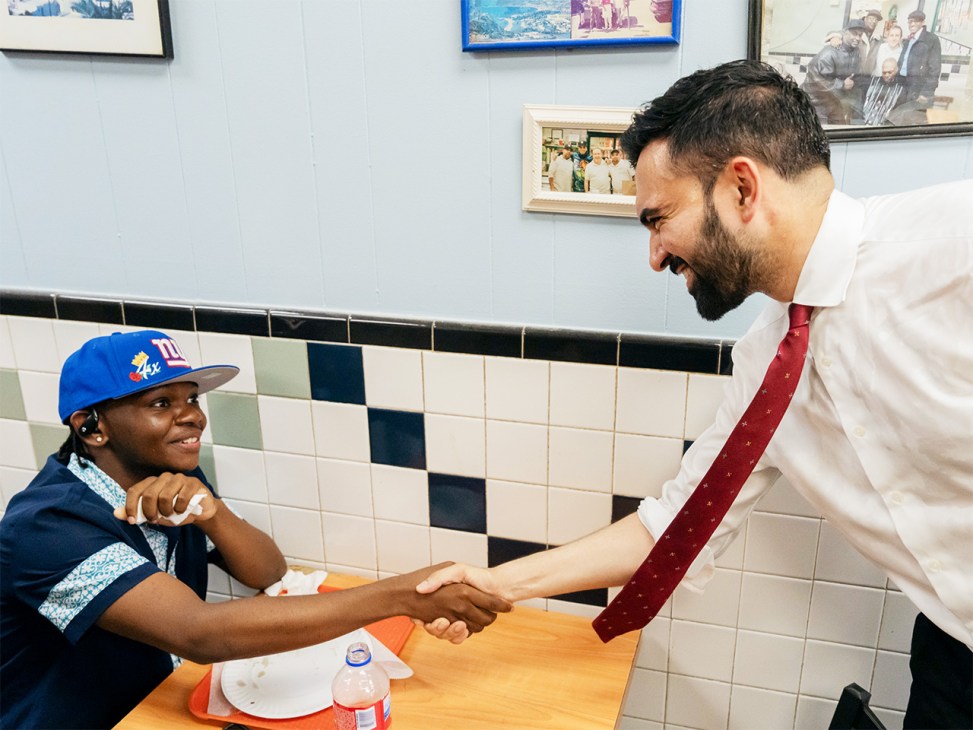
But rhetorically the administration has been quite strong on the labour front. A lot of our readers are delivery workers. They’re cab drivers, they work in restaurants and they’re home-health aides. Mamdani has been delivering a lot more on that front and people have seen some tangible results. But we’ve reported on some tensions as well. He’s strangely been quite opposed to legislation that would provide overtime protection for home-health aides, people who care for elderly, sick or mentally unwell people – often those are immigrant workers.
If we had a checklist of things that Mamdani promised to do or that immigrant communities wanted from their mayor, what would you be confident about putting a big tick next to?
The universal 2-K could be really transformative for low-wage New York, and honestly, for people across all different classes and wages. [The programme grants free childcare for two-year-olds, with the first 2,000 seats mostly distributed to low-income New Yorkers.] It has received support from Albany and you can pretty confidently put a tick against that happening.
There’s a pilot programme that will launch this year in a few communities. Whether it gets to the point that Mamdani promised – that any babies from six months old will have access to free childcare – I’m not sure. But you can definitely say there will be some sort of additional support.
The tradition of reviewing the first 100 days is such an American construct, I believe, from the days of Roosevelt. But what do your readers hope for from day 101 onwards?
Immigrant New Yorkers today are living in intense fear. There is a feeling that you can’t leave your house. We’ve done a number of stories about immigrant neighbourhoods that are economically struggling because they just can’t get any foot traffic. People don’t want to go out and walk around the neighbourhood and frequent the businesses as they have previously.
Over the next few years folks will be looking to Mamdani to find ways to protect the city and create safer environments for people to go to work, and have access to support and services. It’s going to be really difficult for Mamdani to deliver on, because as we’ve seen, the local government has very little control of federal immigration enforcement. So how they address that challenge is going to be really telling. Whether or not immigrant New Yorkers will start to blame Mamdani and turn on him for the actions of the Trump administration will be interesting to watch over these next few years.