What is national pride? A new survey suggests that it’s more personal than political
The Pew Research Center survey of 25 countries reveals what truly sparks national pride. The answers often focus on cultural output and lifestyle.
What makes you proud of your country? National pride is among the trickiest of subjects in today’s political atmosphere: show too much and you’re liable to be labelled a nationalist; too little and you risk being seen as ungrateful. The sentiment is further complicated for countries with tortured pasts (or presents). While the complexity of national pride is not new, the tenor of its expression feels heightened today – outside of sporting events, that is.
But what is national pride, and what are the elements of a nation and its people that one might feel proud of? Washington-based Pew Research Center aimed to answer this question through a recent survey that asked 33,486 people across 25 countries for their take.
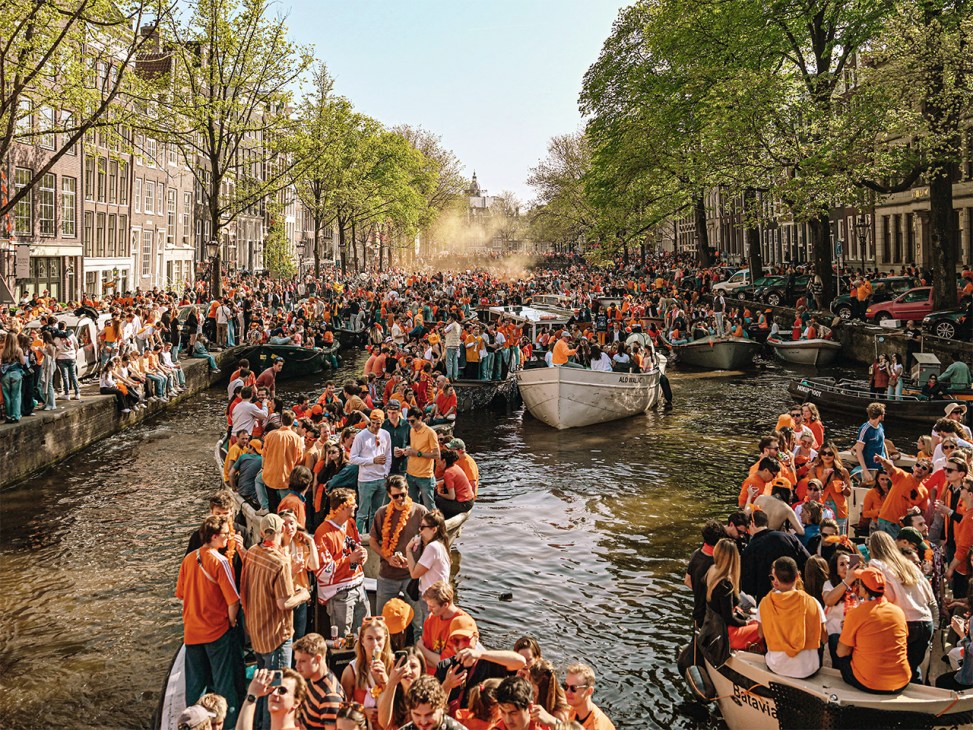
The query posed to respondents was left purposely open-ended, “to allow the uniqueness of different countries to shine through,” Laura Silver, a researcher at Pew, tells Monocle. Indonesians reported being proud of their spices, for example, while the Dutch took pride in their waterway management.
Some respondents weren’t proud of their nations. Hungarians showed strong partisan divides over their president, Viktor Orban, with some respondents highlighting him as a source of pride and others citing the leader as a reason for their lack of pride. “People are pretty frustrated with how politics is working in many countries,” says Richard Wike, director of global attitudes research at Pew.
While national politics often dominate headlines, they aren’t the only thing that make a country. There’s the government, sure, but a country is also composed of people with cultural heritage, language, food and many more facets besides. While the Swedes were particularly proud of their political system, many respondents opted to mention their nation’s people, rather than governments as a source of pride.
“In Argentina, for example, people often talked about their public being ‘united’,” says Silver. “In Brazil, people emphasised the welcoming nature of their public”. For others, handicrafts or honesty were notable traits. “Even when people emphasised their fellow citizens, they did it in unique, distinct terms,” Silvered continues.
The research revealed that some people think about pride on a national scale, while others considered it on a personal level. Family heritage and long ties to a nation, or diversity, arts, culture and food that get exported were all mentioned as points of pride. “People are proud of cultural things that they share with the rest of the world,” Wike says, adding that many citizens cited their countries’ Nobel Prize winners. “When people see their country recognised by the rest of the world for something, that’s a big source of pride.”
Monocle posed the question – what makes you feel proud of your country? – to a handful of our colleagues from some of the nations represented in the survey. Here is what they had to say.
Andrew Tuck, UK
Key survey stat: 29 per cent of Brits said they were not proud, more than any other nation.
“People in the UK have always wrestled with it. They’ve never been sure that they can stand behind the flag, as many Americans would do. We’ve had essentially four nations packed into this union who are all tugging at their own identities. But I do think you have key moments, a challenge or a moment of victory.”
Hannah Girst, Germany
Key survey stat: Germans are one of the few nations whose political system is a top source of pride (36 per cent) as well as their economy (18 per cent), praising its strength and stability.
“What makes me proud of Germany is the teamwork. You can see it in moments such as the World Cup, especially in 2014: there’s something very German about staying calm under pressure and delivering when it matters most. I’m also proud of Germany’s commitment to sustainability. I love the way my family in Germany recycles and I wish more countries would do the same.”
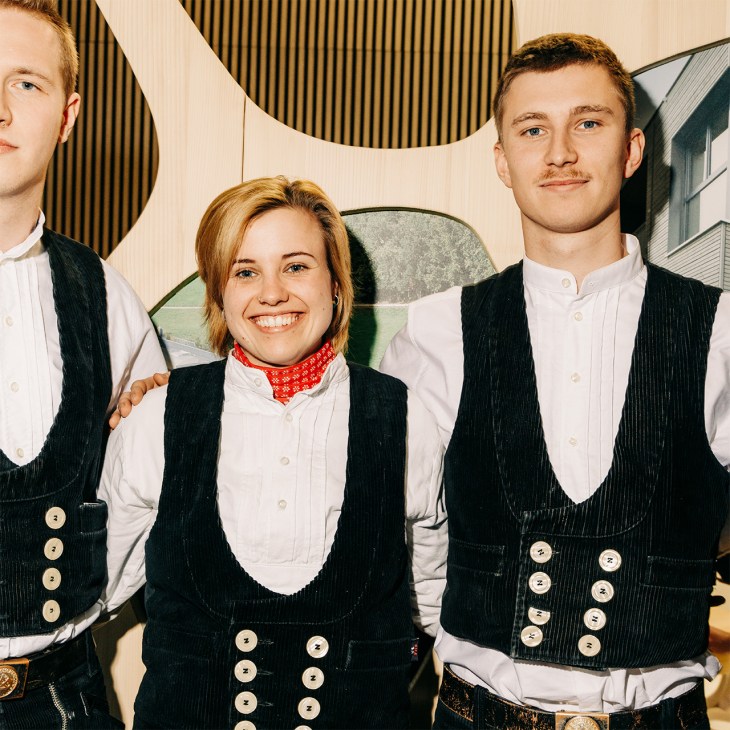
Sara Bencze, Hungary
Key survey stat: Hungarians are among the most likely of the countries surveyed to emphasise their current leadership (13 per cent) as a source of pride – but also to say that they’re not proud of their country (23 per cent).
“Hands down the country’s intellectual output across both science and the arts. We have quite a few Nobel Prize-winning contributions to science and literature, filmmakers who have revolutionised cinema, and even the underground music and arts scenes, with grassroots bands performing internationally.”
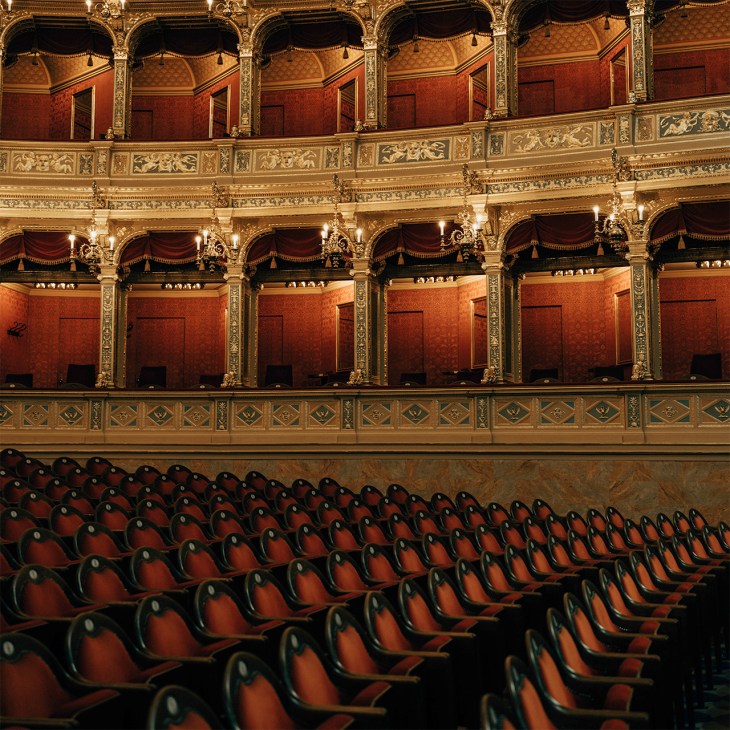
Ryuma Takahashi, Japan
Key survey stat: 41 per cent of the Japanese cite the people themselves as a source of pride and 18 per cent emphasise “peace” and “safety”, more than most other countries.
“Japan is often described as a homogenous country but I’m proud of its diversity and its soft power. When you travel around Japan, you will find different climates, languages, food and local cultures. We have unique comedy, music, games, anime and films.”
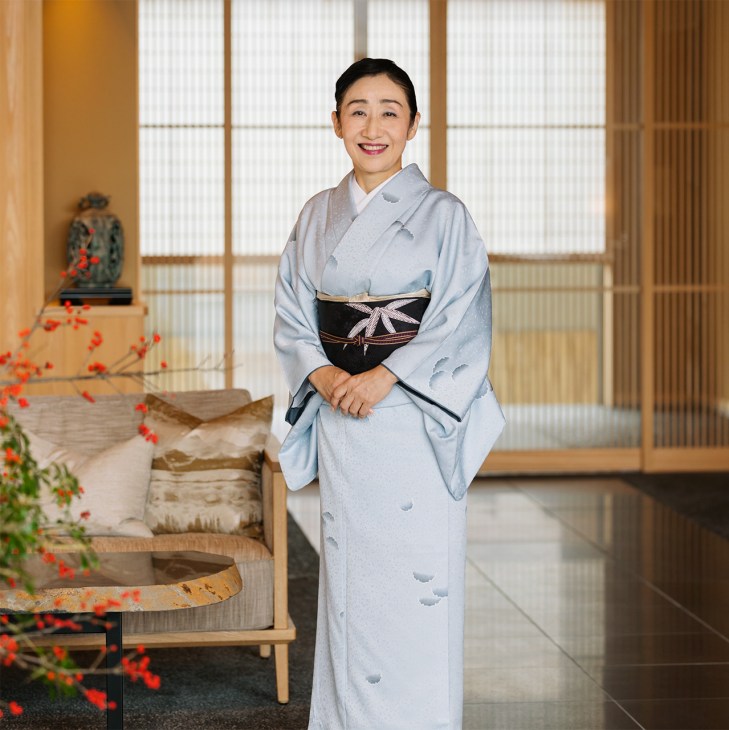
Nic Monisse, Australia
Key survey stat: 25 per cent emphasise the “mateship” they feel with other Australians as well as how they “lend a hand” in times of need.
“It’s friendship, more or less: looking out for your mates. It’s hugely important; we learn about it at school. It’s embedded in everything from the Anzac Day spirit (a key part of our national identity was built off of a military failure, which says a lot about the country) to our obsession with sport and a laid-back attitude.”
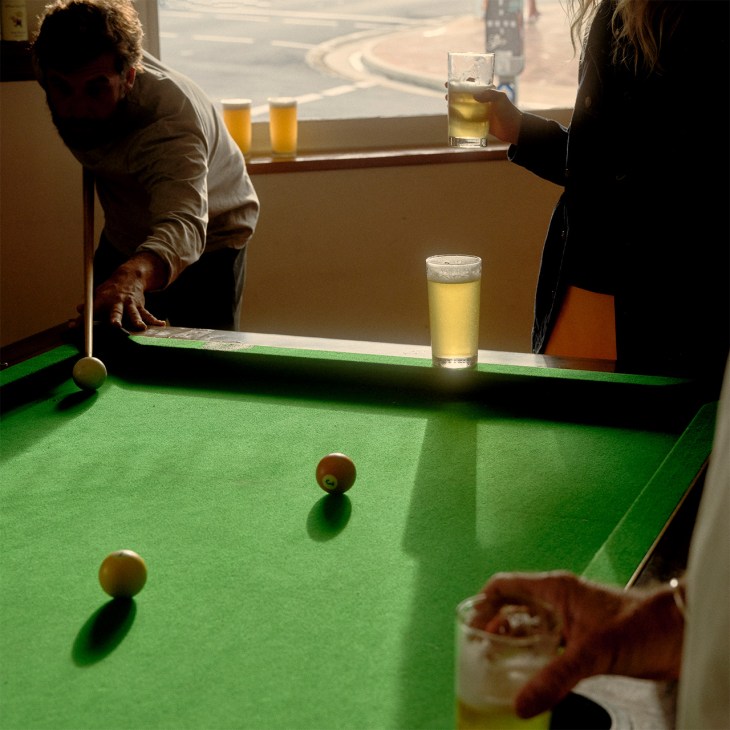
Chiara Rimella, Italy
Key survey stat: Italians are particularly proud of their arts and culture (38 per cent), citing beautiful architecture and the Renaissance, and are among the most likely to cite their country’s food (18 per cent)
“We have a ministry for ‘Made in Italy’ and Italians, generally speaking, are very proud of Italy – with reason because there are plenty of things in our august history to be proud of. But it becomes a kind of national obsession sometimes, a weight of influence where you have all these grand riches from the past, and it can become hard to detach and really reflect on what the country is right now.”
Fernando Augusto Pacheco, Brazil
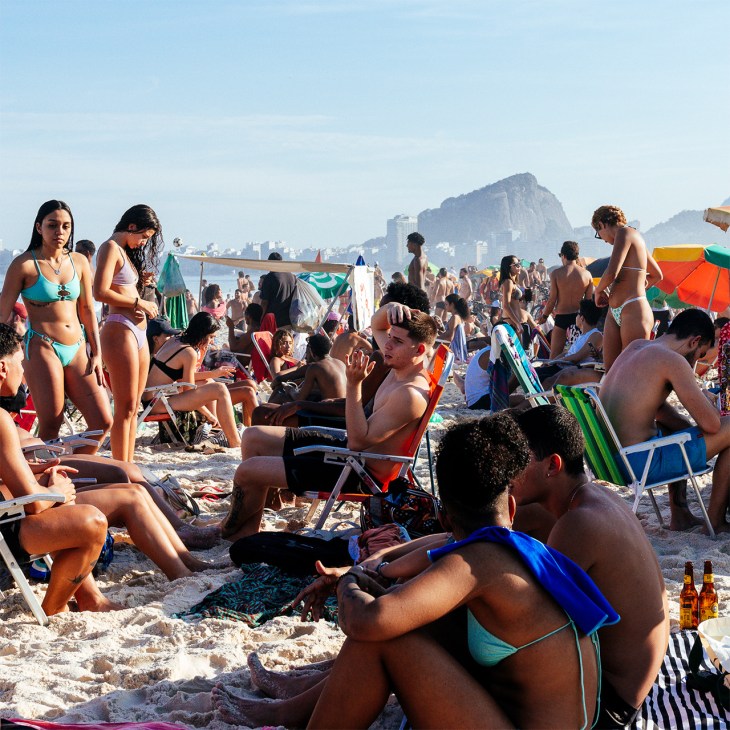
Key survey stat: A quarter of Brazilians say that they are proud of their people, describing them as welcoming and accepting, and highlighting the country’s positive social climate.
“I’m very proud of being Brazilian, maybe too much. But in a world as divisive as we’re living today, I think people are waking up to the importance of Brazil in society, because of our welcoming nature. Another word that comes to my mind when I think of Brazil is flexibility: whatever your religion or your sexuality, we live together. I’m definitely not saying that it’s a perfect country but the world needs more of that flexibility.”
Angelica Jopson, South Africa
Key survey stat: South Africans cite their country’s services (24 per cent) more than most nations, as well as housing, “social grants”, police and pensions.
“I have a strong sense of pride in the diversity of the country. A rainbow nation, as we call it, however imperfectly, has held its centre since the end of apartheid. We have 11 official languages, five of them in our national anthem and, for good measure, one of the world’s most colourful flags. Like a mad family, we might have internal divisions but we band together when it matters most.”