As the Fifa World Cup 2026 begins, the grass is about to get greener in Vancouver
Preparations for an event the size of the Fifa World Cup can take many forms. None are quite as tedious as this.
It’s safe to say that Bert Bos, a sod farmer in British Columbia, would rather be watching grass grow than doing whatever you have planned this weekend. That is because, in fewer than 50 days’ time, the turf that has been growing since last June at his family’s farm in a verdant valley an hour-or-so inland from Vancouver will have been rolled out at BC Place. After a full year of meticulous cultivation, the city’s World Cup stadium will be ready for players from the likes of Australia, Belgium, Egypt, New Zealand, Qatar and, indeed, Canada, who will all recast it as the field of their respective dreams.
“The pitch is the thing,” BC Place’s general manager, Chris May, told a reporter from the Vancouver Sun newspaper last weekend, noting how exacting a customer Fifa is when it comes to its World Cup pitches. But much like Fifa’s choice of honoree for its inaugural prize for peace, being bestowed with the top job in World Cup grass-growing was something of a surprise.
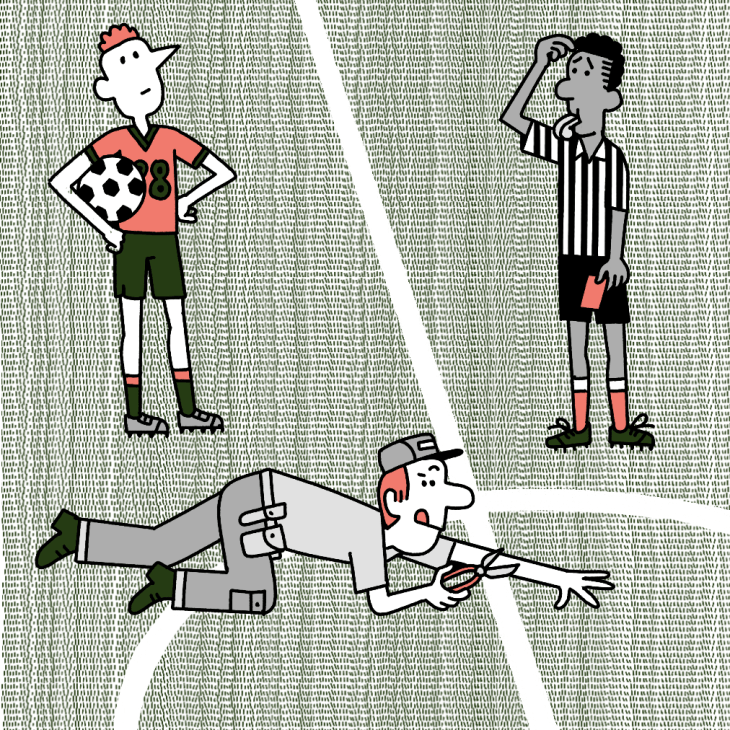
Bos and his three adult children (also sod-farmers in the family firm) hadn’t even submitted a proposal to Vancouver’s call for World Cup turf growers. Despite his sod-sowing pedigree, Bos was nervous about the high-pressure prospect of producing a perfect pitch. But before he knew it, his farm, which he established in 1993, had scored the top job.
The challenge for growers of the World Cup’s pitches this time around is to ensure that the surface in contrasting climates, such as Miami, San Francisco or Guadalajara, is on a level playing field with those in Seattle, Toronto or Monterrey.
So, what’s the secret? Well, the blades of glory are a hybrid of Kentucky bluegrass, perennial ryegrass and synthetic fibres, which reinforce the natural turf and constitute about 5 per cent of the finished pitch. Another varietal – Bermuda grass – was trialled last year during the Club World Cup in the US. But that was given the chop when players complained that the pitches felt more like putting greens underfoot.
The mix is bedded into a base of peat and sand (sourced from British Columbia, to avoid US-imposed tariffs), then grown, watered and tended to in a way that allows the natural grasses’ roots to cluster as they grow – this strengthens the sod and allows it to withstand the rigours of an international football game.
So, when you tune in to the World Cup this summer, think of Bert Bos and his family – and the other sod farmers across North America – who gave life, long before the first kick, to these level playing fields.
Further reading? Fifa’s shamelessness is its superpower – it only has one goal in mind