‘My office manager has dressed up as a Roman centurion.’ Marco Balich on organising the perfect Milano Cortina Olympic opening ceremony
The Winter Olympics opening ceremony is reliant on thousands of volunteers and watched by two billion people worldwide. Monocle meets the man tasked with creating the ultimate high-stakes global party.
The opening ceremony of the 2026 Winter Olympics on 6 February has an added layer of complexity compared to previous editions, with it being across four locations: Milan’s San Siro stadium, Cortina, Predazzo and Livigno. This might explain why Marco Balich is at his desk, studying a piece of paper outlining all the different competing nations and their athletes’ locations, when Monocle meets him.
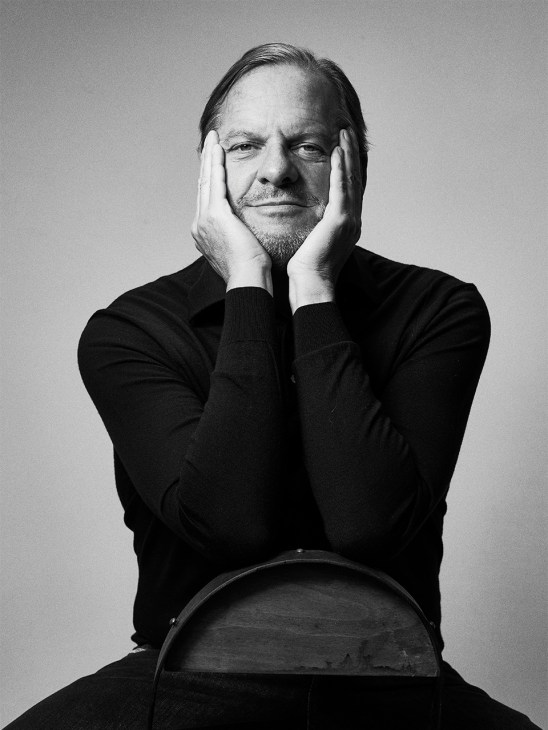
Balich, the creative lead for the Winter Olympics Opening Ceremony, is working in an office down a cobbled side street in Milan’s Brera neighbourhood. Balich Wonder Studio might not be a household name but its importance to international ceremonies watched by huge global audiences is hard to overstate. Founded in 2013 and headed by Balich, the firm specialises in producing live international mega-shows. This year it will oversee the Milano Cortina Winter Olympics opening ceremony – the culmination of two years of work and six months of rehearsals with both professionals and volunteers (the latter includes Balich’s butcher and his office manager dressed as a Roman centurion).
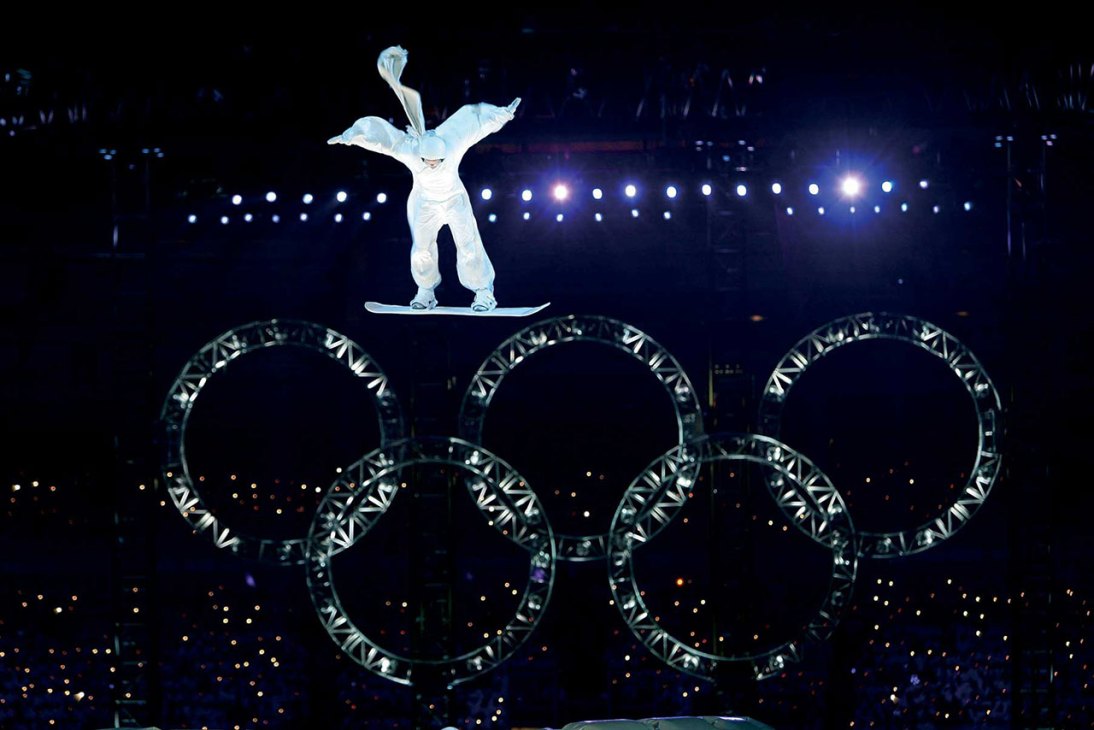
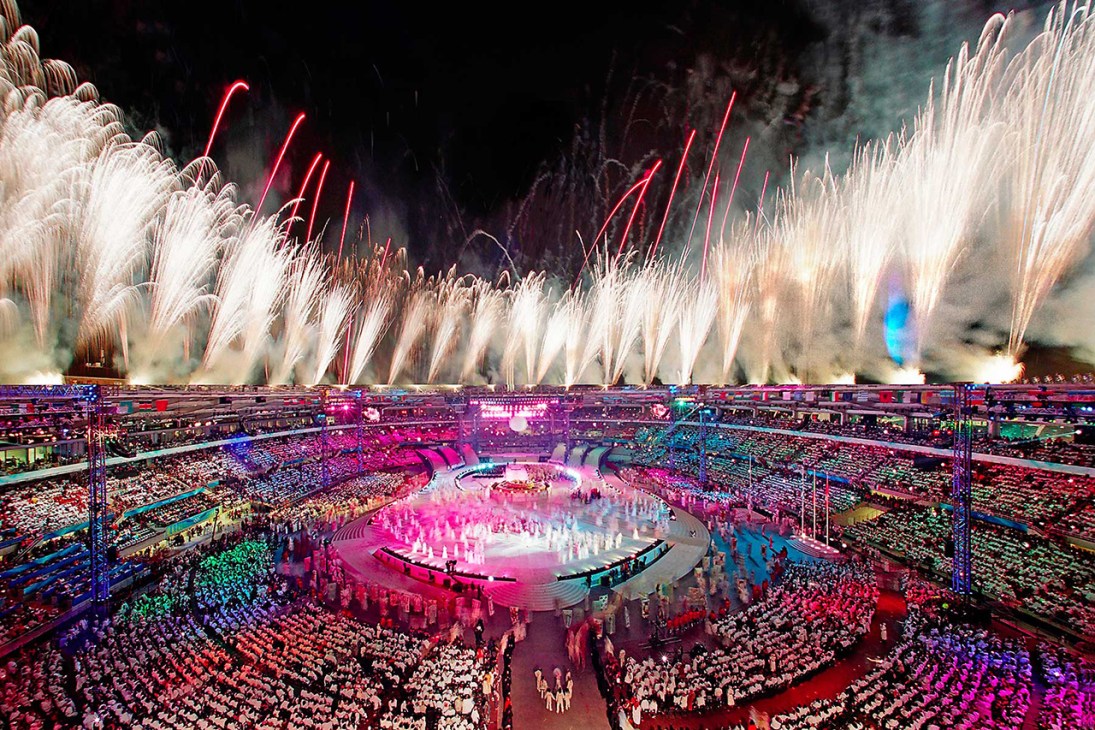
So, no pressure then. But if anyone can pull it off, it’s Balich. His extensive CV includes overseeing a staggering 16 Olympic ceremonies and 13 regional games, including Turin’s Winter Games in 2006, the 2016 Summer Olympics in Rio and the curtain raiser for the 2022 World Cup in Qatar.
Originally from Venice, the creative lead cut his teeth putting on concerts for the likes of Pink Floyd and Motörhead (the latter infamous after its fans trashed the 18th-century host theatre, leading to Balich being accompanied down to the local police station). He transitioned to the Olympics after organising the flag ceremonies at the Salt Lake City Winter Games in 2002 and hasn’t looked back. What better kick than producing what is arguably the greatest show on earth? This year he has even helped design the Olympic cauldron.
Your relationship with the Olympics spans decades. How did you become involved?
My love affair with the Olympics started at 16. I was a fencer and I missed the 1980 Moscow Games due to a [partial] boycott after the Soviet Union invaded Afghanistan. Though my dream of becoming an Olympic athlete crashed, I have been in love with the Games ever since, particularly the ceremonies. They are the most interesting shows in the world. In 2002, I finally got the chance to attend the Winter Games in Salt Lake City as executive producer and creative director of the Olympic and Paralympic flag handover. More than two decades later, I’m now at Milano Cortina after 16 different roles in Olympic ceremonies.
How do you champion the spirit of the host country when organising a ceremony?
As Italians, we don’t impose our culture. We just support the ideas of local creative teams through an aesthetic lens. When we did Rio, for example, we partnered with the organiser of the city’s New Year’s Eve party, which is a huge show with pyrotechnics. There were more than two million attendees. We involved some incredible talent, including Fernando Meirelles, director of the Oscar-nominated film City of God. We had a great creative team; as a producer and creative leader, I support people in making their dreams possible.
How do Milano and Cortina play into the central theme of the ceremony?
The theme is armonia (“harmony” in Italian). The word has Greek roots and draws on the idea that if you have two actions, they are better when put together. This year, two cities are hosting the Winter Games for the first time ever. Inspired by Cortina, which is a mountain resort, the show is also about man and nature – a metaphor for the need to foster harmonious dialogue between humans and the environment as key to the survival of the planet.
Do you feel the pressure of the Olympics coming to your home?
There is a Latin phrase ‘Nemo propheta in patria’, which means, ‘No man is a prophet in his own country.’ Over the past few months, everyone has wanted a say on how the ceremony should be delivered, whether it’s the national government, the International Olympic Committee or politicians from the municipality. But I have a lot of experience [in dealing] with that. It’s not a one-man-band creative process. The teamwork is a nice side of it.
What sort of emotional journey do you hope that the ceremony takes spectators on?
I always remind myself and everyone around me that [the ceremony] will be televised or streamed by 197 broadcasters globally, which means that every message that we deliver has to be understood. My parameter is always that a 14-year-old in Bariloche, Argentina, needs to immediately understand what we’re talking about. If we nail that, then I’m sure that everyone will get the message. The emotional journey is not about celebrities. The show is a big, beautiful, expensive statement about Olympic values. About a third of it celebrates Italian elements; another third is about the sport and the athletes; and the rest reflect the ethos of the Olympic world – to inspire future generations. You cannot be cynical about delivering a statement for these kinds of shows. If you’re cynical, you’re dead.
Away from the glamorous side of things, what are some of the organisational elements behind the ceremonies that people don’t tend to think about?
I wouldn’t say that the Olympic ceremony is glamorous – but it’s inspirational and it’s motivating to do this work. Our studio does a lot of luxury shows around the world and it does them for the beauty and for the money. But here, we do it because it’s meaningful. The Olympic ceremony relies mainly on a cast of volunteers and we must treat them kindly because otherwise they will leave (screaming at them is not allowed). My butcher next to my house, for example, is playing a coffee machine in the show while my office manager has been going to rehearsals in the freezing cold as a Roman centurion. Ultimately, it’s humanity that makes this journey beautiful.
Read next: How the Winter Olympics became a soft-power secret weapon