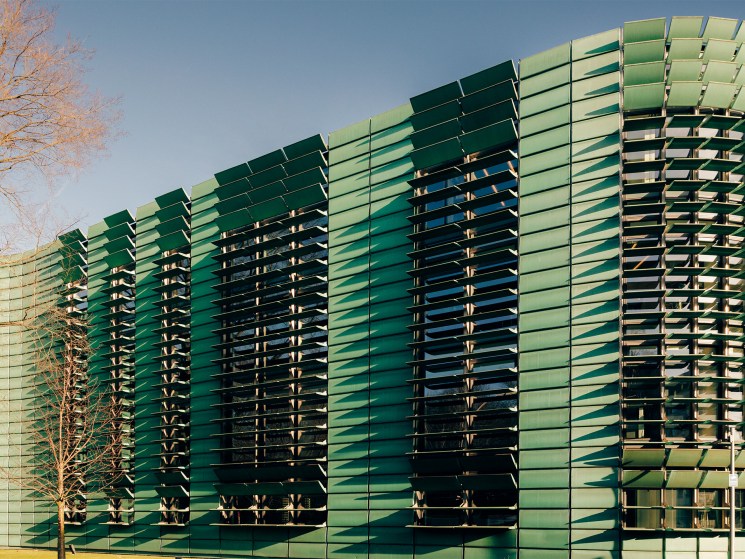
The best embassies in the world, from Addis Ababa and Berlin to Singapore and Washington
The case for embassies in the 21st century
If your only exposure to embassies is through the Madeline series of children’s books or adverts for Ferrero Rocher, you might think that these buildings’ sole use is as the backdrop to glamorous black-tie events. While this is a notable (and noble) aspect of their role, modern embassies play a unique and multi-faceted part in 21st-century statecraft.
As Monocle’s foreign editor, I more than do my part for the hors d’oeuvres industrial complex by attending a great deal of events at embassies and ambassadorial residences. Some recent highlights include: a panel discussion at the Finnish residence about the country’s world-beating media literacy; an exhibition opening at the Italian embassy for a Milan-born, London-based artist; and a Fat Thursday reception at the Polish embassy featuring six different types of doughnut. This short list is fairly illustrative of the public-facing role of embassies but what I don’t see, as someone who lives in the land of their birth, is the workaday functions: the consular services that they offer citizens abroad, from renewing passports to helping co-ordinate journeys home; the economic and commercial ties that they foster; the important information gathering that they do; and, perhaps their most elemental role – a physical sanctuary for people in need. Those that function well and look good reap daily reward for their nations. Monocle’s Good Embassies Guide, which features in our April issue, celebrates those that perform with aplomb.
At a time of fracturing geopolitics, diplomacy is never far from the front pages. And yet its traditional practices are under attack, negatively affecting its chances of success. In common with other leaders, US president Donald Trump is circumventing the usual channels and venues in favour of glitzy set-piece events. Rather than sending secretary of state Marco Rubio to pound the airstairs, the president entrusts Steve Witkoff, a New York real-estate mogul with no prior diplomatic experience, with his most crucial overseas missions. This snubbing of career diplomats is compounded by a paring back of resources. As Henry Rees-Sheridan details here, Rubio announced in April 2025 that the State Department would be shrinking its diplomatic footprint through the closure of 132 offices worldwide. A document leaked shortly afterwards revealed a recommendation to axe a further 10 embassies and 17 consulates. All of this was, as Rubio put it, to secure a better “return on investment” for the US taxpayer.
When looked at through a 21st-century lens of business optimisation and quick returns, diplomats and embassies might look like a waste of resources – it takes decades to train the former and almost as long to build the latter. This same argument sees both as relics of a time when information travelled glacially and passport applications required such things as pens, paperclips and stamps. Such bloodless assessments are plain wrong. At times of war and geopolitical flux a businessman cannot do a diplomat’s job – and a co-working space on the 15th floor of a glassy tower cannot substitute for an historic and lovingly decorated downtown embassy.
Bilateral relationships are best managed by those trained in the art of diplomacy. These are people who have immersed themselves in the politics, culture and media of another nation and are able to communicate its idiosyncrasies back to their home capitals. If ambassadors are the literal personifications of their countries’ governments, embassies are those nations’ opportunity to present themselves through a highly persuasive combination of design and hospitality.
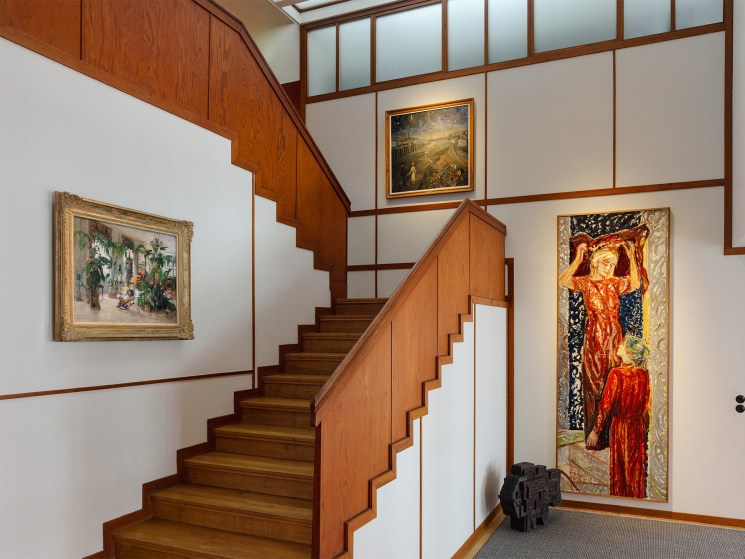
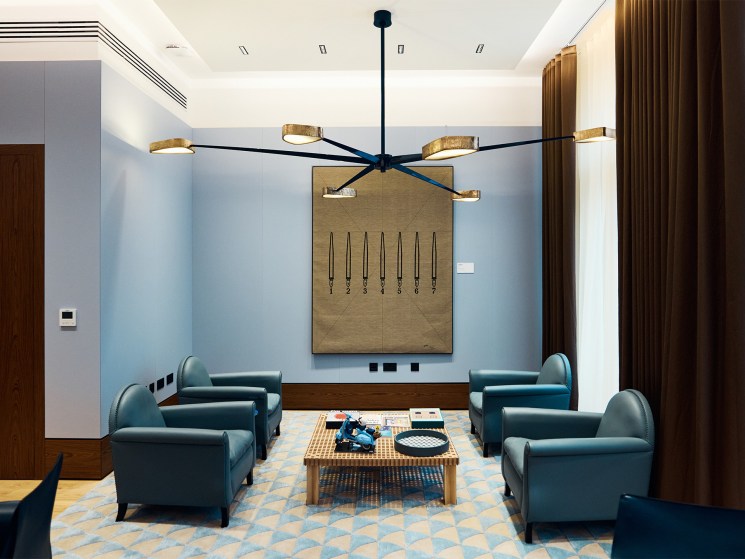
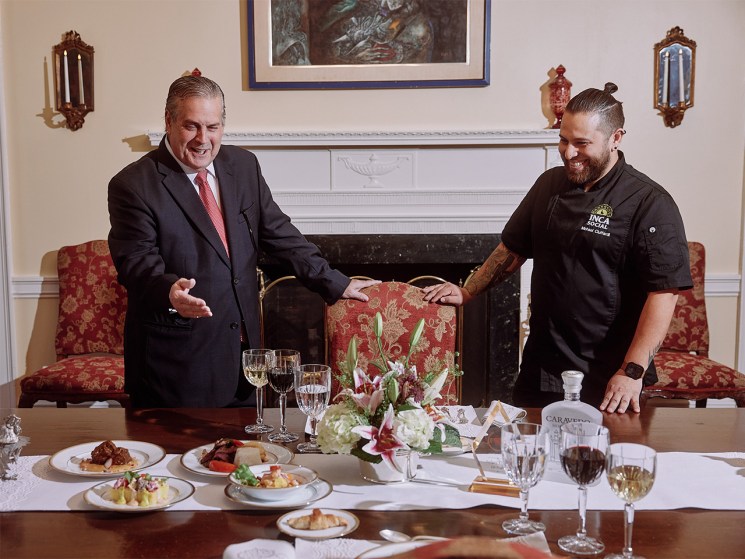
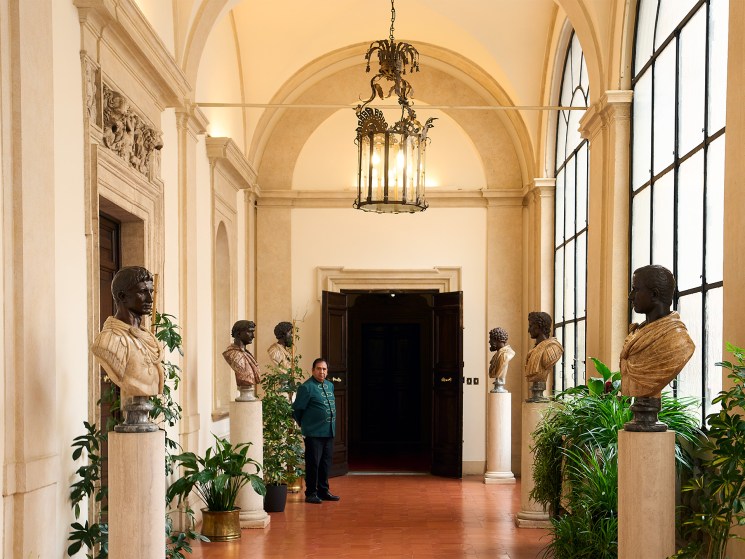
The Good Embassies Guide is an exploration of best practice in this regard. We called correspondents and friends around the world and asked them to nominate their favourite spots. We then sorted the top eight into distinct categories that spoke to what we thought each excelled at: the best embassy for soft-power promotion, the one with the best food, the best use of a historic building, the best shared embassy, the best embassy upgrade, the best nod to local traditions, the best interiors and the best architecture. The final list takes us from London to Singapore and Stockholm via Berlin, Seoul, Rome, Washington and Addis Ababa. These buildings are all special in their own way but they also all share one characteristic: they are excellent advertisements for their nations. If you have your own favourites, please do get in touch – through appropriate diplomatic channels, of course.
Our favourite embassies, celebrated below: