The US has snatched Nicolás Maduro from power in Venezuela. What happens next?
After a daring raid under the cover of darkness saw US forces capture Venezuelan president Nicolás Maduro and his wife, what comes next for the South American nation?
In the early hours of Saturday, Venezuela experienced an unprecedented offensive – a three-hour US military operation that marks the first foreign attack on the country in its 200-year history. The power of Chavismo, a radical left-wing political ideology that has governed the South American nation for more than a quarter of a century, is teetering. President Nicolás Maduro has been captured and removed from Venezuela by US special forces along with his wife, former deputy Cilia Flores. According to the US attorney general, the pair are being taken to New York City after being indicted by a federal court.
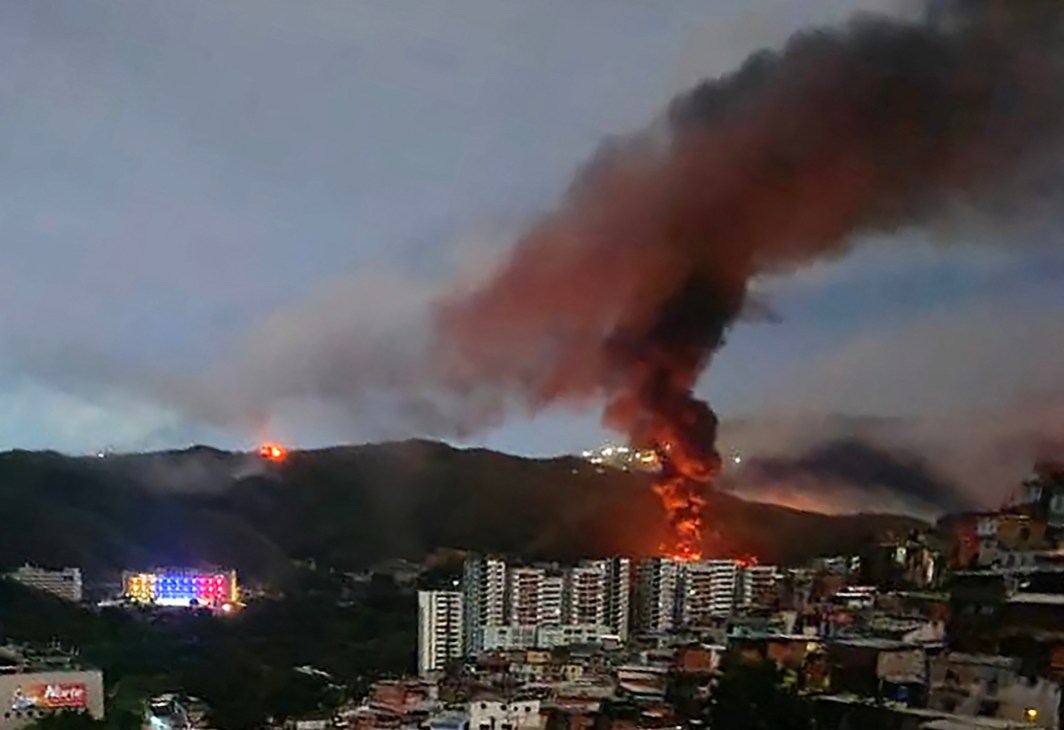
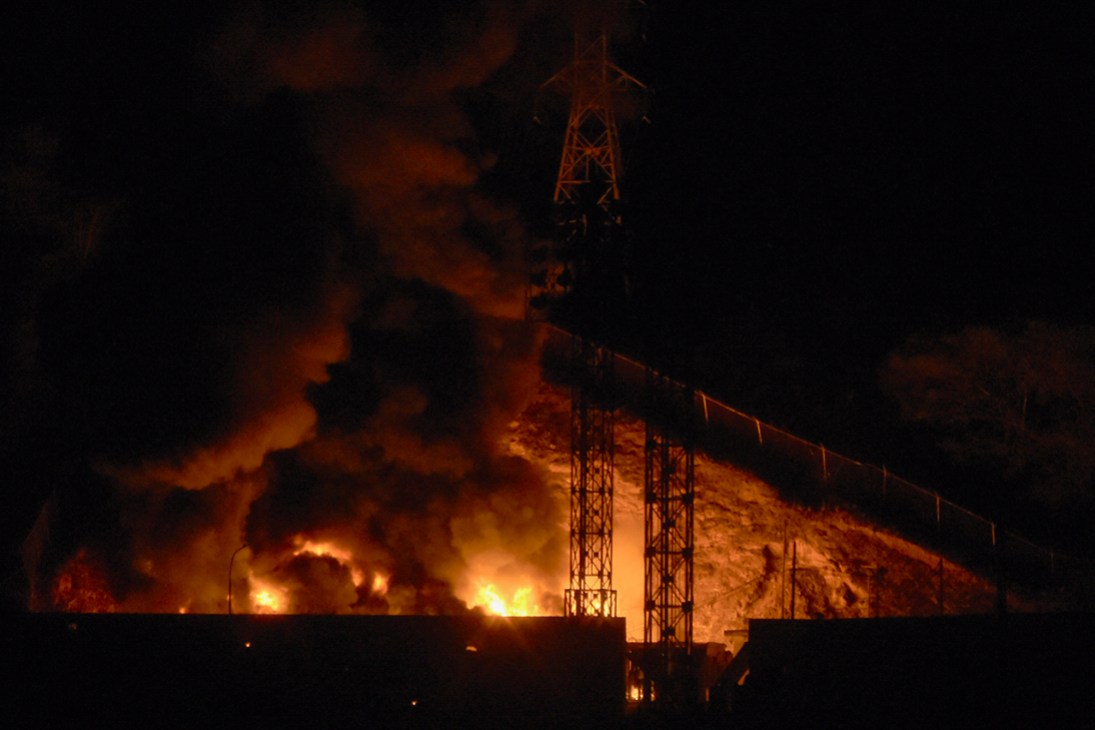
Millions of Venezuelans awoke around 02.00, when US aircraft flew low over the capital, Caracas, and large cities in the states of Miranda, Aragua and La Guaira. Both military and civilian targets were hit by missiles, according to a lengthy statement published by Maduro’s own government. Video recordings show key national security targets, such as the Generalissimo Francisco de Miranda Air Base and Fuerte Tiuna, in flames. The aircraft were followed by helicopters that swooped over the administrative areas of the capital.
Little is known locally about where special forces took the president from but he was usually found at his official residence, Miraflores Palace. However, a military bunker has also been reported as the target of today’s operation. Despite months of US threats, the Venezuelan leader has not been in hiding – just this week, he attended official events in Caracas and nearby towns, speaking publicly and conducting media interviews. While the capture came as a surprise, the bombardment did not. Still, Venezuela’s civilians were unprepared – there are no bunkers, infrastructure or preparation policies for the common people to use.
Some 90 minutes after the first planes were heard, the attack was seemingly over. All that remained in Caracas was an eerie silence and the odd wailing siren echoing through the empty streets. Venezuelans were glued to their phones and so many must have read US president Donald Trump’s declaration on social media, at 05.00 local time, announcing the capture of Maduro and his wife.
The rest of the government appeared to greet this news with defiance – announcing a state of emergency and calling the faithful to the streets. Vladimir Padrino López, Venezuela’s minister of defence, seemed caught in two minds: after video recording that described the attack as “despicable” and promising to “resist”, moments later he was urging “serenity, calm, sanity.”
This morning, as bleary eyed Caraqueños awoke to a world turned upside down, not much of the latter was in evidence. Venezuelan vice-president, Delcy Rodríguez, who must now be considered the de facto head of state, demanded on live television that the US provide proof of life for Maduro and Flores.
This call has spawned a reaction among Chavismo loyalists. With their leader gone, some are massing in the capital’s streets. But thousands of militiamen cannot win a fight against US forces who seem to have left as quickly as they came in. So, who will they turn their ire on? Ordinary Venezuelans most probably. Those who defend the socialist project will no doubt be buoyed by Diosdado Cabello, the party’s second hard man and interior minister, appearing on TV to denounce the attacks. As the dust settles and the decapitated government begins to recalibrate, many fear a wave of repression is on its way.
What will happen now in a nation governed for the past 12 years by a leader who has put the country through so much economic, political and social turbulence? Likely more of the same. Who will seize the reins? No one is certain. The ink of Venezuelan history is still fresh.
Monocle’s writer in Venezuela has asked to remain anonymous while the situation on the ground remains fraught and new waves of repression look likely.
Further reading: Will Marco Rubio’s Venezuela strategy get him on the ticket for 2028?