10 takeaways from Mipim 2026: The ideas, projects and robot homes that everyone was talking about
The world’s biggest real-estate gathering returned to Cannes with ambitious ideas for developments from Baghdad to the Black Sea. These were the ideas, people and projects shaping the conversation at Mipim 2026.
1.
Get an architect to design your stand
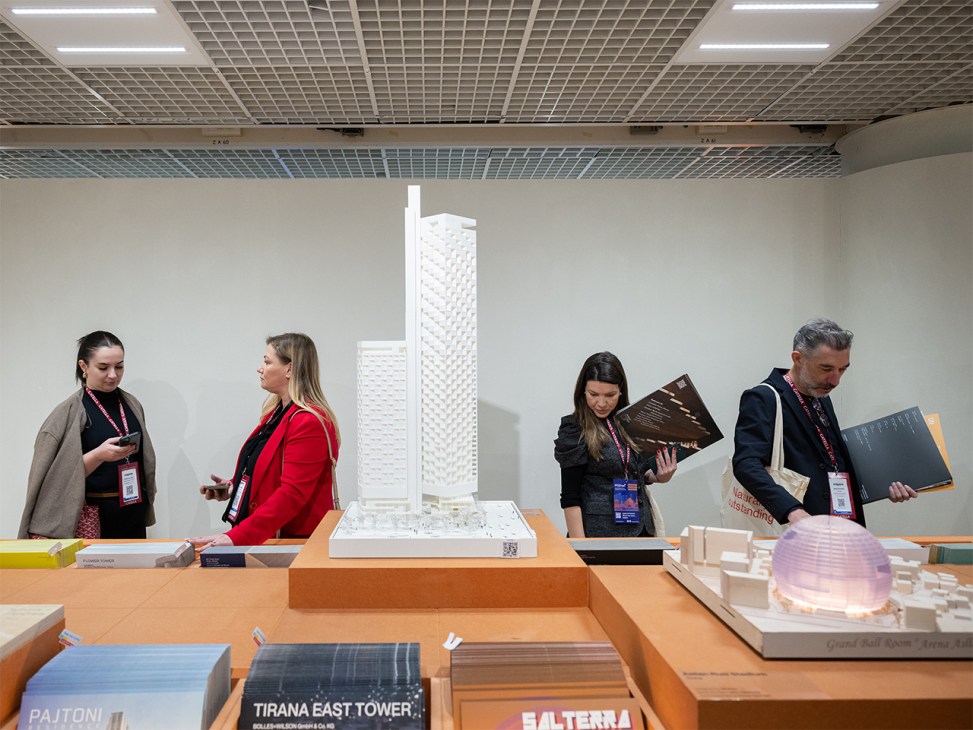
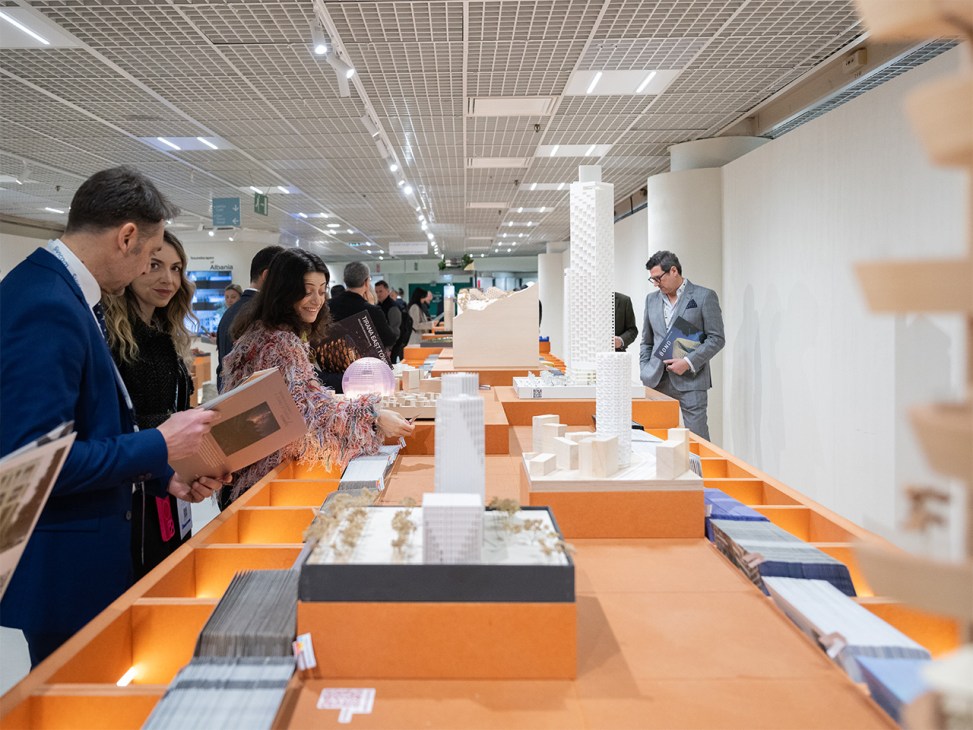
Among the numerous stands for nations, cities and projects at Mipim, only a few stood out for being beautifully conceived. One of these was Soundscapes of Albania, which was designed to resemble a record shop. The concept was the work of architecture firms Studio Precht and W10, with creative agency Kube Studios supplying graphics and branding. The pavilion was rendered in terracotta red, and some 80 projects by a roster of global architects were promoted. Each scheme was presented as a record sleeve with the promotional material tucked inside. There was also a custom-made vinyl record, featuring Albanian music from the 1920s to the modern day. Oh, and they flew in a DJ. Despite all the property players fighting for attention at Mipim, it took Albania to show why you should hire an architect to design your space.
2.
No, really – get an architect
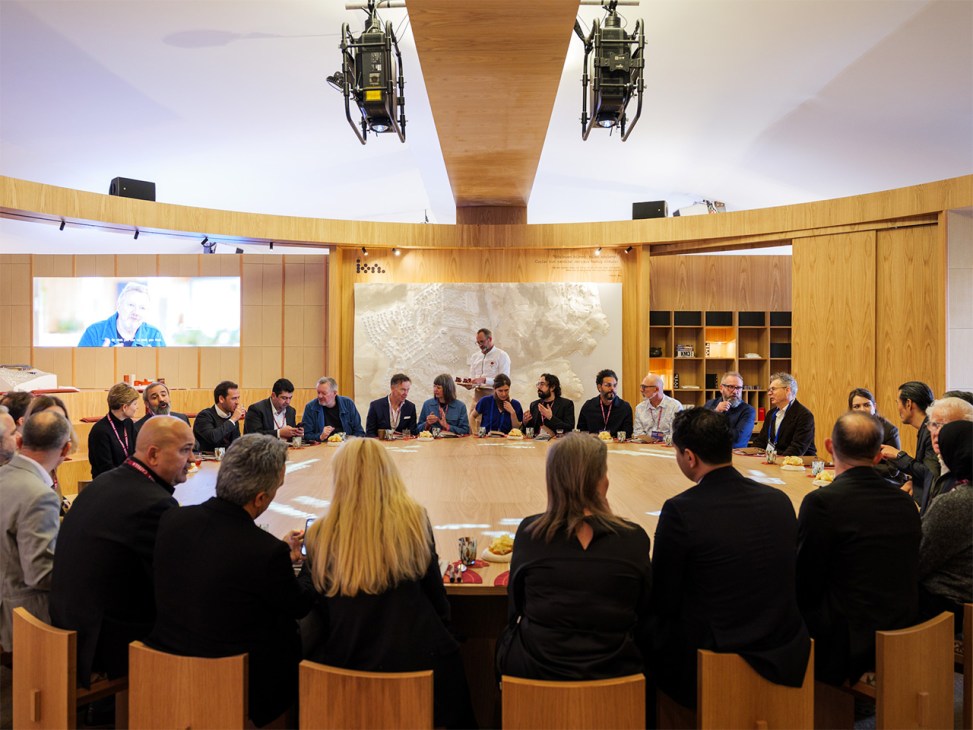
Another standout was the Ion pavilion. The Ion Riva development on Turkey’s Black Sea coast is the work of architect and developer Mehmet Kalyoncu and will feature residences designed by practices including MVRDV, Bjarke Ingels Group and Snøhetta. It was the latter that stepped forward to design Ion’s beautiful stand. At the centre of the space was a vast circular table, which hosted talks twice a day on topics such as what makes a house a home. The table also doubled as a stage for musical and dance performances. From food to materials, everything was on point.


3.
And there was Monocle too
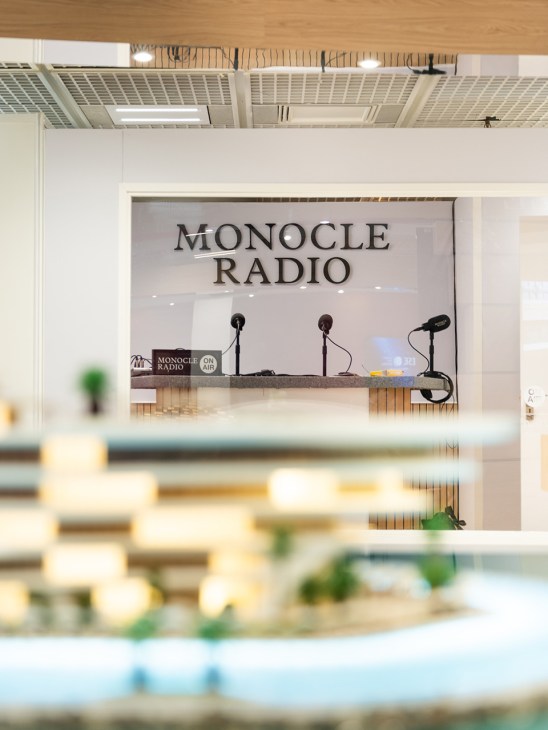
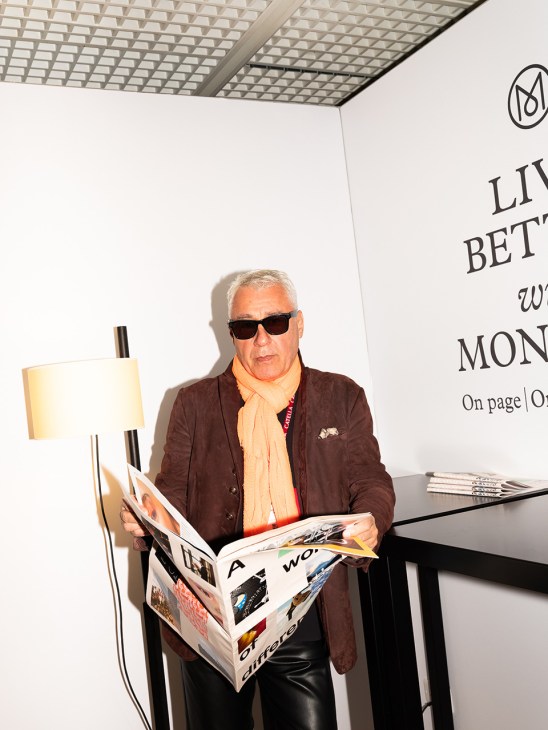
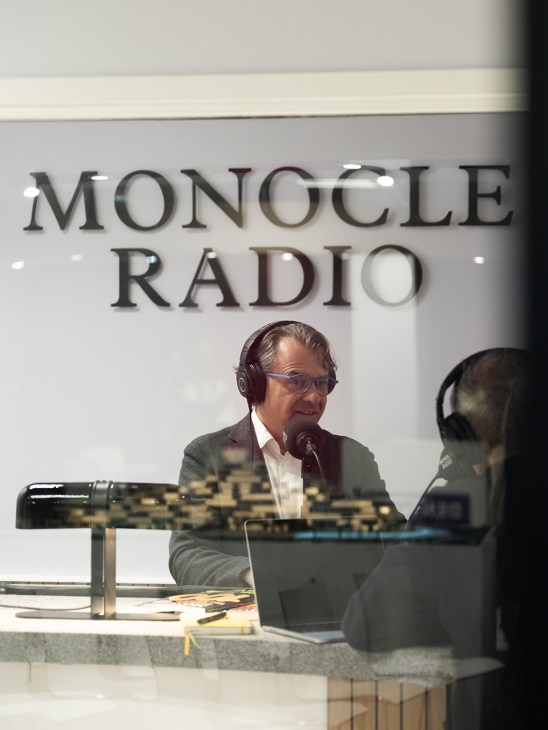
Monocle has been attending Mipim for more than a decade and, for the second year in a row, it has held a pop-up Monocle Radio studio and lounge. Our space was cosy and welcoming thanks to the Spanish lighting and product company Santa & Cole, our partners for this outing to Cannes. Radio had never looked so good.
4.
Pack a map, a topographical map
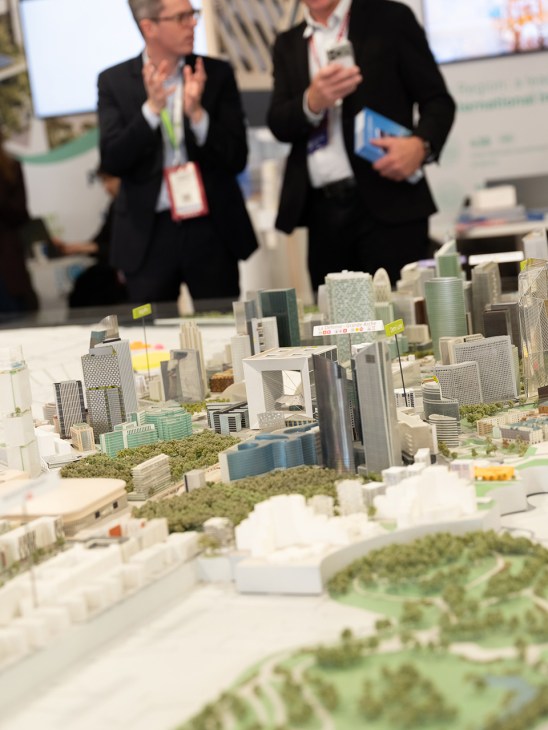
Our heart went out to the shipping companies tasked with delivering numerous vast topographical maps to Cannes. The London Pavilion displayed an epic effort, built by Piper Model Makers at 1:2000 scale, which allowed attendees from the UK capital to precisely locate their homes. Paris had a nice interactive map (pictured) that encouraged lots of button-pushing to reveal what was being erected. But perhaps the biggest example was for a section of the Diriyah project, a new neighbourhood on the outskirts of Riyadh. Measuring some 14 metres in length, it displayed ambitious plans for a new grand avenue. The owners of all these maps were happy to reveal that, more than any render or digital tool, it was seeing a model that most easily sold the vision to attendees.
5.
Dubai is a role model for aspiring nations
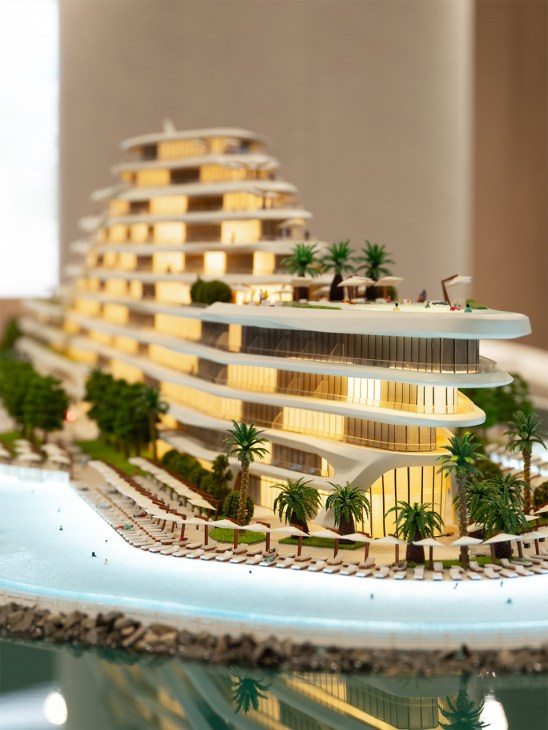
Sea Breeze is the name of a huge project on the Caspian Sea coast in Azerbaijan that, in addition to numerous residences and hotels, will also become home to the country’s F1 track and a casino. Set to eventually house 500,000 people, the first phase is already open and includes 45 restaurants. The developer is Emin Agalarov, an Azerbaijani pop singer who managed to pull in large numbers of attendees for his promotional sessions.
He was very open about the fact that he’s borrowing ideas from Dubai. While the emirate has the Palm man-made island, he’s building the Half Moon Island. Dubai built the skyline-defining Burj Al Arab with a silhouette that looks like a dhow; Agalarov has commissioned an apartment building in the shape of a luxury yacht and named it The Caspian Dreamliner. “There’s no need to try and invent the bicycle,” he says. “My job as the master developer of this project is to find the best-case scenarios and adapt them to my market.”
6.
Make space for your robots
Hubert Rhomberg is the managing director of Rhomberg Holding, headquartered in Bregenz, Austria. He’s the fourth generation of his family to run the business, which is now involved in everything from building data centres to creating a new cultural hub in Vienna. He’s also a believer in AI and robotics. Rhomberg says that, as robots start working in our homes and offices, we will need to consider their needs when designing spaces. Just as servants once used hidden staircases in castles and manor houses to deliver food and linen, these new helpers will also need architects to consider how they might manoeuvre themselves around a building without getting in the way of humans.
7.
Could there be a Baghdad renaissance?
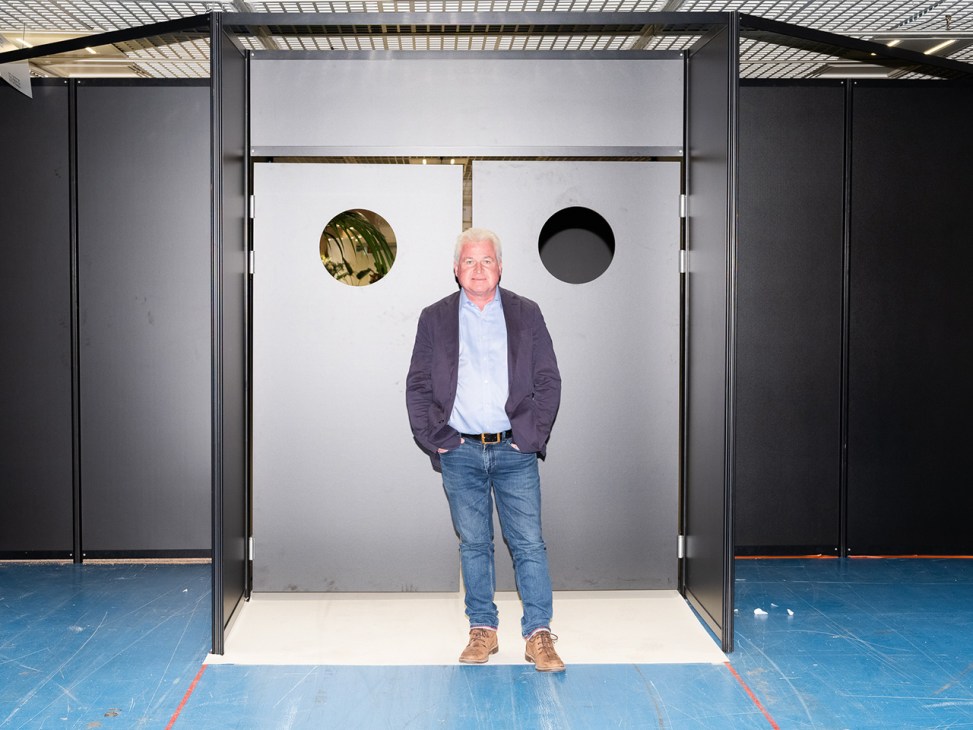
Ian Mulcahey is global director of cities at Gensler, the world’s biggest architectural firm. He is involved in a project that he hopes could provide a model for repairing and aiding post-conflict cities: the Baghdad Sustainable Forests masterplan will transform 10 million sq m of a bombed military facility into a new green lung for the Iraqi capital. “Baghdad desperately wants to try and say to the world, ‘We’re open for business’,” says Mulcahey. “And the day that I saw their brief was the day that I said we want to do this project because rarely do people say that the centrepiece of their urban redevelopment is to build an urban forest.” While the project is still in its early days, it is good to see that architects have the skills to repair not just buildings but identity and hope too. Let’s hope that regional events don’t deter the ambition.
8.
Developers be aware: we don’t like to wait
The key manufacturers of lifts and escalators were all present at Mipim. These businesses see themselves as mobility players and, in a competitive market, many were promoting new products. One of which responded to the needs of an ageing society with a new generation of lifts for domestic settings.
We wanted to understand the psychology of the lift: how long will people wait before getting grumpy? Bora Gülan, CEO of TK Elevator Europe and Africa, revealed that depending on the setting, you have 20 to 60 seconds before the huffing starts. In an office? “The good waiting time is 20 to 30 seconds – and you need to be able to handle 12.5 per cent of the building’s population in five minutes,” says Gülan. Get your stopwatches out and see how well your building’s lifts perform.
9.
You can engineer a city to stop the brain drain
The mayor of Genoa was in attendance to explain how she is re-engineering her Mediterranean city to make it appealing to young residents. Part of her solution is delivering 40,000 units of student housing, getting active with the new Granarolo-Begato Sports Park and the redevelopment of the Luigi Ferraris football stadium. Why is sport at the forefront of the dynamic mayor’s plans? She’s a retired Olympic hammer thrower.

10.
Don’t forget China
Stephan Schütz is an executive partner at Germany’s biggest architectural firm, Von Gerkan, Marg and Partners. The practice works on everything from concert halls to airports but Schütz is also focused on when not to build but adapt and reuse instead. He suggested that we look to China as an ambitious and active proponent of this approach. “I don’t agree with the thesis that new buildings happen in China and renovation transformation happens in Europe,” he says. “China adapts to new situations and new needs very quickly. For example, we have completed a net-zero high-rise building in Guangzhou for Chinese clients. They used a completely prefabricated building method with robots assembling the pieces on site. So there were nearly no people on site for a 200-metre-high property.” It’s a brave new future for the industry.