
Japanese artistry finds a new stage in Kyoto’s Nishijin
The city’s historical craft district is blooming into a creative conclave, with a new generation of artisans, architects and retailers setting up alongside its textile makers.
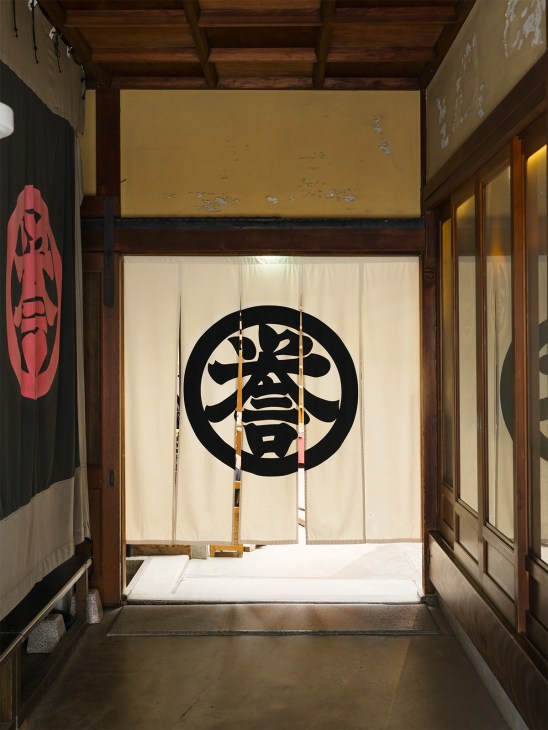
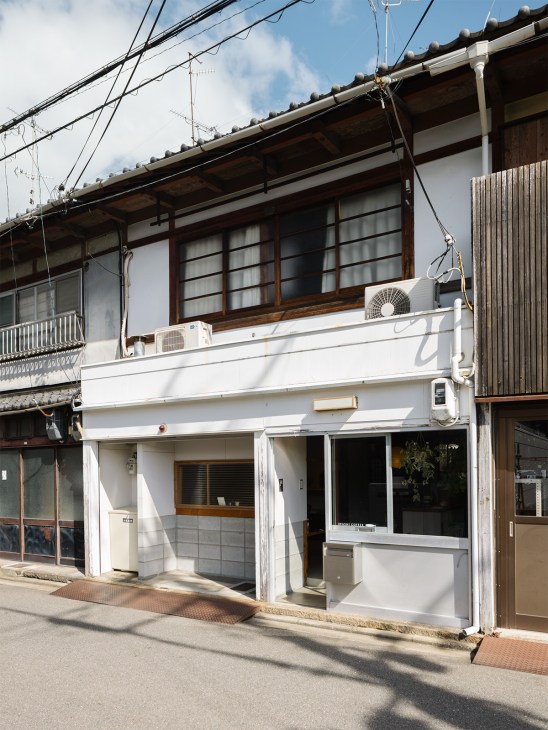
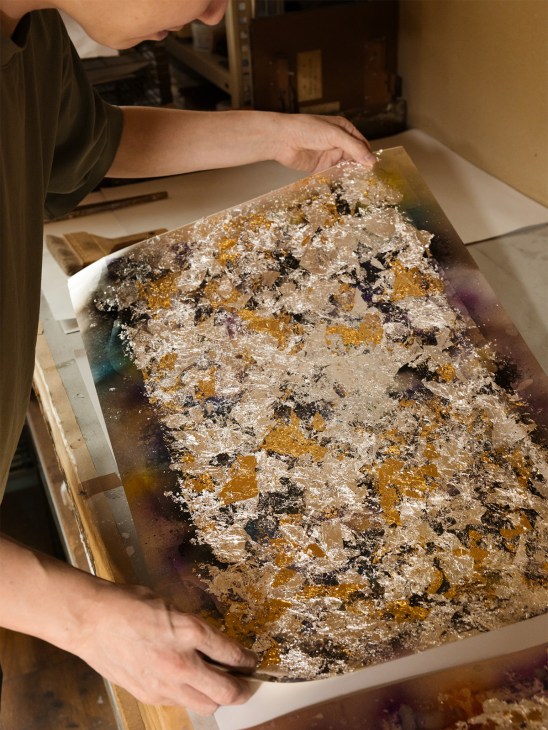
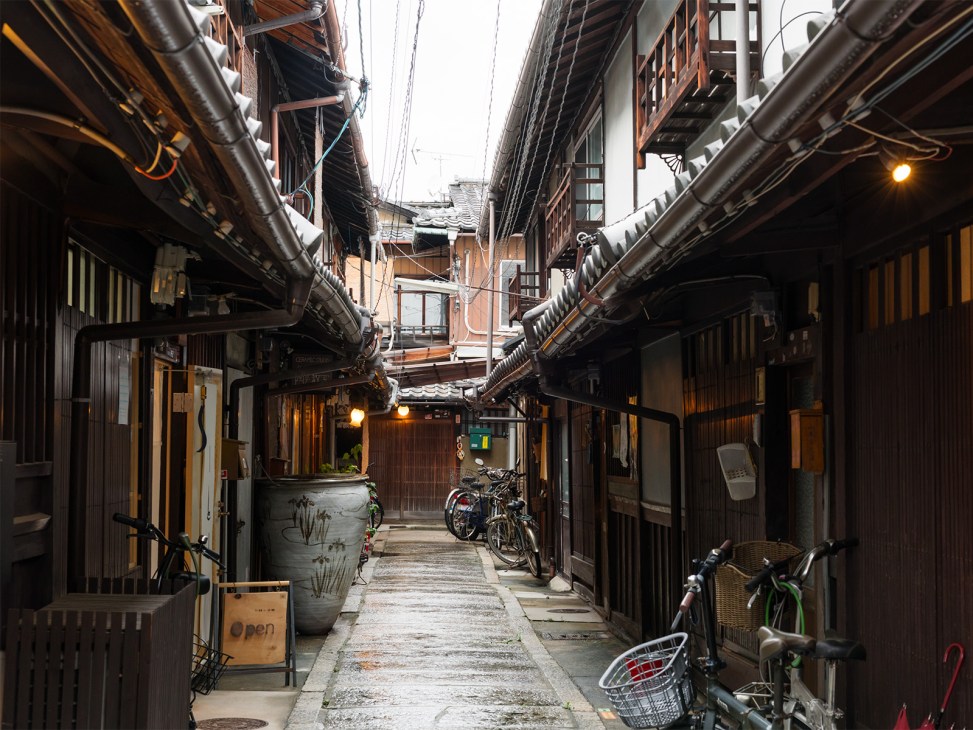
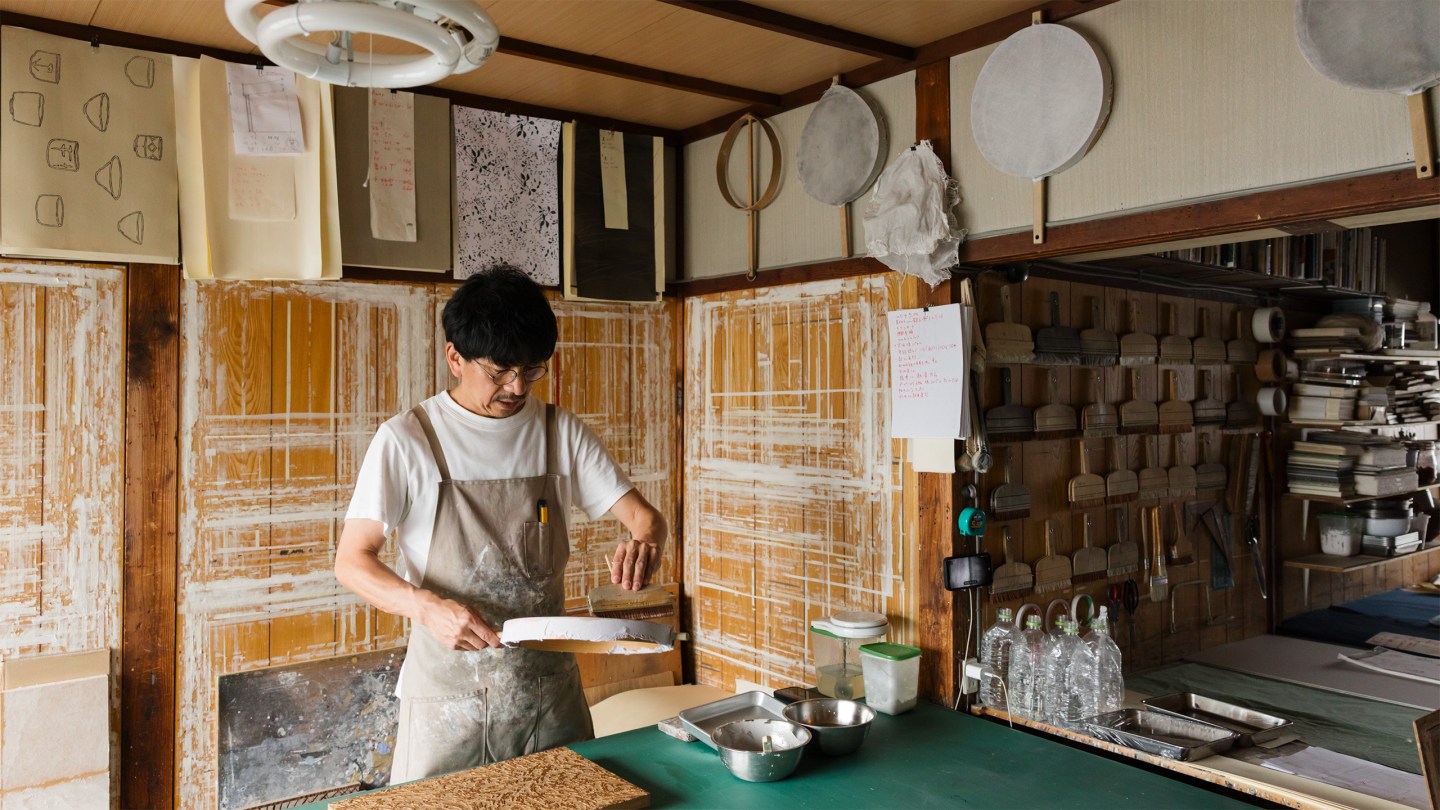
For almost 20 years, a former barbershop on Kuramaguchi-dori has been home to Kamisoe, the studio and shop of karakami (decorative-paper) artisan Ko Kado. The Nishijin neighbourhood in the city’s northwest has been synonymous with silk textile production for more than 1,200 years. Kado was drawn to the area for its craftspeople and down-to-earth atmosphere, as well as its proximity to the Daitokuji temple complex. “There was nothing here at first, just a soba noodle shop on one side and a now demolished traditional confectionery shop on the other,” he says. “But these places drew a certain kind of person. Little by little, people became interested in my work.”
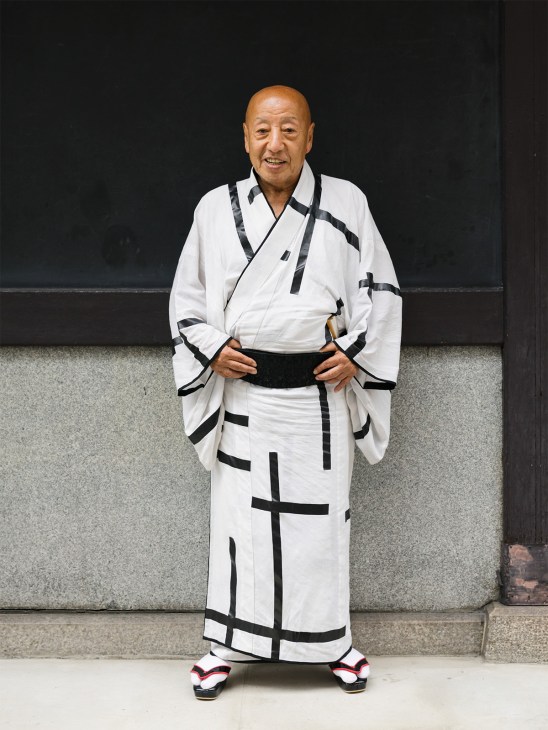
Kado was part of a vanguard that paved the way for other creatives. When Monocle visits, he has just completed artworks inspired by the music of Ryuichi Sakamoto. The musician and composer, who died in 2023, was one of Kado’s collaborators; the likes of artist Hiroshi Sugimoto and the founder of clothing brand Arts & Science, Sonya Park, have also sought out Kado. As his practice has developed, Kamisoe and Nishijin have become increasingly intertwined. “There are so many people here with a deep knowledge of Japanese culture, from dyeing artisans to tea-ceremony teachers, whose sharp eyes only make me feel more focused,” he says.
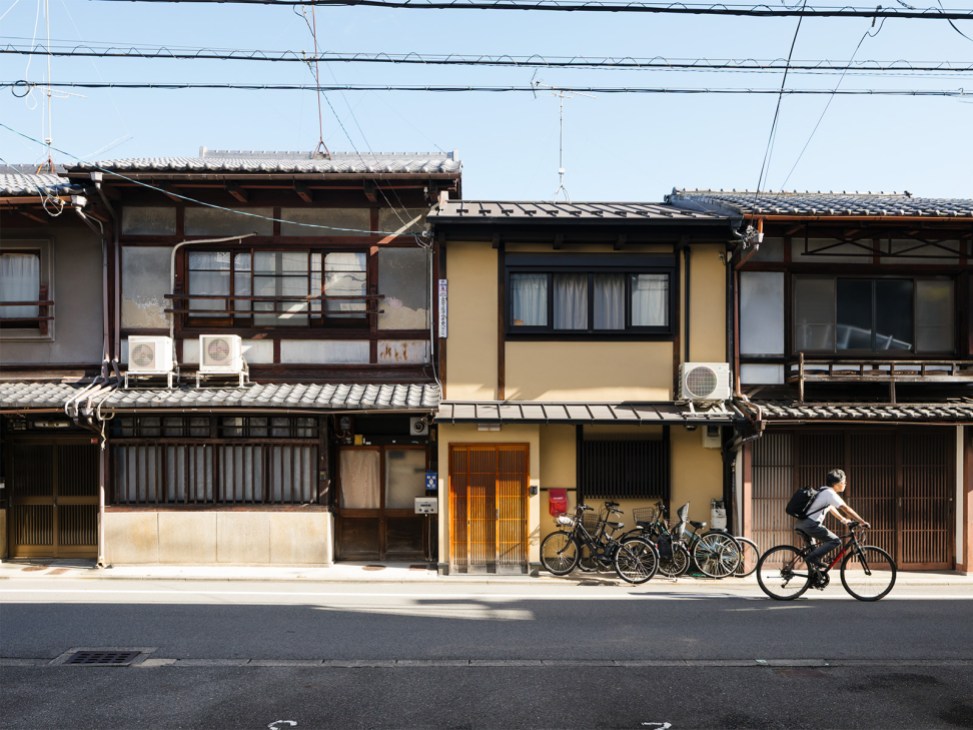


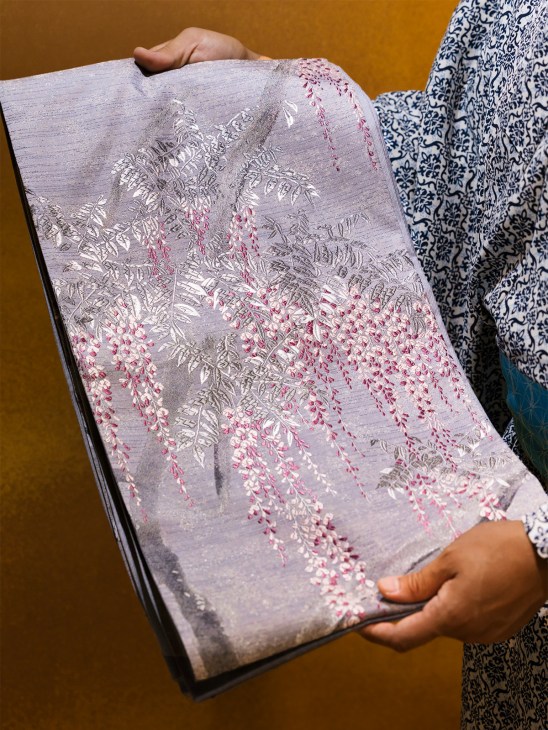
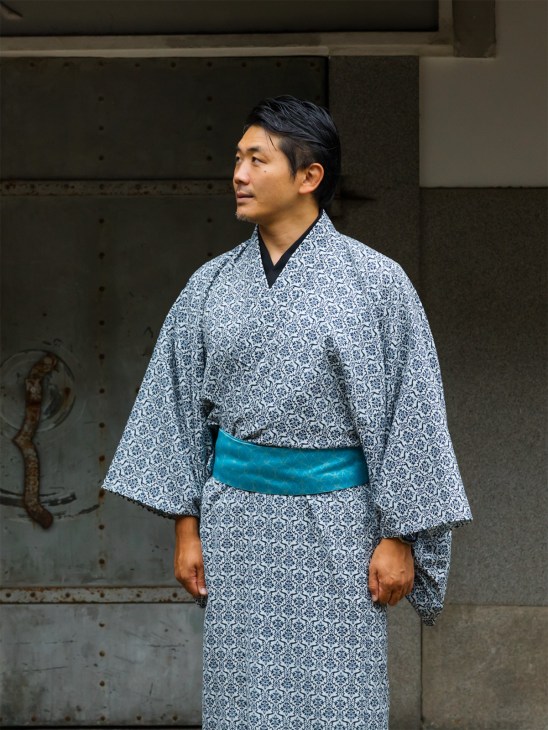
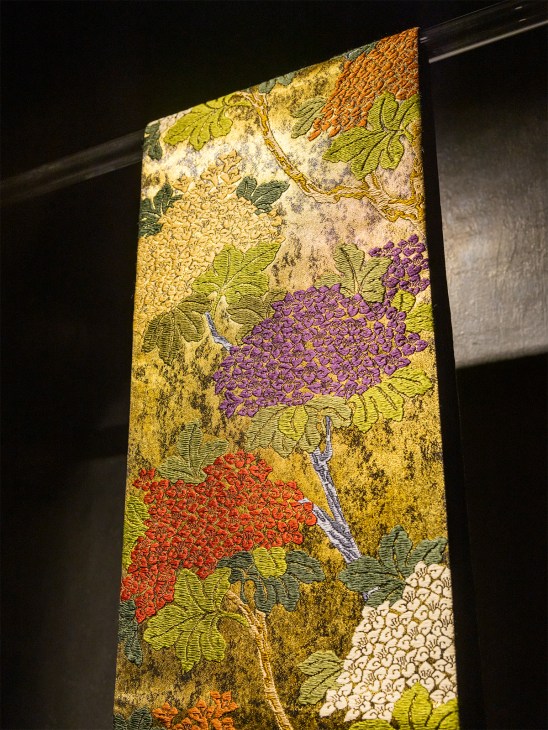
Nishijin continues to play a key role in the production of high-quality silk textiles. The industry still has some 275 manufacturers, many of them small, family-run enterprises, and 3,000 craftspeople. Building on this legacy, is the goal of Natsuki Okamoto, the 15th-generation head of textile manufacturer Rokumonjiya. The 42-year-old took over the family business after working in finance and consulting, then swiftly invested in a high-speed Italian rapier loom as well as traditional hand-operated models. “Presenting textiles made with different techniques, both automated and manual, reinforces each one’s unique characteristics,” says Okamoto.
Traditional crafts such as Kyoto-style yuzen dyeing, embroidery and kumihimo (braided cord) have also found a home here. After 25 years in the fashion industry, Masakazu Kuroda gave new life to a former kumihimo factory. With architect Souma Mori, Kuroda transformed the century-old building into Stactile, one of the city’s leading clothing shops. “I feel that retailers and fashion brands will look to escape to this area,” he says.
The shop, which opened in March, stocks Japanese menswear from Rainmaker, Soshi Otsuki, Bed JW Ford and more. The residential setting, where making and living have long co-existed, has also provided a chance to engage with the community. Kuroda inherited furniture from a beloved kissaten (coffee shop) for his in-store café.


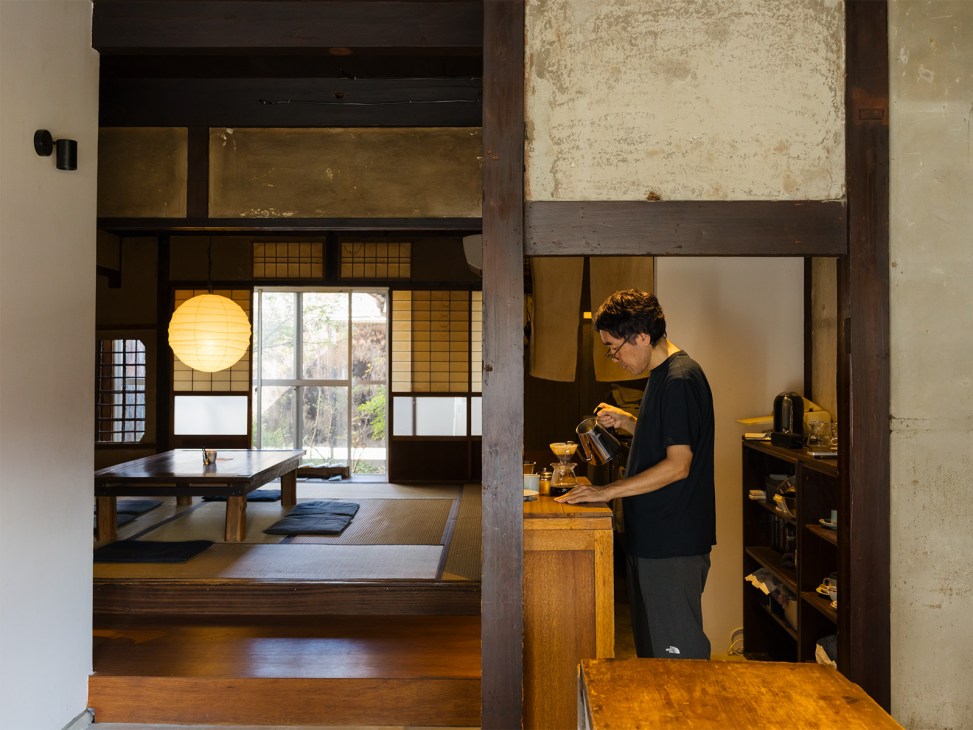
Nearby, Masahiro Kinoshita and Yuka Tsukano of Kino Architects are forging new connections through Nishijin Townhouse, their family home, architectural office and café, which was completed in 2024. Located on one of Kyoto’s classic narrow “eel’s bed” plots, the new building conforms to the city’s landscape regulations for the area. “Compared with Tokyo, there’s much more interaction with our neighbours here,” says Tsukano. “The neighbourhood association and bulletin boards are always active, while senior citizens and community members help out at the school. As some of our older customers say, Nishijin is a village.”
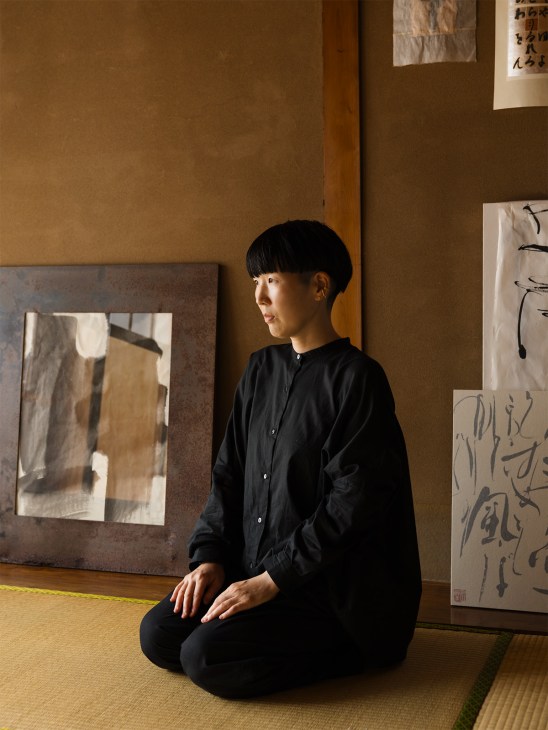
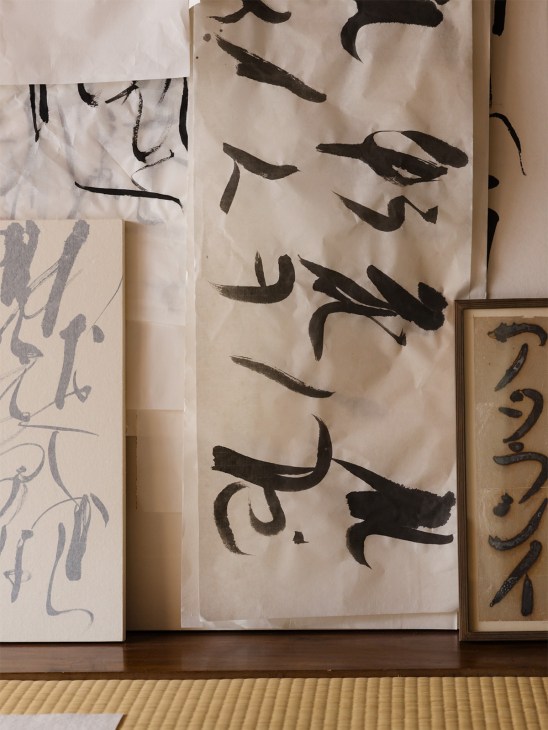
Mikiko Kayama has also found a community. After moving to Kyoto to learn about tea and traditional culture, she found her way to Nishijin. “It was a relief to meet so many people working independently,” says the 39-year-old calligrapher.
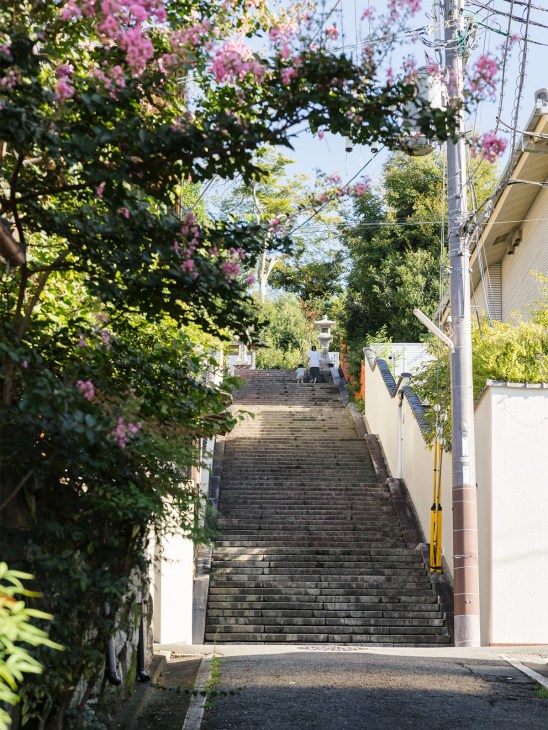
Its calmness also aids her creativity. “As you leave the city centre behind and head north, the noise and crowds are gradually stripped away,” she says. “The peaceful atmosphere feels just right.”