The US is eyeing the closure of dozens of consulates, but a physical presence is worth every penny
While the US is implementing widespread closures of their embassies and consulates abroad, nations such as the UAE, Turkey and China are placing even more emphasis on physical representation in their foreign affairs.
In April 2025, the US secretary of state, Marco Rubio, proposed a reorganisation of his department – which oversees the country’s 271 embassies and consulates – involving the elimination of 132 domestic offices. Part of Rubio’s aim was to secure a better “return on investment” in foreign affairs for US taxpayers. No embassies or consulates abroad were scheduled for the chop but a separate, leaked internal document had already hinted at more drastic plans, recommending the closure of 10 US embassies and 17 consulates. Many were in Europe and Africa – including five consulates in France, two in Germany and one in the UK – but posts in Asia and the Caribbean were also named. The document suggested replacing some traditional outposts with “Flex-style” light consulates.
The economic anxiety betrayed by the style and substance of such statements and documents is understandable. Acquiring and maintaining embassies is expensive. For nations seeking to set up a diplomatic property, the first thing to worry about is planning permission. “It’s very complicated to take a property registered as residential and convert it into the sui generis category required for embassies,” says Edmond Ibrahimi, the director of London-based estate agent Propertalis, which works with nations seeking such premises. “In an ideal case, you find a commercial building, which is easier to convert. But even then, you need to comply with all the local planning rules.”
In London, countries that want to enter the embassy market can expect to pay between €3m and over €30m for a suitable property. “For a small country, securing that amount of money from the foreign office for a new embassy isn’t easy,” says Ibrahimi. On top of this, there are labour costs. Though diplomats’ ostensibly glamorous lives attract cultural attention, most people working at a given embassy are not nationals of the country that it represents but local contract workers who have fewer protections than full-time diplomatic staff – and who make soft targets for governments looking to trim costs.
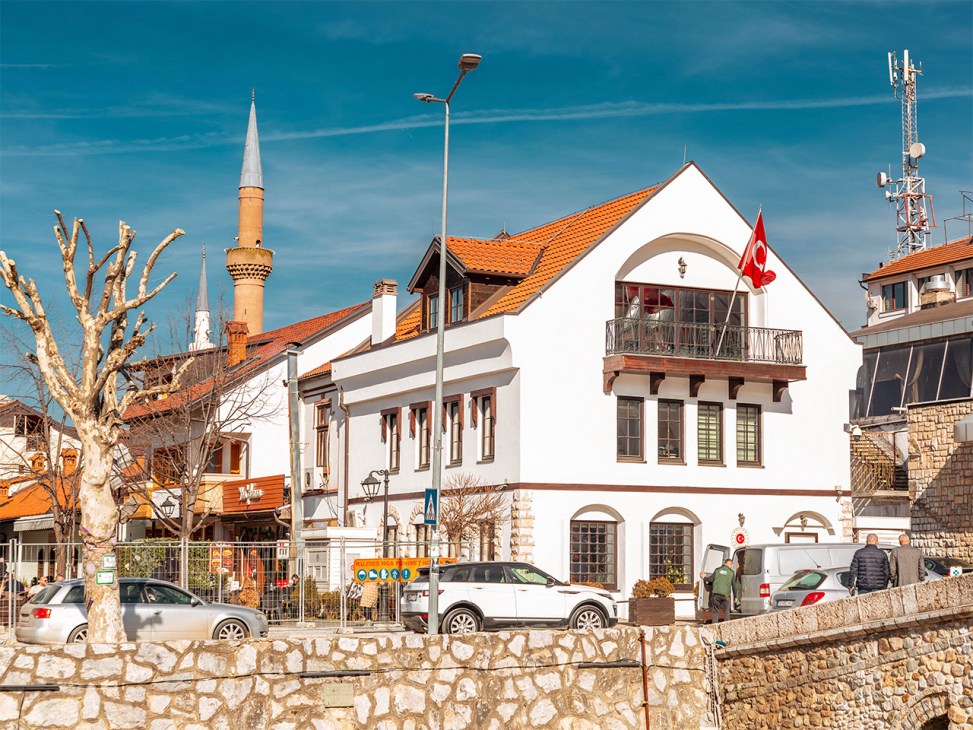
So, what do countries get for the money that they invest in physical diplomacy? It remains the case that certain practical tasks, such as intelligence roles, can only be performed on foreign soil. But some nations use embassies as such direct instruments of fiscal gain that they can be said to pay for themselves. The UAE deploys embassies as the spearheads of economic deals, facilitating port bids, opening doors for renewable energy contracts or providing quiet rooms in which sovereign-wealth-related conversations begin before they appear in any press release. When a UAE mission opened in Tel Aviv under the Abraham Accords in 2021, a free-trade agreement was signed within the next year (though it did not enter into force until 2023). Following this pattern, the UAE has established embassies ahead of investment frameworks across Africa and Central Asia. Skilfully blending physical diplomacy and deal-making in this way has earned the emirates outsized influence on the most pressing issues in world politics, such as the future of Gaza, Ukraine and energy supplies.
Aside from hard economic benefits, embassies remain one of the best ways to project soft power. An embassy can carry prestige, especially if it’s in a prime location. “Owning one in London is a pride thing,” says Ibrahimi. “It shows that the country is serious about international diplomacy and committed to serving its nationals abroad.”
Perhaps more than any other country, Turkey understands this. It has the world’s third-largest diplomatic network (252 diplomatic and consular missions), behind only China and the US. It uses this to consolidate influence where it already has deep cultural and political roots. The country has operated embassies for years in Bosnia, Kosovo and Albania – all nations with small populations, low trade volumes and limited strategic resources. But Turkey’s physical diplomacy goes beyond embassies and consulates. In October 2024, its president, Recep Tayyip Erdogan, travelled to Tirana to inaugurate the Namazgah mosque, the largest in the Balkans. Built in an Ottoman architectural style and incorporating a library, an exhibition hall and a Qur’anic school, it was funded in part by Turkey’s state religious authority. There is no trade agreement attached; the point is the country’s cultural influence.
Meanwhile, China, the US’s only true peer nation, is expanding its diplomatic footprint for both economic and cultural reasons. Beijing maintains the most extensive diplomatic network in the world (274 overseas missions), having overtaken Washington in 2019. This growth has been closely aligned with China’s Belt and Road Initiative and strategic outreach in Africa and other countries in the developing world. Many Chinese missions integrate cultural diplomacy while facilitating infrastructure investment and, in some regions, help to extend China’s security reach – a holistic strategy for a country with global ambitions.