Why entrepreneurs are flocking to A Coruña, Spain’s slow-living boomtown
With local and international businesses booming, the port city of A Coruña offers the best of all worlds, including a laid-back lifestyle for entrepreneurs looking to grow at their own pace.
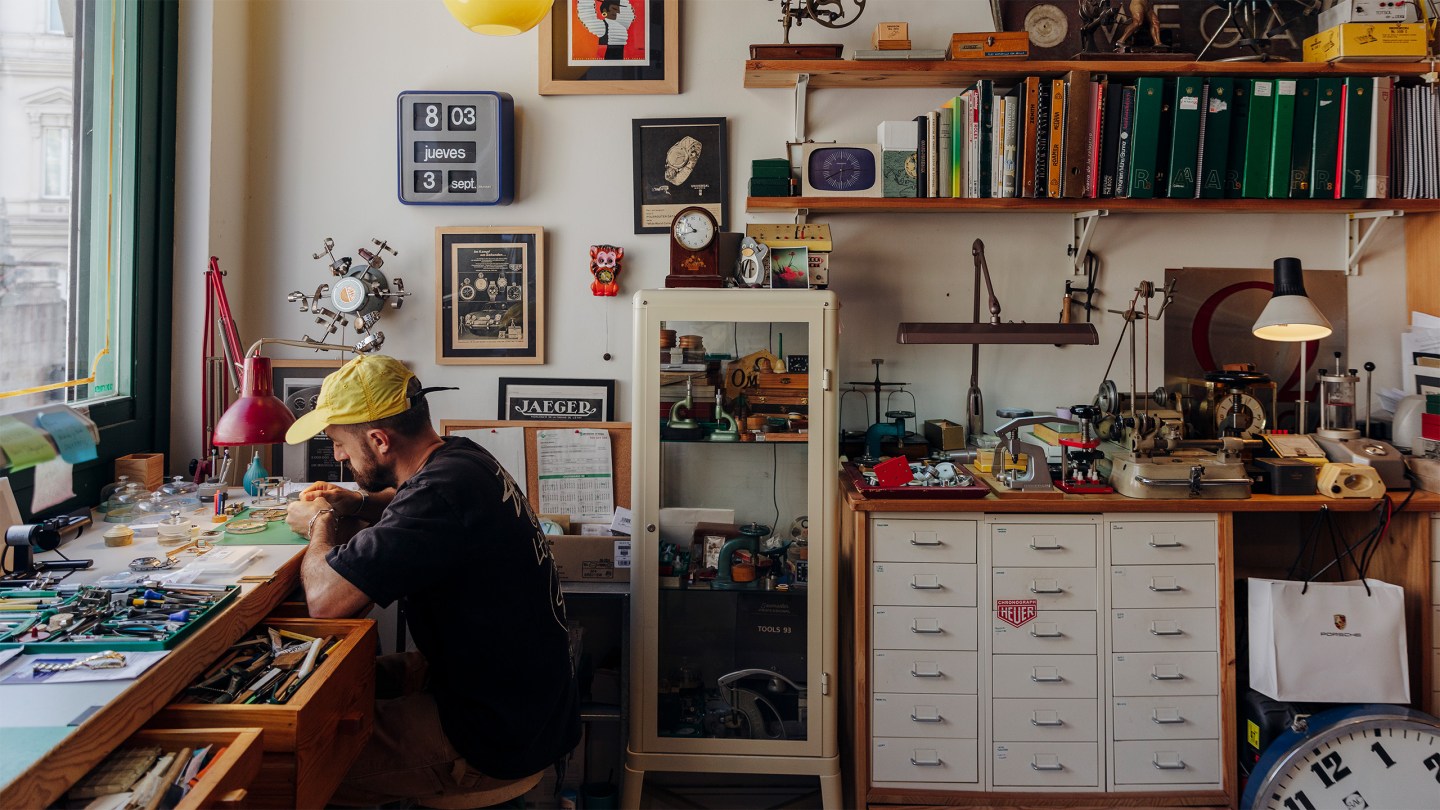
“For a watchmaker, I have a rather peculiar sense of time,” says David Rodríguez (known locally as Nemesio) as he welcomes us inside his workshop. It’s a small space stacked with vintage timepieces and trinkets, its walls lined with industrial memorabilia. As the city’s official timekeeper, his daily chores include winding up the town hall’s clock tower. Visiting Nemesio seems like an ideal way to get a sense of A Coruña, Galicia’s northernmost port city. “I go at my own pace,” he says. “My life is my time,” he adds, chuckling about reviews complaining about his intermittent opening hours.
In many ways, Nemesio embodies the generation slowly reshaping this small city of about 250,000 inhabitants (the wider urban region has about 650,000). After a spell living abroad, he is embracing the comfort and predictability of a city still considered peripheral. “As Coruñeses, we like that the city isn’t so mainstream – there’s a sense of calm,” he says.
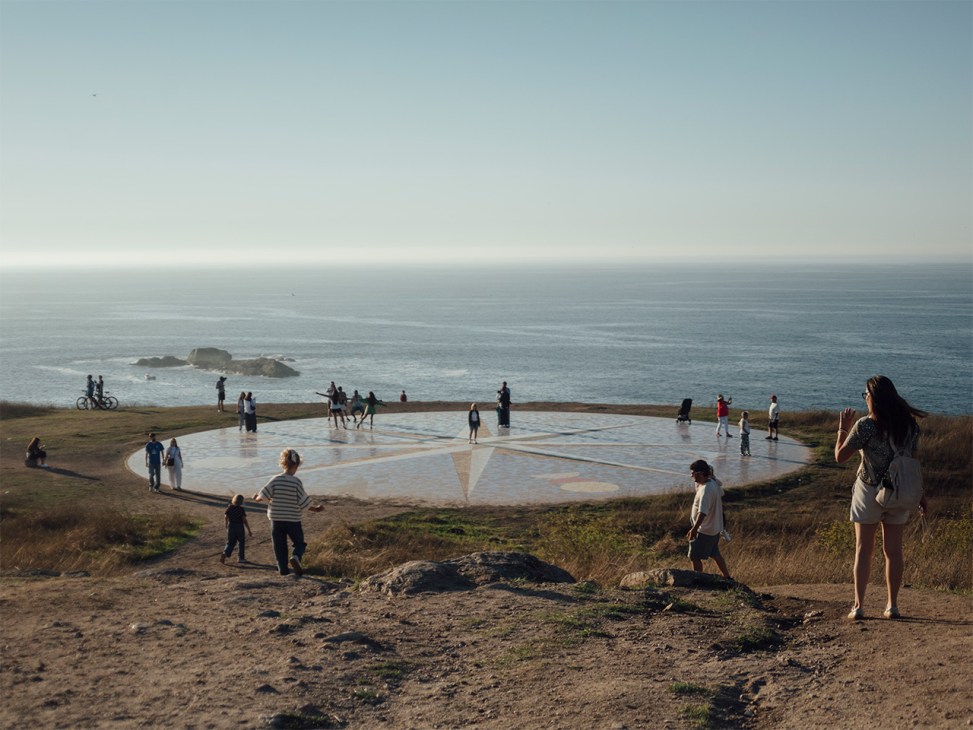
A Coruña might be a three-and-a-half-hour high-speed rail journey from Spain’s capital but in recent years it has become a destination in its own right. No conversation about A Coruña can ignore the retail fashion giant Inditex, whose HQ, including those of Zara, sits in the satellite town of Arteixo. Inditex recently reported record sales, up 7.6 per cent to €19.75bn. The spending power of its 5,500 locally based workers – with a median age of 31 – has tempted entrepreneurs to set up speciality coffee shops, smart restaurants and wine bars here. New cycle lanes are being installed.
Many smaller Spanish cities are grappling with brain drain and ageing populations but A Coruña has the “Zarasmus” crowd – a local epithet that nods to Inditex’s cosmopolitan clique of employees and visitors, and the Erasmus European student-exchange programme. There’s a diaspora effect too. Many of the creative minds who pass through the company end up putting down roots here with independent ventures of their own.
Yolanda Estévez started Knitbrary in 2011 after working for Zara Home and Galician fashion brand Adolfo Domínguez. Her firm, whose wares she describes as “hand-knitted to order”, sold more than 750 pieces last year, with stockists across northern Europe, the US and Japan. Estévez works with about 60 artisans; a long-standing presence in Peru helped the entrepreneur evade the shock of US tariffs on the EU by securing cheaper market access from a US-Peruvian bilateral trade agreement.


“I’m a fighter when it comes to creating kinship and promoting talent in Galicia,” she says, pointing to recent collaborations with ceramicist Verónica Moar and work for prominent films (including a custom piece made for Javier Bardem in Bunker). “If we don’t build ourselves up, who will?” she asks. She sees a clear flow-on effect from both international and local suppliers passing through the city to pitch to Inditex, which has created an ecosystem of specialists in areas from packaging to tags and accessories such as buttons and zips. “It’s not the easiest time for smaller brands,” she says, acknowledging the effect that rising shipping costs are having, especially between Europe and Asia. “But this means that we need to cultivate more synergies at home.”
Spritely and straight-talking, Estévez stands out. Galicians, according to an old stereotype, are supposed to be cautious and are famed for their ambiguity. An aphorism claims that when meeting one on the stairs, you might never know whether they are heading up or down. But many, with characteristic wit, will counter that Galicians know where they are going: it’s just the onlooker or outsider who’s confused.
“Things might move more slowly,” says Danish designer Henrik Tjaerby. “But that’s just because people take a more considered approach.” He built his 210 sq m studio here in 2022 after 14 years as a design manager at Zara Home. He recalls sourcing wood from Finsa, Galicia’s forestry giant, when he was a student in Denmark. “I planned to stay for two years but suddenly there were so many reasons to remain” – not least of which were his Galician wife and children. “This must be one of the most affordable places to live in Europe,” he adds. “My rural studio feels like it’s in the middle of nowhere but it’s only 20 minutes from the city centre.”
With his Italian-born co-designer and in-house weaver, Leo Perina, Tjaerby is busy imagining and manufacturing bespoke chairs, sofas and wooden lighting designs, mainly for Swedish and UK clients. A recent collaboration with The Mindcraft Project uses eucalyptus trees in durable chair designs that are fit for wetter climates.


“I might have started my studio rather late [Tjaerby is 48] but I have a big space and the luxury of being able to say no to uninspiring clients, simply because I’m not trying to cover costs all of the time,” he says. “No designer wants to be pushed into places where they don’t want to be.”
Ismael Blanco Bouza, who heads up urban- and social-renewal think-tank Deloga with Eva Garabal Nieto, tells Monocle that the city is in a “golden era”. He points to the upcoming establishment of Spain’s first national AI regulatory body, moving into the portside La Terraza building, as well as the relocation and reclassification of the historic port, which will reimagine about 800,000 sq m of land for mixed use.
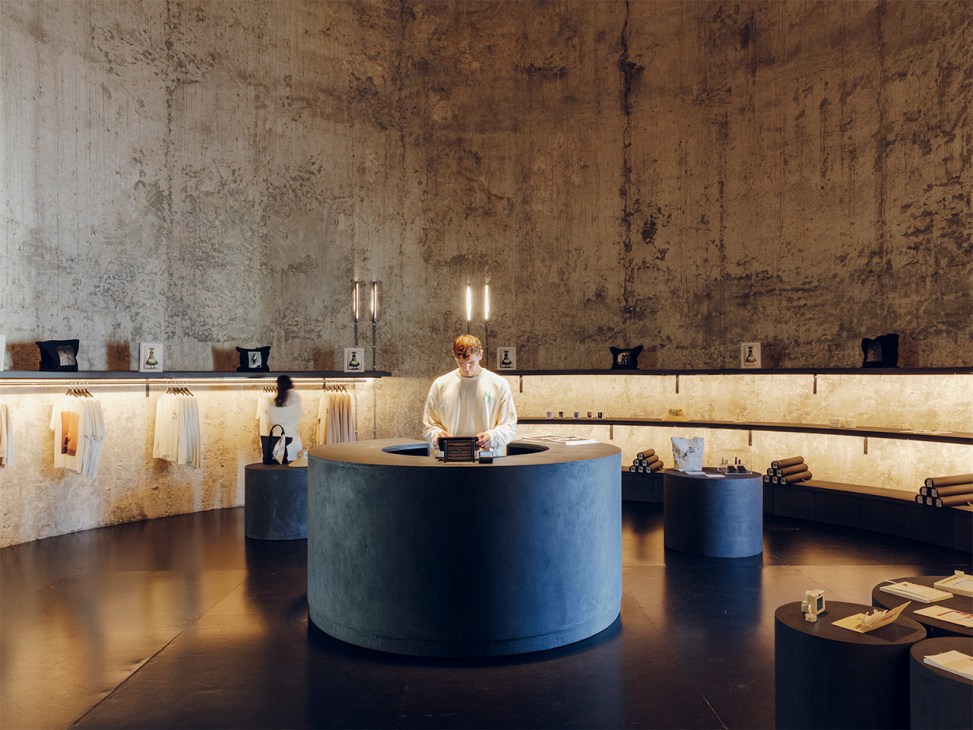
Part of that future is visible in the form of the Marta Ortega Pérez (MOP) Foundation, from the family behind the ever-present Inditex. It started with a temporary exhibition to celebrate the photography of Peter Lindbergh that had more than 110,000 visitors. This encouraged its founder – who is Inditex’s non-executive chairperson and successor in waiting, and, at 42, one of the world’s wealthiest women – to expand her project into a permanent fixture. It includes a library of more than 5,500 titles, accessible to a new generation of fashion-minded entrepreneurs, as well as a café and a shop. Alongside a repurposed cement factory, the exhibition space is wrapping an impressive Paolo Roversi retrospective during Monocle’s visit.
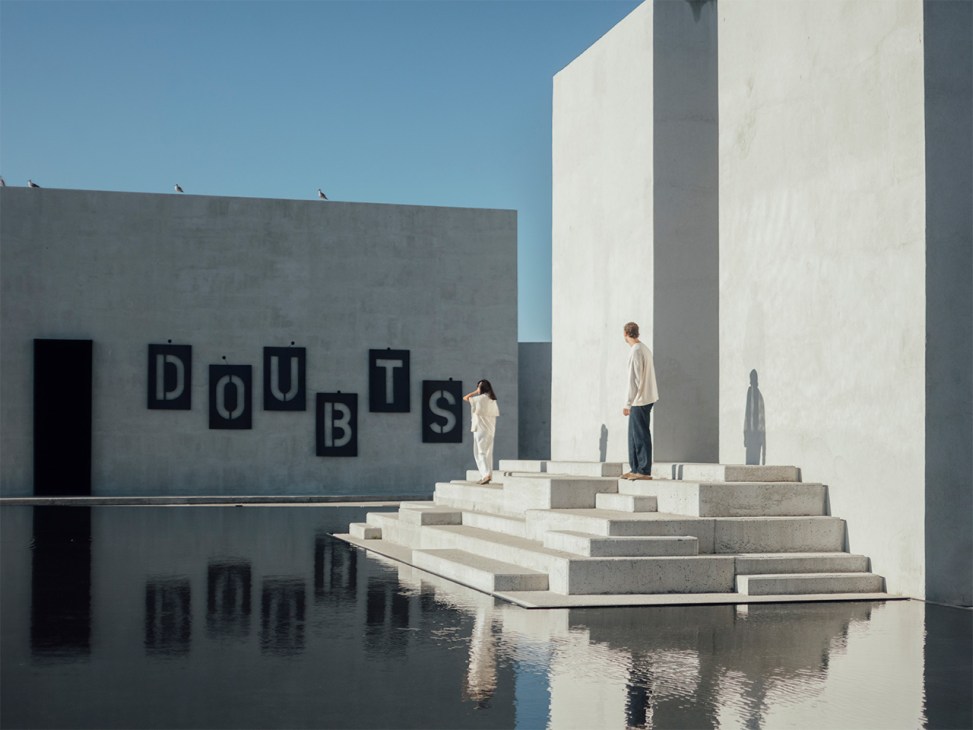
“This might be a peripheral city but it’s connected to global markets and talent,” says Blanco Bouza. In July a public-private partnership between Inditex and the A Coruña Tourism Consortium was announced, with the former investing €1.5m in boosting international flight connections to London, Lisbon, Paris and Istanbul. Typically for the firm, the announcement was low key. “Galician culture is more reserved and less given to public displays than in other parts of Spain,” says Blanco Bouza. “The Gallego is more discreet. The culture is to work hard and speak little, to let actions speak for themselves.”
This mantra is front and centre as Monocle enters the gates of Inditex. Our invitation comes with caveats slightly different from when we last visited in 2016, when photography was forbidden – an indication of Ortega Pérez’s open style of stewardship, though information is still offered as background only, no direct quotes. The vast complex, interconnected by air bridges and ample corridors, reflects the scale and speed at which Zara functions.


Zara is renowned for dropping two collections into its worldwide network of shops every week. Lesser known is the creative process behind the clothing or the way that young designers from across the globe rely on experienced Galician seamstresses. We see people with tape measures slung over their shoulders printing shirt patterns onto paper and adjusting them on mannequins. The space feels more like a university – combining hand-sewn with hi-tech – than a retail juggernaut. Recent visitors include Anna Wintour, Luca Guadagnino and John Galliano, underlining its pull as a place for talent and ideas, as well as speedy production and mass-market dominance.
Back in the city centre, A Coruña’s subtle transformation continues. Marcos López Blanco and Agustín Álvarez González head up Ismo, a project that enlists teams of craftspeople to restore heritage buildings. “Part of the change in the city is coming from summer travellers seeking destinations with less scorching heat,” says González. Both see the restorative work as an obligation to their city but there is criticism from some corners about the place changing beyond recognition. “It’s manageable just as it is,” says González. To assuage anxieties around cost-of-living pressures, A Coruña’s mayor, Inés Rey, announced a cap on rental prices. There have been investments in the bus network and a new regional station to address the traffic too.


One of Deloga’s projects involves the plaza in front of a former four-storey retailer from 1911, a collaboration with UK property investor and developer Brodee, which acquired the building in June. The purchase came with a promise to restore the building and surrounding streets and plaza. “There’s a human scale to the city that is attractive for life and business,” says Brodee founder Daniel Brownlee, pointing to the city’s retail backbone. “People talk about the region’s insular character but having a personal connection [his wife is Spanish], I always found that I was very welcome. There’s attention to detail, a quality in the response.”
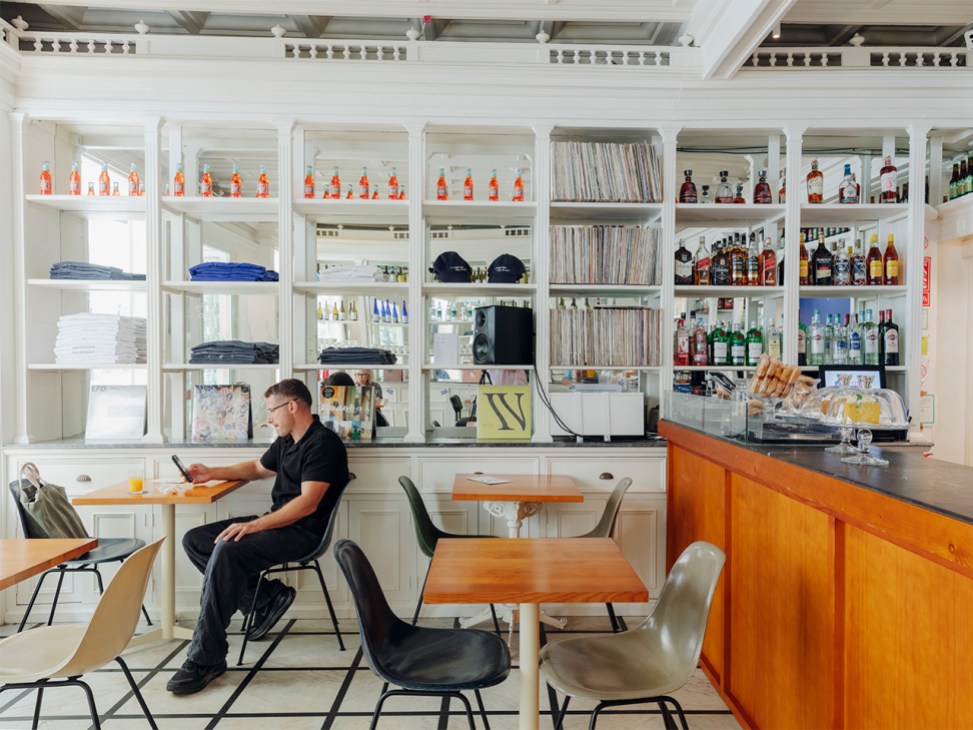
Next to the building, in the San Andrés plaza, Marta Expósito has just opened New York-inspired pizzeria Los Fortuna with her partner, Manuel Paz. Their background in branding helped them to open successful bars and restaurants in Mallorca but they recently returned to their native Galicia. “Many of the places opening up are just younger renditions of the businesses that have always coloured the streets of A Coruña: bars, cafeterias, shops,” says Expósito.
Beneath its humbleness, the city takes pride in living well while never making a song and dance about it. For businesses, this level-headedness offers confidence and stability. Another local adage casts a playful light on its character. “As Vigo works,” the saying goes, “Pontevedra sleeps, Santiago prays and A Coruña has fun.”
Three things to help you make it in Galicia
Key industries
The region is home to wood supplier Finsa. Retail and fashion giant Inditex shores up the textile industry. There’s a growing technology sector, thanks to respected university UDC and Inditex-adjacent services. Food brands such as Bonilla a la Vista crisps have crunched their way into international markets.
Doing business
A common gripe is the time lag and poor co-ordination when it comes to securing building and business licences. A fast-track electronic system allows you to register companies in 24 hours but a multi-licence project can take several months. Proficiency in Spanish or Gallego, which has co-official status in the region, is recommended.
Looking to the future
The MOP Foundation highlights an appetite for art. Tourism is on the rise, coupled with the port redevelopment, so the city will demand more design, construction and service industries soon. It also needs more green spaces.
Correction, 7 October 2026: An earlier version of this article stated that Gallego was a local dialect. The article has been updated to reflect that it is its own language with co-official status in Galicia.