How Cathay Pacific is rebuilding its global network, according to its top pilot
After years in the air, Cathay Pacific’s flight operations director Chris Kempis knows what modern airlines need from their hands-on pilots – navigating everything from bad weather to unexpected tariffs.
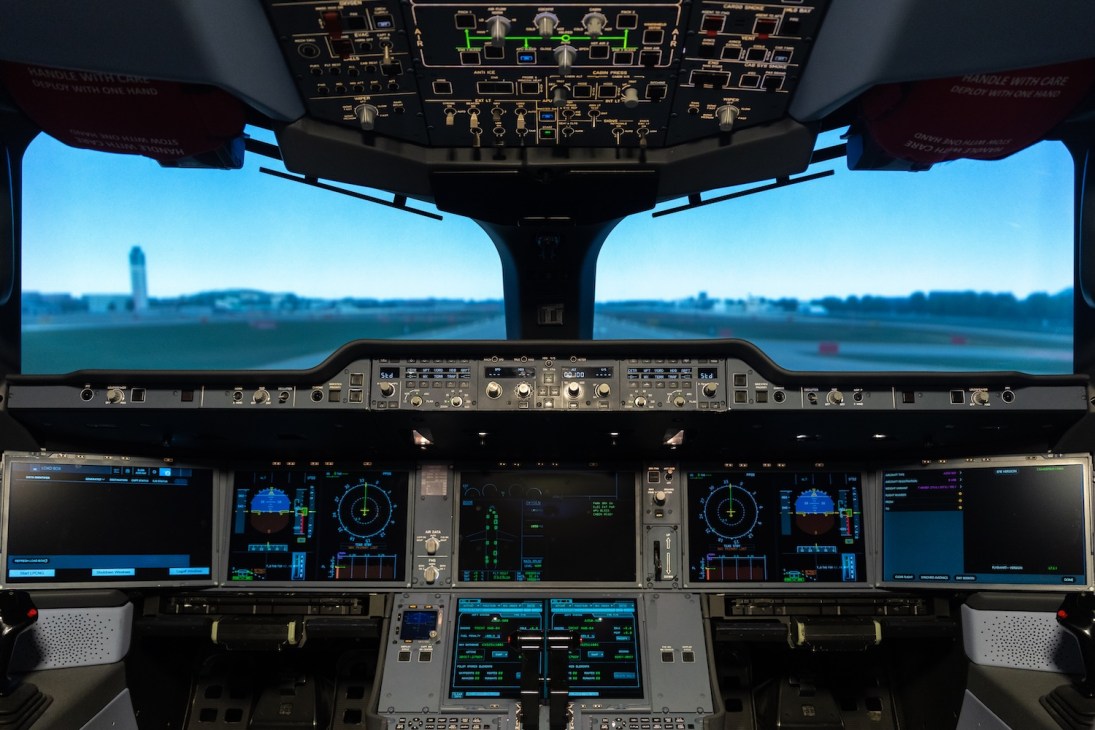
Inside Cathay Pacific’s latest Airbus a350-900 flight simulator, captain Chris Kempis adjusts the controls with an easy familiarity, toggling the view from day to dusk and into night. The British-born pilot-turned-board member has spent more than three decades with Hong Kong’s de-facto flag carrier. During this time, he’s flown, managed and now oversees its flight-operations strategy from Cathay City – the airline’s headquarters near Hong Kong International Airport.
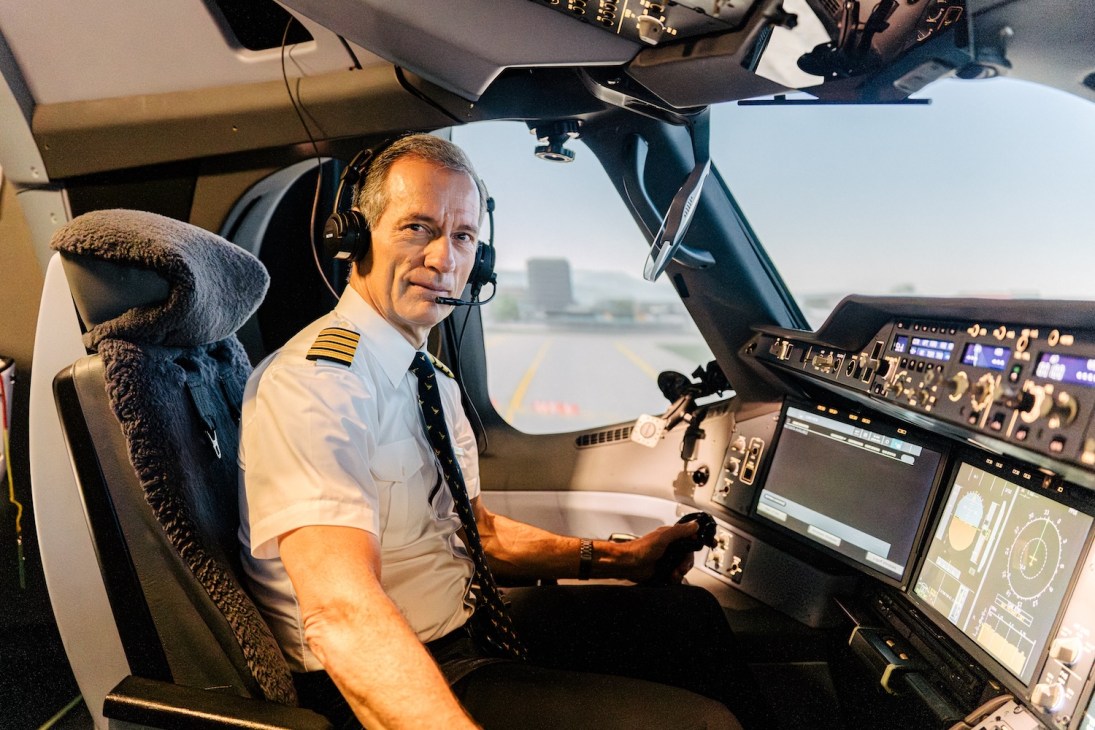
One of the world’s leading airlines, Cathay Pacific is flying high again after a disruptive pandemic. More than 20 destinations were launched or restored in 2025, from Adelaide to Ürümqi, bringing the passenger network to more than 100 destinations. A new business-class suite is being rolled out across the fleet and a first class will be launched alongside delivery of Boeing’s new 777-9s. As well as the airline’s network rebuild, Kempis is helping to roll out new tools to shape how Cathay Pacific’s crews work. He sat down with Monocle to discuss sharpening operations, what it takes to prepare crews and how technology is changing flight.
Guide us through a typical day…
No day is ever the same: aviation is dynamic. A tariff decision in the US may affect routes or geopolitical tensions in Ukraine and the Middle East; extreme weather is now a bigger challenge or it could be a new international regulation. While we are governed by the laws of aviation within Hong Kong and, to some extent, the Chinese mainland, we must still comply with other regulatory regimes, which don’t always align. Some governments have very close relationships with their airlines, making the global playing field uneven. If there was a greater degree of harmonisation across different jurisdictions it would make our job easier.
Speaking of extreme weather, how do you prepare for a typhoon?
When Typhoon Ragasa came through in September [2025], it was the biggest to hit Hong Kong since Mangkhut in 2018. The first step is establishing certainty: is it really coming, and how close? We rely on weather models from Japan, Hong Kong, Europe, the US and China, and once they all align, we can start planning two to four days out. From there, it becomes a timing exercise. Can we keep operating and if not, for how long? Which longhaul flights can still arrive safely? When can the first departures resume?
Typhoon Ragasa threatened to shut the airport for 36 hours…
For Ragasa, aircraft parking was the main challenge. With a long closure window, too many aircraft would be stuck in Hong Kong. We work out how many we can safely keep here, where to park them, even adding fuel to make them heavier. The rest we try to move out. For the first time, Cathay Pacific worked with its global team to secure parking across airports around Southeast Asia and the Chinese mainland. I thought that we might be offered 10 or 15 slots. They came back asking, “How many do you want: 45, 50?” As Ragasa approached, we had aircraft heading into Wuhan, Fuzhou and Shanghai, lined up like a co-ordinated military operation. It was remarkable teamwork.
What does pilot recruitment look like in 2026?
The biggest number that we’re recruiting for is at the cadet level. There’s a 13 to 18 month lead time for training and we’re seeing the results of that now. The last of this big wave comes through next year, then we move back to a steadier state of about 180 to 200 pilots a year. The biggest challenge has been making sure we have enough pilots trained on the right aircraft to match route demand. You can’t rush it. We’re also looking more broadly for talent. Mainland China is a key source and we now have about 60 cadets recruited from the mainland who compete on equal terms with applicants from Hong Kong and elsewhere.
How do new cadets compare to when you first got your wings?
The fundamentals haven’t changed. Pilots need to be fit and medically sound – it’s a demanding job. We want people who’ve always looked at aircraft and thought, “I want to fly that.” What has changed is technology: aircrafts are incredibly automated now. You need someone who can bridge the technical and digital aspects of flying but also have the “old days” skills of handling an aircraft.
How is flying changing?
It’s been incredible to see how much more reliable automation on aircraft has become. A big innovation for us is the Electronic Flight Folder, developed in-house. It replaces a 12-page paper flight plan with a digital, real-time tool on the iPad. It tracks fuel, routes, traffic, alternative airports and turbulence reports from other aircraft. Pilots can see upcoming bumps and alert cabin crew. But as a pilot, staying current means practising take-offs and landings regularly. Automation helps but being hands-on ensures we can manage any situation safely.
Chris Kempis’s CV
Cathay Pacific
2018 to present: Director of flight operations
2016 to 2018: General manager flying
2008 to 2016: Chief pilot (Airbus)
2007 to 2008: Flying training manager (Airbus)
2004 to 2006: Deputy flying training manager (Airbus)
1993 to 2004: Airline pilot
South African Airways
1987 to 1992: Airline pilot
Falconair Ltd (South Africa)
1987 to 1987: Corporate pilot
South African Air Force
1980 to 1987: Air force pilot
This article is from Monocle’s newspaper The Hong Kong Correspondent, which is available to purchase now. In its pages, we meet the entrepreneurs going against the grain, survey fresh projects that are reshaping Central and give you a taste of what the fashionable Hong Konger is wearing about town. Plus: Monocle’s favourite places to eat, drink and be merry. Purchase your copy today.