Bump-free flights ahead? The race to find solutions for severe in-flight turbulence
Recent studies have confirmed that turbulence has intensified in the past decades, which brings the question – what can airlines do about it? Here are three possible solutions to keep your flights bump-free.
We have all experienced a few unpleasant moments mid-flight, when the seatbelt lights are turned back on and the bags in the overhead compartments start to jostle. Far rarer are cases in which turbulence causes a plane to plummet dozens of metres, as one Singapore Airlines flight did in 2024. But a recent study suggests that severe turbulence of this kind has significantly increased over the past four decades. The main culprit seems to be climate change, as wind changes and atmospheric conditions combine to create invisible pockets of rough sky. But there’s cause for optimism: new ways to tackle the problem are emerging. Here are three of the most promising.
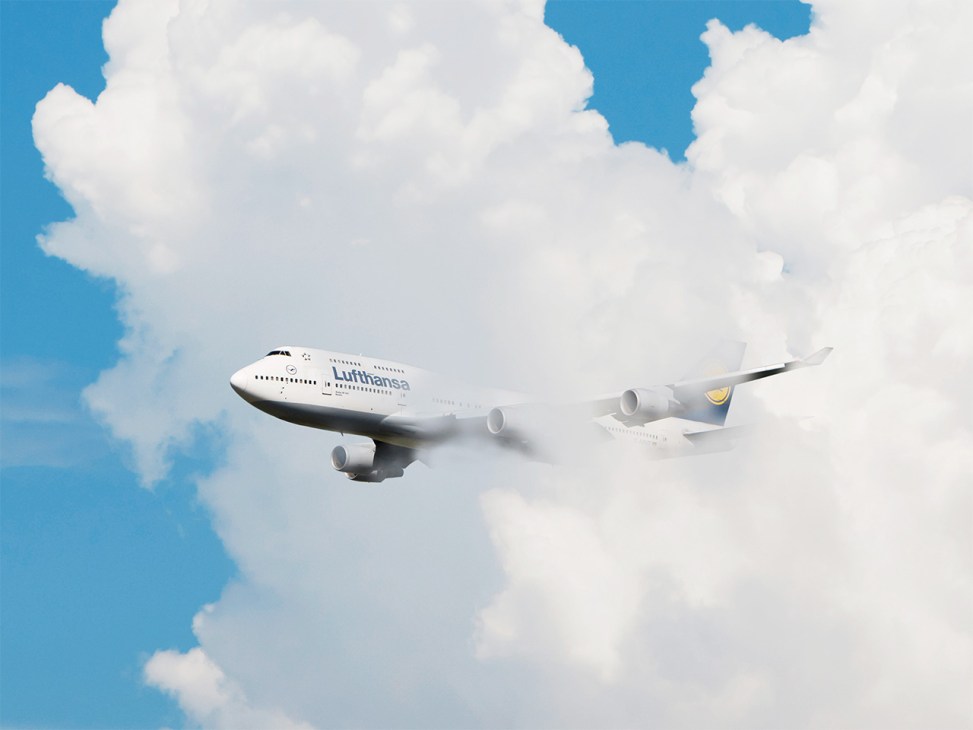
Wing flaps
These special flaps from Vienna-based technology firm Turbulence Solutions can be installed on any aircraft’s wings. Sensors collect information that help to anticipate turbulence, while fast-acting deflectors work to suppress it, reducing the G-force felt by passengers.
Listen to an interview with the CEO of Turbulence Solutions
Data gathering
An ambitious initiative from the International Air Transport Association aims to create a live resource on flight conditions that aircraft can tap into wherever they are. Participating planes – which include those of major airlines such as British Airways and Lufthansa – transmit data to a centralised database about the state of the air that they are passing through, along with their precise location. The resulting information can be displayed in the cockpit, supplementing traditional weather data.
Infrasound microphone
Nasa has developed a microphone that can detect infrasound frequencies associated with clear-air turbulence that are too low to be heard by the human ear. Results from in-flight testing have so far been positive: the microphone has been able to isolate the frequencies hundreds of miles away.