Lessons learnt
With public spaces shuttered and a third of the world in lockdown, coronavirus has fundamentally altered how we do business. But change isn’t always bad. Here are some positive takehomes.
1.
Businesses need to be nimble
It’s a truism that businesses must learn to roll with the punches. But, wow, some unexpected uppercuts have landed in 2020. Disruption has beset absolutely everything, from the supply chain to getting into the office. But wait, there’s hope. Look at the textile factories making masks when we needed them most, the perfumers turning their hands to sanitisers or the restaurants that now deliver. Many businesses will have learnt how to regroup at speed in a time of crisis and dodged a knockout blow while they’re at it.
2.
Small, traceable supply chains work
This means knowing the fisherman who supplies your restaurant and the mill that makes your yarn. For years companies have sought savings by cutting corners and moving production to that lovely clean factory in Dhaka or Hangzhou. Despite words to the contrary, this is often about cost rather than quality. As we rethink the complexity of global supply chains, there’s an opportunity to simplify and seek options closer to home. As many businesses have learnt, those plastic components are no good stuck at customs.
3.
Business isn’t (always) fair
Some have unexpectedly won big thanks to the pandemic: supermarkets, board-game manufacturers and the soap industry, for instance, all cleaned up. But those bubbles will burst and daily life’s rhythm and rituals will return in time. Sadly, some honest independents who couldn’t keep it together when their shop shut will fade and our cities will be worse off for a while. Still, we’ll appreciate the survivors all the more. And we can’t wait to see entrepreneurs bouncing back with more robust businesses.
4.
We all need support
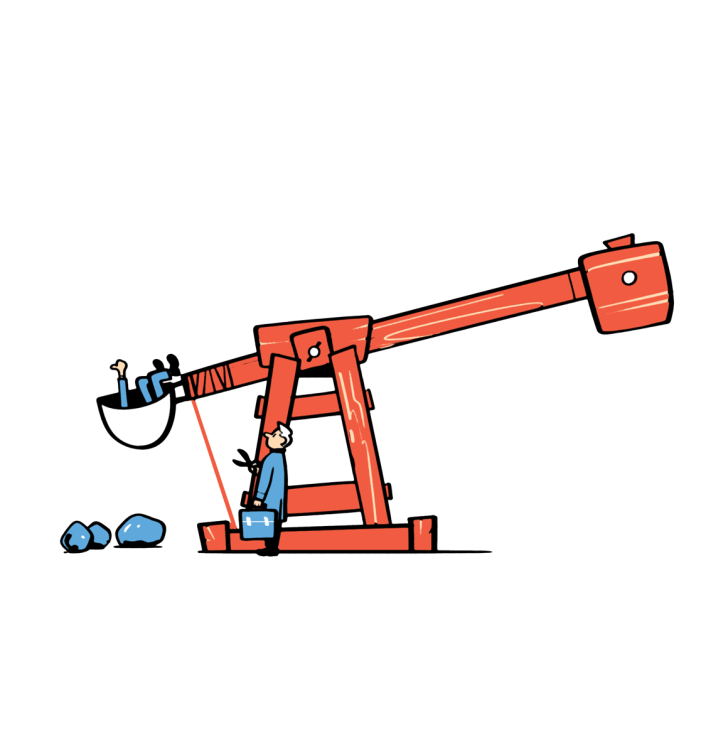
One thing many people, from one-person shows to CEOs, have seen is who’s on their side: from family to employees and lenders to board members – even governments. Tough times show who’s pulling in the right direction (and whose two cents you could keep for petty cash). We’ve also been humbled by the once-great beasts of business needing bailouts. Let’s stay grounded moving forward.
5.
Speak up (with something to say)
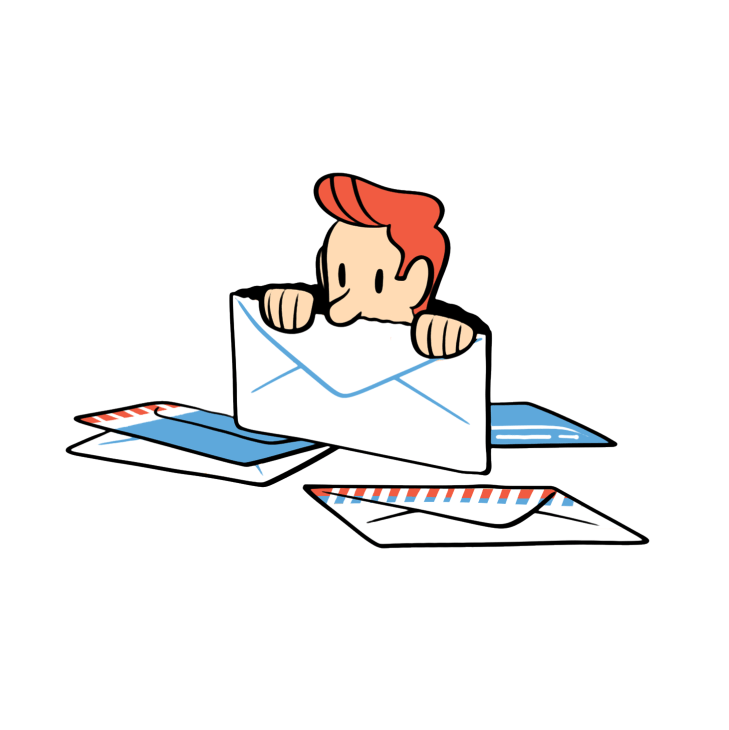
There’s a time to tell your brand story but only speak when you’ve got something to say. In times of crisis we’re realising which brands we need and which we could live without. Not everyone needs a newsletter. It’s heartening to hear how the local bakery is donating profits to carers or that the family-owned furniture company is pulling through on its orders; less so that this company or that is thinking about making ventilators (often just to get their name out, we suspect). Also, if you’ve made your career running a successful clothing brand, then there’s a good chance your hunch about epidemiology isn’t that important.
6.
Face-to-face is vital
Technology has promised to take away the need for a physical office but being on lockdown has taught many of us that we need proximity. Hard as we’ve wished for it, our own homes haven’t simulated a sparky social space and video calls haven’t been a substitute for real conversation. Remote working can be less efficient and lacks the creative energy of being together. There’s space for a rethink. Do we all need to come into the office (desks are expensive)? Do we all need to be in every day (presenteeism isn’t ideal either)? Let the rebalancing begin but don’t forget: some things need to be said, sold or solved in person.
7.
Bring back privacy
Who would want to have a stranger in the kitchen? Get into a pooled taxi or even share door handles with the flat downstairs? Car, office and home ownership were all being challenged until recently but the pandemic has revealed some of the shortcomings of sharing. Things are a little more precarious for you if you opted for co-working or co-living arrangements or for public transport instead of a safe and secure four-by-four. What was once seen as wasteful, unsustainable and self-serving in big cities is now proving vital to safety and independence. Expect the fallout of this crisis to include a customer who still values some privacy. Shares in the sharing industry are down.

8.
The news renews, part one
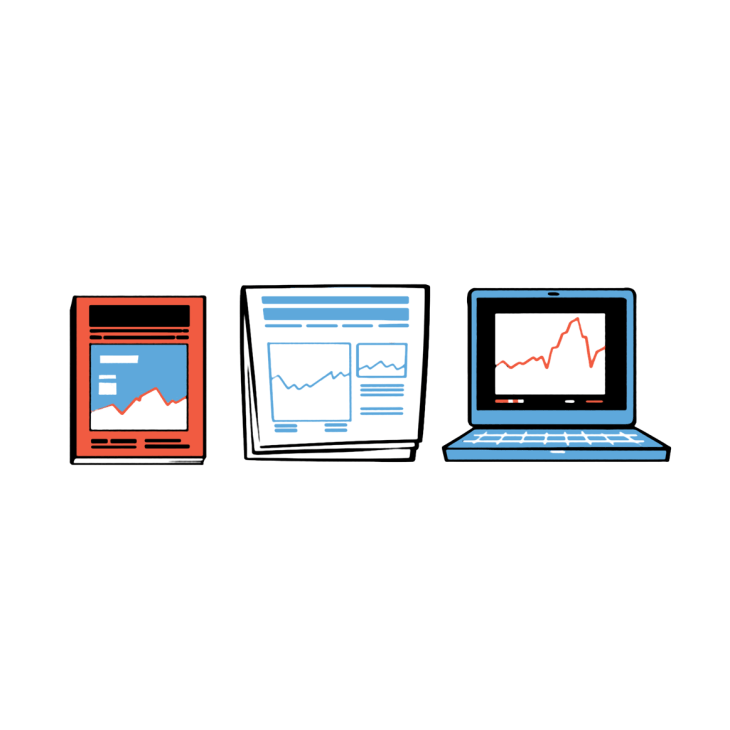
One thing that the outbreak has confirmed is that media matters: magazines, newspapers and TV news are still important for cutting through the fuss and fake headlines, and keeping us informed. There’s still great value in accurate and robust journalism. Sadly ad revenues have fallen, which means that another lifeline for a shrinking industry has been withdrawn. We need a new model and companies concerned with telling the truth, spreading a message and projecting integrity should be stumping up now to help fund the fight.
9.
The news renews, part two
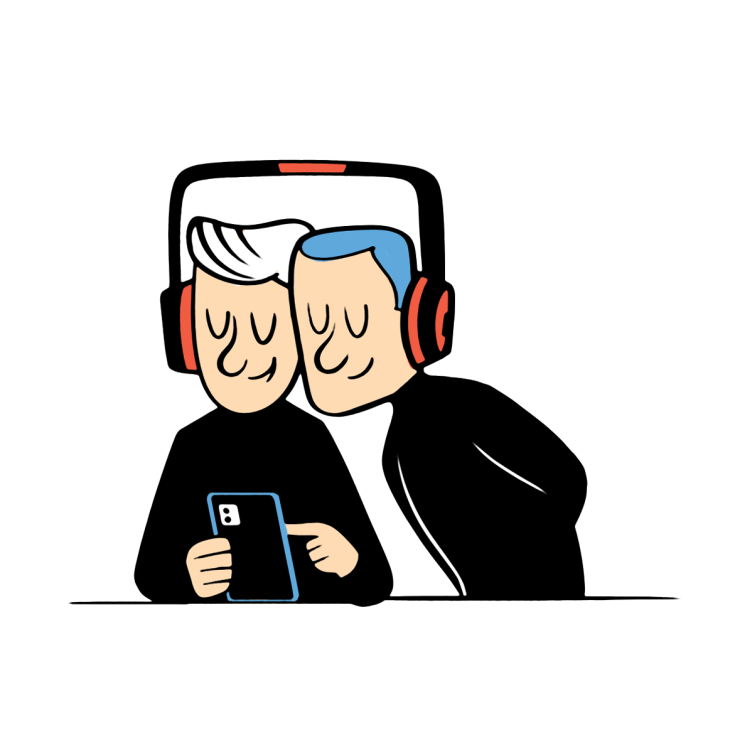
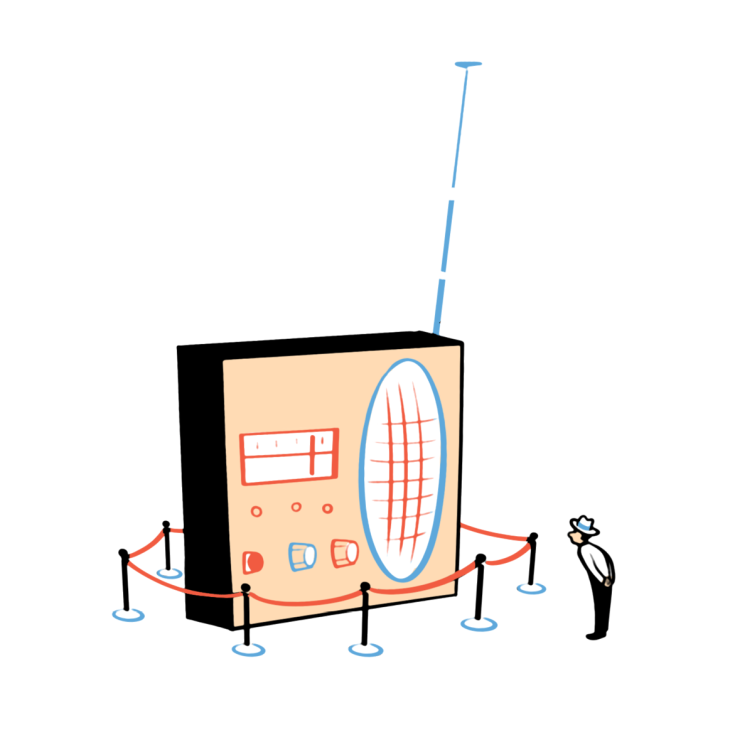
Radio has come into its own. With people feeling isolated, out of the loop and alone, many stations have found a voice and become increasingly relevant. It’s an intimate medium and brands are realising its potential. It’s often the most convincing way to take customers by the ear. There’s space for some clever broadcasts about resilient businesses bouncing back or moving interviews with people you can be inspired by. It’s a good way to get people listening – and Monocle 24’s recently relaunched programme The Entrepreneurs is a fine place to start.
10.
Pity the PR
Great PR could help your company in a crisis. That’s what you thought when you signed up to that expensive Manhattan agency. But it turns out that when tough times hit, many of the people on your payroll are churning out desperate marketing that’s a world away from the mood at HQ. We’ve also seen a nasty spate of companies being name-dropped by politicians: if you’re planning on making useful items, that’s great – but leave the marketing bit until afterwards. At their best, PR folks turn tough times into opportunities but these are the times that prove their mettle.

11.
Be honest
Things are tough for everyone so don’t be a martyr: level with people but don’t beg. Some firms have struggled and sought help and found it, others have buckled before reaching out. It’s OK to sincerely stress that you need support. We’ve seen amazing examples of people stepping in when owners and businesses need a boost.
12.
Micromanagement doesn’t work
It was hard enough monitoring what delicate David with the mint-tea fascination was doing all day in the office, it’s impossible now that he works from home. Trust that this will come out in the wash and focus on the headlines. Every second spent sweating the small stuff is a distraction from staying in the black. Now is the time for your colleagues to swing into action and take these minor concerns off your plate.
13.
Working from home is OK…
It’s not an emphatic lesson – but it’s not an emphatic feeling either: working from home is fine not fantastic. What many have noticed, though, as the workday creeps closer to both dawn and dusk is that it tends to heighten our feelings about work, the feeling of whether we love or hate what we do. If you’re in the latter camp then now is a great time to recast the way you work and rethink the kind of company you want to run and if you’re in the right business at all.
14.
Have cash
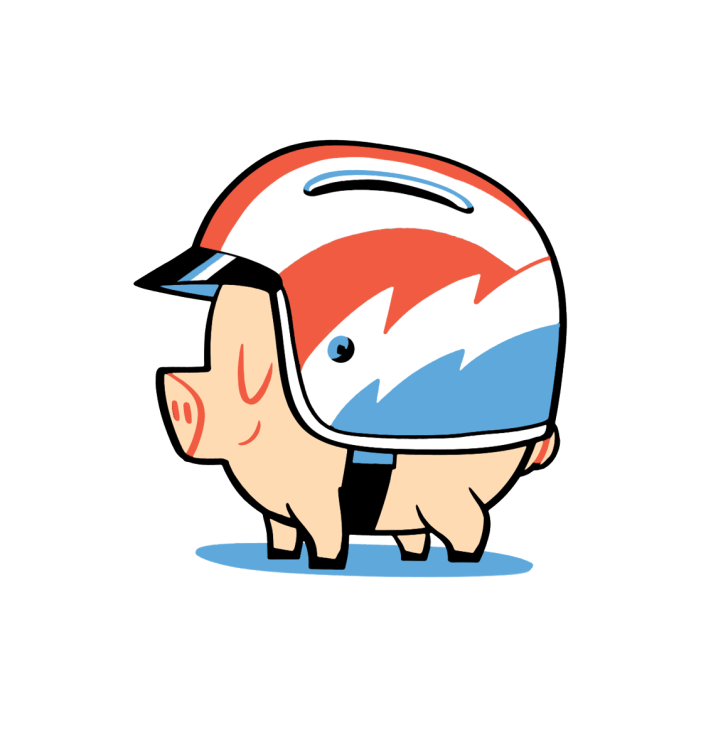
If you didn’t realise why you needed some assets set aside to weather the storm then the thunderous disruption of the pandemic will have set you straight. The boring folks with back-up plans who always say “yes” to the optional insurance and don’t drain their current accounts at the end of each month have been proven resolutely right. We’ve always advised being bold but some savings are necessary too.
15.
Being nice helps
A little kindness (to employees, a charity, each other) goes a long way when the chips are down and things are uncertain. Everybody from director to intern has noticed that humanity is vital during uncertain and hard-to-fathom times, so it’s all right to let the hierarchy slip a little (rest assured, they haven’t forgotten you’re the boss). Let’s hope that we remember this when we’re out on the other side – employees who were treated fairly and humanely now will be loyal when you need them.

16.
Targeting the home won big
From allowing those fitness firms to eye up your puny home gym (see issue 133) to ordering those window boxes, that wine by the crate and even the outdoor furniture that you recently splashed out on, many of us now appreciate nesting as the virus has meant more time at home for most. We’ve repainted, bought new pictures and fluffed every pillow a thousand times and all those people bemoaning the blight of home-delivery services have been rather quiet recently.
17.
Small businesses really do make neighbourhoods
It could have sounded twee in January to say that baristas hold communities together – but they do. So do small hardware shops and wine bars that have seats on which to snack. The whole verve of urban life has been lost as high-street shops shuttered and social distancing strode on. Things will return to normal: cafés are quiet, rather than extinct – but they have been sorely missed.
18.
We miss trade fairs
Those of us who work at Monocle know that there’s at least one must-visit trade fair in the diary every month that’s essential to understanding the health of a particular industry and its place in the world. Whether they cater for watches at Baselworld or Geneva, furniture in Milan or Köln, or art in London or Miami, trade fairs work. They’re the lifeblood of industries, facilitating the pencilling in of deals for the year to come. An email doesn’t suffice: you can’t place big orders or buy art on a screen. We miss these trade fairs and we need them back.
19.
We miss travel
The internet is vast but feels very small, especially when you spend more time in its company. The same few boring memes and headlines seem to crop up with dull regularity and we realise that despite the endless possibility of the web, most of us reside in a rather dinky echo chamber. We should remember this when we’re out and about again and the travel bans have lifted. All too often the internet offers a narrow view. Real insight comes from meeting people, exchanging ideas, being present and seeking answers (not googling them). Here’s to getting back out there.
20.
Business will look different afterwards
You don’t know what you’ve got ’til it’s gone. Without going too Joni Mitchell, the pandemic has put things in perspective and shown which businesses are there for personal gain and which can benefit customers and the community. If you panicked, sacked everyone and hoarded the profits for yourself without paying suppliers then that’s a real shame – and people will remember.
21.
Influencers aren’t good in a crisis
It sounds like a cheap shot (and yes, maybe it is) but as the world turned in an unexpected direction a lot of these preening, self-obsessed “brand ambassadors” became instantly irrelevant and lots more of them disappeared. We’ve long questioned the wisdom – and, more importantly, integrity – of the influencer model and maybe a deep intake of breath was what companies needed to realise that online tutorials, dubious endorsements and paid-for posts aren’t a panacea for the ills of lazy marketing. Maybe there’s even hope for a little more creativity in the world of advertising? Fingers crossed that this is a wake-up call for canny campaigning that talks up to customers rather than down.
22.
Stick to your guns
You need to keep hold of your vision – it’s far too easy to throw your beliefs overboard in a storm. Don’t. If there’s one lesson that’s stuck with us it’s that things can change for the better or worse in the blink of an eye. And while you need to be quick on your feet and shrewd with it, you also need to stick to your brand and be yourself. If you don’t have that then what’s left?
23.
Not all governments are equal
When it came to backing entrepreneurs, not everyone stepped up to the plate. The state often gets bigger in a crisis but it’s telling where it throws its weight. Too little has been done to protect small businesses and too many loopholes were left open for sole traders and just-out-of-the-blocks businesses to miss out on funding and fail all too quickly.
24.
This is a time to think and rethink
This pandemic has not been fun. But some things are suddenly very clear for business leaders, such as which industries need protecting and when, which parts of the economy have been hardest hit and which areas require investment. Many firms found clarity – hopefully most of them in time to save their businesses.
25.
Shopkeepers should think again
Retail has further to fall than we thought. Lockdowns have deprived people of the high street but it turns out that a lot of its services can be fulfilled just fine by delivery. It’s a quandary but also maybe a good time to go back to the drawing board. Small retailers won’t be able to afford extortionate rents in future. So will property firms finally figure out that offering cheaper spaces to good retailers should be integral to their placemaking strategies? This approach would also lower the overheads for small businesses and encourage competition.