Inside Goldsmiths’ Hall, the 700-year-old guild still hallmarking by hand
The Goldsmiths’ Company has been in business since 1327. Its lasting secret is a room of hand-markers, apprentices and a very precise hammer.
The City of London, the financial heart of the UK, is famed for its booms and busts. Tucked away on a narrow lane off one of its busiest streets is Goldsmiths’ Hall, home of The Goldsmiths’ Company, an institution that dates back to 1327. Bound by a royal charter, it is one of the largest livery companies in the City, with more than 1,600 members, and its craft still entices apprentices today, with about 10 qualifying every year.
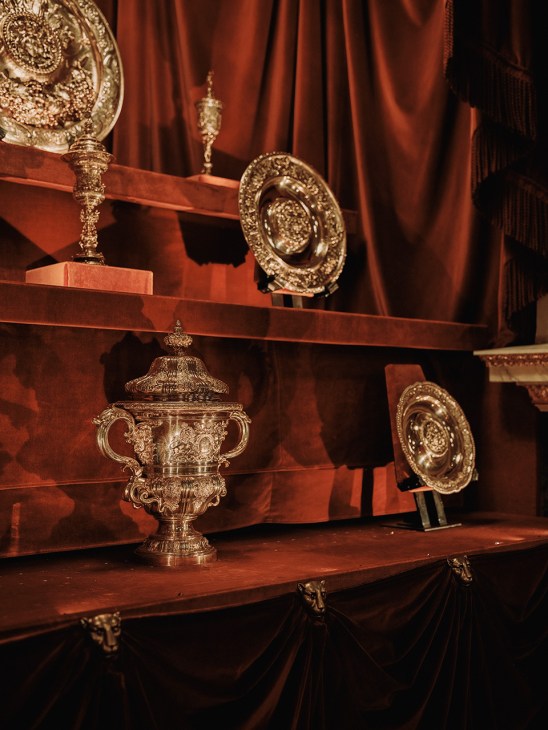
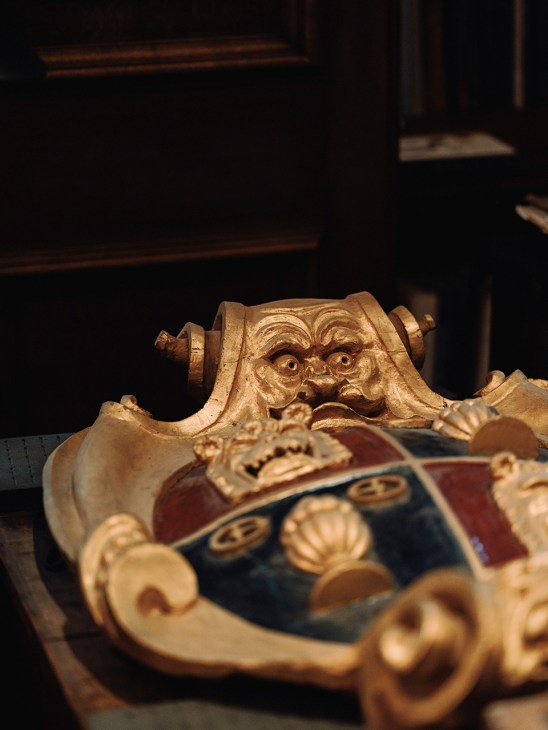
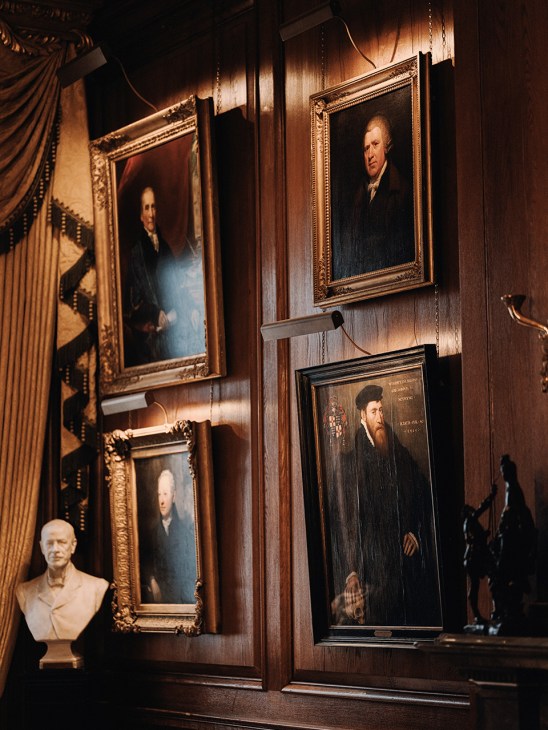
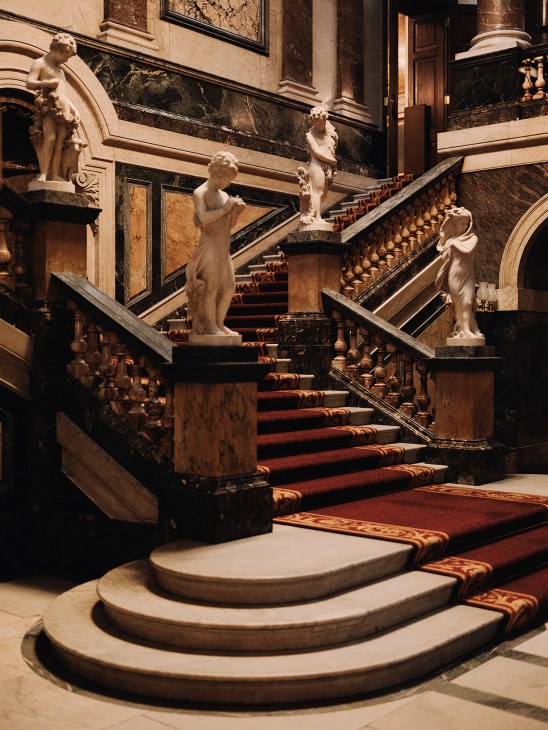
Its work is overseen from the company’s heritage-listed headquarters, a place that appears more suited to banquets than workshops. In the lobby, a portrait of King Charles III keeps watch over the staircase, which has a marble handrail dotted with statues. The first floor is a succession of grand rooms, each more gilded than the next. “A lot of emphasis goes on the gold because it’s blingy,” says Annie Warburton, the guild’s CEO and clerk. “But our true treasure is our skill.” Goldsmithing, the ancient craft in which precious metals are used to create everything from jewellery to decorative objects, is, in Warburton’s words, an art requiring “the intelligence of the hand”.



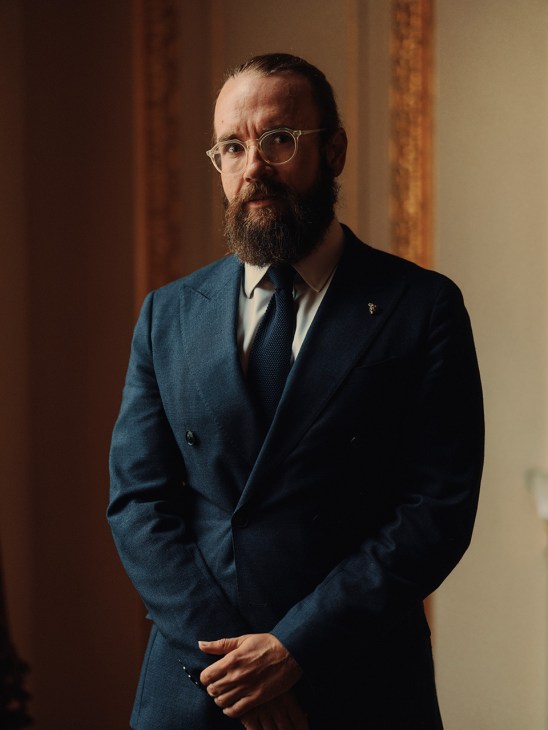
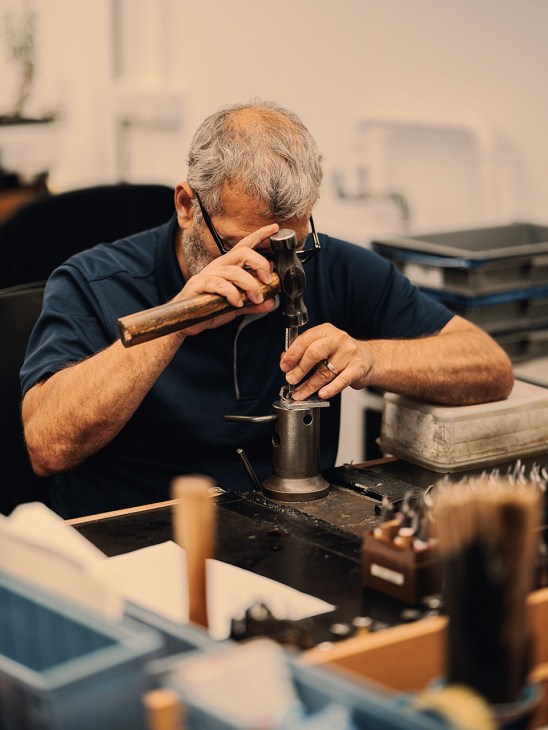
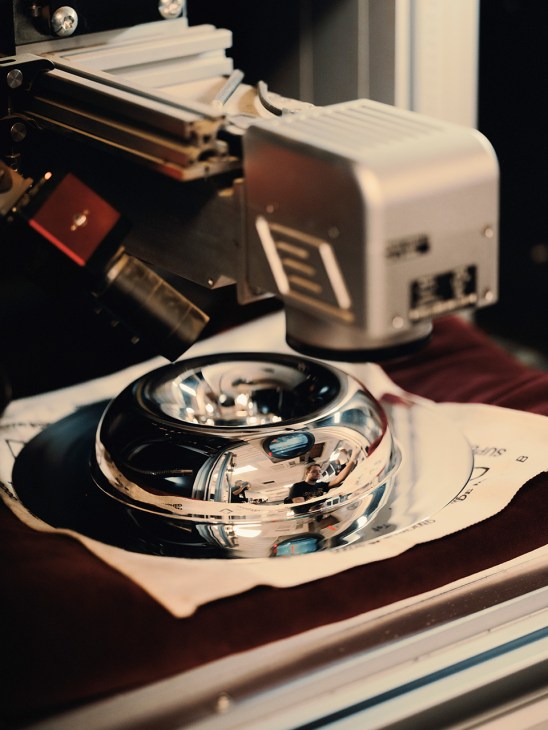
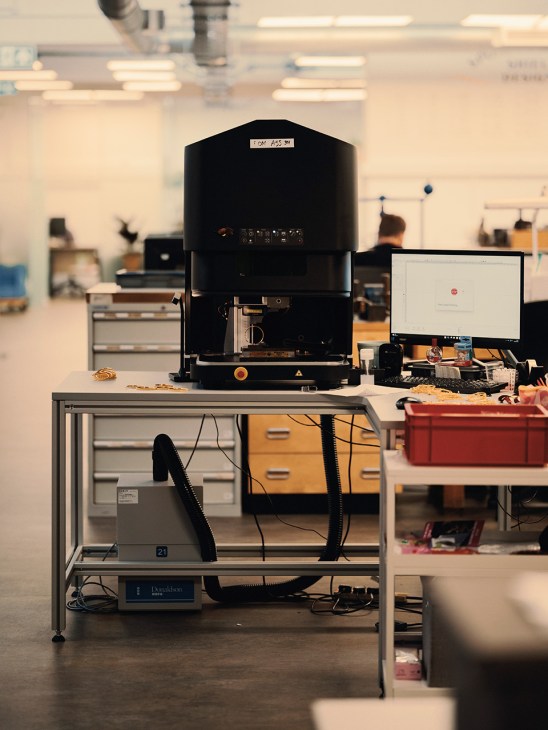
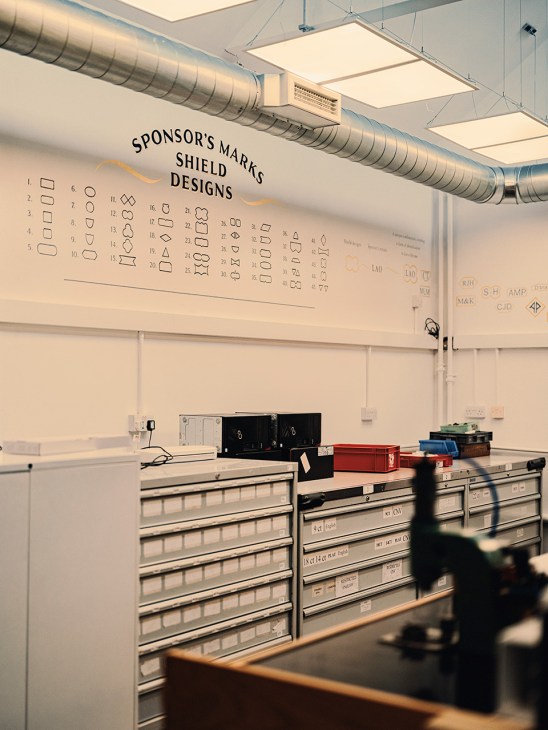
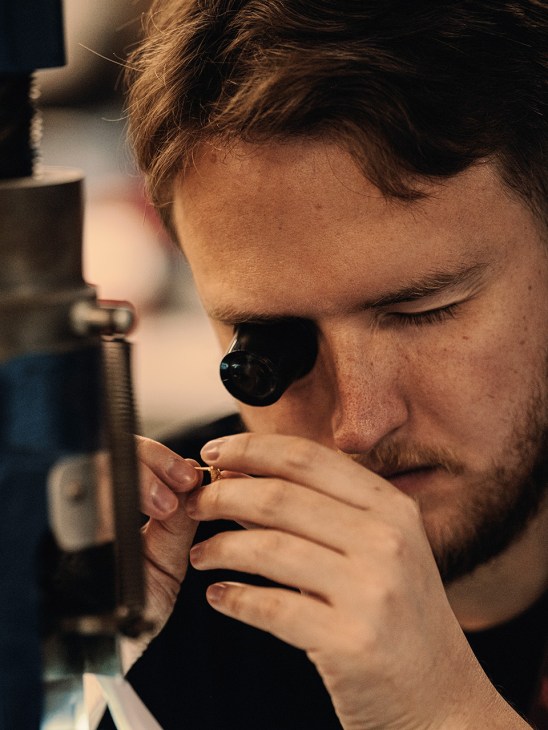
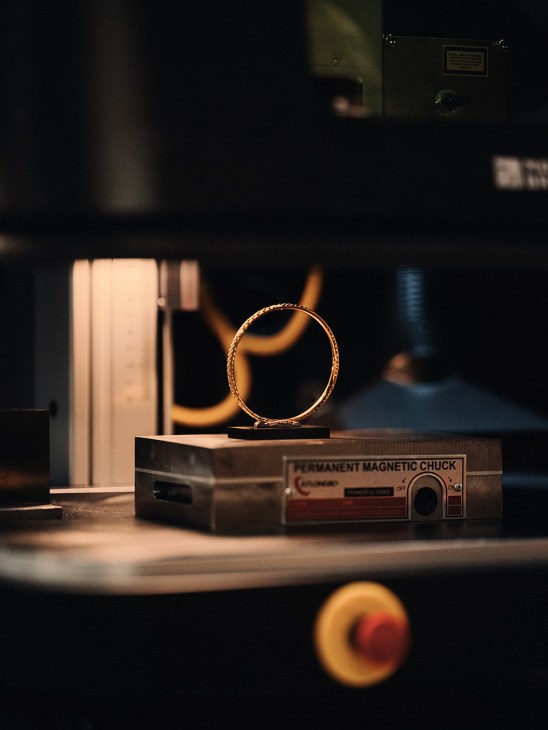

In addition to training the next generation, philanthropy has always been a precious element of the guild’s activities. The Goldsmiths’ Company’s most important tradition, however, is one that still protects its members from imitation and ensures that consumers can trust their wares: hallmarking. On the third floor is the Goldsmiths’ Company Assay Office, which tests and certifies items made from precious metals. If the office (or one of its counterparts elsewhere in the country) doesn’t mark items with a series of symbols, verifying their authenticity and quality, they cannot be legally sold. “We go from 0.5mm as our smallest mark on an earring wire up to 6mm,” says director Will Evans, who explains that these markings are often hidden. Evans has worked at the Assay Office since he was 16, starting out as a lab assistant, testing metal. It’s work that used to be done by hand but is today often carried out by X-ray machines. In the office, workers wearing loupes are sitting at desks surrounded by gleaming objects. Once the items are tested to meet standards, they are marked, typically using a laser or a fly press – but it is still often done by hand.
There are three hand-markers and two apprentices at Goldsmiths’ Hall, forming an integral part of the company’s 140-strong staff across the hall, its library and the assaying teams. The set-up exemplifies the guild system at work: professionals at the height of their abilities, teaching and working in a physical hub. Before Monocle departs, one hand-marker, Terry, is preparing to mark a ring. He holds a thin steel punch to it and, with his other hand, grips a hammer. With one swift hit, the mark appears. “How did you know how hard to hit it?” asks Evans. Terry looks up. “Practice,” he says. “Practice.”
thegoldsmiths.co.uk