‘Everything exists in the mind of the masters’: At Norway’s Boatbuilder Guild of Os, ancient craft is preserved through hands-on instruction
In this exacting Norwegian workshop, master boatmakers pass down their skills without the help of drawings.
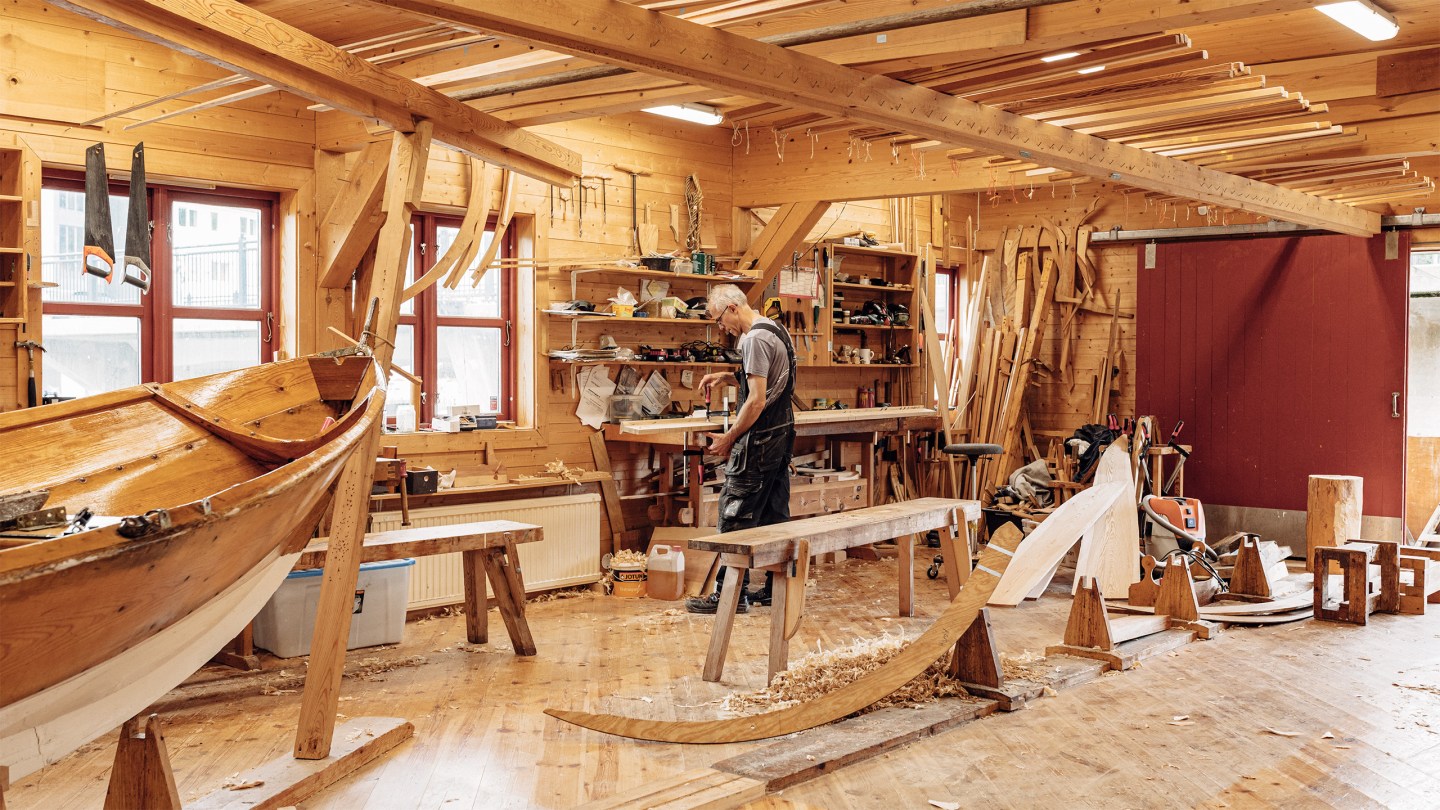
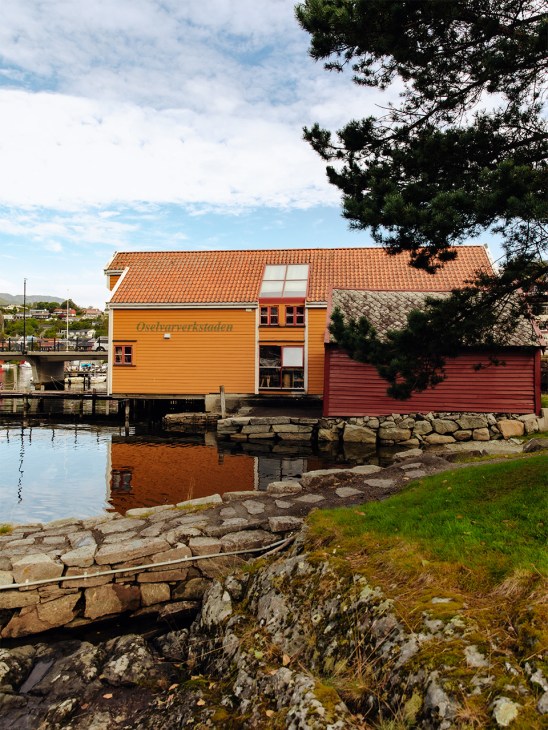
In the village of Osøyro on the waters of the Fusafjorden on Norway’s west coast sits the base of Oselvarverkstaden – the Boatbuilder Guild of Os. It’s an organisation dedicated to the craft of constructing oselvar, the region’s traditional wooden vessels. Its headquarters, a specialised boatyard and workshop, was established with funding from the regional municipality in 1997 at a time when numbers of local boatbuilders, once in the hundreds, were dropping significantly and wooden hulls were increasingly being replaced by fibreglass alternatives.
Today the centre is used for training people in the 2,000-year-old craft. Here, masters instruct apprentices while archiving their knowledge to guarantee authenticity. “We don’t use drawings,” director Vidar Langeland tells Monocle, explaining that much of the work relies on instinct and a sharp eye. “Everything exists in the mind of the masters.”
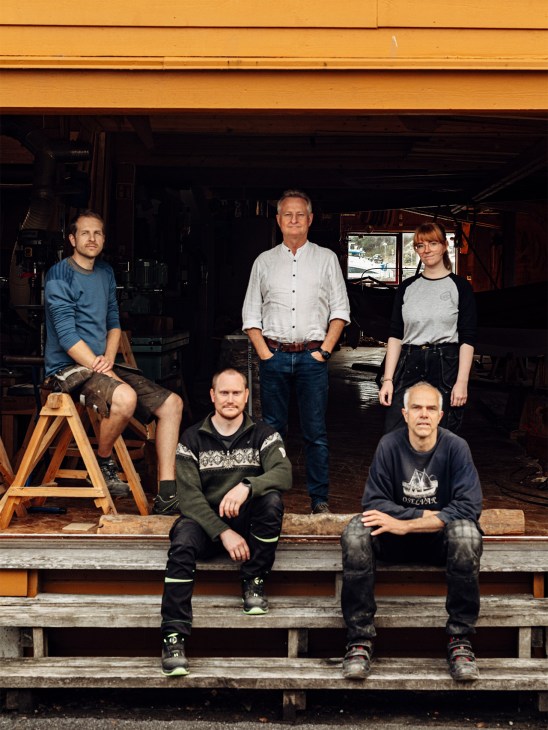
The guildhall currently hosts a five-strong team, including 27-year-old apprentice Ashley Hallén, who arrived from Stockholm searching for a hands-on career. “This is a lot more physical and, in a way, more thoughtful,” she says, comparing Oselvarverkstaden with white-collar careers. “I have more guidance here.”
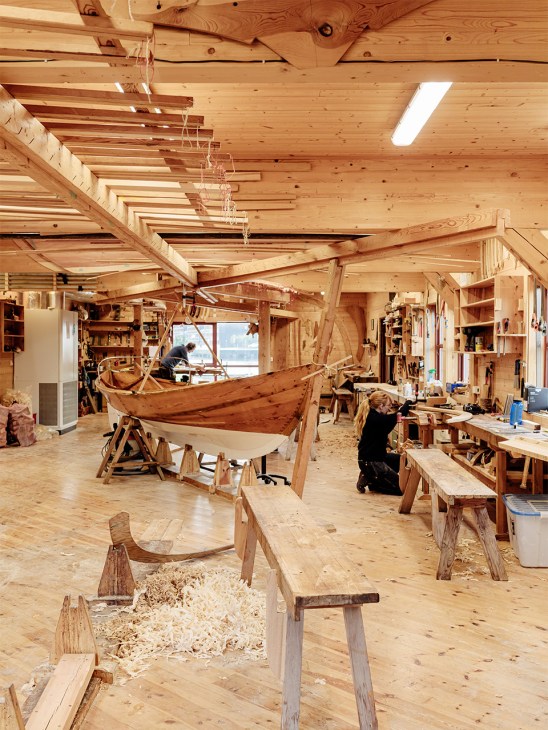
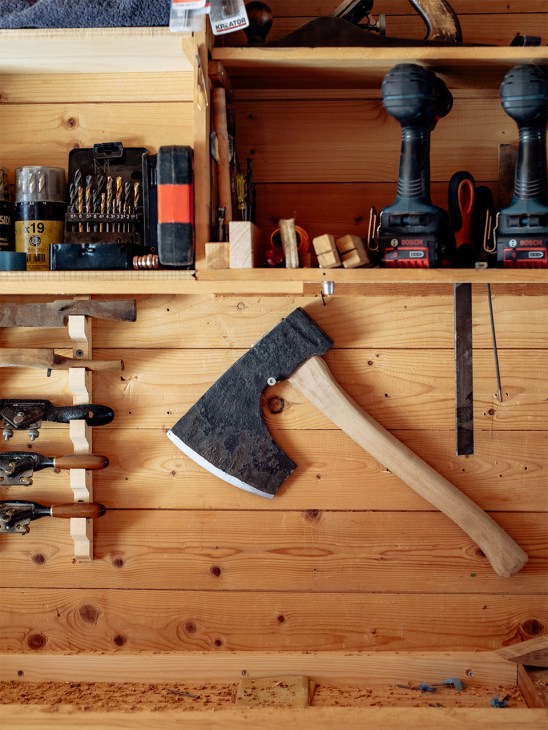
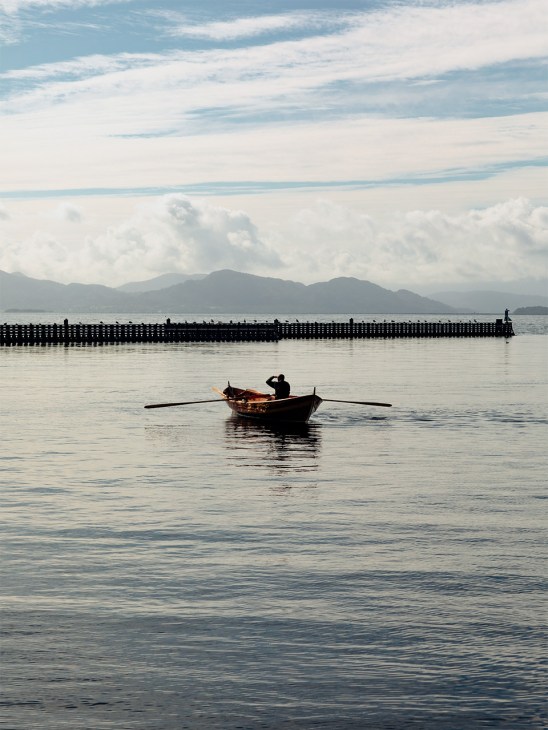
A boat can take up to 400 hours to build, so customers might wait months for a commission. But apprentices must also be patient: before learning to build vessels, they are taught how to select timber for every project and make their own tools. Many of the tools used at Oselvarverkstaden cannot be bought in a shop as they are designed for the profiles of each boat; the five models that the workshop produces are all unique.
“The differences can be almost invisible,” says Stig Salbu Henneman, the guild’s master boatbuilder. “But an experienced craftsman can recognise who made a vessel just by looking at its lines.” It’s an example of the kind of knowledge that only a guild model can provide. “The builders gather around completed boats and examine tiny variations in shape, sometimes down to fractions of an inch,” says Henneman. “It’s about quality control but it’s also another lesson for the apprentice.”
A further advantage of the guild environment is that apprentices learn many skills. They observe the entire process of building the craft, from forest to finished boat. Oselvarverkstaden’s teaching methods have not gone unnoticed: the guild has received recognition from Unesco for the safeguarding of cultural heritage. But for Henneman, the real output consists of more than just boats. “The purpose is to preserve knowledge,” he says. Though the guild might be young by international standards, it’s playing a part in protecting an old system and the idea that a skilled trade should be learnt by spending time alongside those who already know it best.
oselvarverkstaden.no