How Nokia is reinventing itself for the era of 6G and AI
Usurped as a mobile-phone superpower, the Finnish brand rang the changes and is now focusing on wireless networks – and boosting Europe’s digital security – from its new HQ.
There was a time when Nokia was synonymous with mobile phones that could withstand just about anything. In its heyday, the company ranked above the likes of McDonald’s and Google as the world’s fifth-most valuable brand and it controlled more than 40 per cent of the global mobile-phone market. Then came smartphones. The qualities that had made Nokia so successful – sturdiness, dependability – were no longer seen as key selling points. In 2013 the company hung up its mobile-phone arm, selling it to Microsoft. Many assumed that the brand would simply disappear, swept aside by flashier, shinier alternatives.
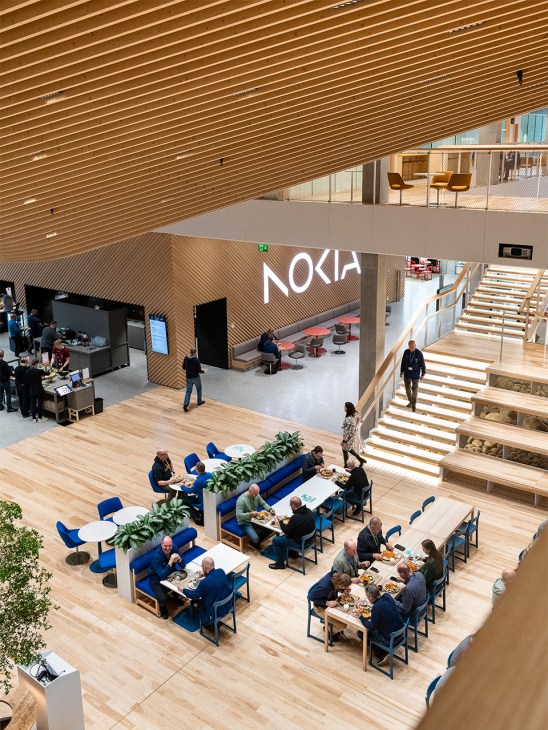
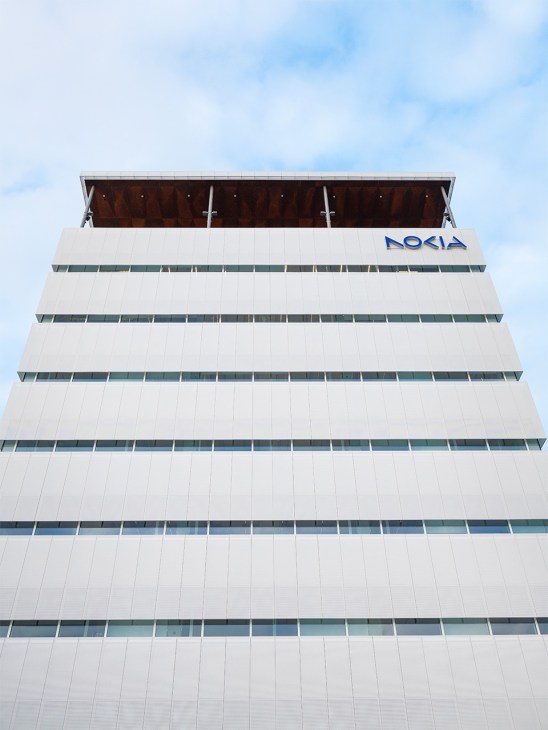
But a look around the city of Oulu in northern Finland tells another story. The business is making a comeback. Last September, Nokia opened a 55,000 sq m campus in Oulu. The goal? To cement Nokia’s pivot to communication networks, researching, developing and manufacturing wireless 5G and 6G networks.
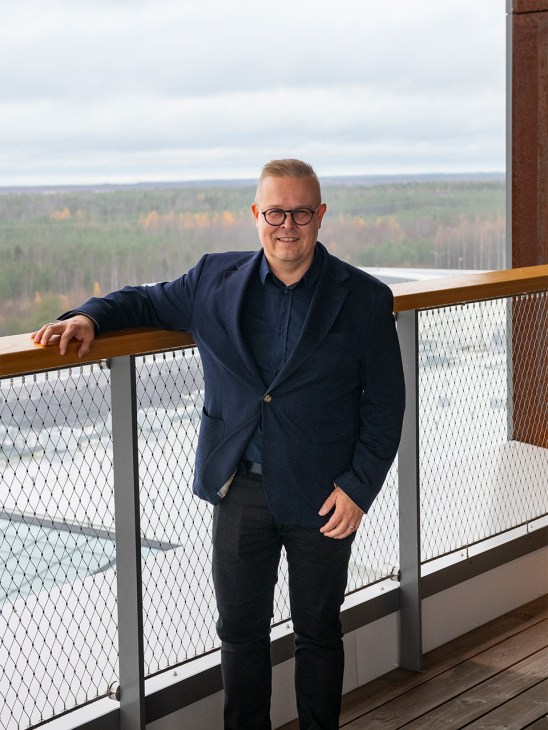
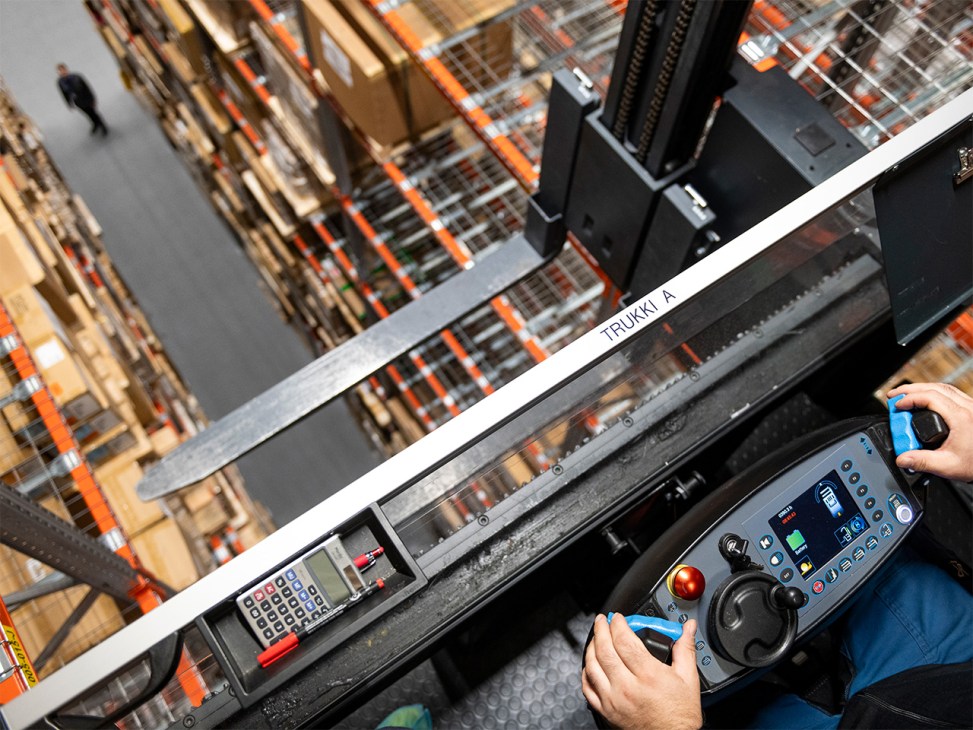
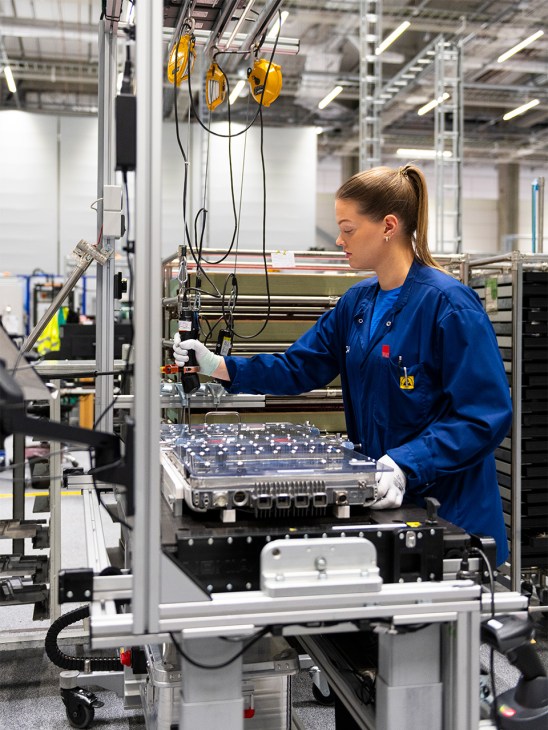
When Monocle visits, the factory floor hums with activity as autonomous robots shuttle components along the assembly line. Production specialists and engineers are working at full capacity, driven by demand from the artificial intelligence boom. “This is where we prepare for the next decade,” says Jarkko Pyykkönen, Nokia Oulu’s head. “The AI supercycle will be powered by 6G, connecting not just people but billions of intelligent machines.”
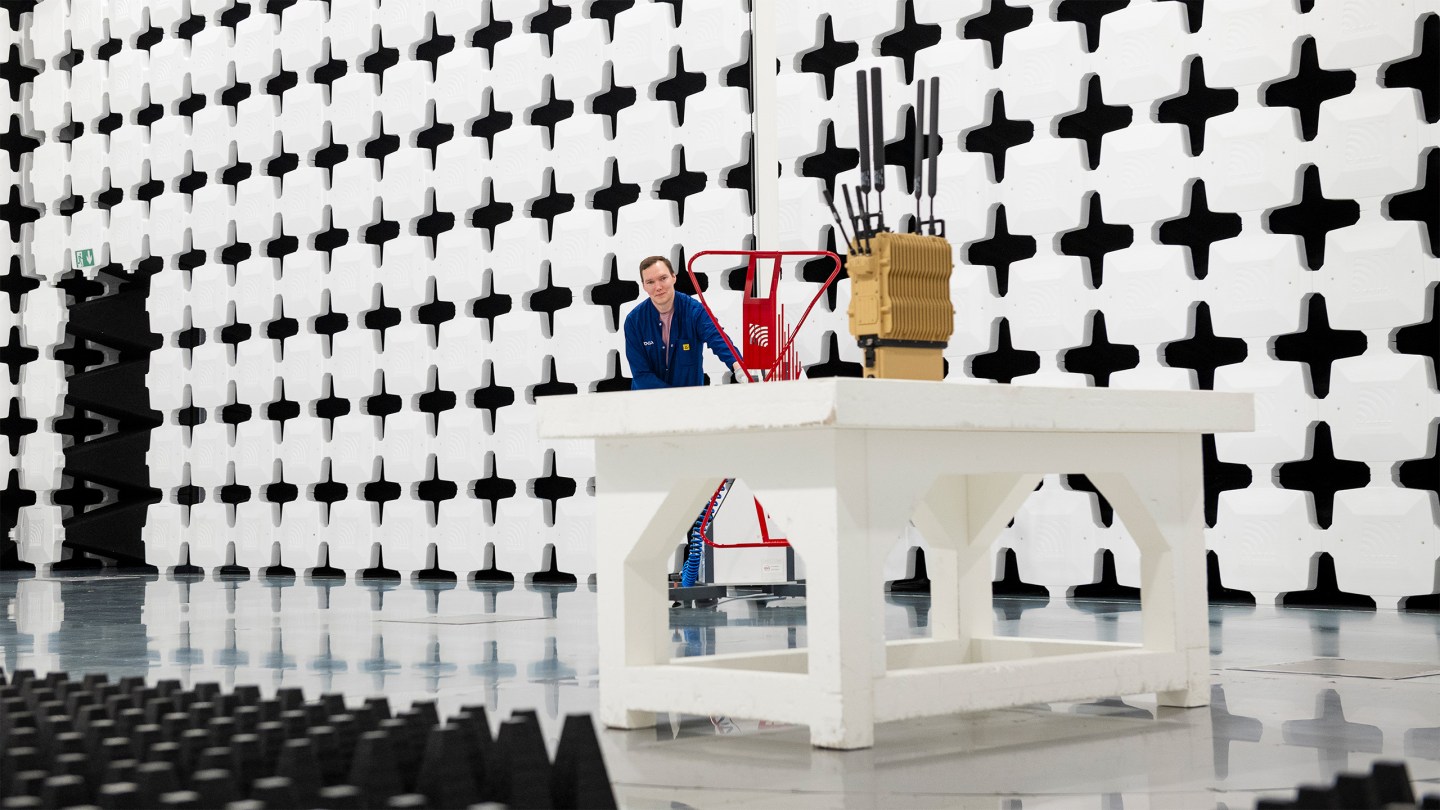
Most of Nokia’s main competitors are now Chinese. Its factory also c0-operates with the nearby Nato test centre on developing defence-grade 6G communications technology. The partnership underscores a strategic reality: the stability of Europe’s digital backbone increasingly depends on trusted network suppliers. Given Nokia’s expertise in secure radio technology – from tactical 5G “bubbles” for battlefield use to encrypted industrial networks – the company is at the heart of those conversations.
Results from 2025 were positive, with overall sales revenue at €19.9bn and year-on-year growth at 3 per cent. US chipmaker Nvidia, the world’s most valuable company, agreed a $1bn (€850m) equity investment in the Finnish firm late last year. Expectations for 2026 are high as Nokia holds thousands of 5G patents and is involved in shaping the protocols that will define future 6G networks.
Though Nokia’s days as a globally renowned phone brand are over, its next chapter could prove even more essential to the world by keeping connections secure and stable. It is, once again, a company to watch.
This article is from Monocle’s March issue, The Monocle 100, which features our editors’ favourite 100 figures, destinations, objects and ideas.
Read the rest of the issue here.