Into the fold: In an exclusive interview, Samsung’s head of design reveals what’s next for your smartphone
As Samsung launches a coveted range of foldable smartphones, Hubert Lee details what goes into designing the phones of tomorrow, as well as how foldables and AI integration are mapped into our future.
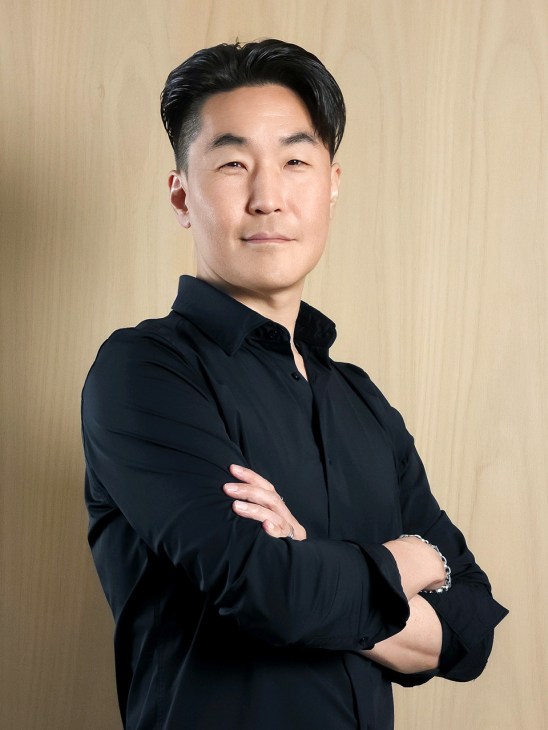
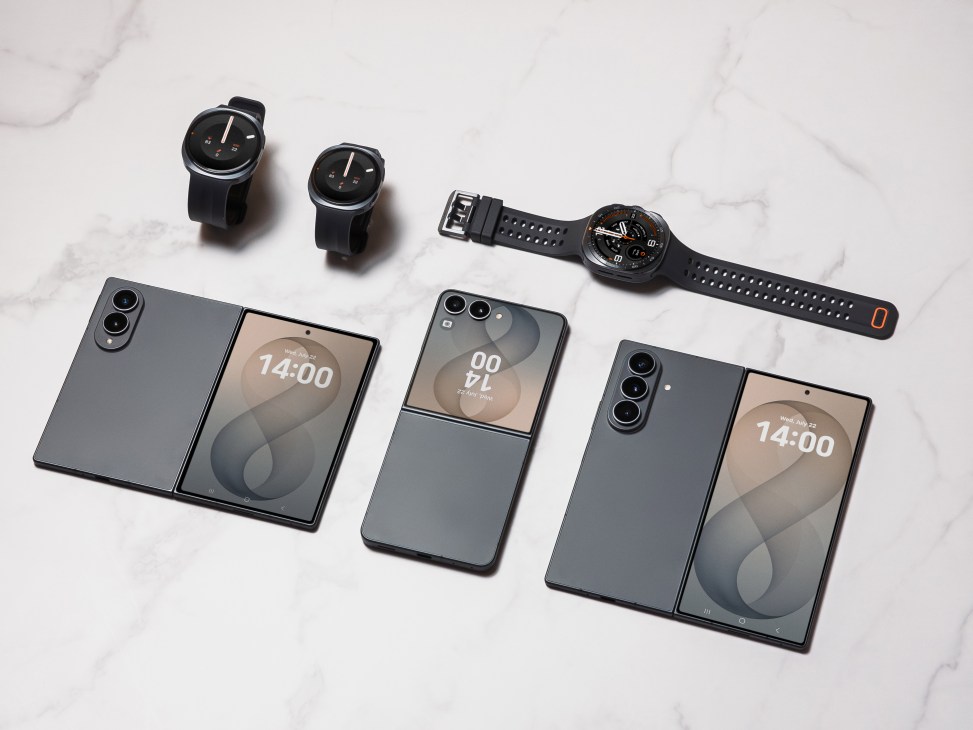
Hubert Lee is Samsung’s executive vice-president and head of the mobile experience design team, which means that he works on the South Korean giant’s smartphones, tablets, smartwatches and more. This includes the much-anticipated Galaxy Z 8 series of folding phones, including the Galaxy Z Fold 8 and the bigger Galaxy Z Fold 8 Ultra.
Lee sat down for an exclusive interview with Monocle on the eve of the launch.
“Call me Huey,” says Lee, who joined Samsung in 2023. “To have a new interpretation of what the future foldable should be, I wanted to bring a little bit of change into our look and feel,” he adds.
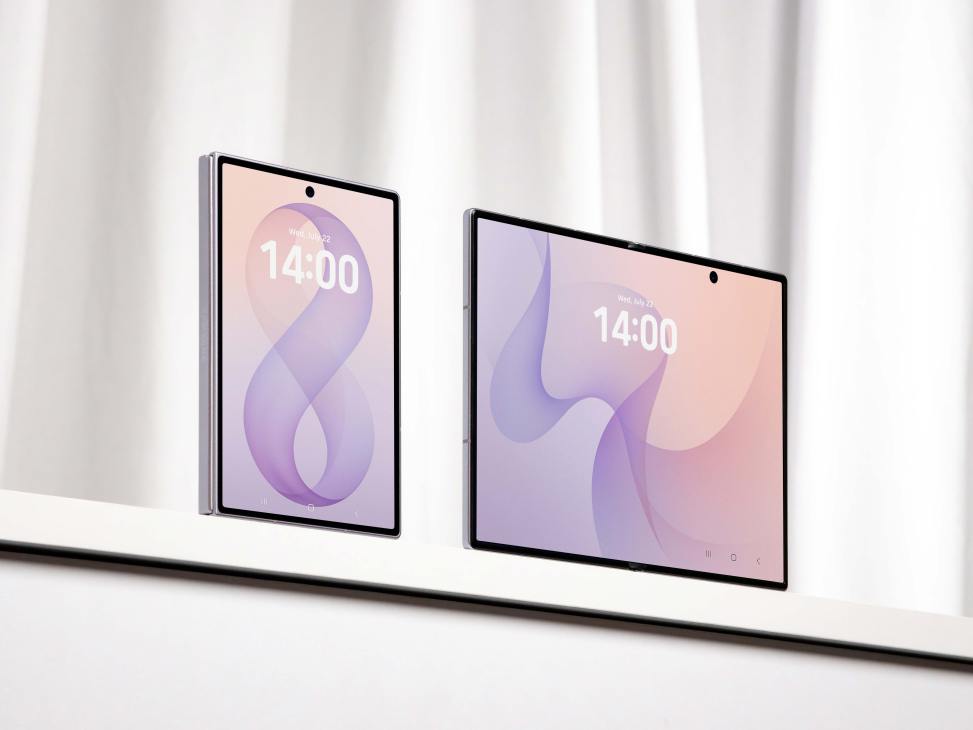
The Galaxy Z Fold 8 introduces a new form factor that’s shorter and wider than most foldables when closed – but it opens out into a tablet with, for virtually the first time in a folding phone, the same 4:3 screen size as regular tablets – it looks like a smaller version of the iPad mini.
How would you define the Samsung smartphone style?
We want our devices to look clean, simple and, ultimately, modern, which also applies to the opening of a folding phone. [He points to the lightly curved edges where the two halves of the fold join.] It’s two positive surfaces. Some brands have much rounder sections but if you go too round, it reminds you of a baby’s butt cheek. We tend to go flatter on the sections.
What are the challenges of designing a foldable phone?
Foldable phones have a design challenge that regular phones don’t: ease of opening the two halves. We asked, ‘What would be easier to open?’; when the gap is bigger, it’s easier to put your fingers in between and open. But at the same time, if the gap is too big, it becomes visually awkward because then you have this huge gap.
What inspired the new format for the Galaxy Z Fold 8?
We looked at familiar objects that we live with. In this case, the passport. Its utility is based on one-handed usage and this is inspiring. We like that proportion. The natural way is so important because if you force something, if it’s unnatural, then people don’t like using it.
It’s strikingly different from other foldable phones. What practical benefits does it enable?
People are consuming more media content. They’re spending more time with their devices because of AI and most of that usage is coming from our mobile phones. This new form factor has come about because of a different way of using our devices or foldables.
Folding phones are still a bit niche. It’ll be awesome if we could get our foldables to become the household’s mainstream device. But, of course, we have to back it up with reliability, durability and the highest quality that we can provide.
What does the future of the smartphone hold?
One size doesn’t fit all. It’s very diverse now. The ways people use the devices are so different. To cater to all of these different needs is going to be a bit of a challenge in the future.
How about phone screens: how will they change?
There’s a lot of talk about the display going away and everything being done by voice. We believe the display will stick around because whether you have glasses, watches or all these new AI wearables, we believe the phone will still be the mainframe.
We’re still going to focus on providing the best experience visually, while at the same time making it easy to use, even when you’re not using the display. As for what the displays will be, whether it’s OLED or even better than OLED, those changes will be implemented for sure.
Smartphones have become slimmer over the years. Will that continue?
There’s going to be a limit of how thin the devices will be. But again, it’s not about becoming the slimmest device in the world. A core value for Samsung Design is about being slim and light. When you’re using our devices, we believe the biggest factor is weight. The lighter it is, the more comfortable it is to use and carry around.
How does the creative tension between designers and engineers resolve itself in developing a new product?
It’s in a designer’s basic nature to design something that is inspiring, something that stands out, something that can make a huge impact. Designers are like artists, they’re visionary people. At the same time, engineers make things work. And it’s always about the solution. If we want to make something happen, we have to make sure that the solution is there.
How prominent should AI be in future smartphones?
A designer’s responsibility is to ensure that AI is seamlessly integrated into our devices. Why would you want to see AI? It should be embedded so that it’s there when you need it. But you don’t really need to be aware of it. In the early stages, a lot of designers contemplated putting an AI button in a phone but, as it becomes more generalised, seamless integration is more important.