Business
Why the Russians just Yandex it, how a row is brewing in Australia over books and the new approach to wealth management for Saudi businesswomen
Big in…
A new column about brands that are big in one market
By Rachel Morarjee
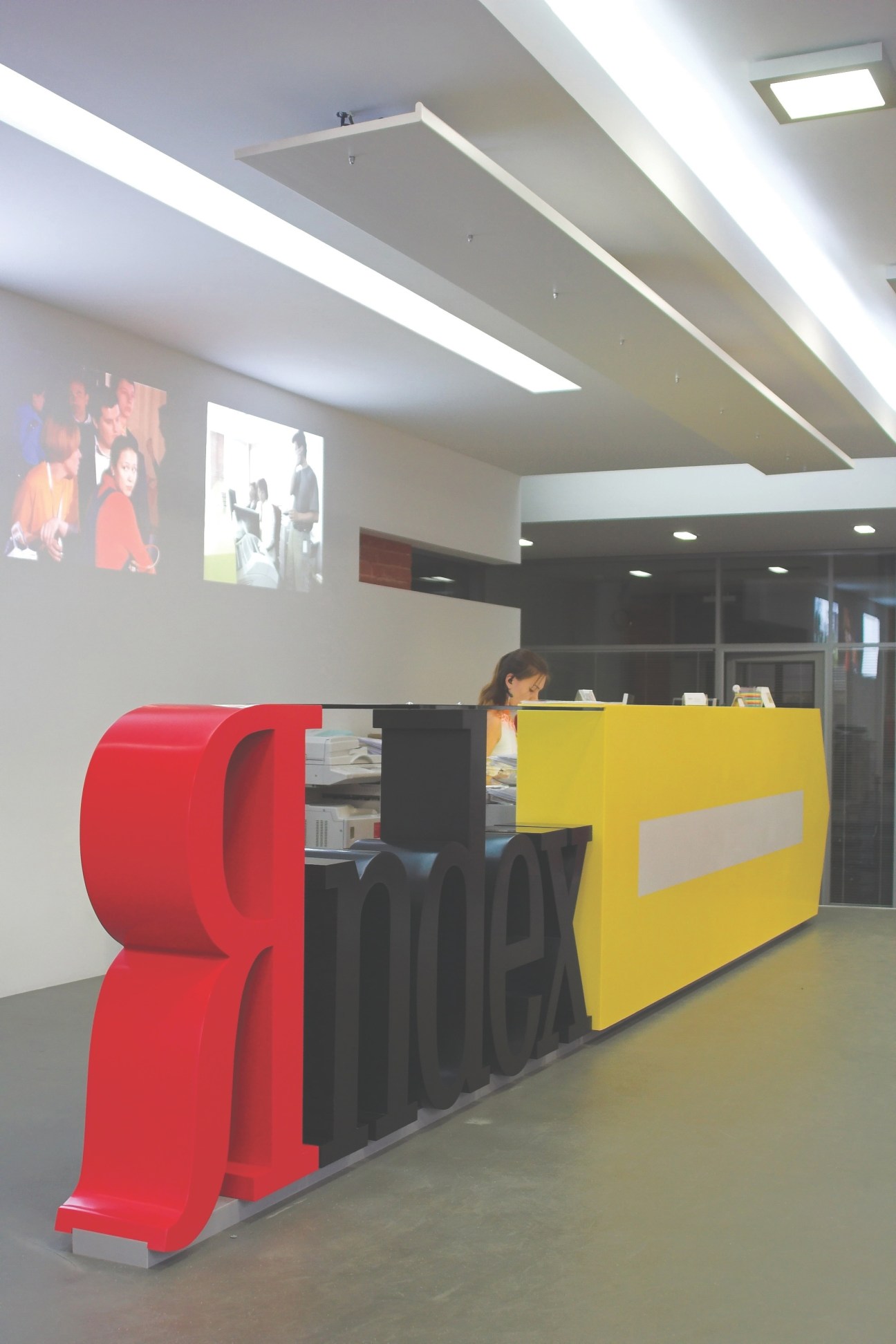
In Russia, rather than Googling something, you are more likely to Yandex it. A pun on the word “index”, Yandex was created in 1993 and is still Russia’s main search operator. It designed Cyrillic search engines first and has kept ahead of Google and Yahoo because of its efficient technology. “Most people in Russia use Yandex’s core search, when they access the internet at work, school, college or from an internet café,” says David Ferguson, internet analyst at Moscow-based Renaissance Capital. The privately owned company makes its money from advertising sold on a pay-per-click model. Its annual revenue is an estimated $300m (€210m).
And Yandex should not need to look beyond Russia’s borders for a while yet. Internet usage in Russia is still in its infancy with 55 per cent of Moscow residents wired into broadband, but only 15 per cent of the rest of the population online. However, internet penetration could reach European levels within a few years, analysts estimate.
Reading riot
Australia
[Book Trade]
Australia is often assumed to be like a bimbo – it looks gorgeous but there isn’t much going on up top. But right now the nation is caught in a passionate debate over the price of books.
The market is worth around A$2.5bn (€1.4bn). The country’s libraries are busy, its children are big consumers and a recent survey by The Australia Council (an arts body) found that 83 per cent of Australians enjoy reading books. “We buy and read more books per head than the US and the UK,” says Robert Pullan, chair of the Australian Society of Authors.
But big chains have long argued that books in Australia are too expensive because of a ban on importing cheap volumes produced abroad. The Productivity Commission, a government advisory body, recently found in favour of opening up the market, but publishers and writers such as Peter Carey say that if the law is changed it will decimate the national industry. If Australian publishers lose their exclusive rights to publish blockbusters such as Harry Potter for the local market, they will have less cash to invest. And if that happens it’s the Australian writers who suffer.
Don’t judge a book by its cover:
1.
Around half of Australians aged 15 years and over read books at least once a week, according to an Australian Bureau of Statistics’ 2008 survey.
2.
Around 80 per cent of girls and 70 per cent of boys aged 5-14 years read for pleasure outside school hours.
3.
In Australia, the latest Harry Potter paperback costs €12. In Europe and the US, it’s around €10.
Q&A
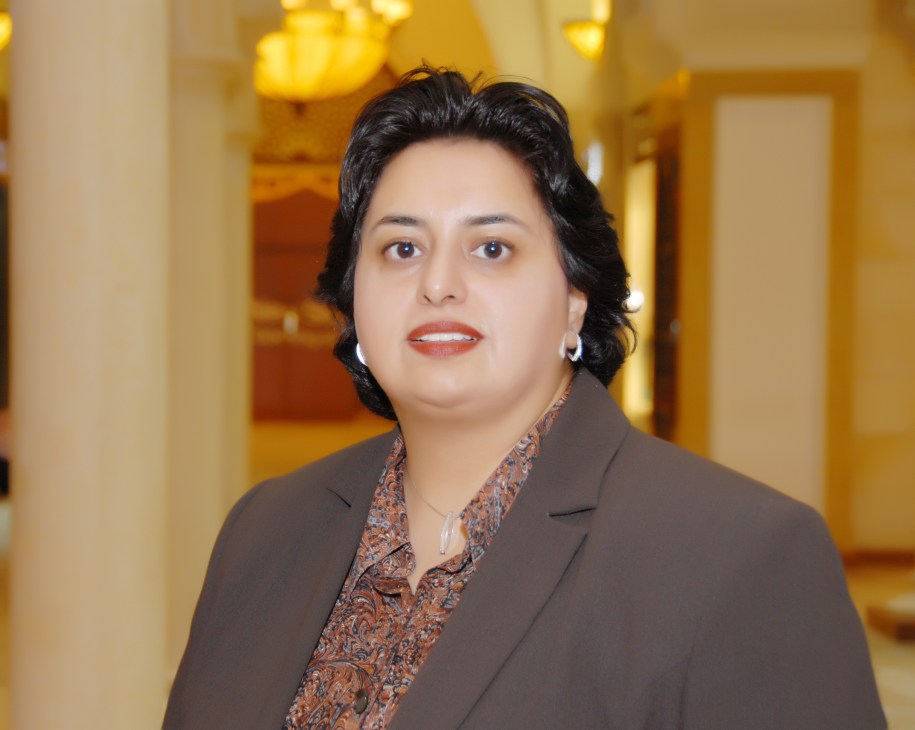
Amani Choudhry
CEO and founder of Mayfair Wealth Management
Mayfair Wealth Management is setting up a service exclusively for Saudi women. Ameerah (“Princess”) can invest on behalf of its clients on any international market, start an offshore company or arrange a meeting with an international lawyer.
Why did you decide to do this?
We have launched in the Middle East as we felt this region has the most liquidity held by women. Women in the Gulf hold about €28bn of the region’s wealth and their earning power is on the rise.
How did this idea arise?
I realised that, despite becoming wealthy in their own right, women were only talking about their finances with their local bank. The world of financial products has predominately catered to a male audience. Ameerah is a specialist division that was set up to offer a truly bespoke wealth management service to women. The team is comprised of women who are on the frontline when it comes to a one-to-one consultation, client profiling and understanding their financial requirements.
Do these women have cash of their own to invest?
Our research shows they are becoming financially independent through inheritance, marriage or entrepreneurship and want to make their own decisions. Traditionally women had relied on male members of their family.
Considering Saudi women need a written note from their male guardians to travel abroad, how can they invest on their own?
You will be surprised to hear about the number of successful Saudi businesswomen there are. Many women are financially astute, graduated from world-renowned universities and are already actively trading the world markets in stocks and shares, Forex [foreign exchange], gold, property, and so on.
Status anxiety
Spain
Spain has more people who are overqualified for their first job (33 per cent) than any OECD country, according to the Institute of Economic Research in Valencia. But it’s got an unemployment rate to match: 18 per cent and rising. That’s almost double the EU average.