Is Lisbon’s art market on the up? Arco Lisboa, the city’s growing contemporary art fair, has put on a promising display
Monocle reflects on the Portuguese capital’s biggest art fair, Arco Lisboa, and whether the peripheral market is starting to make a bigger splash.
On the afternoon of 28 May, art enthusiasts flocked to Lisbon’s Cordoaria Nacional museum for the opening of Arco Lisboa’s ninth edition. The offshoot of the Madrid-born fair has grown from a tentative experiment of 45 galleries in 2016 to more than 80 today. Alongside it, the past decade has also seen Lisbon’s art scene burgeon. Foreigners have brought fresh sensibilities and new wealth to the city, a generation of local collectors have opened institutions to the public and new galleries have set up shop here. Although Lisbon still holds a peripheral position in the art world, there is a sense that everyone here is helping to thread an art ecosystem into being. Speak to any one player though and you’ll find out they’re working to a different strategy.
Arco Lisboa, for its part, remains deliberately modest in scale. For fair director Maribel López the challenge is to expand the fair’s reach while also keeping it rooted. Unlike the generic pavilions of most international art fairs, the setting of Arco Lisboa gives the event a distinctly local character. Beneath the heavy wooden beams of Cordoardia Nacional, about 35 per cent of the galleries showcased are Portuguese, and more than half are Iberian. This regional focus offers foreigners – including some 150 VIPs – a chance to deep-dive into the local art scene, still not very well known outside the country. “If we can elicit that sense of discovery, we will have done our job,” says López.
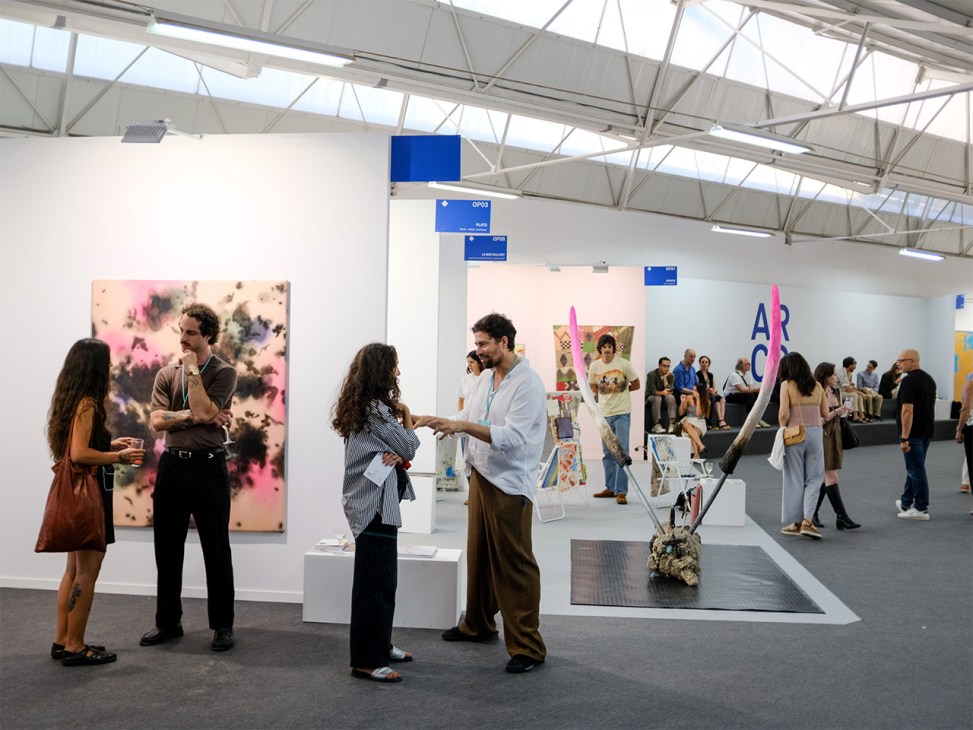
“Portugal has very good artists but opportunities abroad are still missing. Fairs are important in that respect,” says João Azinheiro, director of Porto- and Lisbon-based Kubik Gallery and a member of this year’s organising committee. This year, Kubik’s booth presented works by Pedro Vaz, whose acrylic landscapes draw on the ancient herding culture of Portugal’s Serra da Estrela. The artist is also simultaneously showing at the gallery’s Lisbon space. “We want to create that connection so people can encounter him in different contexts during Arco,” says Azinheiro.
Links like these between what’s happening inside and outside of the fair are increasingly well explored. For this edition of Arco Lisboa, Portuguese museums (many of them a short walk from the Cordoaria) created an exciting parallel programme of curated visits, exhibition openings, dinners and late-night gatherings. Lisbon Design Week, which overlaps with Arco Lisboa, takes over a shared space within the fair titled “The Living Room”, designed by Portuguese architect Joana Astolfi.
International players are also creating routes in. Lisbon’s historical ties to Brazil and Africa continue to carry cultural and commercial potential for many. Others aim simply to spark curiosity and surprise by bringing lesser-known artists into the city. While the Portuguese collector base remains largely oriented toward local artists, “there are opportunities if you bring the right person,” says Matteo Consonni of Lisbon, Milan and Warsaw-based gallery Consonni Radziszewski, and also a member of Arco Lisboa’s organising committee. “We need these meeting points that help connect the dots between foreigners and locals,” he says, also mentioning a series of guided walks organised by him and neighbouring galleries of the picturesque Estrela district in previous years.
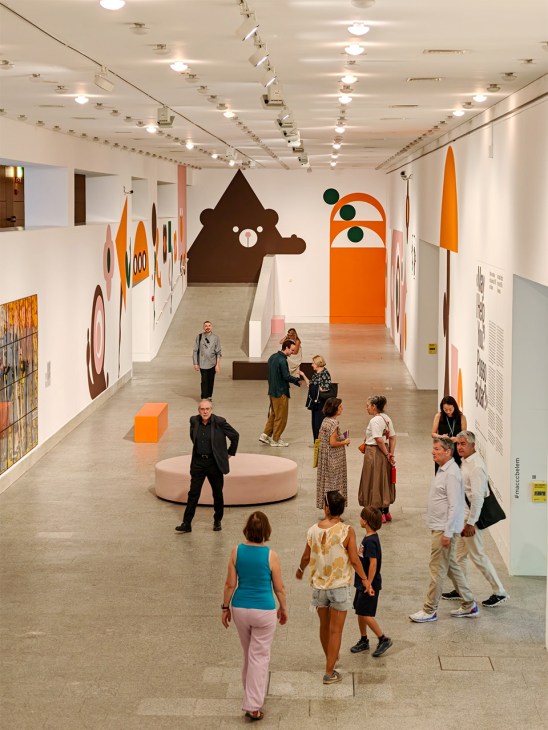
Before the fair opened its doors, a cohort of national and international collectors, curators and gallerists lunched on the terrace of the Museum of Contemporary Art and Architecture Centre at the Belém Cultural Centre (MAC/CCB). In the sweltering heat, with views over the glistening Tejo, conversations drifted from the professional toward what people had planned to see and do in the city beyond the fair itself. “This is way more relaxed than other fairs. The weather is nice; the food is good. It’s just nice to be here,” said one gallerist from Colombia, returning for a second time. So far, it seems the scene’s winning strategy is still Lisbon itself.
ifema.es