The director of the National Museum of Korea wants the world to see the ‘true colour’ of Korean art and culture
With the global boom of K-pop and K-drama, more eyes are on South Korea than ever – something that NMK director Yoo Hong-jun is seeking to capitalise on.
South Korea’s cultural cachet continues to rise as K-pop’s influence shows no signs of slowing. At the British Museum, the most comprehensive chronological survey of Korean art and craft in Europe in more than 40 years, Korea, is now open. The National Museum of Korea (NMK), which instigated the show, recorded 6.5 million visitors last year, becoming the third most visited museum in the world. At the helm of the widely envied institution is art historian and bestselling author Yoo Hong-jun. Here we sit down with the museum director to learn more about how the NMK trails only the Louvre and the Vatican Museums for visitor numbers.
NMK and Seoul’s National Museum of Modern and Contemporary Art collaborated on an unprecedented scale to bring this show to London. What drove you to accomplish this?
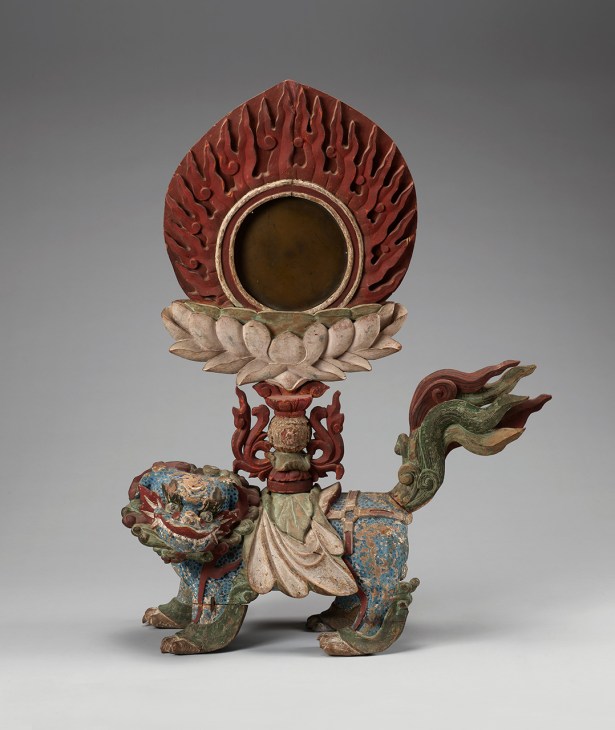
With the global boom of K-pop and K-drama, more eyes are on us than ever, yet few understand Korea’s profound creativity throughout its long history. What you see in Korean wings at major international museums doesn’t do it justice. Drawing on the extraordinary collection of Samsung’s late chairman, Lee Kun-hee, the exhibition showcases the essence and true colour of Korean art and culture, from antiquity to the present.
I’m just doing the maths. Does your 6.5 million visitors include those at NMK’s regional branches, like Gyeongju?
No. [The number] is from the NMK headquarters in Yongsan, Seoul, only. If we include regional museums, the number (some 14 million) beats the number [of people] attending professional baseball league games, [which is] South Korea’s most popular sport.
While [the number of] international visitors is rapidly growing, I hear it is a loyal core of young Koreans that drives ticket sales. How do you foster such a following?
With interactive programming, such as the annual “Dress Like Museum Exhibit” cosplay contest. This year’s top prize went to a participant dressed as a carp-shaped baekja inkstone. The museum has repositioned itself as an energetic, multi-purpose cultural playground, nurturing community building.
The synergy with K-pop culture isr also critical. Teenagers queued up at dawn to buy KPop Demon Hunters goods and the limited-edition BTS merchandise. (BTS sampled the sound of Korea’s legendary bell, the Sacred Bell of Great King Seongdeok, in the album Arirang.)
You appointed RM, the frontman of BTS, as the museum’s global public-relations ambassador in June. What activities are you carrying out with him?
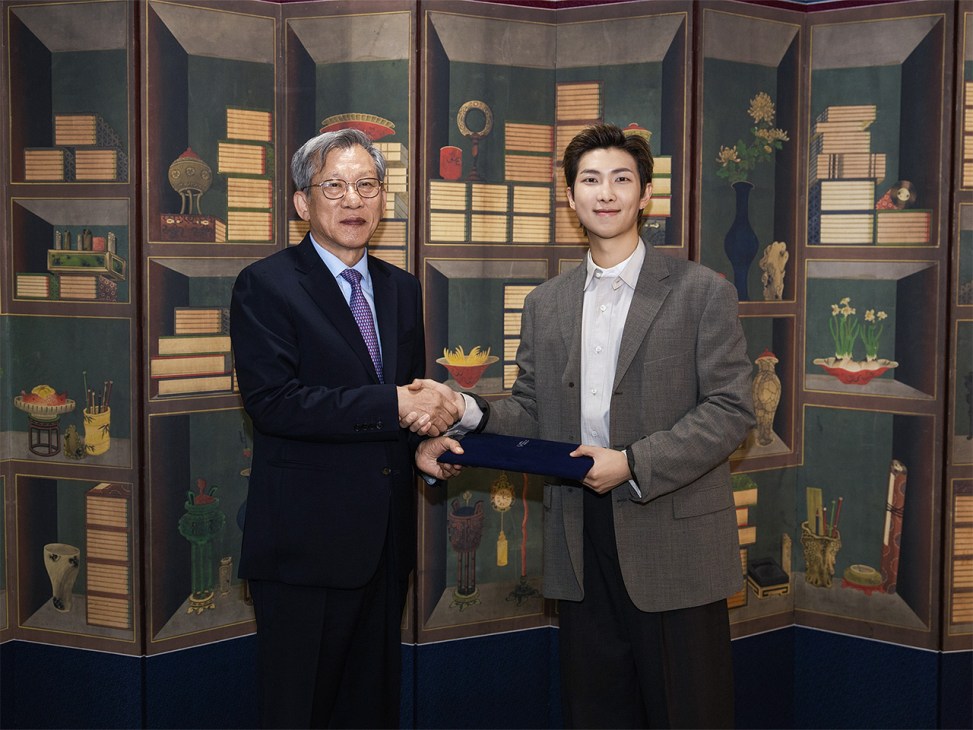
RM’s massive international following makes him a magnet for young people to visit us. He also donated 100m won (€66,000) to help with museum acquisitions. Fresh from curating a show at San Francisco Moma, which featured his personal collection, he is a true force in making art cool to the new generation.
What else do you do to make visitors come back to the museum over and over?
With a three-month rotation of historic works, which is mandatory for restoration purposes, we embraced a seasonal model at the [Calligraphy and] Painting Gallery. Each quarter features a curated masterpiece of the period, encouraging visitors to return for fresh discovery and to become loyal fans.
How has your background as an art-history professor and a bestselling author influenced your role as the director of NMK?
Whether writing a book or working at the museum, I always consider the audience first. Whilst maintaining academic rigour, I carefully balance the content, always wondering whether visitors can grasp as much as we hope. It’s not about simply listing good menus but about curating an exceptional taste.
How would you describe distinctive Korean aesthetics?
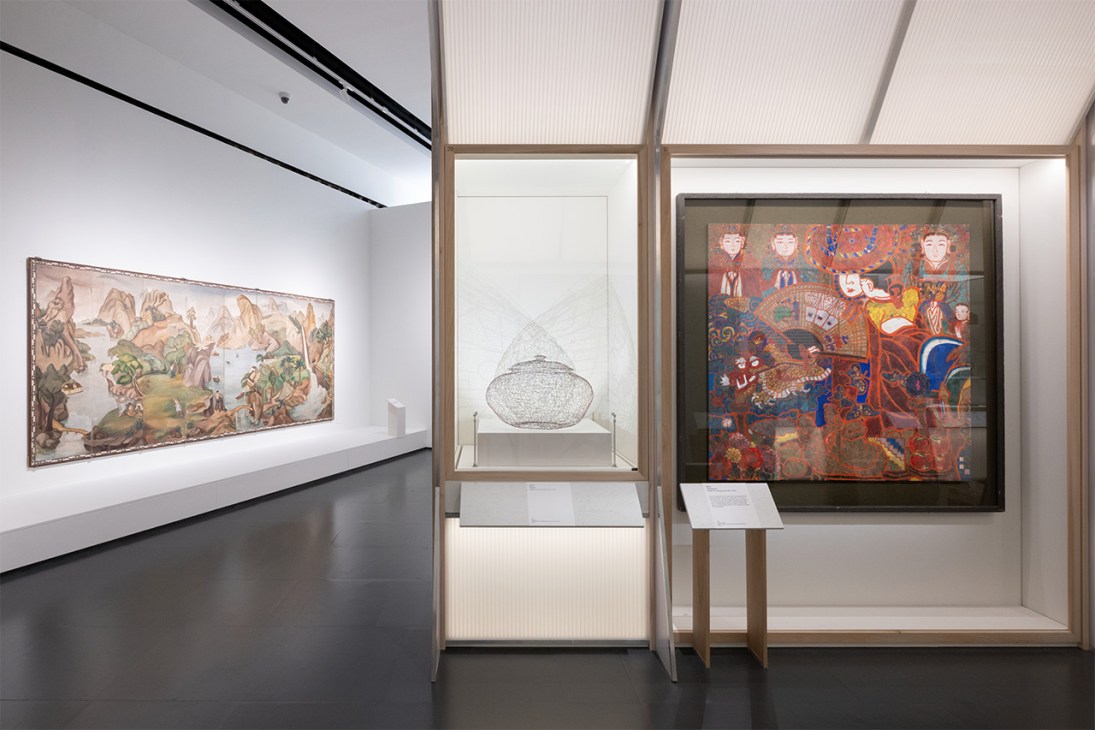
As noted in Samguk Yusa, the history of the Three Kingdoms that was completed in 1145, [The Korean] aesthetic is ‘humble yet not undignified, splendid yet not extravagant’. It is a sense of inner depth and togetherness over intimidation and ostentation. For us, the relationship with the beholder means more than what is on display.
What are your future plans?
At NMK we are organising a landmark 2027 exhibition to trace Korean culture’s roots, followed by more international tours.
Art history provides a foundation for understanding a country. Yet, apart from exhibition catalogues, few books exist in English about Korean art history. I’m looking for a discerning European publisher for my Korean art history book.