Poland’s Poster Museum packs a punch. Here are 16 standout works to prove it
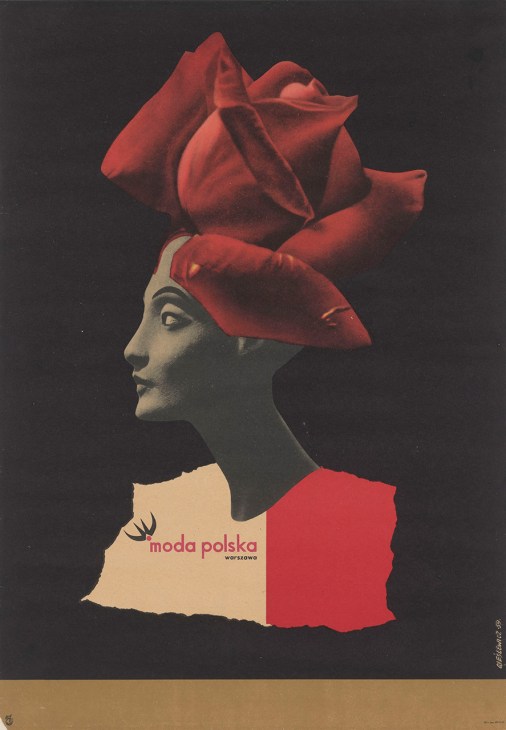
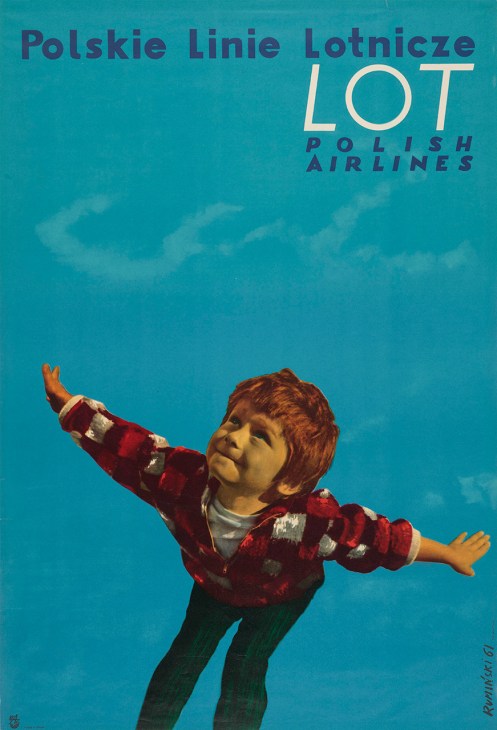
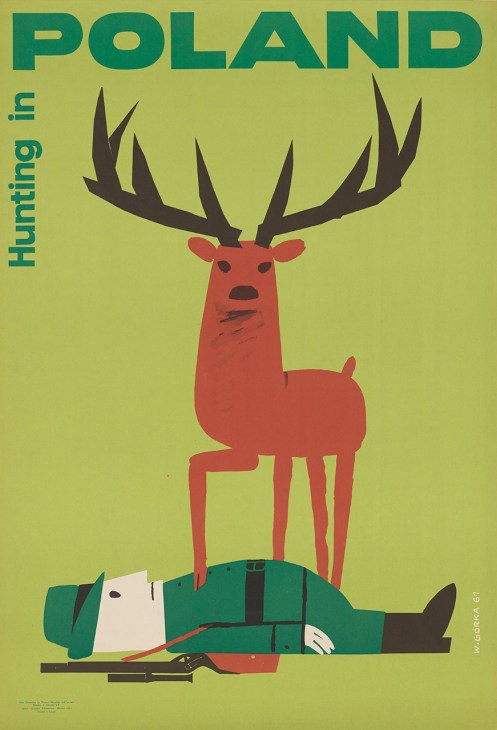
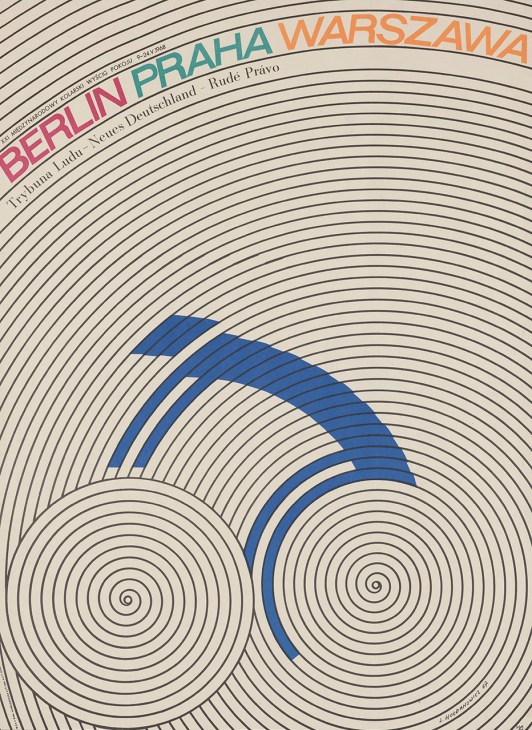
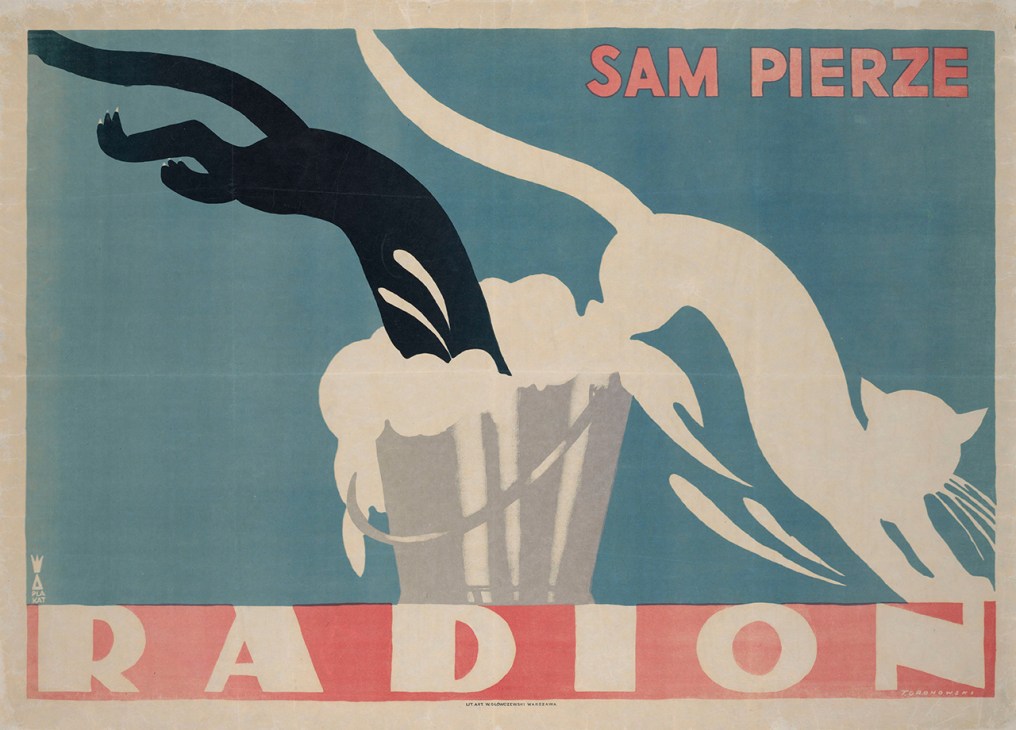
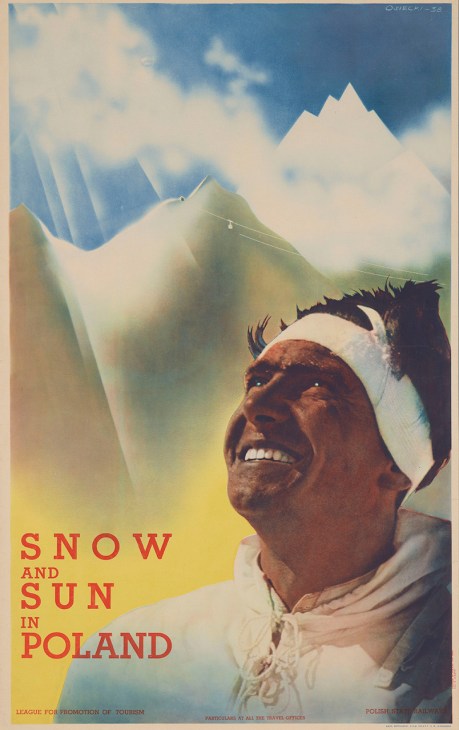
Warsaw’s Poster Museum contains more than 50,000 pieces ranging from contemporary graphic design to art deco-era pieces. Following a recent revamp, Monocle gathers some of its favourite examples.
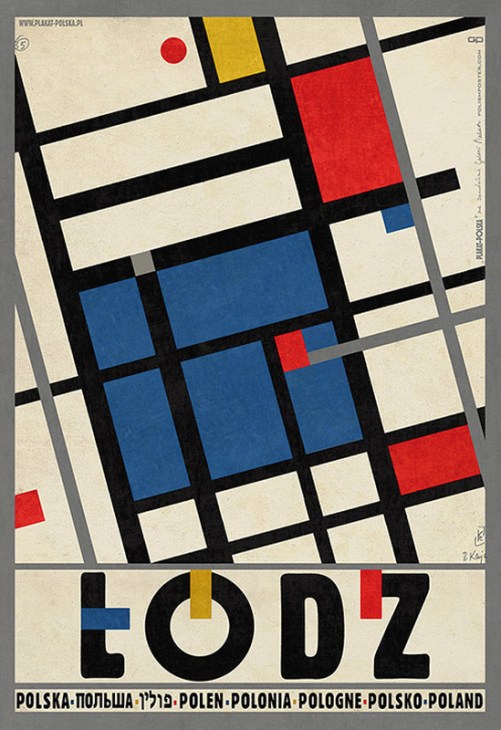
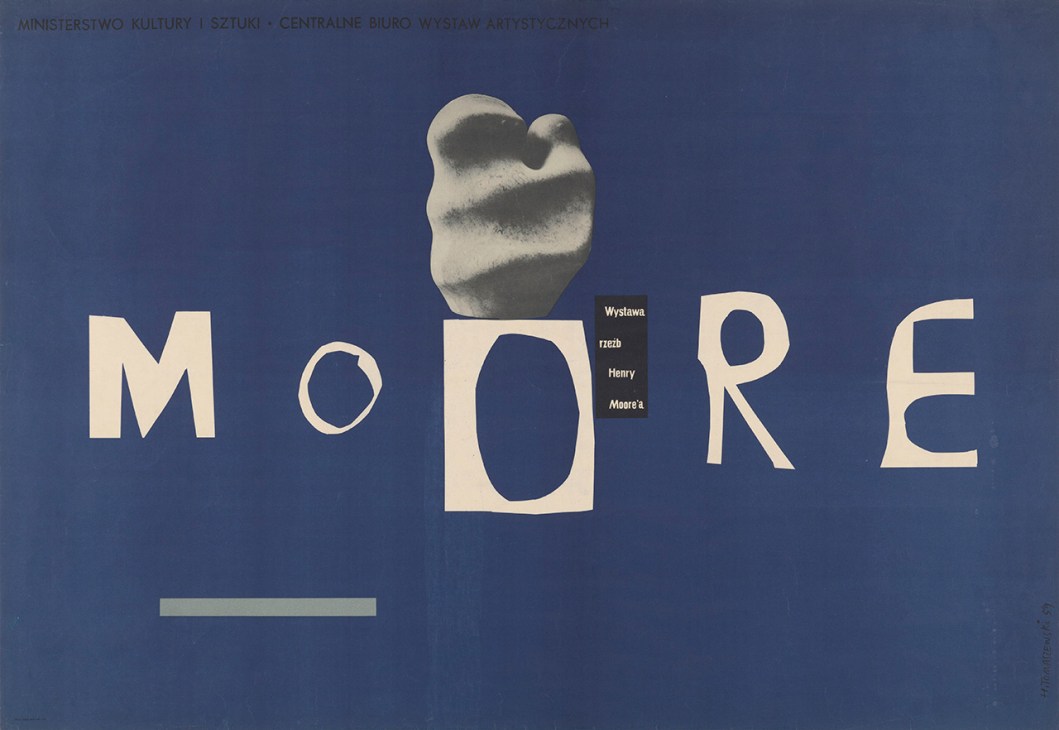
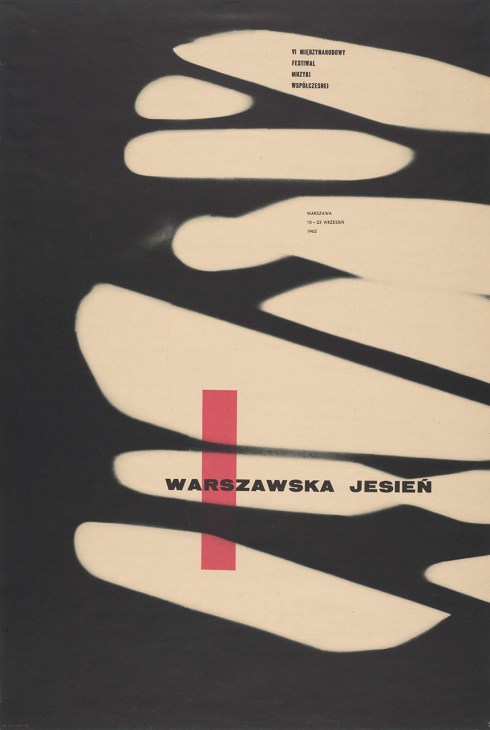
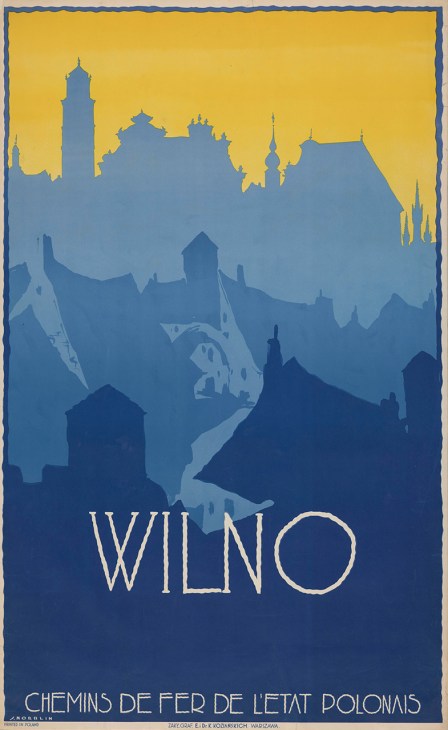
Experimental and bursting with allusion, Polish poster design has won fans across the world since the nation’s artists first started developing the medium in the mid-20th century. Among the most famous examples of the genre include city posters, with each major Polish city and town getting its own depiction in printed form. This was a favoured outlet for designers, including Ryszard Kaja in his “Poland” series.
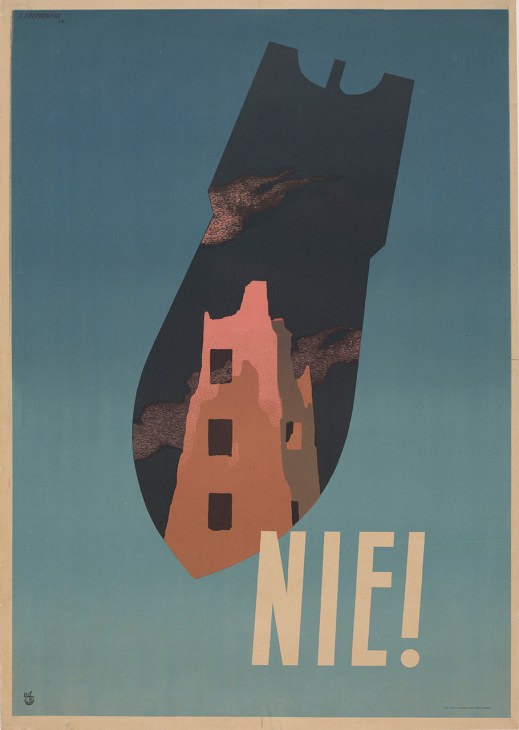
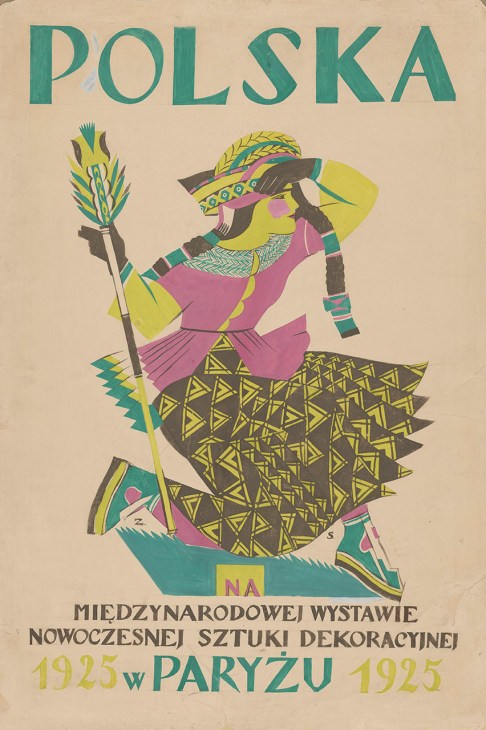
Opened in 1968, Warsaw’s Poster Museum contains more than 50,000 pieces ranging from contemporary graphic design to art deco-era pieces, and has recently had a welcome revamp. There is also a strong showing from postwar Poland, when the medium came into its own as a way of bypassing Soviet censorship. The country’s lack of a free market in those years, as well as the loosening of restrictions following Joseph Stalin’s death in 1953, also meant, ironically, that artists were able to disengage from commercial pressures and create art for art’s sake. For ordinary citizens, it meant the streets – grey, void of any advertising and often still bearing the marks of the Second World War – were brightened with splashes of colour and creativity.
One name to know? Tadeusz Trepkowski, who revolutionised postwar poster art with his minimalist, symbolic approach. A self-taught artist born in Warsaw in 1914, Trepkowski received his first international recognition in 1937 when he was awarded the Grand Prix in the International Paris Exhibition. After the Second World War, his posters were often rejected for deviating from the socialist realism favoured by Soviet authorities. But before his sudden death in 1954, the artist designed a variety of posters for films, sports events and businesses, including Poland’s flag carrier LOT.
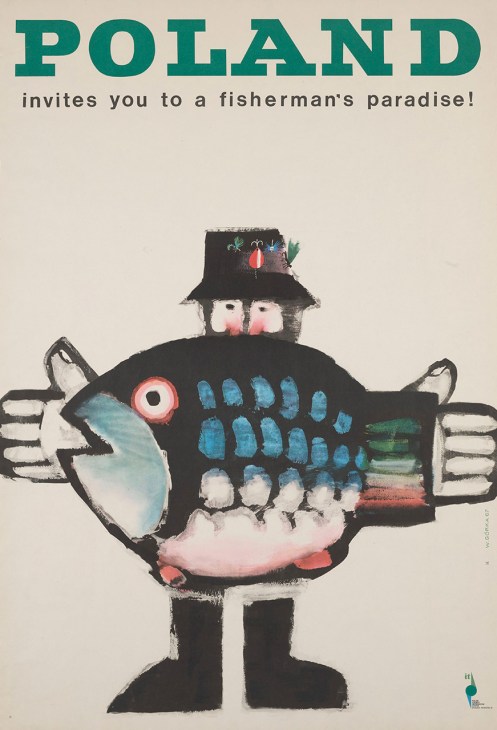
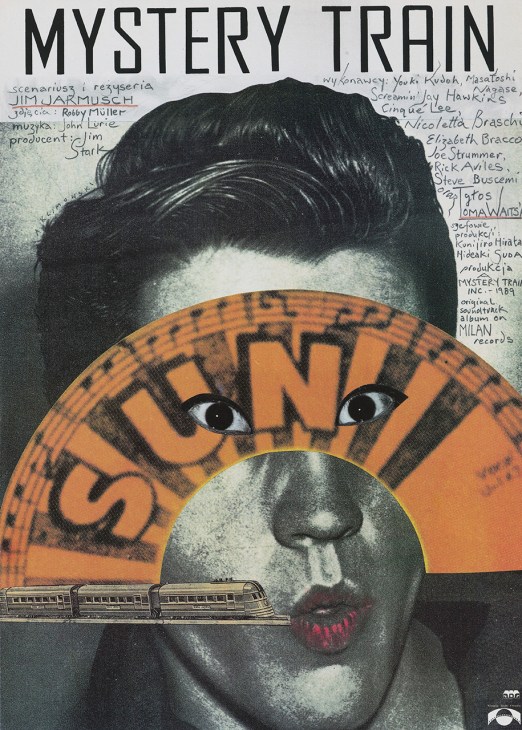
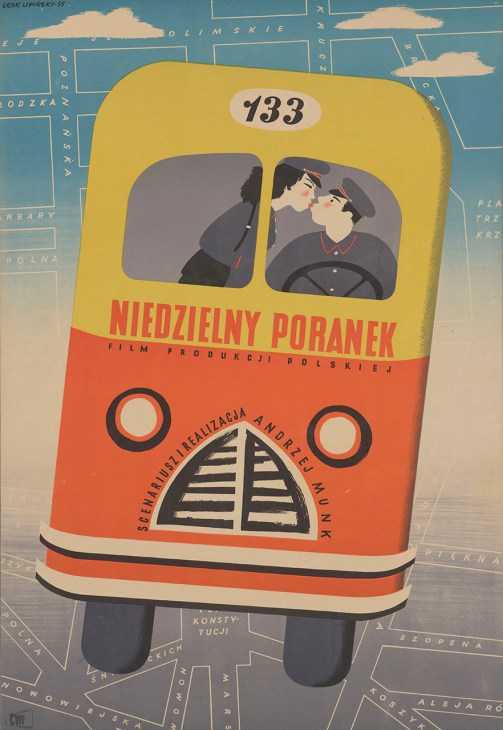
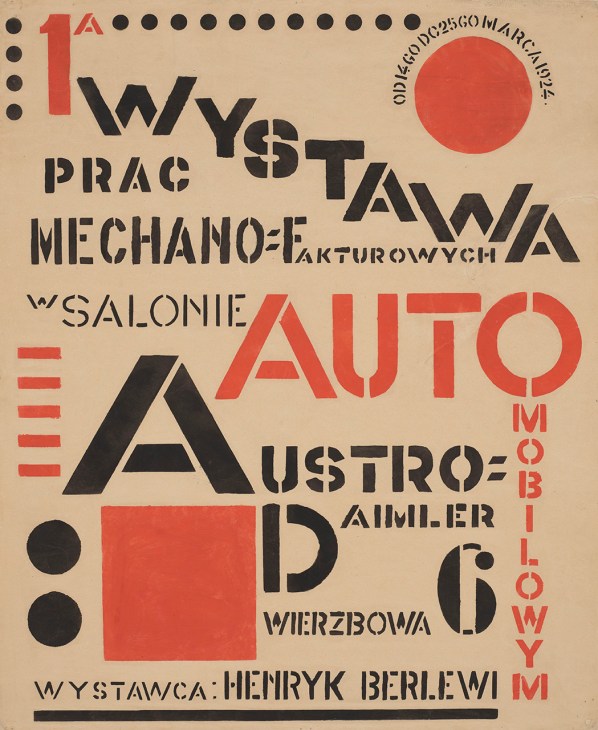
Here we have gathered some of our favourite examples from the Poster Museum’s collection.