
The must-see foreign-language titles at Cannes Film Festival 2026
In a rare line-up without Hollywood blockbusters, we’re eyeing titles by Pedro Almodóvar, Paweł Pawlikowski and Asghar Farhadi.
There was a particular pleasure in seeing the Cannes line-up and finding that the most anticipated conversations were not about Hollywood titles but instead about films in Spanish, Polish, Farsi, French and Flemish. The 2026 edition of the world’s most high-profile film festival feels, in the best possible sense, like a reflection of a world that is tired of buying into US exceptionalism. While there are American entries from filmmakers James Gray (Paper Tiger) and Ira Sachs (The Man I Love), Hollywood does not dominate the dialogue. The aftermath of the writers’ and actors’ strikes, a wave of controversial studio mergers, the prohibitive costs of shooting in Los Angeles, and an increasingly inhospitable climate towards the arts in the US have collectively loosened Hollywood’s grip on cinema – and voices from elsewhere have filled the space.
The Croisette is a place where the world’s finest films find an audience. Leading the charge this year is Pedro Almodóvar, whose Amarga Navidad (Bitter Christmas) is generating a deafening buzz. This work of autofiction follows a struggling director who draws on the tragedy of one of his collaborators to write his next film. He creates Elsa, another filmmaker whose life begins to reflect his own.
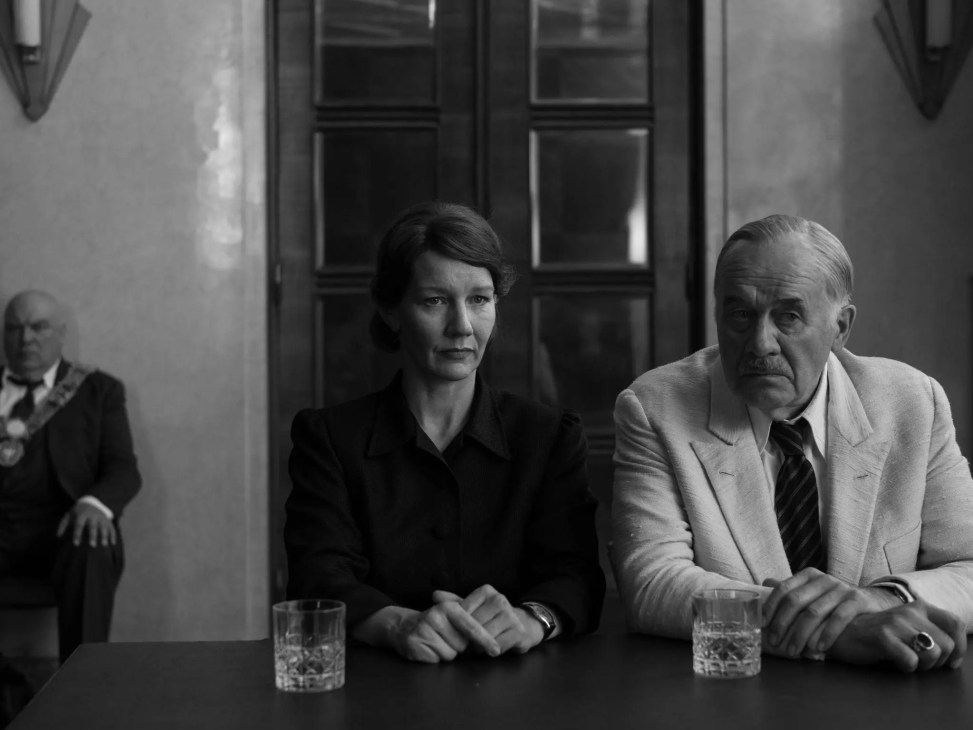
Director Paweł Pawlikowski, who has previously made historical trauma into something intimate in Ida and Cold War, returns with Fatherland. A family returns to Germany after years of exile to reckon with cultural identity and the long aftermath of conflict. His casting of the always phenomenal Sandra Hüller (Toni Erdmann, Anatomy of a Fall, The Zone of Interest) suggests a project of considerable ambition.
Asghar Farhadi brings Histoires Parallèles (Parallel Tales), a web of intersecting Parisian narratives in which family secrets and moral compromises gradually entangle strangers. With Isabelle Huppert at its centre, the film arrives dripping in prestige. Farhadi’s gift for constructing ethical labyrinths from which there is no clean exit has made him one of contemporary cinema’s essential voices, and his presence at the Croisette speaks to a notable resurgence of Iranian filmmaking on the international stage (last year’s Palme d’Or was won by Jafar Panahi), while brutality rages within the country’s borders. Further East, Japan’s auteur Hirokazu Kore-eda dives into our collective technological anxieties with Sheep in the Box, following the story of a couple that replaces their late son with a robot, in part inspired by the classic French children’s novel The Little Prince.
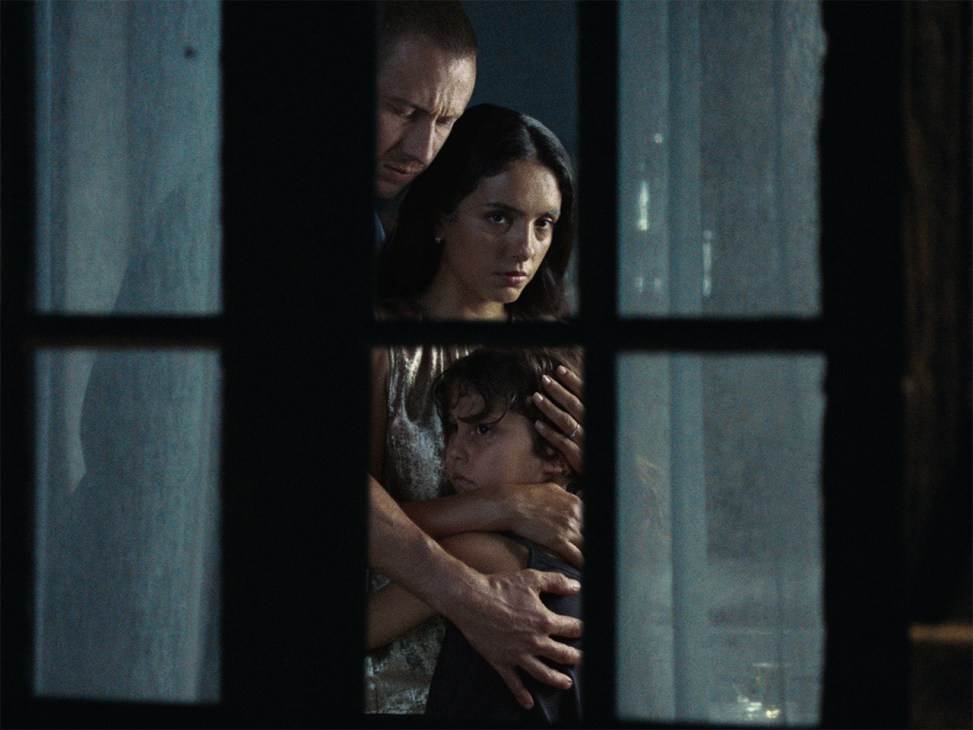
Belgian director Lukas Dhont, whose 2022 film Close announced him as one of Europe’s most significant young voices, follows up with Coward, a title that hints at a darker, more confrontational register than his previous melancholic work. Meanwhile, Léa Mysius, whose screenwriting has shaped some of French cinema’s most distinctive films, steps back into the director’s chair with Histoires de la nuit (The Birthday Party), following a family preparing for a 40th-birthday celebration that turns into a nightmare when darkness falls.
None of this is to say that Hollywood will be an industry written off in 2027. Instead, what this year’s edition of Cannes suggests is that audiences who are willing to read subtitles will find no shortage of enriching work.