
The search for Iraq’s lost film legacy: Inside Baghdad’s cinema archive
Iraq’s cinema culture was shattered by decades of dictatorship and war – but now archivists and filmmakers are working to bring it back to life. We meet the guardians preserving the hidden stories.
Long after the Iraq War, central Baghdad’s former Green Zone remains a strange, disconcerting place, cut off from the bustle and charm of this ancient city. Checkpoints lead to a vast, open space that is largely empty of people. The crossed swords of Saddam Hussein’s monstrous Victory Arch loom overhead. It’s an area that many would usually avoid. But here, along with the blast walls and holed-up diplomats, is an extraordinary archive, a treasure trove saved from destruction.
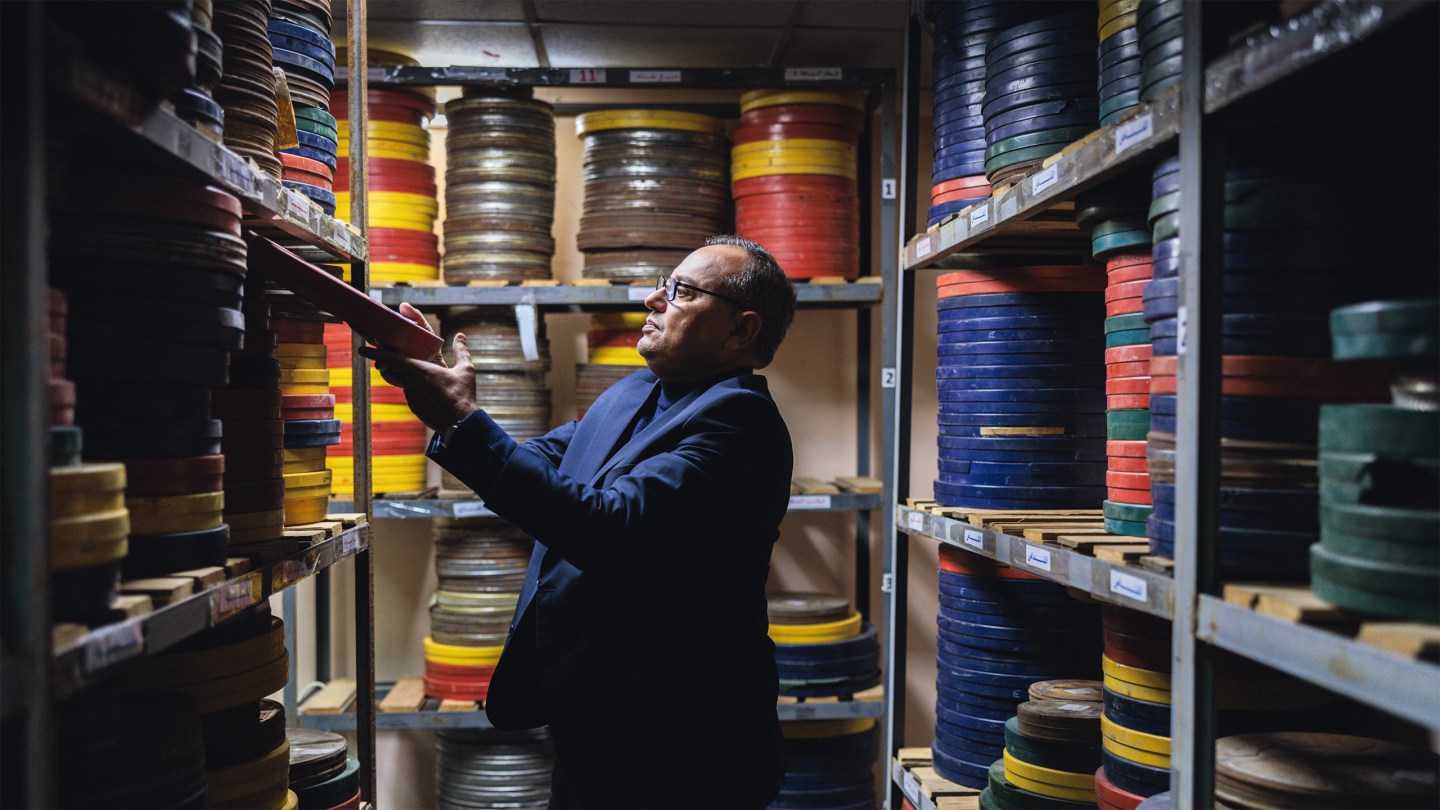
Inside a collection of cement buildings is a series of cool, dark rooms – a contrast to the blazing heat outside. In one of them, Hassan Al-Sudani stands among piles of film canisters. Some are laid out on the floor to dry; others are stacked on shelves. Several of the cases are rusted through, while a few are burnt black. Logos of long-defunct production houses are stamped on the tins. The names of films –Flaming Borders, Loch Ness Monster, Qadisiyya (Short Version) – are written on strips of tape on the sides. Because of missing labels and the lack of a comprehensive index, what’s inside the canisters is often a mystery.
Until recently, Al-Sudani lived in Sweden, where he and his wife built a life after fleeing Iraq in the 1990s. He returned to Baghdad in 2023 to lead the effort to find, catalogue and restore Iraq’s lost film archives, which had been scattered, looted and neglected over decades of conflict. Al-Sudani has a doctorate on the relationship between memory and cinema; his current work explores the same themes. “But this time it’s for all Iraqi people.”


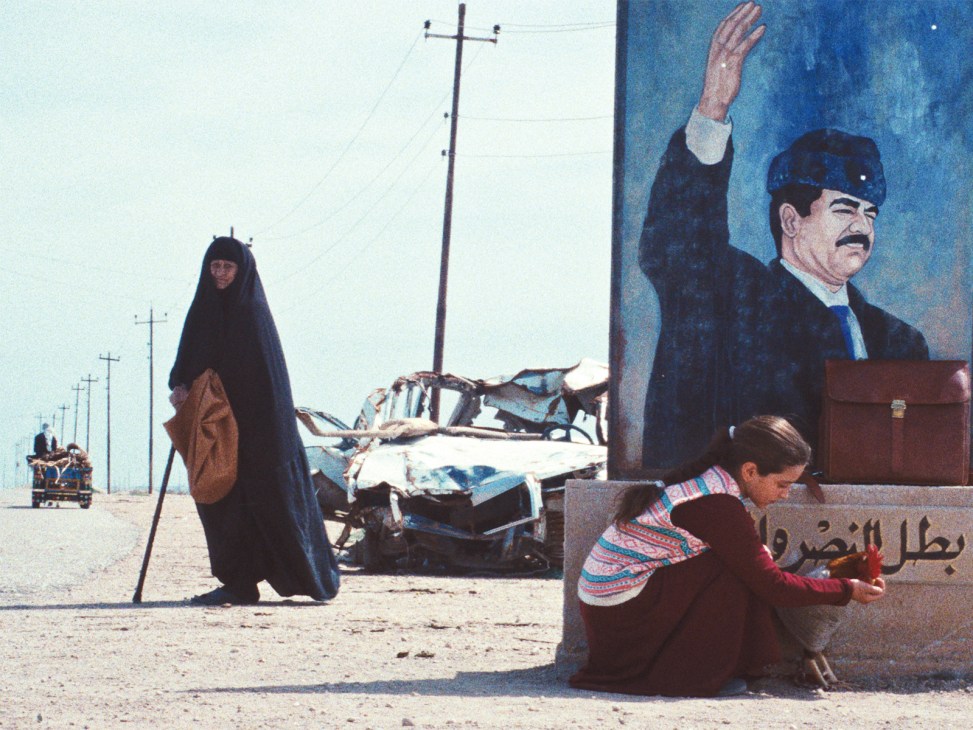
The country’s film culture boomed in the mid-20th century. Production company Baghdad Studio was founded in the late 1940s and there were more than 100 cinemas across Iraq by the middle of the following decade. Then, in 1979, Saddam became president. Under his rule, censorship and international sanctions limited creativity and access to filmmaking materials. But the biggest blow came after the US-led invasion in 2003, says Oday Rasheed, the Baghdad-born director of the critically acclaimed Underexposure – the first feature to be shot in the country after the beginning of the war. Saddam’s Ba’athist regime had maintained a film archive, though some films were deliberately destroyed or made inaccessible to the public. After the invasion, this collection was scattered, with many reels stolen or damaged. Even films that were not deliberately destroyed were in danger. “We had an intellectual war with the incoming Iraqi administration just to get these films stored at the right temperature,” says Rasheed. “The Iraqi summer was harming them.”
The director rescued what he could from opportunistic looters and the searing heat, carrying armfuls of 16mm newsreels to store at his family home. “They lived in the same room as my mum,” he says. “If she was OK, then the 16mm was OK.” Last year, Rasheed returned them to Al-Sudani, who was busy searching the country for everything that had survived.
Al-Sudani also looked in government departments, offices, basements and theatres. Some of the films were held by the security and intelligence services; others, like Rasheed’s saved reels, were in the hands of private citizens. He compares his work to that of an archaeologist. “Imagine me at the Sumerian sites, digging and finding the tablets,” he says.


Among the films that were recently restored is Said Effendi, director Kameran Husni’s 1950s classic that tells the story of a teacher and his family navigating neighbourhood politics as they look for a place to live. Following its restoration, completed with the help of the French National Audiovisual Institute, it was screened in Baghdad for the first time in decades. The cinema was packed, with people sitting on the floor. Many lingered after it finished.
Some of the films that Al-Sudani has unearthed were known to exist. Others, however, were surprises. He tells Monocle that when the film of King Faisal II’s coronation was discovered among the decaying reels, he felt “an overwhelming joy. It was never shown until now and still in good condition. It was as though I had discovered treasure,” he says. His delight shows how much emotional and historical weight these films carry.
The reassembling of the archive isn’t just about looking backwards. Al-Sudani’s return to Iraq is part of a broader homecoming for the country’s intellectual diaspora.
A fresh cultural and artistic community is emerging, intent on building something new and replacing the image of a war-ravaged, impoverished country with one that is more nuanced, complex and optimistic. If there is to be a bright future for Iraqi cinema – and, indeed, the country – the past must first be understood and preserved. The work to recreate the film archive contributes to that. “This is everything,” says Al-Sudani. “This is our identity, first and last. It’s the cause of the homeland.”
New to Iraqi cinema? Here are three films to start with
1.
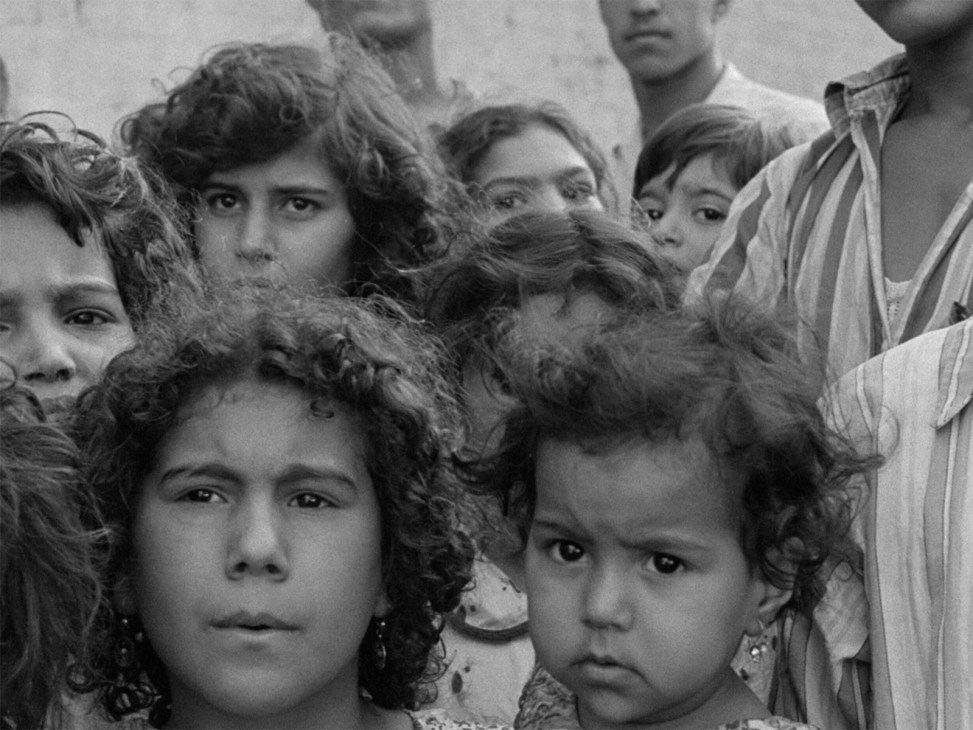
‘Said Effendi’ (1957)
Kameran Hosni
This newly restored social-realist classic explores the housing crisis, unemployment and social tensions in a Baghdad neighbourhood. It tells the story of a schoolteacher and his family who are evicted from their home and face difficulties settling somewhere new.
2.
‘Underexposure’ (2005)
Oday Rasheed
Shot in a docufiction style, Oday Rasheed’s debut follows a crew making a film during the 2003 US invasion of Iraq and the subsequent occupation. The first feature film shot in the country since the start of the war, it reflects both the horror of the conflict and the euphoria that greeted the end of Saddam-era censorship.

3.
‘The President’s Cake’ (2025)
Hasan Hadi
This tragicomic drama follows a nine-year-old girl called Lamia, who has been selected to bake a cake for Saddam Hussein’s birthday. It interrogates how children navigated the moral and political landscape of rural Iraq in the 1990s. The President’s Cake won the Camera d’Or at Cannes in 2025.