
Like a one-week free trial, our relationship with streaming services is not made to last
After many years of using streaming platforms, it’s time for a fresh start: a return to an era when films were packaged in something more tangible – and long-lasting – than a Netflix subscription.
A few weeks ago I began the long, painstaking process of breaking up with streaming platforms. After many years of short-term relationships with rentals, it was time to commit to something more permanent: a collection that I could own. I’m not anticipating it to be a clean break; after all, we’ve been involved for 15 years.
It started out quite innocently: I had been playing pen pals with LoveFilm, receiving monthly DVD packages in the post. Then Netflix came along and love-bombed us all, promising every film or show that we had ever wanted to watch, whenever we wanted it. It was sexy and American, and impossible to resist – like Marlon Brando in a white T-shirt yelling “Stella!” It even had great original shows: House of Cards, Lilyhammer, Orange is the New Black. Now, whenever I scroll through the homepage, I’m offered season 157 of Love is Blind Ipswich and a 12-hour documentary about a murder that never gets solved.
Anyway, it wasn’t my disappointment with Netflix that started this. It was my husband’s frustration with mainstream music-streaming platforms. As a musician, he could no longer in good faith continue to support them because of their disproportionately poor payment of artists. When you have access to every song ever recorded for the cost of a pint, how can musicians ever be fairly remunerated?
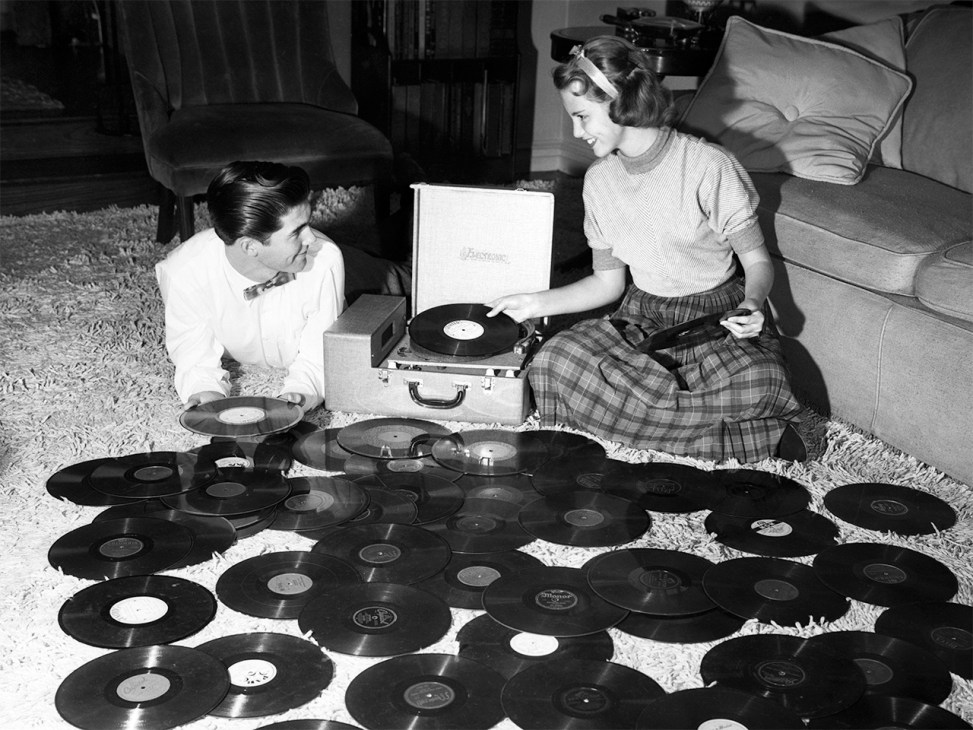
I should be clear: I’m not complaining about how affordable streaming platforms are but about how suffocatingly entwined with them our lives have become. When you only rent music and film, you lose the beauty of curating a thoughtful collection that is actually attuned to your tastes – not just what an algorithm has decided. Not to mention the mounting costs as platforms hike up their prices each year for what feels like increasingly poor streaming experiences. But where else can you go?
Well, backwards. My husband and I are consolidating an MP3 library on Plex and finding interesting ways to display our CDs, which had been gathering dust under the stairs. I’m on the hunt for an industrial 1920s pigeon-hole unit of the right size. This also means that I’m listening to albums more consciously from start to finish (no skips, unless it’s “Maxwell’s Silver Hammer”) and getting the cohesive experience that the musicians intended – the joy of which we’re enjoying sharing with our young daughter, for whom music has, until now, only involved hits searched for on a phone.
We have also made lists of the films and TV shows to which we return, with a plan to expand our DVD collection and fill in the gaps with MP4s. But where to store them? Surely not iCloud, the digital answer to Shurgard? No, we’re investing in a Network Attached Storage hub, or a NAS, which acts as a private cloud. For us, it’s a Diskstation from Taiwanese company Synology, which makes something seemingly arcane feel effortless (though Ugreen and Qnap offer reliable alternatives).
This might all sound terribly troglodyte – particularly coming from someone who works in media in 2026 – but I intend to leave the cave door open. Maybe I’ll even venture out to the cinema. And sure, the next time Netflix releases a water-cooler show, we might roll straight back into bed with it – but just for old time’s sake.