Tweaking the branding of museums and galleries isn’t enough – here’s how to create real change
Over the past year, many art institutions have refreshed their look or even given themselves a new name, to varying degrees of public approval. Short and snappy is evidently in vogue: The Courtauld Gallery in London, for example, has adopted a Madonna-style mononym, Courtauld. The Museum of London, which reopens in late 2026, has been slowly relocating from its former London Wall site to the old Smithfield market in Farringdon; along the way, it has shed a preposition and become the London Museum.
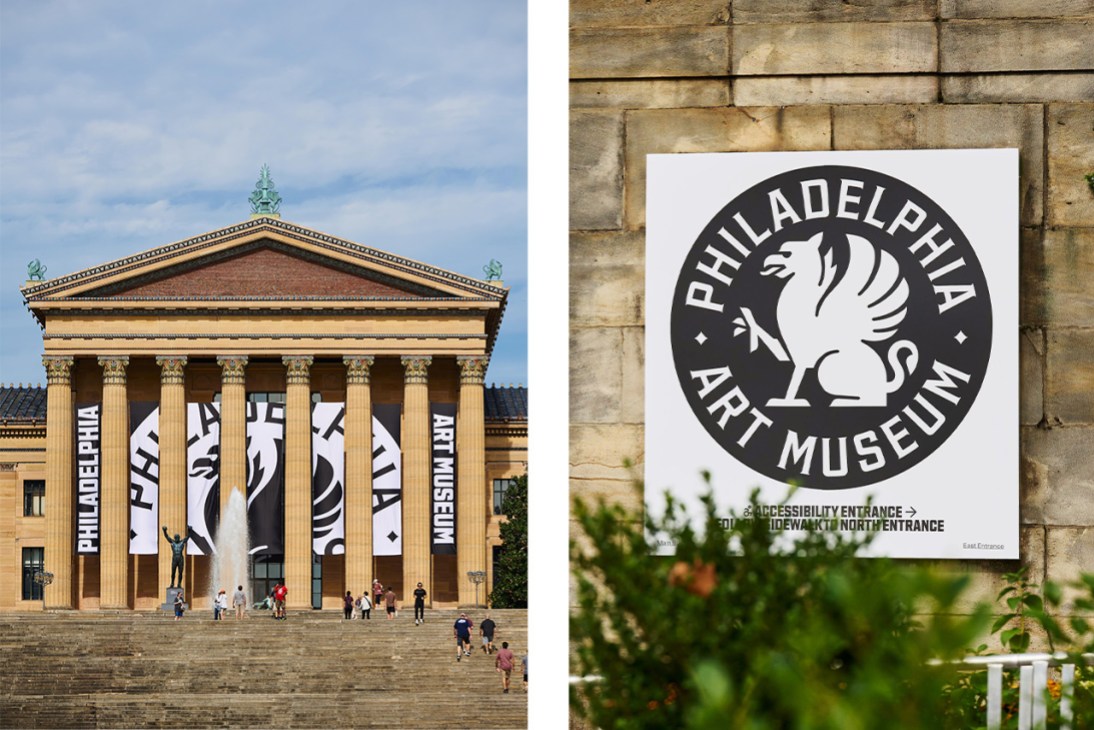
Prepositions seem to be falling out of favour across the Atlantic too. In a subtle change, the Philadelphia Museum of Art became the Philadelphia Art Museum in October. The switch was met with some derision and there was speculation that it might have played a role in the sacking of the museum’s director less than a month later. Was the rebrand worth all the fuss? And was the old one even that bad?
Such changes are often accompanied by new typefaces, logos and websites. “Art institutions are following the same de-branding trajectory that we have seen with corporate logos,” says Matt Johnson, the author of Branding That Means Business. “The move towards simplified names, reduced visual identity and stripped-down typography serves the same function that removing logos does for Birkin bags: creating insider knowledge that builds community through recognition.”
Indeed, scrolling the social-media pages of these museums, I’m surprised by how many of them use sleek monochrome profile pictures that don’t give away what these institutions are. If you’re not already in the know, this kind of branding won’t point you in the right direction. At first glance, the simplified griffin badge of the Philadelphia Art Museum (or Pham, apparently) resembles the logo of a sports team. Sure, online mystique might help to draw in a cool and curious new crowd – but museums should be for everyone. They aren’t a litmus test of taste.
Refreshing your look is sometimes necessary. And, yes, we are reminded time and time again of the financial and political challenges that these organisations are up against. So, as we head into 2026, here are three things that museums should do to entice more visitors through their doors and keep them coming back.
1.
Open the archives
Many museums only display a small portion of the artefacts in their possession. While researchers might have the privilege of going behind the scenes to survey the rest, this isn’t something that’s typically available to the public. As Monocle reported earlier this year, some institutions are forging a new path – and the V&A East Storehouse is a great example of an organisation attempting to let everyone into its archives.
2.
Stay open later
Even museums that run late-night events still often get everyone out by 21.00 (as Monocle bemoaned in August). A late-night programme with interesting events and closing times that border on the ignoble would turn museums into cultural venues with a wider remit, expanding their reach and bringing in new crowds.
3.
Make ticket prices more flexible
Thanks to a private donor, the Jenny Saville exhibition at the National Portrait Gallery this summer was free for anyone aged 25 and under. The show was a favourite of mine this year and it was made even more special by the teenagers sketching in front of (and, at times, giggling at) Saville’s big, fleshy self-portraits. When making changes at museums, ticket prices should always be at the top of the list of considerations.
Sophie Monaghan-Coombs is Monocle’s associate editor of culture. To read more from Sophie, click here.