What I gained from replacing the self-checkout with small talk
I recently made a radical change in my grocery shopping: I stopped using the self-checkout scanner. No Luddite, I had initially embraced the technology as it trickled into shops. Shorter queues, no waiting behind other customers as they fumble for their payment. But I have soured. On a purely functional level, self-checkout machines are wanting. There are the hectoring prompts and clamouring warning sounds. There is the routine failure of the scanner to read a bar code (smudged glass, a wrinkled label). The tedious scrolling through menus to identify your purchase as a Bartlett pear or a concord grape. Inevitably, something will go wrong and the whole system will malfunction, requiring the assistance of a human supervisor to whom you sheepishly explain the possible reasons you have failed.
But there is also something more deeply problematic about them. They represent another erosive step in the gradual withering away of public interaction in favour of a world of “frictionless”, machine-guided transactions. The very fact that I am in the shop rather than ordering from my couch might seem like some archaic ritual; indeed the aisles, where I once might have encountered a neighbour gathering supplies for dinner and had a brief chat, are now besieged by “e-shoppers” doing someone else’s grocery run, identifiable by the badges around their necks and the ruthless way that they move through the shop.
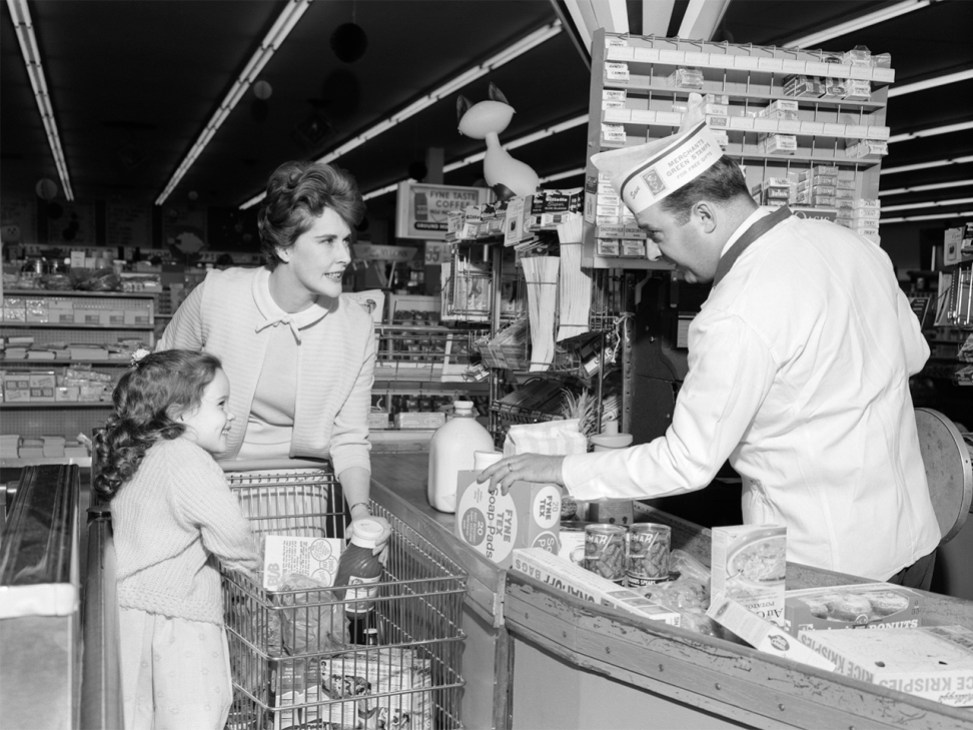
Certainly, a surfeit of small talk can be an annoyance, especially in a city. As the sociologist Erving Goffman famously observed, urbanites tend to live by a strategy of “civil inattention”, whereby we subtly acknowledge each other’s presence but then avert our gaze to preserve a sense of privacy in public. And yet think of how many of these small moments, this social glue, that we are losing. The newsstand where we could communally glance at the headlines and chat with the proprietor is replaced by the private screen; the record shop with the opinionated clerk is replaced by anonymously curated “for you” streams. The entertaining conversation with the quirky cab driver (I once had one tell me about his personal philosophy called “superhumanism”) replaced by an Uber driver who already knows where you are going and who you can request to be silent (then there are the driverless taxis, where the only chat is a recorded safety announcement). Returning to Goffman, we often don’t even have that initial acknowledgement – we’re staring instead at a glowing screen.
The urbanist Greg Lindsay, after stating that Americans now spend an hour and a half more at home (and presumably on screens) than they did in pre-smartphone days, and noting the rise of so-called “ghost kitchens” and “dark stores” – with no footfall, just web traffic – argued that “the physical world has become increasingly vestigial to the digital one”. And in the same way that AI, as studies imply, might impinge upon our cognitive abilities, the technologically mediated urban environment might be weakening our civil muscles: our ability to simply be with other people in public.
It sounds like a small thing but I am here to reclaim the joy of a life with social friction. I have made it a New Year’s resolution to always choose engagement. At the food shop recently, the clerk, noting that I had Scotch bonnet peppers in my cart, queried what I will be making. She was, it turned out, originally from Jamaica and what might have otherwise been a cold exchange of electrons became two strangers finding common ground – in this case, over the delights of jerk chicken.
Tom Vanderbilt is a regular Monocle contributor. For more opinion, analysis and insight, subscribe to Monocle today.
Read next: It’s time to bring the literary café back to the heart of European society