A perfect joint: Another Country and Goldfinger aim to grow without compromising quality
The two furniture firms flourish in fresh directions while retaining their distinct identities.
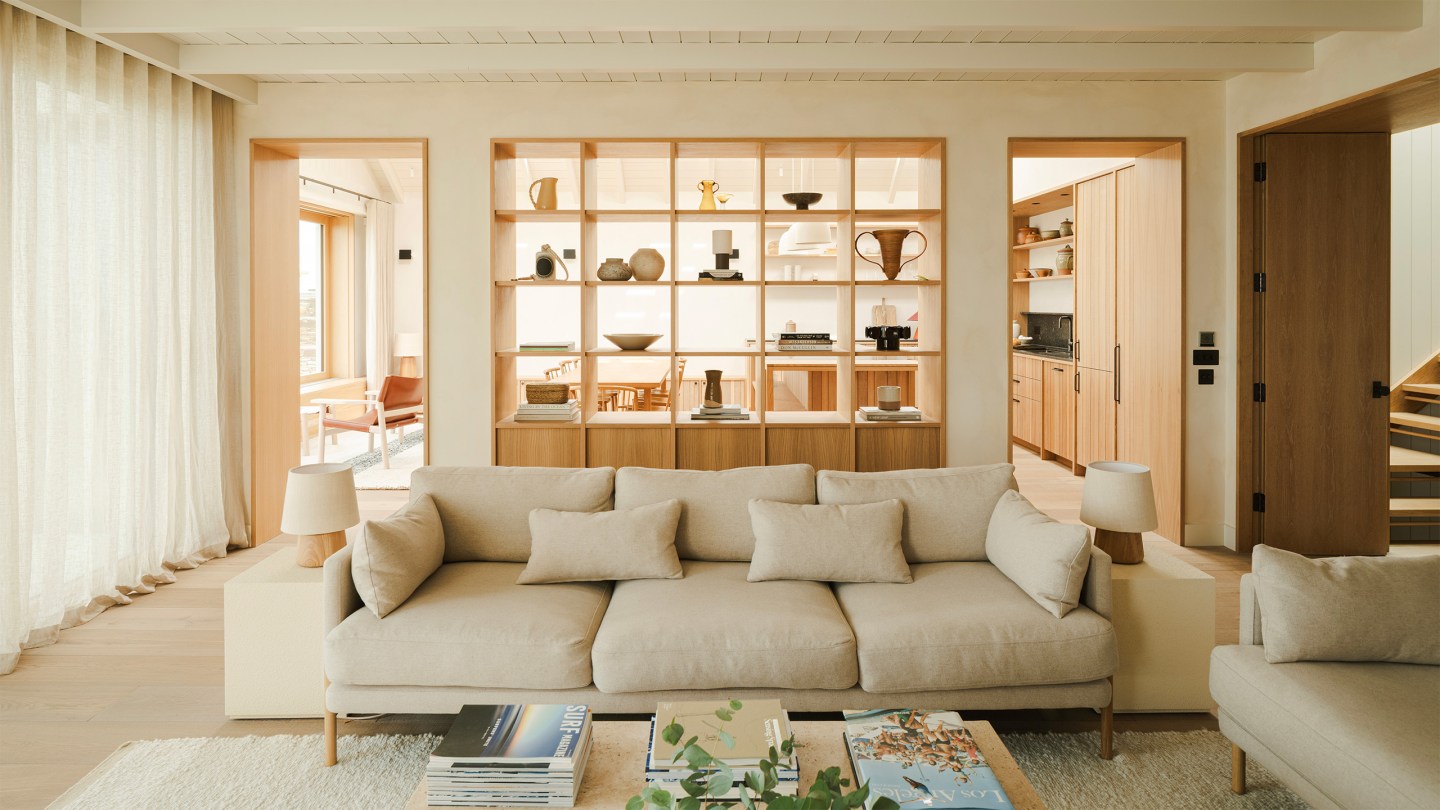
London-based Another Country’s acquisition of fellow furniture maker Goldfinger late last year made perfect sense to those who know both firms. While their values are aligned like a tongue-and-groove joint, each has different strengths: the former is known for peerless service and timeless designs, while the latter’s sustainable credentials and bespoke work stand out.
In an age where mass production and a constant eye on company scalability is an unfortunate norm, it’s increasingly rare to find acquisitions that aren’t part of a larger plot to cut corners. But Another Country and Goldfinger’s pairing is refreshing, precisely because the two companies are explicit in their desires to grow without compromising quality. “We have always kept an eye on complementary businesses that we could collaborate with,” says Another Country’s founder, Paul de Zwart. “Then we came across Goldfinger – a beautiful little jewel of a company that has had such a fantastic impact.”
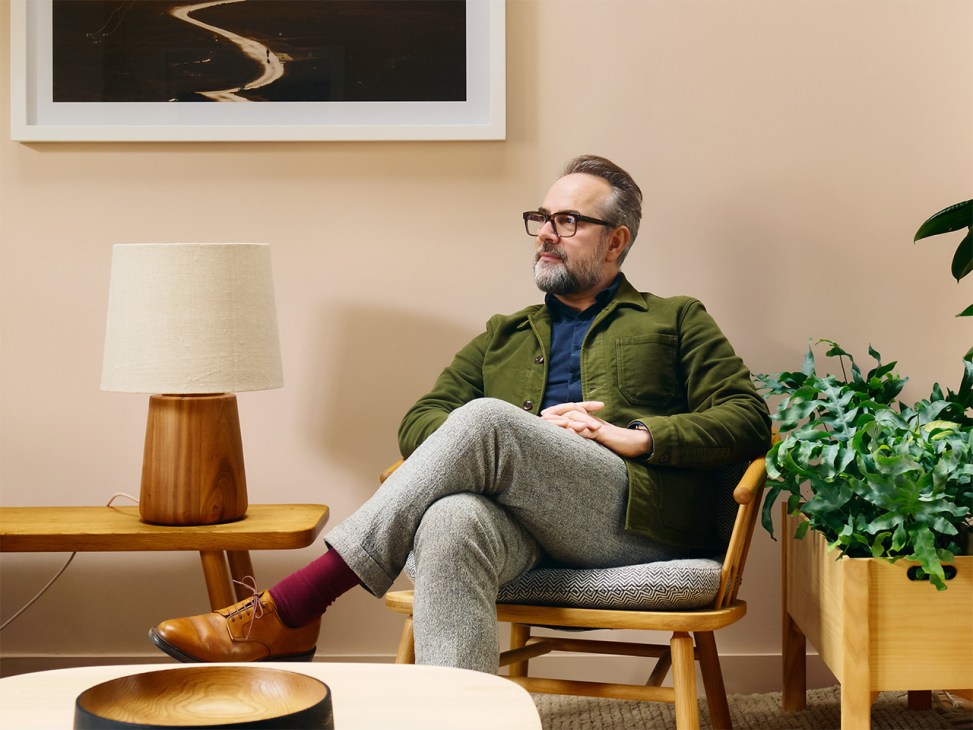
De Zwart characterises the development as a partnership rather than a takeover. When it comes to finding companies to link arms with, there’s no detail too small. “I recently spoke to a very well-known maker in the industry,” he says. “I asked him whether he knew who his electricity provider was. He was surprised – but when you’re a brand that is truly concerned about sustainability, these kinds of credentials are so important. It’s how we should all be thinking.”
The partnership also goes beyond the showrooms and workshop floor, with Another Country stepping in to support Goldfinger’s ongoing Young Makers programme – a fully funded, week-long social-impact initiative for London’s disadvantaged youth. “It’s an extension of the care we have for nature,” says De Zwart. “In our mind, we’re helping communities and training future makers, preparing them for life.” They also provide field trips to clients they’re engaging with to better demonstrate the enormity of the sustainability efforts being made. “We expose them to the world of nature recovery and offer an insight into the challenges caused by global warming and biodiversity crises. It’s directly tied to what we do and our clients appreciate the insight.”
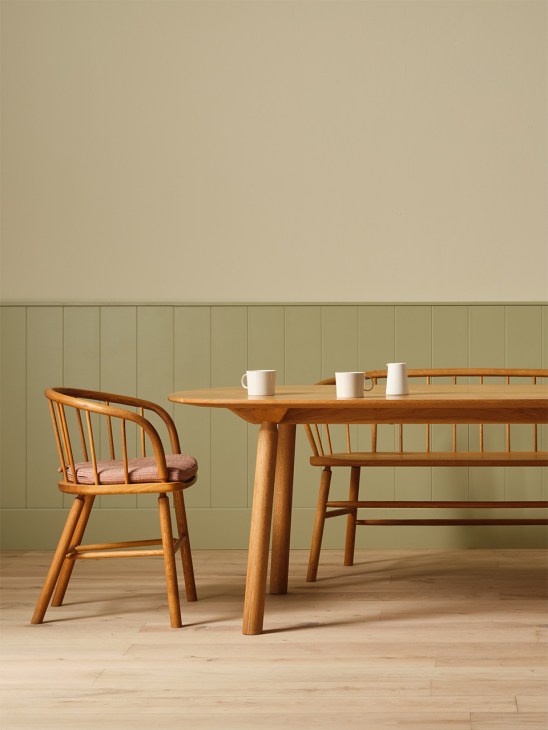
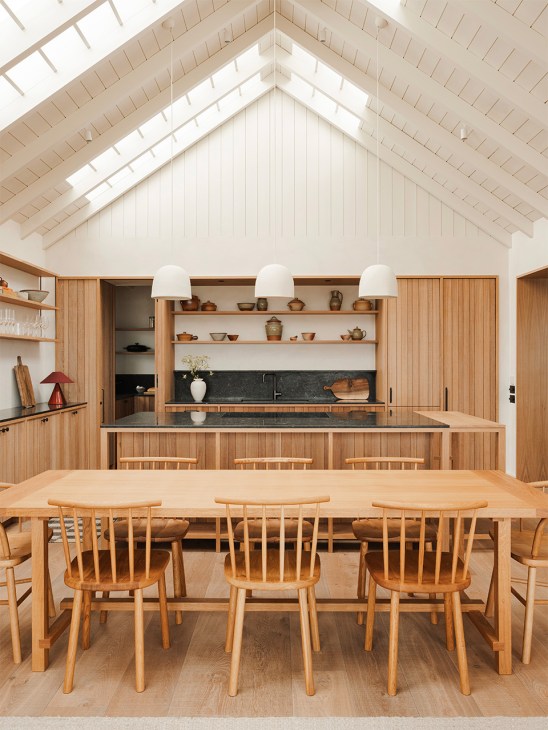
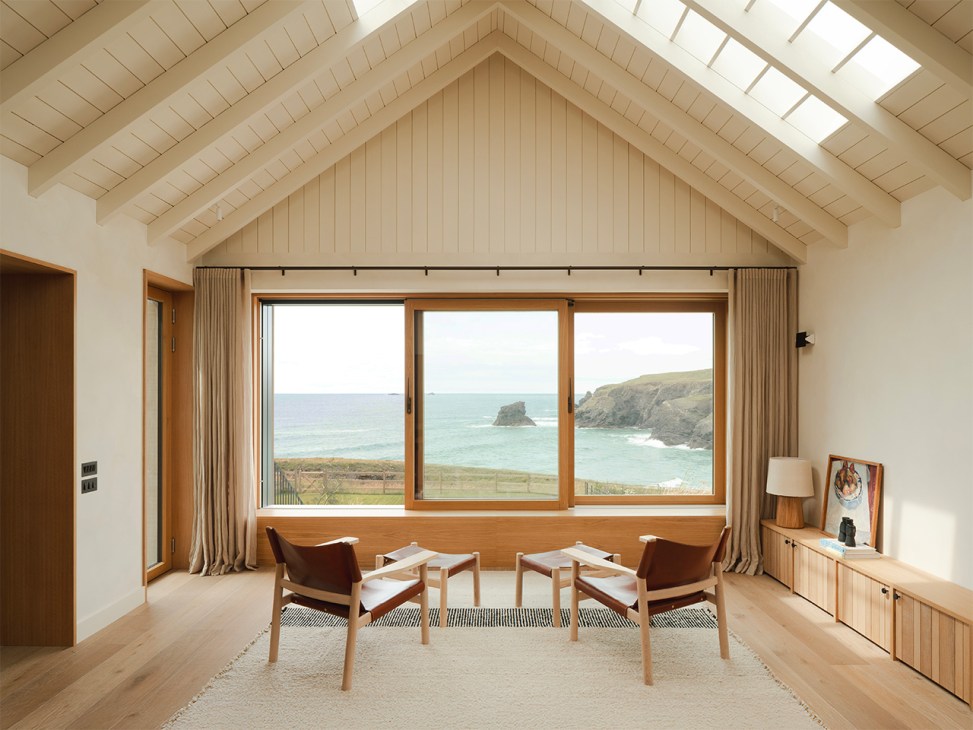
Uniquely, the partnership between the two brands means that each is staying independent while sharing information and methodology across everything from marketing to design. One such tenet is Goldfinger’s Tree Cycling principle: the process of sourcing material from trees that have been felled due to disease, weather or lost to urban planning. The infrastructure and operational power of Another Country, widening its scope to include Goldfinger’s prioritisation of renewability, bodes well for both businesses’ growth. “We see it as expanding our expertise across the board,” adds De Zwart. “Whether it’s off-the-shelf collections or fully bespoke, we have made ourselves more appealing to the market.”
This article is from Monocle’s March issue, The Monocle 100, which features our editors’ favourite 100 figures, destinations, objects and ideas.
Read the rest of the issue here.