‘If you have the privilege, this is a way to survive.’ How two 1950s towers built community in São Paulo
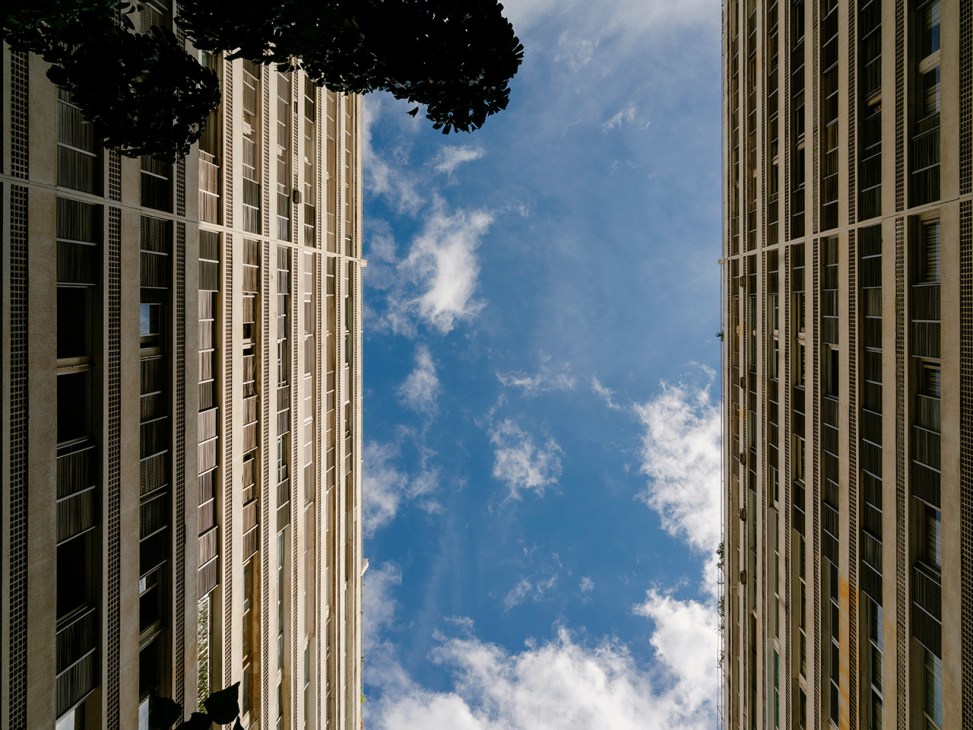
Edifícios Locarno and Lugano, twin residential towers in Higienópolis in Brazil’s largest city, were designed by German architect Adolf Franz Heep in the 1950s. The modernist apartment blocks remain comfortable homes to this day.
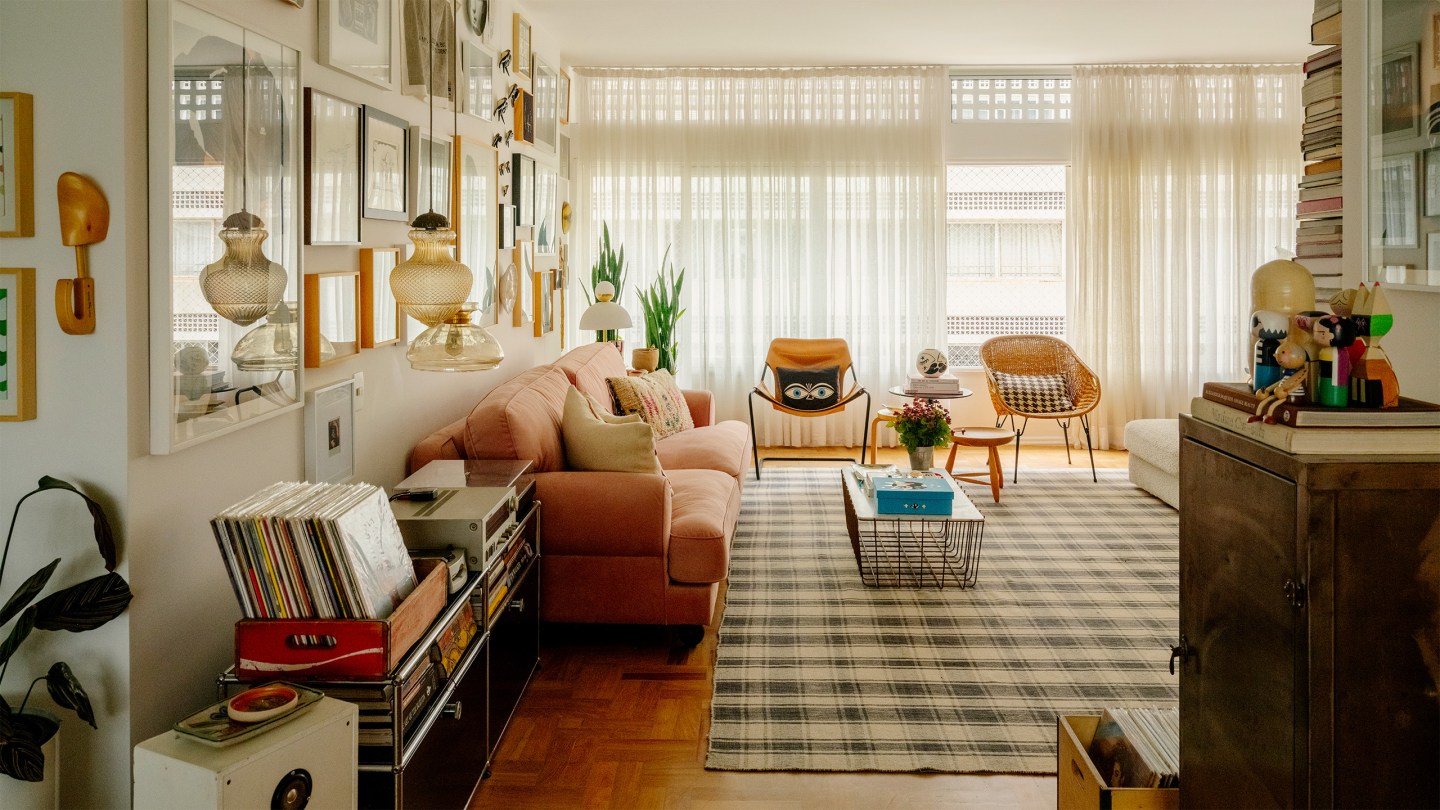
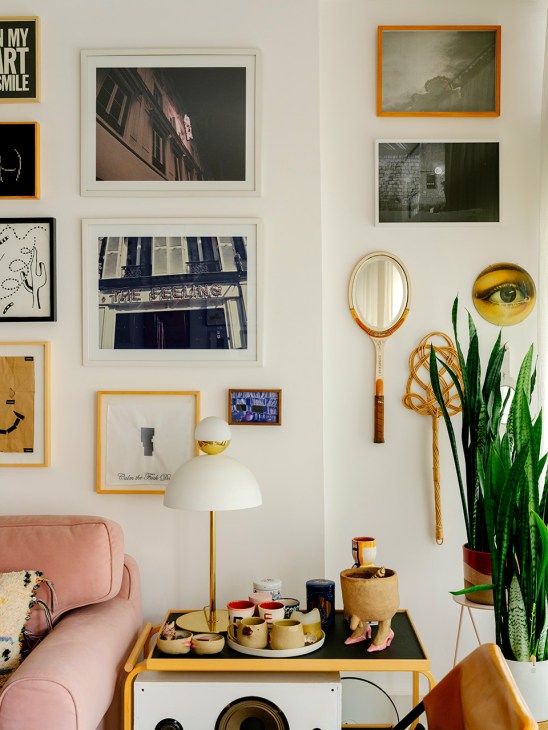
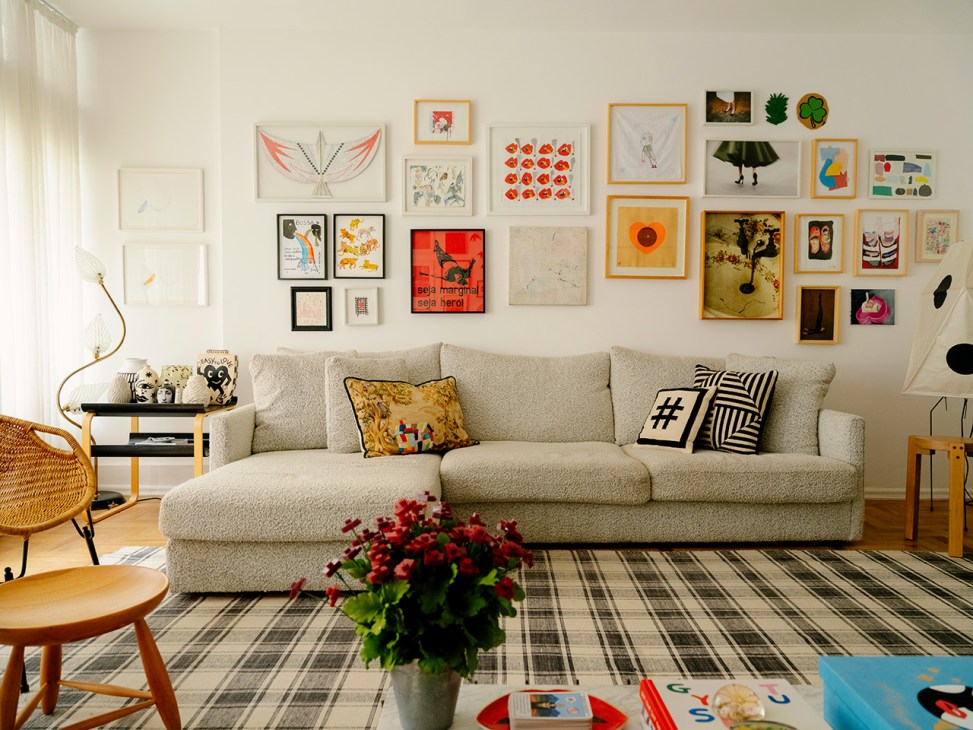
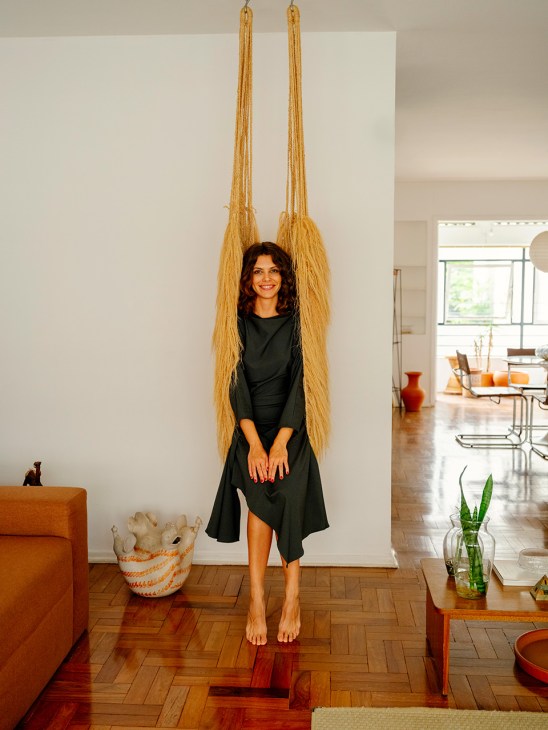
Illustrator Ana Strumpf moved to the Locarno building with her sons having lived in the US for four years. “I needed a neighbourhood that I could walk around,” she says gesturing to the vast window of her airy, art-filled apartment in the 1950s structure. Locarno is one of two identical buildings (the other named Lugano) in São Paulo’s Higienópolis and in is a portal to the past that offers some clues to what makes a meaningful community today.
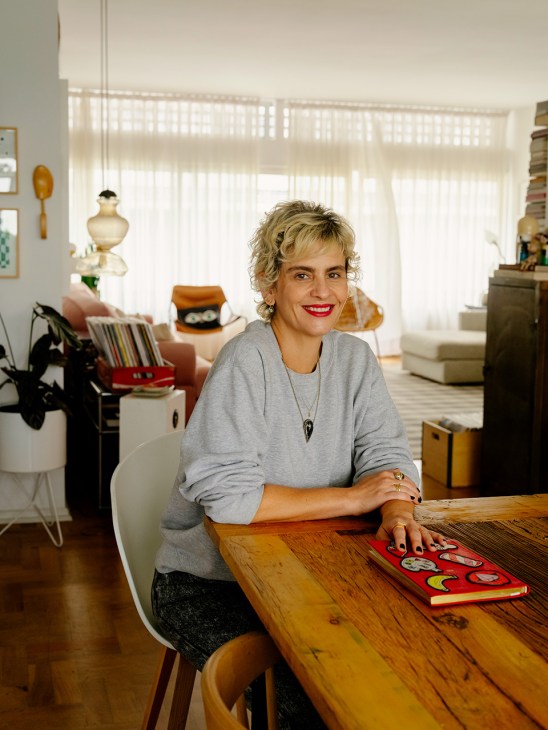
From her studio in what would originally have been the maid’s bedroom, she says that the appeal of living here is the lively community. Strumpf is in a Whatsapp group with the parents who live in the buildings and organises parties for the children. One of her sons, she says, regularly goes down to the garden and plays with her neighbours’ dogs.
The architecture also provides entertainment of another kind for the boys. “Sometimes they like doing silly things that 12-year-olds tend to do, like pull moonies from the windows,” she says with only the slightest hint of disapproval. Once they’re safely at school, she throws open the shutters, partly to let in the breeze as she works but also because she knows that a well-known concert pianist, who lives above her, likes to practice every day at 11.00. “When he plays – oh my God,” she says. “This place is heaven.”
Lofty praise indeed for architecture’s capacity to make homes from houses and forge social connections, as well as for the vision of the building’s designer, Adolf Franz Heep. The émigré, known among contemporaries for gliding through the downtown in his distinctive slim bow ties, had arrived in Brazil in 1947 from Germany. He’d been helping with post-war reconstruction and separated from his Jewish wife by the Nazis. Following his escape across the Atlantic (at the age of 45 and using a fake passport) he joined the office of Frenchman Jacques Pilon and helped to complete the new HQ of newspaper O Estado de S Paulo, including subterranean printing presses. Heep’s solo designs for residential blocks soon followed. Relatively affordable and aimed at a burgeoning Brazilian middle class, Edifício Lausanne, with its red and turquoise aluminium blinds, is regularly name checked in today’s architectural guides; and at 47 storeys high, Edifício Italia still presides gracefully over Praça Republica.
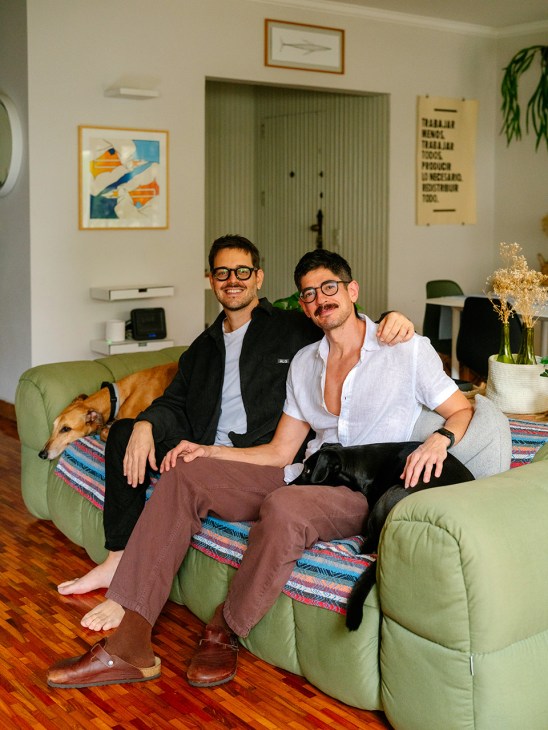
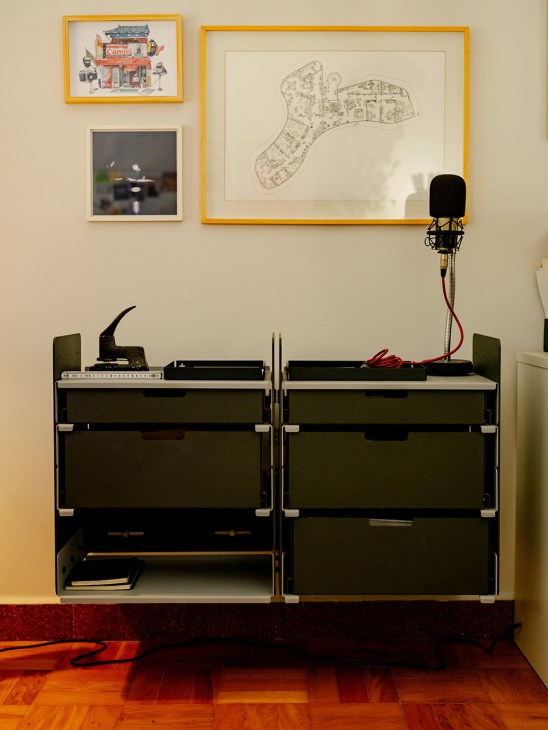
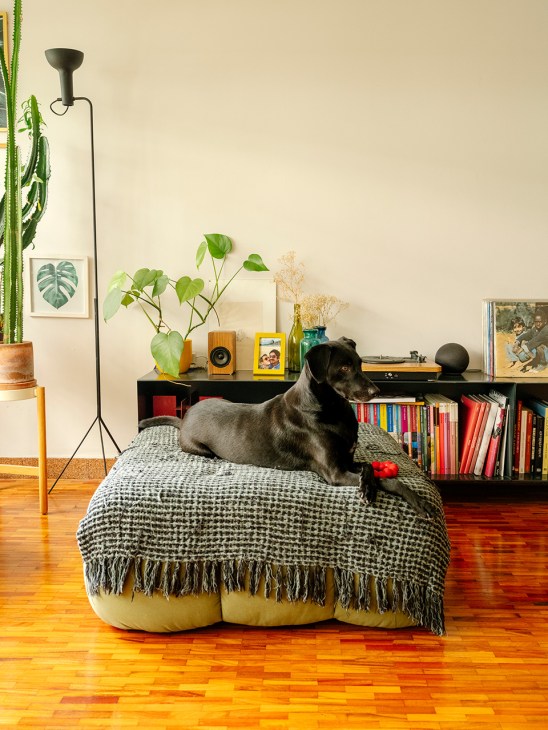
Today, architect André Scarpa is convinced that the 1958 Locarno and Lugano buildings are Heep’s masterpiece. Scarpa knew of the buildings before he moved in and even once designed a shelving unit inspired by their H-shaped exterior window planters. He met his partner, Pedro Rossi, in 2023. After just two months they jumped at an available rental and moved in with their dogs Ipê and Gil. “I used to think that I loved Lausanne and lived in Lugano,” Scarpa says a little wistfully. “Now I think this design is better. Lausanne is very visual, with its coloured shutters, but Lugano and Locarno have light that flows through the apartments, the ceilings are high at 2.8 metres and every room connects perfectly.”
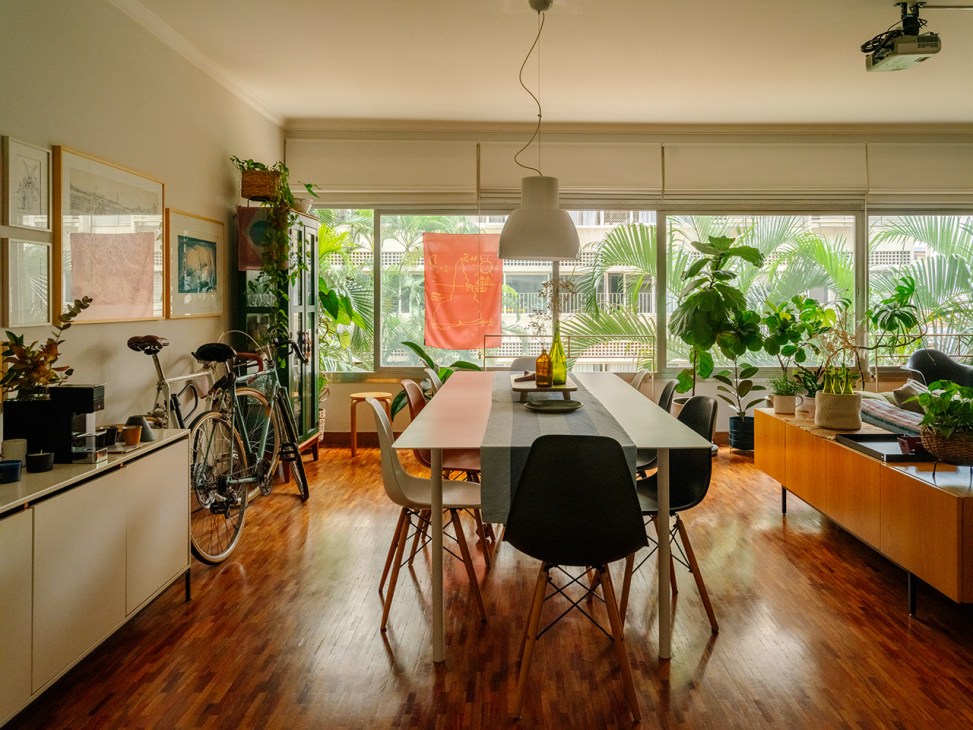
Higienópolis sill feels like a precious slice of old São Paulo in a city that likes to keep up with trends. On a Sunday, the queue for Mirian’s rotisserie chicken served from a hole-in-the-wall stretches round the block. Those waiting patiently are muttering that a much-loved bar has recently undergone a brutal refurbishment but another stalwart from the 1960s called Ugue’s still packs them in for feijoada (stew) and cold beers. Weekend runners in jogging kit are a common sight but you can spy uniformed maids walking packs of pedigree dogs, if you keep your eyes peeled.
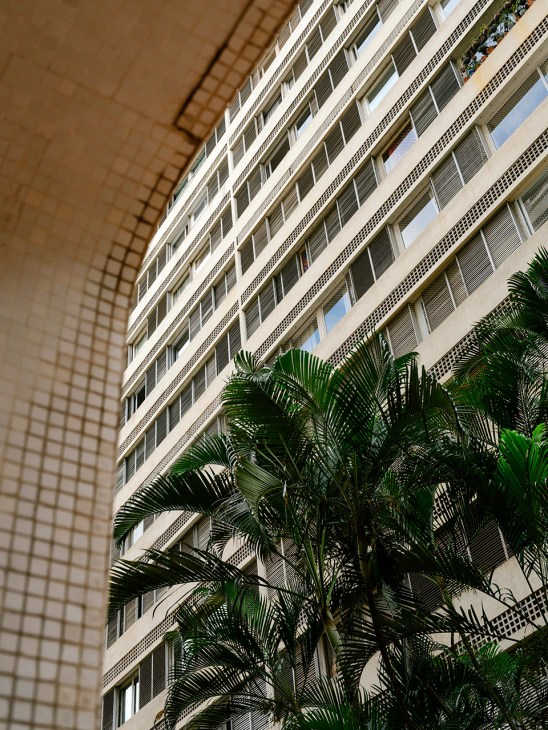
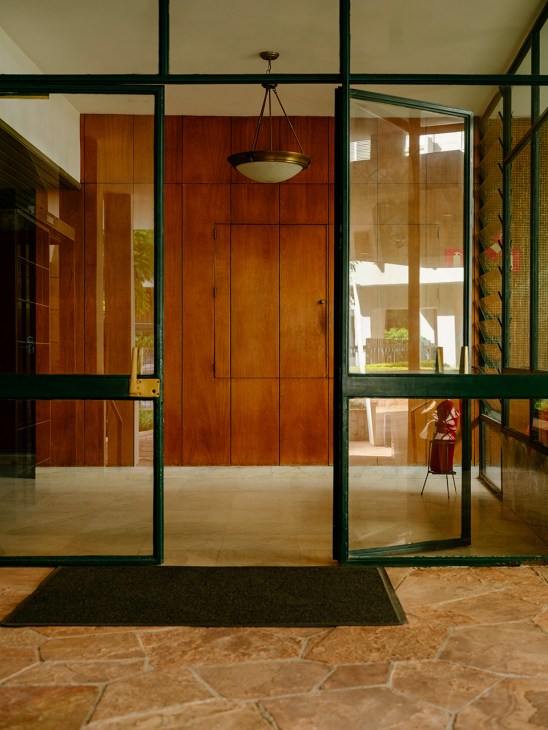
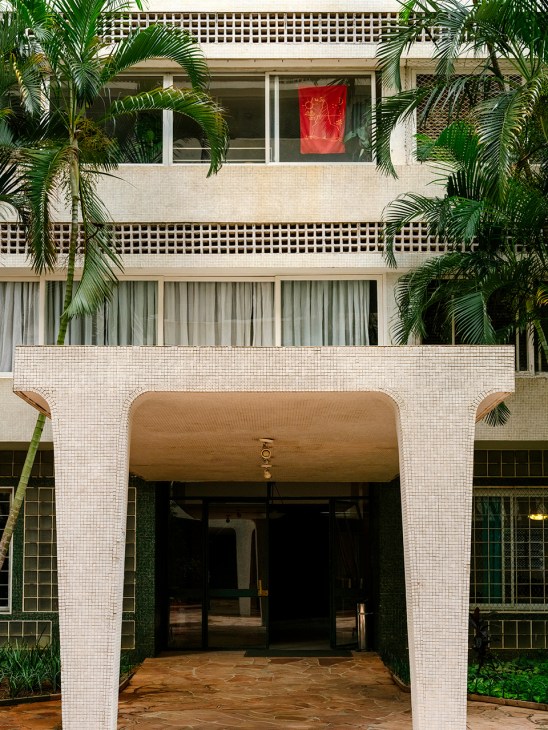
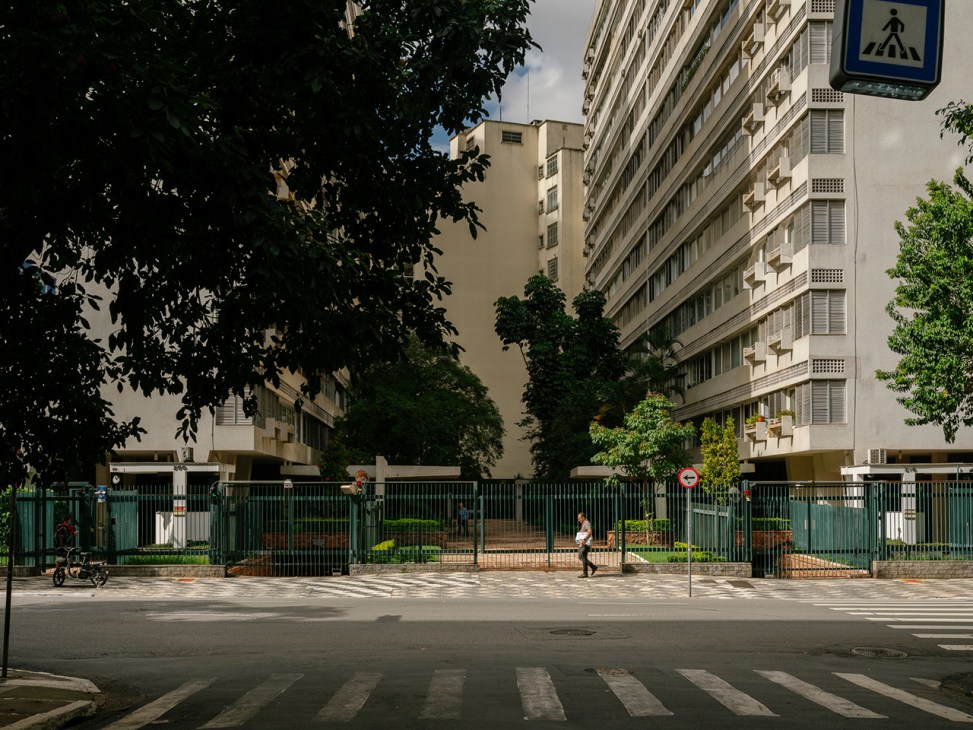
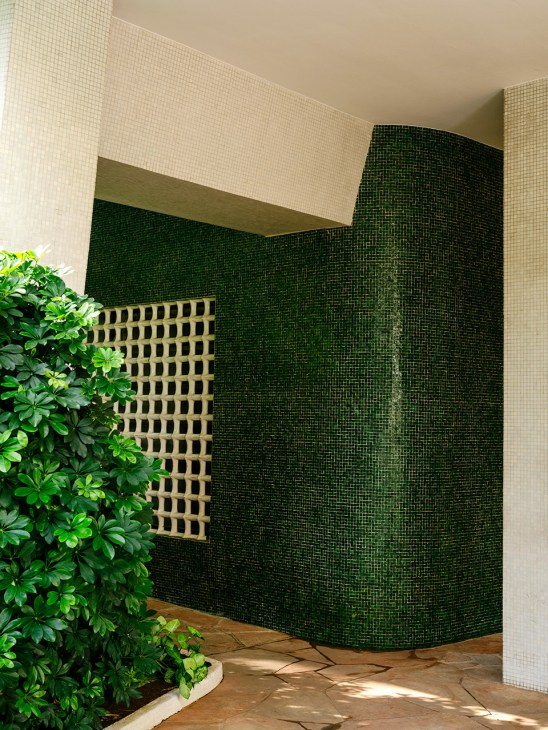
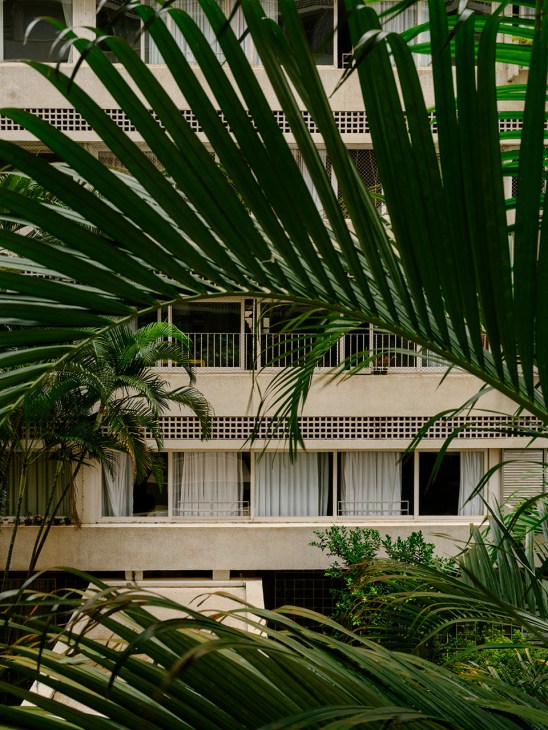
Found beyond security gates (a 1980s addition), Lugano and Locarno lie perpendicular to the neighbourhood’s gently climbing main avenue. A mirror image of each another, they stand on either side of a narrow garden; their names spelled out in discreet sans serif ironmongery. A gardener sweeps the ochre paving stones with an old broom, clearing away branches and fruit from the guiambê shrubs, manacá-da-serra and palm trees. On the ground floor of each building are three apartments and two entrances with canopies held up by tapering white-tiled pillars. Inside, wide curving stairs – the steps and rails painted a soothing cream – take residents to other floors. While lower apartments have glass bricks that allow in plenty of light, the 12 floors above (with four apartments on each level) rely on windows that stretch their entire length.
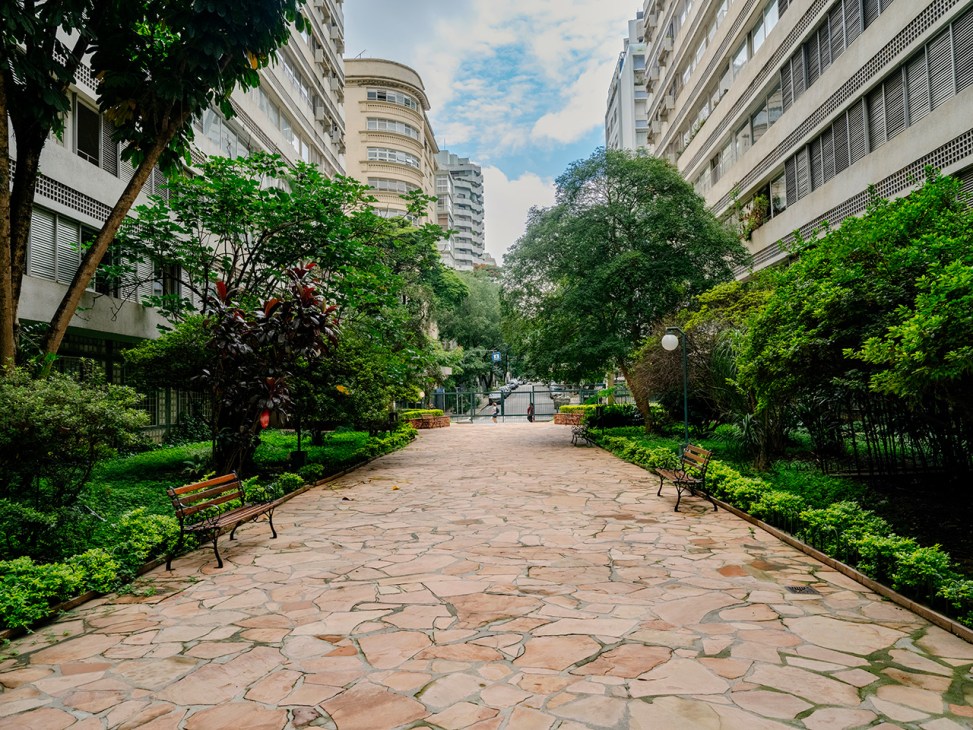
The buildings are certainly attractive and welcoming places to live but they seem to be a particular draw to architecture obsessives. Agnaldo Farias, who teaches art and design at the nearby University of São Paulo, lives on the eighth floor of Lugano. “Heep was such a serious, meticulous architect with an eye for detail,” he says, citing the German’s education under Ernst May and Adolf Meyer at the Kunstschule in Frankfurt and years spent working with Le Corbusier in Paris. “Nothing escaped him. He brought ideas from Europe but adapted them to Brazil, understanding the climate, the problems,” he says with enthusiasm. “The ventilation windows above the main windows, for example. With their individual levers they’re so clever and they make for better living.”
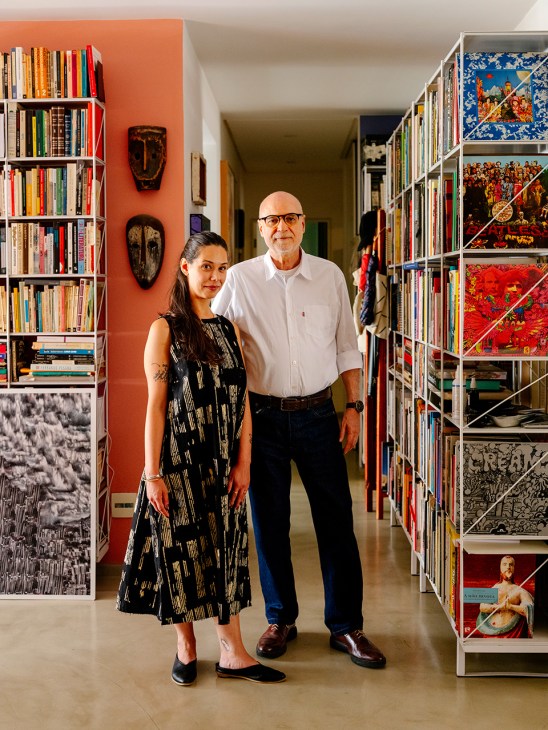
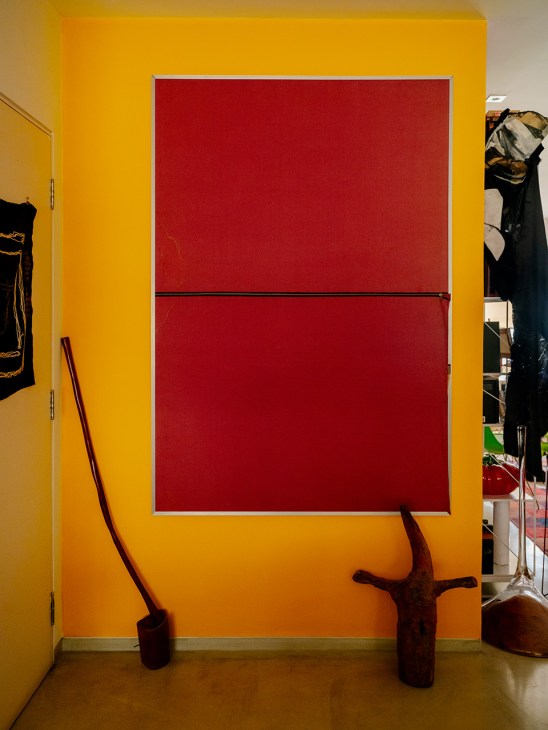

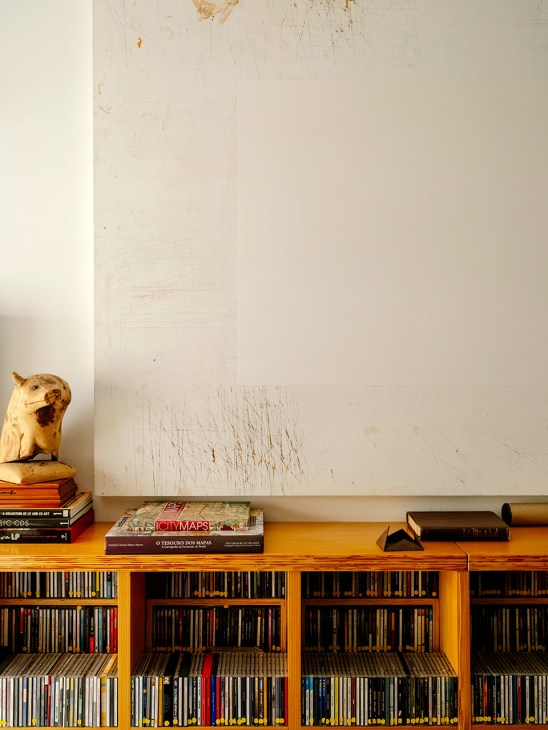
With so much glass, however, each block offers views straight into the apartments of the opposite building. “Like Rear Window,” Farias says jokingly, in reference to the Alfred Hitchcock film. Scarpa admits that he had concerns when he first moved in. “I was worried about privacy but we respect each other, we all know each other,” he says. “I can look across and know [my neighbour] Claude is there today; that Juliana is back from holiday. Heep was interested in how the middle classes might live socially in a city as big and busy as São Paulo. If you have the privilege, this is a way to survive as a community without going crazy.”
Manoel Veiga, a painter who has lived on the second floor of Lugano for the past 18 years, says that there are more children here than when he first arrived. “I came at a moment of generational change,” he says. “My neighbours used to be much older and many had even lived here since the building was new but they were passing. I think my daughter, who is now 14, was one of the first children here.”
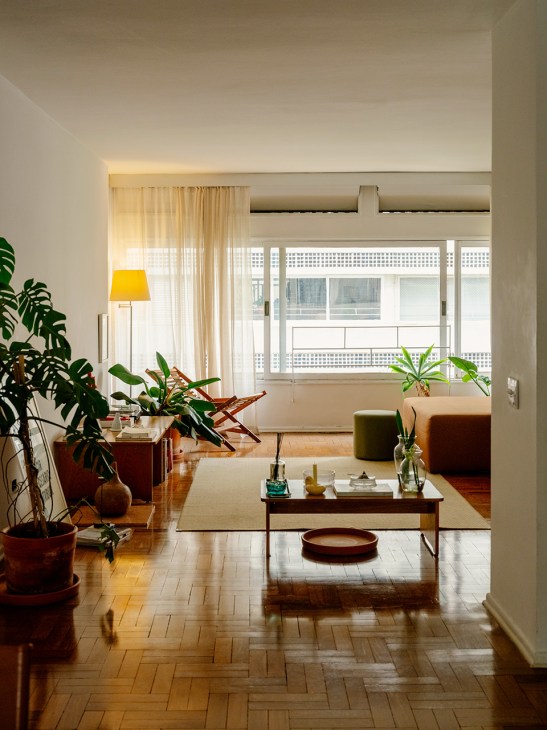
Veiga is proud that his apartment remains just as Heep designed it. Visitors step immediately into the living area, which stretches the entire depth of the floor plan, with a dining space to the rear. Here, Veiga and his wife, Nalu, have their morning coffee at an old bar table from Rio de Janeiro, watching the street behind the block come to life. On each shelf are what he calls his “nanocollections” – clusters of interesting objects that he’s picked up from antique markets and on his travels. There are vintage miniature spirits, little wooden boats and model airplanes, as well as magazines from 1966, the year that he was born. The kitchen runs into the old servants’ area and, like Strumpf, the artist has set up a workspace with a desk, chair and books in the former maid’s room. Across the adjoining corridor are the apartment’s three main bedrooms, though Veiga has turned one of these into a wet studio, a carpet of canvas protecting the floor from paint. Pinky-brown floorboards that run throughout are original, hence the care. “It is very hard to find peroba rosa wood anymore,” he says. “It’s very resistant, hard-wearing. Seven decades and I’ve never had any problems with termites.”
Veiga laments one detail, however. The previous owner changed the bathtub. To get a glimpse of the original, you need to visit art producer Thais Francoski’s nearby apartment, kept bright with its white walls and minimal decor. The 34-year-old has been in Locarno for three years, her first address in São Paulo after moving from Curitiba in the south of the country. She jokes that her neighbours know if she is having a party because her friends always end up dancing by the windows. Her bathroom, unchanged since Heep signed off on his project, is a vision of mid-century style: the walls are lined with aqua-blue tiles, matched by the chunky ceramic of the toilet, pear-shaped bidet and vast sunken tub.
Light flows in through the clouded glass bricks of the bathroom’s exterior wall. It also proves a party draw. “There are so many selfies by friends posted from this bathroom,” she says. The arrival of younger residents, as well as the pandemic, have loosened the community’s rules a little too. As well as sitting on benches outside to read or chat with neighbours, residents often take yoga mats or dumbbells down to the garden for exercise sessions, which was previously frowned upon. Children are not supposed to use skateboards but this has been allowed now too. Francoski bemoans that the communality only stretches so far, though. “The only complaint I have is that I can’t sunbathe in the garden in my bikini. It’s not allowed. We need sun though.” Heep, she tells Monocle, would have been on her side. After all, she opines, “this architecture is all about being healthy”.
This article is from Monocle’s March issue, The Monocle 100, which features our editors’ favourite 100 figures, destinations, objects and ideas.
Read the rest of the issue here.