Frank Darling, the mystery Canadian architect who designed Toronto
Frank Darling, the prolific architect of Edwardian Canada, designed hundreds of banks and grand buildings yet his indelible mark on the skyline is largely forgotten.
Frank Darling was one of Canada’s greatest and most prolific architects, amassing more than 360 projects across the country, a third of these in Toronto. Practising from the 1870s to the 1920s, he created grand banks, homes for the wealthy and university buildings, many of which still stand. So why do so few people, even in Canada, know about his life and work; how come he lingers in the shadows of architectural history?
Well, three separate office fires meant that many of his records went up in flames (sounds like an archivist with a heavy smoking habit). A dedicated bachelor, there was no immediate family to keep his story alive after his death in 1923. But now he has David Winterton, a senior associate at Era Architects and author of the new book, Toronto Edwardian: Frank Darling, Architect of Canada’s Imperial Age. Also a historian, Winterton is desirous that his years-in-the-making project will set the record straight. “I’m hoping that we can resurrect an architectural hero so that people can identify his buildings and know about the building culture of the period,” he says.
While Darling was successful across several decades as the book’s title suggests, he was at the peak of his powers and influence at the start of the 20th century. It was a time when Canada’s railroads and banking systems were rapidly expanding and a generation of plutocrats was amassing great wealth. These grandees were keen to make evident their successes through architecture. Darling was their man. From a privileged background himself, he understood their ambitions and motivations. “Just look at the University of Toronto,” says Winterton.
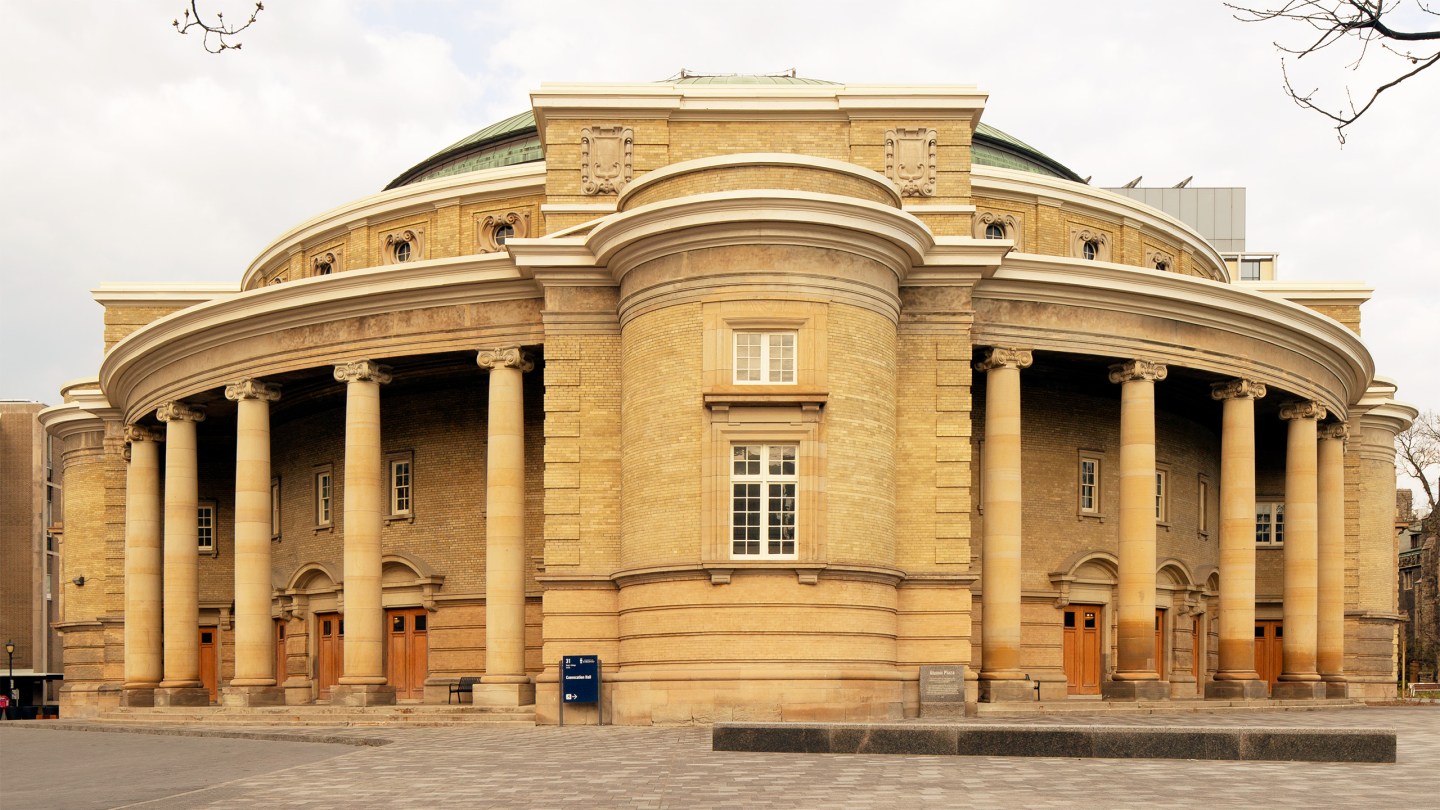
“Before Darling got involved, the university was a smattering of Victorian pavilions in a park-like setting,” adds the author. “The plutocrats of Toronto wanted to improve higher education in Ontario, so they got money from the provincial government and tapped Frank Darling to revise the old campus. He designed several new faculty buildings, including the Chemistry and Mining Building, Convocation Hall, a physics laboratory and thermodynamics building. The imprint of Darling on the University of Toronto is still visible and important.”
Yet the deepest pockets belonged to the bankers. In Darling they had found someone who could erect branches not just in the key provincial cities but also in small towns. “He was instrumental in making, reifying, the banking system,” says Winterton. “The architect designed hundreds of banks for five of the six chartered companies in Canada. In many towns, big and small, at important intersections in all these towns, there is a Frank Darling building, or at least there was. For a lot of people in these towns, their first exposure to capital ‘A’ architecture was an Edwardian bank by Darling.”
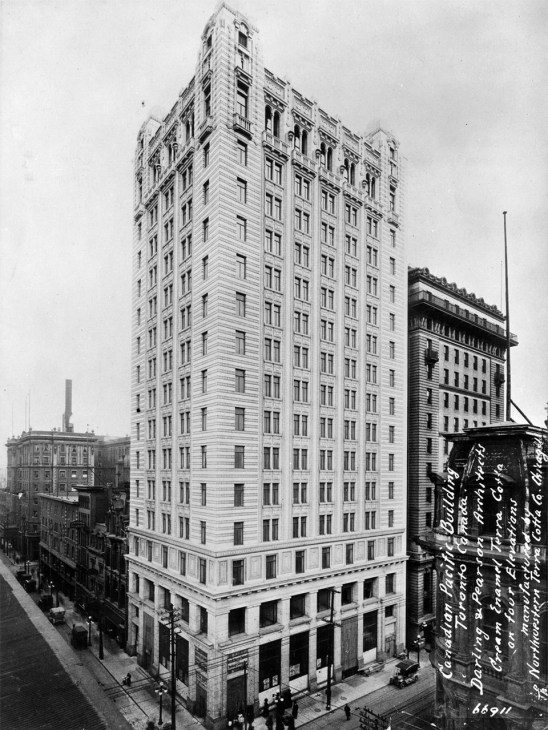
And when it came to constructing their main branches in Toronto, Montreal and Winnipeg, their ambitions – and Darling’s designs – seemed to know few limits. Many of his banking halls outshone those in New York and London, the heart of the British Empire (Canada being a dominion at this time). New architectural heights were reached elsewhere too. Darling designed Canada’s first true skyscraper in Winnipeg and then brought the idea back to Toronto where, says Winterton, he developed a row of towers in the city’s business district.
What made Winterton so intrigued by Darling? “Back in the late 1990s when I started my architectural career, I started working for a firm called Era Architects, which at the time was a very small heritage firm. We helped church ladies fix up their steeples, chimneys and things. And now we’re a firm of more than 130 people. But we touched on a lot of the older buildings in Toronto and it became apparent to me that there were many by Darling and Pearson. It was obvious that this firm had had an outsized effect on the architectural production in Toronto and the institutional core of the city. The Art Gallery of Ontario, the Royal Ontario Museum, the Toronto General Hospital – all these buildings had their first iteration through Frank Darling.”
Despite years of research, it has not been possible to fully bring Darling into the spotlight. Winterton, like others, thinks it likely that he might have been gay. Yet there’s no real proof. “I’m indebted to Bill [William] Dendy, who was a gay architectural historian in Toronto in the 1980s and 1990s, and was one of the first to delve into Darling’s life,” says Winterton. “I think he [Dendy] kind of cocked an eyebrow about bachelorhood. There aren’t any family records. But he was nevertheless embraced by the elite of Toronto and Edwardian culture. He was a member at many of the clubs. He had the trust of the most important people operating in the country. They went to him to design their homes. He thrived, regardless of any kind of internal struggles.”
For Winterton, his book is not only about the past, however. “In Toronto we have the greatest number of heritage, small-scale buildings being used as podiums for condominiums and glass skyscrapers rising behind them. We’re trying to make sense of that. Part of what I want the book to do is develop a conversation about the city’s urban culture and see whether that can lead to a consensus, as well as a more beautiful public realm,” says Winterton. Could wealth and developers align to deliver a new civic architecture fit for today?
10 impactful Darling buildings across Canada, chosen by David Winterton
1.
Convocation Hall, University of Toronto
Convocation Hall from the east: a boldly conceived, radial landmark anchoring the University of Toronto’s main campus.
2.
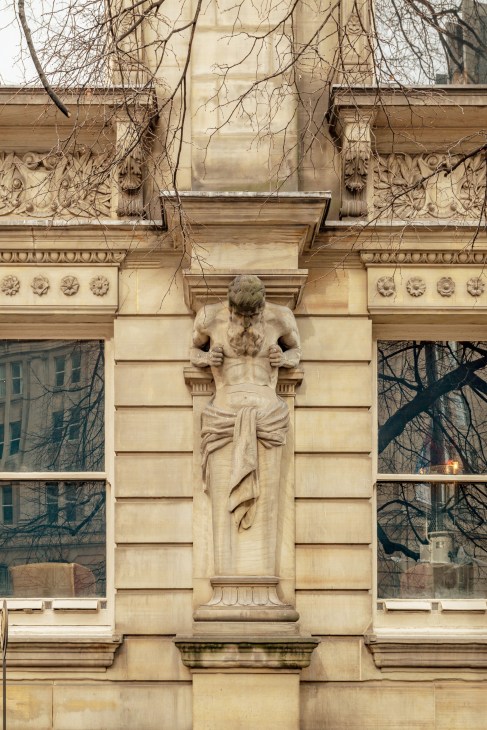
Bank of Montreal, Toronto
A pivotal commission for Darling & Curry: the sculpture-laden 1885 Bank of Montreal, Toronto main branch, which is now the Hockey Hall of Fame.
3.
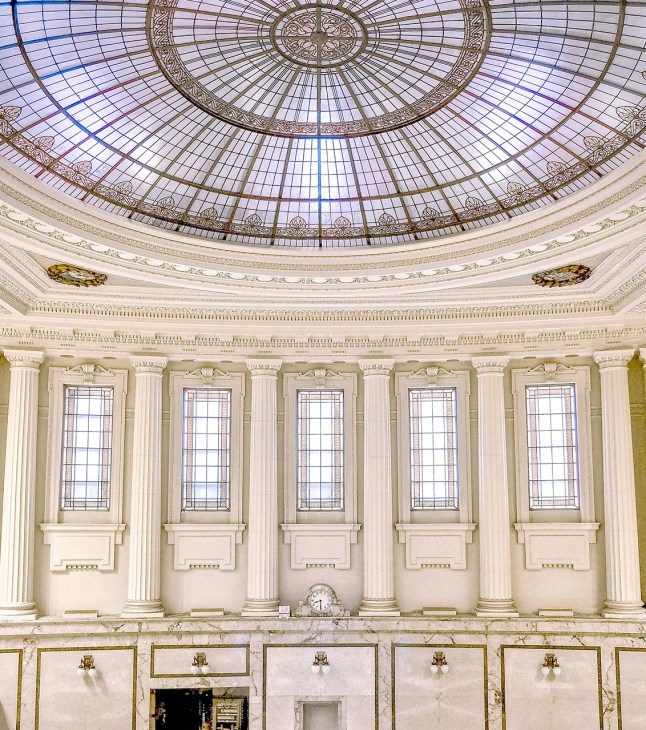
Canadian Bank of Commerce, Winnipeg
One of the finest Edwardian banking halls in Canada, featuring an expansive 13.7-metre circular glass laylight. Now the Millennium Centre event venue.
4.
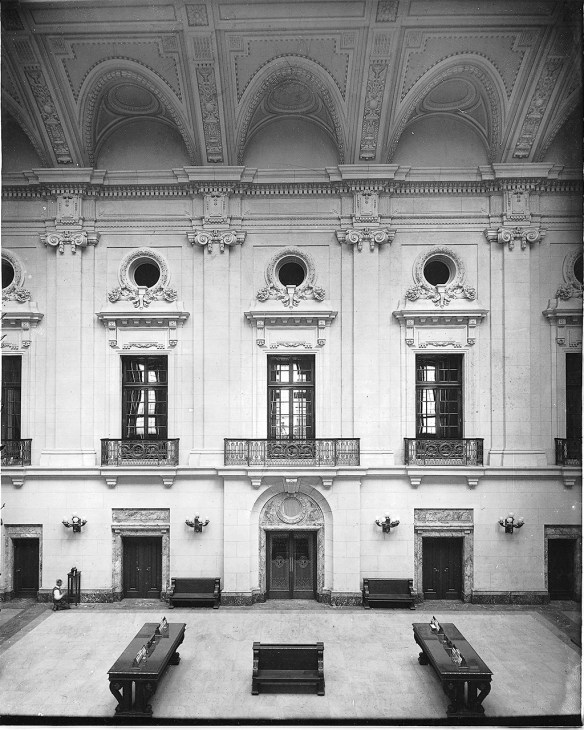
Canadian Imperial Bank of Commerce, Montreal
Another extraordinary banking hall, on Montreal’s old Bankers’ Row, St James Street. Now the Theatre St James event venue.
5.
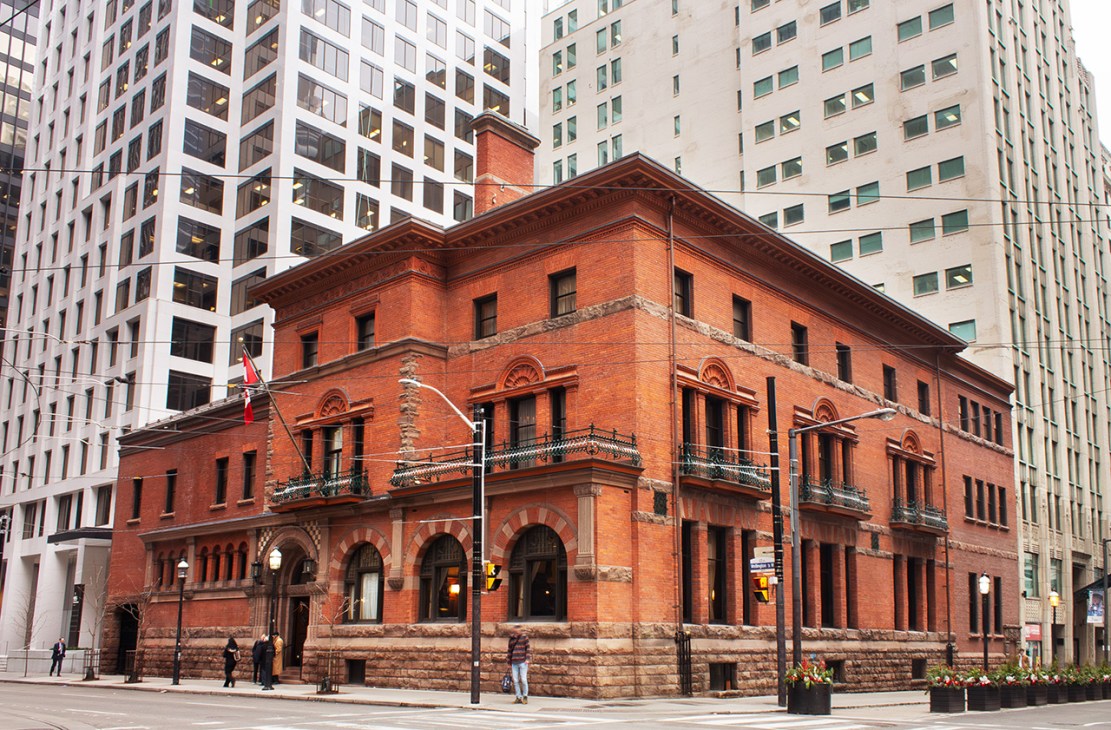
Toronto Club, Toronto
The 1889 Italianate-Romanesque Revival palazzo design for the Toronto Club houses the country’s oldest – and still vibrant – members’ club.
6.
Canadian Pacific Building, Toronto
This railway building was Darling and Pearson’s most significant skyscraper design, featuring recognisably Edwardian corner cupolas. It was momentarily the tallest in the British Empire.
7.
Ladywood, Kempenfelt Bay
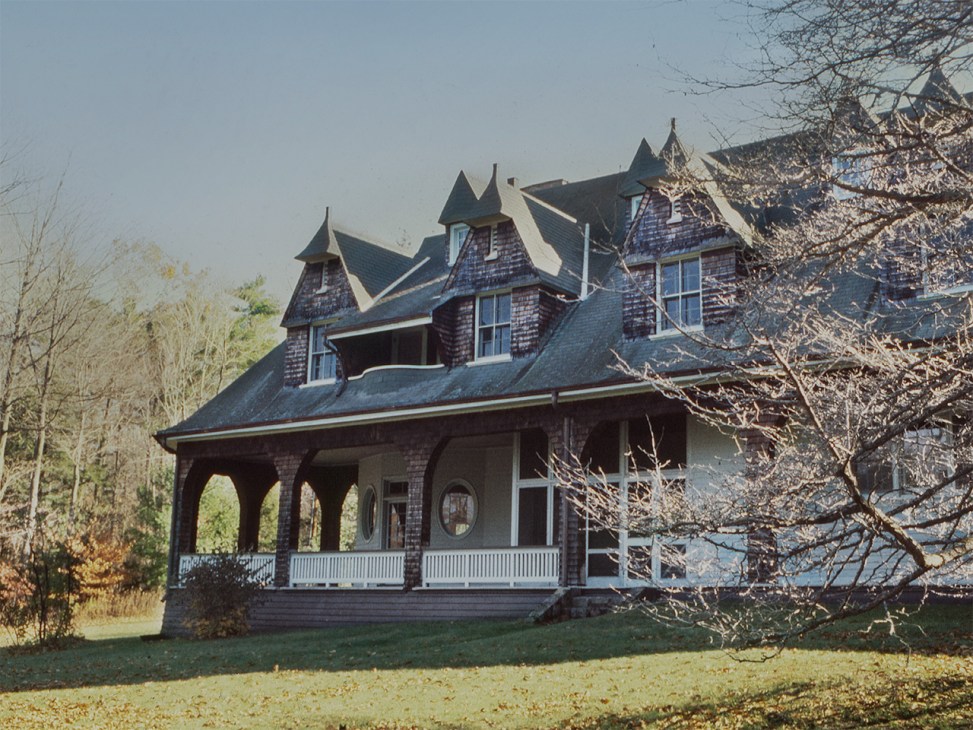
A unique and charming shingle-style summer retreat, Ladywood’s lake-facing side was peppered with miniature hooded dormers and a deep verandah.
8.
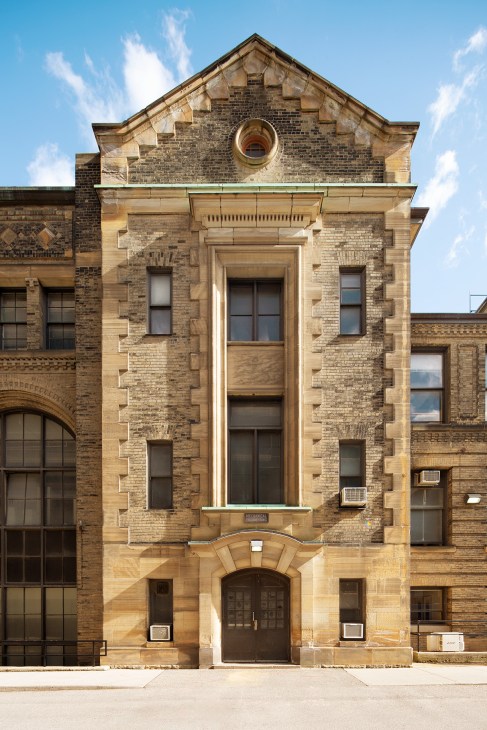
Thermodynamics Building, University of Toronto
Pictured is the sole completed gabled bay of Darling and Pearson’s otherwise unrealised design for the Thermodynamics Building, an engineering research laboratory. A hidden gem on campus.
9.
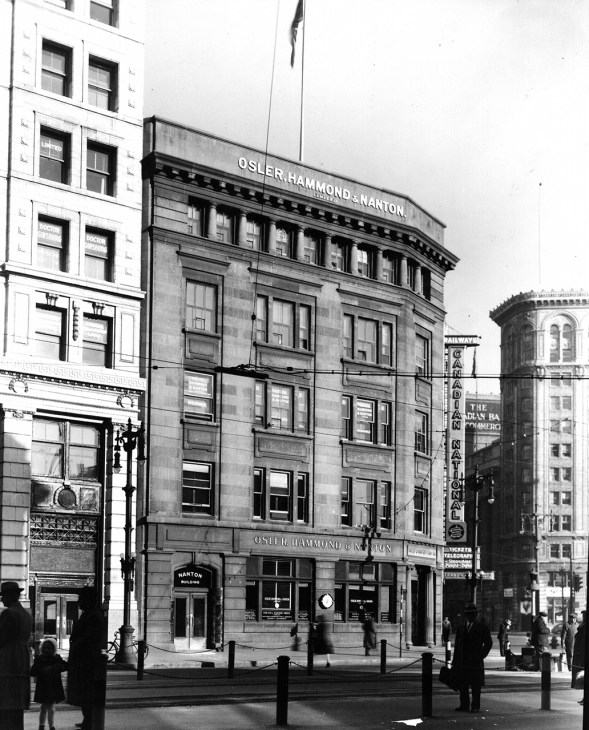
Osler, Hammond & Nanton Building, Winnipeg
This building (pictured top) from 1906 was but one example of the many handsome and clever commercial designs executed by Darling, Pearson and Over.
10.
Home for Incurables, Toronto
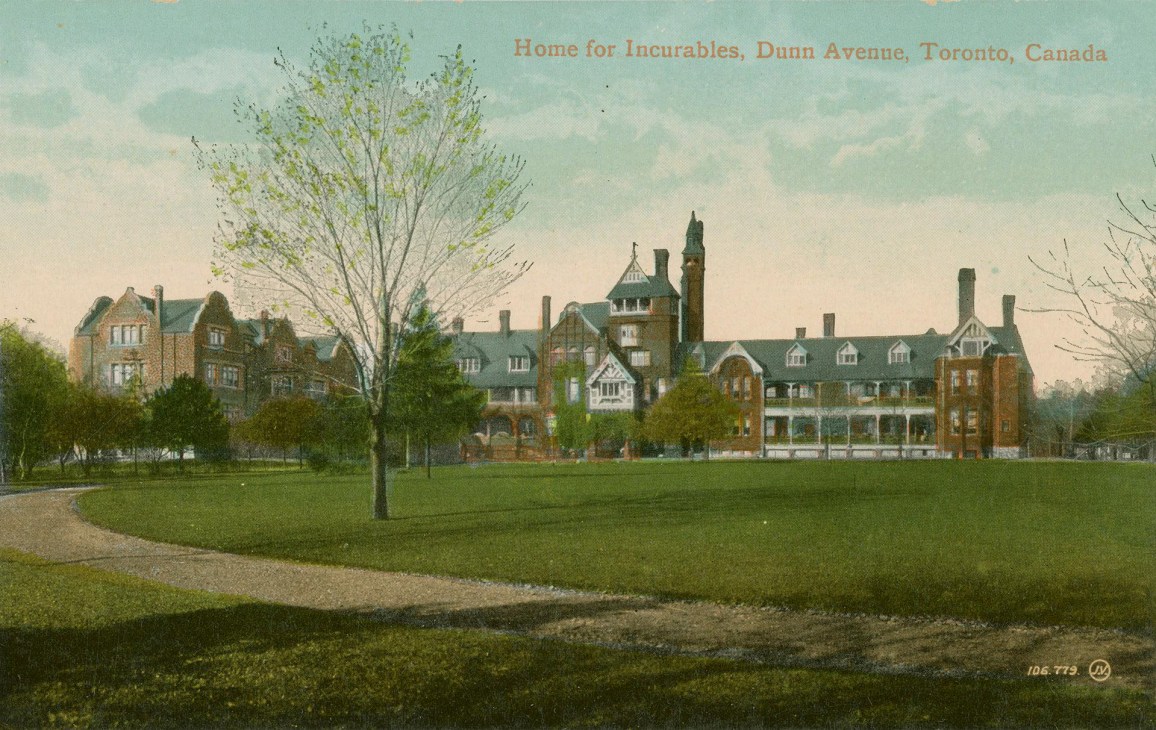
Postcard view of Darling’s first hospital design (1879) sited in Toronto’s west end. A Queen Anne pavilion plan with an evocative central tower to capture and distribute lake breezes.
To hear more from David Winterton, listen to this episode of ‘The Urbanist’.
Read next: The Monocle City Guide to Toronto, featuring the best hotels, restaurants and retail spots