What ‘Backrooms’ reveals about the emotional power of furniture and interiors
For certain interior architects, the devil is in the decor.
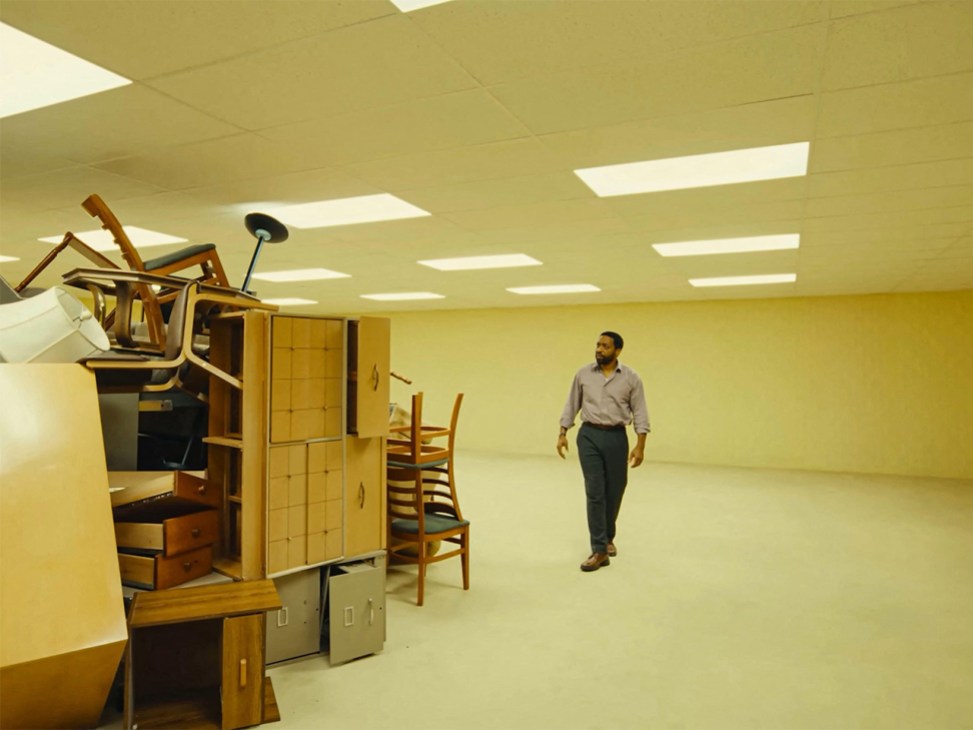
I’m not normally one for a horror movie – I’ve been known to read a plot synopsis before going to the cinema so that I’m not a shaking wreck throughout. But when Backrooms hit theatres at the start of the summer, I knew that I’d have to watch it. Created by wunderkind director Kane Parsons, the film is a pastiche of 1990s aesthetics and design: it follows the fortunes of a furniture salesman as he makes his way through a landscape of liminal spaces, inspired by the big-box warehouses and the corridors of nondescript hotels and corporate offices of the era.
Think seas of beige carpeting, drop ceilings and fluorescent lights. There are sets filled with chunky pine furniture and skirted, slip-covered armchairs too. The outdated visual landscape was intended to trigger a strange and lonely fear. And it was largely effective. But for me, whenever an overstuffed roll-arm sofa made an appearance (set against a background of chintz) that feeling of disquiet ebbed just a little bit. The horror of the liminal space suddenly balanced out by a sense of comfort.
At the time of viewing, I had chalked it up to pure 1990s nostalgia but a recent conversation with London-based Linda Boronkay for Monocle on Design pointed to the potential for a deeper meaning. Speaking to the designer about how she creates spaces, she mentioned that furniture and objects – not just architecture – are among her most (if not the most) powerful tools. “I choose objects based on their aesthetic and material value, as well as their energy,” she said to me, adding that these still need to work in concert with everything from good lighting to correct placement. “But I believe in animism – the idea that even objects have a spiritual energy and charge.” Such a quality, she said, comes from an object’s ability to carry a memory or an association with a person or moment.
It clicked. What’s terrifying about Backrooms is how it evokes the worst of 1990s environments – a time when soulless big-box shops were ubiquitously rewriting the look and feel of neighbourhoods, and new single-family houses began growing in size, paving the way for McMansions and suburban loneliness. More than any single object, the scale of such spaces – cavernous, overlit corridors and empty, oversized rooms – unsettled me most. In contrast, the film’s furniture – wooden ladder-back dining chairs, moulded plastic seating, honey-oak cabinets – carried an uplifting anima. Despite intending to reference a mismatched showroom display, it recalled feelings of cosiness and closeness, defined by family holidays at rentals down the coast and Christmas at my uncle’s place.
It’s easy to see furniture as second fiddle to architecture. But Parsons, and by extension Boronkay, show that considering the anima of the objects in our curation can shape a space as much as the four walls that define it. So, search for the objects that speak to you – fill your home with pieces that have meaningful energy. And if you’re still scared of watching Backrooms (now streaming and still in a few theatres worldwide), take comfort in its anima-imbued furniture – it might just get you through the terror of its liminal spaces.
Anima in action: Linda Boronkay is a leading interior designer. She’s particularly known for her characterful hotels, including Osborn House in the southern highlands of New South Wales. Read our full report on this outstanding hospitality project here.