
Are we entering a new golden age of car design?
While the automotive industry in the 21st century has largely been defined by homogenisation, there’s been a palpable shift in recent times. Here’s what has been moving the dial in the four-wheeled world.
For the better part of a decade, cookie-cutter, identikit design and Chinese copycats have made the automotive market particularly bland. But in the past couple of weeks, off the back of major industry fairs such as the Mondial de l’Auto – or Paris Motor Show – has brought forth a glut of inspiring new designs. Are we entering a brave new era for automotive eye candy? The evidence suggests so.
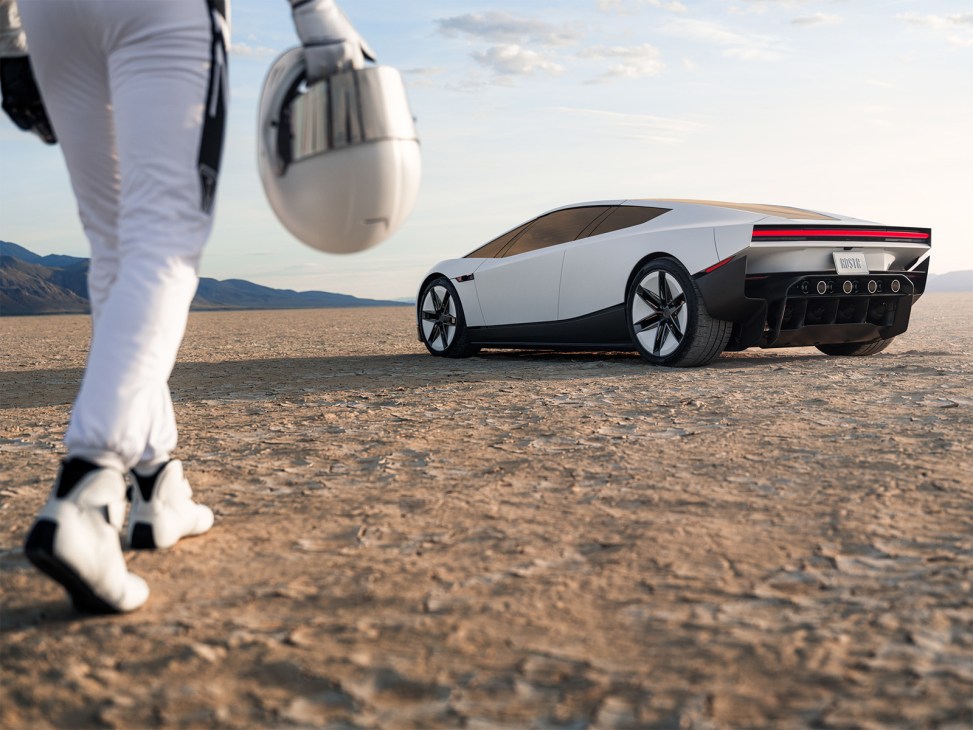
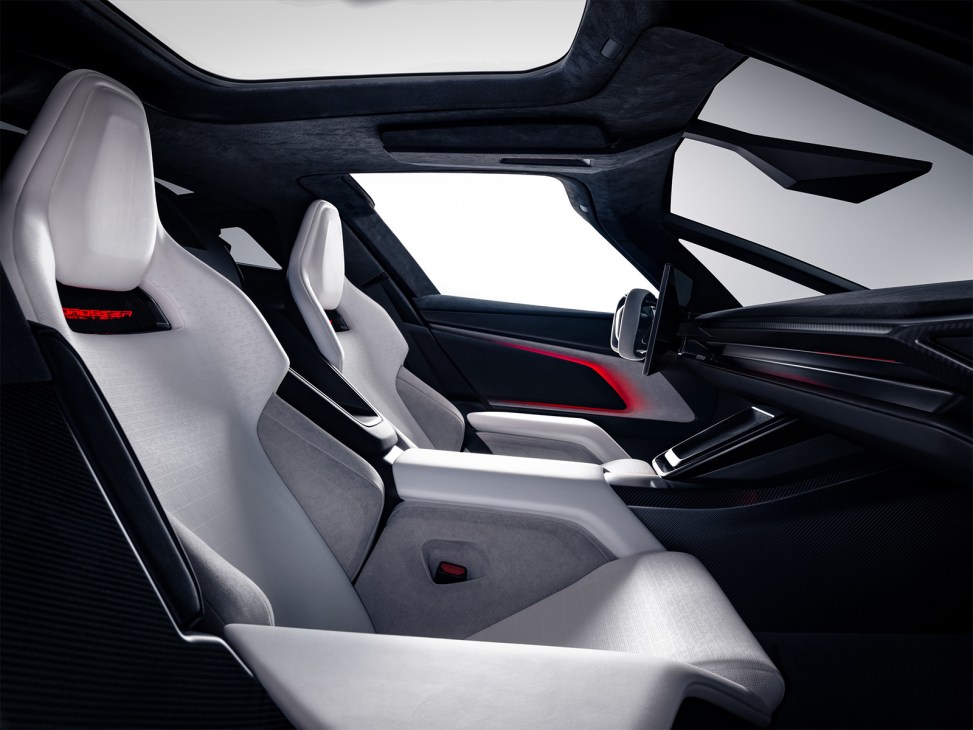
Tesla grabbed headlines with its new Roadster that can (almost) fly – capable of performing short hops, leaps and mid-air manoeuvres. Whatever you think about the electric-carmaker’s enfant terrible in chief, Elon Musk, he’s rather good at a few things: namely putting on a show and turning out remarkable, narrative-shifting motors. The long-mooted Roadster’s space-age, wedge-like form variously brings to mind 1970s icons such as the Lamborghini Miura by Italian coachbuilder Bertone and the submersible Lotus Esprit piloted by James Bond in The Spy Who Loved Me. Almost 20 years on from its original pocket-rocket Roadster, it appears that Tesla has set another benchmark.




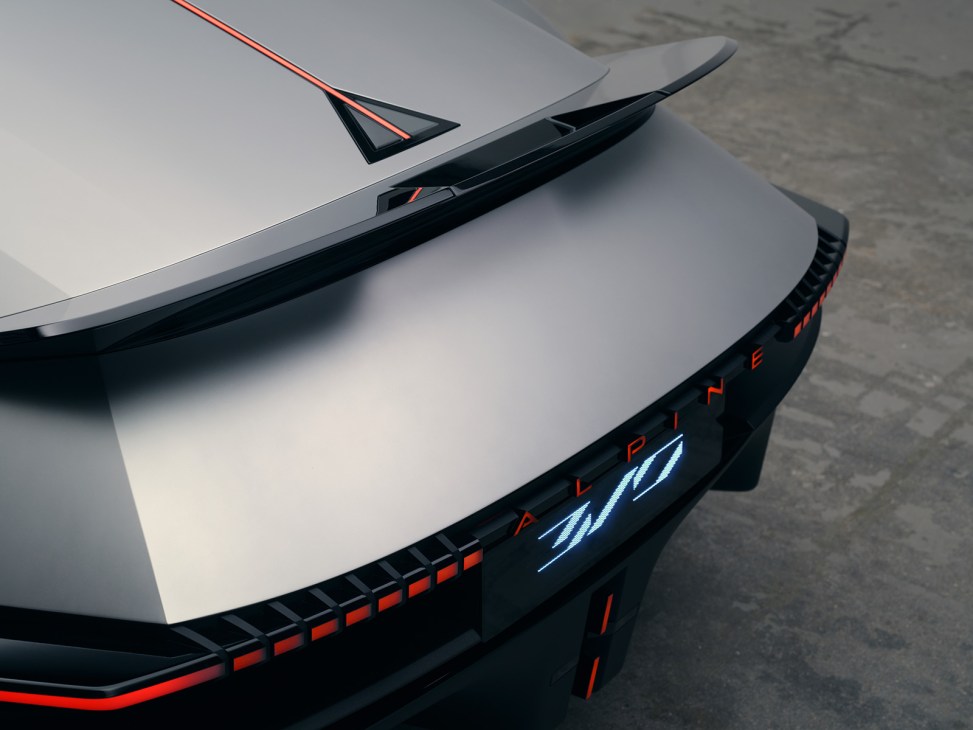
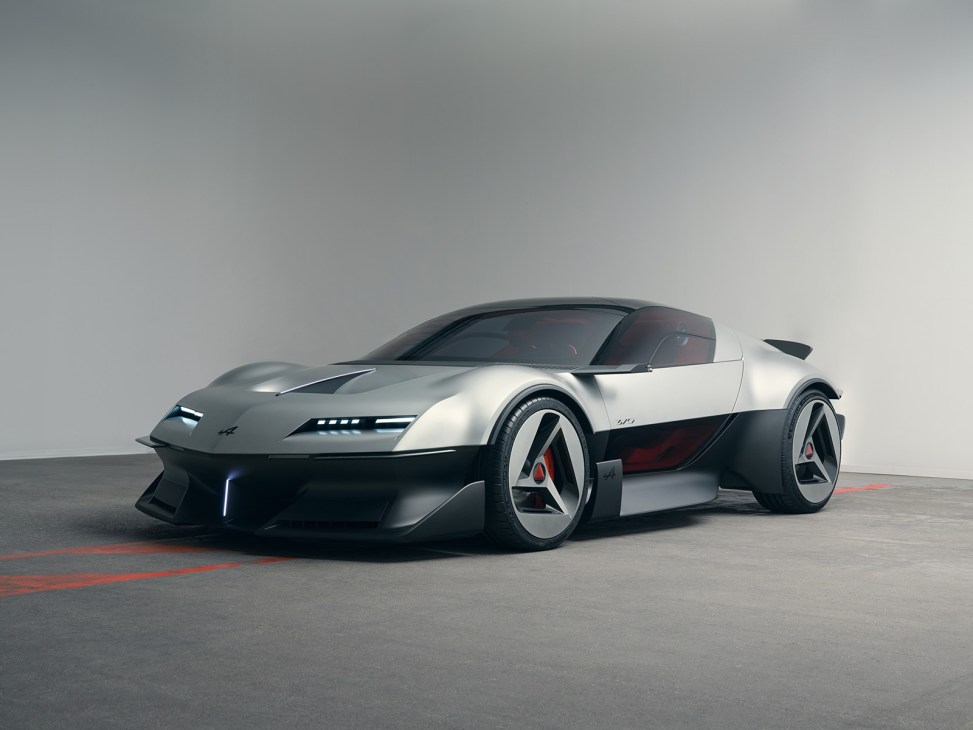
On the opposite shores of the Atlantic, the French have been hard at work bringing the nation’s trademark brand of idiosyncratic design back to life by drawing inspiration from decades past. Admittedly, two of the best examples, under the Renault umbrella, are in concept-car form. The new Alpine 310 Vision reanimates the original 310, an American muscle car-adjacent thing of brutalist beauty from 1971 and the last model conceived by the brand’s founder, Jean Rédélé. The result is a blueprint for how an electric car should look in Q2 of the 21st century. The Renault 8 Gordini Concept, meanwhile, is an electric two-seater that builds upon the 1964 model of the same name and continues a rich seam of aesthetically rear-gazing, technologically future-facing work.
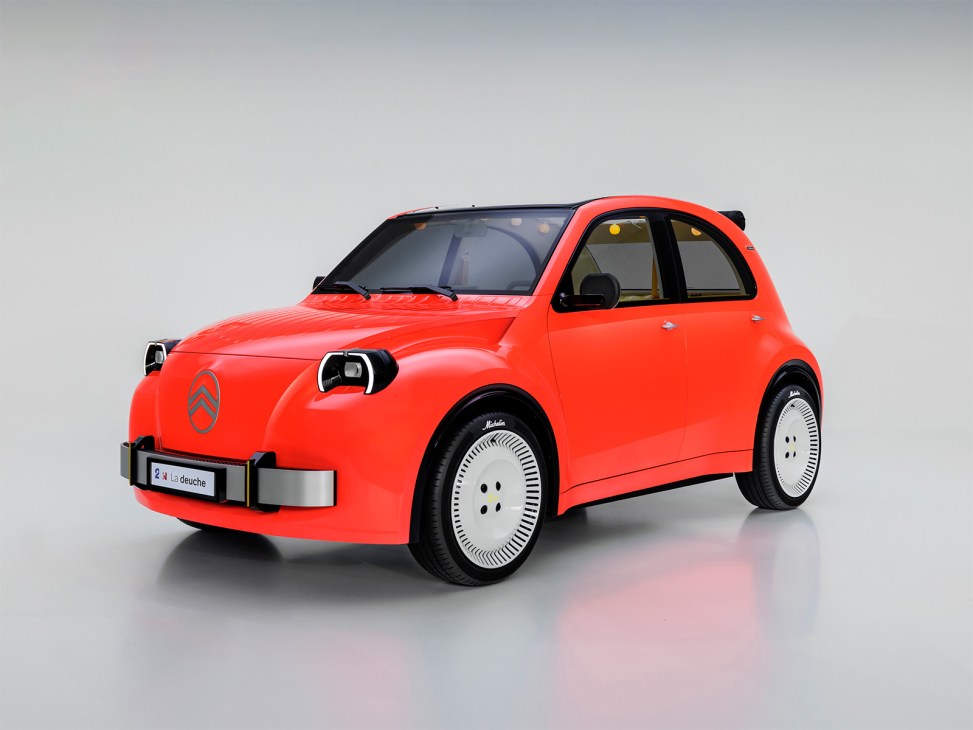
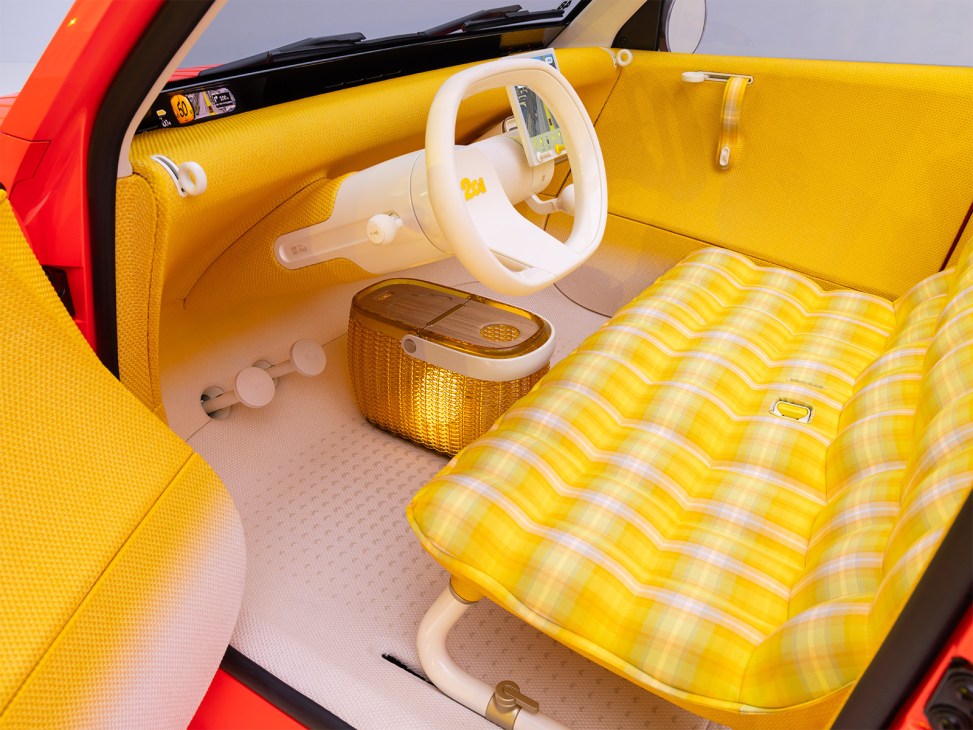
Perhaps the most promising, however, is Citroën’s 2CV reboot, which drags the Gallic classic from 1948 into the modern day with an electric version. Yes, it looks like a Tonka toy model of what is arguably France’s greatest ever motoring export but the starting price is mooted to be similarly junior. At €15,000, it could be about to break the mould for electric-car pricing and usher in a new era of mass consumption for all – à la sea change created by its forebear.




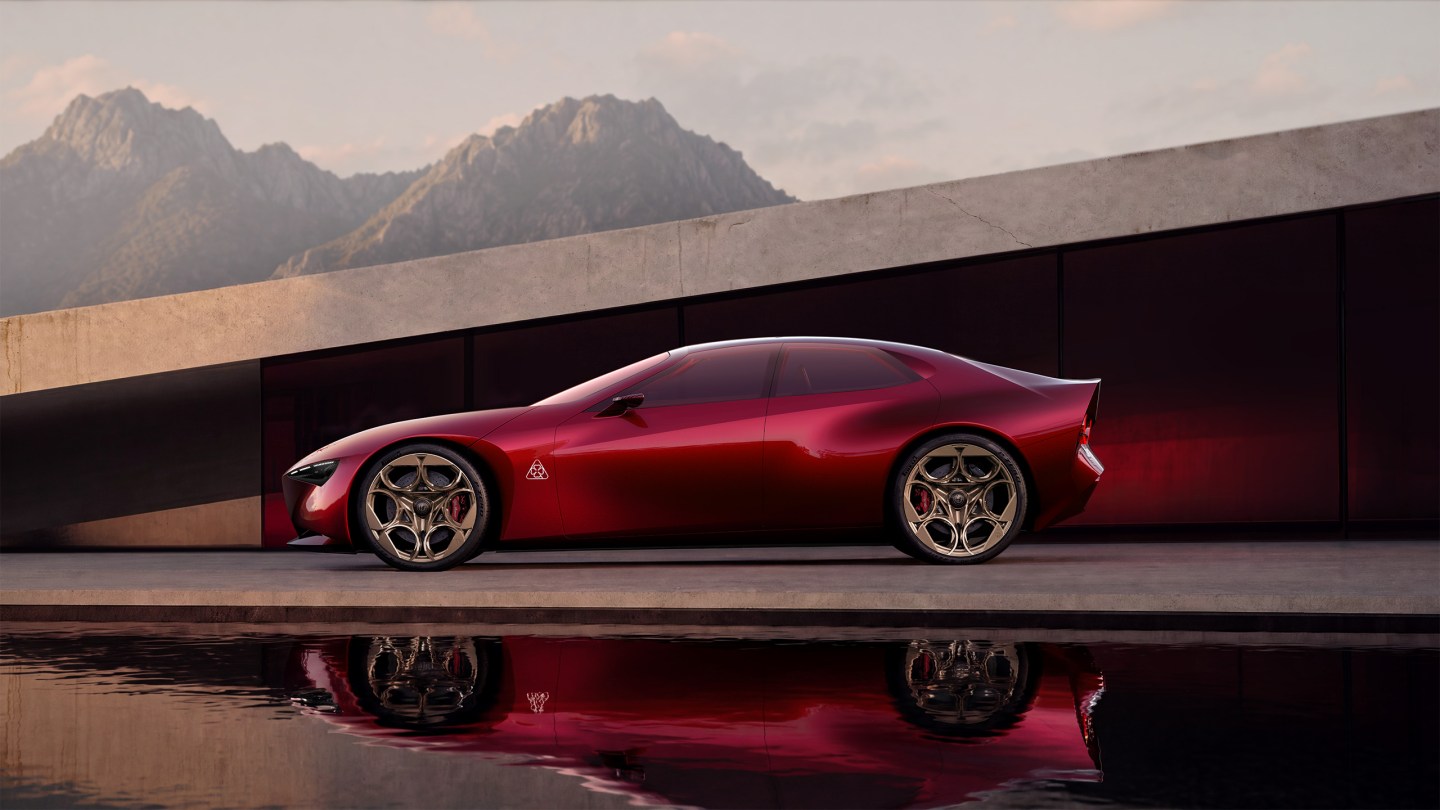
Not to be outdone by its neighbour, the Italians also have some sleek new additions to the global garage. Alfa Romeo’s sumptuous Cuorerosso (for once, the English translation – Red Heart – doesn’t entirely ruin the mystique; we’re looking at you, Maserati Four-Door…sorry, Quattroporte). The sleek four-seater coupé is, again, only at concept stage for now but in terms of embodying Alfa Romeo’s design philosophy of bellezza necessaria (necessary beauty), it fulfils the brief and then some.
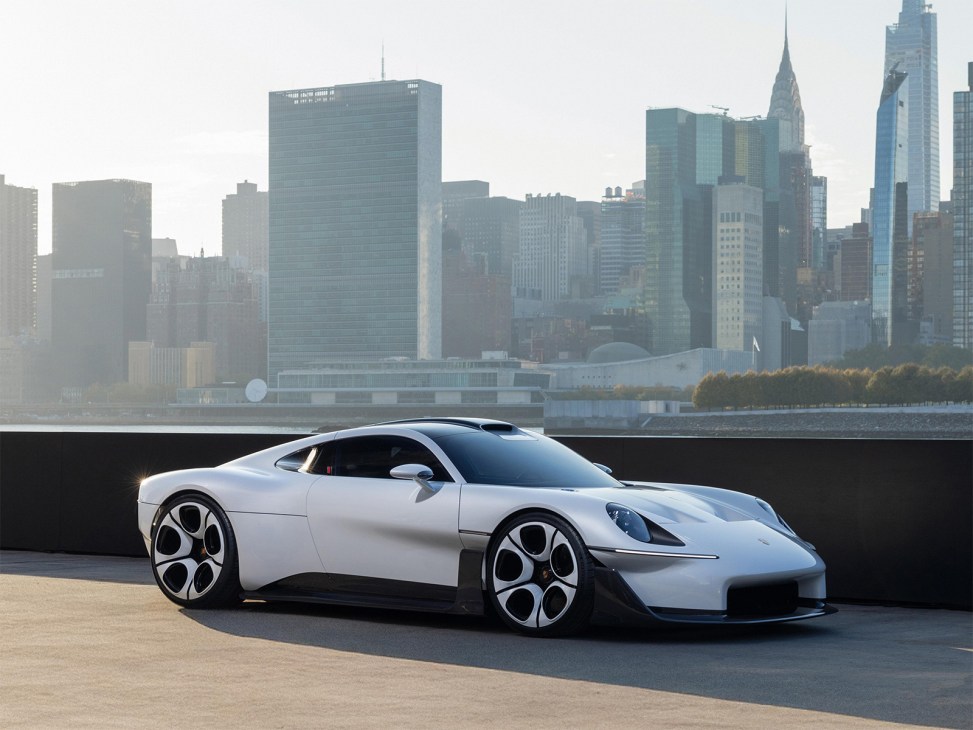
An honourable mention also goes to the Porsche Mission S, which injects charisma into the Stuttgart maker’s overarching visual language. And Jaguar’s mad, mega-bonneted Type 01 has been in the public domain for a while but it was only properly launched this month, warranting a hat tip. Nobody would argue that it looks like anything else, meaning that it’s a design that we’ll likely still be talking about in 50 years.
It has been almost a running joke that people who care little about automotive design can only differentiate cars by colour. But until now, the idea that tones had become the only identifying factors in a scene dominated by dull designs wasn’t that far off the mark. Thank goodness, then, that you will be needing more than a Pantone swatch to get to grips with the latest generation of automotive innovations as the industry forges ahead into 2027.