China’s culture of design is catching up with its capacity for growth
Despite its historic cultural legacy, China has long lacked a nuanced design narrative abroad. Thankfully, a new generation of artists and creatives is stepping up to the drawing board.
When friends come to visit in Shenzhen, I always take them to the same restaurant. It’s a place where warm light falls softly across dark wood panelling and porcelain teapots – a far cry from what most first-timers would expect to find in China’s digitally augmented metropolis. Recently, two different guests (one from Europe and another from South America) both had the same observation after our meal: “This place feels very Japanese.” It isn’t.
Everything in that room was unmistakably Chinese: the ceramics, the materials, the careful balance of shapes informed by feng shui. Yet both instinctively associated the atmosphere with Japan. It revealed something larger than a simple misunderstanding, exposing instead a problem of perception.
China has spent decades building cities, industries and infrastructure but far less time shaping how its cultural sophistication is understood abroad. Globally, its image is dominated by a handful of loud signals: speed, scale, manufacturing, electronics and rapid expansion. These are valuable traits that travel well but they have simplified the country in the global imagination.
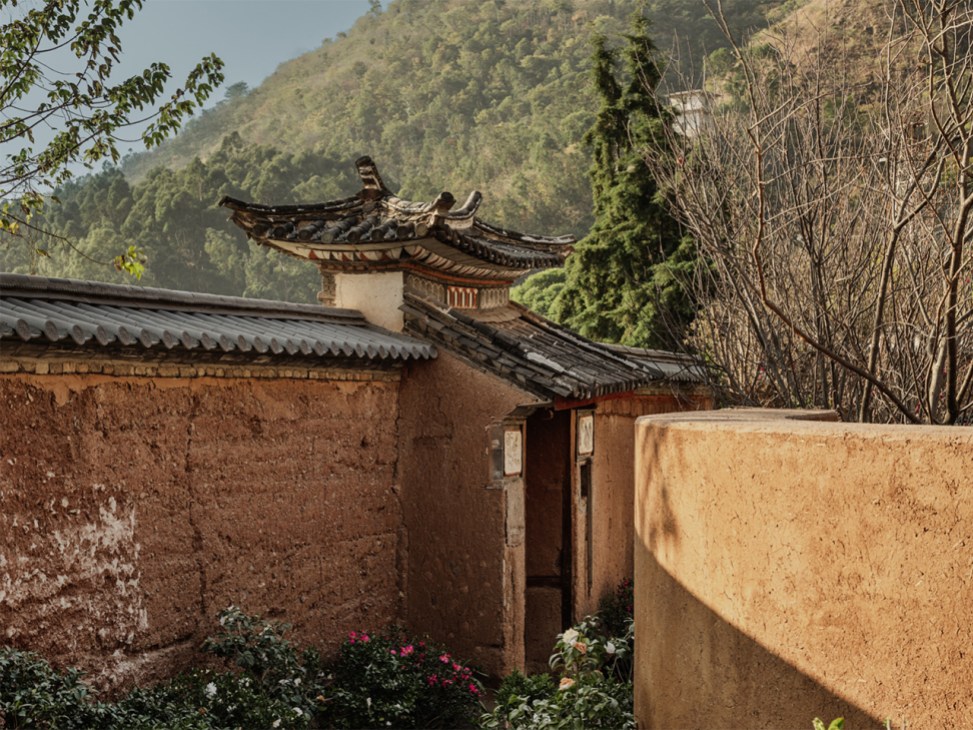
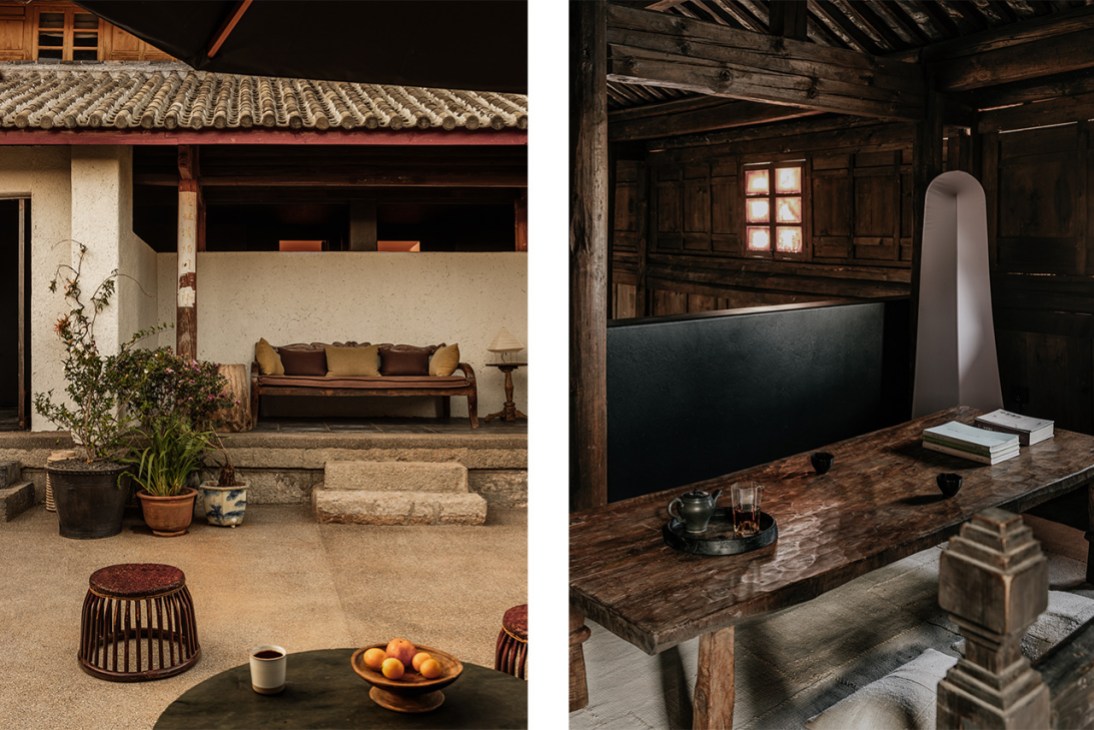
Yes, entire cities have spawned in a single generation and infrastructure expands at a rate the world has never seen. But that has led to the narrative being one of acceleration rather than refinement. Beneath the speed lies another approach that is slowly gaining traction: often referred to as “New China style”, it’s a contemporary reinterpretation of traditional Chinese aesthetics that leans on cultural roots. Take Zen, for instance, though widely associated with designers from Japan, it arrived as a Chinese import known as Chan Buddhism. Its calming compositions and perfected proportions still influence artists and architects today. This is why many brands and studios are built on a culture of balance, harmony and attentiveness to detail. These values – as they do in Japan and beyond – shape architecture, hospitality rituals and everyday objects. When the pace of the country’s modern economy becomes overwhelming, places where the atmosphere is designed become small refuges that ground you.
Shanghai-and-London-based fashion label Samuel Gui Yang is a good example of this cultural reinterpretation. The brand draws inspiration from Chinese workwear, Mao-era tailoring and historical, everyday garments, transforming them into modern silhouettes that resonate with a global audience. Studio Neri&Hu Design and Research Office follows this trend too. Its projects reinterpret elements such as courtyards, brickwork and layered thresholds, translating them into new buildings.
Then there’s Jingdezhen, the city that has produced porcelain for more than a thousand years and is experiencing a revival. Artists and designers are rediscovering ancient ceramic techniques and pushing them into contemporary practice, while studios, workshops and small galleries now attract creatives from far and wide.
China is a cultural heavyweight but it has lacked a nuanced narrative for its more considered design and architectural concepts in recent years. For decades, the country focused on building the future rather than explaining the cultural foundations underpinning it. If branding is ultimately about shaping expectations before arrival, then China’s challenge now is learning how to tell (and sell) that story to the world.
Shenzhen-based Milanese designer Sara Biancaccio is co-founder and creative director of Panglossian Studio.
Keen to learn more? In three weeks’ time, Monocle will host The Entrepreneurs Live conference in Shanghai, bringing together founders, investors and business leaders shaping the region. Check out the programme and book a ticket.