Five collectable design trends for the year ahead, as seen at Design Miami
Collectable design is on the rise. While there’s no hard-and-fast definition of the term, it can encompass everything from bespoke contemporary pieces and limited-edition creations to rare, out-of-production works from mid-century masters. For proof of the sector’s growing popularity, you only have to look to major auction houses such as Christie’s, Phillips and Sotheby’s. In June this year they collectively reported a year-on-year increase in design sales of 62.3 per cent.
Experts suggest that this sales spike is thanks to growing budgets for interior fit-outs; institutional buying; and clearer auction records that demonstrate design’s investment value. The trend is also reflected in the rise of collectable-design events – and the mother of them all is Design Miami. Its 20th-anniversary edition is taking place in its namesake city this week, featuring 70 exhibitors from across the globe. Monocle attended the preview yesterday and picked up these industry tips from the trade floor.
1. Blur boundaries
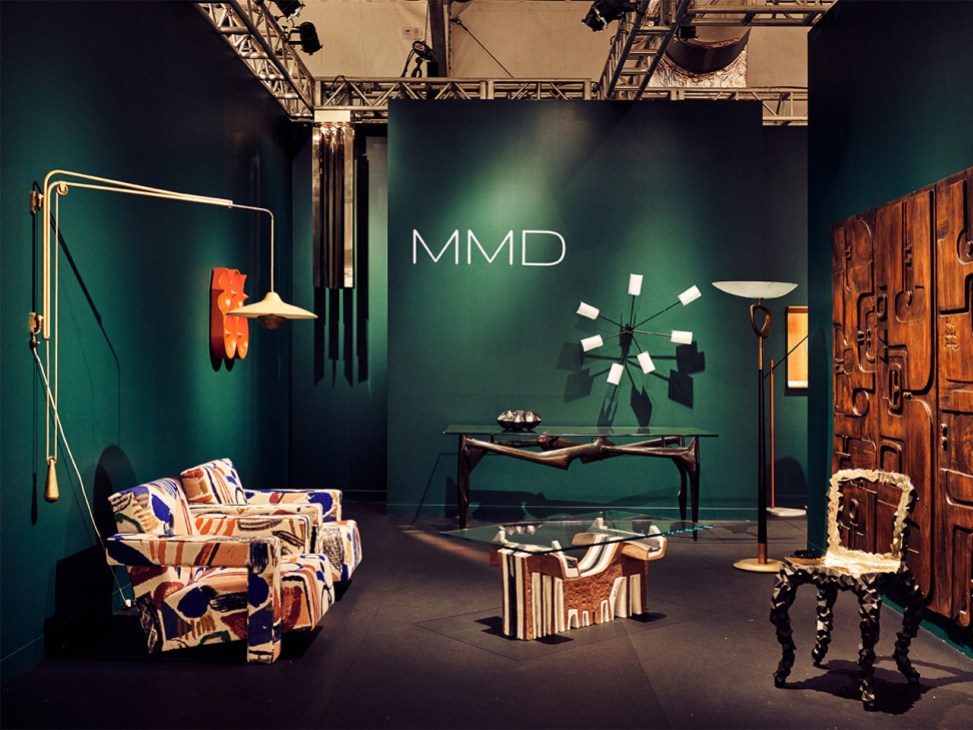
There are plenty of parallels between the fine-art and collectable-design markets, so the two could learn from each other. At Design Miami, Roosendaal-based Mass Modern Design is presenting works by the likes of David Delthony and Studio Job, which blur these disciplinary boundaries. “It challenges our perception of daily life, transforming furniture into a medium for artistic expression,” says the gallery’s founder, Etienne Feijns. “It can provoke thought, evoke feeling and elevate the spaces that we inhabit into experiences of art itself.”
2. Find room for industry
If collectable design is focused on rare or bespoke pieces, where does that leave industrial production powerhouses? Certainly not out of the picture, according to high-end appliance specialists Gaggenau, which won a Monocle Design Award earlier this year. In Miami, the German brand is presenting its Expressive Series oven on a monolithic wall of deep-green marble. “Being present at a collectable design fair lets us engage with an audience that values objects for their cultural and material qualities,” says Gaggenau’s managing director, Peter Goetz. “It’s the right context to show off our appliances for what they truly are: thoughtfully crafted design pieces.”
3. Bring design to the people
To share the power of design with the public, the event makes an effort to bring the fun of the fair beyond the marquee with its annual commission in Miami Design District. It’s an important initiative that installs work in the civic realm. This year’s winning project by New York-based Katie Stout is called “Gargantua’s Thumb” and features sculptural benches drawn from the forms of miniature clay animal figures.
4. Lean on the past
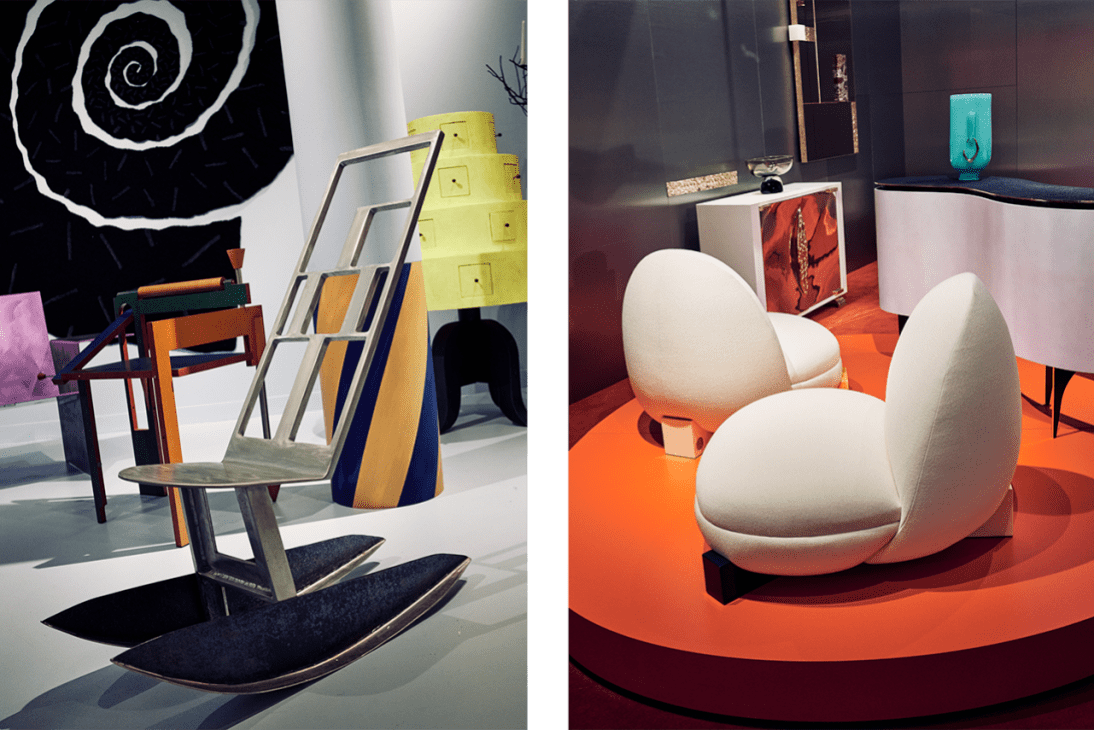
New York-based gallery Superhouse has titled its showcase American Art Furniture: 1980-1990, a reflection on what its founder and director, Stephen Markos, says is a defining period in design history. “Many of the works on view were made in small studios, far from the mainstream industry, and they collectively defined a new American avant-garde,” says Markos. “The decade’s energy reflected broader cultural shifts; artists pushing against convention, questioning identity and using materiality as a form of rebellion.” It’s a noble brief for today’s designers.
5. Expand your horizons
In this case, to the Gulf – or at least that’s what Design Miami is doing. The fair’s CEO, Jennifer Roberts, announced a new, multi-year partnership with Dubai-based cultural organisation Alserkal. The organisation will curate a flagship fair in early 2027, reflecting the simultaneous rise of collectable design and Gulf markets.
Nic Monisse is Monocle’s design editor. For more news and analysis, subscribe to Monocle today.
Read next: Salone del Mobile launches ‘Raritas’ as collectable design booms among younger buyers